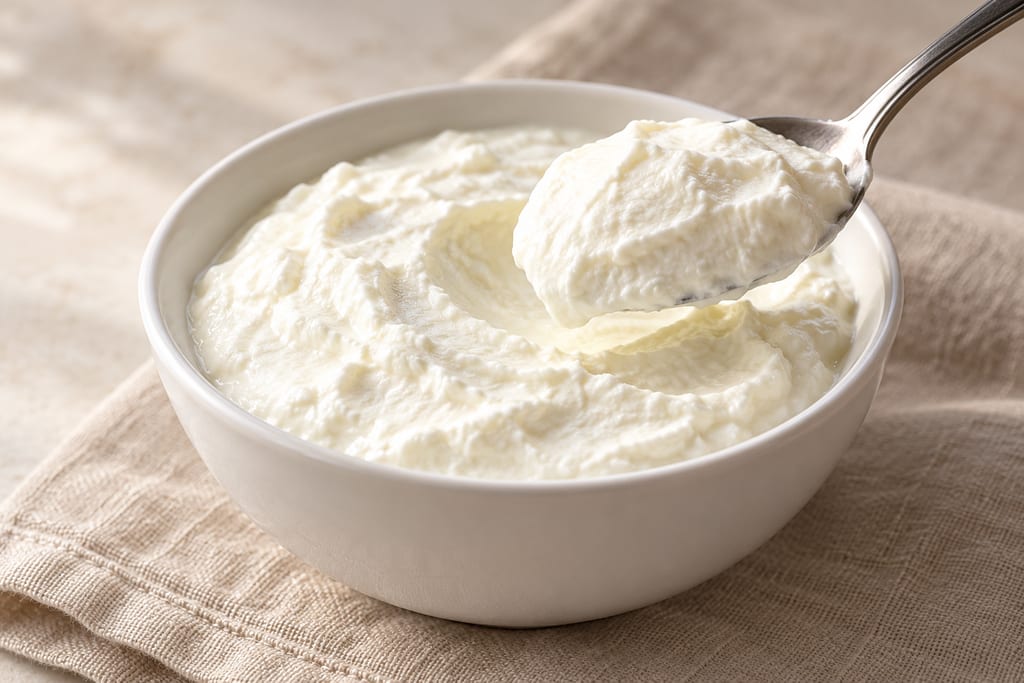
Greek-style strained yogurt
Greek-style strained yogurt is cultured whole milk drained through cloth to remove whey. This modern Utah home method makes a thick yogurt from a gallon batch.
 FermenteaWhere food goes to change
Τζατζίκι (tzatziki) · Cacık · Cacik
A cold dip, soup or sauce of strained yogurt, cucumber and garlic, eaten across Greece, Turkey and the wider Balkans and Levant under names that include cacık and tarator.

Tzatziki is a family of cold yogurt preparations rather than one fixed recipe. Its base is strained or diluted yogurt, mixed with cucumber and garlic, seasoned with salt and olive oil, and usually sharpened with red wine vinegar or lemon juice. Depending on the version it is thick enough to scoop, as a dip, or thin enough to drink, as a soup. The Greek name is the Turkish cacık, which in turn is related to older Persian and Kurdish words for herbs.
The family reaches back well before the modern Greek dish. The Baghdadi cookbook Kitab al-Tabikh, compiled in the tenth century, gives jājaq: yogurt salted and stirred with onion, garlic, herbs and cucumbers, and served with olive oil. A fourteenth-century Egyptian cookbook gives the first recipe in which the yogurt is drained, the cucumber is salted and pressed, and the mixture is flavoured with fennel, mint and mastic. The food historian Nawal Nasrallah treats this as the forerunner of modern tzatziki, and the British scholar Daniel Newman reads jājaq as a cucumber salad dressed with curds and garlic.
In the Ottoman period yogurt condiments became a standard part of the meze table. The first printed Turkish use of cacık appears in Hoca Kâmil Pasha's Melceü't-Tabbâhîn of 1844, which describes it as yogurt with cucumber and garlic. Tarator, a word with wider reach through the Balkans and the Levant, names several related sauces, some of them with walnuts or tahini. Greek tzatziki descends from this Ottoman tradition, and the English word appears around the mid-twentieth century.
The etymology is not settled. Persian zhazh and Kurdish jaj are offered as roots, and one scholar, Sevan Nişanyan, derives the sauce sense of tarator from a Venetian word for cook. The sources read agree that the word came into Greek from Turkish, but none of them gives a dated Greek text that settles the route.
The main technical problem with tzatziki is water. Cucumber is mostly water, and the medieval recipes handle the moisture in two steps: the yogurt is hung in a sack until the whey drains, and the cucumber is salted and then squeezed before it goes into the yogurt. The thickness of a finished tzatziki therefore depends on how much whey has been removed from the yogurt and the cucumber, which is a method step, not an added thickener.
Garlic adds its sharp sulphur notes to the yogurt, and salt does two jobs at once: it seasons the sauce and, on the cucumber, pulls out water. Olive oil coats the surface and softens the sourness of the yogurt. Vinegar or lemon juice gives the acidity that lifts the dairy flavour; the sources read use red wine vinegar in the Greek version and lemon juice in the Cypriot one. The fresh herbs are added last, so that their colour and aroma stay bright.
In Greece the usual form is strained yogurt, traditionally made from sheep or goat milk, with cucumber, garlic, olive oil, vinegar, dill, mint and parsley. It is served as a meze with bread, olives and fried vegetables, and as a sauce for souvlaki and gyros. A version with purslane (glistrida) may be called purslane and yogurt salad rather than tzatziki.
The Cypriot talatouri is closest to the Greek dish but leans on mint and lemon. Its cucumber is sliced, the garlic is minced, and the sauce is finished with dried mint, oregano or olive oil. In the Balkans the same family is called tarator. There it is often a thin, cold soup with dill and walnuts, served in summer; in Bulgaria a thicker Snezhanka, made with strained yogurt, cucumber, garlic, dill and oil, is a related dish.
In Iraq and parts of the Arab world a similar yogurt and cucumber salad is eaten with arak, and in Iran it is called mast-o-khiar. Each of these shares the yogurt and cucumber base, but the balance of herbs and the thickness vary by place and household.
Tzatziki is served cold as a meze and as a sauce for souvlaki and gyros. The sources read do not describe how to judge texture or what causes a watery or grainy result, so this page records the method's two water-control steps and leaves the rest unstated.
Storage time and temperature are not established by the sources read for this page. No shelf life or safe holding time is given here; the sources read do not establish one.
The earliest recipe is jājaq in the tenth-century Baghdadi cookbook Kitab al-Tabikh. A fourteenth-century Egyptian cookbook gives the first version made with strained yogurt. The Turkish name cacık is first printed in 1844.
Served as a meze and as a sauce for souvlaki and gyros; the source gives no locality.
Known as cacık; the name is first printed in an 1844 Ottoman cookbook.
Local version called talatouri, with more mint and lemon juice.
Called tarator, served as a chilled soup in summer.
Greek-style strained yogurt is cultured whole milk drained through cloth to remove whey. This modern Utah home method makes a thick yogurt from a gallon batch.
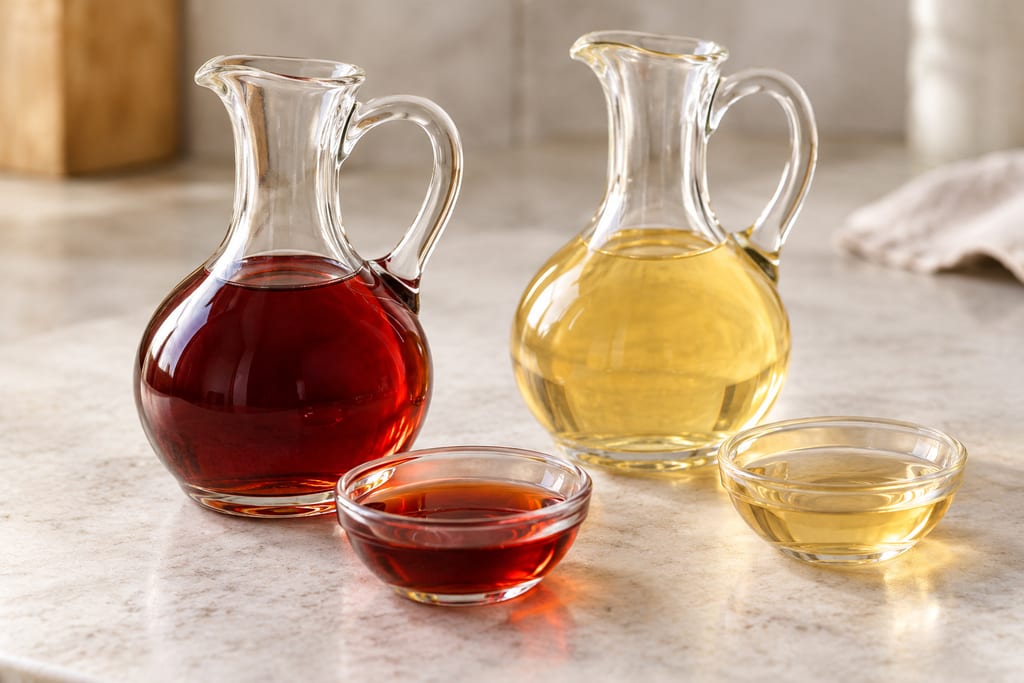
Wine vinegar is made by the aerobic oxidation of wine's alcohol into acetic acid by bacteria, producing a sour, wine-derived condiment used in dressings, sauces, marinades and preserved foods.
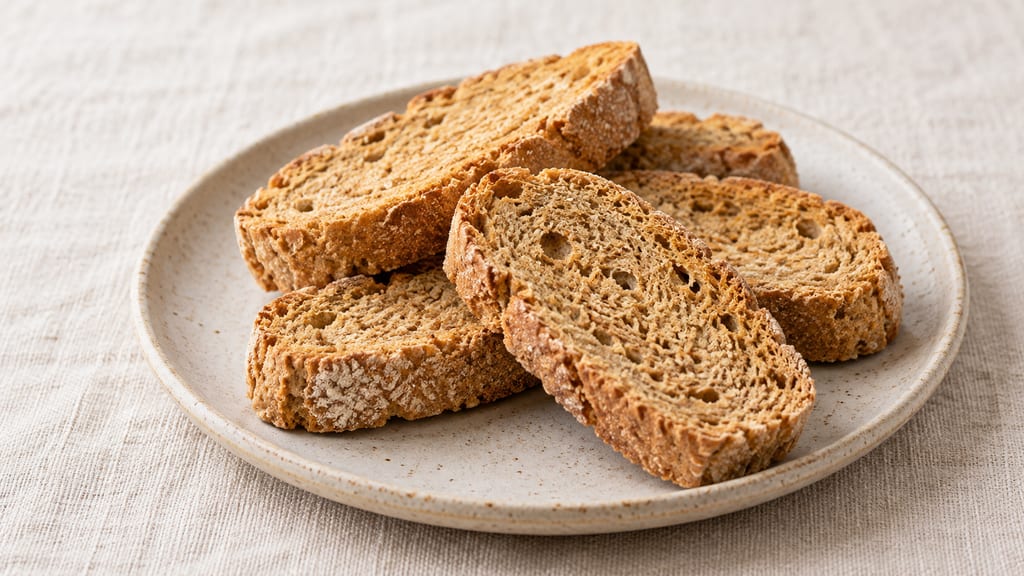
Cretan paximadi is a twice-baked rusk. This barley-wheat version is raised with yeast, baked as a loaf, sliced, and dried slowly until it keeps.
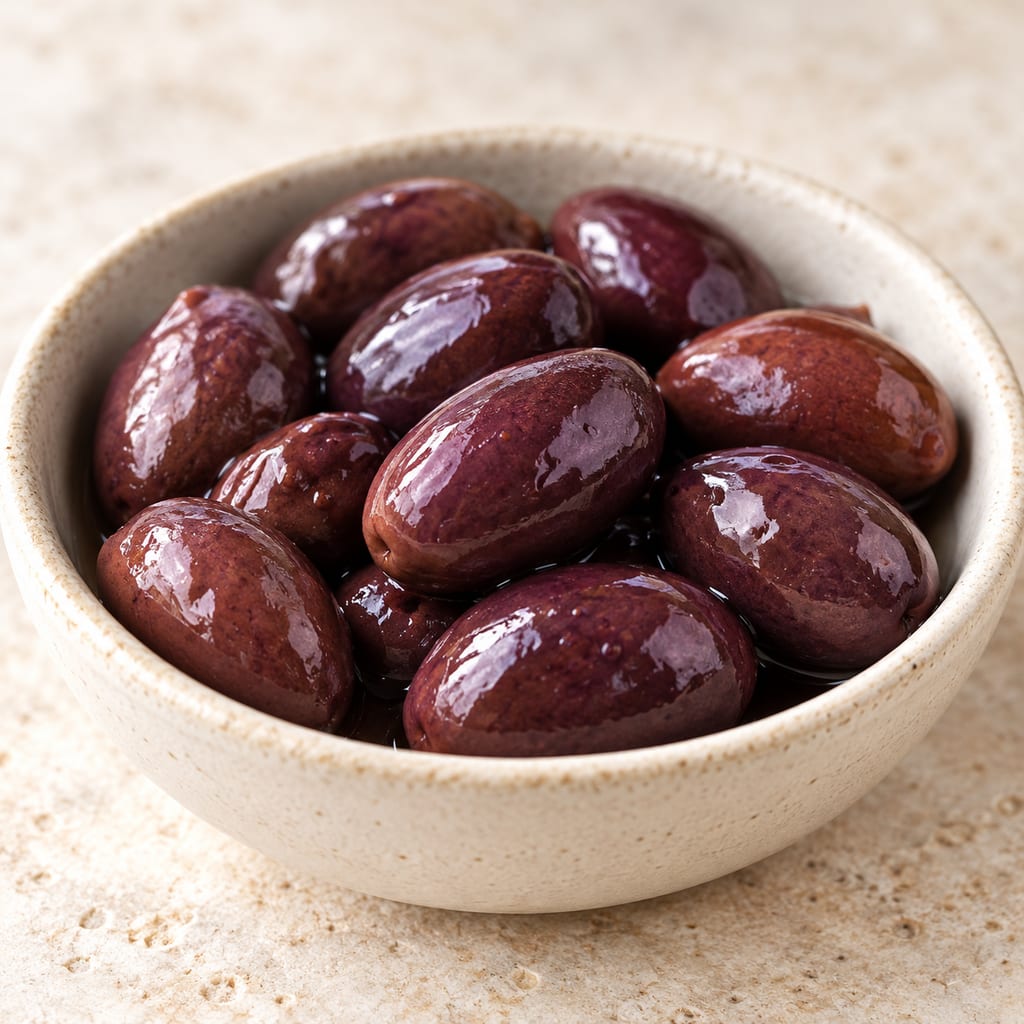
Elia Kalamatas is a Messinia table olive of the Kalamon variety, picked before full ripeness and fermented in brine for six to nine months; it is a PDO product, not a generic black olive.
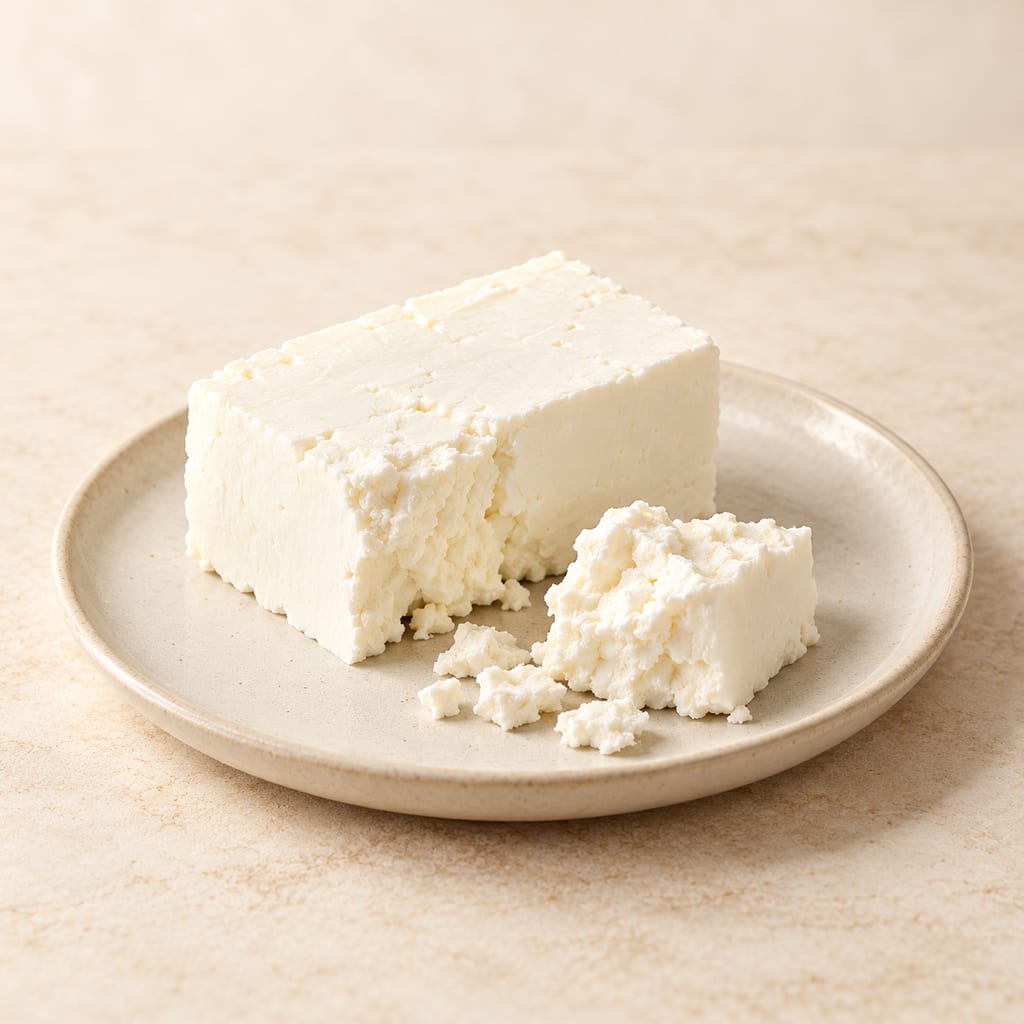
White cheese made with a lactic starter and rennet, drained without pressing, dry-salted and covered in brine. This home adaptation allows whole milk from different dairy animals.
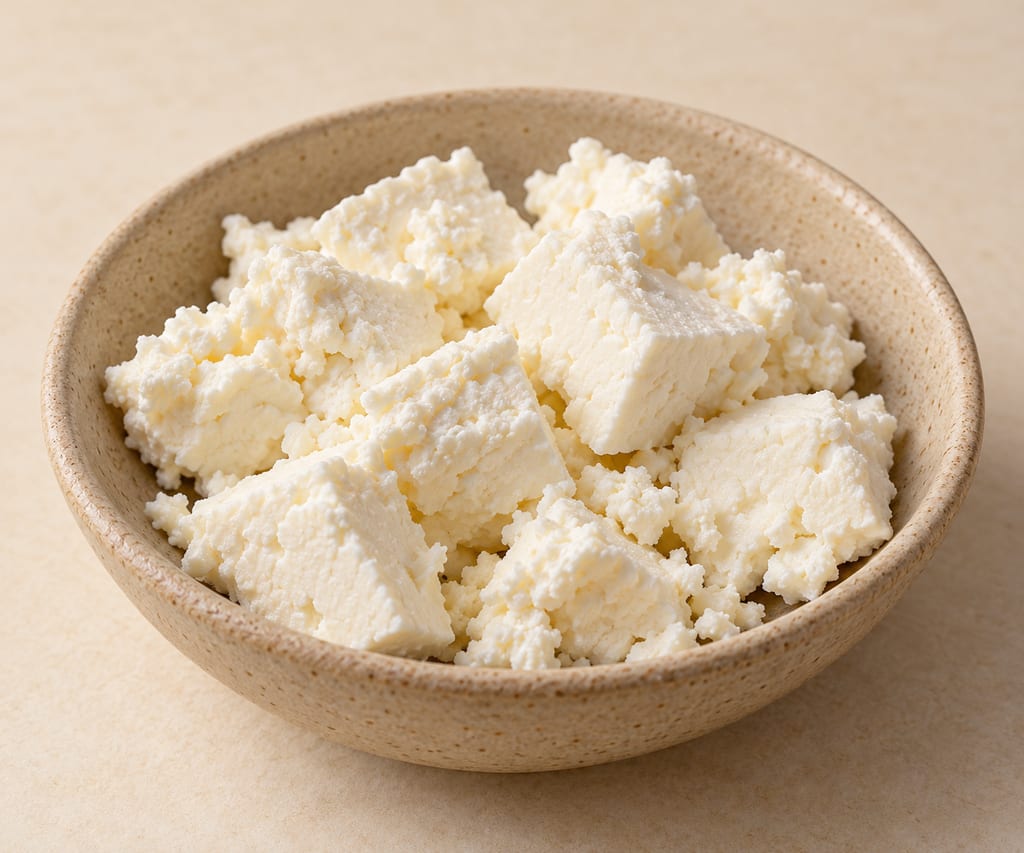
Whole milk set with a mesophilic starter and rennet makes a fresh, crumbly feta-style cheese. Its curds pass through hot salted whey before molding.
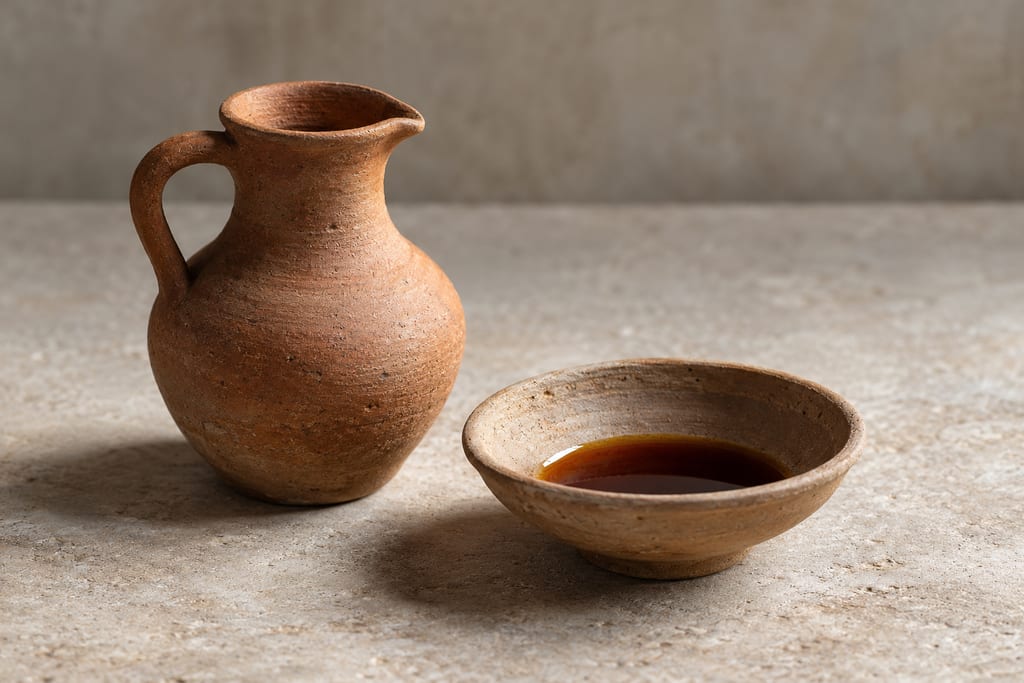
Garum, Greek garos and Latin liquamen, was the fish sauce of the ancient Mediterranean: fish and viscera salted and left in the sun, then drained off as a savoury liquid.
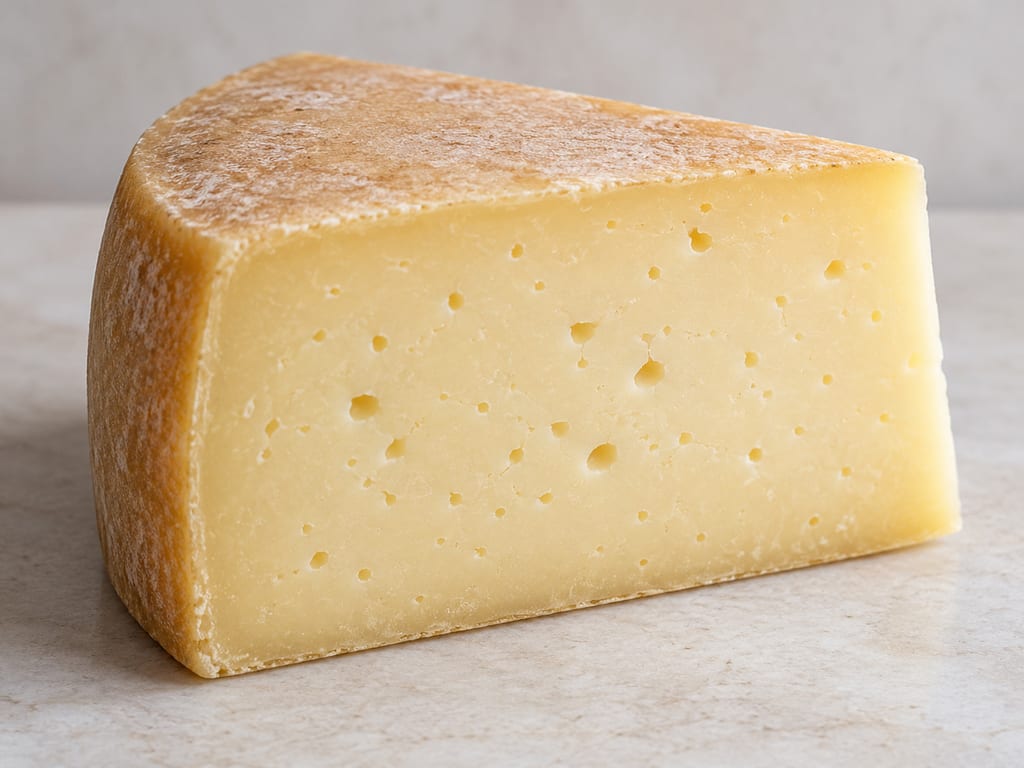
This Cypriot graviera is a hard sheep-milk cheese with a dry rind and round eyes. Its curd is heated, pressed and dry-salted before a long cool ripening.
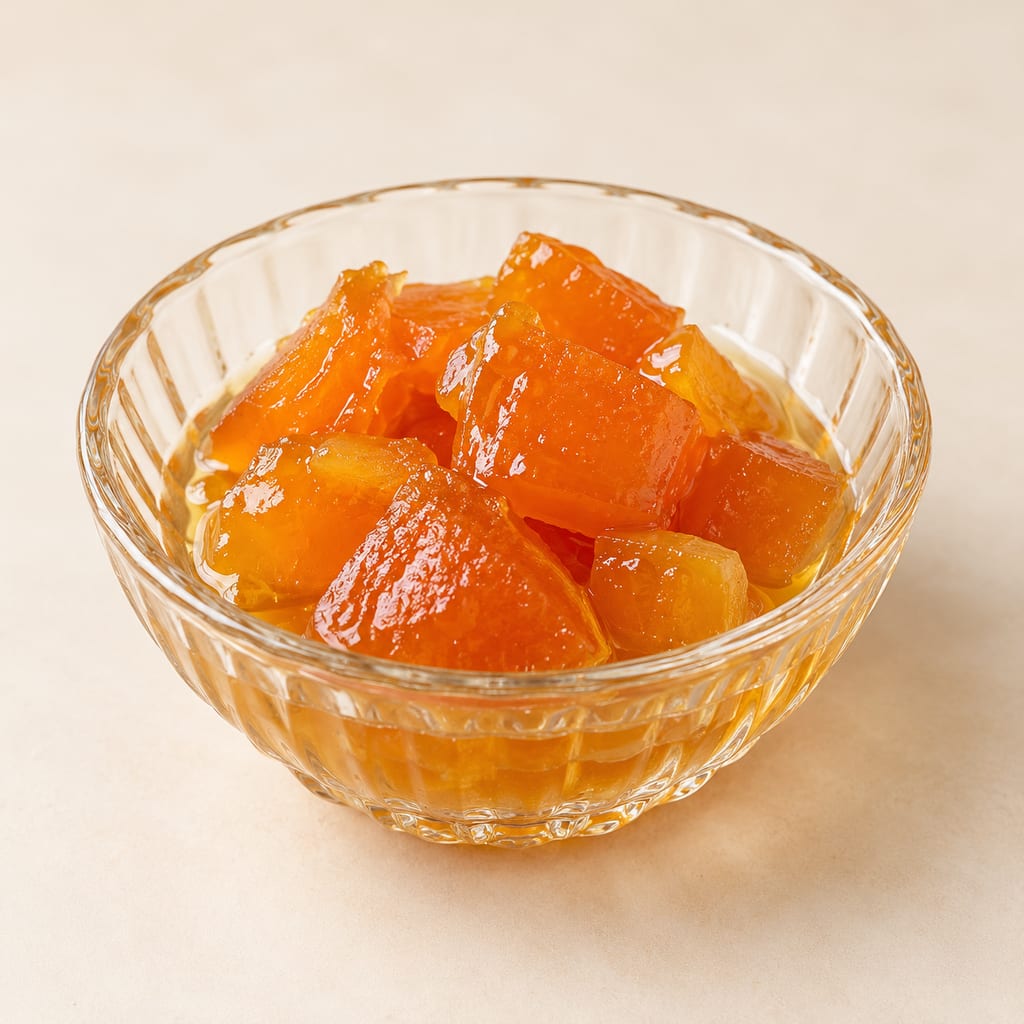
Greek pumpkin spoon sweet, with Cypriot context: Freeze for winter; small fresh portion refrigerated up to 48 hours.
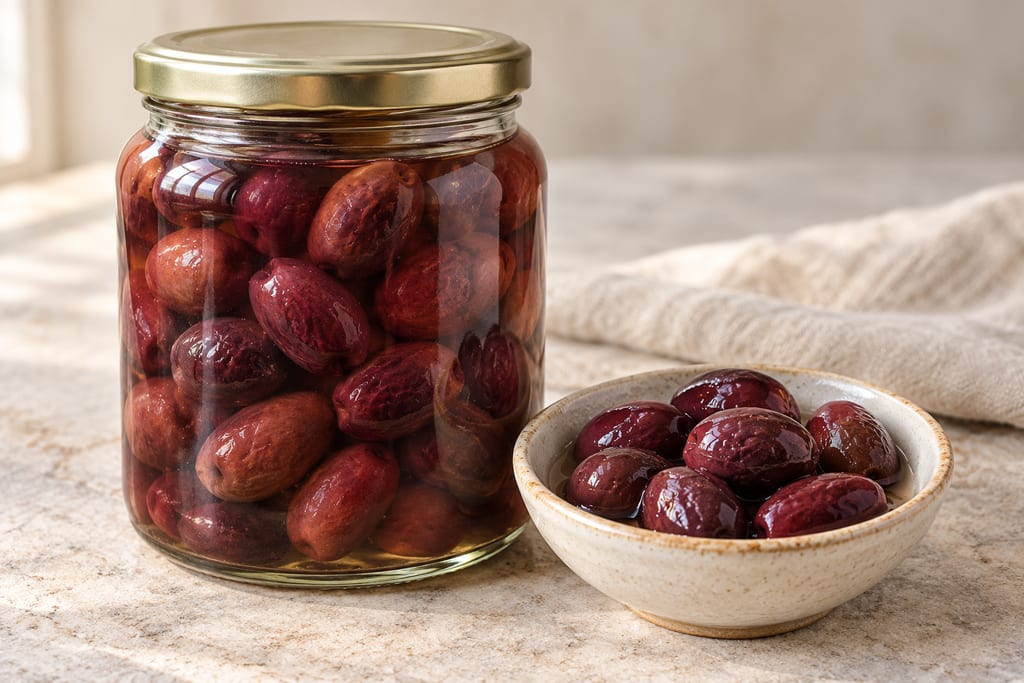
Ripe olives go straight into brine with no lye and cure for months, mostly by yeasts. The home method here is the University of California two-stage brine.
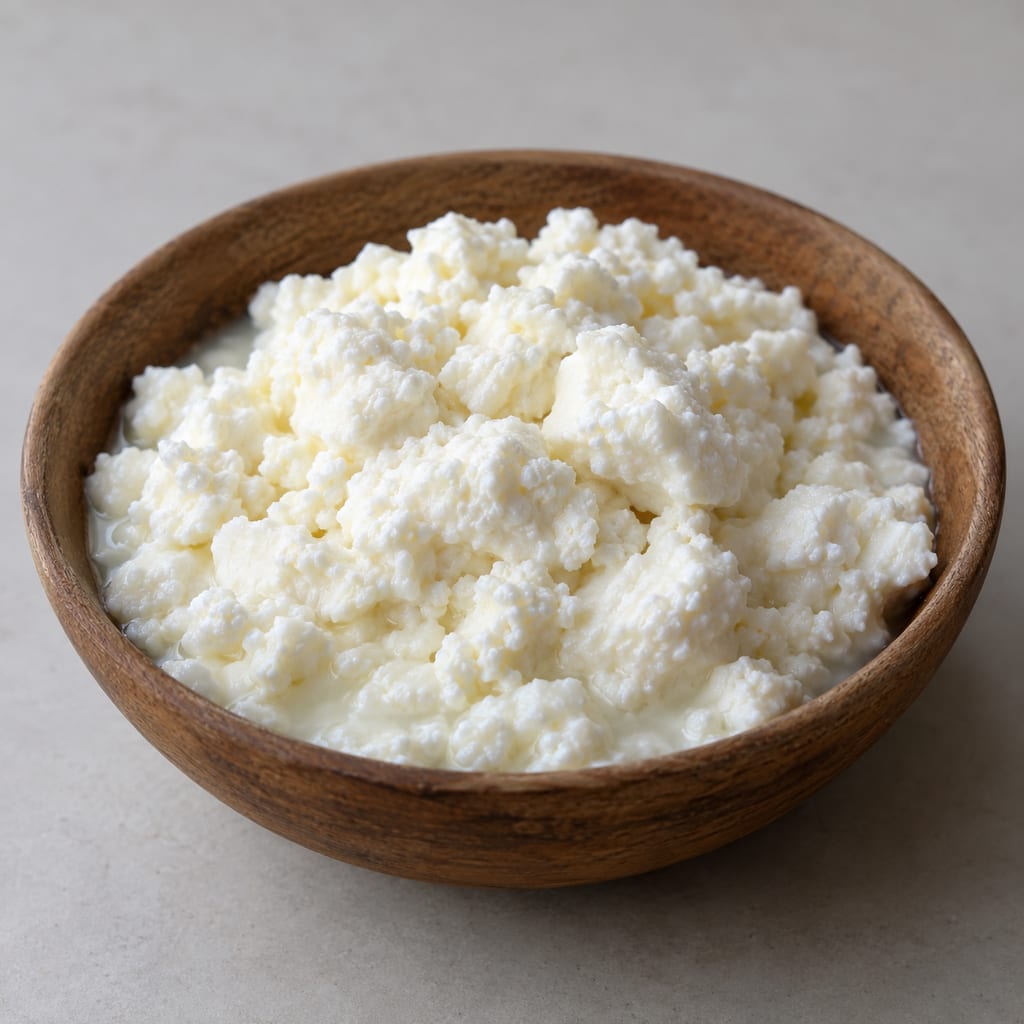
Aarts is a soft Mongolian curd made by draining boiled fermented yogurt; it remains wet, unlike aaruul, which is dried.
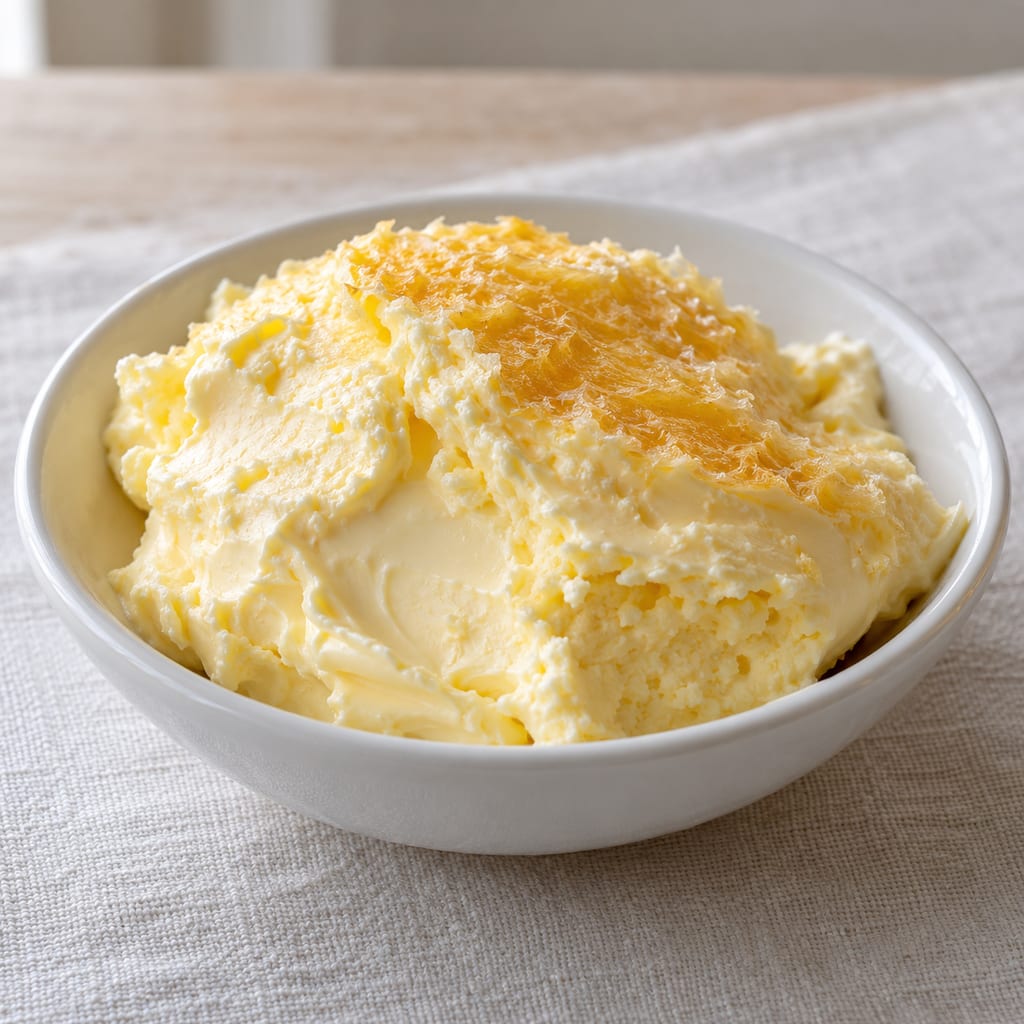
High-fat cream scalded below boiling for at least an hour until a thick crust forms, then cooled hard so the crust sets and the cream beneath thickens.
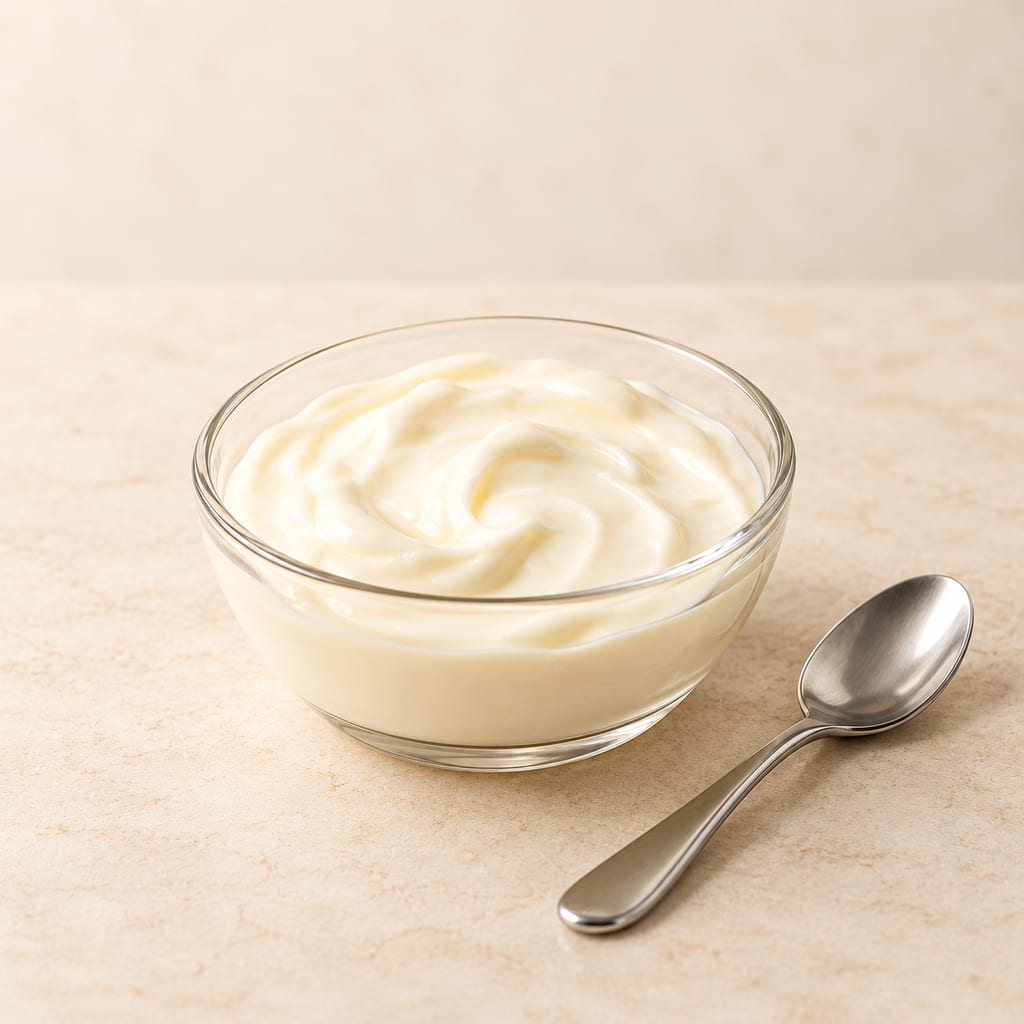
Crème fraîche is cream soured by lactic cultures into a thick, mild topping. It suits fruit and desserts as well as soups, sauces and other savoury dishes.
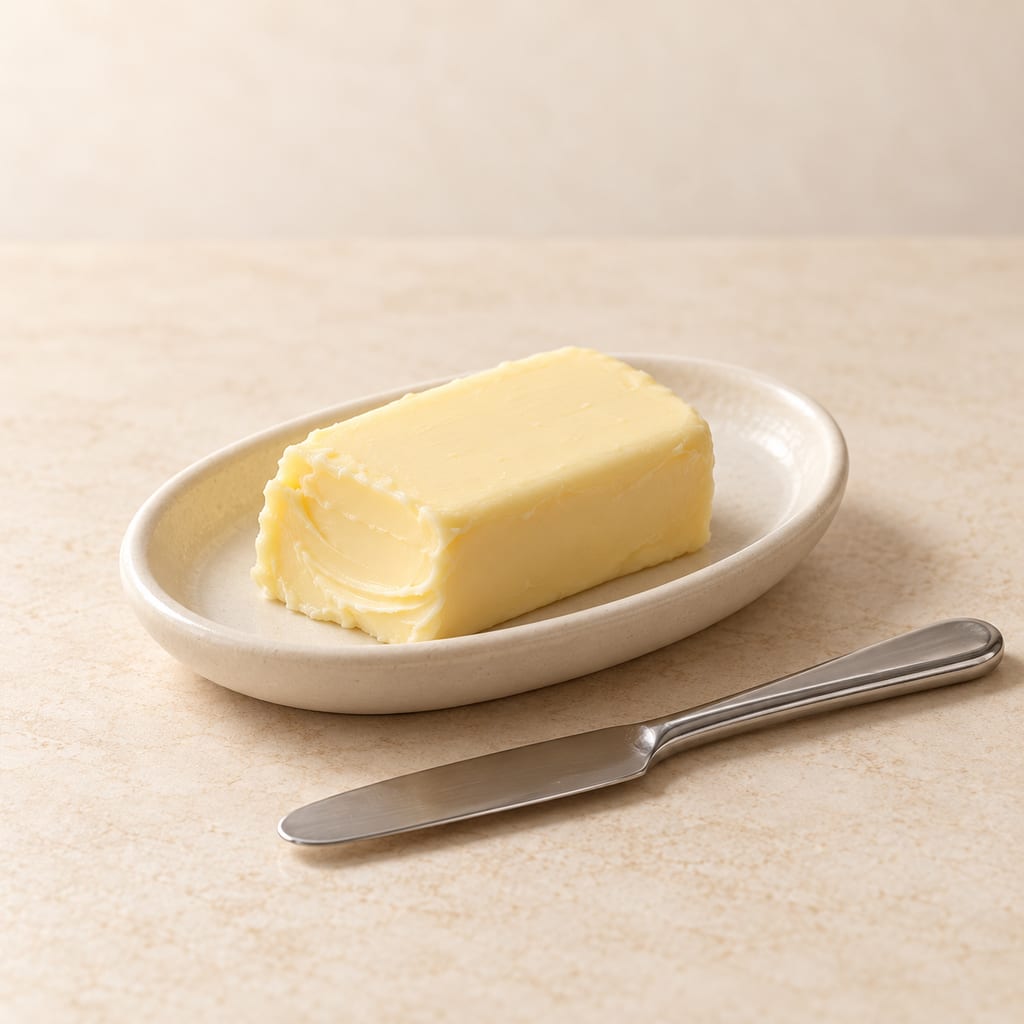
Cultured butter is churned from cream soured with lactic cultures. Its lightly tart flavour comes from the cultured cream, which separates into butter grains and buttermilk.

Cultured buttermilk is skim milk soured with a lactic starter into a tangy drink. This Canadian home method sets the milk without churning cream.

Milk thickened with a packet of buttermilk culture makes a tangy drink and a baking ingredient. This warm-incubated version uses whole milk.
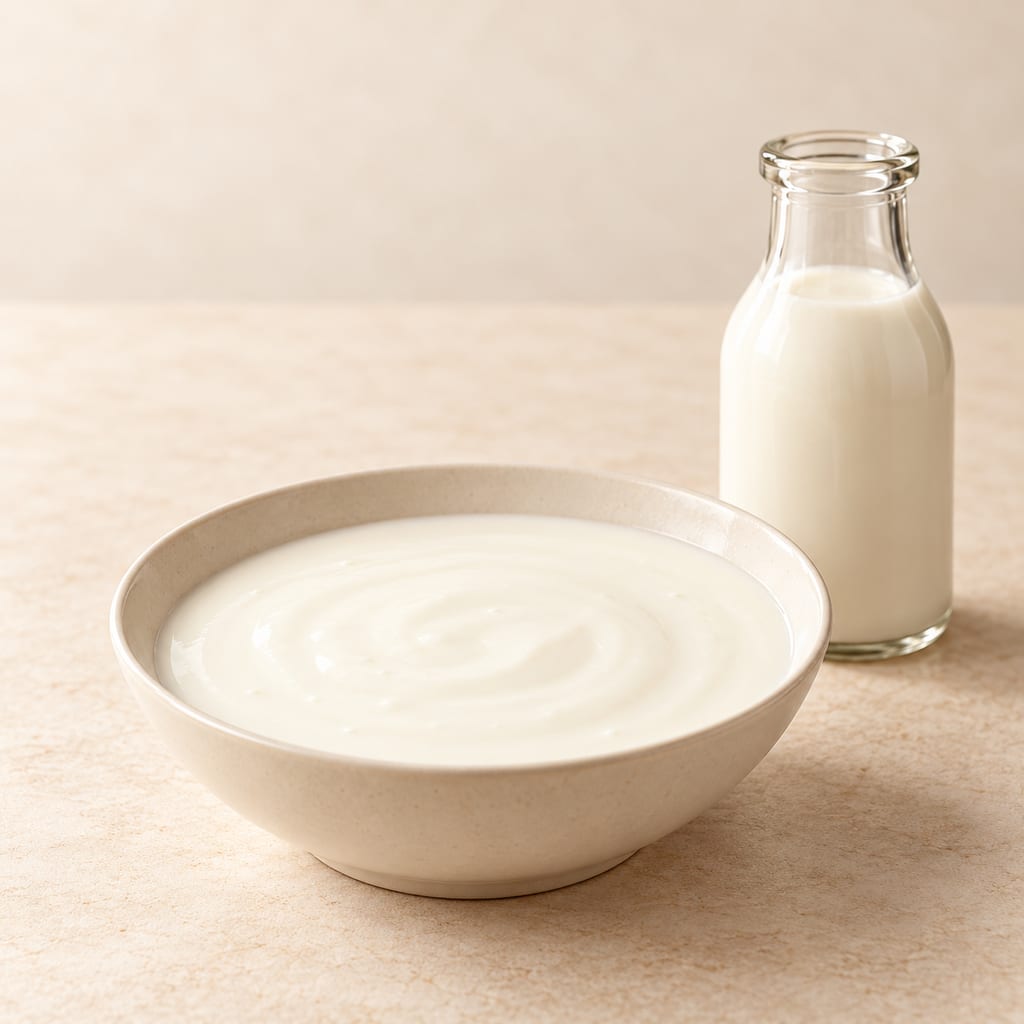
Filmjölk is a Swedish cultured milk with mild acidity and a spoonable body. This recurring batch uses filmjölk from the previous batch to culture fresh milk.
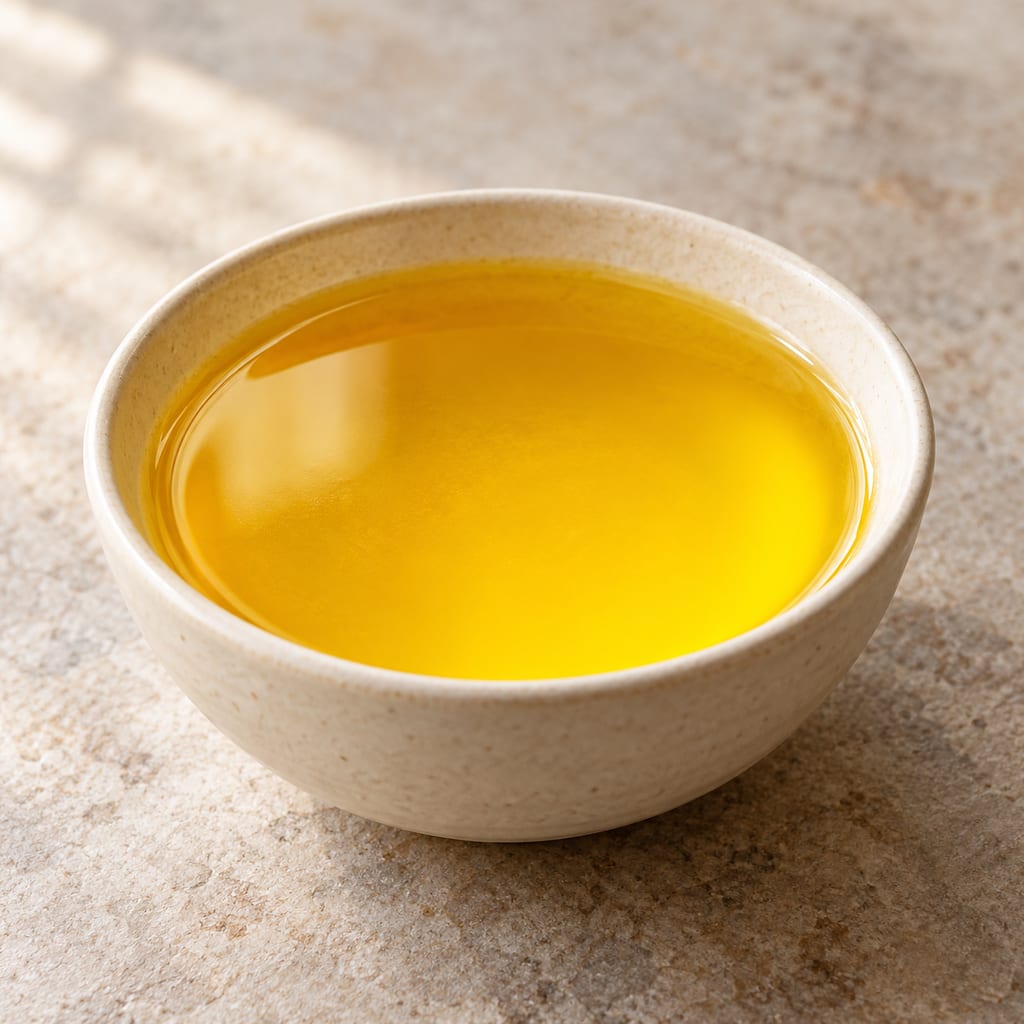
Butter heated until most water leaves and the milk solids separate, giving a fat that keeps far longer than butter. Rendering applies the same heat to animal tissue to make lard and tallow.

Protected Italian vinegar made only from cooked grape must, fermented and aged in a battery of wooden barrels for at least 12 years: sweet, sharp and syrupy.

Airag is Mongolia’s fermented mare’s-milk drink, traditionally churned with saved starter in a reusable cowhide khokhuur.

Appam, or hoppers, are South Indian and Sri Lankan rice pancakes made from a fermented coconut-and-rice batter and cooked in a curved pan to a crisp lacy rim and a soft, spongy centre.

Auricularia tremellosa is a wood ear fungus of the genus that supplies most dried wood ear sold in China; its own food record is thin, and the culinary practice described here comes from the closely related wood ear species.

Ayran is Turkey’s cold, savoury yogurt drink: plain yogurt is loosened with water and lightly salted, then whisked smooth or aerated into a soft cap of foam.
A thin stone griddle used over an open hearth. Norwegian archaeology documents the established tradition from the early Middle Ages; a Viking-period origin is only a cautious suggestion linked to Shetland.

Crushed or milled barley cooked in water until the starch softens and the mixture thickens, the plainest way a northern household turned stored grain into a meal, here with apple and hazelnut.

Black carrot is the anthocyanin-pigmented Eastern carrot (Daucus carota var. atrorubens), the purple root that preceded orange types and still colours kanji and şalgam.
No community contributions have been published for this entry yet.
Sign in to contribute. Published comments and photos are free to read.
WikipediaHistory · Method · Variations
TzatzikiNames tzatziki, cacık and tarator; first Ottoman print 1844; jājaq in Kitab al-Tabikh; strained yogurt version in the 14th-century Kanz al-Fawa'id; Cypriot talatouri with mint and lemon; Balkan tarator as a cold soup; etymology from Persian zhazh and Kurdish jaj, and a contested Venetian source
Cited in: A dip with a long written record; Why the yogurt is drained and the cucumber is salted; Greek, Cypriot and Balkan versions; Using it and reading the result
Wikimedia CommonsImage
File: Tzatziki meze or appetizer, also used as a sauce.jpgImage of tzatziki as a meze, licence CC BY-SA 3.0