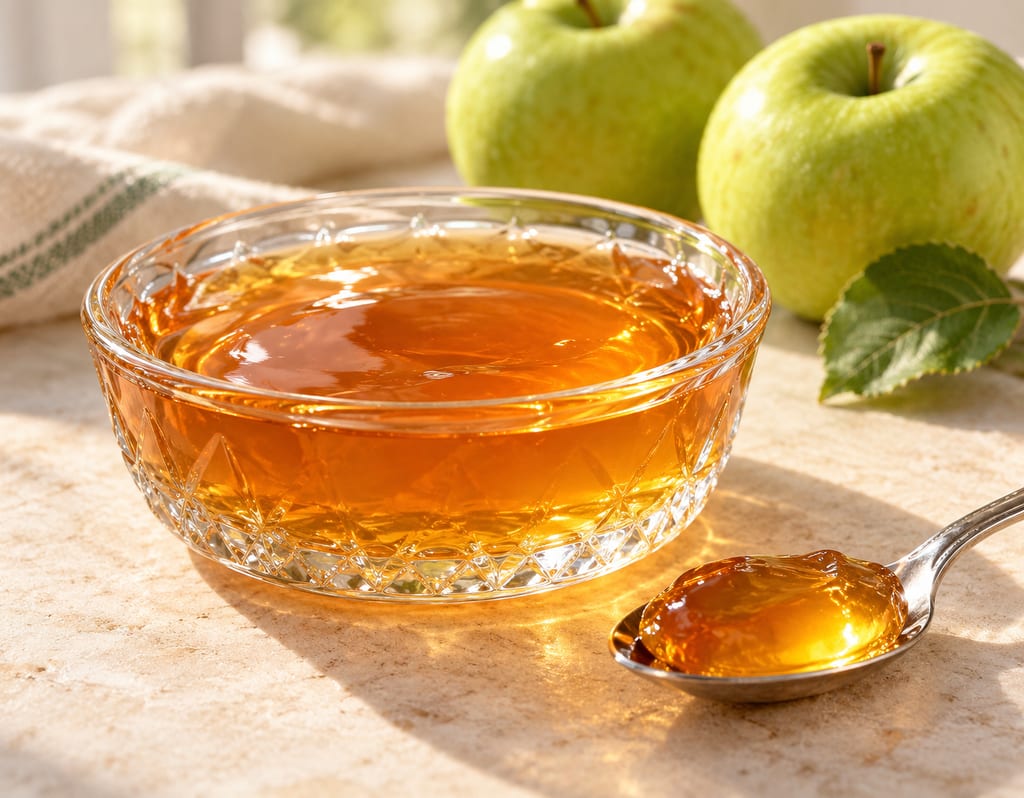
Apple jelly without added pectin
A clear jelly made from tart-apple juice, sugar and optional strained lemon juice. This batch uses a stated fruit-to-water preparation, gel endpoint, hot fill and altitude-adjusted boiling-water process.
 FermenteaWhere food goes to change
Substrates
Lemons are aromatic, acidic citrus fruits whose peel, pith and juice serve different jobs in food and drink. The fruit is a hybrid with a complex history.
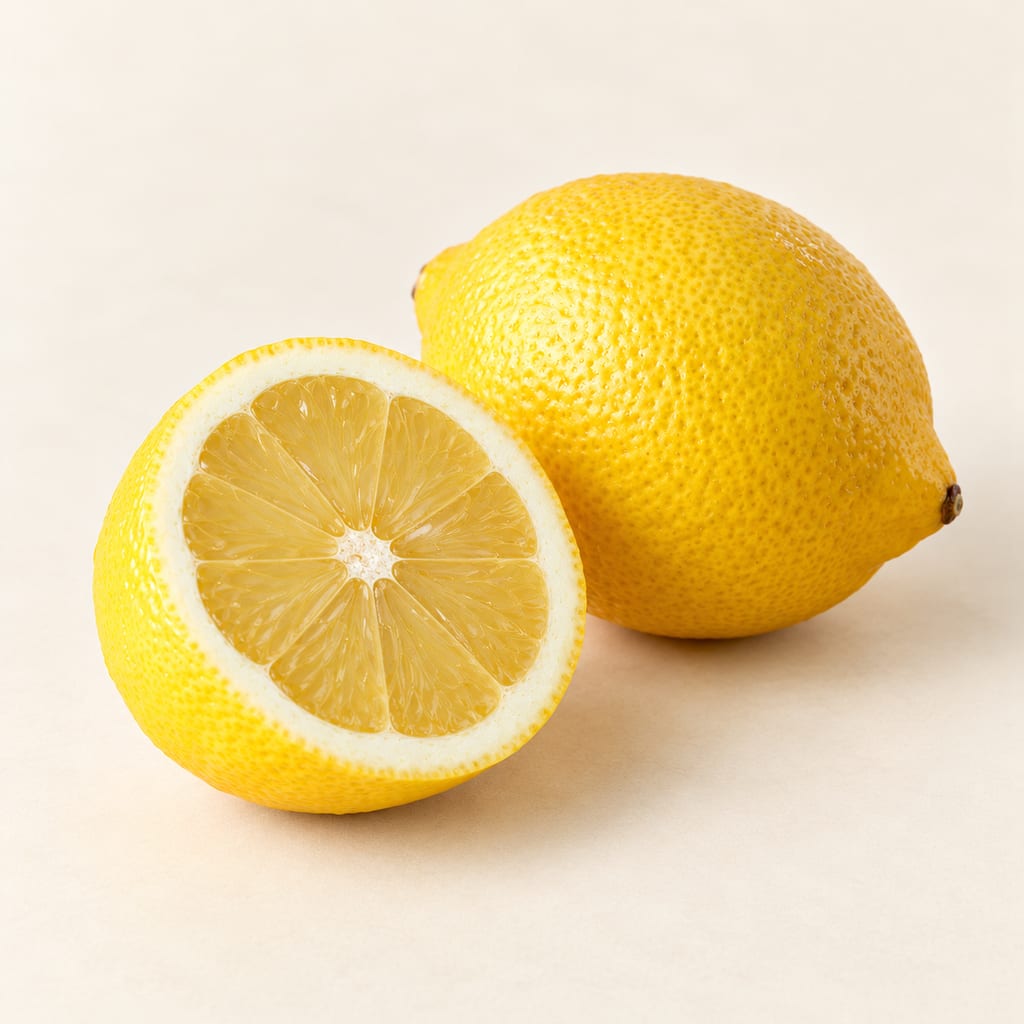
The lemon most people recognize is a yellow, oval fruit with a pointed end, a fragrant peel, pale juicy segments and a sharply sour taste. Its botanical name is often written *Citrus limon*, while Kew’s current Plants of the World Online accepts *Citrus × limon* (L.) Osbeck and identifies it as a cultivated hybrid.
The exact place where the lemon first arose remains unsettled. The University of Florida’s extension guide places its likely evolution in the eastern Himalayan foothills and describes an origin involving citron and sour orange. Oxford Botanic Garden’s plant profile gives a broader Southeast Asian origin. The fruit appears in Mediterranean records much later than the older citron. The Florida guide reports lemons in southern Italy by about 200 CE, in Iraq and Egypt by about 700, widely across the Mediterranean between 1000 and 1150, and in China at some point between 760 and 1297. It dates Spanish introduction to Hispaniola to 1493 and a later introduction to California to 1751–1768. These dates trace reported cultivation and movement, with some uncertainty about what earlier writers meant by each citrus name.
By the time lemons reached kitchens far from their early Asian and West Asian routes, people had found many uses for different parts of the fruit. A medieval Arabic treatise associated with Hibatallāh Ibn Jumay‘ treats rind, pulp and seed as distinct materials and discusses drinks and food. Recipes transmitted through Ibn al-Bayṭār’s thirteenth-century pharmaceutical encyclopedia show a sophisticated household and scholarly interest in balancing lemon sourness, sugar, salt, water and aromatic herbs. Lemon could be diluted into a drink, sweetened, or kept as a salted condiment. Its different parts offered cooks distinct combinations of fragrance, sourness and texture.
A lemon is not one flavor in one container. Its outer colored layer, the flavedo, is dotted with oil glands. Beneath it lies the white, spongy albedo, the pith, and within that the segmented interior with juice vesicles. These layers explain why “lemon” may mean zest, peel, juice, pulp or a whole fruit in a recipe. Zest is the thin outer colored part, where fragrant peel oils are concentrated. Grating through to the pith adds more bitterness and a different texture. The pith also contains pectin, which can thicken cooked fruit preparations. Juice is mostly water with dissolved acids, sugars and flavor compounds; it tastes sour and contributes liquid as well as acidity.
The peel’s volatile oil is a mixture rather than a single perfume. Limonene is the largest constituent in most citrus rind oils, alongside many additional volatile compounds. Their proportions vary with species, cultivar, growing conditions and extraction method, giving different oils different aromatic profiles. Lemon aroma cannot be reduced to limonene alone: the whole volatile profile contributes to the fresh, green, floral, resinous or citrus-peel notes people smell. Oxygen, light and heat can also alter these compounds, so freshly grated zest and old, exposed peel oil do not necessarily smell the same.
The difference between peel and juice appears clearly in Isabella Beeton’s 1861 ginger-wine entry. Lemon rinds boil with water, loaf sugar and bruised ginger; after the liquid has cooled and yeast has been added, the strained juice goes into the cask the following day alongside chopped raisins. The sequence illustrates two practical uses: the rind contributes aromatic oils to the boiled liquid, while the juice brings acidity later.
Names in the produce aisle hide considerable variation. The Florida extension guide describes Femminello, Verna and Sicilian as three major true-lemon types. It groups Eureka and Lisbon with the Sicilian types and describes them as high-acid, juicy fruits. In its Florida account, Eureka bears fruit through the year, with a heavier late-winter, spring and early-summer crop; Lisbon fruit is similar but tends to sit farther inside the tree’s canopy. These observations help explain why a market lemon’s shape, peel texture, seed count and juicefulness need not be identical from season to season.
“Meyer lemon” is a name that can confuse a culinary shopper. IFAS lists it as a hybrid of lemon and mandarin rather than one of its true-lemon types. Ponderosa lemon is listed as a lemon–citron hybrid; rough lemon is identified separately, and sweet lime is another distinct citrus that is sometimes gathered under broad lemon-like names. A citron is not simply a lemon with a thick peel: it is *Citrus medica*, with a different fruit form and history. Lime is also a distinct citrus category. Their aromas and sourness may overlap, but botanical identity and culinary behavior do not become interchangeable because both fruits can season a dish.
Lemon juice tastes sour because it contains organic acids, chiefly citric acid, and its acidity can change a dish immediately. That direct chemical effect is not fermentation. A ferment is a biological process in which microorganisms transform available substrates; acid can be present before a culture begins acting. This distinction matters when citrus is added to a beverage, brine or fruit mixture. Lemon may contribute liquid, acid, some sugars, soluble material and aromatic peel compounds, but whether yeast, lactic-acid bacteria or another organism grows and what it produces depends on the whole formulation and the organism.
Beeton’s ginger wine provides a historical example of lemon working alongside fermentation rather than defining it. The nineteenth-century recipe uses nine lemons in a nine-gallon historical batch, assigning rind and juice to different stages. The rind is boiled with water, sugar and ginger; yeast enters only after cooling, and juice and chopped raisins go into the cask the next day. Yeast drives the fermentation of available sugars, while lemon contributes citrus aroma and acid. Boiling the rind and adding the juice later make separate uses of the fragrant outer peel and the sour liquid held inside the fruit.
Lemon juice also has a familiar non-fermentation effect: it slows the browning of freshly cut apples and similar produce. When plant tissue is cut, oxygen reaches compounds and enzymes that were separated inside intact cells. University of Maine Cooperative Extension demonstrates that acid changes the conditions in which polyphenol oxidase operates, reducing browning in treated apple slices.
Lemons have long been both a flavoring and something people deliberately kept for later. Salted lemon appears as a condiment in the medieval recipes associated with Ibn Jumay‘. Keeping the fruit extends its culinary role beyond the immediate use of a fresh lemon: a cook can reach for preserved rind as a seasoning, with salt and sourness already brought together. The same fruit that supplies a bright squeeze of juice can thus become a more substantial component of a dish.
Preserving lemon can mean several different things. In a salt-preserved preparation, salt draws moisture from cut or scored fruit and the juice can create a covering liquid; acidity is already present in lemon juice. In a vinegar pickle, vinegar supplies an added acid and may be heated with spices. In a cooked marmalade or syrup, heat concentrates sugar, changes texture and reduces water, while pectin in the fruit can help create thickness. Each method changes the fruit by a different route. Salt-preserved lemons may also undergo fermentation by lactic acid bacteria naturally present on the fruit. The fruit is already acidic before fermentation begins; salt draws out juice and changes the conditions in which microorganisms grow. The salted fruit’s flavour and texture develop within that acidic, salty liquid.
The written record shows that lemon preservation took multiple forms as it moved between kitchens and periods. Isabella Beeton’s 1861 household book includes a vinegar-based instruction for pickling lemons with the peel on, and its ginger-wine recipe also uses peel and juice differently. Across preserved preparations, rind is prized because salt, liquid and time make the peel edible as a seasoning rather than merely a source of zest. The result contributes concentrated citrus, salt, bitterness, soft texture and aroma to stews, grains, sauces, fish and salads. Recipe directions vary about rinsing, discarding pulp or using brine; follow the linked preparation, since these choices change salt and flavor.
An orange marmalade developed by the National Center for Home Food Preservation illustrates another use. Its tested formula pairs 4 cups thinly sliced orange peel with albedo, 4 cups orange pulp and 1 cup thinly sliced lemon—about one large fruit as purchased—plus water and sugar. The lemon enters as a whole sliced ingredient, seeds removed, rather than juice added for a final adjustment. The fruit and water cook until the peel is tender before sugar is added and the mixture reaches the jelling point. NCHFP advises leaving all or most of the white albedo attached because that layer contains most citrus pectin. Its separate mixed-citrus marmalade also specifies lemon peel with orange and grapefruit. In these spreads, lemon peel supplies visible soft strips and citrus aroma, its pith contributes natural pectin, and the fruit acids work with pectin and sugar in forming a gel. NCHFP’s general canning guidance explains that the right proportions of fruit, pectin, acid and sugar shape gel formation; these ingredients are balanced in each tested recipe. This is why marmalade’s lemon is not interchangeable with a squeeze of juice, and why the amount and cut of peel should follow the tested formula.
A useful lemon is one suited to the work ahead. For juice, the main question is whether the fruit is juicy and sound; for zest or a whole-fruit preserve, an intact rind matters more.
Citrus develops its eating quality on the tree. UC Statewide IPM advises harvesting at full flavor because the fruit does not become sweeter after picking. Skin color is only part of its appearance: cool temperatures can influence color changes, and cultivar and season also shape how a lemon looks. A yellow rind cannot reveal the fruit’s whole harvest history or establish its flavor without tasting. Lemons can flower and bear over extended periods in suitable climates. Some cultivars produce fruit through the year, with larger crops in particular seasons, so the supply from an orchard follows both the tree’s habits and its local growing conditions.
For picked citrus, UC IPM recommends refrigeration and gives a storage period of around four to six weeks; it also says lemon juice can be frozen for up to four months. Whole fruit retains a protective rind, while squeezing produces a separate ingredient to store and use. Keeping these forms distinct is useful in the kitchen: a refrigerated lemon remains available for both zest and juice, whereas frozen juice supplies acidity and liquid without the fresh rind. A salted preserved lemon is another preparation again, with salt, peel and juice brought together.
People who need to avoid citrus must also account for lemon peel, juice and foods containing them. Commercial and preserved products may include other ingredients, so their labels and individual recipe sources still matter. The lemon’s strongest practical lesson is to keep its parts and actions distinct: juice acidifies and seasons; zest perfumes; pith contributes bitterness and pectin; salt, vinegar, heating, drying and microbes each preserve by different routes. Once those roles are clear, the same fruit makes sense in a fresh dressing, a nineteenth-century wine, a medieval salted condiment or a modern stew without pretending those preparations are one process.
Commercial lemons grow in Mediterranean-type and subtropical climates as well as tropical and other suitable areas. Mediterranean producers share the crop with regions such as California, Chile, Belize, Guatemala, Argentina and China. Lemons are commonly grafted or budded onto rootstocks chosen for local soils and growing conditions. The fruiting variety supplies the desired lemon type, while the rootstock helps growers match the tree to the place where it will grow. That orchard choice sits behind the familiar market fruit, alongside decisions about cultivar and harvest.
The lemon’s exact origin remains uncertain. Ibn Jumay‘’s original treatise is lost; the surviving recipes are transmitted through later writing and do not include a complete salted-lemon method. Beeton’s historical recipe names no yeast species or modern endpoint. The Florida guide’s production figures date from the early 2000s. UC’s storage periods describe picked citrus and juice under its stated conditions; they do not apply to every fruit condition or preserved preparation. Chemical profiles also vary with laboratory methods and reporting units.
The inspected historical recipe establishes lemon use, not the orchard source or exact origin of its fruit.
A clear jelly made from tart-apple juice, sugar and optional strained lemon juice. This batch uses a stated fruit-to-water preparation, gel endpoint, hot fill and altitude-adjusted boiling-water process.
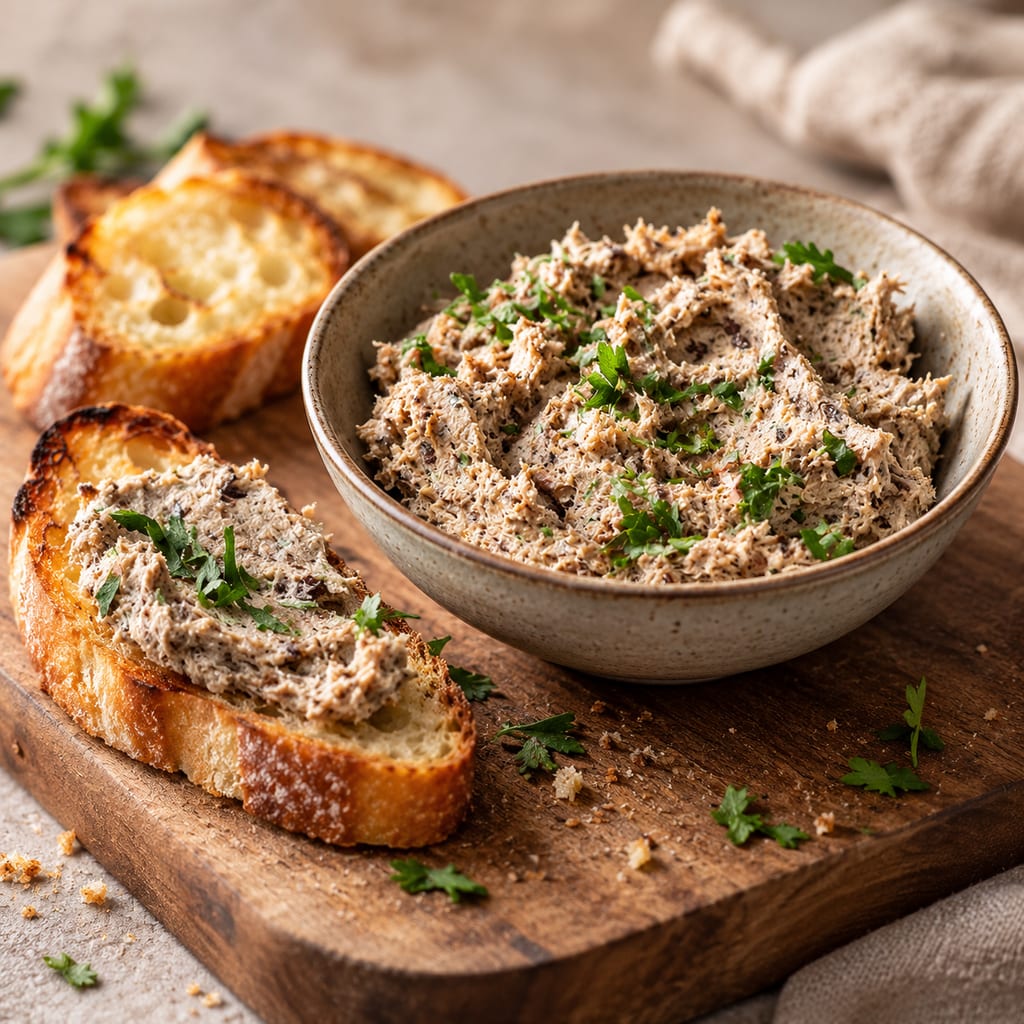
A cold biltong spread with sour cream, mayonnaise, mustard, lemon and herbs; serve it with crackers, crostini or bread.
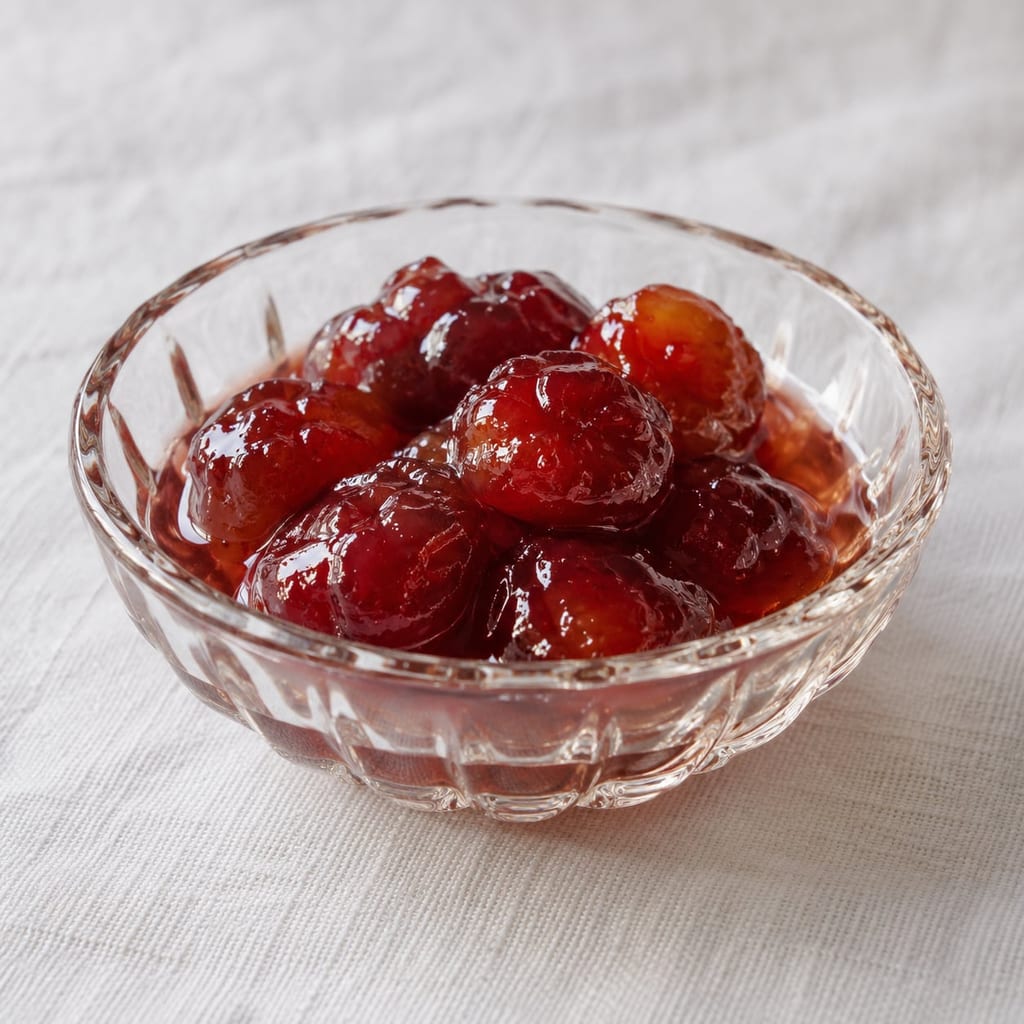
Cypriot cherry glyka made by layering firm pitted cherries with sugar, briefly boiling them, chilling overnight, and boiling again to concentrate the syrup. This version is refrigerated and has no shelf-stable canning process.
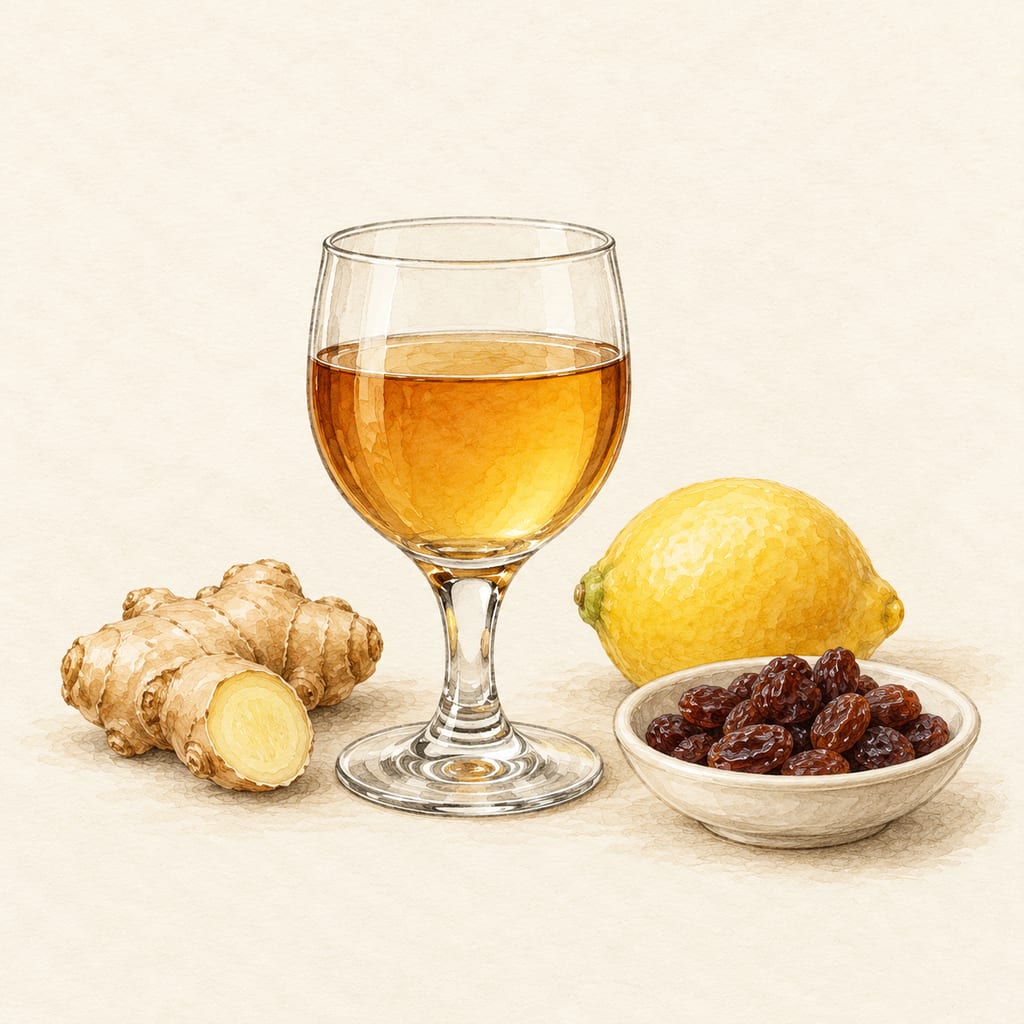
A Victorian household wine of boiled sugar, lemon and bruised ginger, worked on raisins in a cask for a fortnight and finished with brandy, made nine gallons at a time.
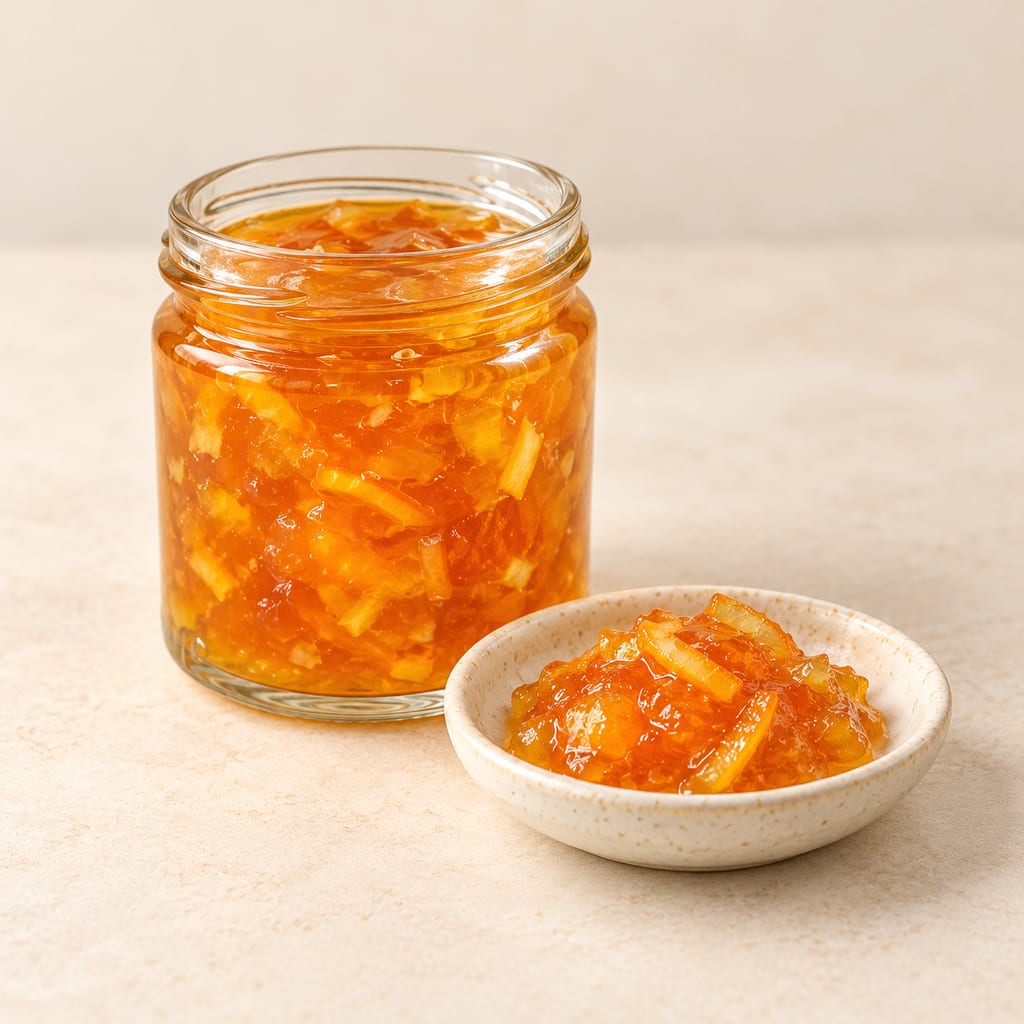
Orange marmalade suspends thin strips of citrus peel in a sweet gel. This navel-orange batch includes pulp and lemon and is preserved in a boiling-water canner.
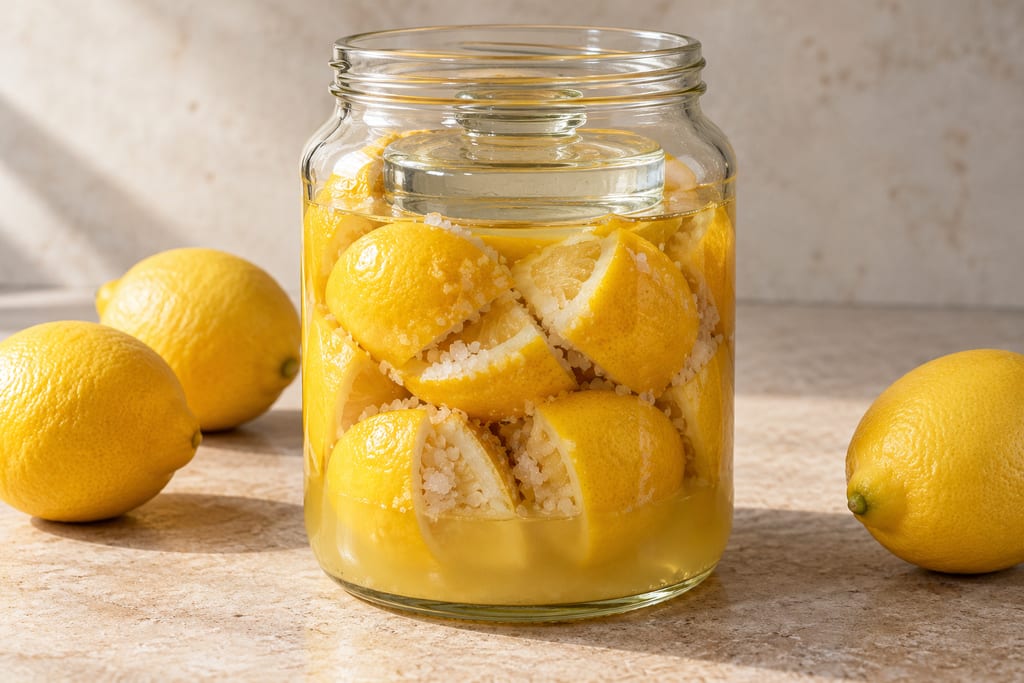
Preserved lemon is salted lemon packed in a jar until it releases its own juice. The sources give no fermentation duration, salt amount or measured endpoint.
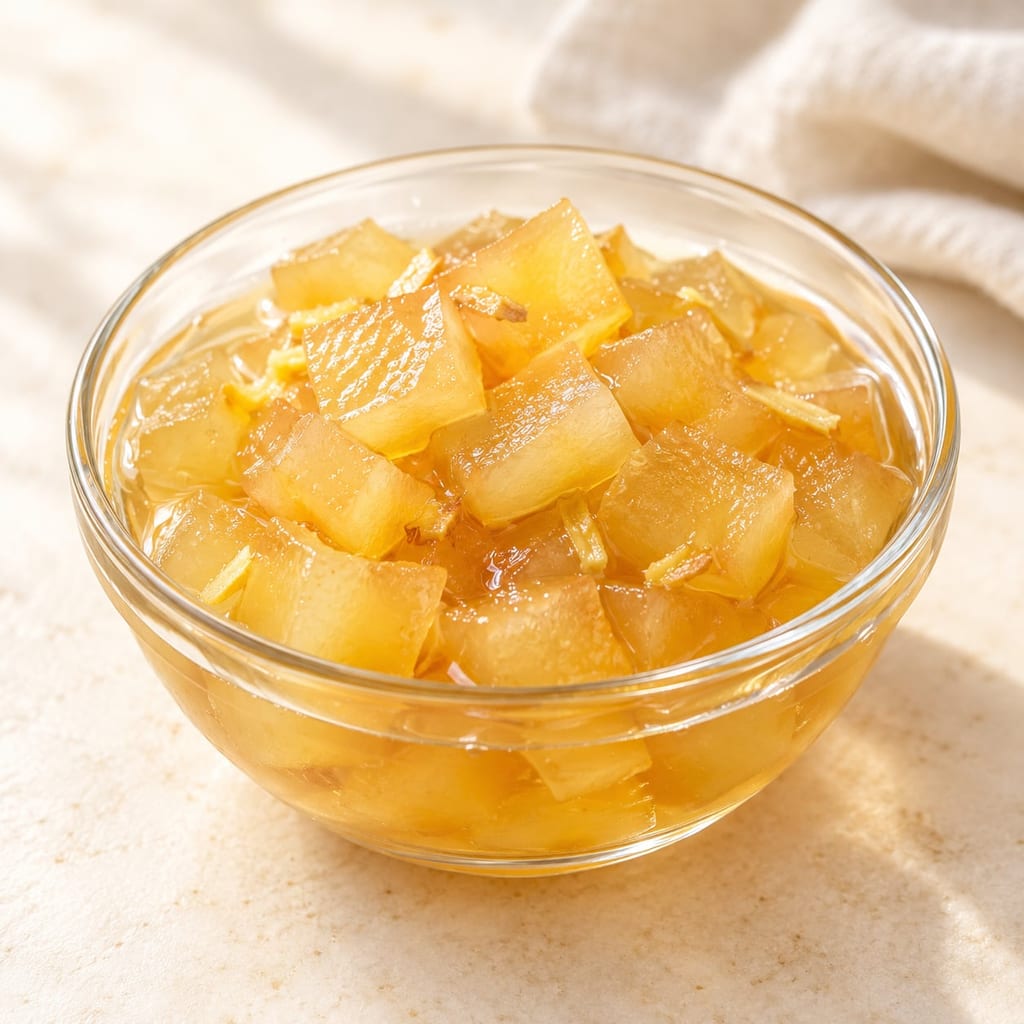
A measured, refrigerated prototype cooks ordinary watermelon’s white rind in lemon, ginger and sugar syrup. It is inspired by makataan konfyt but does not reproduce the traditional fruit or its lime-water treatment.
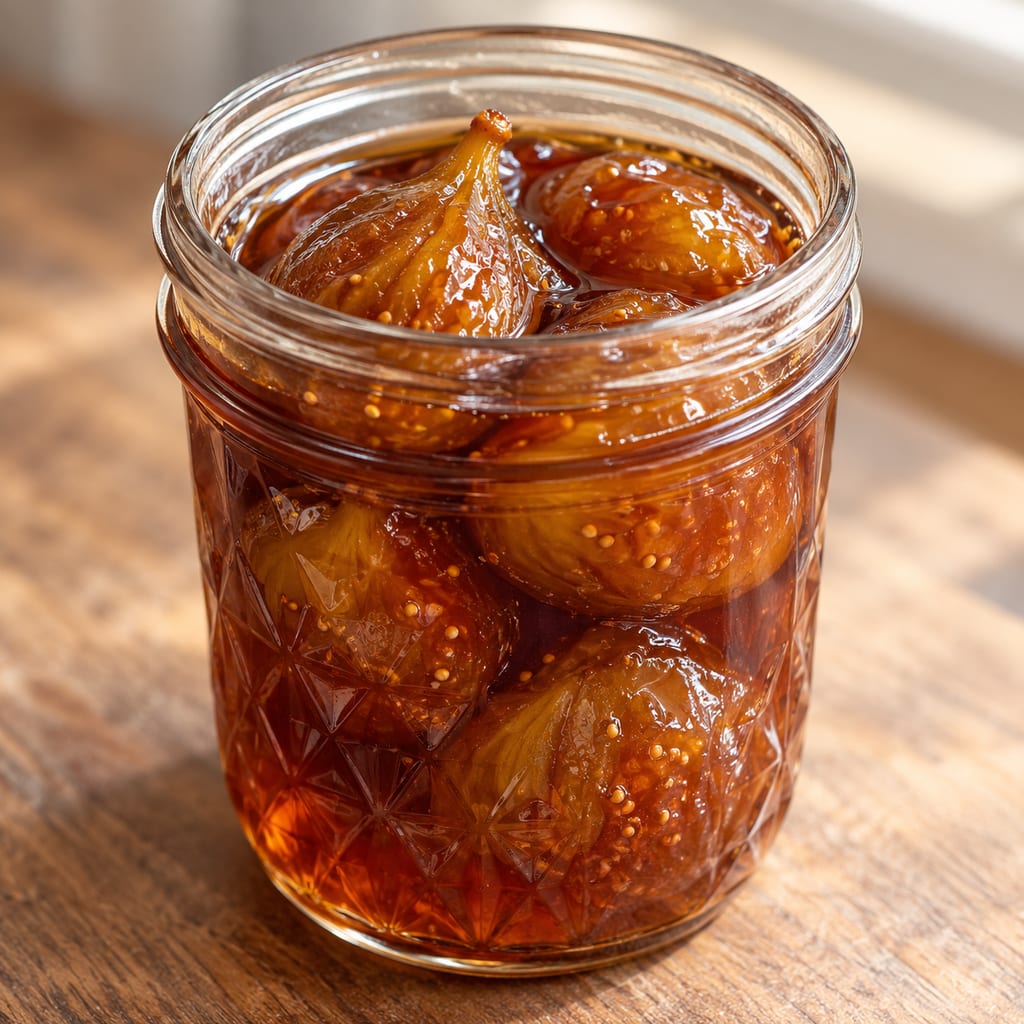
Whole figs are softened, cooked in a measured sugar syrup, rested in the refrigerator, then reheated and canned. This NCHFP formula specifies the fruit and syrup quantities, optional lemon and elevation-adjusted water-bath schedule.
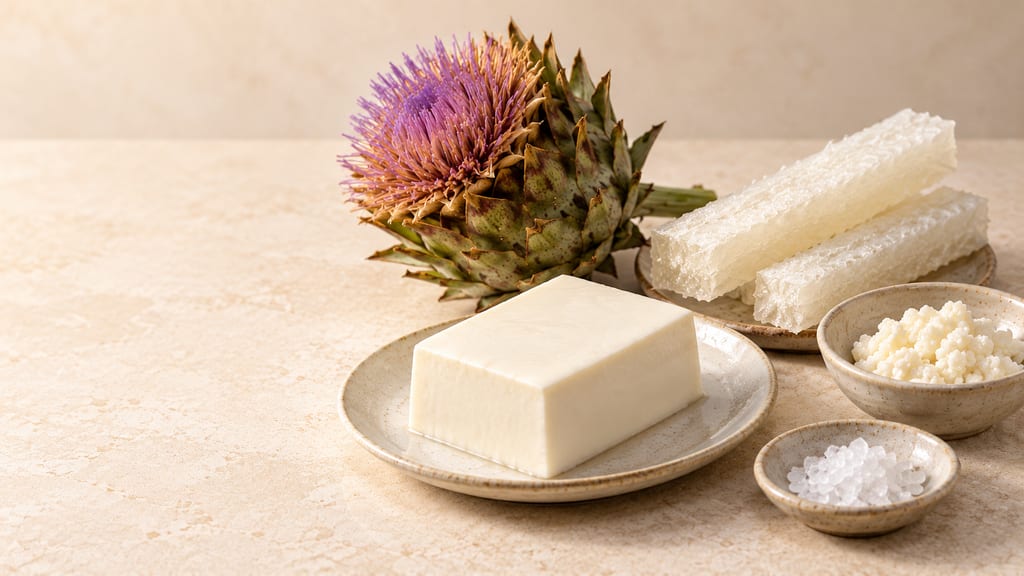
Cheese, tofu, agar, nixtamal and cured ham all begin with a liquid or soft food made to set, sour or keep. Rennet is one branch of that history, beside plant enzymes, acids, minerals, alkalis, gels, finings and curing salts.
No community contributions have been published for this entry yet.
Sign in to contribute. Published comments and photos are free to read.
Royal Botanic Gardens, KewIdentity · Taxonomy
Plants of the World Online: Citrus × limon (L.) OsbeckAccepted name and cultivated-hybrid status.
Kew hybrid formula and introduced distribution.
Cited in: A citrus built from several histories
University of Florida IFAS Extension, HS402/HS1153Identity · History · Cultivation · Varieties · Handling
Lemon Growing in the Florida Home LandscapeMorphology, fruit anatomy, acidity description and cultivar distinctions.
Likely origin hypothesis and reported historical chronology; secondary synthesis citing earlier works.
Cultivation, harvest timing and geographic production descriptions.
Cited in: A citrus built from several histories; Peel, pith and juice are different ingredients; From orchard type to market label; Choosing, preparing and keeping lemons; Growing regions and orchard propagation; Historical and storage notes
Oxford Botanic Garden and ArboretumHistory · Cultivation
Oxford University Plants 400: Citrus limonInstitutional overview of broad origin and Mediterranean spread.
Oxford cultivation context and orangery history.
Cited in: A citrus built from several histories
The Posen Library of Jewish Culture and Civilization, vol. 3: Encountering Christianity and IslamHistory · Culinary use · Preservation
Treatise on the Lemon: RecipesThe source attributes the treatise to Ibn Jumay and dates it to the mid-to-late 12th century.
The original treatise does not survive; the earliest extant versions of its recipes appear in Ibn al-Baytar's pharmaceutical encyclopedia.
The excerpt distinguishes rind, pulp and seed, describes drinks, and names salted lemon as a condiment without giving a complete salted-lemon method; its medical claims belong to the historical text.
Cited in: A citrus built from several histories; Acid, aroma and fermentation are separate actions; Salted lemon, vinegar pickle and cooked preserve; Historical and storage notes
University of California Cooperative ExtensionAnatomy · Culinary use
Citrus DeconstructedDescribes flavedo and oil glands, pectin-rich and bitter albedo, juice sacs and variation in whole-fruit use for marmalade.
Frontiers in Plant Science, 10, article 12Aroma chemistry · Cultivar variation
Volatile Compounds in Citrus Essential Oils: A Comprehensive ReviewRind-oil volatile profiles differ across citrus species, including lemon.
Limonene is abundant, while the wider aroma profile varies with species, variety, growing conditions and extraction.
Cited in: Peel, pith and juice are different ingredients; From orchard type to market label; Historical and storage notes
S. O. Beeton, LondonHistorical recipe · Culinary use · Fermentation role
The Book of Household ManagementThe 1861 edition, recipe 1819, printed page 882, specifies nine lemons in a nine-gallon historical batch.
The method boils lemon rinds with water, sugar and ginger; after cooling and adding yeast, lemon juice and raisins enter the cask the next day.
Cited in: Peel, pith and juice are different ingredients; Acid, aroma and fermentation are separate actions; Salted lemon, vinegar pickle and cooked preserve; Historical and storage notes
Food Chemistry, volume 162 (2014), pages 186–191Juice chemistry
Chemical guide parameters for Spanish lemon (Citrus limon (L.) Burm.) juicesAnalysis of direct and reconstituted Spanish lemon juice; citric acid was the main component in measured direct juice, with glucose, fructose and sucrose also quantified.
Results characterize sampled commercial Spanish juices; they do not establish composition of an individual lemon or Beeton's recipe batch.
Cited in: Peel, pith and juice are different ingredients; Acid, aroma and fermentation are separate actions
University of Maine Cooperative ExtensionEnzyme chemistry
Fruit ScienceLemon-juice acidity affects pH-dependent polyphenol oxidase activity and reduces browning in cut apple tissue in the source's demonstration.
Cited in: Acid, aroma and fermentation are separate actions
CKBKPreservation history
Consuming Passions: Preserved LemonsThe modern secondary account discusses Ibn Jumay and later English cookbook examples within different lemon-preservation traditions.
Cited in: Salted lemon, vinegar pickle and cooked preserve
UC Statewide Integrated Pest Management ProgramHarvest · Storage
Cultural Tips for Growing CitrusThe general citrus guidance covers flavor at harvest, the absence of further sweetness after picking, refrigeration and freezing juice.
Cited in: Choosing, preparing and keeping lemons; Historical and storage notes
National Center for Home Food Preservation, University of GeorgiaCulinary use · Marmalade · Pectin
Orange MarmaladeTested formula specifies 1 cup thinly sliced lemon (about one large lemon as purchased), with orange peel retaining albedo and orange pulp; seeds are removed from lemon slices.
Fruit and water are cooked until peel is tender, then sugar is added and mixture cooked to the jelling point.
Source note states most citrus pectin is located in the white albedo; page says developed at University of Georgia and released April 2018.
Cited in: Peel, pith and juice are different ingredients; Salted lemon, vinegar pickle and cooked preserve
National Center for Home Food Preservation, University of Georgia; adapted from USDA Complete Guide to Home Canning, revised 2015Pectin · Gel formation
General Information on Canning Jams, Jellies, and MarmaladesExplains that fruit, pectin, acid and sugar need the correct combination for gelled fruit products; too little acid prevents setting, while too much can cause weeping.
Cited in: Peel, pith and juice are different ingredients; Salted lemon, vinegar pickle and cooked preserve
Frontiers in Plant Science10:1167Anatomy · Chemistry
Primary Metabolism in Citrus Fruit as Affected by Its Unique StructureThe review describes flavedo, albedo, segment membranes and juice vesicles, and discusses dissolved sugars and citrate within citrus fruit.
Cited in: Peel, pith and juice are different ingredients
Clemson Cooperative ExtensionFermentation · Culinary use
Traditional Preserved Lemons: How to Make and Use Preserved Lemons at HomeNaturally present surface lactic acid bacteria ferment lemon sugars; salt draws out juice and influences microbial growth. The article describes culinary uses for rinsed preserved peel.
Cited in: Salted lemon, vinegar pickle and cooked preserve
UC Agriculture and Natural ResourcesPreservation · Culinary use
Preserved LemonsThe salted preparation keeps fruit covered by pressed juice; preserved peel is used in stews, dressings, grains and other dishes.
Cited in: Salted lemon, vinegar pickle and cooked preserve
NSW Agency for Clinical InnovationDietary context
Allergy diet – citrus freeThe citrus-free diet specification excludes lemon fruit, peel and juice, together with foods containing them.
Cited in: Choosing, preparing and keeping lemons
UC Agriculture and Natural ResourcesPeel · Culinary use
Waste Not! Use the Whole LemonCitrus pith, including orange and lemon pith, can contribute bitter flavor; blanching softens peel and reduces bitterness.
Cited in: Peel, pith and juice are different ingredients
National Center for Home Food Preservation, University of Georgia; adapted from So Easy to Preserve,6th ed.2014Culinary use · Marmalade · Pectin
Citrus MarmaladeThe mixed-citrus marmalade combines grapefruit, orange and lemon peels and retains white membrane beneath the skin as a source of pectin.
Cited in: Salted lemon, vinegar pickle and cooked preserve