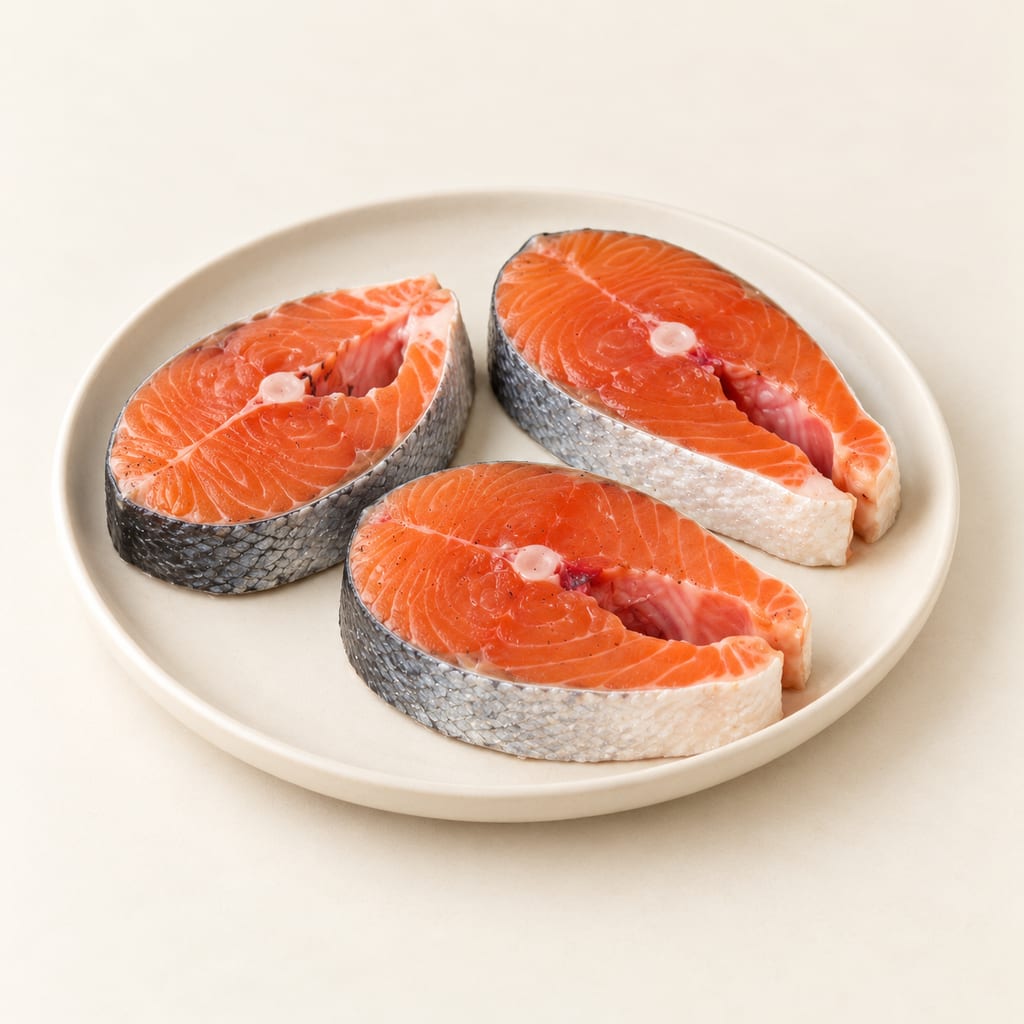
Fish
Fish is a broad raw ingredient whose species, cut and condition shape its texture, fat content and use. It can become a meal’s main portion or the raw material for distinct salted, dried and fermented preparations.
 FermenteaWhere food goes to change
Chermoula · Charmoula
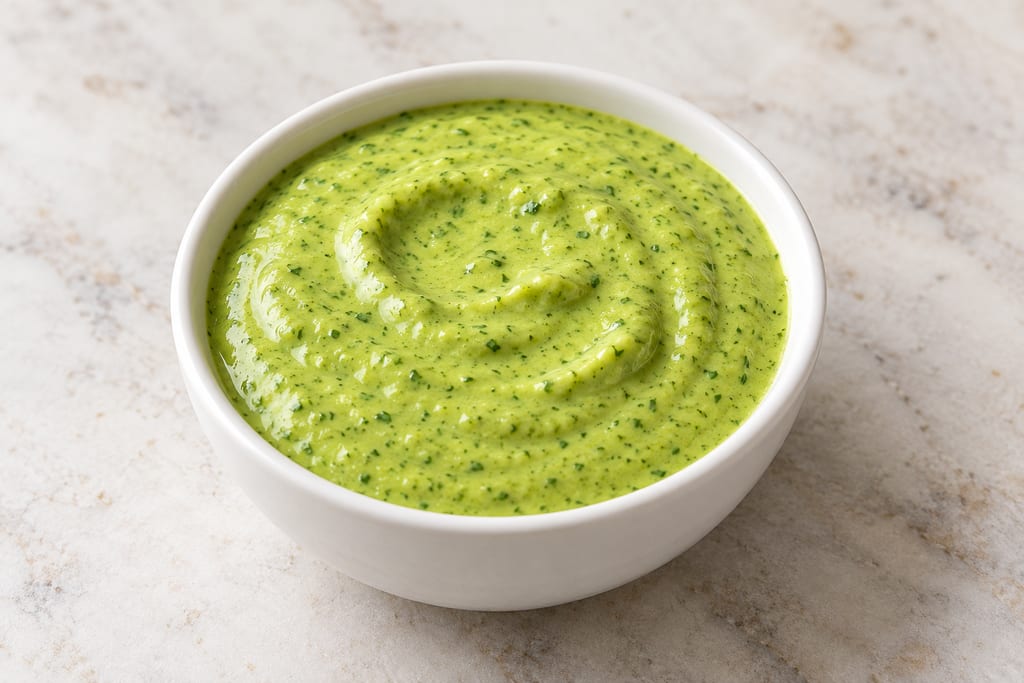
Fresh chermoula is a chopped-herb Moroccan-style sauce of coriander, parsley, garlic, lemon, olive oil and warm spices, made here as an explicitly untested development formula.
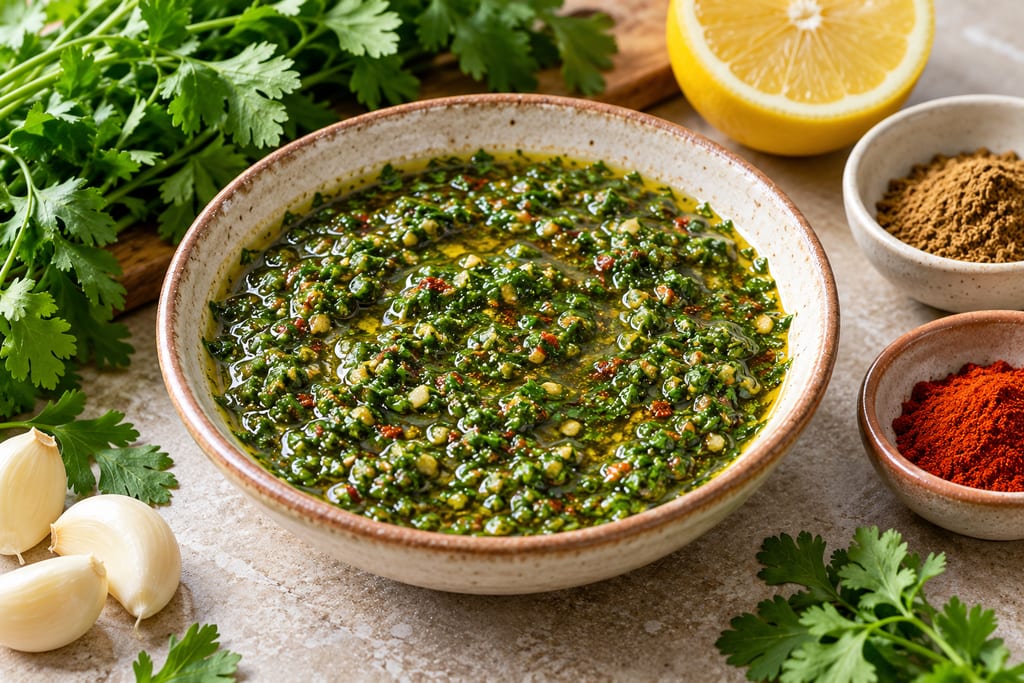
Fresh chermoula is a chopped-herb sauce in a broad North African family of marinades and condiments. This record presents one explicitly modern development formula: coriander and parsley with garlic, lemon juice, olive oil, cumin, sweet paprika, salt and a small amount of water. The herbs remain visible rather than being reduced to a smooth puree, so the finished sauce has the texture of a coarse, oil-bound relish. Its bright, citrusy and fragrant character comes from the combination of fresh herbs, acid, garlic, warm spice and oil.
The measured version below should not be mistaken for a single canonical Moroccan recipe. An author-published Moroccan condiment recipe uses coriander, garlic, olive oil, lemon juice, paprika, cumin and salt, with cayenne and saffron as optional additions; it gives a different ingredient list and household volume. The gram formula on this page is a separate untested development, a modern Fermentea development. It has not been cooked or tasted against a target. Its quantities are useful as a reproducible starting point, not as proof that households in Morocco use these proportions.
Chermoula here is not a fermented sauce. No starter, fermentation vessel, ripening period or microbial endpoint appears in the method. Chopping and mixing bring the ingredients together physically; lemon juice contributes acidity and olive oil carries fat-soluble aromas, but those facts do not make the mixture preserved or shelf-stable. Keep the sauce distinct from older fermented fish preparations that some historical accounts associate with a similar name.
The modern Moroccan sauce is firmly documented as part of fish cookery, but the evidence used here does not date the origin of the present herb mixture. Chermoula is documented as a base for many fish preparations in Moroccan regions where fish is available. Northern fish cookery appears with more restrained seasoning, while inland and other regional accounts include assertive spice and herbs. That is a useful map of practice, not a claim that every town or household makes one recipe.
One proposed history connects the name chermoula or el mourri with earlier Andalusian fish-seasoning practices. The older preparation in this account contained fermented fish material; the modern sauce is built from herbs, garlic, oil, spices and acid. The distinction matters: a shared name does not prove an unbroken recipe or a single birthplace, and the evidence here does not establish a precise date for today's herb sauce.
The name should therefore be read as a family label whose contents change. A Moroccan fish preparation may use cilantro, garlic, paprika or niora, cumin, chilli, lemon or vinegar and olive oil; one documented preparation includes tomato paste and optional saffron. Another contemporary recipe gives a simpler coriander-and-lemon formula, with saffron and cayenne as optional. Those differences are not errors to resolve into one fixed standard. They show cooks working with the same recognizable idea—fresh aromatics and spice shaped into a wet seasoning—according to the dish, pantry and place.
Coriander leaves and tender stems supply the green, leafy body. They are the largest fresh-herb portion in this formula. Parsley contributes a second herbaceous note and softens coriander's dominance; it is also a documented substitute for coriander in Benkabbou's recipe, although this development formula uses both rather than making them interchangeable. Thoroughly drying the washed leaves keeps excess rinse water from thinning the sauce unpredictably.
Garlic brings the pungent allium note that survives the brightness of lemon and the warm spices. Finely chopping it distributes the pieces through the sauce. The lemon juice supplies the sharp, sour counterpoint that makes the mixture taste lively beside rich fish or roasted vegetables. The formula gives a fixed weight, but the lemon source and acidity can vary, so the number is a recipe measurement rather than a standardized acidity result.
Olive oil coats the chopped herbs, adds body and carries the aroma of the spices. It does not make this sauce shelf-stable: oil is one ingredient in a fresh mixture that also contains raw herbs, garlic and juice. Cumin and sweet paprika supply the warm, earthy and pepper-fruit notes found in published Moroccan preparations. Salt seasons the mixture, while the small amount of water loosens it so it can be stirred and spread. Unlike a stable mayonnaise, this is not a carefully formed emulsion; a little separation is expected, and a spoon can bring the ingredients back together.
No organism drives a transformation here. Cutting breaks plant tissue and releases aromas; mixing distributes the ingredients, while time spent resting may allow the flavors to mingle but is not a fermentation stage. The method avoids claims that a specific biochemical pathway or preservation effect has been measured for this particular formula.
Begin with clean herbs and dry them well. Finely chop the coriander, parsley and garlic so their flavors are distributed while the finished sauce still shows flecks of leaf. The development recipe permits a brief food-processor pulse, but stopping early matters: a coarse chop leaves a spoonable relish, while prolonged blending produces a smoother, wetter paste and can make the herbs look more like a puree. Neither texture is inherently wrong, but the formula's intended form is visibly particulate.
Stir in the lemon juice and olive oil, followed by cumin, paprika, salt and water. Mixing after chopping lets the oil coat the leaf pieces and the liquid seasonings reach them evenly. If the sauce looks uneven, stir again rather than adding unlisted liquid. A short pause before serving can help the ingredients sit together, but no rest time is specified or required by the source formula.
A documented Moroccan fish method crushes coriander with coarse salt and garlic, sometimes with a few drops of oil, then mixes in the remaining spices and liquids. That operation bruises and compresses the herbs more than chopping does, yielding a denser paste. It belongs to the reported fish marinade method and should not be silently merged into the measured development formula. The two approaches share ingredients and purpose, but their sequence and texture differ.
The listed 200 g yield is the sum of the weights in this batch. It has not been tested at larger scale, and no times for chopping or mixing are supplied. Make the quantity you can handle cleanly and keep the raw-food preparation separate from the portion you intend to serve.
Fish is the clearest documented setting for chermoula in Moroccan cookery. In Moroccan fish cookery, chermoula is a base for baked fish, tagra-style dishes, sardines and other seafood preparations. A northern Moroccan tagra is a fish tagine with several regional forms; the study names towns along the Mediterranean coast and notes that local preparations vary with the fish and place. In a traditional fish recipe, chermoula seasons the fish before it is cooked, so the herbs and spices meet the surface and the cooking liquid rather than remaining a separate raw garnish.
Regional practices differ between inland and coastal kitchens, and a Mirleft-area fish preparation uses argan oil and saffron. Such examples make geography culinary, not merely decorative: oil, acid, herbs and spice can shift with regional ingredients and the fish available. The herb sauce is thus both a flavoring and a practical way to season fish before cooking. It should not be credited with making stale fish fresh or safe; fresh ingredients and proper cooking remain separate matters.
Contemporary cooks also use chermoula with vegetables, meat and poultry. It is used with white fish and other fish, meat, poultry and vegetables, for foods that may be pan-fried, grilled, fried or baked. These are serving pathways, not all part of the sauce recipe. A cook can brush or spoon the sauce onto vegetables before they cook, use it to season fish, or serve a clean portion at the table. The best amount depends on the food: a delicate fish may need less than a sturdy vegetable or a richer cut.
As a finishing condiment, chermoula can be spooned over cooked food or served with bread, but this record does not specify a Moroccan bread pairing or a fixed plating custom. Its vivid herbs and sour-spiced profile make it useful where a dish benefits from freshness at the end. Add it after cooking when the aim is to keep its chopped-herb texture distinct; cook it with the food when it is being used as a marinade. The distinction is practical: the sauce's raw fragrance changes with heat, while a finishing spoonful remains separate from the cooked surface.
Herb ratios and spice choices vary. A published Moroccan recipe centers coriander and offers parsley as an alternative; a more layered fish marinade includes paprika or niora, cumin, garlic, coriander, olive oil, lemon or vinegar and chilli. It records saffron and tomato paste as options in a described recipe and mentions an argan-oil-and-saffron variation in the Mirleft region. These examples are source-specific, not a checklist of ingredients every chermoula must contain.
The preserved-lemon variation replaces 10 g of the 40 g lemon juice with 10 g finely minced preserved lemon rind, then asks the cook to reduce salt after tasting. This is a house variation, not evidence of a universal Moroccan formula. Preserved rind changes the balance because it contributes salt and peel aroma as well as citrus character; the report does not provide a fixed reduced salt weight, so the cook should not be given a fabricated number.
Red and yellow color labels are sometimes attached to chermoula in secondary writing, but the research archive's source check found that the cited contemporary author does not describe standardized green, paprika-red and turmeric-yellow versions. It is more accurate to describe the ingredients of individual sauces—paprika, saffron, chilli, tomato, preserved lemon—than to turn them into a universal color taxonomy. A dry spice mixture may reproduce some seasonings, but it cannot reproduce the fresh-leaf texture of this sauce.
These variations can sit within one broad family when the method remains a fresh herb sauce. A fermented fish condiment with a similar historic name is a different preparation and needs its own account. Likewise, a cooked tomato-rich sauce or a preserved paste would have different processing and handling; the sources here do not justify folding those into this recipe.
Because the sauce is built from fresh herbs and garlic and is not processed for storage, prepare it as a fresh condiment. The development formula has no product-specific shelf-life or microbiological study. Refrigerate leftovers promptly in a clean, covered container; general Food Standards Agency guidance for England, Northern Ireland and Wales recommends a refrigerator between 0 and 5°C and eating leftovers within 48 hours, or freezing them if they will not be used. That is general leftovers advice, not a measured guarantee for this chermoula.
If using the sauce to season raw fish, meat or poultry, set aside the serving portion first. Keep raw ingredients and their utensils away from the clean portion, and do not pour used marinade back into it. Chilling slows bacterial growth but does not sterilize the sauce; lemon juice, garlic and olive oil are flavor ingredients here, not validated preservation controls. This page does not give a cooking endpoint for any fish or meat, which must be cooked according to reliable guidance for that food.
Changes in color or aroma do not provide a safety test. The herbs may lose brightness with time and the oil may separate; stir to recombine for texture, but discard the sauce if it has been mishandled or contaminated. No tested process supports room-temperature storage, canning or long-term keeping. For a longer pause, freeze promptly in small portions and thaw in the refrigerator; the texture may soften, so use thawed sauce where it can be stirred into cooked food.
Chermoula is described as a North African and Moroccan fish marinade with many regional versions. The exact gram formula here is a modern untested development, not a dated traditional household recipe. A WIPO/OMPIC scoping report proposes historical links to Andalusian preparations also called chermoula or el mourri, while distinguishing those older fermented fish preparations from the current Moroccan herb-and-oil sauce; it does not establish a continuous recipe lineage or a single birthplace for the modern form.
Yield 200 g · Scaling: source batch only
The sauce may be served uncooked; contact with raw fish, meat or poultry can contaminate the portion.
Hazard sourceThis development formula has no product-specific microbiological or shelf-life validation; lemon juice and olive oil do not establish a safe storage life.
Hazard sourceKeep a clean portion separate for serving before any chermoula is used with raw food; do not return used marinade to the serving container.
Control sourceRefrigerate promptly at 0–5°C and use within 48 hours as a conservative general leftovers practice, or freeze promptly if it will not be used; this is not a measured safe life for this sauce.
Control sourceThis is a fresh, non-fermented sauce, not a preserved or shelf-stable product.
The exact gram formula is an untested development recipe; it has no validated shelf life or preservation process.
Keep raw-food contact separate from the portion served uncooked.
The exact gram formula is an untested modern adaptation; this row identifies the culinary family it draws on and does not claim these quantities are a traditional Moroccan recipe.
Fish is a broad raw ingredient whose species, cut and condition shape its texture, fat content and use. It can become a meal’s main portion or the raw material for distinct salted, dried and fermented preparations.

In Tunisia chermoula is a cooked sweet-sour dish: floured fried fish returned briefly to a sauce of onions cooked in oil with harissa, vinegar, water, honey and raisins.

Amlou is a nutty, lightly sweet Moroccan spread of roasted almonds, culinary argan oil and honey. The almonds are ground first, then loosened with oil and sweetened; the balance can range from a thick spread to a dip.
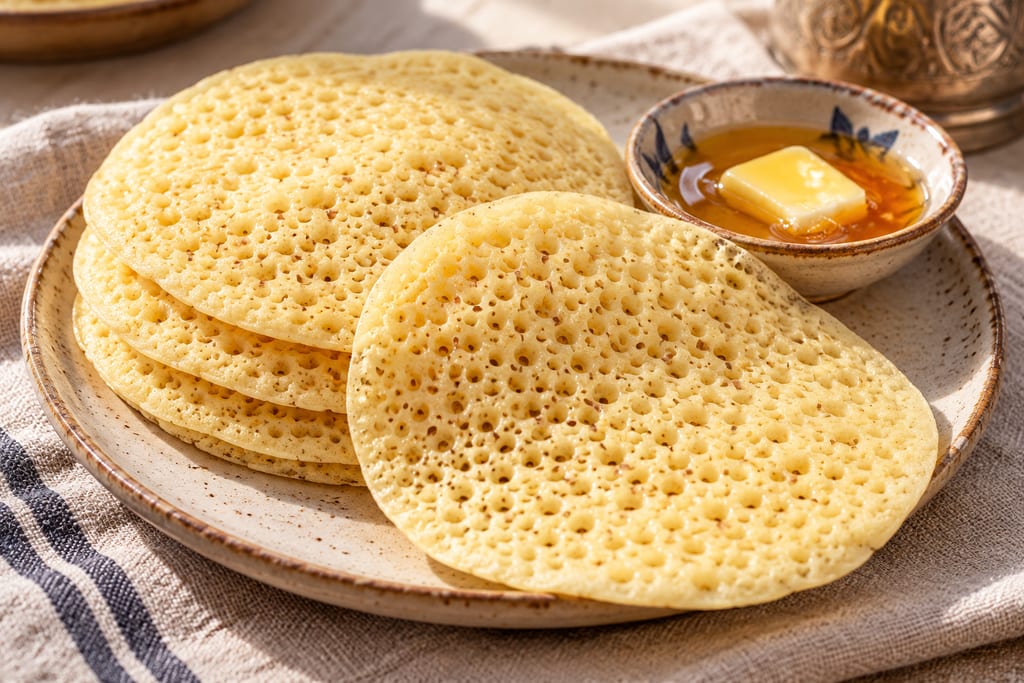
Moroccan semolina pancakes made from a thin yeast batter, rested until foamy and cooked on one side until the surface sets with a honeycomb of holes. This source-specific batch makes sixteen 5-inch pancakes.
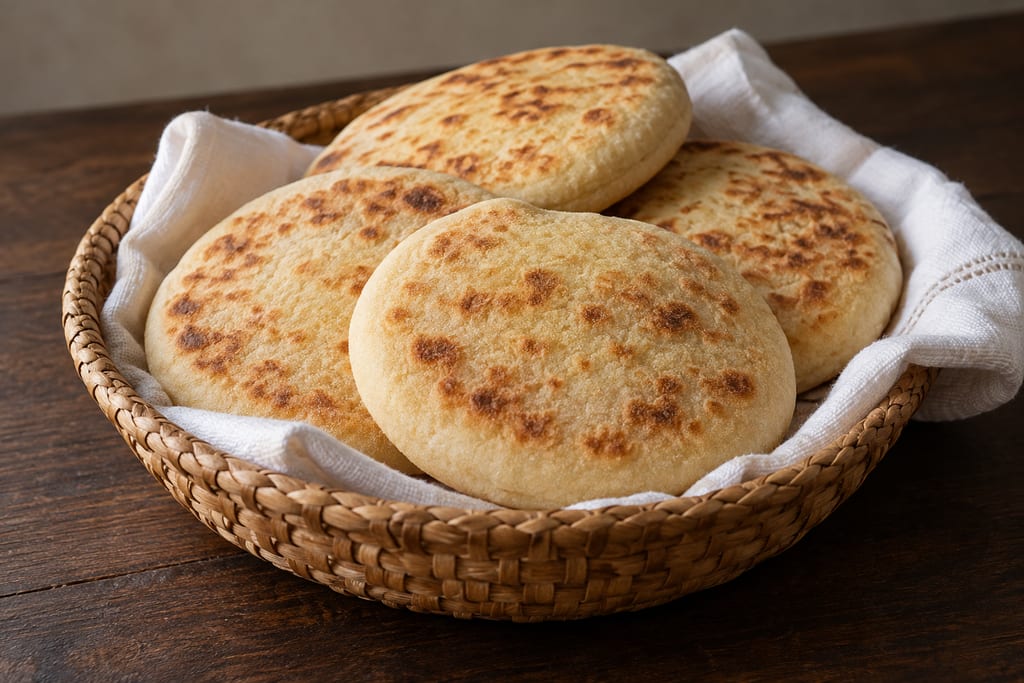
A Moroccan yeast-raised semolina pocket bread cooked on a dry pan or griddle; this measured batch makes about twenty 4-inch rounds.
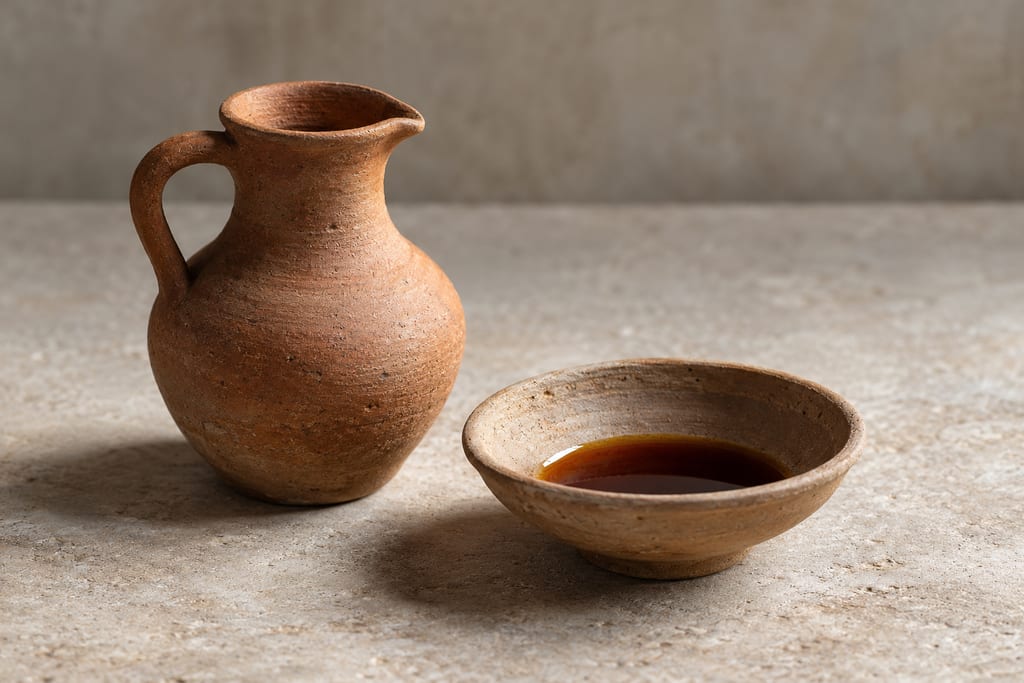
Garum, Greek garos and Latin liquamen, was the fish sauce of the ancient Mediterranean: fish and viscera salted and left in the sun, then drained off as a savoury liquid.
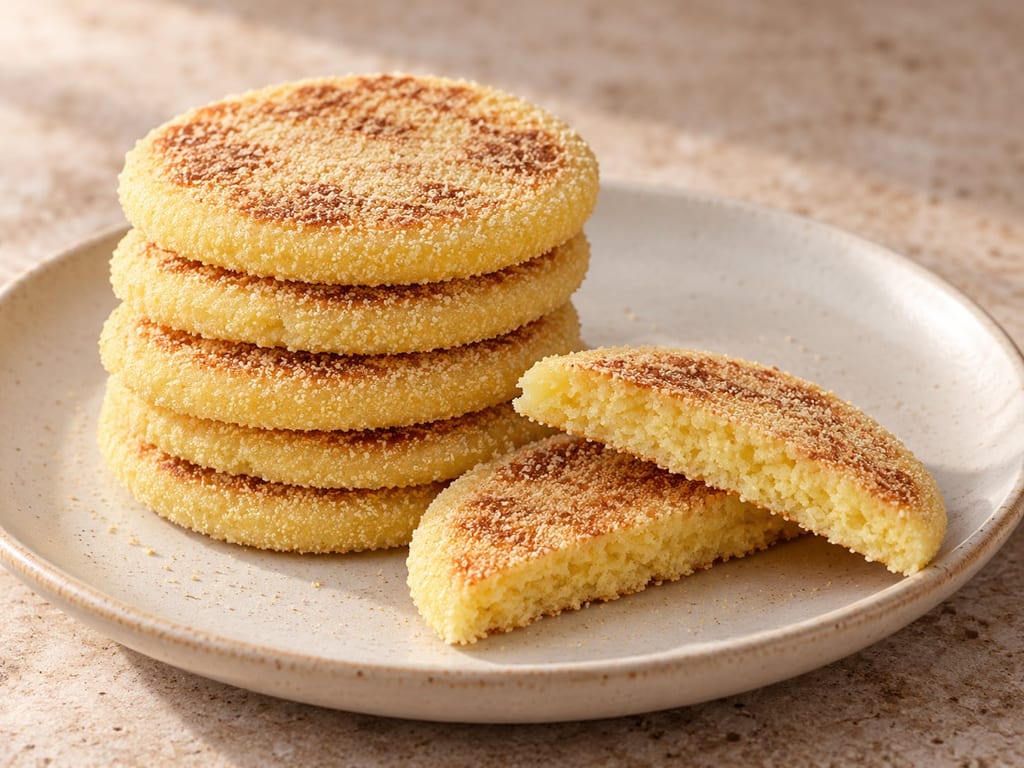
Harcha is a Moroccan semolina griddle bread with olive oil and butter rubbed into the grain, then shaped into thin rounds and cooked until golden. This family formula uses both dry yeast and baking powder.
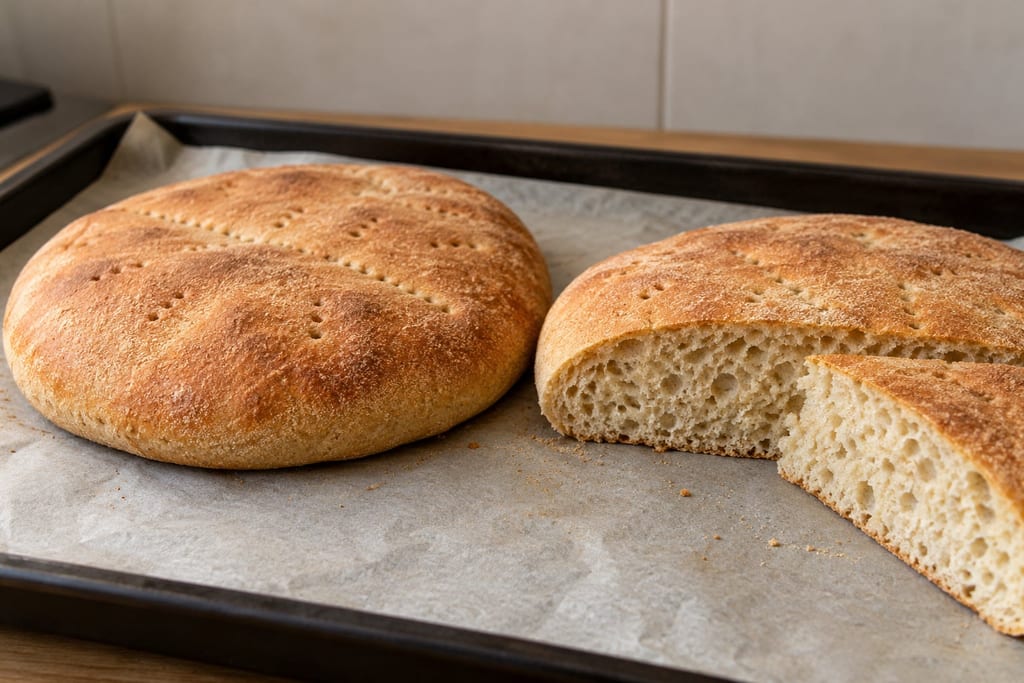
A Moroccan round wheat bread with a firm crust and coarse interior; this home formula makes two 8-inch loaves for serving with meals.
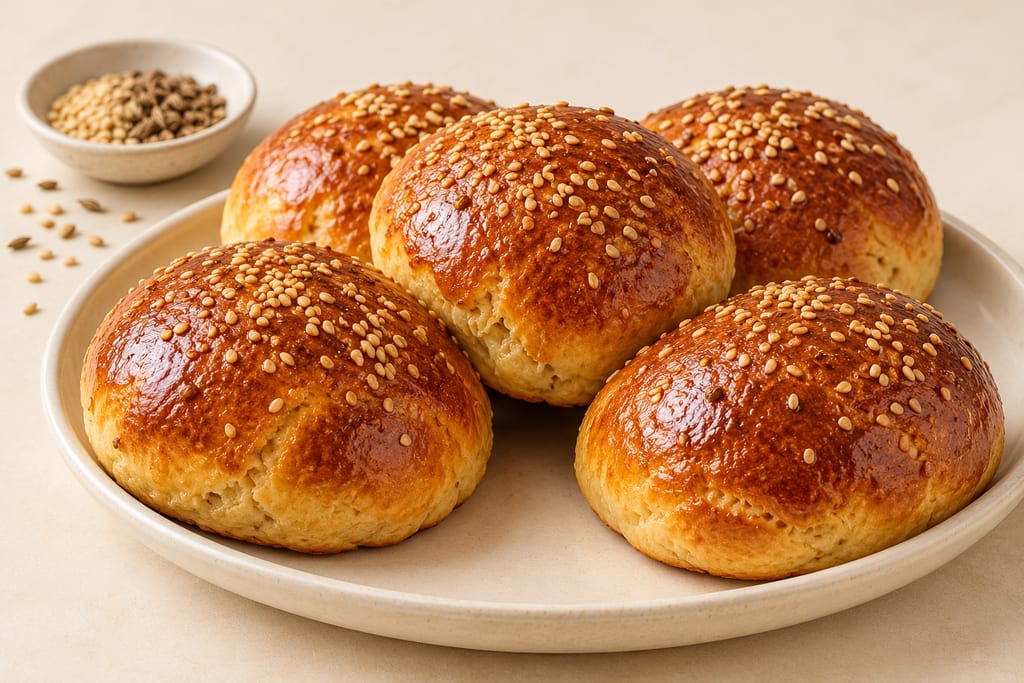
Krachel, also called el gors, are Moroccan sweet yeast rolls scented with anise, sesame and orange flower water. This version follows the three-rise method documented by Christine Benlafquih.
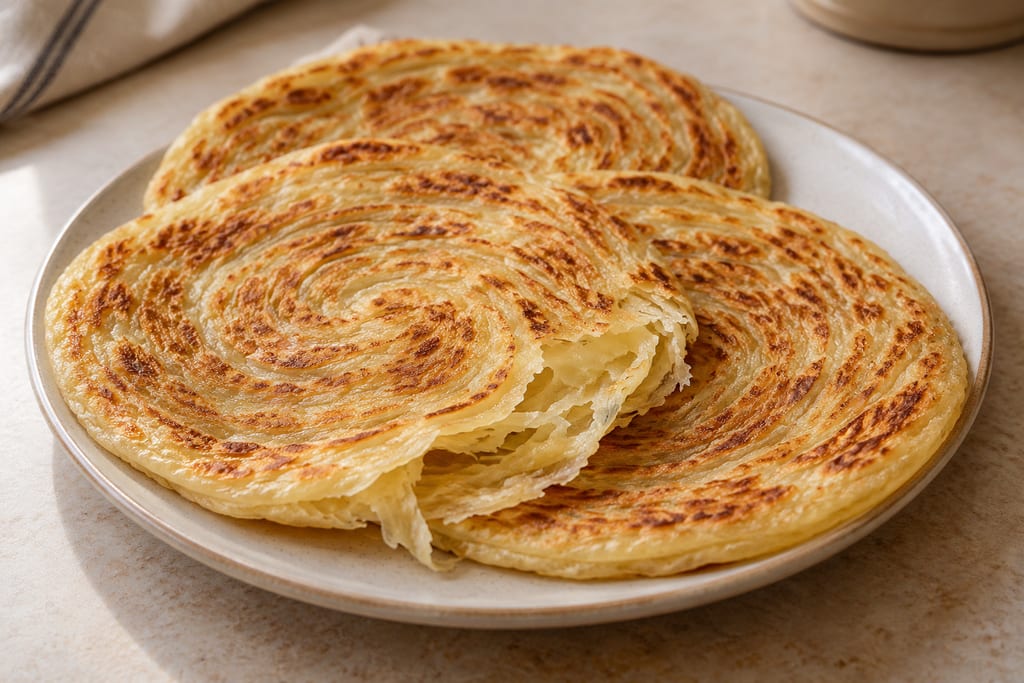
A Moroccan round laminated griddle bread; thin sheets of a lightly yeasted semolina dough are buttered, rolled into layered coils, sliced and flattened.
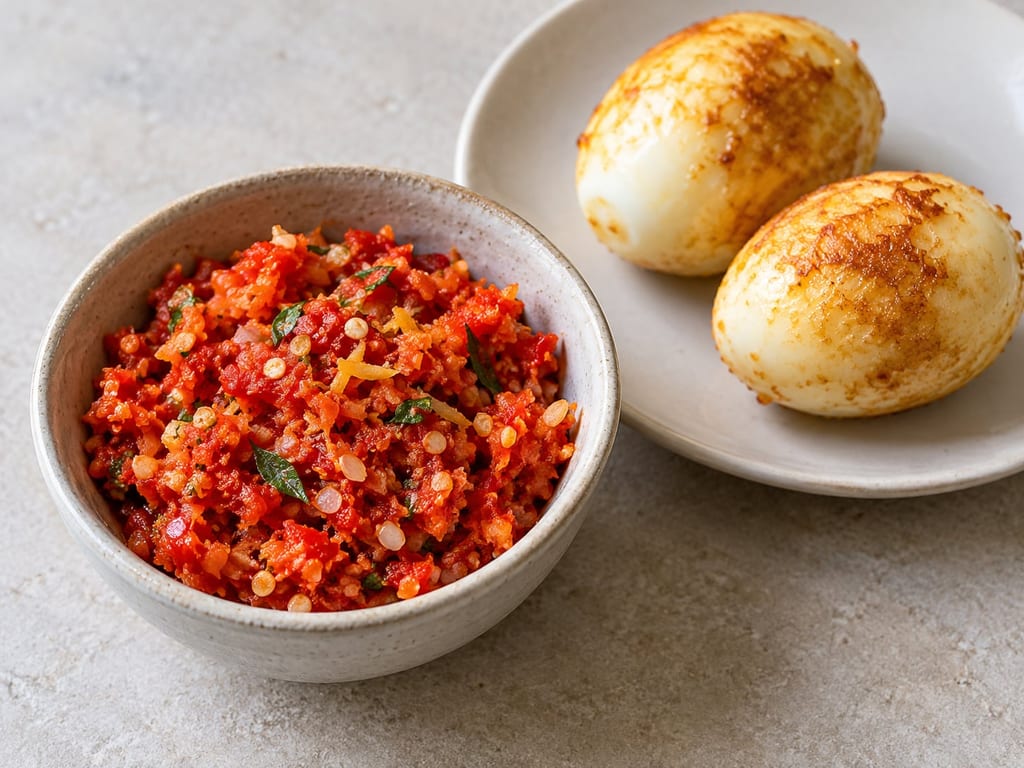
Ai-manas is described as a very hot chilli paste served with Timorese meals. One published version blends fresh chillies, shallots, garlic, Thai basil, ginger, lemon and salt, and serves it with eggs. Sources do not establish a standard formula, precise birthplace or earliest date.
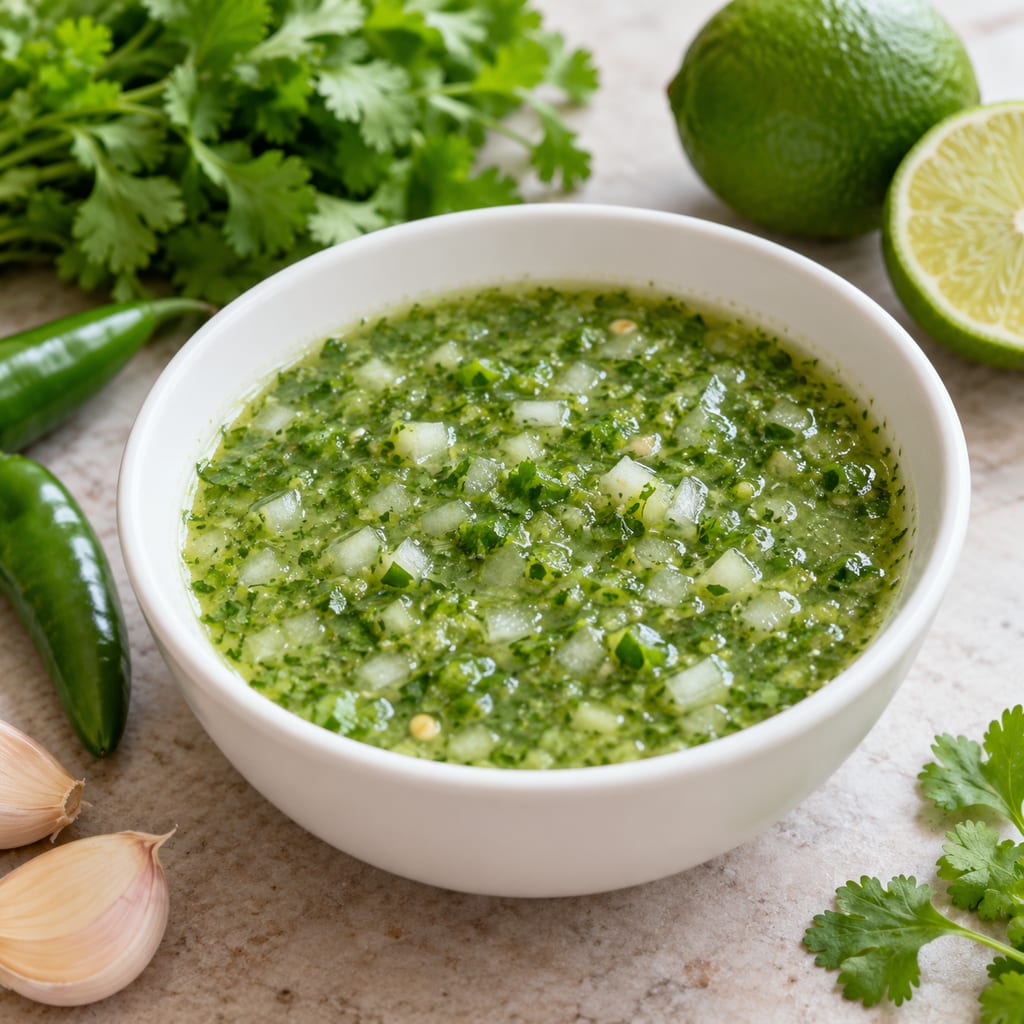
A fresh, uncooked Ecuadorian table sauce of hot pepper, cilantro, garlic and lime, served with most everyday dishes.
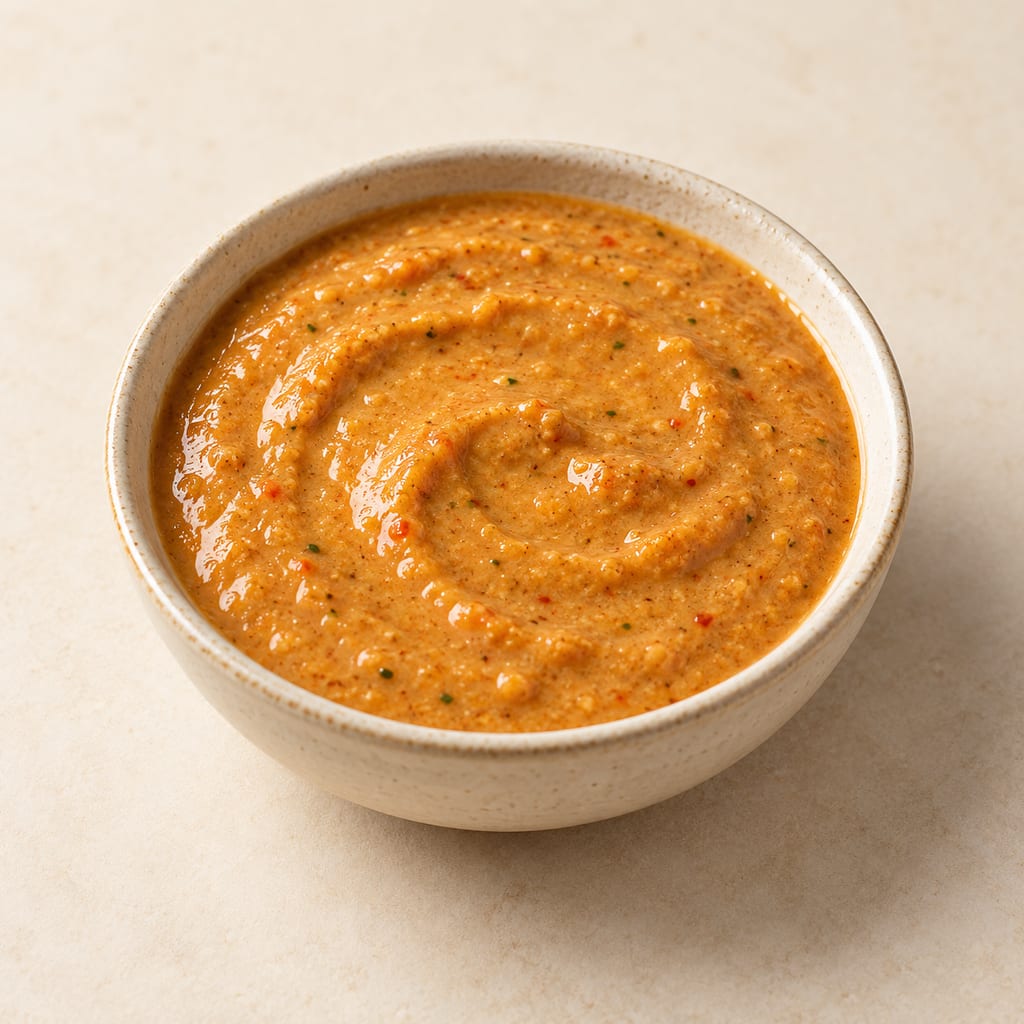
A spicy peanut hot sauce from the Popayán and Cauca region of Colombia, traditionally served with pipián empanadas and tamales.
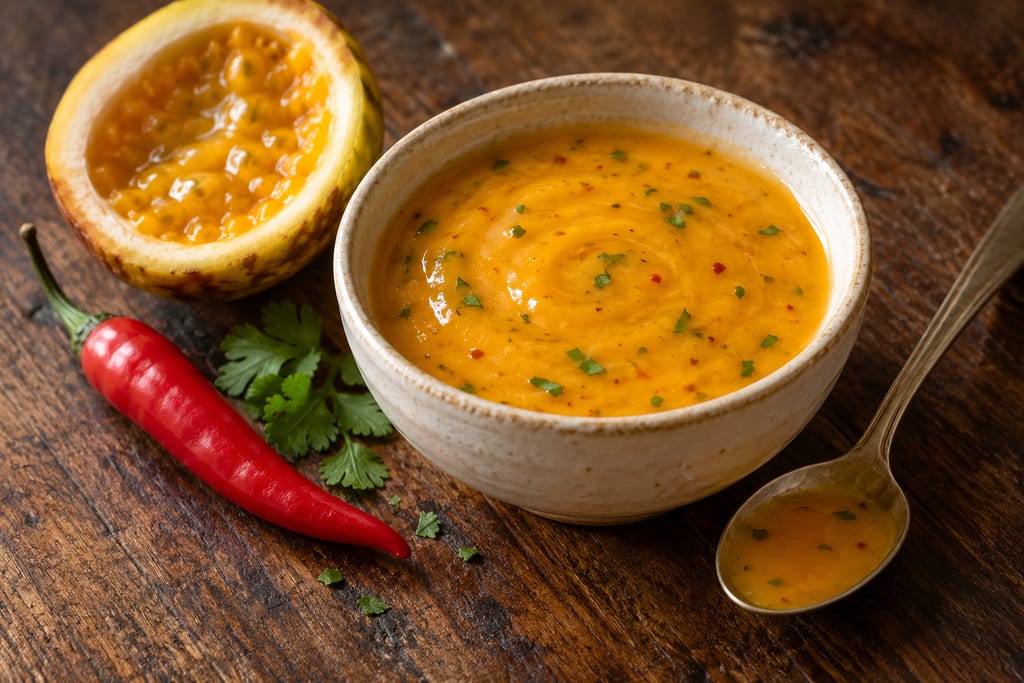
A contemporary Ecuadorian hot sauce that pairs passion fruit juice with boiled chile peppers, oil and lime.
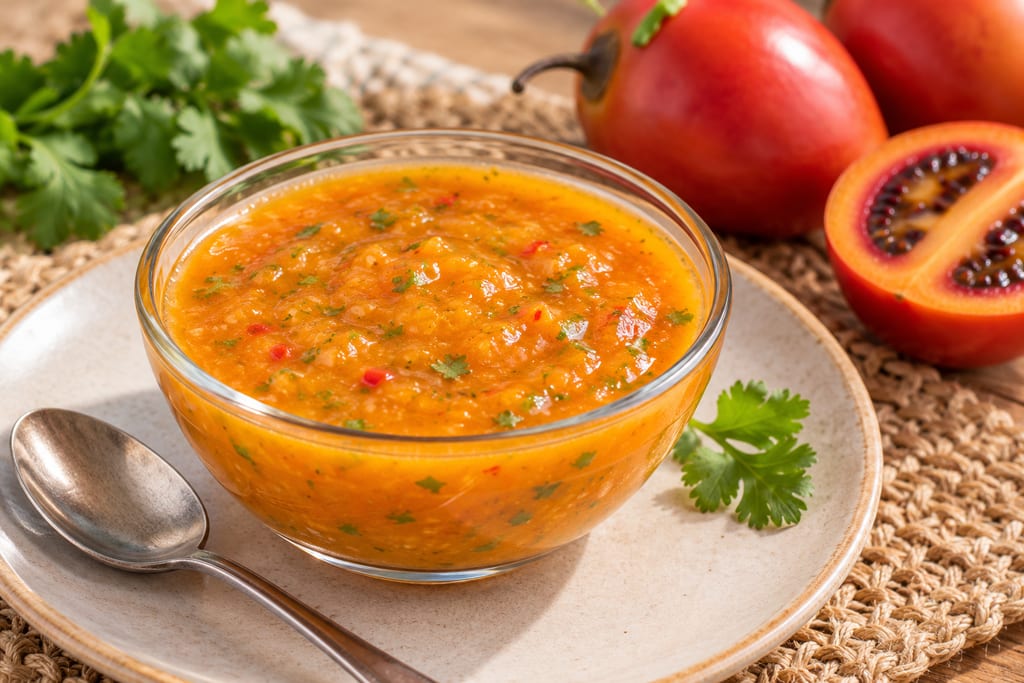
An Ecuadorian hot sauce built on tamarillo, a tart fruit that gives a sharper, fleshier base than ordinary tomato salsa.
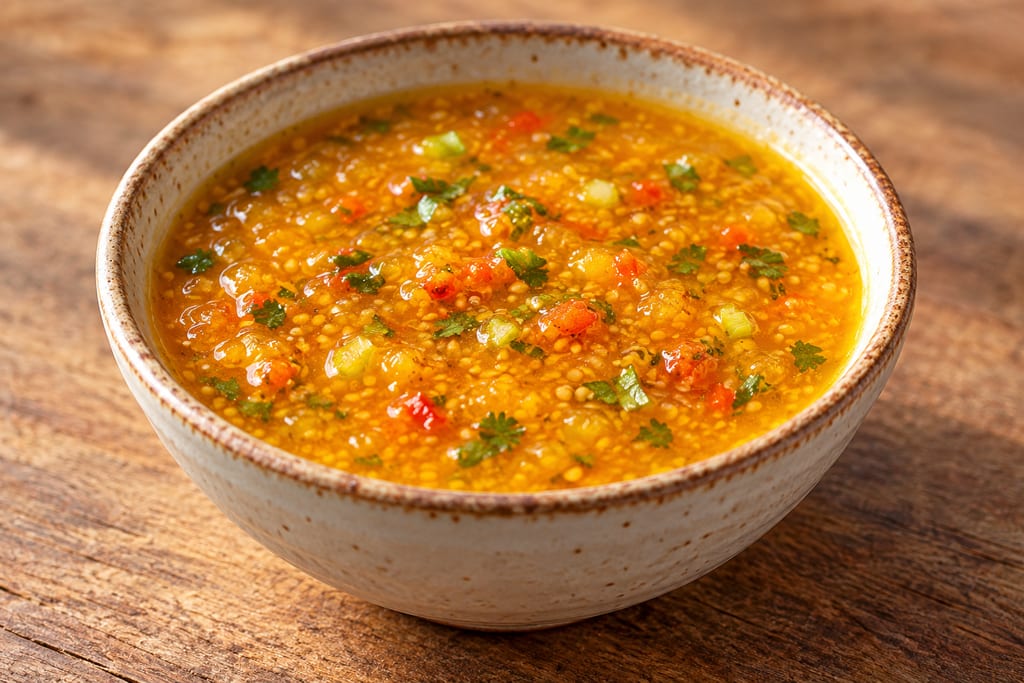
A sweet, tart and spicy Colombian sauce of uchuva, the yellow physalis fruit, with hot pepper, scallion, cilantro and lime.
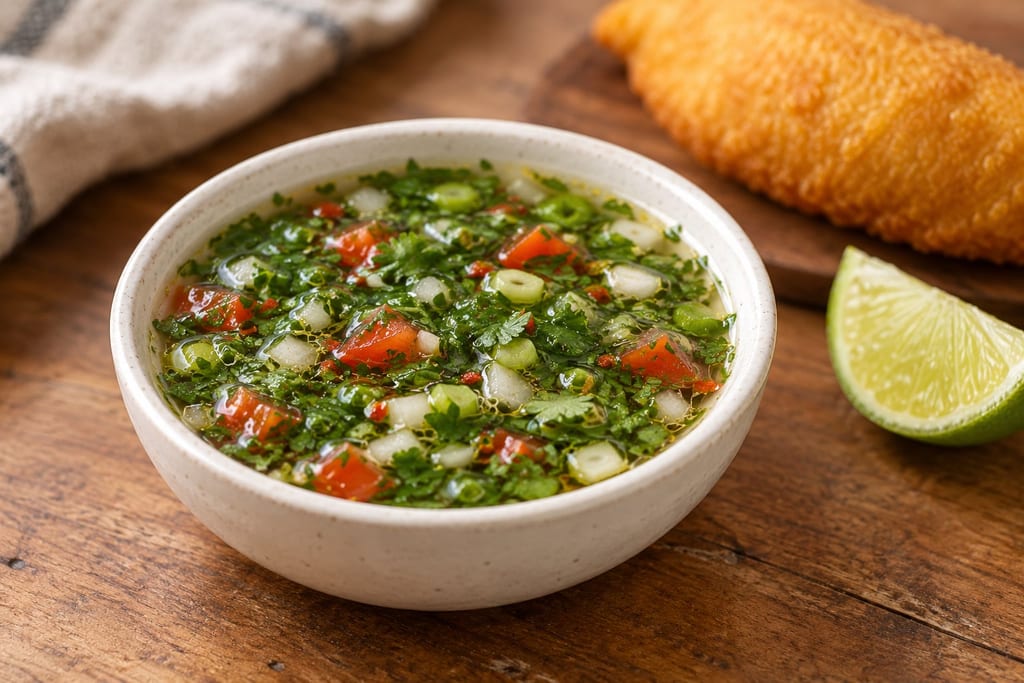
A fresh Colombian table condiment of chopped herbs, scallion and tomato in a vinegar and chile base, served beside fried and filled dishes.
Ají verde is a Peruvian green sauce of coriander, chilli, onion and garlic in a mayonnaise or cheese base. It is best known through Peruvian restaurant cooking abroad.

Soft, spreadable Calabrian pork sausage made with a great deal of red chilli and fatty pork, stuffed into natural casings, sometimes smoked and matured while staying soft.

A way to add independent temperature logging to an existing food dehydrator without changing its built-in controls or protections. It is a monitoring method, not a rewiring plan.

Pleurotus cystidiosus is the abalone mushroom, a cultivated oyster-type fungus with dark brown caps that grows more slowly and is more demanding than other Pleurotus species.

A dark, balanced vinegar from Emilia-Romagna made by combining cooked or concentrated grape must with wine vinegar, then acetifying and refining it in wood under a protected specification.

A living dairy inoculum that starts controlled cream fermentation, developing acidity and aroma before sour cream or cultured butter is finished.

A small electric incubator holds jars at a selected temperature for yogurt and other documented warm food preparations. Controls, capacity and vessel arrangement vary by model.

Adygean salt is a seasoned table salt associated with Adygea and the wider North Caucasian culinary tradition. Salt is blended with garlic and a variable selection of herbs and spices; the exact mix depends on the named style and maker.

The African Caesar-group mushroom, Amanita masasiensis, is a wild ectomycorrhizal species of central and southern African woodlands, eaten locally. The genus contains deadly poisonous species, so identification needs care.
No community contributions have been published for this entry yet.
Sign in to contribute. Published comments and photos are free to read.
My Moroccan FoodMethod · Ingredients · Culinary use
Chermoula - Moroccan CondimentAuthor-published recipe dated 20 May 2015 uses coriander, olive oil, garlic, lemon juice, paprika, cumin and salt, with optional cayenne and saffron; it makes about half a cup and is mixed until smooth.
The author describes chermoula as a North African marinade used with fish, meat, poultry and vegetables, and says parsley may replace coriander. The page suggests pan-frying, grilling, frying or baking the foods seasoned with it.
Cited in: A fresh herb sauce, not a fermented condiment; Names, memory and the limits of the historical record; Why these ingredients work together; Fish, vegetables and the role of a marinade; Variants without a false universal recipe
World Intellectual Property Organization (WIPO), with the Moroccan Industrial and Commercial Property Office (OMPIC)History · Regional variation · Method · Culinary use
Scoping study on the gastronomic tourism sector in MoroccoThe study describes Moroccan chermoula as a base used in many fish preparations and reports that different versions are common in Moroccan regions where fish is available; its reported basic ingredients include paprika or niora, cumin, garlic, coriander leaves, olive oil, lemon juice or vinegar and chilli, with saffron and tomato paste optional.
It presents a historical proposal connecting the name chermoula/el mourri with an older Andalusian fermented-fish preparation but distinguishes that preparation from modern Moroccan herb-and-oil chermoula; the evidence does not establish a continuous formula lineage.
Its documented fish method crushes coriander, garlic and salt in a mortar, then adds spices, acid, oil and water; the report describes regional fish preparations and a Mirleft variant using argan oil and saffron.
Cited in: A fresh herb sauce, not a fermented condiment; Names, memory and the limits of the historical record; Why these ingredients work together; Chop, combine and preserve the fresh texture; Fish, vegetables and the role of a marinade; Variants without a false universal recipe
Food Standards Agency, published on GOV.UKSafety · Storage
How to chill, freeze and defrost food safelyGeneral advice for England, Northern Ireland and Wales recommends a fridge between 0 and 5°C, minimal time out of refrigeration, and eating leftovers within 48 hours or freezing them; the guide does not test this chermoula formula.
Cited in: Freshness, storage and safe use
Food Standards AgencySafety
Avoiding cross-contaminationGeneral food-safety guidance supports separation of raw and ready-to-eat food and clean utensils; it does not validate a chermoula marinade or recipe-specific endpoint.
Cited in: Freshness, storage and safe use