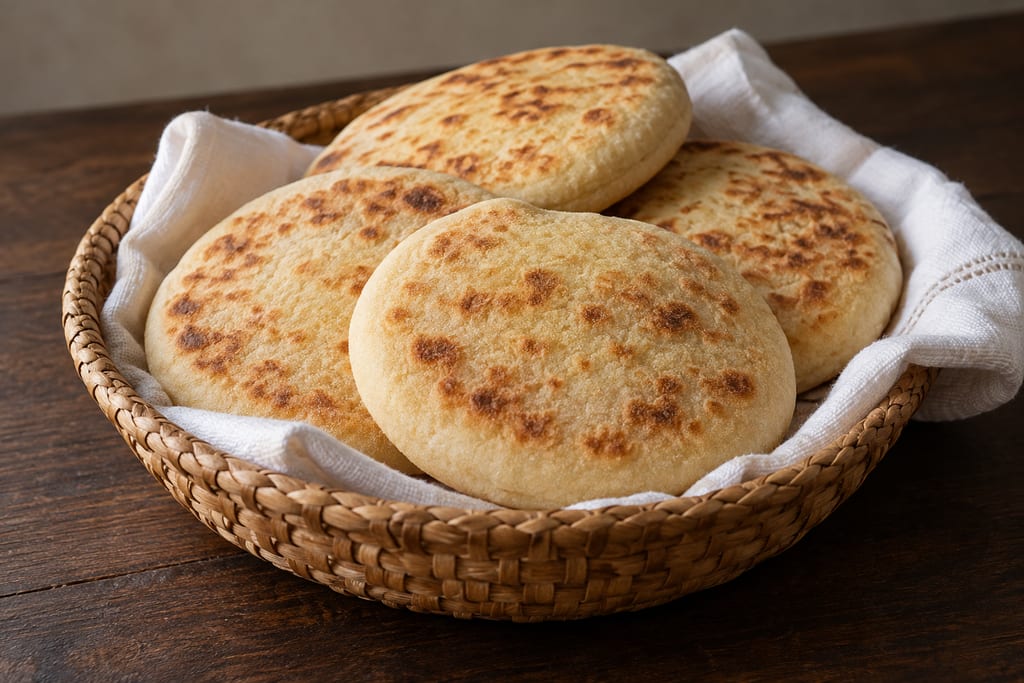
Batbout
A Moroccan yeast-raised semolina pocket bread cooked on a dry pan or griddle; this measured batch makes about twenty 4-inch rounds.
 FermenteaWhere food goes to change
Moroccan khobz
A Moroccan round wheat bread with a firm crust and coarse interior; this home formula makes two 8-inch loaves for serving with meals.
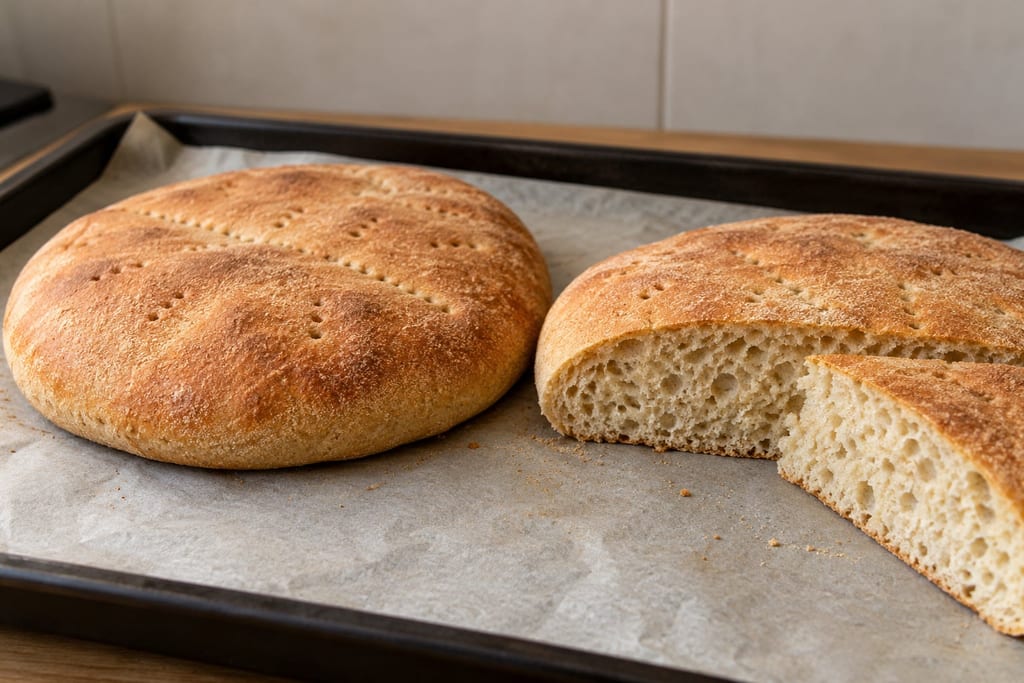
Christine Benlafquih describes khobz as the round bread served with many Moroccan meals. Pieces are used to scoop salads, tagines, sides and other dishes; wedges can also be split and filled. Her page notes that family and bakery loaves vary in size, thickness and flour.
This record follows one contemporary home formula for two white-flour loaves. It is not a universal khobz dough: the author notes that households use different flour blends and that breads with the same name elsewhere may have distinct forms. The cited source also names kesra and agroum in particular Amazigh language contexts; those terms are not added here as aliases because this record is scoped to the Moroccan home formula.
The dough combines white flour, salt, sugar, yeast, warm water and oil. The listed flour amount is four cups, with bread flour or high-gluten flour preferred. The recipe card says to use warm, not hot, water; it does not state a numeric temperature. If the dough feels too stiff or sticky during kneading, the page allows small flour or water adjustments to reach a soft, pliable dough that is not sticky.
After 5–10 minutes of kneading, divide the dough into two mounds and let them rest briefly. Flatten them to about 1/4 inch, then cover and proof for about an hour. The tactile cue is that the dough springs back after a light press. The page allows longer proofing in a cold room; its clock time is guidance for this formula, not a fixed endpoint for every kitchen.
Bake at 435°F (225°C) for about 20 minutes, rotating the pan if needed. The recipe calls for golden-brown tops and a hollow sound when tapped as finish cues. These cues describe the author’s bread method, not a measured internal-temperature target. Cool on a rack or in a towel-lined basket.
The author says homemade khobz does not stay fresh at room temperature for more than a day and recommends freezing unused bread. That is a freshness note, not a validated safety limit. Flour is raw and may contain harmful bacteria: do not taste the dough, keep it away from ready-to-eat food, and wash hands and clean surfaces and tools after handling it.
The cited page identifies this preparation as Moroccan white bread and gives a complete household method. It does not date when khobz first appeared, settle the origin of the wider name, or make the formula equivalent to every bakery or family loaf. The formula is kept at its documented two-loaf scale; no general scaling ratio or fermentation temperature is supplied.
Christine Benlafquih describes round khobz as a common Moroccan bread and discusses its use to scoop food at meals. The sources do not date a first attestation or support a single birthplace for the broader khobz name.
Yield 2 8-inch loaves · Scaling: source batch only
Uncooked flour may carry harmful bacteria.
Hazard sourceBake the bread before eating; keep raw flour and dough away from ready-to-eat foods, then wash hands and clean utensils and work surfaces.
Control sourceDo not taste raw dough. Use care with the hot oven and baking sheet.
Christine Benlafquih identifies this home formula as Moroccan white bread and describes round khobz eaten with Moroccan meals. This does not establish a single origin or represent all breads called khobz.
A Moroccan yeast-raised semolina pocket bread cooked on a dry pan or griddle; this measured batch makes about twenty 4-inch rounds.
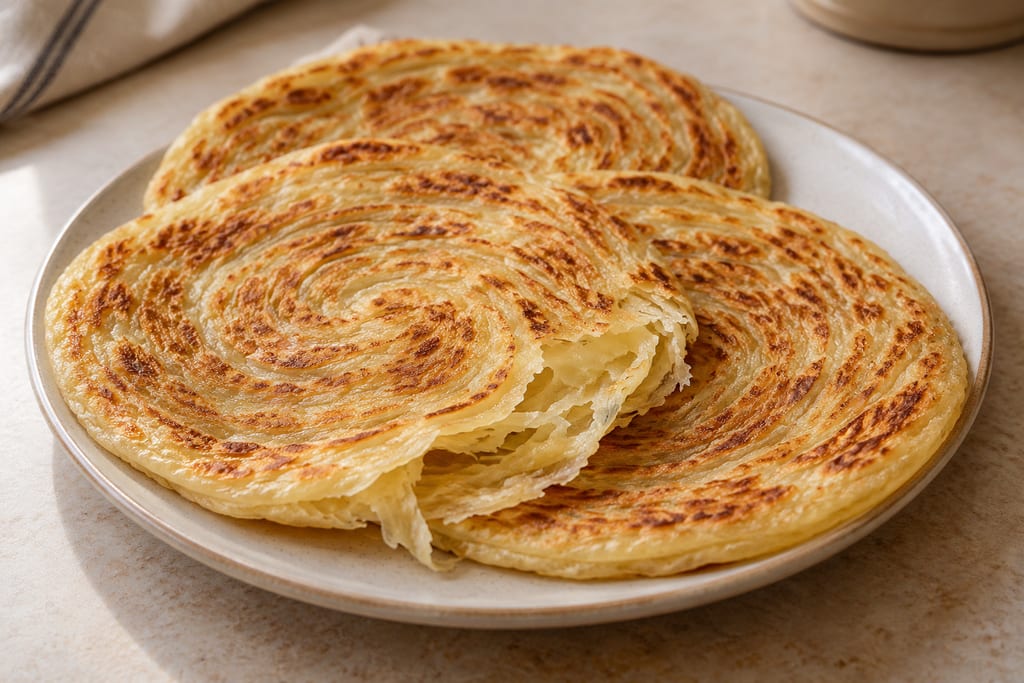
A Moroccan round laminated griddle bread; thin sheets of a lightly yeasted semolina dough are buttered, rolled into layered coils, sliced and flattened.
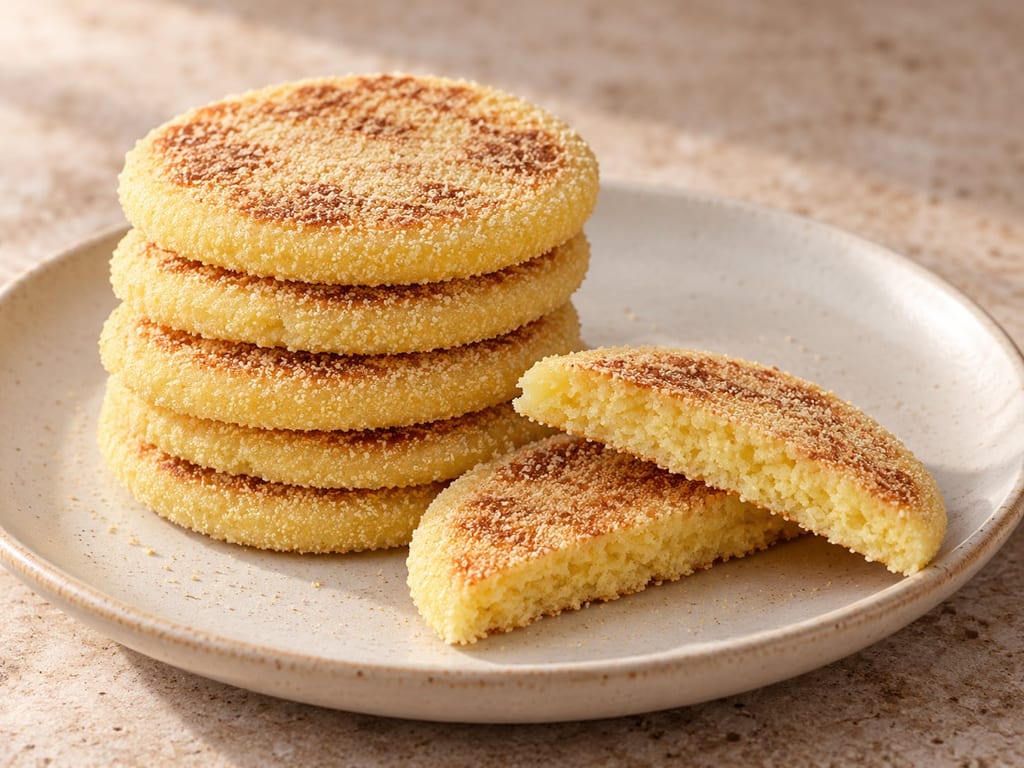
Harcha is a Moroccan semolina griddle bread with olive oil and butter rubbed into the grain, then shaped into thin rounds and cooked until golden. This family formula uses both dry yeast and baking powder.
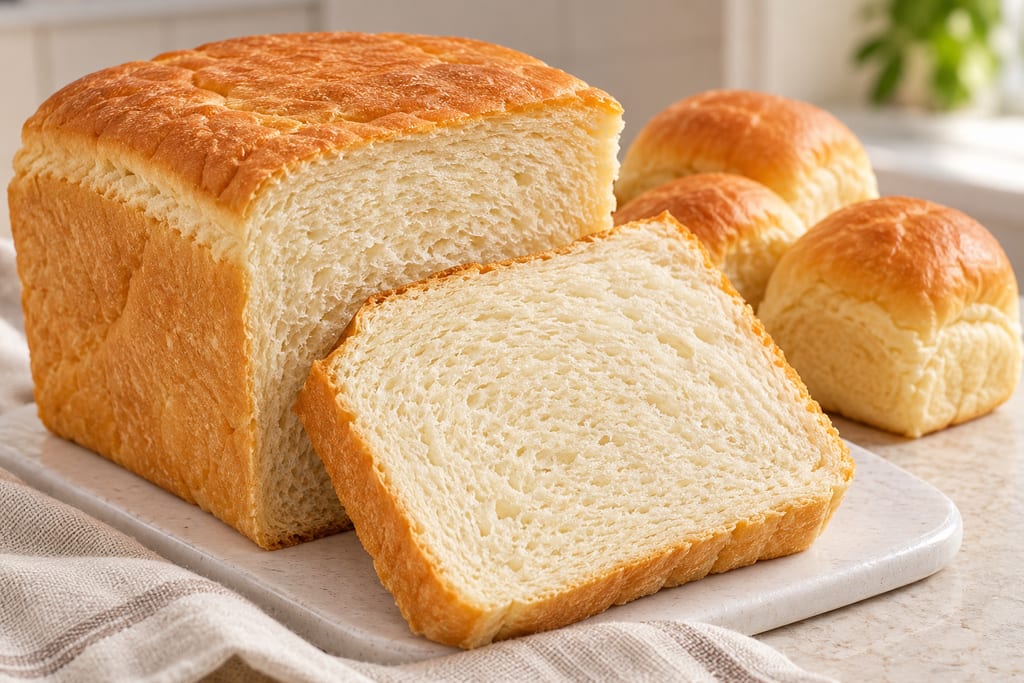
This softer home-style Agege bread uses a scalded flour paste, an enriched yeast dough and a 9×5-inch loaf pan, with rolls from the extra dough.
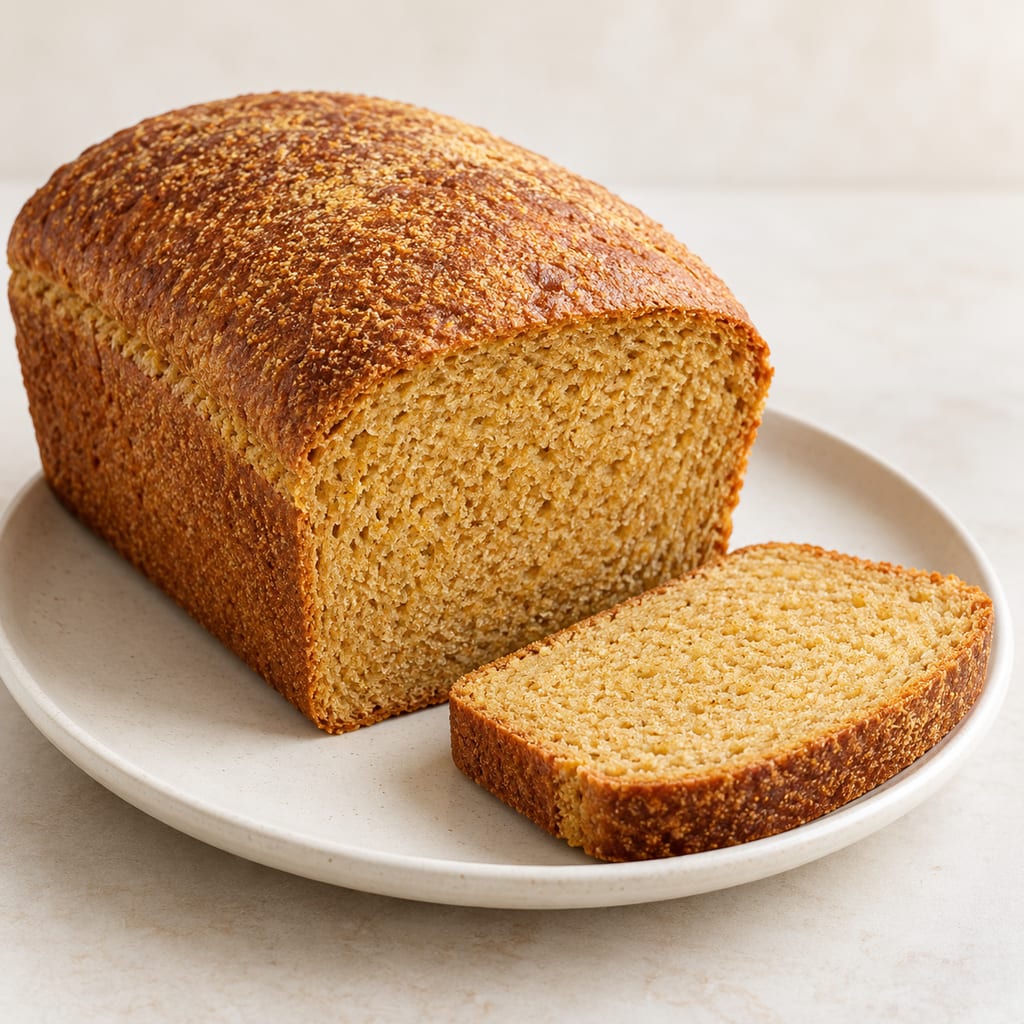
Anadama is a New England yeast loaf made with wheat flour, cornmeal and molasses. Scalded cornmeal enriches the dough, while molasses lends sweetness and a dark crust; it is especially good toasted or beside soup and baked beans.

A yeast-raised wheat ring shaped from a firm dough, briefly boiled and baked. This source-batch formula gives a gently malted crust and a chewy crumb.
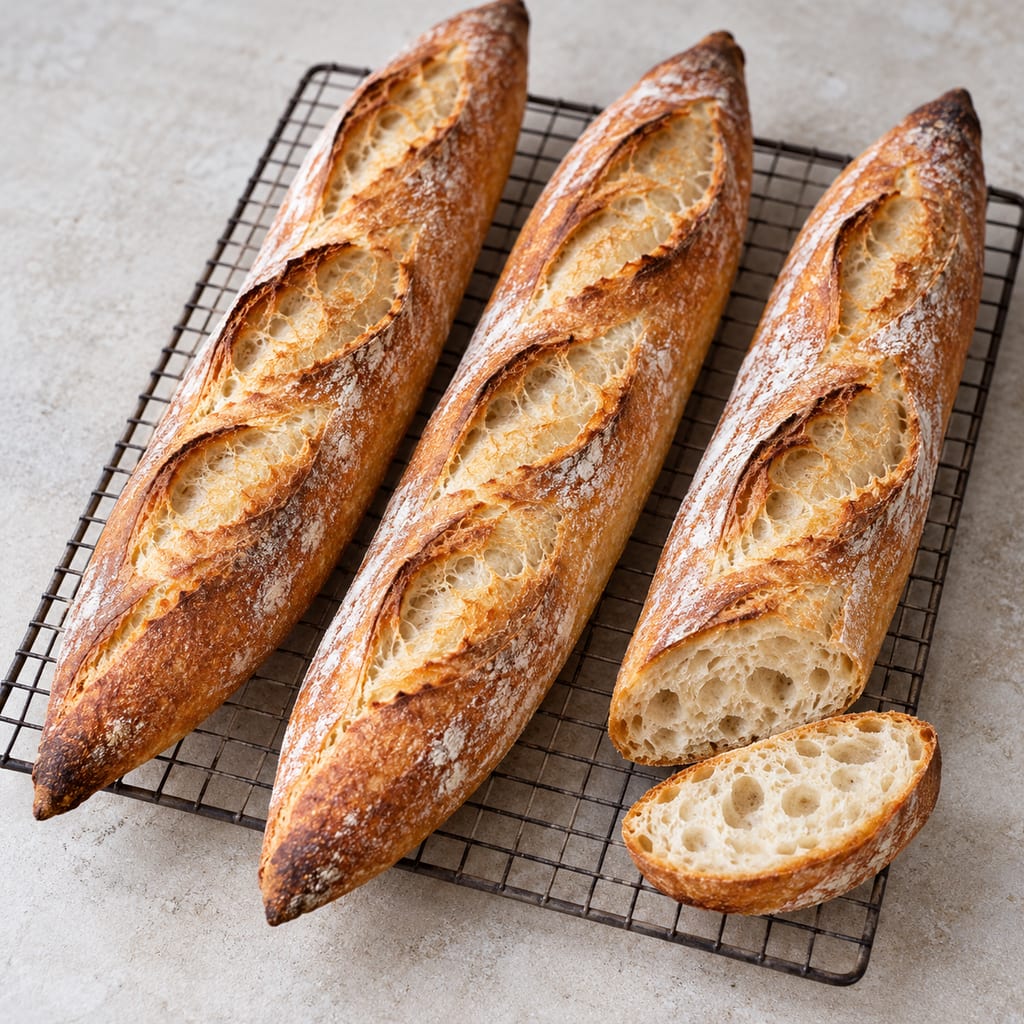
Three long, crusty wheat loaves made with an overnight yeast poolish, shaped by hand and baked with steam for a crisp crust.
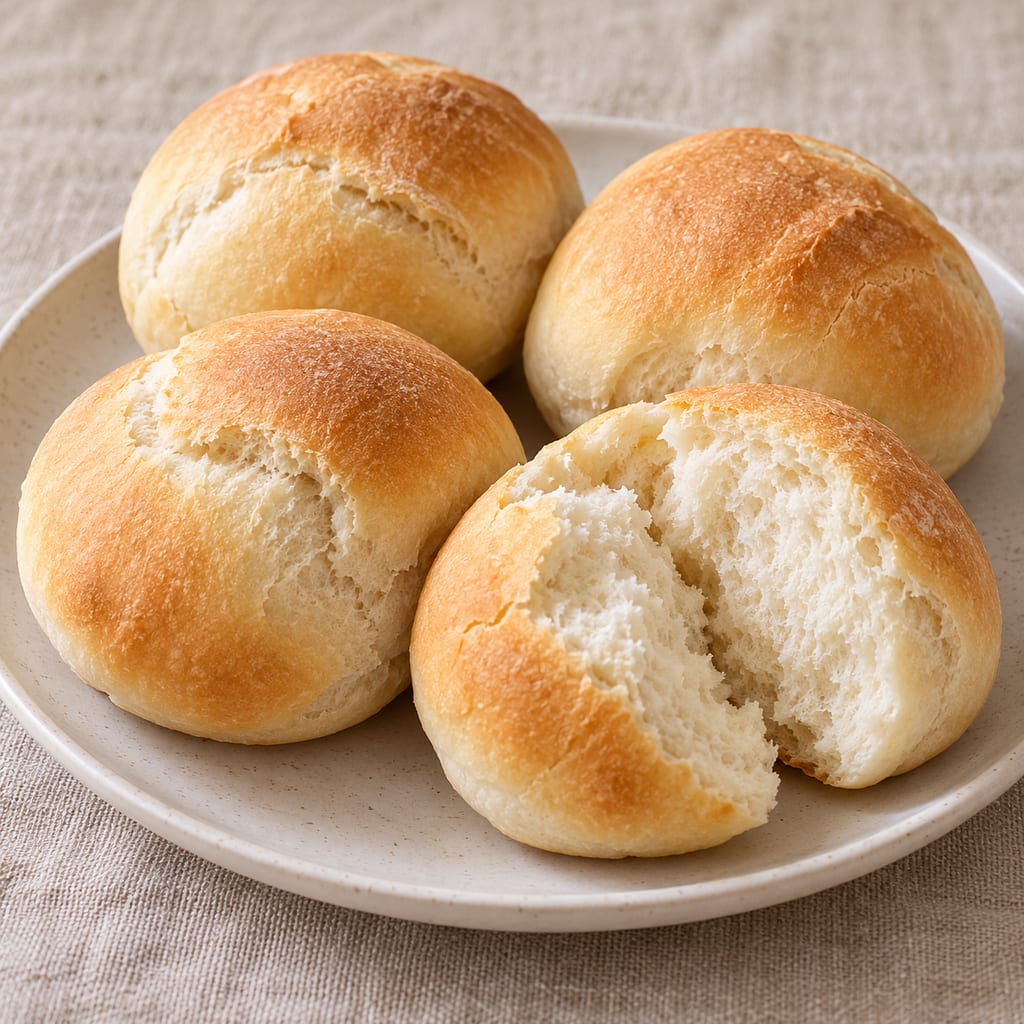
A lightly salted, yeast-raised Barbadian roll, baked in a dozen-roll home batch and often split for cutters.
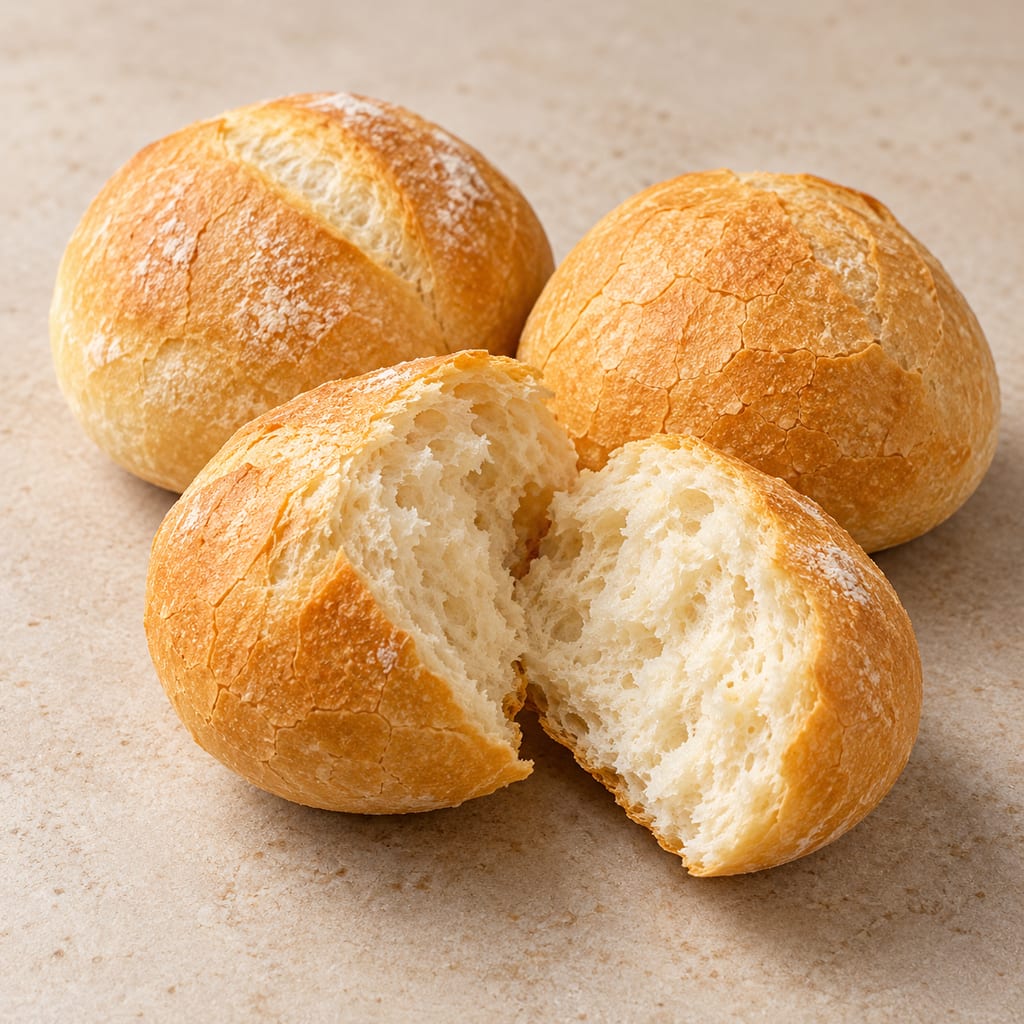
A crisp Belgian roll made from a supplier’s Croc-flour dough, mixed by hand or machine, proofed in rounds and baked with steam.
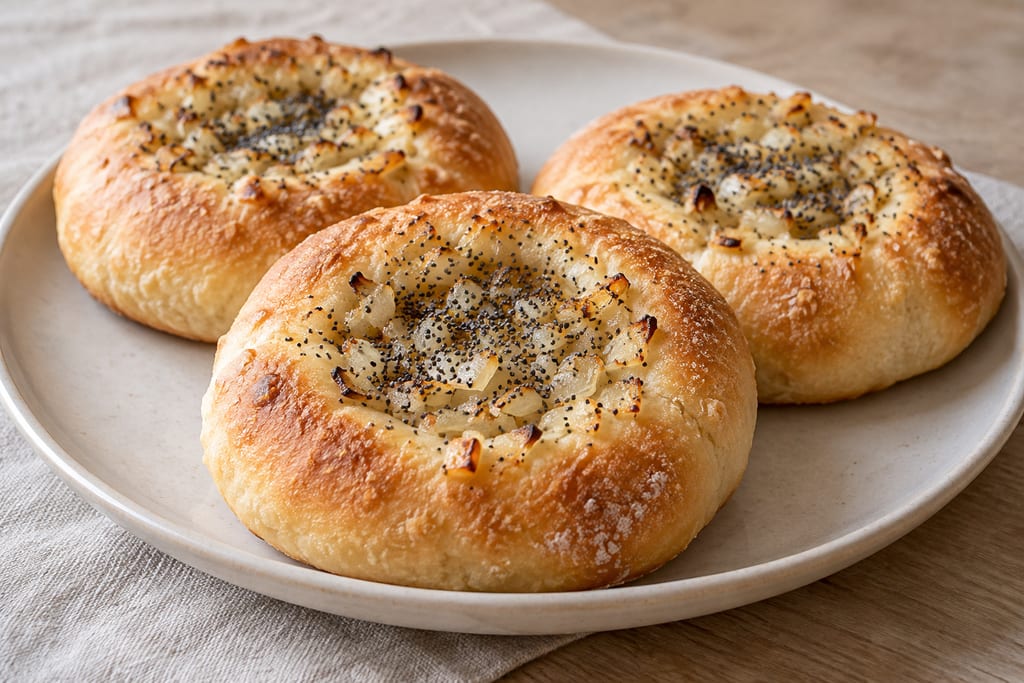
Bialys are soft, yeasted wheat rolls baked without boiling, each shaped with an onion-filled central depression instead of a hole.
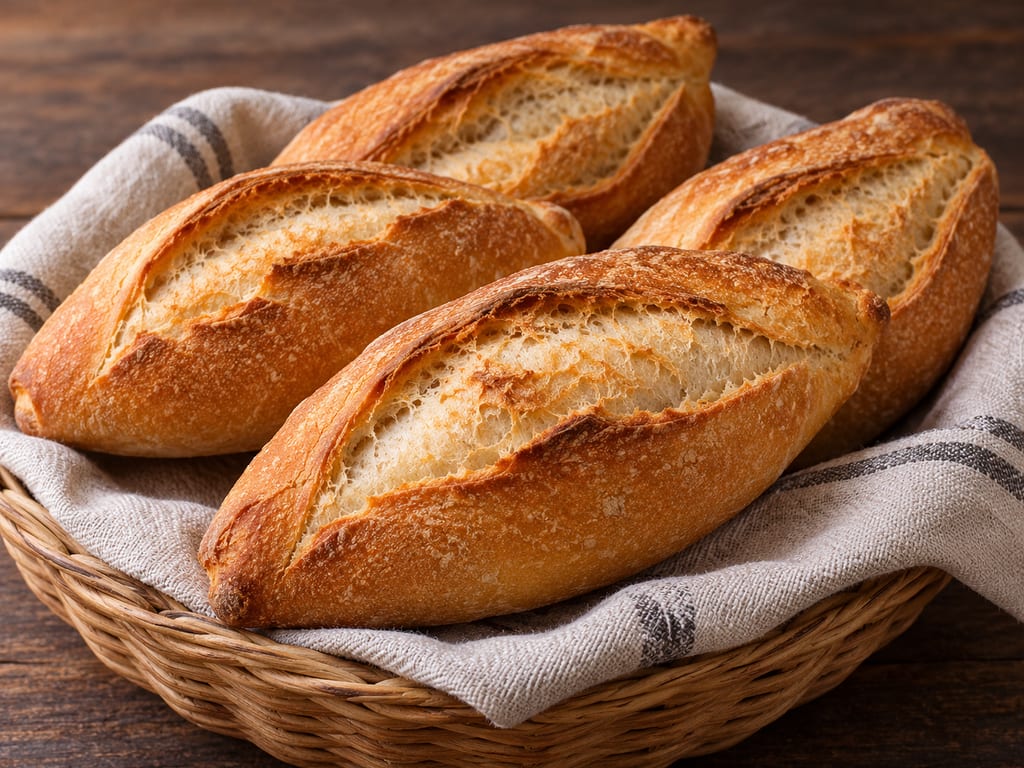
A measured, commercial-yeast home method for Guadalajara-style birote salado, with a six-hour preferment, shaped rolls and a two-temperature steam bake. This formula contains no egg.
No community contributions have been published for this entry yet.
Sign in to contribute. Published comments and photos are free to read.
Taste of MarocInspiration · Method · Geography
Moroccan Khobz Recipe - Basic Moroccan Bread RecipeTwo 8-inch loaf formula and ingredient amounts; kneading, resting, shaping, proofing, oven setting, bake time and finish cues; Moroccan meal use and flour variation notes.
Cited in: A Moroccan round loaf; Mixing and proofing; Baking and keeping; Evidence limits
U.S. Food and Drug AdministrationSafety
Handling Flour Safely: What You Need to KnowFlour is raw and may carry harmful bacteria; do not taste raw flour or dough; cook and clean hands, utensils and surfaces after handling.
Cited in: Baking and keeping