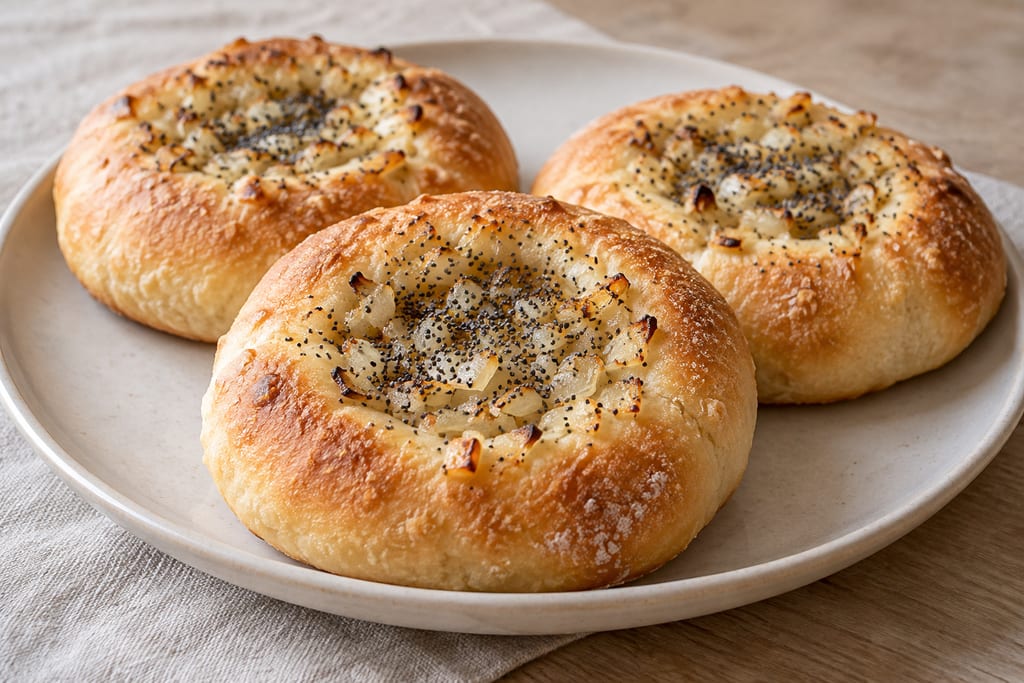
Bialy
Bialys are soft, yeasted wheat rolls baked without boiling, each shaped with an onion-filled central depression instead of a hole.
 FermenteaWhere food goes to change
Beigel · Bagels
A yeast-raised wheat ring shaped from a firm dough, briefly boiled and baked. This source-batch formula gives a gently malted crust and a chewy crumb.

A bagel is a wheat dough formed into a ring, boiled briefly and then baked. The short water bath is a defining part of the method recorded by both this contemporary recipe and the YIVO account of East European Jewish baking. This record follows one complete present-day formula from King Arthur Baking. It uses bread flour, instant yeast, salt, water and malt powder; it does not represent every regional or household bagel.
The dough is deliberately firm. King Arthur explains that bread flour supplies the characteristic chew while keeping the inside tender. The recipe’s kneading instruction is longer than a quick roll dough, and the staged process includes a first rise, a covered rest after dividing, shaping, boiling and baking. Each stage has its own timing, so the baker can plan the sequence without turning the formula into a long-fermented or sourdough version.
The source gives a choice between 8 large and 12 standard bagels. That is the only scale this record supports. Changing the number or size changes more than appearance: the hole must remain open, the rings need room in the pan and oven, and the browned finish may come at different points within the stated bake range.
YIVO describes bagels as a Jewish specialty in Eastern Europe, sold by bakers and market vendors. In Opatów, the account describes a ring made from two coils whose ends meet, then cooked in boiling water, drained, topped with poppy seeds and salt, and set on the oven floor. This historical description shares the boil-then-bake sequence with the modern formula, while its coiled shaping and direct oven baking remain distinct details.
The same encyclopedia reports that bagels appear in Kraków’s Jewish community statutes from 1610 as gifts for a woman who had given birth, the midwife and the women present. YIVO also describes the East European bagel as a relatively affordable, portable treat sold in bakeries and on the street. These are specific historical contexts rather than proof that bagels began in Kraków or that every community used them in the same way.
YIVO records differences in size and ingredients: a small portable bagel in its East European description, dark-flour examples in Trishik, and milk, egg or almond versions. Those variants should not be collapsed into the King Arthur batch, which uses a firm bread-flour dough and no dairy or egg. The name links a family of preparations; the recipe here remains one defined formula.
The dough uses 480 g bread flour, 9 g instant yeast, 12 g table salt, 9 g non-diastatic malt powder and 303 g lukewarm water. King Arthur also gives cup and spoon measures, but the weights keep the selected batch clear. Its malt option can be replaced in that source by dark brown sugar or barley malt syrup; this record selects the measured malt-powder version so the dough quantity is explicit.
The 303 g lukewarm water belongs to the dough; the larger 1,814 g water amount is reserved for the bath. King Arthur also gives volume measures for the flour, water and salt, while advising bakers to weigh flour or spoon it lightly into a cup and sweep off the excess. Packing flour into a measuring cup would change the amount, so the weight offers the clearest record of this batch. The formula gives no adjustment table for another flour or a different room; retain the named bread flour and use the described firm, shape-holding dough as its process cue.
The recipe places all the dough ingredients together before kneading. It does not call for an overnight ferment, a sponge or a separate malt soak. Those changes would alter the recipe and are not part of the recorded version. The malt powder in the water bath is a separate portion, and the ingredient list accounts for the two uses independently in its preparation note.
Combine the flour, yeast, salt, malt powder and lukewarm water. A mixer takes about 10 minutes of vigorous kneading; hand kneading can take up to 15 minutes. King Arthur says the bread flour needs extra work to develop the dough and gives practical signs: a mixer-driven mass strikes the bowl, and when stopped, it holds its shape without spreading.
Transfer the dough to a lightly greased bowl, cover it and let it rise for 1 to 1½ hours. The source asks for a noticeably puffy dough but says it need not double. That wording matters because doubling is not the only visible cue the recipe names. This record keeps the source’s puffiness cue and time range; it does not add a target room temperature or a universal rise percentage.
The cover prevents the surface from being exposed during the rise, while the bowl leaves room for expansion. No dedicated proofing cabinet is specified. If the kitchen is cool or warm, the source does not provide a conversion table; it provides a time range and a visible change. The recipe’s total time is 2 hours 50 minutes, so mixing and shaping fit around these rests rather than requiring a multi-day schedule.
Prepare two baking sheets by greasing them, or by lining them with parchment and greasing the parchment. Divide the risen dough into eight portions for large bagels or twelve for standard ones. Roll each portion into a smooth ball and set the balls on a prepared sheet. Cover them and leave them for 30 minutes; the source expects only slight puffing during this rest.
Shape each ring by poking a hole through the center of a ball and turning the dough around a finger until the opening reaches about 1½ to 2 inches. The opening is wider than it may appear necessary before the bath, which gives the ring a clear center after handling and baking. The source does not provide a separate rope-shaping path or a machine method; this record keeps its finger-shaped route.
The two-sheet setup also provides a place to return each ring after boiling. Avoid crowding during the later bath, where the source suggests four bagels at a time when the pan allows. Working in small batches leaves room to lift them with a skimmer and avoids requiring the reader to improvise a different pot capacity.
Heat 1,814 g water with 18 g non-diastatic malt powder and 14 g granulated sugar until the bath reaches a very gentle boil. Use a wide pan so bagels can move through it without crowding. While it heats, bring the oven to 425°F, about 218°C. The source does not name a water depth, pan diameter or exact simmer temperature.
Lower a small batch of rings into the water. If the bath loses its gentle simmer, adjust the heat to bring it back. Boil each ring for two minutes, turn it and boil for one minute more. Lift the bagels with a skimmer or dough whisk and return them to the prepared baking sheet; repeat with the remaining rings.
YIVO’s Opatów description also places boiling before baking, though it describes two twisted coils and a traditional oven peel rather than this recipe’s finger-shaped dough and baking sheets. That comparison helps show why boiling belongs in this method’s identity. A New York bakery likewise describes its bagels as kettle-boiled. The steps are shared across documented versions, while the exact batch and equipment differ.
Bake at 425°F for 20 to 25 minutes, turning the rings at about the 15-minute mark. The recipe leaves the final brownness to the baker’s preference and does not give separate bake times for the two sizes. A single time for every ring would overstate what the source supports, so follow the stated range and finish cue rather than assigning a precise endpoint to each shape.
Move the baked bagels to a cooling rack and let them cool completely before cutting or splitting. The source gives that cooling sequence before serving. It does not require toppings. For a seeded variation, King Arthur suggests brushing the rings before baking with one beaten egg white and one tablespoon water, then adding sesame or poppy seeds; that is an optional variation, not part of the measured plain batch.
The storage note is limited: wrap leftovers and keep them at room temperature for a day or two, or freeze them for longer storage. This record reports that household recommendation as written. It is not a storage study or validated shelf-life limit, and no refrigerator duration is given.
The named equipment is a mixing bowl, a mixer or hands for kneading, two baking sheets, parchment if used, a wide pan, a skimmer or dough whisk, an oven and a cooling rack. The method can be worked by hand, but the dough’s stiffness makes a mixer one supported option. The equipment rating reflects that ordinary home setup plus repeated movement between dough, bath and oven.
King Arthur lists 30 minutes hands-on, 20 to 25 minutes baking and 2 hours 50 minutes total. The timed dough stages are a 1 to 1½-hour rise and a 30-minute covered rest. Mixing, shaping, heating the bath, boiling in batches and cooling occupy the remaining schedule; the source does not state separate minutes for each of them.
The batch is one source formula for 8 large or 12 standard bagels. It gives no tested rule for doubling the ingredients or processing multiple batches. A larger dough mass may need a different kneading and rise schedule, and a larger number of rings requires room in the bath and oven. This entry therefore keeps the source batch intact instead of implying that a simple multiplier has been tested.
Flour is raw and can carry harmful bacteria. The U.S. Food and Drug Administration advises against tasting raw flour or dough and identifies cooking as the step that makes flour foods safe. Keep dough away from ready-to-eat foods and wash hands, bowls and work surfaces after handling it. The recipe’s boiling and oven stages cook the dough, but they are not a separately validated safety process.
The water bath and oven also create straightforward burn risks. Use a skimmer to lift the rings and take care around the wide pan, boiling water and hot sheets. The source does not provide specialized protective equipment or a safe handling temperature, so this record does not invent one.
The recipe gives 425°F and a bake range but no internal temperature check. It also supplies only a brief room-temperature storage suggestion and no shelf-life study. Do not use smell, taste or appearance as proof of safety, and do not treat the published timing as a tested limit for every oven or bagel size.
King Arthur’s page names bread flour and boiling as the route to the texture of its bagels, and gives a modern household procedure with measurable ingredients and baking times. YIVO’s account places bagels within East European Jewish foodways and ties their sale to bakers and street vendors. The two sources serve different purposes: one is a reproducible present-day batch, the other describes historical practice and social setting.
Kossar’s bakery account describes Lower East Side Jewish immigrants from Poland bringing local breads to New York, and says the bakery has made kettle-boiled bagels since its opening in 1936. This company history supports a documented diaspora association and a long-running New York practice. It should not be read as the moment bagels arrived in the United States, or as evidence that this particular King Arthur formula is a New York-style recipe.
The historical source also documents bagels in specific community and market contexts, including a 1610 Kraków statute and the Opatów preparation. Neither one identifies a single birthplace. This record therefore uses several source-backed places and preserves the distinction between an early written reference, a described historical method and a contemporary U.S. formula.
YIVO reports bagels in Kraków's Jewish community statutes from 1610 and describes East European Jewish bakery and street-vendor practice, including a boiled-and-baked Opatów method. Kossar's account documents kettle-boiled bagels in New York City from the bakery's 1936 opening. Those records show historical and diaspora associations; they do not establish a single birthplace or make this contemporary King Arthur formula a historical recipe.
Scaling: source batch only
Flour is a raw food and can carry harmful bacteria. The dough should not be tasted before cooking.
Hazard sourceThe method requires a simmering water bath and a hot oven; splashes and hot trays can burn.
Hazard sourceDo not taste raw dough; keep it away from ready-to-eat food and wash hands, utensils and surfaces after handling flour and dough.
Control sourceUse a skimmer to move bagels in and out of the simmering bath, and handle the pan and baking sheets carefully.
Control sourceThe recipe gives an oven setting and bake time, but no validated internal-temperature endpoint. Do not taste raw flour or dough.
The source's one- to two-day room-temperature storage advice is reported as written; the recipe has no shelf-life validation.
YIVO describes bagels as an East European Jewish specialty, sold by bakers and street vendors. This regional association does not name a single birthplace.
YIVO reports bagels in Kraków's Jewish community statutes from 1610. This attests to the food there; it does not establish where bagels originated.
YIVO describes the Opatów ring-shaping, boiling and baking method. The passage does not date that particular preparation.
Kossar's says its Lower East Side bakery has operated since 1936 and makes kettle-boiled bagels. This documents a New York practice, not the origin of the food or this King Arthur formula.
Bialys are soft, yeasted wheat rolls baked without boiling, each shaped with an onion-filled central depression instead of a hole.
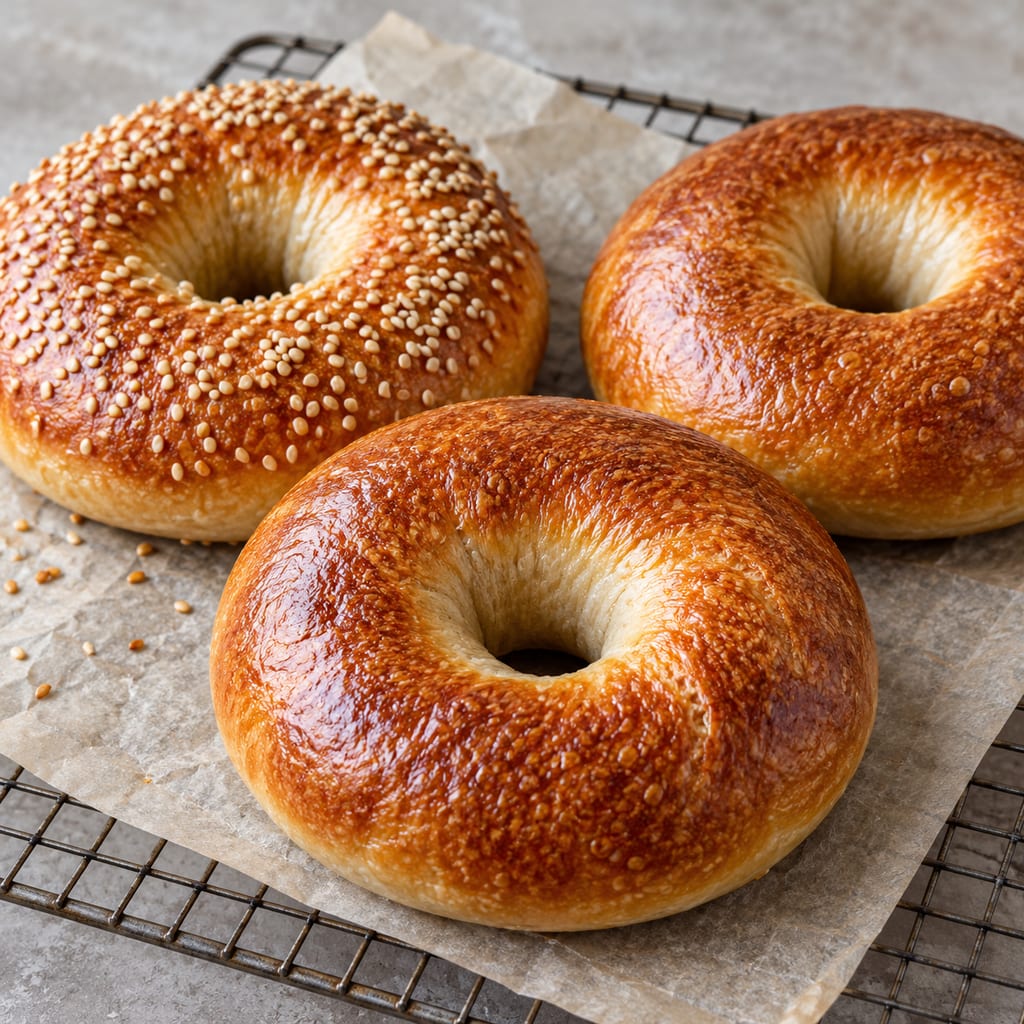
A firm bread-flour dough with barley malt is shaped into rings, refrigerated for 8–14 hours, poached below a boil, then baked hot with steam.
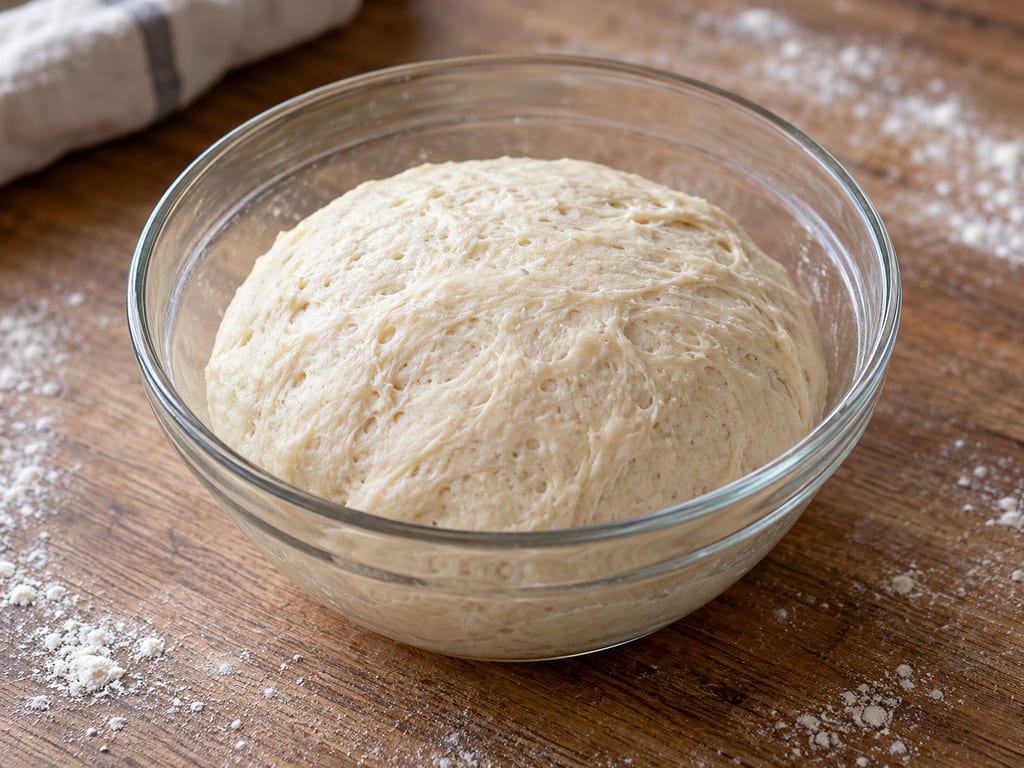
Pâte fermentée is a bread preferment made from salted, yeasted dough set aside to ferment and mixed into a later batch, carrying developed dough and fermentation products with it.
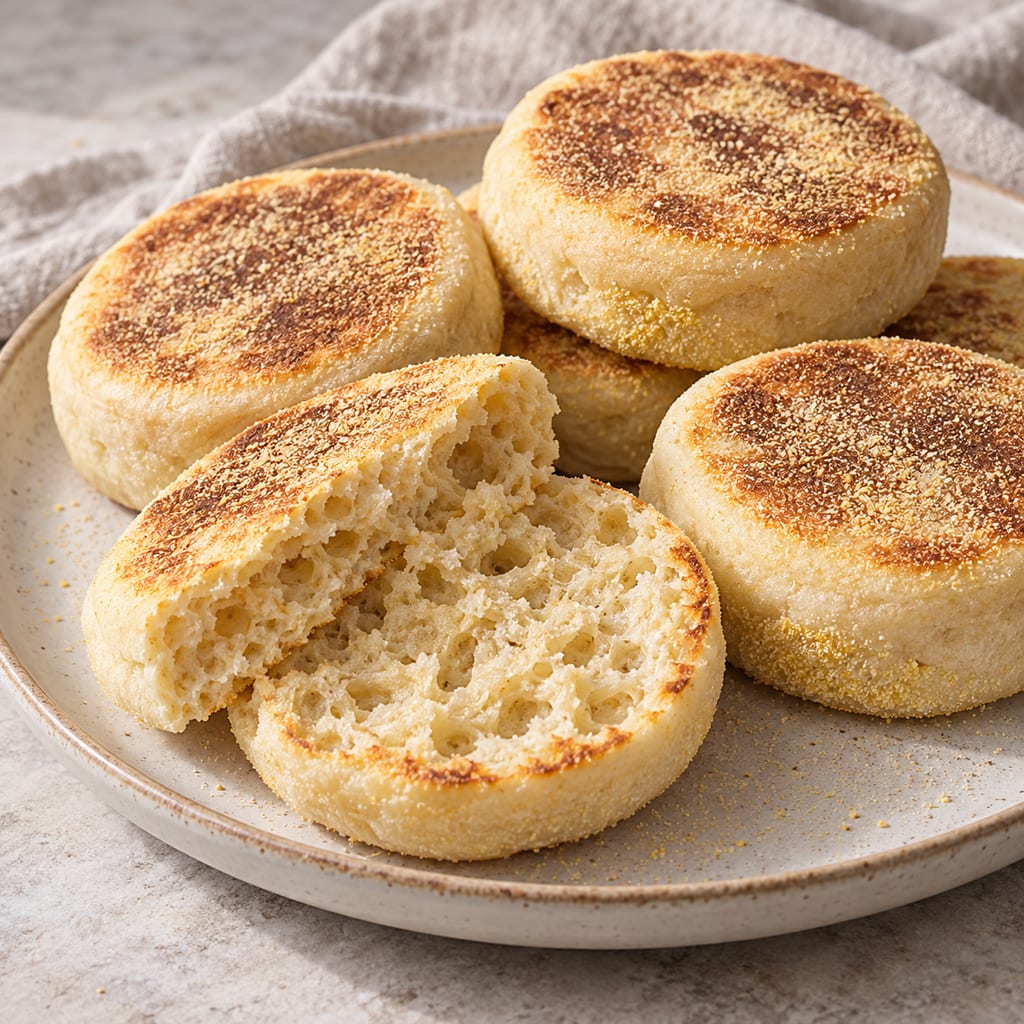
A soft English muffin dough combines sourdough starter with baker’s yeast, then rises, is cut into rounds and cooks on a griddle. The starter adds tang; the added yeast helps it rise.
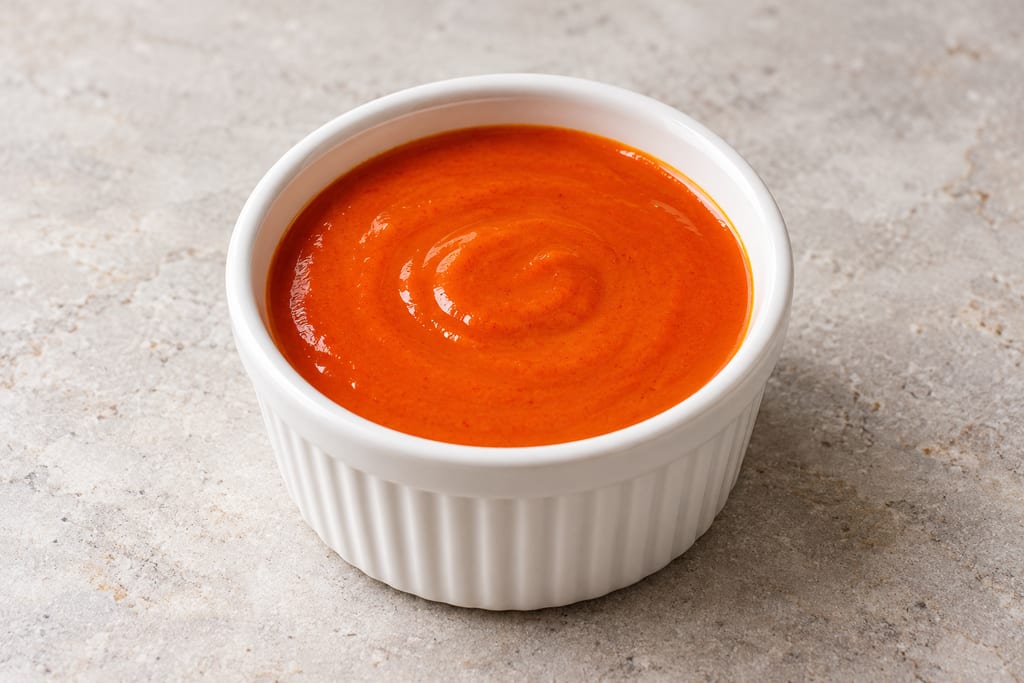
A warm, buttery cayenne sauce made by melting butter into a hot pepper sauce, first tossed onto fried chicken wings in Buffalo, New York.
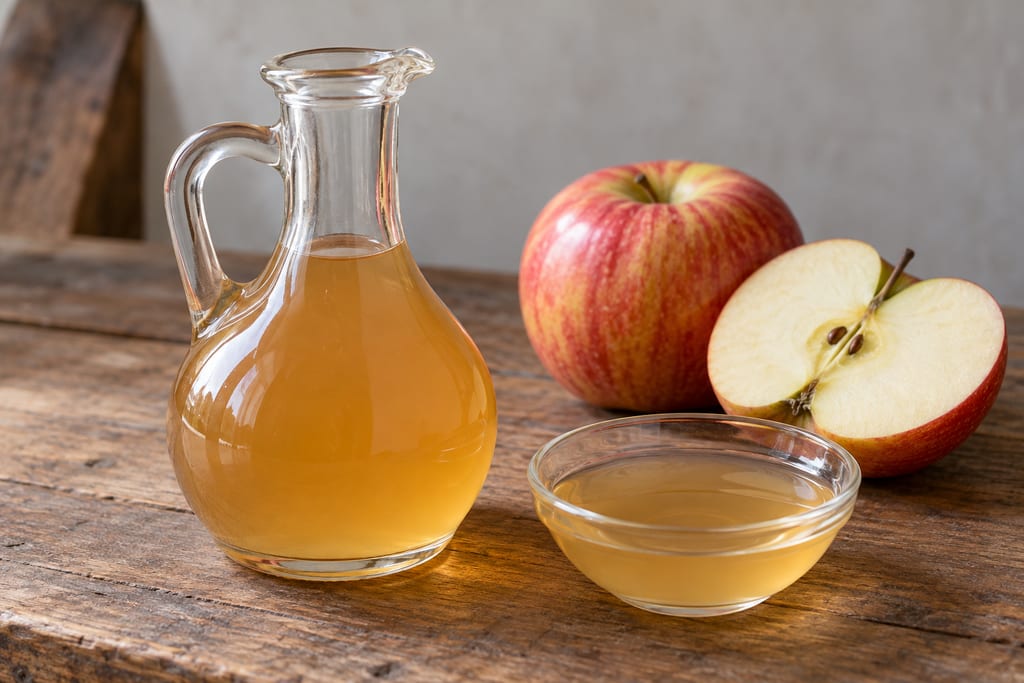
Cider vinegar is made when acetic-acid bacteria use oxygen to turn the alcohol in dry apple cider into acetic acid. This historical cask method begins with fermented cider and differs from apple-scrap vinegar made with sugar and water.
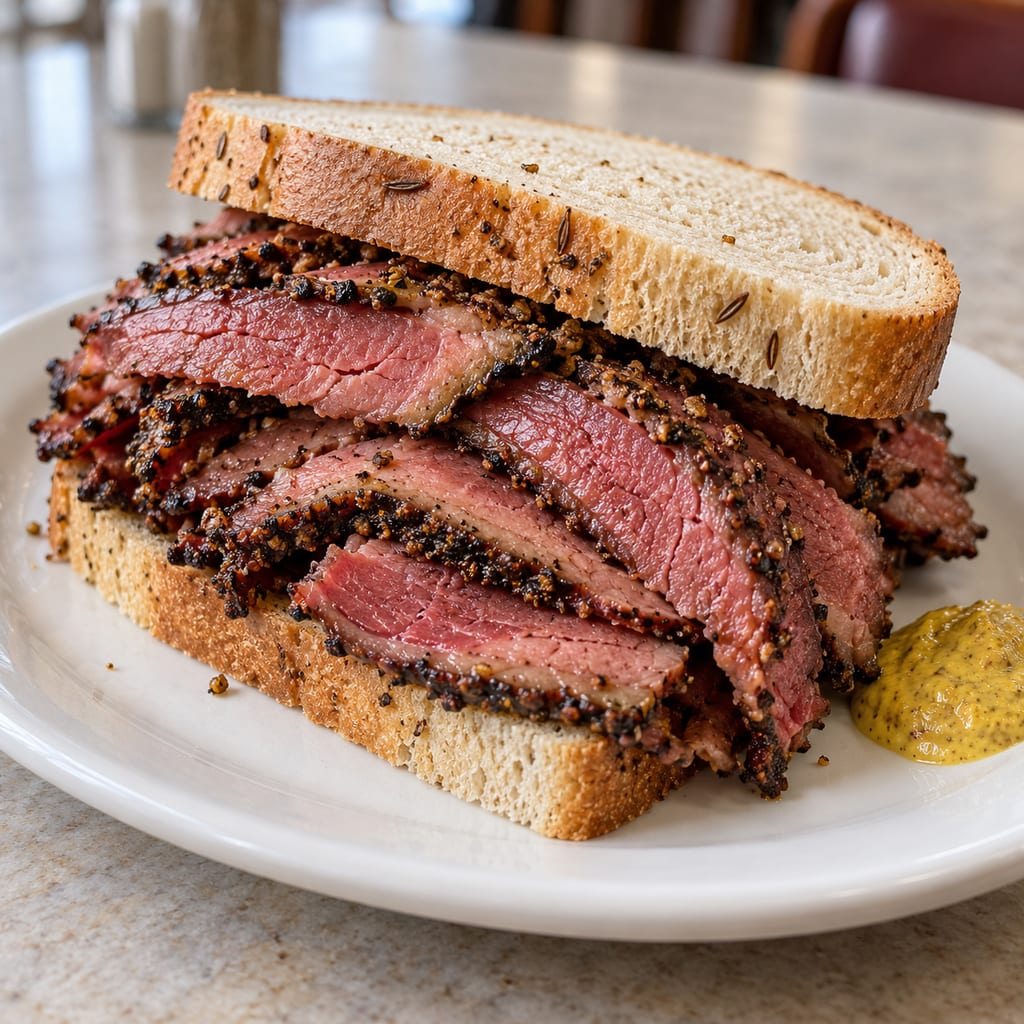
Pastrami is beef brined, rubbed with spices, smoked and steamed, the New York Jewish deli meat served hot and hand-carved on rye. Its origin is argued between competing accounts.
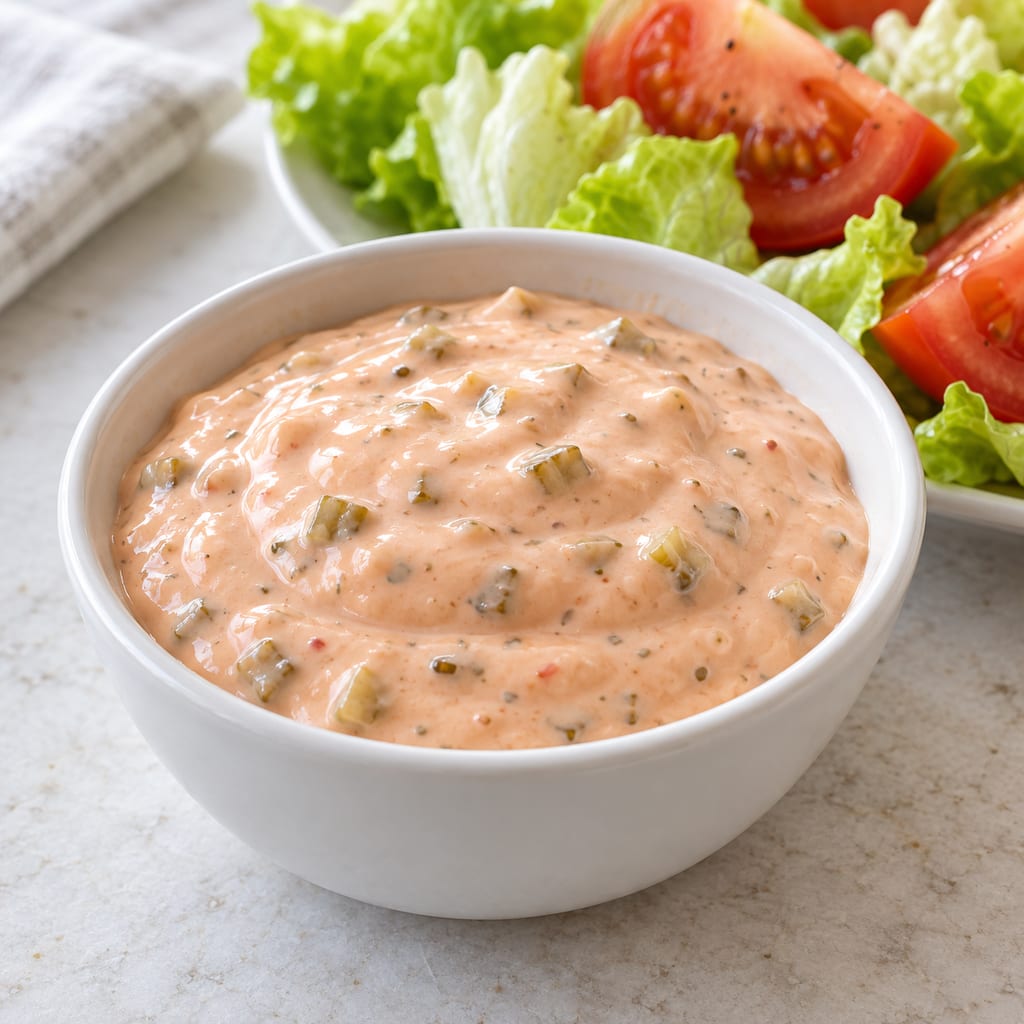
Thousand Island dressing is a pink, sweet-savoury dressing of mayonnaise, tomato condiment and chopped pickle relish, named for the Thousand Islands region on the St. Lawrence River, where its origin is placed.
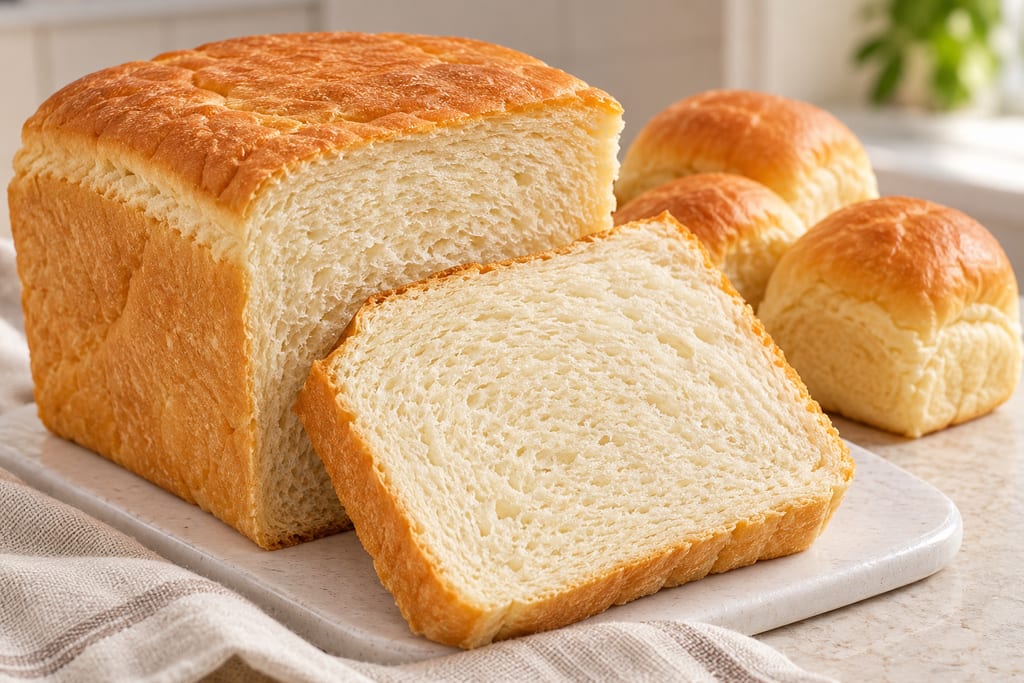
This softer home-style Agege bread uses a scalded flour paste, an enriched yeast dough and a 9×5-inch loaf pan, with rolls from the extra dough.
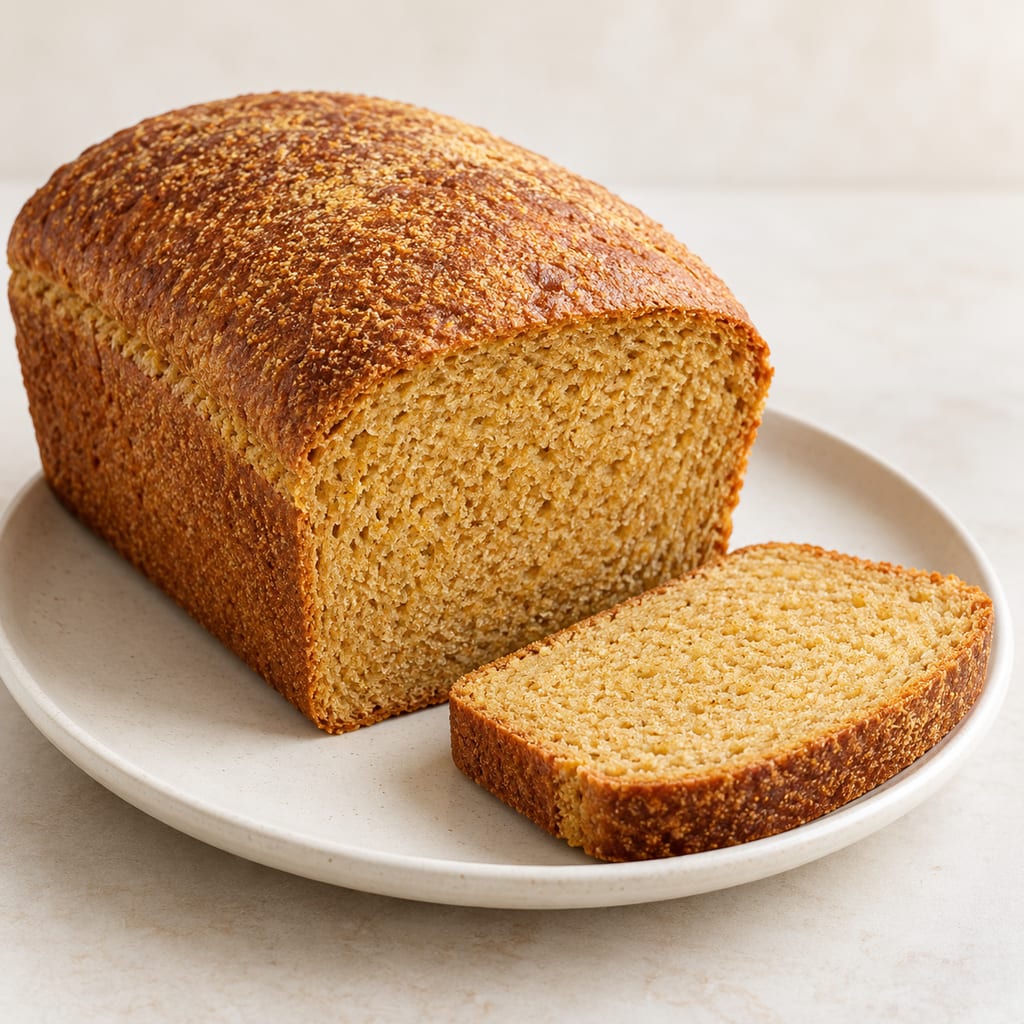
Anadama is a New England yeast loaf made with wheat flour, cornmeal and molasses. Scalded cornmeal enriches the dough, while molasses lends sweetness and a dark crust; it is especially good toasted or beside soup and baked beans.
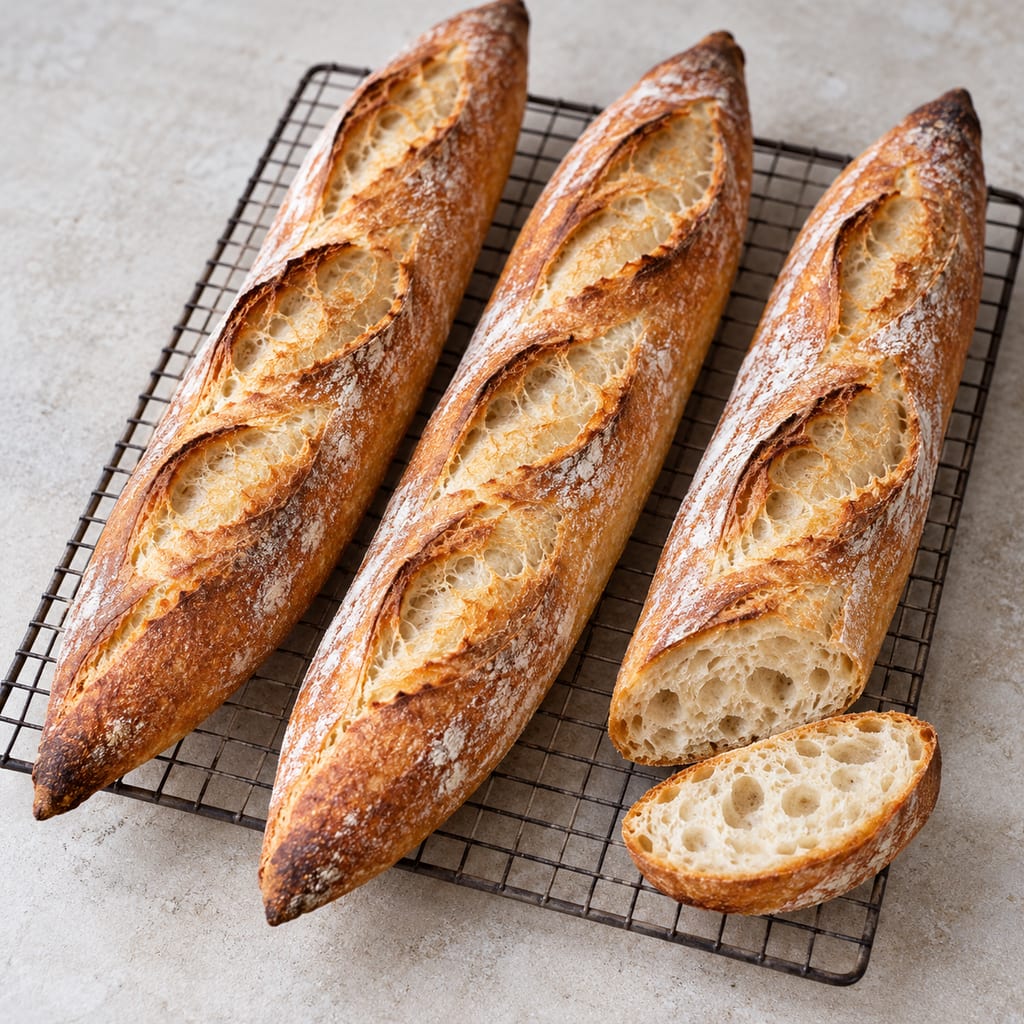
Three long, crusty wheat loaves made with an overnight yeast poolish, shaped by hand and baked with steam for a crisp crust.
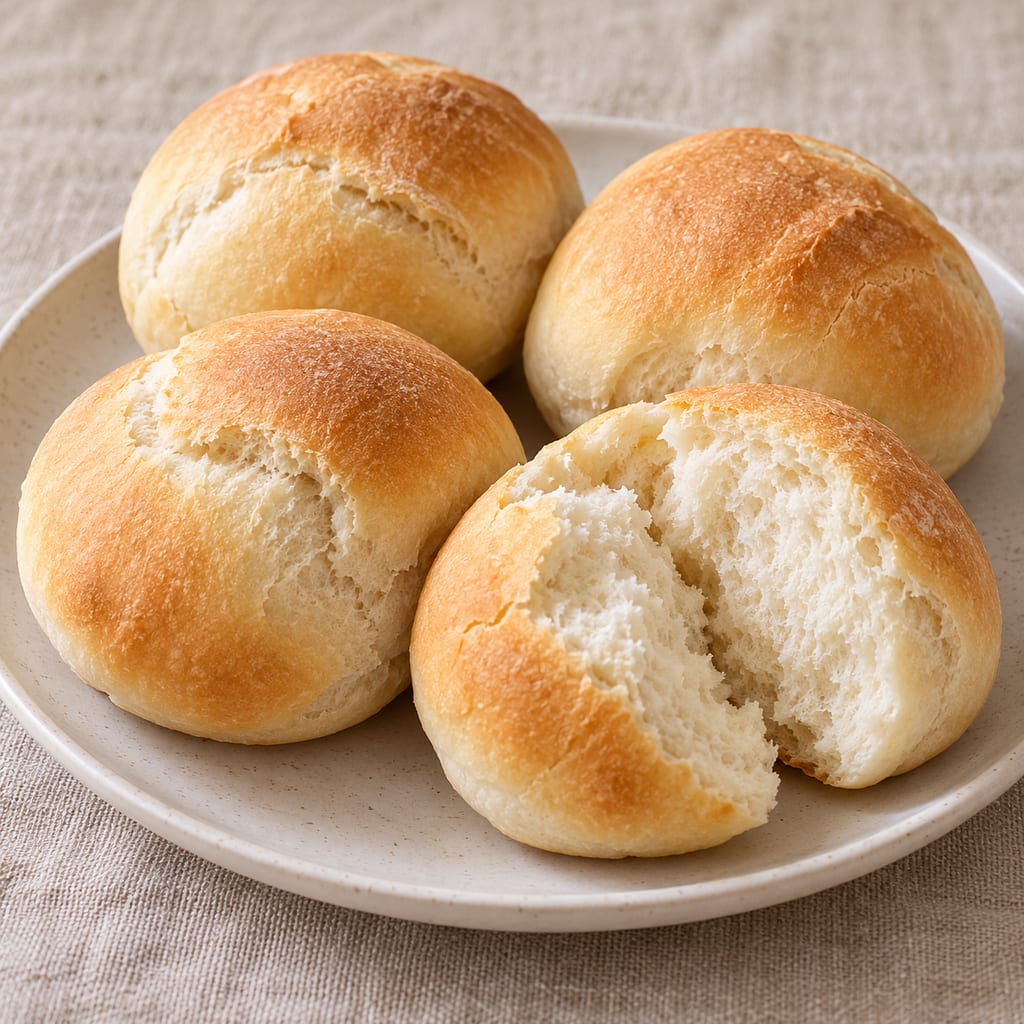
A lightly salted, yeast-raised Barbadian roll, baked in a dozen-roll home batch and often split for cutters.
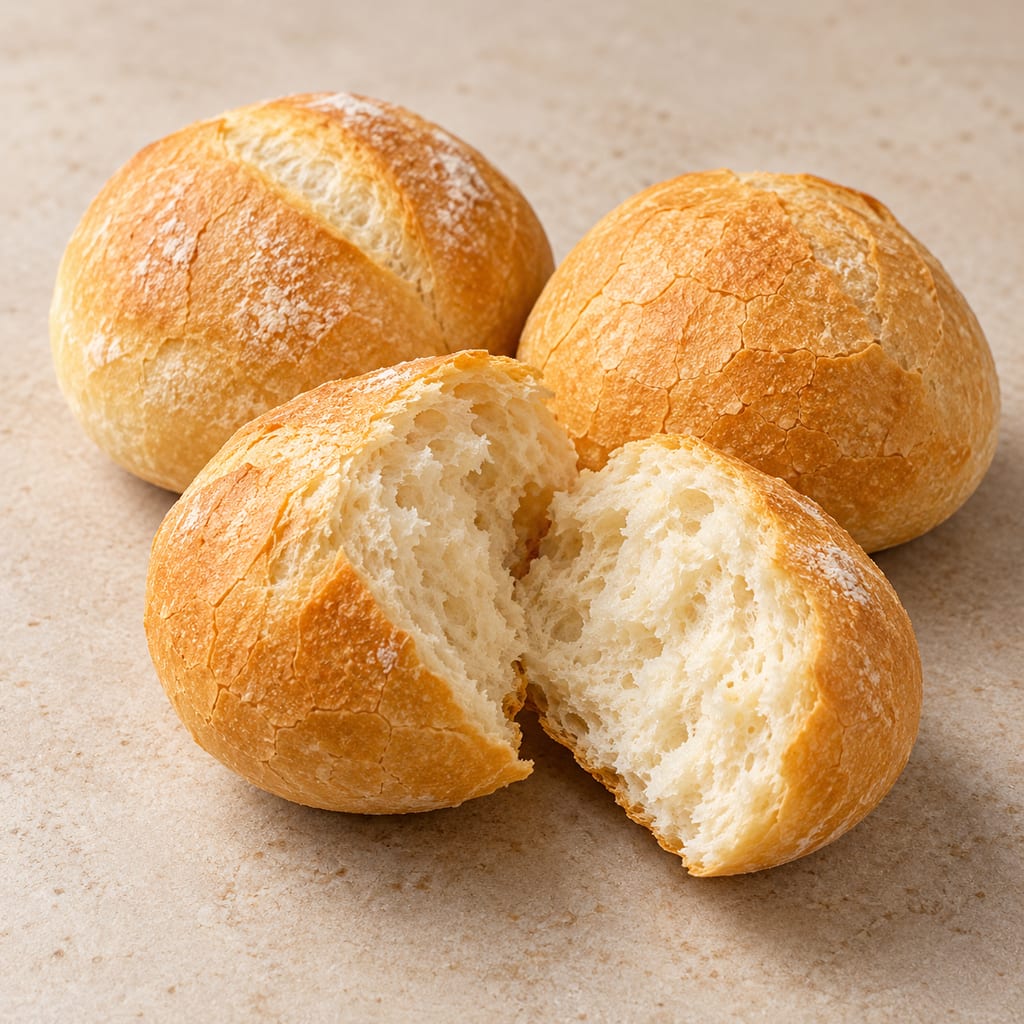
A crisp Belgian roll made from a supplier’s Croc-flour dough, mixed by hand or machine, proofed in rounds and baked with steam.
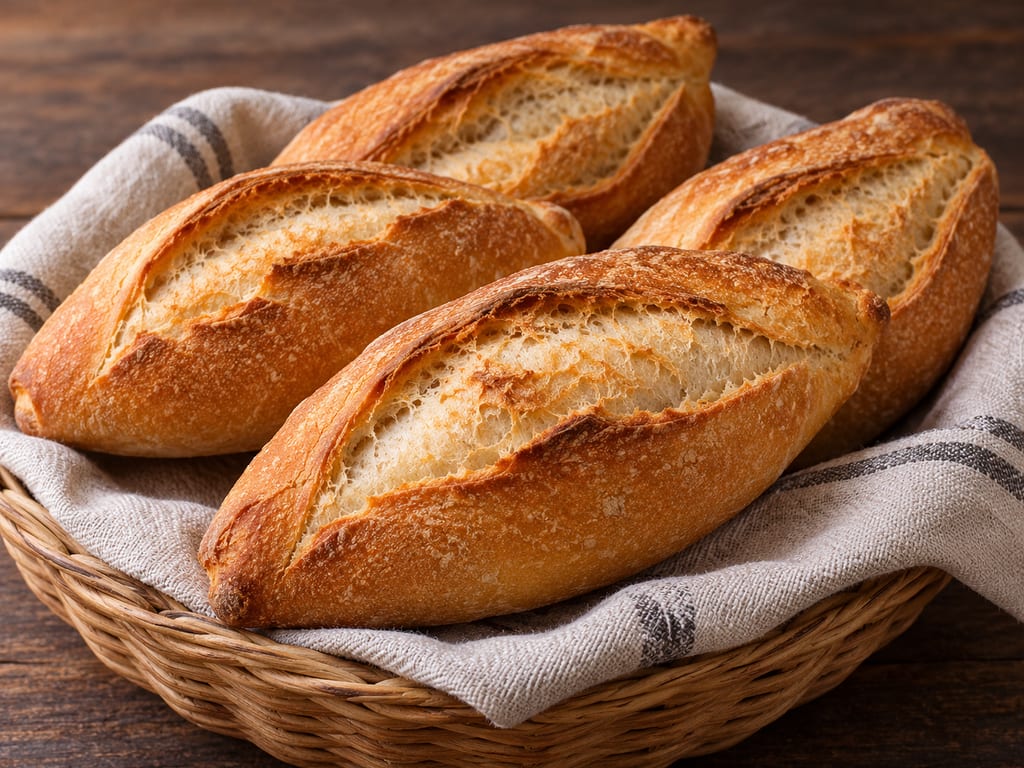
A measured, commercial-yeast home method for Guadalajara-style birote salado, with a six-hour preferment, shaped rolls and a two-temperature steam bake. This formula contains no egg.
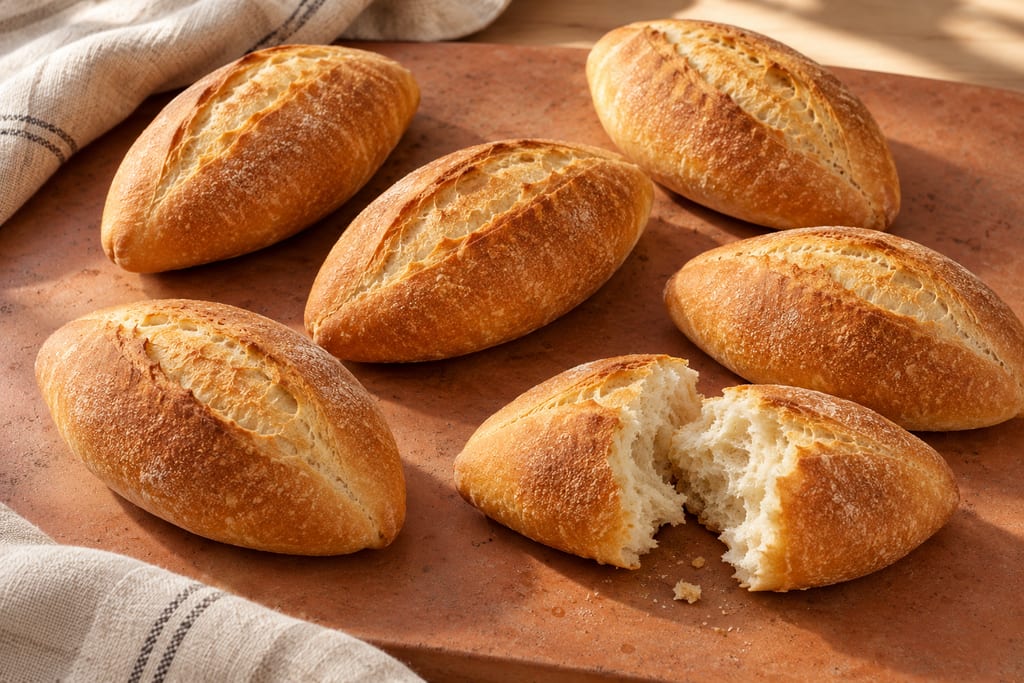
Small, lightly enriched rolls with tapered ends and a scored top; this six-roll formula bakes on a hot stone with steam for a thin, crisp crust.
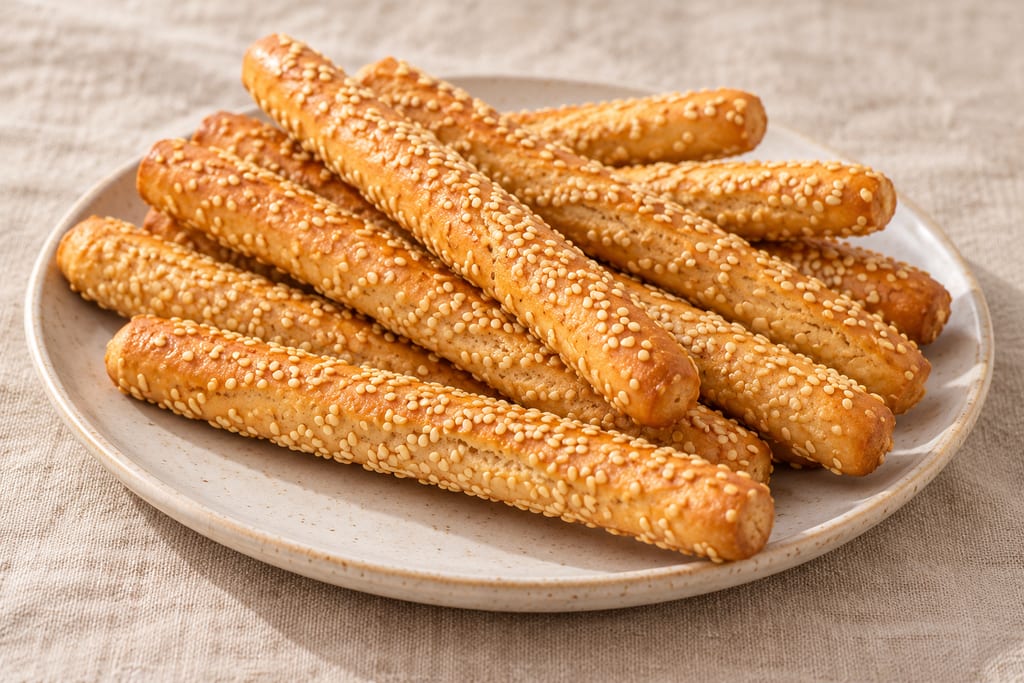
Amira Ibrahim’s Egyptian bosomat are yeast-raised wheat sticks scented with optional fennel and anise, topped with sesame and baked until dry and crisp.

A gelling polysaccharide extracted from red seaweeds, sold as kanten strips or powder; it sets firm at a low concentration and stays solid until about 85 °C.

A Dominican table and seasoning condiment of sour orange juice, mixed with lime and salt and bottled raw; garlic, oregano or a hot pepper may be added for meat or a spicier bottle.

Cicerbita alpina is an alpine perennial whose tender shoots and leaves have been eaten raw or cooked. Sámi milk preparations and modern Carnian dishes are distinct uses, with serious identification and preservation limits.

Japanese skipjack tuna cooked, then repeatedly smoked and dried over a wood fire by the hand-fired tebiyama method into a hard block for shaving into dashi: the first stage of katsuobushi.

A Swedish-style spirit vinegar made by fermenting neutral alcohol with live vinegar bacteria, with a separate guide to commercial ättika strengths.

A warm dip of garlic, anchovy and olive oil, often enriched with butter, that Piedmont serves over a flame with raw and cooked vegetables and bread.

Bechamel is a white sauce of milk thickened with a butter and flour roux, one of the French mother sauces, and the base from which Mornay and other cheese and cream sauces are made.
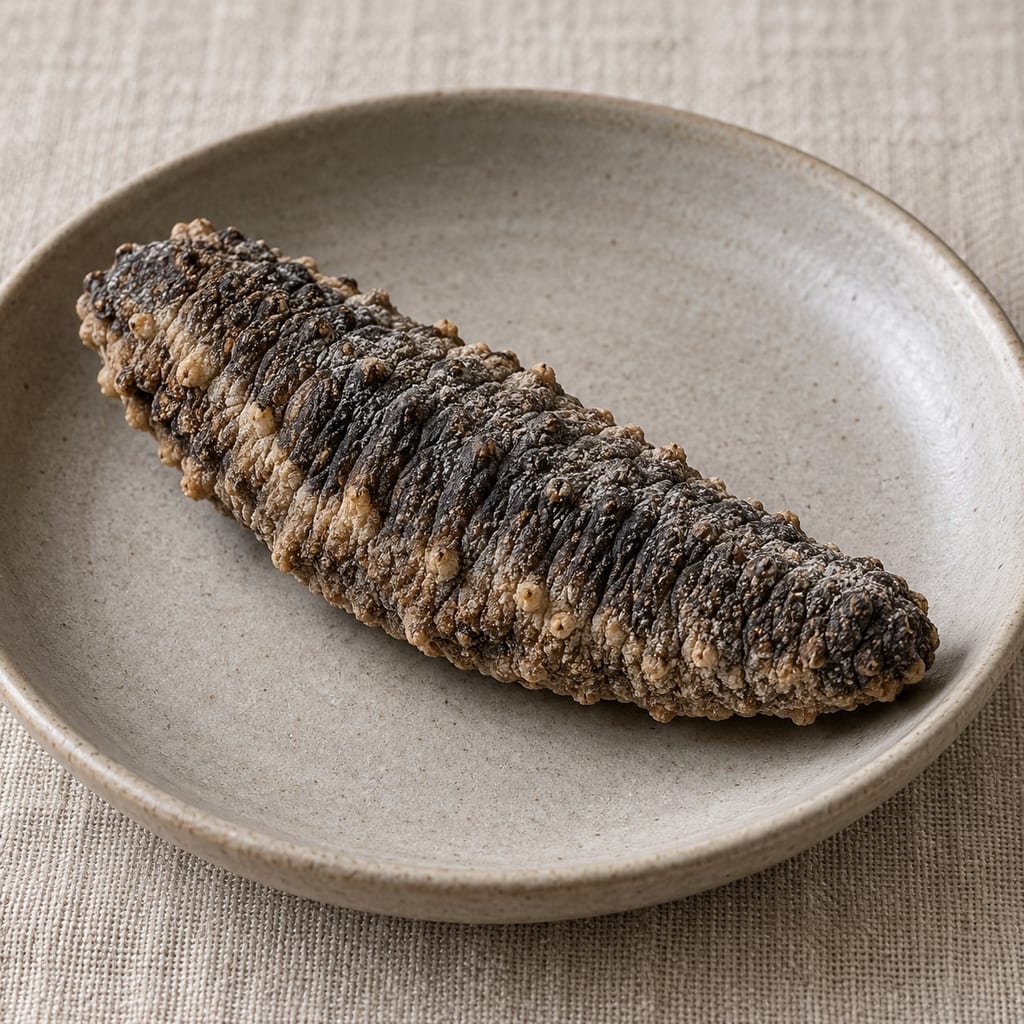
Sea cucumber cleaned, boiled and dried, sometimes with smoke, into a long-keeping trade product; Makassan processing in Arnhem Land is documented from at least the eighteenth century.
No community contributions have been published for this entry yet.
Sign in to contribute. Published comments and photos are free to read.
King Arthur Baking; recipe by PJ HamelInspiration · Ingredients · Process
BagelsThe measured dough and water-bath ingredients, including the selected malt-powder option.
Kneading time and stiff dough description; first rise and covered rest.
Ring dimensions, gentle boiling time, oven setting, bake duration, yield, total time and source storage advice.
Cited in: A boiled wheat ring; The measured dough; Kneading and the first rise; Divide, rest and shape; The malted water bath; Bake and cool; Equipment, timing and scale; Food handling and limits; A contemporary formula within a wider tradition
YIVO Encyclopedia of Jews in Eastern Europe; Barbara Kirshenblatt-GimblettHistory · Geography · Identity · Process
Food and DrinkBagels as an East European Jewish specialty sold by bakers and street vendors.
The 1610 Kraków statute reference and its gift context.
The Opatów ring-shaping, boiling, draining, topping and baking account.
The portable street-food role and variation in size and ingredients.
Cited in: A boiled wheat ring; Eastern European Jewish records; The malted water bath; A contemporary formula within a wider tradition
Kossar's Bagels & BialysHistory · Geography · Identity
About Us: History and TraditionThe bakery says it has operated in New York City since 1936 and makes kettle-boiled bagels.
Its account connects the Lower East Side Jewish community to East European immigrant food traditions.
Cited in: The malted water bath; A contemporary formula within a wider tradition
U.S. Food and Drug AdministrationSafety
Handling Flour Safely: What You Need to KnowFlour is raw and may carry harmful bacteria.
Cooking is needed to make flour foods safe; do not taste raw flour or dough.
Clean hands and surfaces after handling raw flour and dough.
Cited in: Food handling and limits