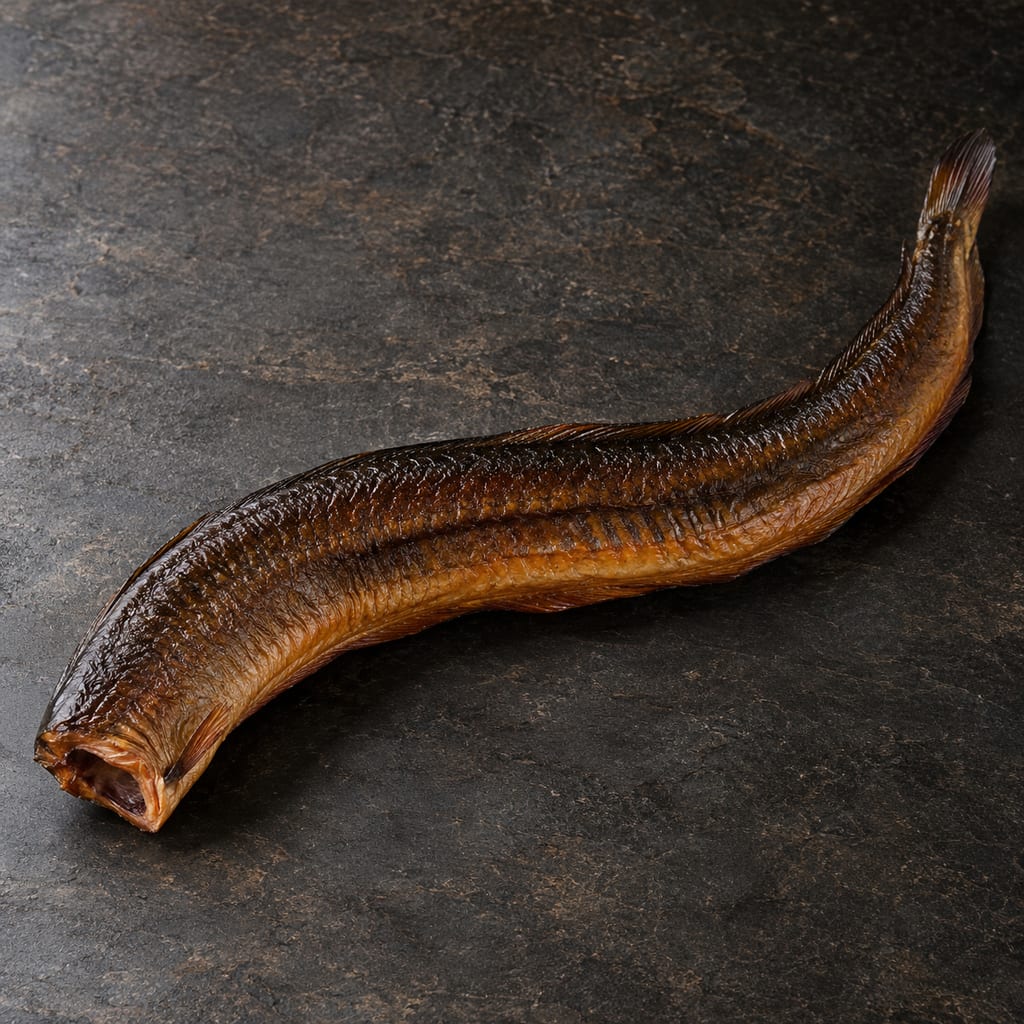
Gunditjmara smoked eel
Short-finned eels, kooyang, smoked for a sustained period in the hollows of large trees at Budj Bim in south-western Victoria, a combined heat, smoke and drying method of the Gunditjmara people.
 FermenteaWhere food goes to change
Traditional method
bêche-de-mer · Trepang · Beche-de-mer · Dried sea cucumber
Sea cucumber cleaned, boiled and dried, sometimes with smoke, into a long-keeping trade product; Makassan processing in Arnhem Land is documented from at least the eighteenth century.
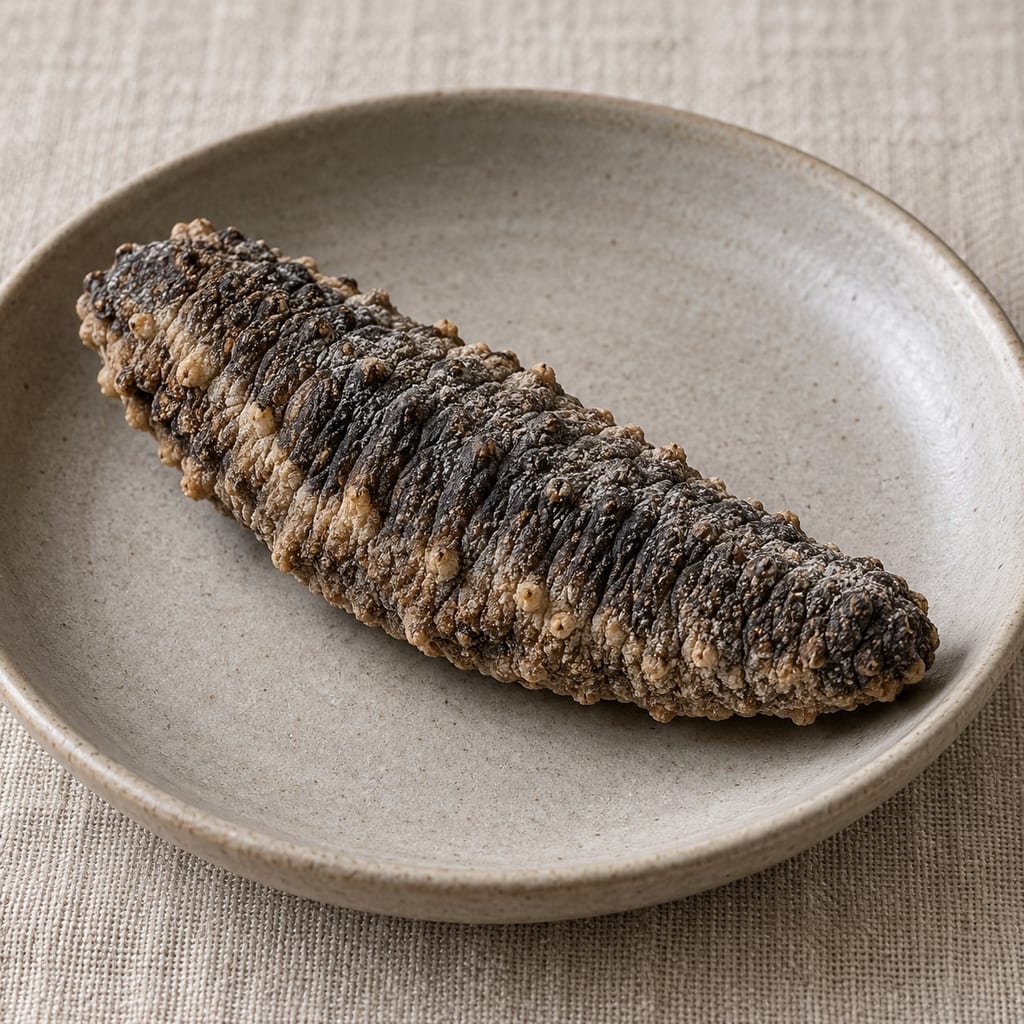
Bêche-de-mer, known also as trepang, is sea cucumber that has been cleaned, boiled and dried. The dried body keeps far longer than the fresh animal, and it was prepared for trade rather than eaten fresh.
The product is a preserved marine animal, but its preservation does not rest on salting. Boiling and then drying the body do the preserving.
The sources connect the processing with the Makassan trade. Makassan processing in Arnhem Land is documented from at least the eighteenth century, linking Australian harvesting grounds with markets in Asia.
The record does not establish a single origin for the practice. It describes a trade system in which the harvest was prepared on the coast and carried to Asian buyers.
The method in this record is a short sequence: the sea cucumber is cleaned, boiled and dried, and in some cases dried with smoke. Boiling cooks and firms the body before drying; drying removes the water that would otherwise let the animal spoil.
Smoke is an added treatment in some cases. The sources do not describe it as a separate preserving step.
The sources give no temperatures, durations or moisture targets, and they do not record a safe storage limit. The historical account does not validate a modern attempt at this method.
Bêche-de-mer, or trepang, is dried sea cucumber traded over long distances. In the Makassan trade of Arnhem Land, the cleaned animal was boiled and dried, sometimes with smoke. The processing is documented from at least the eighteenth century and connects Australian harvesting grounds with Asian markets.
Scaling: source batch only
The source describes trade processing historically; it does not establish the boiling time, drying end-point or safe storage conditions for a modern product.
Hazard sourceDo not rely on the historical account as a validated process.
Control sourceThe sources record historical practice only. They are not a tested home method.
Makassan processing documented from at least the eighteenth century; the source does not give a single origin for the practice.
Short-finned eels, kooyang, smoked for a sustained period in the hollows of large trees at Budj Bim in south-western Victoria, a combined heat, smoke and drying method of the Gunditjmara people.
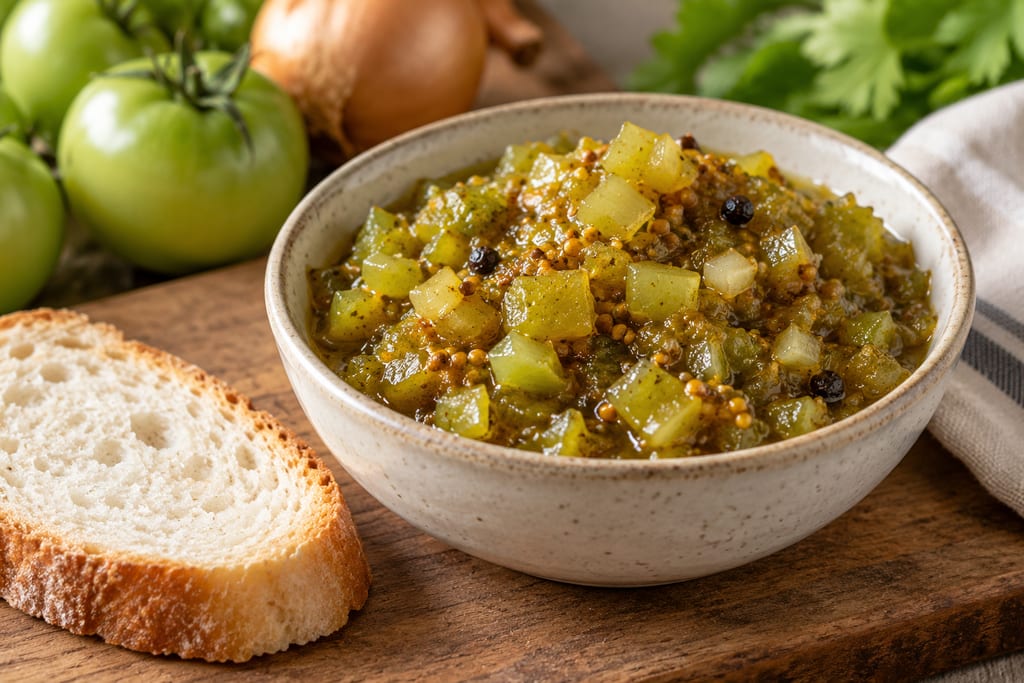
Australian green tomato pickles and relishes vary. This partial version follows ABC Western Victoria’s 2018 pickle recipe, not Beerenberg’s commercial formula. Sources document examples from 1944 onward, not a single origin.
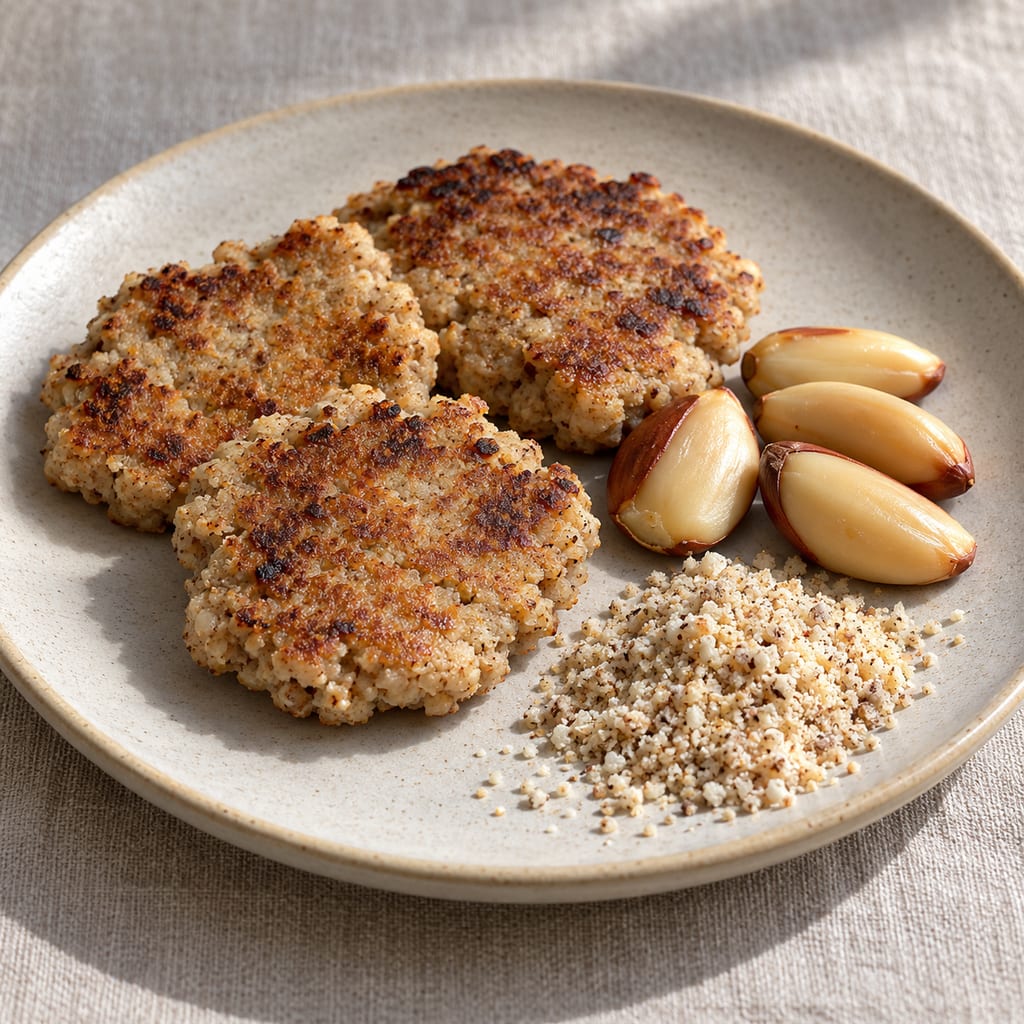
Bunya nuts were cooked and kept in wet ground or water by peoples of south-eastern Queensland, and were also roasted, ground and pressed into cakes that could be cooked again and stored for later use.
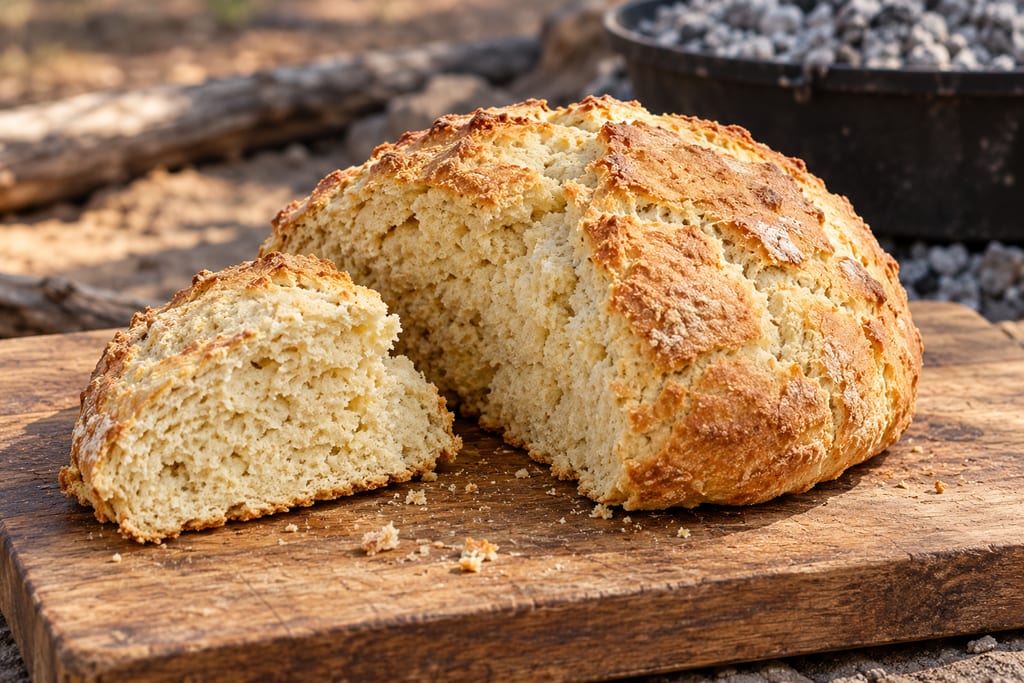
A quick stockcamp loaf of self-raising flour, powdered milk, sugar, salt and water, mixed to a soft dough and baked in an oven or camp oven.
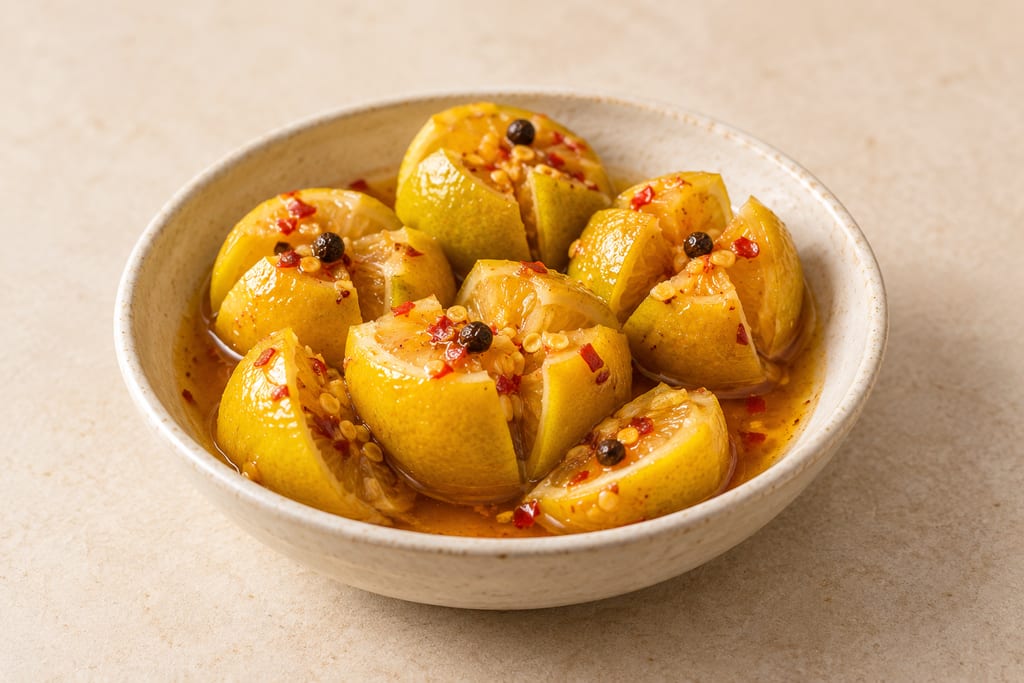
Peter Kuruvita’s published lime pickle stuffs 20 limes with rock salt, then simmers them in vinegar, sugar and chilli before a two-week rest.
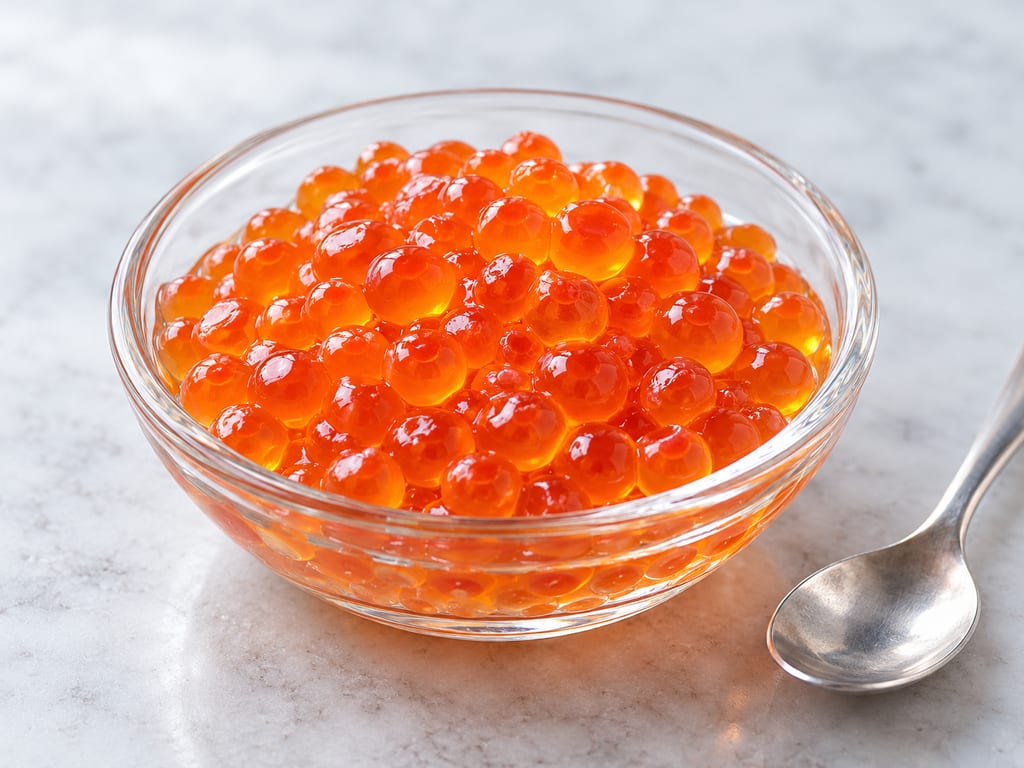
Salmon roe is separated from skeins and treated in two salt-water stages using a University of Alaska Extension formula.

Kodiak salmon, halibut and cod cut as seg'aq and hung on an initaq rack to become tamuuq, with kac'amaasaq and kupcuunaq named as different results.
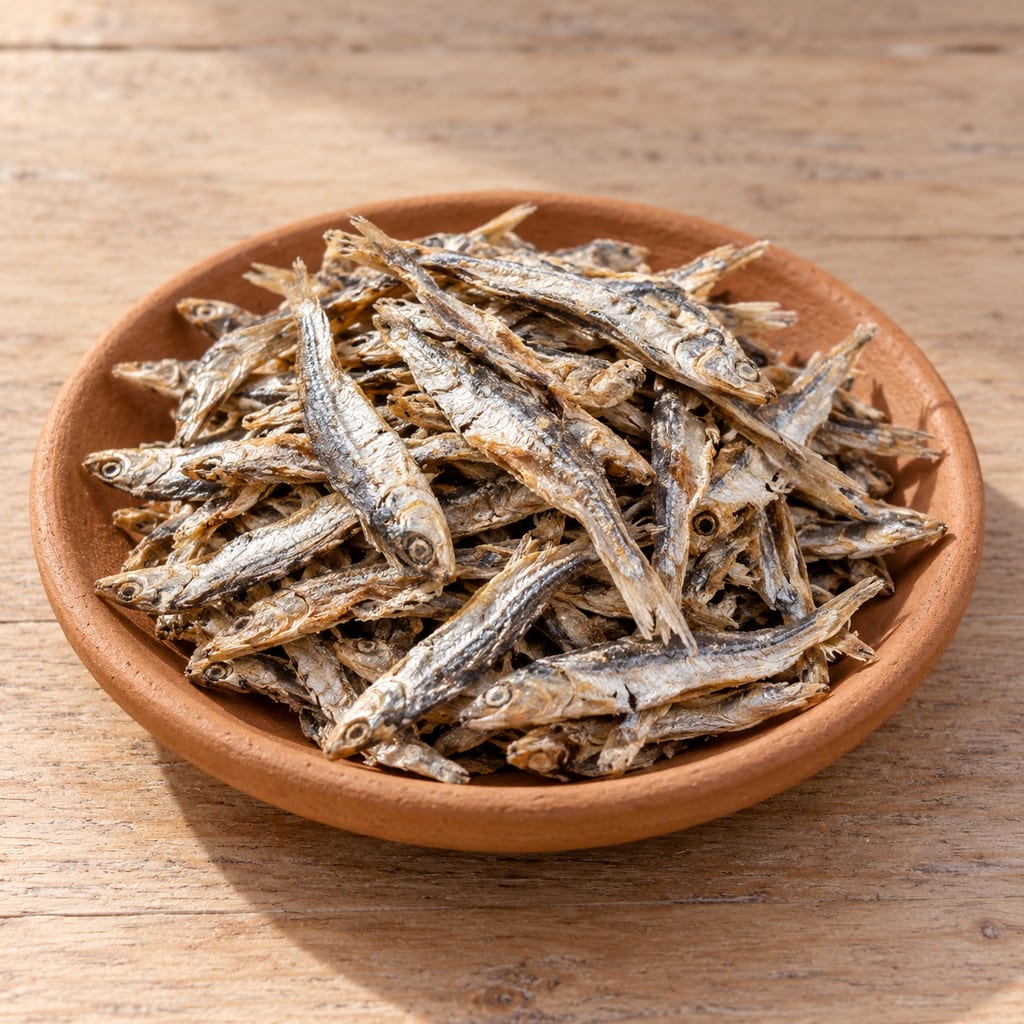
Anchoveta salted, drained of sanguaza and sun-dried on sand or stones at Caleta de Carquín, a technique declared part of Peru's cultural heritage in 2016.
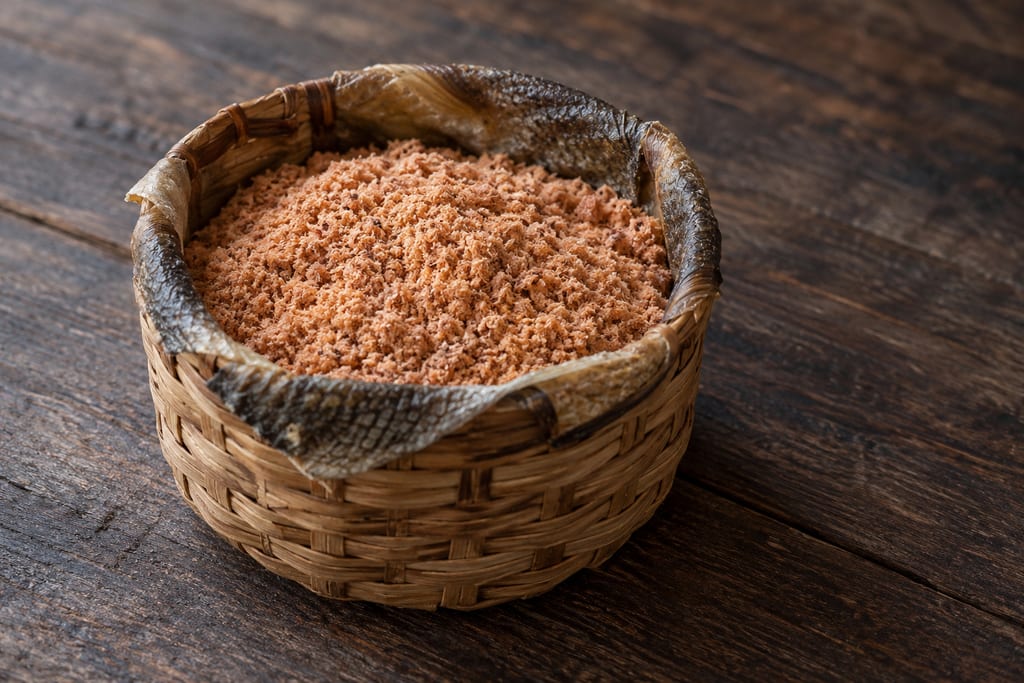
Dried salmon broken down, pounded to a meal and pressed into grass baskets lined with fish skin: the compact trade food of Celilo Falls and The Dalles.
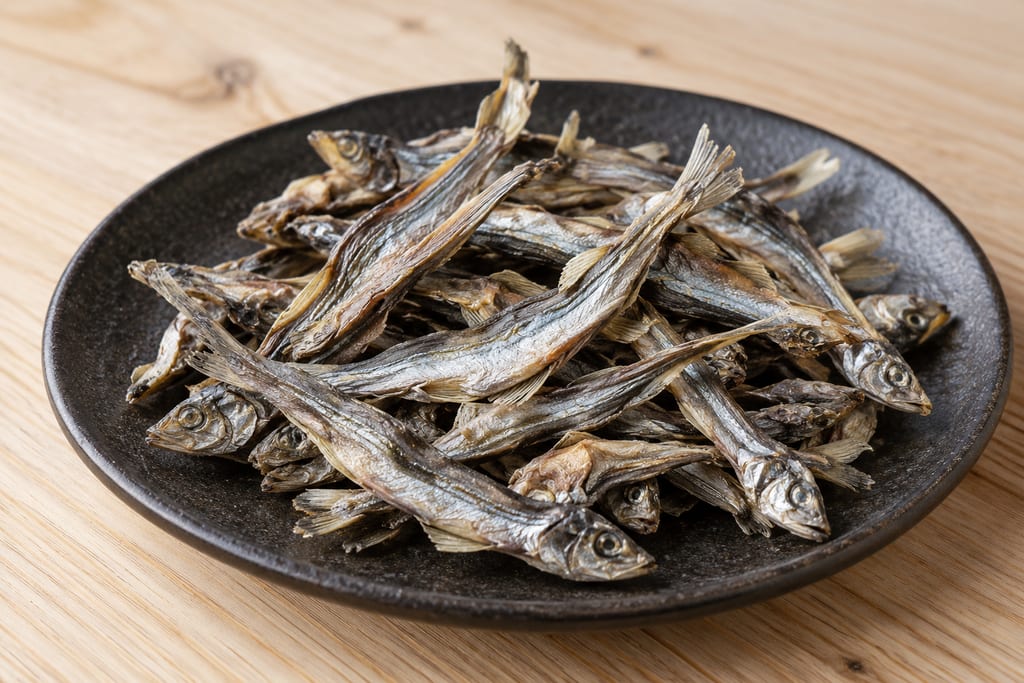
Greenlandic capelin dried whole on rocks, among crowberry vegetation or on buildings, and the microbial research that has made this small fish unusually well studied.
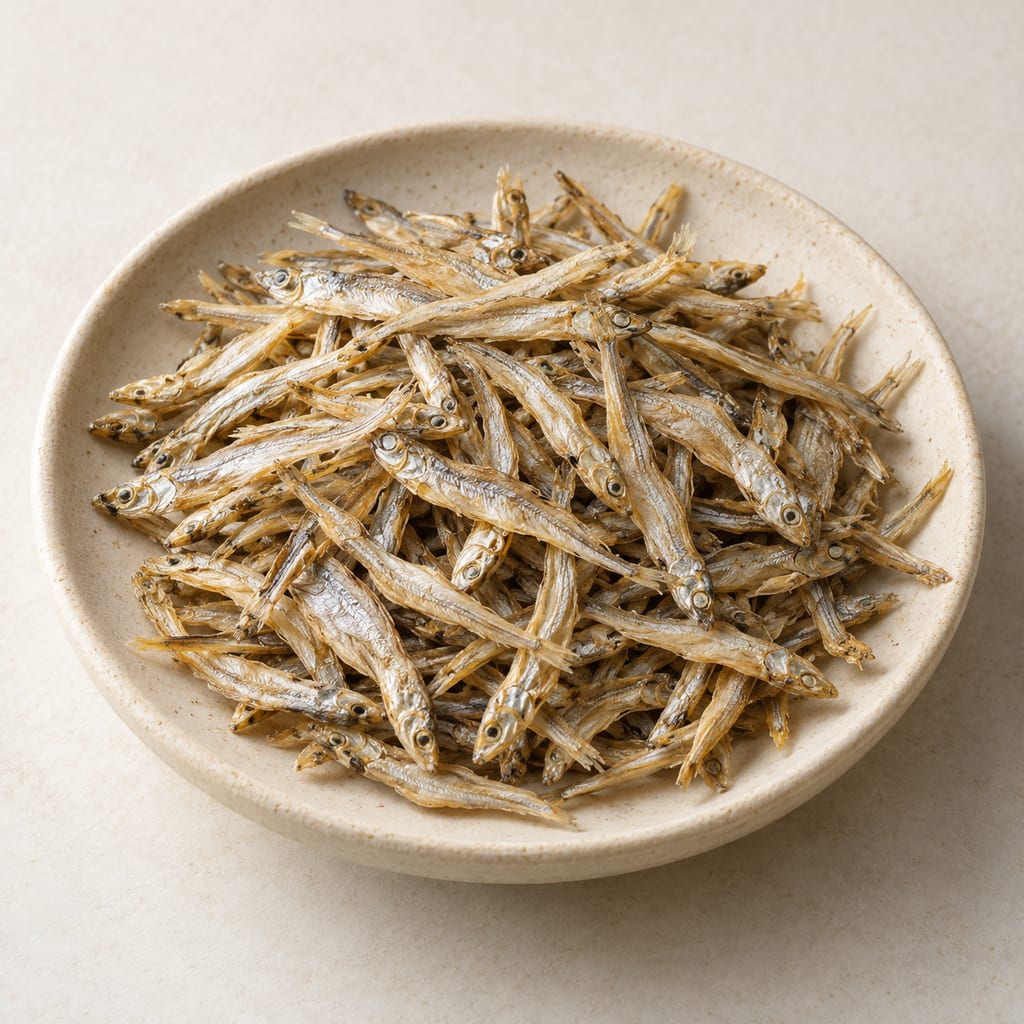
Small central-Mexican lake silversides, Chirostoma spp., dried whole and sometimes salted, then fried, roasted or simmered into Lenten tortitas and snacks.
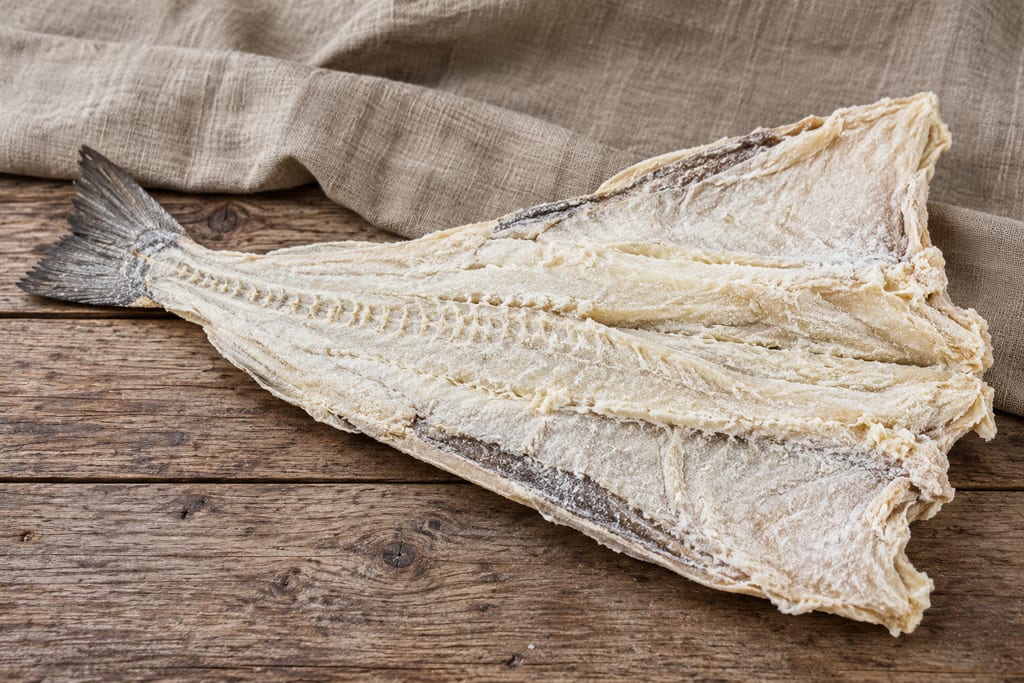
Cod split, salted and dried on flakes until hard, a long-keeping fish that must be desalted and rehydrated before use; the salting and the extensive drying together make it portable where light salting or partial drying does not.
Salmon opened, scored and hung on roofed racks in the dry canyon winds of the Fraser River: slhíts'es in Stó:lō documentation, sts'wan in St'át'imc records.

A gelling polysaccharide extracted from red seaweeds, sold as kanten strips or powder; it sets firm at a low concentration and stays solid until about 85 °C.

A Dominican table and seasoning condiment of sour orange juice, mixed with lime and salt and bottled raw; garlic, oregano or a hot pepper may be added for meat or a spicier bottle.

Cicerbita alpina is an alpine perennial whose tender shoots and leaves have been eaten raw or cooked. Sámi milk preparations and modern Carnian dishes are distinct uses, with serious identification and preservation limits.

Japanese skipjack tuna cooked, then repeatedly smoked and dried over a wood fire by the hand-fired tebiyama method into a hard block for shaving into dashi: the first stage of katsuobushi.

A Swedish-style spirit vinegar made by fermenting neutral alcohol with live vinegar bacteria, with a separate guide to commercial ättika strengths.

A yeast-raised wheat ring shaped from a firm dough, briefly boiled and baked. This source-batch formula gives a gently malted crust and a chewy crumb.

A warm dip of garlic, anchovy and olive oil, often enriched with butter, that Piedmont serves over a flame with raw and cooked vegetables and bread.

Bechamel is a white sauce of milk thickened with a butter and flour roux, one of the French mother sauces, and the base from which Mornay and other cheese and cream sauces are made.
No community contributions have been published for this entry yet.
Sign in to contribute. Published comments and photos are free to read.
National Museum of AustraliaHistory · Method
https://www.nma.gov.au/defining-moments/resources/trade-with-the-makasarCleaned, boiled and dried sea cucumber, sometimes with smoke, for long-distance trade
Makassan processing in Arnhem Land documented from at least the eighteenth century
Cited in: What it is; Trade history; Processing; Limits of the record