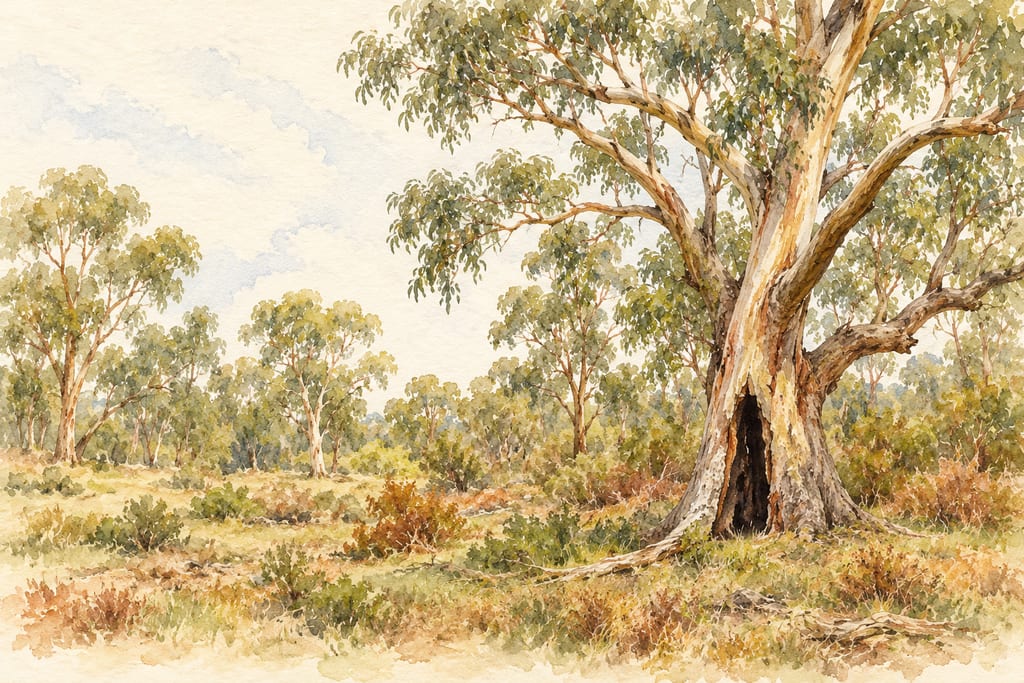
Gunditjmara eel-smoking tree
Gunditj Mirring describes hollowed Manna Gum and Red Gum trees used by Gunditjmara people to smoke eels and fish. At Kurtonitj, an identified smoking tree stands within the wider Budj Bim cultural landscape.
 FermenteaWhere food goes to change
Traditional method
Smoked eel, Budj Bim · Kooyang smoked in trees · Eel-smoking trees
Short-finned eels, kooyang, smoked for a sustained period in the hollows of large trees at Budj Bim in south-western Victoria, a combined heat, smoke and drying method of the Gunditjmara people.
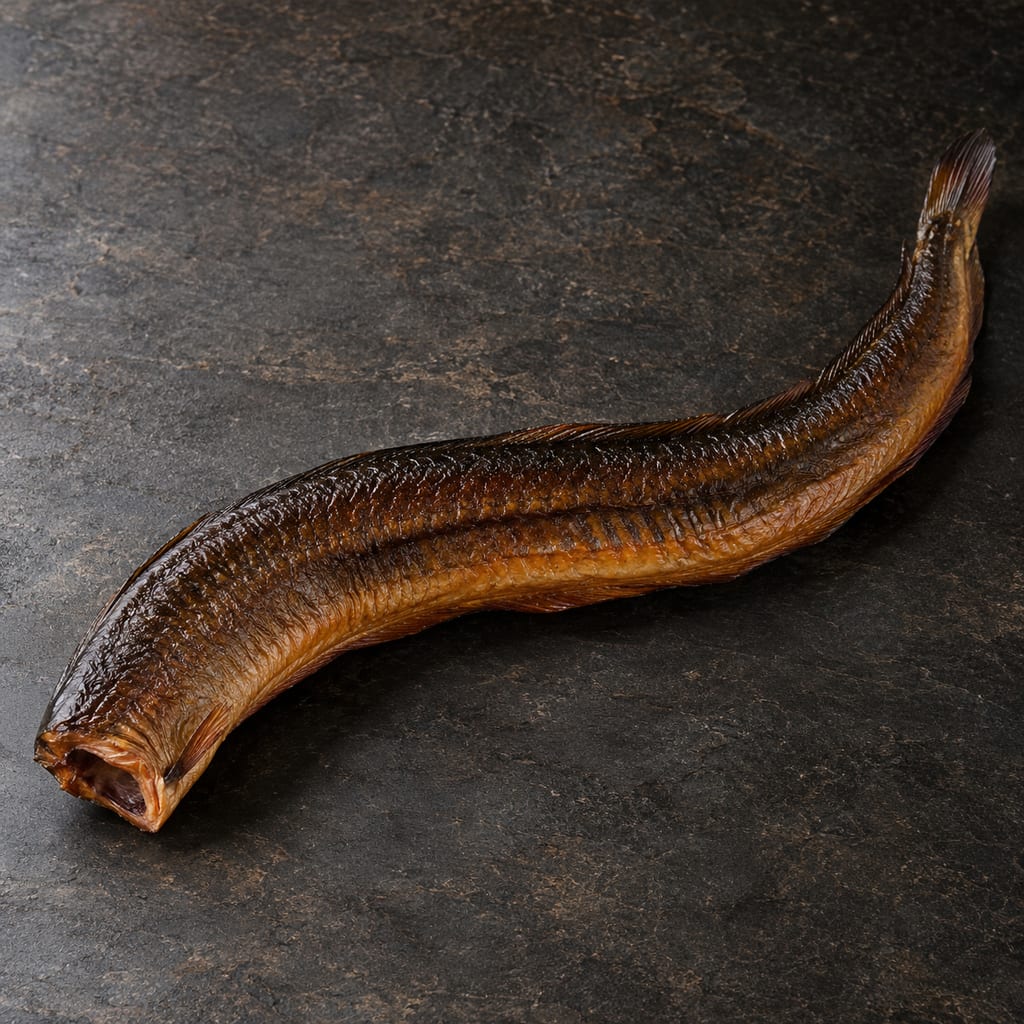
Gunditjmara smoked eel is a preserved eel made by sustained smoke drying in the hollows of large trees. Eels were kept alive in ponds, and some were taken to the smoking trees. The product is a transportable reserve rather than a fresh food.
It belongs with prolonged smoke drying, which combines heat, smoke and airflow to remove a substantial part of the water from fish or meat. The combination, not smoke alone, is what the method relies on.
The record places the practice at Kurtonitj within the Budj Bim cultural landscape of south-western Victoria. Stone eel traps, channels, house sites and eel-smoking trees are documented there, and the Gunditj Mirring Traditional Owners interpret the site.
The National Museum of Australia describes the smoking in tree hollows. The record does not give a date for the smoking practice, and the antiquity of the eel ponds does not establish one.
In prolonged smoke drying, sustained heat and airflow take water out of the flesh while smoke deposits compounds on the surface. The drying is what makes the reserve transportable.
The sources do not give durations, temperatures or the arrangement of the eels in the tree. The steps above name only the stages the record supports.
Smoke alone does not preserve a fish. A modern attempt at this method needs process validation, and the historical account does not establish the storage life of the smoked eel.
Kooyang, the short-finned eel, was kept in ponds and smoked in the hollows of large trees at Kurtonitj in the Budj Bim cultural landscape of south-western Victoria. The eel-smoking trees are part of the documented site evidence, which includes stone eel traps and channels.
Scaling: source batch only
Smoke drying of fish without established drying endpoint, temperature or storage limits can leave a product that spoils. The sources do not set those limits for this method.
Hazard sourceDo not treat the historical smoking method as validated; use process validation for any modern product.
Control sourceThe sources record historical practice only. They are not a tested home method.
Eel-smoking trees at Kurtonitj within the Budj Bim cultural landscape; the source does not date the smoking practice.
Gunditj Mirring describes hollowed Manna Gum and Red Gum trees used by Gunditjmara people to smoke eels and fish. At Kurtonitj, an identified smoking tree stands within the wider Budj Bim cultural landscape.
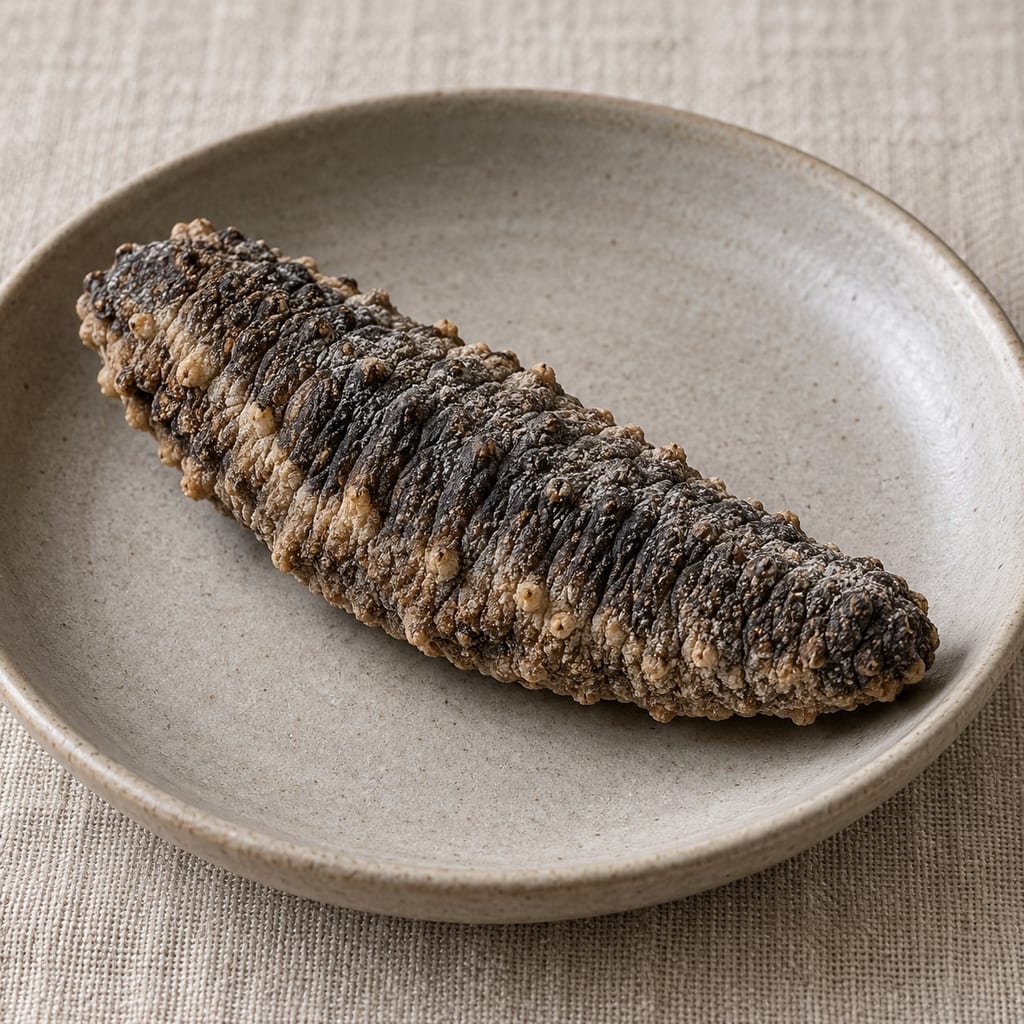
Sea cucumber cleaned, boiled and dried, sometimes with smoke, into a long-keeping trade product; Makassan processing in Arnhem Land is documented from at least the eighteenth century.
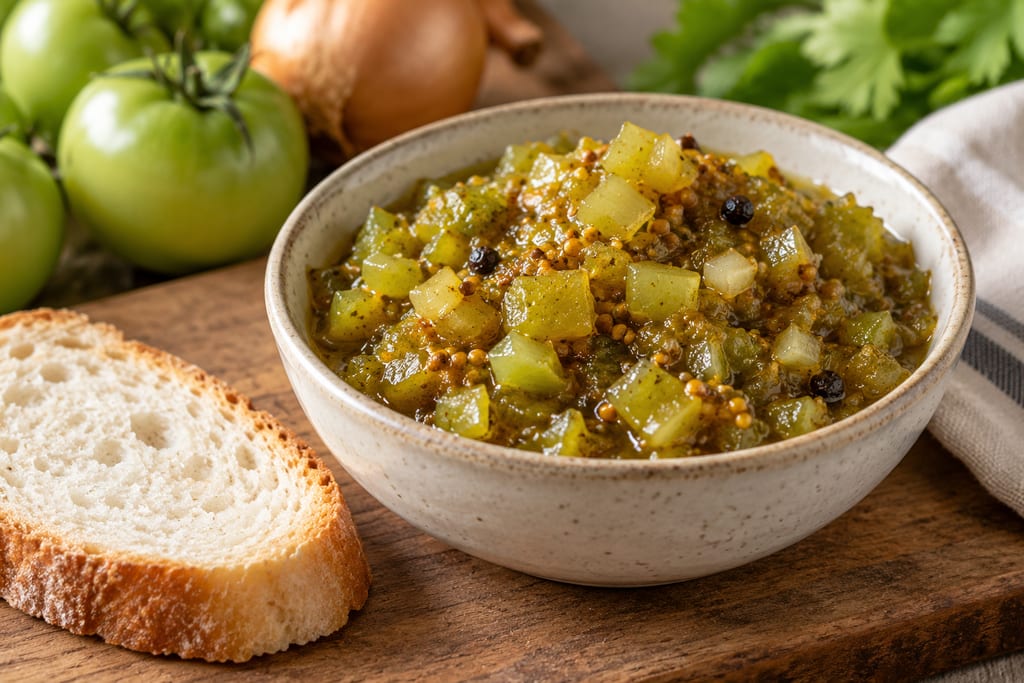
Australian green tomato pickles and relishes vary. This partial version follows ABC Western Victoria’s 2018 pickle recipe, not Beerenberg’s commercial formula. Sources document examples from 1944 onward, not a single origin.
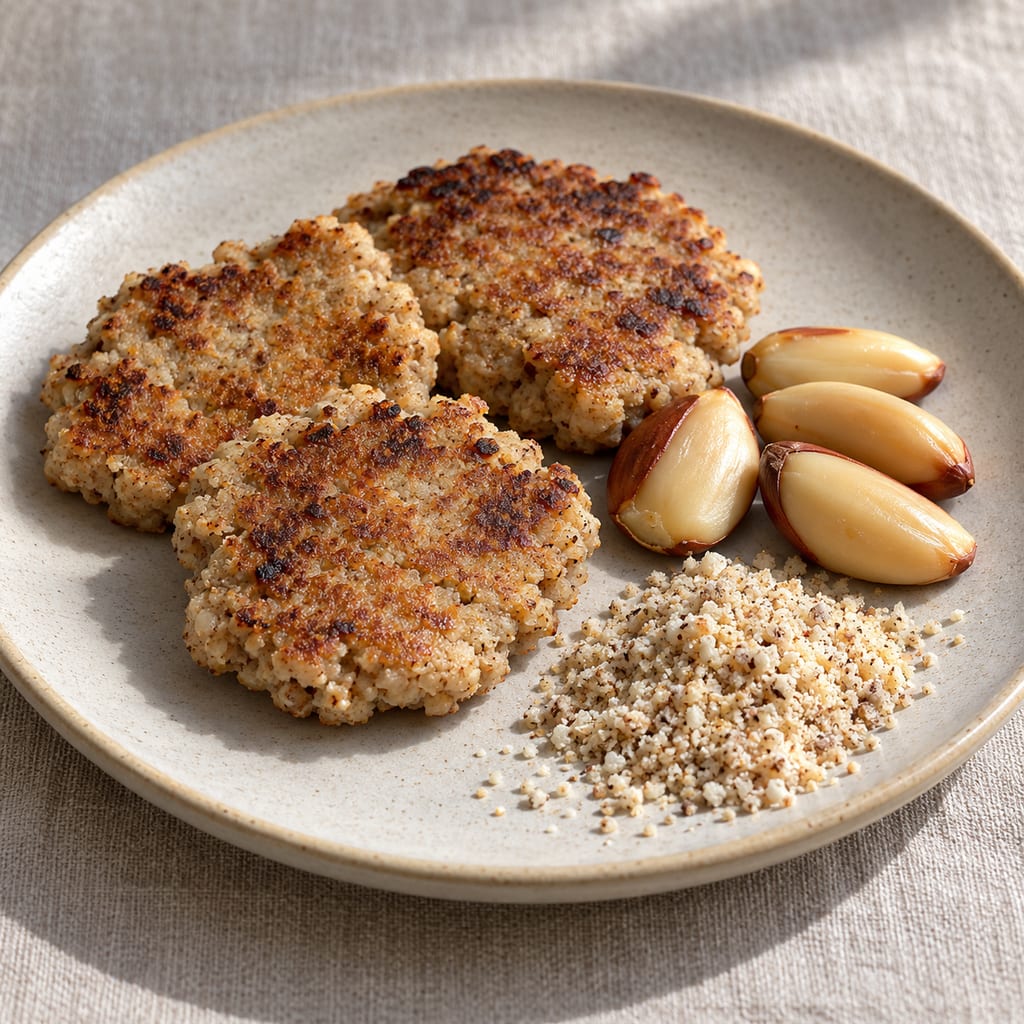
Bunya nuts were cooked and kept in wet ground or water by peoples of south-eastern Queensland, and were also roasted, ground and pressed into cakes that could be cooked again and stored for later use.
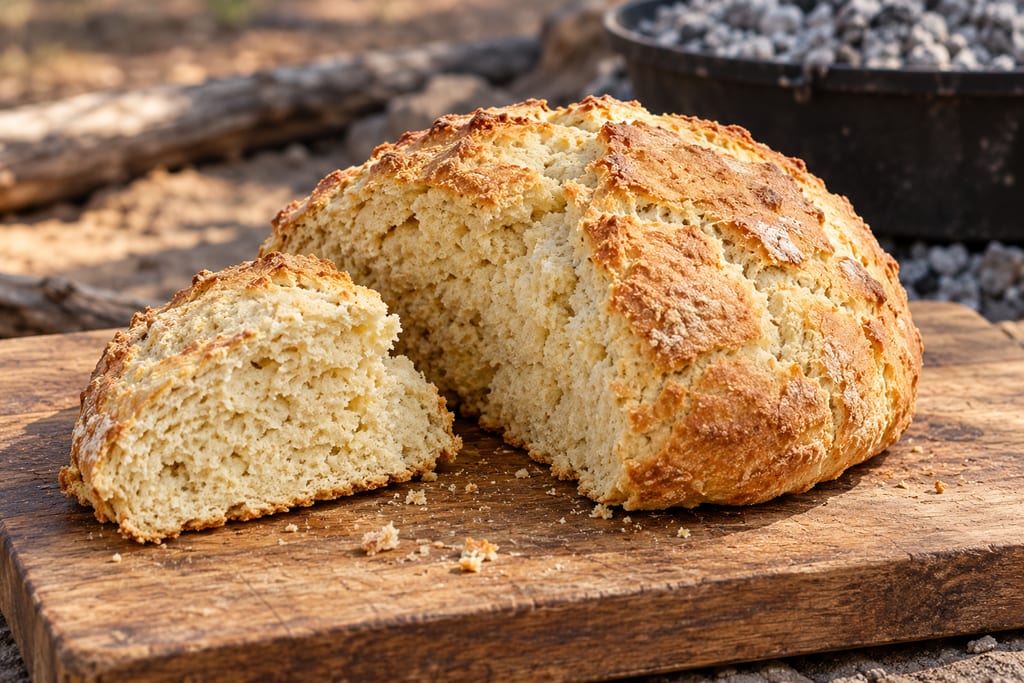
A quick stockcamp loaf of self-raising flour, powdered milk, sugar, salt and water, mixed to a soft dough and baked in an oven or camp oven.
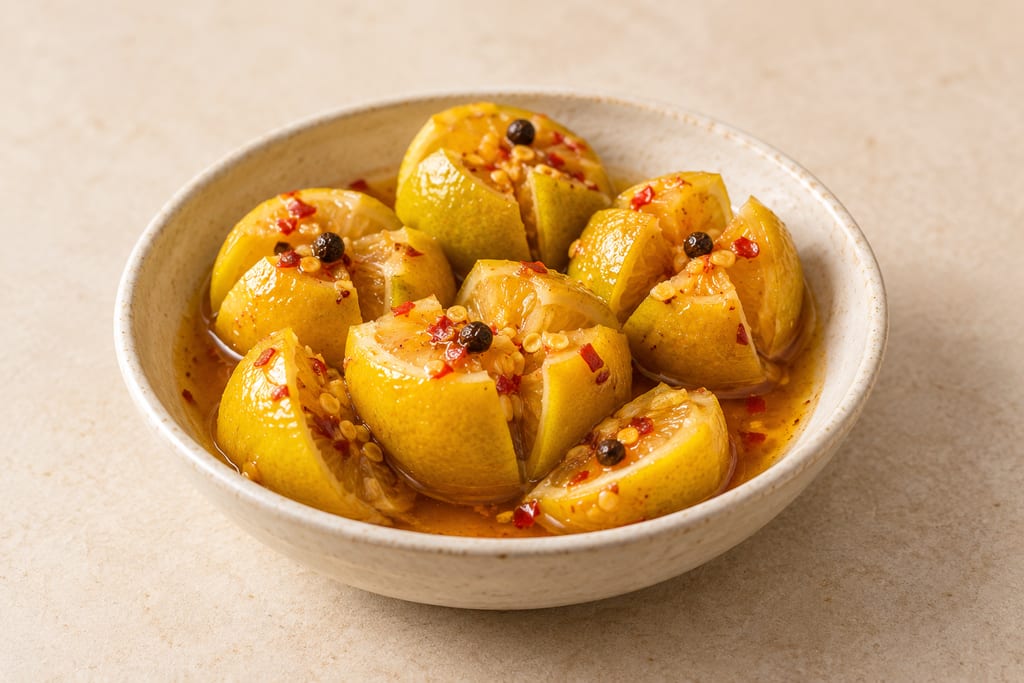
Peter Kuruvita’s published lime pickle stuffs 20 limes with rock salt, then simmers them in vinegar, sugar and chilli before a two-week rest.

Japanese skipjack tuna cooked, then repeatedly smoked and dried over a wood fire by the hand-fired tebiyama method into a hard block for shaving into dashi: the first stage of katsuobushi.
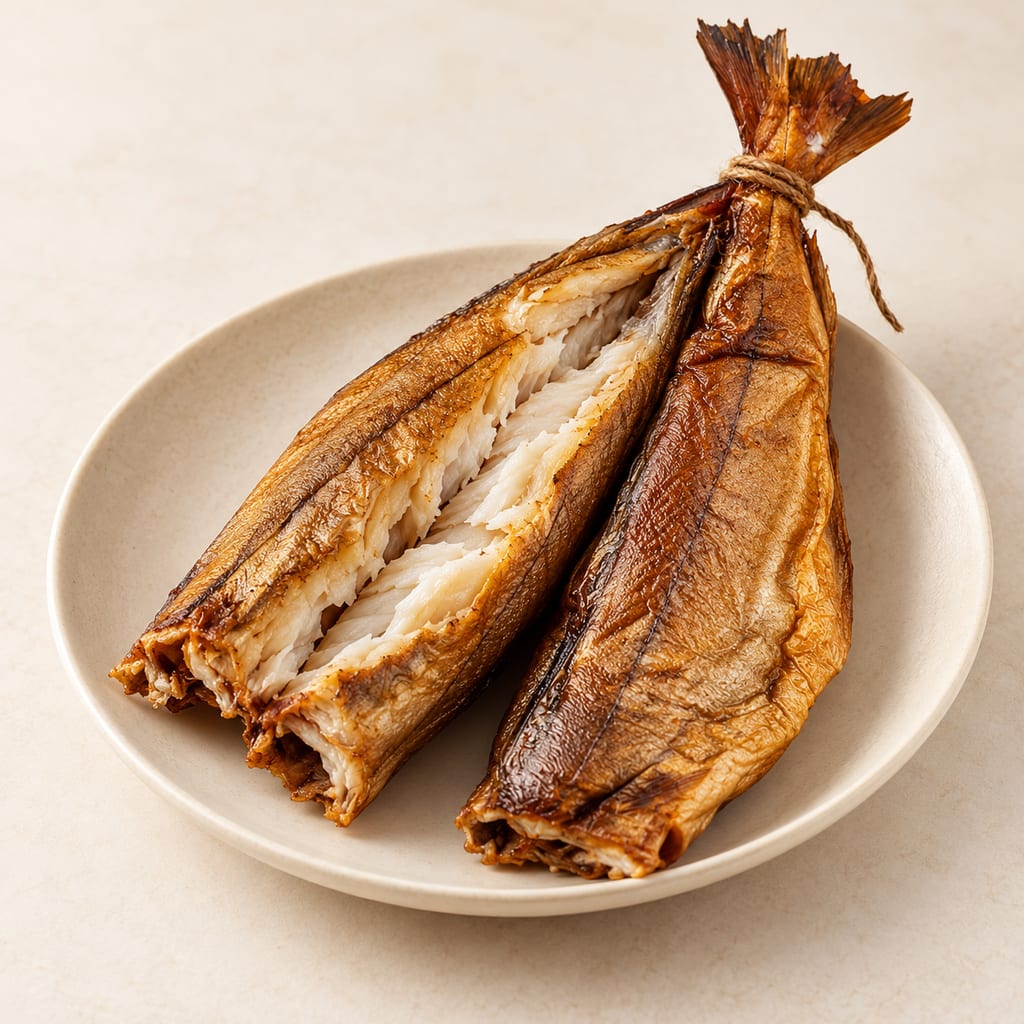
Arbroath smokies are whole haddock dry-salted, paired by the tail and hot-smoked in a protected coastal area. Their recorded history links Auchmithie and Arbroath, though the exact origin is unsettled.
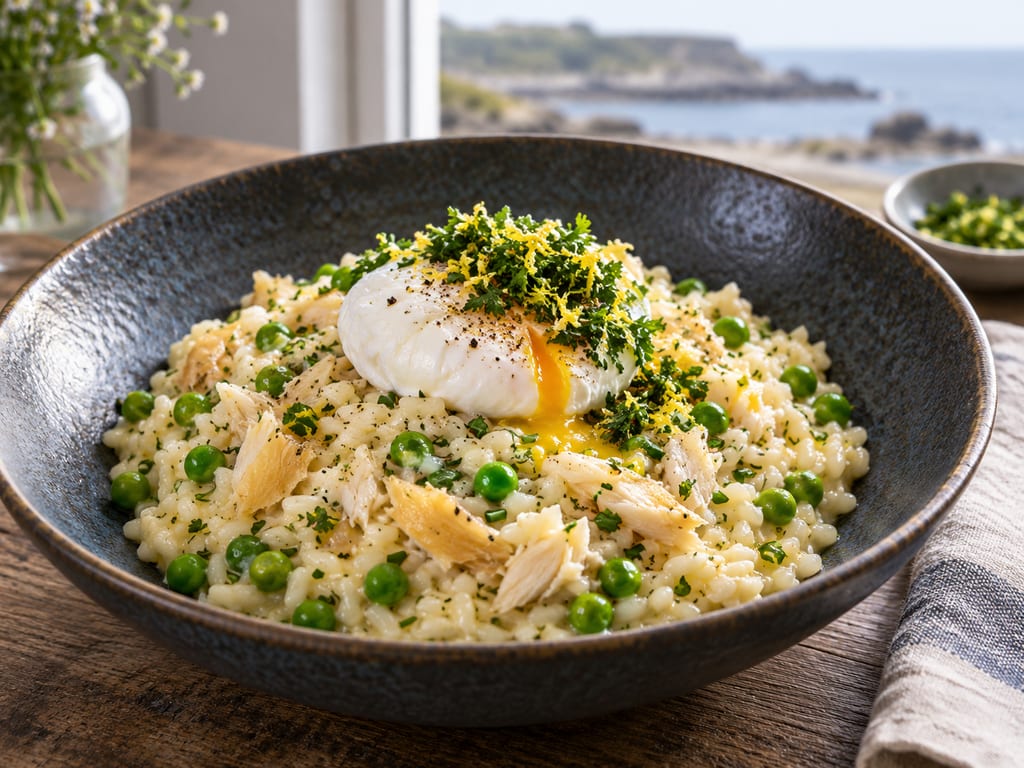
A four-serving risotto published in the 2014 Arbroath Smokie Trail booklet and credited to Hayley Wilkes. It cooks with finished Arbroath smokies; it does not describe smoking fish.
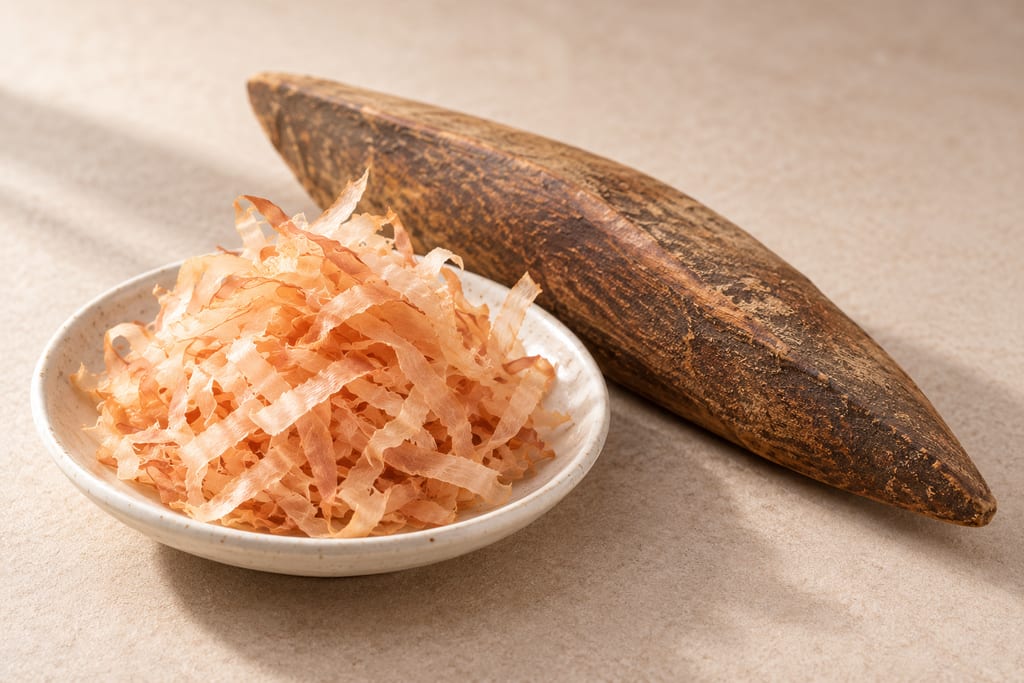
Katsuobushi is skipjack tuna cooked, smoked and dried into a hard block that is shaved into flakes for dashi and toppings. Some styles stop at the smoke-dried stage; others receive carefully managed mold maturation.
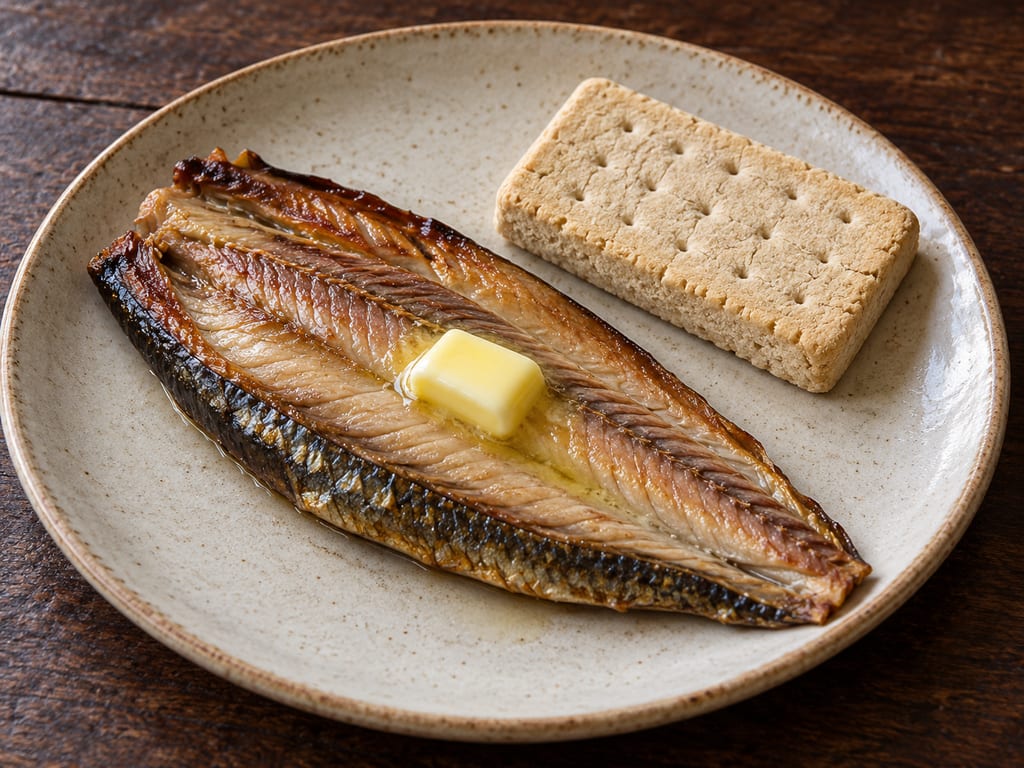
A Victorian way with Great Yarmouth bloaters: the lightly salted, cold-smoked whole herring is broiled and served with fresh butter and a warmed captain's biscuit.
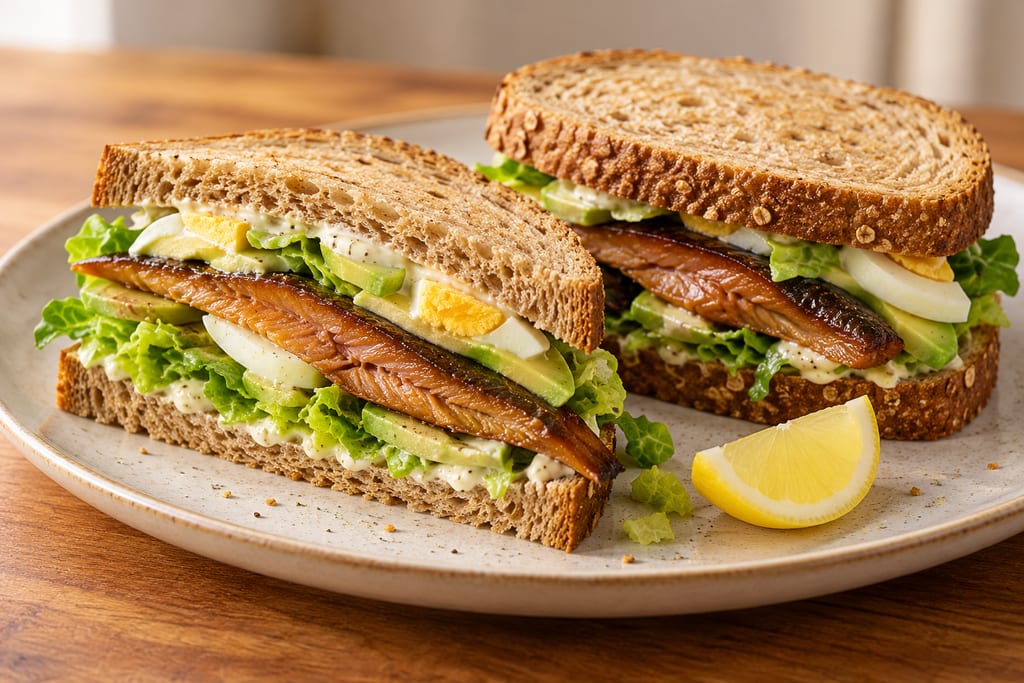
A warm club sandwich of oak-smoked Craster kipper fillets layered with soft-boiled egg, romaine, avocado and lemon mayonnaise on brown bread.
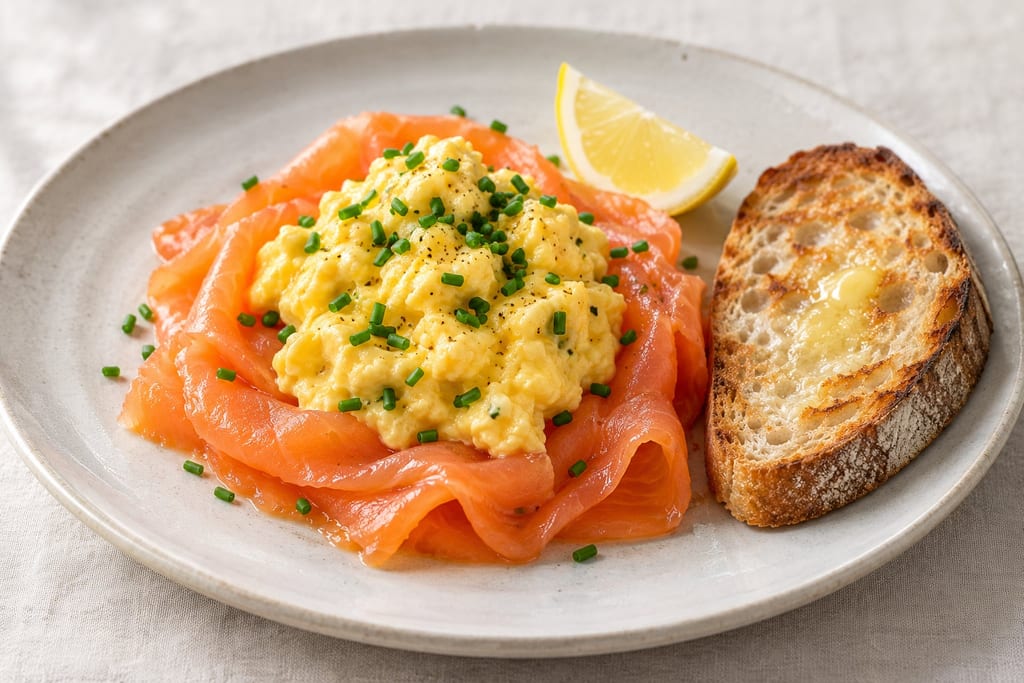
Softly scrambled eggs enriched with cream and butter, served with cold-smoked salmon, chives, lemon and sourdough toast as a British breakfast dish.
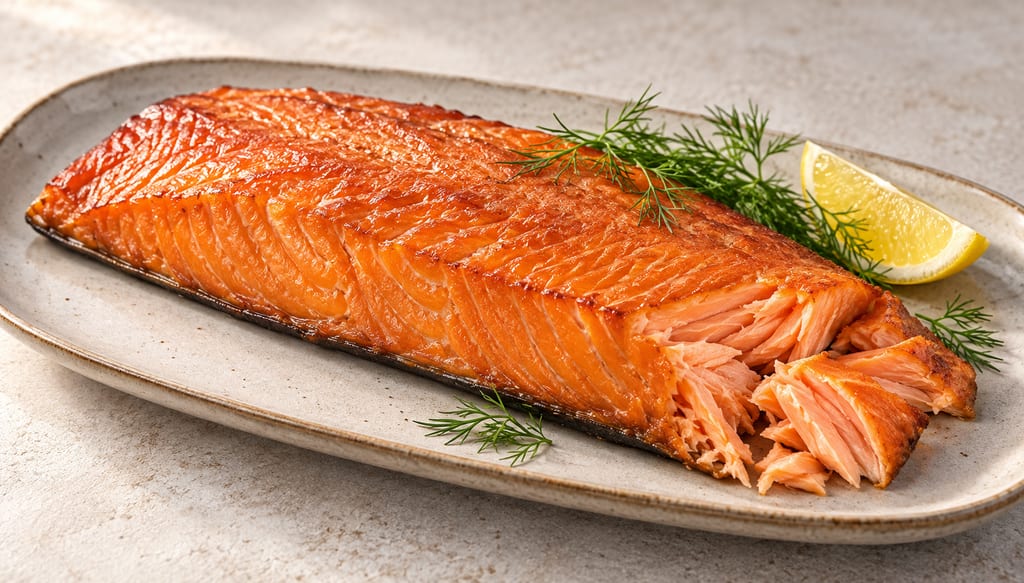
Salmon fillets salted or dry-brined, rested, then cooked and flavoured in a smoker. The method is a cooking process, and the endpoint decides its safety.
No community contributions have been published for this entry yet.
Sign in to contribute. Published comments and photos are free to read.
National Museum of AustraliaHistory · Method
https://www.nma.gov.au/defining-moments/resources/budj-bim-cultural-landscapeKooyang, short-finned eels, were kept in ponds and also smoked in the hollows of large trees
Eel-smoking trees at Kurtonitj, Budj Bim, southwestern Victoria
Cited in: What it is; Place and site; How the smoke dries the eel; Limits and modern practice
Access AgricultureMethod
https://www.accessagriculture.org/sites/default/files/2026-01/Preservation%20of%20fish%20and%20meat%20-%20CTA.pdfProlonged smoke drying with heat, smoke and airflow removes substantial moisture to produce transportable fish or meat