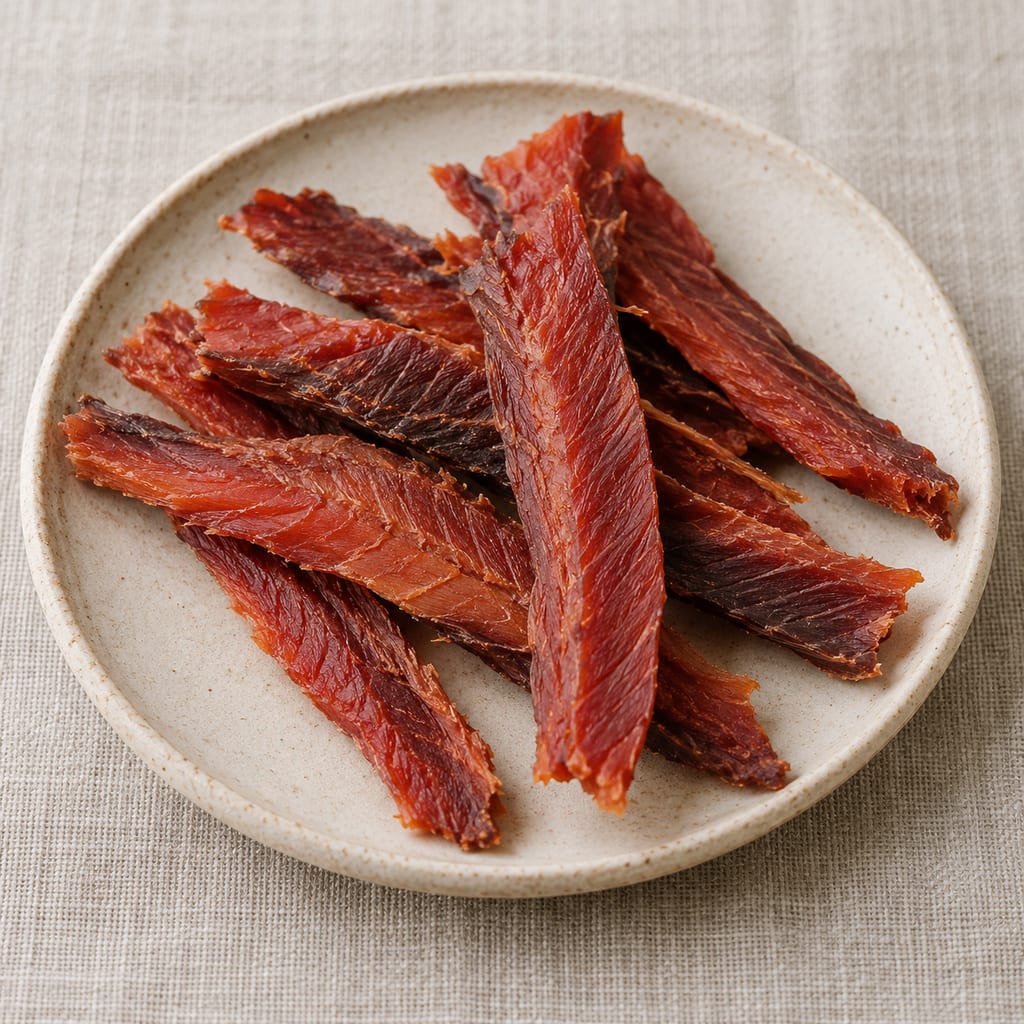
Fraser Canyon wind-dried salmon
Salmon opened, scored and hung on roofed racks in the dry canyon winds of the Fraser River: slhíts'es in Stó:lō documentation, sts'wan in St'át'imc records.
 FermenteaWhere food goes to change
Historical attestation
C'lai · C'lai · Ch'láy · Itk'ilak · Killuk · Pounded salmon
Dried salmon broken down, pounded to a meal and pressed into grass baskets lined with fish skin: the compact trade food of Celilo Falls and The Dalles.
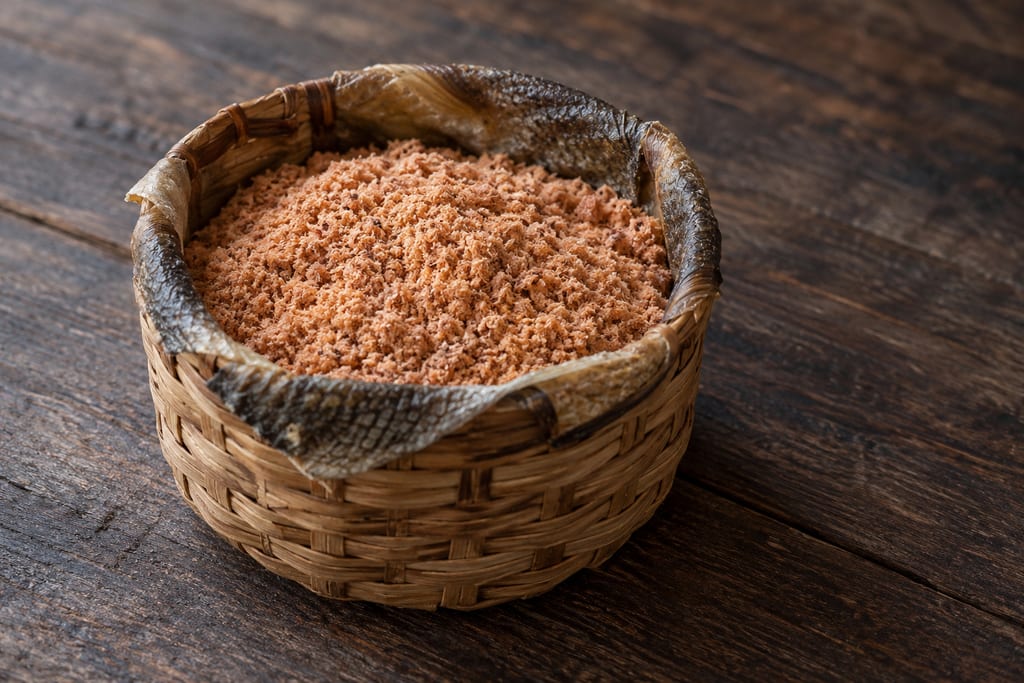
Long before canned salmon or refrigerated transport, communities of the middle Columbia River produced a compact, highly valuable food from seasonal salmon catches.
The fish was dried, broken down, pounded and compressed into carefully prepared containers. The finished product was a dense preserved salmon preparation that could be transported and traded over considerable distances.
Names recorded for related products include c’lai or ch'láy in Sahaptin-language contexts and itk’ilak in Chinookan documentation. Wasco accounts also preserve the name killuk. Spellings vary across historical transcription systems and communities.
These names should not be treated as proof that every locality manufactured precisely the same food in precisely the same way.
The salmon itself belonged to the genus Oncorhynchus. Chinook salmon, O. tshawytscha, was a particularly important Columbia River fish, but historical records do not establish that every basket of pounded salmon contained a single species.
The defining feature was the transformation of dried fish into a compacted food.
Unlike a large intact dried fillet, pounded salmon could be packed into a comparatively small volume. The preparation also made the meat easier to portion, exchange and use in different meals.
It is sometimes loosely compared with pemmican. That comparison needs care. Pemmican commonly refers to a separate Indigenous food tradition involving dried meat and added fat, sometimes berries. Columbia River pounded salmon did not necessarily use that formula, although some regional descriptions do mention roe or berries during preparation.
Celilo Falls, known as Wy-am or Wy-Am in regional sources, was one of the most important fishing and trading centres of western North America.
The river narrowed and accelerated through rocky channels, concentrating migrating fish at locations where experienced fishers could work from platforms and ledges.
The fishery attracted people from surrounding communities and distant trading networks.
Salmon supported settlements, ceremonial gatherings, travel and exchange.
The immense importance of the fishery did not arise merely from the number of salmon caught. Preserving and transporting the catch made it possible for river food to reach people far from the fishing stations.
Dried salmon could become a medium of exchange for foods and manufactured goods from other regions.
There is no securely dated single invention of pounded salmon.
However, an unusually detailed eyewitness account survives from 22 October 1805, when William Clark recorded the preservation and packing methods he encountered during the Lewis and Clark expedition.
That account offers specific evidence of the process at a definite place and time.
It should not be used to imply that the practice began in 1805. The journal documents an established technology.
Clark observed dried salmon being pounded between stones and pressed into baskets woven from grass and rushes.
The containers were lined with prepared salmon skins and closed with more skins after filling.
He described baskets more than two feet long and approximately one foot in diameter.
He estimated their weight at approximately 90–100 pounds per basket.
The preserved packages were stacked, commonly with seven on the bottom and five above, and protected with mats.
This gives a remarkable picture of an organized storage and trading system.
The numbers are those of Clark's observation and estimate. They are not standard dimensions prescribed for every basket in Columbia River history.
His account also records an assertion that the packed salmon could remain sound for several years.
That was a reported shelf-life claim, not an independently verified microbiological storage trial.
The precise conditions under which such longevity was achieved cannot be reproduced from the journal alone.
The container was not an incidental wrapper.
A large amount of prepared salmon could be compressed into a form that was easier to stack and transport than loose fillets.
The woven basket supplied mechanical support.
The prepared salmon-skin lining separated the fish from the basket structure and helped enclose the packed contents.
Further fish skin closed the upper surface.
Protective mats reduced exposure during storage and transport.
The combination of basketry and fish processing represents two interdependent technologies.
The person who prepared the salmon and the person who manufactured the container contributed directly to its commercial usefulness.
Different baskets existed for different purposes. Later historical and artistic accounts describe smaller containers as well as larger commercial packages.
It would be incorrect to assume that the large baskets Clark recorded were the only form of the product.
Pounding does not preserve fish by an independent antimicrobial reaction. Its effects depend on what has already happened during drying.
First, moisture has to be removed sufficiently from the flesh.
After drying, the fish can be broken into smaller fragments. Pounding reduces the size of the pieces and produces a granular or meal-like food.
That physical transformation has several consequences.
Whole fish contain spaces and irregular shapes that make tight packing difficult.
Reducing the flesh to smaller pieces permits more effective compression, allowing more food to fit into a container.
This does not mean that the nutritional mass has increased. Packing density has changed.
Breaking dried fish into particles exposes more surfaces to air.
This can be useful for further drying, but it also introduces a potential problem: fatty fish particles can oxidize more readily when exposed to oxygen.
The quality of the original drying and the protection offered by the storage package therefore matter.
Pounded fish is easier to separate into portions than an extremely hard intact dried salmon.
It can be eaten as small portions or combined with other foods.
Its concentrated fish flavour makes it useful where preserved ingredients must provide nourishment without large transport volumes.
Adequate drying lowers water activity, reducing the water available to microorganisms.
Pounding does not automatically lower water activity to a safe level.
Nor does tightly compressing fish guarantee microbiological safety. If moisture remains excessive, packing could create conditions that are undesirable rather than protective.
Historical success depended on the full process and the knowledge of people performing it.
Columbia River accounts reveal several stages, but they do not provide one modern, validated production specification.
The following reconstruction distinguishes common operations from variations that appear in particular descriptions.
Fish were taken from highly productive river fishing sites.
At Celilo and nearby locations, dip nets and other methods enabled experienced fishers to harvest salmon moving through powerful currents.
Fishing was governed by community rules and ceremonial practices.
The fishery required specialized knowledge and could be dangerous. Access to productive locations was socially regulated rather than simply available to any passerby.
The fish were headed and gutted, then divided into portions suitable for drying.
Some descriptions mention cutting into strips.
Others show broad pieces opened and spread out to increase the area exposed to drying air.
Fish anatomy, size and seasonal condition would influence the amount of cutting required.
Prepared salmon was dried in appropriate weather, often on mats, racks or in drying shelters.
East-of-Cascades conditions could offer warm, dry winds useful for the process.
Wasco community accounts describe approximately three days of drying in favourable east-wind conditions in one method.
That duration is a description of local practice, not a universal safety endpoint.
The presence of a drying shed or rack does not establish whether every historical batch was completely unsmoked. Some communities combined heat, smoke or drying in varying ways.
Fish was broken down after initial drying.
A historical account describes partially dried flesh being shredded, in some cases combined with roe or berries, and exposed to additional drying.
Such additions are recorded variations, not ingredients required by every version.
They also complicate preservation because fresh roe or fruit introduces moisture and different chemical constituents. A batch containing them cannot automatically be assumed to behave like fish alone.
The dried material was reduced by pounding with stone or wooden equipment.
Some evidence describes two stones; other ethnographic descriptions show a mortar and pestle.
The desired result was a fine, compactable salmon preparation.
A photograph made in 1910 shows a Wishxam or Wishram woman working with pounding equipment near Celilo.
Another photograph from September 1952 records William Winnier pounding dried salmon near the Celilo railroad bridge.
These images establish that the process remained visible in the twentieth century.
The prepared fish could be compressed into woven containers.
Clark's 1805 account emphasizes baskets lined and closed with dried salmon skins.
Compression helped create dense packages suitable for stacking and trade.
No laboratory-based specification for compression pressure, final moisture or water activity accompanies the historical account.
The filled containers were closed, protected with mats and stored in dry locations.
Their compact form made large quantities of dried salmon easier to move.
The source documents historical claims for lengthy storage, but not validated safe storage periods under present-day conditions.
The Columbia River trade depended on many kinds of expertise.
Fishing crews caught salmon, but preparation, drying, pounding and basket-making converted it into durable value.
Women performed substantial parts of the processing work in documented Columbia River societies.
Some nineteenth-century outsiders interpreted this labour through their own assumptions about gender and hardship.
That interpretation has been challenged by research emphasizing women's ownership of prepared food and their role in deciding how it would be used or exchanged.
In some Plateau communities, the labour invested in preserved salmon gave its producer authority over an economically valuable product.
This matters because a basket of pounded fish represented far more than the catcher's labour.
It contained the work of processors and basket-makers and the specialized knowledge necessary to preserve a highly perishable animal food.
The Columbia fishery brought different peoples into contact, but their languages and traditions were not identical.
Wasco and Wishram communities spoke varieties of Chinookan languages, while Sahaptin was used by neighbouring Plateau peoples.
Food names therefore differ.
C’lai or ch'láy appears in Sahaptin-associated documentation. Itk’ilak is recorded as a Chinookan form, and killuk appears in Wasco community accounts.
The documentary record does not support assigning one perfectly standardized modern spelling to every historical speaker.
There were also differences in fish cutting, grinding equipment, added ingredients and package size.
The correct historical approach is to describe a family of related Columbia River preparations while identifying whose terminology and account is being used.
Preserved salmon was useful as travel food and as part of the diet away from the main fishing season.
Smaller quantities could be taken from stored packages and eaten with other foods.
The exact preparation depended on how dry, finely pounded and densely packed the product was.
Historical descriptions do not establish a single universal serving recipe.
A very dry powder or crumble will behave differently from large strips of dried salmon. It can be portioned easily, but its texture may be less familiar to people accustomed to modern smoked salmon.
The food also had value in trade and gifting, where the preserved package itself formed part of the exchange.
Modern culinary comparisons with salmon jerky or fish flakes are useful only to explain certain physical characteristics. They should not erase the original names or turn the product into a generic snack.
Because salmon is perishable and potentially fatty, several failures are possible.
Insufficient initial drying can leave moisture inside the fish even when its exterior feels firm.
Roe or berries added in some variants may change the moisture distribution and spoilage risk.
Oil oxidation can produce rancid flavours.
Mould can develop if fish absorbs moisture during storage or was not adequately dried.
Insects or handling contamination can introduce organisms into the product.
A woven basket and fish-skin liner are historical storage technologies, not modern guarantees against pathogens or toxins.
The reported multiyear shelf life of some packages should not be copied as a storage instruction for contemporary home preparation.
This is a particularly important case where an excellent historical description is not a complete modern recipe.
The historical sources do not consistently establish exact salt addition, water activity, drying temperature, final moisture or microbiological validation.
For commercial shelf-stable dried seafood, water activity at or below 0.85 is one significant FDA control. That number should not be retroactively assigned to fish preserved at Celilo in 1805.
Nor can an unfamiliar cook safely substitute an ordinary food dehydrator and assume that the resulting salmon powder will be shelf-stable for years.
The most appropriate practical use of this historical material is to understand the technique and, where available, learn from community practitioners and scientifically validated seafood-preservation guidance.
The history of pounded salmon cannot end in the nineteenth century.
On 10 March 1957, the gates of The Dalles Dam were closed, and the rising Columbia River inundated Celilo Falls.
The physical fishing landscape that had supported generations of Indigenous families disappeared beneath the reservoir.
The loss affected fishing practices, trade, settlement, family life and cultural continuity.
Treaty fishing rights were not extinguished simply because the falls were submerged.
Communities continued to preserve, defend and practise their salmon traditions under dramatically altered circumstances.
The old photographs of salmon drying and being pounded therefore have more than antiquarian significance.
They document skilled food production at a place whose landscape was subsequently transformed.
Columbia River pounded salmon demonstrates that food preservation can involve several distinct technologies in sequence.
Drying makes the flesh less perishable. Shredding and pounding change its physical structure. Compression makes it practical to store and transport. Basketry creates a specialized package.
These operations made salmon an important trade food long before industrial canning.
The preparation also challenges a narrow European history of dried fish. Indigenous communities had developed sophisticated ways of producing portable preserved foods independently of North Atlantic saltfish commerce.
Its history is one of technical knowledge, labour, environmental opportunity, trade and continuing cultural connection to the river.
Celilo Falls, known as Wy-am, was one of the most important fishing and trading centres of western North America: the river narrowed and accelerated through rocky channels, concentrating migrating fish where experienced fishers worked from platforms and ledges. Preserving and transporting the catch let river food reach people far from the fishing stations, and dried salmon could become a medium of exchange for goods from other regions.
There is no securely dated single invention of pounded salmon. An unusually detailed eyewitness account survives from 22 October 1805, when William Clark recorded the preservation and packing methods he encountered; the journal documents an established technology and should not be used to imply that the practice began in 1805. On 10 March 1957 the gates of The Dalles Dam closed and the rising Columbia inundated Celilo Falls, affecting fishing practices, trade, settlement, family life and cultural continuity. Treaty fishing rights were not extinguished because the falls were submerged, and communities continued to preserve, defend and practise their salmon traditions.
Scaling: source batch only
Insufficient initial drying can leave moisture inside the fish even when its exterior feels firm, and tightly compressing fish does not guarantee microbiological safety.
Hazard sourceFresh roe or fruit introduces moisture and different chemical constituents, so a batch containing them cannot be assumed to behave like fish alone.
Hazard sourceBreaking dried fish into particles exposes more surfaces to air, fatty particles can oxidise, mould can develop if the fish absorbs moisture during storage, and insects or handling can introduce organisms.
Hazard sourceWater activity for commercial shelf-stable dried seafood
Control sourceThe historical sources do not establish exact salt addition, water activity, drying temperature, final moisture or microbiological validation for pounded salmon.
The reported multiyear shelf life of some packages is a historical claim and must not be copied as a storage instruction for contemporary home preparation.
A woven basket and fish-skin liner are historical storage technologies, not modern guarantees against pathogens or toxins.
The fishing and trading centre where the preparation is documented; coordinates are not given by the sources.
One of the river locations where the trade in preserved salmon is documented.
The middle Columbia, where Wasco, Wishram and Sahaptin-speaking communities made related preparations under different names.
Salmon opened, scored and hung on roofed racks in the dry canyon winds of the Fraser River: slhíts'es in Stó:lō documentation, sts'wan in St'át'imc records.
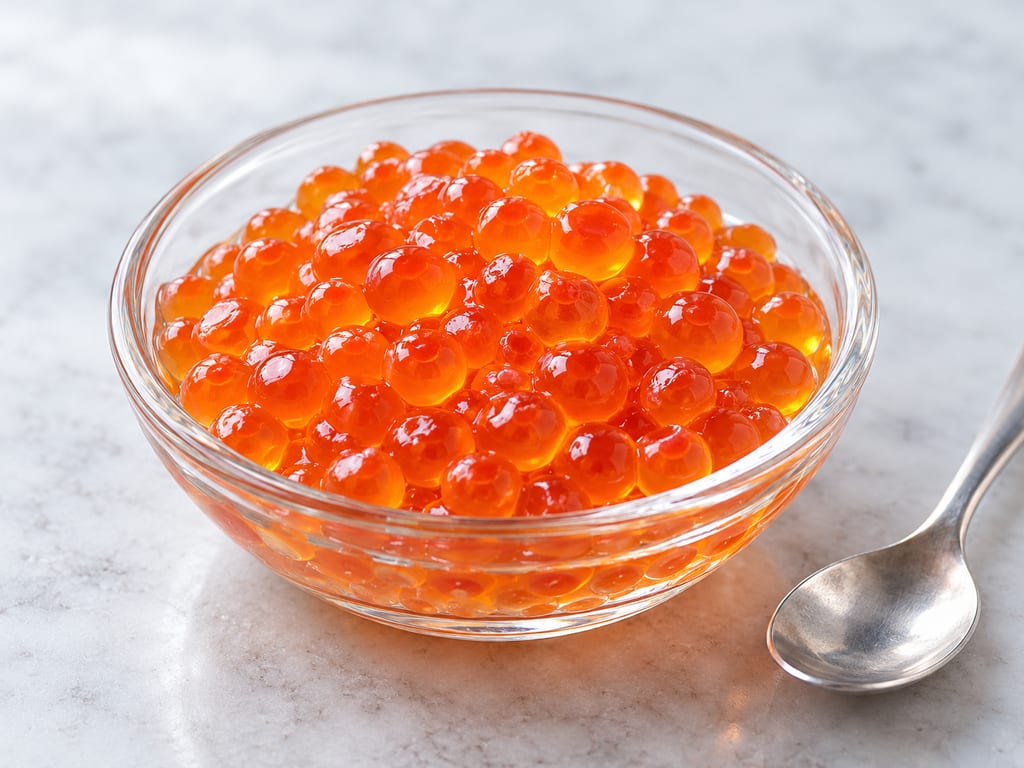
Salmon roe is separated from skeins and treated in two salt-water stages using a University of Alaska Extension formula.

Kodiak salmon, halibut and cod cut as seg'aq and hung on an initaq rack to become tamuuq, with kac'amaasaq and kupcuunaq named as different results.
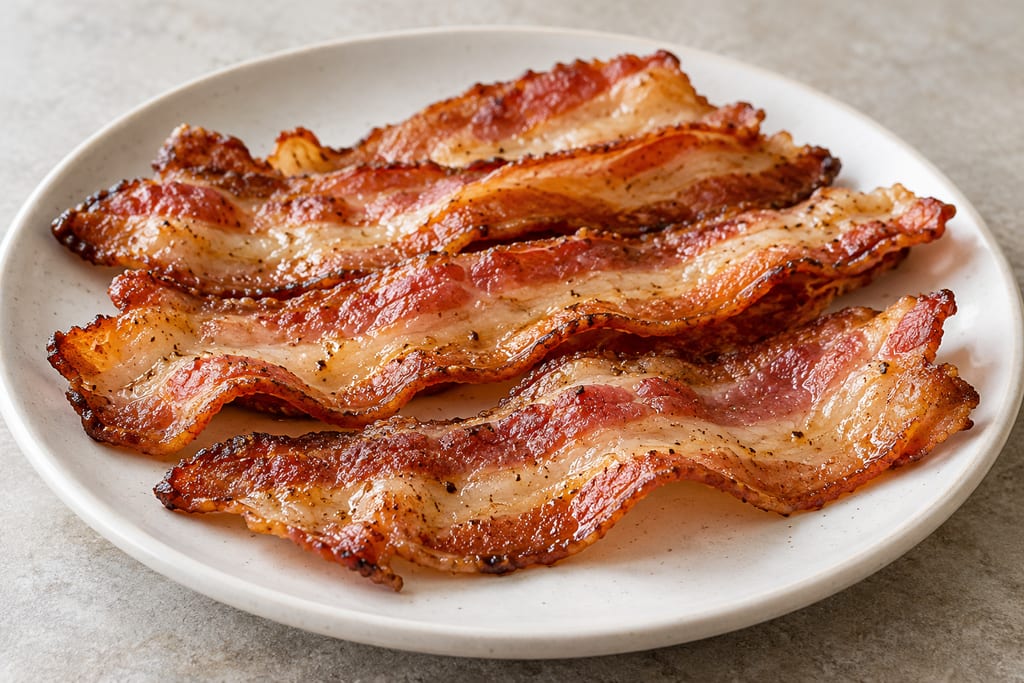
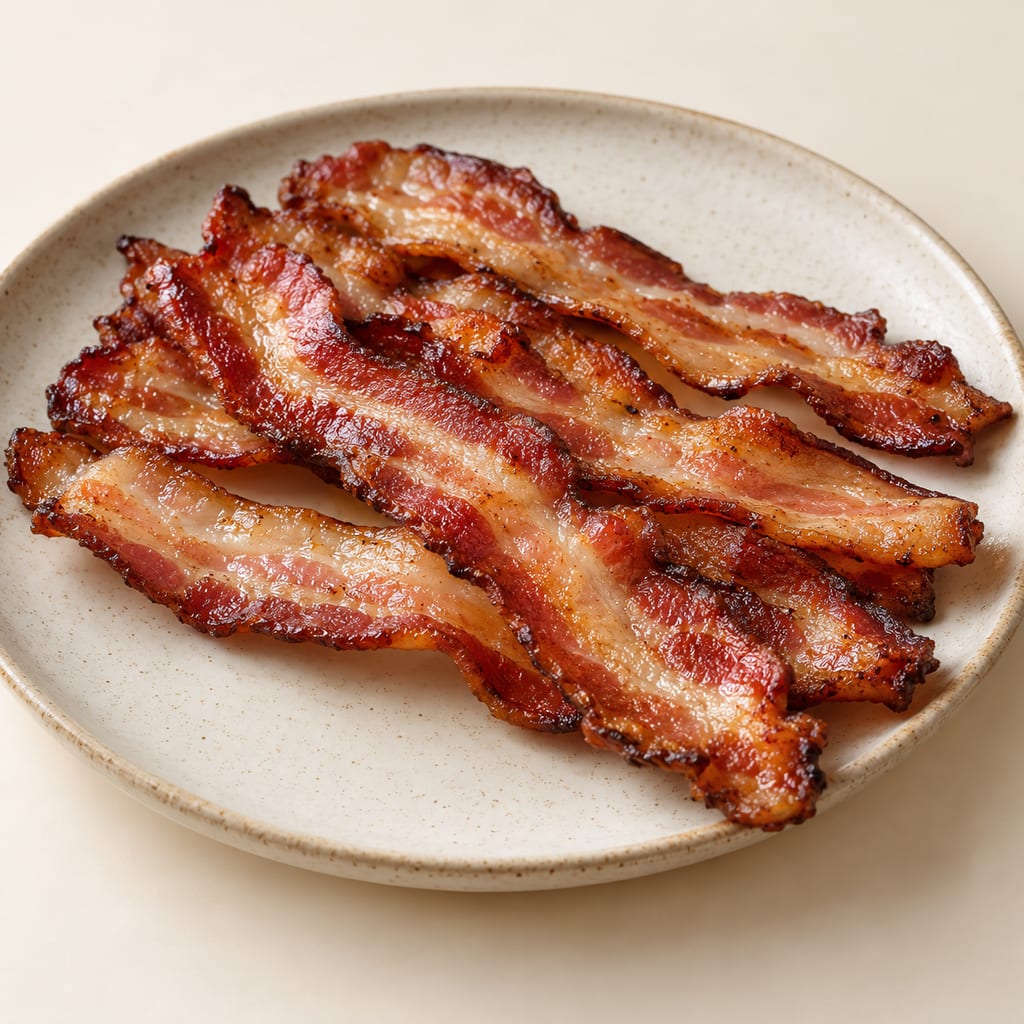
Pork belly receives a measured salt-and-sugar cure with coffee and spices, then is refrigerated before cooking or hot smoking.
A refrigerated pork-belly brine combines beer and maple syrup with salt, garlic powder and measured Cure #1.
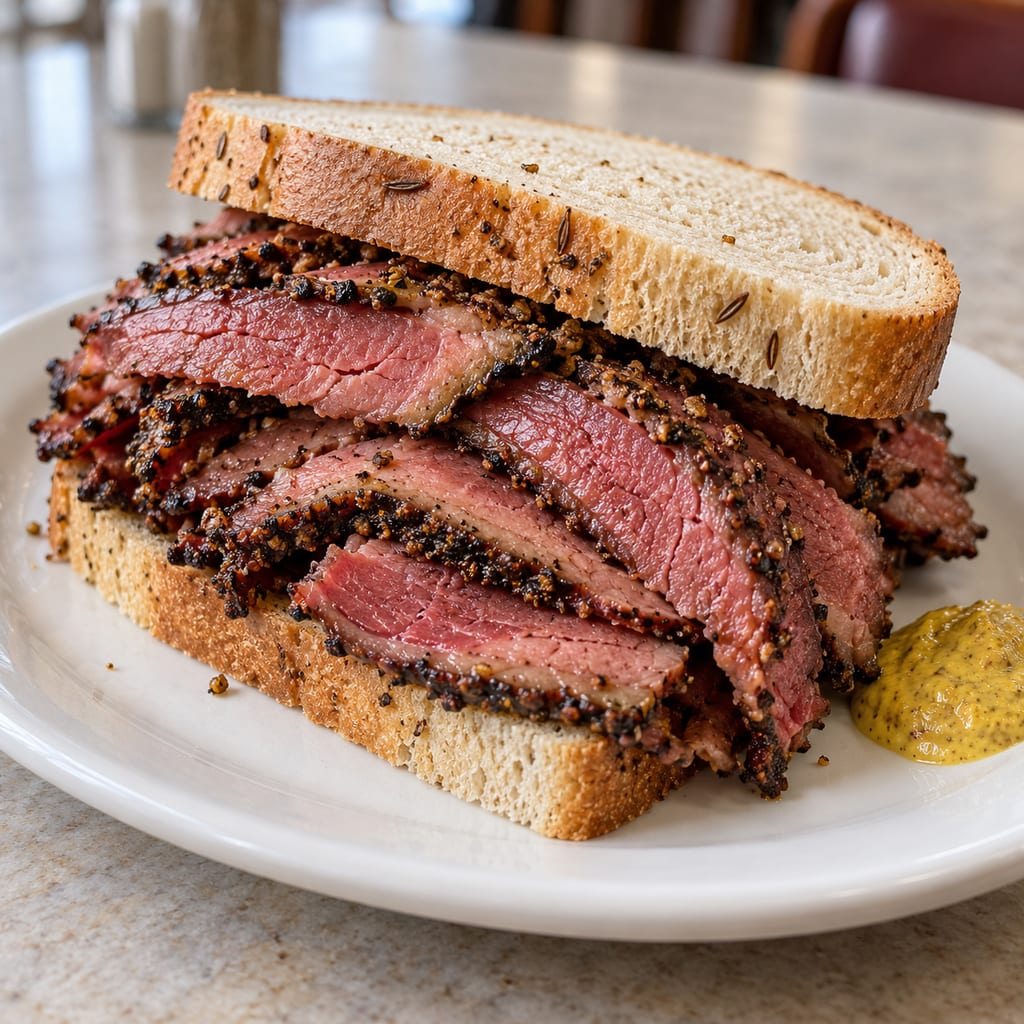
Pastrami is beef brined, rubbed with spices, smoked and steamed, the New York Jewish deli meat served hot and hand-carved on rye. Its origin is argued between competing accounts.
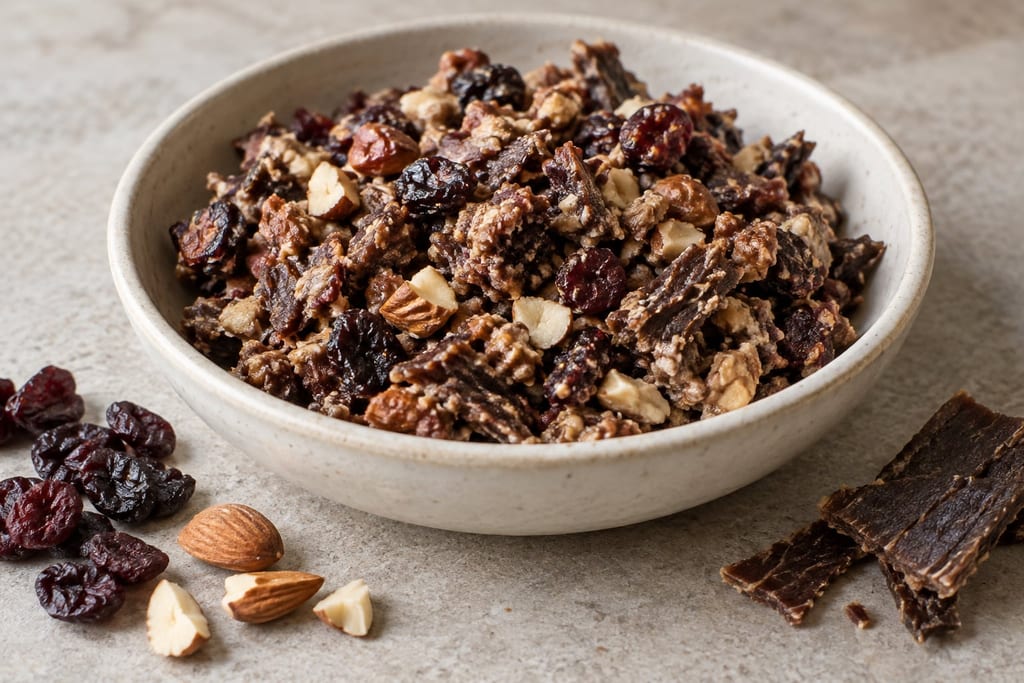
A contemporary recipe published with Valerie Segrest’s permission among recipes from Muckleshoot Nation, combining jerky, dried berries, raw nuts or seeds, and nut butter.
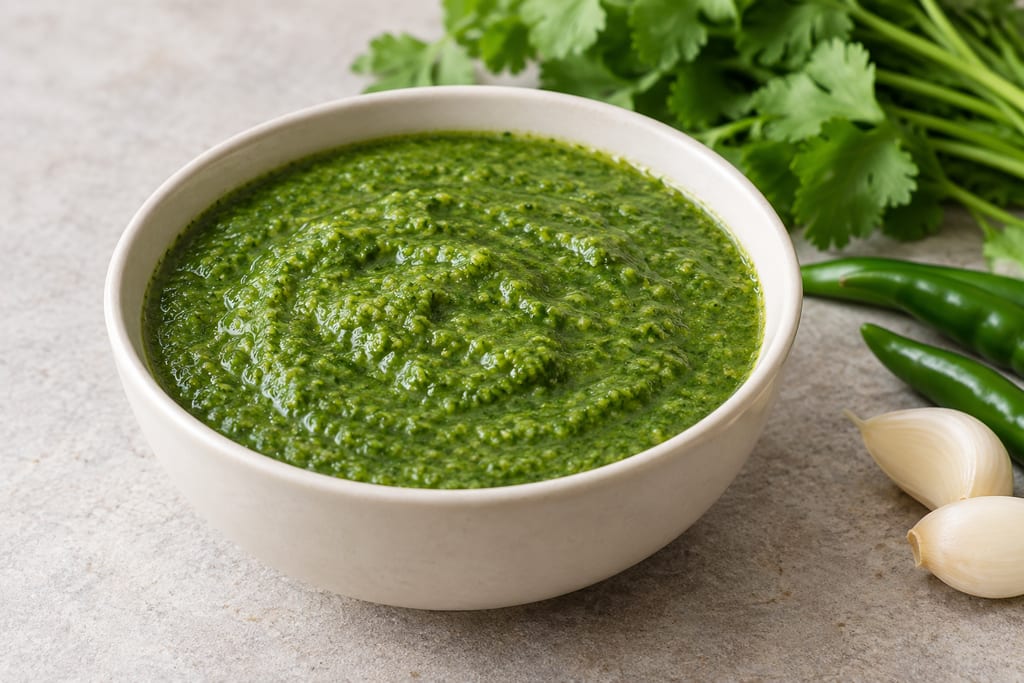
Afghan coriander chatni is a sharp, hot herb sauce with garlic and vinegar. A 2008 Afghanistan manual records green or red pepper and optional walnut; heat and household versions vary.
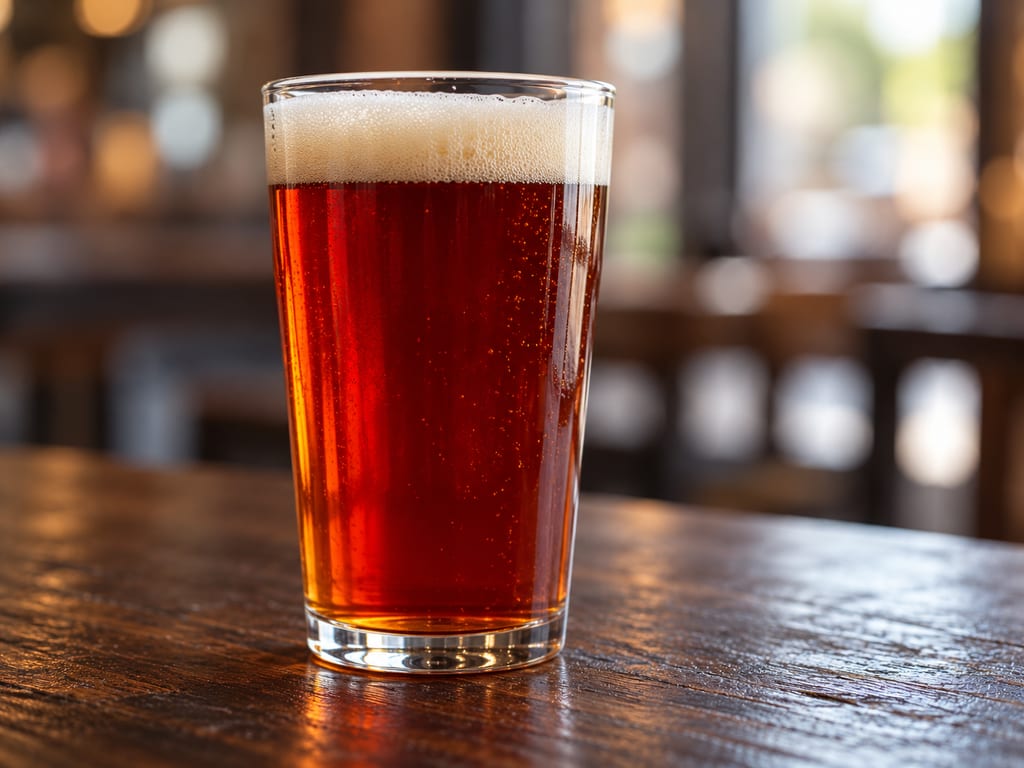
A deep amber-red American ale brewed from pale, Munich, CaraVienne and chocolate malts, bittered with Columbus hops and finished with Amarillo.
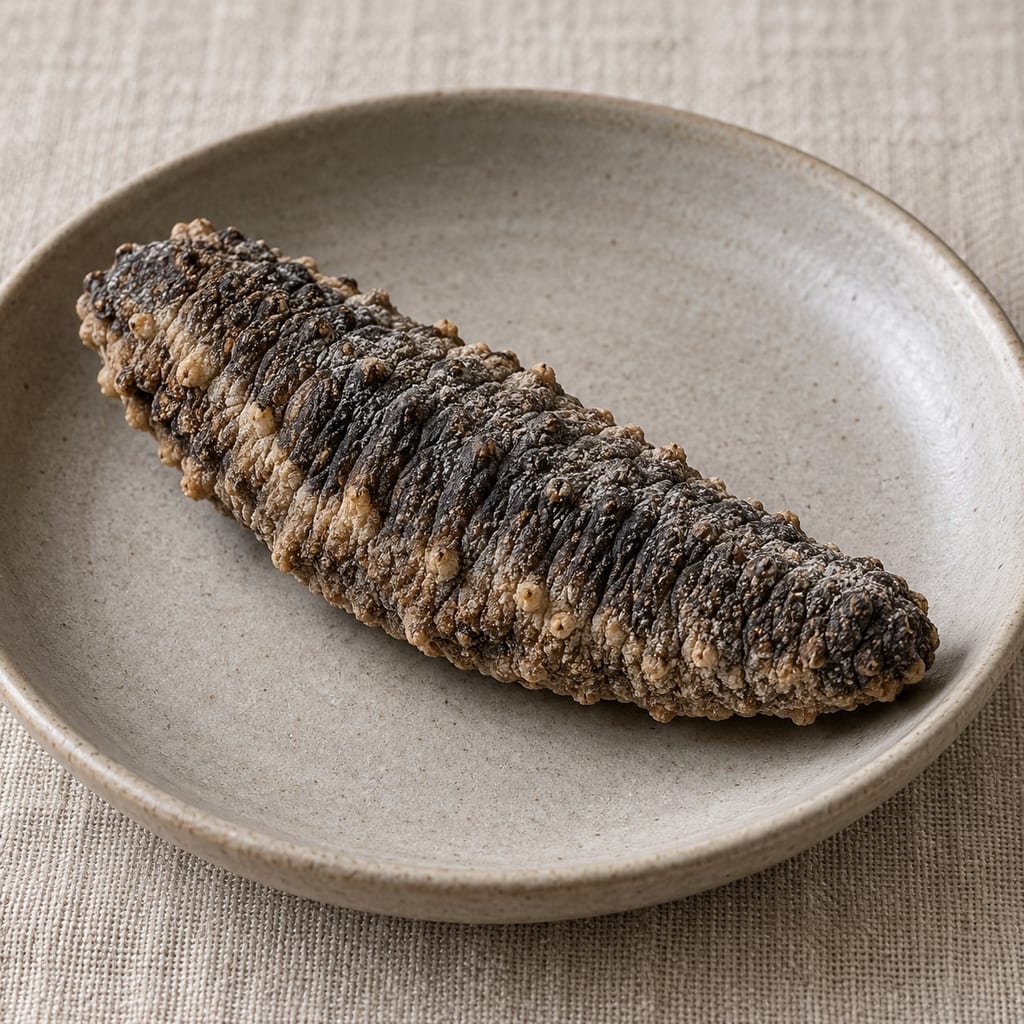
Sea cucumber cleaned, boiled and dried, sometimes with smoke, into a long-keeping trade product; Makassan processing in Arnhem Land is documented from at least the eighteenth century.
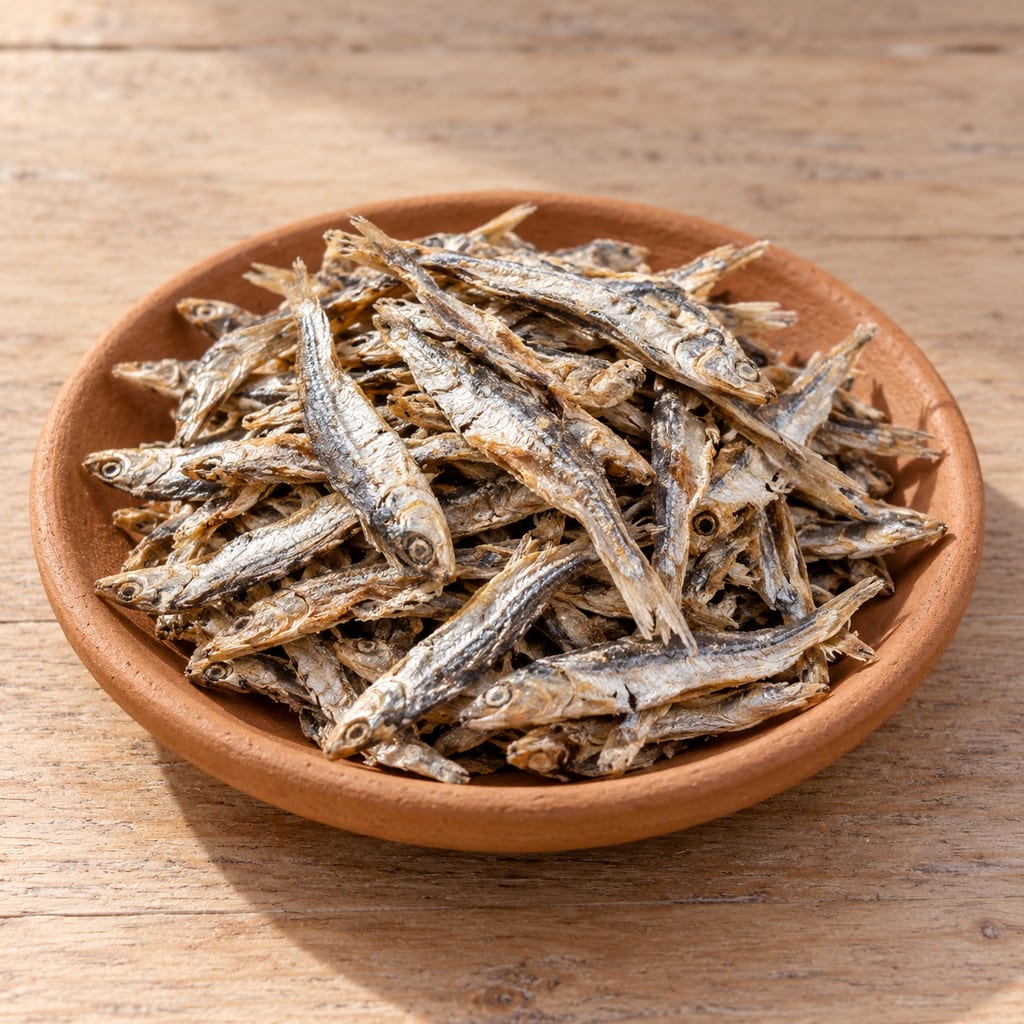
Anchoveta salted, drained of sanguaza and sun-dried on sand or stones at Caleta de Carquín, a technique declared part of Peru's cultural heritage in 2016.
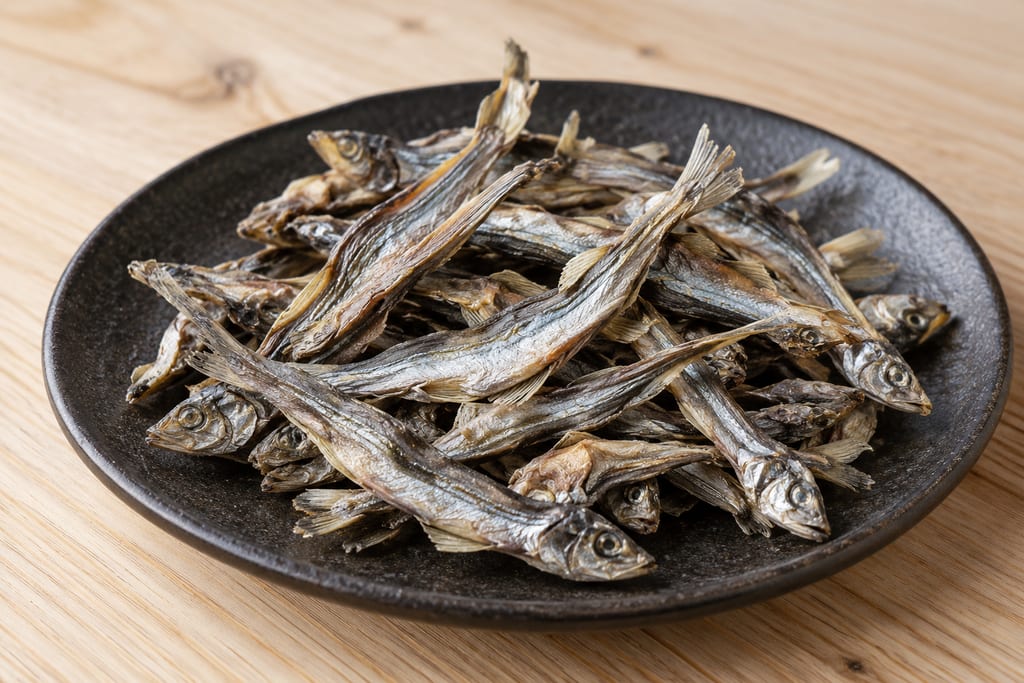
Greenlandic capelin dried whole on rocks, among crowberry vegetation or on buildings, and the microbial research that has made this small fish unusually well studied.
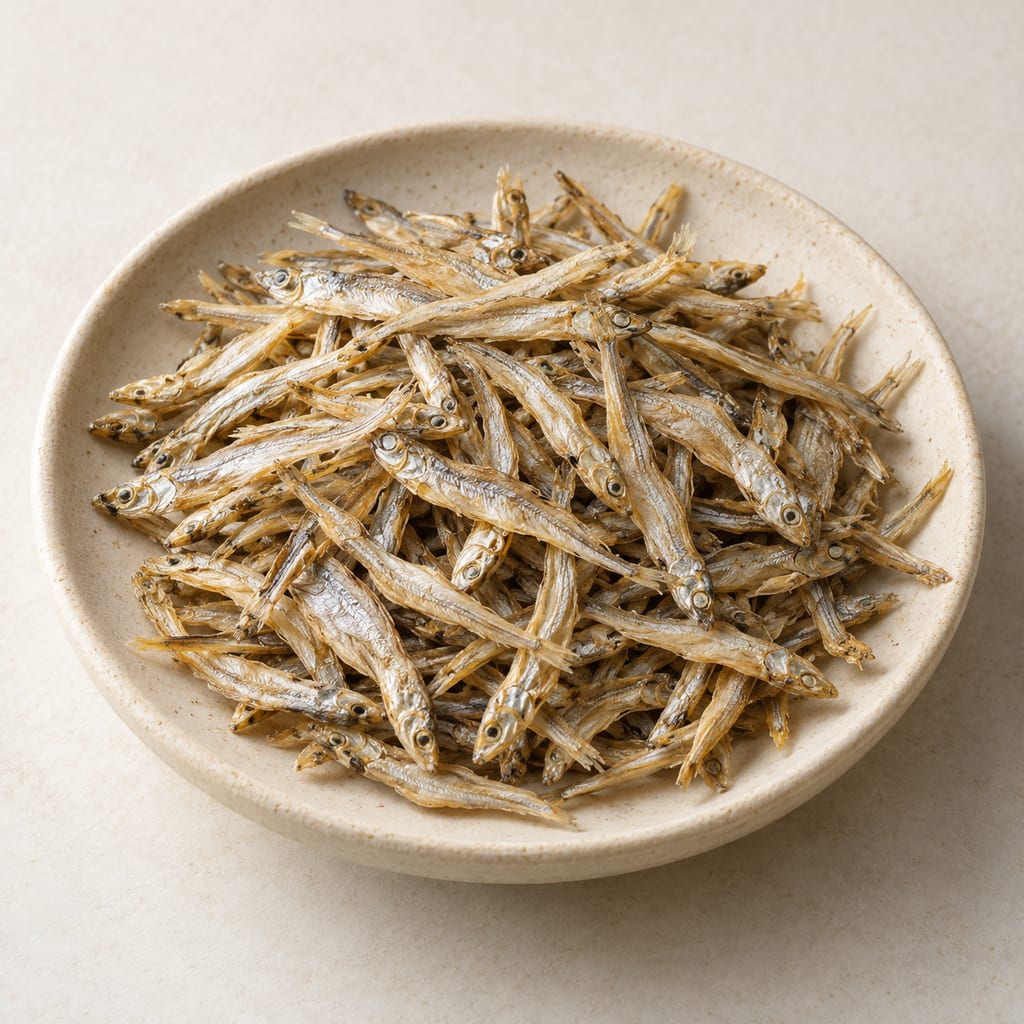
Small central-Mexican lake silversides, Chirostoma spp., dried whole and sometimes salted, then fried, roasted or simmered into Lenten tortitas and snacks.
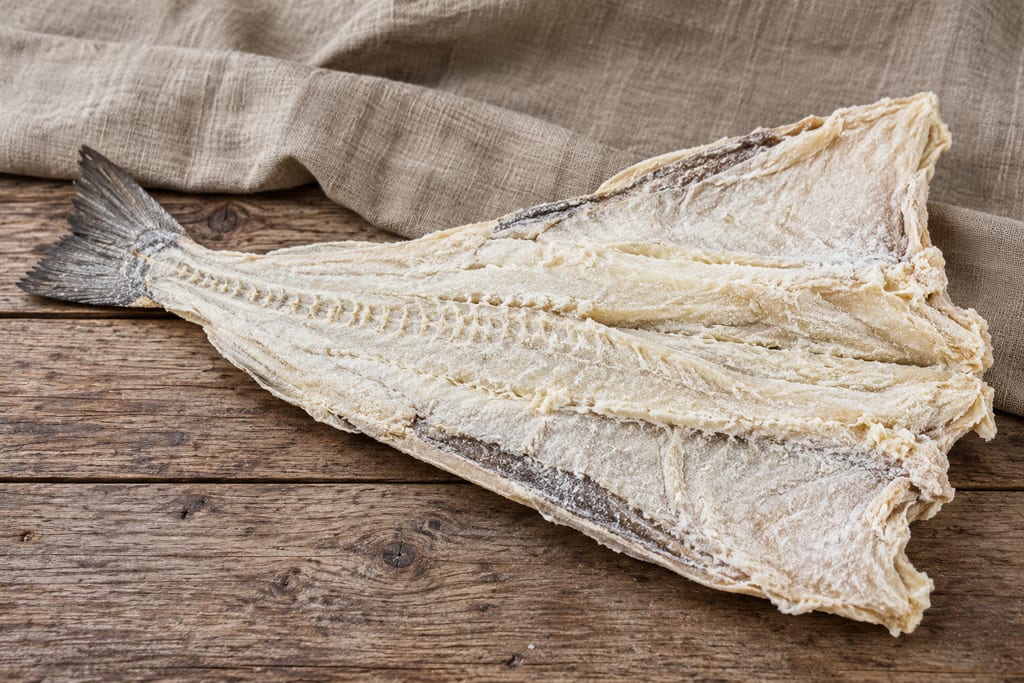
Cod split, salted and dried on flakes until hard, a long-keeping fish that must be desalted and rehydrated before use; the salting and the extensive drying together make it portable where light salting or partial drying does not.

Koobi is Ghanaian salted and dried tilapia. Sources differ on the brief ripening stage and drying period, and do not establish a single validated household process. This entry records documented variants and their limits.
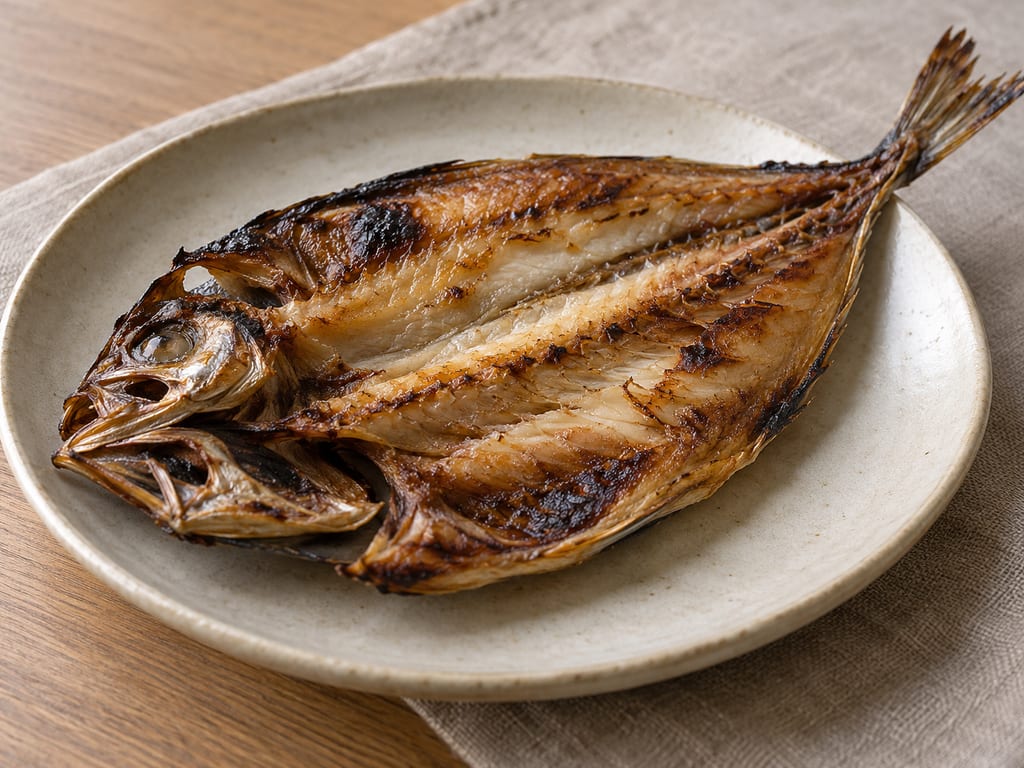
Izu Islands fish cured by repeated immersion in a maintained microbial brine, then dried. The reused brine, not drying alone, is what defines the product.
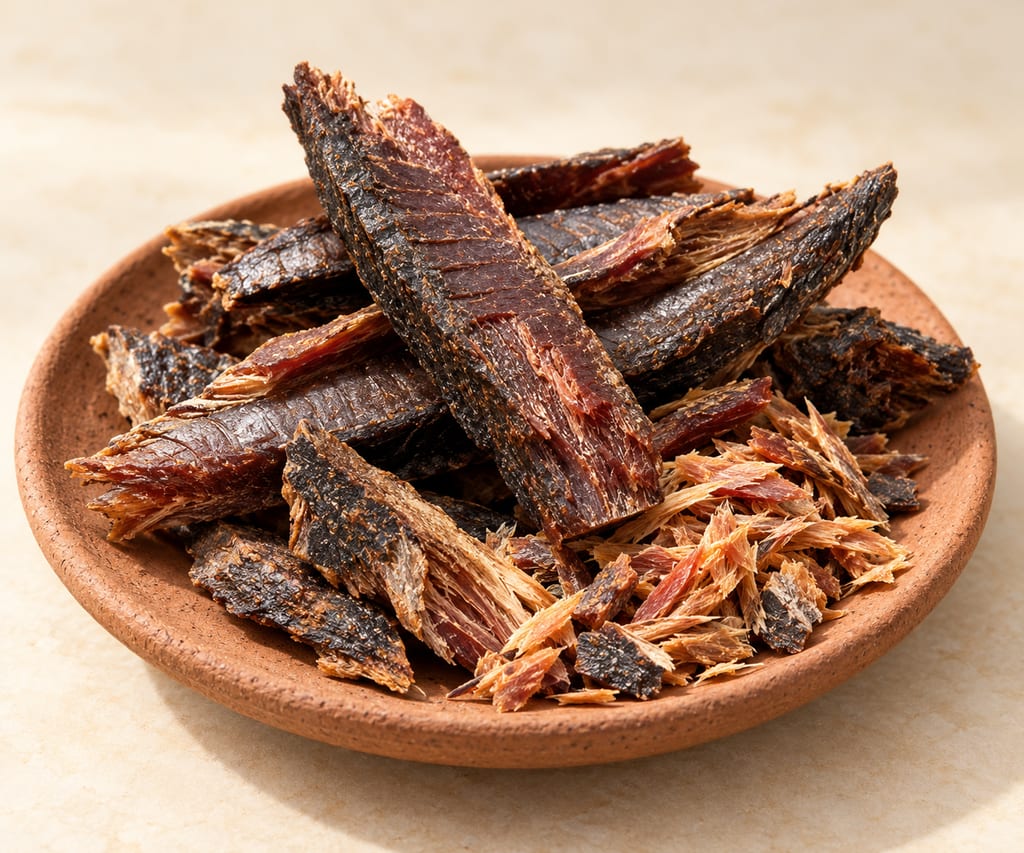
Maldive fish is a hard, smoke-dried tuna product made in the Maldives and traded especially to Sri Lanka, where it is known as umbalakada. Cooks shave or pound it into a concentrated savory seasoning for sambols, curries and other dishes.

A Cap-Pelé boucanière is an Acadian herring-smoking building. The documented Willie Niles example is a one-storey wood-frame structure with a ridge smoke vent and interior bays for hanging fish-bearing cannes.

Achcharu is a family of Sri Lankan vinegar pickles made with mixed vegetables or seasonal fruit and a piquant spice dressing. This version is a quick, refrigerated, non-fermented mixed-vegetable pickle.

The acocote is a long, hollowed and dried gourd used to draw aguamiel from a mature maguey. It is a harvesting tool: the sap is transferred to a separate vessel before it ferments into pulque.

Adrak murabba preserves young ginger in sugar syrup, a sweet South Asian preparation recorded in Indian cookery and food-processing sources.

Parkia biglobosa seeds are fermented into regional West African seasonings, including nététou, iru, dawadawa and soumbala. The yellow fruit pulp is a separate food, and names and methods vary by place.

Japanese reddish-brown vinegar from sake lees matured about three years, turned to vinegar by acetic bacteria; the vinegar of Handa and Edomae sushi rice.

A refined common-wheat flour blended for a broad range of baking; its protein and behavior vary with wheat, milling and market.

The almond mushroom, Agaricus subrufescens, was cultivated in eastern North America in the 1800s, lost its market, and returned as a cultivated mushroom from Brazil, where it is grown under several names.
No community contributions have been published for this entry yet.
Sign in to contribute. Published comments and photos are free to read.
University of Nebraska Press, Journals of the Lewis and Clark ExpeditionMethod · History
William Clark — Journal entry, 22 October 1805William Clark's journal entry of 22 October 1805 describing dried salmon pounded between stones and pressed into baskets woven from grass and rushes
Baskets lined with prepared salmon skins and closed with more skins after filling
Baskets more than two feet long and approximately one foot in diameter, estimated at approximately 90 to 100 pounds each
Packages stacked commonly with seven on the bottom and five above, protected with mats
A reported claim that the packed salmon could remain sound for several years
Cited in: A preserved fish made to travel; The Columbia River's great salmon marketplace; The 1805 description; What the baskets reveal; How pounding changes dried fish; Volume reduction; The documented manufacturing sequence; 1. Catching salmon; 2. Cleaning and opening; 3. Initial drying; 4. Breaking and shredding; 5. Pounding; 6. Packing; 7. Storage and transport; Eating pounded salmon; Why this product belongs in a preservation atlas
Oregon Historical SocietyMethod · History
Oregon Historical Society — Pounding Fish, Wishham, 1910A 1910 photograph of a Wishxam or Wishram woman working with pounding equipment near Celilo
Ethnographic descriptions of a mortar and pestle as well as two stones
Cited in: Wasco, Wishram and Sahaptin distinctions
Oregon Historical SocietyMethod · History
Oregon Historical Society — Women Dry Salmon at Celilo VillageWomen drying salmon at Celilo Village
Women performing substantial parts of the processing work in documented Columbia River societies, and research emphasising their ownership of prepared food
Cited in: Why the work was economically important
Columbia River Inter-Tribal Fish CommissionHistory · Context
Columbia River Inter-Tribal Fish Commission — Celilo FallsCelilo Falls, known as Wy-am, as one of the most important fishing and trading centres of western North America
The gates of The Dalles Dam closed on 10 March 1957 and the rising river inundated Celilo Falls
A September 1952 photograph of William Winnier pounding dried salmon near the Celilo railroad bridge
Cited in: The Columbia River's great salmon marketplace; The loss of Celilo Falls; Why this product belongs in a preservation atlas
Pat Courtney GoldMethod · History
Pat Courtney Gold — Wasco history and salmon preservationWasco accounts preserving the name killuk
Approximately three days of drying in favourable east-wind conditions in one Wasco method
Partially dried flesh shredded, in some cases combined with roe or berries, and exposed to additional drying
Cited in: A preserved fish made to travel; What the baskets reveal; Texture and use; The documented manufacturing sequence; Why the work was economically important; Wasco, Wishram and Sahaptin distinctions; Eating pounded salmon; What could go wrong?
Discover Lewis & ClarkMethod · History
Discover Lewis & Clark — Drying salmonHeaded and gutted fish divided into portions suitable for drying, some cut into strips and others opened into broad pieces
Dip nets and other methods used at Celilo and nearby locations
Cited in: The documented manufacturing sequence
US Food and Drug AdministrationSafety
US FDA — Fish and Fishery Products Hazards and Controls GuidanceWater activity at or below 0.85 as one significant control for commercial shelf-stable dried seafood
Cited in: How pounding changes dried fish; Increased surface area; Water activity; What could go wrong?; Food safety and the risk of imitation