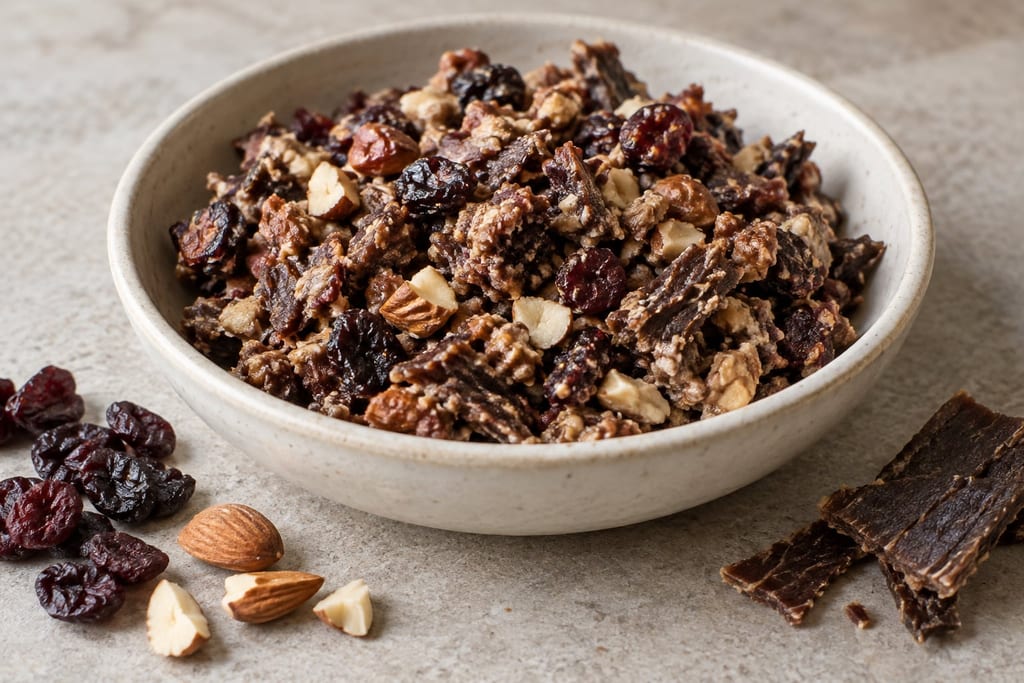
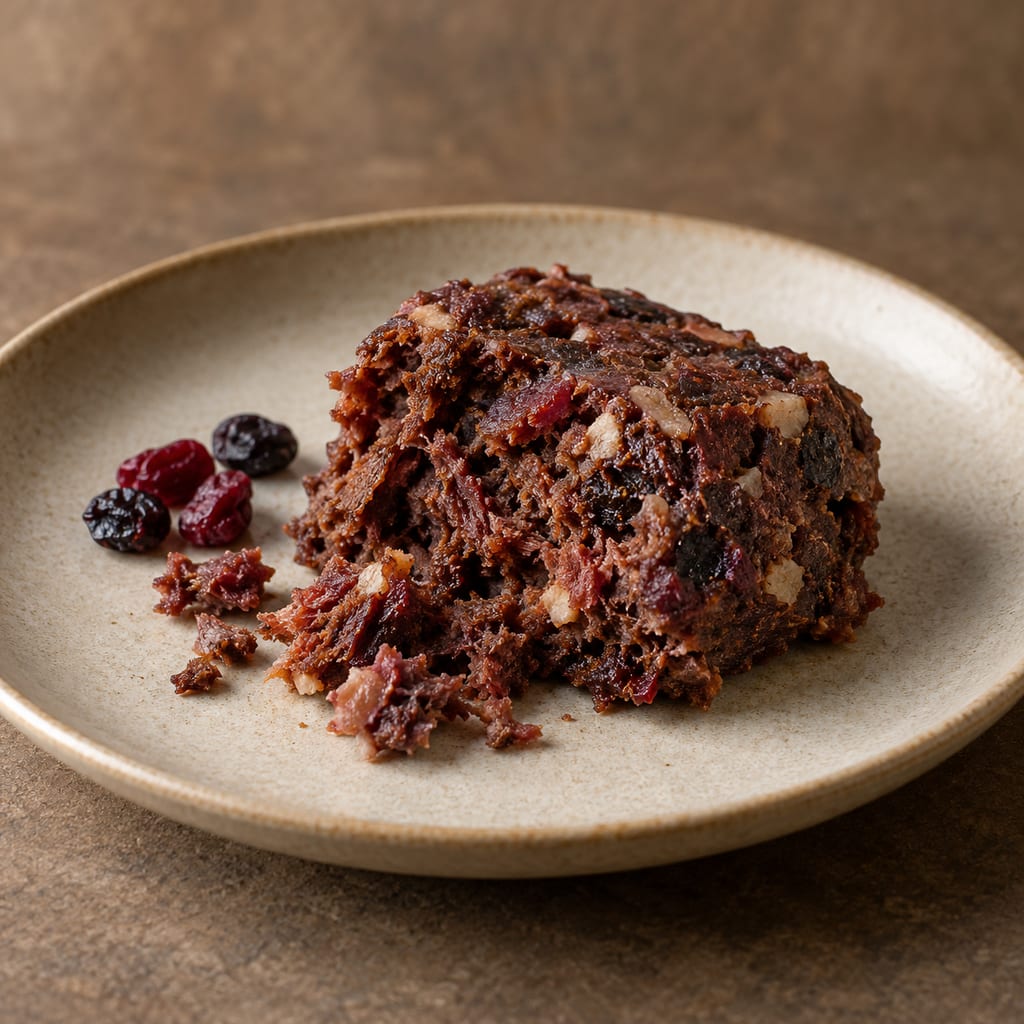
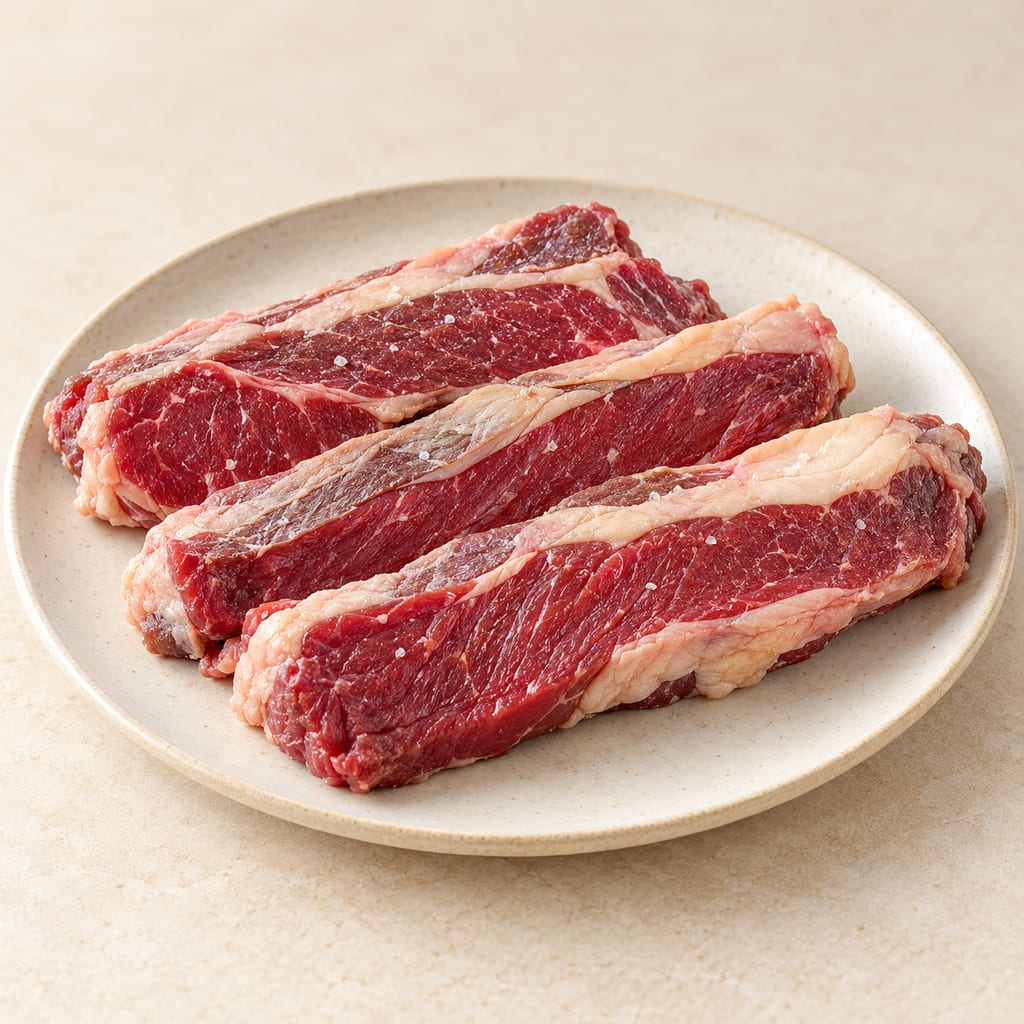
A contemporary recipe published with Valerie Segrest’s permission among recipes from Muckleshoot Nation, combining jerky, dried berries, raw nuts or seeds, and nut butter.
The University of Washington Alzheimer’s Disease Research Center printed this recipe in its Fall 2019 magazine. It appears within an article about Coast Salish foodways and Valerie Segrest’s food-sovereignty work. The magazine says Segrest gave permission to share recipes from Muckleshoot Nation and credits the cookbook Feeding the People, Feeding the Spirit by Segrest and Elise Krohn. The recipe title names Vanessa, but the issue does not identify her further. This record describes the published batch, not a claim about who invented it, an ancient pemmican recipe, or a method shared by all Coast Salish communities.
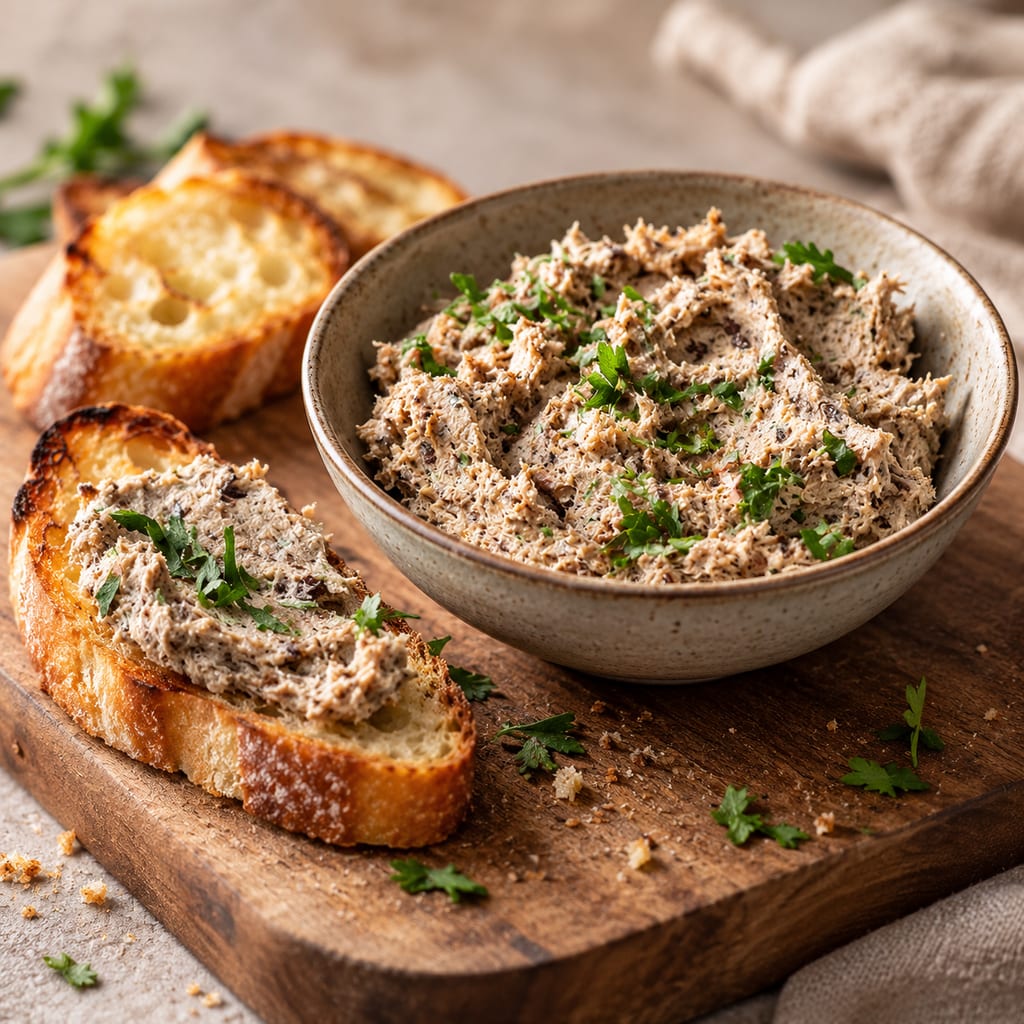
The batch uses one cup of dried venison, elk, or beef jerky; one cup of dried wild berries; one cup of raw nuts or seeds; and one-third cup of nut butter. The berry list includes huckleberry, salal, blackcap raspberry, elderberry, salmonberry, service berry, soapberry, thimbleberry, wild blackberry, and wild strawberry. The issue gives “c.weda’x” as a Southern Puget Sound-language name for huckleberry. The nut and seed options are hazelnuts, walnuts, sunflower seeds, or almonds. It does not name the nut butter, give ingredient weights, or state a batch yield.
The method is assembly rather than cooking or fermentation: chop the jerky into small pieces, add the dried berries, nuts or seeds, and nut butter, then blend the mixture in a food processor. The magazine instructs cool, dark storage and claims several months, but supplies no drying process, moisture measure, packaging specification, or validation for the mixture. The supplied collection’s separate adaptation recommends refrigeration. These are distinct statements; neither establishes a safe shelf life for this exact batch.
The recipe starts with already dried jerky and does not explain how it was made. USDA FSIS advises heating meat to 160°F (71°C) before home dehydration because low-temperature drying may leave pathogens alive. Those controls concern jerky manufacture and cannot be inferred from the pemmican mixing steps. The National Center for Home Food Preservation gives storage information for properly dried jerky on its own; it does not test or validate the finished mixture of jerky, berries, nuts or seeds, and nut butter. No shelf-life duration or room-temperature safety claim is established here.
The recipe appears in a 2010 cookbook cited by a University of Washington magazine in 2019. The source documents its publication, not its creation date or an ancient pemmican method.
Ingredients
Scaling: source batch only
Dried jerkyUse venison, elk, or beef jerky; the recipe gives no directions for making the jerky.
237 mL1 cup as recorded
Dried wild berriesThe source lists huckleberry, salal, blackcap raspberry, elderberry, salmonberry, service berry, soapberry, thimbleberry, wild blackberry, or wild strawberry.
237 mL1 cup as recorded
Raw nuts or sunflower seedsThe source lists raw hazelnuts, walnuts, sunflower seeds, or almonds.
237 mL1 cup as recorded
Nut butter
79 mL⅓ cup as recorded
Method
Risks and precautions · Elevated risk
Unsafe homemade jerky
This recipe assumes ready-to-eat jerky and gives no jerky-making process. USDA FSIS warns that pathogens can survive low-temperature drying if meat is not first heated to a safe temperature.
Hazard source
Unverified room-temperature storage
The magazine gives a several-month storage claim but no moisture, packaging, or validation details for the finished mixture. Its shelf stability is not established by this recipe.
Hazard source
Use jerky prepared under a food-safety process. If making jerky at home, follow current USDA guidance for the meat and drying method; this pemmican recipe does not make or validate the jerky.
Control source
Do not use the magazine's several-month statement as a validated shelf life for the mixed batch.
Control source
The source does not establish a safe storage duration for this finished mixture.
The recipe does not describe how the jerky was made or validate the safety of home-prepared jerky.
With a knife, chop the dried jerky into very small pieces.
Add the dried berries, raw nuts or sunflower seeds, and nut butter.
Blend the mixture well in a food processor.
The magazine says to keep the mixture in a cool, dark place and claims it will keep for several months. That statement is retained as source context, not a validated shelf life for this batch.
Places
Muckleshoot Nation
Documented preparation · Region evidence
The magazine places this permission-published recipe among recipes from Muckleshoot Nation. This records publication context, not a precise birthplace or an ancient or universal Coast Salish pemmican method.
Pemmican is dried meat mixed with rendered animal fat, sometimes with berries. Sources link it to Indigenous North American food traditions and later fur-trade provisioning. This documentary entry gives no home preparation or storage method.
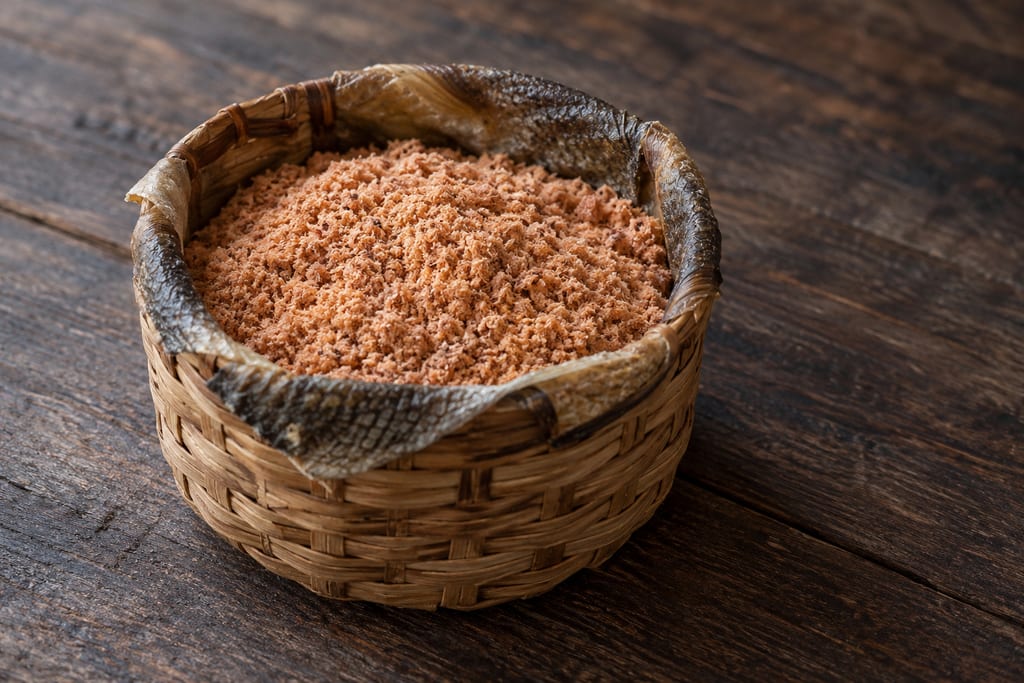
Dried salmon broken down, pounded to a meal and pressed into grass baskets lined with fish skin: the compact trade food of Celilo Falls and The Dalles.
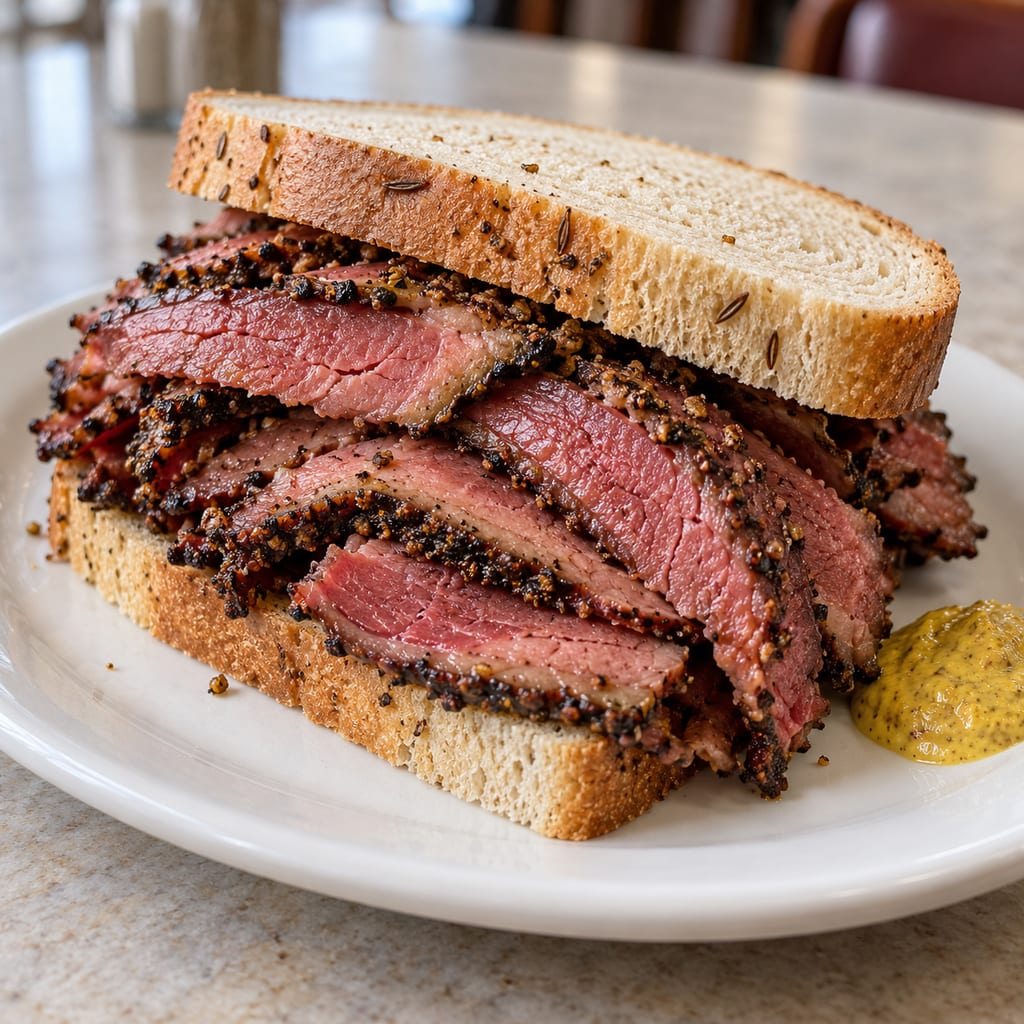
Pastrami is beef brined, rubbed with spices, smoked and steamed, the New York Jewish deli meat served hot and hand-carved on rye. Its origin is argued between competing accounts.
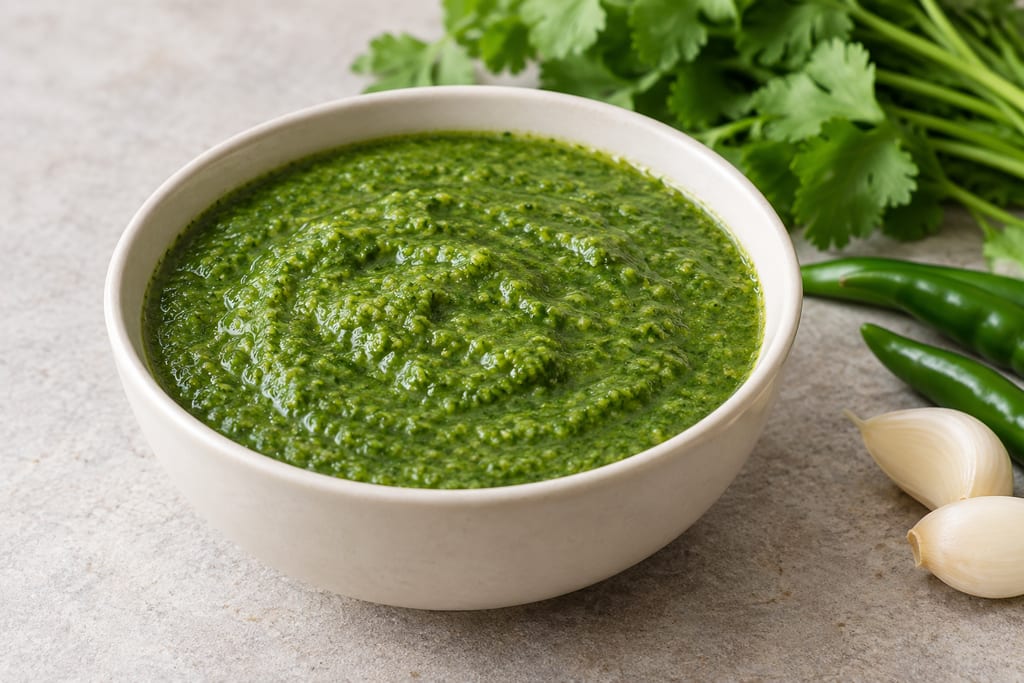
Afghan coriander chatni is a sharp, hot herb sauce with garlic and vinegar. A 2008 Afghanistan manual records green or red pepper and optional walnut; heat and household versions vary.
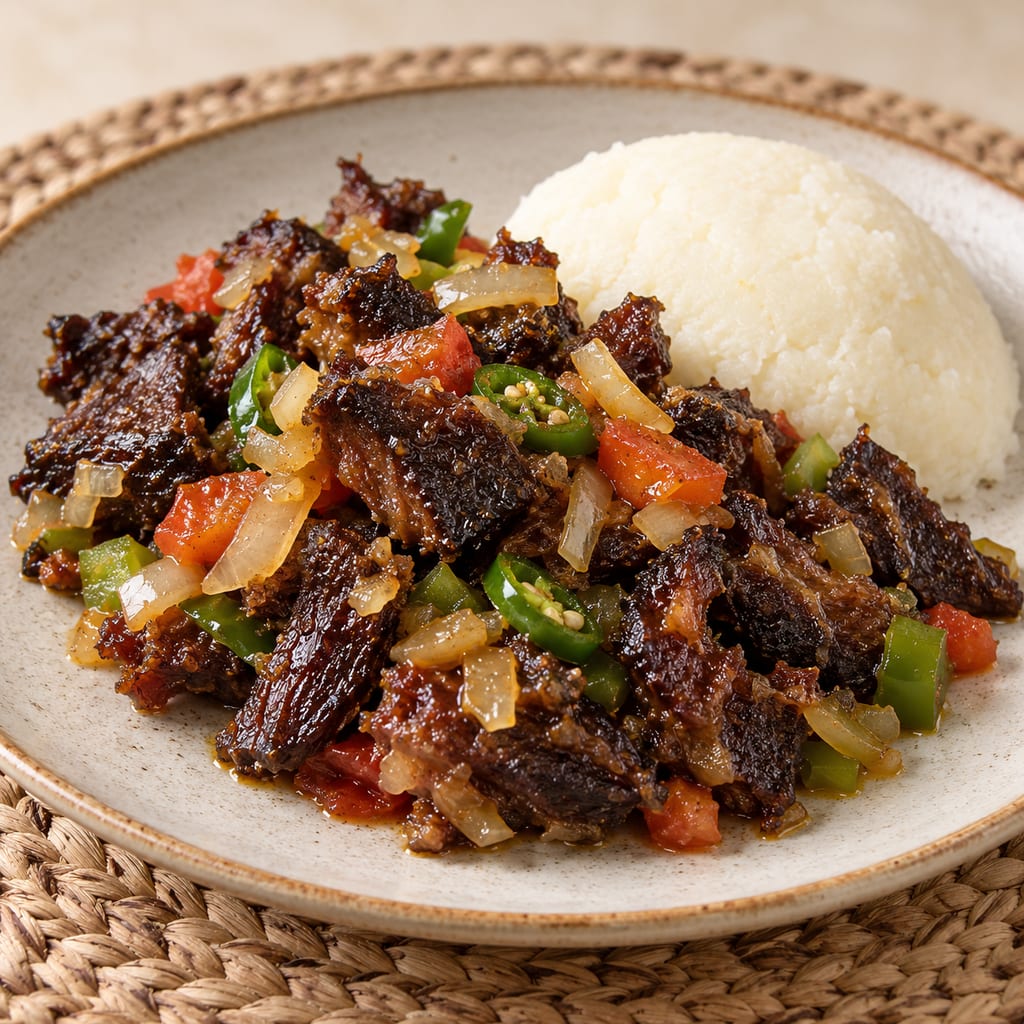
Alina Magano Johannes’s Oondhingu is a family dish from Onyaanya, Oshikoto, in northern Namibia: softened dried beef fried with vegetables and served with pap.
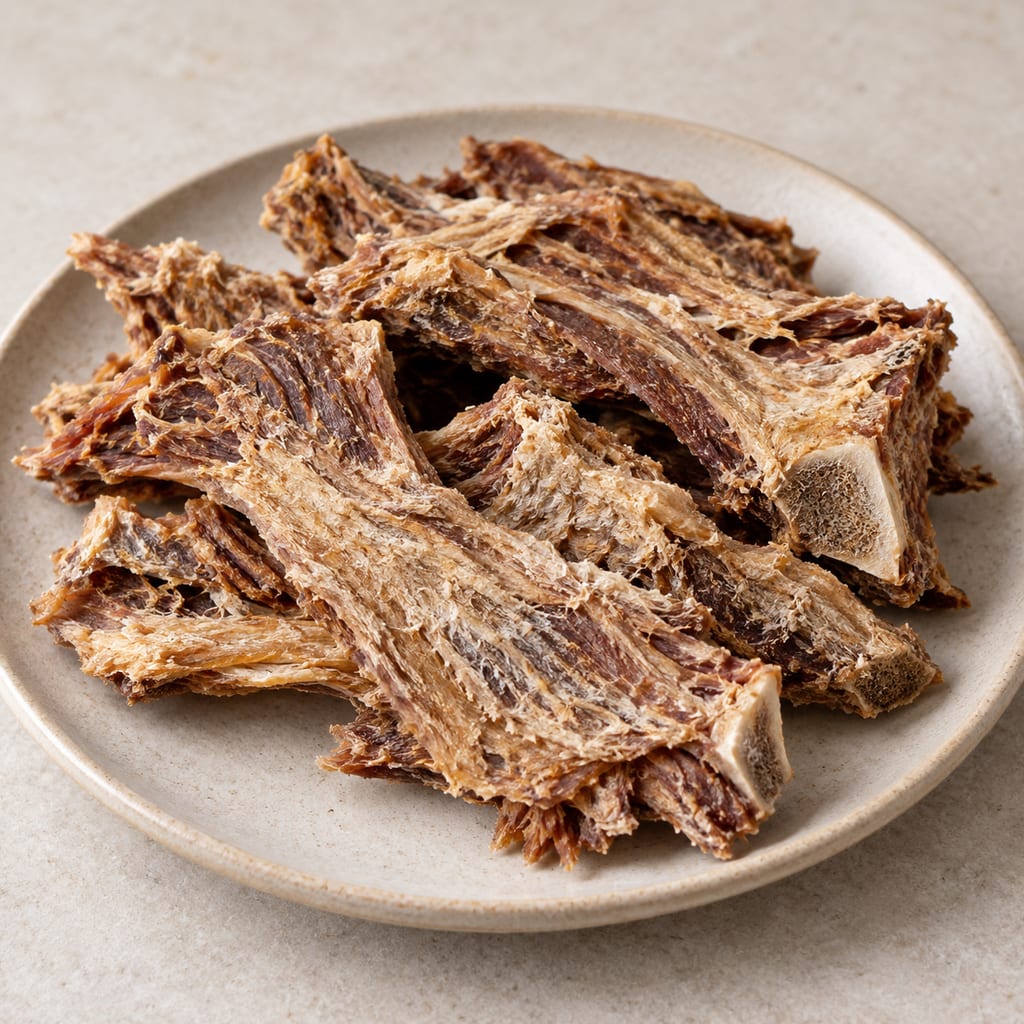
Alpaca charqui is Andean dried meat, made from camelid meat exposed to hot sun by day and frost by night at high altitude, the ancestor of the modern word jerky.
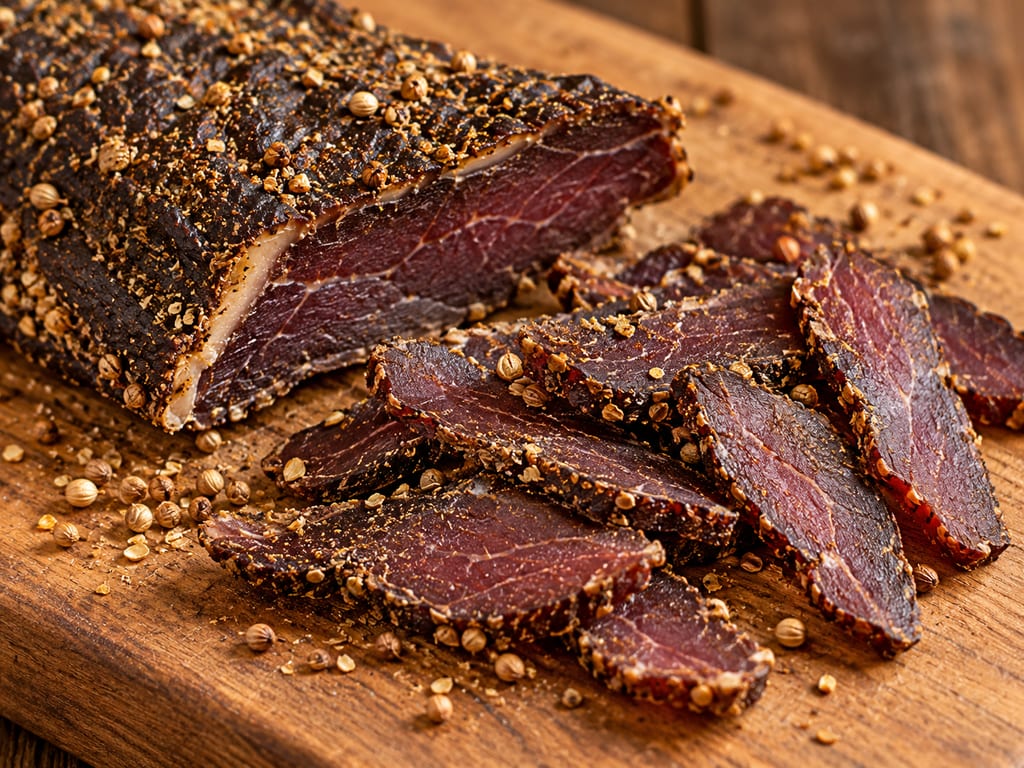
Strips of whole-muscle beef or game seasoned with salt, vinegar, roasted coriander and pepper and air-dried without cooking, sold anywhere from soft and moist to hard and very salty.
Beef given limited salt and partial surface drying, a short-keeping Brazilian meat that is much less durable than fully dried charque and is treated as a cold-chain product.
Soft, spreadable Calabrian pork sausage made with a great deal of red chilli and fatty pork, stuffed into natural casings, sometimes smoked and matured while staying soft.
A way to add independent temperature logging to an existing food dehydrator without changing its built-in controls or protections. It is a monitoring method, not a rewiring plan.
Pleurotus cystidiosus is the abalone mushroom, a cultivated oyster-type fungus with dark brown caps that grows more slowly and is more demanding than other Pleurotus species.
A dark, balanced vinegar from Emilia-Romagna made by combining cooked or concentrated grape must with wine vinegar, then acetifying and refining it in wood under a protected specification.
A small electric incubator holds jars at a selected temperature for yogurt and other documented warm food preparations. Controls, capacity and vessel arrangement vary by model.
Adygean salt is a seasoned table salt associated with Adygea and the wider North Caucasian culinary tradition. Salt is blended with garlic and a variable selection of herbs and spices; the exact mix depends on the named style and maker.
The African Caesar-group mushroom, Amanita masasiensis, is a wild ectomycorrhizal species of central and southern African woodlands, eaten locally. The genus contains deadly poisonous species, so identification needs care.
Community
No community contributions have been published for this entry yet.
Share what you made
Sign in to contribute. Published comments and photos are free to read.
PDF page 15, extracted lines 686–698: 1 cup dried venison, elk, or beef jerky; 1 cup dried wild berries with named options; 1 cup raw hazelnuts, walnuts, sunflower seeds, or almonds; 1/3 cup nut butter; chop, combine, blend in a food processor; cool, dark storage and a several-month claim.
The magazine credits the recipe to Feeding the People, Feeding the Spirit by Valerie Segrest and Elise Krohn and says Valerie gave permission to share recipes from Muckleshoot Nation. The article does not identify Vanessa further or establish this formula as an ancient or universal method.
Cited in: A permission-published contemporary recipe; The source’s ingredients and options; Assembly and storage evidence
Current FSIS guidance says meat should reach 160°F (71.1°C), and poultry 165°F (73.9°C), before dehydration; the drying method must maintain the recommended dehydrator temperature. This is guidance for making jerky, not a validation of the pemmican mixture.
Cited in: Jerky safety is upstream of this recipe
Accessed 2026-10-29
National Center for Home Food Preservation, University of GeorgiaSafety
The guide describes safe jerky handling and heating, and notes that properly dried jerky alone may be stored at room temperature for two weeks in a sealed container; it recommends refrigeration or freezing for longer quality. These statements do not establish a shelf life for jerky mixed with berries, nuts, and nut butter.
Cited in: Assembly and storage evidence; Jerky safety is upstream of this recipe
The Tribe identifies its Duwamish and Upper Puyallup ancestry and describes its history and territorial relationship in the Puget Sound region. Used only to contextualize the magazine’s Muckleshoot Nation publication attribution, not to locate the recipe’s origin.
Cited in: A permission-published contemporary recipe