
Fermented meat around the world
Dry salami, sour pork with rice, matured sheep and aged blubber follow different paths from animal to food. Their stories connect microbes with climate, slaughter, migration and the meals people share.
 FermenteaWhere food goes to change
Salmon roe is the eggs of salmon, eaten fresh, salted or dried and preserved in distinct regional ways. Nuxalk records distinguish fresh roe from aged mutsi; those accounts are historical, not safe-process instructions.
Salmon roe is the eggs of salmon, often held in paired membranes called skeins. It appears as loose eggs, intact skeins, salted roe, dried eggs or an aged preparation. These forms differ: salted ikura or caviar is not the same product as Nuxalk mutsi.
Eggs vary by species in size and colour. University of Alaska Fairbanks Cooperative Extension describes chum roe as larger and pale reddish orange, and sockeye roe as smaller and bright red; coho and king roe are also described as large. These descriptions help identify roe but do not establish which species is suitable for an aged preparation.
Alaska Cooperative Extension describes roe from five local salmon species as food for caviar. Chum produces relatively large pale reddish-orange eggs; coho and king eggs are large and red-pink; pink salmon eggs are orange, smaller and described as mild and sweet; sockeye roe is the smallest in that comparison, bright red and slightly bitter. These descriptions show variation in size, appearance and flavor within salmon roe, and help explain why a single color or size cannot define the ingredient.
The same publication treats salmon roe as a seasonal use of the Alaska harvest. Some fishers keep eggs for bait and others discard them with trimmings, while careful handling can turn them into caviar. It does not say that every fish caught has roe of a desired quality, or that every species was used by each community. The Nuxalk handbook's own local species preferences confirm that choices are culturally and practically specific; its claims should not be substituted with UAF's caviar guidance.
Japanese terminology distinguishes an egg sac from separated eggs. 筋子 (sujiko) is roe held together by its membrane; いくら (ikura) is the separated eggs. Japan's food-composition notes carry separate entries for these products and for salmon species. This vocabulary helps readers interpret labels: a request for loose ikura is not the same as buying an intact skein of sujiko, even though both come from salmon or trout.
Preserved roe has more than one Japanese product form. The Ministry of Agriculture, Forestry and Fisheries lists salted sujiko, shio-ikura kept in brine and ikura in soy sauce as distinct preparations. Salt and brine change the eggs in different ways from seasoning loose eggs with soy sauce. The Japanese government overview of salted foods describes salt as removing moisture and contributing to flavor and texture; it also notes that salt can reach some parts unevenly in surface-salting, exposing them to air and lipid oxidation. These observations explain why a salted product's taste and keeping qualities depend on its method, but they do not describe Nuxalk aging.
The Japanese term ikura is often linked to the Russian word for fish eggs. MEXT records that connection; MAFF outlines several proposed routes for the word's adoption and its later spread. Those are historical accounts with qualifications, not one settled migration story. The safer conclusion is narrower: Japan distinguishes specific roe products by membrane and preservation, and a term shared across markets does not make the foods identical.
MAFF documents soy-marinated ikura across Hokkaido Prefecture. The page links household preparation to the salmon season, especially September and October, when fresh skeins appear in local shops. It says households commonly season loose eggs with soy sauce and that recipes vary. The regional practice therefore connects a seasonal fish harvest with home preparation, markets and prepared foods sold in shops and department stores.
The same page describes ikura over steamed rice, in hand-rolled sushi or as an appetizer. A broader MAFF overview places roe among Japanese salted seafoods served with rice or as delicacies and notes that coastal ports shaped local fish-preservation cultures. This gives roe a setting beyond a restaurant garnish: it is a seasonal ingredient that may be bought as sujiko, separated and seasoned at home, or purchased ready-made. The source does not quantify harvests or claim every Hokkaido household uses the same recipe.
MAFF says salted sujiko was eaten widely in Japan and that ikura became widely familiar in the Taisho period, while its explanation of the word's arrival has multiple theories. Hokkaido's seasonal account is useful for describing a present regional practice, but does not make the prefecture the birthplace of salmon roe as food. Nor does the Japanese salted product provide evidence for the origins or safety of Indigenous fermented roe elsewhere around the North Pacific.
A 1984 Nuxalk Food and Nutrition Handbook records roe eaten fresh and also ripened as a Nuxalk food called mutsi. Its English rendering includes “stink eggs”. The handbook distinguishes forms called tmkwa and anultz. This is a record of Nuxalk knowledge and practice in its Bella Coola setting, not one preparation shared by all First Nations.
The handbook describes tmkwa as broken-up roe after the skeins are removed, while anultz uses whole skeins stacked without added water. It records local preferences about salmon species and a belief that ripened sockeye or spring-salmon roe could be poisonous. That is historical testimony, not an established scientific species rule.
Those names describe particular foods, not all salmon roe. Salted eggs should not be relabelled mutsi. Nor does the general word “fermented” settle the process: sources use varying terms for aging, fermentation and decomposition, and the handbook does not identify organisms or validated controls.
The Alutiiq Museum records fish eggs as sisut. Its account describes gathering herring eggs in spring and salmon eggs during summer, and says salmon eggs were carefully removed from fish caught with nets. It records fresh and lightly smoked roe as foods, alongside preparations that were fermented or pressed and dried. These details belong to Alutiiq history; they should not be recast as one generalized Alaska Native method.
The museum describes one fermented preparation in which crushed eggs were washed and kept in wooden boxes. It says a crust formed and was eaten, and that the remaining eggs were served with akutaq, made with seal oil and berries. Another preparation was pressed, air-dried and weighted until it formed a dense food that could be sliced. These forms show that fish eggs could serve as a substantial stored food and as an ingredient in a mixed dish, not only as a small accompaniment.
The same museum page reports fish roe used in processing bird hides. It attributes the account to a historical description and explains that the eggs were applied to cleaned skin before further scraping and kneading. This use is not food preparation, so it should remain distinct from the edible sisut described above. The museum's page offers culturally specific context and vocabulary; it does not claim all Alutiiq communities used every preparation in the same way or give an approved modern safety procedure.
The round eggs hold oil and protein inside thin membranes. UAF describes a crisp pop as a quality of its prepared caviar and notes that the orange-red color comes from astaxanthin in salmon and salmon eggs. It reports protein and omega-3 fats EPA and DHA in roe, plus smaller amounts of vitamins. These are features of an edible fish product, not a therapeutic claim; the amount of salt and the nutritional profile vary with species and preparation.
In a dish, separated roe provides a concentrated salty or savory accent in caviar-style use, while a skein keeps the eggs bound together for a different texture and preparation. Soy-seasoned ikura coats loose eggs with seasoning; Alutiiq pressed roe becomes a dense sliceable food, and the museum describes fermented eggs mixed into akutaq. In a rural Alaska context, UAF says preserved roe may be added to salmon soup. These examples make clear that roe's role ranges from a preserved food in its own right to a component of a mixed dish.
When a recipe uses salmon roe, the name alone can hide important differences. A fresh egg sac, salted sujiko, shio-ikura, soy-marinated ikura, dried eggs and culturally named aged roe are not equivalent ingredients. A well-described recipe says which form it uses when the source does. The atlas-linked Columbia River pounded dried salmon recipe names salmon roe, but its line does not establish a relationship to Hokkaido seasoning or Nuxalk mutsi.
Roe's form affects the handling it needs. UAF's caviar guidance describes keeping the skein intact until processing, chilling it, then removing the membrane and rinsing the separated eggs. It warns that parasites such as worms can occur in skeins. That advice applies to the extension's caviar product. It does not explain how to make an aged roe food, and readers should not combine it with a historical method that happens to use intact eggs.
For a market purchase, identify whether the product is fresh, salted, brined, seasoned or dried. Japanese sources use sujiko for the intact egg sac and ikura for separated eggs, but commercial labels may add regional or product details. UAF's quality description for caviar—shiny, clear eggs with mild flavor and a pop—describes that product, not all roe. Sensory appearance cannot establish microbiological safety; the extension's spoilage warning does not mean that normal smell or color proves a food safe.
No common shelf life can be assigned to all salmon roe. The UAF extension gives storage advice for its caviar product and says freezing is its only recommended modern preservation method; it also explicitly says it has no safe tested home-canning method for caviar. Those statements should stay within their stated product scope. Salted Japanese products, fresh skeins, dried roe and fermented community foods are different forms and require guidance specific to their processing and storage.
The evidence places salmon roe in several distinct regional food histories. The Nuxalk handbook and the Canadian review locate named mutsi practices in a central-coast British Columbia context. The Alutiiq Museum records sisut vocabulary and uses in an Alutiiq context in Alaska. UAF describes Alaska roe caviar and preservation more broadly. MAFF documents household soy-marinated ikura across Hokkaido. These are separate associations, not interchangeable entries in a single shared tradition.
The distribution of salmon and trade in salted fish do not establish where people first ate salmon eggs. The sources reviewed here do not date the earliest use of roe generally. Japan's government sources describe a history for sujiko and ikura, but even they present more than one account for the word's arrival. The Nuxalk record is a 1984 handbook, not a date of invention; the Alutiiq Museum page records cultural practice but gives no earliest century. The period therefore remains unknown at the scale of the broad ingredient item.
A Canadian outbreak report documents two botulism incidents in 2001 involving fermented salmon roe in northwestern British Columbia communities. In the first, laboratory tests found botulinum toxin in patient samples and the implicated eggs. The second incident also involved roe with toxin and Clostridium botulinum type E. The report describes varied preparation traditions and notes that the outbreak cases involved particular handling. It is evidence of a severe hazard, not a general statement about any named community's food or a validated fermentation method.
The same report describes anaerobic conditions, warmth and moisture as factors that can allow botulinal spores to grow and produce toxin. That account explains why a historical description that lacks controls cannot be turned into a safe recipe by guesswork. A 2009 Canadian review says evidence on safety of traditional preparations is incomplete and depends on the food and the actual process. CDC lists fermented fish eggs among Alaska Native foods associated with botulism and says never to taste food to determine whether it is safe.
UAF's caviar instructions address a separate product and discuss parasites in skeins, chilling and limits on home canning. They should not be used to certify a ferment. None of the sources here establishes safe salt, pH, fermentation duration, temperature or storage limits for Nuxalk mutsi, Alutiiq fermented sisut or a general homemade fermented roe. A name, a traditional history, a normal appearance or an absence of unusual odor cannot demonstrate that a preserved product is safe.
The Nuxalk handbook produced with local food and health staff documents fresh roe and named mutsi preparations in the Bella Coola context; this does not generalize them to other First Nations.
UAF Extension describes Alaska roe and the Alutiiq Museum documents Alutiiq fish-egg practices. This row does not claim one practice for all Alaska Native peoples.
Japan's MAFF documents regional sujiko and ikura products and household preparation across Hokkaido. This is not an origin claim for salmon roe generally.
Dry salami, sour pork with rice, matured sheep and aged blubber follow different paths from animal to food. Their stories connect microbes with climate, slaughter, migration and the meals people share.
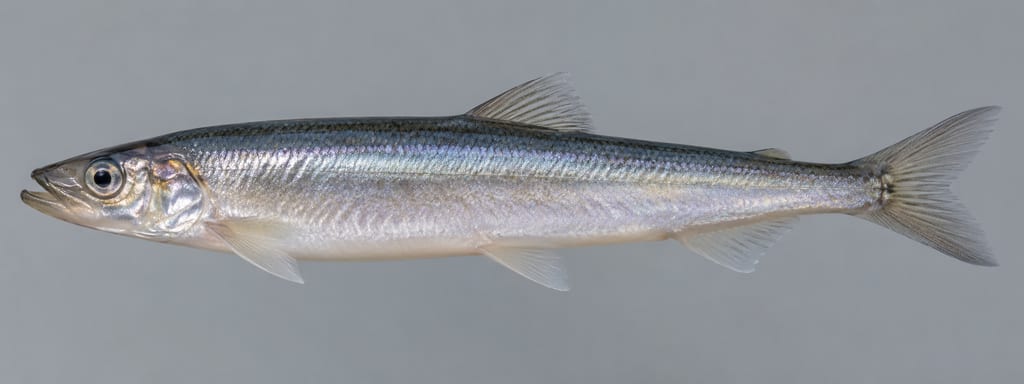
Eulachon (Thaleichthys pacificus) is a small anadromous North Pacific smelt used fresh, dried, smoked and, in some communities, to make rendered grease. Ripened fish and eulachon grease are separate stages and products.
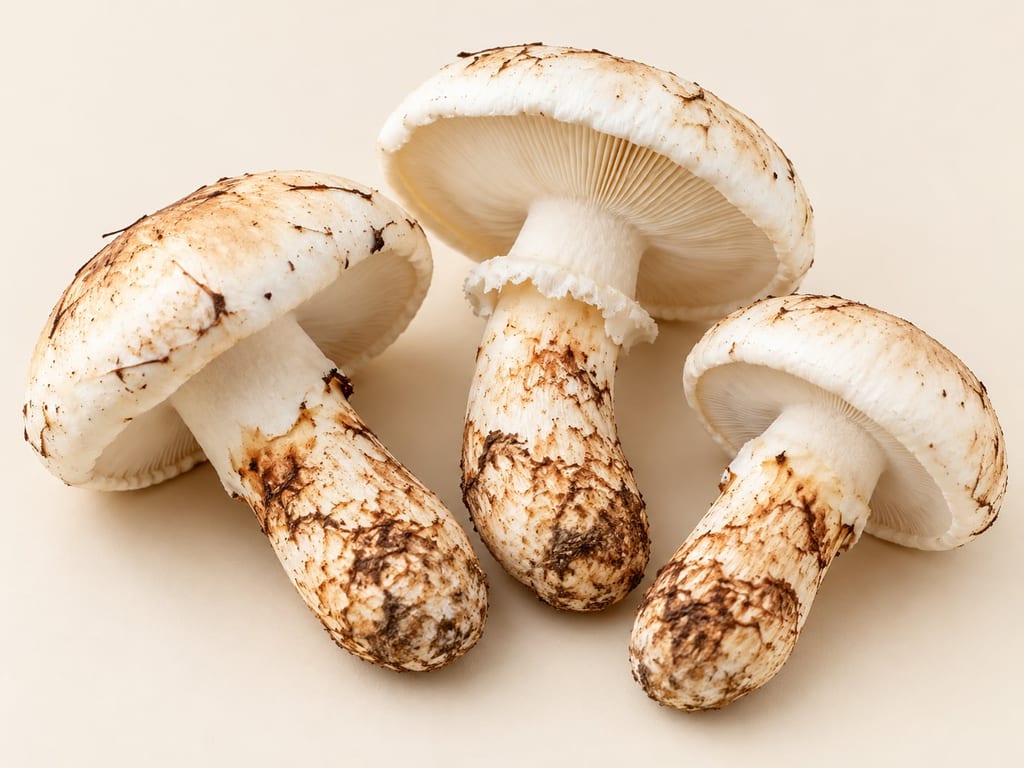
Western matsutake is an aromatic wild mushroom native to western North American forests. Its name overlaps with related matsutake species, so field or market labels alone cannot establish a safe identification.
No community contributions have been published for this entry yet.
Sign in to contribute. Published comments and photos are free to read.
Nuxalk Food and Nutrition Program Staff; UBC Division of Human Nutrition; Nuxalk Health ClinicHistory · Method · Geography
Nuxalk Food and Nutrition HandbookRecords fresh and ripened salmon roe as Nuxalk foods, including mutsi and forms called tmkwa and anultz.
Describes local species preferences and handling; it does not validate a safe process.
Cited in: Species and the eggs they yield; Nuxalk mutsi: a local preparation; Geography without a single origin story
Canada Communicable Disease ReportSafety · History
Two outbreaks of botulism associated with fermented salmon roe—British Columbia, August 2001Documents two British Columbia botulism outbreaks in 2001 associated with fermented salmon roe.
Provides hazard evidence and outbreak details, not validated process instructions.
Cited in: Safety evidence and process limits
National Collaborating Centre for Environmental Health; Food Safety NetworkHistory · Geography · Safety
Safe Preparation and Storage of Aboriginal Traditional/Country Foods: A ReviewDiscusses fermented salmon roe and Nuxalk practice in Bella Coola as regional examples.
Says evidence is incomplete and safety depends on the actual food and process.
Cited in: Nuxalk mutsi: a local preparation; Geography without a single origin story; Safety evidence and process limits
University of Alaska Fairbanks Cooperative ExtensionIdentity · Varieties · Use · Geography
Salmon Roe CaviarDescribes roe from Alaska salmon species and differences in egg size, colour and flavour.
Discusses salted caviar and notes drying and fermenting as distinct preservation traditions.
Cited in: Eggs in their skeins; Species and the eggs they yield; Texture, nutrients and the role of roe; Handling and choosing a product; Geography without a single origin story; Safety evidence and process limits
Centers for Disease Control and PreventionSafety
Alaska Native Foods and BotulismLists fermented fish eggs among Alaska Native foods associated with botulism risk.
Warns never to taste food to determine whether it is safe.
Cited in: Safety evidence and process limits
Ministry of Agriculture, Forestry and Fisheries, JapanGeography · History · Use · Method
Ikura no Shoyu-zuke (Soy Sauce-marinated Salmon Roe) | Our Regional CuisinesDescribes Hokkaido household use of seasonal sujiko to make ikura around the September–October salmon season, with soy-sauce and salted styles and household variation.
Records serving on rice, in hand-rolled sushi or as an appetizer; gives several qualified accounts of the name ikura.
Cited in: Sujiko, ikura and the Japanese market; Hokkaido season and household use; Texture, nutrients and the role of roe; Geography without a single origin story
Ministry of Agriculture, Forestry and Fisheries, JapanHistory · Method · Geography
Salted foods | Traditional Foods in JapanDistinguishes salted sujiko, shio-ikura roe in brine, and soy-seasoned ikura.
Explains Japanese salting and describes quality changes, including lipid oxidation in one surface-salting method.
Cited in: Sujiko, ikura and the Japanese market; Hokkaido season and household use; Texture, nutrients and the role of roe; Handling and choosing a product; Geography without a single origin story
Ministry of Education, Culture, Sports, Science and Technology, JapanIdentity · History · Varieties
Standard Tables of Food Composition in Japan: Notes on Foods (Chapter 3)Defines ikura as separated salted salmon or trout roe and sujiko as salted roe sacs with membranes intact.
Records salmon species and roe products separately and gives qualified notes about the word ikura.
Cited in: Sujiko, ikura and the Japanese market; Hokkaido season and household use; Handling and choosing a product; Geography without a single origin story
Alutiiq MuseumHistory · Geography · Method · Use
Fish Eggs — SisutRecords Alutiiq fish eggs eaten fresh or lightly smoked, and prepared as fermented or pressed/dried foods.
Describes use with akutaq and dried fish and a historical non-food use in bird-hide processing.
Cited in: Alutiiq sisut: fresh, smoked, fermented and pressed; Texture, nutrients and the role of roe; Geography without a single origin story