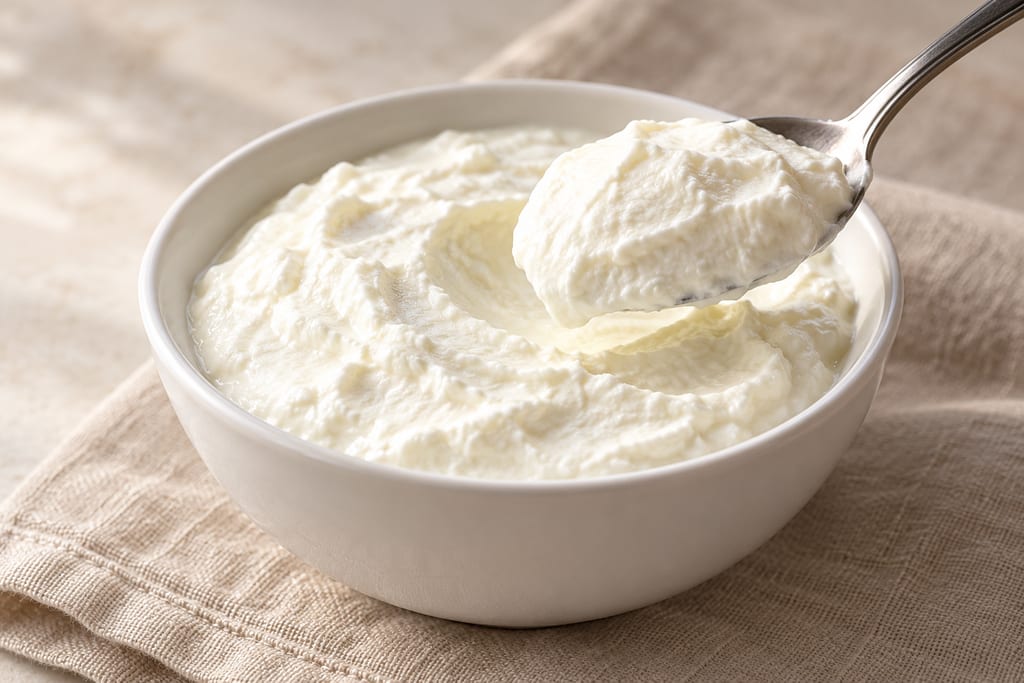
Greek-style strained yogurt
Greek-style strained yogurt is cultured whole milk drained through cloth to remove whey. This modern Utah home method makes a thick yogurt from a gallon batch.
 FermenteaWhere food goes to change
Ταλαττούρι (talattouri) · Talattouri · Cypriot tzatziki
The Cypriot form of tzatziki: strained yogurt and grated cucumber with garlic, finished with mint and lemon juice where the Greek version uses dill and vinegar.
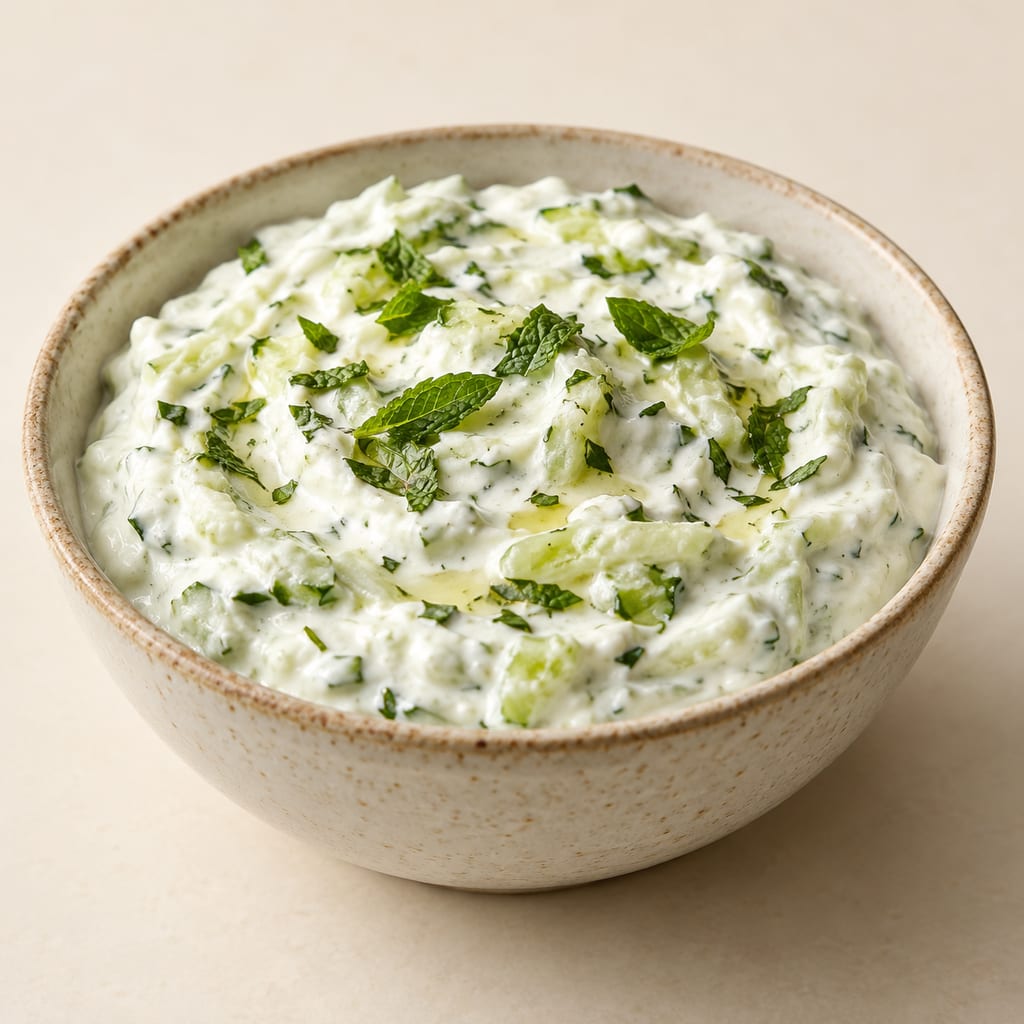
Talatouri is the Cypriot member of the tzatziki family. The base is the same as in Greece: strained yogurt, cucumber, garlic, salt and olive oil. The difference is in the finish. The Cypriot version relies on mint and lemon juice, where the Greek version more often uses dill and vinegar. Nomad Paradise, a travel and recipe site whose Cypriot recipe is the one read for this page, says talatouri is native to Cyprus and usually made with mint and lemon juice, while the Greek spread uses white vinegar and dill. It adds that the pair can be swapped to suit taste.
Wikipedia records the Cypriot dish under its Greek-Cypriot name talattouri and describes it as the Greek recipe with a more characteristic flavour of mint and added acidity from lemon juice. The sources agree that mint and lemon define the Cypriot style, and they do not describe a different base.
The recipe read grates the cucumber, where Wikipedia describes sliced cucumber in the Cypriot form, and then squeezes it. The palms press out the liquid, which is the step that keeps the dip from running. The yogurt, the oil, the salt, the minced garlic and the lemon juice go in one at a time, and the chopped mint goes in with them. The mixture rests for a few minutes so the flavours settle before it is served.
Greek yogurt is the usual base. The tzatziki entry on Wikipedia gives strained yogurt, traditionally of sheep or goat milk in Greece, as the base for the Greek dish; the Cypriot recipe read uses plain Greek yogurt. Dried mint, oregano or olive oil can be used as a finish in place of fresh mint, as the Wikipedia entry notes.
Talatouri is eaten cold as a meze and as a dip. The recipe read serves it with village bread, pita, grilled meat, in pita wraps, with falafel, and with raw vegetables such as carrot, broccoli and radish.
The recipe source states that talatouri keeps in the refrigerator for about three days. That figure comes from a blog and has not been checked against a food-safety authority; treat it as the source's own statement, not as a tested limit.
The Cypriot version is documented as a local variant of the yogurt and cucumber family that Wikipedia traces to tenth-century Baghdad. Its own date is not established by the sources read.
The sources name Cyprus as the home of talatouri; they give no locality.
Greek-style strained yogurt is cultured whole milk drained through cloth to remove whey. This modern Utah home method makes a thick yogurt from a gallon batch.

A cold dip, soup or sauce of strained yogurt, cucumber and garlic, eaten across Greece, Turkey and the wider Balkans and Levant under names that include cacık and tarator.
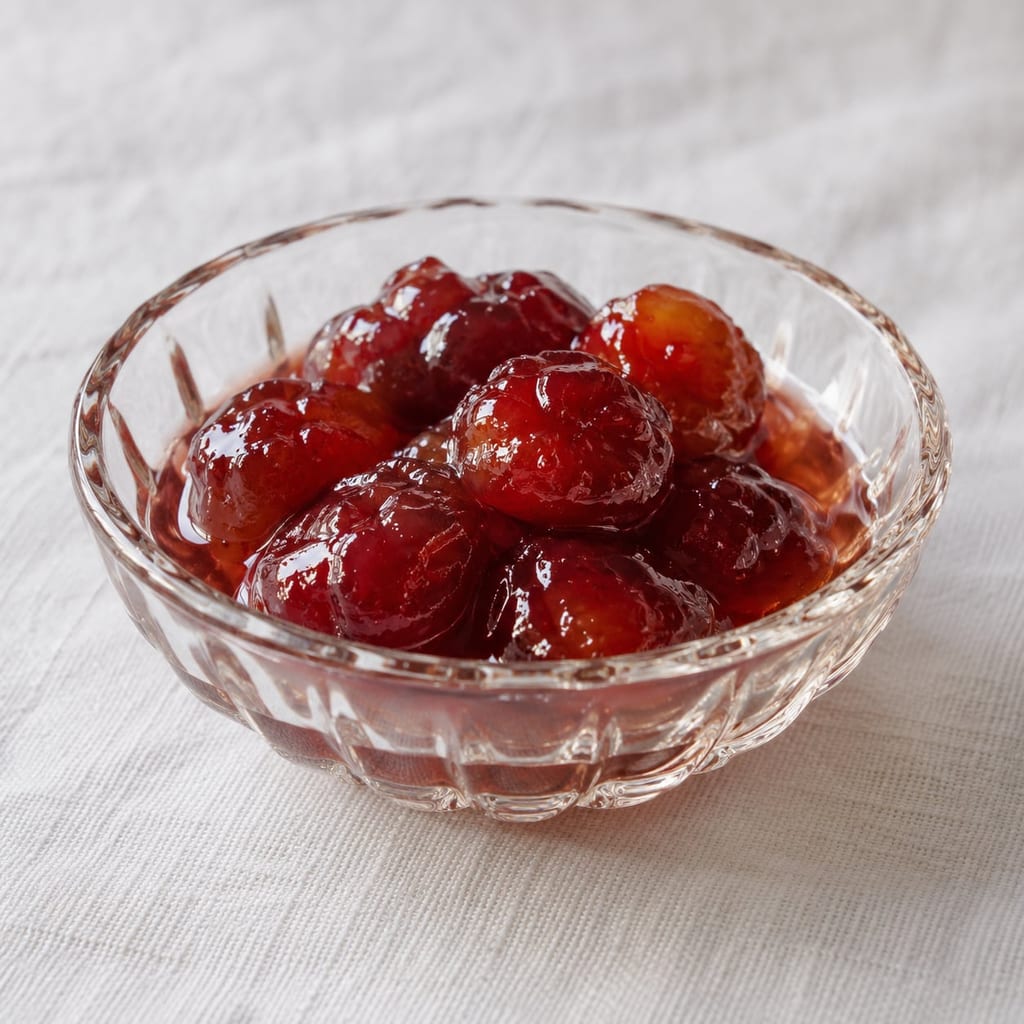
Cypriot cherry glyka made by layering firm pitted cherries with sugar, briefly boiling them, chilling overnight, and boiling again to concentrate the syrup. This version is refrigerated and has no shelf-stable canning process.
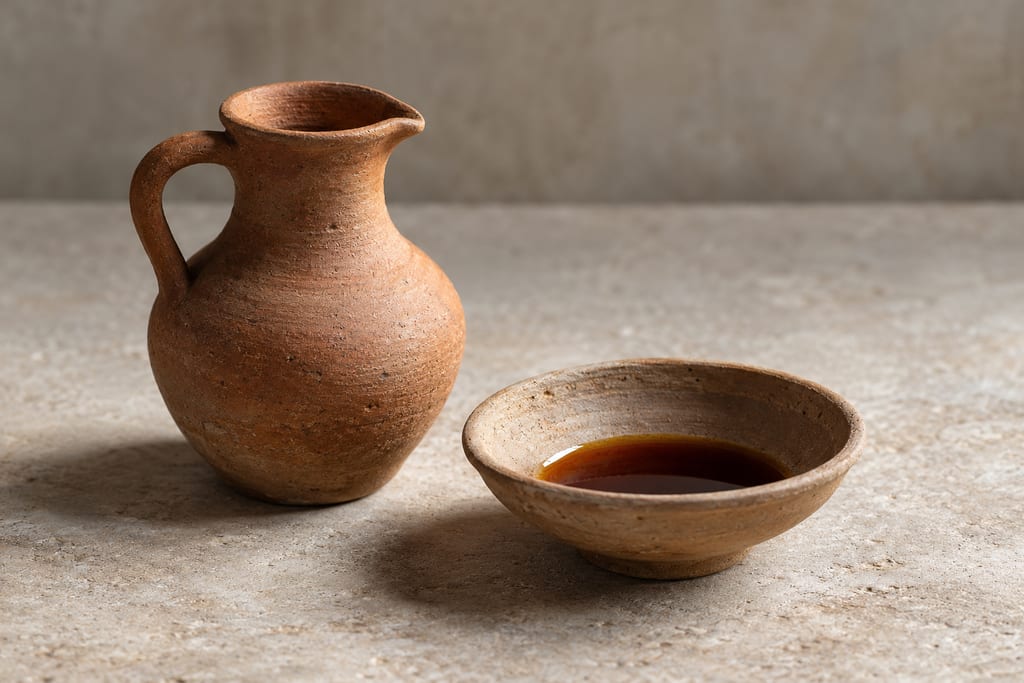
Garum, Greek garos and Latin liquamen, was the fish sauce of the ancient Mediterranean: fish and viscera salted and left in the sun, then drained off as a savoury liquid.
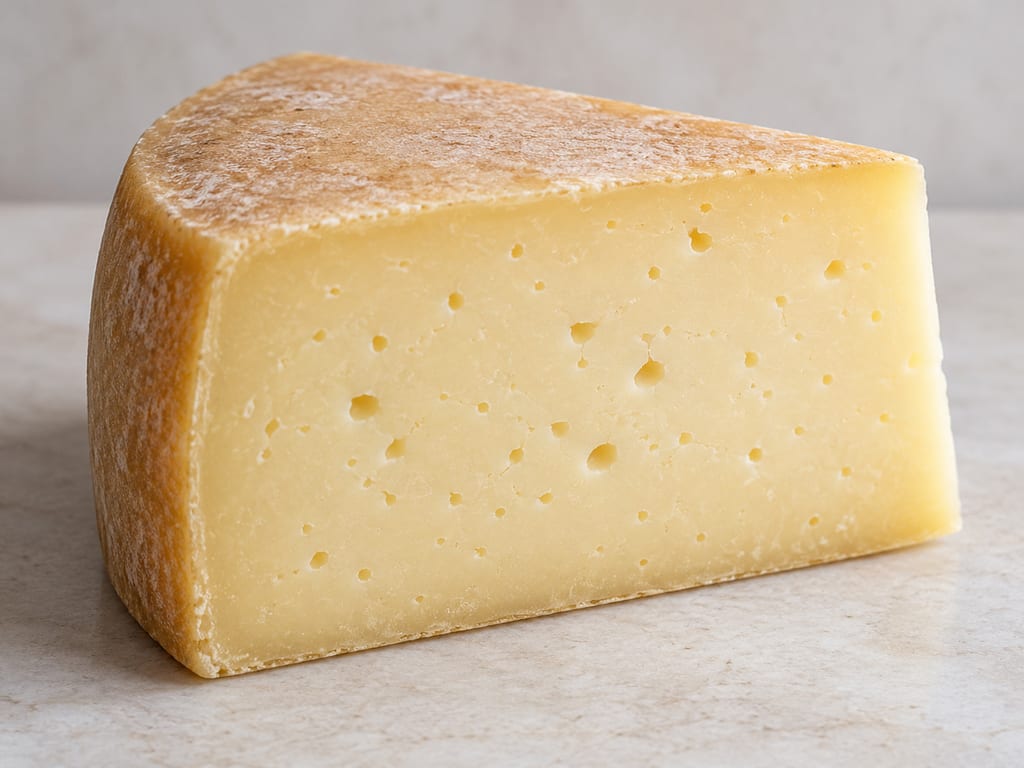
This Cypriot graviera is a hard sheep-milk cheese with a dry rind and round eyes. Its curd is heated, pressed and dry-salted before a long cool ripening.
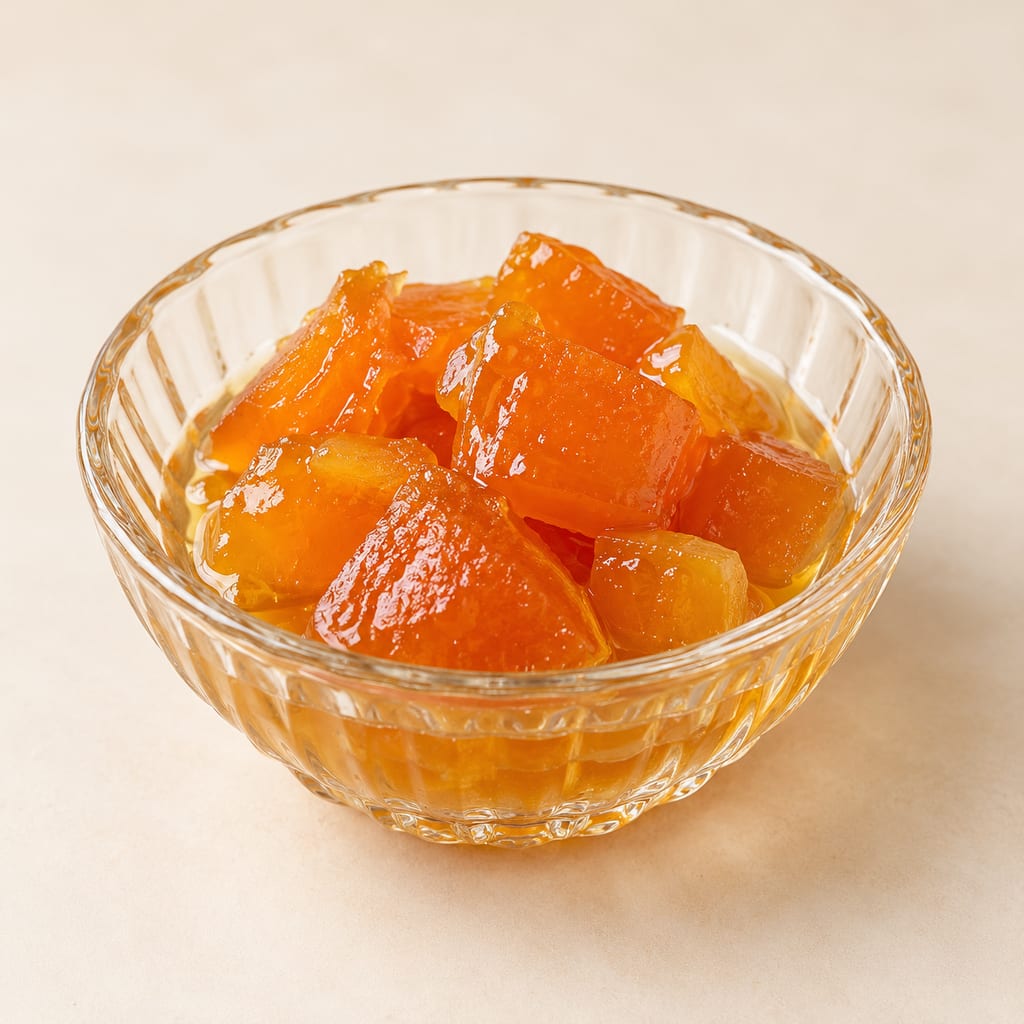
Greek pumpkin spoon sweet, with Cypriot context: Freeze for winter; small fresh portion refrigerated up to 48 hours.
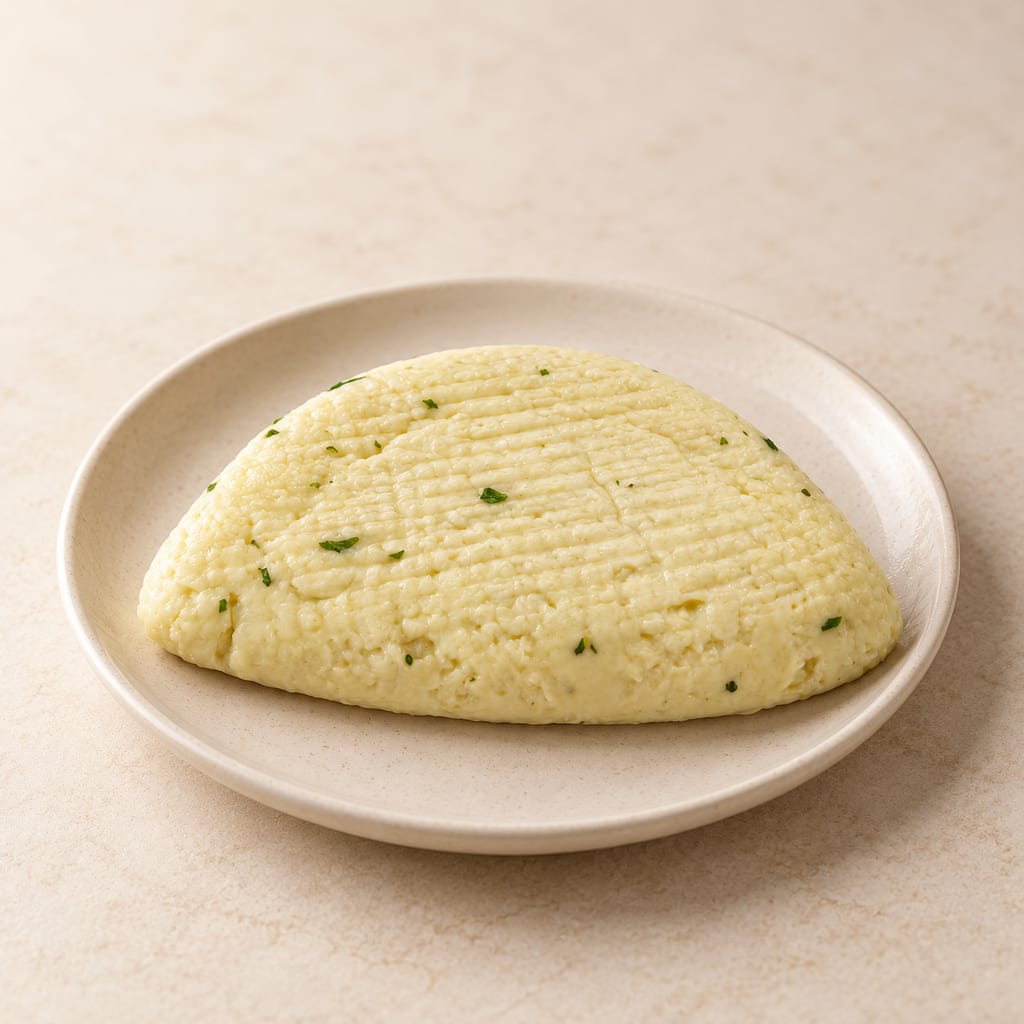
A firm cow-milk cheese cooked in hot whey, salted and folded with optional mint. This fresh halloumi keeps its shape when grilled or pan-fried.
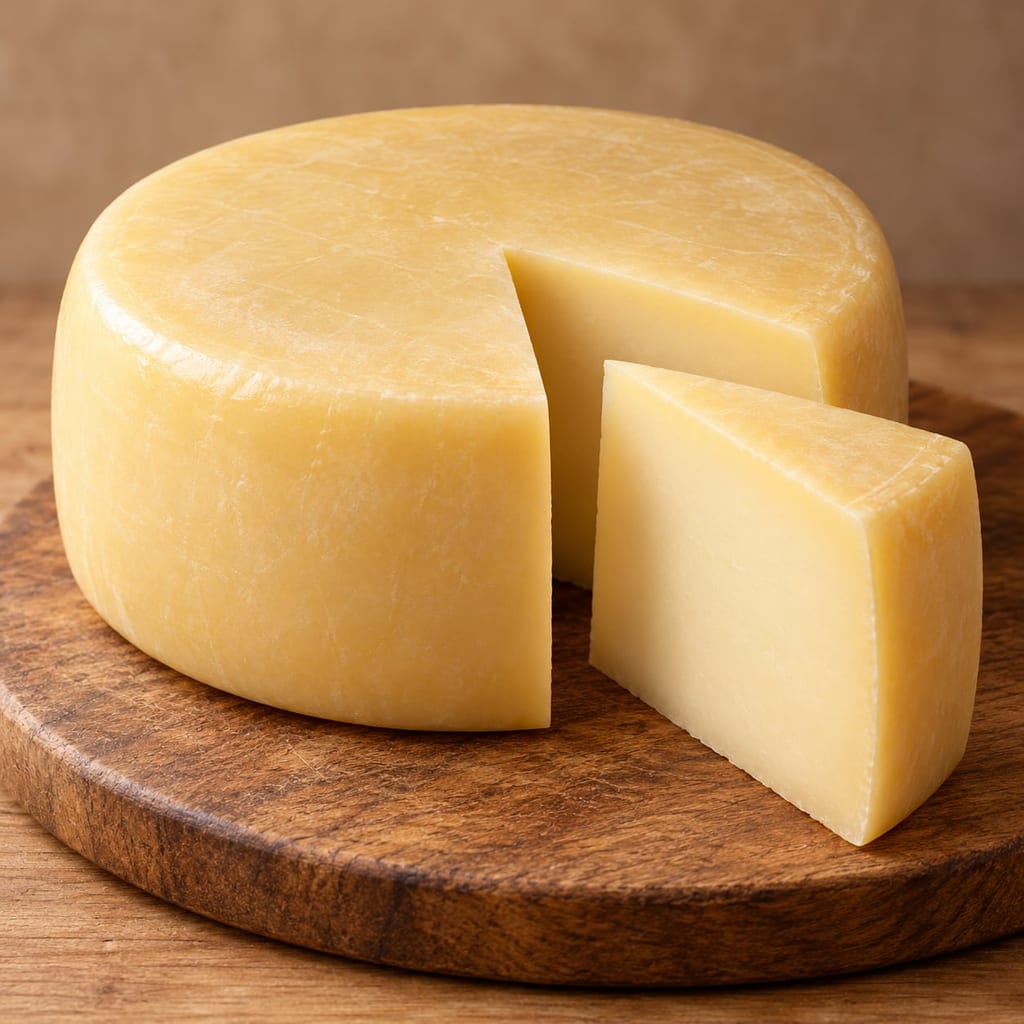
Kashkaval is a firm sheep-milk cheese whose acidified curd is worked in hot brine. This large-batch method finishes with repeated dry salting, wax coating and cool ripening.
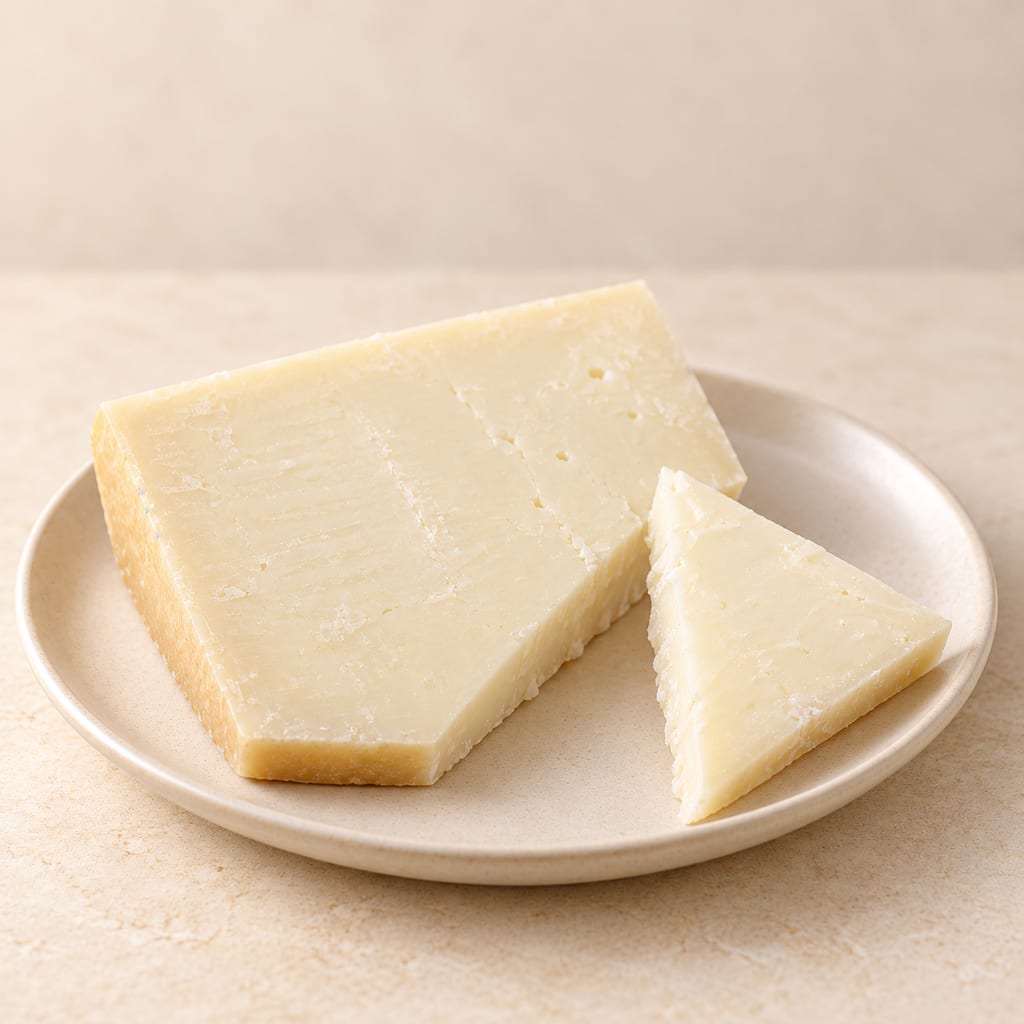
Kefalotyri is a hard sheep-and-goat-milk cheese made in Cyprus as well as Greece. This Cypriot method cooks and presses the curd, then brines, coats and matures the cheese.
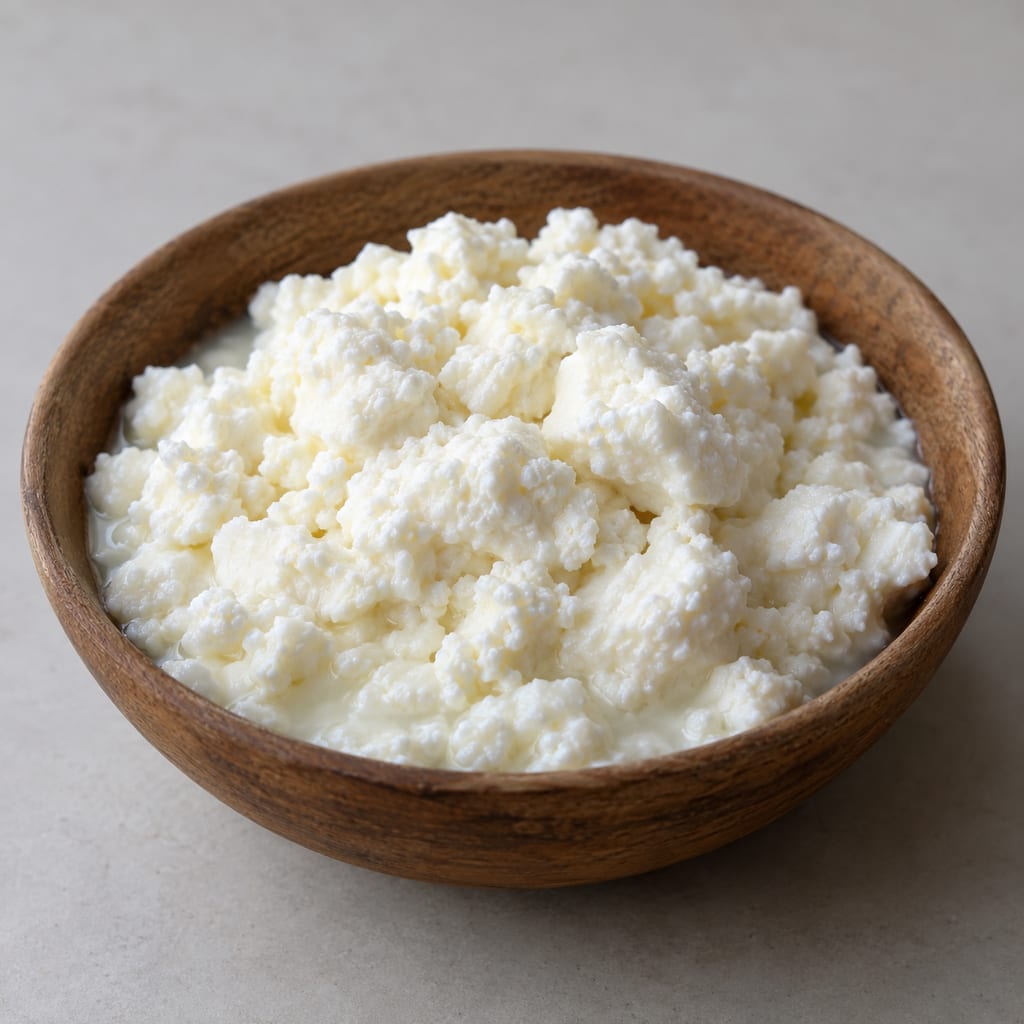
Aarts is a soft Mongolian curd made by draining boiled fermented yogurt; it remains wet, unlike aaruul, which is dried.
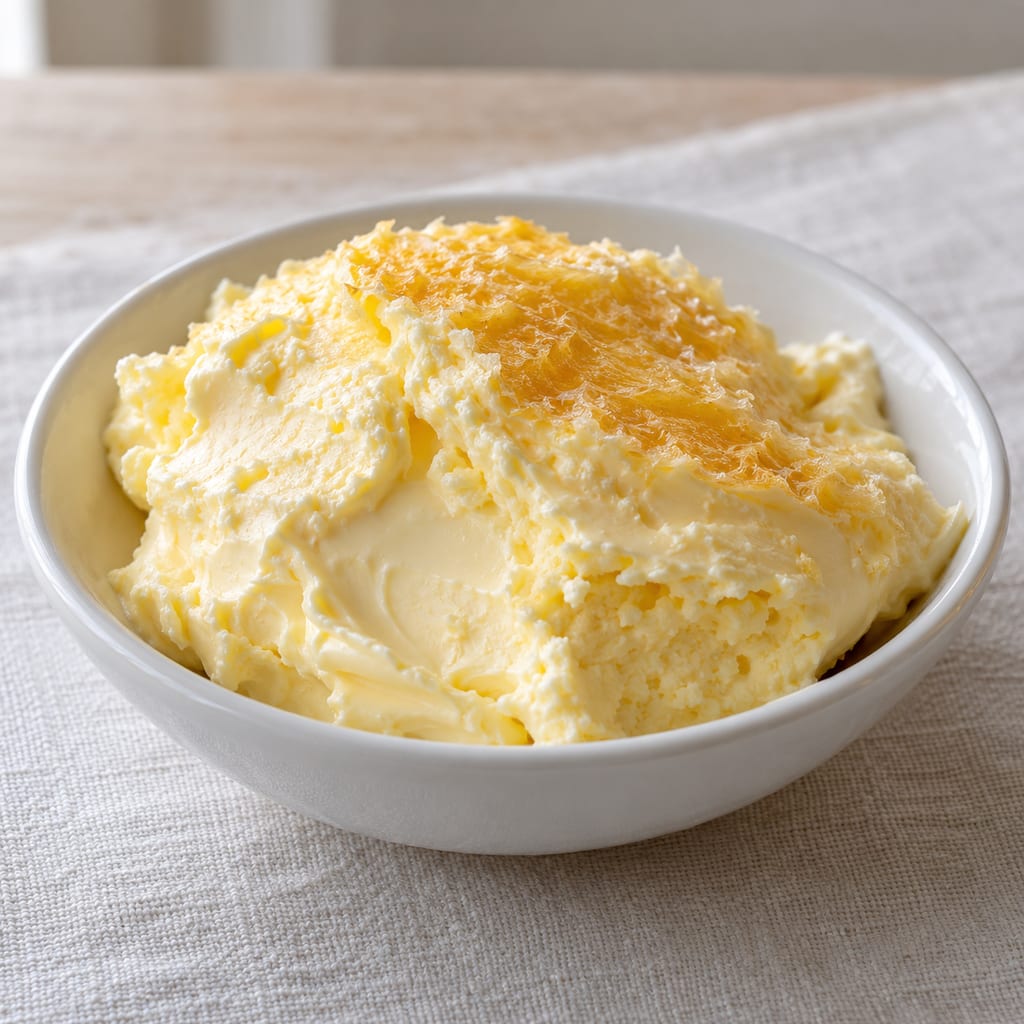
High-fat cream scalded below boiling for at least an hour until a thick crust forms, then cooled hard so the crust sets and the cream beneath thickens.
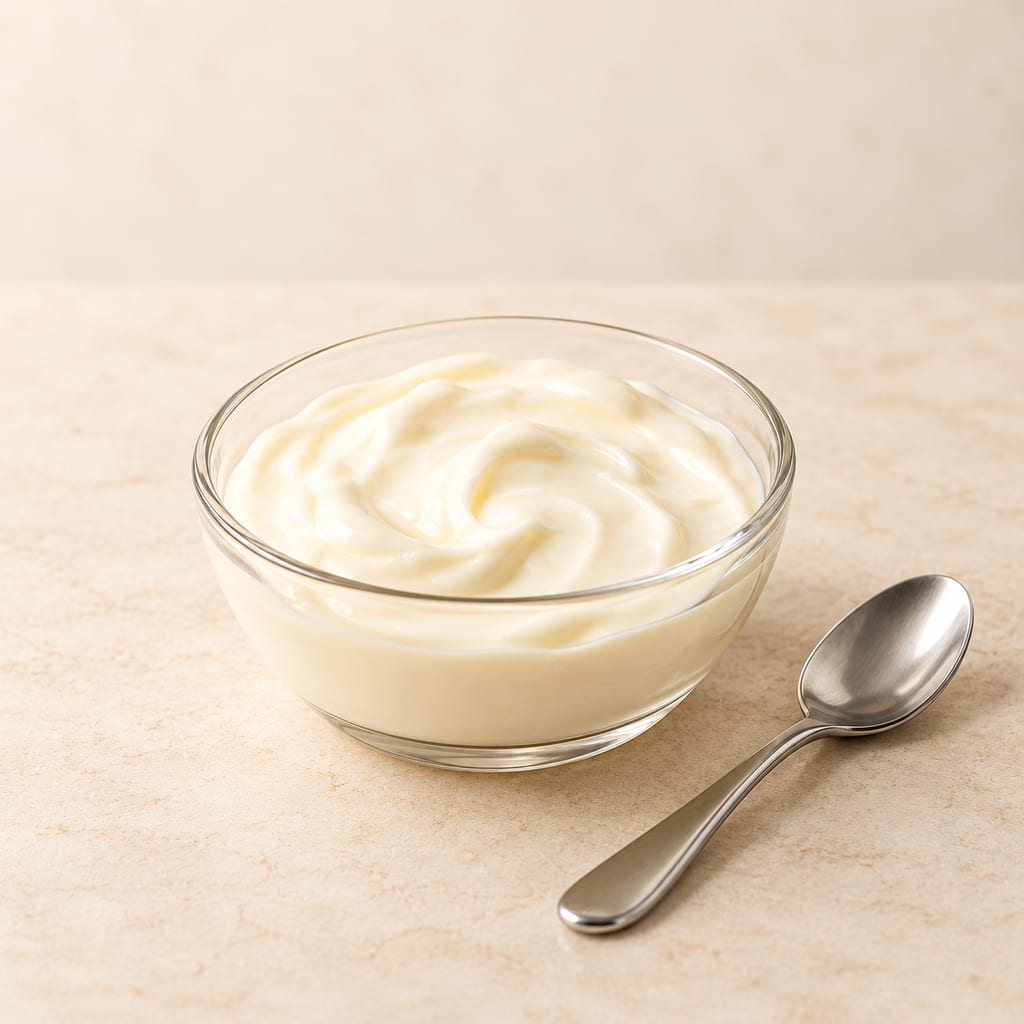
Crème fraîche is cream soured by lactic cultures into a thick, mild topping. It suits fruit and desserts as well as soups, sauces and other savoury dishes.
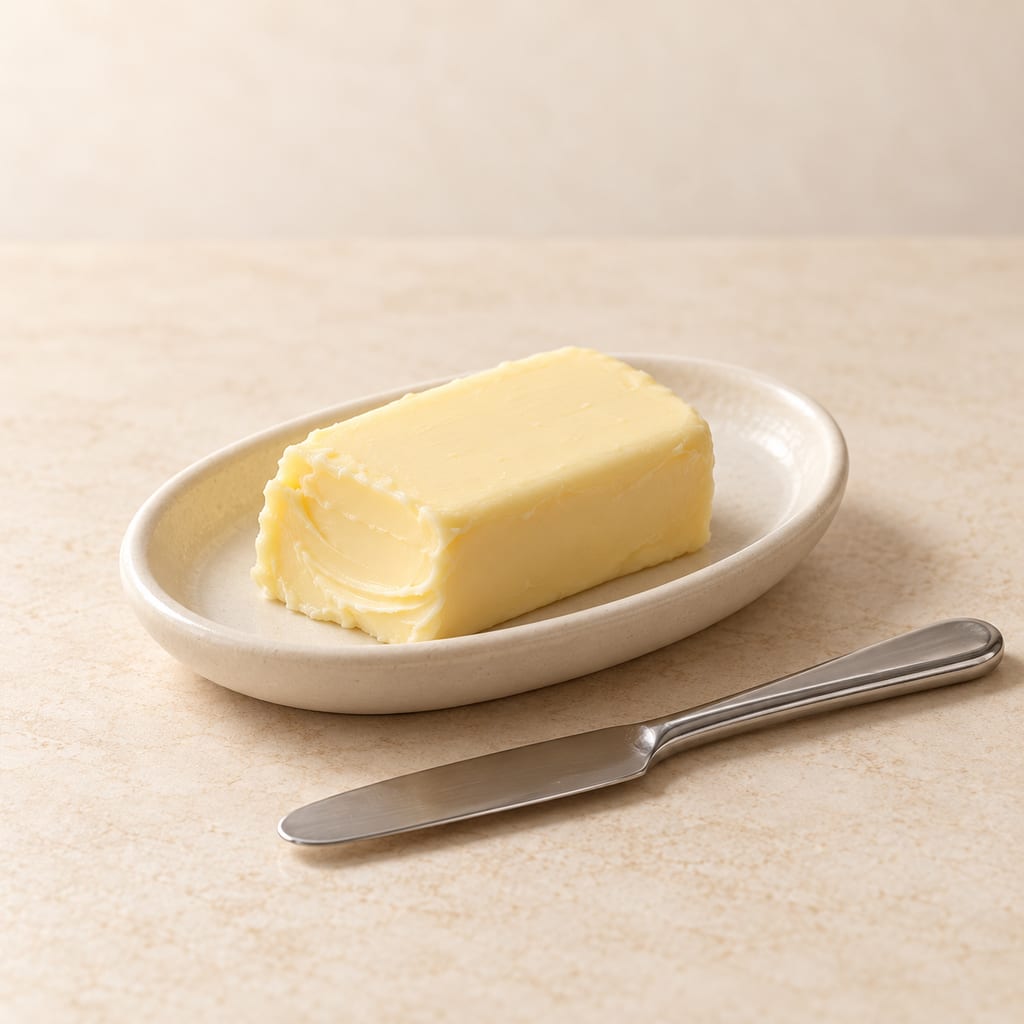
Cultured butter is churned from cream soured with lactic cultures. Its lightly tart flavour comes from the cultured cream, which separates into butter grains and buttermilk.
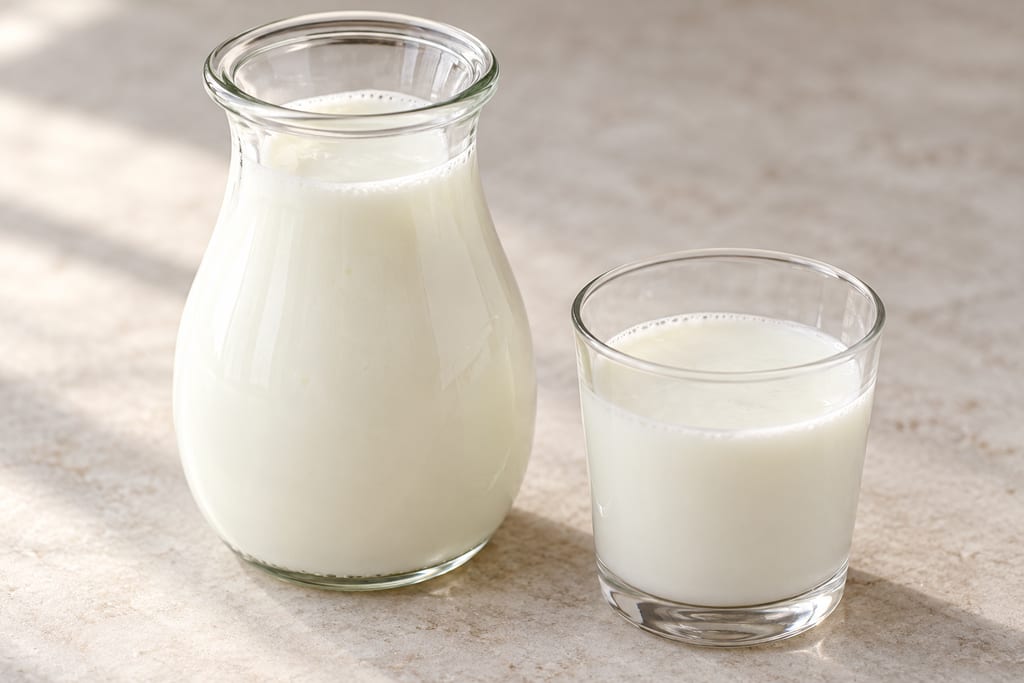
Cultured buttermilk is skim milk soured with a lactic starter into a tangy drink. This Canadian home method sets the milk without churning cream.
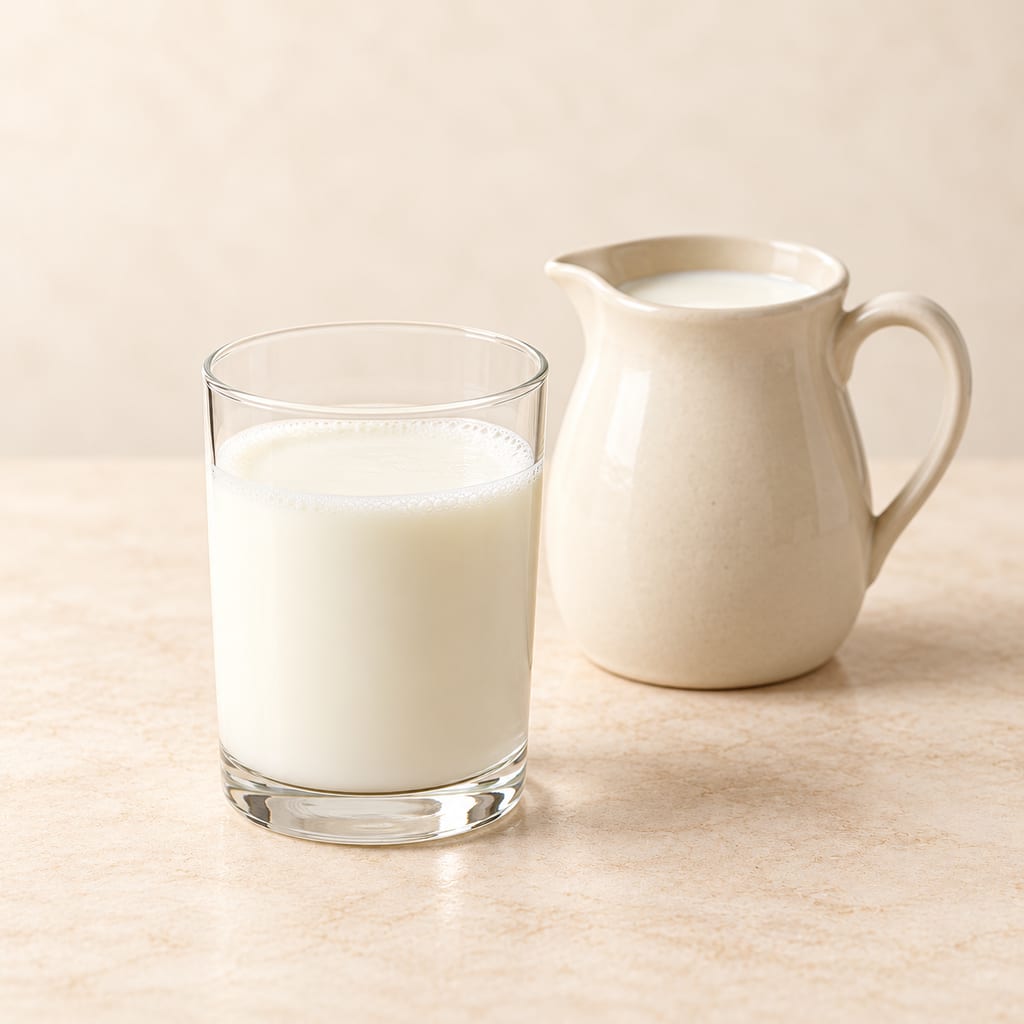
Milk thickened with a packet of buttermilk culture makes a tangy drink and a baking ingredient. This warm-incubated version uses whole milk.
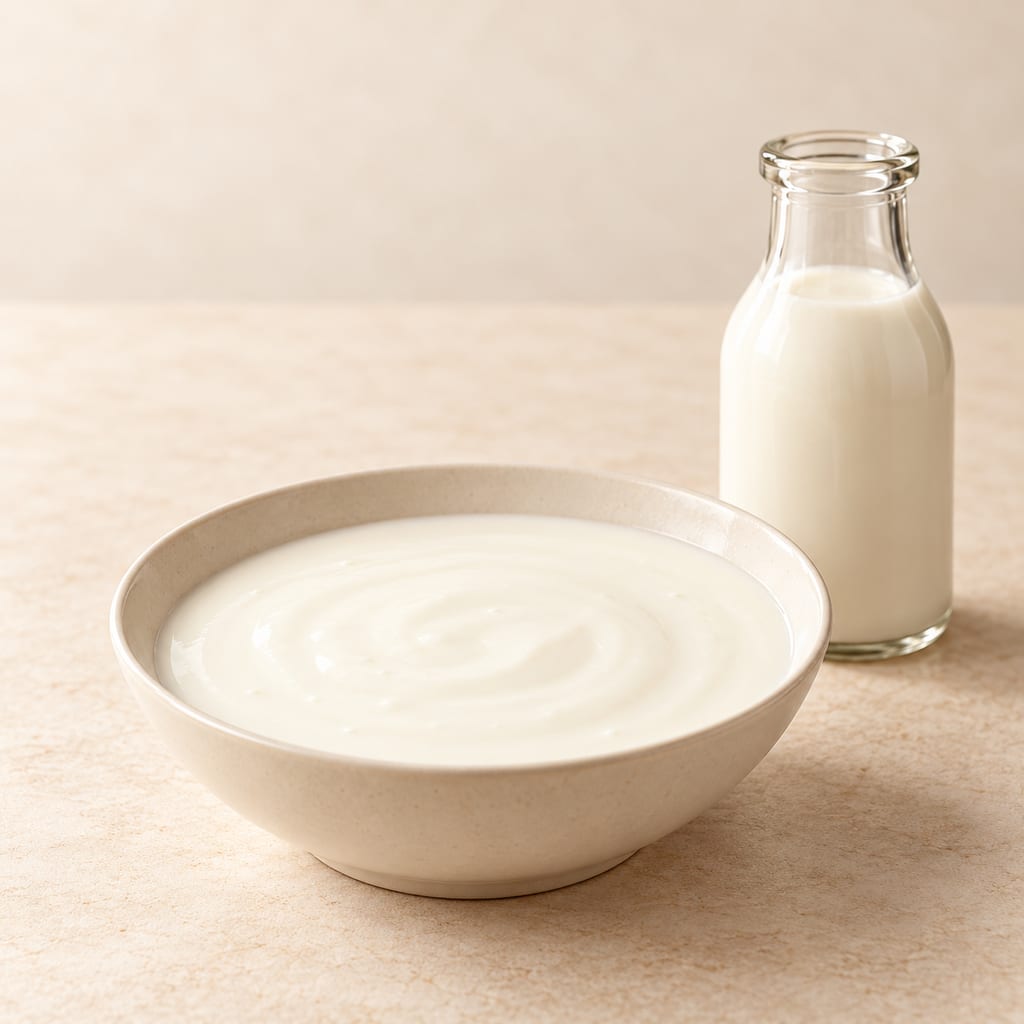
Filmjölk is a Swedish cultured milk with mild acidity and a spoonable body. This recurring batch uses filmjölk from the previous batch to culture fresh milk.
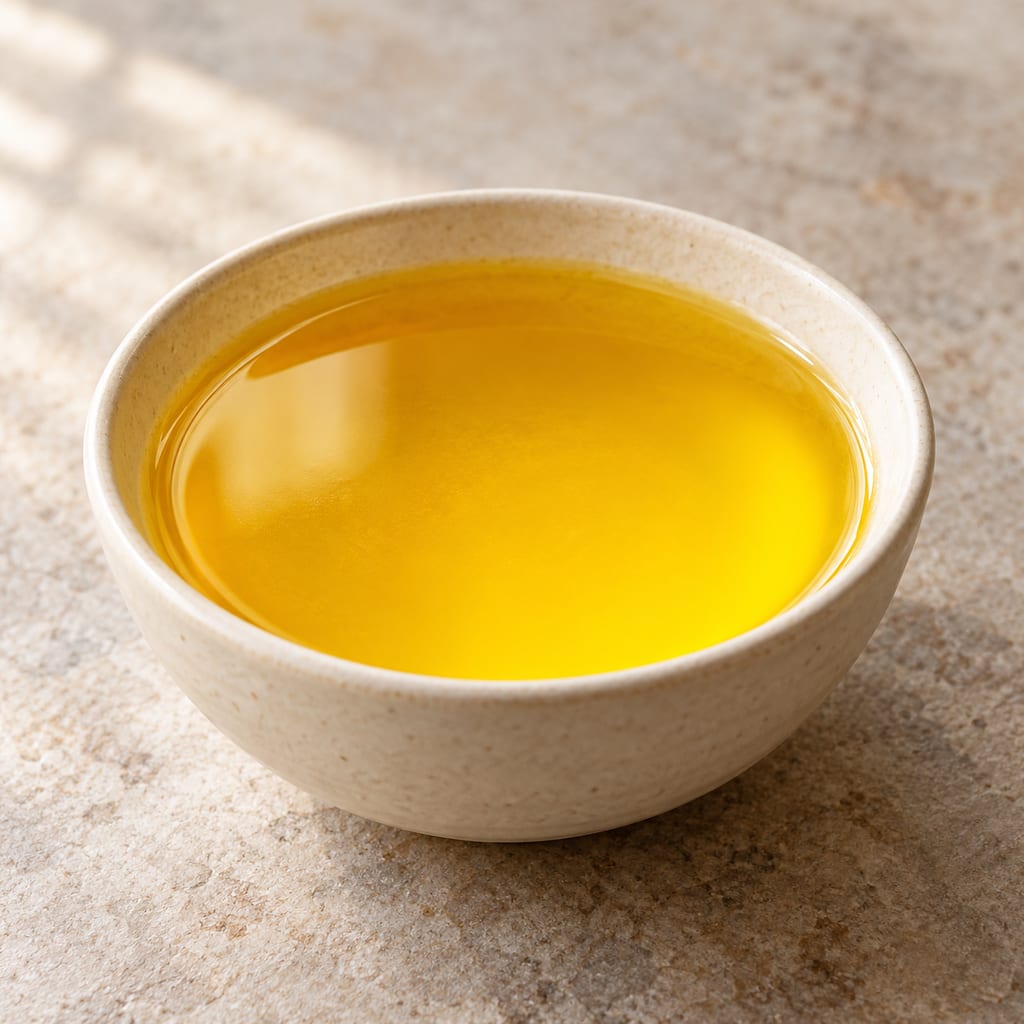
Butter heated until most water leaves and the milk solids separate, giving a fat that keeps far longer than butter. Rendering applies the same heat to animal tissue to make lard and tallow.
No community contributions have been published for this entry yet.
Sign in to contribute. Published comments and photos are free to read.
Nomad ParadiseMethod · Ingredients
Greek-Cypriot Talatouri with Mint RecipeQuantities, method and serving: grated and squeezed English cucumber, strained Greek yogurt, olive oil, salt, fresh mint, lemon juice and garlic; rested before serving; refrigerated about three days, as the blog states
Cited in: Mint and lemon in place of dill and vinegar; Making it; Serving and keeping
WikipediaHistory · Variations
TzatzikiCypriot talatouri is similar to the Greek recipe with a stronger flavour of mint and lemon juice; made from strained yogurt, sliced cucumbers, minced garlic and lemon juice, sprinkled with dried mint, oregano or olive oil
Cited in: Mint and lemon in place of dill and vinegar; Making it