Liquid rennet
A liquid milk-coagulating enzyme preparation whose source, activity and formulation vary, used to form curd for cheesemaking.
 FermenteaWhere food goes to change
Traditional method
Kefalotyri
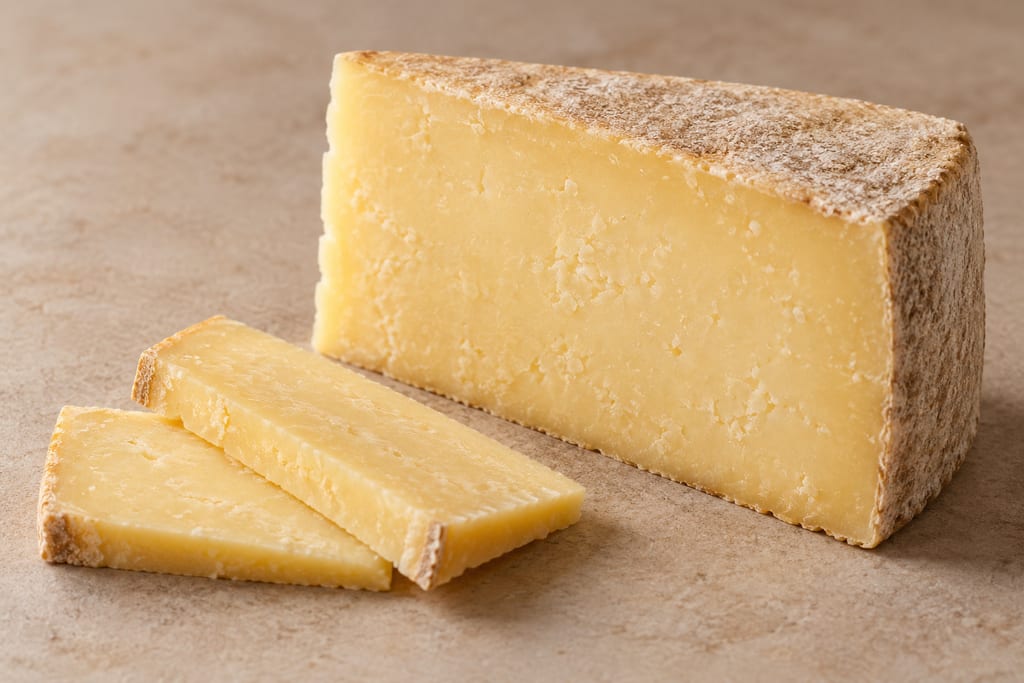
Kefalotyri is a hard sheep-and-goat-milk cheese made in Cyprus as well as Greece. This Cypriot method cooks and presses the curd, then brines, coats and matures the cheese.
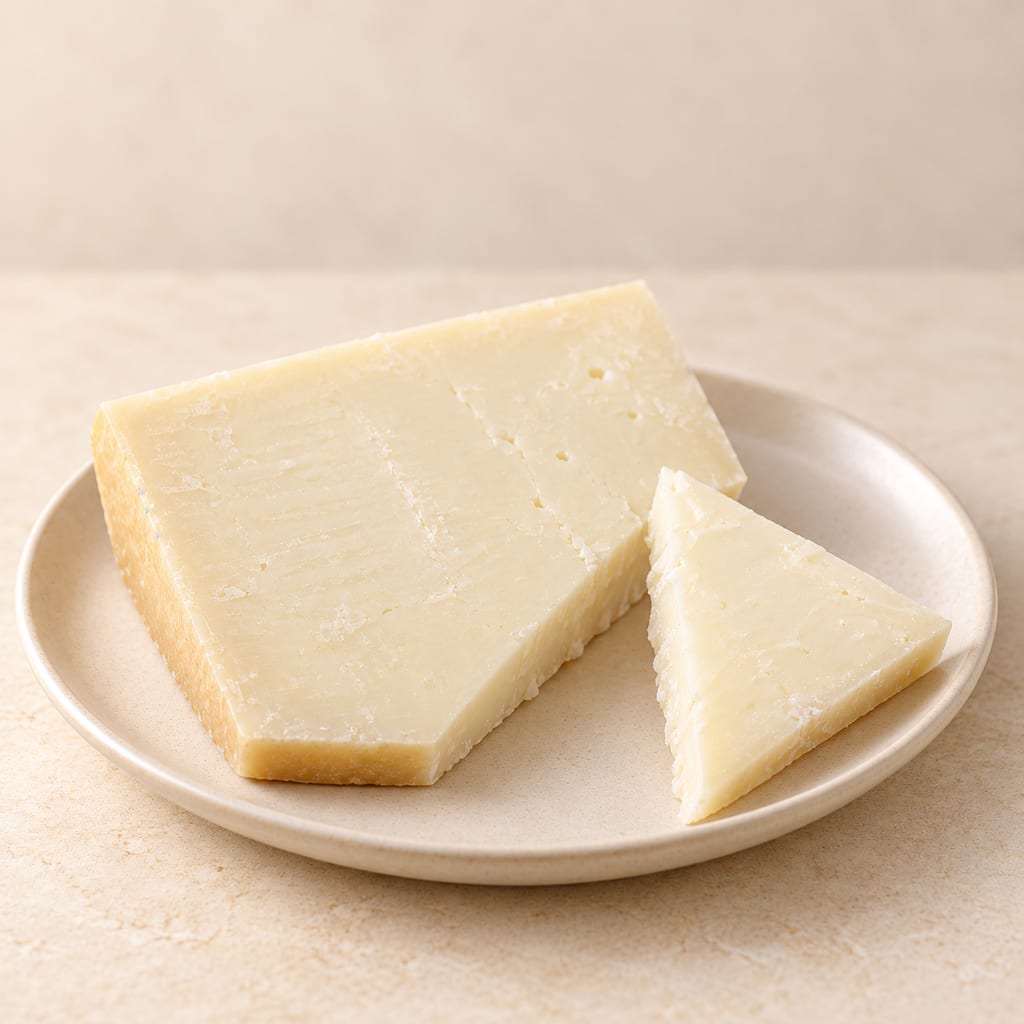
Kefalotyri was already made in Cyprus in 1919, when William Bevan placed it among the island’s hard cheeses modelled on Greek cheeses. His account describes sheep-milk cheese repeatedly turned and salted after pressing. The later Cypriot method here uses cooked curd and a long coated maturation; Greece is its recorded area of origin.
Scaling: source batch only
Fresh cheeses can carry Salmonella, pathogenic E. coli, Listeria monocytogenes, or Staphylococcus aureus; handling after heating can reintroduce contamination.
Hazard sourceUse pasteurized milk for home cheesemaking, sanitize equipment and contact surfaces, wash hands and handle and cool curds hygienically.
Control sourceUnheated milk can carry pathogens; use pasteurized milk for home cheesemaking.
Wash hands, clean and sanitize equipment and food-contact surfaces, and prevent contamination during curd handling and cooling. Fresh-cheese pathogens include Salmonella spp., Escherichia coli, Listeria monocytogenes and Staphylococcus aureus.
FAO specifies 120–150 days at 15–20°C and 85–90% air moisture.
Cypriot production is documented in both the FAO entry and Bevan’s account.
FAO gives Greece as the area of origin without a date or narrower locality.
A liquid milk-coagulating enzyme preparation whose source, activity and formulation vary, used to form curd for cheesemaking.

Food-grade sodium chloride seasons food and changes water movement in brines and cures; crystal size and the recipe's measurement method matter.

Sheep and goat milk supplies the proteins, fat, lactose and minerals from which small-ruminant cheeses are made. Its proportions and composition vary; no fixed ratio is established here.
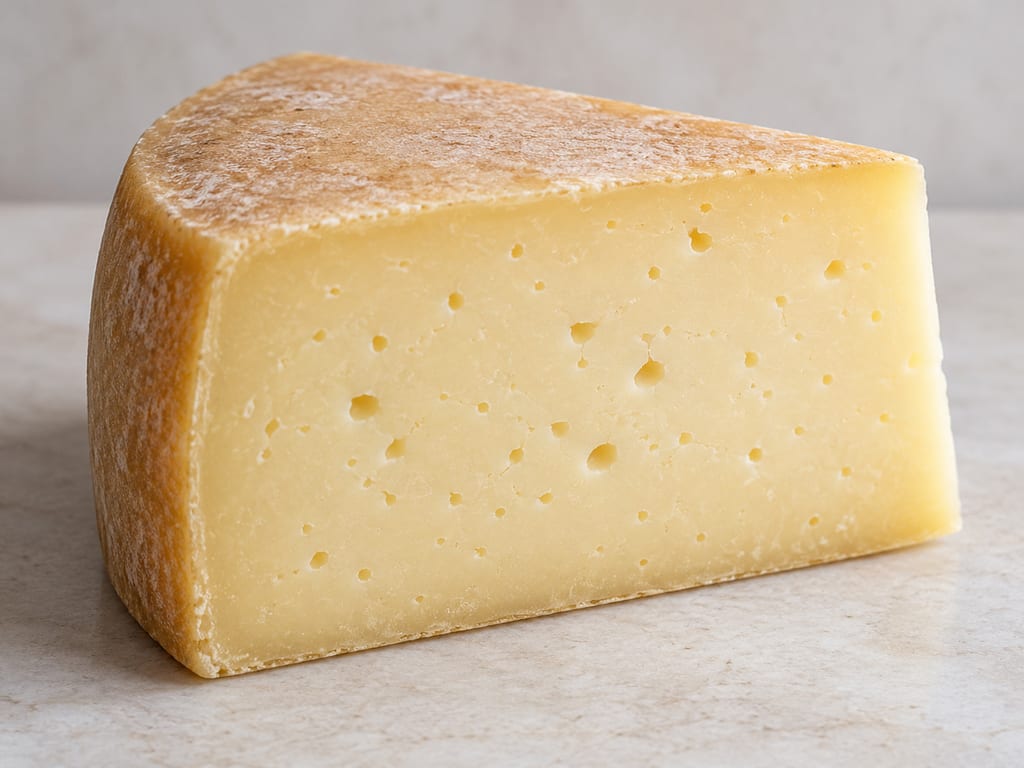
This Cypriot graviera is a hard sheep-milk cheese with a dry rind and round eyes. Its curd is heated, pressed and dry-salted before a long cool ripening.
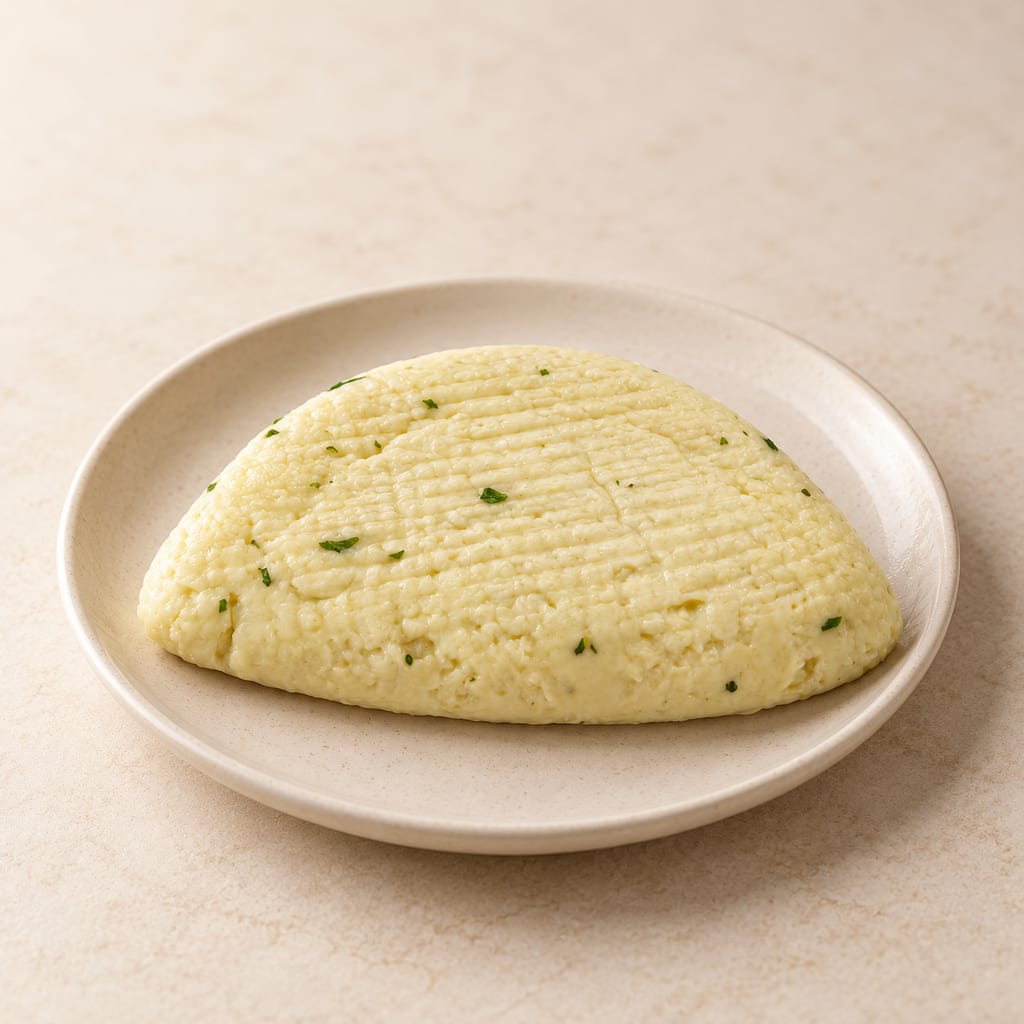
A firm cow-milk cheese cooked in hot whey, salted and folded with optional mint. This fresh halloumi keeps its shape when grilled or pan-fried.
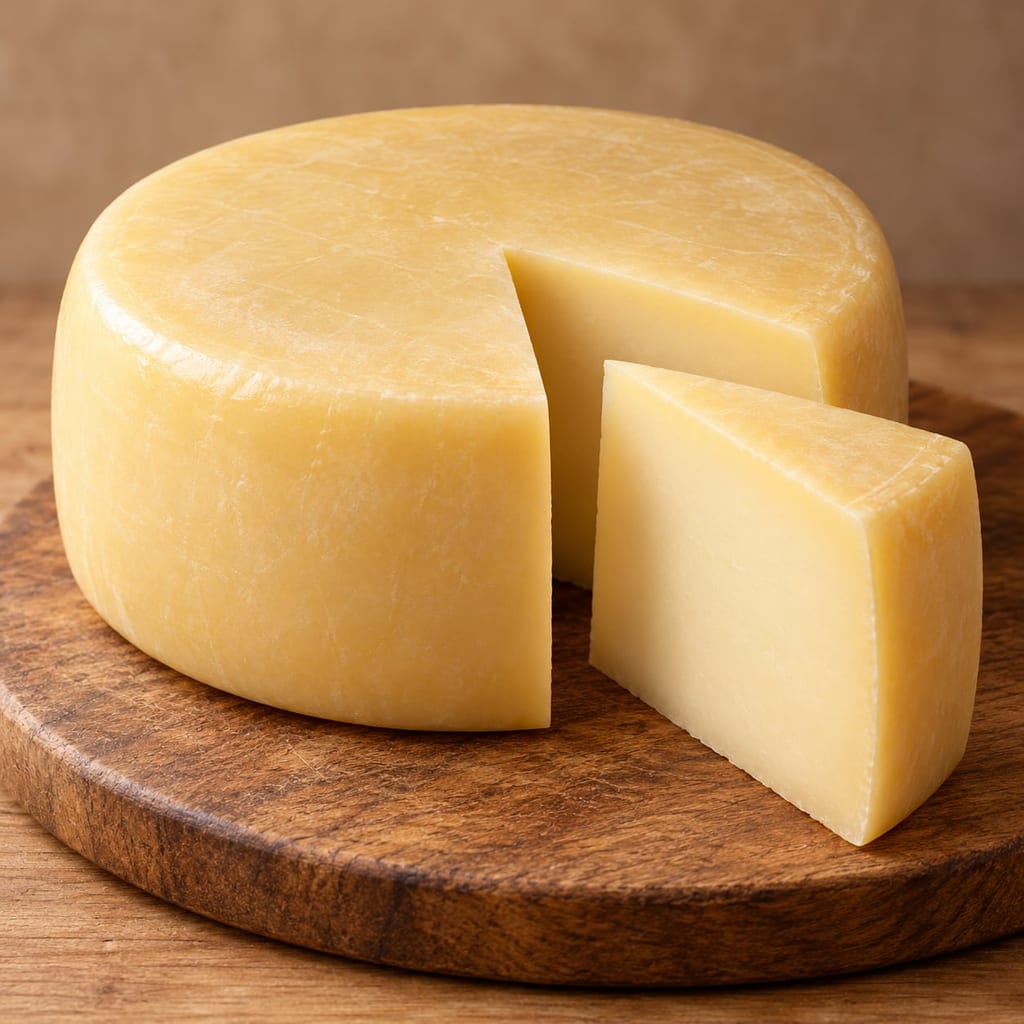
Kashkaval is a firm sheep-milk cheese whose acidified curd is worked in hot brine. This large-batch method finishes with repeated dry salting, wax coating and cool ripening.
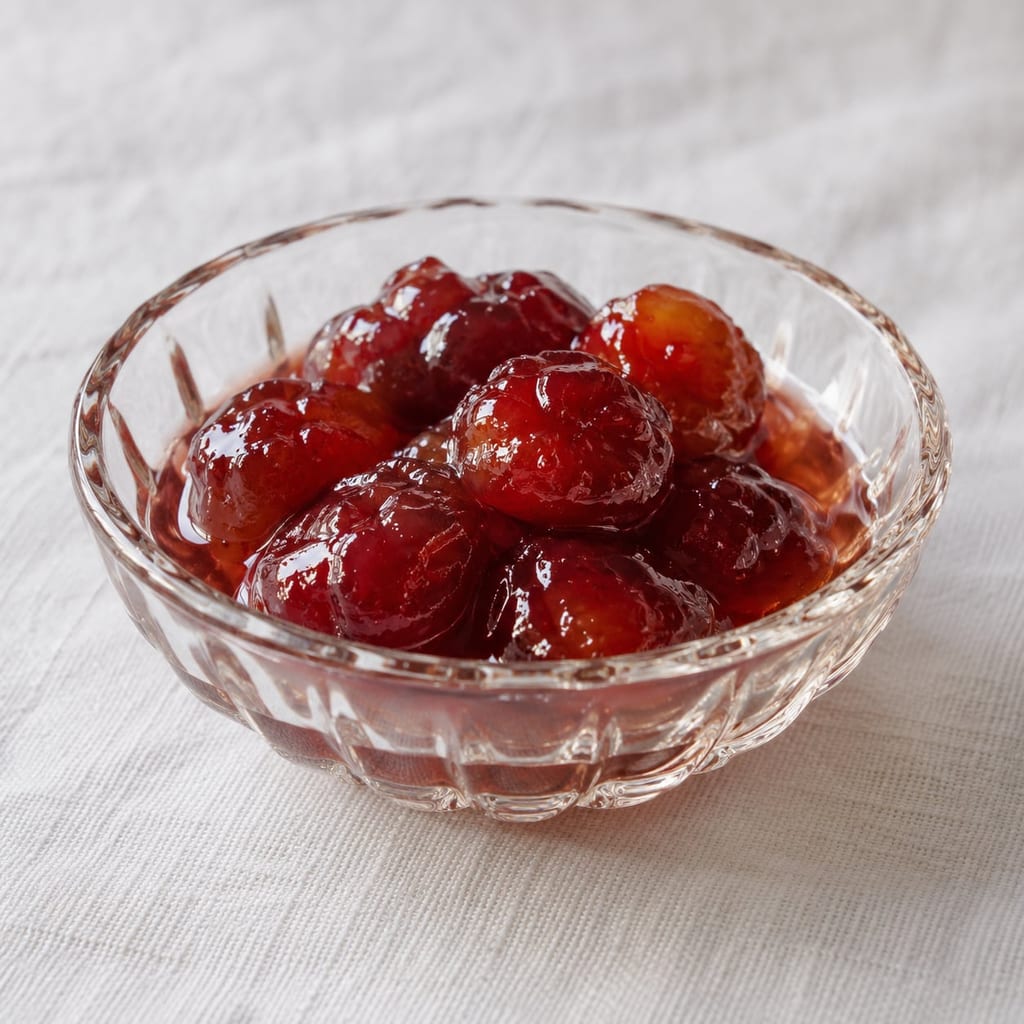
Cypriot cherry glyka made by layering firm pitted cherries with sugar, briefly boiling them, chilling overnight, and boiling again to concentrate the syrup. This version is refrigerated and has no shelf-stable canning process.
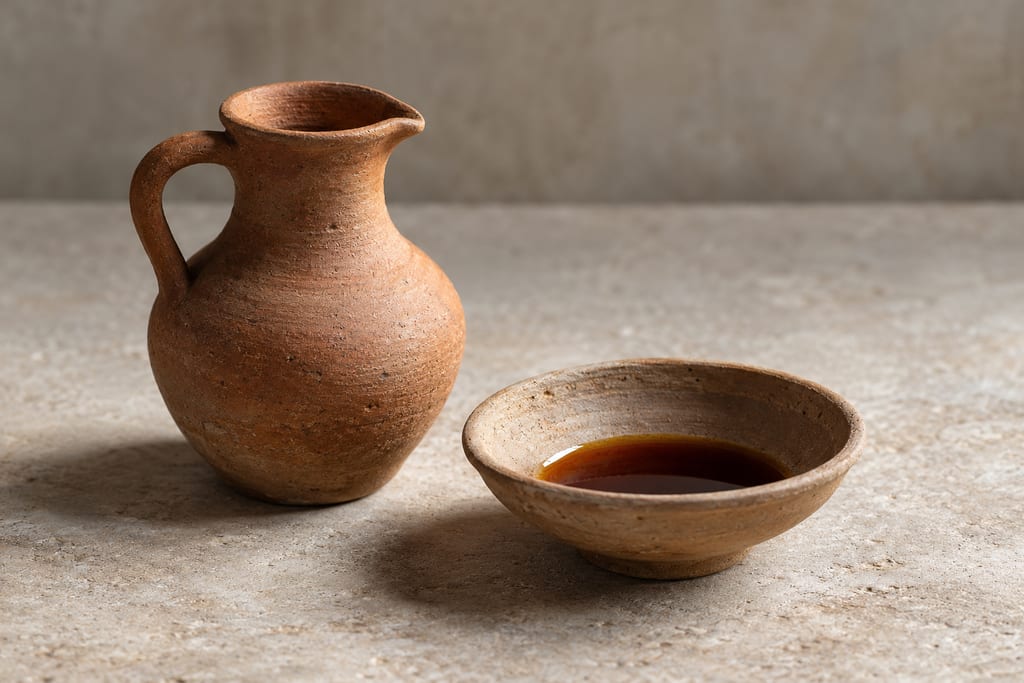
Garum, Greek garos and Latin liquamen, was the fish sauce of the ancient Mediterranean: fish and viscera salted and left in the sun, then drained off as a savoury liquid.
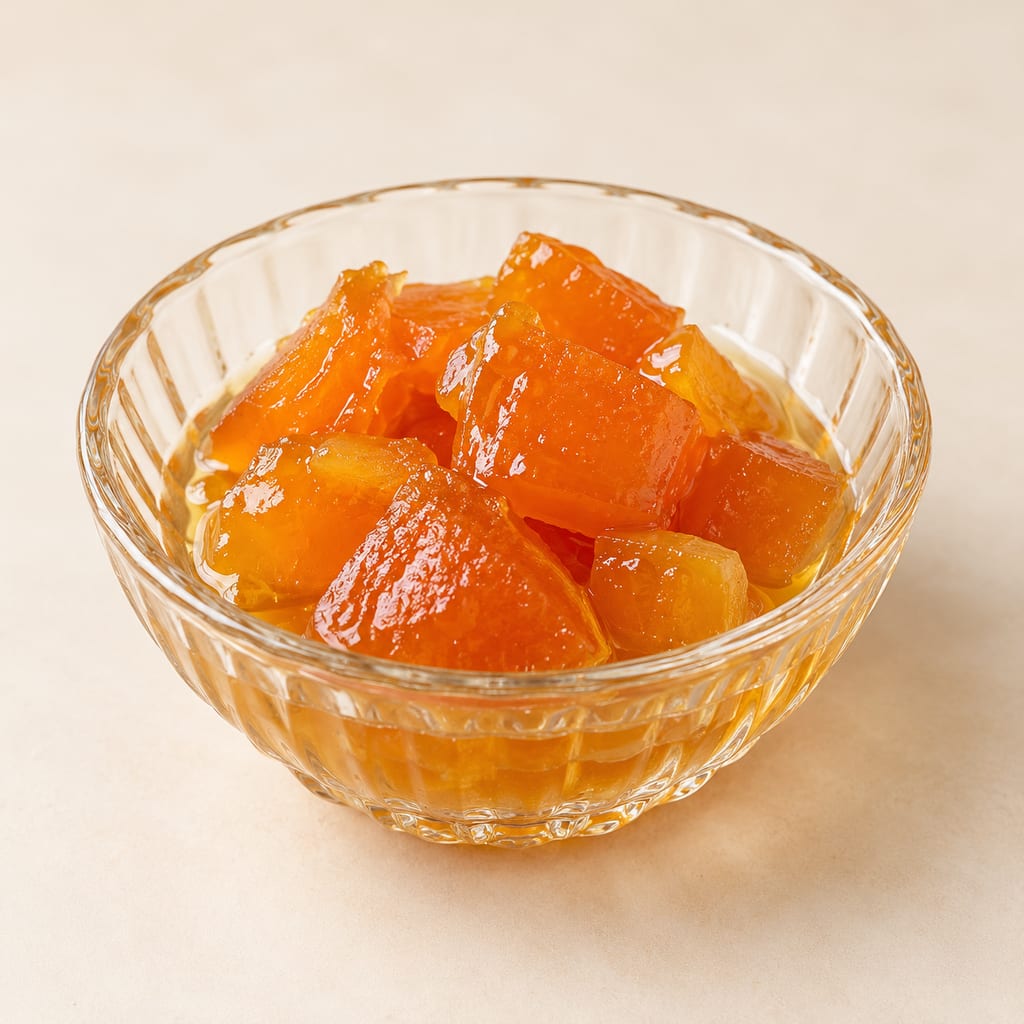
Greek pumpkin spoon sweet, with Cypriot context: Freeze for winter; small fresh portion refrigerated up to 48 hours.
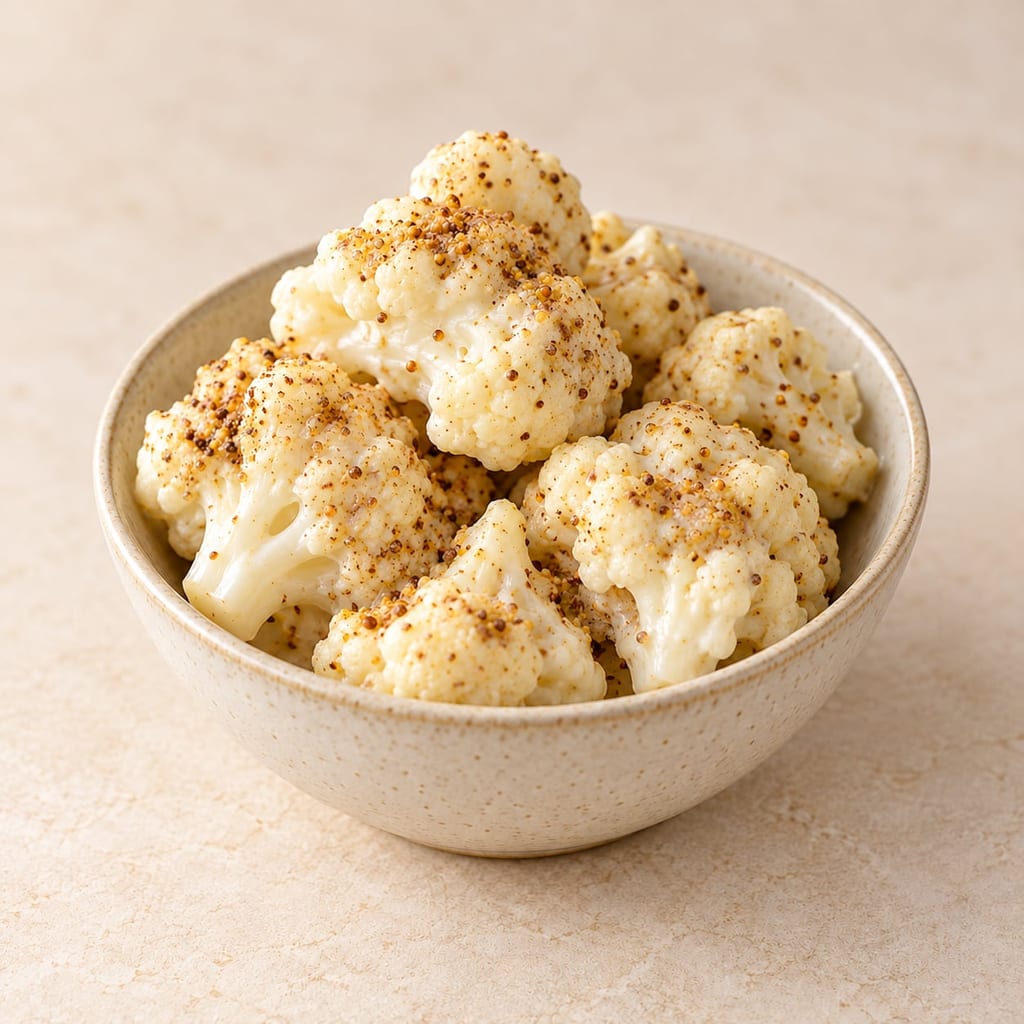
Moungra is a Cypriot preparation of blanched cauliflower coated in mustard and sourdough slurry and matured about a week; the Cyprus Food Museum records three versions with different measures.
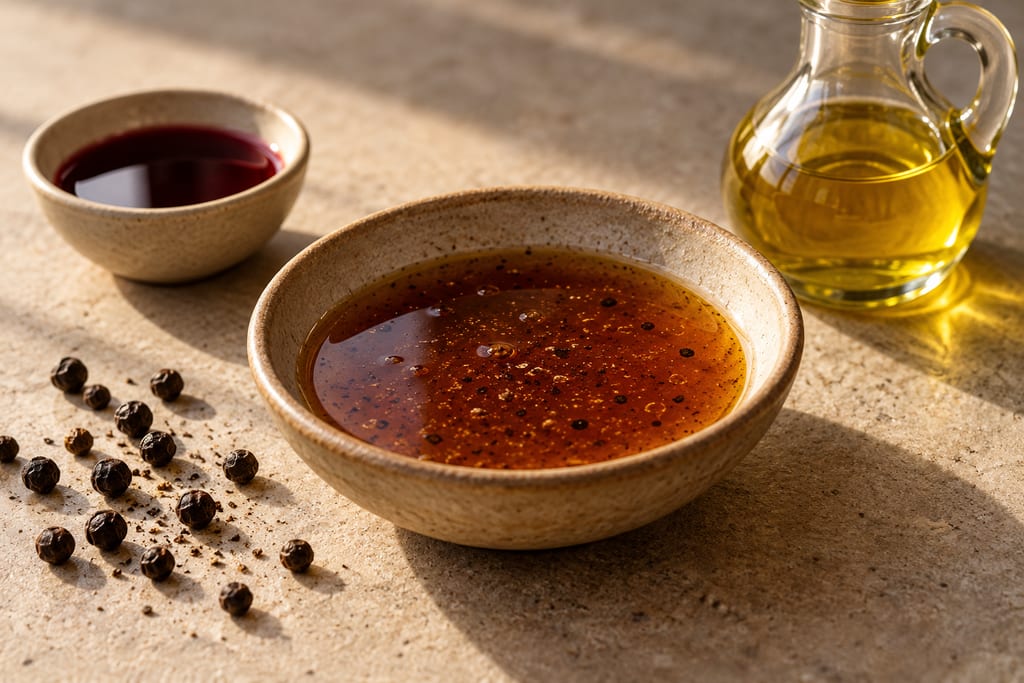
Oenogarum is fish sauce mixed with wine, pepper and often olive oil: a Roman table sauce in the Apicius cookbook, and a reduced, strained sauce in a later medical text.
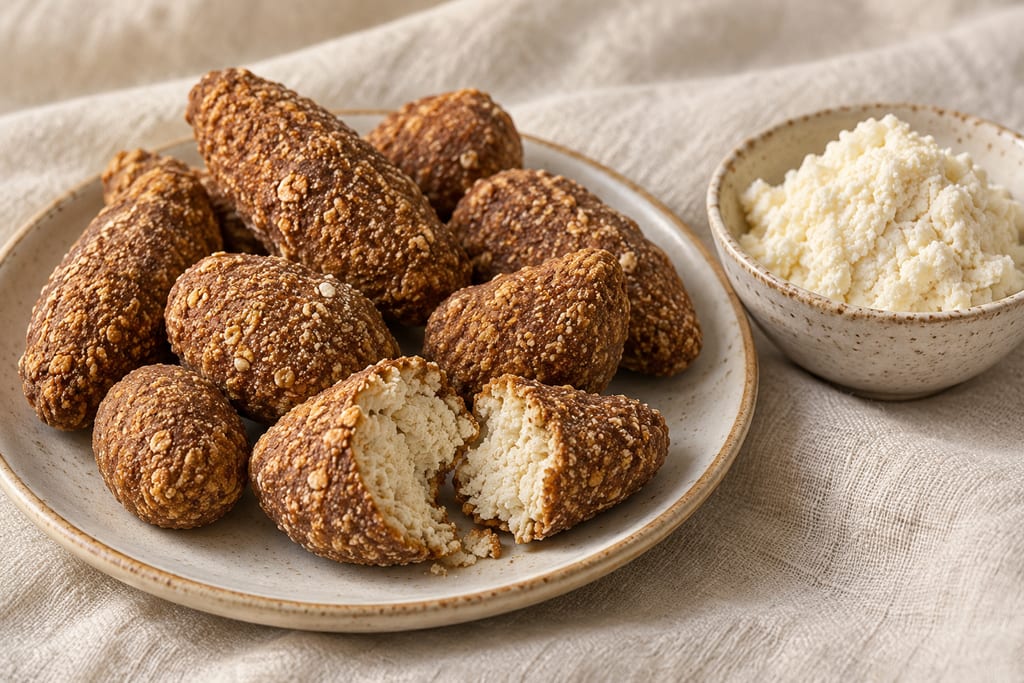
A two-stage Altai dairy preparation: sour chegen is heated into soft aarchi, then portions are drained, pressed and traditionally smoked into firm kurut.
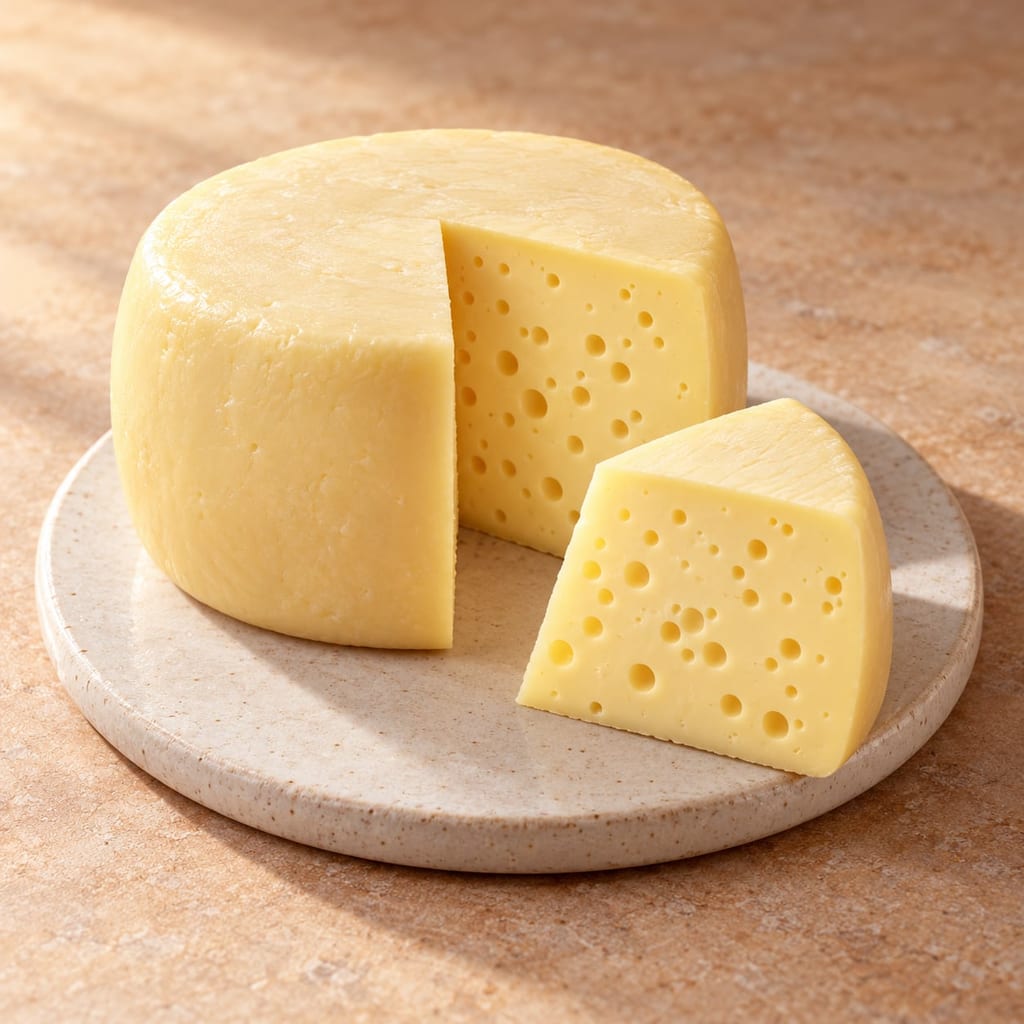
A washed-curd cheese with propionic bacteria, warmed by hot water in two steps and then held in a warm room for weeks so the bacteria can form its holes.
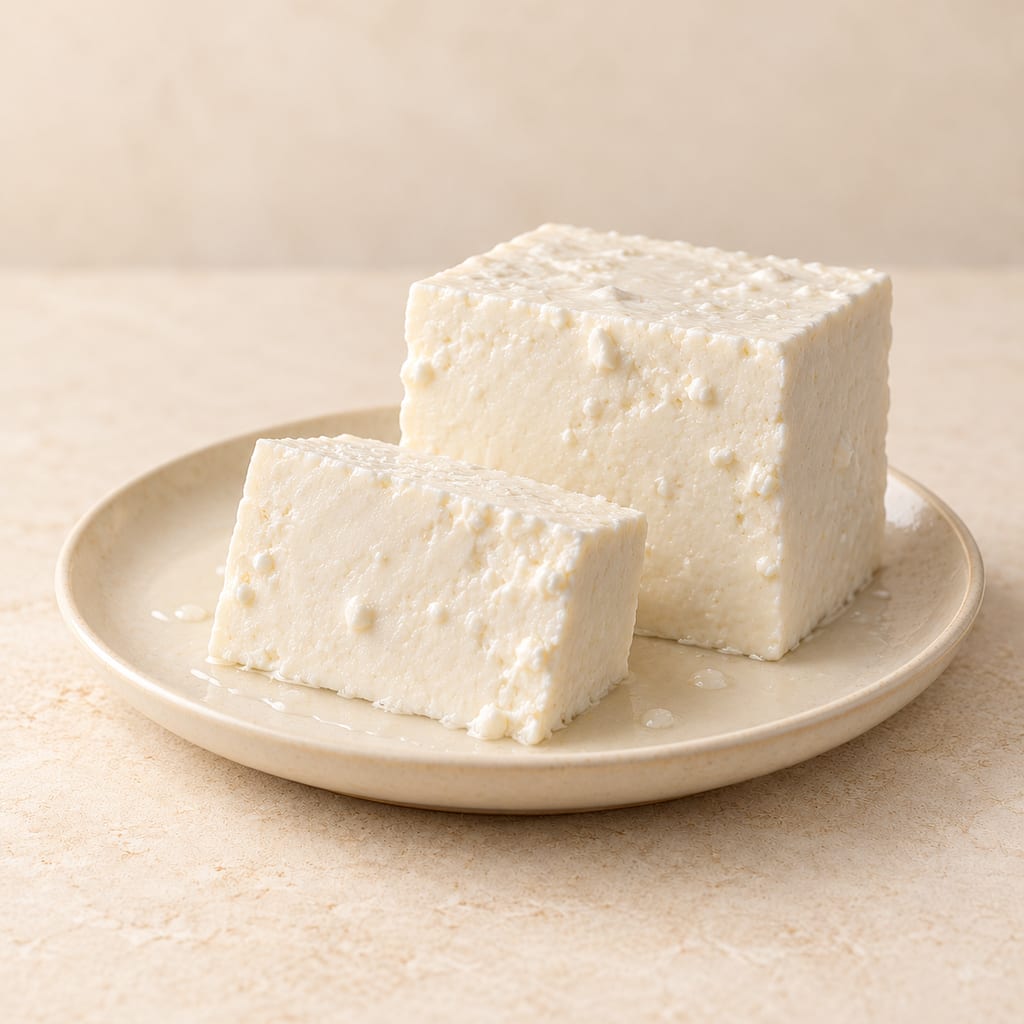
Beyaz peynir is a Turkish white cheese matured in brine. Sheep milk, alone or mixed with other milks, gives a close-textured cheese cut into blocks and packed in cans.
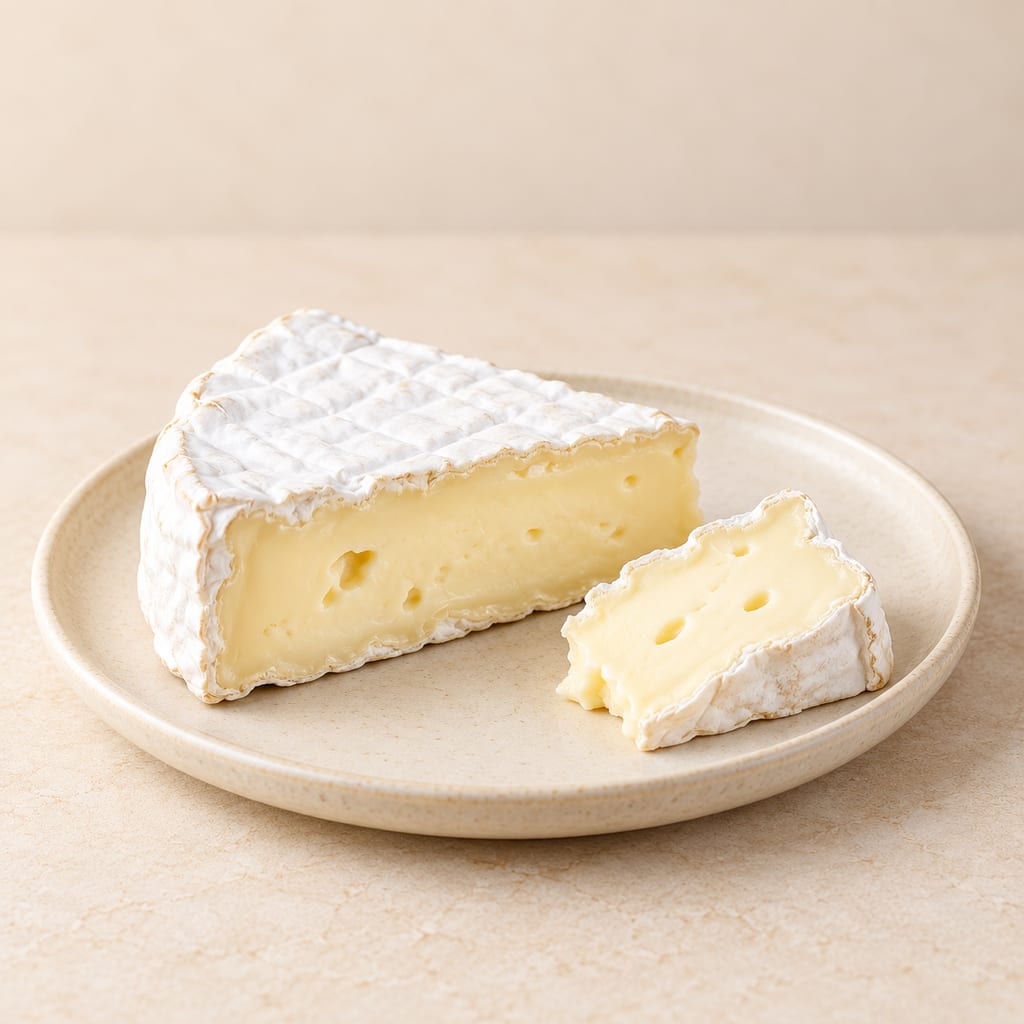
A cream-enriched Brie with a white bloomy rind and a softening center, made from pasteurized milk with lactic and surface cultures.
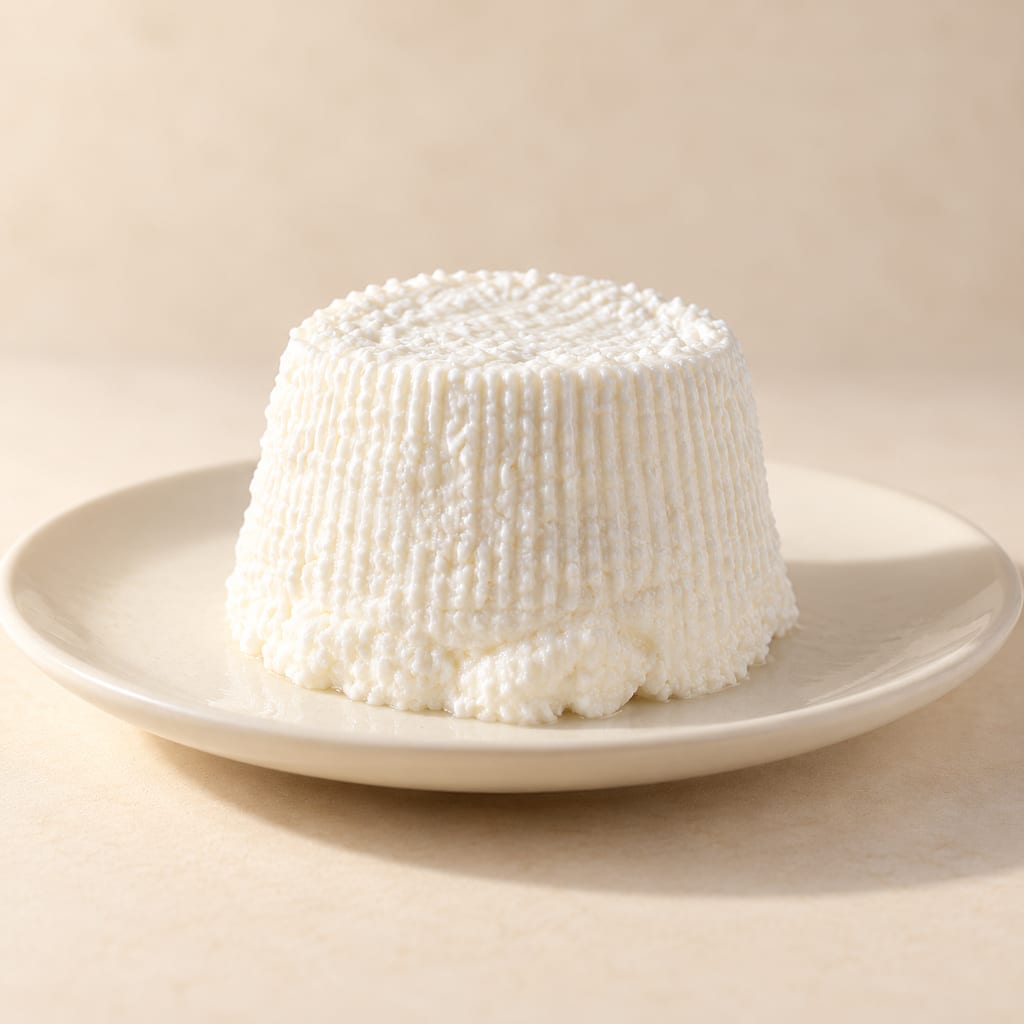
Corsican Brocciu is a whey cheese made by heating sheep's or goat's whey with whole milk and salt, then gently draining the flocculated curds. It is eaten fresh or salted and ripened as Brocciu passu.
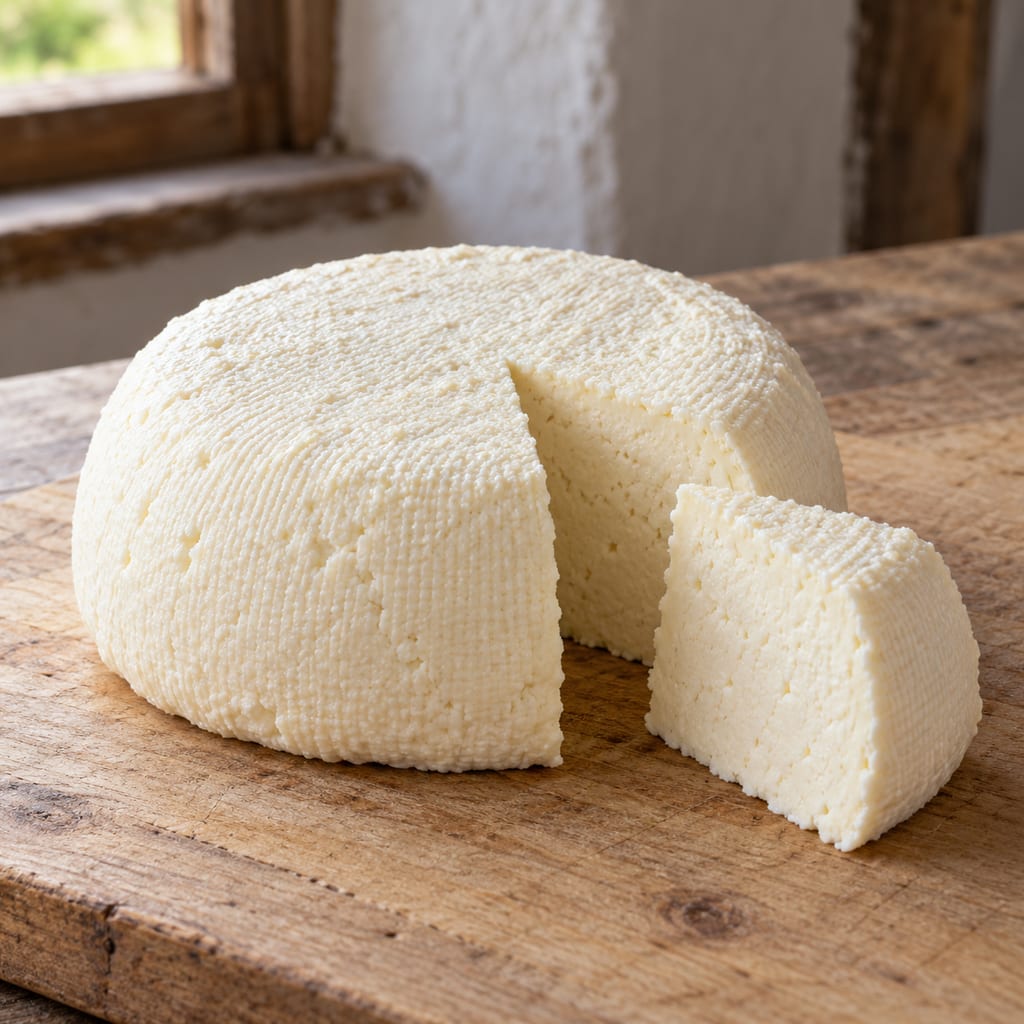
Budz is a traditional Hutsul rennet-set cheese made from sheep, cow or goat milk in the Ukrainian Carpathians, forming a fresh curd that can be eaten, smoked or processed into salted bryndza.
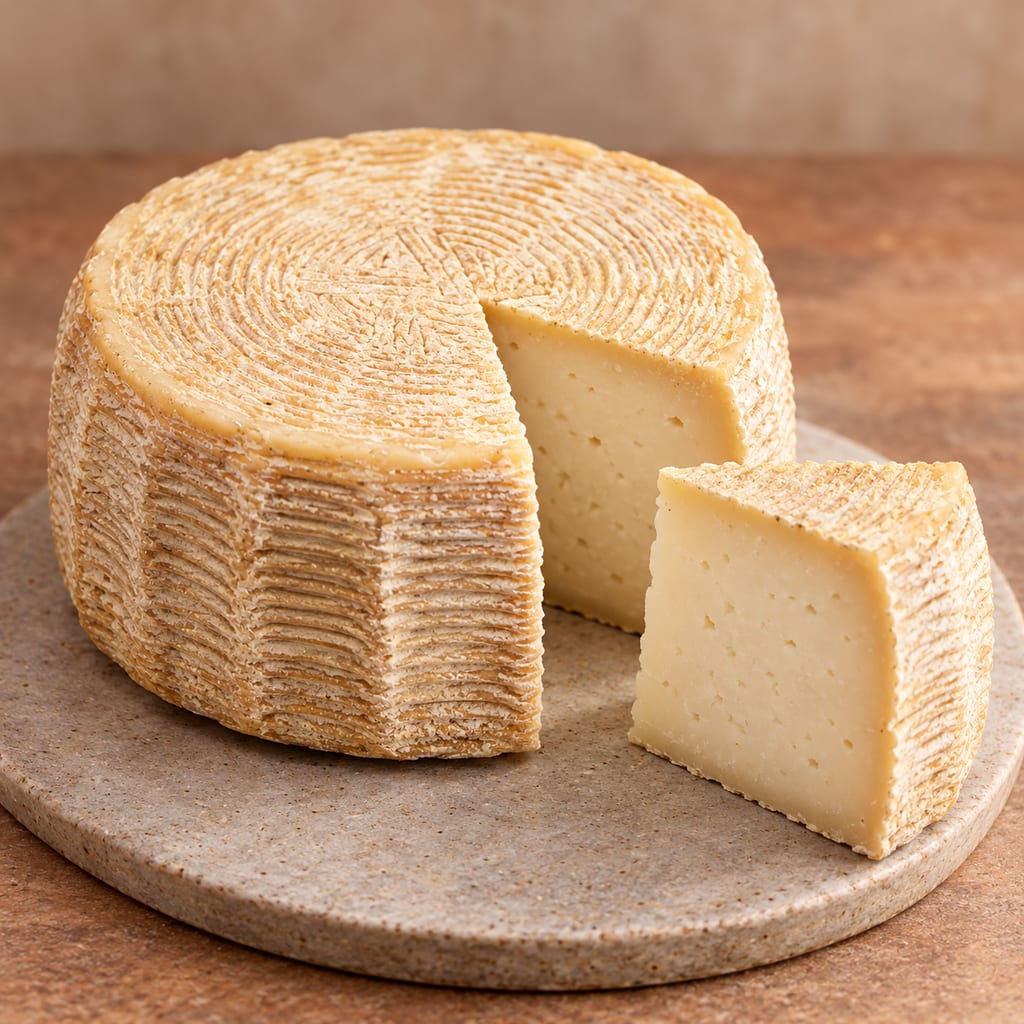
A scalded cheese moulded in baskets and re-cooked in its forms in hot whey, made alongside a ricotta from the same milk, then acidified, brined and aged for months.
A pressed cheese whose curd is cooked slowly, then cheddared: kept warm in slabs that are turned and stacked for hours before milling, salting and pressing.

A Cap-Pelé boucanière is an Acadian herring-smoking building. The documented Willie Niles example is a one-storey wood-frame structure with a ridge smoke vent and interior bays for hanging fish-bearing cannes.

Achcharu is a family of Sri Lankan vinegar pickles made with mixed vegetables or seasonal fruit and a piquant spice dressing. This version is a quick, refrigerated, non-fermented mixed-vegetable pickle.

The acocote is a long, hollowed and dried gourd used to draw aguamiel from a mature maguey. It is a harvesting tool: the sap is transferred to a separate vessel before it ferments into pulque.

Adrak murabba preserves young ginger in sugar syrup, a sweet South Asian preparation recorded in Indian cookery and food-processing sources.

Parkia biglobosa seeds are fermented into regional West African seasonings, including nététou, iru, dawadawa and soumbala. The yellow fruit pulp is a separate food, and names and methods vary by place.

Japanese reddish-brown vinegar from sake lees matured about three years, turned to vinegar by acetic bacteria; the vinegar of Handa and Edomae sushi rice.

A refined common-wheat flour blended for a broad range of baking; its protein and behavior vary with wheat, milling and market.

The almond mushroom, Agaricus subrufescens, was cultivated in eastern North America in the 1800s, lost its market, and returned as a cultivated mushroom from Brazil, where it is grown under several names.
No community contributions have been published for this entry yet.
Sign in to contribute. Published comments and photos are free to read.
FAOProcess
The technology of traditional milk products in developing countriesKefalotyri location and milk species, rennet dose and coagulation, cut and cook process, pressing, brining, ripening conditions and reported finished salt range.
New Mexico State University ExtensionSafety
Making Homemade CheeseRaw-milk pathogen and cheese handling context; not validation of this method.
William Bevan; Project Gutenberg transcriptionHistory
Notes on Agriculture in Cyprus and Its Products1919 publication date, Kefalotyri manufacture in Cyprus as a Greek-style hard cheese; older repeated dry-salting method remains separate from the FAO method.