Garum (garos, liquamen)
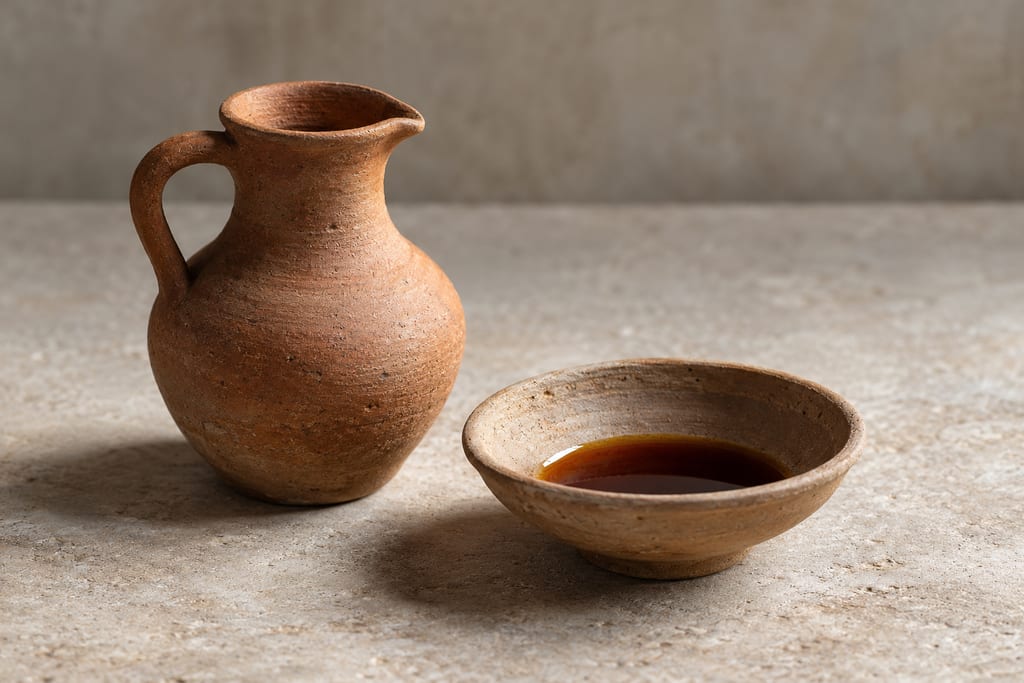
Garum, Greek garos and Latin liquamen, was the fish sauce of the ancient Mediterranean: fish and viscera salted and left in the sun, then drained off as a savoury liquid.
 FermenteaWhere food goes to change
Historical attestation
oenogarum · enogaros · garum with wine
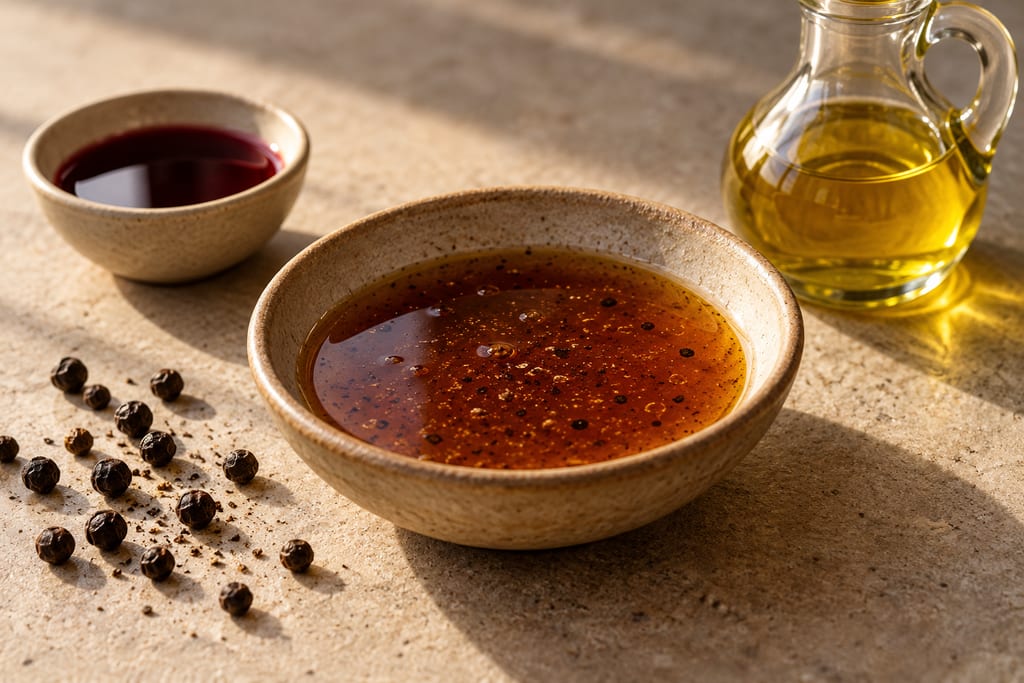
Oenogarum is fish sauce mixed with wine, pepper and often olive oil: a Roman table sauce in the Apicius cookbook, and a reduced, strained sauce in a later medical text.
Oenogarum is garum seasoned with wine. The name joins the Greek word for wine to garum, and the Byzantine Greek form is enogaros. It belongs to a small family of sauces in which fish sauce is the base and a second liquid or seasoning is added, each named for what was added. Oenogarum is the best attested of them and the only one with an ingredient list in the sources.
The Roman recipe is not a fermentation of its own. The garum or liquamen is made first, by salting fish and leaving them in the sun, and oenogarum is the seasoning made from it.
In the Apicius cookbook, oenogarum is a mixture of wine, liquamen, pepper and occasionally other spices and herbs, with olive oil commonly added. The Encyclopaedia Romana entry reads it as something like a table vinaigrette, mixed at the table and not at the stage of fermenting the fish. That reading is the entry's inference from the wording of the recipes, not a statement in the text. The entry gives no recipe numbers for oenogarum, so the wording has not been checked against the Latin here.
Sally Grainger notes that Apicius uses liquamen for the common fish sauce, and that garum appears mainly in compounds such as oenogarum, which she describes as a dressing of wine or vinegar, oil and fish sauce. From this she argues that plain black garum was a more specialised product, served at the table as a finishing sauce instead of cooked with. She presents that as a theory about usage, not a proven fact.
A passage attributed to Gargilius Martialis gives a cooked oenogarum. Oily fish such as salmon, herring, shad and sardines are sealed in a jar with a great deal of dried herb and salt for seven days. Wine, more herbs and honey are then added to the liquamen, and the mixture is reduced over a fire and strained until clear.
The entry that reports the passage notes that the section may be a later medieval addition. It mentions spices such as cloves and cinnamon, which Greek and Roman recipes did not use, and that is taken as a sign of a later date. The passage should not be assigned to the ancient period without that caveat.
The same pattern gives hydrogarum (garum with water), oxygarum (with vinegar) and mellogarum (with honey). The Encyclopaedia Romana entry lists them in one general statement and attributes them to Apicius, but it quotes no passage that says how they were made. Grainger cites one Apicius recipe that sets garum beside vinegar, the oxyporium of recipe 1.32.
The Cyprus Food Museum gives the Byzantine Greek forms for garos diluted with water, wine, vinegar or oil: hydrogaros, enogaros, oxygaros and garéleon. The oil mixture is listed last, and garéleon is read as the oil mixture; the entry does not state that pairing in so many words. These are Byzantine records of the 11th and 12th centuries, and they should be kept apart from the Roman cookbook evidence, even though the names look alike.
Galen mentions garos added to wine, oil or vinegar to move the bowels and to treat diarrhoea. In another passage a student who lived on vegetables seasoned lupins and beans with garos, sometimes adding oil, wine and vinegar. These show mixtures in use at the table and as a remedy, outside the recipe books.
No source gives a quantity, a ratio or a time for oenogarum, oxygarum, hydrogarum or garéleon, and none quotes a complete recipe for the last three. The mixtures show that garum served as a base seasoning that a cook could adjust with wine, vinegar, water or oil. They do not show a separate fermentation for each, and a garum with wine is not the same food as a garum with vinegar.
The next check is the Apicius text itself, for the exact wording of the recipes and any quantity in the Latin, and the Byzantine Greek texts for the Cyprus terms.
Roman cooks used garum, mostly as liquamen, as a base for mixed sauces named after the liquid added. Oenogarum, with wine, is the best attested. The Byzantine Greek form enogaros is recorded in Cyprus in the 11th and 12th centuries. The names show the use of the sauce; they do not show a separate fermentation or a fixed recipe.
Scaling: not applicable
Mixing with wine, oil or honey does not change what the garum itself contains; the fish sauce is made from fish such as mackerel for which histamine formation is a recognised hazard.
Hazard sourceUse a fish sauce whose own production followed species- and process-specific controls. The ancient texts give none for the mixture or for its base.
Control sourceNo ratio of wine to fish sauce is given in the sources, so a measured modern recipe cannot be taken from them.
Attested in the Apicius cookbook; the cookbook does not tie it to one place.
The Byzantine form enogaros is listed among the diluted garos sauces; not an origin claim.
Garum, Greek garos and Latin liquamen, was the fish sauce of the ancient Mediterranean: fish and viscera salted and left in the sun, then drained off as a savoury liquid.
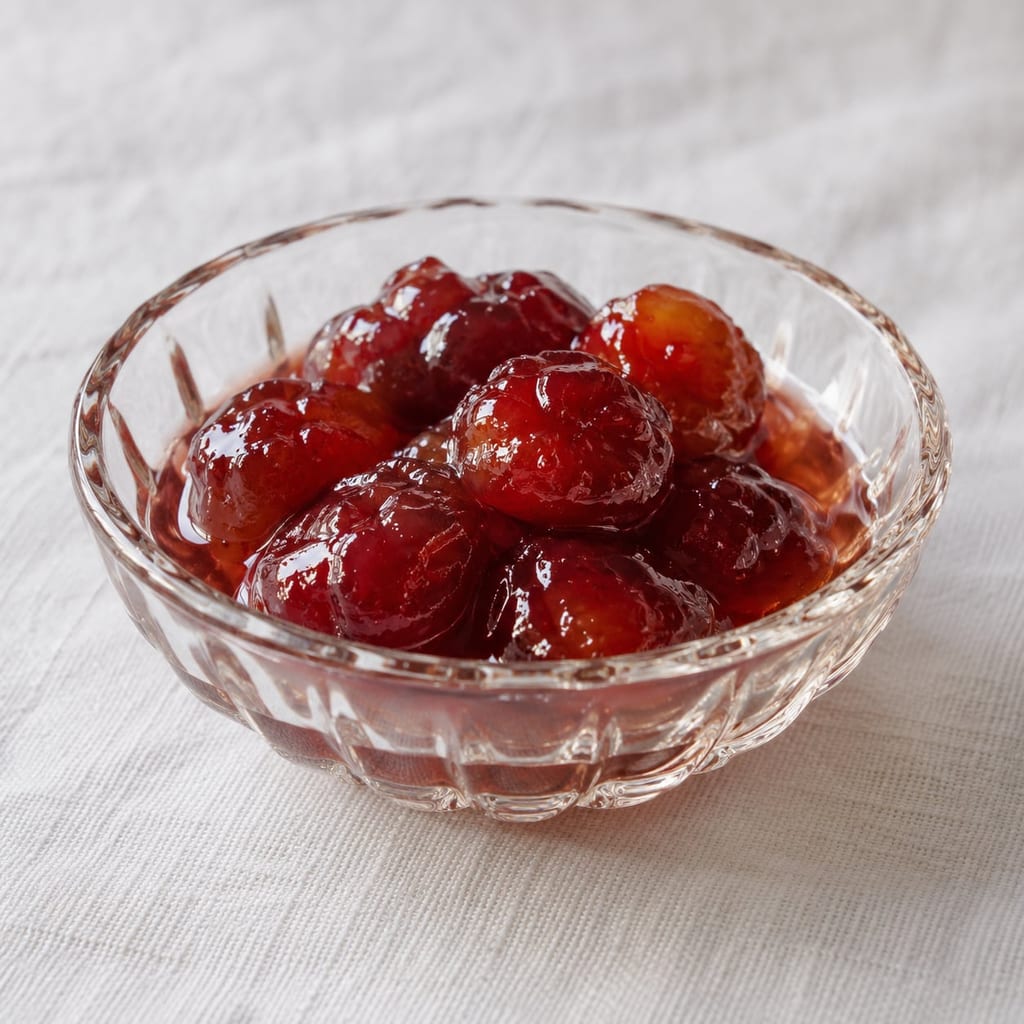
Cypriot cherry glyka made by layering firm pitted cherries with sugar, briefly boiling them, chilling overnight, and boiling again to concentrate the syrup. This version is refrigerated and has no shelf-stable canning process.
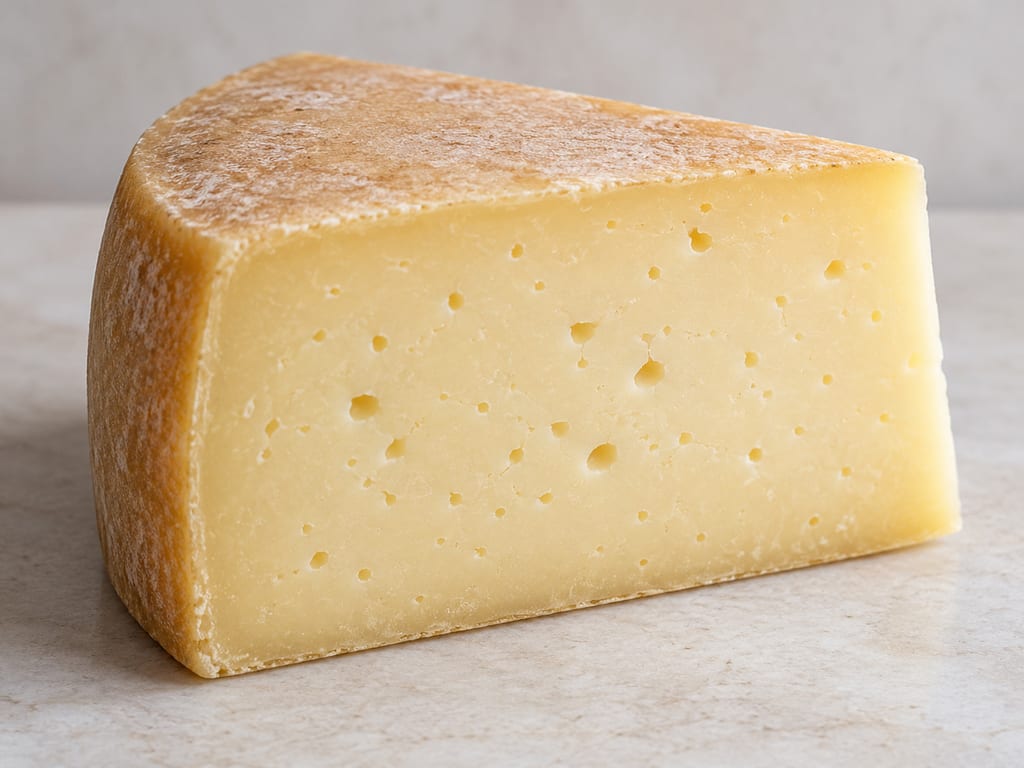
This Cypriot graviera is a hard sheep-milk cheese with a dry rind and round eyes. Its curd is heated, pressed and dry-salted before a long cool ripening.
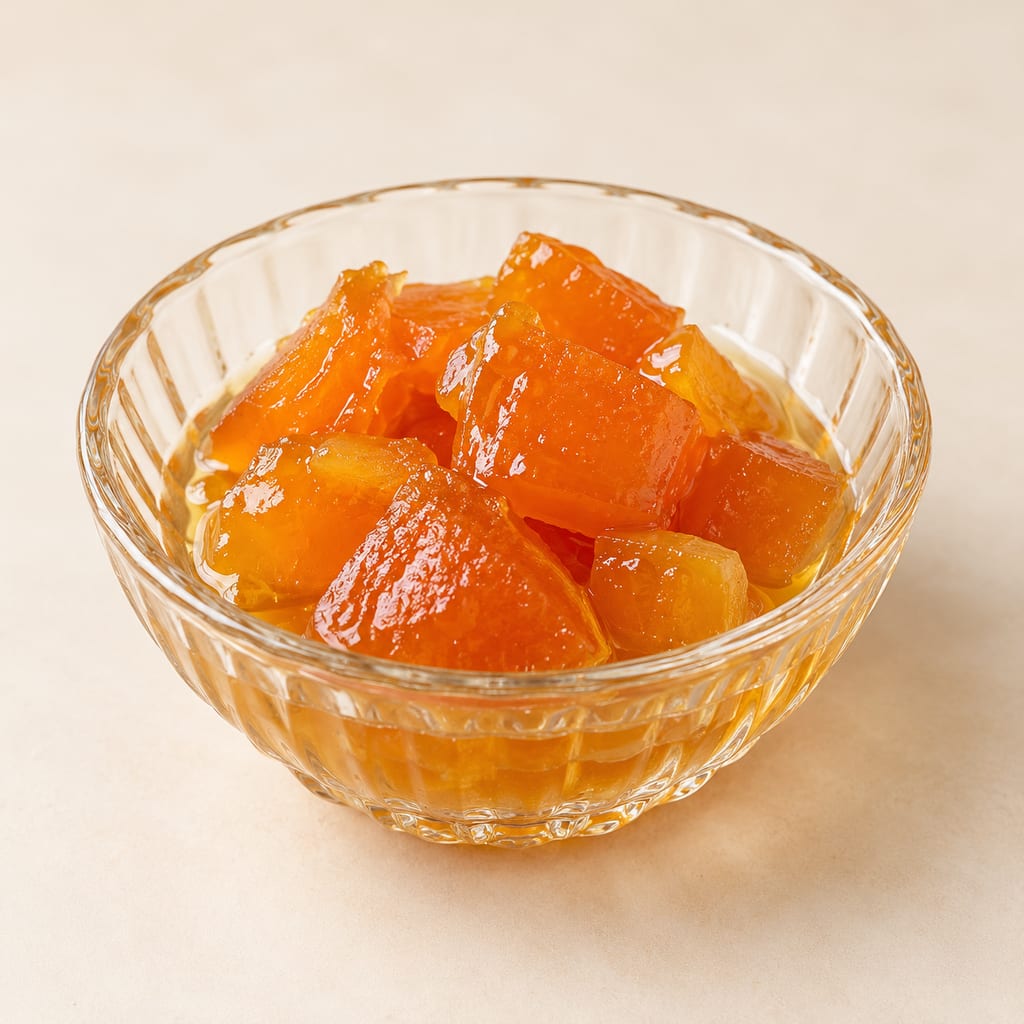
Greek pumpkin spoon sweet, with Cypriot context: Freeze for winter; small fresh portion refrigerated up to 48 hours.
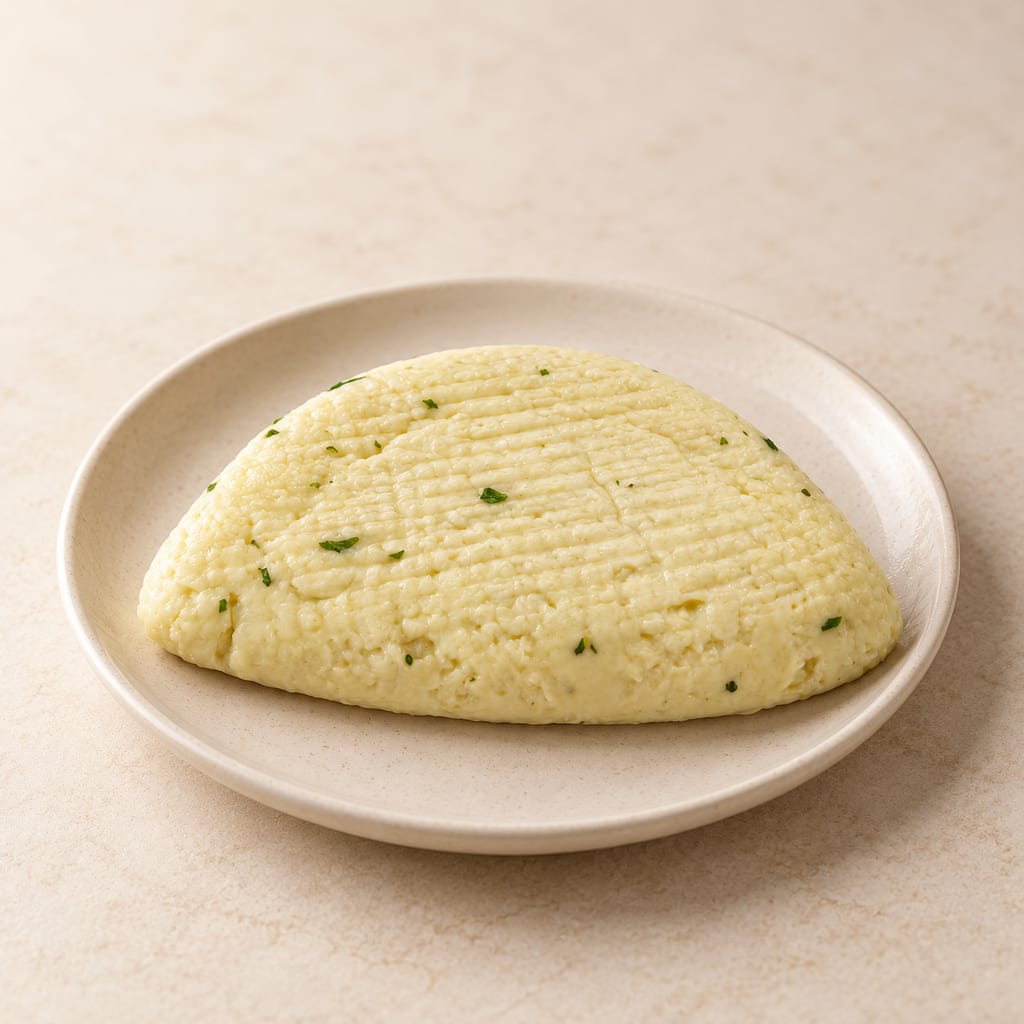
A firm cow-milk cheese cooked in hot whey, salted and folded with optional mint. This fresh halloumi keeps its shape when grilled or pan-fried.
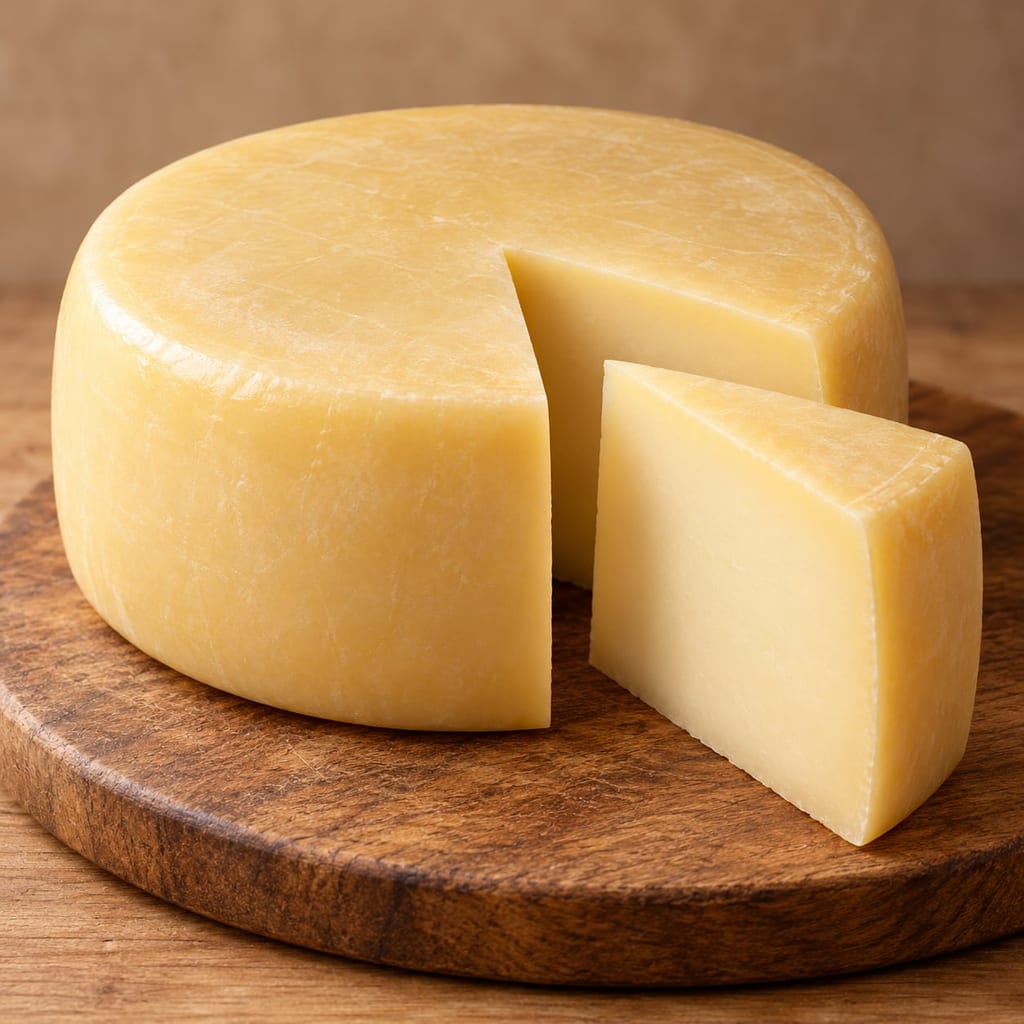
Kashkaval is a firm sheep-milk cheese whose acidified curd is worked in hot brine. This large-batch method finishes with repeated dry salting, wax coating and cool ripening.
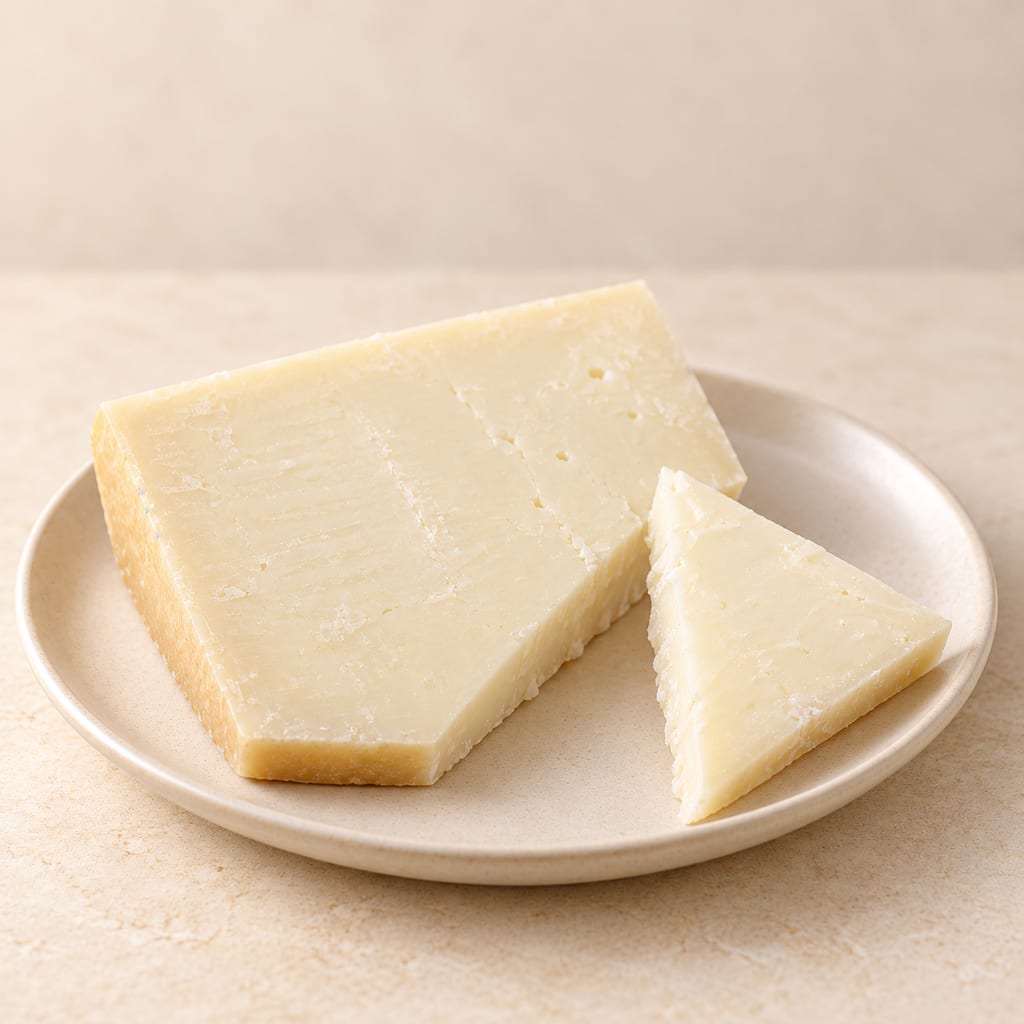
Kefalotyri is a hard sheep-and-goat-milk cheese made in Cyprus as well as Greece. This Cypriot method cooks and presses the curd, then brines, coats and matures the cheese.
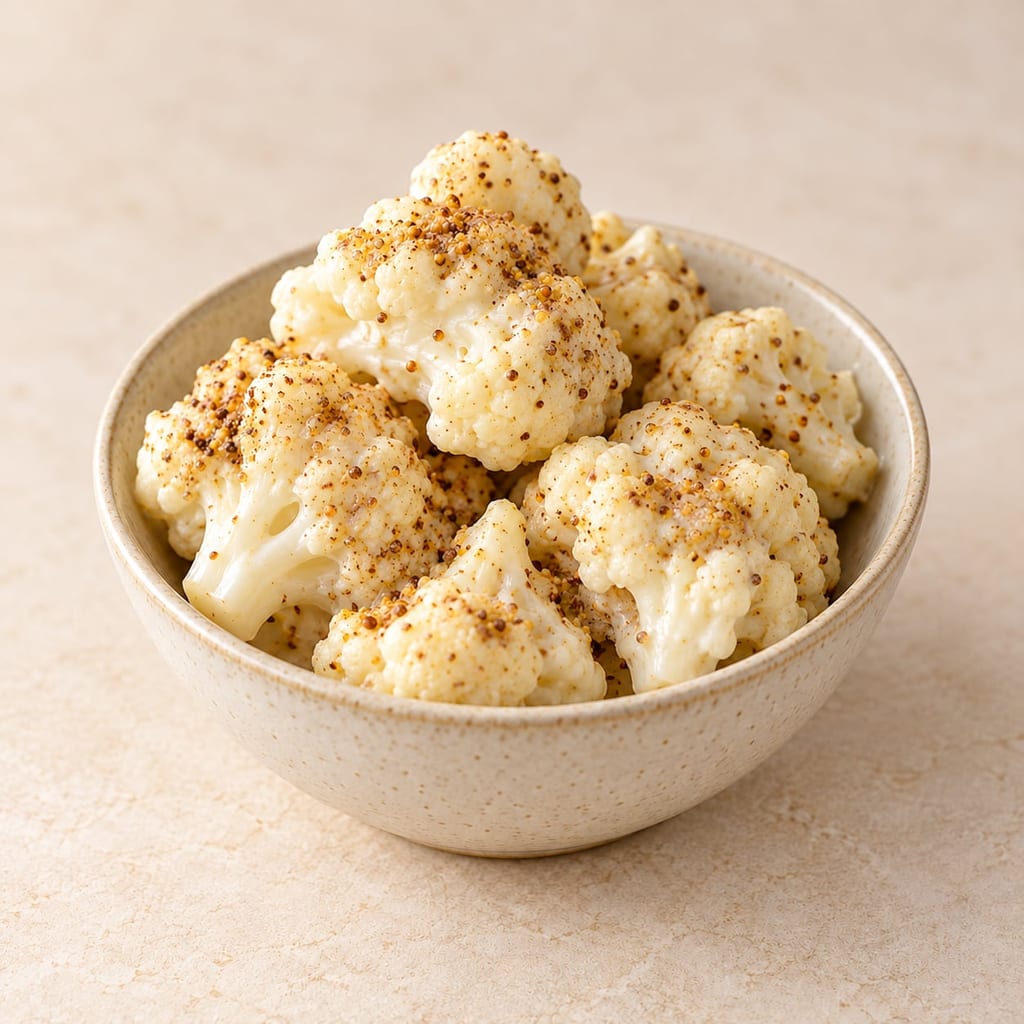
Moungra is a Cypriot preparation of blanched cauliflower coated in mustard and sourdough slurry and matured about a week; the Cyprus Food Museum records three versions with different measures.
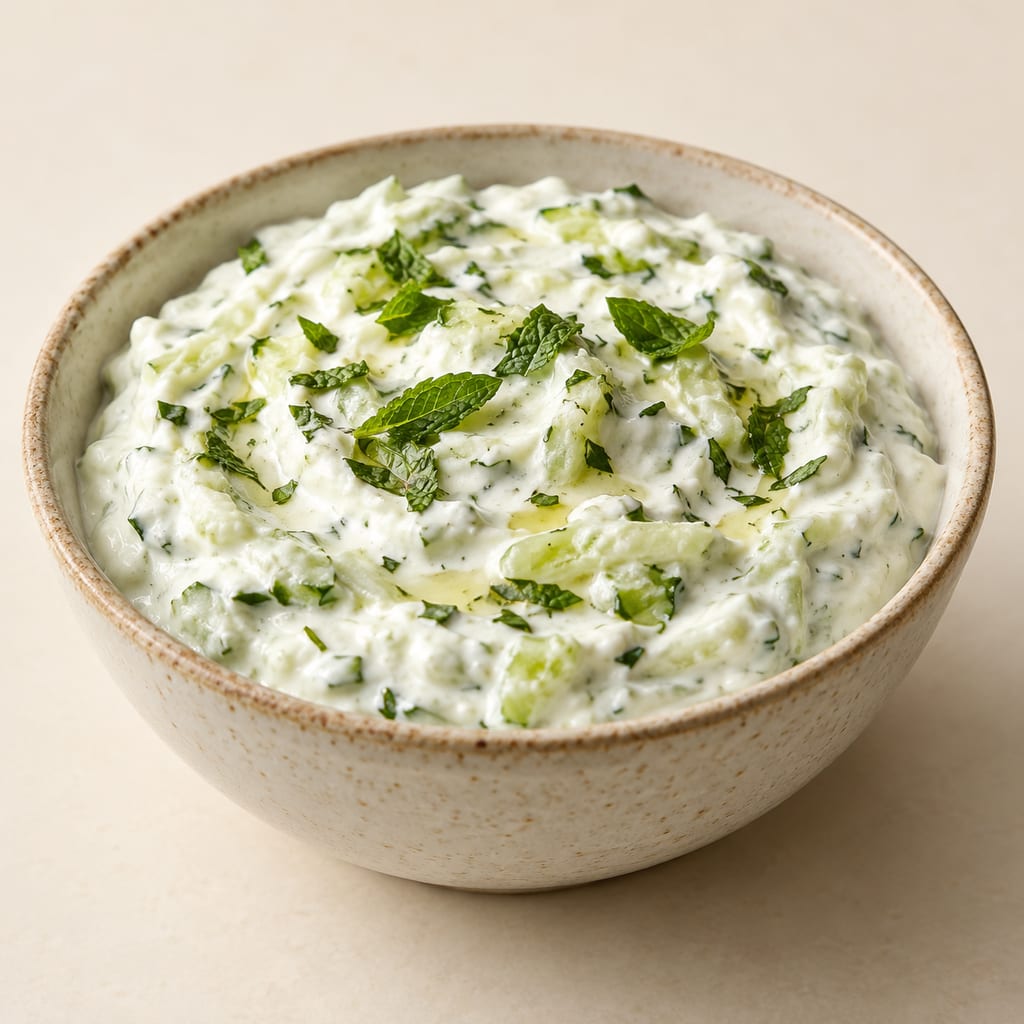
The Cypriot form of tzatziki: strained yogurt and grated cucumber with garlic, finished with mint and lemon juice where the Greek version uses dill and vinegar.
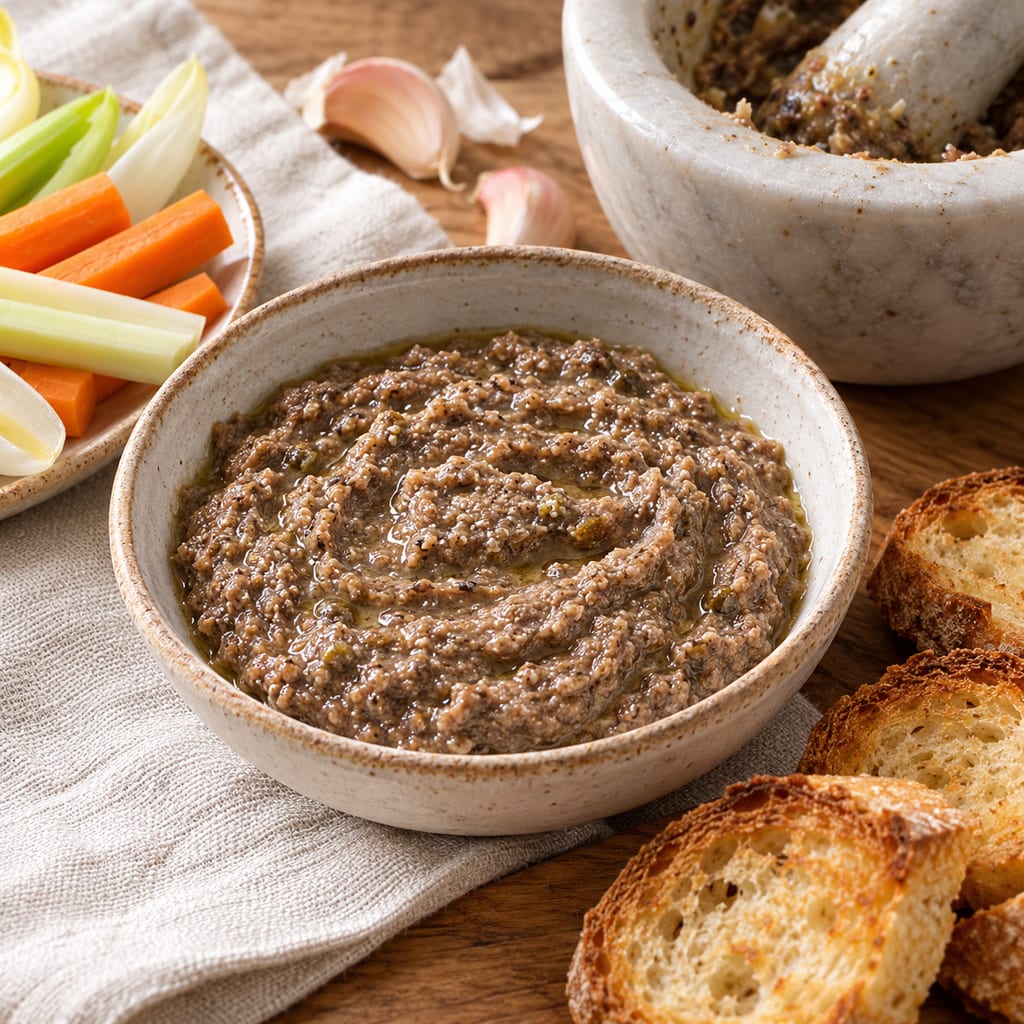
A Provencal dip of anchovies, garlic, capers and olive oil, pounded or blended to a creamy paste and served with raw vegetables, bread and eggs.
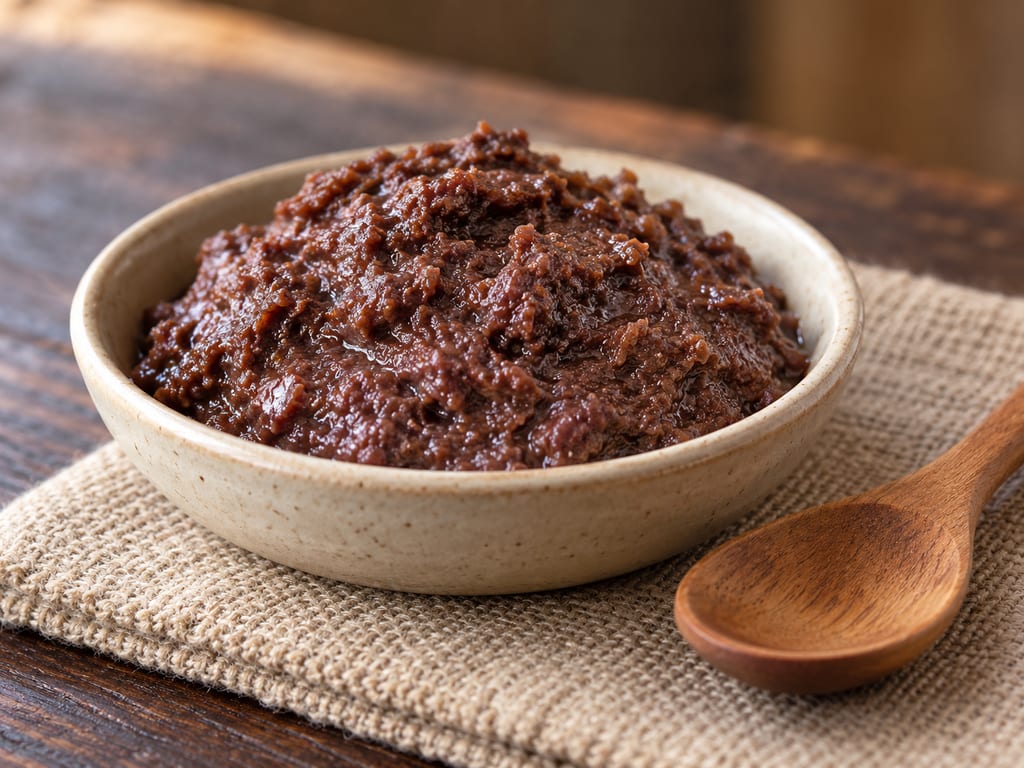
Bagoong isda is a Philippine fish paste: whole small fish salted and left to ferment for a month or more in earthen jars. It is the fish counterpart of bagoong alamang.
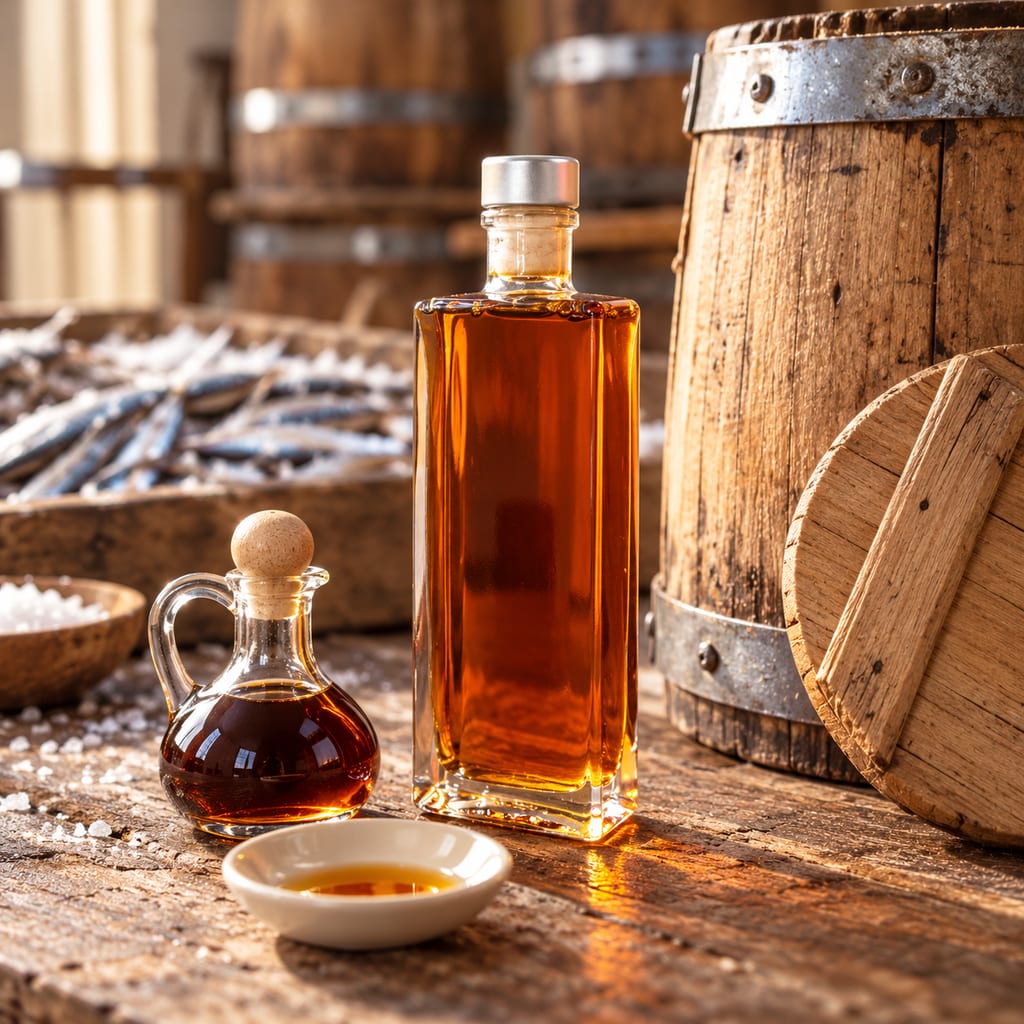
Colatura di alici is the amber liquid drained from salted anchovies matured in wooden containers in Cetara, on the Amalfi coast of Campania, and sold under a protected designation of origin.
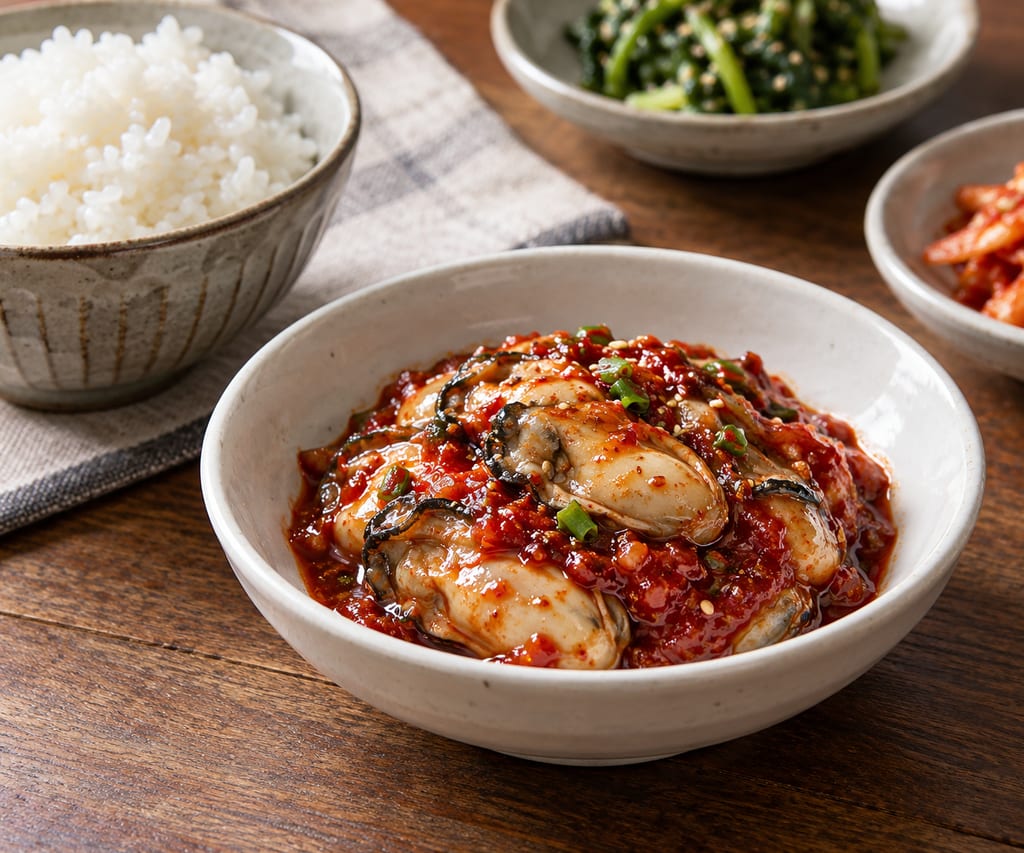
A Korean salted-oyster jeotgal seasoned with chili, associated especially with Seosan and Ganwoldo. This page records its food culture, not a household preparation method.
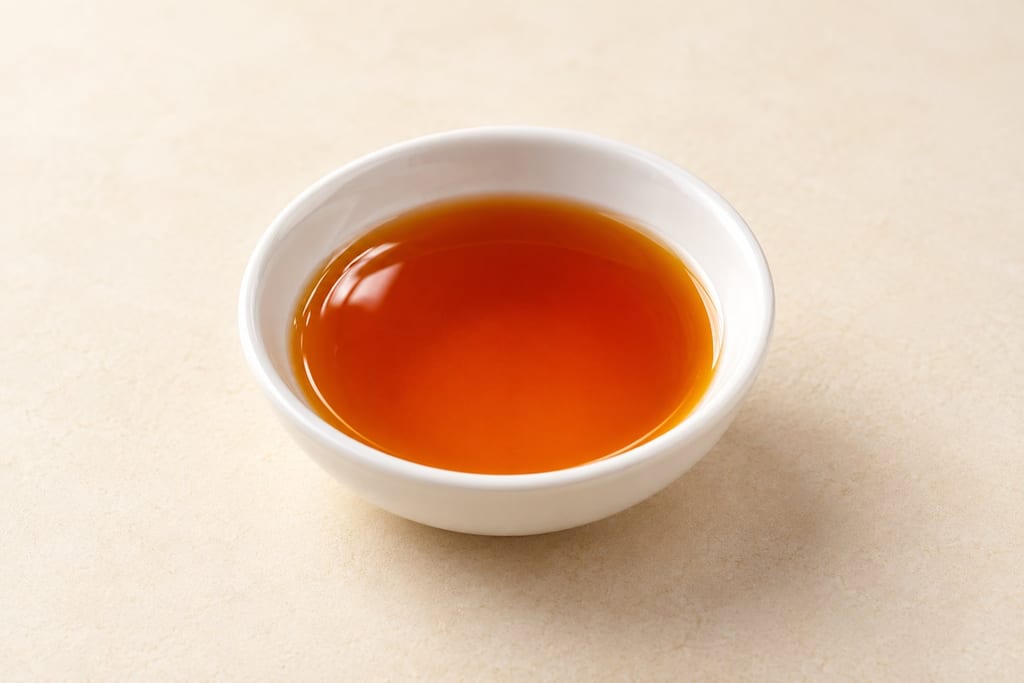
Fish sauce is a clear, salty seasoning made by maturing fish with salt and drawing off the liquid. The broad family includes distinct regional sauces rather than one interchangeable method.
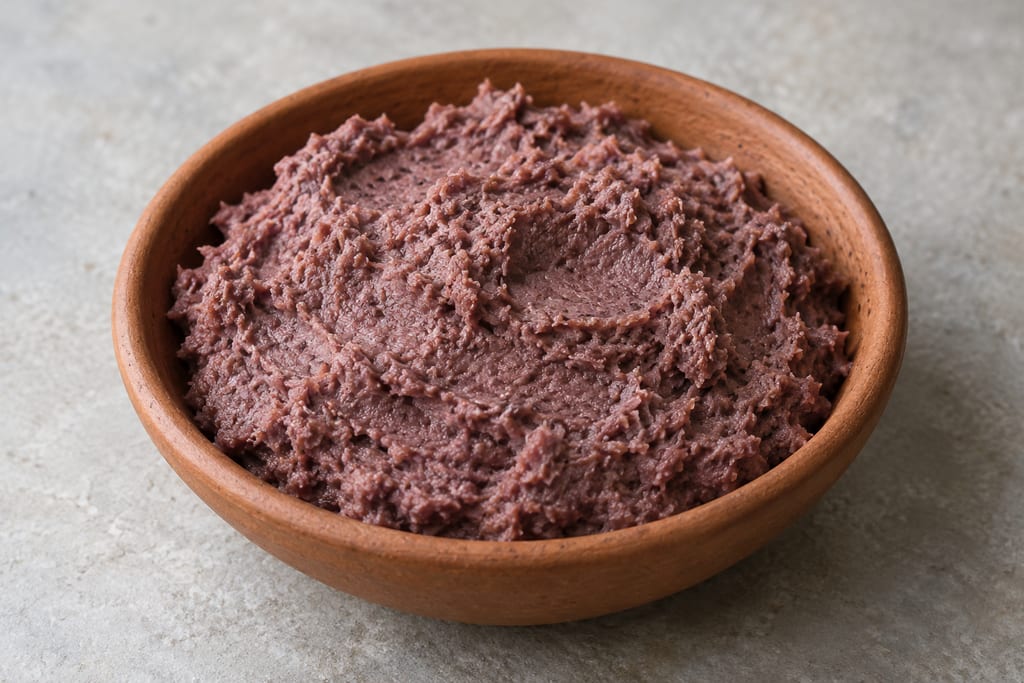
Guinamos is a shrimp paste made on Guimaras in the Philippines: small shrimp salted by hand, sun-dried and trodden by foot until it turns smooth.
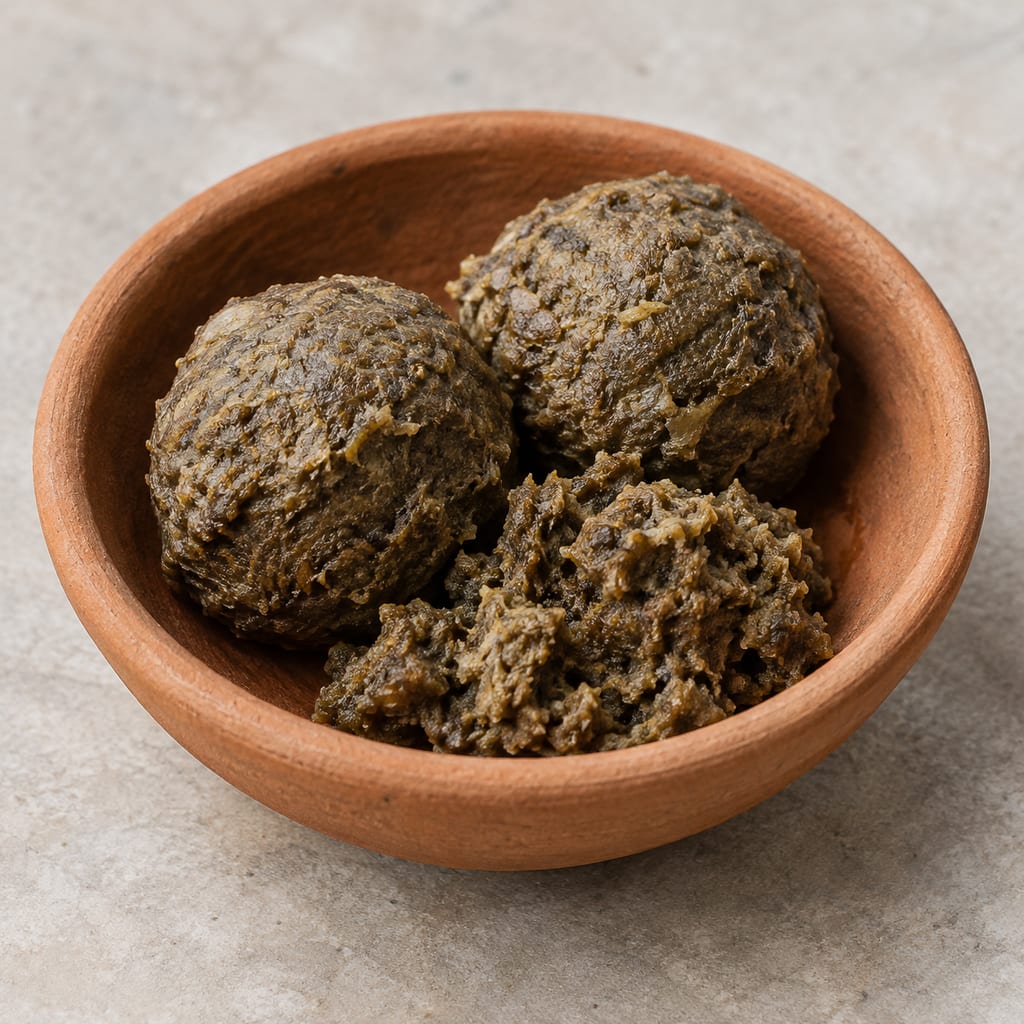
Manipuri fermented fish-and-aroid paste, formed into balls or kept in an earthen pot, used to season Manipuri dishes. Its method is documented in outline only.
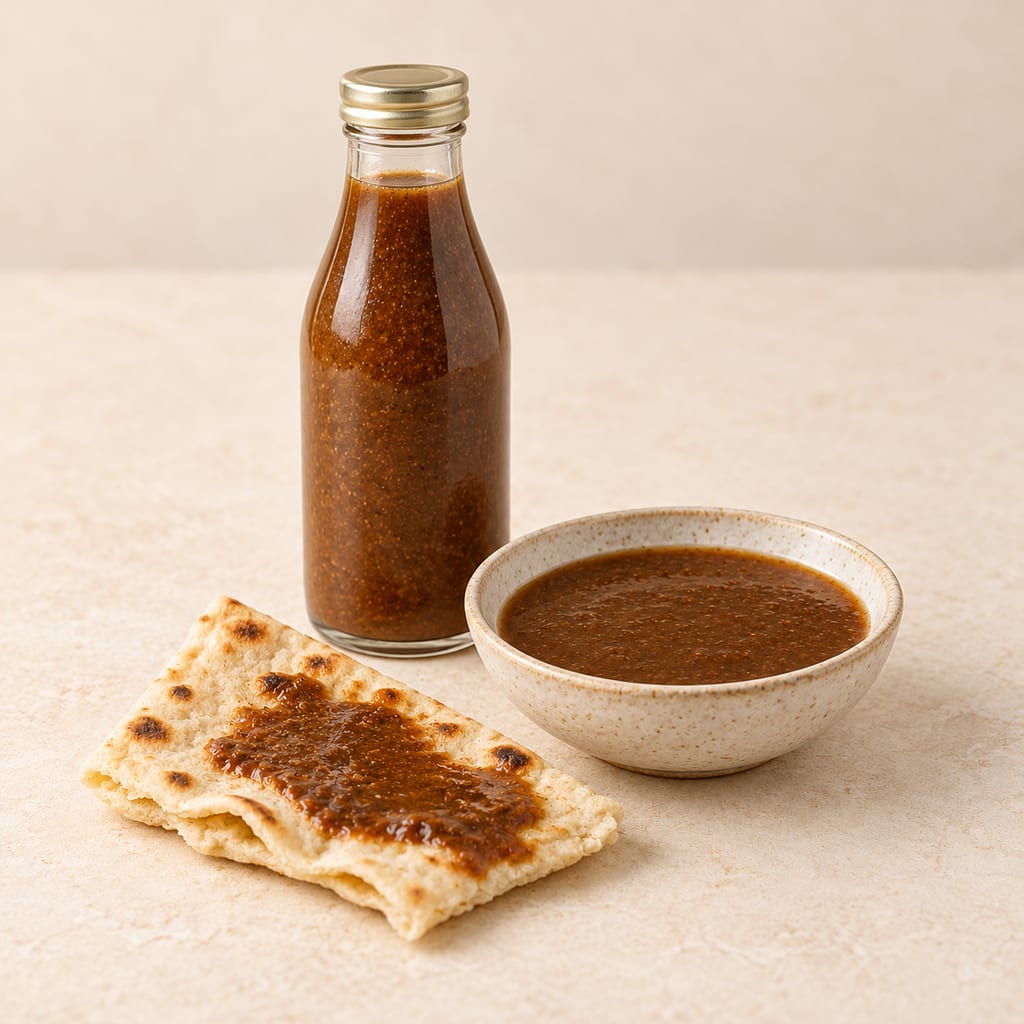
Mahyawa, also written mahyaveh, is a traditional fish sauce from southern Iran, made by salting small sardines or anchovies in water, maturing them in jars and seasoning the filtered liquid with mustard and spices.
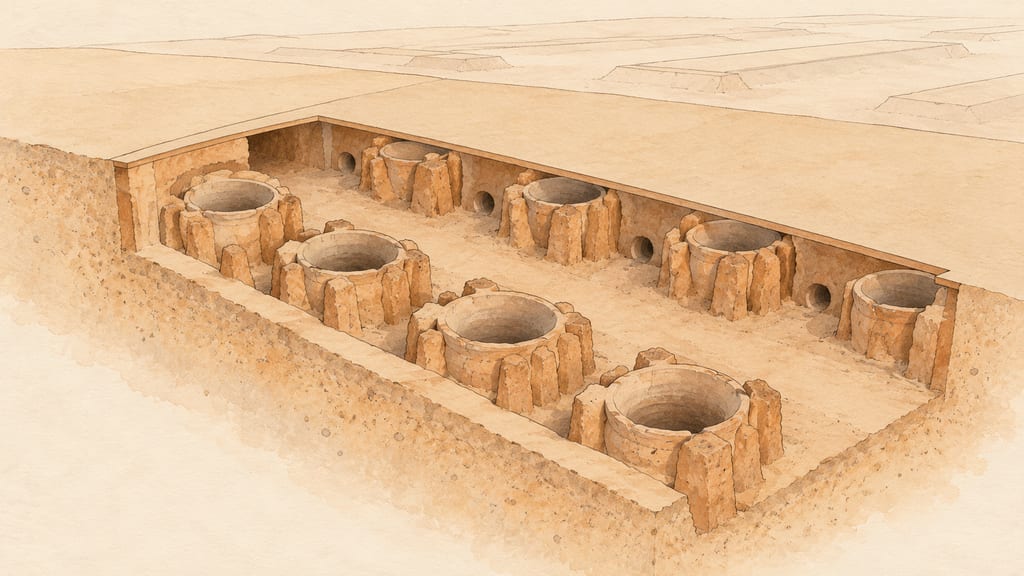
At North Abydos in Egypt, a fixed early Dynastic brewery comprised parallel semi-subterranean installations with rows of ceramic mash vats; excavation reports revise their number, scale and estimated batch capacity.
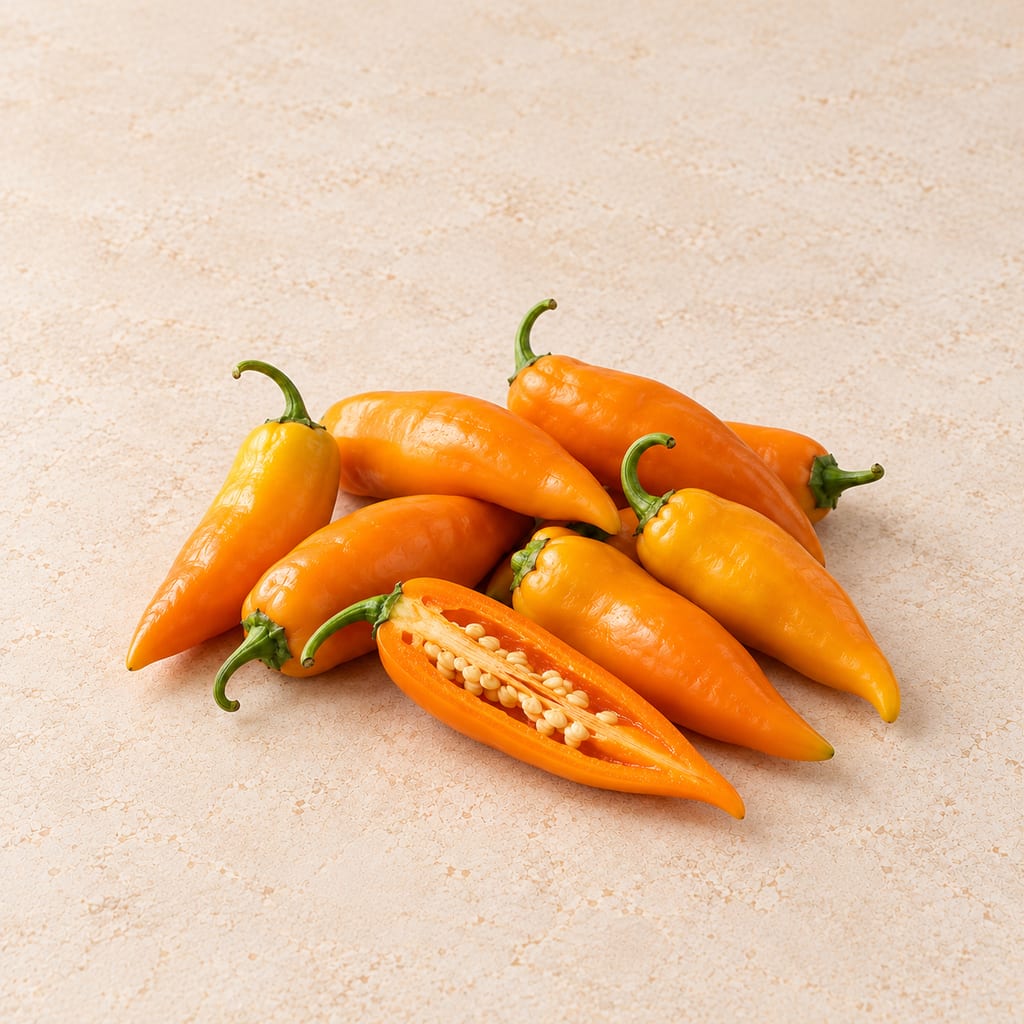
Ají amarillo is the orange-yellow Peruvian chilli cultivar group of Capsicum baccatum, used to colour and season huancaína sauce and ají de gallina. Published heat estimates do not establish one range for the named cultivar.

Toasted almonds are whole sweet almond kernels dry-roasted until golden to brown. Heat replaces their marzipan note with a roasted, nutty one; they thicken and flavour romesco.

Kodiak salmon, halibut and cod cut as seg'aq and hung on an initaq rack to become tamuuq, with kac'amaasaq and kupcuunaq named as different results.
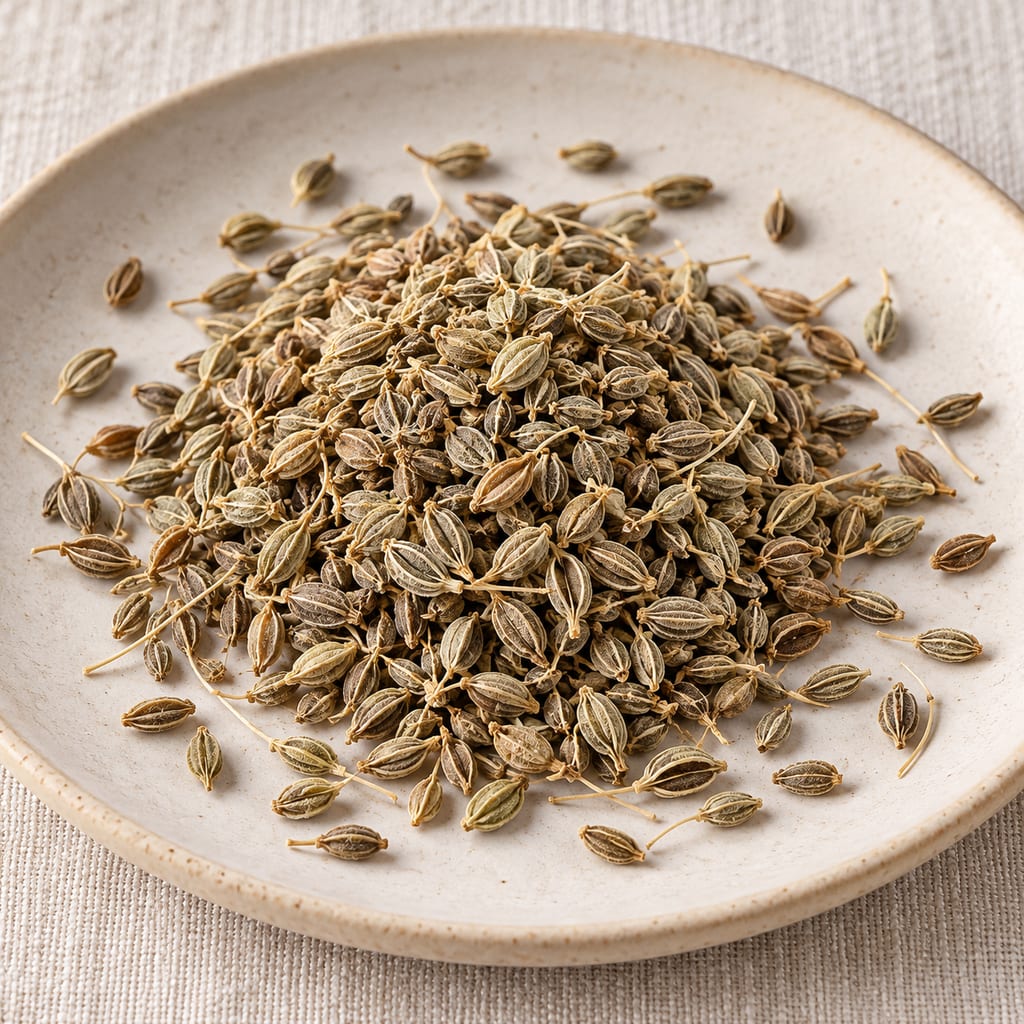
Aniseed is the dried ripe fruit of Pimpinella anisum, an aromatic Apiaceae spice commonly called a seed. It adds a sweet, warm aroma to breads such as Moroccan krachel and South African mosbolletjies, and is distinct from star anise.
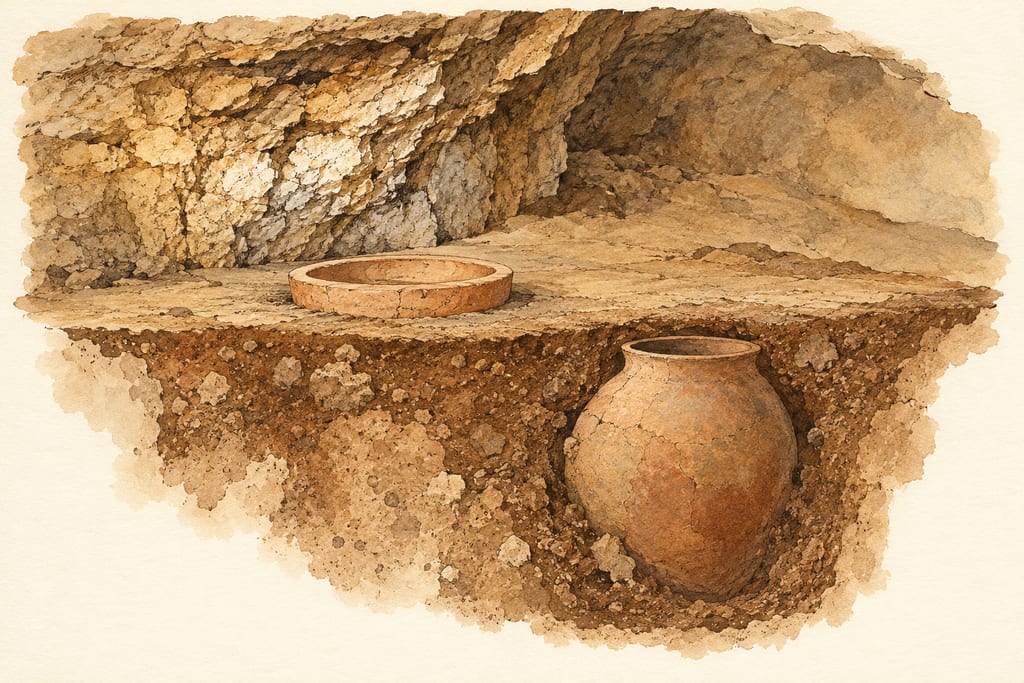
A fixed Late Chalcolithic installation in Areni-1 cave combined a shallow clay pressing basin with a large jar set into the cave floor and storage vessels nearby.

Ripe avocado flesh is the soft, buttery, fat-rich pulp of Persea americana, eaten raw. It is low in acid, so it is a fresh ingredient that needs care in chilled dishes.
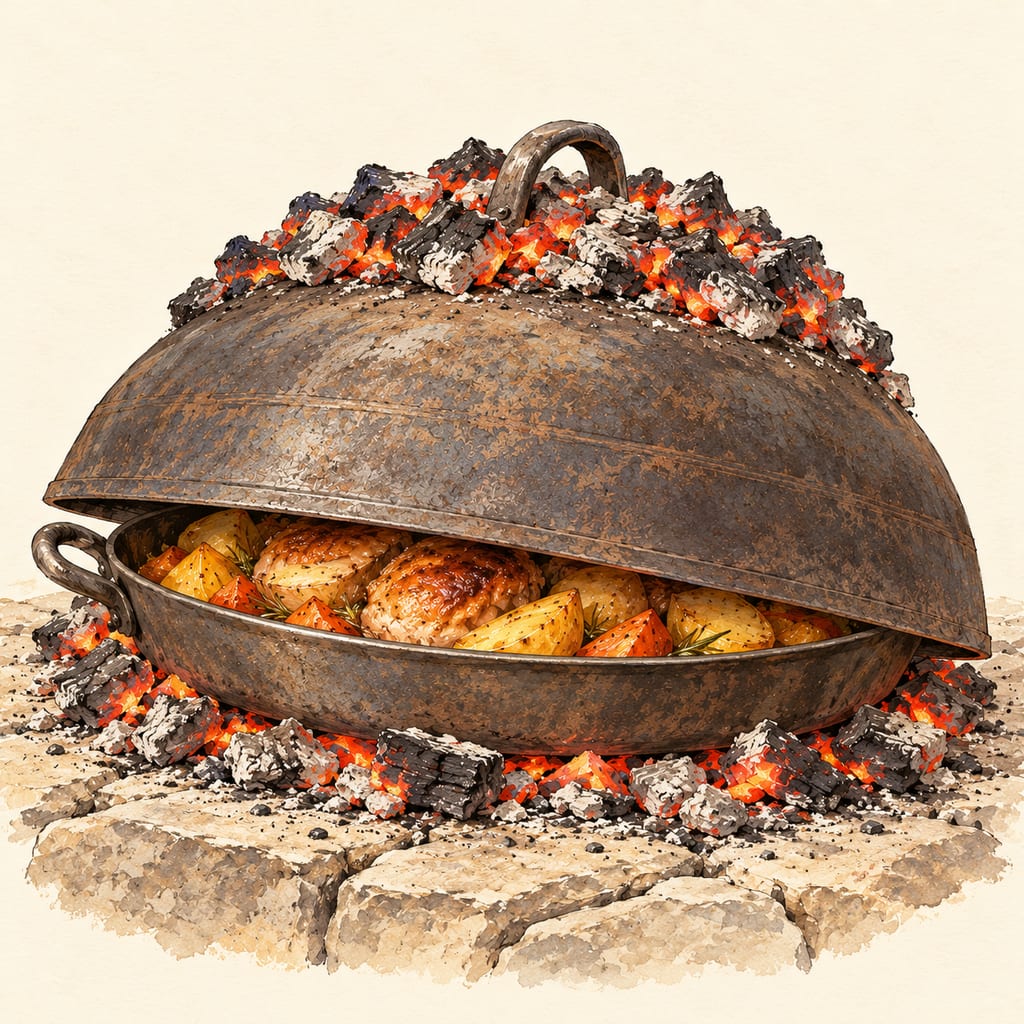
A portable dome and pan used over a hearth, with embers on the lid and heat from below. Regional peka and saç forms share this principle while differing in materials, pan shape and how the food is cooked.
No community contributions have been published for this entry yet.
Sign in to contribute. Published comments and photos are free to read.
University of Chicago, PenelopeHistory · Method
Garum (Encyclopaedia Romana, wine section)Oenogarum in Apicius as wine, liquamen, pepper, spices, herbs and olive oil
The Gargilius Martialis cooked version and its possibly later date
Galen's use of garos with wine, oil and vinegar
Hydrogarum, oxygarum and mellogarum named
Cited in: What oenogarum is; In the Apicius cookbook; A cooked version; Other mixtures made from garum; What the sources do not give
Cyprus Food MuseumHistory
Garos (Trofima)Byzantine forms hydrogaros, enogaros, oxygaros and garéleon, 11th to 12th century
Cited in: What oenogarum is; Other mixtures made from garum; What the sources do not give
Sally Grainger, OpenEdition BooksHistory
Garum, Liquamen and Muria: A new approach to the problem of definitionApicius uses garum mainly in compounds such as oenogarum
Oxyporium, recipe 1.32, uses garum with vinegar
Cited in: In the Apicius cookbook; Other mixtures made from garum
U.S. Food and Drug AdministrationSafety
Fish and Fishery Products Hazards and ControlsScombrotoxin (histamine) formation in fish needs species- and process-specific controls