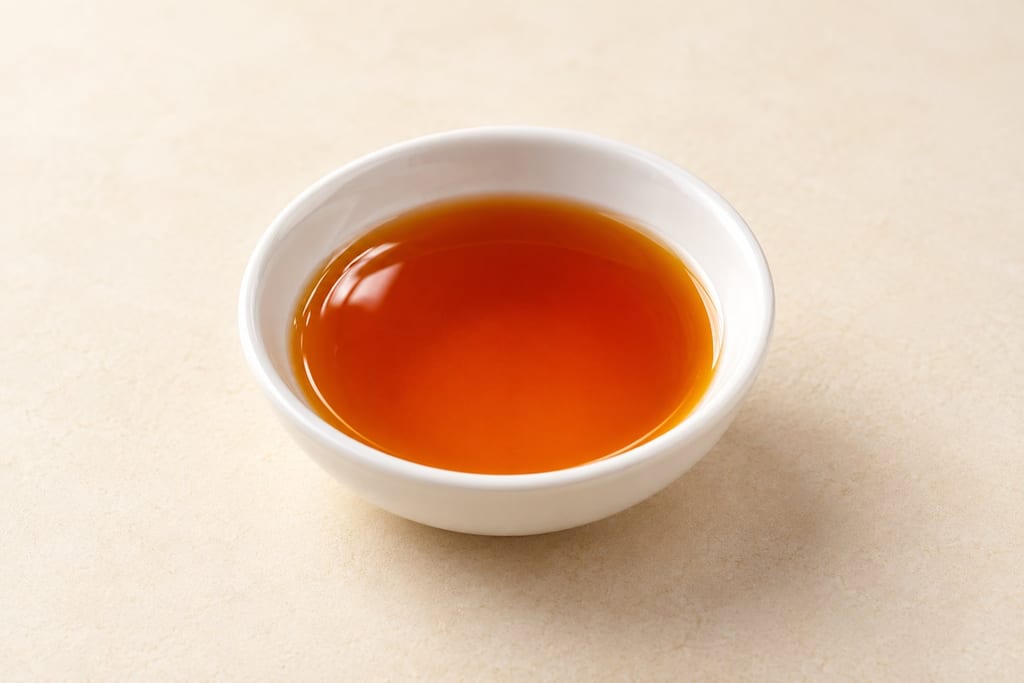
Fish sauce
Fish sauce is a clear, salty seasoning made by maturing fish with salt and drawing off the liquid. The broad family includes distinct regional sauces rather than one interchangeable method.
 FermenteaWhere food goes to change
Bagoóng isdâ
Bagoong isda is a Philippine fish paste: whole small fish salted and left to ferment for a month or more in earthen jars. It is the fish counterpart of bagoong alamang.
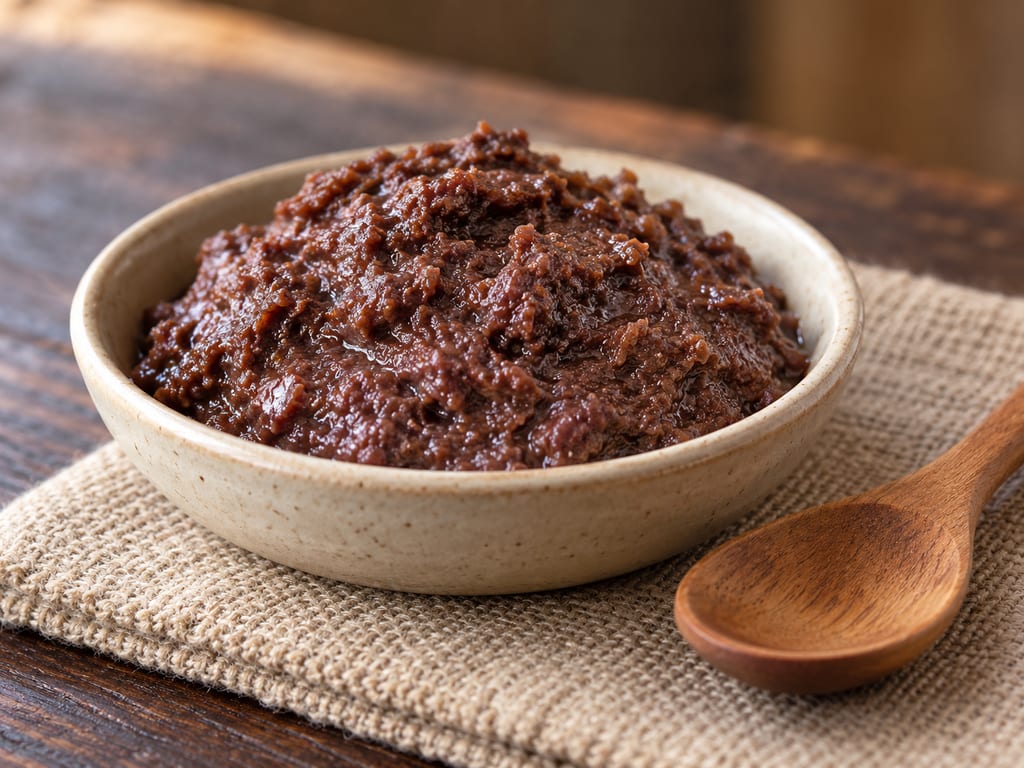
Bagoong isda is the fish paste of the Philippine bagoong family. Whole small fish are salted and left in earthen jars until they break down into a soft, savoury mass. Its liquid relative is patis, the clear fish sauce. Patis is drawn off after a long fermentation, and the solids left behind are the bagoong. In the Philippines the two share one fermentation line, so a reader should not treat them as unrelated products.
The paste is strong and salty and is used in small quantities. It is seldom eaten on its own. Cooks stir it into sauces, relishes and sautéed dishes, and the way it is cooked changes its flavour a great deal. The raw paste and a cooked or sweetened preparation are different foods, and this record covers the raw fermented product.
Bagoóng isdâ is the general name for fish paste in Luzon and the northern Visayas. Named versions track the fish. Bagoóng monamon or dilis uses anchovy, and bagoong terong uses bonnetmouth. In the southern Visayas and Mindanao, anchovy fish bagoong is called guinamos or ginamos, and larger fermented fish are called tinabal. Balayan in Batangas gives its name to a local variant.
The same word therefore covers several pastes, and some names are used for the shrimp or krill product as well. Bagoong alamang is the krill and small-shrimp form, treated on its own page. A name on a label does not fix the species, so a cook should check the fish in the product.
The method is simple. Fish and salt are mixed by hand, usually by volume, though manufacturers vary the proportions. The mixture goes into large earthen jars, tapayan or burnay, which are covered against insects. It ferments for 30 to 90 days and is stirred now and then so the salt spreads. The paste swells during fermentation. Both too much and too little salt upset the process, and salt with metallic impurities darkens the product and adds an unpleasant taste.
The sources give no temperature and no validated salt ratio for home batches, so this record gives none. The 30 to 90 day range is the one documented fermentation time, and it describes the traditional jar method, not a controlled process.
A Wikimedia Commons photograph shows bagoong fermenting in burnay jars in Ilocos Norte. The file page describes the paste but does not say whether it is fish or shrimp, so the image is used here for the jar method rather than as proof of a fish product. The jar, not the paste, is the clearest visual evidence of the method.
Fish is a major allergen. Salted fish can also build histamine and spoil if salt and time-temperature control fail, and U.S. guidance treats histamine as a handling hazard. Smell, taste and appearance are not evidence that a jar is safe. The record has no tested home salt level, no temperature range and no storage limit. Those are the research gaps to fill, ideally from a manufacturer's specification or a measured batch.
Fish bagoong is a traditional Philippine preserve made in earthen jars. The sources consulted do not give a dated first attestation for it, and the regional names are recorded here as names in use, not as evidence of origin.
Scaling: source batch only
Fish bagoong is made from fish, so it contains a major food allergen.
Hazard sourceSalted fish held without enough salt or with poor time-temperature control can build histamine and spoil. The U.S. guidance treats histamine formation as a handling hazard.
Hazard sourceSalt and time are the main variables; the sources consulted give no validated salt ratio, temperature or shelf life for home batches.
Smell and taste do not establish that a batch is safe.
Country-level association for fish bagoong. Local names differ by island group.
The photograph shows bagoong fermenting in burnay jars there. The file page does not say whether the paste is fish or shrimp.
Named as a local variant, bagoong Balayan. The encyclopaedia article gives no method for it.
Fish sauce is a clear, salty seasoning made by maturing fish with salt and drawing off the liquid. The broad family includes distinct regional sauces rather than one interchangeable method.
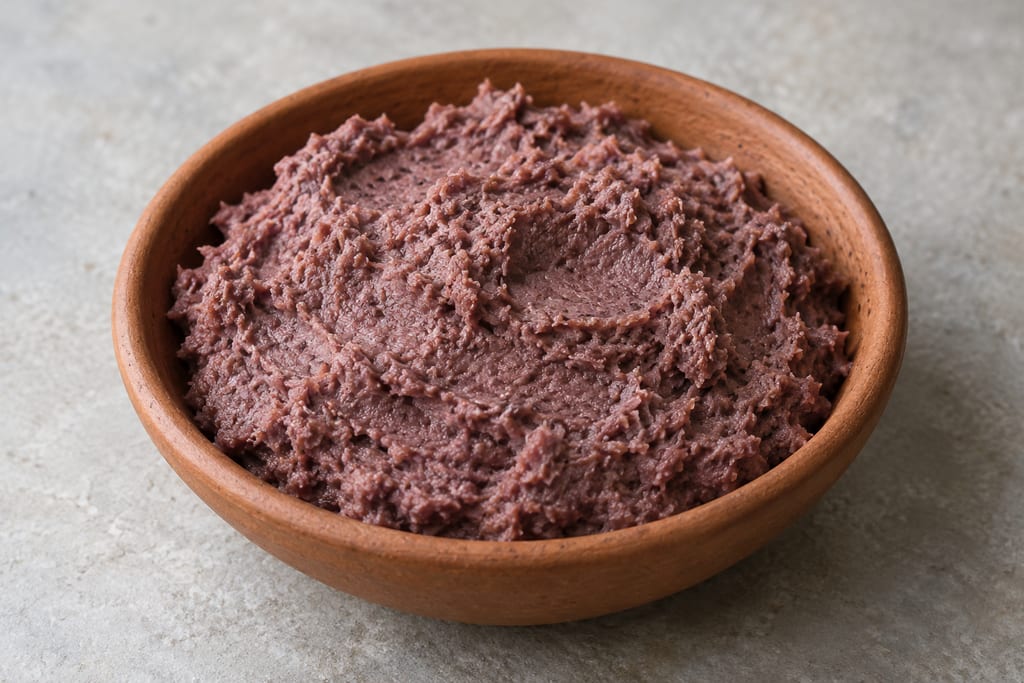
Guinamos is a shrimp paste made on Guimaras in the Philippines: small shrimp salted by hand, sun-dried and trodden by foot until it turns smooth.
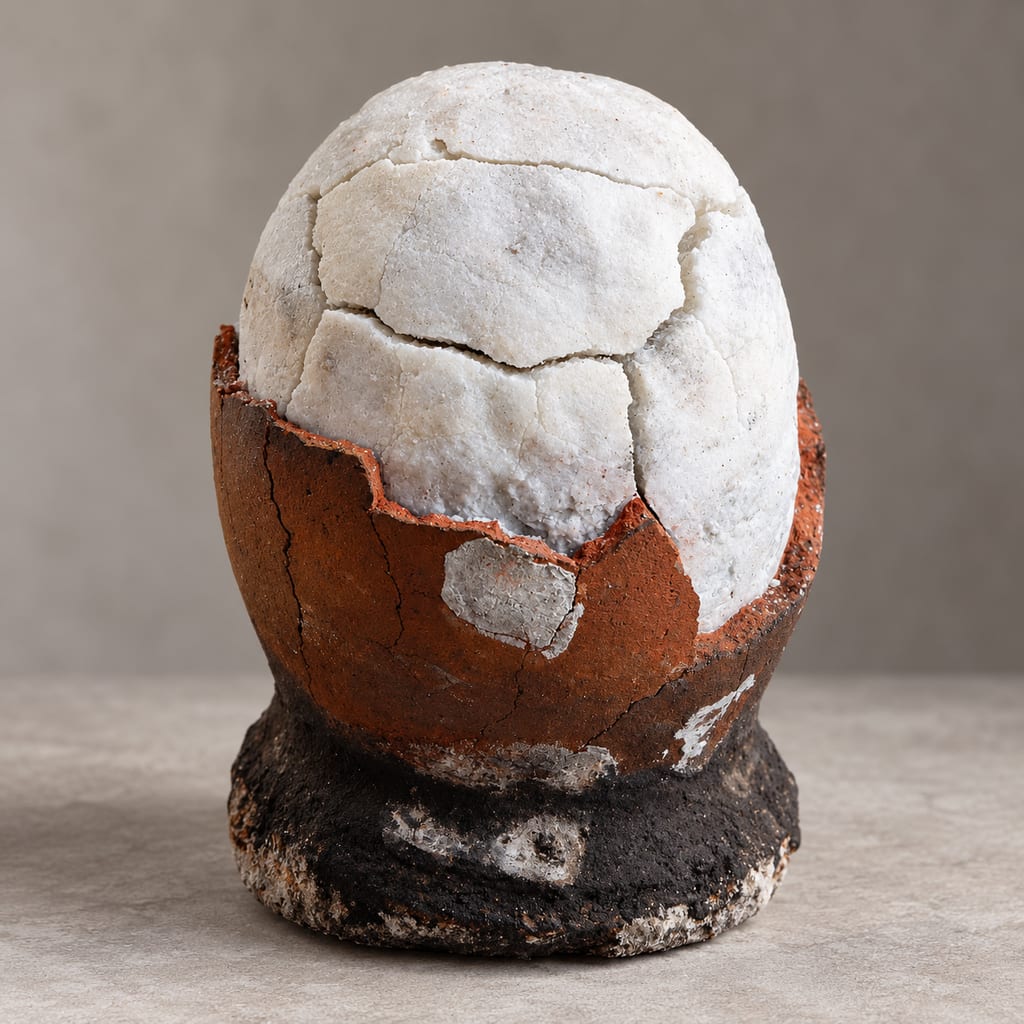
Asin tibuok is a Boholano salt-making craft that turns seawater-soaked coconut husks into a salt-rich ash, brine and formed sea salt in specialized clay pots. This record follows one published account of the community process; it is not a validated household formula.
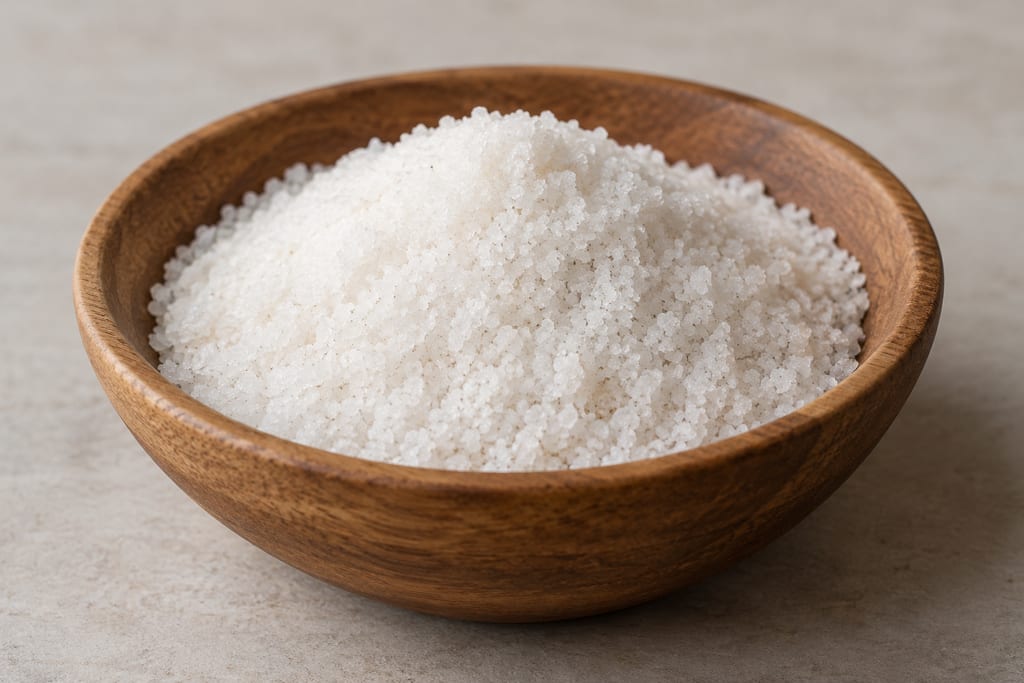
Asin sa buy-o is a fine sea salt made in Panayunan, Botolan, and packed in a woven nipa pouch called a buy-o. Salt-bearing coastal earth is leached with seawater, and the brine is boiled to crystals.
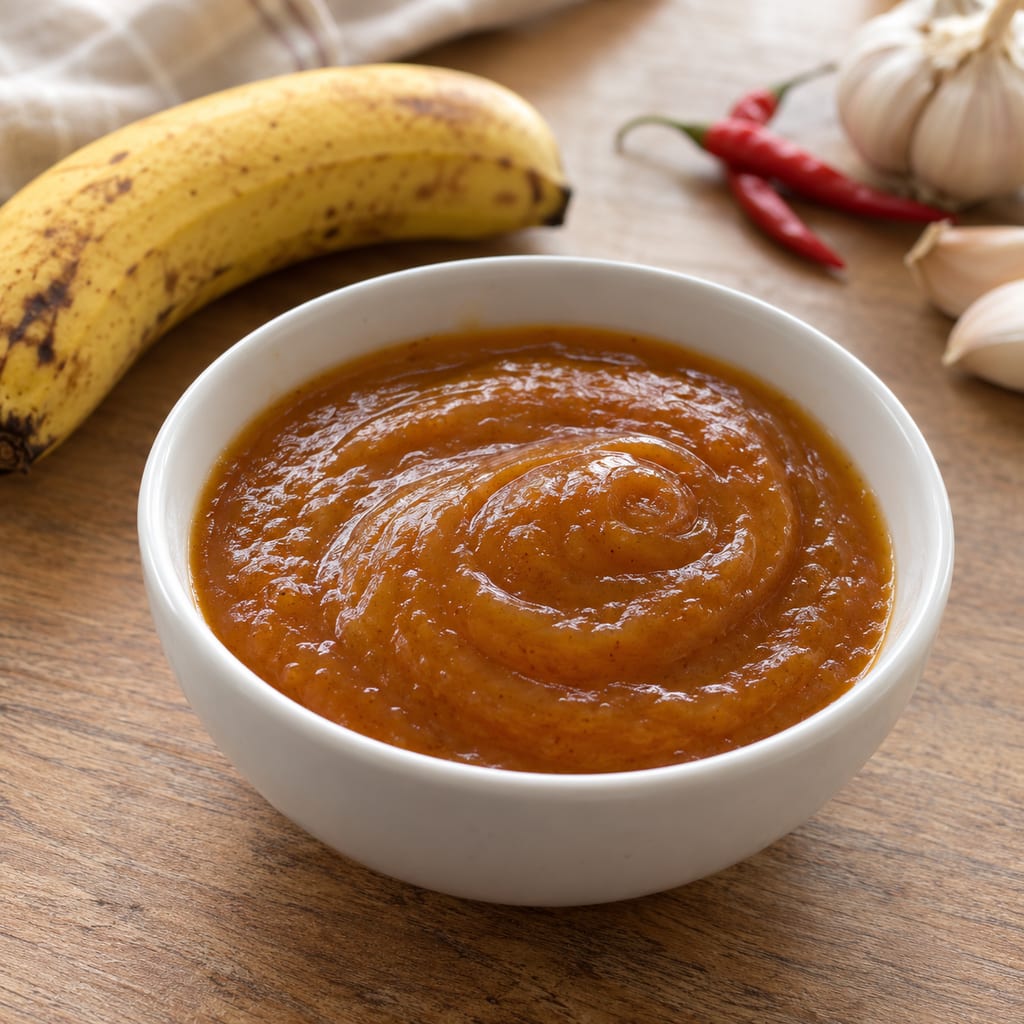
A sweet-hot table sauce of ripe banana simmered with vinegar, sugar, onion, garlic and fresh chilli, in the manner of Philippine banana ketchup. An untested development batch of about 500 g.

PagkainPinoy’s 24–30 piece version twice-bakes day-old soft bread with a thin butter-and-sugar coating.
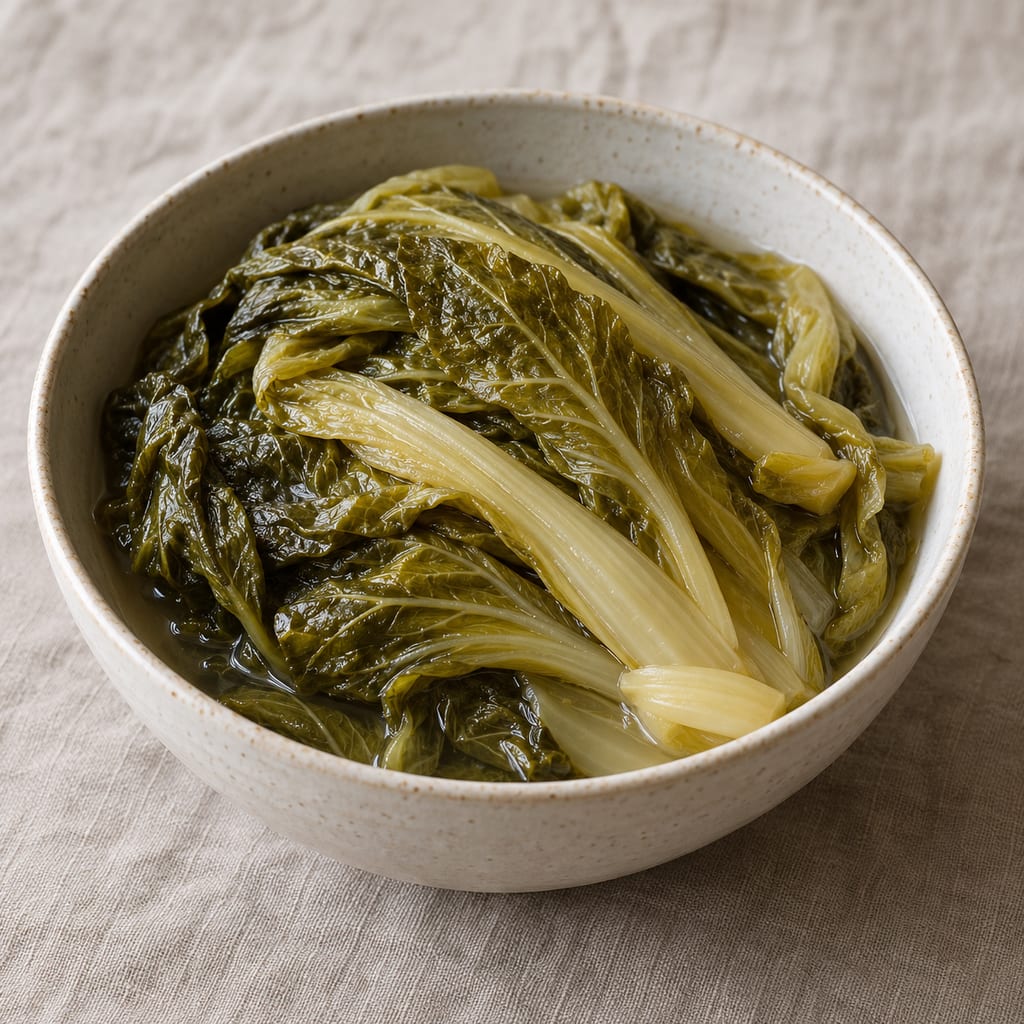
Wilted flat mustard leaves ferment with rice water and salt as a Filipino appetizer and cooking ingredient.

Soft Filipino ensaymada coils use enriched yeast dough, then receive butter, sugar and grated cheese. This modern Filipino version differs from Mallorcan ensaïmada and other Philippine regional formulas.
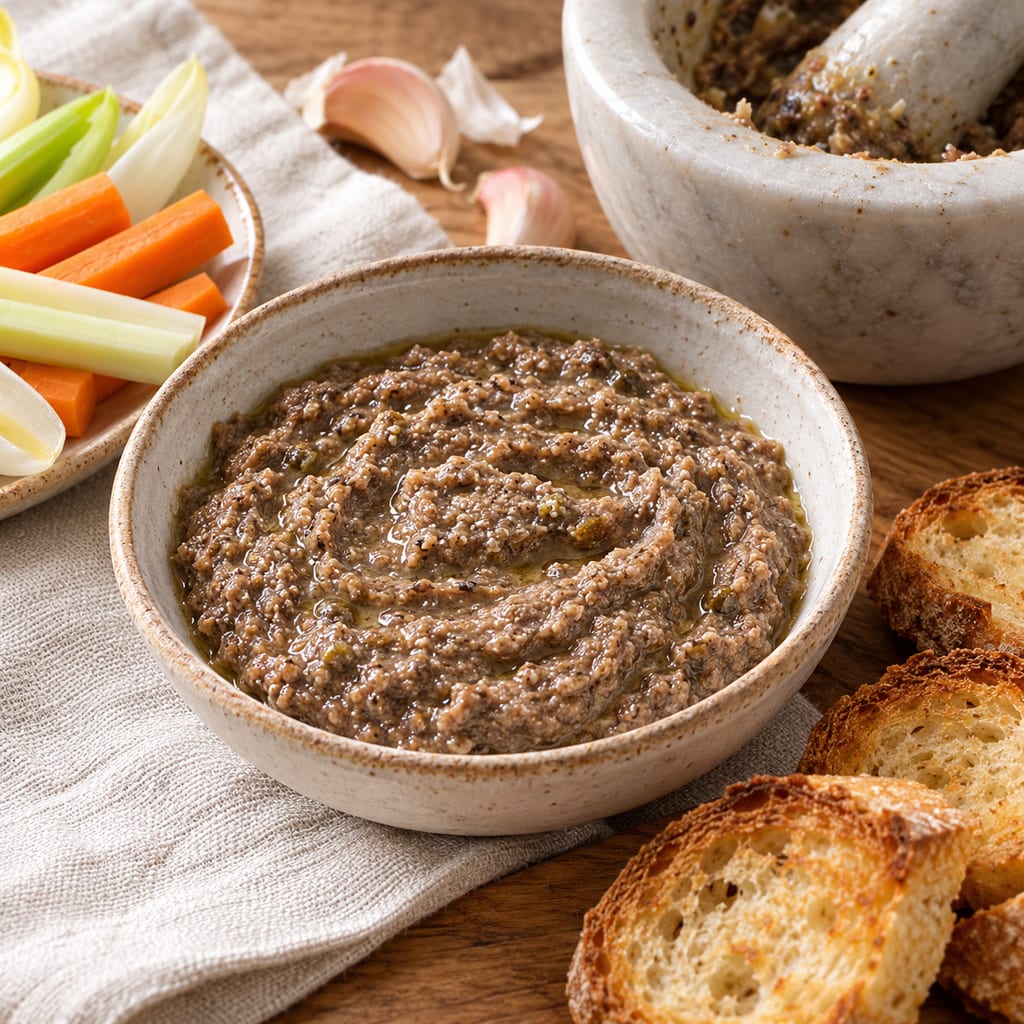
A Provencal dip of anchovies, garlic, capers and olive oil, pounded or blended to a creamy paste and served with raw vegetables, bread and eggs.
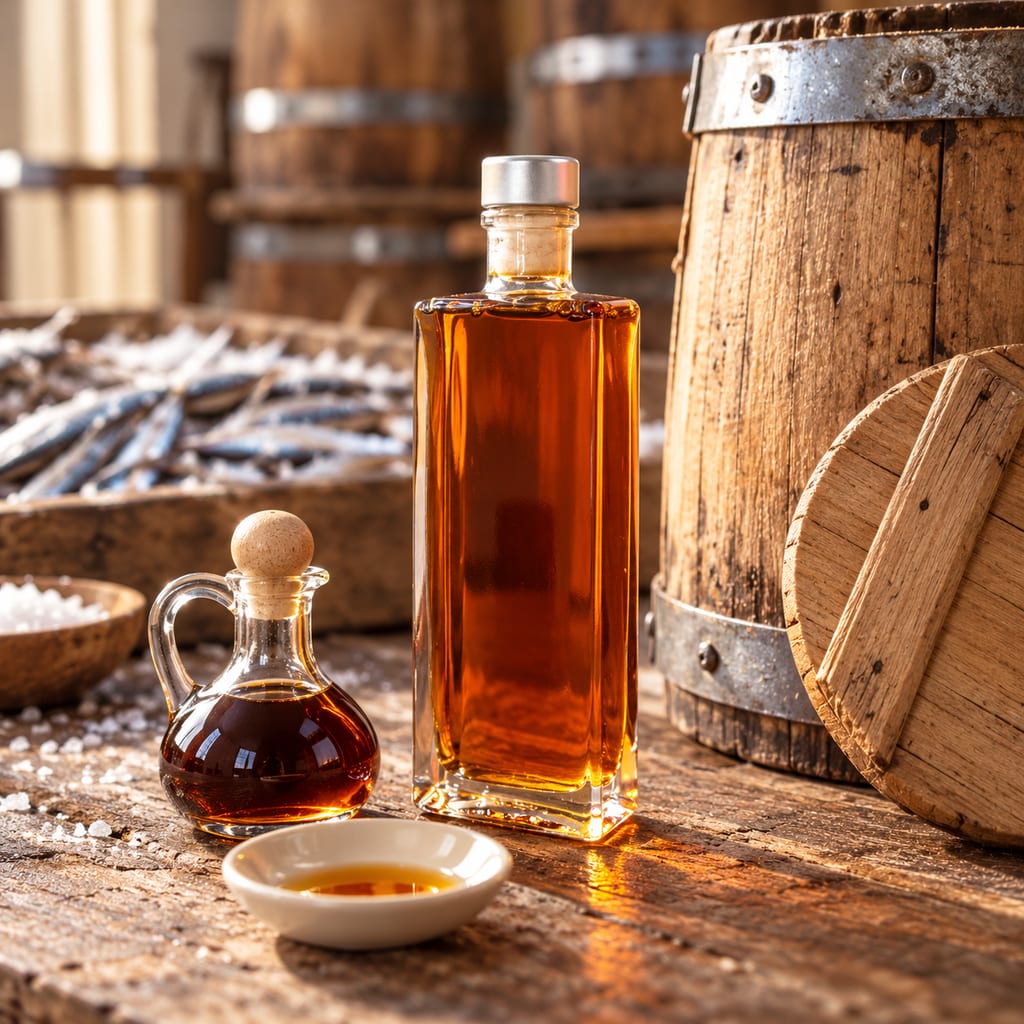
Colatura di alici is the amber liquid drained from salted anchovies matured in wooden containers in Cetara, on the Amalfi coast of Campania, and sold under a protected designation of origin.
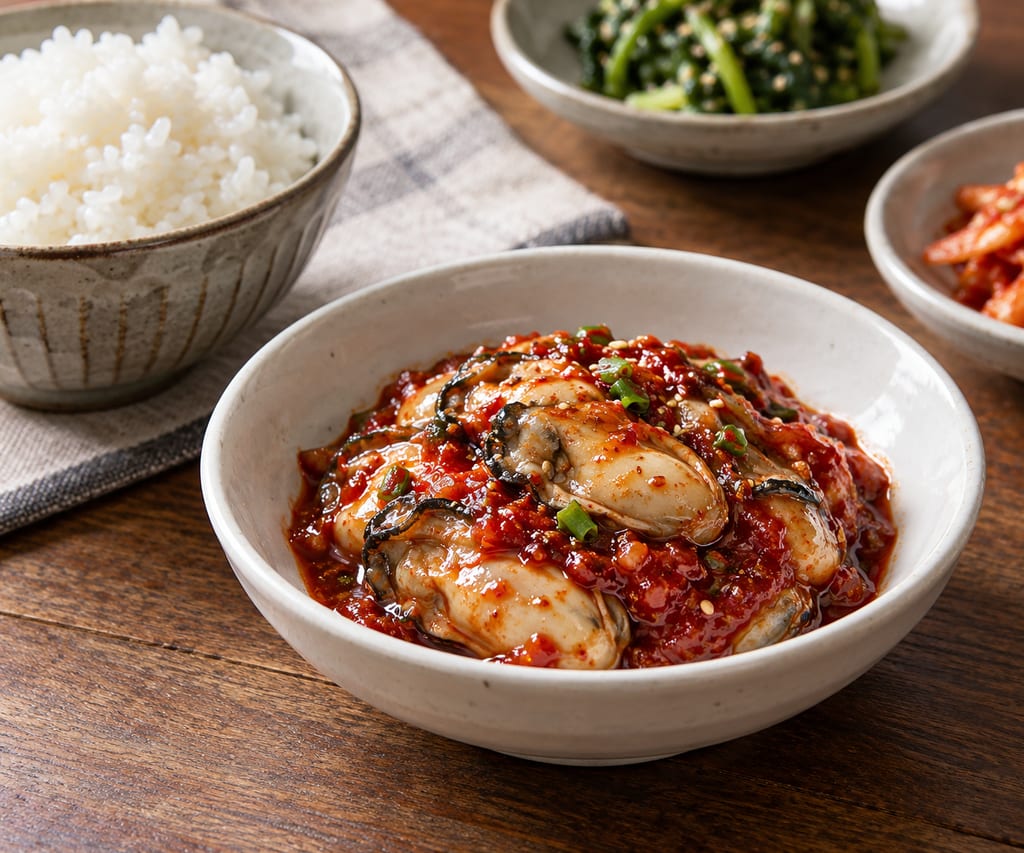
A Korean salted-oyster jeotgal seasoned with chili, associated especially with Seosan and Ganwoldo. This page records its food culture, not a household preparation method.
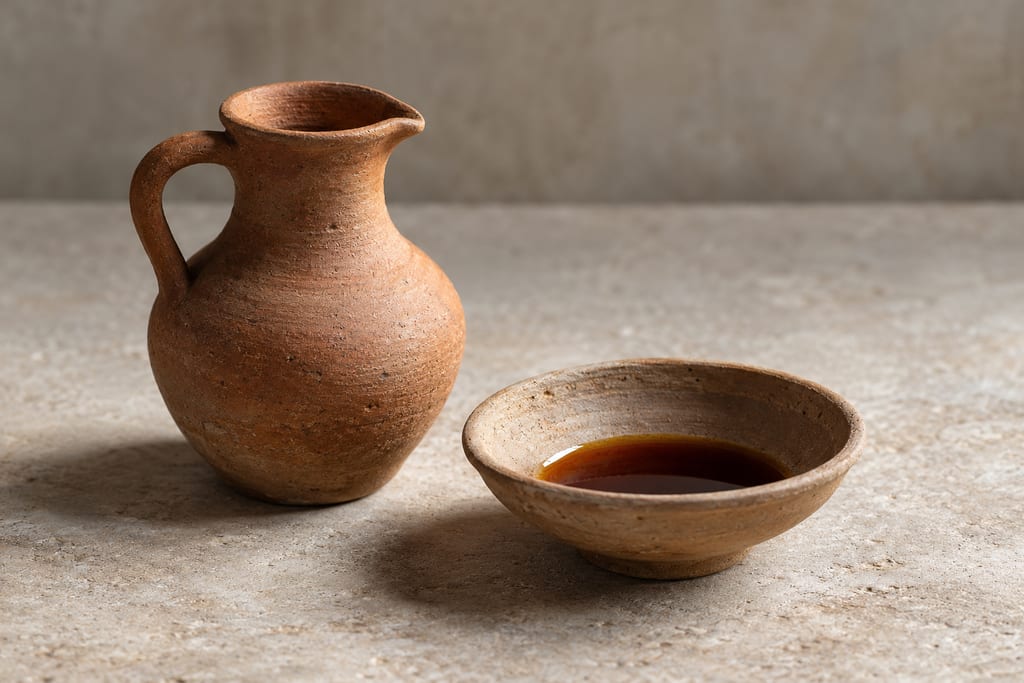
Garum, Greek garos and Latin liquamen, was the fish sauce of the ancient Mediterranean: fish and viscera salted and left in the sun, then drained off as a savoury liquid.
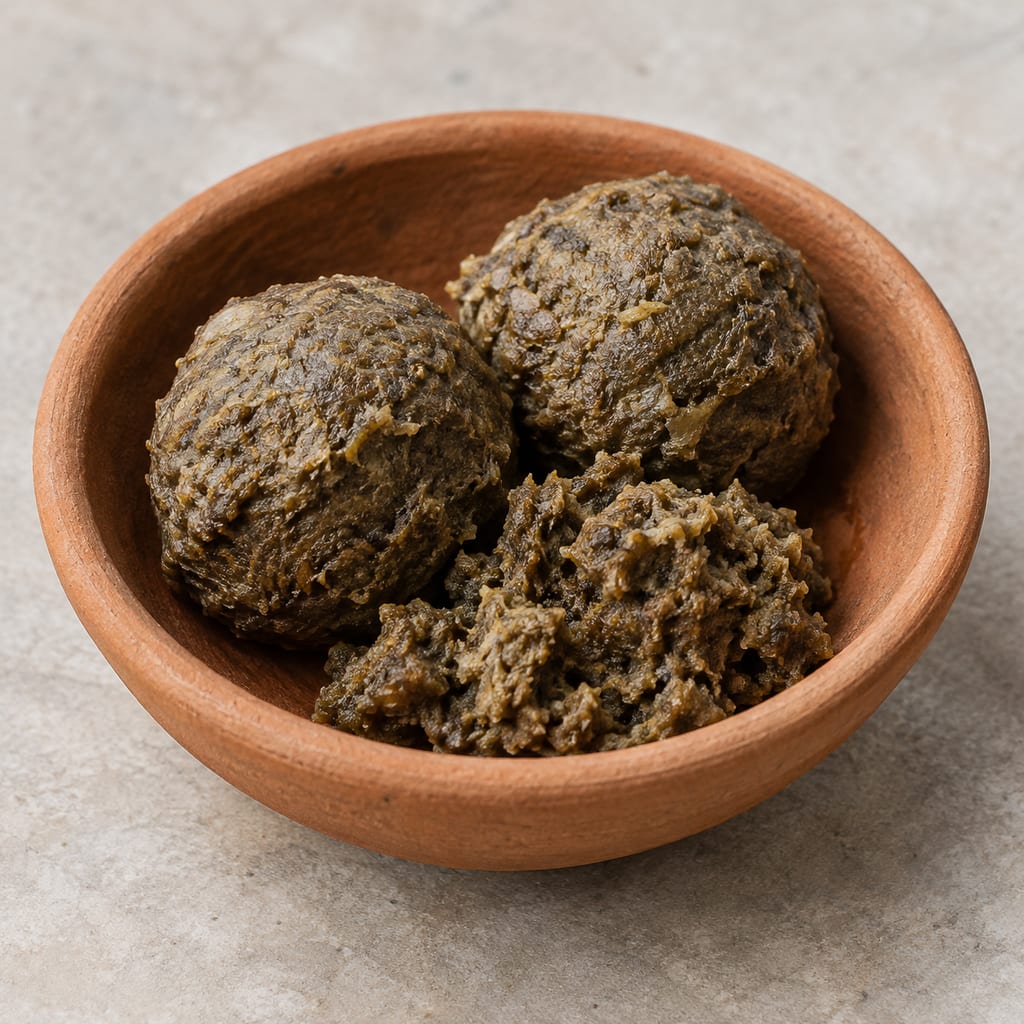
Manipuri fermented fish-and-aroid paste, formed into balls or kept in an earthen pot, used to season Manipuri dishes. Its method is documented in outline only.
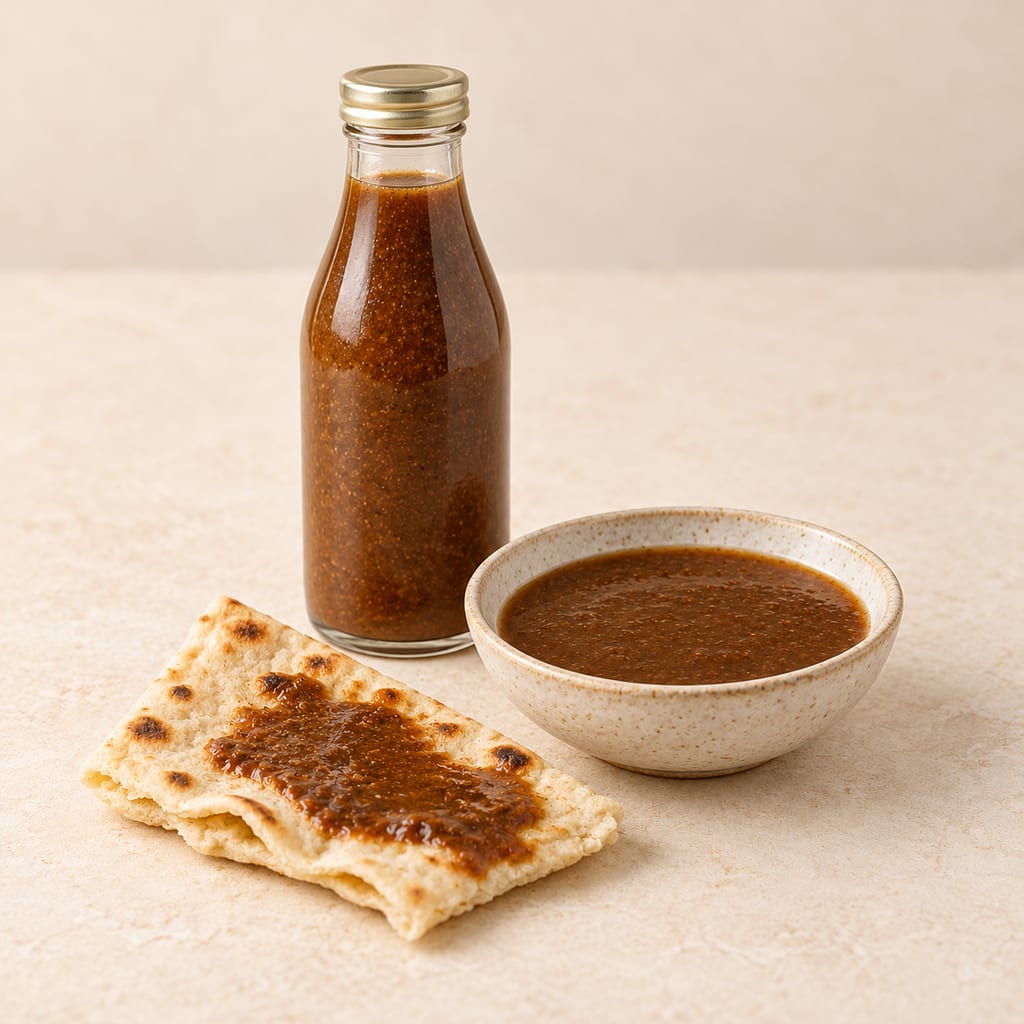
Mahyawa, also written mahyaveh, is a traditional fish sauce from southern Iran, made by salting small sardines or anchovies in water, maturing them in jars and seasoning the filtered liquid with mustard and spices.
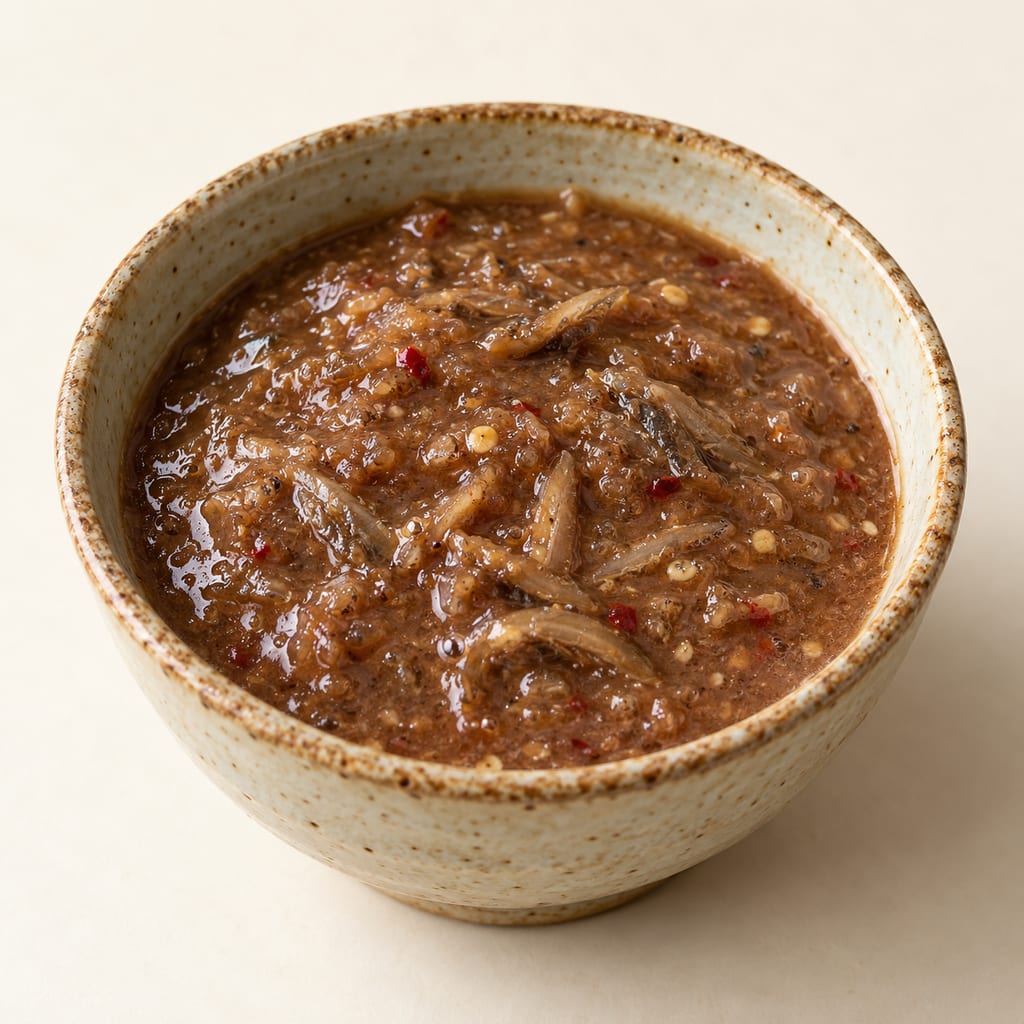
A documentary account of mắm nêm, a pungent Vietnamese fermented fish condiment and dip base. The cited cookbook describes a method, but omits essential process details; this page does not provide a home fermentation recipe.
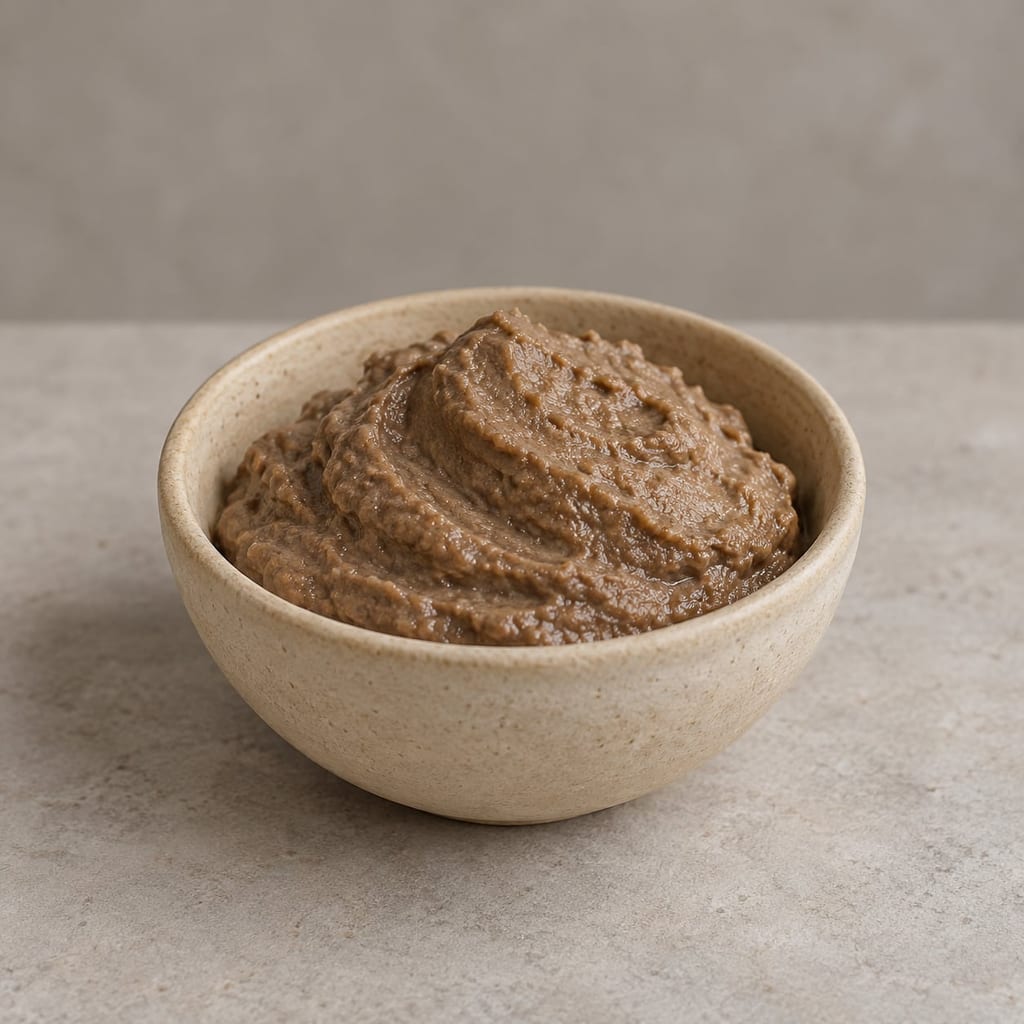
Mindeshi (also Mendeshi) is a Sudanese fermented paste made from small fish, pounded and sometimes dried. Sources disagree about how it relates to Terkin and do not establish one validated process or safety control.
No community contributions have been published for this entry yet.
Sign in to contribute. Published comments and photos are free to read.
CD3WD ProjectMethod · Safety
Fermented Fish Products in the Philippines (chapter 19, Applications of Biotechnology to Fermented Foods)Fish and salt are mixed, usually by volume, and the mixture ferments in large earthen jars for 30 to 90 days.
Fish sauce (patis) and the solid residue, bagoong, come from the same fermentation line, and both salt level and fermentation time matter.
Cited in: What bagoong isda is; Salt, jars and time
WikipediaMethod · Geography · History
BagoongRegional names: bagoóng isdâ for fish paste; bagoóng monamon or dilis for anchovy; bagoong terong for bonnetmouth; guinamos or ginamos for anchovy fish bagoong in the southern Visayas and Mindanao; tinabal for larger fermented fish.
Burnay jars are used in Ilocos Norte; a local variant is named bagoong Balayan in Batangas.
Salt with few mineral impurities is preferred because metal content darkens the paste.
Cited in: What bagoong isda is; Names across islands; Salt, jars and time
Wikimedia CommonsImage
Bornayjars.jpgFile description: bagoong fermenting in burnay jars in the province of Ilocos Norte, Philippines (CC BY-SA 3.0).
Cited in: Where the photographs show it
U.S. Food and Drug AdministrationSafety
Food AllergiesFDA lists fish among the major food allergens.
Cited in: Safety and limits
U.S. Food and Drug AdministrationSafety
Fish and Fishery Products Hazards and Controls Guidance, Chapter 7: Scombrotoxin (Histamine)Histamine formation in fish is a time-temperature and handling hazard addressed by controls.
Cited in: Safety and limits