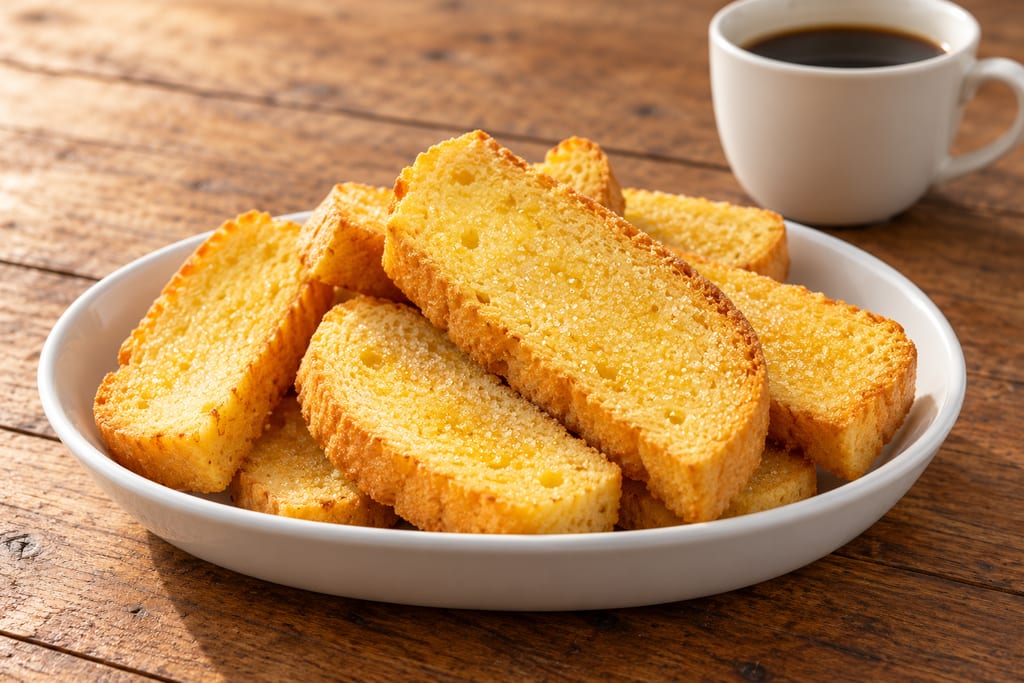
Biscocho de Iloilo: butter-and-sugar PagkainPinoy version
PagkainPinoy’s 24–30 piece version twice-bakes day-old soft bread with a thin butter-and-sugar coating.
 FermenteaWhere food goes to change
Modern adaptation
Ensaymada · Ensaymada (Filipino) · Ensaymada with butter, sugar and cheese
Soft Filipino ensaymada coils use enriched yeast dough, then receive butter, sugar and grated cheese. This modern Filipino version differs from Mallorcan ensaïmada and other Philippine regional formulas.
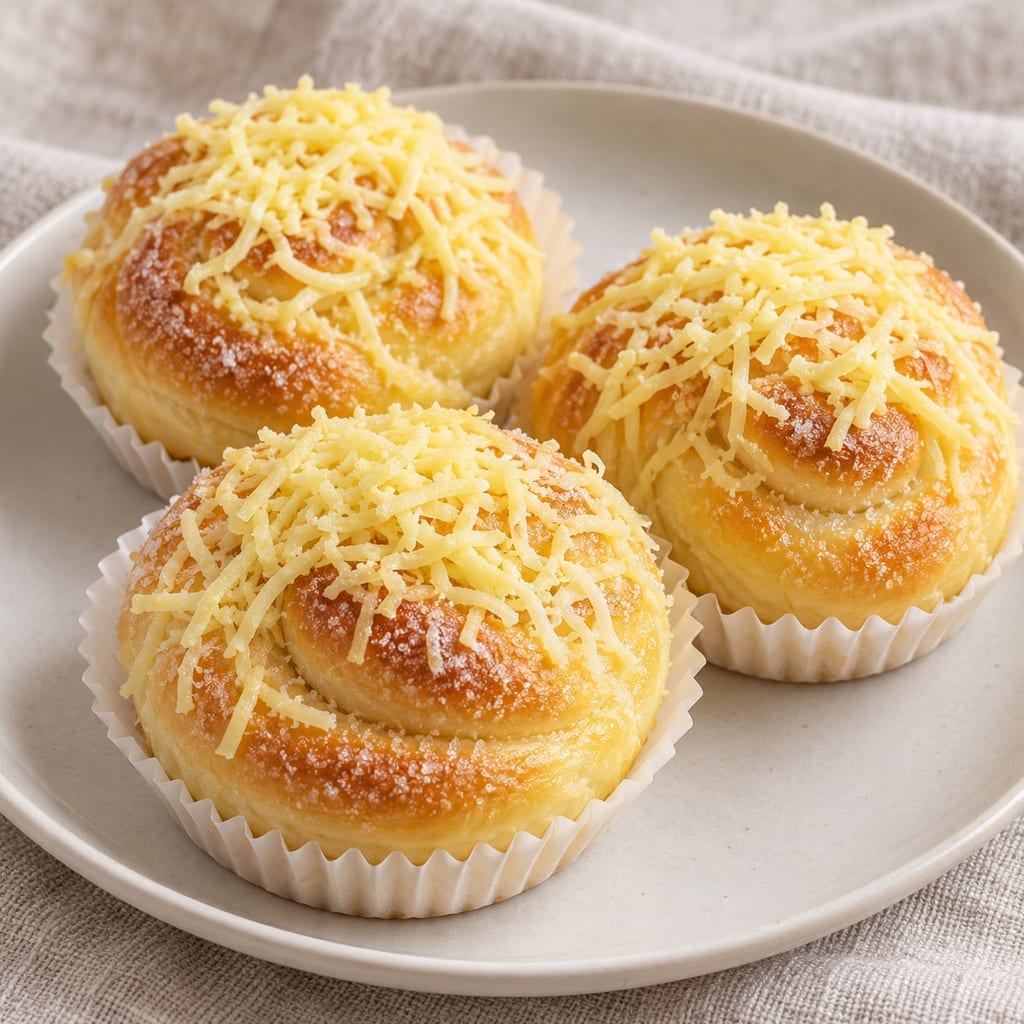
PagkainPinoy presents this recipe as a Filipino ensaymada: soft enriched dough shaped into coils, baked in small molds and topped with butter, sugar and grated cheese. The topping amounts are not stated, so this version leaves them to the cook rather than adding new quantities.
The name also appears in the Mallorcan ensaïmada tradition. Filipino food writers and chefs describe differences in dough richness and toppings, while noting several Philippine regional styles. This recipe follows one modern butter-sugar-cheese formula and is not the Mallorcan pastry, Pampanga ensaymada antigua or a claim that every Philippine ensaymada uses the same dough.
The dough combines flour, instant yeast, sugar and salt with egg yolks, warm milk and softened butter. Knead until smooth and elastic; the recipe describes the dough as rich and slightly tacky. The first rise ends when the dough has doubled. After dividing it into 12–16 pieces, roll each into a rope and coil it in a greased ensaymada mold or muffin tin. Let the shaped rolls rise again until puffy.
The source card allows three hours including rising, but the method uses volume and appearance rather than fixed proof times. It gives an oven setting of 180°C and a 15–18 minute bake, until lightly golden. Cool the rolls slightly before spreading butter and adding sugar and grated cheddar or quick-melt cheese.
Flour is raw and egg yolks are uncooked when the dough is mixed. Do not taste the dough; keep it and its utensils away from ready-to-eat food, then wash hands and surfaces. Bake using the recipe's 180°C oven setting and time range. Lightly golden is a visual cue, not a measured internal safety limit.
The source advises chilling egg- and dairy-containing leftovers within two hours and consuming them promptly, but it does not give a product-specific storage duration. This record adds no duration or process-validation claim. Use oven protection when handling the hot tray.
Positively Filipino reproduces an ensaymada recipe from the 1949 Singalong-San Andres Women’s Club Menu Cook Book under Mrs. Mariquita V. Adriano; that is a dated example, not proof of the first Philippine attestation. Secondary accounts describe a Mallorcan antecedent and distinguish Philippine styles. This page records the specific modern soft, coiled butter-sugar-cheese version from PagkainPinoy, not a Mallorcan formula, Pampanga ensaymada antigua, or every Philippine regional variant.
Yield 12 to 16 rolls · Scaling: source batch only
Uncooked flour and raw eggs can contain germs; eating raw dough can cause foodborne illness.
Hazard sourceThe oven and tray can burn when the rolls are baked and removed.
Hazard sourceDo not taste uncooked dough. Bake according to the recipe and wash hands, bowls, utensils and work surfaces after handling raw flour or egg.
Control sourceUse oven protection when moving the baking tray.
Control sourceContains wheat, egg and milk; butter and cheese are used as toppings.
The source gives visual rise cues and bake time but no measured internal temperature or product-specific storage duration.
The source identifies the dish as a Filipino recipe; this association does not locate a birthplace or cover every ensaymada style.
PagkainPinoy’s 24–30 piece version twice-bakes day-old soft bread with a thin butter-and-sugar coating.
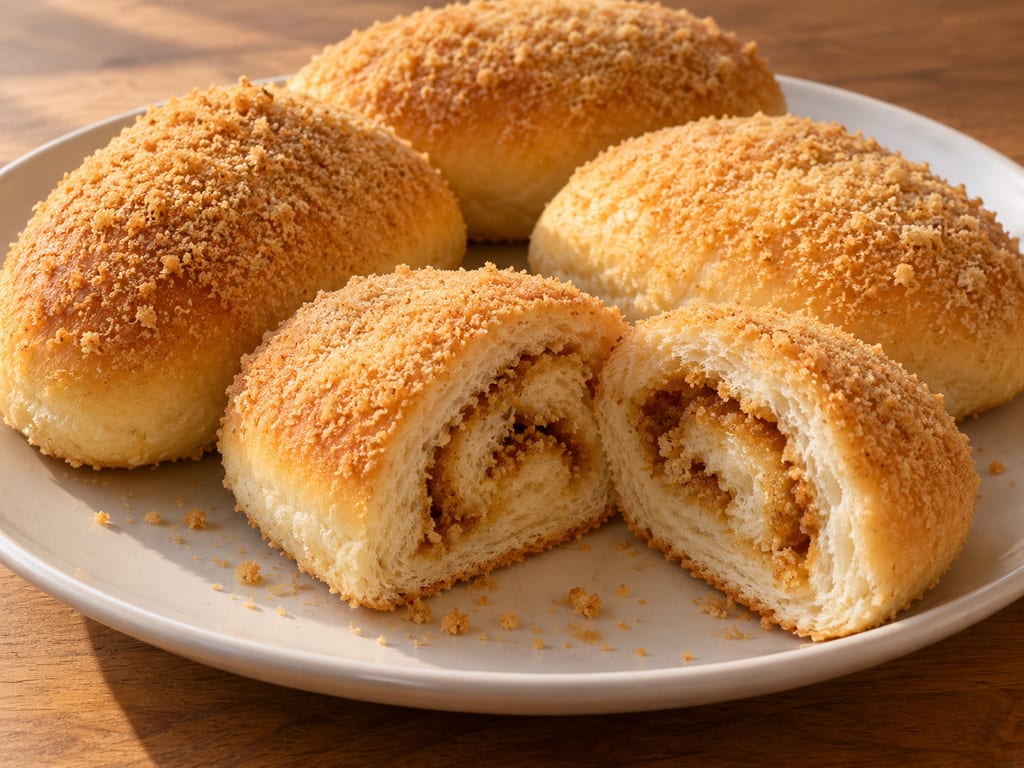
This Manila baker’s Filipino Spanish bread pairs a soft, enriched roll with a buttery brown-sugar breadcrumb filling and a crumb coating.
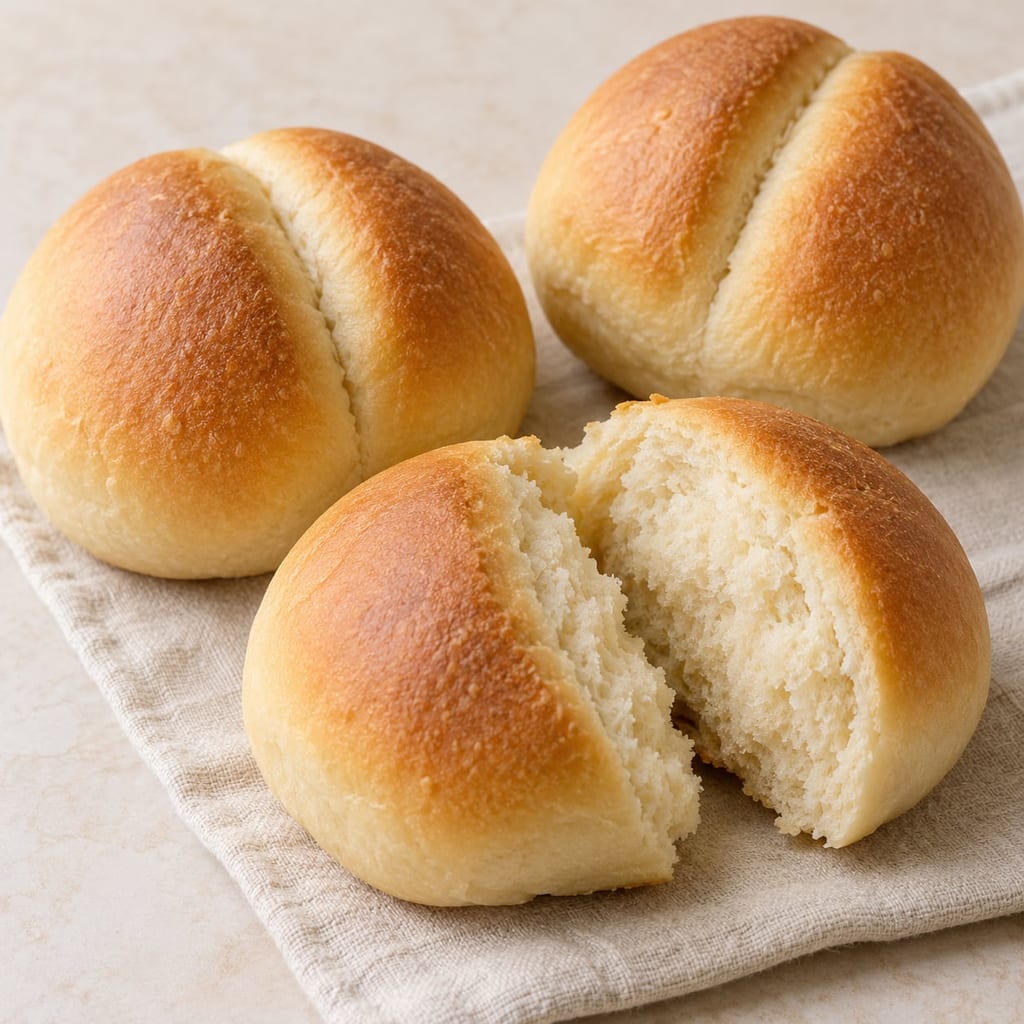
Filipino bakery-style rolls with a dense crumb and a deep central slash, made here as a twelve-roll home batch.
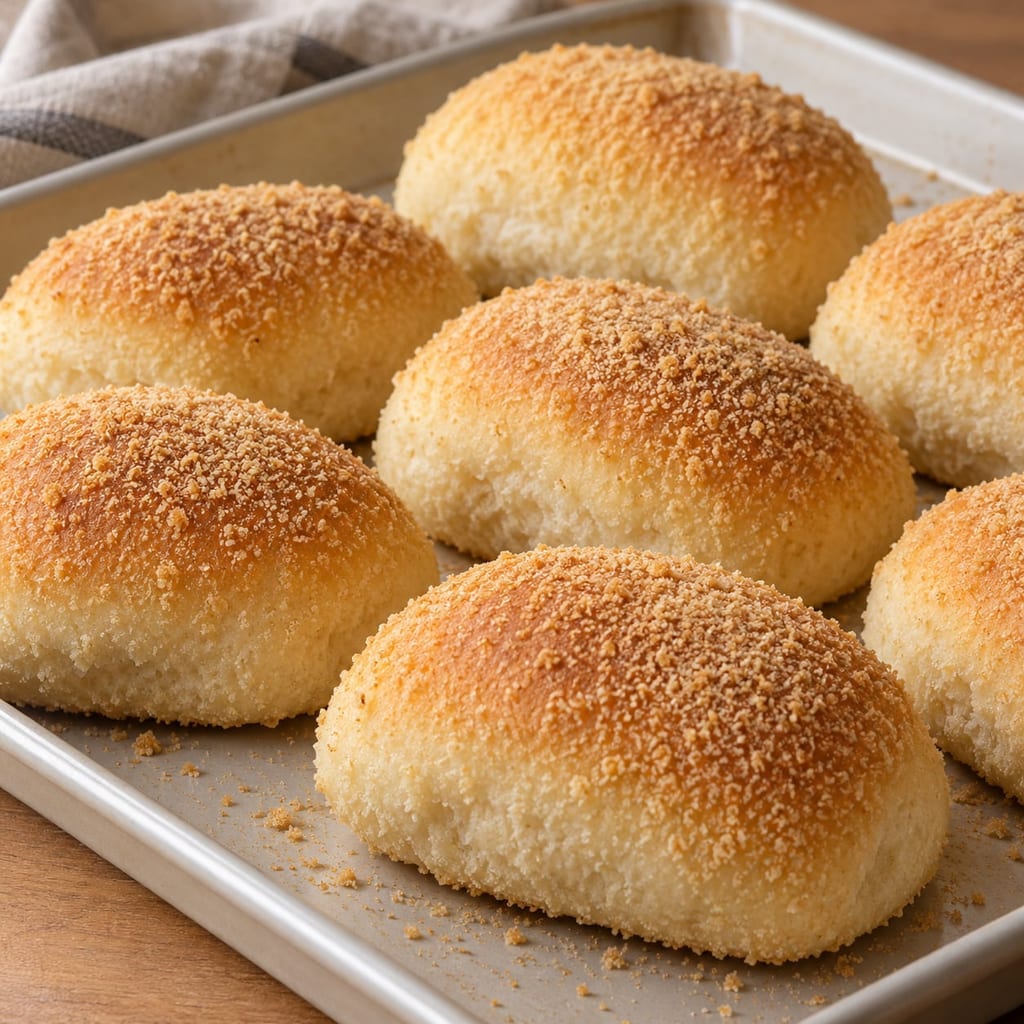
Filipino pandesal made with a neutral-oil wheat dough, folded through a 3½-hour fermentation and coated in breadcrumbs.
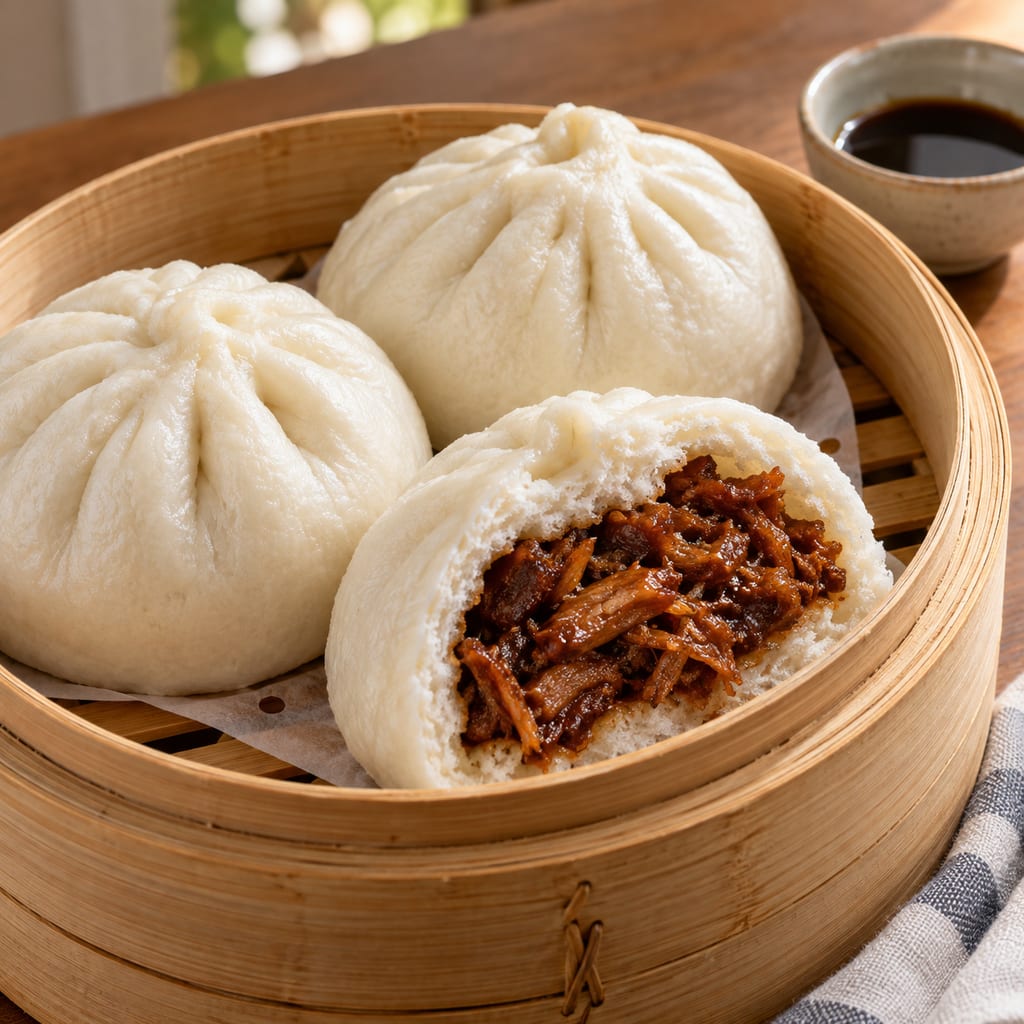
Filipino siopao pairs a soft steamed wheat bun with a sweet-savoury pork asado filling and a separate sauce made from its braising liquid.
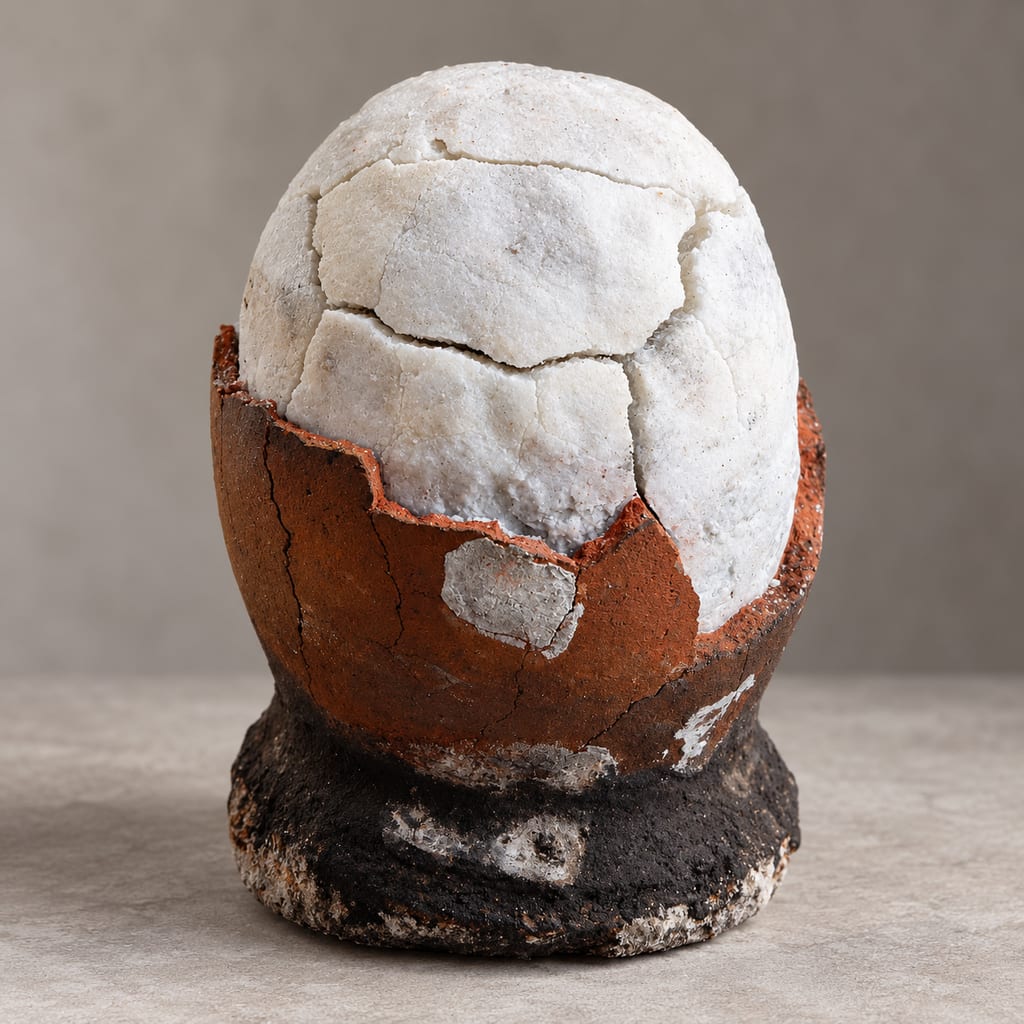
Asin tibuok is a Boholano salt-making craft that turns seawater-soaked coconut husks into a salt-rich ash, brine and formed sea salt in specialized clay pots. This record follows one published account of the community process; it is not a validated household formula.
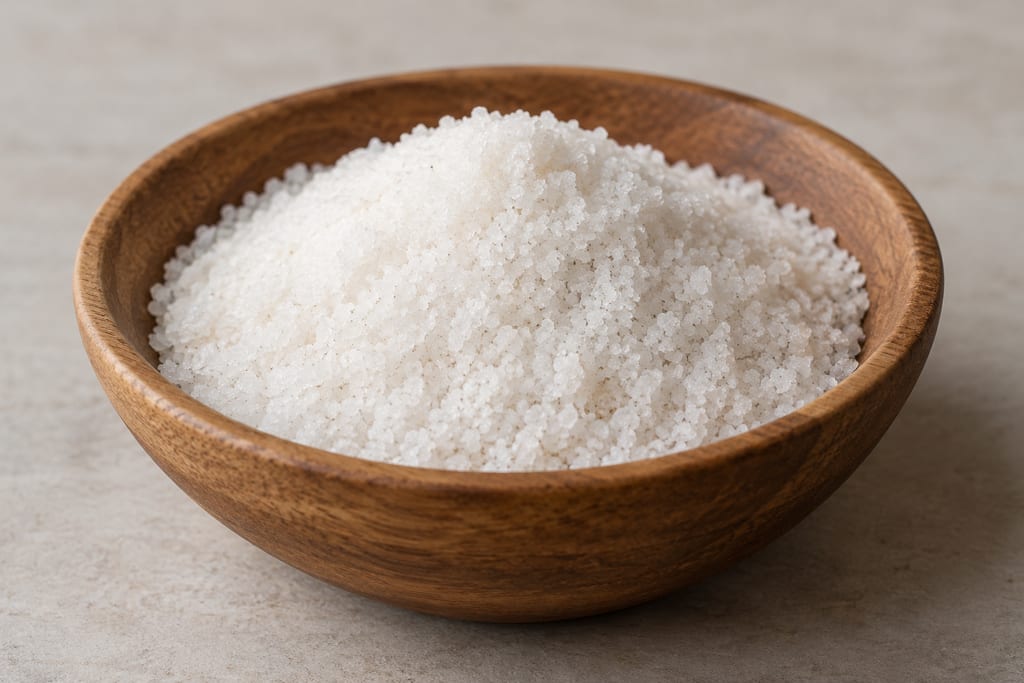
Asin sa buy-o is a fine sea salt made in Panayunan, Botolan, and packed in a woven nipa pouch called a buy-o. Salt-bearing coastal earth is leached with seawater, and the brine is boiled to crystals.
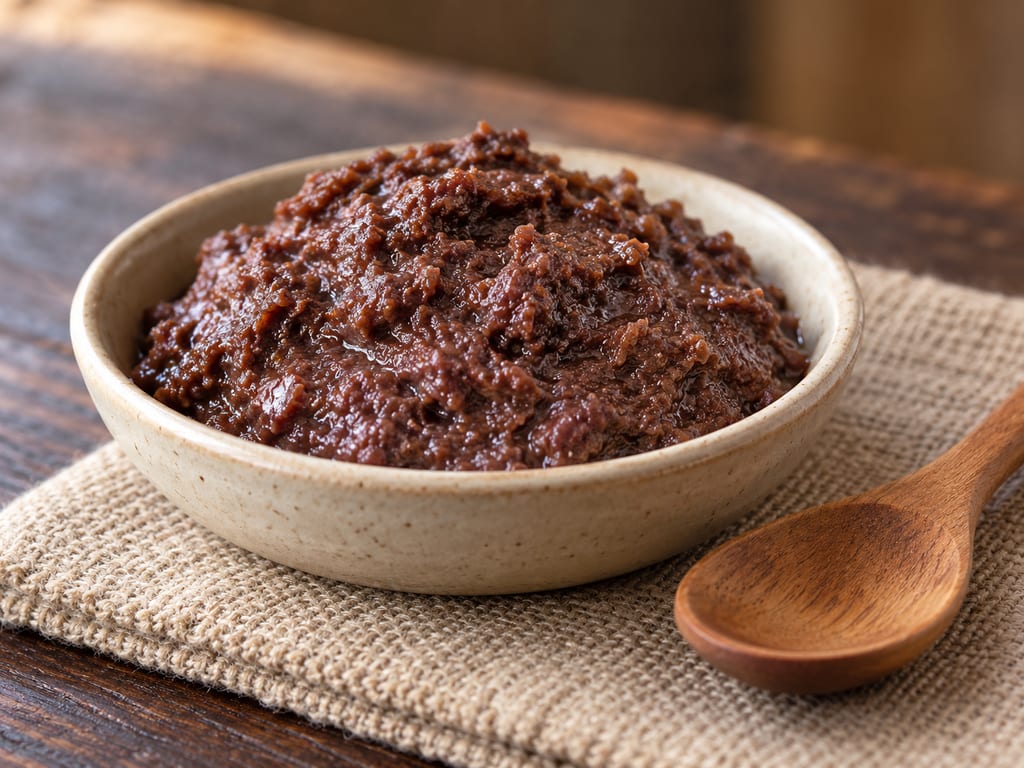
Bagoong isda is a Philippine fish paste: whole small fish salted and left to ferment for a month or more in earthen jars. It is the fish counterpart of bagoong alamang.
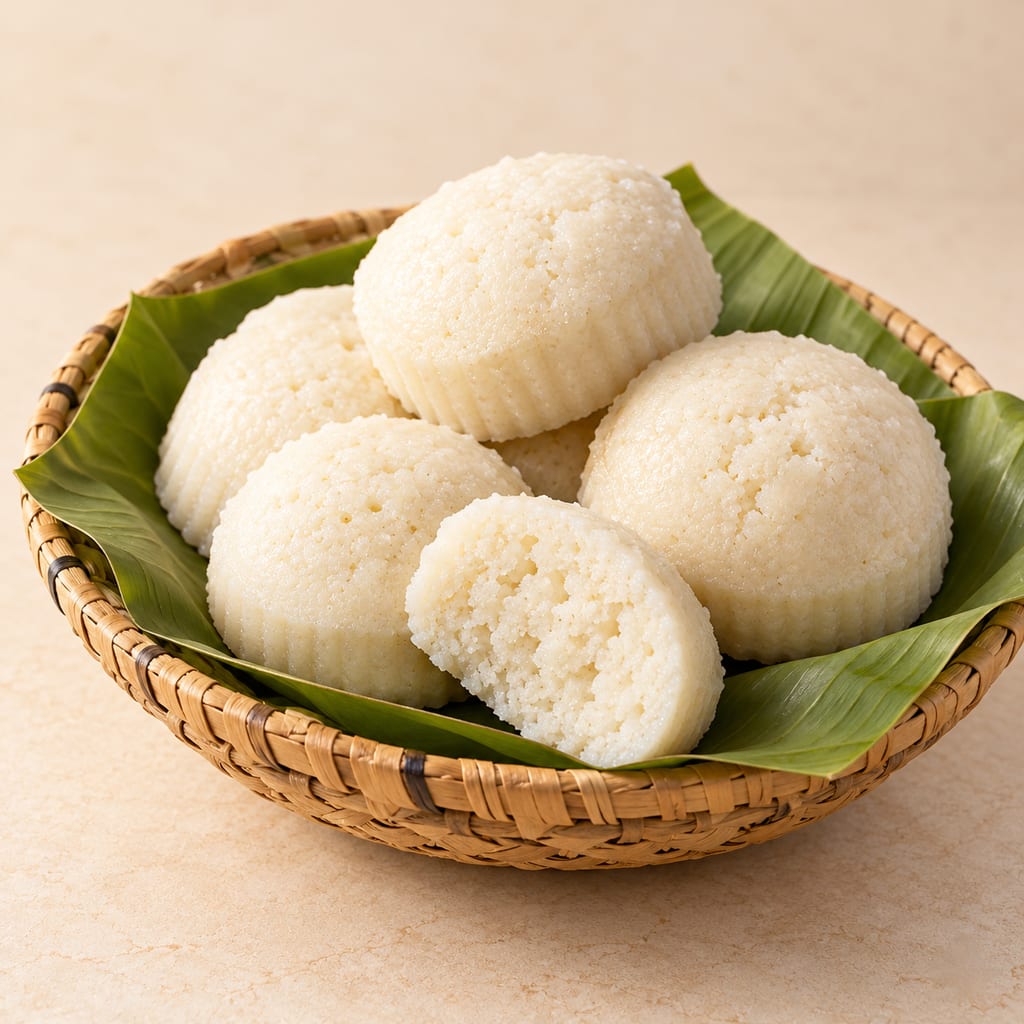
Soft, lightly tangy steamed cereal bread documented across Benin and Togo. This page gives one measured rice-flour research method; maize-based Ablo and mixed-grain versions remain distinct traditions.
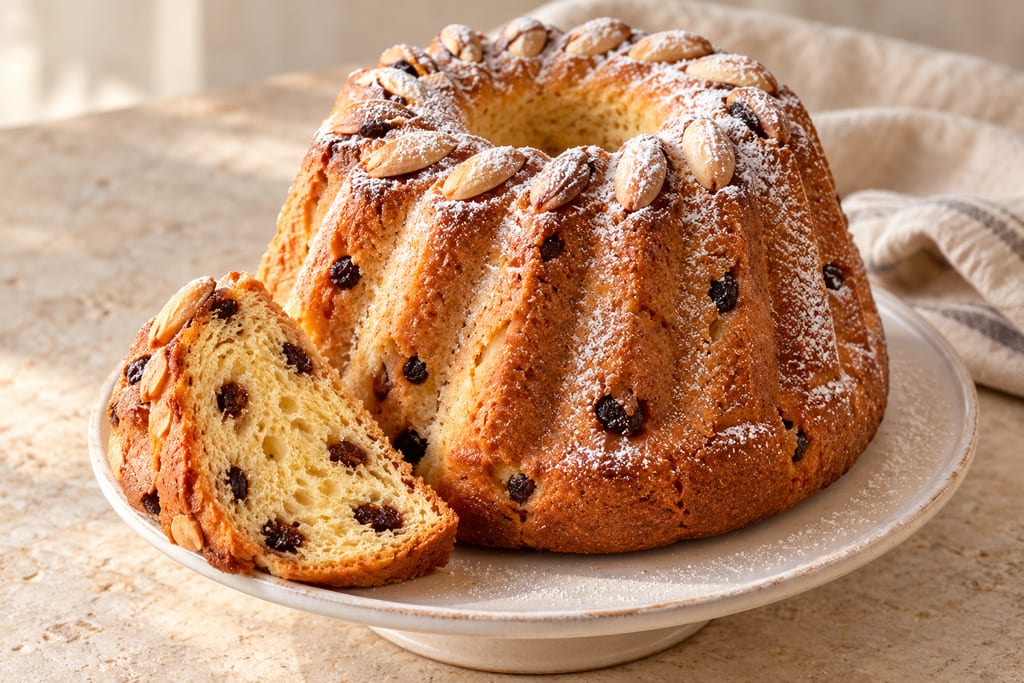
An enriched Alsatian yeast ring with raisins and almonds, kneaded with butter, proofed in a fluted mould and baked until browned.
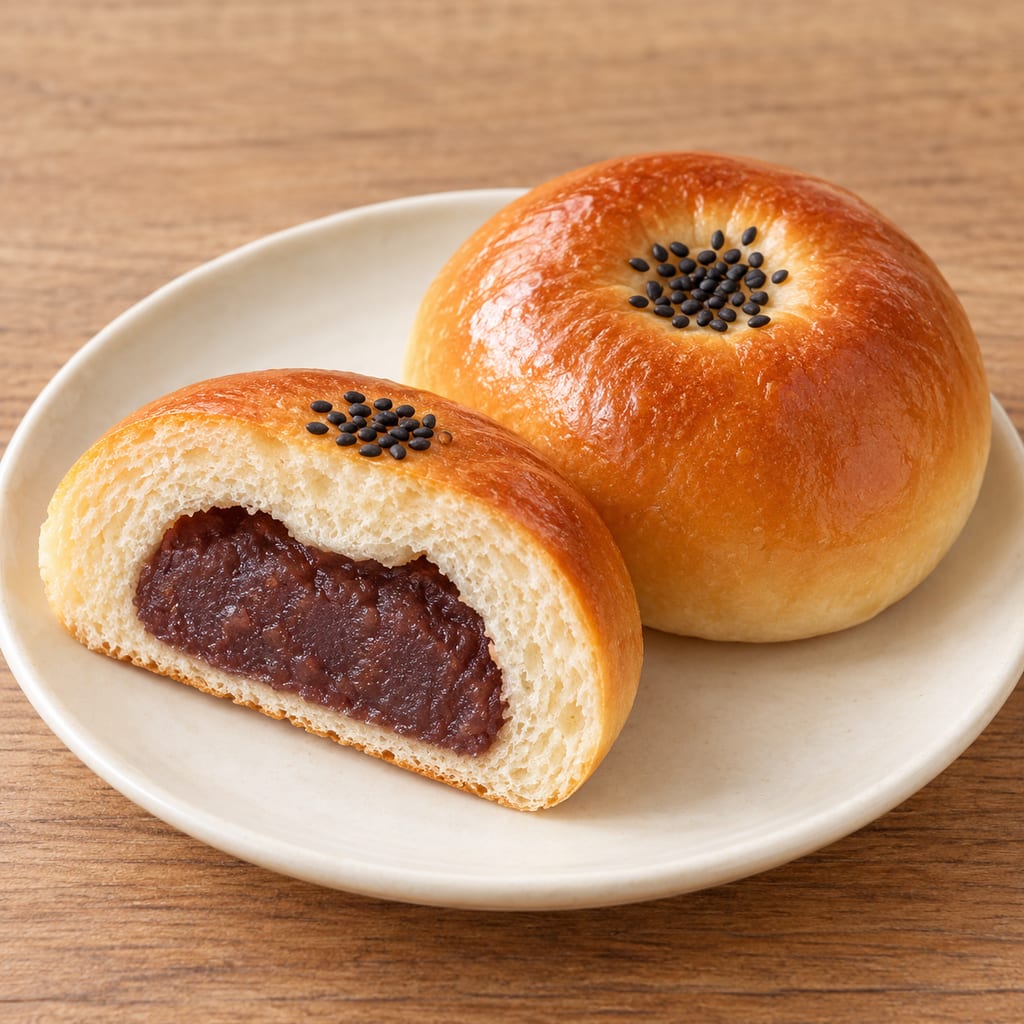
Anpan is a soft wheat bun filled with sweet red-bean paste and finished with egg wash and black sesame. This dough rises with commercial instant yeast.
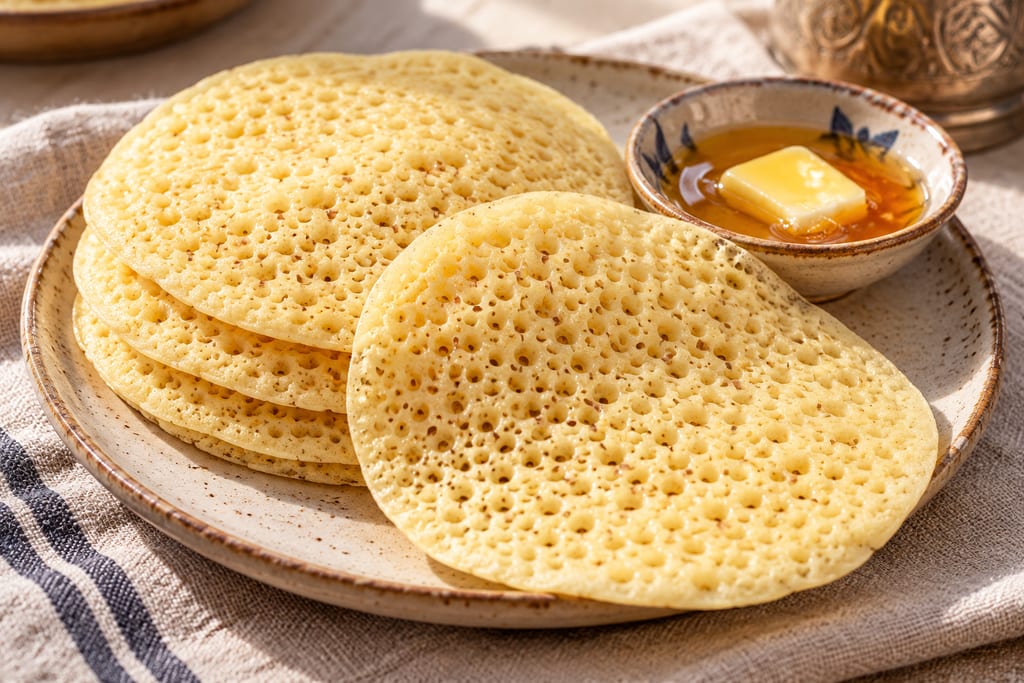
Moroccan semolina pancakes made from a thin yeast batter, rested until foamy and cooked on one side until the surface sets with a honeycomb of holes. This source-specific batch makes sixteen 5-inch pancakes.
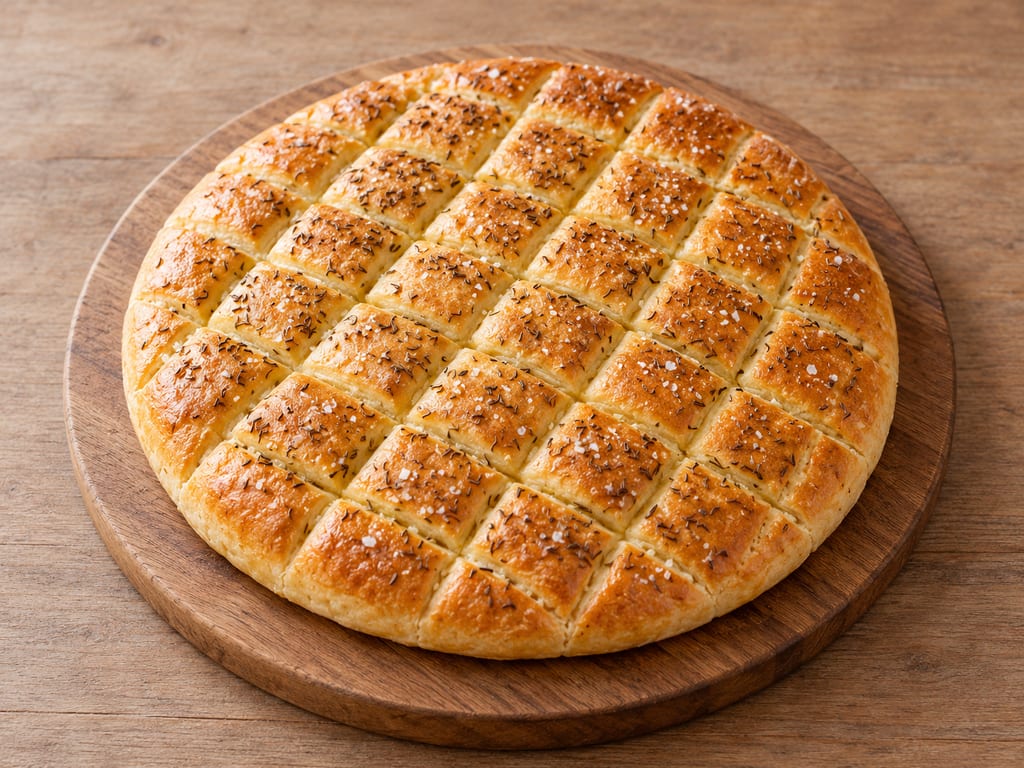
A round Slovenian flatbread scored in a grid and topped with caraway and coarse salt.
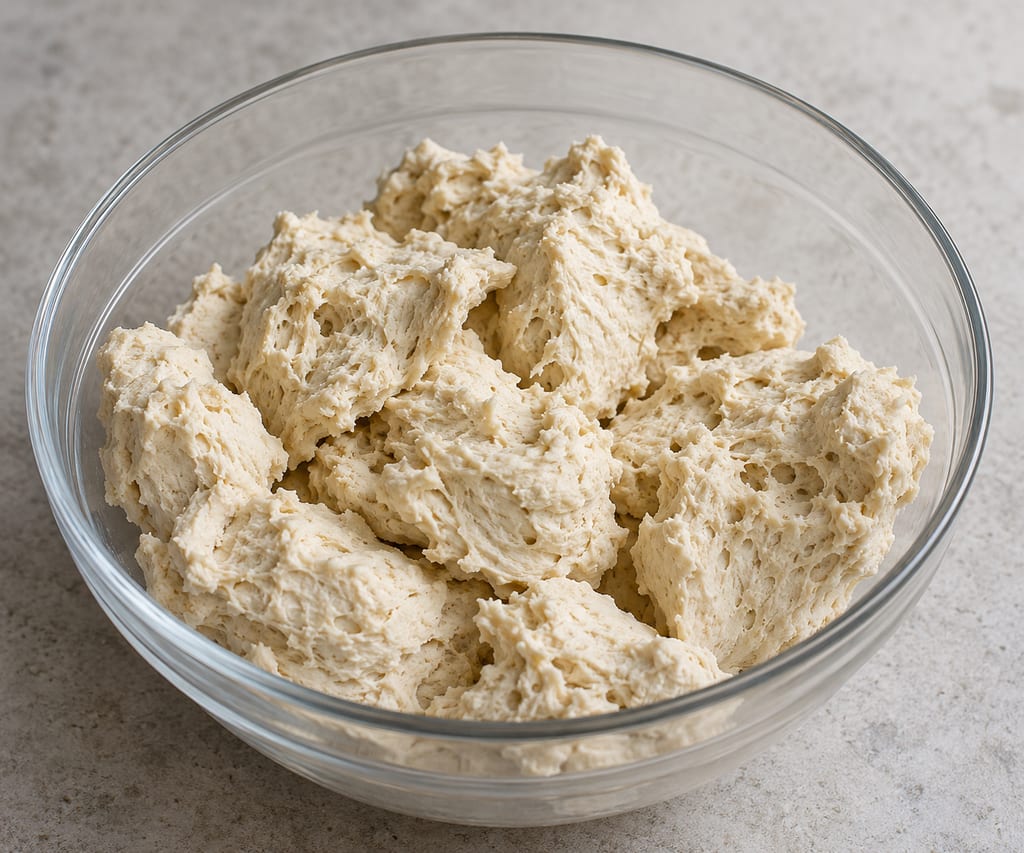
Biga is an Italian bread preferment of flour, water and a little yeast, usually a stiff unsalted mass of about 45 per cent water, fermented ahead and then mixed into the final dough.
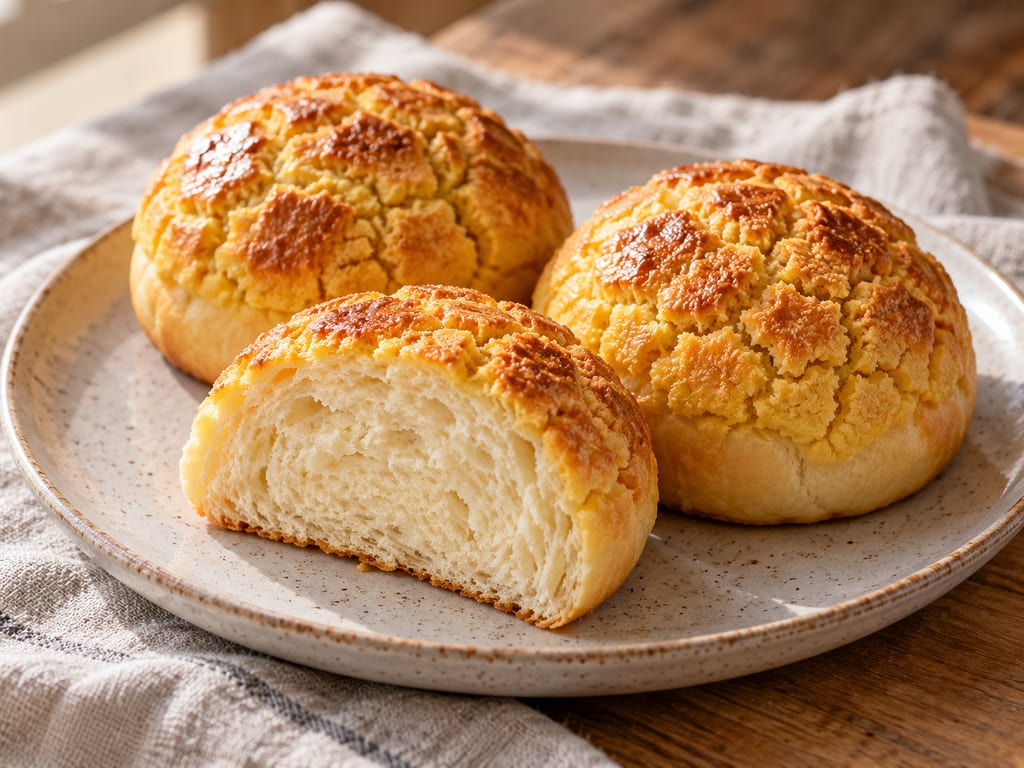
Hong Kong-style pineapple buns have soft yeast dough beneath a crisp, sweet pastry topping.
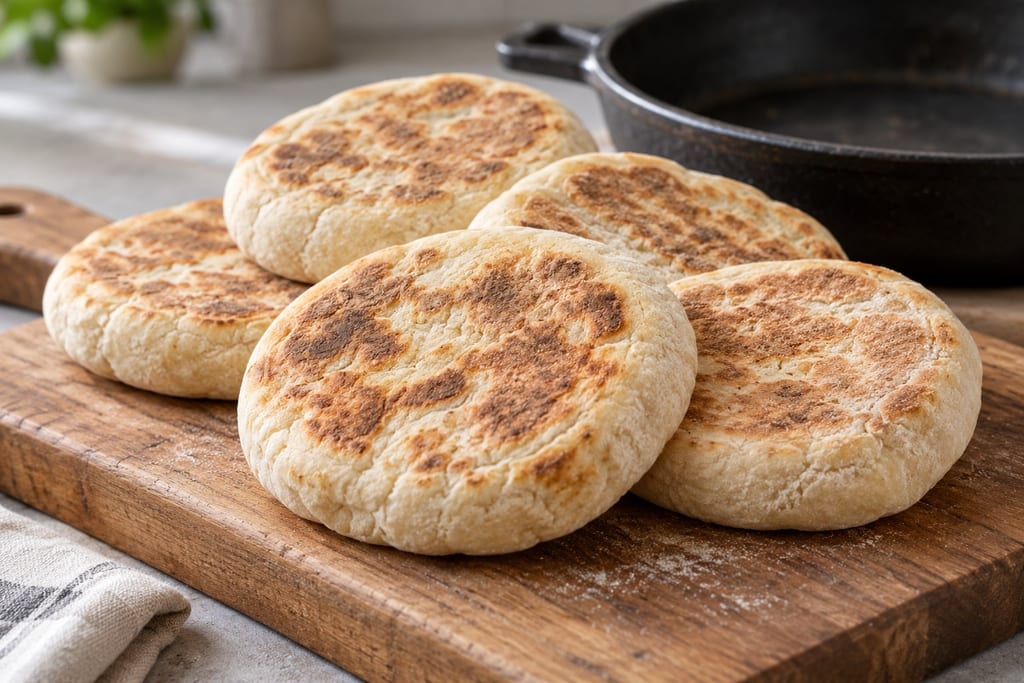
Sweet-potato wheat breads with fresh yeast, browned in a pan and finished in the oven. This is the bread component of Teleculinária's scrambled-egg dish.
No community contributions have been published for this entry yet.
Sign in to contribute. Published comments and photos are free to read.
Philippine Heritage Kitchen / PagkainPinoyComplete modern Filipino recipe and method · Identity and geography
Ensaymada (Butter–Sugar–Cheese) – Filipino Recipe | Philippine Heritage KitchenThe recipe page identifies this version as Filipino and describes soft enriched rolls topped with butter, sugar and grated cheese.
The batch makes 12–16 pieces from 4 cups flour, 2 1/4 tsp instant yeast, 1/2 cup sugar, 1 tsp salt, 4 egg yolks, 1 cup warm milk and 1/2 cup softened butter for the dough; topping butter, sugar and cheddar or quick-melt cheese are listed without amounts.
Mix the dry ingredients, add yolks, milk and butter, and knead until smooth and elastic; the dough is rich and slightly tacky. Rise covered until doubled, divide into 12–16 pieces, roll into ropes, coil in greased ensaymada molds or muffin tins, and rise again until puffy.
Bake at 180°C for 15–18 minutes until lightly golden, cool slightly and finish with softened butter, sugar and grated cheese. The card lists 3 hours including rising and 18 minutes cook time.
The page advises clean utensils, chilling egg- and dairy-containing leftovers within 2 hours and consuming them promptly; it gives no exact storage duration.
Cited in: A Filipino butter-sugar-cheese ensaymada; Knead, rise and coil; Handling and limits
Positively FilipinoDated printed example
From Bahao to BreakfastThe article reproduces an ensaymada formula from the 1949 Singalong-San Andres Women’s Club Menu Cook Book under Mrs. Mariquita V. Adriano; it provides a dated example but does not establish first attestation.
F&B Report Magazine / InquirerContext on Mallorcan comparison and Philippine variants
Tracing the history of ensaymadaThe article discusses Mallorcan ensaimada, Pampanga ensaymada antigua, and Philippine regional forms; it is secondary commentary and does not establish that they share the same formula.
Cited in: A Filipino butter-sugar-cheese ensaymada
SPOT.phContext on distinct Philippine versions
The Origins of Filipino Ensaymada, According to PanaderiaThe article describes Manila, Pampanga and Bulacan variants and attributes interpretive remarks to the authors of Panaderia; it does not establish one universal method or birthplace.
James Beard FoundationFilipino style and Mallorcan comparison
Ensaymada (Cheese-Topped Yeast Buns) RecipeFilipino restaurant chefs describe sweet coiled yeast buns topped with sweetened butter and Edam/queso de bola, contrasting this with the Mallorcan ensaimada's lard and powdered sugar. This supports the distinction, not the PagkainPinoy formula.
Cited in: A Filipino butter-sugar-cheese ensaymada
Centers for Disease Control and PreventionRaw flour and egg safety
Raw Flour and DoughUncooked flour and raw eggs may contain germs; do not eat raw dough; bake according to the recipe and wash hands, bowls, utensils and counters after handling raw ingredients.
Cited in: Handling and limits
National Health ServiceHot oven and tray hazard
Burns and scaldsHot items and surfaces can burn; hot liquids and steam can scald.
Cited in: Handling and limits