Salt: the mineral, the work and the foods it makes
Salt seasons a meal, shapes fermentation and preserves food. Its history follows the people who mine, harvest, trade and transform it, and the choices hidden inside an ordinary packet.
 FermenteaWhere food goes to change
Traditional method
asin tibuok · whole salt
Asin tibuok is a Boholano salt-making craft that turns seawater-soaked coconut husks into a salt-rich ash, brine and formed sea salt in specialized clay pots. This record follows one published account of the community process; it is not a validated household formula.
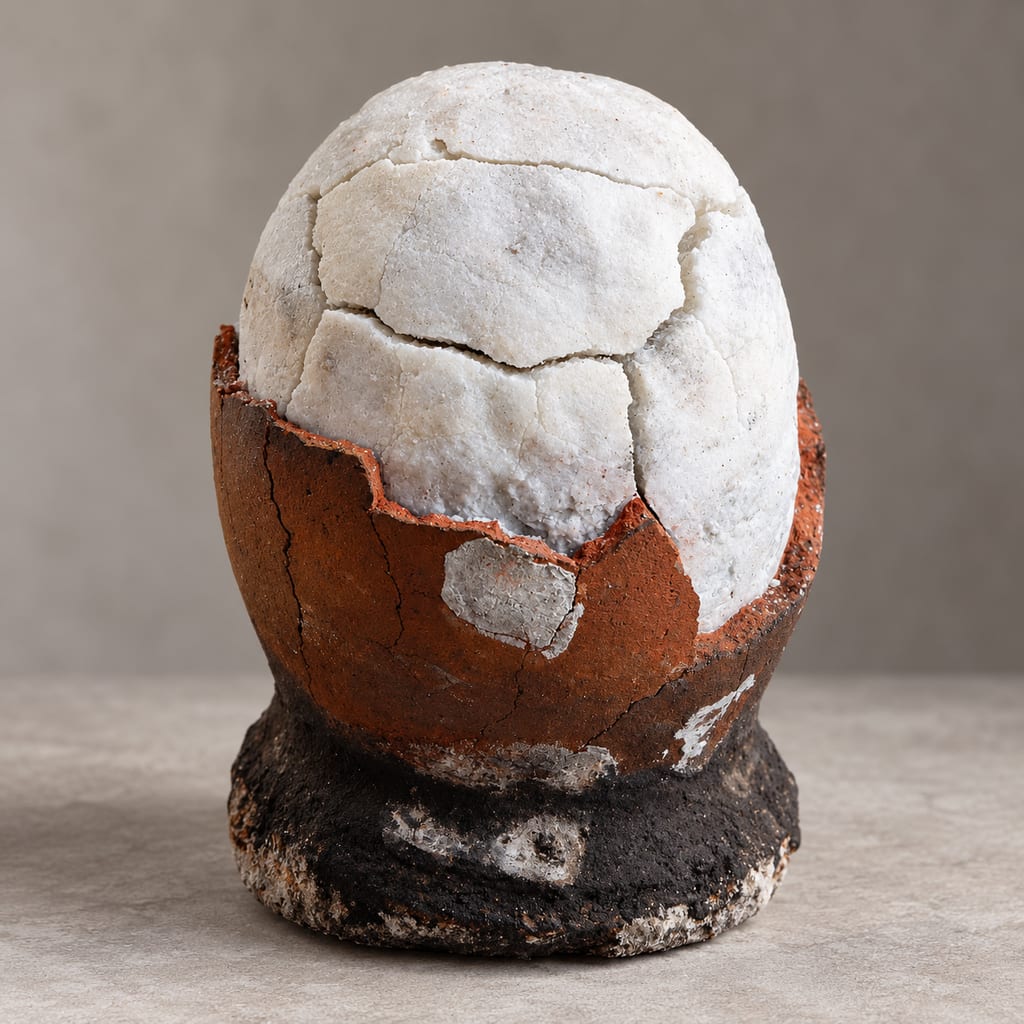
This preparation belongs to the Boholano salt-making practice of Alburquerque. A provincial profile describes its historical trade within Bohol and the current safeguarding work led with the local salt-making community. The 2025 UNESCO inscription identifies the practice as urgently needing safeguarding. These records concern a community-held craft, not a generic ash-salt recipe.
The provincial account describes a sequence from mature coconut husks and seawater to salt-rich ash, concentrated brine and salt formed in ku’n clay pots. It names the materials, tools and some intervals but supplies no quantities, salinity, temperatures, yield or finished-product testing. This page records that evidence without turning it into validated home-production directions.
The Bohol Provincial Planning and Development Office account lists the process in order: gather and dry mature coconut husks; soak them in open saltwater pits for at least three months; chop and dry them for days; burn them for days; collect the salt-rich gasang ash; filter seawater through it in a sag-sag to make tasik brine; prepare ku’n clay pots; and evaporate tasik in those pots over controlled fires on a laga-an stove for many hours. The pots cool overnight before soot is removed. The source gives no numeric fire temperature or quantitative endpoint.
This is a description of the documented Alburquerque craft. It does not establish that generic coconut ash, seawater, or a home-built filter and stove will produce food-grade salt. The inspected sources do not report a finished-product composition or process validation.
The Bohol provincial profile describes a centuries-long history and local trading of asin tibuok; it does not provide an earliest dated attestation in the inspected passage.
Scaling: source batch only
This source describes a community craft, not a validated household salt-making process. Food-grade status and finished-salt composition are not established here.
The Bohol provincial profile documents the craft in Alburquerque. This locality association does not claim an exclusive birthplace or represent all salt-making in Bohol.
Salt seasons a meal, shapes fermentation and preserves food. Its history follows the people who mine, harvest, trade and transform it, and the choices hidden inside an ordinary packet.
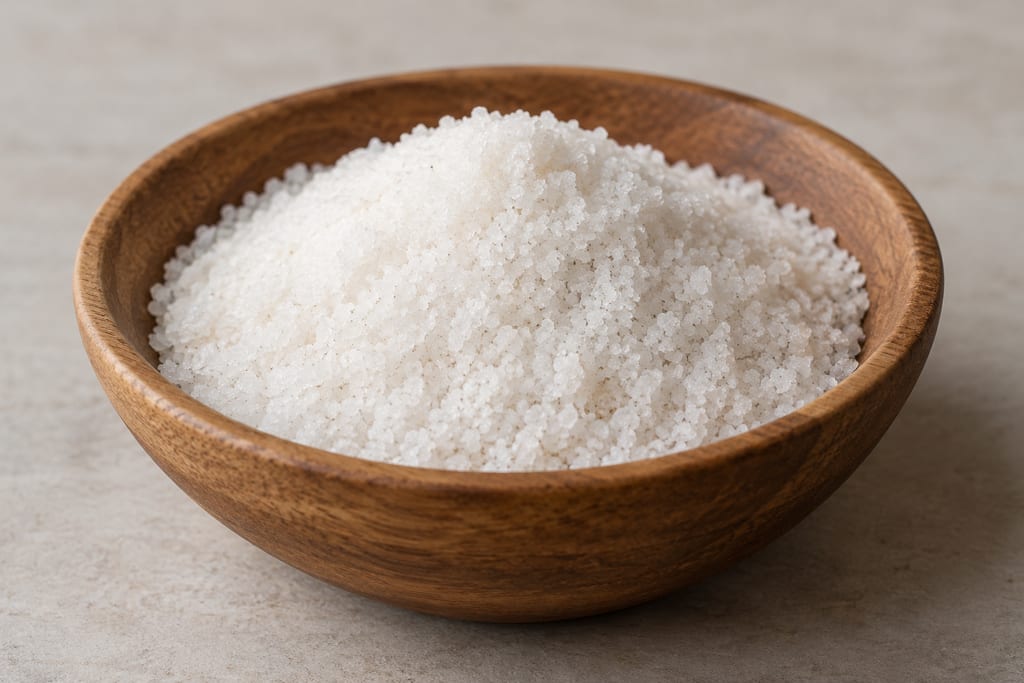
Asin sa buy-o is a fine sea salt made in Panayunan, Botolan, and packed in a woven nipa pouch called a buy-o. Salt-bearing coastal earth is leached with seawater, and the brine is boiled to crystals.
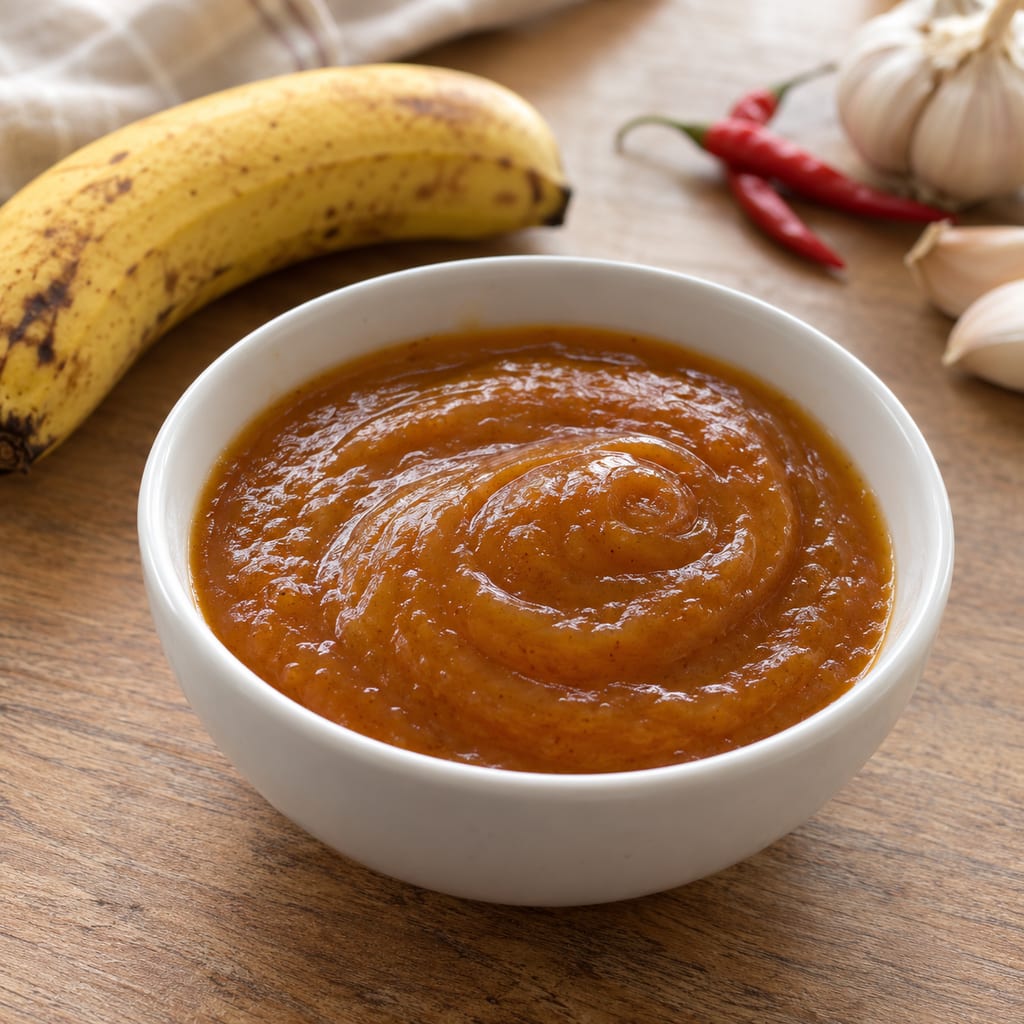
A sweet-hot table sauce of ripe banana simmered with vinegar, sugar, onion, garlic and fresh chilli, in the manner of Philippine banana ketchup. An untested development batch of about 500 g.
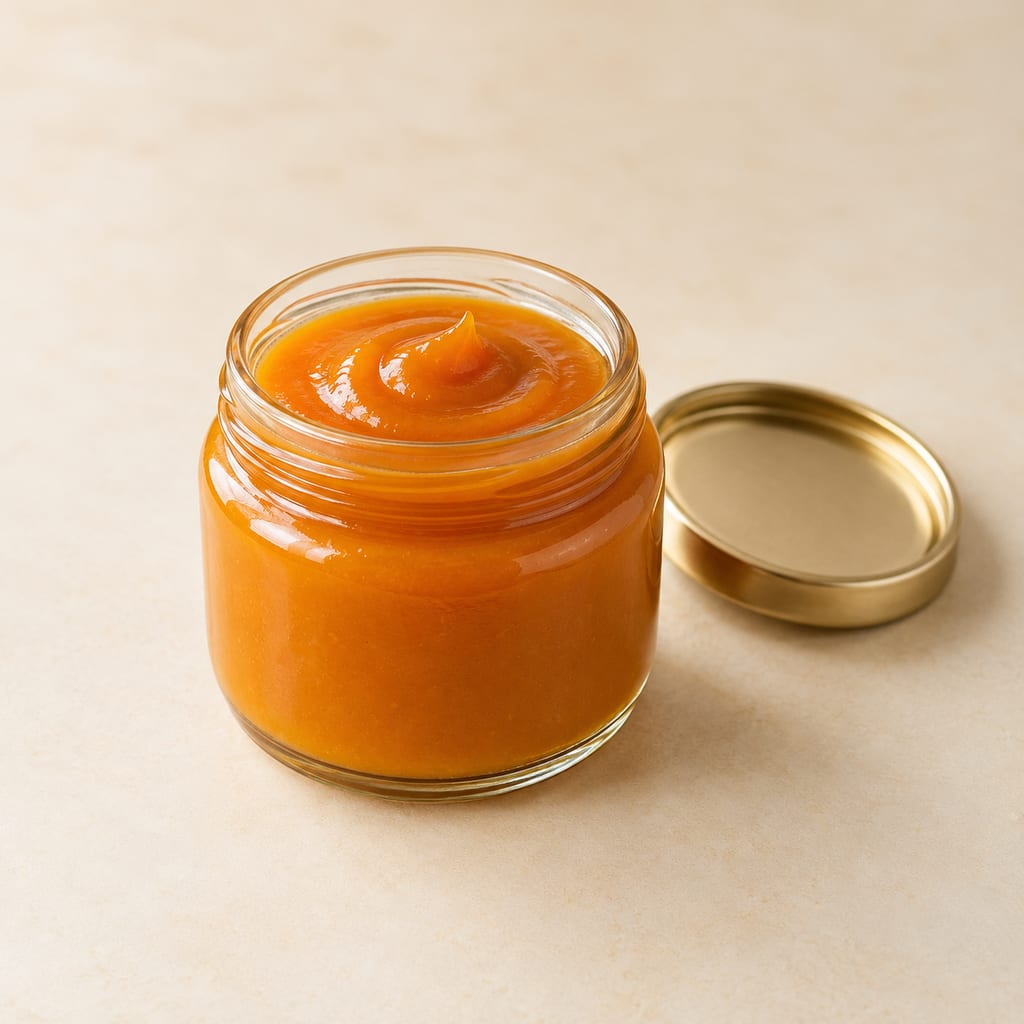
Kalabasa catsup: Freeze for winter; small fresh portion refrigerated up to 48 hours.
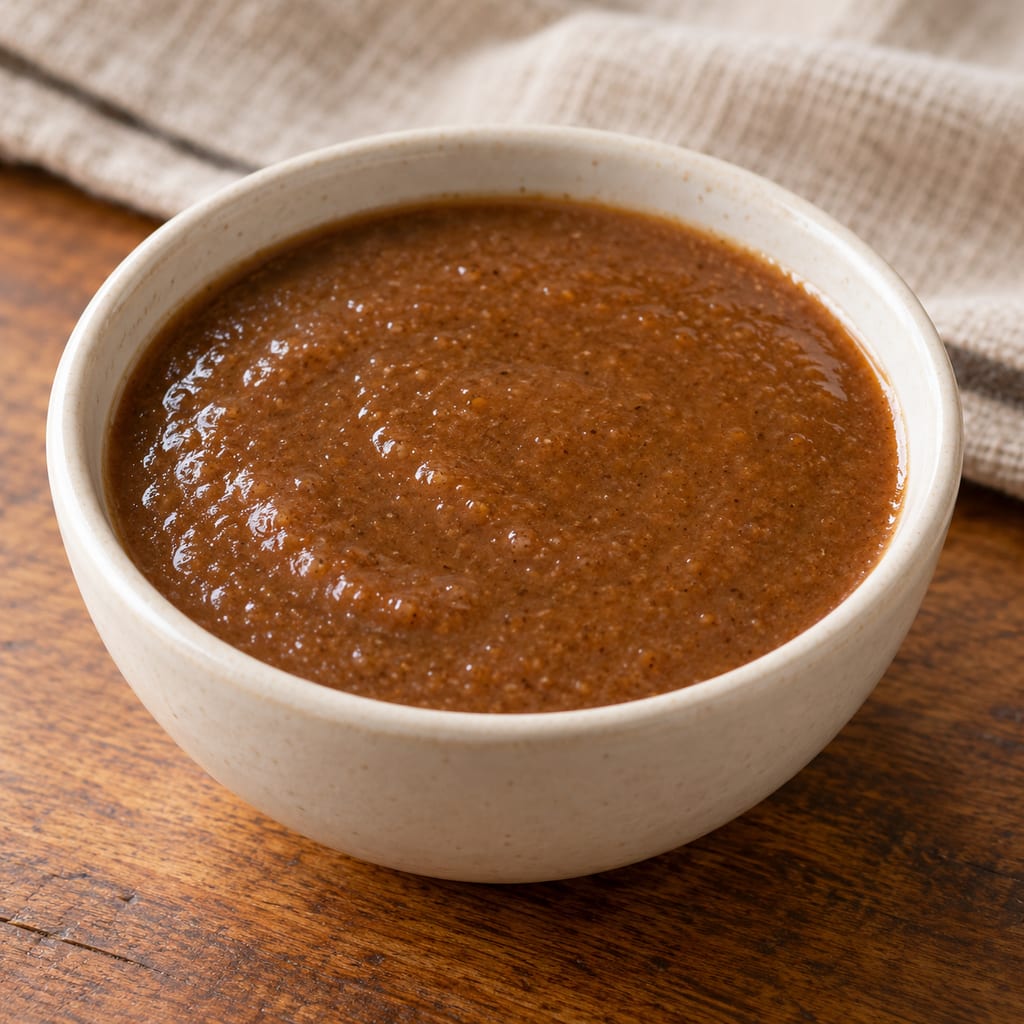
A cooked Filipino roast-meat sauce thickened from canned liver spread, vinegar, water, sugar and breadcrumbs, with browned garlic and softened onion.
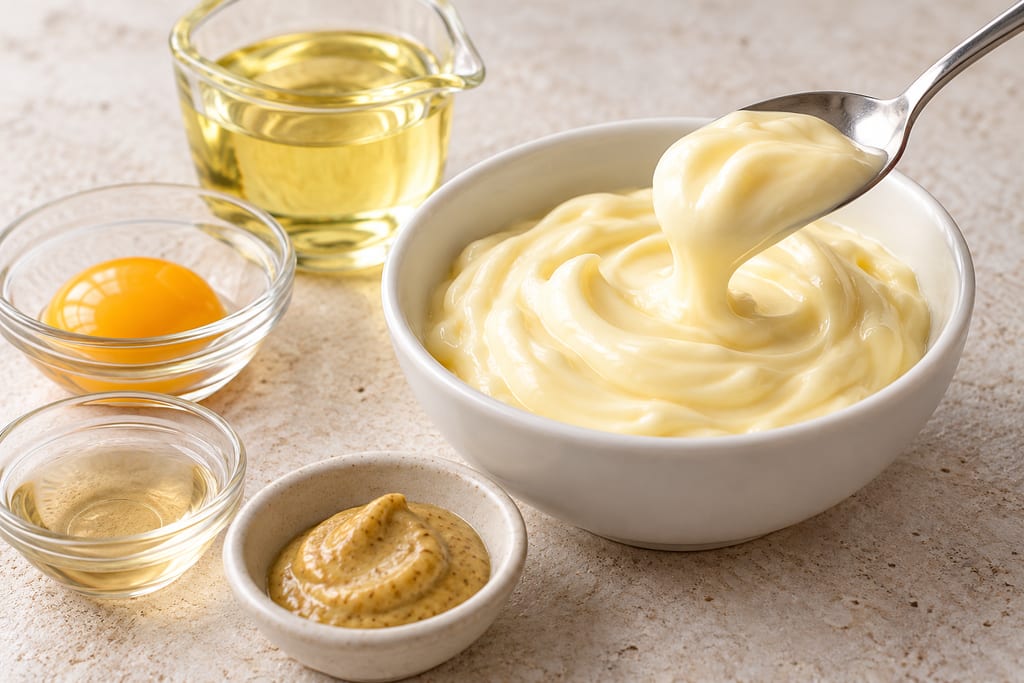
A plain mayonnaise of 200 g refined neutral oil emulsified into pasteurised yolk, vinegar, water and a little Dijon mustard: a clean base for tasting, comparing and flavouring.
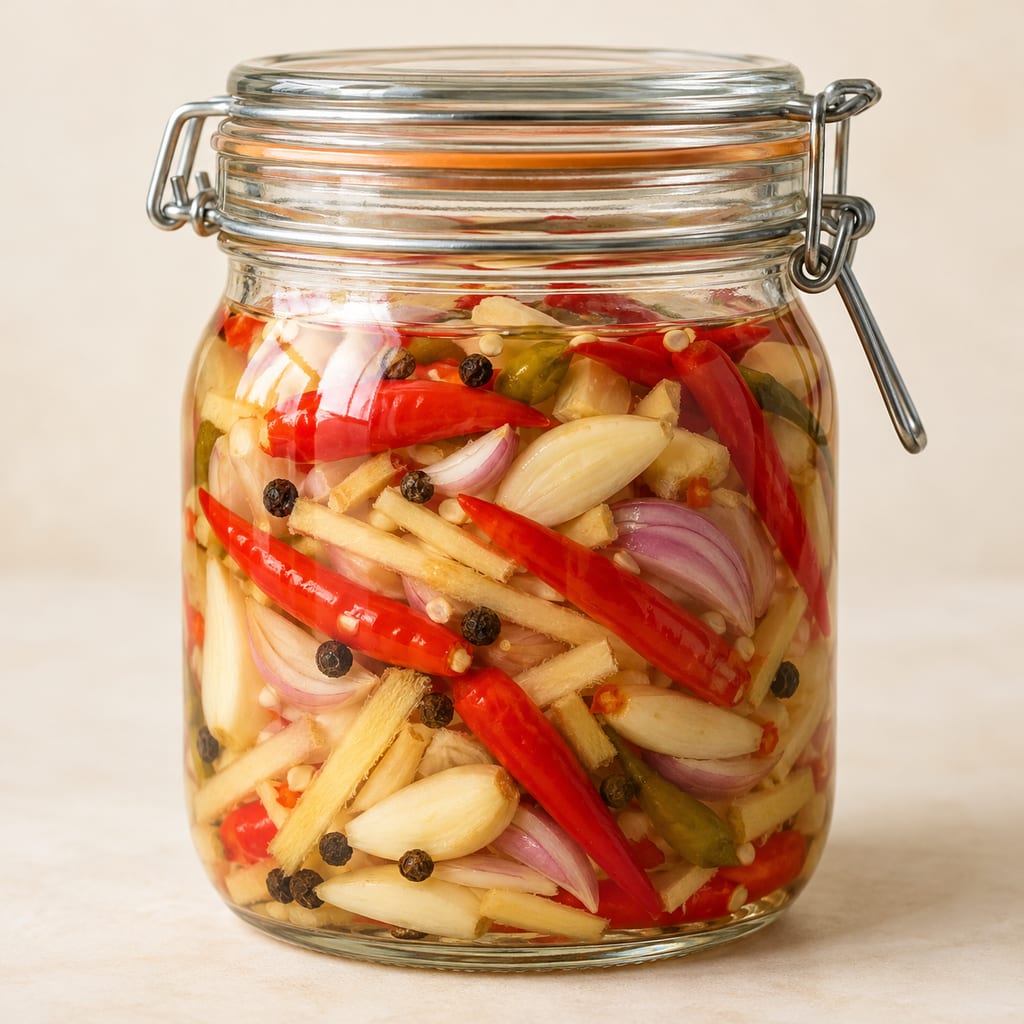
Sinamak is a Philippine spiced vinegar: white, cane or coconut vinegar steeped with chilies, ginger, garlic, onion and peppercorns for days or weeks until it is ready to use as a condiment.
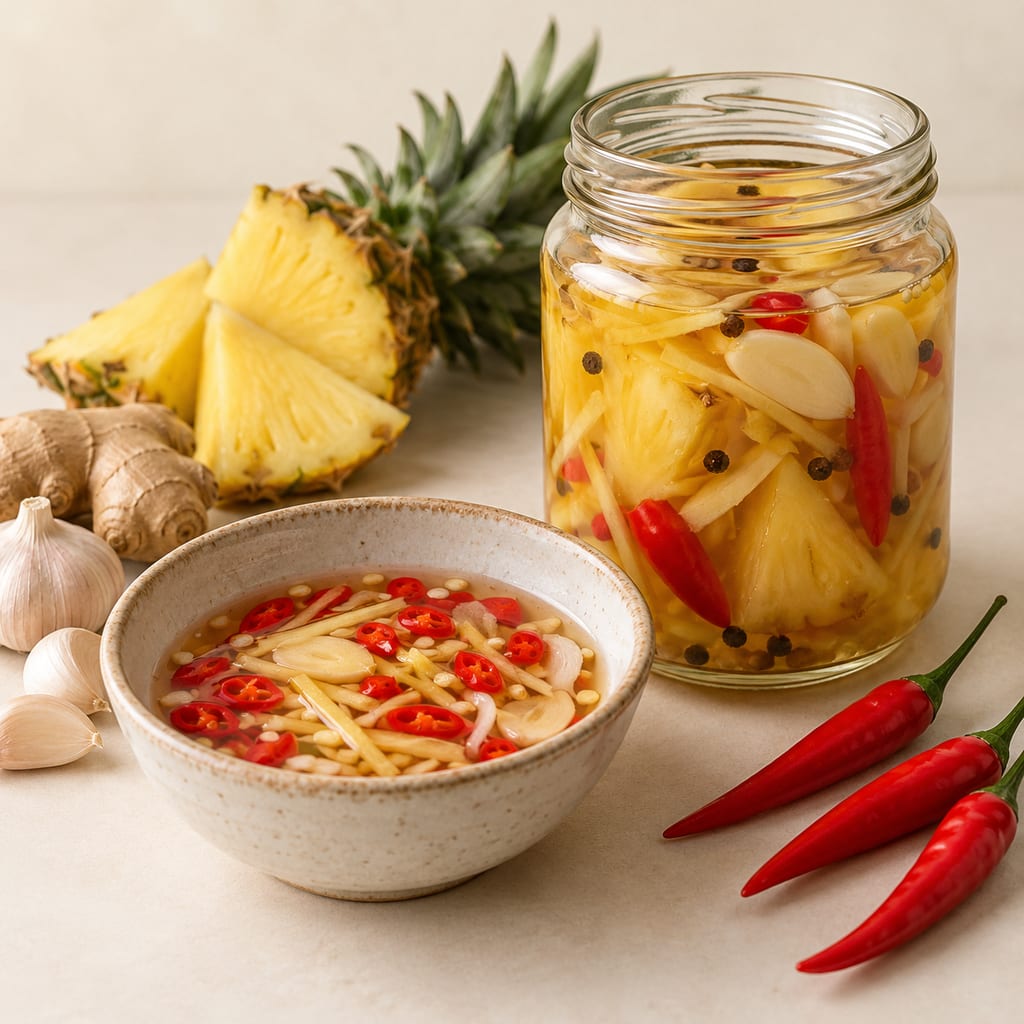
Filipino vinegar dips: vinegar steeped or mixed with chilli, garlic, ginger and other aromatics, from the pineapple sinamak of Iloilo to coconut-vinegar sawsawan. Not a single formula.
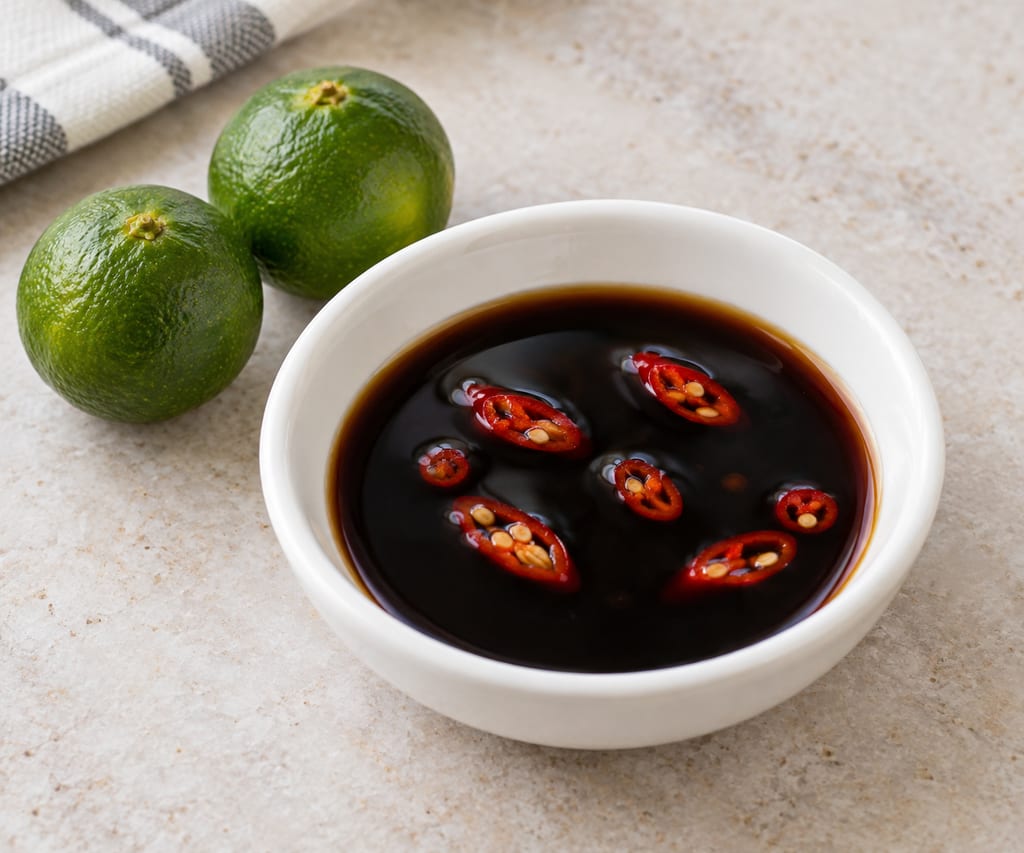
Toyomansi is a Filipino table dip of soy sauce and calamansi juice, served with grilled or fried foods; this version adds sliced chilli and optional sugar.

Adygean salt is a seasoned table salt associated with Adygea and the wider North Caucasian culinary tradition. Salt is blended with garlic and a variable selection of herbs and spices; the exact mix depends on the named style and maker.
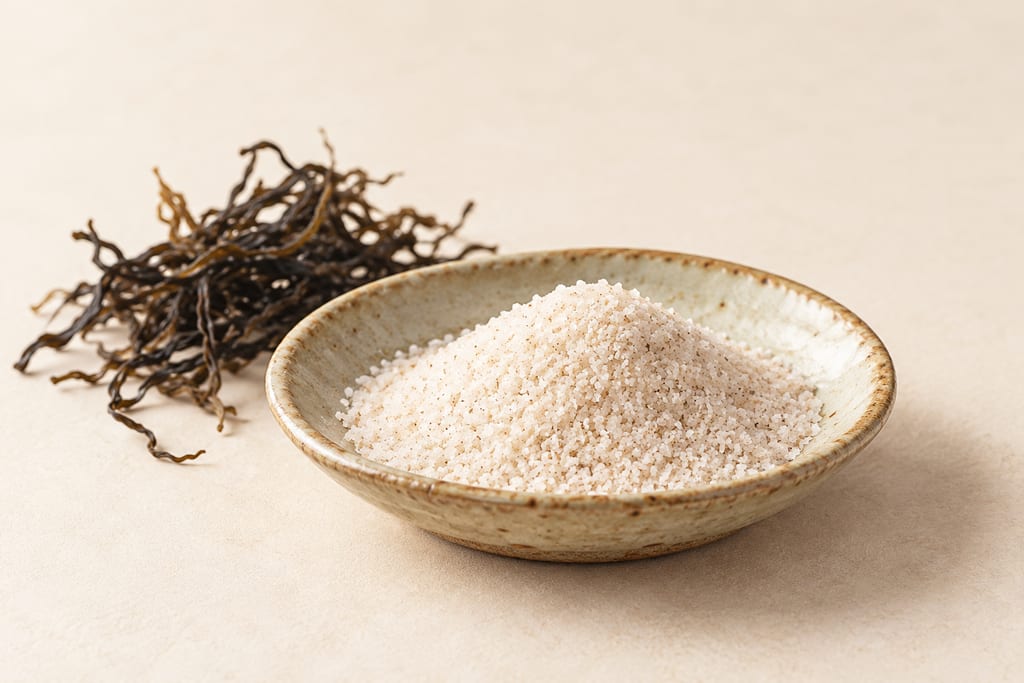
Amabito no Moshio is a modern, pale beige Japanese seaweed salt made from Seto Inland Sea water and hondawara seaweed. Its documented factory method concentrates filtered brine in kettles, then separates and dries the salt.
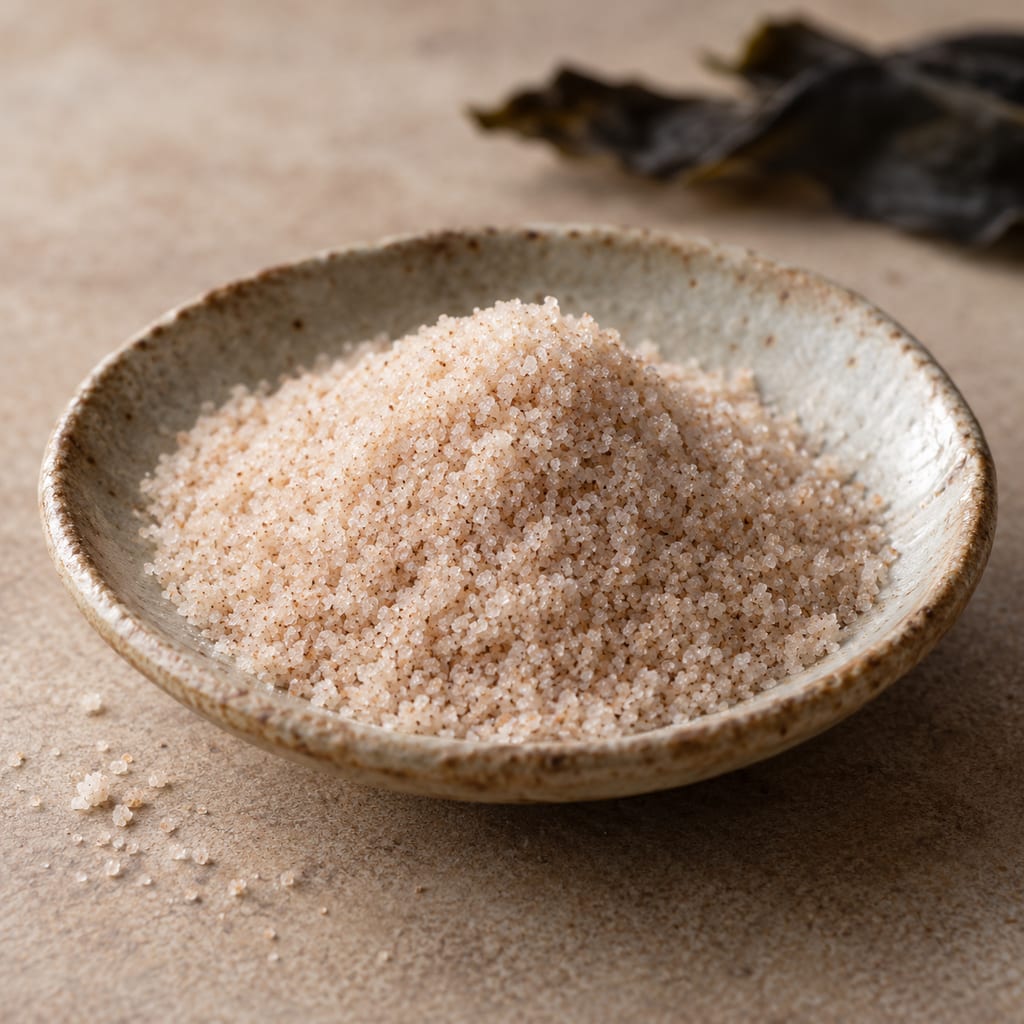
Awaji moshio is a modern Japanese seaweed salt made by TaDa PHILOSOPHY from Awaji Island seawater and seaweed. Its premium process concentrates brine, extracts seaweed flavor, then crystallizes, separates, dries and grades the salt.
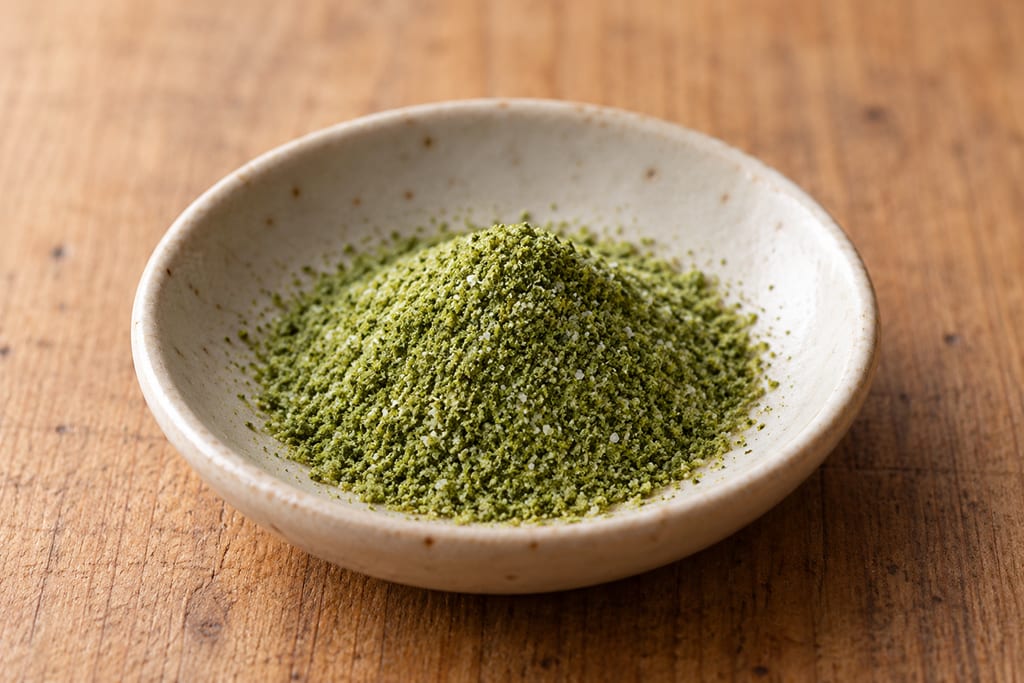
Green tea leaf salt is a dry seasoning made by grinding tea leaves, sieving them and mixing the powder with fine salt. This Japanese-style version follows a documented equal-parts method.
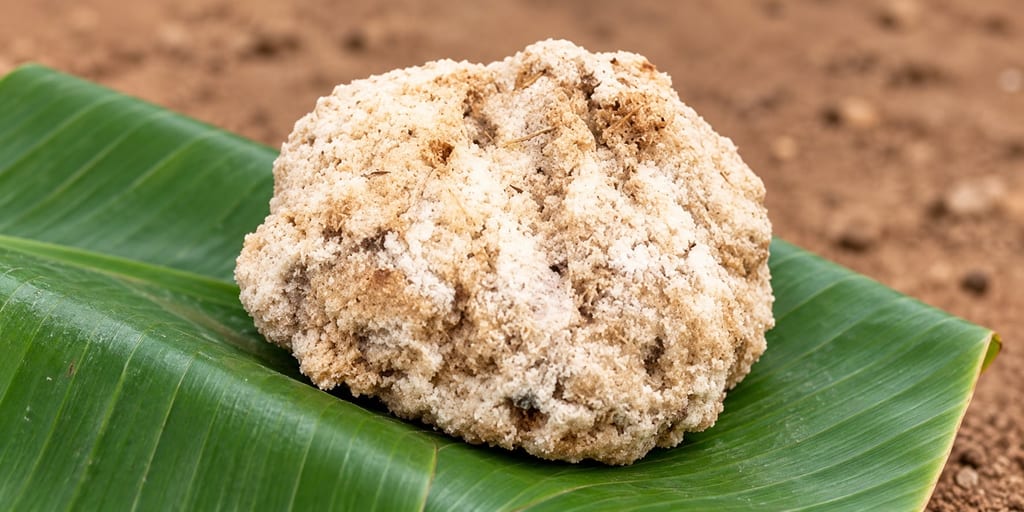
Nzoia River reed salt is a Bukusu seasoning made by leaching and evaporating the ash of mature muchua reeds. Its sources document a local method, but provide neither a measured formula nor verified mineral composition.
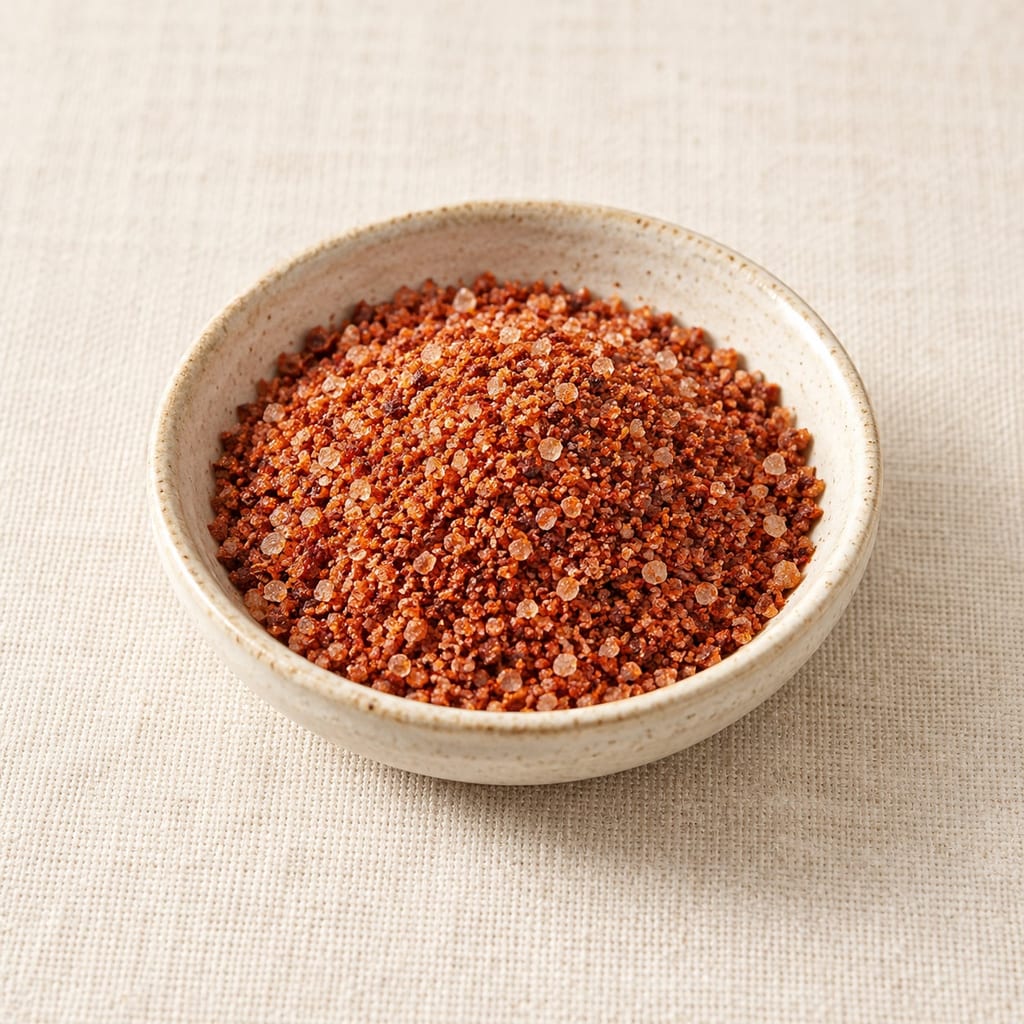
A dry Mexican seasoning of maguey worm, salt and chile, most closely associated in published accounts with Oaxaca and commonly served with mezcal, citrus and fruit.
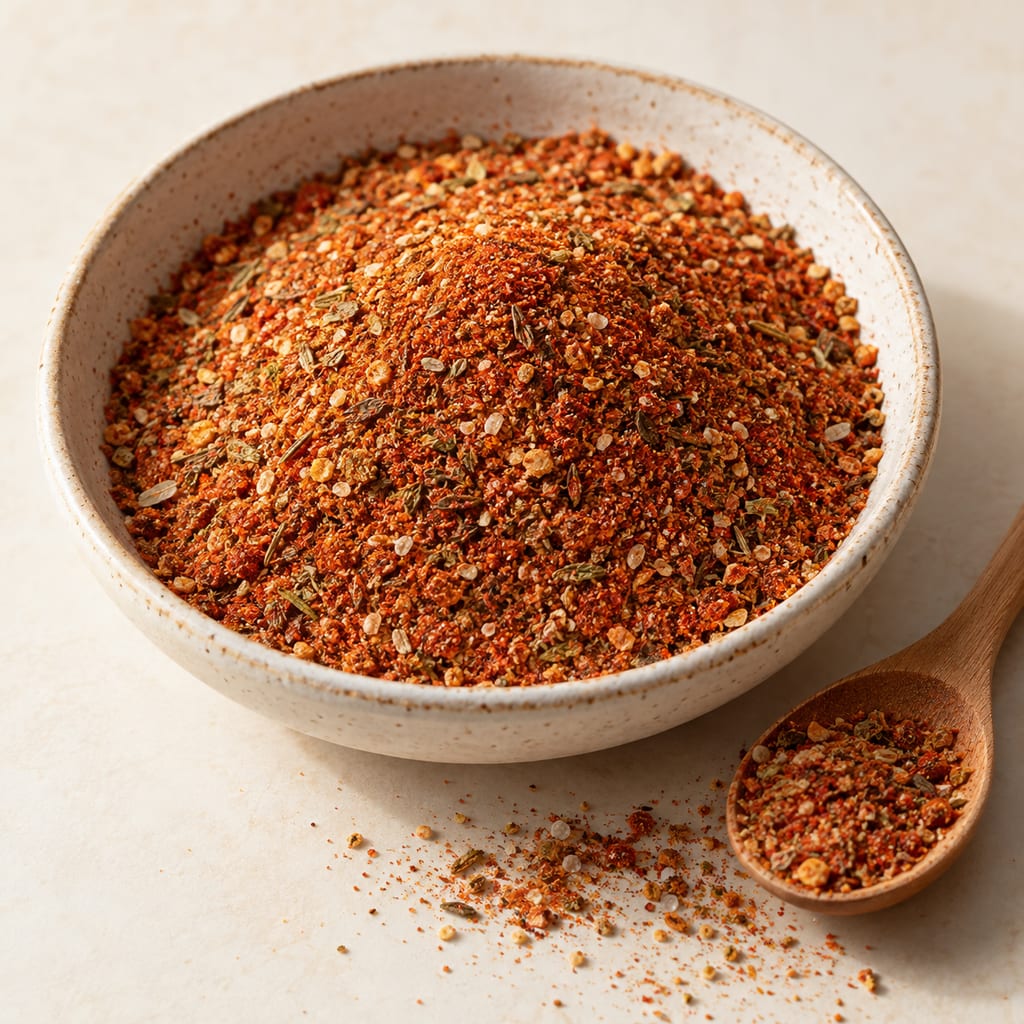
Bulgarian dry seasoning of salt, paprika, dried herbs and spices, with household and regional variations.
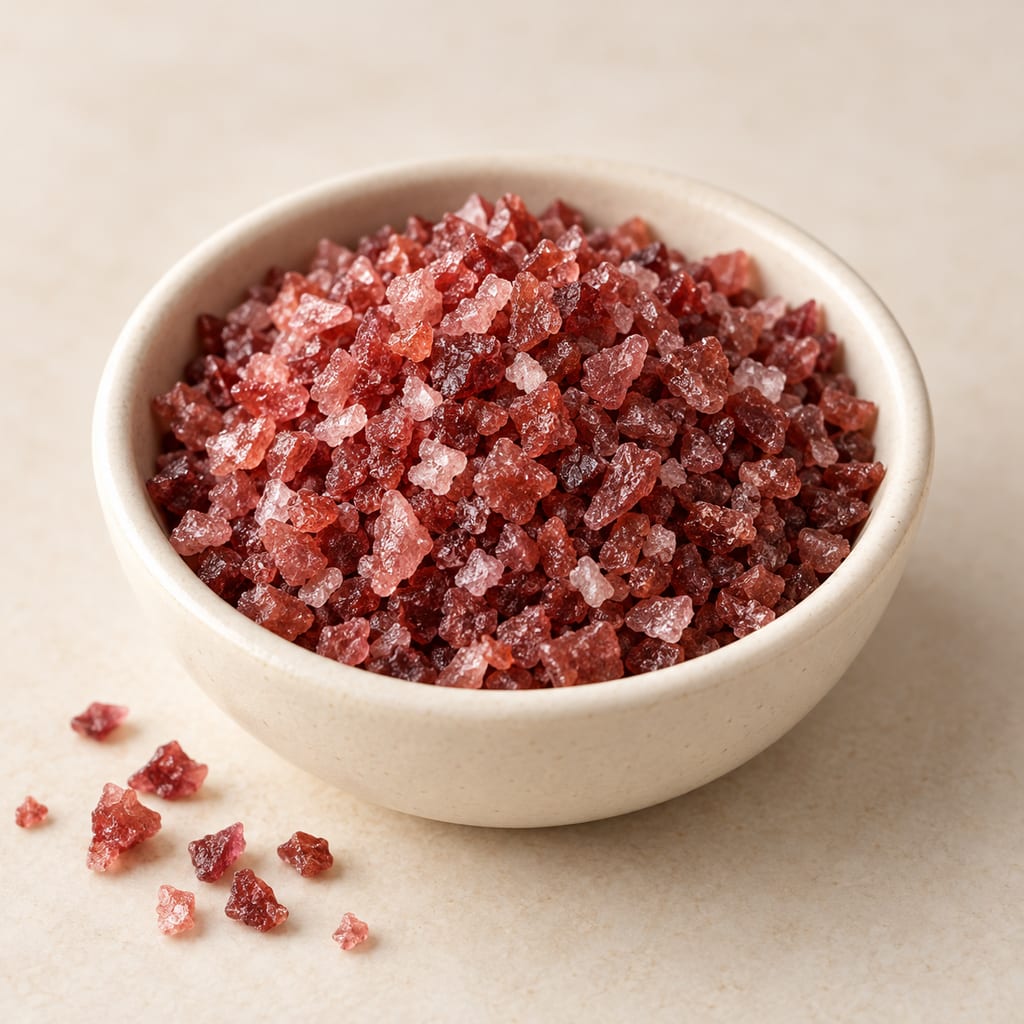
Wine-infused salt is coarse food salt carrying wine colour and aroma after a wine-and-salt mixture is reduced and dried. This version follows a Missouri Wines method at a one-to-three salt-to-wine ratio.
No community contributions have been published for this entry yet.
Sign in to contribute. Published comments and photos are free to read.
UNESCO Intangible Cultural HeritageIdentity · Process context
The practice of making Asin Tibuok, the artisanal sea salt of the Boholano of Bohol Island, PhilippinesThe UNESCO listing identifies this as a Boholano artisanal sea-salt practice and records its 2025 inscription on the List of Intangible Cultural Heritage in Need of Urgent Safeguarding.
Cited in: The documented craft
Bohol Provincial Planning and Development OfficeIdentity · Method · History · Geography
Socio-Economic Profile: Culture, Arts and HeritageSection 6.3.1 and Figure CH-05 document the ten-step Alburquerque process, the materials, named tools and intervals; the profile describes centuries-long history and local trading.
Cited in: The documented craft; Published process sequence