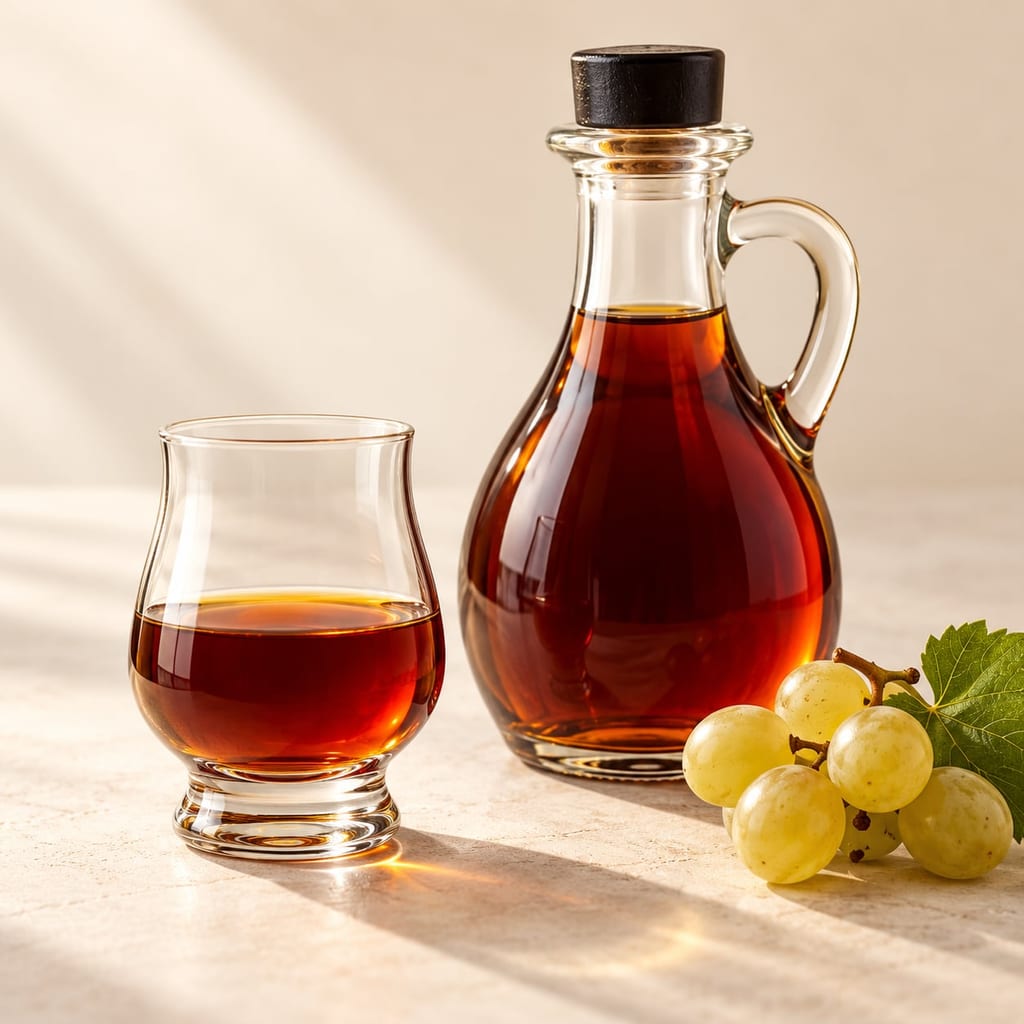
What sinamak is
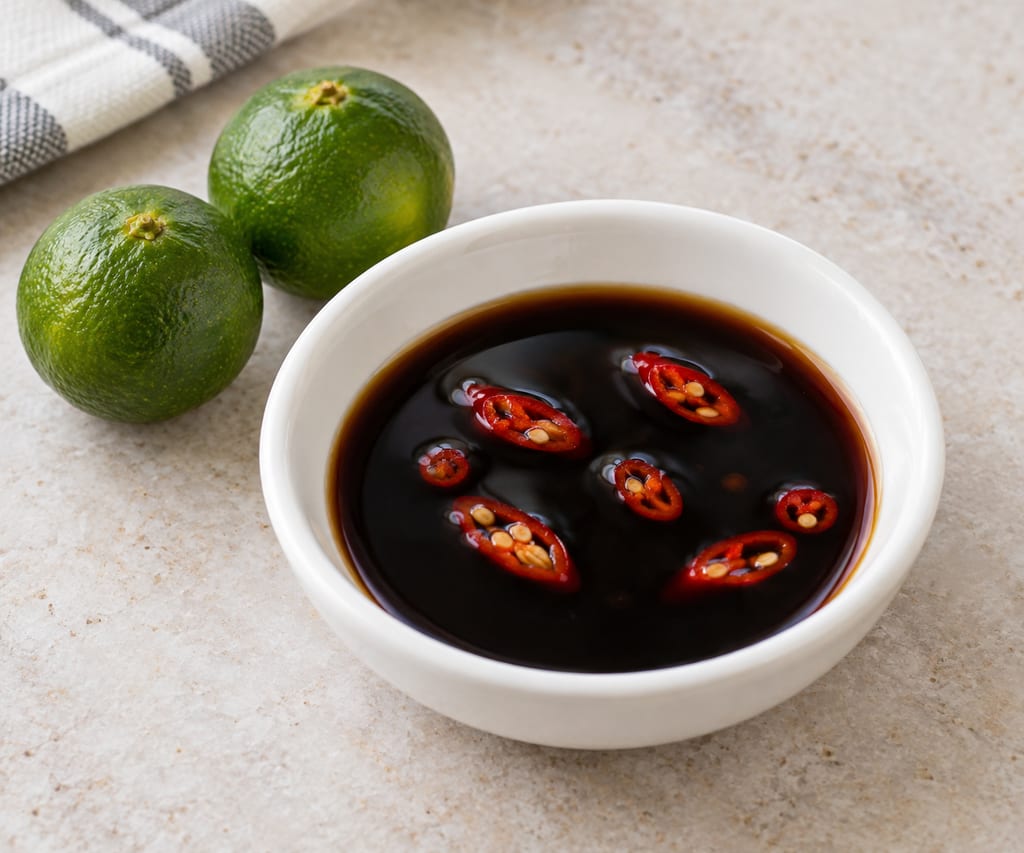
Sinamak is a spiced vinegar from the Philippines, most closely associated with Iloilo and the Ilonggo kitchen. Panlasang Pinoy describes it as Iloilo's version of spiced vinegar, and it is served with grilled and fried foods, including chicken inasal.
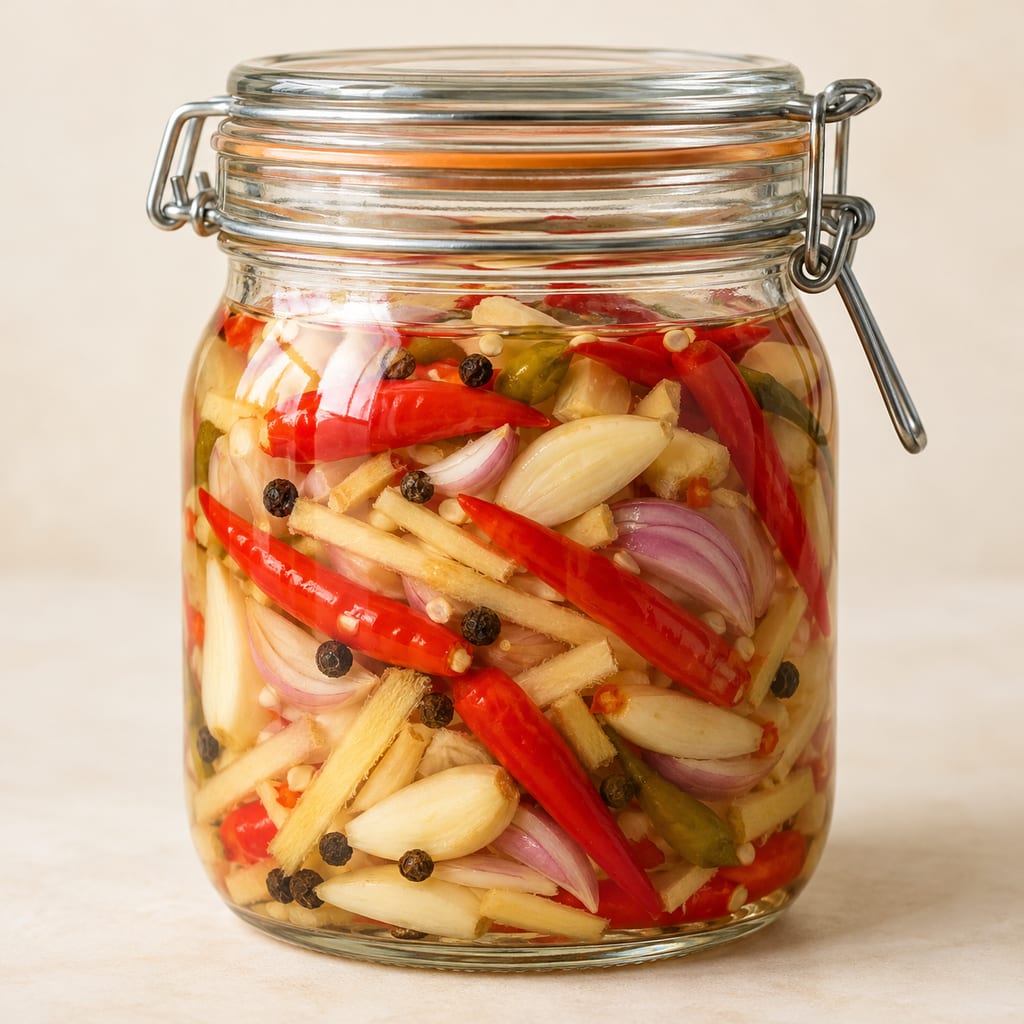
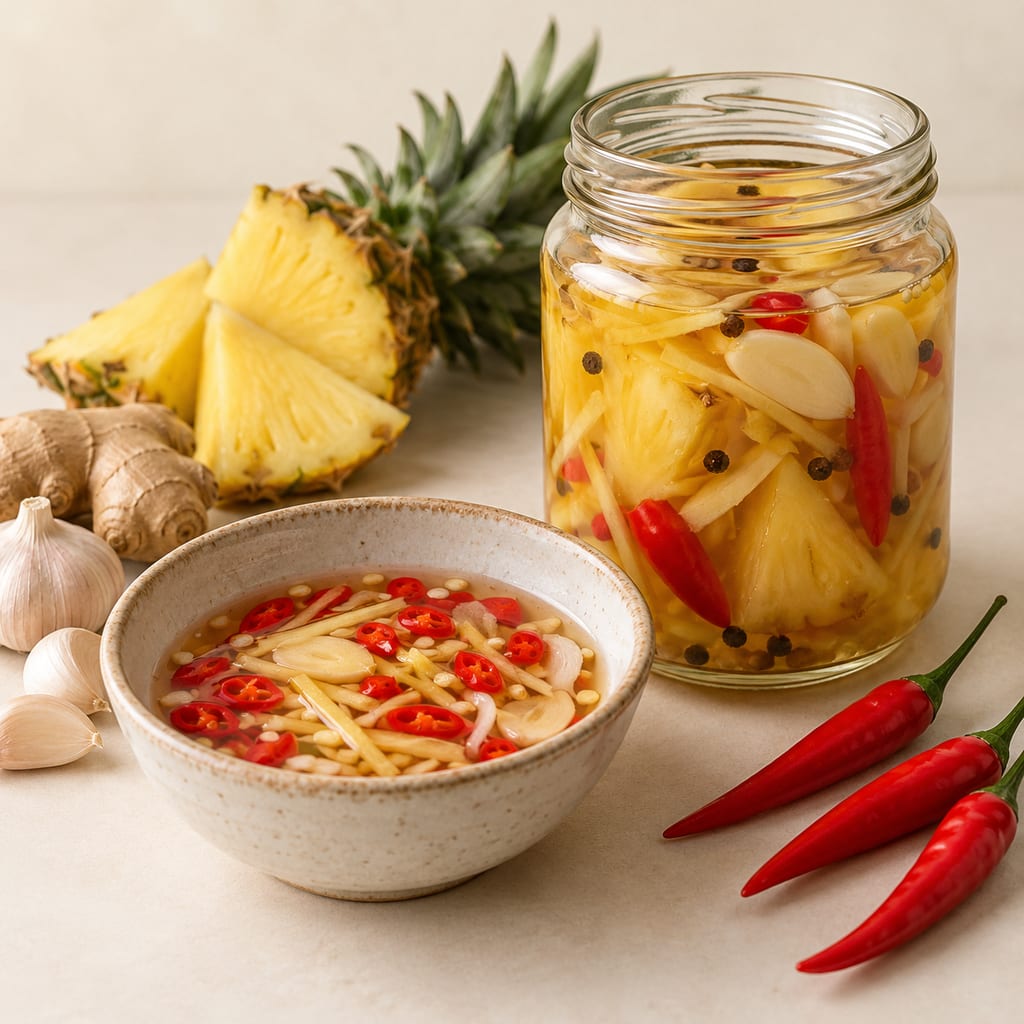
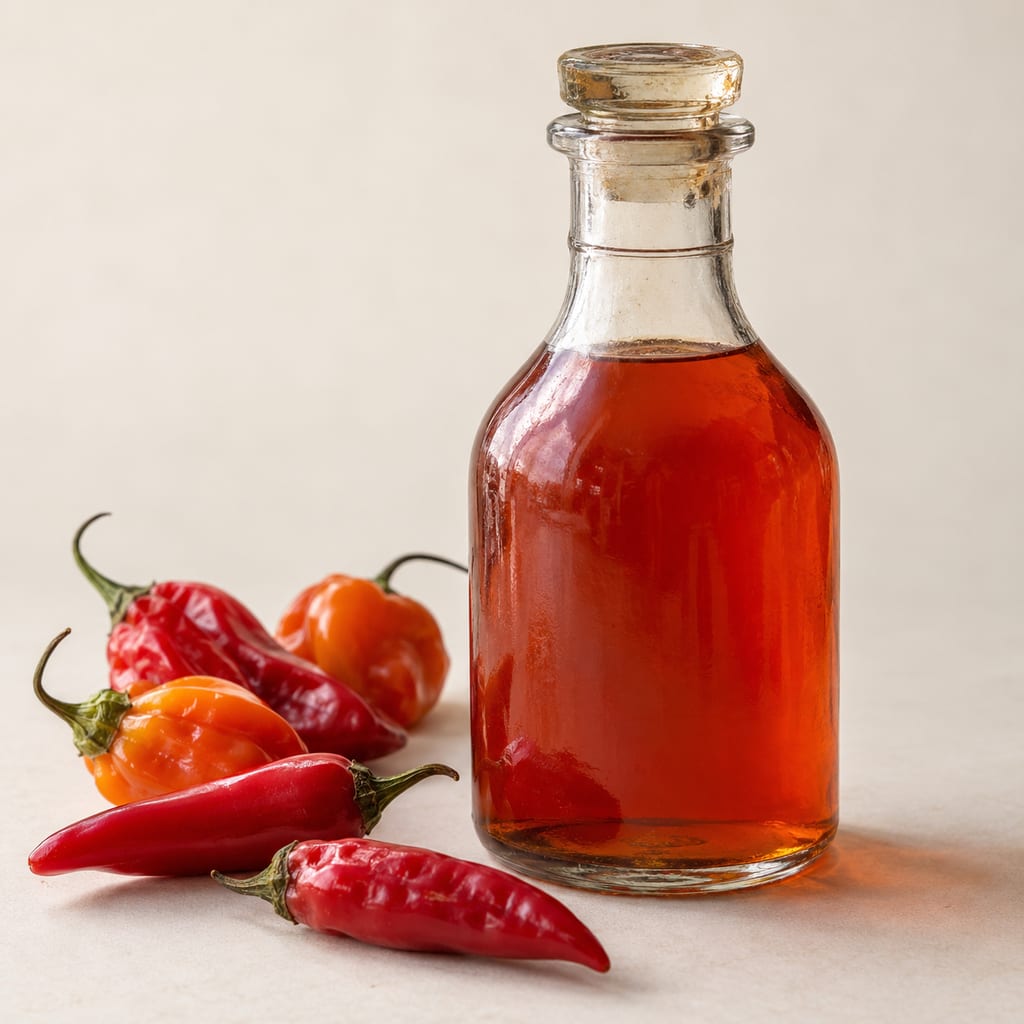
The condiment is a flavoured vinegar rather than a fermented or cooked sauce. Chilies, ginger, garlic, onion and peppercorns go into a clean bottle, the vinegar is poured over them, and the spices flavour the liquid over days or weeks. Sinamak is an infusion of a finished vinegar; it is not the vinegar-making process behind suka.
Sources for this section
Names and regional forms
The Hiligaynon name is sinamak. One Ilonggo food blog gives pinakurat as the Ilokano name for the same type of spiced vinegar. No source establishes a single origin for the recipe; the names describe local use of a condiment that households make from the same few ingredients.
Recipes differ mainly in the vinegar and the heat. The Iloilo blog recipes use 2 to 3 cups of coconut vinegar, about 1 cup of chilies, half a cup of sliced ginger and a whole head of garlic. A version in the Islas cookbook by Von Diaz, labelled Ilocos-style, uses about 2 cups of palm or rice vinegar with bird's eye and long green chilies, galangal, ginger, garlic and peppercorns, and steeps for at least 3 days. This page keeps those methods separate rather than merging them into one recipe.
Sources for this section
Choosing the vinegar
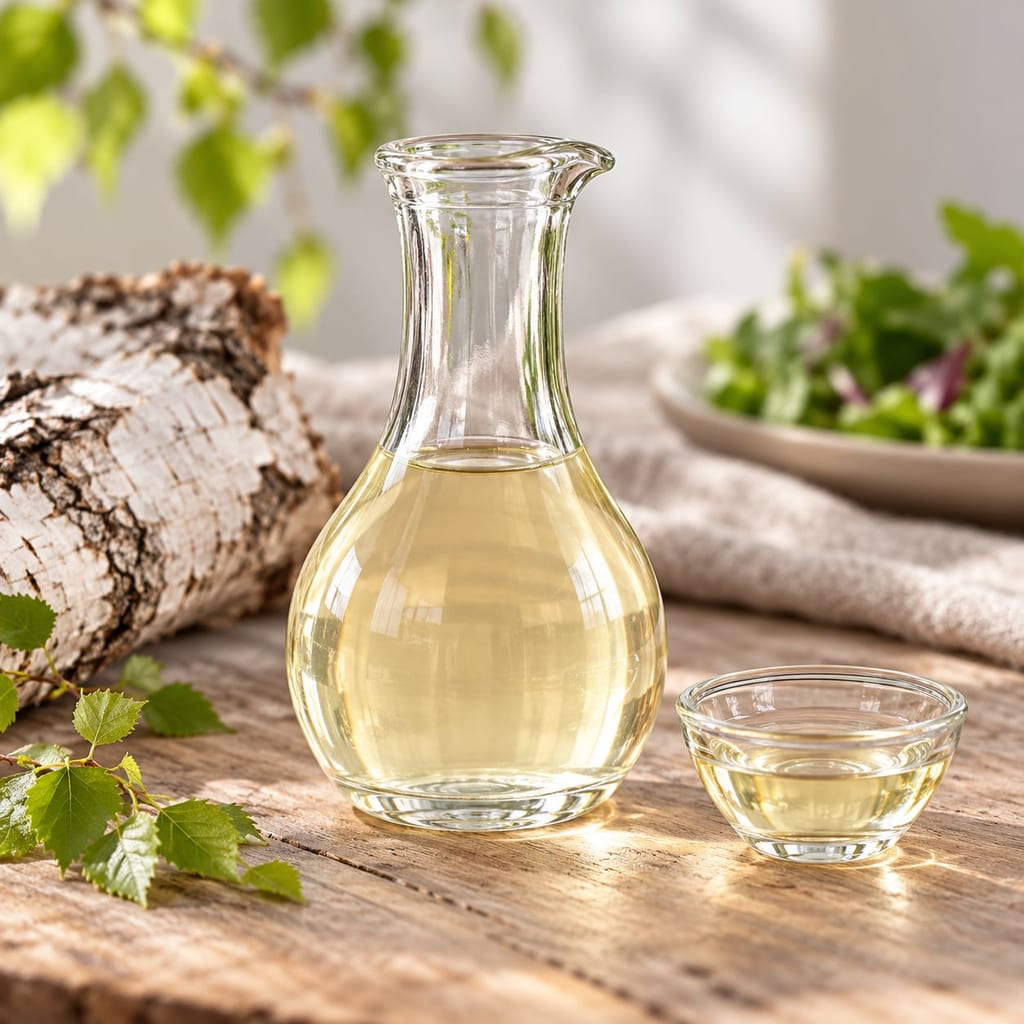
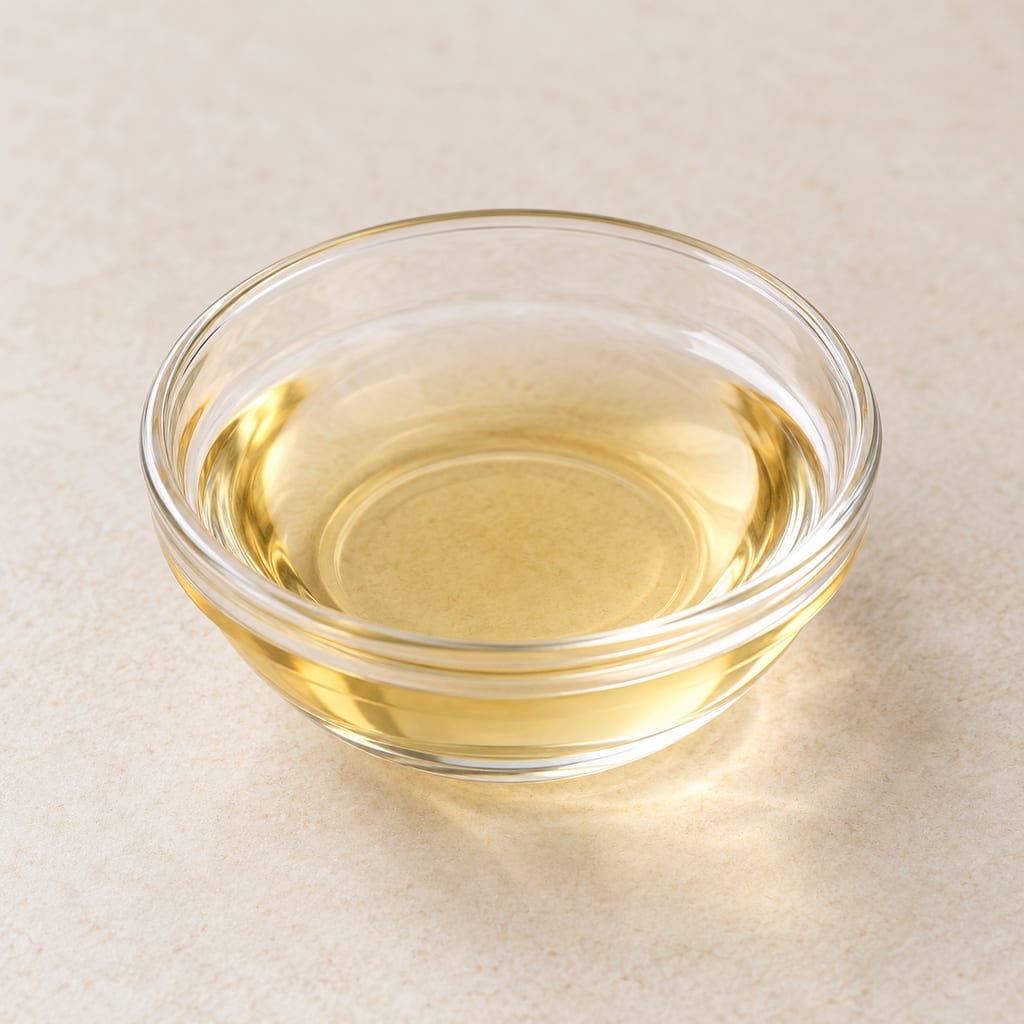
The base vinegar sets the character of the finished condiment. Panlasang Pinoy lists white, cane and coconut vinegar; another source lists palm vinegar (sukang Paombong), coconut vinegar (sukang tuba), cane vinegar, white vinegar, rice vinegar and apple cider vinegar as options. Coconut vinegar is the one the Iloilo blog recipes name most often. The sources give no acidity target for the infusion, so a vinegar of known acidity is the practical starting point.
Sources for this section
Making it and waiting
The method is short. Put the peppercorns, ginger, garlic, onion and chilies into a clean container such as an empty liquor bottle, shake to mix, fill with the vinegar and seal. The recipe asks for at least three days at room temperature before use. A longer rest deepens the heat, and the bottle is shaken gently from time to time.
The method gives the steps but not how each aromatic releases its compounds. The cut ginger and chilies expose more surface to the liquid, and the garlic and onion soften into it; no source measures the extraction.
Sources for this section
Using it and keeping it
Sinamak is a table condiment: a few spoonfuls go into a dipping sauce, or are poured over grilled or fried meat beside a plate of chicken inasal. Panlasang Pinoy and the Ilocos-style source indicate the bottle keeps for several months and deepens over time, and that the chilies make it hotter the longer they stand.
No source establishes a safe storage limit, a refrigeration rule or an acidity for the finished bottle. A reader comment on the Panlasang Pinoy page says green garlic is not harmful; no source establishes that for this process, so the page does not make a safety statement. Anyone making sinamak for others should use a vinegar of known acidity and clean bottles, and should not treat a long shelf life as proof of safety.
Sources for this section
Notes and gaps
No source read gives a dated origin for sinamak, a validated acidity or a shelf life for the finished bottle.
Sources for this section
History
Sinamak is named in the sources as Iloilo's spiced vinegar and as an Ilonggo condiment for grilled and fried food. The Hiligaynon name is sinamak; one blog gives pinakurat as the Ilokano name for the same kind of spiced vinegar. The sources read do not date its origin.
Places
Iloilo
Documented preparation · Region evidencePanlasang Pinoy calls sinamak Iloilo's version of spiced vinegar; the recipe is a home method, not a codified regional form.