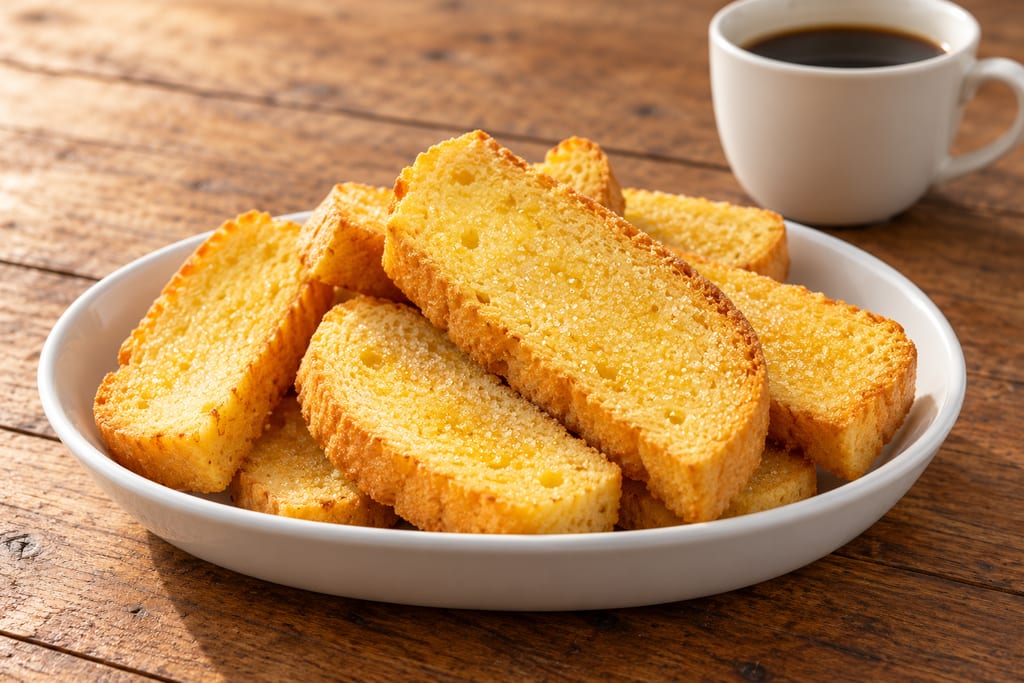
Biscocho de Iloilo: butter-and-sugar PagkainPinoy version
PagkainPinoy’s 24–30 piece version twice-bakes day-old soft bread with a thin butter-and-sugar coating.
 FermenteaWhere food goes to change
Modern adaptation
Spanish Bread · Filipino Spanish bread
This Manila baker’s Filipino Spanish bread pairs a soft, enriched roll with a buttery brown-sugar breadcrumb filling and a crumb coating.
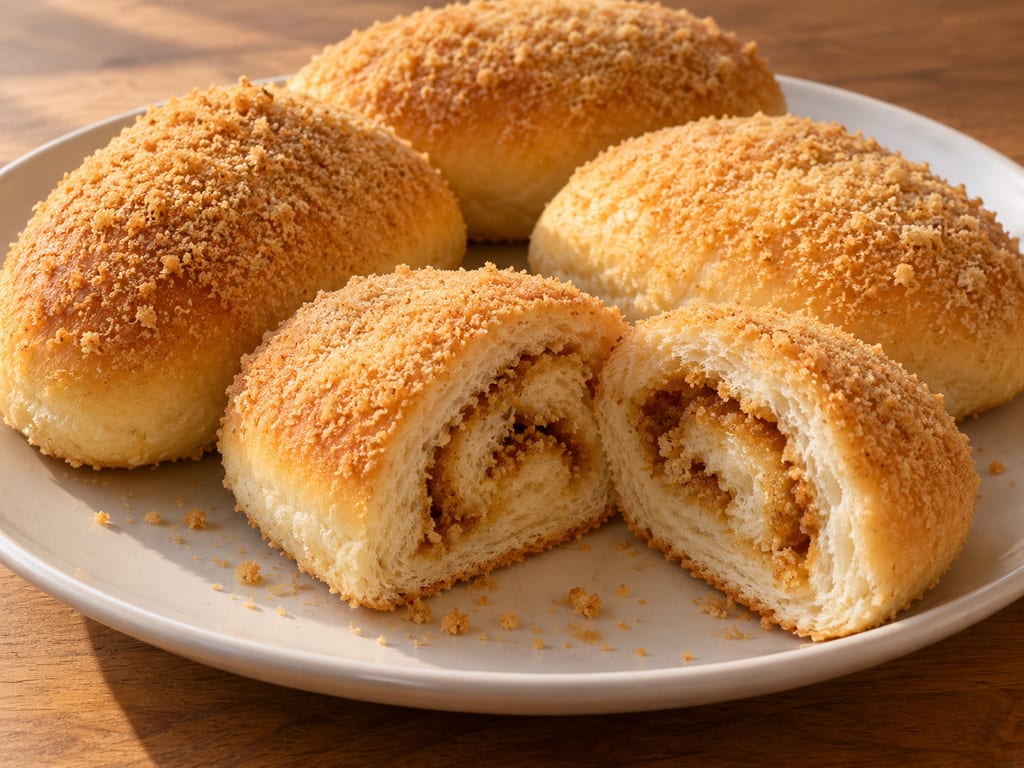
Spanish bread is a Filipino bakery roll, not a Spanish loaf type. Hello Bake introduces it as a Filipino classic and describes a pillowy dough around a buttery, sugary filling, finished with breadcrumbs. Philstar makes the distinction explicit: the bread is Filipino despite its name, and it is also known as Señorita bread or pan de Kastila. These sources support a Philippine identity, but they do not establish a precise place or date of origin.
The two recipes in the source file document different contemporary versions. This page follows Hello Bake’s ten-roll formula and mixer method. Philstar’s account of Chef Jackie Ang Po presents a separate 24-piece dough with oil and a different filling of margarine, brown sugar, flour and powdered milk, plus a steamer variation. Those quantities and cooking methods are not blended into the selected oven-baked recipe.
Hello Bake says the dough resembles pandesal and ensaimada. That is the author’s comparison, not evidence of a direct historical lineage. The word “Spanish” in a Filipino bakery name is not enough to assign the bread a Spanish origin; no dated first attestation was established in the sources consulted.
The Hello Bake filling is a paste of softened butter, brown sugar and fine breadcrumbs, with salt adjusted to taste. It is spread thinly over each flattened dough piece before rolling. The same source uses additional fine crumbs on the outside, so the baked roll has a soft, sweet center and a crumb-coated exterior. Use the amounts listed for the filling separately from the dough sugar and butter.
The archive’s general note mentions that a cooked or carefully prepared filling can reduce leakage. Hello Bake’s chosen version does not cook the filling separately: it mixes softened ingredients into a paste. The method here keeps that source-specific treatment. Seal the upper edge and place each roll seam-side down, as instructed, to help retain the paste. Do not add the separate flour-and-milk filling from Philstar’s formula.
The formula uses 250 g bread flour, 50 g brown sugar, 7 g fine salt, 5 g instant dry yeast, 30 g softened butter, one 55 g beaten egg, and 65 g each of room-temperature milk and water. The flour, sugar and yeast are mixed first; water, milk and egg go in before the butter, with salt added after the butter has been absorbed. Kneading continues until the dough is smooth and stretchy and passes a windowpane test. The recipe gives about ten minutes or longer, but dough development and mixer strength matter more than the clock alone.
Hello Bake advises adding dusting flour sparingly, about half a teaspoon at a time, if the dough stays very sticky. Too much flour changes the soft dough the recipe is designed to produce. Cover it and proof in a warm place for about an hour or until doubled. The source gives no numeric proofing temperature, so kitchen warmth and the visible rise are the documented cues rather than a controlled fermentation setting.
While the dough rises, combine 80 g softened butter, 80 g brown sugar and 40 g fine breadcrumbs for the filling; the source suggests a pinch to one-quarter teaspoon salt to taste. Deflate the risen dough gently and divide it into ten pieces of about 50 g each. Round them, cover, and rest for five minutes. Flatten each into a vertically oriented rectangle or slight trapezoid, spread on a spoonful of filling, roll toward the narrower edge and seal.
Coat the rolls in fine breadcrumbs, arrange them seam-side down on a parchment-lined tray with space between them, cover, and proof for about 30 minutes or until nearly doubled. Heat the oven to 180°C during this stage. Bake for 15 minutes or until golden, following the source’s directions, then cool on a wire rack. The source does not give a measured internal temperature or a separate validated endpoint; the stated bake time and visual cue belong to this particular home recipe.
The recipe lists 30 minutes of active work, 90 minutes of waiting and a 15-minute bake. Proofing can take longer in a cool room, and the dough development, shaping and second rise should be watched rather than shortened to fit the listed clock time. Ten rolls are the supported batch; no scaled batch has been tested.
The dough contains raw flour and egg. CDC warns that both can carry germs, advises against tasting raw dough, and recommends following recipe cooking directions and washing hands, bowls, utensils and work surfaces after handling flour, eggs or dough. Keep the raw dough and filling away from ready-to-eat foods, do not eat or taste the unbaked rolls, and clean the mixer parts and work area after shaping.
Hello Bake recommends storing the baked rolls in an airtight container for several days. That is the recipe author’s freshness advice, not a tested food-safety shelf life, so this page does not present it as a validated storage limit. The source also discusses refrigerating leftover filling; its note is retained as source context rather than a validated storage schedule.
The ingredient quantities, ten-piece yield, mixing order, proofing cues, shaping, crumb coating and 180°C oven method follow Anna Villanueva’s Hello Bake recipe. Philstar is included to document a distinct Filipino version and the name Señorita bread/pan de Kastila; its formula is not used in the method. CDC supports the raw flour and egg handling advice. The consulted material does not substantiate a historical origin date or a validated internal bake endpoint.
Hello Bake calls Spanish bread a Filipino classic and says it draws on pandesal and Spanish ensaimada; the page also says the name and forms have been around for centuries without a dated citation. Philstar describes a separate 24-piece Jackie Ang Po recipe and alternative cooking exploration. Neither source establishes a first attestation, and the two formulas are not combined here.
Yield 10 pieces · Scaling: source batch only
Uncooked flour and eggs can carry pathogens; CDC advises against tasting or eating raw dough.
Hazard sourceDo not eat raw dough; bake according to the source directions and wash hands, mixer parts, bowls, utensils and surfaces after handling flour or egg.
Control sourceThe source gives a 180°C bake setting and 15-minute time or a golden-brown cue, but no measured internal endpoint; follow the source recipe and do not treat browning as a validated safety test.
Hello Bake’s airtight storage advice for several days concerns freshness and is not a validated safety duration.
Hello Bake calls this a Filipino classic and identifies its baker as based in Manila, Philippines; this supports a country-level association, not a birthplace or one regional formula.
PagkainPinoy’s 24–30 piece version twice-bakes day-old soft bread with a thin butter-and-sugar coating.
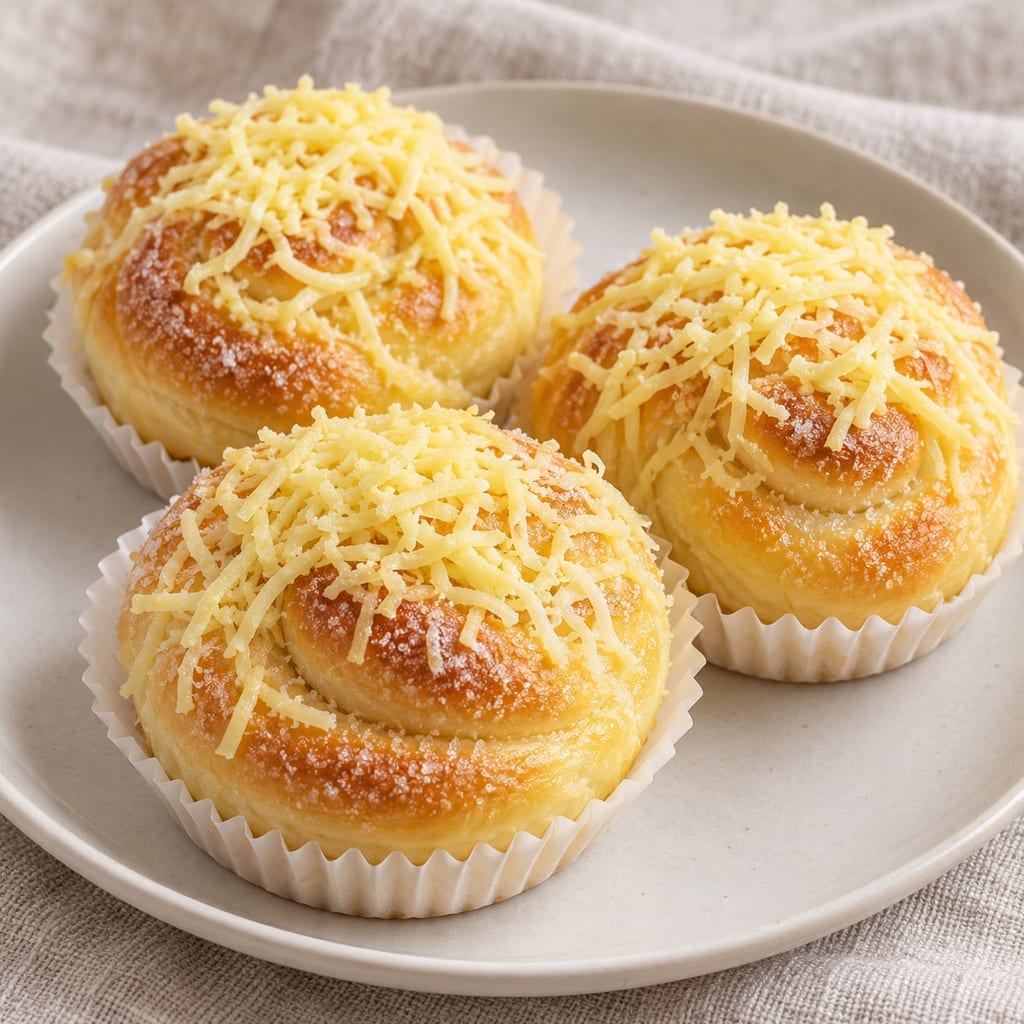
Soft Filipino ensaymada coils use enriched yeast dough, then receive butter, sugar and grated cheese. This modern Filipino version differs from Mallorcan ensaïmada and other Philippine regional formulas.
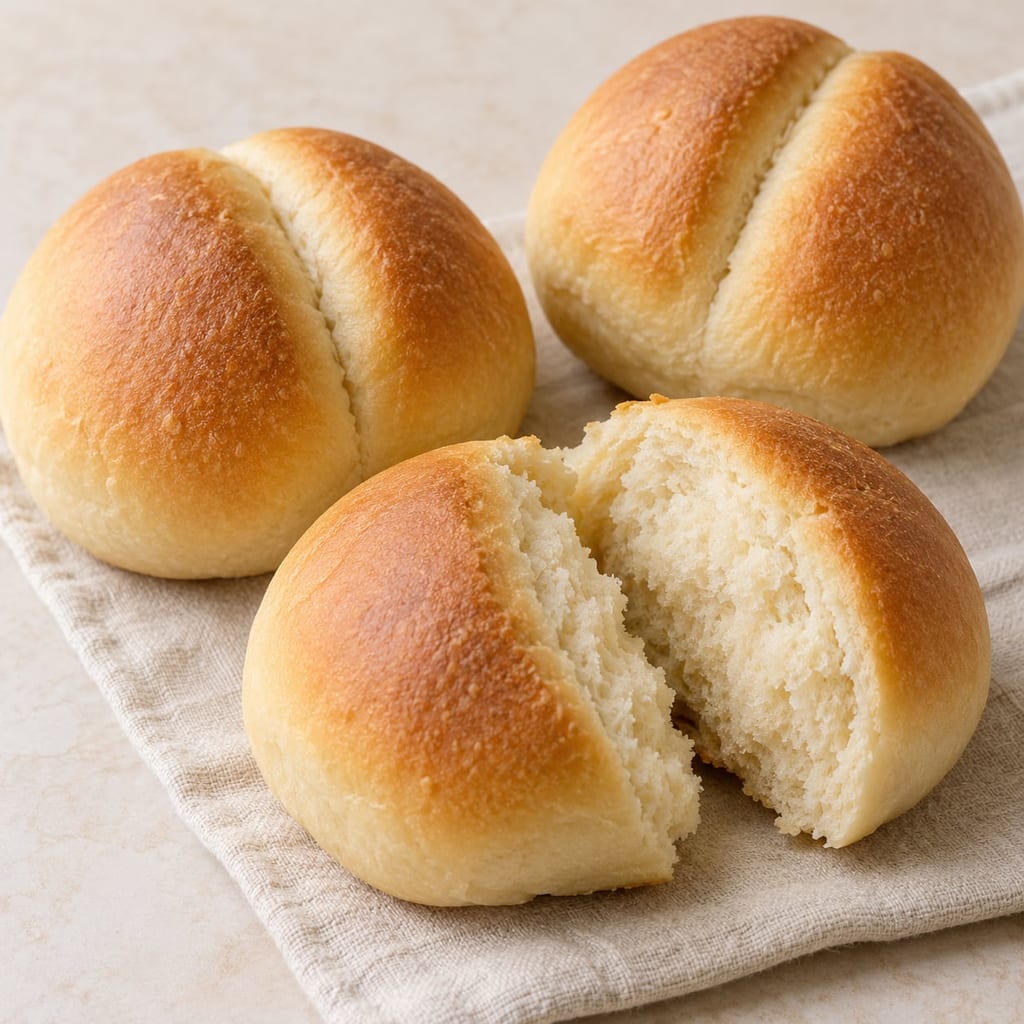
Filipino bakery-style rolls with a dense crumb and a deep central slash, made here as a twelve-roll home batch.
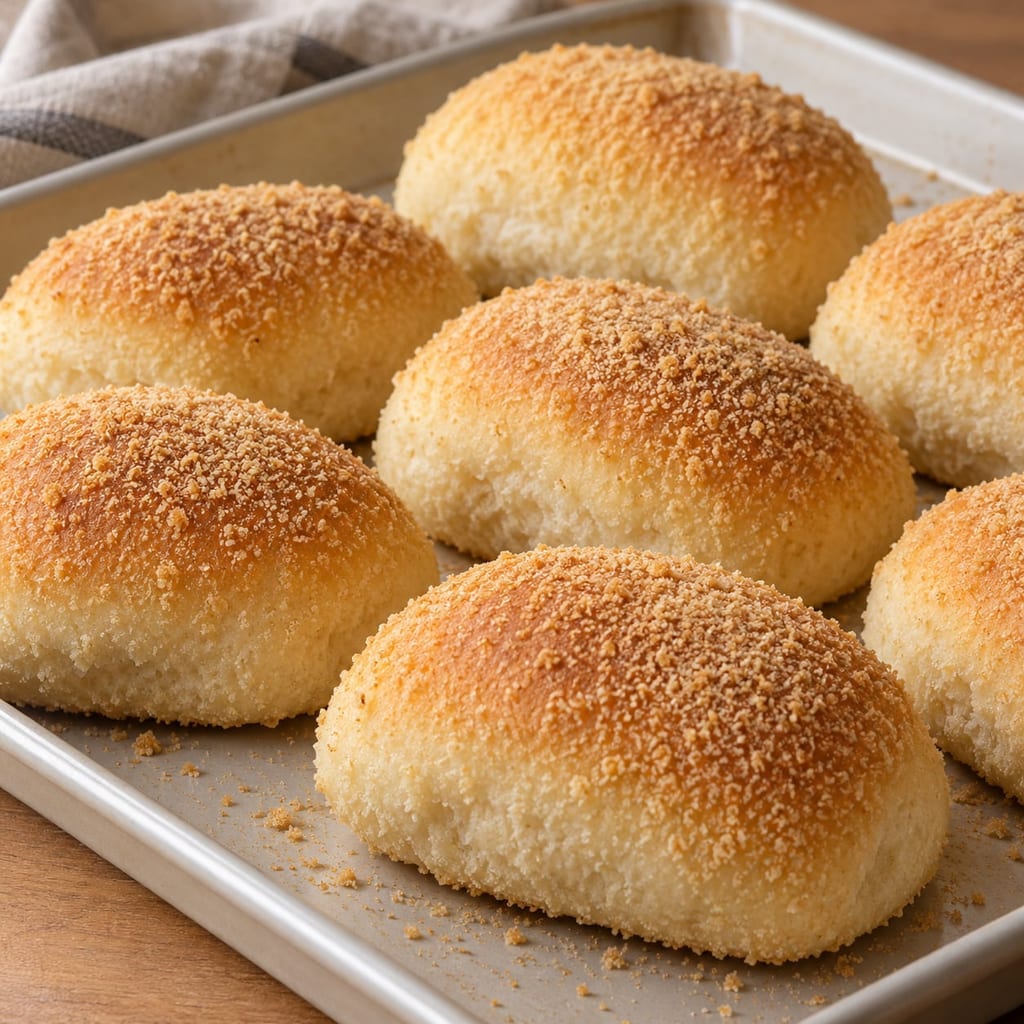
Filipino pandesal made with a neutral-oil wheat dough, folded through a 3½-hour fermentation and coated in breadcrumbs.
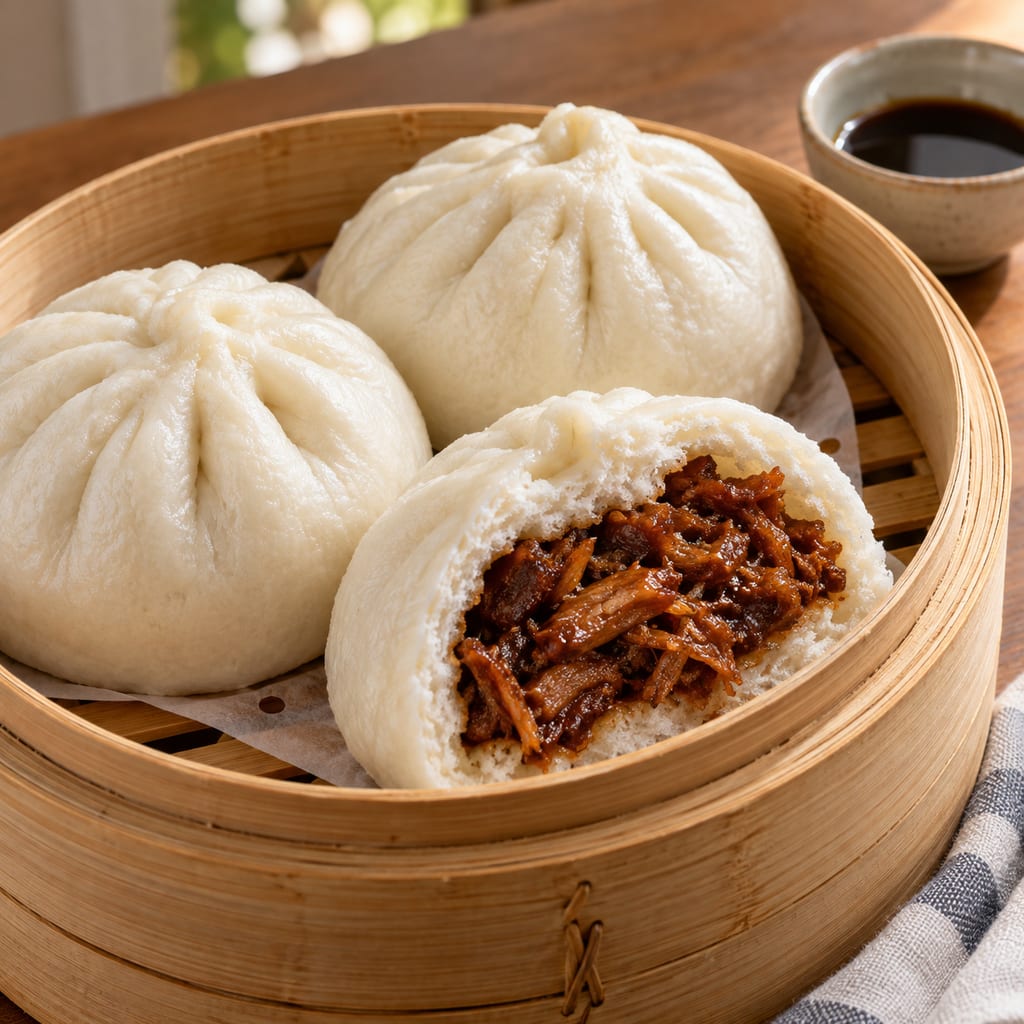
Filipino siopao pairs a soft steamed wheat bun with a sweet-savoury pork asado filling and a separate sauce made from its braising liquid.
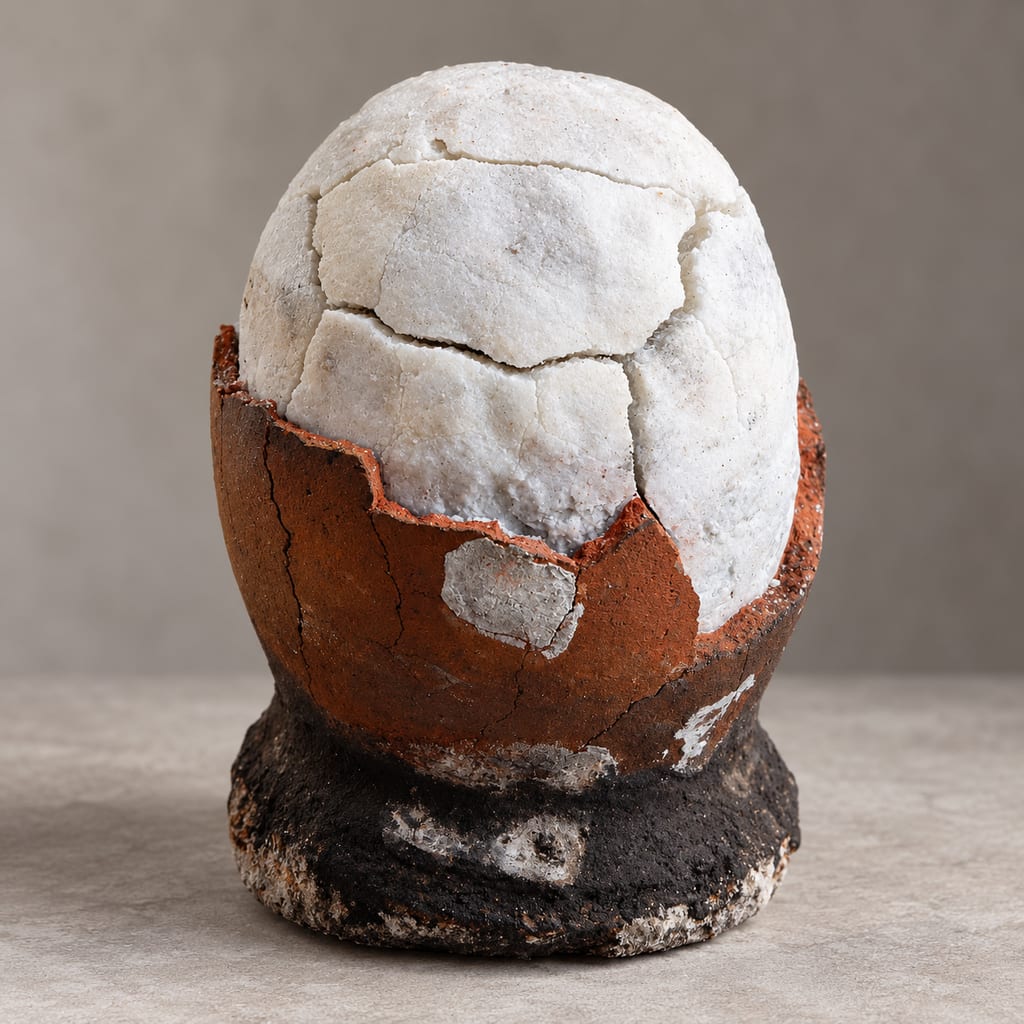
Asin tibuok is a Boholano salt-making craft that turns seawater-soaked coconut husks into a salt-rich ash, brine and formed sea salt in specialized clay pots. This record follows one published account of the community process; it is not a validated household formula.
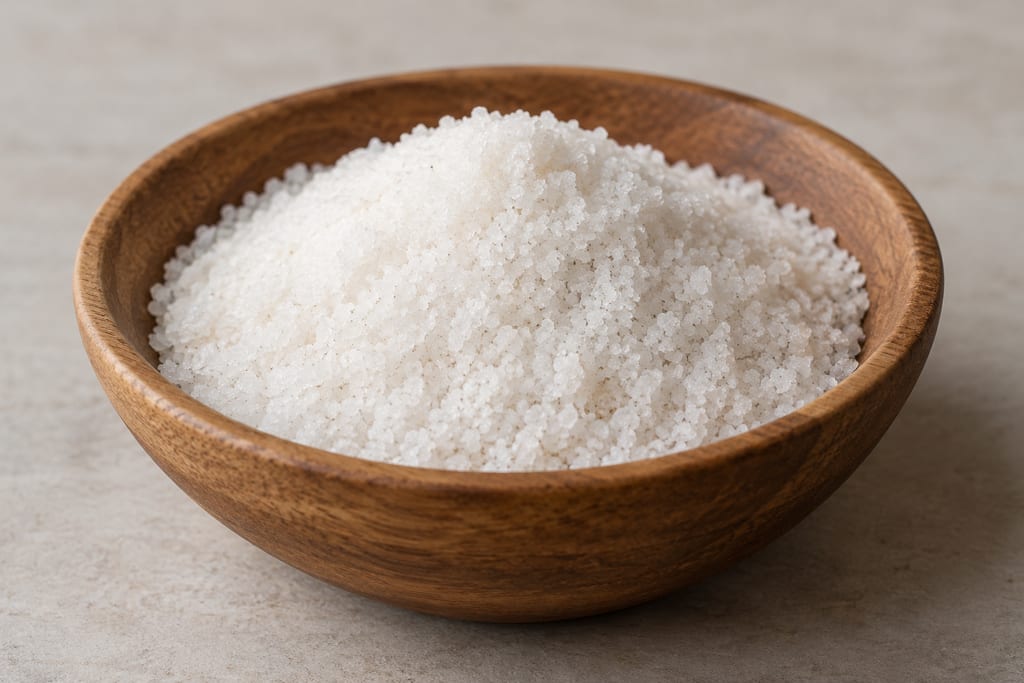
Asin sa buy-o is a fine sea salt made in Panayunan, Botolan, and packed in a woven nipa pouch called a buy-o. Salt-bearing coastal earth is leached with seawater, and the brine is boiled to crystals.
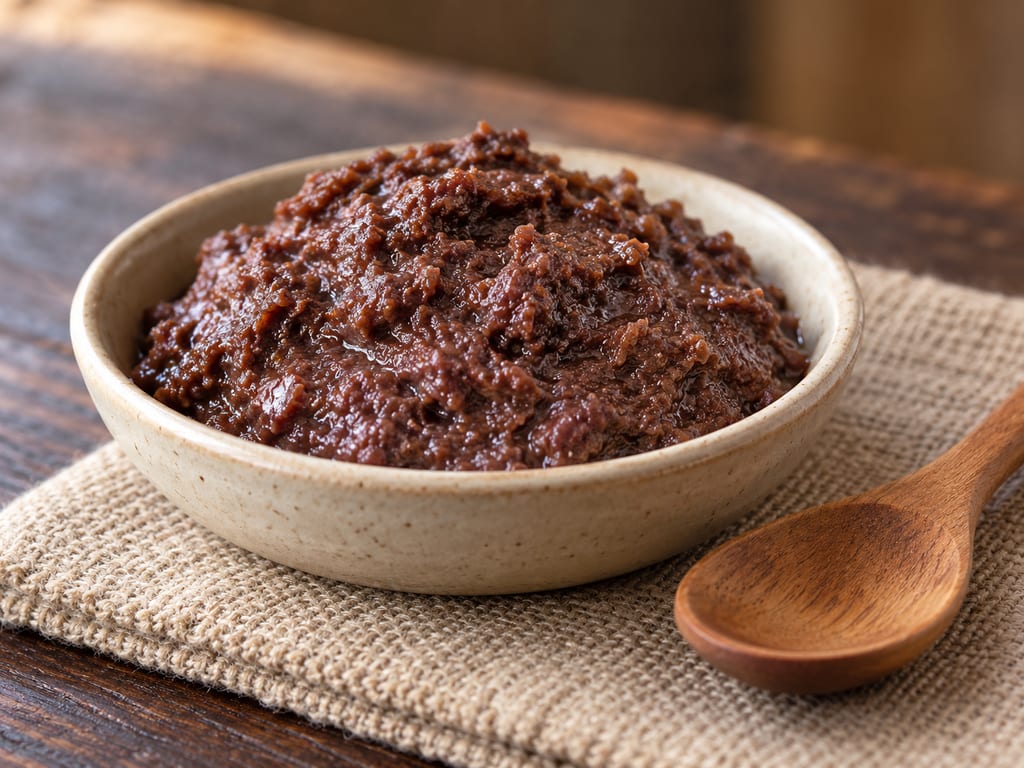
Bagoong isda is a Philippine fish paste: whole small fish salted and left to ferment for a month or more in earthen jars. It is the fish counterpart of bagoong alamang.
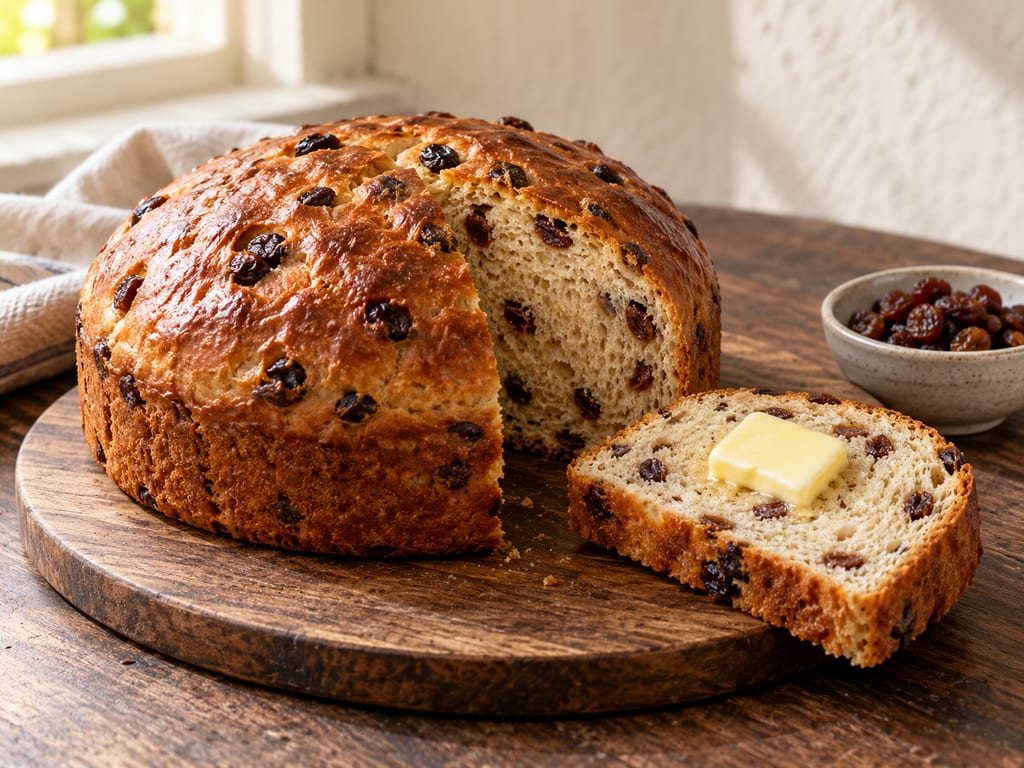
An Irish fruit-studded yeast loaf, associated in a contemporary cultural account with Halloween and often served fresh or toasted with butter.
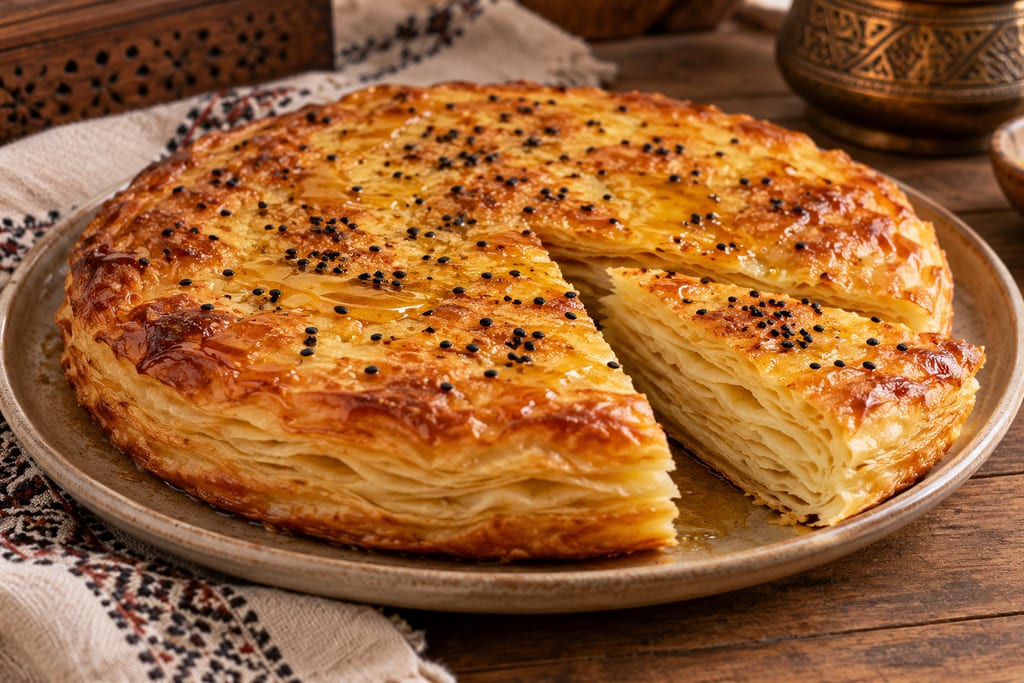
Bint al-sahn is a Yemeni celebration and home bread built from thin, egg-rich yeast dough layers brushed with ghee or butter. This source-specific version makes one round cake, baked until golden and served warm with honey.
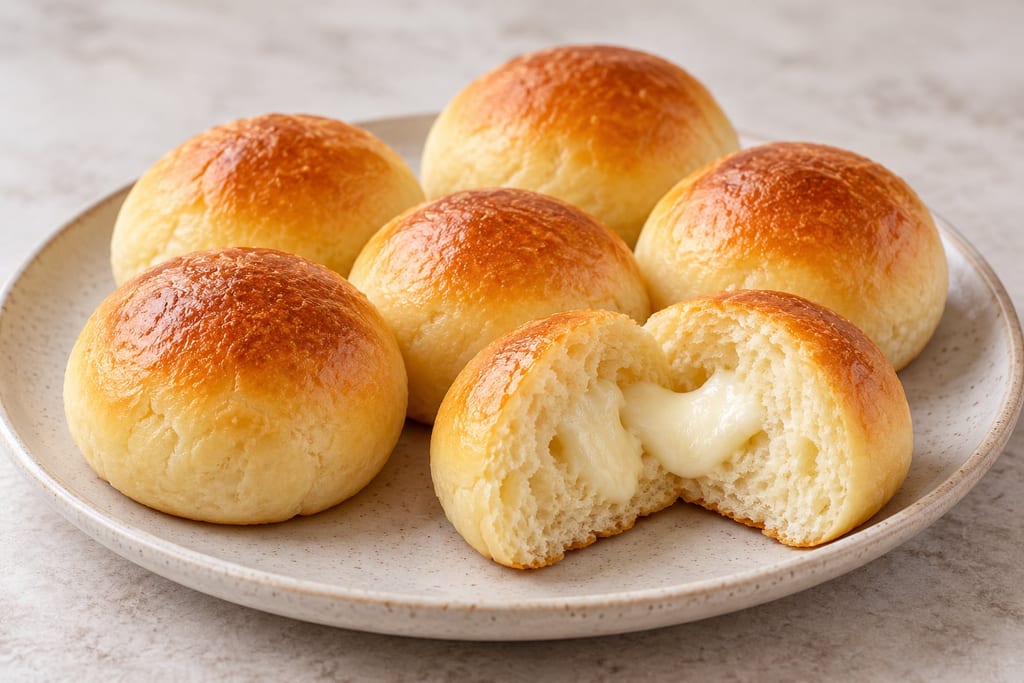
Soft Brazilian yeast rolls use cooked mashed potato in an enriched dough, with mozzarella cubes enclosed before baking.
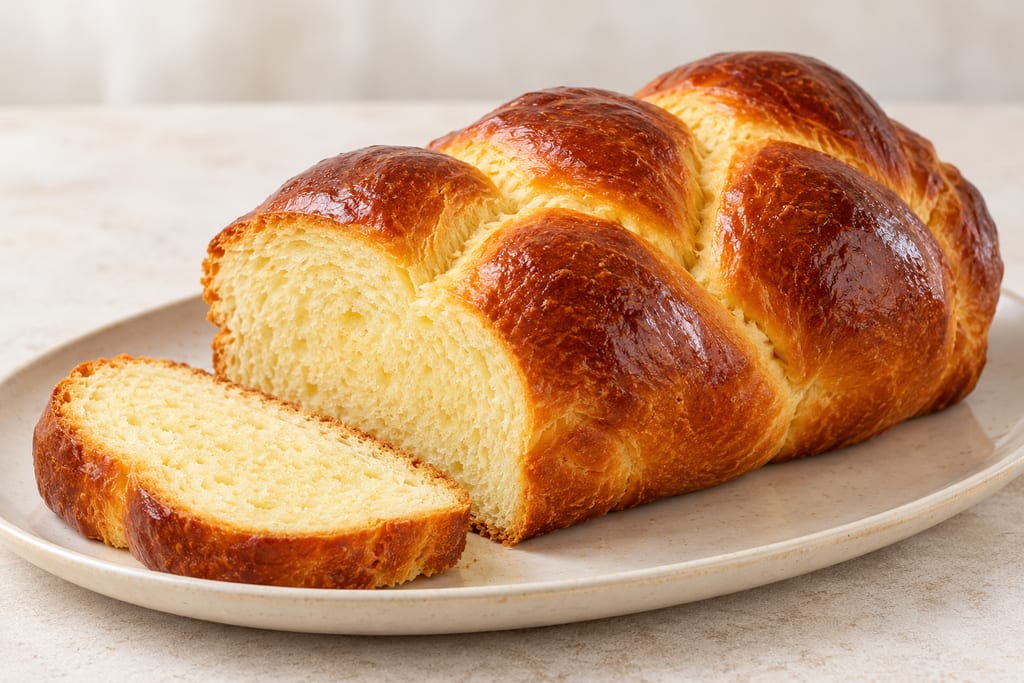
An egg-and-butter-rich yeast dough shaped as one round loaf, two loaves or twelve small brioches, with baking paths that vary by shape.
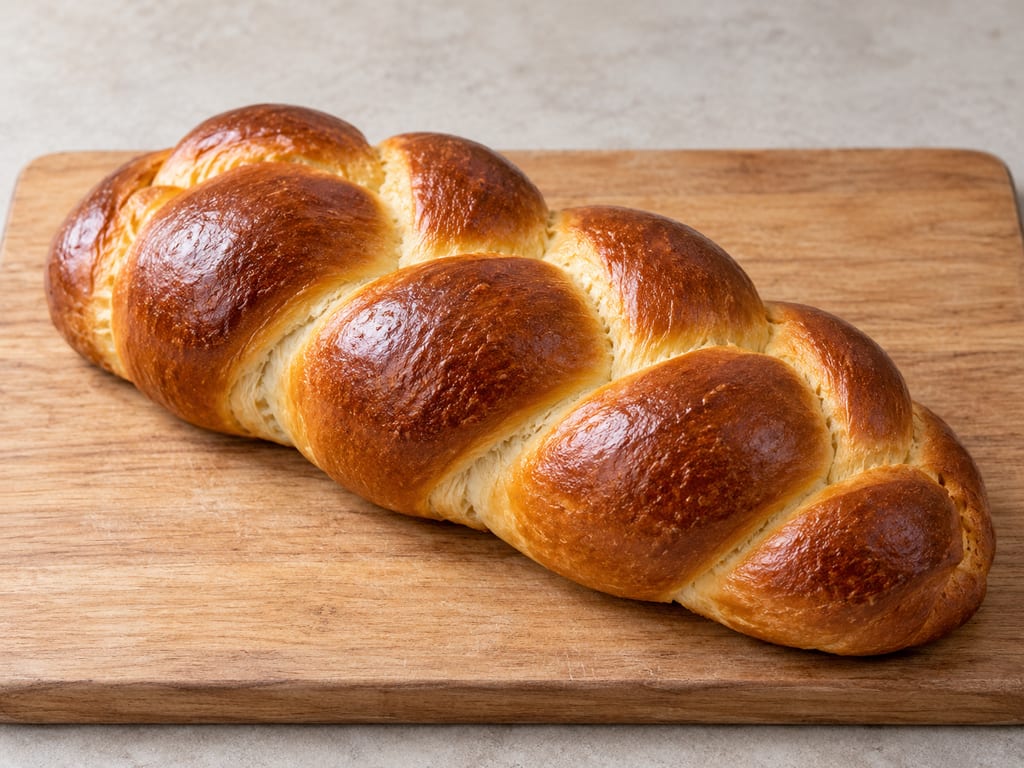
A three-strand yeast-raised challah with flour, salt, yeast, water, neutral oil, honey and egg, based on a Jewish Museum Vienna home recipe.
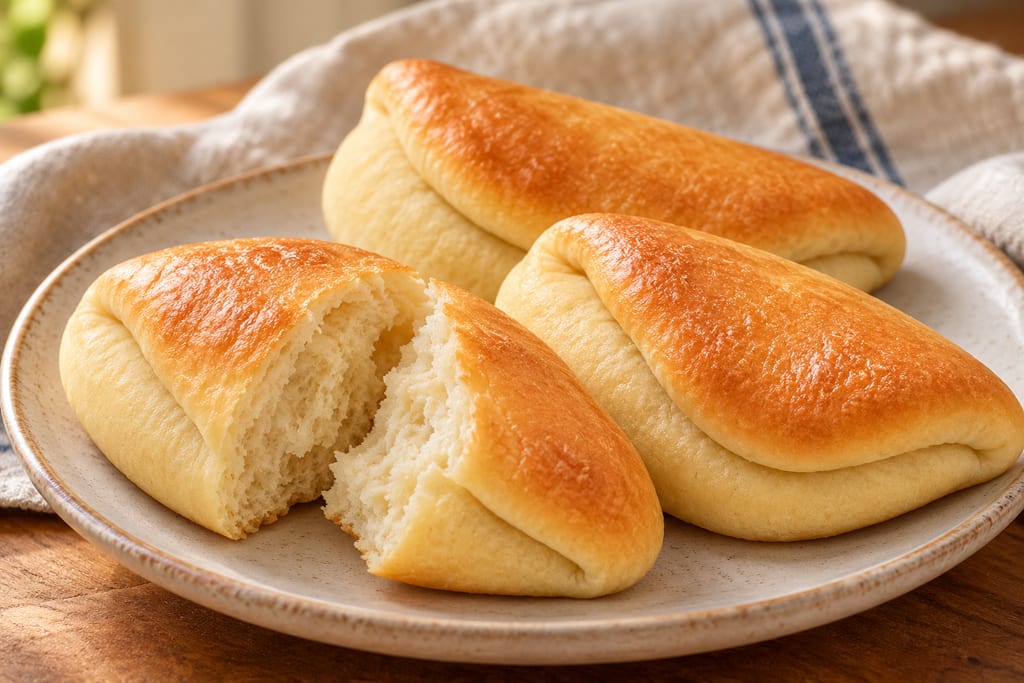
Jamaican-style folded rolls made from sweet coconut-milk yeast dough and brushed with butter.
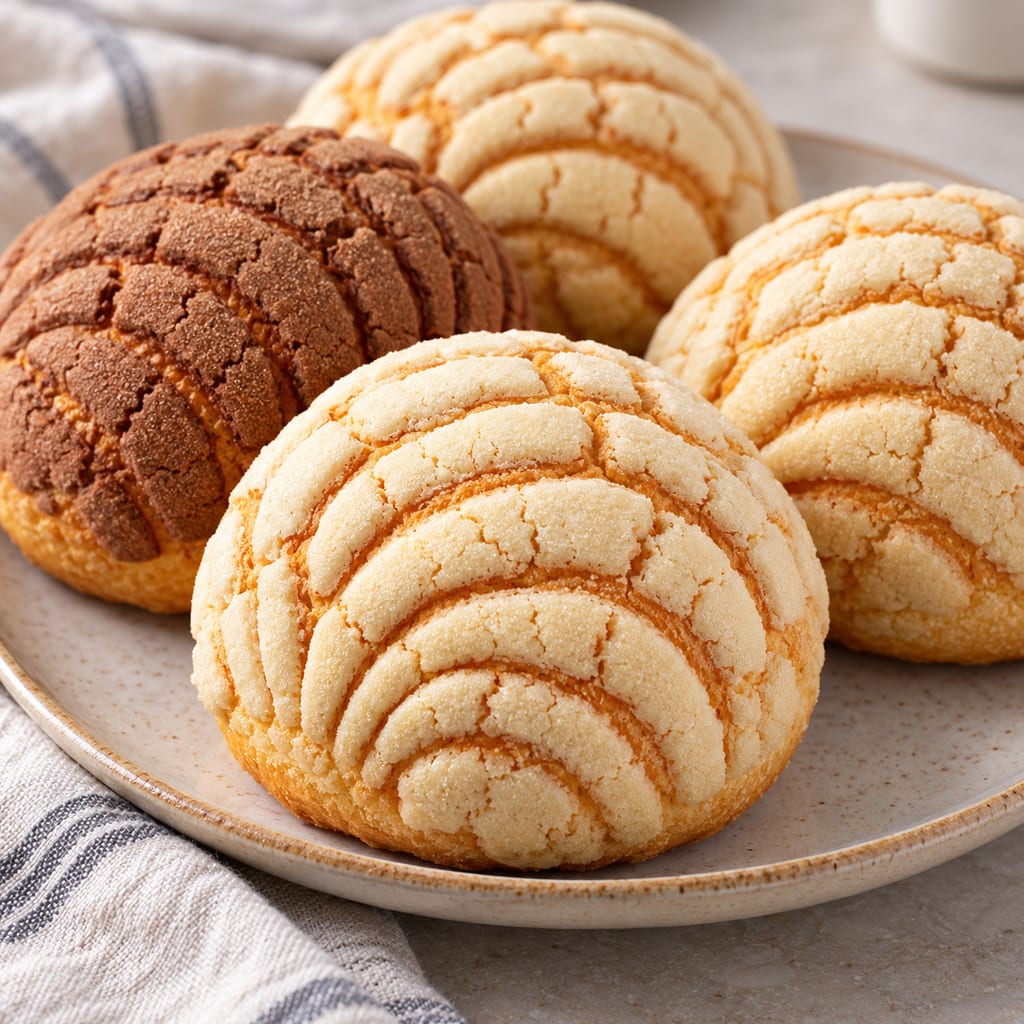
Mexican sweet rolls with a soft enriched yeast dough and a separate scored sugar-flour topping shaped like a shell. This version makes 15 rolls and uses a chilled dough rest before final proofing.
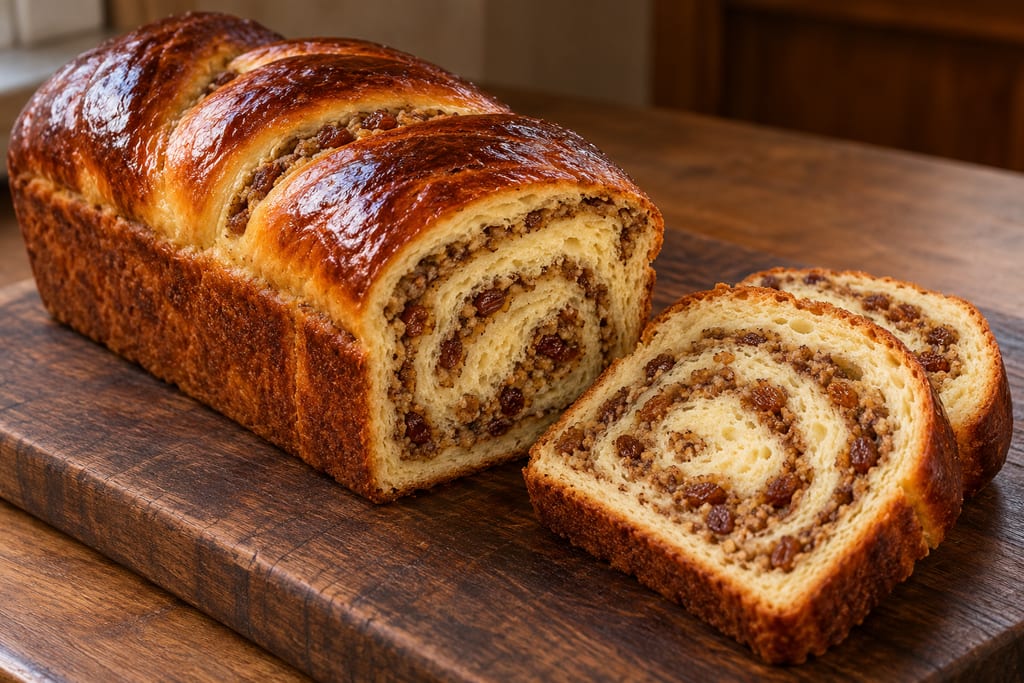
This Romanian cozonac recipe makes two enriched loaves filled with walnuts, sultanas and a whipped egg-white mixture. The dough rises once before filling and again in tins, then bakes in two oven stages.
No community contributions have been published for this entry yet.
Sign in to contribute. Published comments and photos are free to read.
Hello Bake PHInspiration · Recipe · Identity · Geography
Spanish Bread Recipe10-piece formula, about-50 g portions, 60-minute and 30-minute proofs, 180°C bake, filling, breadcrumb coat and source storage advice. The page calls it a Filipino classic and identifies its Manila-based author.
Cited in: A Filipino bakery roll with a misleading name; What makes the filling distinct; Developing and proofing the enriched dough; Shaping, second rise and baking; Raw dough and storage limits; Sources and scope
PhilstarVariant context · Identity
Recipe: Chef Jackie Ang Po’s take on Spanish BreadSeparate 24-piece version with different dough and filling amounts; Philstar describes it as a Filipino roll and discusses a stovetop/steamer variation. Not merged into the Hello Bake formula.
Cited in: A Filipino bakery roll with a misleading name; What makes the filling distinct; Sources and scope
Centers for Disease Control and PreventionSafety
Raw Flour and DoughRaw flour and eggs can carry germs; do not eat raw dough and clean after handling.
Cited in: Raw dough and storage limits; Sources and scope