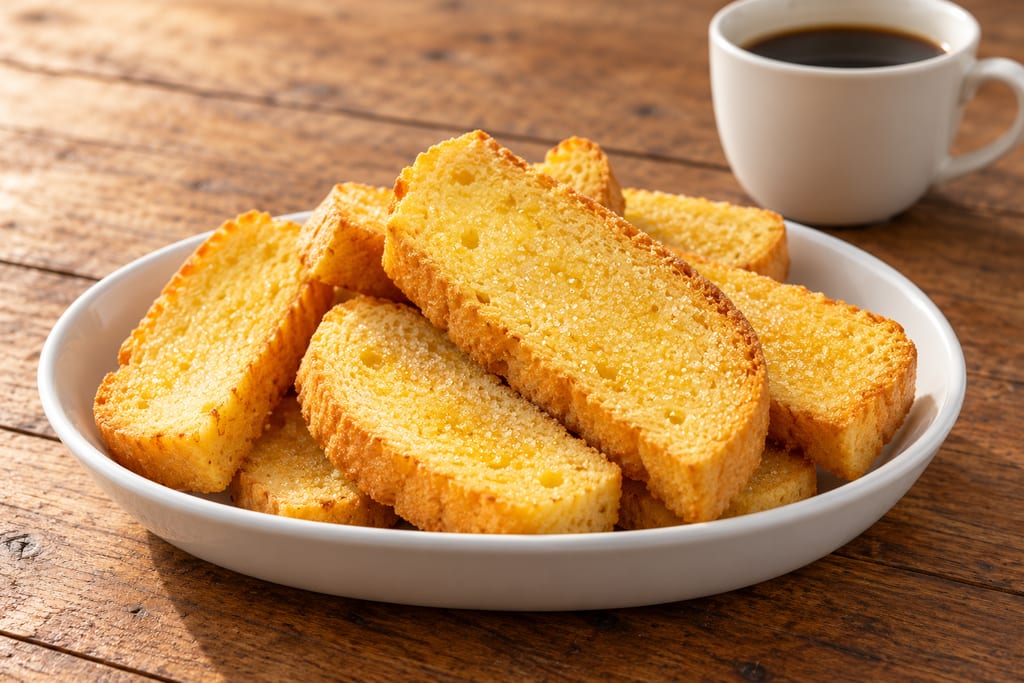
Biscocho de Iloilo: butter-and-sugar PagkainPinoy version
PagkainPinoy’s 24–30 piece version twice-bakes day-old soft bread with a thin butter-and-sugar coating.
 FermenteaWhere food goes to change
Modern adaptation
Siopao asado · Siopao · Steamed pork buns
Filipino siopao pairs a soft steamed wheat bun with a sweet-savoury pork asado filling and a separate sauce made from its braising liquid.
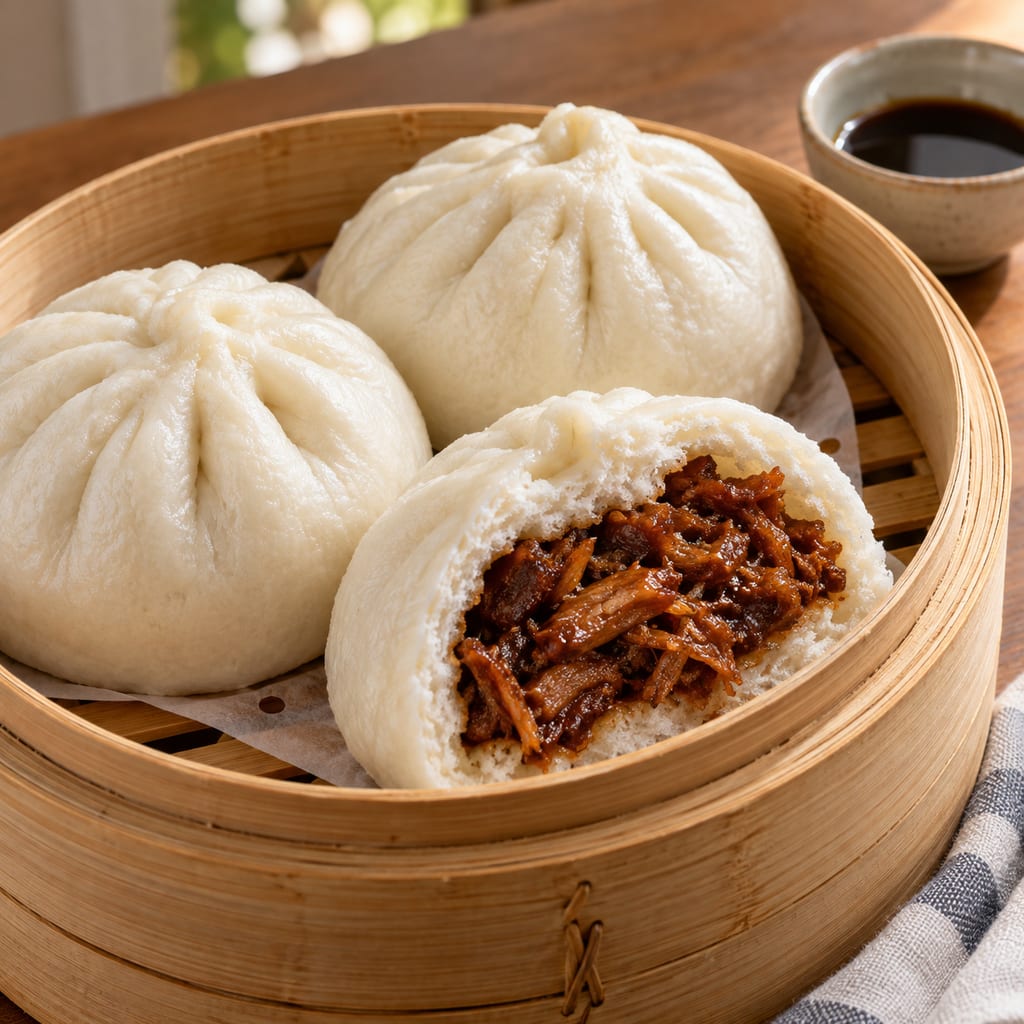
The atlas places siopao in the Philippines as a steamed filled bread, with pork asado and bola-bola as distinct fillings. The A80 source, Bebs’s Foxy Folksy recipe, likewise separates saucy asado from meatball-style bola-bola and describes asado made with pork or chicken. This version pairs its water-based bun dough with the pork shoulder asado from Lalaine Manalo’s Kawaling Pinoy recipe; it does not turn the filling into bola-bola.
The dough source and filling source contribute separate, explicit methods. Foxy Folksy provides the dough, shaping and steaming route; Kawaling Pinoy supplies the pork, braising liquid and sauce. The mixture is a documented home adaptation, not a claim that either author published this exact combination.
Heat 1 tablespoon canola oil in a pot over medium heat. Add 1 small chopped onion and 2 minced garlic cloves; cook until softened. Add 1 pound pork butt or shoulder in large chunks and turn until lightly browned.
Add 2 cups water, ⅓ cup soy sauce, 2 tablespoons oyster sauce, 3 tablespoons sugar and 2 whole star anise. Stir, bring to a boil and skim the foam. Cover and reduce the heat to a simmer for about 1 hour, until the pork is fork-tender. Add water in ½-cup portions as needed to keep about 1½ cups liquid in the pot.
Check the center of the pork with a food thermometer: whole pork cuts need at least 145°F (62.8°C), followed by a 3-minute rest. Shred the rested meat. Reserve about 1 cup braising liquid. Mix 1 tablespoon cornstarch with about ¼ cup water; add half the slurry to the pork and simmer 1–2 minutes until thick. Boil the remaining slurry with the reserved liquid for 2–3 minutes to make the sauce. Cool the filling and sauce in shallow containers. If not assembling promptly, refrigerate within 2 hours, or within 1 hour above 90°F (32°C).
This version uses Bebs’s Foxy Folksy water-based dough rather than the milk dough from the earlier Kawaling Pinoy version. Stir sugar and active dry yeast into warm water and leave for five minutes. Combine flour, remaining sugar and baking powder separately; add the yeast mixture and shortening or vegetable oil, then knead about five minutes until smooth and elastic. The warm-water temperature is not specified, so none is supplied here.
Coat the dough with a teaspoon of oil, cover and let it rise for about an hour or until doubled. Punch it down and divide into eight to ten pieces. The simple water dough is a different recipe formulation, not a shortened version of the milk dough: the flour, liquid, yeast, sugar, fat and proof schedule all follow the A80 source. Its finishing proof is only the source-stated five to ten minutes after filling and sealing.
A shaped siopao should be sealed around its filling without stretching the edges too thin. The source rolls each portion into a four-to-five-inch circle and leaves a slight central bulge, then places each bun on parchment. The seam is pinched closed before the short covered rest. Keep the source's dough formula and sequence together; adding the milk formula's ingredients or proof times would make a third, unsupported method.
Roll each dough portion into a 4–5-inch circle, leaving the centre slightly thicker. Put about a tablespoon of cooled pork filling in the middle, gather the edges and pinch them closed. Set each bun on parchment and cover for the source's 5–10-minute rest.
Place the buns at least an inch apart in the steamer and steam for 15 minutes. Turn off the heat and leave the lid closed for five minutes before uncovering. These are the A80 dough source's times. Because the pork was cooked and cooled before assembly, check the centre of representative buns with a thin-tip thermometer and continue steaming until the filling reaches 165°F (73.9°C). Serve the sauce on the side.
Keep raw pork and its utensils separate from ready-to-eat foods. Clean hands, surfaces and tools after handling it. Do not taste raw flour or dough; FDA advises cooking flour foods thoroughly.
Check the pork shoulder at the centre: whole pork cuts need 145°F (62.8°C) and at least a three-minute rest before shredding. Cool the thickened filling and sauce in shallow containers and refrigerate them within two hours, or within one hour above 90°F (32°C), if they will not be used promptly. Keep the refrigerator at or below 40°F (4°C).
After the cooked filling is enclosed in dough, steam the buns and check the centre of representative buns. Reheat the previously cooked pork filling to 165°F (73.9°C); the 15-minute steaming time is an estimate, not a substitute for the thermometer check. Refrigerate filling and sauce as stated; no maximum storage duration is given here.
This version contains wheat, soy and oyster; the dough uses wheat flour and the filling uses soy and oyster sauces. The water-based dough contains no milk. Tell diners about the listed allergens and avoid cross-contact.
Kawaling Pinoy identifies pork asado and bola-bola as popular siopao fillings in Filipino cuisine and describes its own asado flavor as Macao-style. Adrian De Leon’s 2016 journal abstract frames siopao through Manila’s Chinese history and a relationship to Cantonese char siu bao; only the abstract was inspected, so it is not treated here as a primary attestation or complete history. No dated first attestation is established.
Yield 10 buns · Scaling: source batch only
Raw pork must reach a safe internal endpoint before shredding; fork tenderness and an hour of braising alone do not measure temperature.
Hazard sourceThe pork filling is cooked, cooled and then enclosed in dough; steaming time alone does not show that the filling has reheated throughout.
Hazard sourceCooked pork and sauce need prompt refrigeration if not assembled and served immediately.
Hazard sourceThe dough contains raw wheat flour; the pork filling contains soy sauce and oyster sauce.
Hazard sourceUse a food thermometer to verify pork shoulder reaches at least 145°F (62.8°C), then rest it for at least 3 minutes before shredding. This is the USDA minimum for whole pork cuts; fork tenderness does not replace the measurement.
Control sourceAfter assembly and steaming, insert a thin-tip food thermometer through the side of the largest bun into the center of the pork filling. Continue steaming until the filling reaches 165°F (73.9°C); verify representative buns rather than treating 15–20 minutes as proof of a safe temperature.
Control sourceCool the thickened filling in shallow containers and refrigerate within 2 hours, or within 1 hour if exposed above 90°F (32°C); keep the refrigerator at or below 40°F (4°C). Assemble promptly after cooling.
Control sourceDo not taste raw dough. Keep flour and raw pork separate from ready-to-eat foods, wash hands and equipment after handling them, and steam the buns until the dough is cooked through.
Control sourceTell diners the buns contain wheat, soy and oyster; avoid cross-contact for anyone who must avoid any ingredient.
Control sourceUse a thermometer for both the pork braise and the centre of the filling after steaming; fork tenderness and a 15-minute timer are not temperature checks.
Do not taste raw flour or dough; steam the buns until the dough is cooked through.
Cool the cooked filling promptly in shallow containers and follow the stated refrigeration limits.
The recipe author describes pork asado and bola-bola as popular siopao fillings in Filipino cuisine; this supports a country-level preparation association, not a birthplace.
PagkainPinoy’s 24–30 piece version twice-bakes day-old soft bread with a thin butter-and-sugar coating.
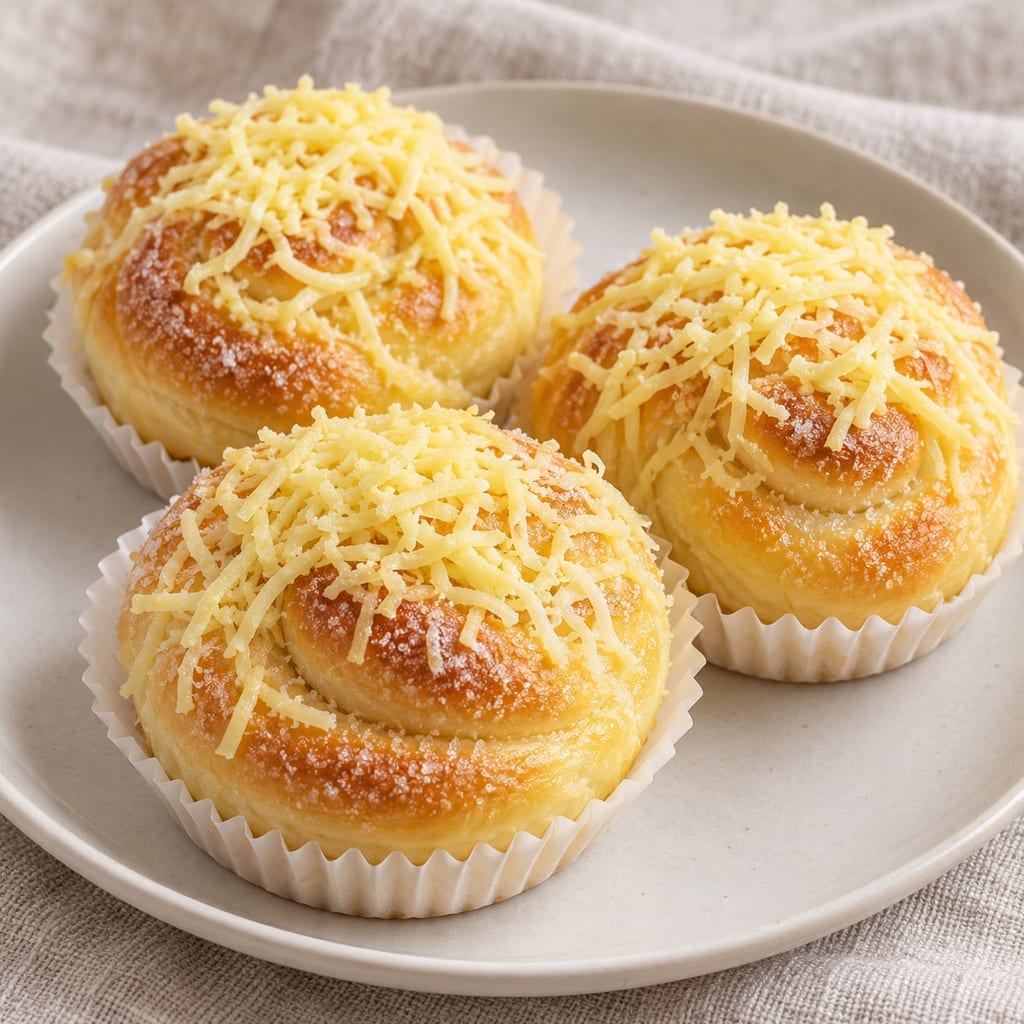
Soft Filipino ensaymada coils use enriched yeast dough, then receive butter, sugar and grated cheese. This modern Filipino version differs from Mallorcan ensaïmada and other Philippine regional formulas.
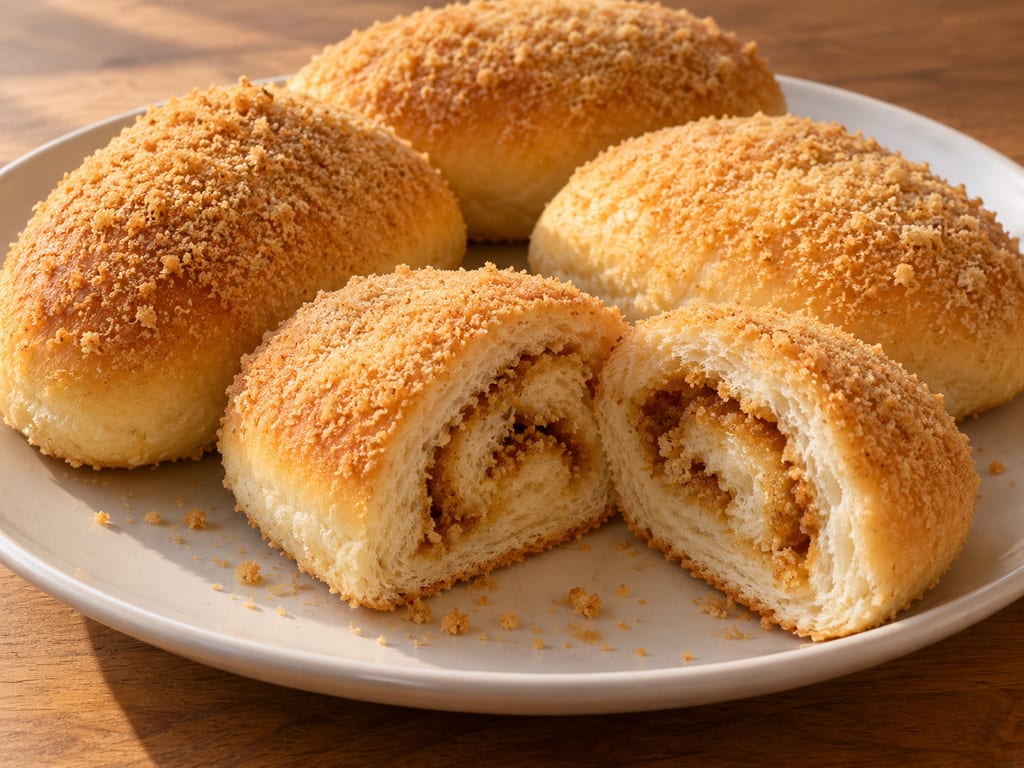
This Manila baker’s Filipino Spanish bread pairs a soft, enriched roll with a buttery brown-sugar breadcrumb filling and a crumb coating.
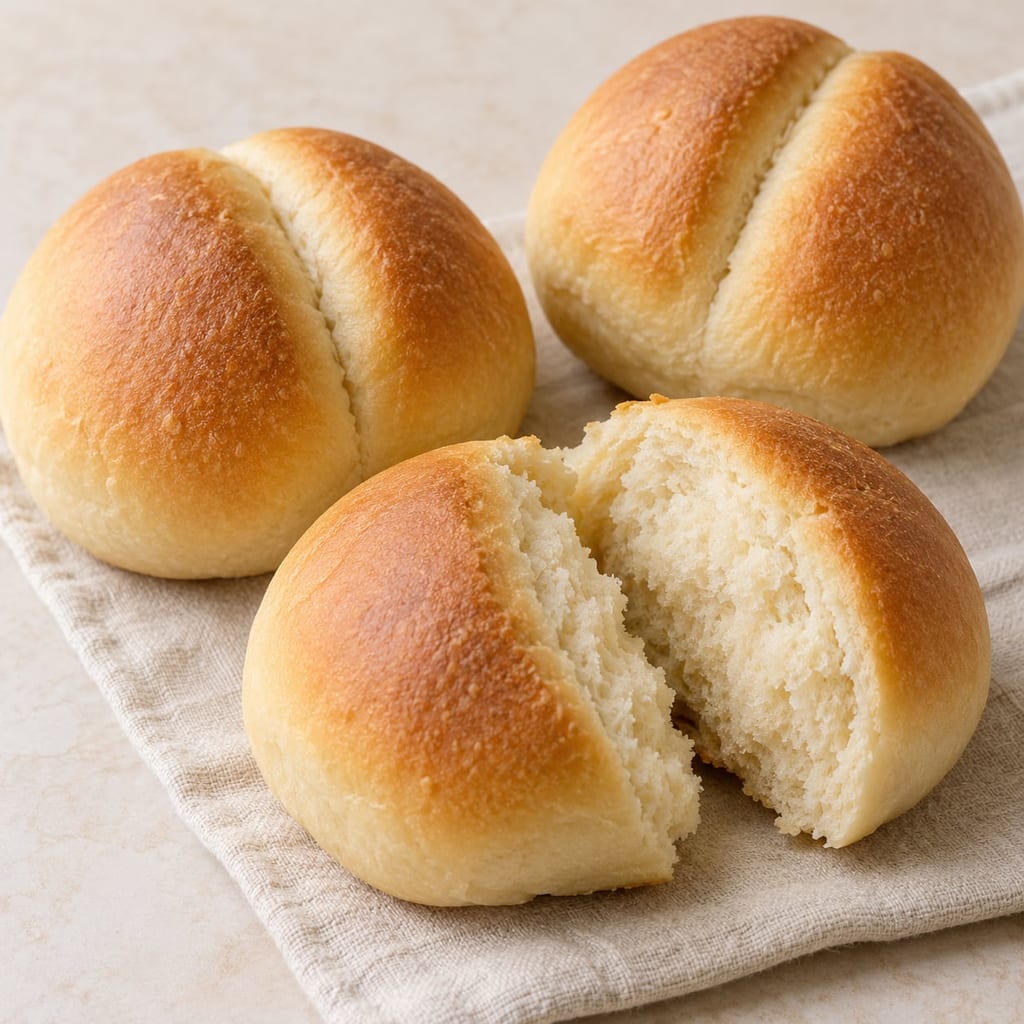
Filipino bakery-style rolls with a dense crumb and a deep central slash, made here as a twelve-roll home batch.
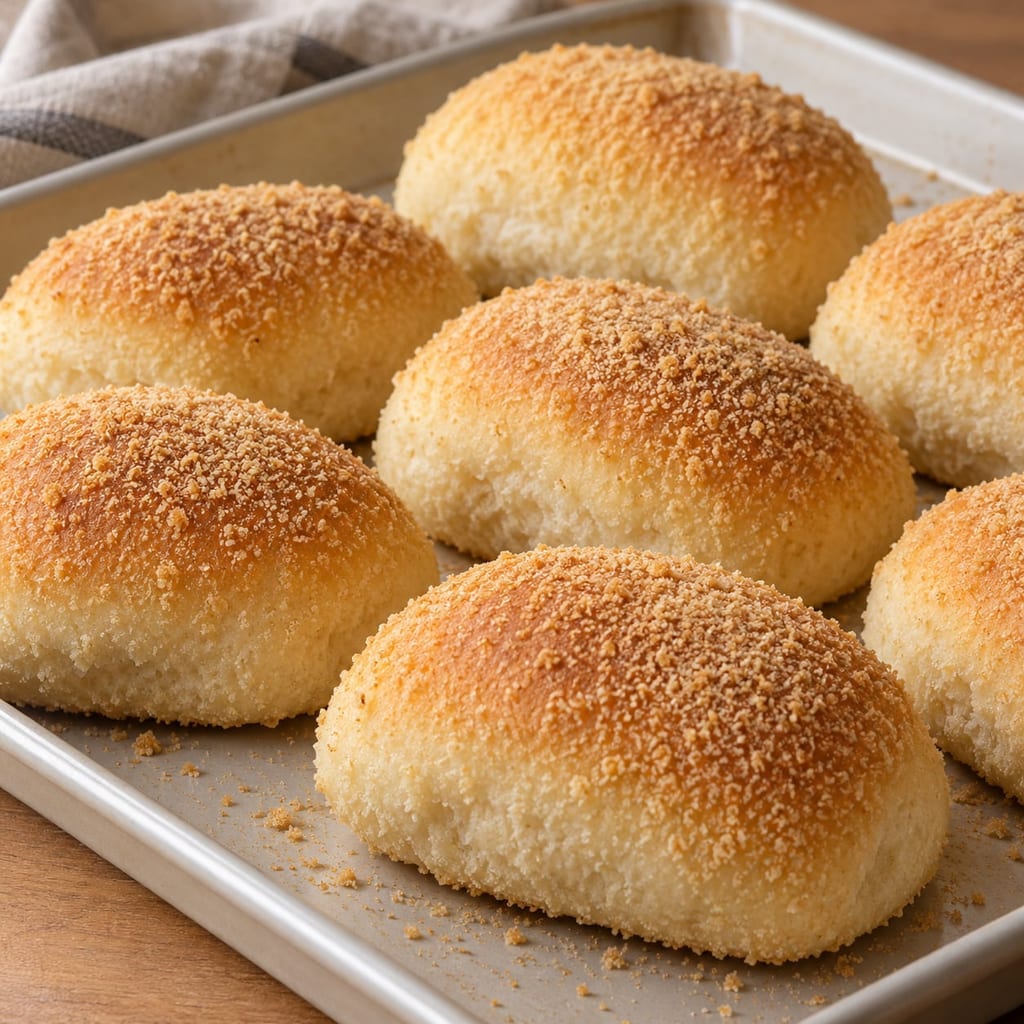
Filipino pandesal made with a neutral-oil wheat dough, folded through a 3½-hour fermentation and coated in breadcrumbs.
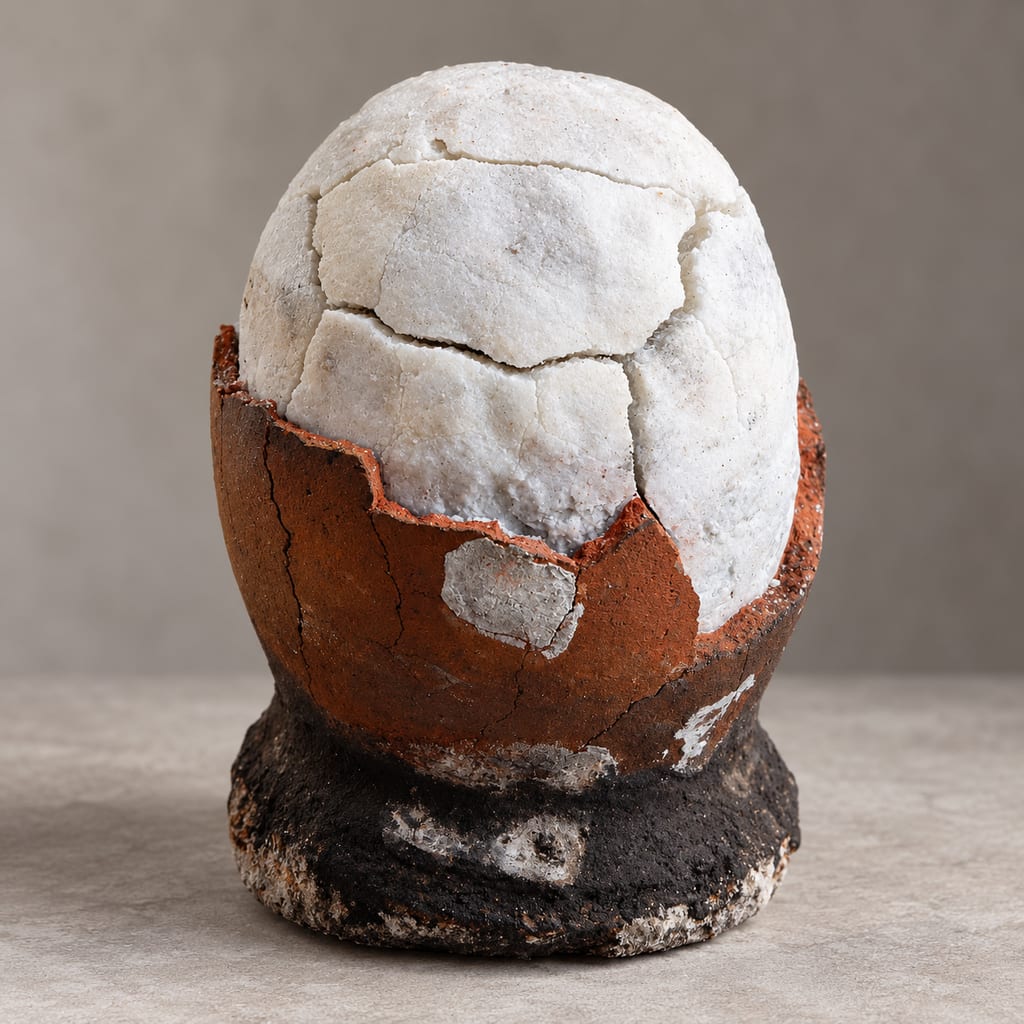
Asin tibuok is a Boholano salt-making craft that turns seawater-soaked coconut husks into a salt-rich ash, brine and formed sea salt in specialized clay pots. This record follows one published account of the community process; it is not a validated household formula.
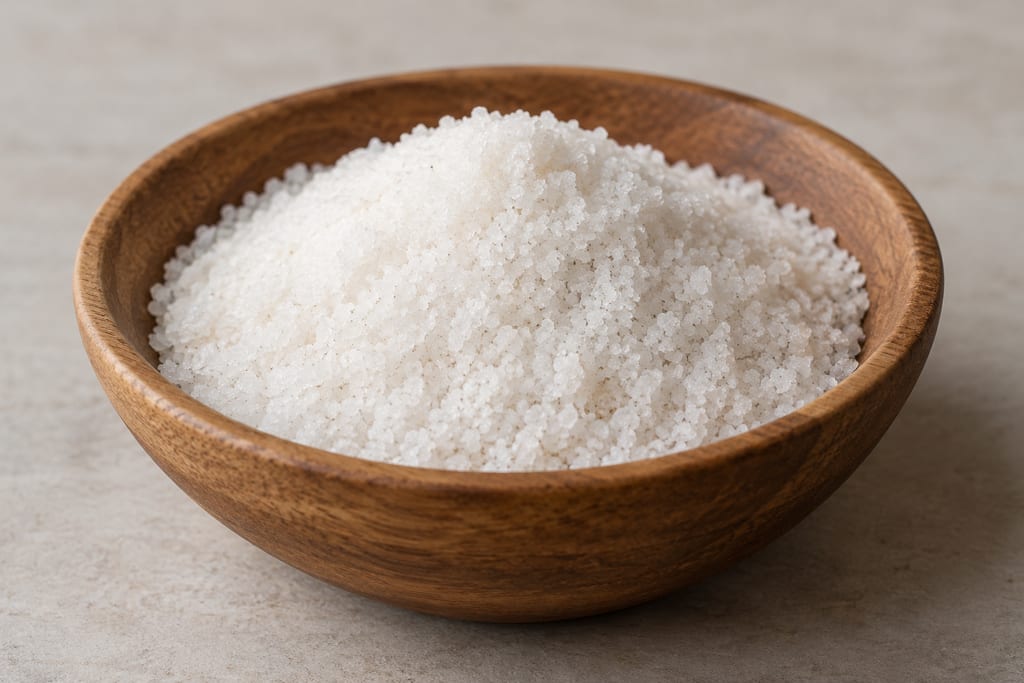
Asin sa buy-o is a fine sea salt made in Panayunan, Botolan, and packed in a woven nipa pouch called a buy-o. Salt-bearing coastal earth is leached with seawater, and the brine is boiled to crystals.
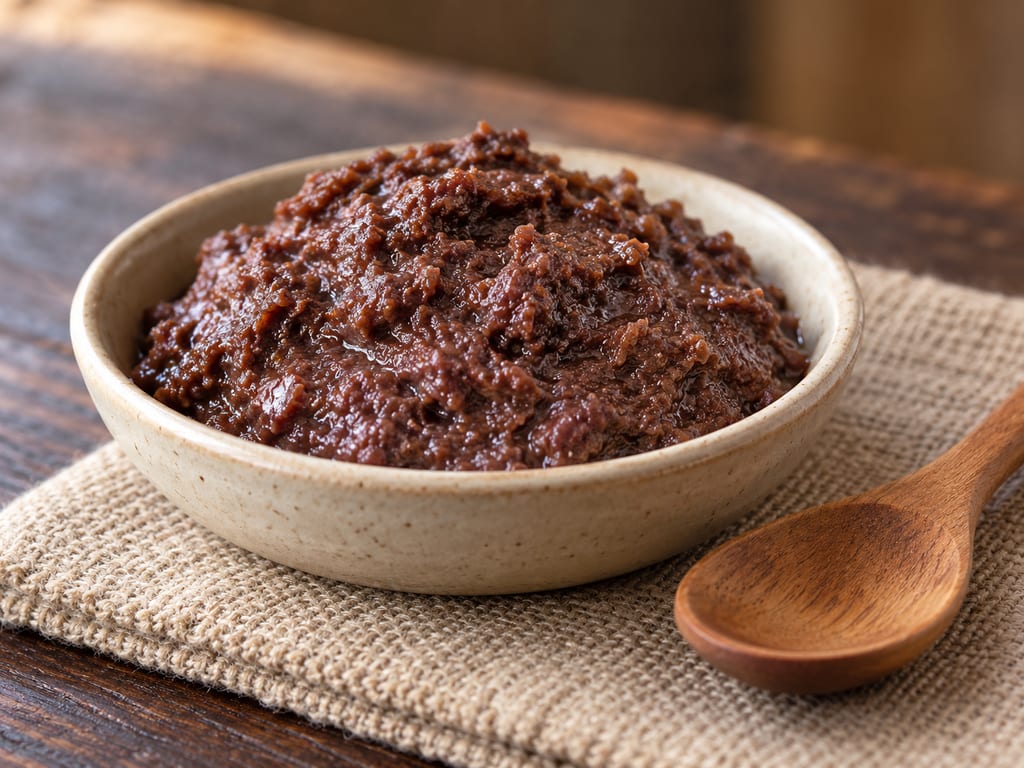
Bagoong isda is a Philippine fish paste: whole small fish salted and left to ferment for a month or more in earthen jars. It is the fish counterpart of bagoong alamang.
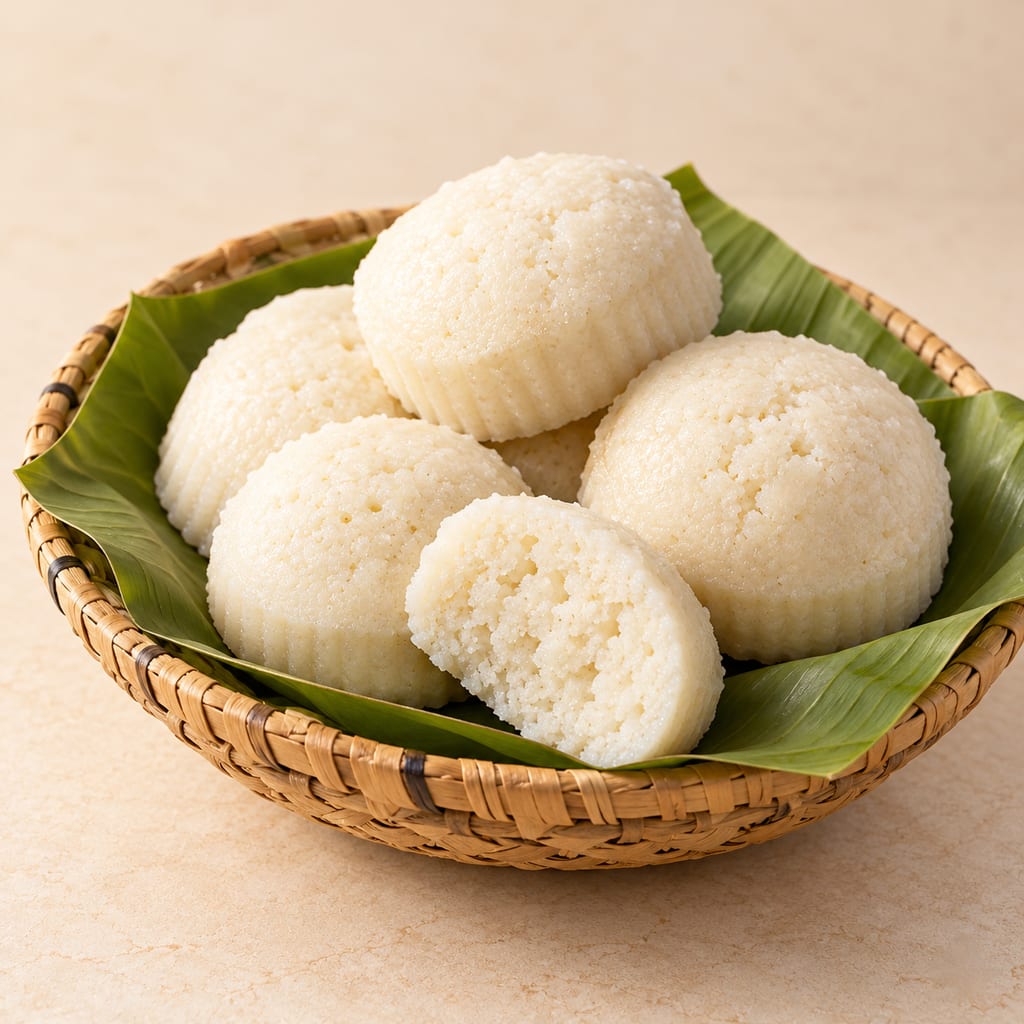
Soft, lightly tangy steamed cereal bread documented across Benin and Togo. This page gives one measured rice-flour research method; maize-based Ablo and mixed-grain versions remain distinct traditions.
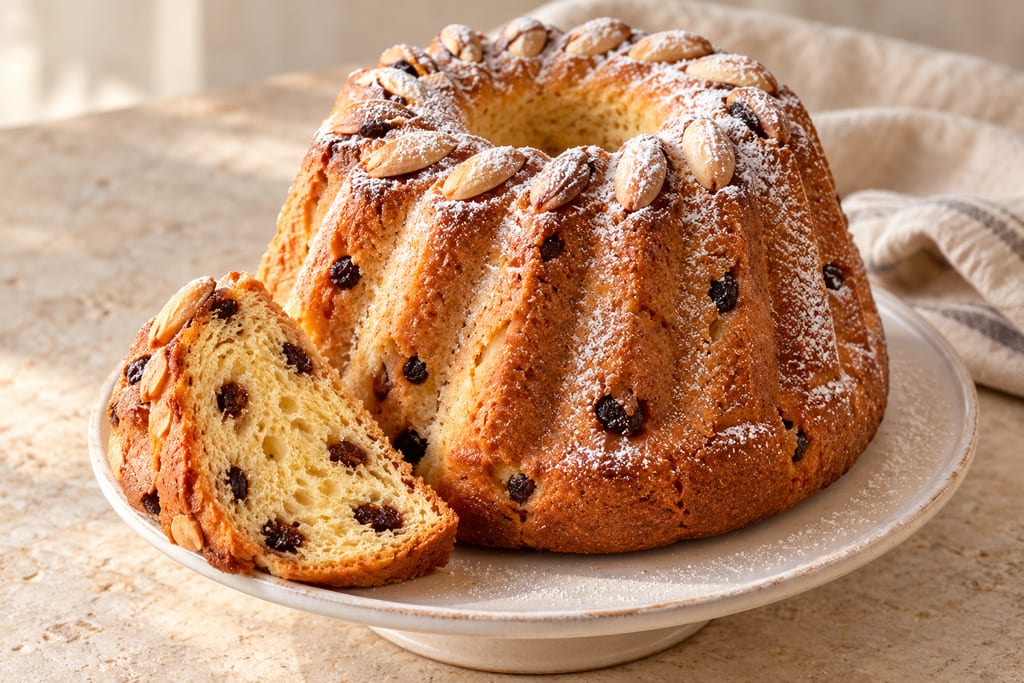
An enriched Alsatian yeast ring with raisins and almonds, kneaded with butter, proofed in a fluted mould and baked until browned.
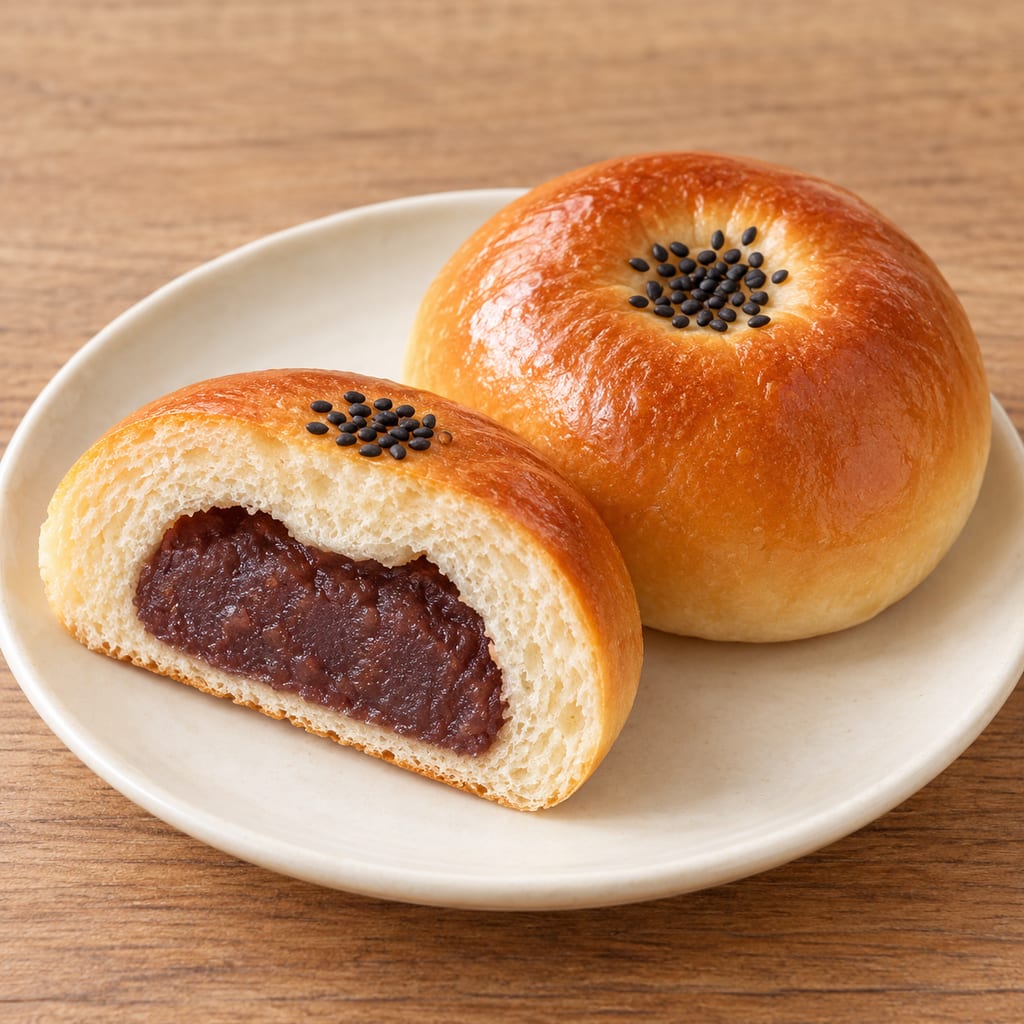
Anpan is a soft wheat bun filled with sweet red-bean paste and finished with egg wash and black sesame. This dough rises with commercial instant yeast.
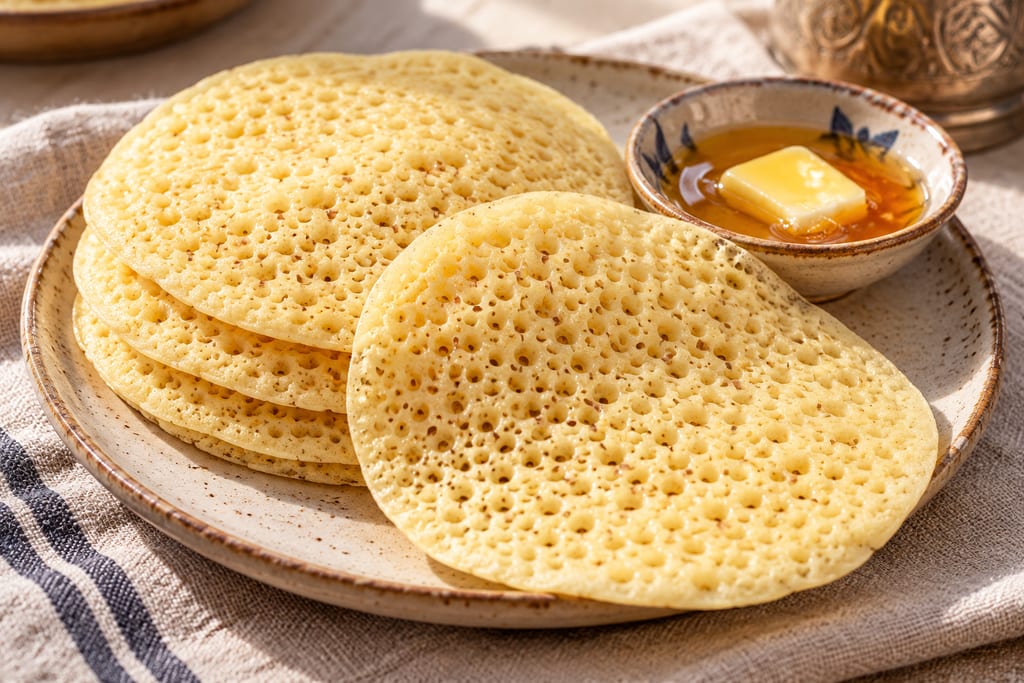
Moroccan semolina pancakes made from a thin yeast batter, rested until foamy and cooked on one side until the surface sets with a honeycomb of holes. This source-specific batch makes sixteen 5-inch pancakes.
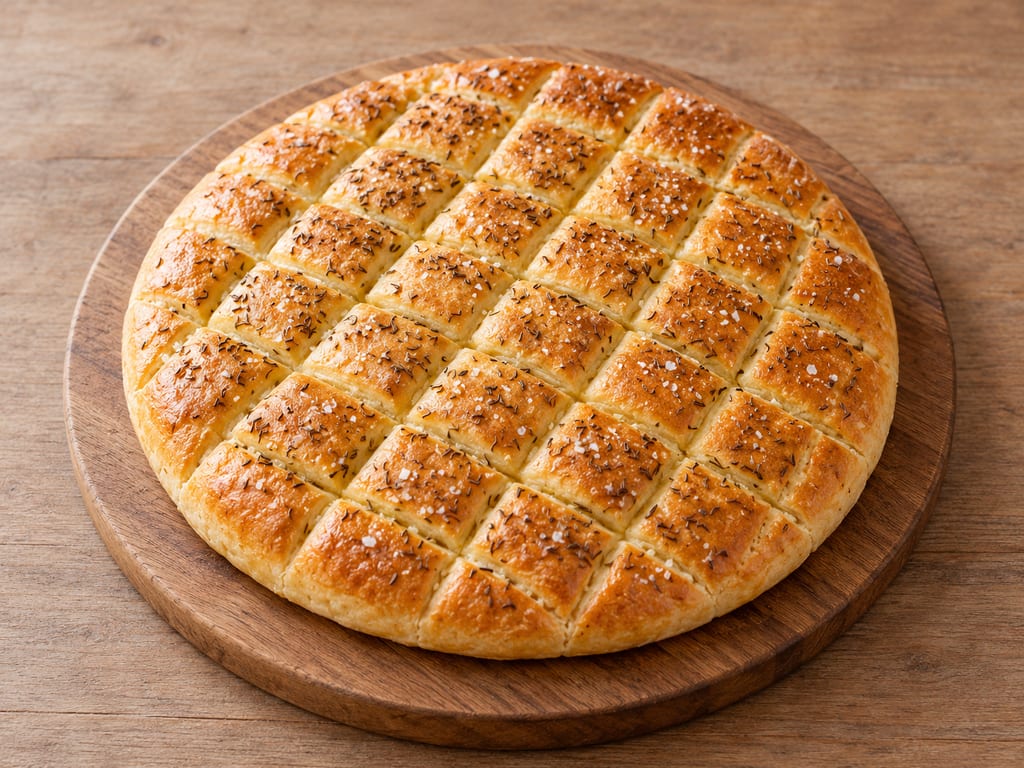
A round Slovenian flatbread scored in a grid and topped with caraway and coarse salt.
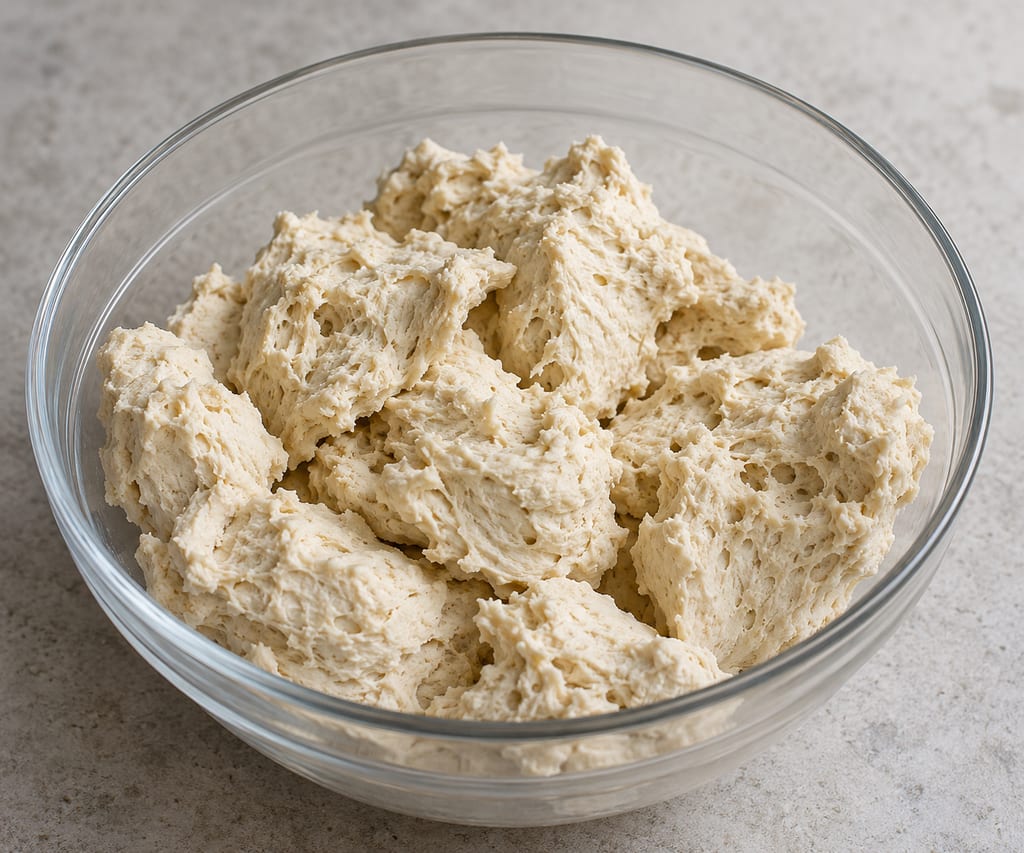
Biga is an Italian bread preferment of flour, water and a little yeast, usually a stiff unsalted mass of about 45 per cent water, fermented ahead and then mixed into the final dough.
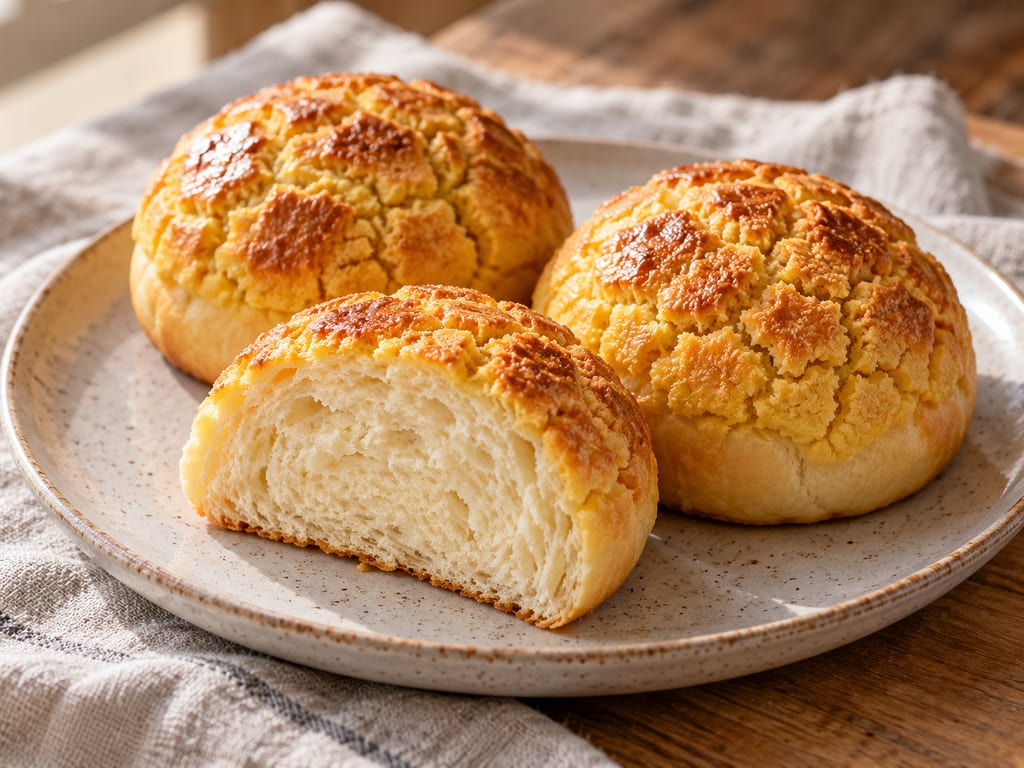
Hong Kong-style pineapple buns have soft yeast dough beneath a crisp, sweet pastry topping.
Sweet-potato wheat breads with fresh yeast, browned in a pan and finished in the oven. This is the bread component of Teleculinária's scrambled-egg dish.
No community contributions have been published for this entry yet.
Sign in to contribute. Published comments and photos are free to read.
Kawaling PinoyRecipe · Filling
Homemade Siopao Asado (Steamed Pork Buns)Pork shoulder asado filling with braising liquid thickened into a separate sauce, ingredient quantities, approximately one-hour braise, shaping amount and author notes. The earlier milk dough is not used in this replacement version.
Cited in: Filipino asado siopao; Braise and thicken the pork; Fill, seal and steam
Gastronomica / University of California PressHistorical context
Siopao and Power: The Place of Pork Buns in Manila’s Chinese HistoryAccessible 2016 abstract frames siopao through Manila Chinese history and a relation to Cantonese char siu bao; full text was unavailable.
Cited in: Filipino asado siopao
USDA Food Safety and Inspection ServiceSafety
What is a safe internal temperature for cooking meat and poultry?USDA FSIS states whole pork cuts should reach 145°F (62.8°C) measured with a food thermometer and rest at least three minutes.
Cited in: Braise and thicken the pork; Food handling and allergies
USDA Food Safety and Inspection ServiceFood safety
How do I reheat leftovers safely?USDA FSIS advises reheating leftovers to 165°F (73.9°C) throughout, checked in several places with a food thermometer.
Cited in: Fill, seal and steam; Food handling and allergies
FoodSafety.govFood safety
4 Steps to Food SafetyPerishable food should be refrigerated within 2 hours, or within 1 hour above 90°F (32°C); refrigerators should be at or below 40°F (4°C); shallow containers support faster cooling.
Cited in: Braise and thicken the pork; Food handling and allergies
U.S. Food and Drug AdministrationFood safety
Handling Flour Safely: What You Need to KnowFlour is raw; do not taste raw flour or dough, and cook flour foods thoroughly.
Cited in: Food handling and allergies
U.S. Food and Drug AdministrationFood safety
Food AllergiesWheat, milk and soy are among the major food allergens; oyster is an ingredient that may also cause an allergy and is identified by name.
Cited in: Food handling and allergies
Foxy FolksyMethod · Identity · Geography
Siopao - Asado (Steamed buns with chicken filling)The A80 recipe supplies this version's complete water-based dough formula, kneading, one-hour first rise, 8–10 portions, filling and shaping instructions, 15-minute steam and five-minute covered rest.
Its description distinguishes pork or chicken asado from bola-bola. The linked recipe uses chicken filling; this adaptation uses the separately sourced Kawaling Pinoy pork-asado filling.
This source's linked chicken-asado recipe is not used; the pork filling is separately identified and sourced.
Cited in: Filipino asado siopao; Mix and proof the water dough; Fill, seal and steam