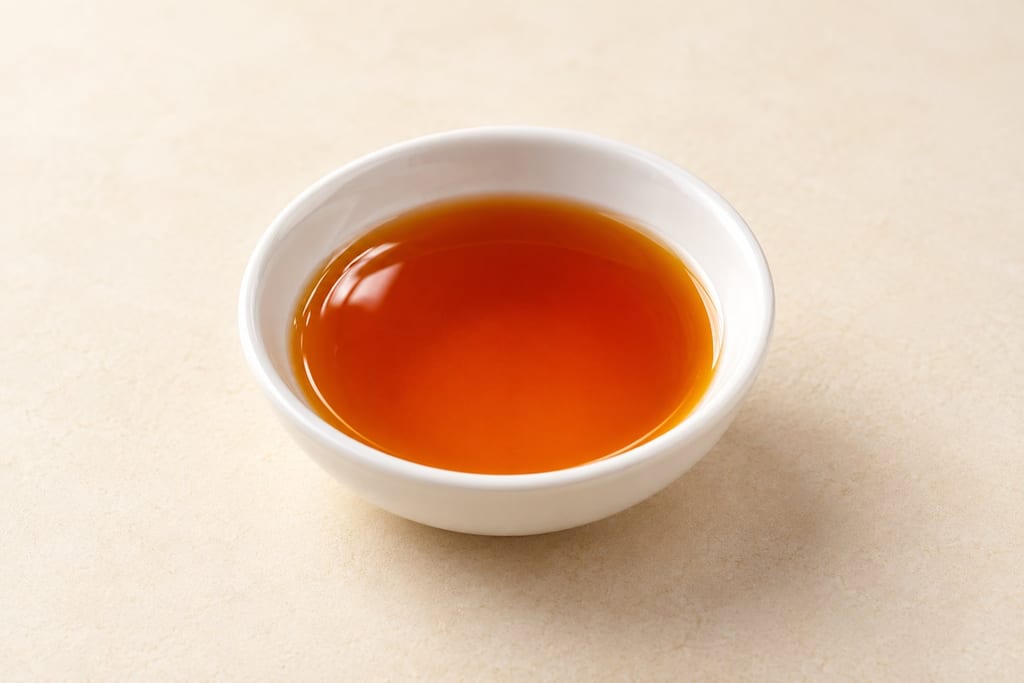
Fish sauce
Fish sauce is a clear, salty seasoning made by maturing fish with salt and drawing off the liquid. The broad family includes distinct regional sauces rather than one interchangeable method.
 FermenteaWhere food goes to change
Mắm nêm · Mam nem fermented base
A documentary account of mắm nêm, a pungent Vietnamese fermented fish condiment and dip base. The cited cookbook describes a method, but omits essential process details; this page does not provide a home fermentation recipe.
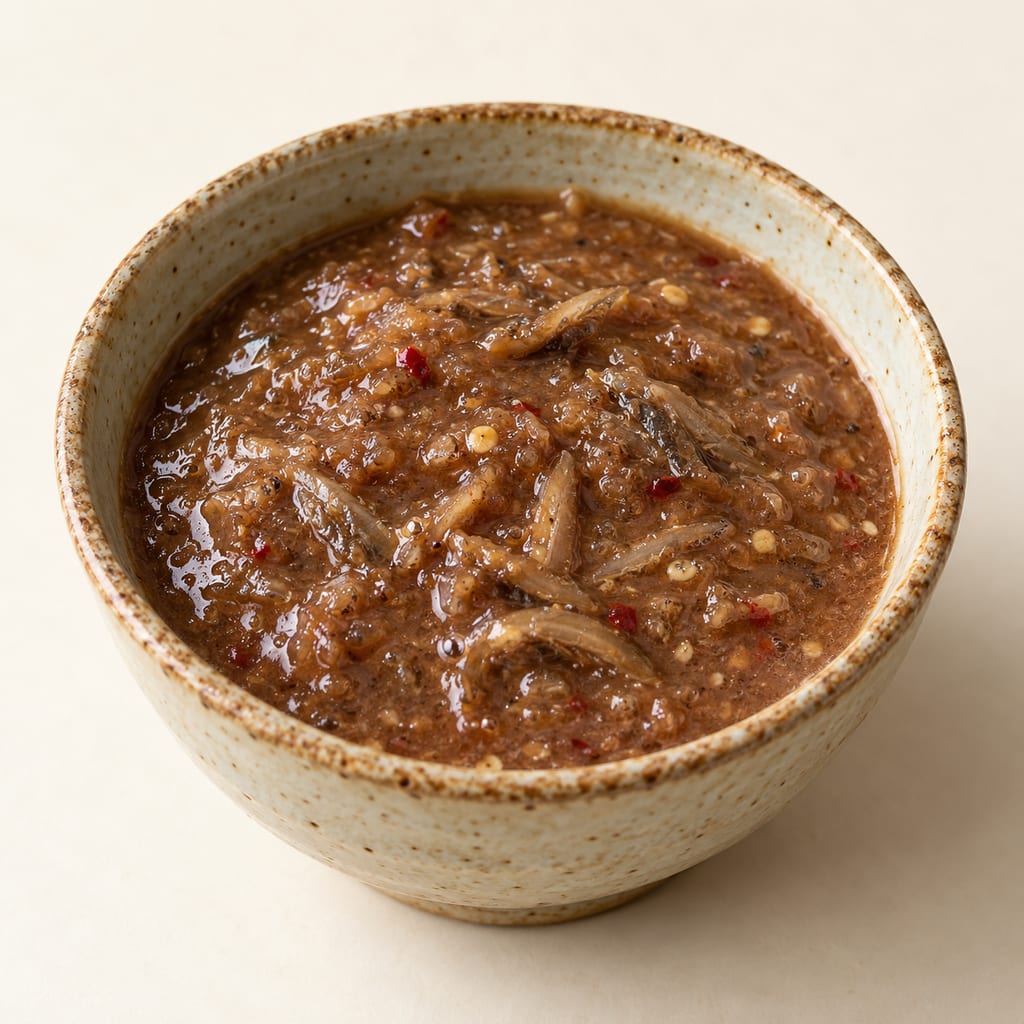
Mắm nêm is a Vietnamese fermented fish condiment, thicker and more solid than the clear fish sauce called nước mắm. The cited account describes it as pungent and often used in small amounts. Cooks use it as a dipping-sauce base and as a flavouring in dishes such as bún mắm.
The name can refer to the fermented base or to a prepared dip made from that base with ingredients such as water, sugar, fruit, citrus and aromatics. This entry documents the food and its uses; it is not a fermentation recipe.
The consulted encyclopaedia account attributes mắm nêm to the Cham people and links it to Central Vietnam. It reports a historical account in which the condiment later entered southern Vietnamese cooking during the Nguyễn southward expansion. The sources consulted do not establish a dated first attestation, so an exact origin date remains unknown.
A Vietnamese fermentation handbook includes mắm nêm among regional fish ferments and says other small fish may also be used. Its description is a general account, not a record of one village's practice.
The handbook describes sun-wilting fish, mixing it with salt, sugar and roasted glutinous-rice powder, then holding the mixture in a sealed jar, removing separated liquid and continuing fermentation. Its passage gives some percentages and times, but does not state the percentages' denominator or how long the initial sealed stage lasts before liquid removal.
Those omissions mean the passage is not a complete household process. This page records the source's description for documentary context and deliberately does not turn it into quantities or steps to follow.
Vietnamese cooking pages show mắm nêm used as a purchased or already prepared base for dips. Versions combine it with water, pineapple, garlic, lemongrass, lime and sugar; some recipes heat the mixture, while others serve it differently. These are serving preparations, distinct from fermenting the fish base.
A producer's page and a Vietnamese cooking blog document different dip versions. Neither is evidence for the safety or storage life of a home-fermented base, and neither supplies a storage time for the finished dip.
The sources used here describe fermentation but do not identify the organisms or stages responsible for mắm nêm, so its microbial process is recorded as not established. No product-specific validated household process or safety endpoint was found.
FDA materials discuss histamine hazards for susceptible fish, including anchovies in its food-safety materials. FDA guidance also describes monitoring and control in the seafood industry; it is not a validation of this traditional condiment. In a separate fermented-anchovy-sauce study, measured histamine differed with the freshness of the raw anchovies. That comparative result does not measure mắm nêm.
Histamine cannot be judged reliably by smell, taste or appearance and is not removed by ordinary cooking, curing or freezing. The cultural account and uses above are preserved, while this page does not instruct readers to make a home batch.
The encyclopaedia article attributes mắm nêm to the Cham people and cites historians on this point. One cited account says it was a typical Cham food that entered southern Vietnamese cooking during the Nguyễn southward expansion. The article contrasts it with nước mắm, the thin fish sauce of the same region, and describes mắm nêm as much more pungent and closer to shrimp paste.
No reproducible ingredient list is recorded.
FDA identifies histamine as a hazard for certain fish species, including anchovies in its food-safety materials. Histamine can persist through cooking, curing and freezing, and sensory checks cannot reliably establish whether it is present. This is a potential fish-safety concern, not a measurement of mắm nêm or every anchovy batch.
Hazard sourceFish is a major food allergen. Check product labels and avoid the condiment if fish is an allergen for you.
Hazard sourceThe cited fermentation passage is incomplete as a household process: it does not define the percentage denominator or the time before liquid removal, and it gives no tested safety endpoint. Do not use that passage as a home-batch formula.
FDA guidance describes histamine controls for susceptible fish and commercial seafood processing; it does not validate this mắm nêm method. A separate fermented-anchovy-sauce study found histamine varied with raw-fish freshness, but it did not study mắm nêm.
Do not use smell, taste or appearance to decide whether fish contains histamine. For use, choose a commercially prepared product with clear labeling and follow its storage directions.
The sources do not give enough detail for preparation directions.
Region-level association drawn from the encyclopaedia article. It does not name one village as the birthplace.
Country-level only. The two recipe pages describe bought or home-made mắm nêm used as a dip base.
Fish sauce is a clear, salty seasoning made by maturing fish with salt and drawing off the liquid. The broad family includes distinct regional sauces rather than one interchangeable method.
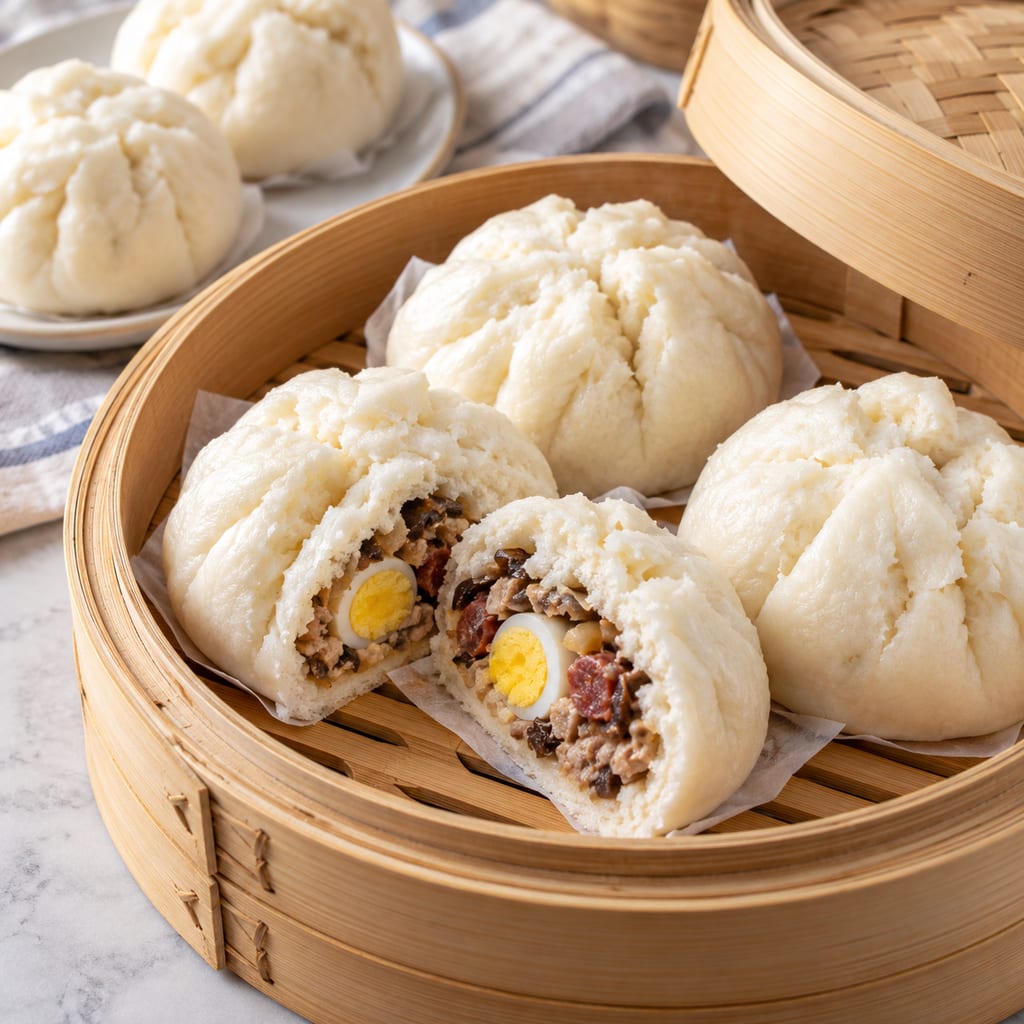
Vietnamese steamed wheat buns wrapped around seasoned pork, mushrooms, Chinese sausage and hard-boiled quail eggs. This from-scratch version uses yeast and self-rising flour.
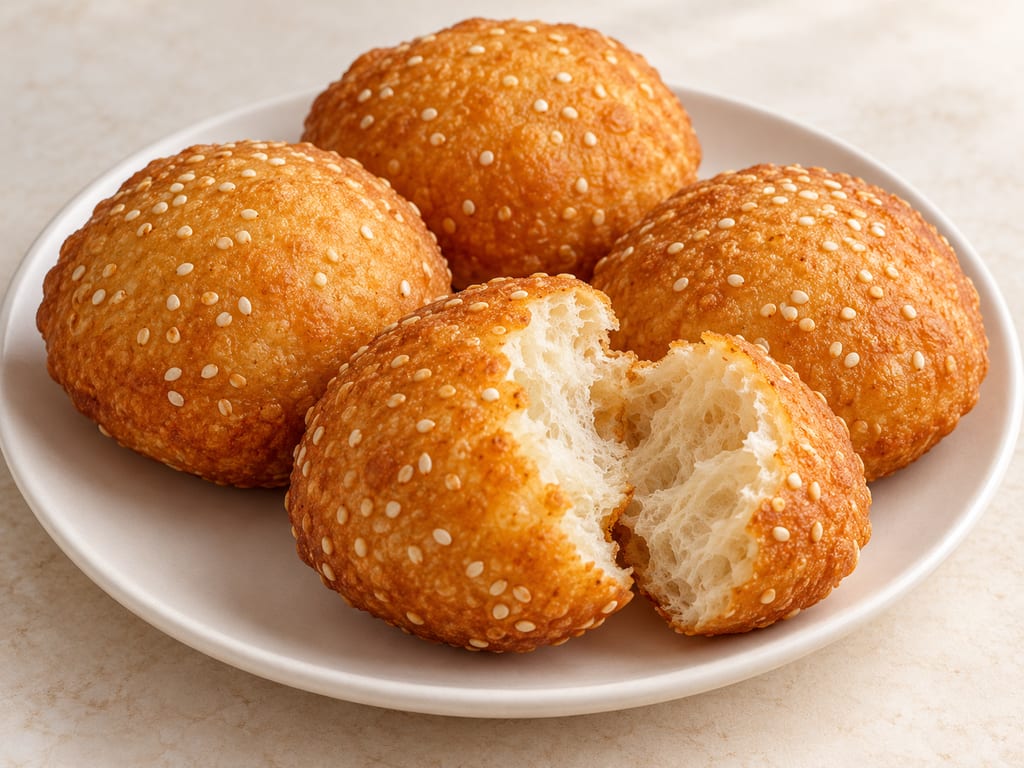
Bánh tiêu is a lightly sweet Vietnamese fried bread coated with sesame. A yeast-raised dough with baking powder is rolled into small rounds and fried until puffed and golden.
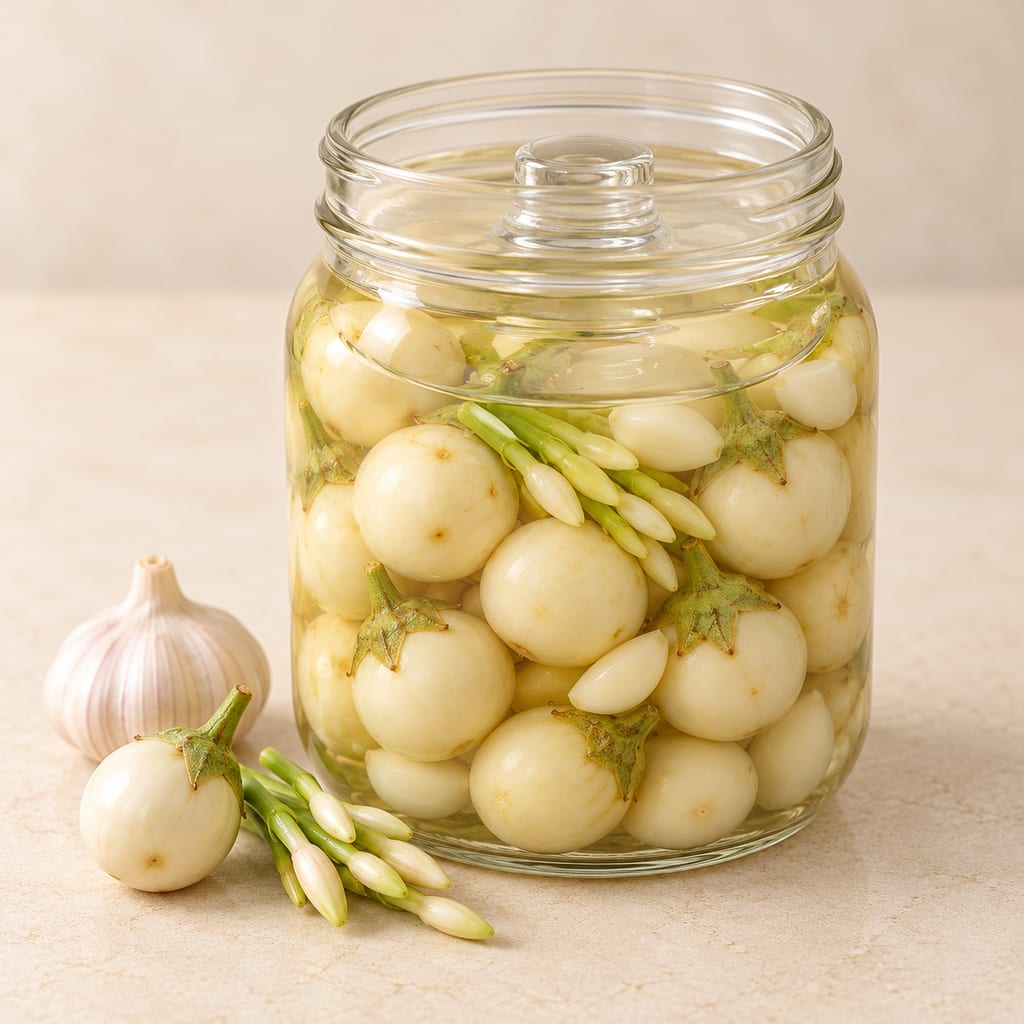
Vietnamese salted and fermented small eggplant, dried on the day of purchase, then held submerged in warm salty water with garlic and galingale flower for a week or longer.
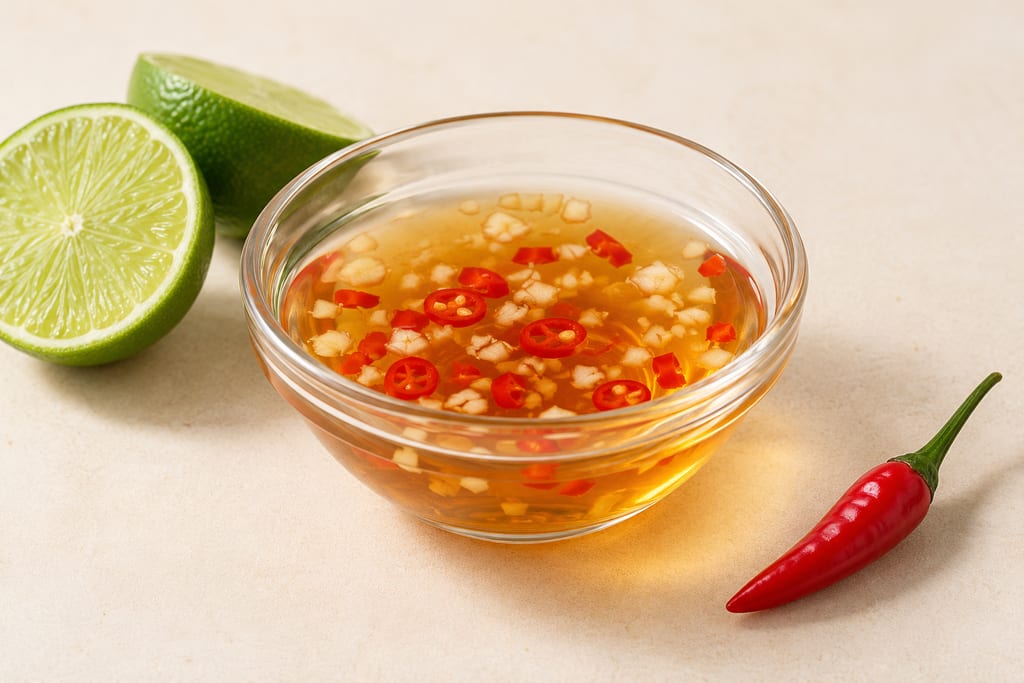
Nuoc cham is a Vietnamese fish-sauce dipping sauce. This untested development ratio starts with water, lime and sugar, then adds fish sauce, garlic and chilli.
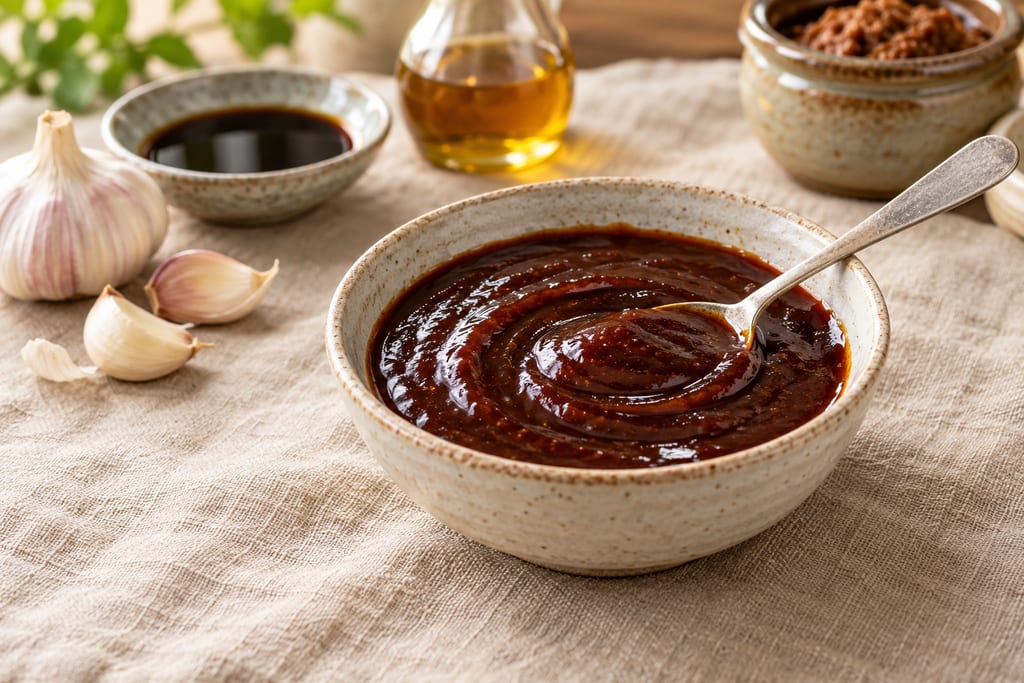
A thick, dark, sweet-salty Chinese condiment built on fermented soybean paste. This page gives one quick home version and records how commercial formulas differ.
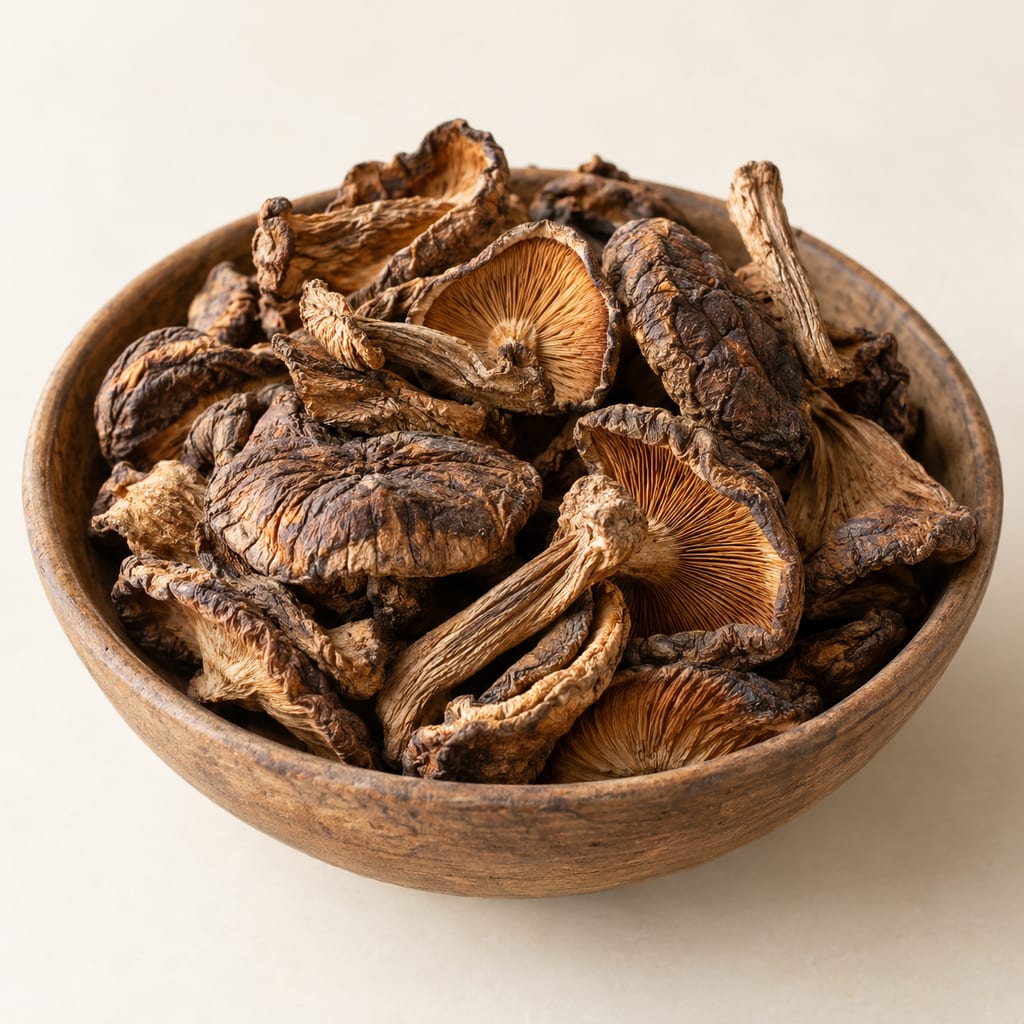
Hearth-dried mushrooms are dried on shelves above a cooking fire, so heat and smoke reach them. Tanzanian records describe the method; a Vietnamese study tested smoke-dried shiitake for fuel-dependent contaminants.

Tương Bần is a thick, sweet and salty northern Vietnamese soybean sauce made from soybean and sticky rice at Bần Yên Nhân in Hưng Yên, matured in ceramic jars for months.
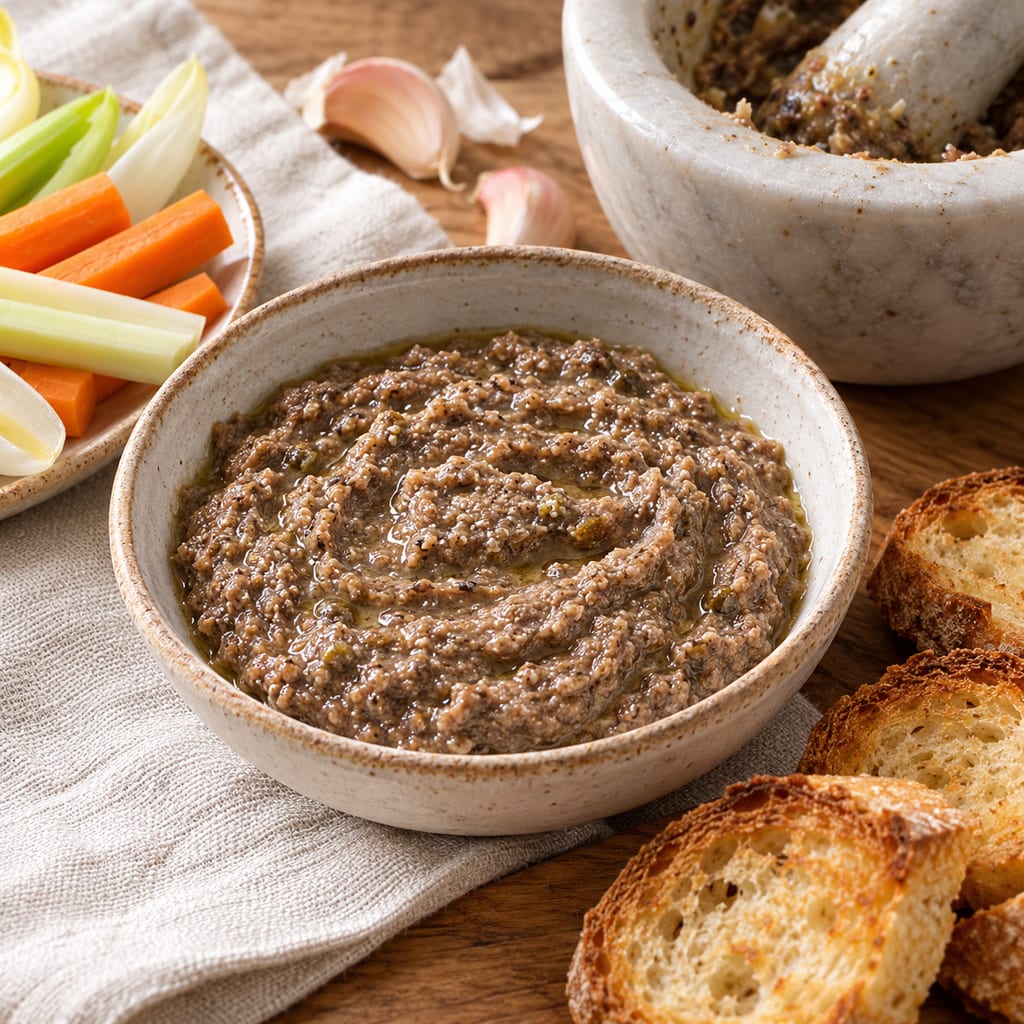
A Provencal dip of anchovies, garlic, capers and olive oil, pounded or blended to a creamy paste and served with raw vegetables, bread and eggs.
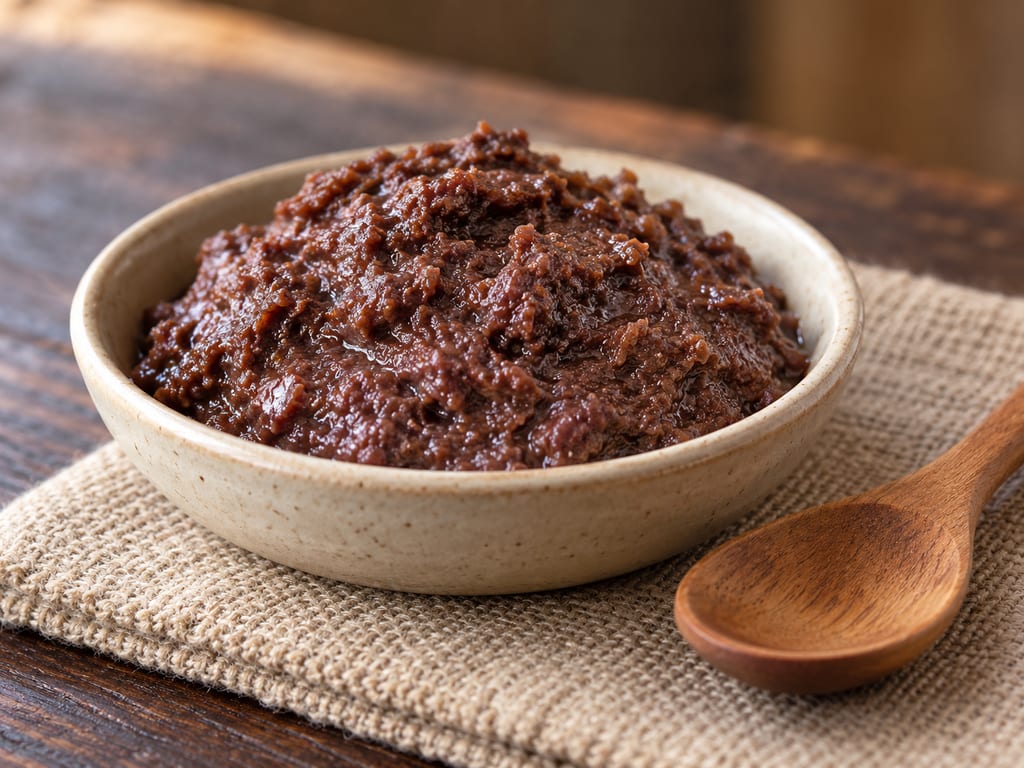
Bagoong isda is a Philippine fish paste: whole small fish salted and left to ferment for a month or more in earthen jars. It is the fish counterpart of bagoong alamang.
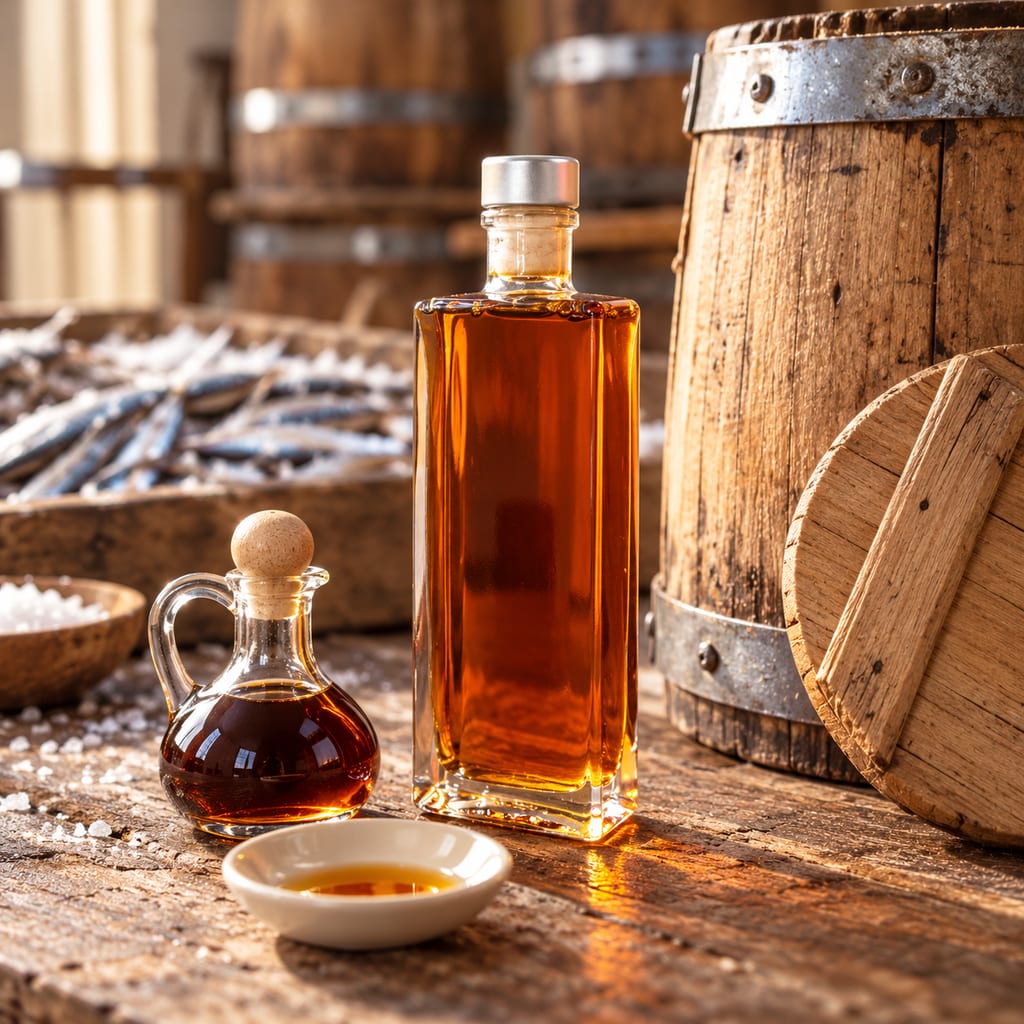
Colatura di alici is the amber liquid drained from salted anchovies matured in wooden containers in Cetara, on the Amalfi coast of Campania, and sold under a protected designation of origin.
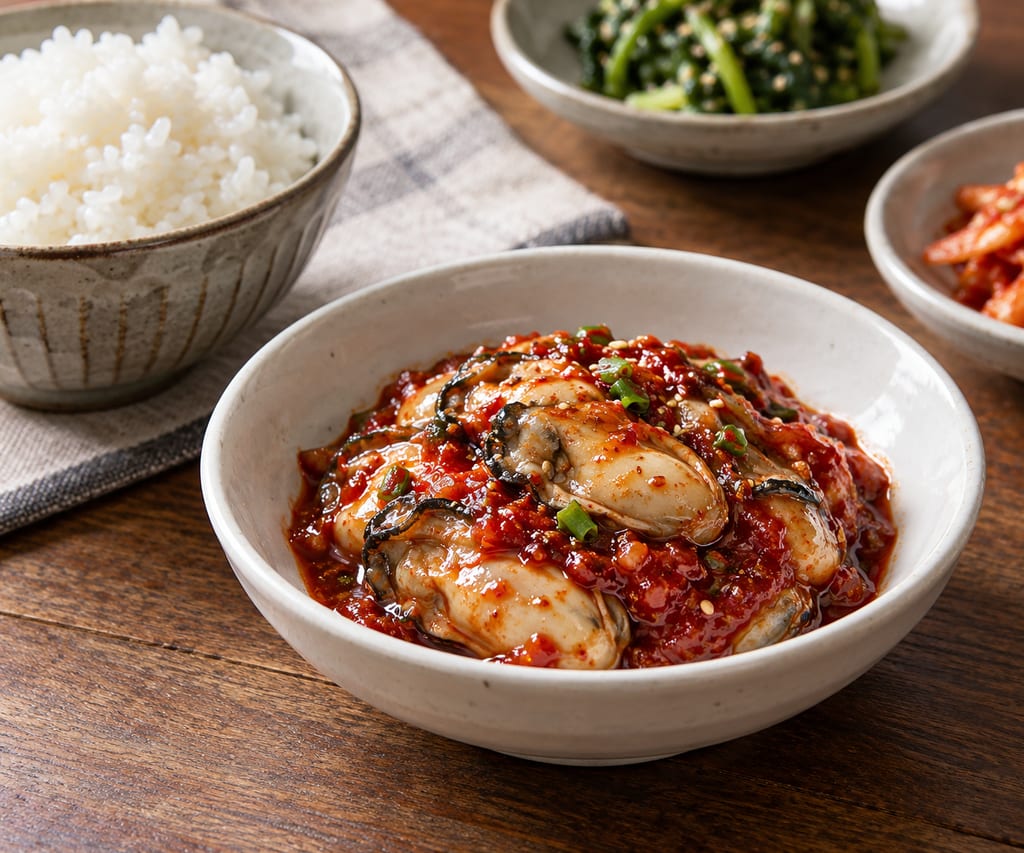
A Korean salted-oyster jeotgal seasoned with chili, associated especially with Seosan and Ganwoldo. This page records its food culture, not a household preparation method.
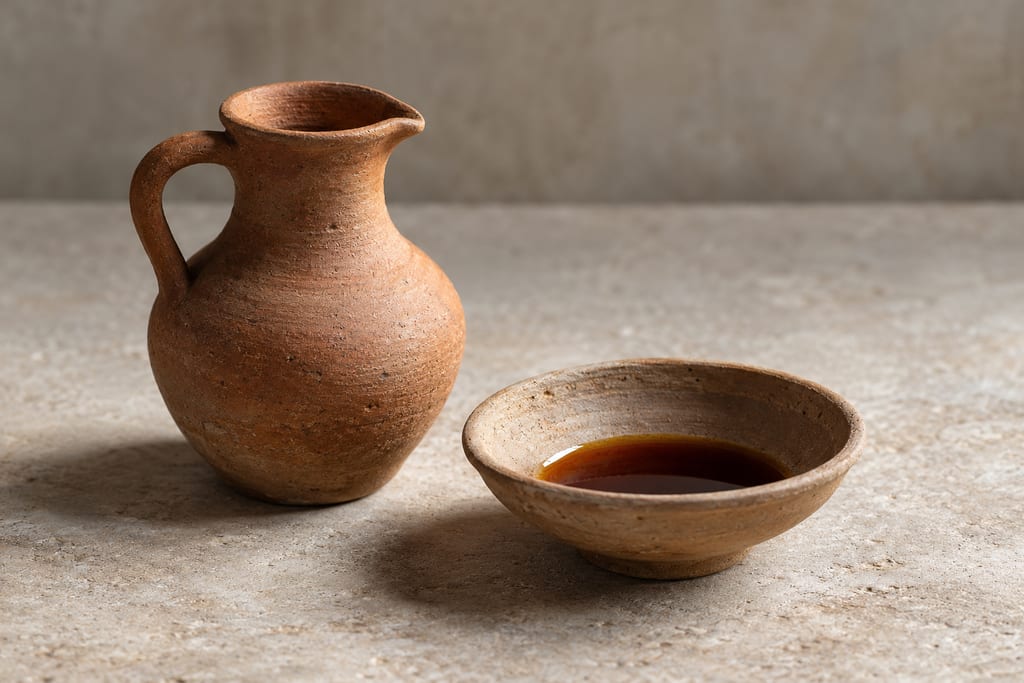
Garum, Greek garos and Latin liquamen, was the fish sauce of the ancient Mediterranean: fish and viscera salted and left in the sun, then drained off as a savoury liquid.
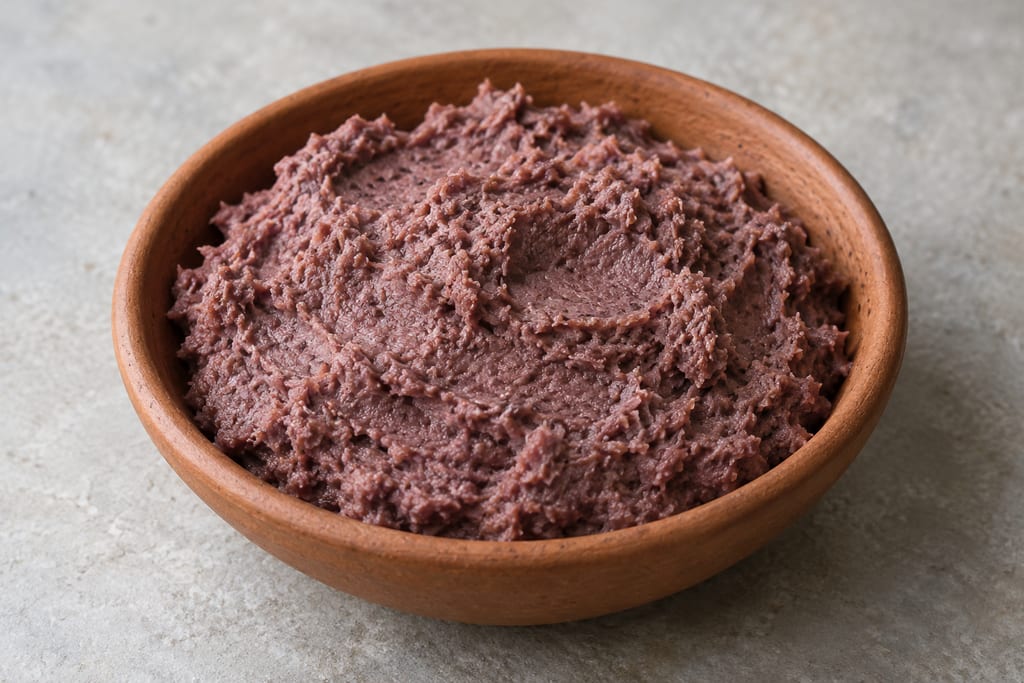
Guinamos is a shrimp paste made on Guimaras in the Philippines: small shrimp salted by hand, sun-dried and trodden by foot until it turns smooth.
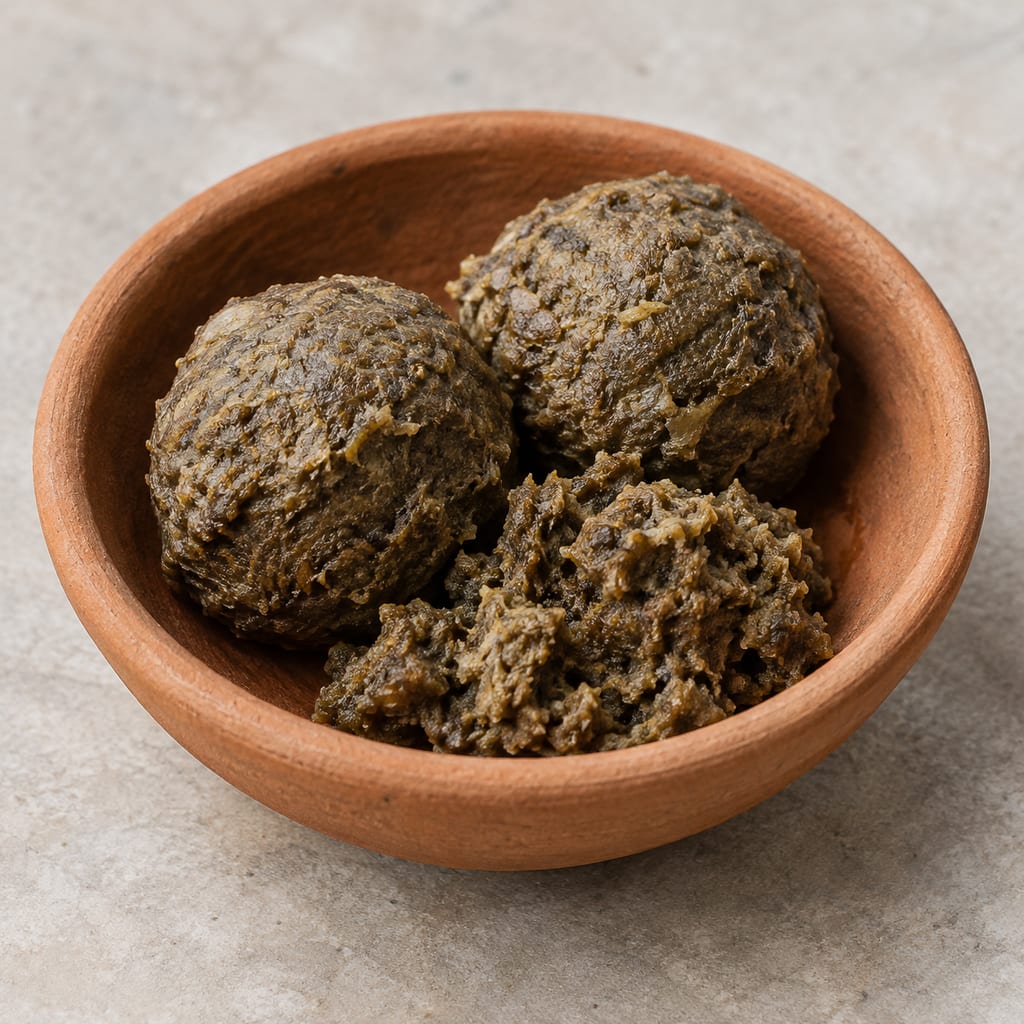
Manipuri fermented fish-and-aroid paste, formed into balls or kept in an earthen pot, used to season Manipuri dishes. Its method is documented in outline only.
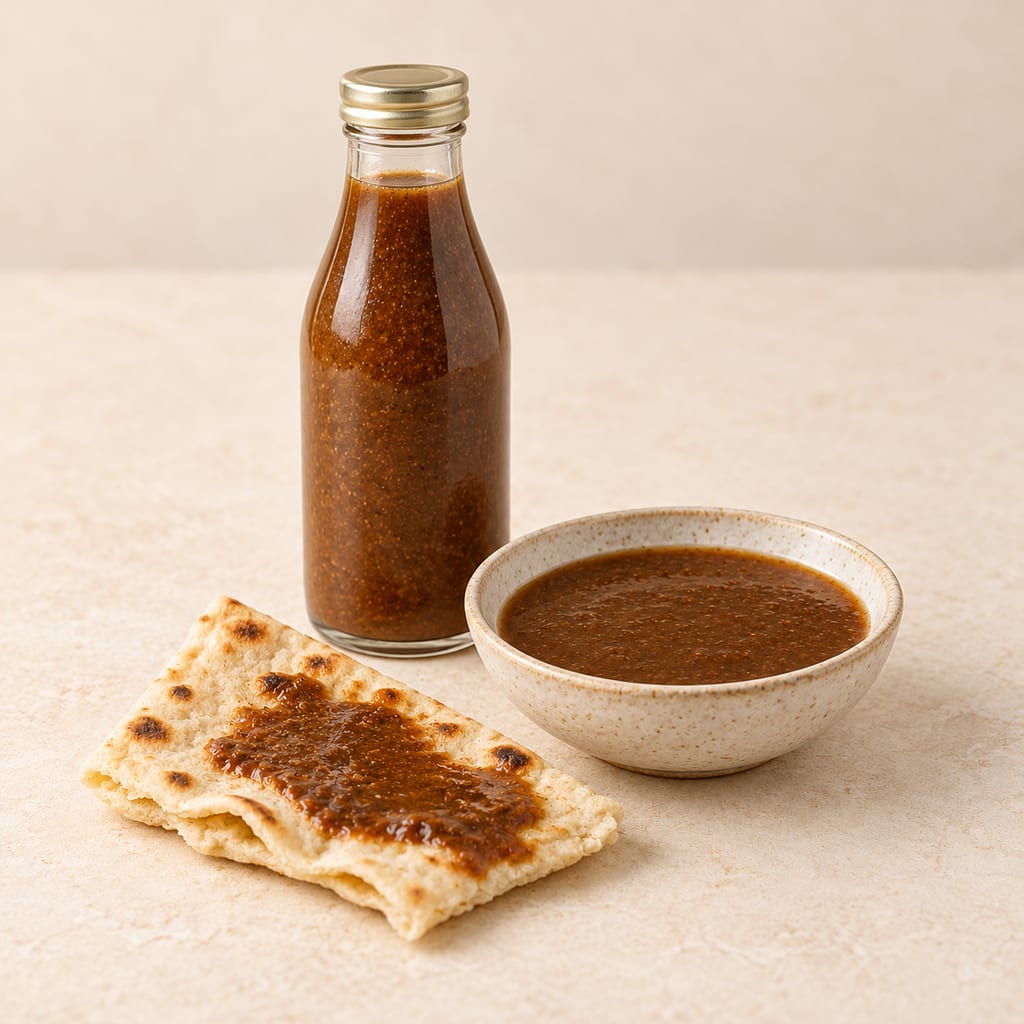
Mahyawa, also written mahyaveh, is a traditional fish sauce from southern Iran, made by salting small sardines or anchovies in water, maturing them in jars and seasoning the filtered liquid with mustard and spices.
No community contributions have been published for this entry yet.
Sign in to contribute. Published comments and photos are free to read.
Vietnam National University Ho Chi Minh City Press (cited in a 2024 bibliography; not printed in the inspected PDF)Method · History
Kỹ thuật lên men thực phẩm cổ truyền Việt Nam và các nước trong vùng [Traditional food fermentation techniques of Vietnam and countries in the region]Mắm nêm section, pp. 137–138: fish is sun-wilted for four to five hours, then mixed with 20% salt, 2% sugar and 3% roasted glutinous-rice powder.
The sealed jar is held at 28–30 °C, the liquid is removed, and the solids then ferment for a further 20–25 days.
The denominator for the percentages and the duration before liquid removal are not stated.
Cited in: Origins and the Cham connection; What the handbook records
WikipediaHistory · Geography · Use
Mắm nêmMắm nêm is attributed to the Cham people; the article links it to Central Vietnam.
The article describes mắm nêm as much more pungent than nước mắm and comparable to shrimp paste.
Ready-to-use mắm nêm pha sẵn is commonly mixed with sugar, pineapple and spices, and it is a key ingredient in bún mắm.
Cited in: What mắm nêm is; Origins and the Cham connection
Mắm Nêm Dì CẩnMethod · Use
Cách pha mắm nêm [How to prepare mắm nêm]A dip uses 250 g of mắm nêm to 250 g of water, with garlic, lemongrass, pineapple, lime juice and sugar to taste.
Bones and chilli seeds are strained out before blending. The page gives no storage time for the dip.
Cited in: What mắm nêm is; Prepared dips and use
Vicky PhamMethod · Use
Vietnamese Fermented Anchovy Dipping Sauce (Mam Nem)A prepared dip uses bottled fermented fish sauce with pineapple, lemongrass, garlic, sugar, citrus juice and chilli, brought to a boil and served warm.
The page gives no storage guidance; a reader's question about refrigerator keeping went unanswered.
Cited in: Prepared dips and use
U.S. Food and Drug AdministrationSafety
Food AllergiesFDA lists crustacean shellfish and fish among the major food allergens.
U.S. Food and Drug AdministrationSafety
Fish and Fishery Products Hazards and Controls Guidance, Chapter 7: Scombrotoxin (Histamine)Histamine formation in fish is a time-temperature and handling hazard that the guidance addresses with controls.
U.S. Food and Drug AdministrationSafety
Fish and Fishery Products Hazards and Controls GuidanceFDA's June 2022 guidance describes histamine hazards and controls for fish and fishery products; it is guidance for industry and does not validate the mắm nêm method described here.
The guidance notes histamine formation may occur during several preservation processes until a product is fully shelf-stable and that some histamine-forming bacteria tolerate salt.
Cited in: Microbiology and safety limits
U.S. Food and Drug AdministrationSafety
Bad Bug Book, Second Edition: Scombrotoxin (Histamine) FormationFDA lists anchovies among fish implicated in histamine poisoning; that does not establish histamine in every anchovy product or in mắm nêm.
Cooking, canning and freezing do not reduce the toxic effects of histamine; ordinary sensory examination cannot ensure its presence or absence.
Cited in: Microbiology and safety limits
Journal of Food Science and Technology / PubMedSafety
Effect of organic acids on the formation of biogenic amines in fermented anchovy sauce comprising raw anchovy materials with different levels of freshnessA 2022 study of fermented anchovy sauce found histamine levels varied with freshness of the anchovy raw material. It studied a separate fish-sauce process, not mắm nêm, so it is comparative evidence only.
Cited in: Microbiology and safety limits