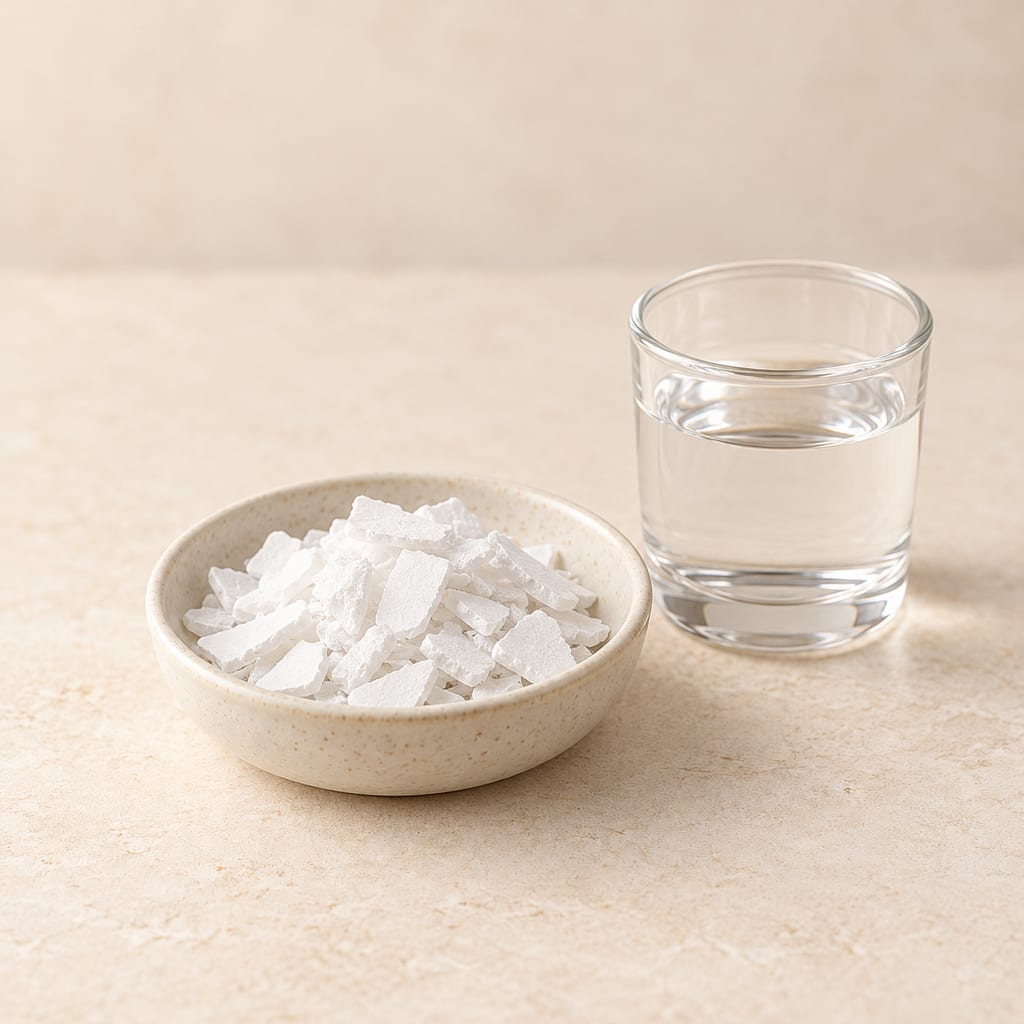
Calcium chloride
A soluble calcium salt used to support cheese curd formation, balance cheese brines, reinforce some plant tissues and adjust brewing water.
 FermenteaWhere food goes to change
Traditional method
Kashkaval
Kashkaval is a firm sheep-milk cheese whose acidified curd is worked in hot brine. This large-batch method finishes with repeated dry salting, wax coating and cool ripening.
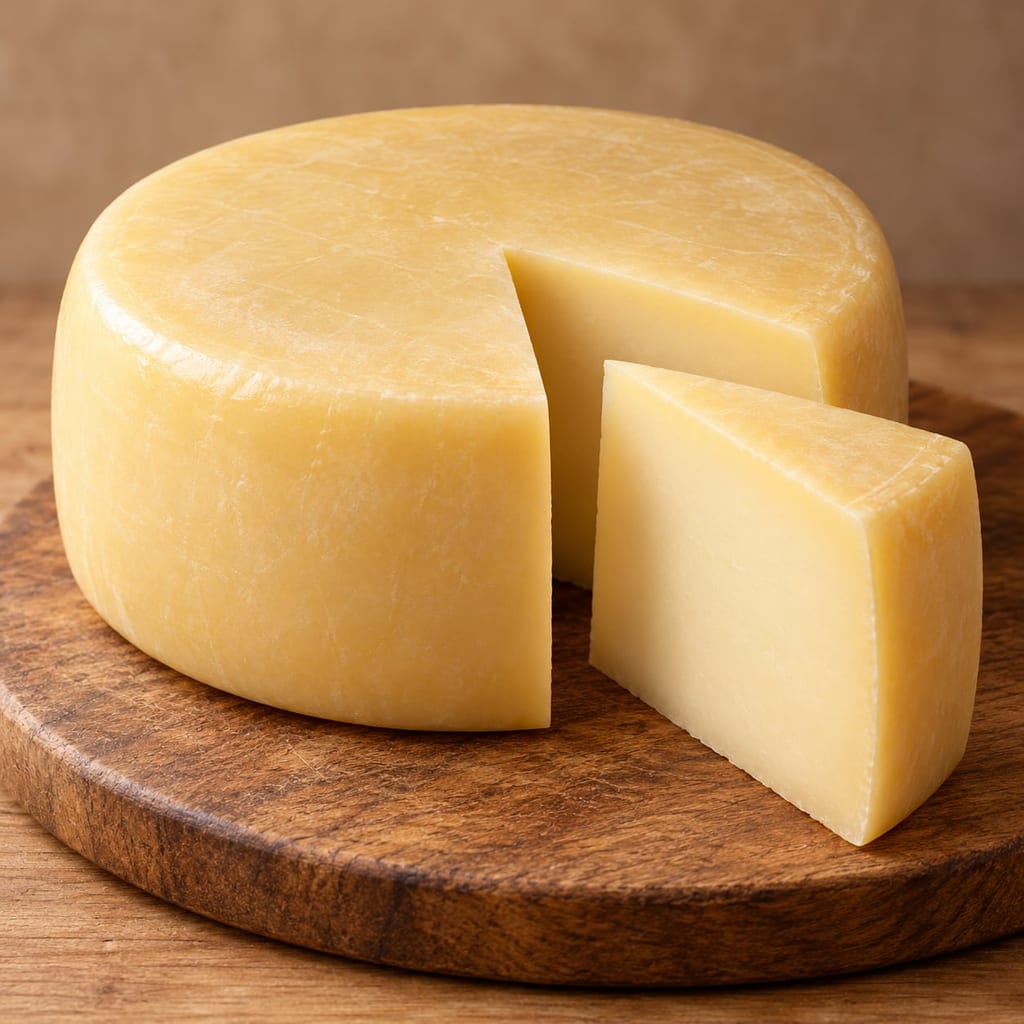
Kashkaval belongs to the pasta filata cheeses: its curd is acidified, sliced, heated in brine and kneaded while hot. It is associated historically with Bulgaria, where it is reported from the sixteenth century, and its manufacture spread through Mediterranean countries. The sheep-milk method described here was recorded in Cyprus, Lebanon and Tunisia. Its smooth-rinded wheels may be waxed and cured, though the cheese is also eaten fresh.
Scaling: source batch only
Raw milk can carry pathogens; curd can also be contaminated by hands, equipment and food-contact surfaces.
Hazard sourceHome-cheesemaking guidance recommends pasteurizing raw milk and cleaning and sanitizing equipment, hands and food-contact surfaces, with proper curd handling and cooling. Pasteurization would change the unheated traditional method described here.
Control sourceThe traditional method starts with raw milk. Home-cheesemaking guidance calls for pasteurizing raw milk and preventing contamination from hands, utensils and surfaces; pasteurization changes this documented method.
Mesophilic culture — Bacterial starter for acidification; the described method does not identify its species.
FAO gives 50–60 days at 12–16°C; no relative humidity specified.
FAO identifies Bulgaria as the area of origin and says the cheese was known there from the 16th century; this is source-reported context, not a precise birthplace.
FAO lists this as a production country for the described method.
FAO lists this as a production country for the described method.
FAO lists this as a production country for the described method.
A soluble calcium salt used to support cheese curd formation, balance cheese brines, reinforce some plant tissues and adjust brewing water.
An unspecified dairy starter for moderate-temperature acidification, documented in a sheep-milk Kashkaval method. The name identifies a functional temperature class, not a fixed species blend or supplied form.
Unpasteurized sheep milk with its natural fat retained, documented as the starting milk for Kashkaval. Seasonal composition affects curd behavior; raw status does not establish microbiological safety.
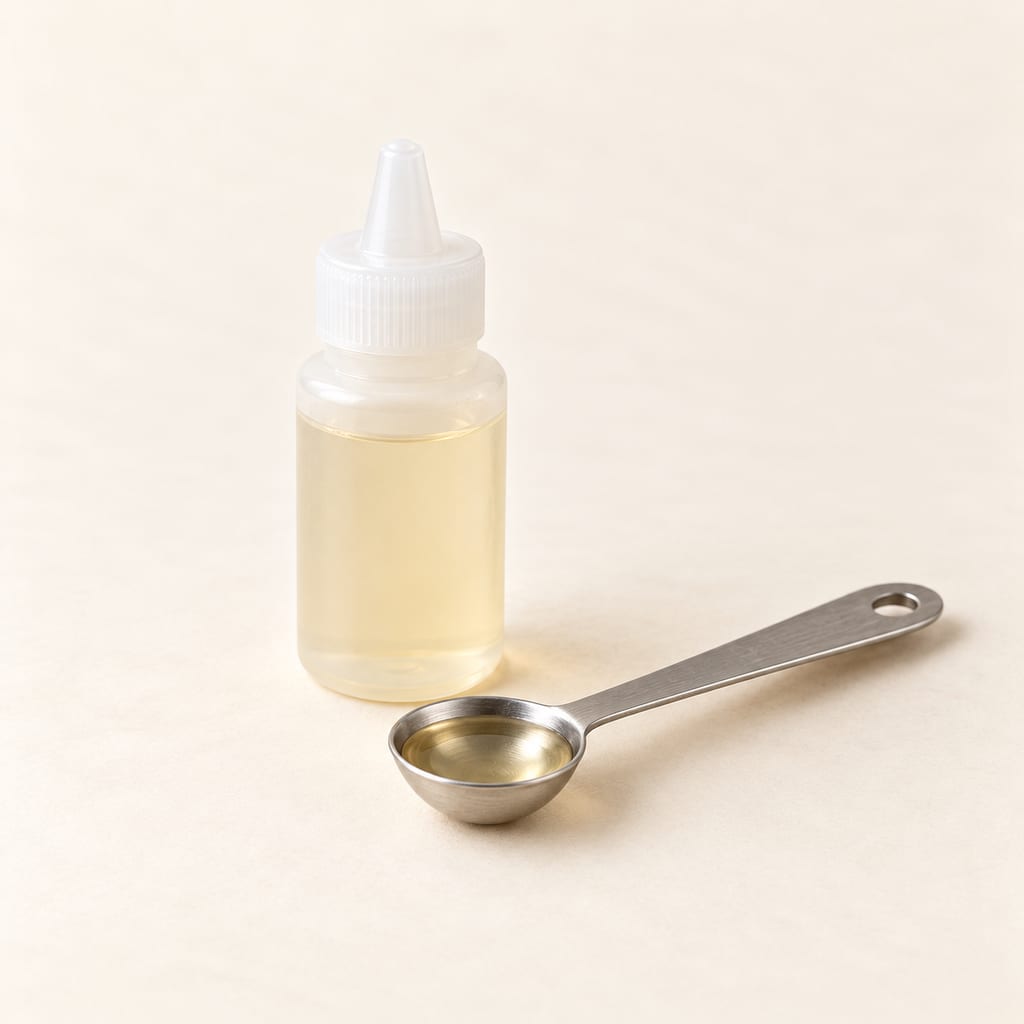
Rennet is an enzyme preparation that helps milk form a cuttable curd. Animal, microbial, fermentation-produced and plant coagulants have distinct identities and strengths.
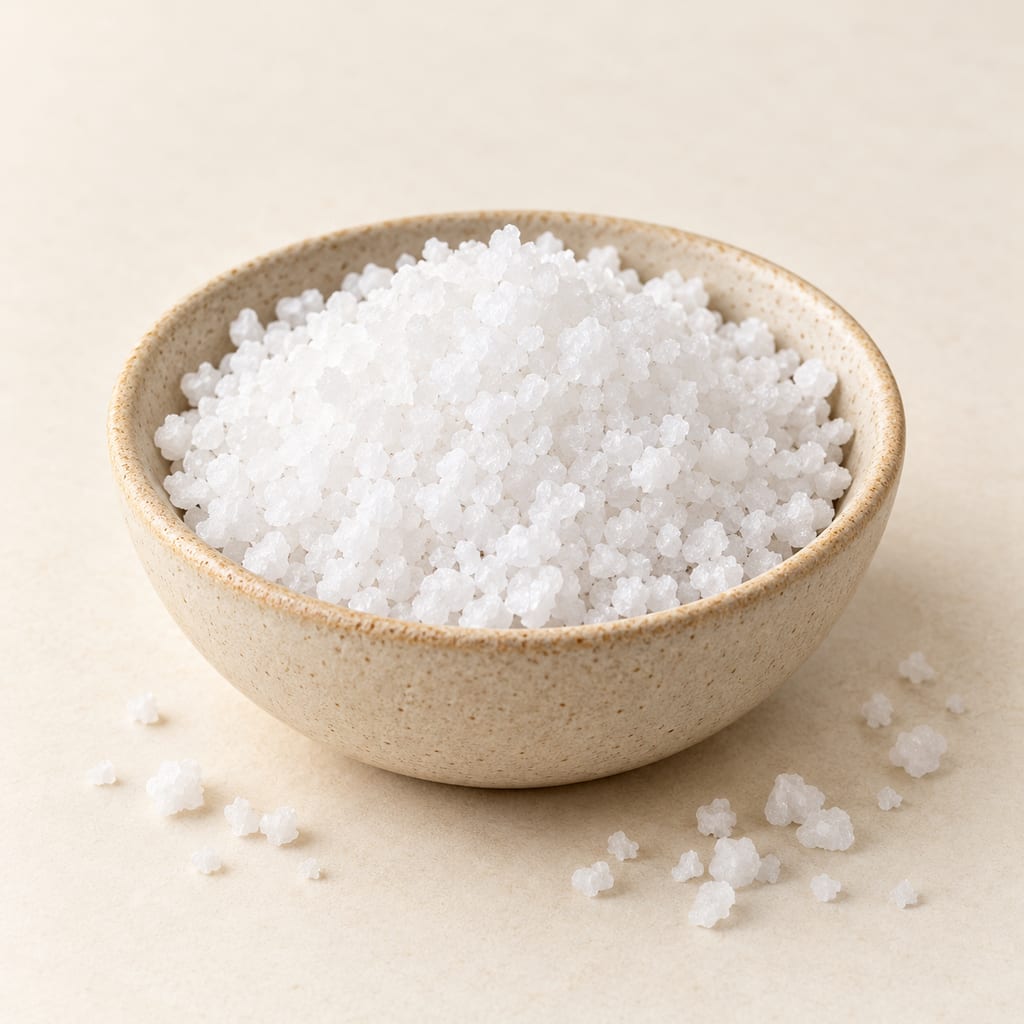
Food-grade sodium chloride seasons food and changes water movement in brines and cures; crystal size and the recipe's measurement method matter.
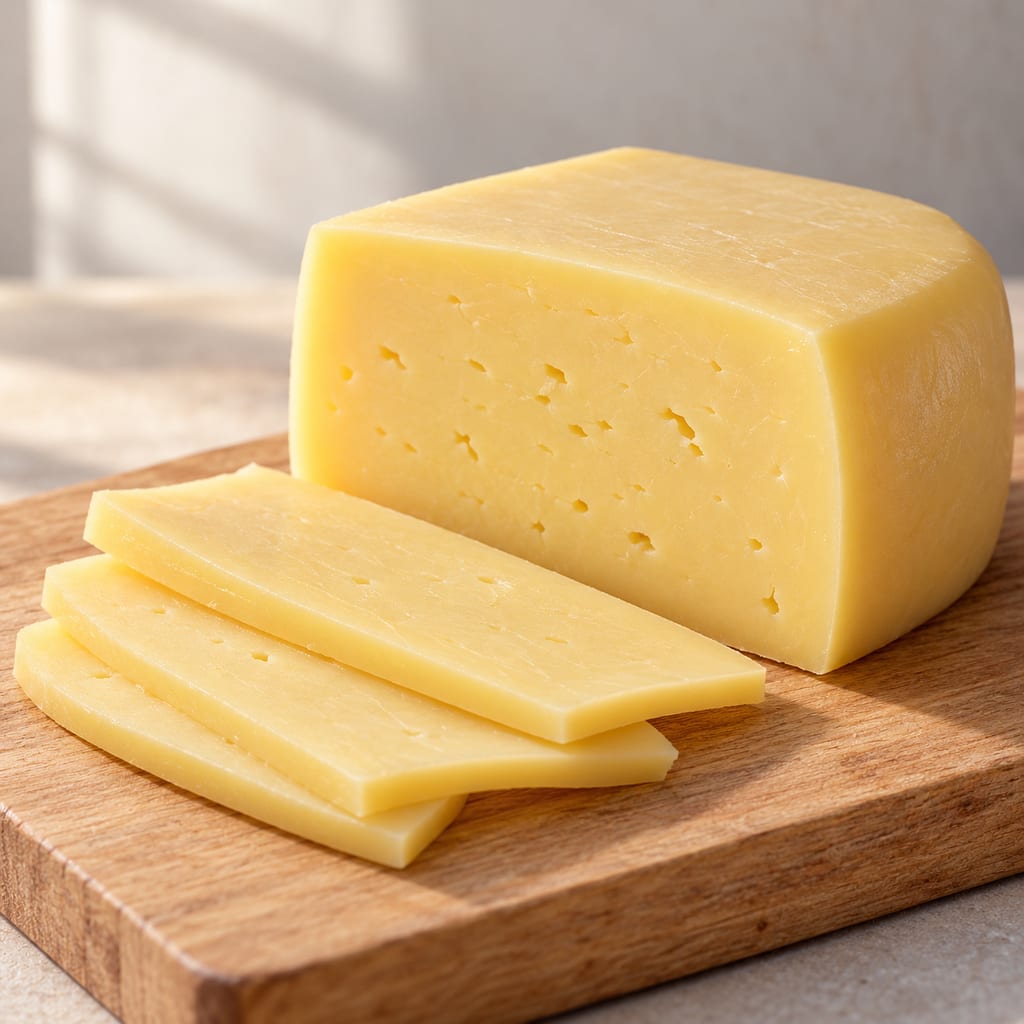
A yellow stretched-curd cheese made by acidifying, draining and kneading curd in hot brine. This small-batch kashkaval uses a commercial starter and a brine finish.
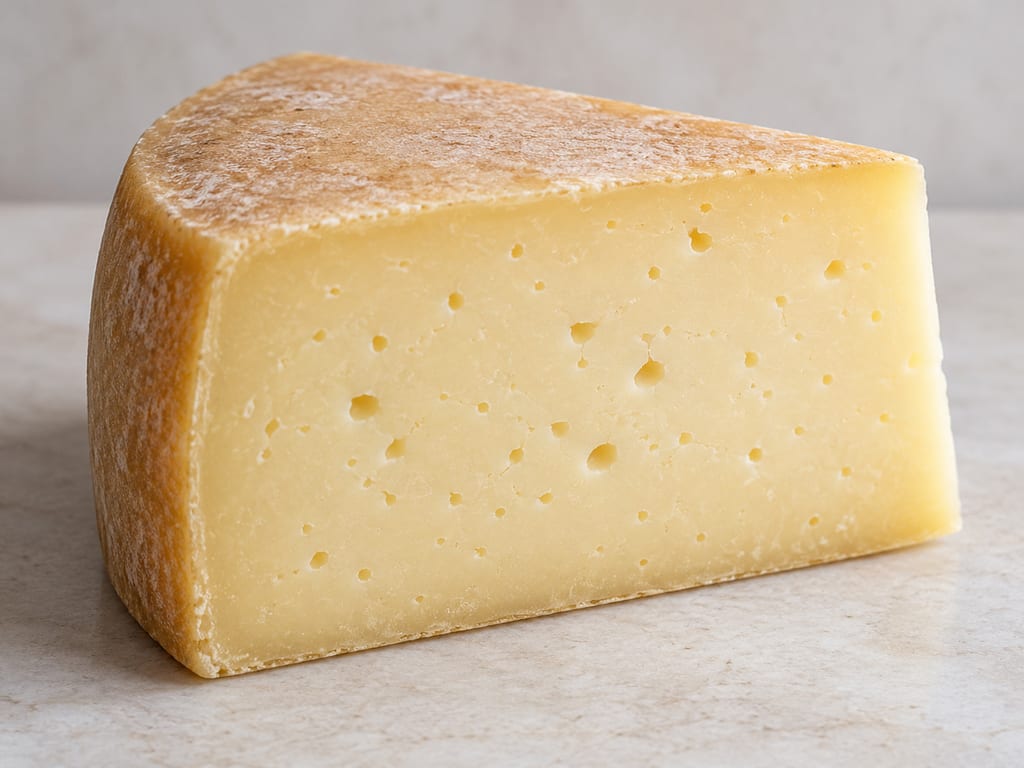
This Cypriot graviera is a hard sheep-milk cheese with a dry rind and round eyes. Its curd is heated, pressed and dry-salted before a long cool ripening.
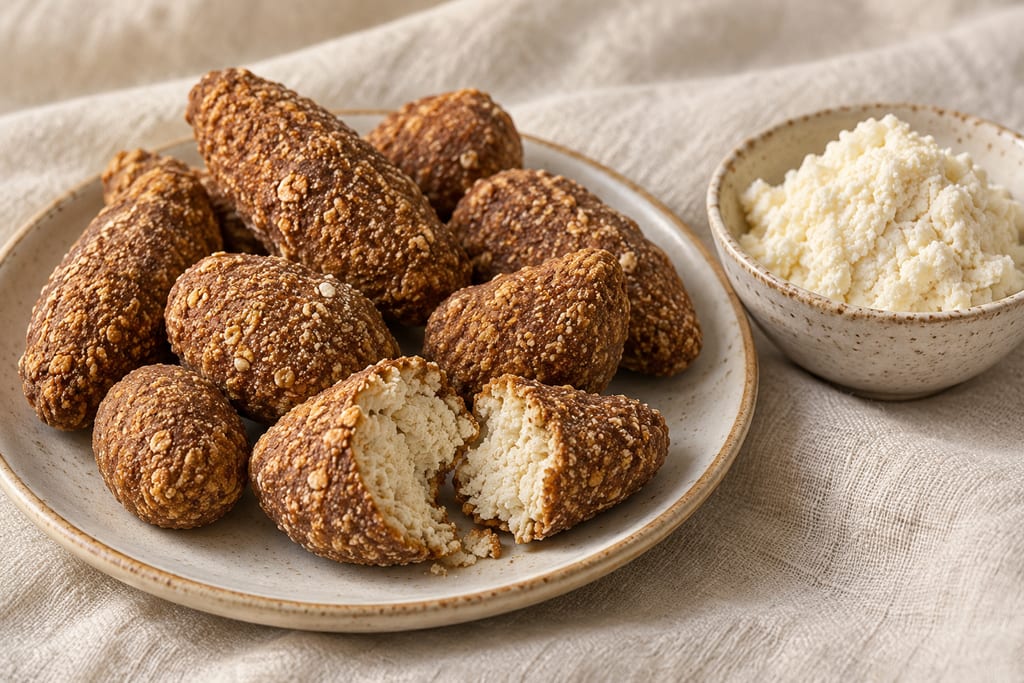
A two-stage Altai dairy preparation: sour chegen is heated into soft aarchi, then portions are drained, pressed and traditionally smoked into firm kurut.
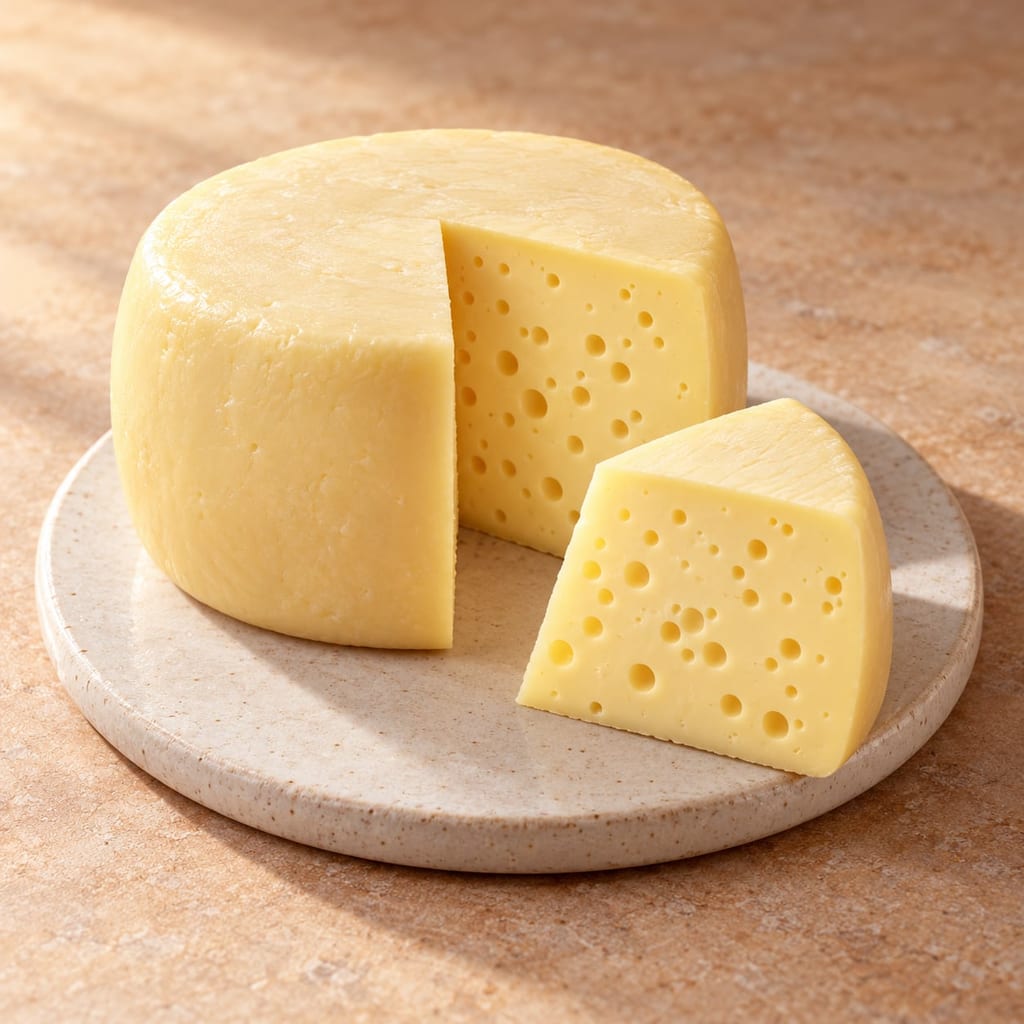
A washed-curd cheese with propionic bacteria, warmed by hot water in two steps and then held in a warm room for weeks so the bacteria can form its holes.
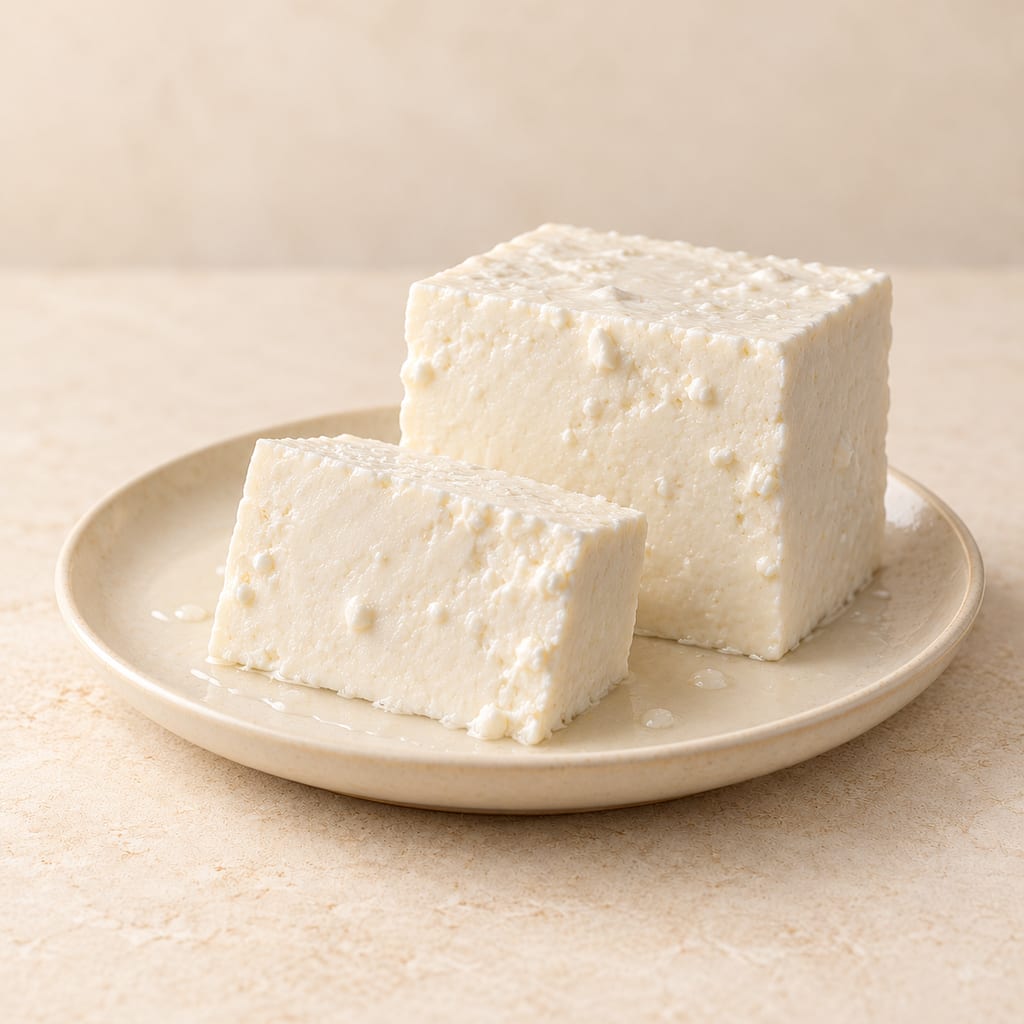
Beyaz peynir is a Turkish white cheese matured in brine. Sheep milk, alone or mixed with other milks, gives a close-textured cheese cut into blocks and packed in cans.
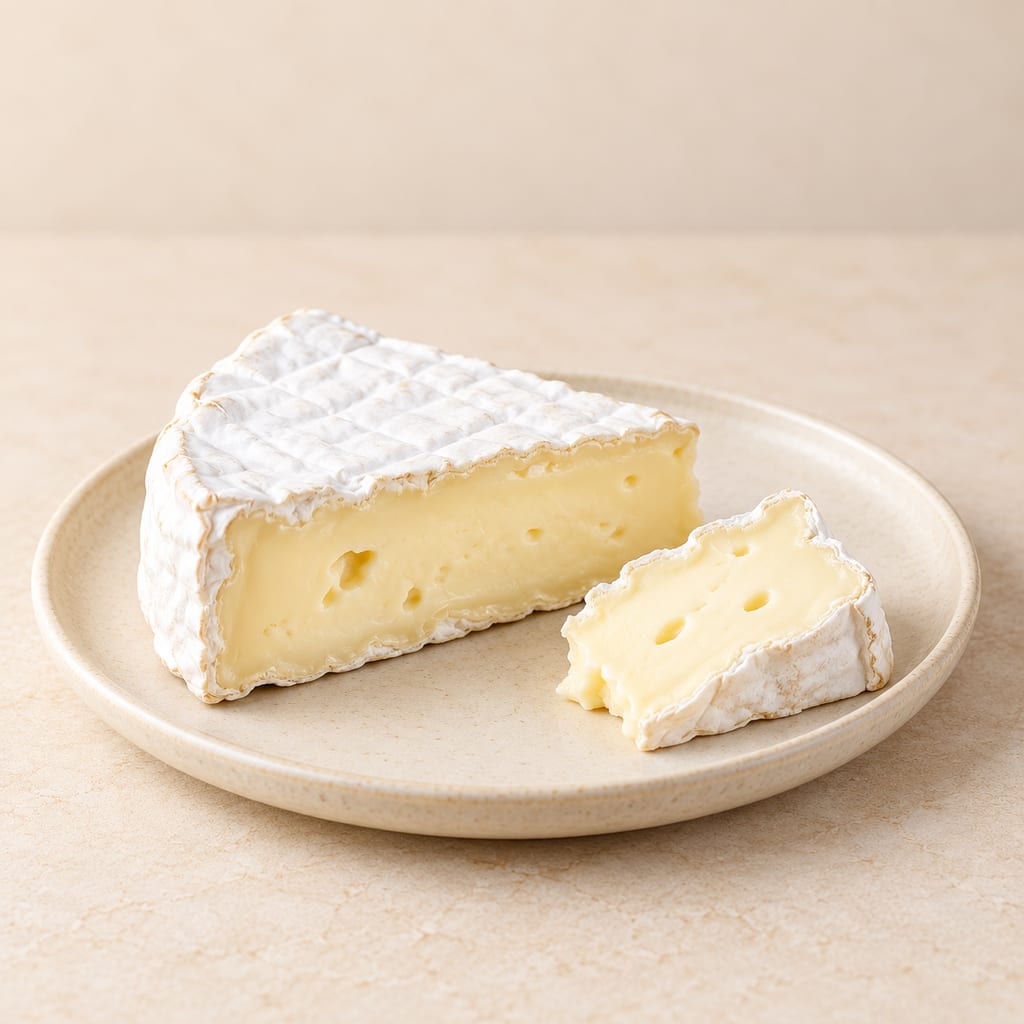
A cream-enriched Brie with a white bloomy rind and a softening center, made from pasteurized milk with lactic and surface cultures.
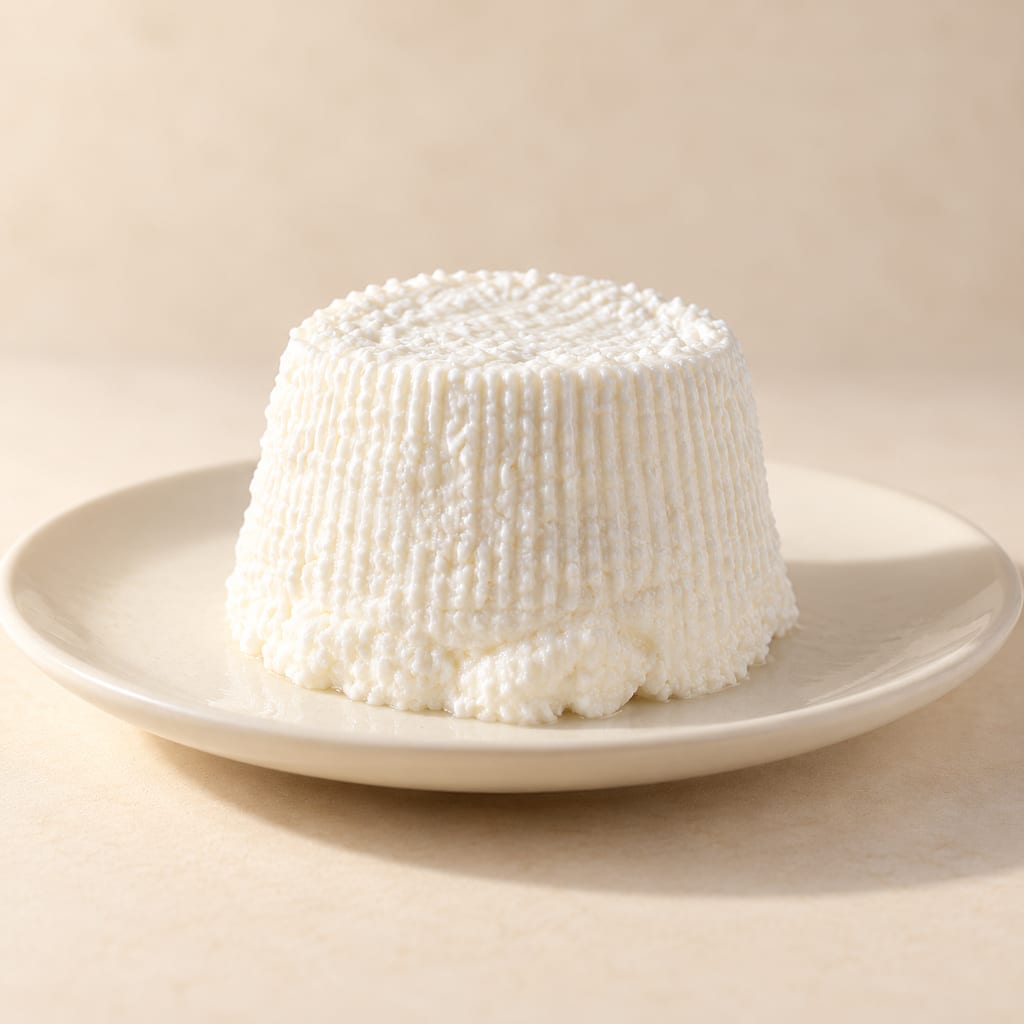
Corsican Brocciu is a whey cheese made by heating sheep's or goat's whey with whole milk and salt, then gently draining the flocculated curds. It is eaten fresh or salted and ripened as Brocciu passu.
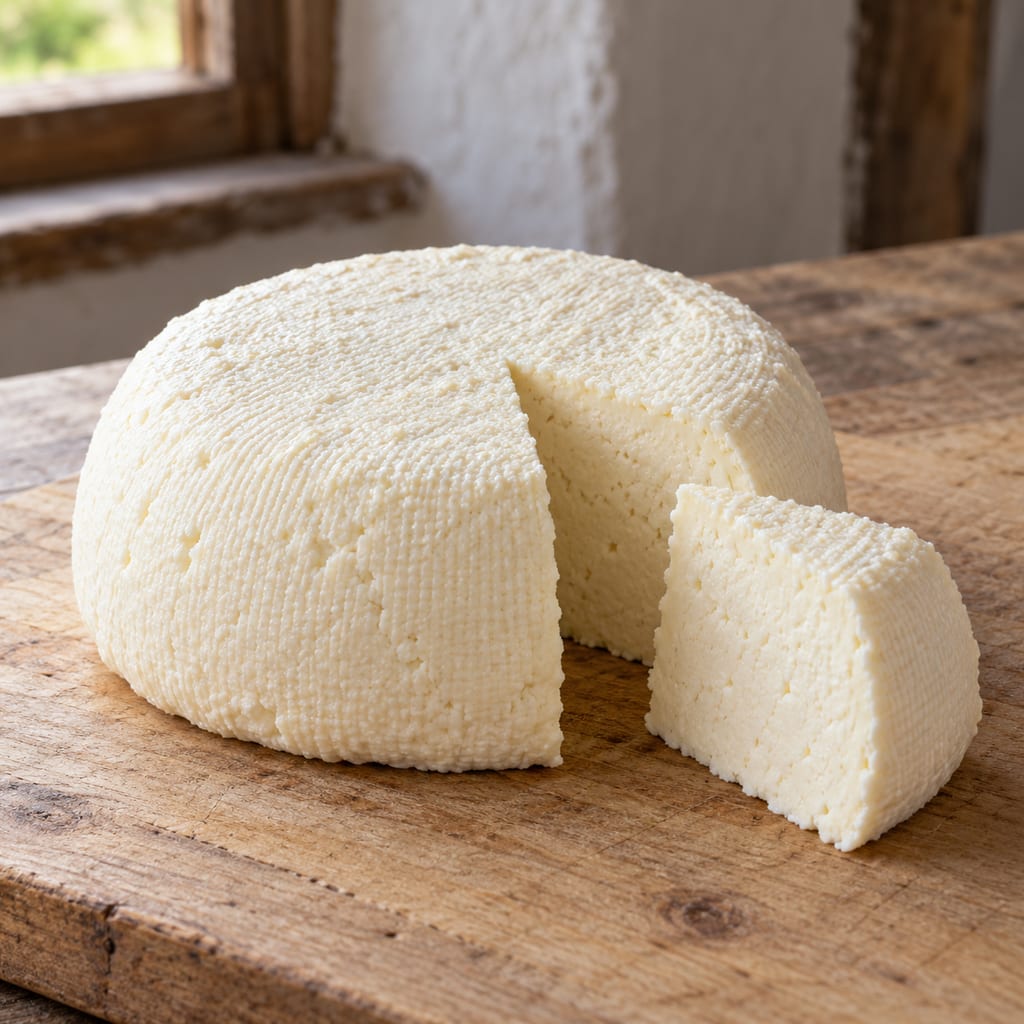
Budz is a traditional Hutsul rennet-set cheese made from sheep, cow or goat milk in the Ukrainian Carpathians, forming a fresh curd that can be eaten, smoked or processed into salted bryndza.
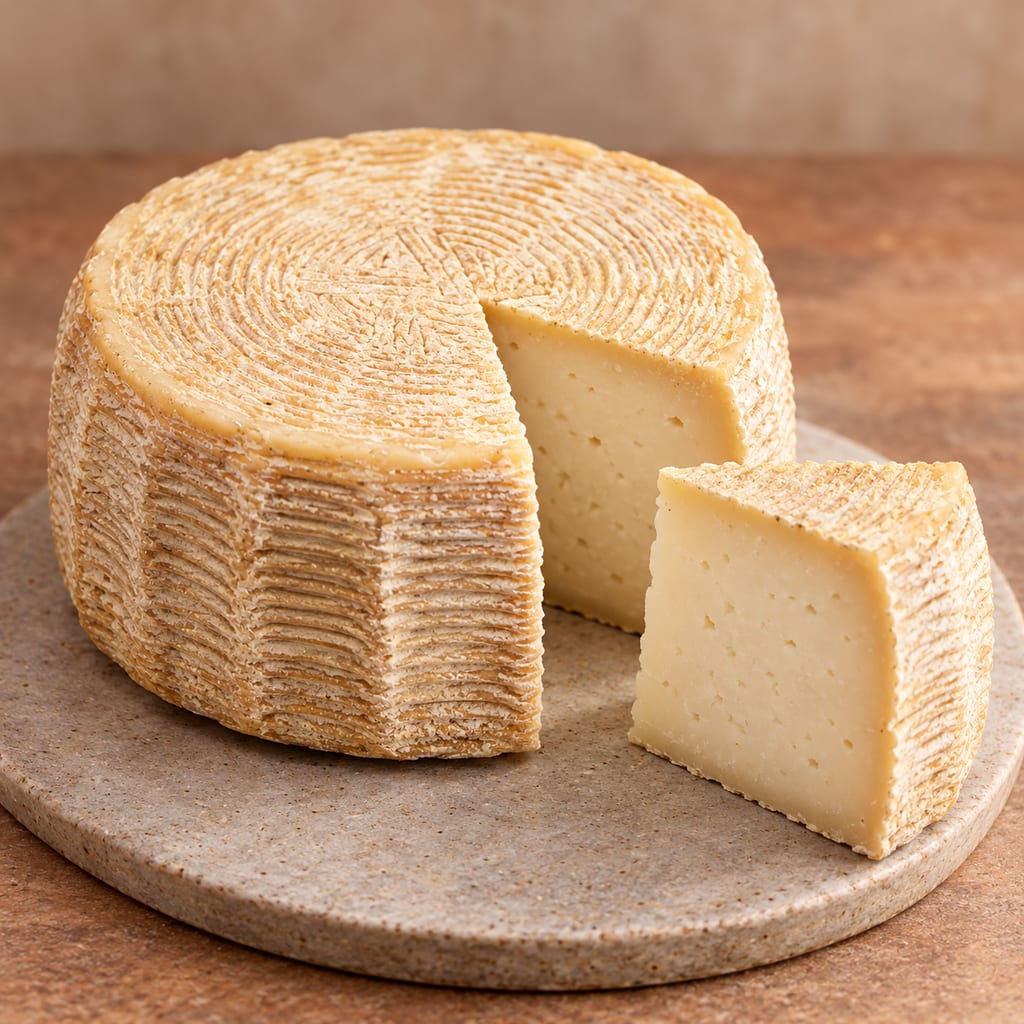
A scalded cheese moulded in baskets and re-cooked in its forms in hot whey, made alongside a ricotta from the same milk, then acidified, brined and aged for months.
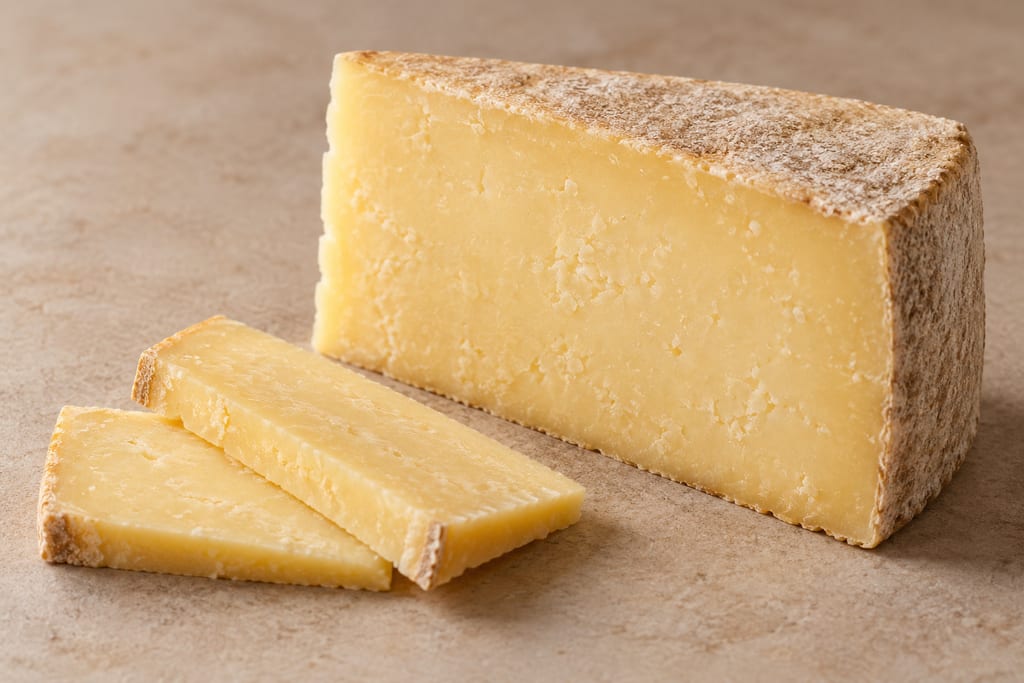
A pressed cheese whose curd is cooked slowly, then cheddared: kept warm in slabs that are turned and stacked for hours before milling, salting and pressing.

A gelling polysaccharide extracted from red seaweeds, sold as kanten strips or powder; it sets firm at a low concentration and stays solid until about 85 °C.

A Dominican table and seasoning condiment of sour orange juice, mixed with lime and salt and bottled raw; garlic, oregano or a hot pepper may be added for meat or a spicier bottle.

Cicerbita alpina is an alpine perennial whose tender shoots and leaves have been eaten raw or cooked. Sámi milk preparations and modern Carnian dishes are distinct uses, with serious identification and preservation limits.

Japanese skipjack tuna cooked, then repeatedly smoked and dried over a wood fire by the hand-fired tebiyama method into a hard block for shaving into dashi: the first stage of katsuobushi.

A Swedish-style spirit vinegar made by fermenting neutral alcohol with live vinegar bacteria, with a separate guide to commercial ättika strengths.

A yeast-raised wheat ring shaped from a firm dough, briefly boiled and baked. This source-batch formula gives a gently malted crust and a chewy crumb.

A warm dip of garlic, anchovy and olive oil, often enriched with butter, that Piedmont serves over a flame with raw and cooked vegetables and bread.

Bechamel is a white sauce of milk thickened with a butter and flour roux, one of the French mother sauces, and the base from which Mornay and other cheese and cream sauces are made.
No community contributions have been published for this entry yet.
Sign in to contribute. Published comments and photos are free to read.
FAOHistory · Process
The technology of traditional milk products in developing countriesKashkaval origin and production area, raw sheep milk, culture and calcium chloride quantities, rennet dose, curd cutting/heating/pressing, cheddaring endpoint, hot brine and curing stages.
New Mexico State University ExtensionSafety
Making Homemade CheeseGeneral home-cheesemaking controls: pasteurization of raw milk, sanitation, handwashing, proper curd handling and cooling; not a Kashkaval-specific process validation.