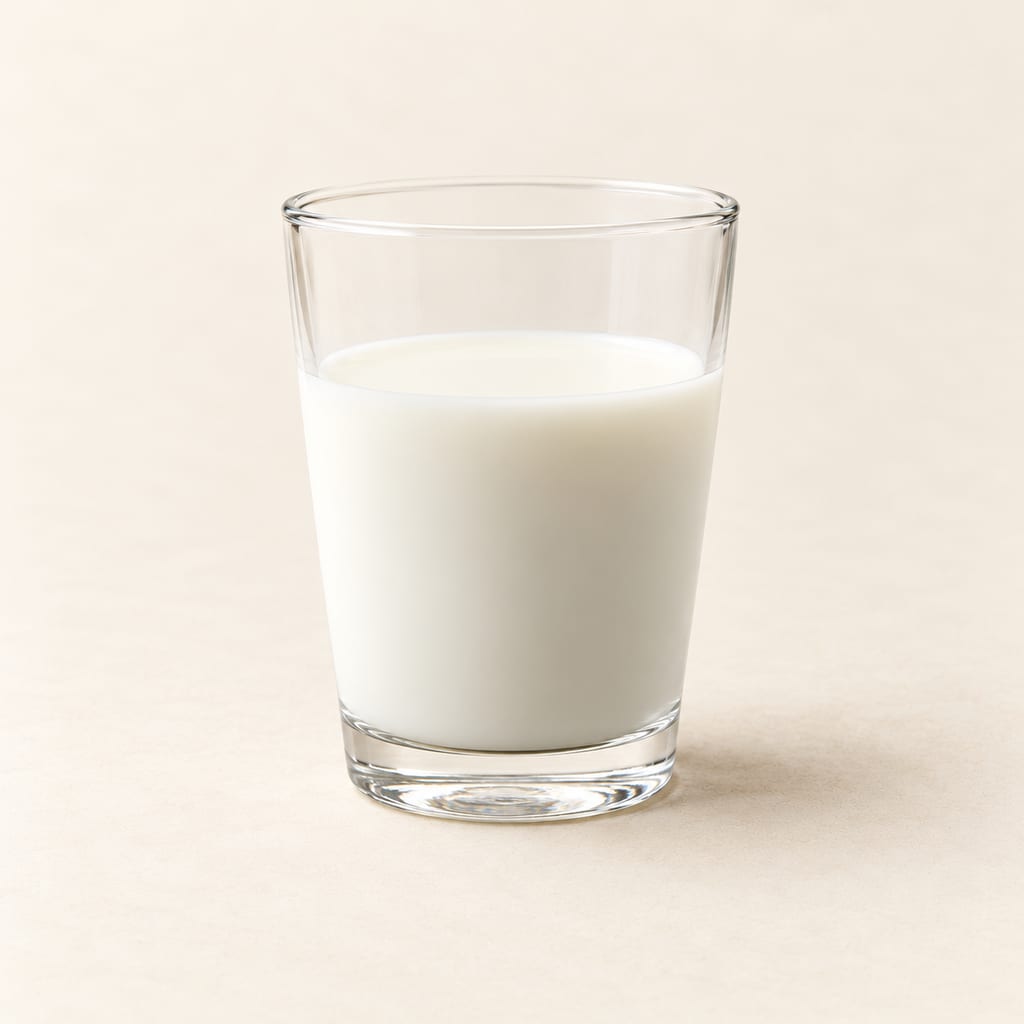
Goat milk
Goat milk is the liquid milk of domestic goats, used as a drink, a cheesemaking substrate and the base of regional dairy foods. Its composition varies among animals and farms, and its species name does not say whether it is pasteurized.
 FermenteaWhere food goes to change
Traditional method
Brocciu passu
Corsican Brocciu is a whey cheese made by heating sheep's or goat's whey with whole milk and salt, then gently draining the flocculated curds. It is eaten fresh or salted and ripened as Brocciu passu.
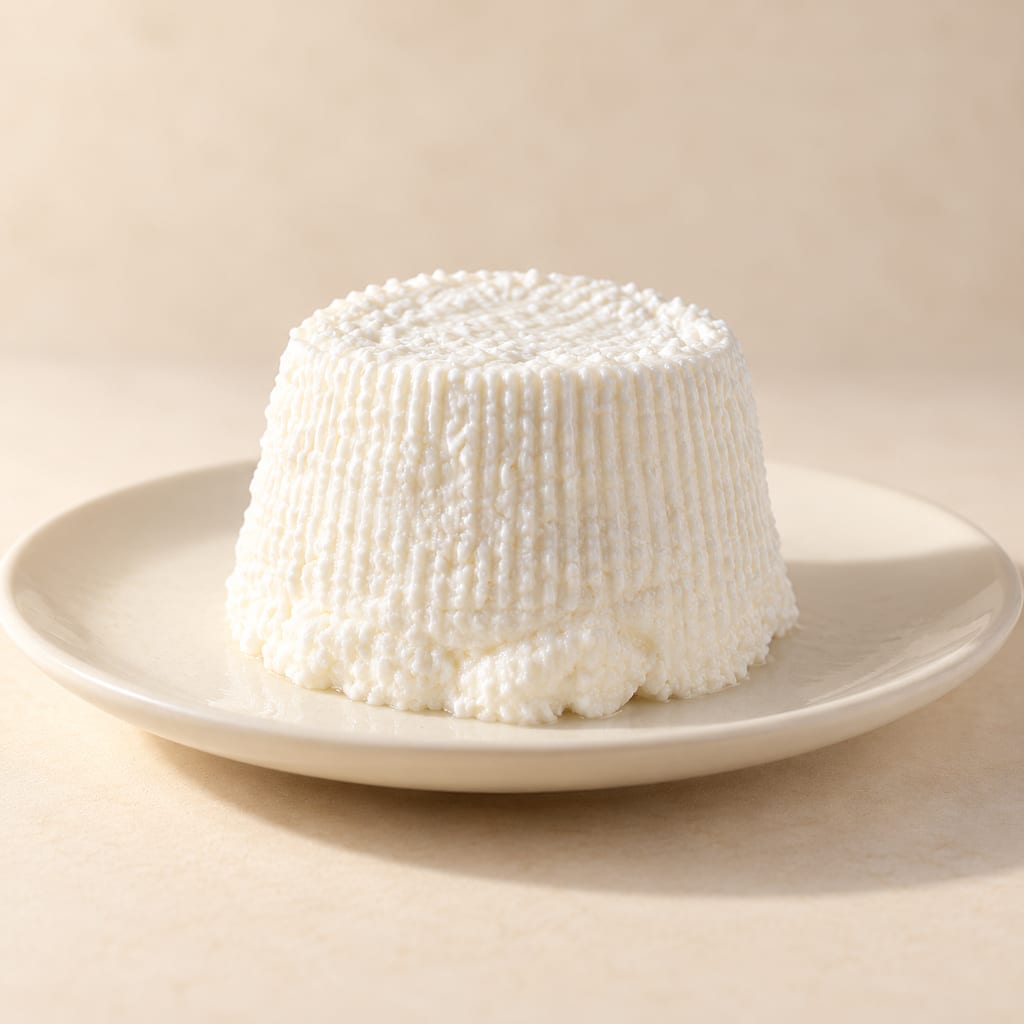
Brocciu is a Corsican whey cheese whose method begins where another dairy product ends. Fresh whey from sheep's or goat's milk is collected after a rennet-set curd has been made. In the AOP specification, it is mixed with whole raw sheep's or goat's milk and salt, then heated so whey proteins flocculate and rise as soft curds. The cheesemaker lifts those curds into truncated-cone moulds to drain. That sequence matters: brocciu is not simply a fresh rennet cheese from whole milk, and it is not interchangeable with any soft white cheese called ricotta. The name covers two broad forms, brocciu frais and the salted, ripened brocciu passu.
The Corsican dialect name is commonly written brocciu; the passu form appears as brocciu passu. Its pale curd is delicate, yielding and mildly savoury, with the fresh version notably soft and moist. INAO describes the cheese as becoming firmer and more full-bodied with age. Moulds shape its characteristic truncated cone, and the surface can carry the impression of the basket or mould in which the curd drained. The fresh form is eaten shortly after making; passu is salted and matured. This is a use of whey as a food substrate, not merely a way to extract the last drops of milk from a vat.
The public production material describes an AOP-style process, not a tested kitchen recipe. A practical small-batch illustration below uses one litre of whey as a reference scale and preserves the specification's maximum ratios; it does not certify a home product as Brocciu AOP. The exact origin protection, milk source, animal breeds, locality, equipment and process conditions are regulated. Anyone seeking the protected name must follow the current cahier des charges and local rules.
Brocciu is tied to Corsica at a precise legal scale. The 1998 decree reserves the designation for production of the milk and whey, manufacture and ripening in Haute-Corse and Corse-du-Sud. It also specifies flocks: sheep of Corsican or Sardinian breeds and their crosses, and Corsican goats under the original decree. The 2026 temporary amendment to feed rules responds to drought; that kind of change shows why a dated specification must be checked rather than treated as timeless. This narrative describes the established product rather than offering a legal compliance checklist.
The milk cycle shapes when fresh brocciu is available. Corsican tourism and agricultural sources place production broadly from November into June, with details varying by source and local season. The season begins after young animals have been weaned, when milk can be collected for cheesemaking; it closes as the milk changes and the spring supply ends. Small-ruminant dairying, pasture and local collection are part of the product's context. The historical atlas notes the role of sheep and goat cheeses in a pastoral economy, including the movement between upland and lowland grazing and the use of cheese in exchange; this should be understood as a wider Corsican dairy setting, not a claim that every brocciu maker followed one identical pattern.
Brocciu also demonstrates a collective production chain. In 2024, the French Ministry of Agriculture reported 431 tonnes marketed, 294 milk producers, 133 farm cheesemakers and 14 processing workshops across Corsica. These figures describe a recent year, not a permanent total. The product has moved from a farm and seasonal food into a protected market with organized collection and designation rules, while its defining operation remains the recovery of fresh whey and its transformation into a second cheese.
The designation's economic purpose is visible in this organization. Origin protection links a named food to an area, its raw materials and a process that can be audited. It helps a buyer distinguish Corsican Brocciu from other whey cheeses while giving producers a shared standard. The designation cannot freeze tradition: producers continue to work within seasonal and environmental pressures, and temporary changes to feed rules are made publicly rather than silently altering the product's identity.
The key input is fresh whey from rennet curd. The French decree requires whey from fresh sheep or goat curds and use within two hours; it sets a minimum pH and restricts the age of the supplementary whole milk. Those controls protect a specific dairy process. The whey is warmed slowly over a direct flame while gently stirred. When it reaches about 40–50°C, the cheesemaker adds salt and fresh whole milk. The added milk may not exceed one quarter of the whey volume; drinking water may be added within the stated 15% maximum. The decree expresses salt as 0.5–1% of the initial liquid volume. Because that is a volume-based specification, do not silently rewrite it as a weight percentage.
The liquid continues to warm with slow stirring toward 80–90°C. Skimming is carried out during the temperature rise until the flocculation begins. In plain language, heat changes the state of the whey proteins so that they gather into visible soft flakes or a floating curd; the added milk contributes whole-milk material and richness. This is not acid-set curdling, and the protected method excludes substituting another enzyme for the traditional or commercial rennet used in the first cheese that yielded the whey. Once the curd has gathered, it is lifted manually and gently in several passes into conical moulds. The curd is tender, so rough stirring or pouring can break it into fine particles and lose yield.
An illustrative AOP-style scale, not a validated home process, is: 1 litre fresh sheep or goat whey; up to 250 ml fresh whole sheep or goat milk; up to 150 ml drinking water; and salt at the decree's stated 0.5–1% of initial whey volume. These are maxima or a specification range, not a single mandatory formula. The decree's whey pH, freshness, milk sourcing and production conditions are essential; the numbers alone do not make a safe recipe. Heat slowly, gently stir and skim as described above, then lift the curds into clean, food-grade truncated-cone moulds and let them drain. A household pan on a stove is not the same as the direct-flame and sanitary dairy controls in the AOP specification.
Brocciu frais is soft, moist and delicately flavoured. It is sold fresh and is at its most supple soon after production. The curd has not been turned into a long-ripened hard cheese; its appeal is in its fresh milkiness and soft, slightly sweet profile. INAO notes that a fresher cheese is more tender and moist, while the French ministry calls fresh brocciu the usual form. This product's short seasonal life is one reason its presence in Corsican cooking is so immediate.
Brocciu passu is not a different animal-milk recipe. It is the salted and ripened form. The decree specifies dry salting and a maturation of at least 21 days; the fresh curd is thereby transformed into a firmer, less moist cheese with a more concentrated taste. Sources also refer to brocciu sec, but the names and maturity distinctions should be tied to the actual product and specification rather than treated as a universal aging ladder. It is possible to describe fresh, passu and drier versions together because they share the whey-recovery method and differ in finishing; they do not become unrelated cheeses.
That distinction explains why recipe substitutions change a dish. Fresh brocciu adds a soft, moist curd that can be mixed into a filling or eaten with a little sugar or honey. Passu is more compact and more seasoned, better suited to applications where a firmer salty cheese is wanted. A generic ricotta may look similar in a bowl, but the source whey and heat treatment differ, so texture and flavour do not match automatically. Choose a substitution for the particular dish rather than presenting it as an exact equivalent.
Brocciu travels between sweet and savoury cooking. The best-known dessert is fiadone, in which fresh cheese meets eggs and citrus in a baked cake; regional recipes and family practice vary, so no single fiadone formula defines brocciu itself. Fresh curd can also be served simply, lightly sweetened, or folded into a filling. On the savoury side, Corsican sources name ravioli, cannelloni, omelettes, beignets, migliacci, stuffed sardines and aubergines à la bonifacienne. These dishes show the cheese's range: it can soften a filling, lend moisture to a bake, or carry herbs and other local ingredients.
A whey cheese also makes sense in a dairy economy that uses more than the primary curd. The first cheesemaking has already produced a rennet curd and liquid whey; heating that liquid recovers proteins that otherwise remain in it. This is a distinct second transformation. The result is not an accidental byproduct and not a claim that Corsican cooks invented whey use everywhere. Other regions have their own whey foods, made by different means. Brocciu's identity comes from its own territory, milk rules and process rather than a broad category label.
At the table, the mild fresh cheese can take sweet accompaniments without losing its own character. The Corsican tourism page mentions eating it plain or in named traditional preparations; INAO lists omelettes, tarts and beignets. Brocciu passu contributes a more pronounced salt and firmer texture. Rather than make an unsupported universal pairing rule, choose the form according to whether the dish wants a moist filling or a more mature cheese that can stand on its own.
The regulated process relies on fresh raw milk and freshly recovered whey, so its timing and sanitation matter. The two-hour window for whey is a specification, not permission to leave dairy unrefrigerated in an uncontrolled setting. Raw-milk cheese can carry foodborne hazards; the process description does not replace a validated dairy safety plan or local regulations. Home cooks should buy brocciu from a reputable producer, keep it refrigerated as directed, and avoid serving raw-milk dairy to people at heightened risk unless their clinician advises otherwise. Heating the whey during the AOP process is not a claim that all hazards in every finished product have been eliminated.
Fresh brocciu is a perishable moist cheese. Keep it chilled and follow the producer's date and storage directions; the sources consulted do not establish a universal shelf life for every fresh cheese or package. Do not rely on smell, appearance or a change in texture to prove safety. Keep it separate from raw foods and use clean utensils. Brocciu passu has been salted and matured, but that does not make every product shelf-stable or justify inventing a storage duration. Follow the label for each form.
The protected name also carries real boundaries. A white cheese from elsewhere, a whole-milk ricotta, or a whey cheese made with a different species may be delicious but is not Corsican Brocciu AOP. The 1983 recognition, later AOC decree and EU protection formalized a regional production system; they did not create the cheese's full history. The origin stories that connect it to Solomon or other legendary transmitters are folklore, not dated evidence. The credible account keeps documented regulation and living practice separate from tales of ancient invention.
Brocciu is made from sheep's and/or goat's dairy; the exact milk species can vary by product and label. People with milk allergy should avoid it, and lactose intolerance is a separate issue from milk-protein allergy. A label may also identify whether a cheese is fresh or passu and the producer responsible for it. These details matter more than an assumed generic cheese description.
Corsican oral tradition includes legendary origin stories, but the evidence consulted does not establish an ancient date. The formal AOC recognition dates to 1983, followed by a 1998 decree and European protection.
Scaling: source batch only
Raw dairy may carry foodborne pathogens; the summary is not a validated household process.
Hazard sourceThe AOP method relies on fresh raw milk and whey under regulated dairy controls. Use certified brocciu for ordinary home consumption; follow the producer's storage directions.
Heating the whey in the described process is not a claim that all hazards in the finished product have been eliminated.
The protected production area covers Haute-Corse and Corse-du-Sud.
Goat milk is the liquid milk of domestic goats, used as a drink, a cheesemaking substrate and the base of regional dairy foods. Its composition varies among animals and farms, and its species name does not say whether it is pasteurized.
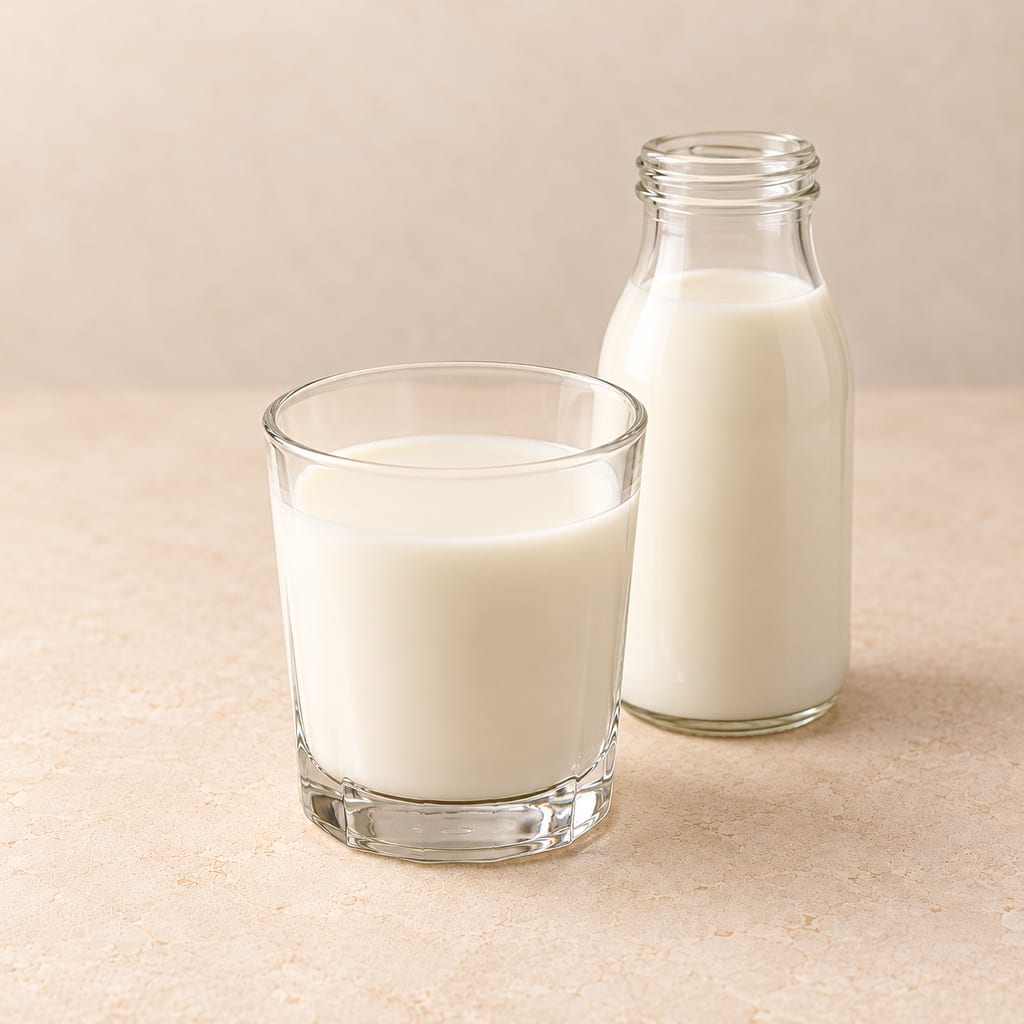
Milk from a ewe, used in cheese and cultured dairy foods. Its protein, fat and solids vary with the animal and season; it contains lactose and milk allergens.
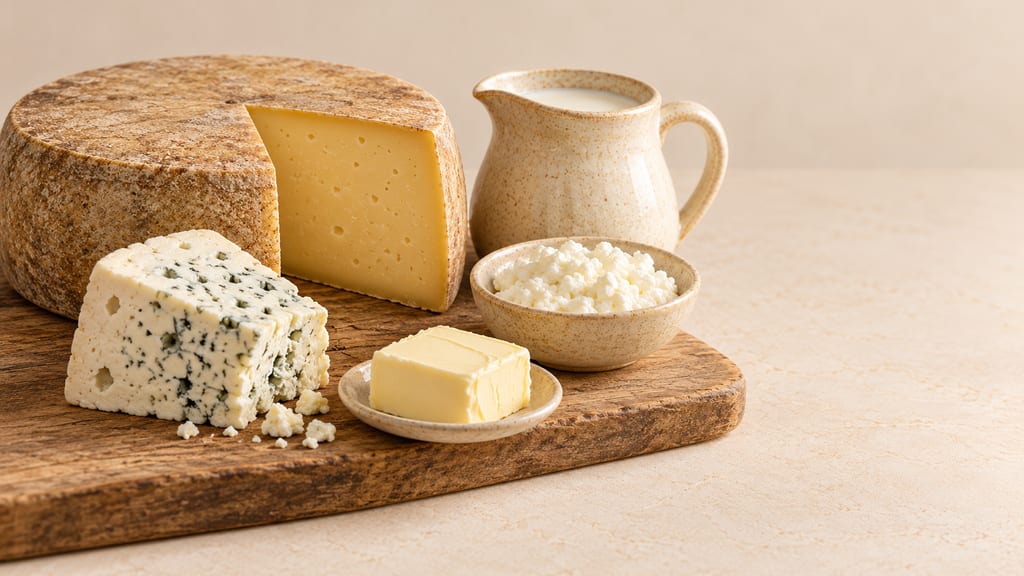
Follow milk into cheese, cultured drinks, butter, dried curds and sweets: a journey through the animals, seasons and household decisions behind the world's dairy foods.
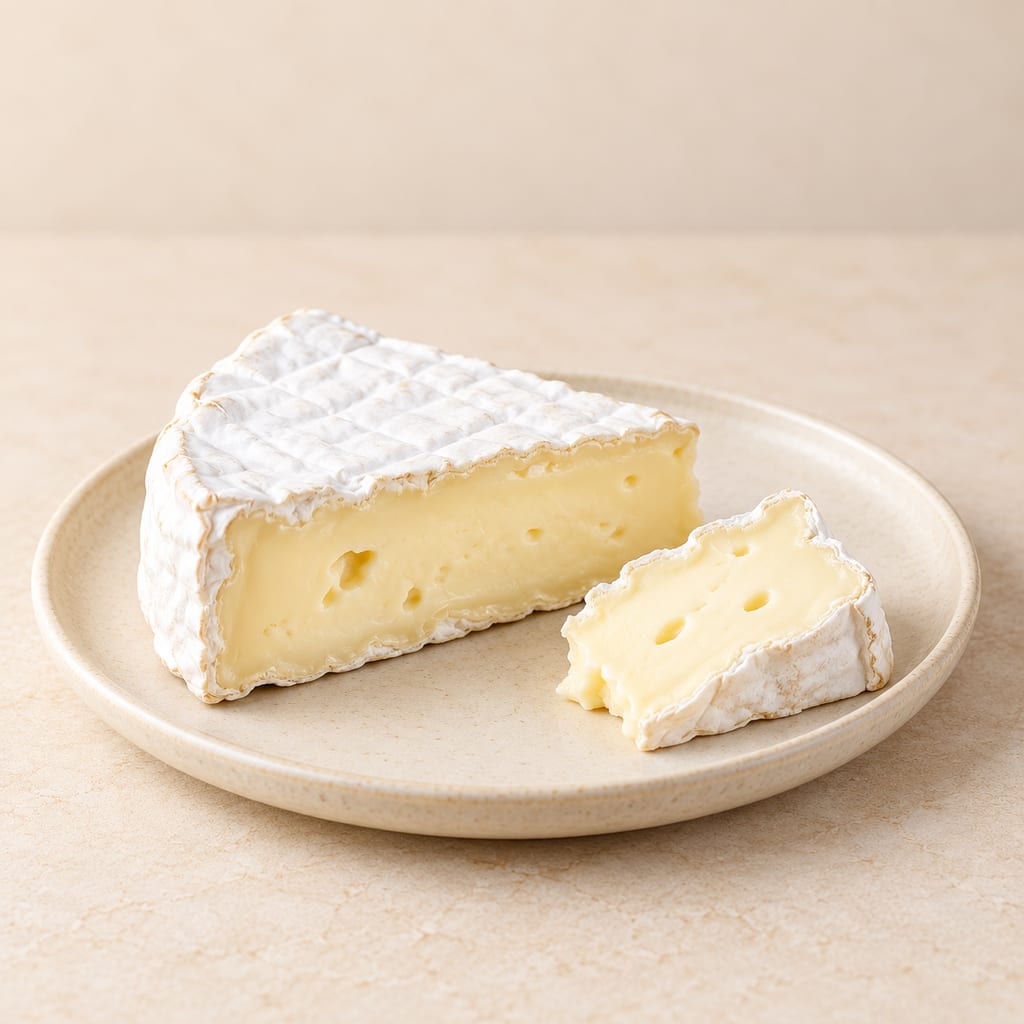
A cream-enriched Brie with a white bloomy rind and a softening center, made from pasteurized milk with lactic and surface cultures.
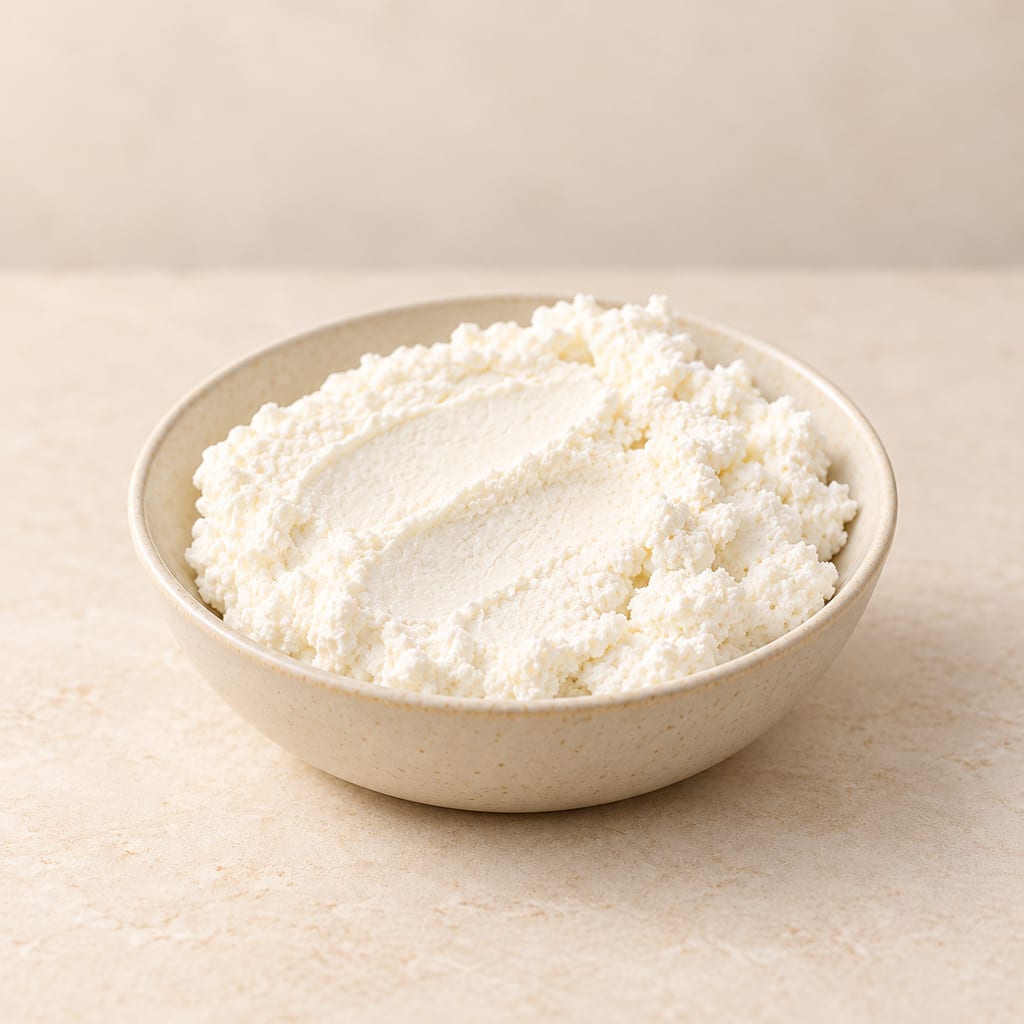
Fresh chèvre is a soft goat-milk cheese with a gently tangy flavour. This home method uses a combined lactic starter and coagulant, then drains the curd in cloth before salting and chilling.
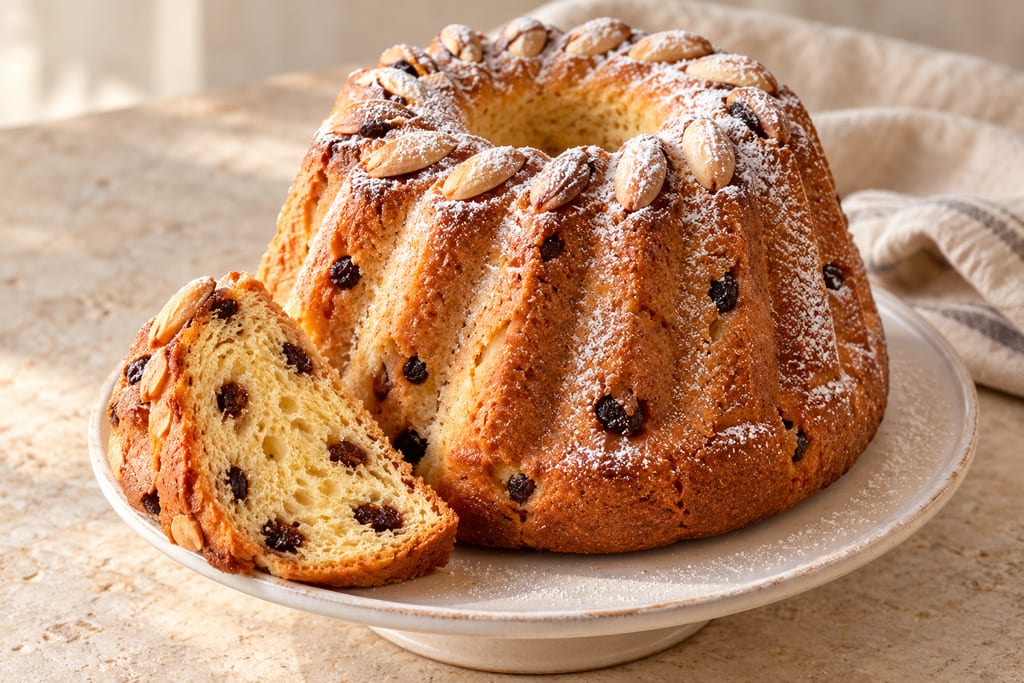
An enriched Alsatian yeast ring with raisins and almonds, kneaded with butter, proofed in a fluted mould and baked until browned.
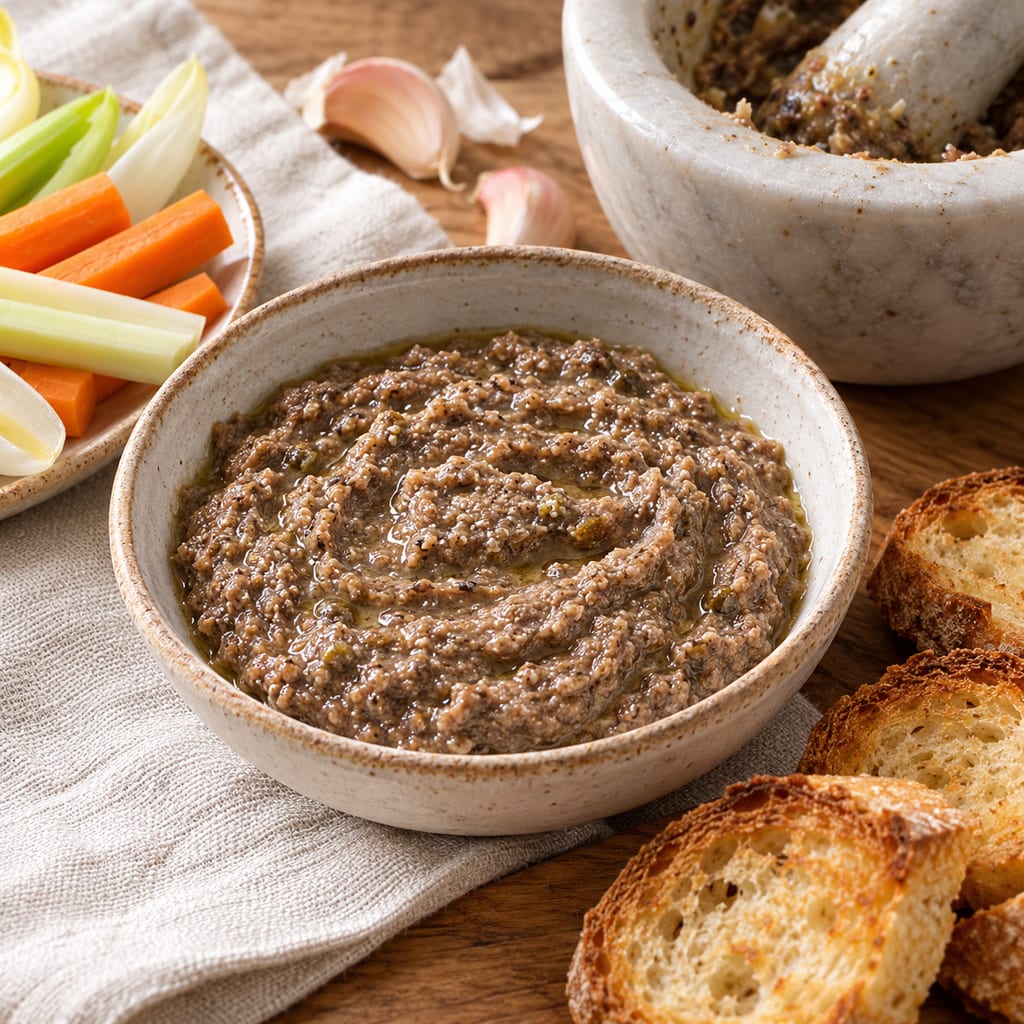
A Provencal dip of anchovies, garlic, capers and olive oil, pounded or blended to a creamy paste and served with raw vegetables, bread and eggs.

A warm dip of garlic, anchovy and olive oil, often enriched with butter, that Piedmont serves over a flame with raw and cooked vegetables and bread.
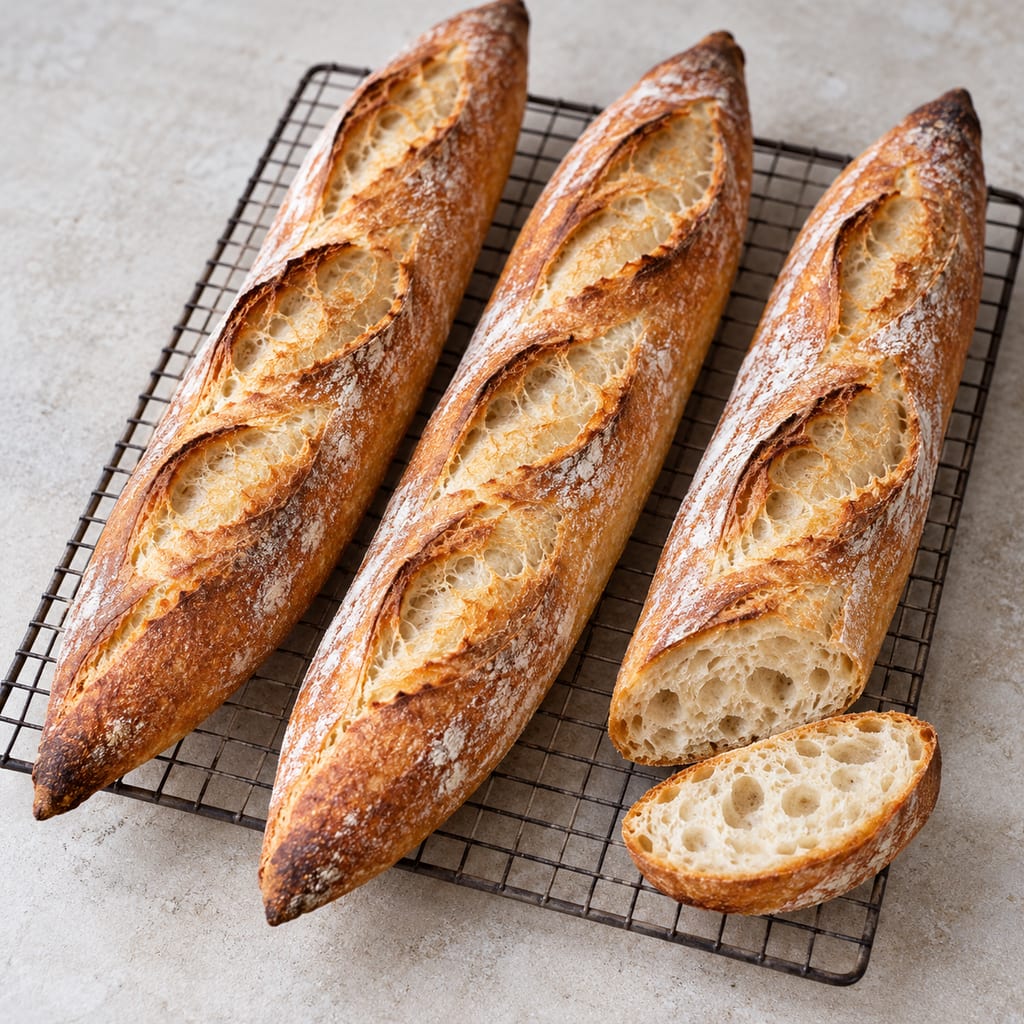
Three long, crusty wheat loaves made with an overnight yeast poolish, shaped by hand and baked with steam for a crisp crust.

Bechamel is a white sauce of milk thickened with a butter and flour roux, one of the French mother sauces, and the base from which Mornay and other cheese and cream sauces are made.
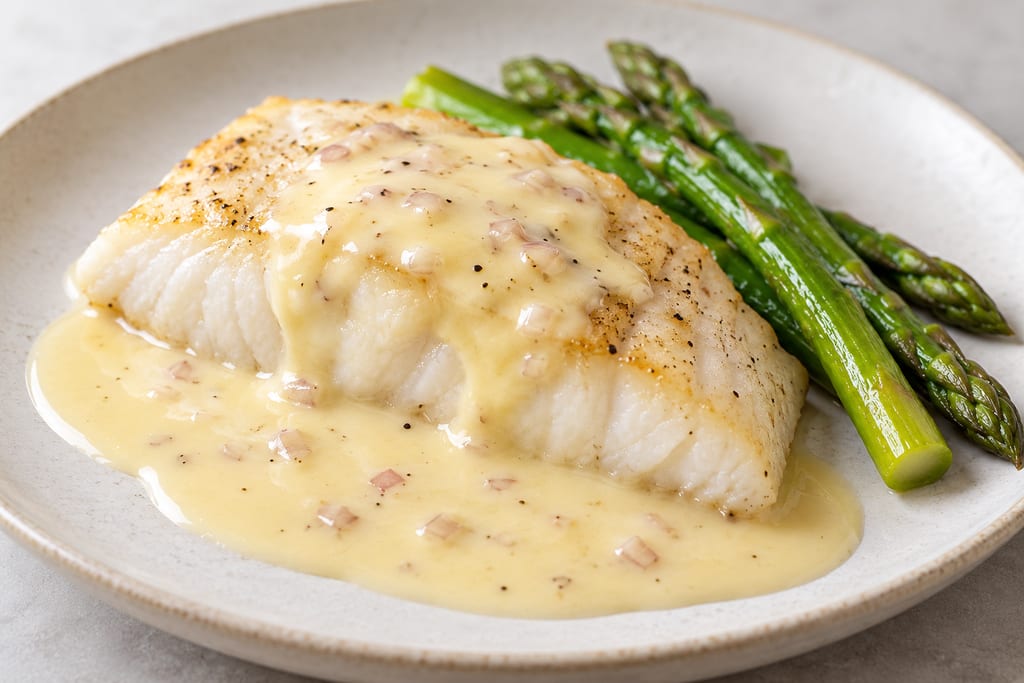
Beurre blanc is a warm emulsion of cold butter whisked into a reduction of white wine, vinegar or lemon juice and shallot, a sauce from the Loire Valley and its red-wine version, beurre rouge.
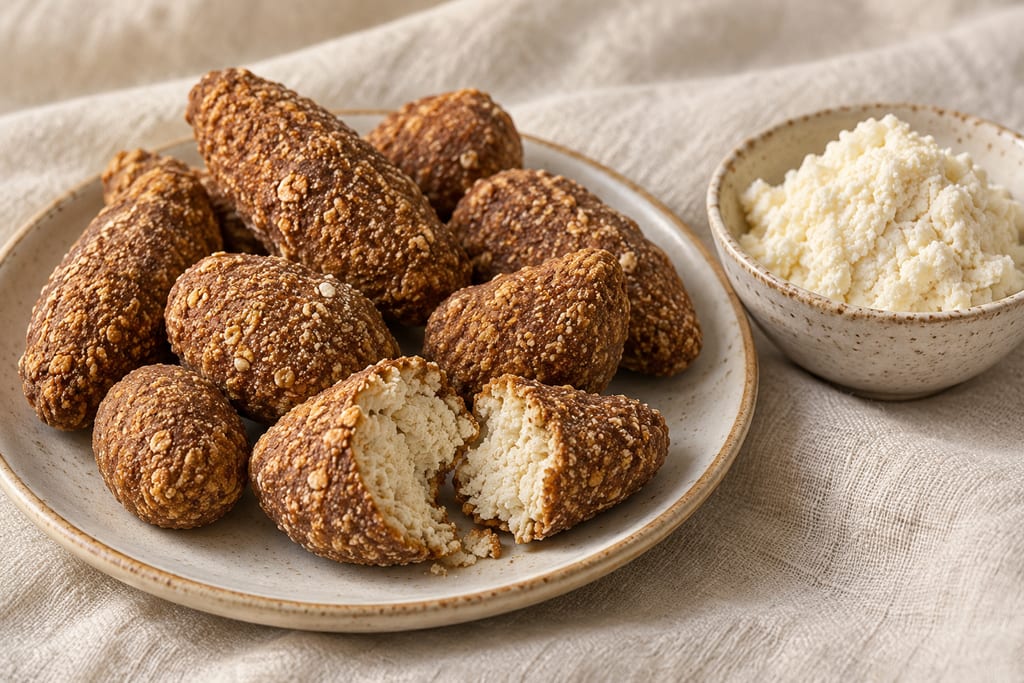
A two-stage Altai dairy preparation: sour chegen is heated into soft aarchi, then portions are drained, pressed and traditionally smoked into firm kurut.
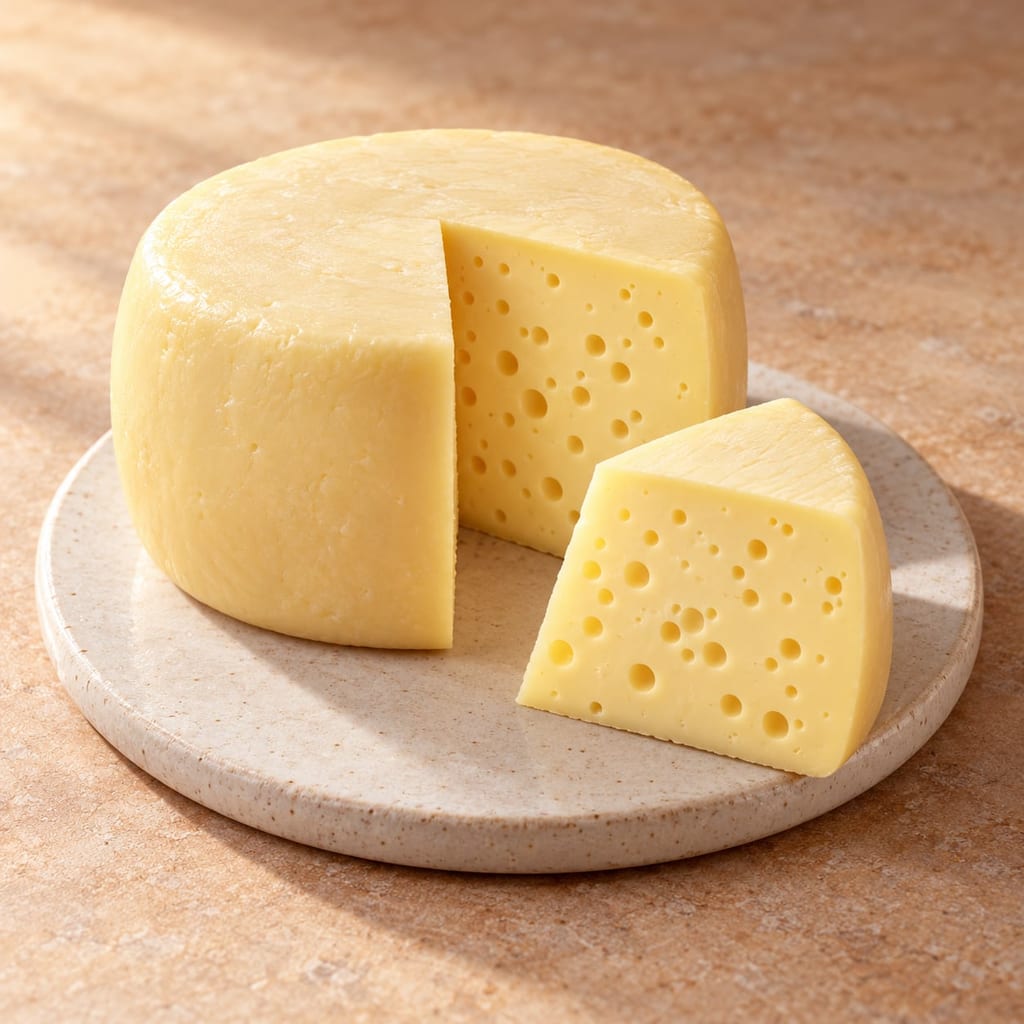
A washed-curd cheese with propionic bacteria, warmed by hot water in two steps and then held in a warm room for weeks so the bacteria can form its holes.
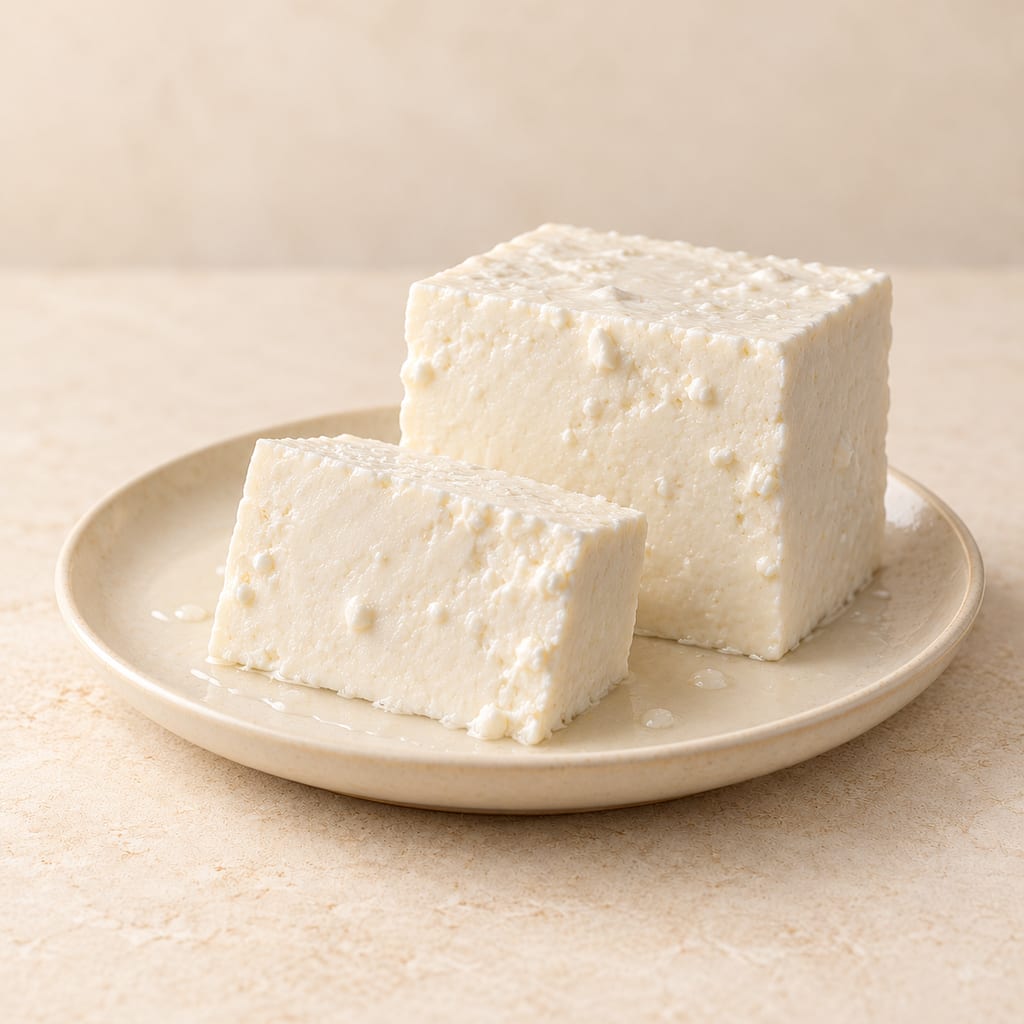
Beyaz peynir is a Turkish white cheese matured in brine. Sheep milk, alone or mixed with other milks, gives a close-textured cheese cut into blocks and packed in cans.
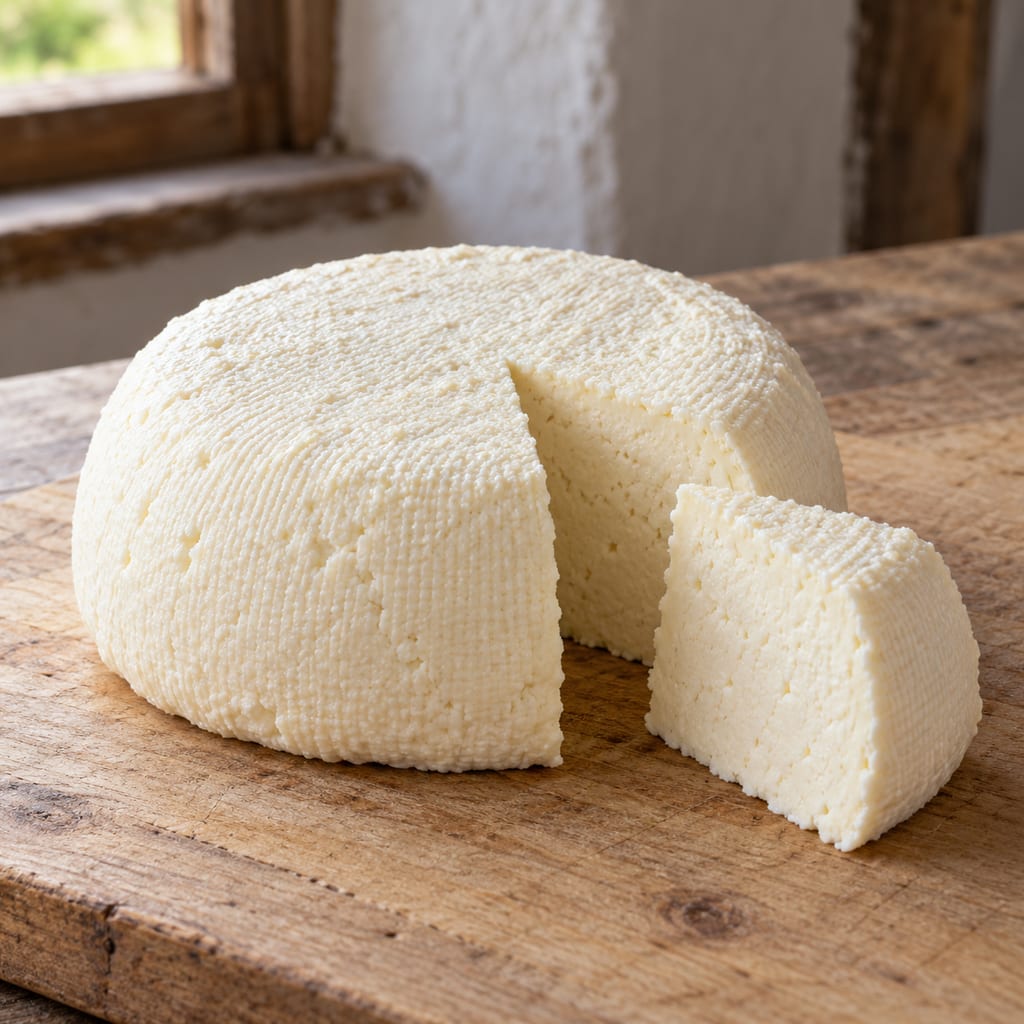
Budz is a traditional Hutsul rennet-set cheese made from sheep, cow or goat milk in the Ukrainian Carpathians, forming a fresh curd that can be eaten, smoked or processed into salted bryndza.
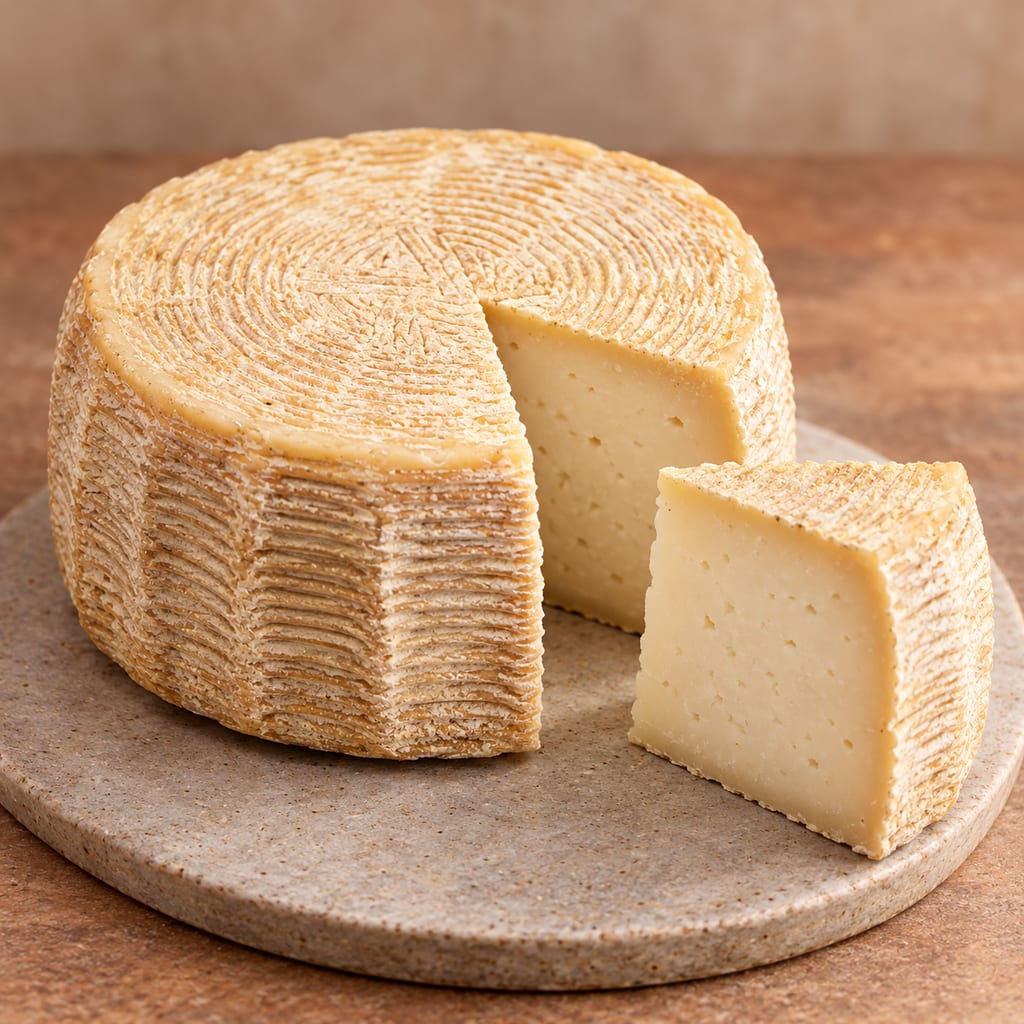
A scalded cheese moulded in baskets and re-cooked in its forms in hot whey, made alongside a ricotta from the same milk, then acidified, brined and aged for months.
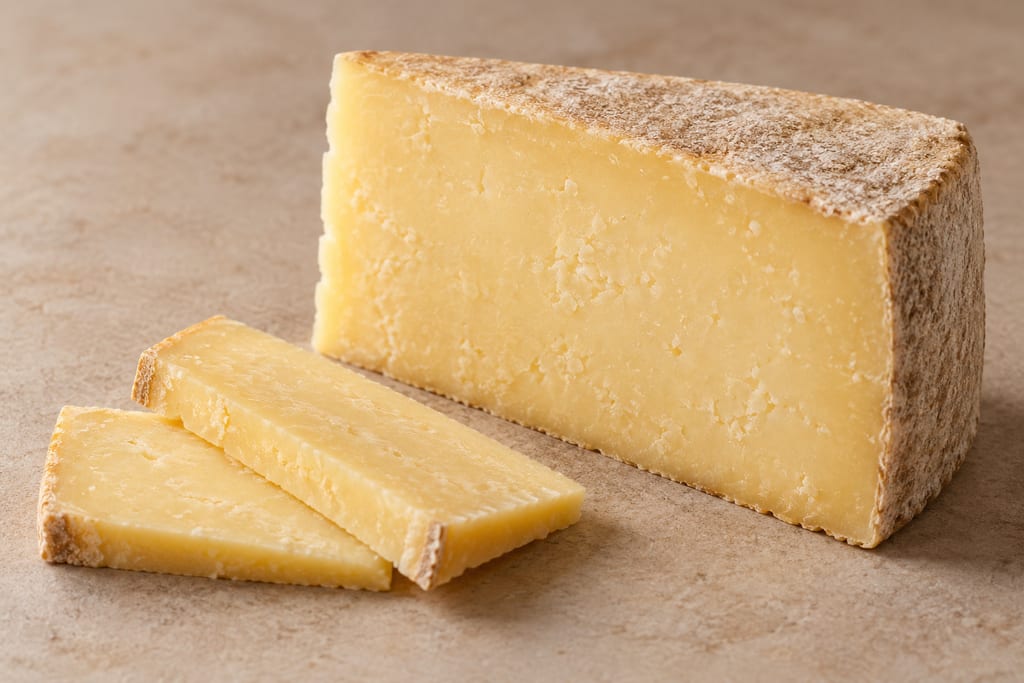
A pressed cheese whose curd is cooked slowly, then cheddared: kept warm in slabs that are turned and stacked for hours before milling, salting and pressing.
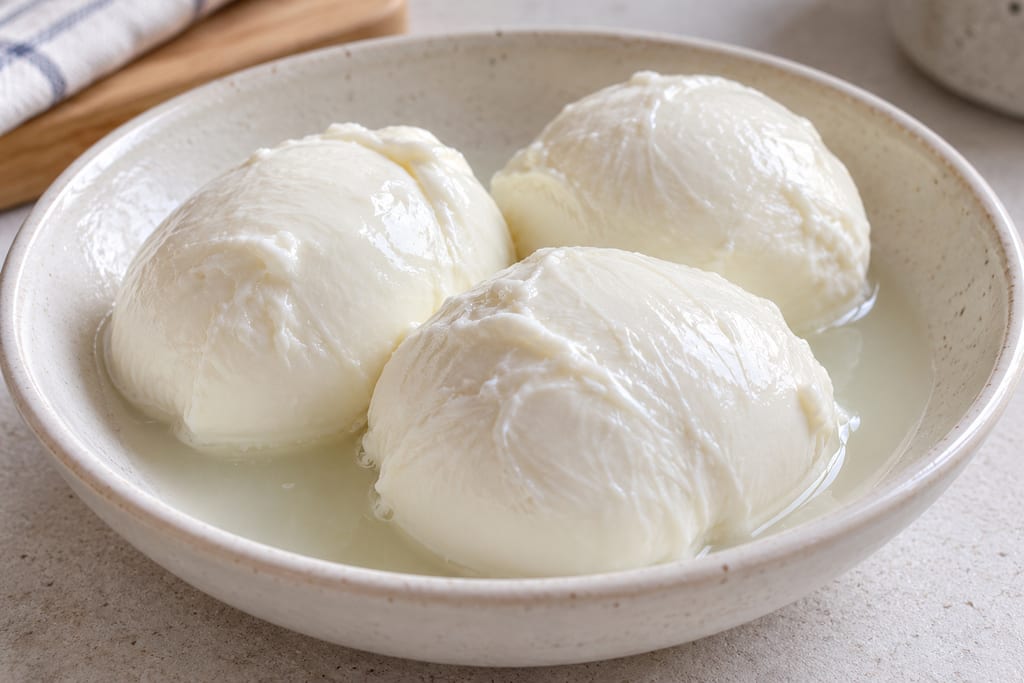
A quick fresh batch uses low-temperature-pasteurized whole milk, citric acid and rennet; the curd is warmed, drained and stretched in hot whey.
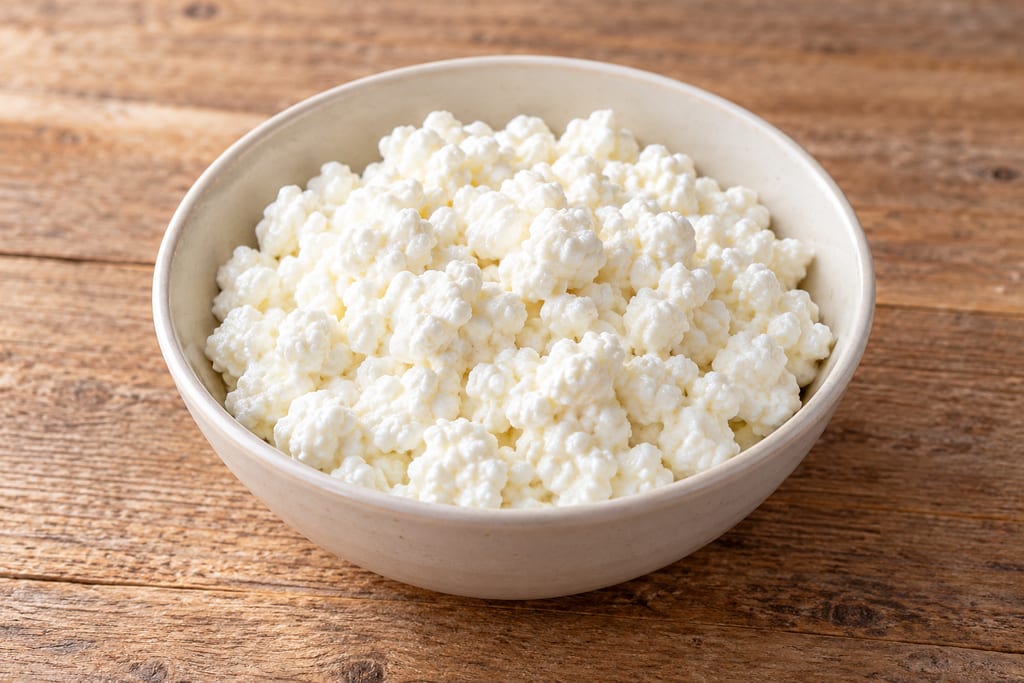
Skim milk is cultured slowly, cut into curds, warmed and drained to make fresh cottage cheese. Cold-water washing softens its flavour before cream and salt are added.
No community contributions have been published for this entry yet.
Sign in to contribute. Published comments and photos are free to read.
Légifrance, Journal officiel de la République françaiseMethod · Geography · Classification
Décret du 3 juin 1998 relatif à l'AOC « Brocciu corse » ou « Brocciu »Territorial area and milk-breed rules
Whey freshness and use conditions
AOP method, heating, ingredient limits, draining and brocciu passu ageing
Cited in: A cheese made from the whey left by another cheese; A Corsican territory and a seasonal dairy economy; The making: from fresh whey to a floating curd; Fresh, passu and the meaning of maturity; Safety, storage and protected identity
French Ministry of Agriculture and Food SovereigntyMethod · History · Geography · Current production
Le Brocciu, le fromage AOP corseWhey reuse and production area
2024 commercial tonnage and producer counts
Fresh and passu forms
Cited in: A cheese made from the whey left by another cheese; A Corsican territory and a seasonal dairy economy; The making: from fresh whey to a floating curd; Safety, storage and protected identity
INAOClassification · Geography · Sensory · Uses
BrocciuRaw sheep and/or goat milk with whey
Fresh versus passu and texture
Corsican production territory and AOP history
Cited in: A cheese made from the whey left by another cheese; Fresh, passu and the meaning of maturity; At the Corsican table; Safety, storage and protected identity
Agence du Tourisme de la CorseMethod · Season · Uses · History
Le brocciuFresh whey heated with 10–20% added milk in the tourism account
Seasonal production and brocciu passu
Named Corsican dishes
Cited in: The making: from fresh whey to a floating curd; Fresh, passu and the meaning of maturity; At the Corsican table
AOP Brocciu producer organisationProduction · History · Geography
Filière BrocciuBrocciu production chain and AOP history from the producer organisation
Cited in: A Corsican territory and a seasonal dairy economy; Safety, storage and protected identity