
Vurda (Hutsul whey cheese)
Vurda is a Hutsul whey cheese made by reheating the whey left after budz, often with fresh milk or sour whey, to recover soft pale curds that are lifted out and drained.
 FermenteaWhere food goes to change
Traditional method
Будз · Budz · Budz cheese · Hutsul budz · Hutsul cheese · Карпатський будз · Гуцульський будз · Полонинський будз · Полонинний будз · Будз сир · Сир будз · Овечий будз · Коров'ячий будз · Козячий будз · Fresh Hutsul rennet cheese · Hutsul lump cheese · Carpathian rennet-set cheese
Budz is a traditional Hutsul rennet-set cheese made from sheep, cow or goat milk in the Ukrainian Carpathians, forming a fresh curd that can be eaten, smoked or processed into salted bryndza.
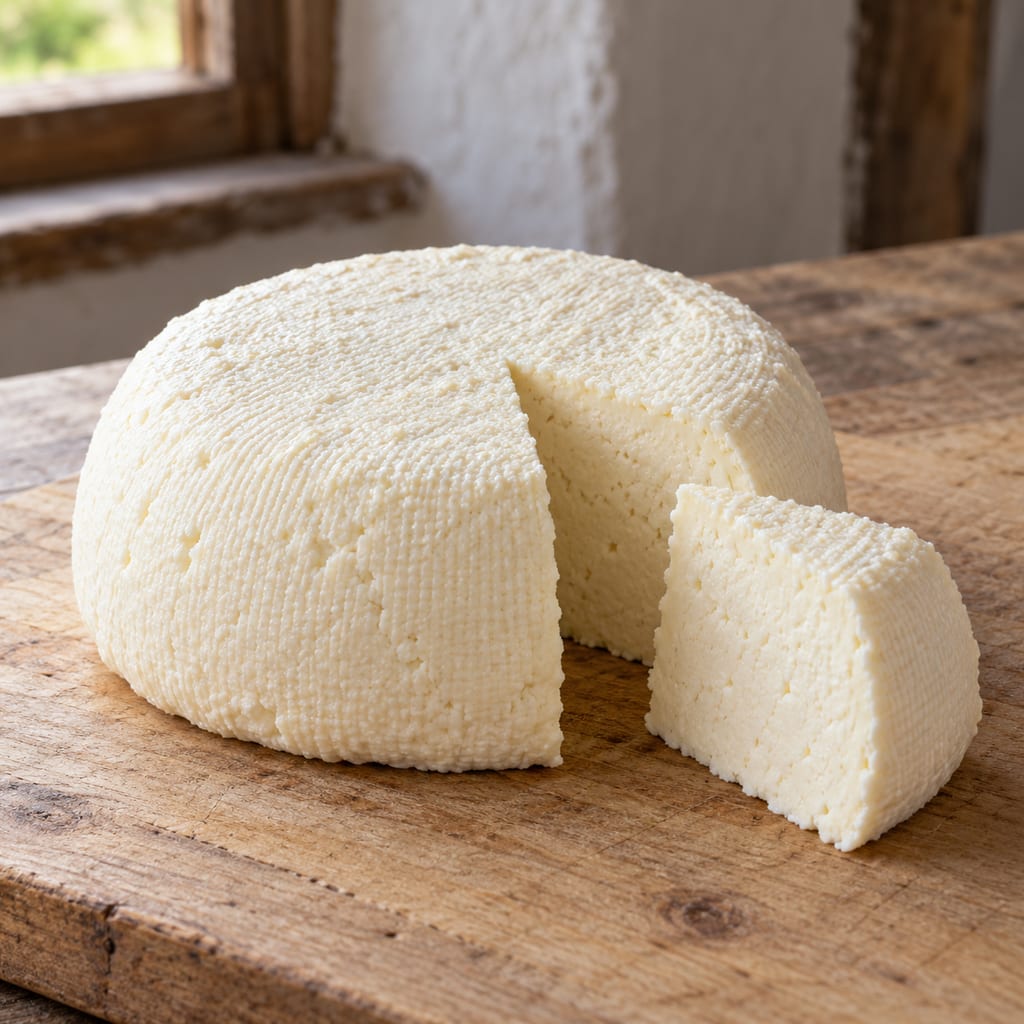
Budz is a traditional rennet-coagulated cheese made by Hutsul shepherds in the Ukrainian Carpathians. It begins as fresh milk warmed and treated with an enzyme preparation known locally as gleg or kleg. The milk coagulates into a soft curd, which is worked into a large mass, separated from the whey and drained in cloth. The resulting cheese is usually white to pale yellow, with a mild dairy flavour and a texture that can range from moist and elastic to firmer and slightly crumbly. Its exact appearance depends on the milk, curd treatment, draining and subsequent drying or smoking.
The Ukrainian name is будз, budz. The expression гуцульський будз identifies its association with Hutsul cheese-making, while полонинський будз refers to the mountain-pasture product. In regional vocabulary, budz may mean a fresh rennet cheese, a rounded lump of cheese or a more extensively drained cheese awaiting further processing. The 2022 Ark of Taste describes it as a dialectal name for rennet cheese or dried curd. That is why fresh budz is soft in one account and a large, firmer round drying above a shepherd's hearth in another.
Budz is traditionally made from sheep's milk, but cow's milk, goat's milk and mixtures are also documented. Sheep's-milk budz is particularly important in the tradition of Hutsul sheep bryndza, while cow-milk budz is used in making Hutsul cow bryndza. These are related methods rather than identical protected products. The type of milk affects the protein and fat content, the firmness of the curd, potential cheese yield and final flavour.
The principal coagulating ingredient is natural rennet called ґлєґ, глєг, кляг or клеґ, prepared historically from the stomach of a milk-fed calf or lamb. Its main function is enzymatic: chymosin alters the casein proteins and causes the milk to form a gel. Naturally occurring lactic acid bacteria may subsequently acidify the cheese during draining and maturation. However, a bacterial starter is not an essential separate ingredient in the documented fresh-curd process.
Budz occupies a specific position in the Hutsul dairy system. Fresh budz can be eaten directly or dried and lightly smoked. After further maturation, it may be crumbled and mixed with salt to make bryndza. The whey separated from budz is used to make vurda, a different cheese produced mainly by reheating whey proteins. Budz, bryndza and vurda are linked but separate preparations.
Budz belongs to the mountain dairy traditions of the Hutsuls, communities historically associated with the Ukrainian Carpathians. Seasonal pastoral work involves moving sheep and cattle onto high mountain pastures, called polonyny, where milk is processed close to the herds. Cheese-making reduces the amount of highly perishable liquid milk that must be transported, and drying or salting creates products that can be moved and stored more readily. Budz forms the first substantial cheese product in this system. The broader history of Carpathian pastoralism is older than the surviving product-specific documentary record.
One of the earliest securely identified ethnographic sources is Volodymyr Shukhevych's Hutsulshchyna. The first part was published in Lviv in 1899, with later parts appearing through 1908. The 2022 Ark of Taste identifies Shukhevych's work, based on material collected in the 1870s–1890s, as important documentation of sheep-milk processing, budz and bryndza. The publication's existence is independently verifiable through Ukrainian historical-library catalogues. These records demonstrate that the terminology and cheesemaking practices were established by the late nineteenth century, not that the product was invented then.
Borys Hrinchenko's Dictionary of the Ukrainian Language, published in 1907–1909, records будз and defines it as dried curd cheese, citing Shukhevych. A further independent cultural reference is Mykhailo Kotsiubynsky's Shadows of Forgotten Ancestors, published in 1912. The novella describes large rounds of budz drying on shelves inside a Hutsul mountain dairy hut, alongside the hearth, the head shepherd and vessels of whey. This is literary evidence grounded in observation of Hutsul life, valuable for terminology and material culture but not an exact measured cheese recipe.
The traditional production system also involved division of work and specialist knowledge. The head shepherd, or vatag, was responsible for important stages of milk processing and cheese-making. Cultural accounts describe established methods of maintaining the hearth, preparing rennet and distributing the resulting cheese among the owners of animals. These practices formed part of the organisation of summer pastures. Later accounts sometimes state that the techniques are many centuries old; those claims describe perceived continuity rather than independently verifying the same recipe at a particular medieval date.
Contemporary reporting documents the tradition's continuation and changes. A 2016 report from Polonyna Sushytsia describes sheep farmer Oleksandr Boichuk producing budz and vurda. A 2020 Suspilne report documents the Maksymiuk family producing cow-milk budz, while the 2022 Ark of Taste describes the wider sheep, cow and goat traditions. Hutsul sheep bryndza obtained Ukrainian geographical-indication recognition in 2019. That recognition concerns the defined salted bryndza product and its geographical production system, not a separate legal registration of budz itself.
The defining transformation in budz is enzymatic coagulation of milk. Traditional gleg or kleg is a rennet preparation historically obtained from the abomasum, the fourth stomach of a milk-fed lamb or calf. Its principal milk-coagulating enzyme is chymosin, sometimes accompanied by other proteases such as pepsin. Chymosin acts on casein, the major protein fraction in milk. Unlike a yoghurt process, budz does not need bacterial acidification to reach the casein isoelectric point before a curd can form. Rennet coagulation is therefore the most appropriate primary classification.
Casein occurs in milk as micelles containing several related proteins and associated calcium phosphate. Kappa-casein helps stabilise the micelle surface by providing steric and electrostatic protection against aggregation. Chymosin cleaves kappa-casein at a specific peptide bond between phenylalanine and methionine. This releases a soluble caseinomacropeptide into the whey and leaves para-kappa-casein associated with the micelle. When enough protective material has been removed, the micelles can aggregate in the presence of calcium and form a continuous protein network. Fat globules and liquid become trapped within the developing gel.
The coagulation rate and firmness depend on the concentration and activity of the rennet, temperature, calcium availability, milk pH and protein composition. Warm milk supports the enzymatic reaction and subsequent aggregation, but excessive heat can interfere with the intended process. Sheep's milk generally contains more total solids and protein than cow's milk, influencing curd yield and texture. Goat's milk may behave differently because of its casein composition. A fixed amount of traditional gleg cannot therefore be assumed to have identical effects on every batch or animal milk.
After coagulation, cutting and working the curd encourage syneresis, the expulsion of whey from the protein network. Smaller curd particles and additional heating can increase moisture loss. Gathering the curd into a large mass allows further whey separation, while hanging it in cloth removes liquid under its own weight. Most casein and much of the milk fat remain in the cheese. The whey contains substantial water, lactose, minerals and soluble proteins that can subsequently be recovered in vurda production.
Microbial activity may continue during draining, drying or maturation. Traditional raw-milk budz can contain naturally occurring lactic acid bacteria that convert lactose into lactic acid and influence flavour, mineral balance and texture. However, the species-level microbiome of fresh Hutsul budz has not been established. Studies of Slovak bryndza have identified lactococci, lactobacilli and other organisms, but those results belong to a related cheese from a different production system. They must not be transferred into an invented Hutsul budz starter.
Drying and light smoke exposure introduce further changes. Moisture loss firms the cheese, while smoke-derived compounds may contribute aroma and surface colour. These treatments do not change the fact that the initial curd was produced enzymatically. Salted and more extensively matured budz develops additional biochemical changes before becoming bryndza, but those stages should be documented separately.
The essential ingredients are fresh milk and active rennet. The 2022 Ark of Taste describes a traditional method combining freshly milked milk with milk collected the previous evening. Sheep's milk is central to the Hutsul pastoral tradition, although cow's milk, goat's milk and mixtures are documented. Milk provides casein, fat, lactose, minerals and water. Rennet supplies the enzyme that forms the curd. A small quantity of water is used to dilute the traditional gleg before addition, helping distribute it throughout the milk. No universal milk quantity or rennet dosage is recorded for it.
The Ark of Taste method heats the milk in a large cauldron beside the hearth to 35–36°C. Diluted gleg is added while stirring, and the mixture is then allowed to coagulate for one to two hours, with occasional warming to approximately 36°C. After the curd has formed, it is cut with a wooden implement. The method then allows a further two-hour period, followed by heating to 50°C and gathering the curd into a single mass. The curd is transferred into linen to drain. The documented method includes a prolonged drainage stage of up to three days, after which salt may be rubbed onto the cheese.
These measurements should not be combined indiscriminately with other accounts. A 2021 report from Polonyna Krynta describes heating the evening milk to 35°C, then mixing it with fresh morning milk to obtain a combined temperature of approximately 31–32°C before adding klyag. That producer's curd is left for one to two hours, cut, worked and drained for approximately one day. A Bukovinian cultural account records heating milk to around 30°C before adding the enzyme. The figures describe different production methods rather than disagreement that must be corrected into one definitive recipe.
The wood-based equipment is important to the historical method. Sheep's milk may be strained through cloth and spruce branches, then collected in a vessel called a putera or putyna. A wooden implement called a zbetalo or similar regional tool is used to work the setting curd. The shepherd gathers the curd by hand and transfers it to a cloth bag or strainer, where gravity removes whey. The preparation may produce a large rounded mass rather than small separate cheese pieces.
Cutting and working determine the cheese's moisture content. The first curd traps water and fat inside its protein network. Cutting releases whey, while gathering and hanging gradually reduce the amount retained. A soft, moist budz differs from a firmer cheese that has been drained or dried for several days. In some mountain huts the hanging cheese is exposed to hearth smoke and develops a slightly smoky flavour. This is a documented traditional variation, not a required industrial smoking schedule.
The rennet itself requires careful interpretation. Traditional gleg may be prepared from a preserved calf or lamb stomach and diluted before use. Its strength depends on preparation and storage, and there is no standardised enzyme concentration. A modern food-grade rennet can coagulate milk, but its manufacturer-specific dosage must be followed separately. Likewise, the traditional raw-milk temperatures of 30–36°C are cheese-making temperatures, not pasteurisation. A modern executable recipe would require a validated milk treatment, suitable rennet dosage and safe drainage conditions.
The most important distinction within the Hutsul tradition is the milk used. Budz from sheep's milk is closely connected with the production of Hutsul sheep bryndza. Budz from cow's milk, sometimes with a proportion of sheep or goat milk, is associated with cow bryndza production. The 2022 Ark of Taste also recognises goat's-milk budz and mixed-milk preparations. The animal's milk changes the concentration of proteins and fat, the texture of the curd and the potential yield. It is therefore useful to record the animal milk in each regional recipe rather than representing all budz as an exclusively sheep-milk cheese.
In the Rakhiv and Zakarpattia tradition, the budz stage belongs to a broader protected system of Hutsul sheep bryndza production. Milk is collected from animals grazing on mountain pastures, filtered, treated with rennet and worked into a curd that is hung to drain. The geographically indicated sheep bryndza specification describes at least six days of maturation for the drained budz before further processing. The matured cheese is then cleaned, crumbled, salted and packed into wooden barrels. These requirements concern the bryndza production system; they do not establish that all fresh budz must be matured for six days before consumption.
Cow-milk production provides another documented variation. A 2020 Suspilne report follows the Maksymiuk family, who use morning and evening cow's milk with traditional gleg. Their curd is worked, allowed to settle and hung in cloth before light smoking. Another report from Polonyna Krynta documents a lower inoculation temperature than the sheep-milk procedure in the Ark of Taste. These differences show that individual households maintain distinct processing choices, and that a change in milk composition does not automatically require the same setting and heating schedule.
The Bukovinian Carpathians provide further examples. A 2016 report from Polonyna Sushytsia documents shepherd Oleksandr Boichuk preparing budz and using the remaining whey for vurda. A later regional cultural account describes a method used by Mykola Shtefuriak, in which warm milk is treated with rennet, the curd is worked using a wooden implement, and the resulting mass is gathered by hand and hung in cloth. Each cheesemaker has individual techniques and resting times.
Fresh, dried and smoked budz are also different production states. A newly drained curd may be soft, pale and mild. Additional moisture loss makes it denser, while smoke exposure may produce a light yellow surface and a stronger aroma. Some contemporary producers deliberately smoke budz for longer or sell more mature forms. These should be documented as variations, not assumed to be compulsory features of every fresh budz.
Polish bundz or bunc and related Slovak lump sheep cheeses are useful comparisons because they also rely on rennet coagulation within Carpathian pastoral traditions. A 2023 study documents traditional smoking practices and regional differences between Polish and Slovak cheeses. However, these products have their own historical names, processing schedules and legal specifications. They should not be merged into the Ukrainian budz record merely because the names and curd-forming principles resemble one another.
Budz is both a finished cheese and an ingredient for further cheesemaking. Freshly drained budz can be eaten without additional ripening, especially when it has a mild dairy flavour and soft, elastic texture. Some regional accounts describe it as slightly sour and pleasantly milky. A more extensively drained budz can be sliced into portions, while smoked versions have a firmer surface and a distinct hearth-smoke aroma. These variations change how the cheese is handled and served, even though all begin with a similar rennet-coagulated curd.
Contemporary Ukrainian food descriptions identify fresh budz as a cheese suitable for eating with bread, fresh vegetables and other simple foods. More elaborate modern uses include salads, savoury pies, dumpling fillings and baked dishes. These applications are consistent with its ability to be sliced, crumbled or softened by heating, but not every example has a documented nineteenth-century origin. The specific product matters: a fresh, unsalted curd behaves differently from a smoked or strongly salted budz.
A particularly important use is preparing bryndza. Once budz has been drained and undergone the appropriate maturation, the cheesemaker may remove its surface, break the cheese into smaller pieces and work it with salt. In some historical accounts, vurda is also mixed into the cheese mass. The finished salted mixture is packed into wooden containers or other vessels for keeping. This additional process produces the more strongly flavoured bryndza. It should remain a separate recipe rather than being described as budz with salt sprinkled over it at the table.
Bryndza has a broader documented range of traditional culinary uses than fresh budz. Hutsul cultural-heritage sources identify it as an accompaniment to banosh, kulesha, potatoes, dumplings, halushky and other regional dishes. Those references should not automatically be transferred to fresh budz as if the two cheeses had identical taste, texture or salt content. The distinction matters in the kitchen: a dish specifically requiring salty grated bryndza may not have the same result with mild fresh budz.
Budz also produces an important secondary ingredient: whey. After the curd is gathered and hung, the remaining whey, known regionally as zhentytsia, can be reheated to make vurda. The two operations recover different groups of milk proteins. Budz retains most of the casein, while vurda recovers heat-sensitive proteins remaining in the liquid. This relationship makes budz central to a system in which one milk batch can provide several distinct foods.
The economic use of budz is also documented. Shepherds may supply fresh cheese to the owners of grazing animals, retain part for their households or sell it to local customers. Some producers dry and smoke it before sale. Contemporary reports describe budz production during the summer milk season and its conversion to bryndza for longer-term use. These activities form part of the working pastoral economy rather than only a festival demonstration.
Successful fresh budz should form a coherent curd that can be gathered, lifted and drained. Its colour is generally white to pale yellow, and its texture may be elastic, moist or slightly grainy depending on the milk and process. A more extensively drained cheese becomes firmer and easier to slice. Mild acidity may develop through naturally occurring lactic bacteria, while exposure to hearth smoke can give the surface a yellowish tone and smoky aroma. These properties are descriptive; they are not microbiological safety tests.
A weak or poorly formed curd may result from inactive rennet, insufficient enzyme dosage, unsuitable milk temperature or problems with milk composition. Enzymatic coagulation requires successful cleavage of kappa-casein followed by aggregation of the destabilised casein micelles. Excessive disturbance before a coherent gel forms can also make the curd difficult to recover. The precise rennet quantity matters, but gleg has no universal dosage or activity measurement. A modern liquid rennet cannot safely be substituted by an arbitrary volume of traditional extract.
Texture problems may also arise during curd cutting and heating. Cutting promotes whey removal, while extended heating and handling can produce a drier curd. Excessive moisture loss may make the cheese harder or more crumbly than intended. A curd that retains too much whey can remain very soft and may deteriorate more quickly. The Ark of Taste describes a later heating stage at 50°C, whereas other regional accounts use different temperatures. Those instructions should not be combined into one process or treated as identical for sheep, cow and goat milk.
Acidity requires separate interpretation. Rennet can produce a gel before extensive lactic acid fermentation, so an apparently successful budz may still have relatively high pH and considerable residual lactose. During warm holding, naturally occurring microorganisms may continue growing and change the flavour, texture and safety of the product. A sharp sour taste, gas formation or unusual surface growth should not automatically be accepted as normal maturation. No validated budz-specific pH, salt concentration or microbial-count specification exists.
The raw-milk tradition introduces significant food-safety concerns. Traditional sheep and cow budz is commonly made from freshly milked, unpasteurised milk. Heating it to 30–36°C or later to 50°C does not constitute pasteurisation. Pathogens including Listeria monocytogenes, pathogenic Escherichia coli, Salmonella, Brucella and Staphylococcus aureus may be associated with contaminated raw dairy products. Scientific reviews of sheep- and goat-milk cheeses identify contamination risks, while the CDC recommends pasteurised dairy products. Neither rennet coagulation nor the development of a sour flavour guarantees pathogen elimination.
Post-processing contamination is also important. The curd may be touched by hand, transferred to linen, hung in a dairy hut and exposed to equipment or smoke. Traditional practices such as keeping cheese above a fire or draining it for days are historical observations, not validated modern storage methods. Smoke exposure does not establish that the cheese is microbiologically safe. The storage period reported for one commercial budz cannot be assigned to every homemade cheese, particularly when milk treatment, moisture and packaging differ.
For a modern reproducible recipe, the necessary controls include pasteurised milk, food-grade rennet with a known strength, cleanable equipment, monitored coagulation conditions, a validated drainage process and prompt refrigeration. Salted or matured budz would need its own additional controls. Unexpected mould, offensive odours, gas swelling or discolouration warrant rejection, but the absence of these signs does not prove safety. The traditional production record should be preserved while distinguishing it from a tested modern food-safety protocol.
Documented in Shukhevych's Hutsulshchyna (1899), Hrinchenko's dictionary (1907 to 1909) and Kotsiubynsky's 1912 novella; earlier history undated.
Traditional Hutsul budz is frequently prepared from freshly collected unpasteurised milk. Raw milk can transmit Campylobacter, pathogenic Escherichia coli, Listeria, Brucella, Salmonella and other disease-causing microorganisms. Rennet coagulation does not eliminate these hazards.
Hazard sourceThe documented 28–32°C milk temperature supports enzymatic curd formation but does not constitute a pathogen-killing heat treatment. The separate 35–36°C and 50°C stages recorded for other budz methods likewise do not establish complete pasteurisation.
Hazard sourceGleg is traditionally prepared from an animal's abomasum. The enzyme activity, storage history and microbial condition of a household preparation may vary. A tablespoon of one traditional extract is not equivalent to a tablespoon of another extract or a commercial food-grade rennet.
Hazard sourceFiltering through cloth and spruce branches removes some visible material but is not equivalent to a validated pathogen-removal process. Improperly cleaned filtration materials may introduce additional microorganisms.
Hazard sourceTraditional cheese-making uses wooden vessels and tools, hand working and cloth drainage. Unsanitary surfaces or equipment can introduce harmful organisms into milk or curd.
Hazard sourceFresh, moist cheeses can permit Listeria contamination and growth. Cheeses made from raw milk are especially concerning, although pasteurised-milk cheeses can also become contaminated after processing.
Hazard sourceThe official traditional method describes suspending budz for 8–30 hours without prescribing a measured drainage temperature. Extended uncontrolled warm holding of high-moisture dairy curd can permit undesirable microorganisms to multiply.
Hazard sourceThe traditional budz-to-bryndza production pathway includes 7–14 days of further hanging, shelf storage or smoke exposure. These historical or regulated producer conditions cannot automatically be reproduced safely in an uncontrolled household environment.
Hazard sourceSmoke treatment changes surface colour and flavour but does not by itself establish microbial safety. Uncontrolled combustion can deposit undesirable compounds on the cheese.
Hazard sourceRennet can produce a firm curd without substantial lactic acid production. The appearance of a successful curd therefore does not demonstrate that the cheese has reached an acidity capable of controlling relevant pathogens.
Hazard sourceEven after using pasteurised milk, contamination may occur during curd working, draining, cutting or packaging. Moist, minimally aged cheeses require particular attention to hygienic handling.
Hazard sourceSalted, matured bryndza has a different composition and preservation process from fresh budz. The geographical-indication specification's salt concentrations and storage periods apply to the defined downstream product, not automatically to fresh budz.
Hazard sourceBudz retains milk proteins and may contain lactose. Rennet coagulation, draining, smoking or maturation do not establish that the product is safe for people with milk allergies or completely lactose-free.
Hazard sourceFor a modern edible preparation, begin with pasteurised milk and a separately validated cheesemaking procedure.
Control sourceUse food-grade rennet with a known, supplier-specified milk-clotting activity.
Control sourcePreserve the traditional ingredient proportion accurately when documenting the regulated historical method.
Control sourceUse the documented milk temperature for the traditional cow-budz curd-formation stage.
Control sourceUse cleanable, sanitised food-contact vessels, implements, filters and draining materials in modern production.
Control sourceUse a separately validated drainage procedure that specifies time, temperature and hygienic handling.
Control sourceRefrigerate fresh budz promptly and maintain appropriate cold storage.
Control sourceDo not apply bryndza salting or maturation instructions to fresh budz unless following the complete separately controlled process.
Control sourceApply additional precautions for consumers at increased risk of listeriosis.
Control sourceReject cheese produced from spoiled milk or with evidence of defective coagulation or contamination.
Control sourceThis recipe documents one Hutsul cow-milk budz production method associated with the geographical-indication specification for Hutsul cow bryndza. It is not a fully validated modern home-cheesemaking recipe.
The main raw material in the historical process is unpasteurised milk. Use pasteurised milk for modern edible adaptations.
The 20-litre quantity is the denominator of a documented traditional rennet-dosage ratio, not a mandatory batch size for all Hutsul cheese-makers.
Traditional gleg is not standardised by enzyme activity. Do not substitute the same tablespoon quantity of an unrelated commercial rennet.
Do not improvise a homemade rennet preparation from animal stomach material without a separately validated food-safety process.
Rennet coagulation is enzymatic, not proof of sufficient bacterial acidification.
Holding milk at 28–32°C is not pasteurisation.
Do not combine the 28–32°C cow-budz method with the 35–36°C and 50°C Ark of Taste method as though they were one continuous traditional recipe.
Do not assume that sheep, cow and goat milk coagulate identically with the same quantity of rennet.
Fresh budz has no obligatory measured microbial starter in the selected recipe. Do not invent a lactic bacterial starter from species reported in unrelated Carpathian cheeses.
Traditional filtration through cloth or spruce branches does not guarantee removal of milk-borne pathogens.
The documented 8–30-hour draining period lacks a measured temperature. It should not be adopted as an uncontrolled room-temperature instruction for a modern edible cheese.
The further 7–14-day hanging or smoking step belongs to the budz maturation pathway and requires its own safety assessment.
The official specification's 2.5–3.5% salt addition applies to making bryndza from mature budz, not to the main fresh-budz curd formation.
Smoking does not by itself guarantee food safety or shelf stability.
The absence of visible mould, unwanted odour or gas formation does not prove that a fresh cheese is microbiologically safe.
Listeria contamination remains possible even if the initial milk was pasteurised.
No universally validated refrigerated shelf life has been established for homemade budz made by this traditional method.
Producer-specific commercial storage dates must not be transferred to an unvalidated homemade batch.
Fresh budz, salted bryndza and whey-derived vurda are separate preparations with different processing and preservation requirements.
People at increased risk of listeriosis should avoid unpasteurised-milk cheeses and follow current public-health recommendations for fresh soft cheeses.
Vurda is a Hutsul whey cheese made by reheating the whey left after budz, often with fresh milk or sour whey, to recover soft pale curds that are lifted out and drained.
Follow milk into cheese, cultured drinks, butter, dried curds and sweets: a journey through the animals, seasons and household decisions behind the world's dairy foods.

Baked milk is an Eastern European preparation of milk held at high heat for hours until it turns cream-coloured with a cooked, mildly sweet flavour, without any fermentation.
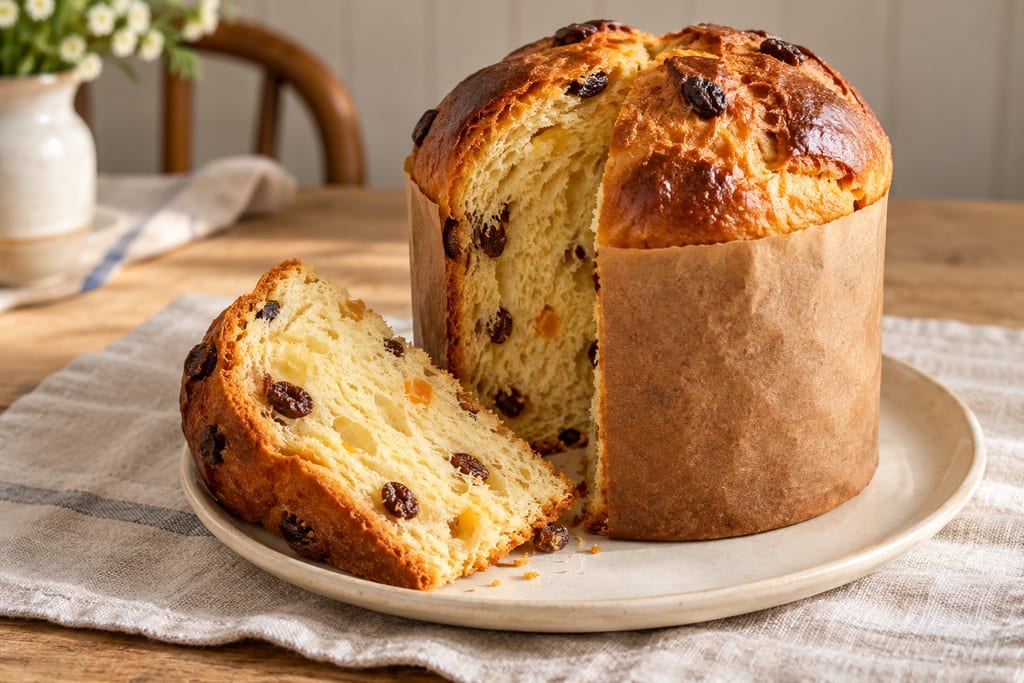
This Ukrainian Easter paska uses an enriched yeast dough with milk, eggs, butter, raisins and citrus zest. A sponge and two further rises precede baking in paper or parchment-lined moulds.

Katyk is a traditional fermented milk of Turkic-speaking peoples, made by souring heated milk with lactic bacteria, often with a spoonful of the last batch, into a thick, sour curd.
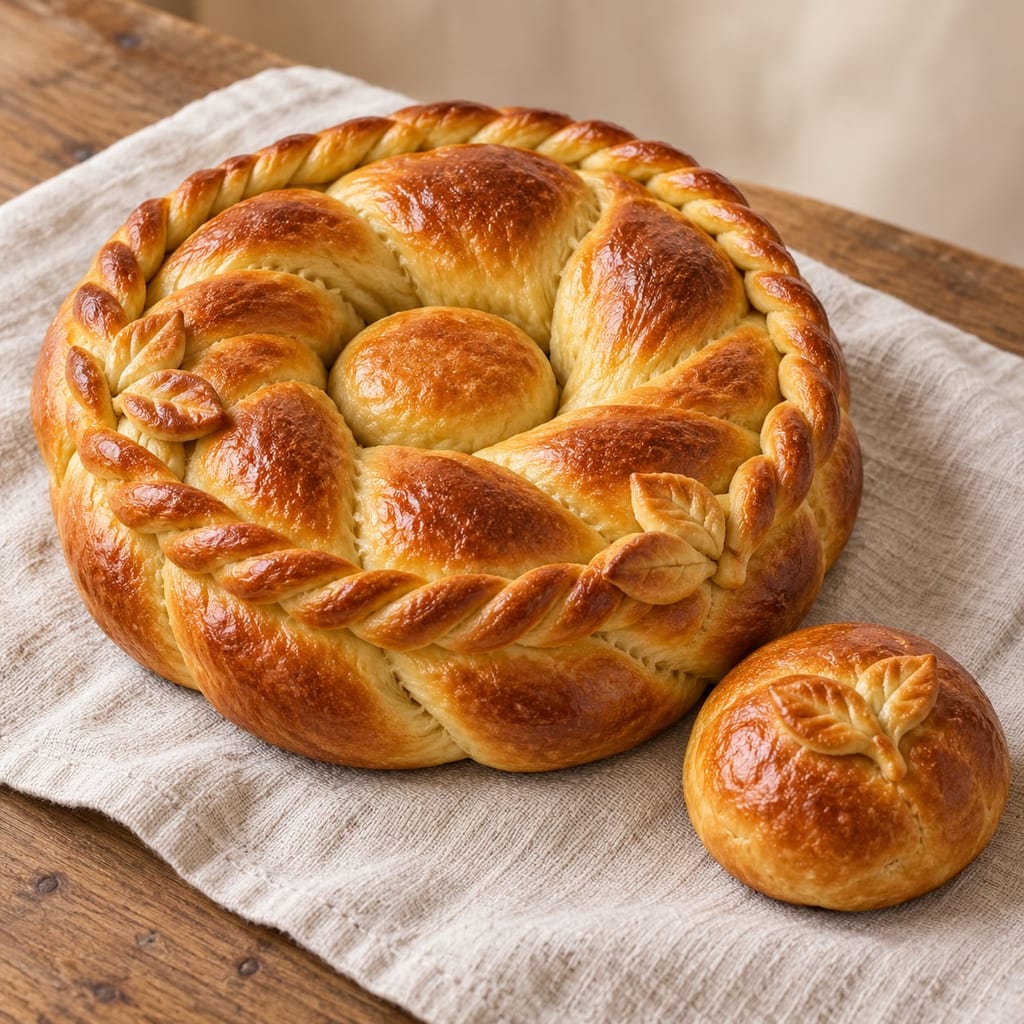
A Peremyshl-region Ukrainian wedding bread made from sweet yeast dough, shaped as a large braided round with a smaller memento loaf.

Soft Ukrainian wheat rolls are baked close together and brushed with fresh garlic, dill and oil. This savory garlic-topped baked form is separate from sweet fried pampushky.

Ryazhenka is a Ukrainian and Russian cultured milk made from long-heated, baked cow's milk, cream-coloured and gently sour; varenets is its close relative with a shorter heat treatment.

Salted mushrooms are a traditional wild-mushroom preserve, especially of Finnish and Russian milk caps, made by layering boiled mushrooms with coarse salt or keeping them under brine, and kept cold.

A two-stage Altai dairy preparation: sour chegen is heated into soft aarchi, then portions are drained, pressed and traditionally smoked into firm kurut.

A washed-curd cheese with propionic bacteria, warmed by hot water in two steps and then held in a warm room for weeks so the bacteria can form its holes.
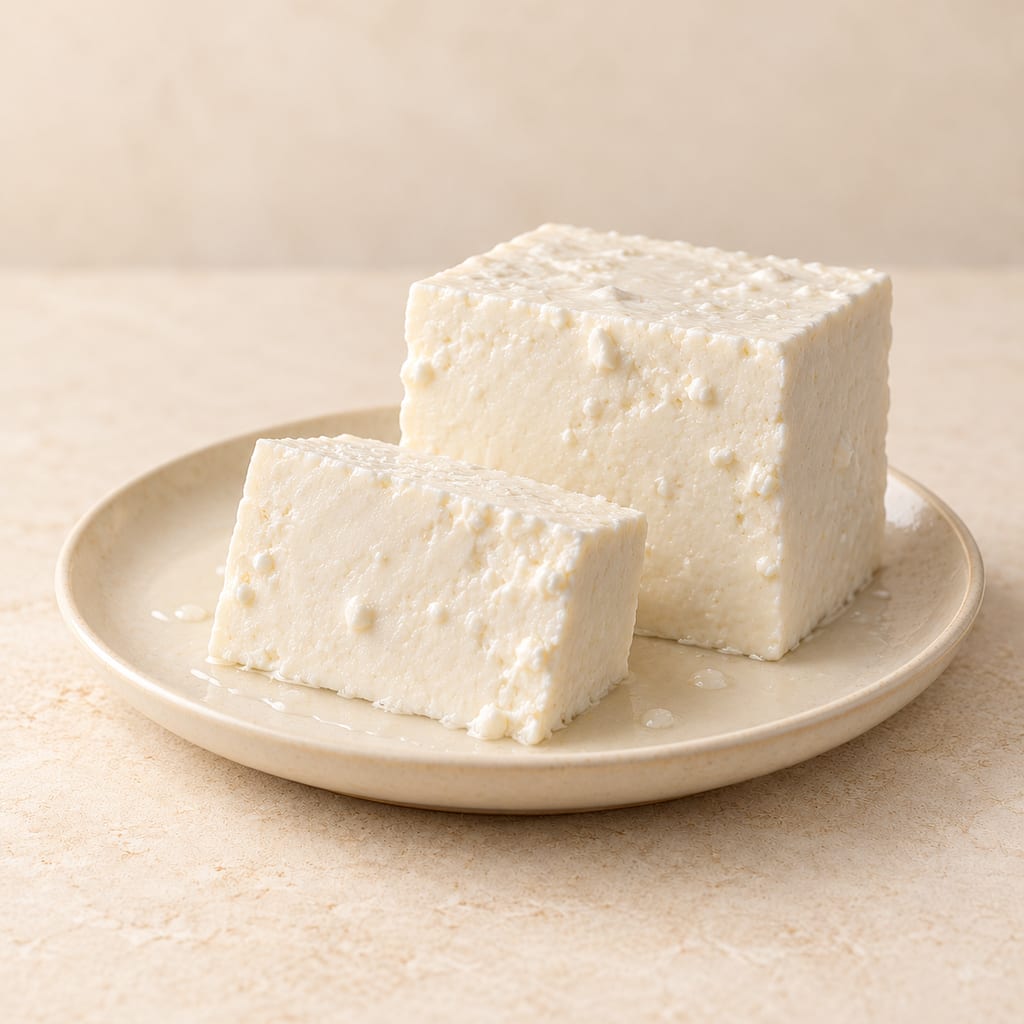
Beyaz peynir is a Turkish white cheese matured in brine. Sheep milk, alone or mixed with other milks, gives a close-textured cheese cut into blocks and packed in cans.
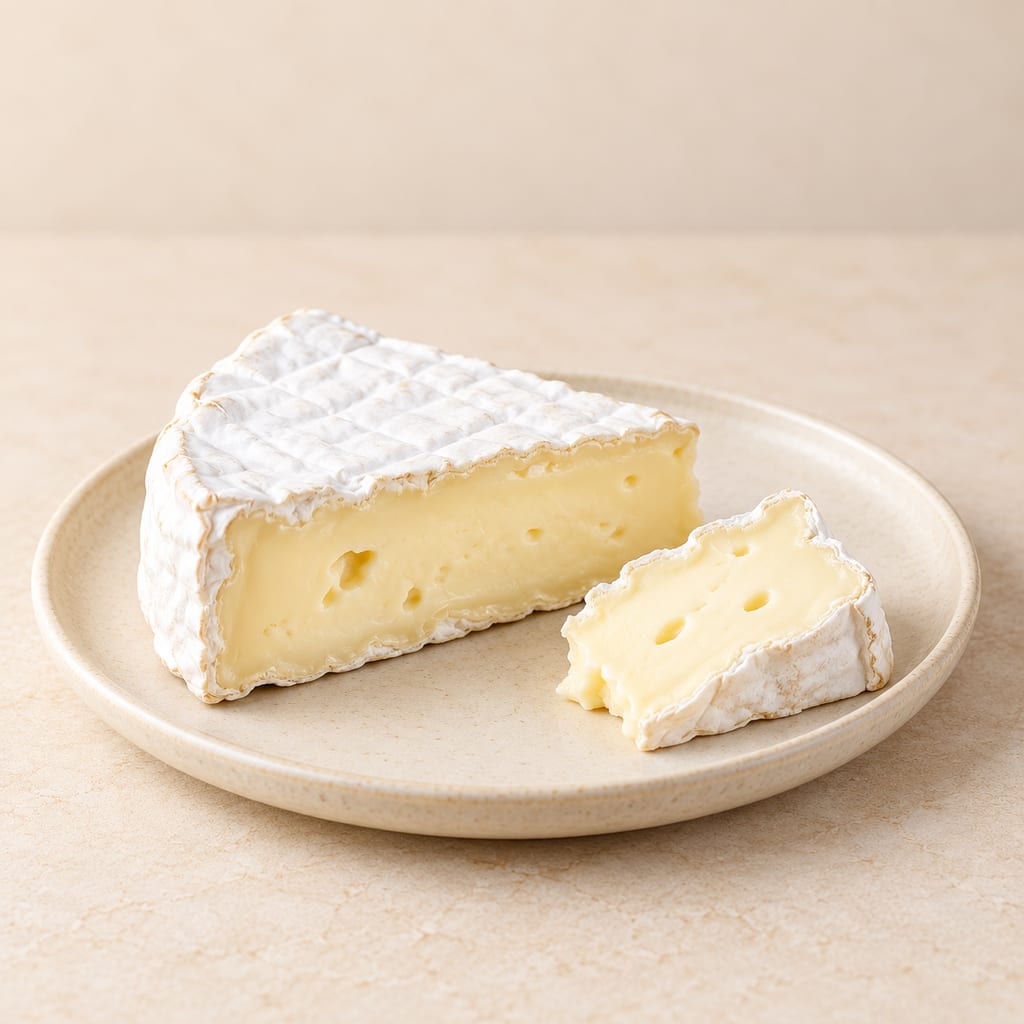
A cream-enriched Brie with a white bloomy rind and a softening center, made from pasteurized milk with lactic and surface cultures.
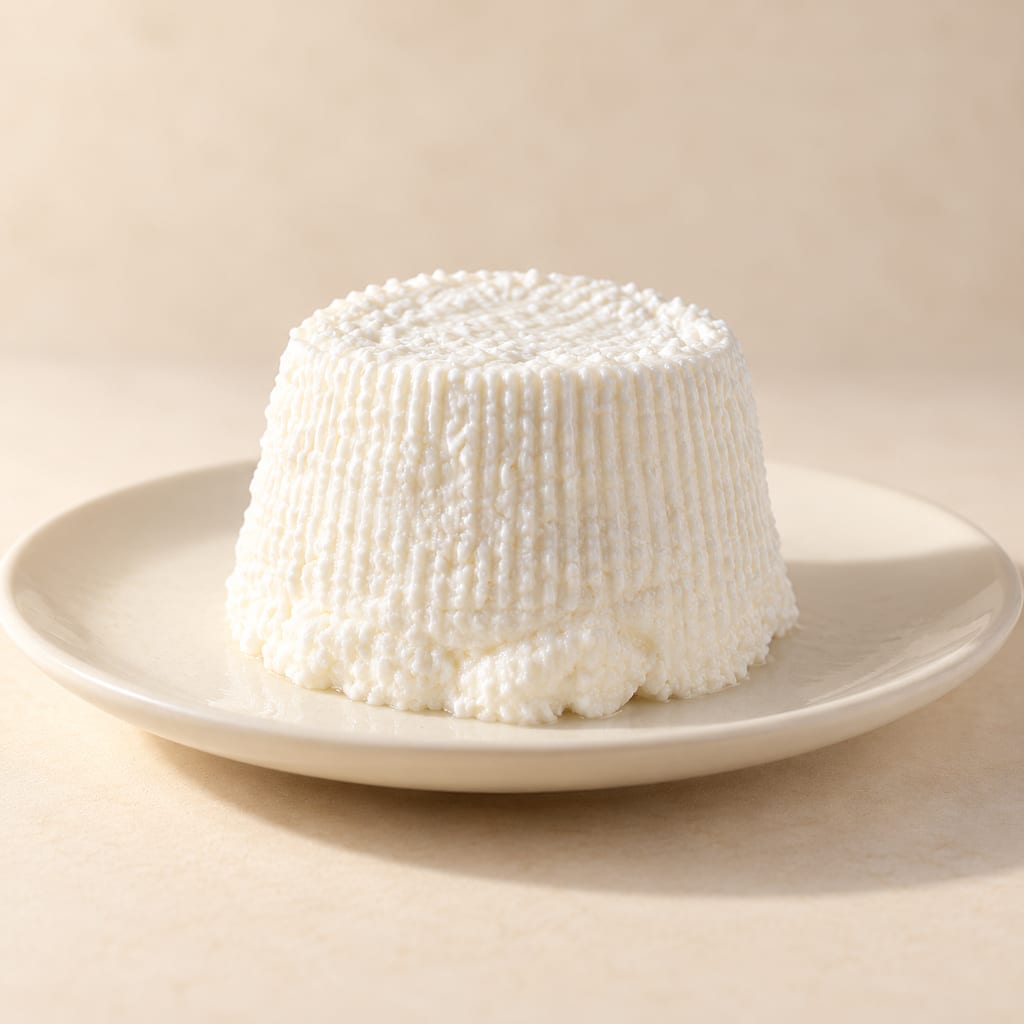
Corsican Brocciu is a whey cheese made by heating sheep's or goat's whey with whole milk and salt, then gently draining the flocculated curds. It is eaten fresh or salted and ripened as Brocciu passu.

A scalded cheese moulded in baskets and re-cooked in its forms in hot whey, made alongside a ricotta from the same milk, then acidified, brined and aged for months.

A pressed cheese whose curd is cooked slowly, then cheddared: kept warm in slabs that are turned and stacked for hours before milling, salting and pressing.
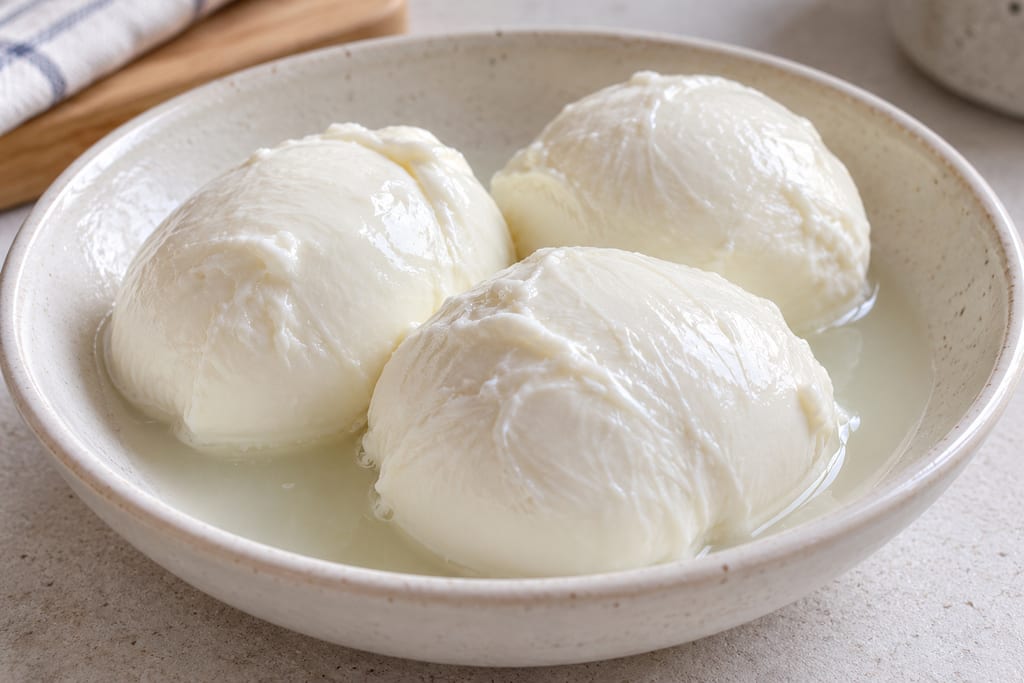
A quick fresh batch uses low-temperature-pasteurized whole milk, citric acid and rennet; the curd is warmed, drained and stretched in hot whey.

A Cap-Pelé boucanière is an Acadian herring-smoking building. The documented Willie Niles example is a one-storey wood-frame structure with a ridge smoke vent and interior bays for hanging fish-bearing cannes.

Achcharu is a family of Sri Lankan vinegar pickles made with mixed vegetables or seasonal fruit and a piquant spice dressing. This version is a quick, refrigerated, non-fermented mixed-vegetable pickle.

The acocote is a long, hollowed and dried gourd used to draw aguamiel from a mature maguey. It is a harvesting tool: the sap is transferred to a separate vessel before it ferments into pulque.

Adrak murabba preserves young ginger in sugar syrup, a sweet South Asian preparation recorded in Indian cookery and food-processing sources.

Parkia biglobosa seeds are fermented into regional West African seasonings, including nététou, iru, dawadawa and soumbala. The yellow fruit pulp is a separate food, and names and methods vary by place.

Japanese reddish-brown vinegar from sake lees matured about three years, turned to vinegar by acetic bacteria; the vinegar of Handa and Edomae sushi rice.

A refined common-wheat flour blended for a broad range of baking; its protein and behavior vary with wheat, milling and market.

The almond mushroom, Agaricus subrufescens, was cultivated in eastern North America in the 1800s, lost its market, and returned as a cultivated mushroom from Brazil, where it is grown under several names.
No community contributions have been published for this entry yet.
Sign in to contribute. Published comments and photos are free to read.
Ukrainian Intellectual Property Office, Industrial Property Bulletin No. 8, 2020Method · History
Промислова власність, Бюлетень № 8, 2020 — Заявка i 2019 00005, специфікація Гуцульська коров'яча бриндзаPrincipal cow-budz production method used in Block C
Geographical-indication application filed on 4 October 2019
Section 6.2 explicitly describing production of cow-milk budz
Milk from local cattle grazing in the Ukrainian Carpathians
University of Gastronomic Sciences and Slow Food, 2022Method · History
The Ark of Taste in Ukraine — Entry 36: Hutsul BudzEnglish-language Hutsul budz entry
Milk from sheep, cows, goats or mixtures
Traditional mountain-pasture setting
Gleg or kleg rennet from calf or lamb stomach
Cited in: What it is; History; How it works: enzymes, microorganisms and milk chemistry; How it's made and why each ingredient and step matters; Regional and historical variations; How it's eaten and used; Reading results and problems
University of Gastronomic Sciences and Slow Food, Ukrainian-language edition, 2022Method · History
Ковчег смаку в Україні — Гуцульський будз, стаття 36Original Ukrainian terminology for Hutsul budz
Name polonynskyi budz
Names and roles of traditional milk ingredients
Traditional gleg and kleg enzyme terminology
Cited in: What it is; How it's made and why each ingredient and step matters
Geographical Indications of UkraineHistory
Гуцульська коров'яча бриндзаOfficial regional description of Hutsul cow bryndza
Cow's milk and optional limited addition of other mountain livestock milks
Budz as the rennet-coagulated intermediate
Traditional preparation and use of gleg
Cited in: What it is; How it's made and why each ingredient and step matters; Regional and historical variations
Geographical Indications of UkraineHistory
Гуцульська овеча бриндзяTraditional Hutsul sheep-milk processing
Milk filtration through cloth and washed spruce branches
Use of wooden vessels
Addition of traditional klyag or gleg
Cited in: What it is; How it's made and why each ingredient and step matters; Regional and historical variations; Reading results and problems
Slow Food Foundation for BiodiversityHistory
Hutsul BryndzaHutsul sheep-cheese production in the Ukrainian Carpathians
Historical association with seasonal mountain pastures
Budz as the first rennet-set cheese stage
Traditional drainage before further bryndza processing
Cited in: How it's eaten and used
Suspilne Ivano-Frankivsk, 2020Method · Variation
Від батька до сина. Сім'я Максим'юків виготовляє гуцульський будзFirst-hand documentation of the Maksymiuk family's Hutsul cheesemaking
Use of morning and evening cow's milk
Addition of traditional gleg
Cutting and mechanically working coagulated milk
Cited in: History; How it's made and why each ingredient and step matters; Regional and historical variations; How it's eaten and used
NV Life, 9 October 2021Method · Variation
На висоті 1200 м. Як виготовляються гуцульські сири і з чим їх їдятьFirst-hand account of cow-budz production at Polonyna Krynta
Heating evening milk to 35°C
Mixing with morning milk to obtain 31–32°C
Addition of traditional klyag
Cited in: How it's made and why each ingredient and step matters; Regional and historical variations
ACC Chernivtsi, 29 May 2016; reporting from the regional newspaper KarpatyMethod · Variation
Унікальний рецепт будзу та вурди з Путильської полониниFirst-hand account of shepherd Oleksandr Boichuk
Budz production at Polonyna Sushytsia
Sheep-milk use
Producer's estimate of approximately 4.5 litres milk per kilogram of cheese
Cited in: History; Regional and historical variations; How it's eaten and used
Bukovinian Centre of Culture and ArtMethod · Variation
Молочна капсула часу — гуцульська бринзаBukovinian Hutsul dairy culture
Regional methods of preparing rennet-set cheese
Traditional names for vessels and curd-working equipment
Milk heating and coagulation
Cited in: How it's made and why each ingredient and step matters; Regional and historical variations
Klopotenko.com, 7 October 2024Use
Перлина гуцульської кухні. Що таке будз, як він робиться та який він на смакContemporary Ukrainian culinary description of budz
Association with the Carpathians and Hutsul cheesemaking
Cow-, sheep- and goat-milk variations
Fresh and smoked product descriptions
Cited in: How it's eaten and used
Tovarystvo Kraftu, Ukrainian artisan-food marketplaceUse
М'який сир Будз солений — ТирсіникModern commercial soft, salted cow-milk budz
Identification of producer Tyrsinyk
Regional association with Ivano-Frankivsk Oblast
Soft consistency and mild salted flavour
Tovarystvo Kraftu, Ukrainian artisan-food marketplaceUse
Сир Будз коров'ячий — Дідова полонинаModern artisan cow-milk budz
Producer identified as Didova Polonyna
Regional association with Ivano-Frankivsk Oblast
Firm, slightly salty product variation
Tovarystvo Kraftu, Ukrainian artisan-food marketplaceUse
Твердий сир Будз копчений — ТирсіникModern commercial smoked cow-milk budz
Producer identified as Tyrsinyk
Smoking as a distinct processing variation
Firm product texture
Food and Agriculture Organization of the United NationsScience
Small-Scale Dairy Farming Manual — Small Scale Cheese MakingGeneral enzymatic milk coagulation
Casein as the principal rennet-coagulating milk protein
Difference between acid and enzyme coagulation
Effects of rennet on casein micelles
Cited in: How it works: enzymes, microorganisms and milk chemistry; How it's made and why each ingredient and step matters; Reading results and problems
Food and Agriculture Organization of the United NationsScience
Cheesemaking Technology — Processing StagesEnzymatic and acid coagulation as different processes
Protein-network formation during curd production
Syneresis and drainage
Influence of curd treatment on moisture
FAO/WHO Joint Expert Committee on Food AdditivesScience
Rennet — JECFA SpecificationRennet as an enzyme preparation from the fourth stomach of young ruminants
Chymosin as the active milk-clotting enzyme
Enzymatic cleavage of kappa-casein
Milk-clotting activity as a technological characteristic
US Centers for Disease Control and PreventionSafety
Raw MilkRisks associated with unpasteurised milk
Milk-borne Campylobacter, Escherichia coli, Listeria, Brucella and Salmonella
Importance of pasteurisation
Higher-risk consumer groups
US Centers for Disease Control and Prevention, 16 January 2025Safety
How Listeria Spread: Soft Cheeses and Raw MilkListeria risk in fresh high-moisture cheeses
Risks associated with raw-milk cheeses
Potential for contamination after pasteurisation
Distinction between fresh cheeses and some sufficiently matured products
Cited in: Reading results and problems
US Food and Drug AdministrationSafety
Queso Fresco-type Cheeses Consumer GuidanceFood-safety concerns associated with moist, minimally aged cheeses
Risks of Listeria in post-processing environments
Importance of pasteurised milk and hygienic manufacture
Precautions for higher-risk consumers
Cited in: Reading results and problems
FoodSafety.gov, United States GovernmentSafety
4 Steps to Food SafetyFood-contact hygiene
Prevention of cross-contamination
Refrigeration of perishable foods
Refrigerator temperature at or below 4°C
Cited in: Reading results and problems