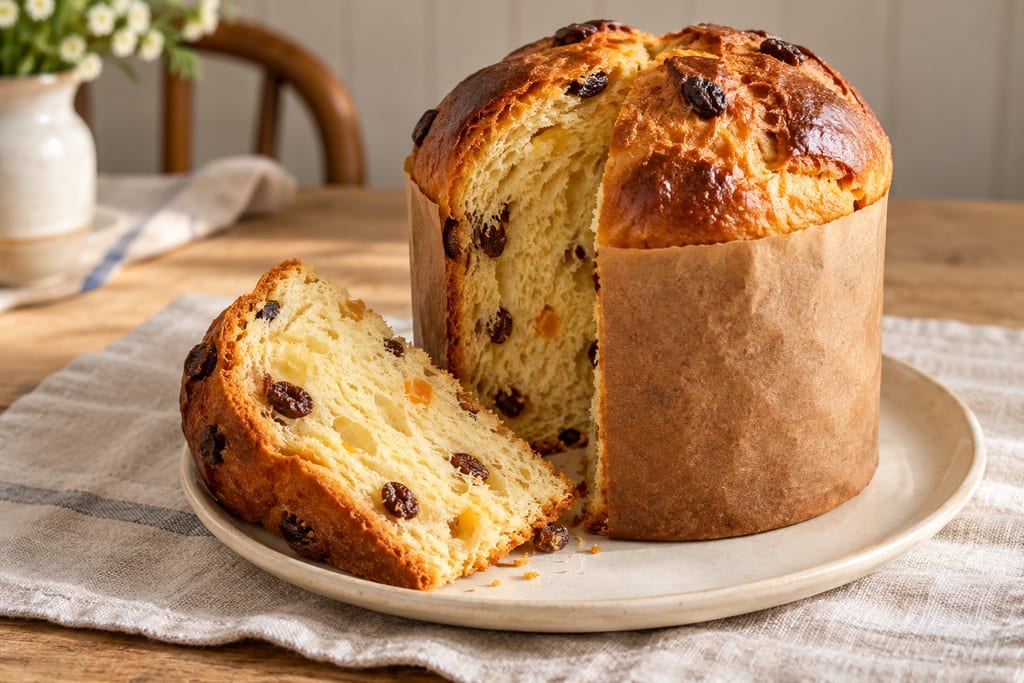
Classic Ukrainian yeast paska
This Ukrainian Easter paska uses an enriched yeast dough with milk, eggs, butter, raisins and citrus zest. A sponge and two further rises precede baking in paper or parchment-lined moulds.
 FermenteaWhere food goes to change
Modern adaptation
Korovai · Ukrainian wedding bread · Peremyshl wedding loaf
A Peremyshl-region Ukrainian wedding bread made from sweet yeast dough, shaped as a large braided round with a smaller memento loaf.
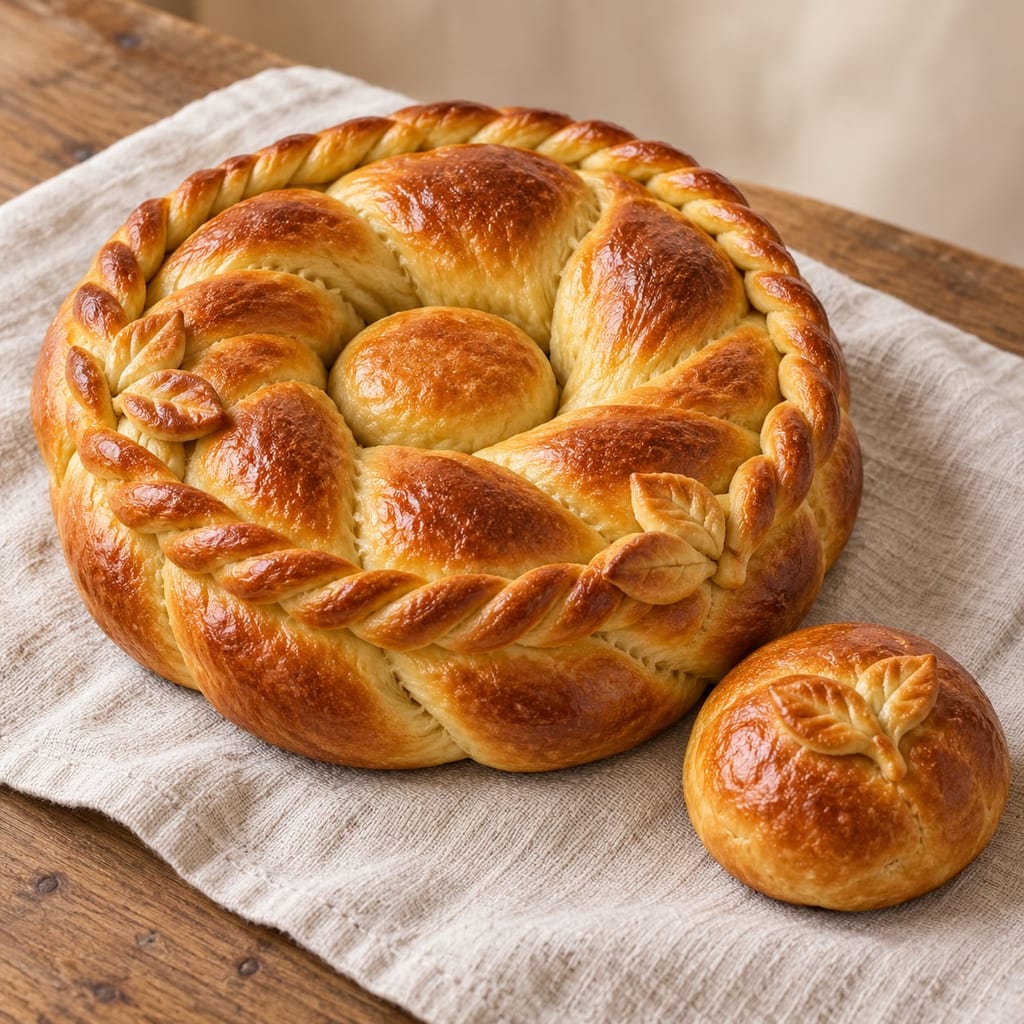
The recipe author identifies this one-tier korovai and its smaller memento loaf with the Peremyshl region, which the author describes as a Ukrainian borderland region now in Poland. The formula was shared at a korovai baking class. Its braided ring and smaller companion are one specific family and class version, not a design used by every Ukrainian family.
The Ukrainian Institute's 2025 account describes korovai as a wedding bread whose shapes, sizes, decorations and customs vary across Ukraine. It notes that loaves may be round or rectangular and are often shared among wedding guests. Those broad ritual details do not turn one arrangement into a universal template.
The Peremyshl-region formula combines one cup evaporated milk and half a cup water with yeast and sugar. Five cups flour and salt form a sponge that rises until doubled. A separate mixture of six beaten extra-large eggs, half a cup sugar and optional vanilla, rum extract and lemon zest joins the remaining flour and melted butter. Knead for about 15 minutes, rest for five minutes, then knead again. Divide the dough into a roughly 3 lb main portion, a roughly 1 lb smaller loaf and leftover dough for edible decorations; cover and let the portions double.
For the main round, the instructions weigh three 12-ounce strands, two 4-ounce strands and one 3-ounce centre piece. Braid the long strands into a ring, lay a tightly twisted pair along its outer edge and set the flattened centre ball inside. These listed pieces total 47 ounces against a 3 lb portion, a one-ounce difference the source does not explain. The author also suggests a smaller memento loaf in an 8-inch pan or pie plate, but the smaller-loaf cut list totals 19.5 ounces against the stated 1 lb portion; this version shapes that smaller portion as a simple round rather than repeating the conflicting weights.
Proof the shaped loaves until doubled, brush with beaten egg and water, then bake 15 minutes at 350°F (177°C). Lower to 325°F (163°C). Remove the smaller loaf after about 30 more minutes; rest it briefly and cool it on a rack. Bake the large loaf about 15 minutes longer, or until its base sounds hollow when tapped, then rest and cool it. The source calls for egg glaze again after baking but gives no further bake; this version omits that application. The source supplies no internal temperature.
After the loaves cool completely, the recipe author says to wrap them in foil and refrigerate or freeze them until the wedding assembly. No storage duration is stated. Flour and eggs are raw before baking: do not taste dough, and wash hands, utensils and surfaces after handling them. The post-bake raw egg glaze is omitted.
Korovai is a Ukrainian wedding ritual bread. The Ukrainian Institute's 2025 edition describes regional variation in shape, size, decoration and associated customs. This measured recipe is identified by its author as a Peremyshl-region form, a borderland region the author describes as now in Poland. It is one recipe from a baking class, not a universal standard.
Yield 1 large wedding loaf with one smaller memento loaf · Scaling: source batch only
Unbaked dough can carry pathogens; do not taste it before baking.
Hazard sourceThe source directs brushing each loaf with egg again after baking but gives no further bake. This home method omits that post-bake application; use egg glaze only before baking.
Hazard sourceDo not taste raw dough. Wash hands, utensils and work surfaces after handling raw flour and egg; bake the loaves fully.
Control sourceApply the beaten-egg glaze before baking only. Do not serve raw or undercooked shell egg; if a raw egg application is retained, use pasteurized eggs.
Control sourceThis is a Peremyshl-region family and class version, not a universal Ukrainian korovai design.
The source's main-loaf strand weights total 47 oz, one ounce less than its stated 3 lb portion. Its smaller-loaf cut list totals 19.5 oz despite a stated 1 lb portion; no correction is supplied.
The source gives no internal bake temperature or storage duration; refrigerate or freeze fully cooled loaves as it directs, without assuming a holding time.
The source calls for a second egg glaze after baking but gives no subsequent bake; this version omits that raw-egg application.
This recipe is identified as a Peremyshl-region style. Its author describes Peremyshl as a Ukrainian borderland region now in Poland; the broader Ukrainian wedding-bread association is supported by the Ukrainian Institute. This is not a universal form.
This Ukrainian Easter paska uses an enriched yeast dough with milk, eggs, butter, raisins and citrus zest. A sponge and two further rises precede baking in paper or parchment-lined moulds.
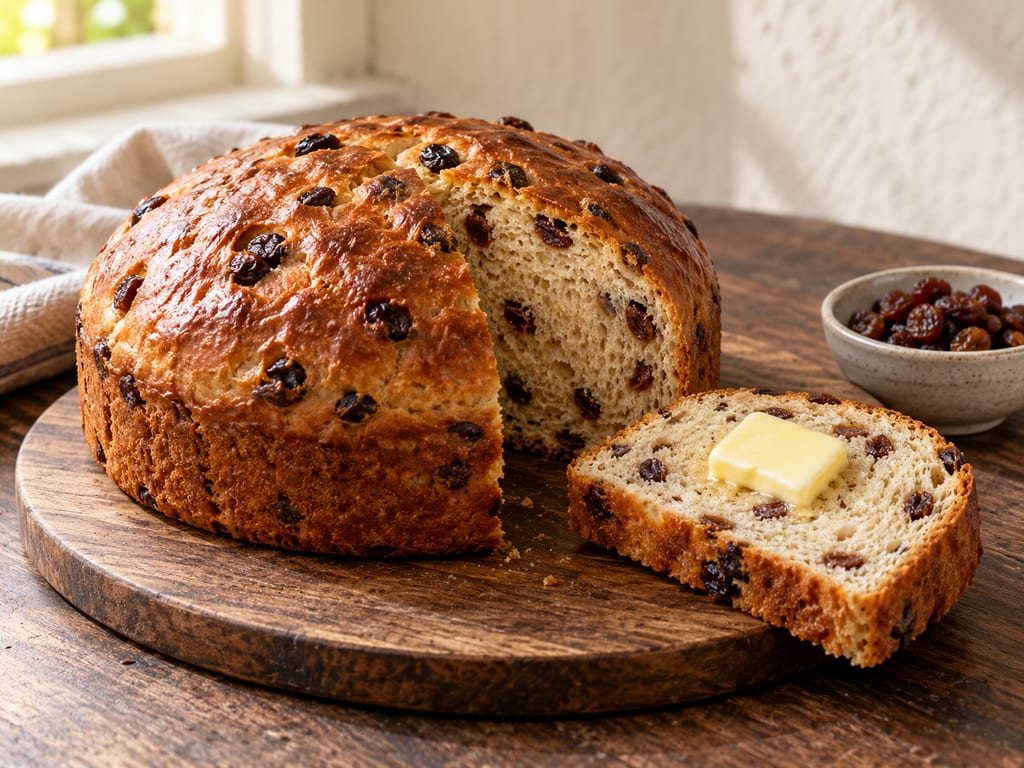
An Irish fruit-studded yeast loaf, associated in a contemporary cultural account with Halloween and often served fresh or toasted with butter.
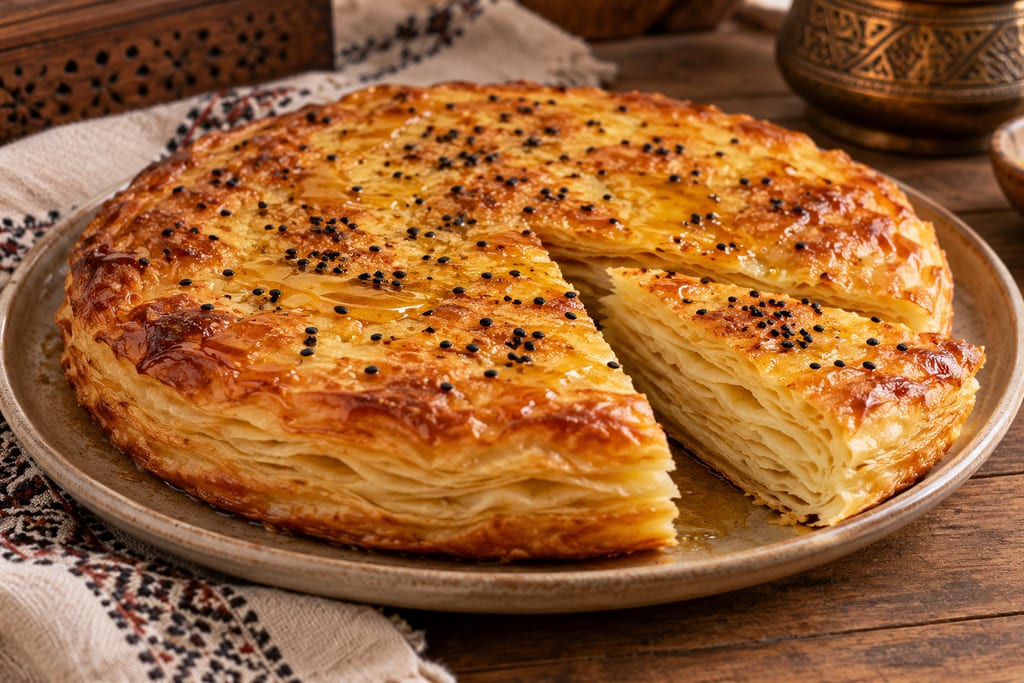
Bint al-sahn is a Yemeni celebration and home bread built from thin, egg-rich yeast dough layers brushed with ghee or butter. This source-specific version makes one round cake, baked until golden and served warm with honey.
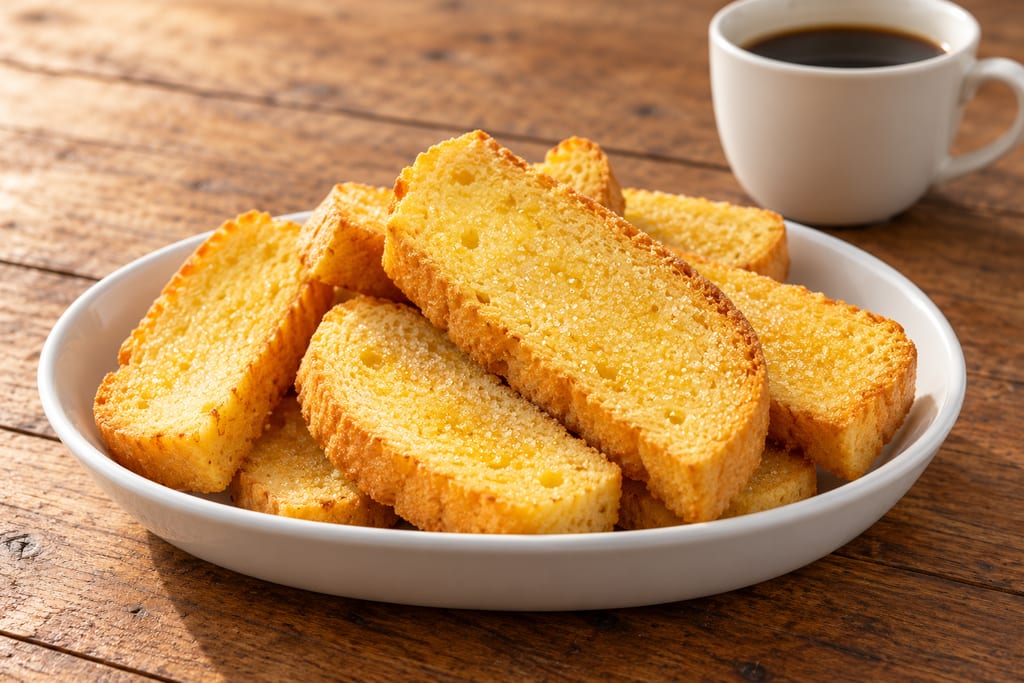
PagkainPinoy’s 24–30 piece version twice-bakes day-old soft bread with a thin butter-and-sugar coating.
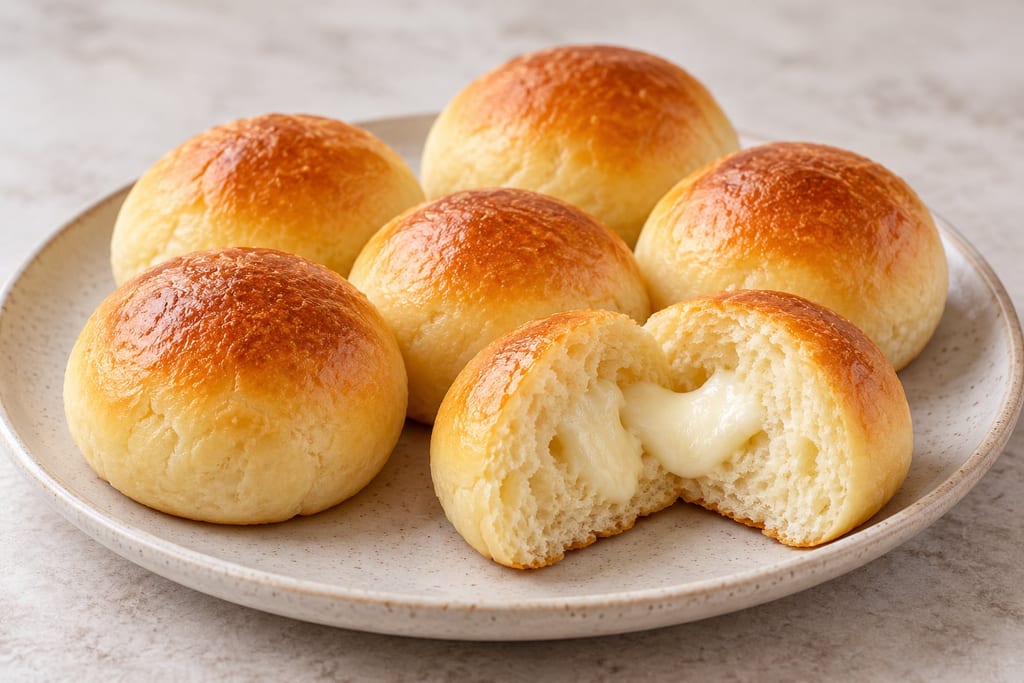
Soft Brazilian yeast rolls use cooked mashed potato in an enriched dough, with mozzarella cubes enclosed before baking.
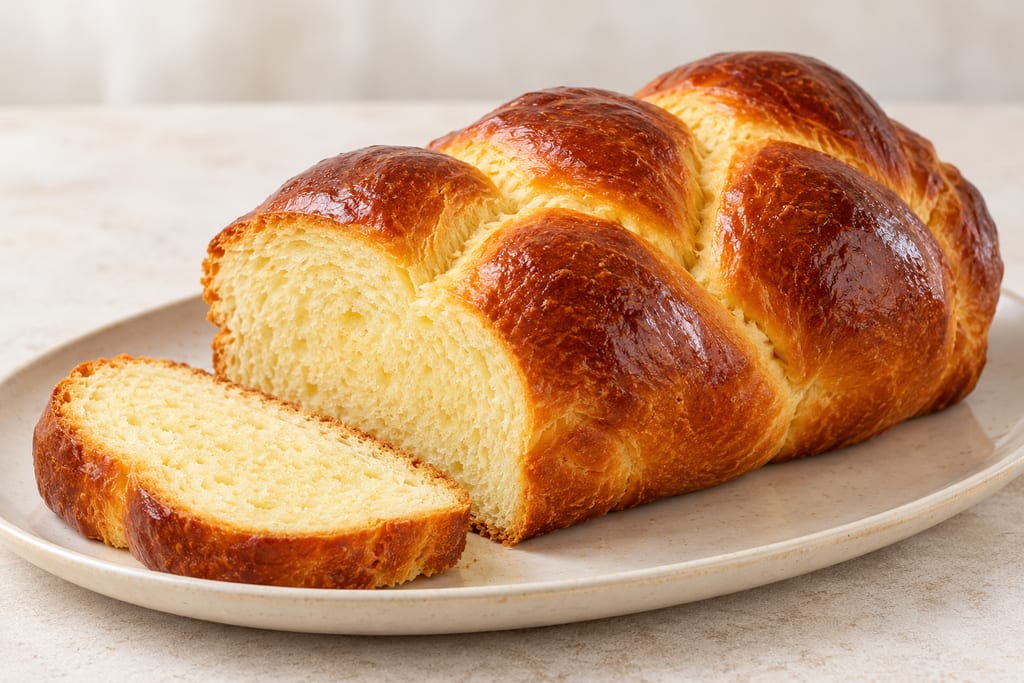
An egg-and-butter-rich yeast dough shaped as one round loaf, two loaves or twelve small brioches, with baking paths that vary by shape.
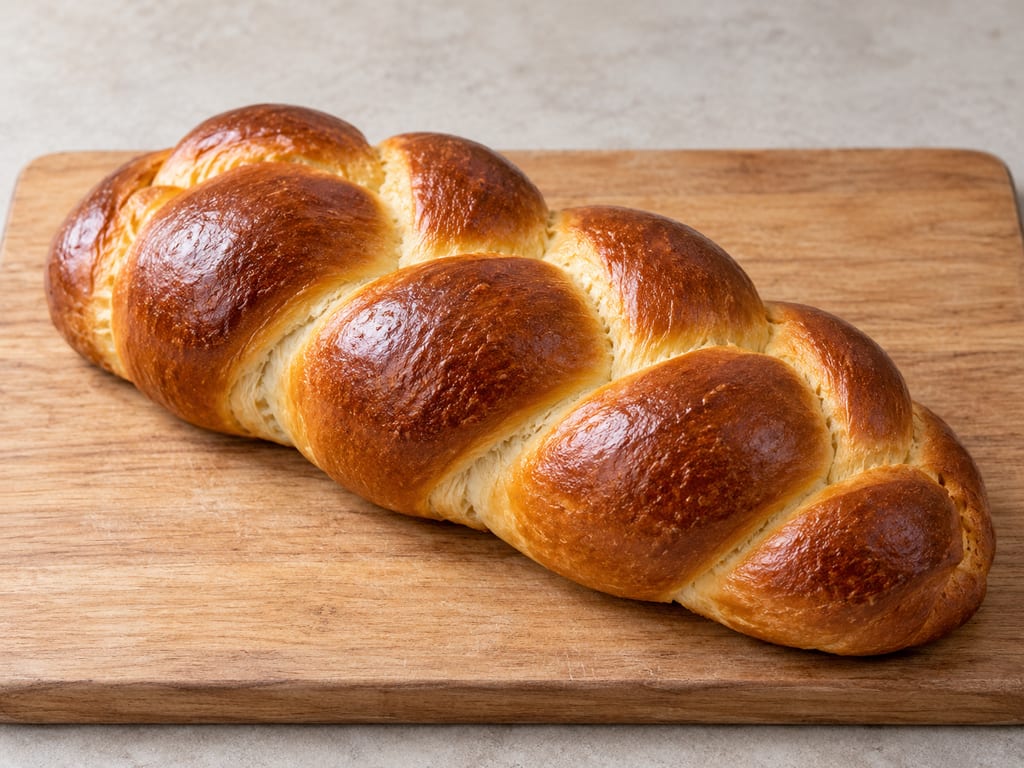
A three-strand yeast-raised challah with flour, salt, yeast, water, neutral oil, honey and egg, based on a Jewish Museum Vienna home recipe.
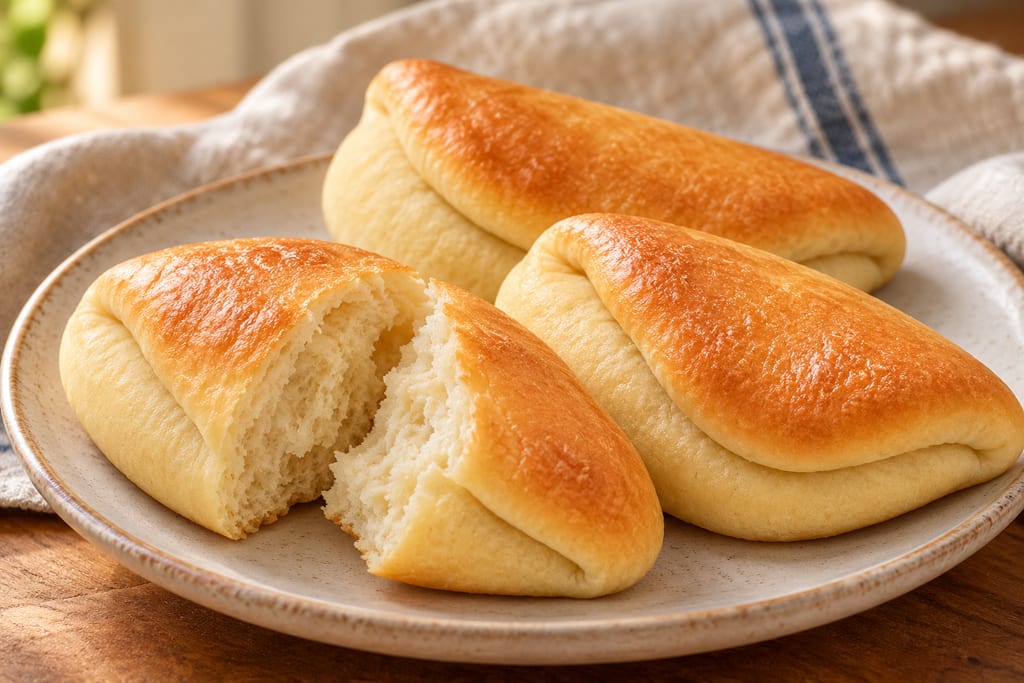
Jamaican-style folded rolls made from sweet coconut-milk yeast dough and brushed with butter.
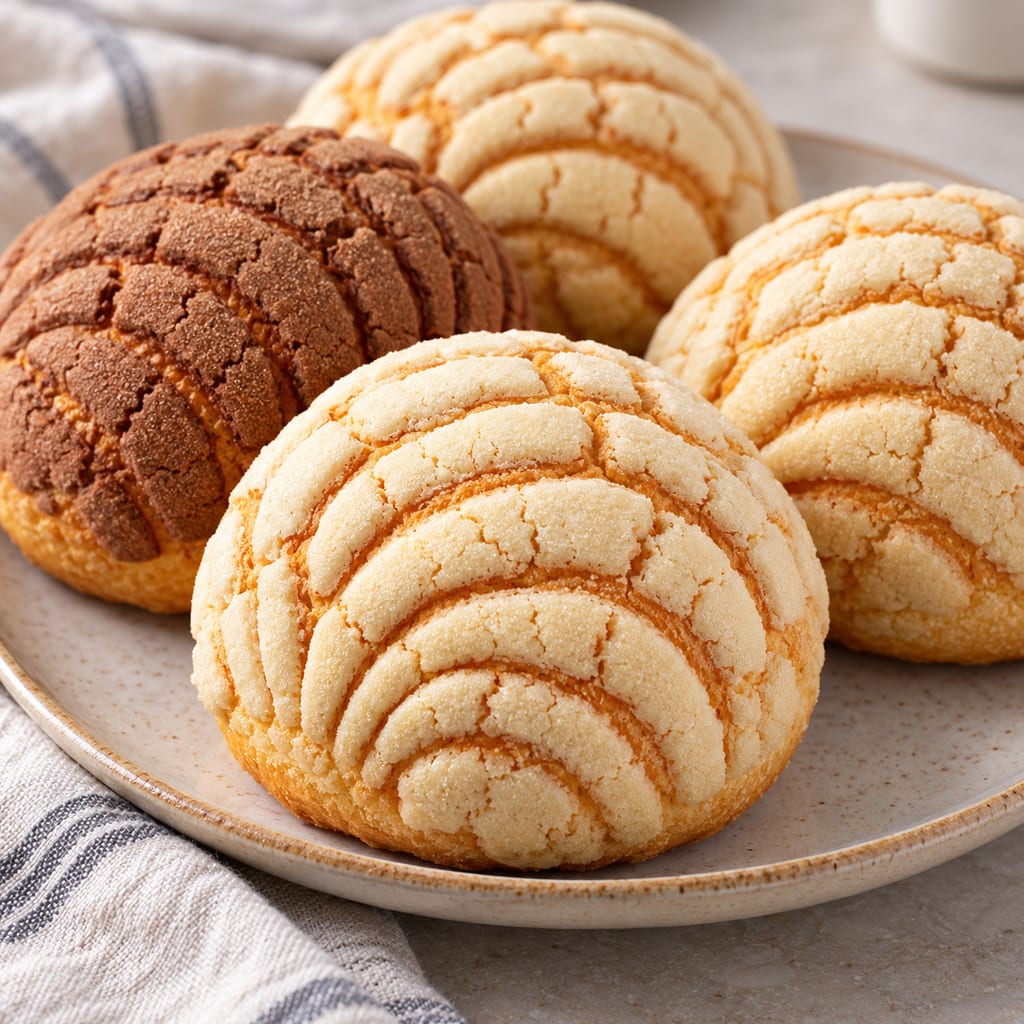
Mexican sweet rolls with a soft enriched yeast dough and a separate scored sugar-flour topping shaped like a shell. This version makes 15 rolls and uses a chilled dough rest before final proofing.
No community contributions have been published for this entry yet.
Sign in to contribute. Published comments and photos are free to read.
Suburban GrandmaRecipe · Method · Geographic context
Ukrainian Wedding Korovai – Recipe from Peremyshl RegionThe author says this one-tier recipe and a smaller memento version were shared in a korovai baking class and identifies them with the Peremyshl region.
Measured formula: evaporated milk, water, yeast, flour, butter, six extra-large eggs, sugar, optional flavourings and a separate egg glaze.
The instructions specify sponge and dough rises, a 15-minute knead, portions and strand weights, braiding, 350°F then 325°F bake, separate removal times for small and main loaves, and refrigeration or freezing after cooling without a duration.
Cited in: A Peremyshl-region wedding loaf; Mix and shape two rounds; Bake and keep until the wedding
Ukrainian Institute and їzhakulturaHistory · Geographic context
Ukraine: Food and HistoryThe text says korovai shapes, sizes and decorations vary across Ukraine, with regional customs; it describes round or rectangular loaves and ritual sharing.
It notes historical baking by happily married women and contemporary commissioning from artisan bakeries or bread factories.
Cited in: A Peremyshl-region wedding loaf
U.S. Food and Drug AdministrationFood safety
Handling Flour Safely: What You Need to KnowRaw flour may carry harmful bacteria; do not taste raw dough and clean hands and surfaces after handling flour and raw ingredients.
Cited in: Bake and keep until the wedding
Ukrainian RecipesMethod comparison
Ukrainian wedding korovai (Wedding round loaf of bread)A separate round-loaf version lists four eggs, describes reserving one yolk, and leaves the total milk allocation between sponge and later dough unclear; it is not used for the formula here.
USDA Food Safety and Inspection ServiceEgg handling safety
Who is at risk for eating raw or undercooked eggs?USDA advises everyone against eating raw or undercooked egg yolks and whites, and notes that in-shell pasteurized eggs may be used without cooking.