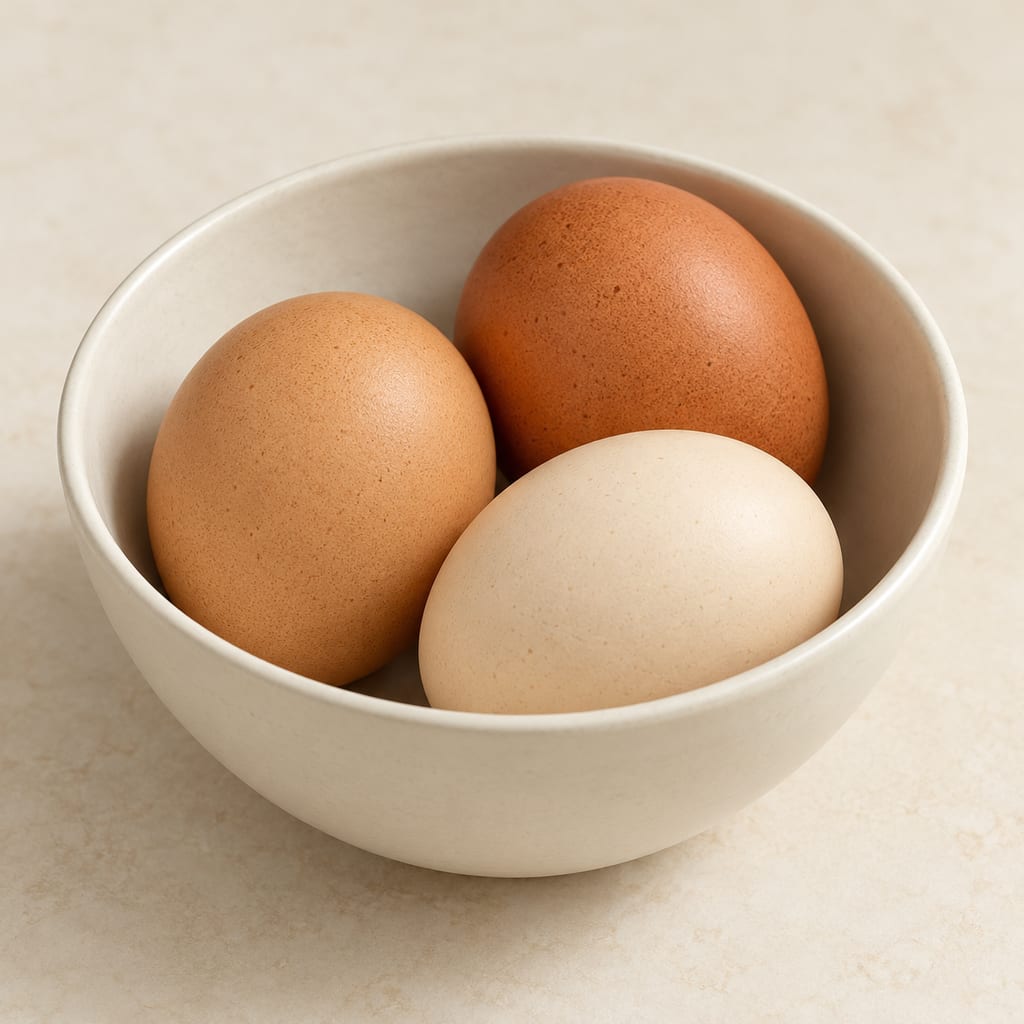
Chicken egg
Chicken eggs supply proteins and yolk fats that set and emulsify. Atlas breads use them in enriched doughs, surface washes and a sourdough pancake batter mixed after fermentation.
 FermenteaWhere food goes to change
Modern method
Класична паска · Ukrainian Easter paska · Classic yeast Easter bread
This Ukrainian Easter paska uses an enriched yeast dough with milk, eggs, butter, raisins and citrus zest. A sponge and two further rises precede baking in paper or parchment-lined moulds.
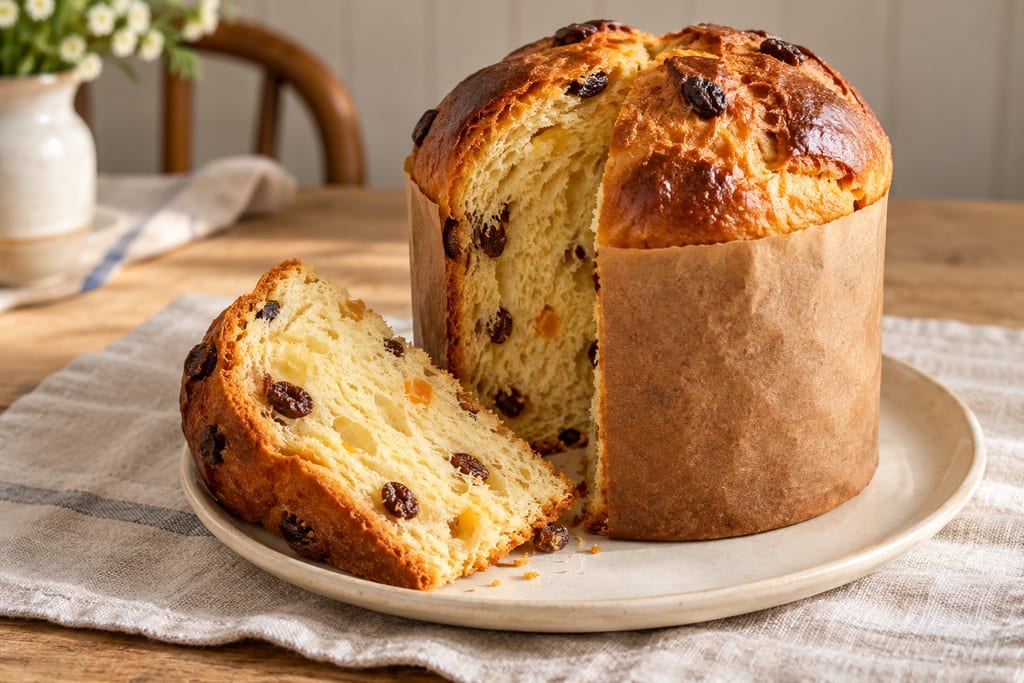
The Lvivski Drizhdzhi page presents one specific enriched yeast recipe under the name “Classic paska.” It is a contemporary formula associated with a Ukrainian food site and the company's baking products. It is useful as one documented home method; its ingredient choices do not define every paska made in Ukraine.
The dough includes wheat flour, pressed yeast, sugar, salt, butter, eggs, milk, raisins, vanilla sugar, cognac and citrus zest. Four medium eggs and one yolk go into the dough; another egg is listed for brushing the tops. The zest can come from lemon or orange. The source lists amounts for the principal ingredients, while asking cooks to adjust flour for absorption. That instruction matters because the page does not claim that all flour behaves alike.
The recipe page gives a total time of 5 hours 30 minutes. A reply from the publisher says one batch makes six to eight paska depending on mould size. It gives no mould dimensions or finished loaf weights. The range therefore describes the publisher’s response to a reader, not a fixed number of identical loaves. A kitchen using different moulds should treat the count as approximate and keep each mould about one-third full at the shaping stage, as the recipe instructs.
The sponge starts with half of the pressed yeast, warm milk and flour. The page specifies milk at 30–35 °C and says to add flour gradually, starting at 300 g and moving toward 500 g until the mixture looks like the demonstration. The listed full batch uses 1,100 g flour, so the remaining amount is added later. This is a source-specific adjustment cue; it does not give a universal hydration target or a substitute ratio for a different flour.
The sponge rests covered in a warm place for 1½ hours. Unlike some recipes that ask only for a visible doubling, this page supplies a timed rest but does not give a measured temperature for the proofing location. The recipe’s broader total time is 5½ hours, so the method includes time for mixing, shaping and baking beyond the three explicitly timed rests.
Use the sponge stage to organize the remaining ingredients before combining the dough: the eggs are rubbed with the sugar and vanilla sugar, and the citrus zest and remaining yeast are added to that mixture. The recipe does not ask the baker to dissolve the second yeast portion separately. Keeping these two yeast portions distinct follows the published method and avoids changing the formula.
The egg mixture, salt and remaining flour go into the sponge. Add the flour in stages because the page says its absorption varies; the recipe does not define a measured dough consistency beyond the demonstration and the instruction to knead the mixture well. The softened butter is worked in near the end of kneading. Raisins are rinsed, mixed with cognac and then kneaded into the dough.
The ingredient list gives 250–300 g raisins and 50 g cognac. It does not specify how long to soak the raisins, so this method does not add a soaking interval. Nor does it call for draining or drying them after mixing. Keeping the written sequence intact prevents a modern adaptation from being mistaken for the source formula.
Once mixed, cover the dough and leave it warm for 1–1½ hours. The page does not give a target dough temperature or a required volume increase at this stage. The timing can be reported because it is explicit; a baker should not treat it as a guarantee that every batch will rise identically in every room.
Divide the dough into portions and round them with smooth surfaces. The page accepts paper moulds and metal moulds lined with parchment. Fill each to about one-third of its height, cover, and leave it warm for a further 1–1½ hours. The source does not state the mould diameter, height or capacity, which is why the site reply gives a range of six to eight loaves rather than a single output.
Filling the moulds to one-third is a source-specific starting point, not an inferred ratio for every pan. Paska moulds vary, and the source itself says batch output depends on mould size. The method gives no alternate instruction for a shallow pan or a mould with an unusual shape, so readers should not assume a different vessel will produce the same loaf count or bake duration.
The additional rise is distinct from the earlier dough rise: it occurs after dividing and rounding, while the dough is already in its final mould. The page times both periods separately. These details make the method coherent without adding an unsupported proof temperature or a volume milestone.
The source names an oven range of 180–190 °C and a bake time of 30–60 minutes, depending on loaf weight. This gives an unambiguous oven scale but does not provide a table that maps a particular weight or mould size to a particular time. The recipe also does not specify an internal-temperature endpoint, so this record does not invent one or present the stated time range as a validated safety measurement.
Before baking, beat the additional egg and brush the loaf tops. The page advises decorating the finished paska as desired. Its ingredient list separately includes an egg-white icing with powdered sugar and lemon juice, but the method does not explain how to prepare or apply that icing. This record leaves out that optional icing instead of supplying a process that the recipe page does not provide.
The three stated warm rests add up to 3½–4½ hours: 1½ hours for the sponge, 1–1½ hours for the dough and 1–1½ hours in the moulds. The page’s stated total is 5½ hours. The source does not break out hands-on time, kneading duration, or cooling time, so those figures remain unspecified. The recorded total is the page’s stated total, not a fresh timing estimate.
The egg wash is separate from the icing listed on the source page. The wash is applied before baking; the listed white icing has no preparation sequence. Keeping those treatments separate avoids suggesting that the icing is baked or that it has a safety step the page never describes.
The directly named equipment is limited: a vessel for mixing, a cover for the rests, paper or metal moulds, parchment for metal moulds, an oven and a brush for the egg wash. The page does not prescribe a mixer, a kneading machine, a mould dimension or a particular oven mode. This keeps the equipment rating moderate while leaving mould selection as an important practical decision.
The source formula is one batch and gives no tested scale-up rule. Flour absorption, mould capacity and loaf weight all affect the written process: flour is added gradually, output varies with mould size, and baking time varies with loaf weight. Multiplying every ingredient by the same factor would not establish how many moulds to use or how long each loaf should bake. The batch is therefore recorded as source-batch-only.
The difficulty rating reflects those demands. The ingredients are familiar, but the baker manages a sponge and two later warm rises, kneads enriched dough, divides it among moulds, and follows a wide weight-dependent bake range. The five dimensions describe attention, equipment, time and scaling work. They do not rate microbiological risk or claim that the recipe has been validated.
For readers choosing moulds, the published method supports only the fill height and bake range it names. It does not supply a pan conversion, so the record keeps the serving count and dimensions open rather than estimating from flour weight. The same restraint applies to storing the finished bread: no storage interval appears in the inspected recipe.
The University of Gastronomic Sciences and Slow Food’s 2022 Ark of Taste in Ukraine lists paska’s production area as Lviv, Ivano-Frankivsk, Ternopil, Volyn and Zakarpattia oblasts. That source describes paska as a sweet, buttery, tall, cylindrical, ritual Easter bread, and says recipes vary by region and family. These entries support multiple regional associations for the broader food; they do not say that this specific commercial recipe originated in each oblast.
The Ark describes paska made with ingredients such as flour, yeast, salt, sugar, eggs, dried fruit, butter, lard, sour cream and milk. Its account is broader than the Lvivski Drizhdzhi formula and includes regional and household variation. The modern recipe recorded here uses the source’s measured formula; the general atlas entry supplies cultural and geographic context, not substitute quantities or steps.
The regional rows on this page are associations with the documented paska tradition. They should not be read as a map of where this exact set of ingredients is used, nor as a claim that any one oblast invented paska. The Ark names several production areas and explicitly notes family and regional differences, so the record preserves those associations at oblast precision without narrowing the recipe’s origin.
The Ark presents paska as a ritual bread baked for Easter and describes household practices tied to the celebration. It reports that baking days were traditionally limited to Holy Thursday or Holy Saturday and that families had their own recipes passed through generations. These statements document practices as described in that 2022 cultural atlas. They are not recipe steps, food-safety controls or requirements that a contemporary reader must follow.
The atlas also describes paska as a food with religious and community meaning, including blessing and serving it during Easter observances. This context helps distinguish the bread from a generic sweet loaf, but it does not establish a single historical formula. The atlas notes that recipes vary by region and family and includes more than one set of ingredients, so the measured Lvivski Drizhdzhi version remains one contemporary preparation.
Neither the measured recipe page nor the atlas gives a dated earliest written record for paska. The claim that families pass recipes through generations is evidence of remembered and inherited practice, not a date of first attestation. The record therefore marks the earliest period as unknown rather than converting cultural continuity into an unsupported century.
Before baking, the dough contains raw flour and eggs. The U.S. Food and Drug Administration explains that flour is a raw food and that flour-and-egg dough can carry harmful bacteria; it advises people not to taste raw flour, dough or batter. It also advises keeping raw flour and eggs away from ready-to-eat food and cleaning hands, utensils and surfaces after handling them. These points support the handling warning for this recipe.
The source recipe gives a temperature and time range for baking, but does not report a validated internal-temperature endpoint, a storage period or a shelf-life study. The safety record does not invent those limits. Treat the published recipe as an ordinary household baking method, not as a professionally validated safety process. The listed egg-white icing is excluded because the source provides ingredients without a preparation method; the page does not provide a supported way to control the safety of an uncooked egg icing.
The record also avoids using smell, taste, bubbles or a home measurement as proof that dough or finished paska is safe. The recipe source supports the formula and ordinary bake instruction; the FDA source supports raw-flour handling. Neither source certifies every oven, mould size or storage condition.
The inspected recipe page presents a contemporary paska formula in a Ukrainian-cuisine collection. The Ark of Taste records paska across several western Ukrainian oblasts and describes it as an Easter ritual bread, but neither source documents the earliest attestation of the bread.
Scaling: source batch only
Flour is raw and the dough contains eggs; do not taste the uncooked mixture.
Hazard sourceKeep raw dough away from ready-to-eat food, clean hands and equipment after handling it, and bake before eating.
Control sourceThe source gives oven temperature and a bake-time range by loaf weight but no validated internal-temperature endpoint or storage interval.
The source lists egg-white icing ingredients without a preparation method; this record does not give an icing made with uncooked egg white.
The recipe is published in the site's Ukrainian-cuisine collection; this supports a country association, not a more precise origin.
The Ark of Taste lists this oblast among paska's production areas. This describes the broader paska tradition, not the origin of this specific modern formula.
The Ark of Taste lists this oblast among paska's production areas. This describes the broader paska tradition, not the origin of this specific modern formula.
The Ark of Taste lists this oblast among paska's production areas. This describes the broader paska tradition, not the origin of this specific modern formula.
The Ark of Taste lists this oblast among paska's production areas. This describes the broader paska tradition, not the origin of this specific modern formula.
The Ark of Taste lists this oblast among paska's production areas. This describes the broader paska tradition, not the origin of this specific modern formula.
Chicken eggs supply proteins and yolk fats that set and emulsify. Atlas breads use them in enriched doughs, surface washes and a sourdough pancake batter mixed after fermentation.
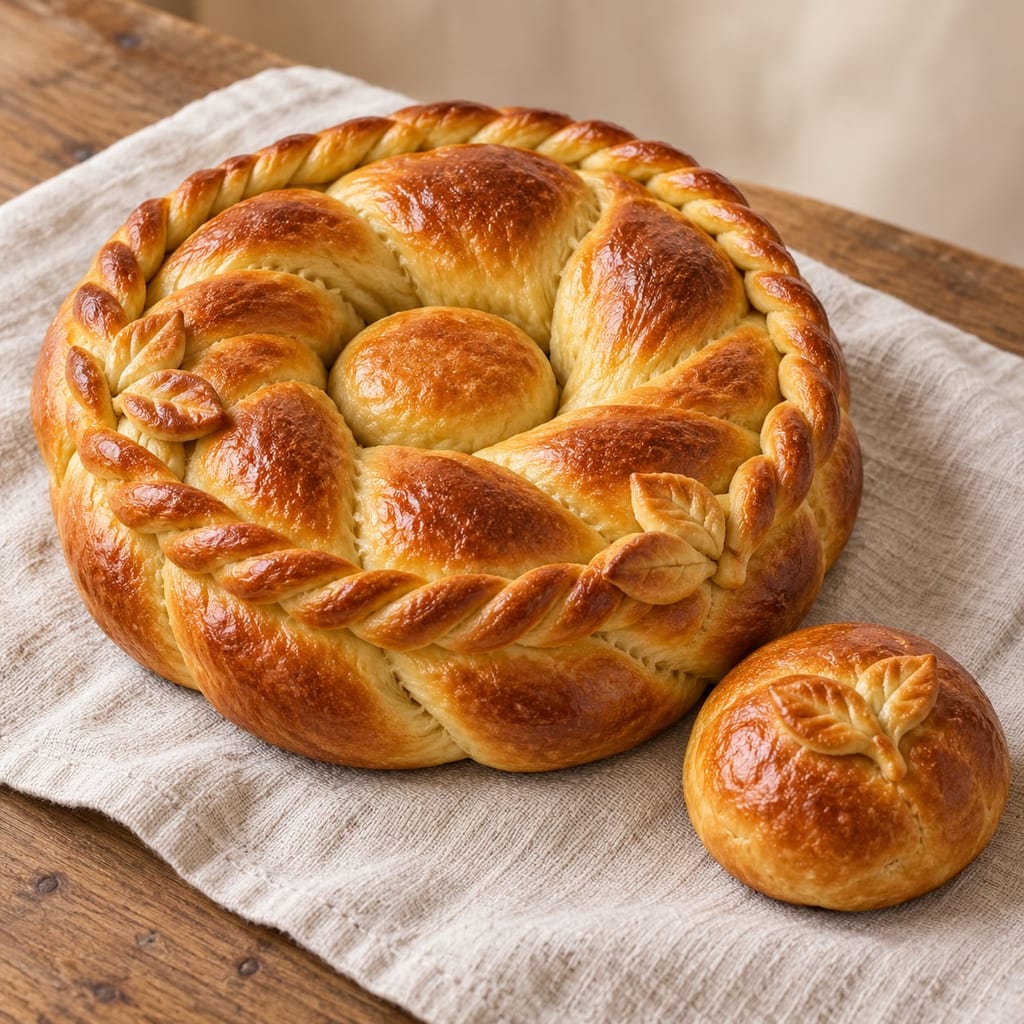
A Peremyshl-region Ukrainian wedding bread made from sweet yeast dough, shaped as a large braided round with a smaller memento loaf.
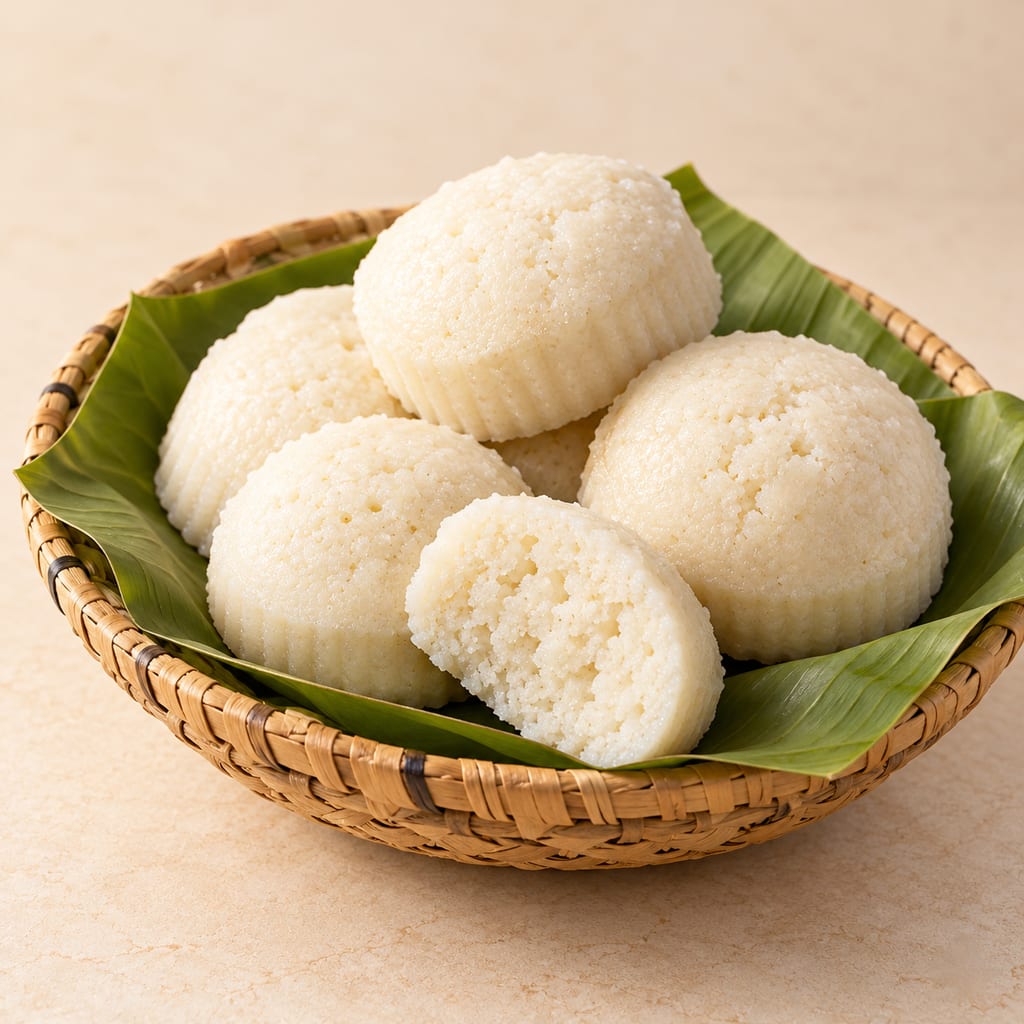
Soft, lightly tangy steamed cereal bread documented across Benin and Togo. This page gives one measured rice-flour research method; maize-based Ablo and mixed-grain versions remain distinct traditions.
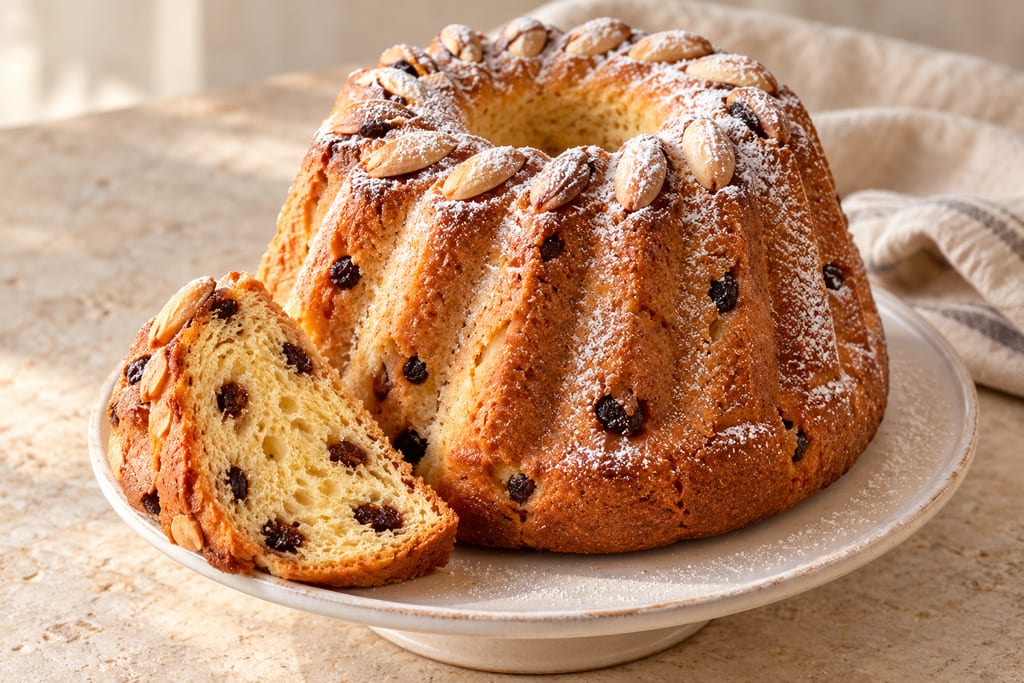
An enriched Alsatian yeast ring with raisins and almonds, kneaded with butter, proofed in a fluted mould and baked until browned.
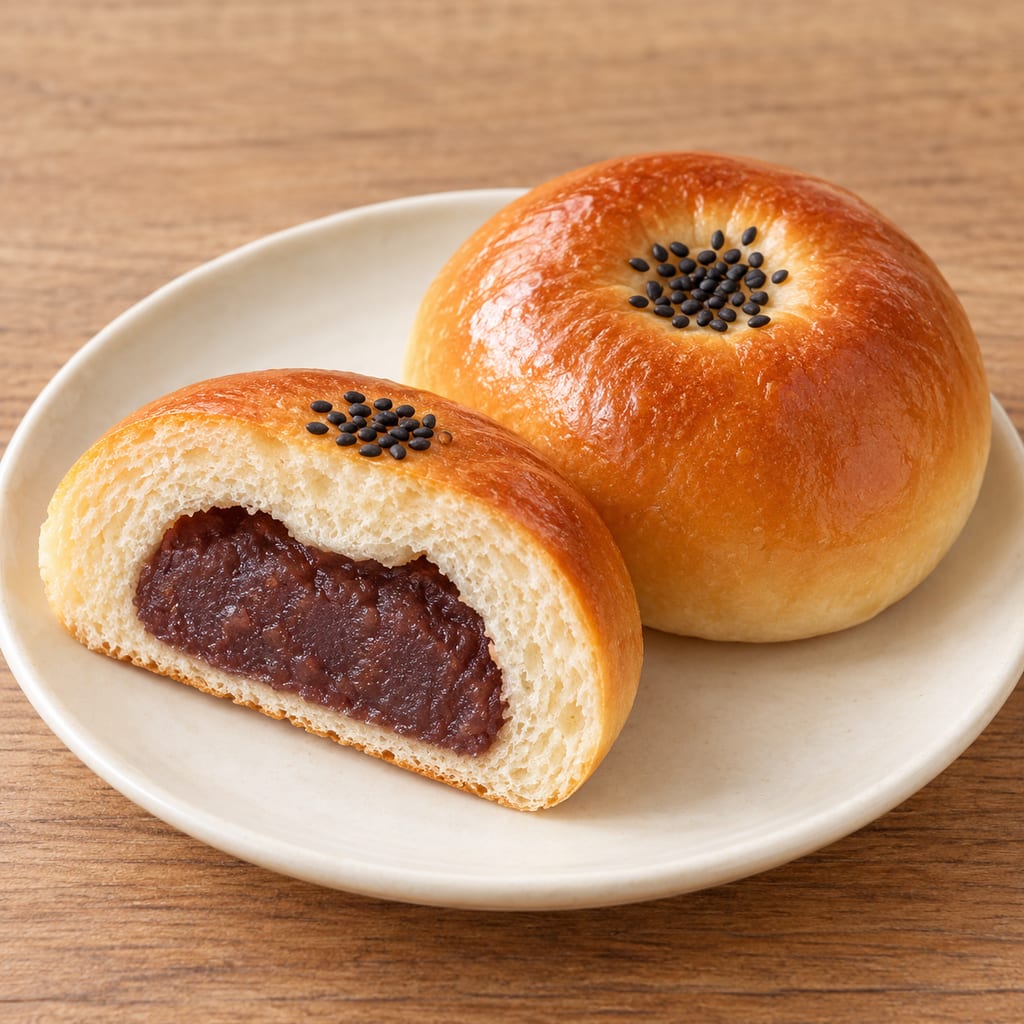
Anpan is a soft wheat bun filled with sweet red-bean paste and finished with egg wash and black sesame. This dough rises with commercial instant yeast.
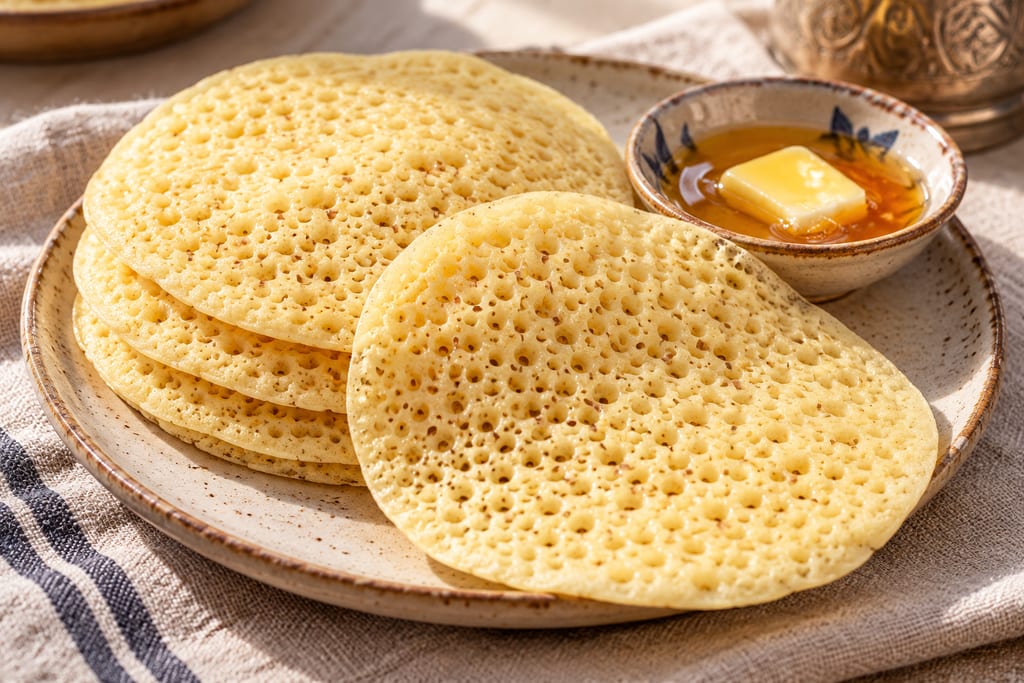
Moroccan semolina pancakes made from a thin yeast batter, rested until foamy and cooked on one side until the surface sets with a honeycomb of holes. This source-specific batch makes sixteen 5-inch pancakes.
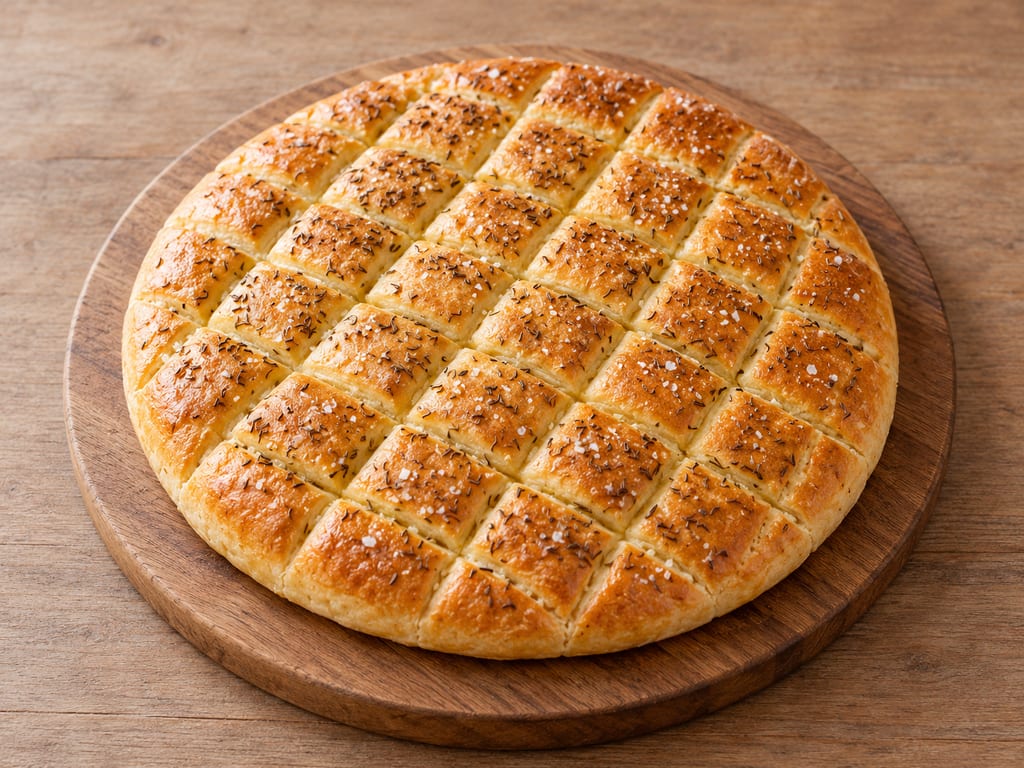
A round Slovenian flatbread scored in a grid and topped with caraway and coarse salt.
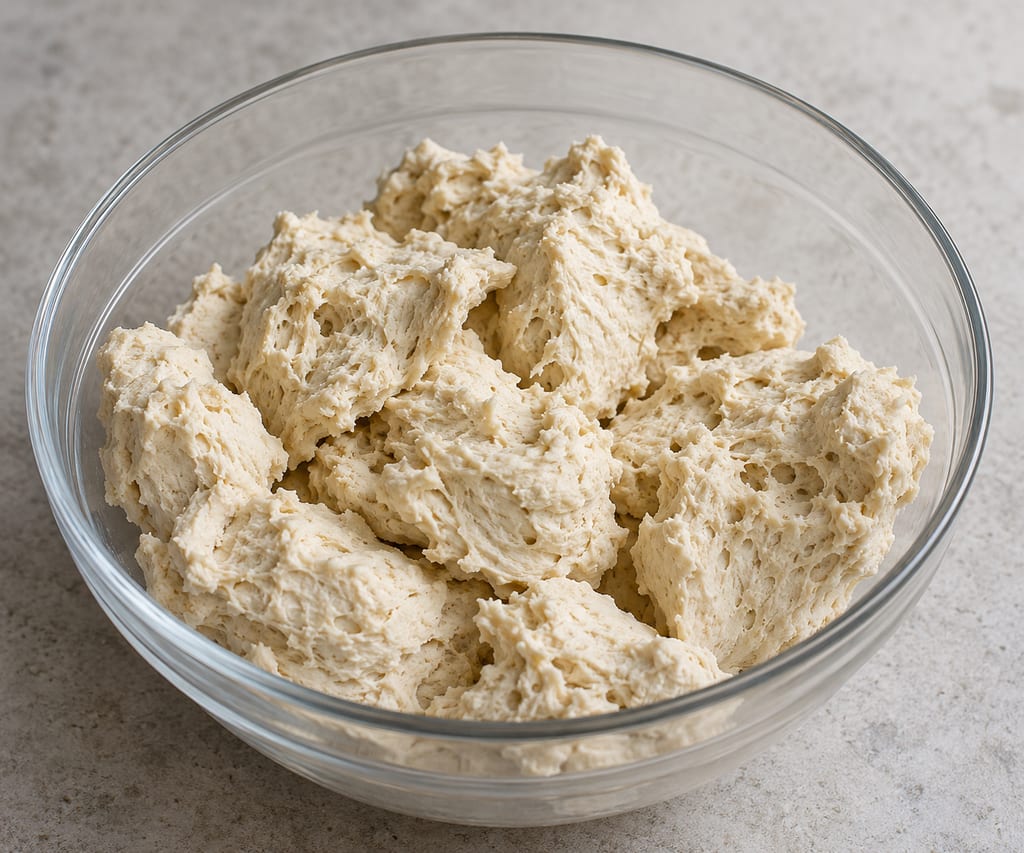
Biga is an Italian bread preferment of flour, water and a little yeast, usually a stiff unsalted mass of about 45 per cent water, fermented ahead and then mixed into the final dough.
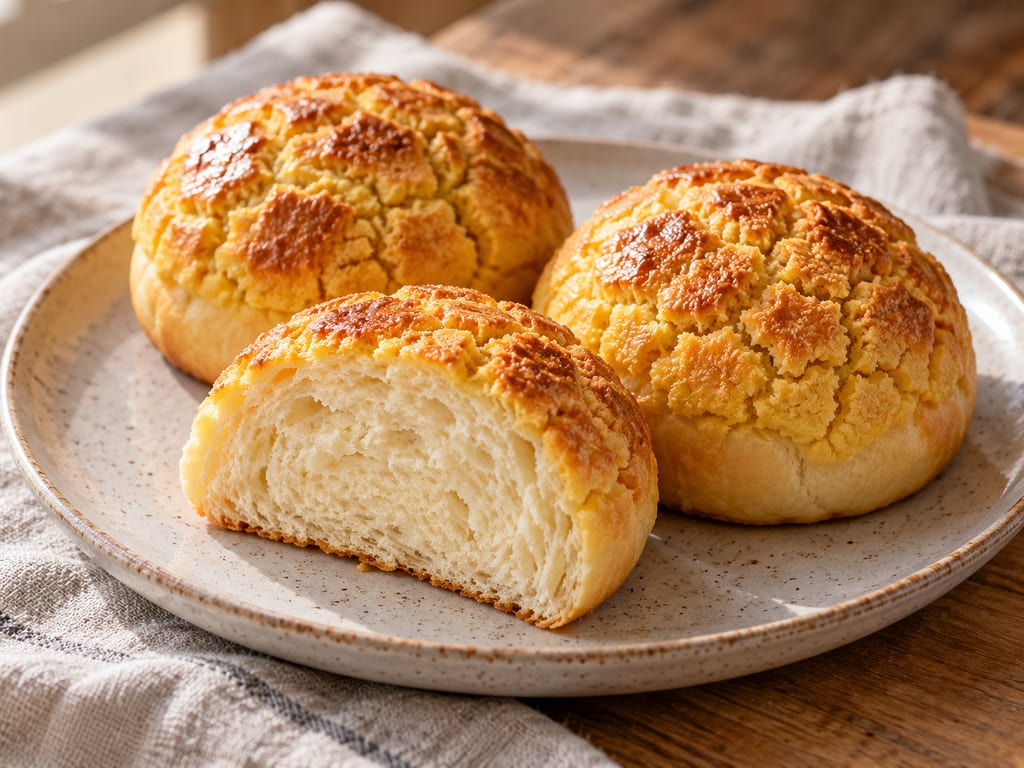
Hong Kong-style pineapple buns have soft yeast dough beneath a crisp, sweet pastry topping.
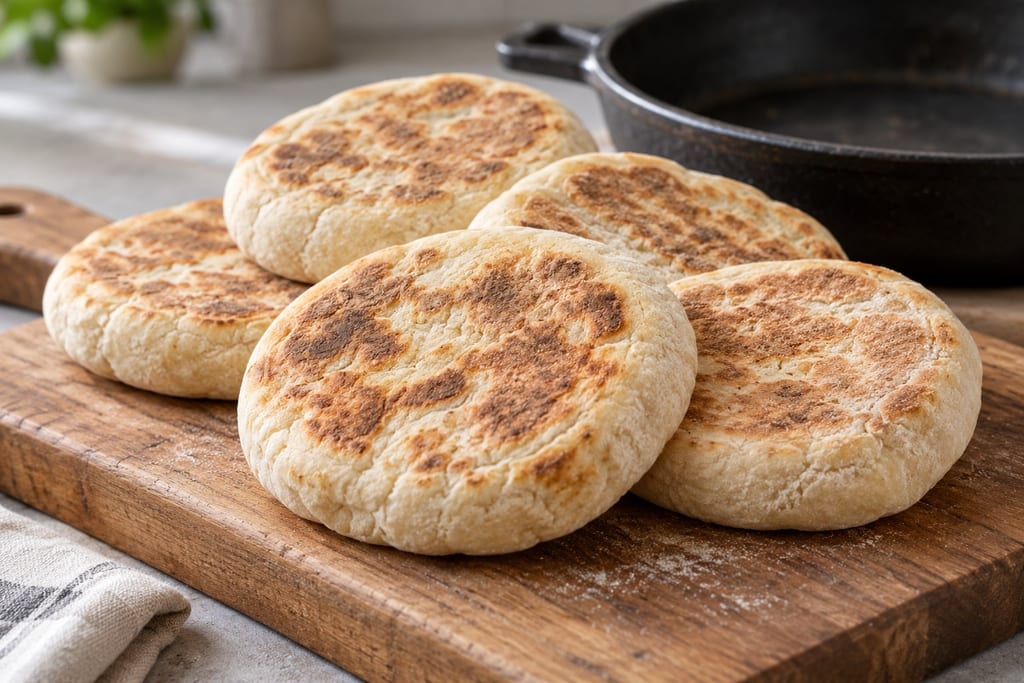
Sweet-potato wheat breads with fresh yeast, browned in a pan and finished in the oven. This is the bread component of Teleculinária's scrambled-egg dish.
No community contributions have been published for this entry yet.
Sign in to contribute. Published comments and photos are free to read.
Львівські Дріжджі (ТОВ «Компанія Ензим»)Inspiration · Recipe · Geographic context
Класична паскаIngredient quantities and flour-adjustment note
Two 40 g portions of pressed yeast
Sponge, mixing and rise sequence
Mould fill and 180–190 °C bake for 30–60 minutes
Site-stated 5 h 30 min total and site reply reporting 6–8 loaves depending on mould size
Cited in: A measured contemporary paska; Preparing the sponge; Mixing and kneading the dough; Shaping and final proof; Baking, finish and timing; Equipment, scaling and difficulty; Paska across western Ukraine; Food handling and reader limits
U.S. Food and Drug AdministrationFood safety guidance
Handling Flour Safely: What You Need to KnowFlour can carry harmful bacteria; flour-and-egg dough is raw and should not be tasted before cooking; clean hands and utensils after handling
Cited in: Food handling and reader limits
University of Gastronomic Sciences / Slow FoodGeographic context · History · Cultural context
The Ark of Taste in UkraineThe listed production area includes Lviv, Ivano-Frankivsk, Ternopil, Volyn and Zakarpattia oblasts
Paska is described as a ritual Easter bread with region- and family-specific recipes
The source discusses contemporary baking and inherited household practices but does not date the earliest attestation
Cited in: Paska across western Ukraine; Easter practice and historical limits