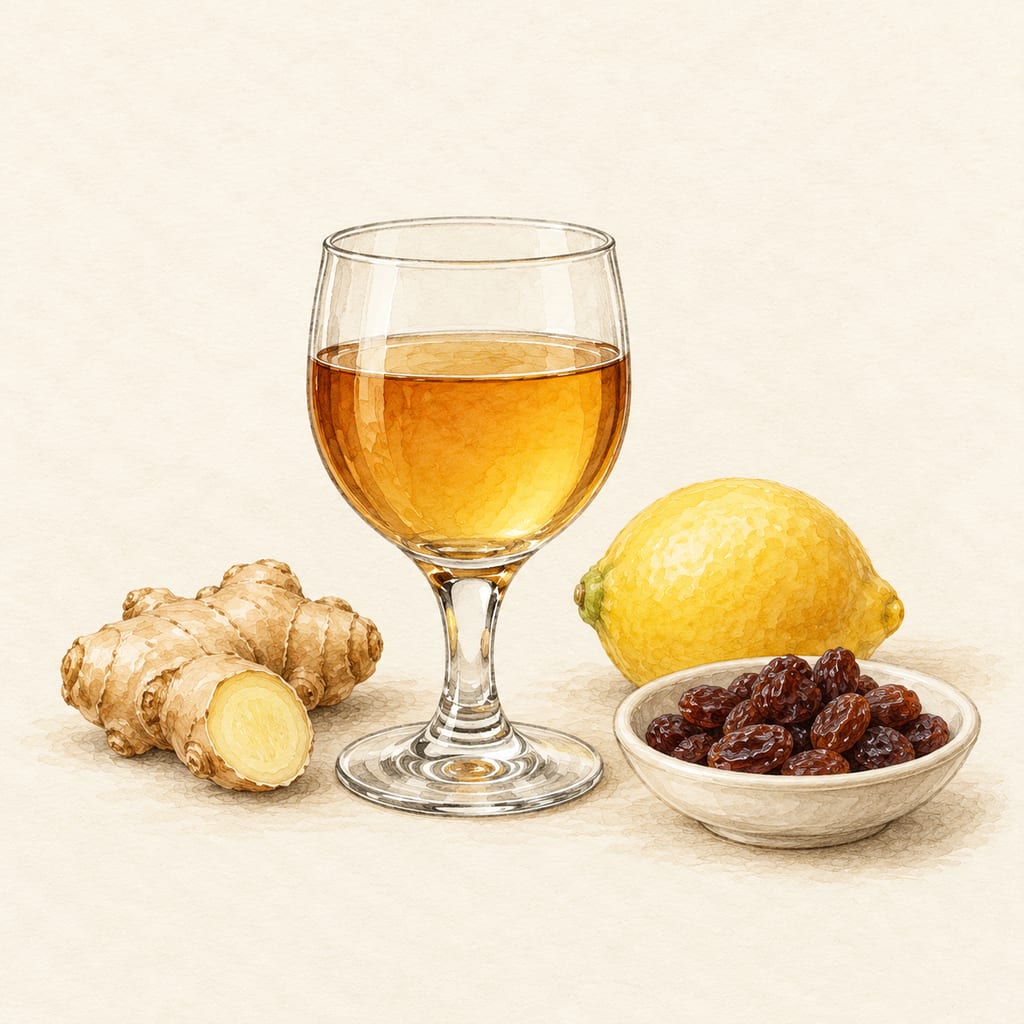
Ginger wine, cask-matured on raisins
A Victorian household wine of boiled sugar, lemon and bruised ginger, worked on raisins in a cask for a fortnight and finished with brandy, made nine gallons at a time.
 FermenteaWhere food goes to change
Substrates
Raisins are dried grapes whose variety and drying method shape their size, colour and flavour. In a documented 1861 ginger wine they are stoned, chopped and added to the cask after yeast.
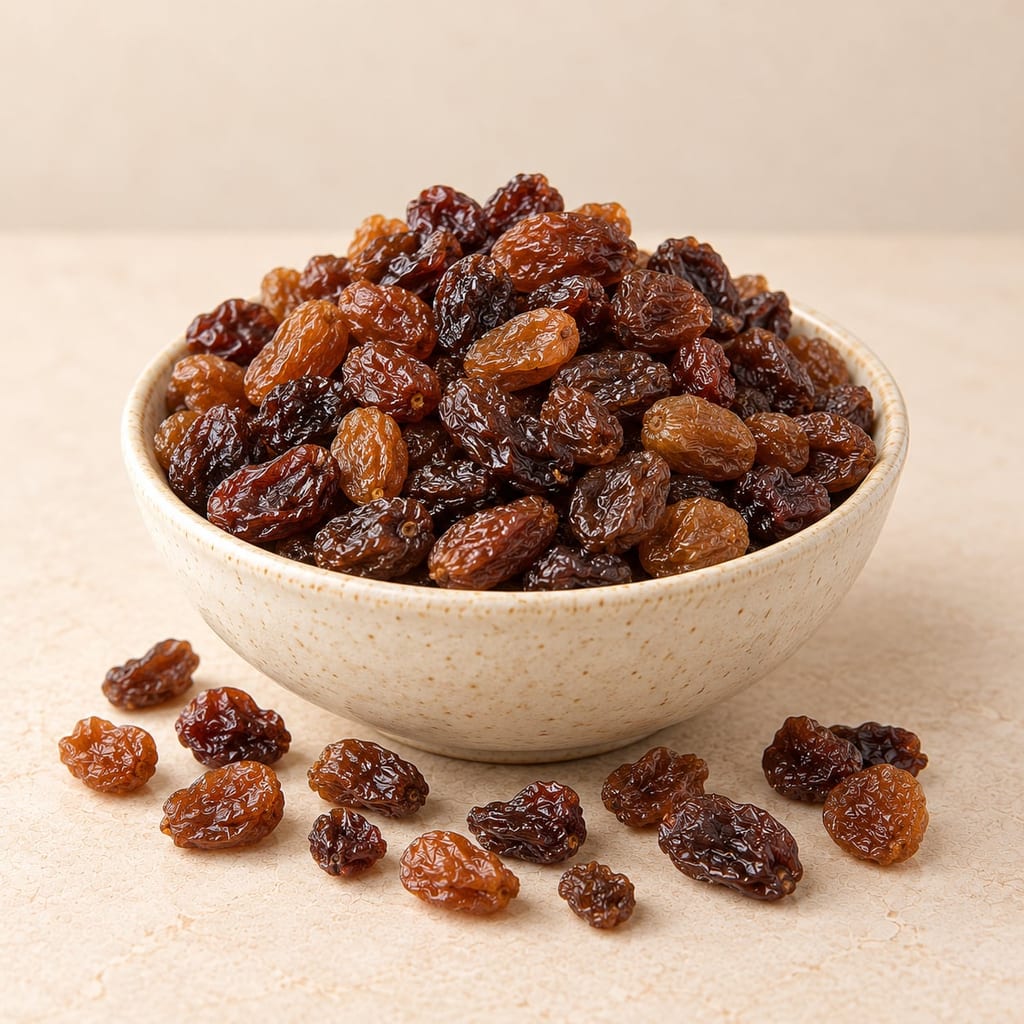
A raisin is a grape preserved by drying. The family includes dark berries, pale golden fruit, tiny Corinth grapes, seeded Muscatels, and bunches still joined on their stems. Drying takes away water while leaving the berry’s sugars, acids, skins, and aromas behind in a smaller, denser form. Depending on grape and drying, a raisin may be soft and plump, chewy and wrinkled, tart, floral, honeyed, or darkly vinous.
Its culinary value rests on two linked qualities. The fruit is durable enough to travel and wait for another season, and it brings concentrated fruit character to foods that otherwise have little grape in them. Raisins can be eaten by the handful, folded into a pudding, or steeped into wine. The same dried fruit can remain whole for texture, be stoned and chopped into a mixture, or be rehydrated until it swells again. Grape variety, ripeness, drying conditions, and preparation all leave their mark.
Drying grapes belongs to the practical calendar of the vineyard. Hesiod’s Works and Days tells the farmer to bring in grape clusters when the autumn constellations reach their appointed positions, expose them to the sun for ten days, cover them for five, and draw off the gifts of Dionysus on the sixth day. The poem ties grape drying to the season’s harvest and to making a sweet drink.
A Roman writer describes dried grapes both as food and as material for wine. Pliny records passum, a wine from grapes dried on the vine in the sun; he also describes a heating treatment whose wording is disputed between a vessel and boiling oil. The dried fruit was then pressed; one account says berries were dried until a little more than half their weight remained. He ranks Cretan raisin wine above those from Cilicia and Africa, which were esteemed in Italy and nearby provinces. The more careful makers removed the stalks, soaked the raisins in excellent wine until they swelled, and pressed them. Pliny also describes keeping whole clusters in vessels and preserving some in must. His account places dried grapes in a Mediterranean pantry and wine cellar, alongside the later household use of imported raisins in cooking.
A grape is built to hold water. Its skin carries a waxy bloom, a layer of overlapping wax plates that repels water and slows moisture loss. During drying, water moves outward through the flesh and skin, crosses this waxy surface, and evaporates into the surrounding air. Warmth supplies energy; moving, dry air carries away the humid boundary layer that gathers around the fruit. A still, damp pocket therefore dries more slowly than a breezy, dry one.
Some growers dry fruit after cutting it from the vine; others let it shrivel on the vine before mechanical harvest. A traditional tray system lays harvested bunches out to dry. In some regions, an alkaline oil-in-water dip makes the waxy layer more permeable, so water escapes faster. In rack systems, untreated grapes take an average of three to five weeks to dry, compared with seven to fourteen days for treated fruit; weather and variety shape the timing.
A dried berry is not just a fresh grape with less water. Water loss concentrates sugars and other dissolved compounds, while dehydration also changes acids, pigments, aroma precursors, and cell structure. The chemistry shifts with the grape and drying conditions, helping explain why two raisins can taste markedly different.
Raisin is a product name, not a single grape variety. Vitis vinifera grapes used for raisins include Thompson Seedless, also called Sultanina, Muscat of Alexandria, Muscatel Gordo Blanco, Sultana, and Black or White Corinth. Commercial categories also distinguish natural and dipped or vine-dried seedless fruit, golden seedless raisins, seeded berries and intact clusters, Sultanas, Zante currants, and mixed lots. A bag marked “raisins” can therefore conceal differences in grape and processing.
In Beeton’s household book, the raisin-grape entry names Valencia, Malaga and Provence among the places the English kitchen drew its fruit from, and describes Valencian fruit as common for cookery and Muscatel raisins as deep purple, juicy and rich-flavoured when new. She prizes the largest table raisins from Provence and Italy, especially Roquevaire, for their size and sweetness, and says they were rarely eaten outside wealthy households. A separate Sultana entry names Smyrna as the source of the finest Sultanas, calls the small black Corinth grapes sold by grocers “currants,” while somewhat larger white or yellow grapes from the same area make Sultana raisins. Beeton praises Sultanas in pale puddings and cakes because they need no stoning, and recommends mixing them with richer Muscatel or Valencia fruit. In this culinary vocabulary, “currant” means a dried Corinth grape, not the unrelated berry.
Seedless fruit can be stirred into a batter without stoning; seeded fruit needs preparation if stones are unwelcome. Golden seedless raisins have a separate processing category from natural seedless raisins. A cook can choose by a recipe’s desired colour, size, texture, and flavour rather than treat every dried grape as interchangeable.
In her 1861 household book, Isabella Beeton starts with ripe grapes left on the vine before drying in the sun or with oven heat. She contrasts the results: sun-dried fruit is sweet, while oven-dried grapes have an acid flavor. Her account describes bunches dipped while still on the vine in hot wood-ash liquor mixed with olive oil, left there for three or four days, spread horizontally on sticks, and finished in the sun after being cut from the vine. It places raisin making in the vineyard as well as the pantry.
The grape, degree of drying, and processing route all shape the finished fruit. Modern growers still use untreated drying and alkaline oil dips that alter the berry’s waxy surface so moisture escapes faster. The wood-ash liquor in Beeton’s account differs from a modern commercial dip, but both methods work on the skin to manage how drying proceeds.
In nineteenth-century British household cookery, raisins were ordinary pantry fruit with a range of grades and jobs. Isabella Beeton’s recipes use them with currants and suet in boiled or baked puddings; some call for stoning and chopping, while others specify cutting the fruit into halves without chopping. Her unrivalled plum-pudding uses 1½ pounds of Muscatels and 1 pound of Sultanas and boils for six to eight hours, a rich, wintertime dish in which the raisin is one part of a large mixture. Her plain boiled raisin pudding is the economical counterpart: a pound of flour, half a pound each of stoned raisins and chopped suet, salt and enough milk to form a stiff paste, boiled in a cloth for four hours. There the raisins share the mixture with flour and fat, so every slice carries pockets of fruit.
Raisins also entered the cask and the dessert dish. Beeton’s ginger wine, recipe 1819, calls for two pounds of raisins, stoned and chopped, alongside nine gallons of water, twenty-seven pounds of loaf sugar, nine lemons, twelve ounces of bruised ginger, three tablespoonfuls of yeast and a pint of brandy. After the sugar, water, lemon rinds and ginger boil for an hour, the liquor cools and receives the yeast; the following day it goes into a dry cask with strained lemon juice and the chopped raisins. The wine is stirred daily for a fortnight before brandy is added and the cask gradually stopped. The recipe lists the raisins as fruit in the mixture, with the yeast as a separate ingredient.
Raisin wine, the product of such casks, returns to the table in cold sweets. Beeton lets it replace sherry and brandy in a jelly and names it among the wines for a charlotte, a flummery, moulded pears and a trifle; in the trifle the sponge is soaked in sherry or sweet wine with brandy, and raisin wine is offered as an alternative in the whipped topping. In her orange salad she stones a quarter-pound of Muscatel raisins, mixes them with sugar and brandy and serves them over sliced oranges with fresh juice; the dish serves five or six and belongs to the winter-orange season, from November to May.
A dried grape is a compact store of fermentable sugar, and cooks and winemakers have used it that way for as long as raisins are recorded. Pliny describes passum, a sweet wine made by drying grapes in the sun, or by heating them, until slightly more than half their weight remained, then pressing them gently. The more careful makers removed the stalks, soaked the raisins in excellent wine until they swelled and pressed them; a second-quality drink came from the marc with well water. Cretan raisin wine ranked first among the raisin wines reaching Italy, ahead of those from Cilicia and Africa. In each case the water has been taken out of the grape before fermentation begins, so the juice that comes back out is richer in sugar than the fresh fruit would give.
In Beeton’s ginger wine the raisins play a different part. The sugar is loaf sugar, and the raisins join the liquor in the cask the day after the yeast. They add dissolved sugar, grape flavour and body to a drink that otherwise has only sugar, lemon and ginger. Whatever yeast clings to the raisins does not appear in the recipe, which relies on added yeast.
Raisins can also start a ferment on their own. In a 2025 study at Kyoto University, grapes picked from an orchard were dried for 28 days in an incubator, in the sun, or by a combination of the two, and then each batch of raisins was submerged in water in a bottle at room temperature for two weeks. All three sun-dried samples fermented and reached significantly higher ethanol concentrations; only one incubator-dried sample and two of the combination samples fermented. The yeast that dominated was Saccharomyces cerevisiae. The lead author notes that most store-bought raisins carry an oil coating that prevents fermentation, which is why the method works only with untreated, naturally sun-dried fruit. The experiment shows what raisin water can do; it does not show that ancient winemakers worked this way.
To stone a raisin is to remove its seed; to chop it is to cut the fruit into smaller pieces. Beeton’s ginger wine asks for both, then adds the fruit to the cask with lemon juice after the sweetened ginger liquor has cooled and yeast has been introduced. In puddings the book sometimes asks for halves rather than a fine chop, leaving distinct fruit pieces among the crumbs, suet and currants. These cuts give the cook control over how noticeable the fruit will be in the finished dish.
Soaking is the third operation. Dried grapes swell again in liquid, and the Roman writer Pliny describes the more careful makers of raisin wine removing the stalks and soaking the raisins in excellent wine until they swelled, before pressing them.
For cooking, choose the form that suits the finished dish. Small seedless fruit disappears more readily into a cake or pale pudding; Muscatel raisins, which Beeton describes as juicy, deep purple and mostly of a rich flavour when new, bring a richer raisin flavour, and she recommends mixing Sultanas with richer Muscatel or Valencia fruit. If a recipe calls for stoned fruit, check the package rather than assume “raisin” means seedless. A little chopping can make fruit distribute more evenly through a mixture, while halves remain recognizable; those are kitchen choices guided by the recipe, not quality grades.
Dried grapes keep because water has been removed, yet their moisture still matters to texture and quality. Commercial grading measures moisture, and the US grade standard counts sugared raisins, those with sugar crystals, as a defect with a maximum allowance in each grade. Processed raisins are sorted or cleaned and, with stated exceptions, washed in water. For home-dried raisins, best-quality storage windows vary with package and temperature: non-vacuum-packed fruit is listed for 18 months at 40°F, 9 months at 70°F, or 5 months at 90°F; vacuum-packed raisins are listed for 36, 18, or 9 months at those same temperatures.
The texts that describe drying grapes and raisin wine are dated witnesses and not an origin: no source here names where or when raisins were first made, and the Roman accounts give no exact recipe for any one raisin wine. The Kyoto study is a single experiment on one orchard’s fruit.
Pliny ranks Cretan raisin wine first among those reaching Italy; the text gives no exact local recipe.
Valencia raisins are named in Beeton as the common cookery raisin; a supply region in nineteenth-century English kitchens, not a claim of origin.
Named in Beeton among raisin sources; a supply region, not a claim of origin.
Beeton prizes the largest table raisins of Provence, especially Roquevaire.
Smyrna fruit is named in Beeton as an English raisin source.
A Victorian household wine of boiled sugar, lemon and bruised ginger, worked on raisins in a cask for a fortnight and finished with brandy, made nine gallons at a time.
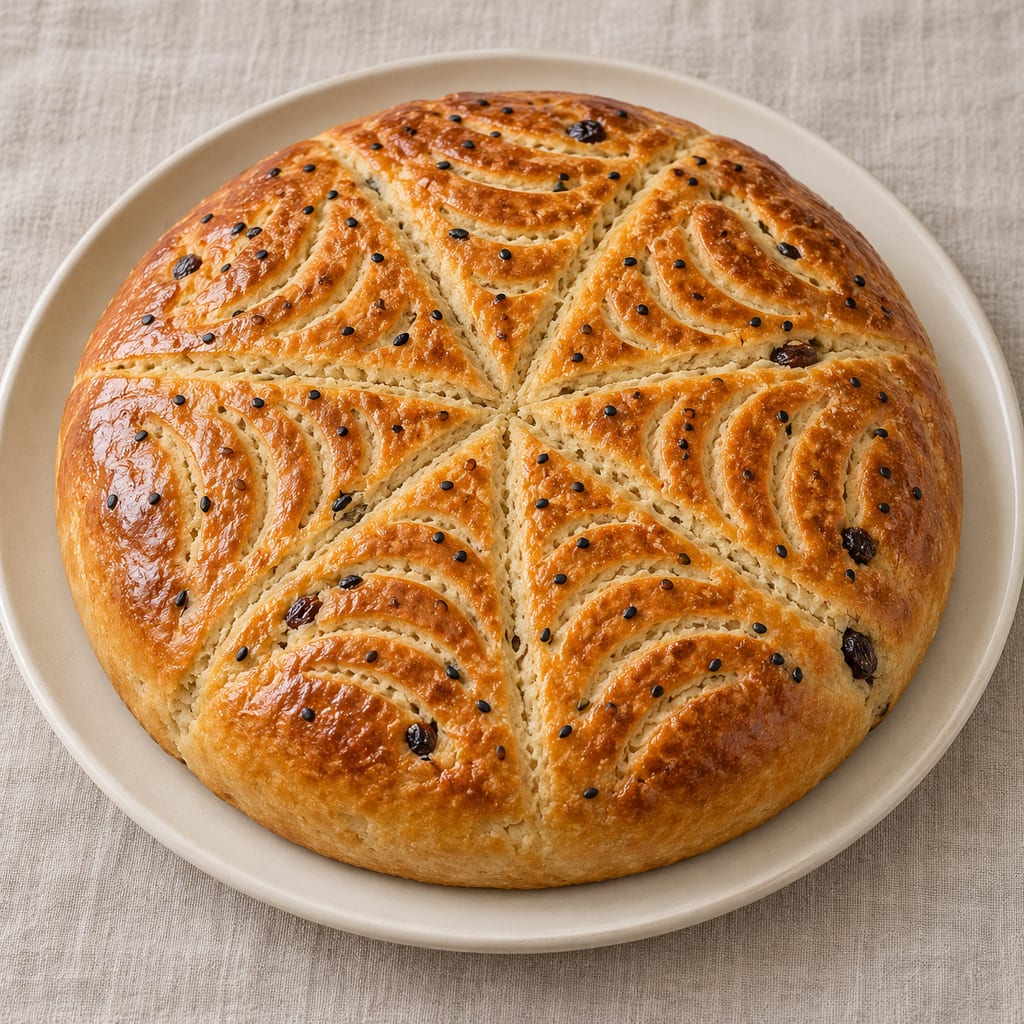
A round, mildly sweet wheat bread leavened with baker’s yeast and marked with a wheel pattern. This source batch uses raisins, black sesame and cardamom.
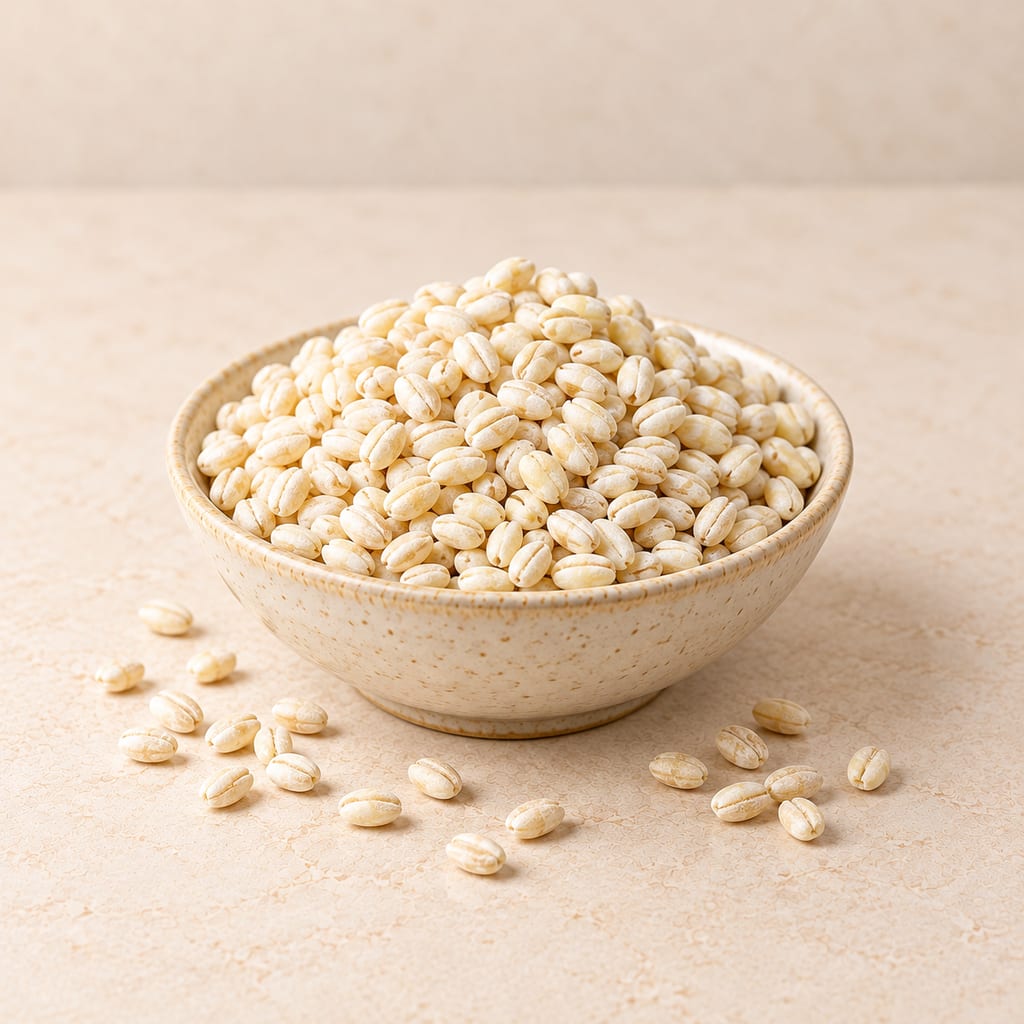
Barley is a hardy cereal, domesticated in the Middle East over 10,000 years ago, eaten whole, pearled or milled, malted for brewing, and grown with koji mold for barley miso.
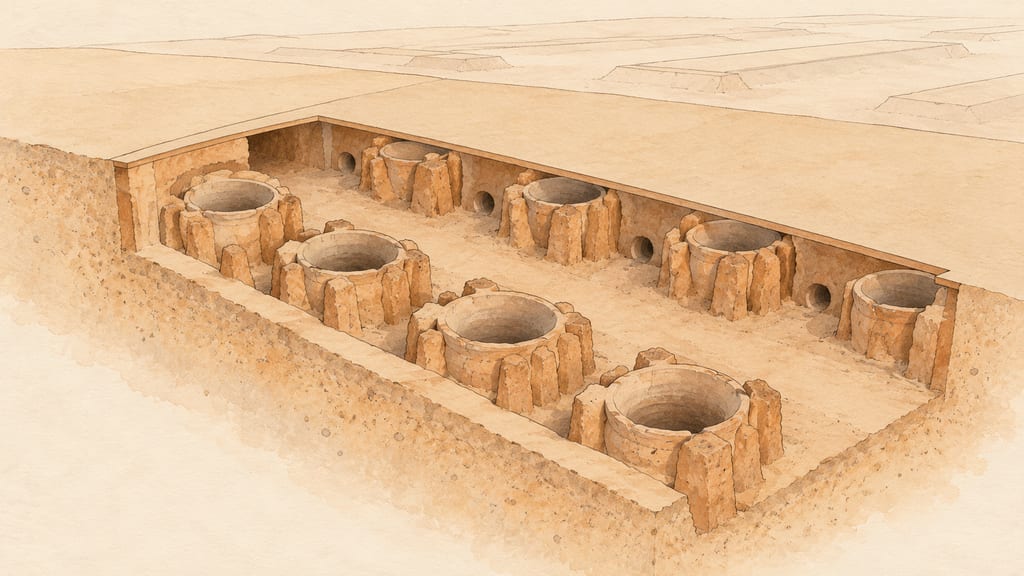
At North Abydos in Egypt, a fixed early Dynastic brewery comprised parallel semi-subterranean installations with rows of ceramic mash vats; excavation reports revise their number, scale and estimated batch capacity.
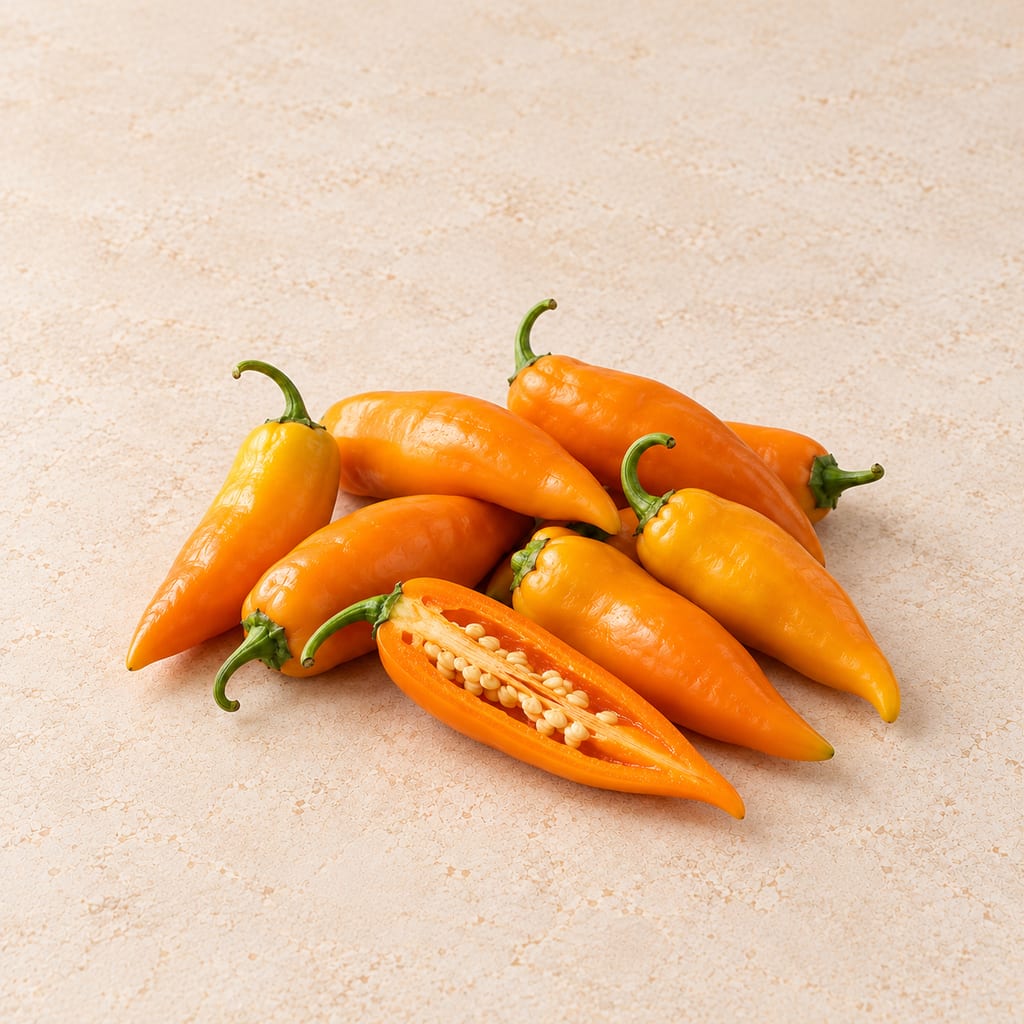
Ají amarillo is the orange-yellow Peruvian chilli cultivar group of Capsicum baccatum, used to colour and season huancaína sauce and ají de gallina. Published heat estimates do not establish one range for the named cultivar.

Toasted almonds are whole sweet almond kernels dry-roasted until golden to brown. Heat replaces their marzipan note with a roasted, nutty one; they thicken and flavour romesco.

Kodiak salmon, halibut and cod cut as seg'aq and hung on an initaq rack to become tamuuq, with kac'amaasaq and kupcuunaq named as different results.

Aniseed is the dried ripe fruit of Pimpinella anisum, an aromatic Apiaceae spice commonly called a seed. It adds a sweet, warm aroma to breads such as Moroccan krachel and South African mosbolletjies, and is distinct from star anise.
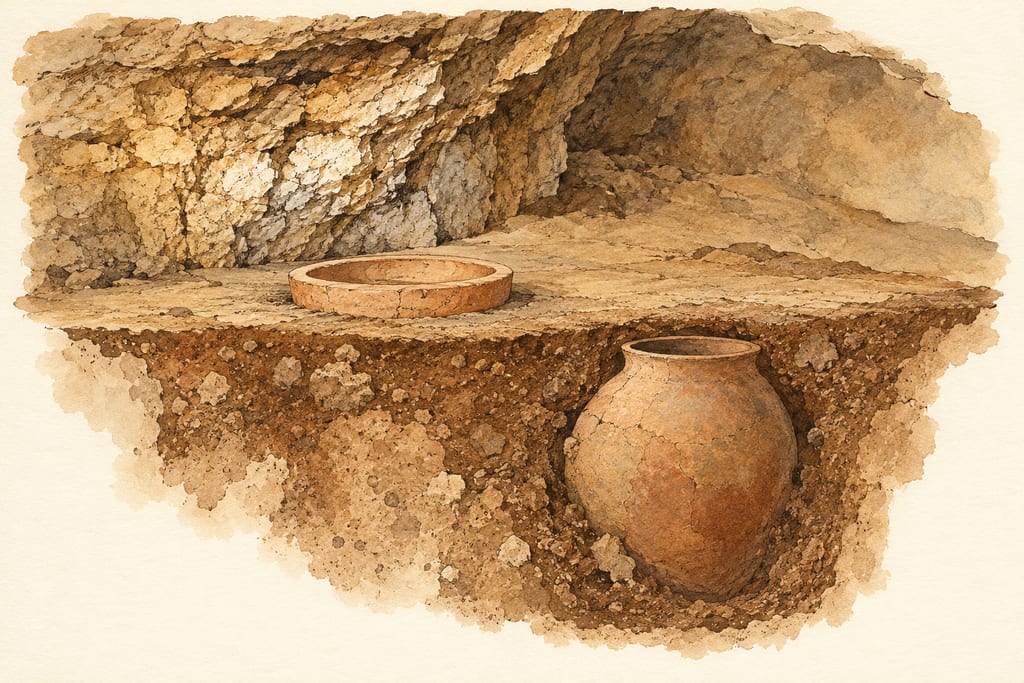
A fixed Late Chalcolithic installation in Areni-1 cave combined a shallow clay pressing basin with a large jar set into the cave floor and storage vessels nearby.

Ripe avocado flesh is the soft, buttery, fat-rich pulp of Persea americana, eaten raw. It is low in acid, so it is a fresh ingredient that needs care in chilled dishes.
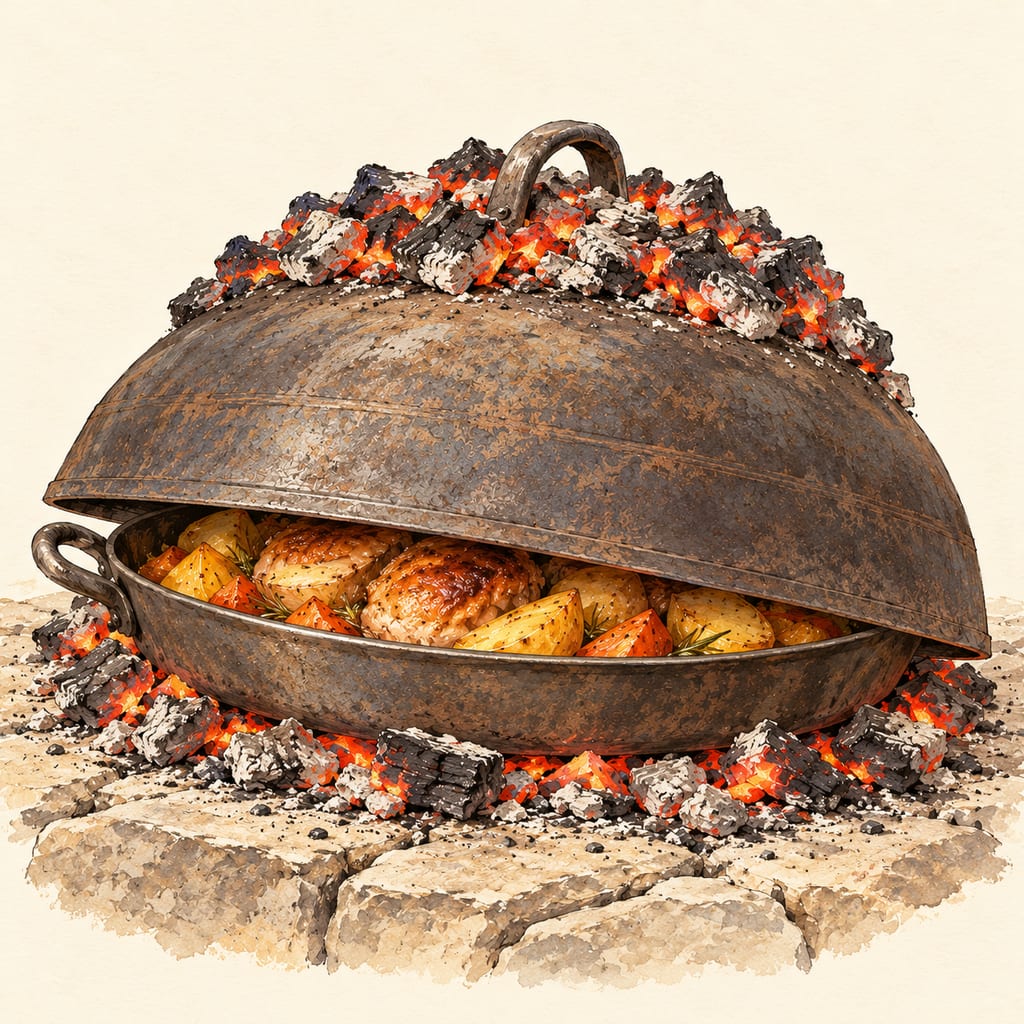
A portable dome and pan used over a hearth, with embers on the lid and heat from below. Regional peka and saç forms share this principle while differing in materials, pan shape and how the food is cooked.
No community contributions have been published for this entry yet.
Sign in to contribute. Published comments and photos are free to read.
S. O. Beeton; 1861 bound edition, digitized text at Project GutenbergPrimary historical cookbook · Historical food use attestation · Method source
The Book of Household ManagementRecipe 1819 specifies two pounds of raisins stoned and chopped in ginger wine, added next day to a dry cask with strained lemon juice after boiling and cooling the ginger liquor and adding yeast.
Beeton gives period accounts of the raisin grape, Valencian cookery raisins, Muscatels, Corinth currants and Sultanas, and names Valencia, Malaga, Provence and Smyrna as sources.
The unrivalled plum-pudding uses 1.5 lb Muscatels and 1 lb Sultanas and boils six to eight hours; recipes 1324-1328 use raisins with currants; cutting directions vary between stoned halves and chopping.
Raisin wine is used in jelly, charlotte, flummery, moulded pears and trifle; it can replace sherry or brandy in a jelly; in the trifle, raisin wine is an alternative in the whipped topping.
Beeton describes sun- and oven-drying grapes and a period wood-ash liquor with olive oil treatment.
Recipe 1337 gives a plain boiled raisin pudding: 1 lb flour, 1/2 lb stoned raisins, 1/2 lb chopped suet, salt and milk; boil for 4 hours.
Recipe 1571 uses 1/4 lb Muscatel raisins, stoned and combined with sugar and brandy in orange salad served with sliced oranges and juice; serves five or six; November to May.
Cited in: A grape made to keep; Grape drying in the ancient calendar; Different grapes, different raisins; Sun, oven, and the dried berry; From pudding to the wine cask; Raisins in a ferment; Stoning, chopping, soaking; Choosing and keeping them
Henry G. Bohn, London; Project Gutenberg e-textPrimary ancient text in translation · History · Historical processing and beverage use
The Natural History of Pliny, Volume 3, Book XIV, chapter 11Pliny describes passum from grapes dried in sun or heated in oil; one procedure dries berries until slightly more than half their weight remains, gently presses, and makes a second-quality drink from the marc with well water.
He describes removing stalks from dried grapes, soaking them in excellent wine until swollen, then pressing; also notes preservation of grapes in vessels and must.
Book XIV chapter 11 ranks Cretan raisin-wine first, followed by Cilician and African wines in Italy and nearby provinces; it describes stalk removal, soaking raisins in excellent wine until swollen, then pressing.
Cited in: A grape made to keep; Grape drying in the ancient calendar; Raisins in a ferment; Stoning, chopping, soaking; What is not settled
Theoi Classical Texts Library; transcription of Loeb Classical Library textPrimary ancient text in translation · History and harvest calendar
Hesiod, Works and DaysLines 609–614 instruct harvesting clusters by seasonal celestial signs, exposing them to sun for ten days, covering for five, and drawing off the gifts of Dionysus on the sixth day; the passage links dried grapes with sweet wine production.
Cited in: A grape made to keep; Grape drying in the ancient calendar; What is not settled
USDA Agricultural Marketing Service, Specialty Crops Inspection DivisionGovernment standard · Identity and forms · Processing categories · Quality terminology
United States Standards for Grades of Processed RaisinsDefines processed raisins as dried Vitis vinifera grapes and lists Thompson Seedless/Sultanina, Muscat of Alexandria, Muscatel Gordo Blanco, Sultana, Black Corinth and White Corinth.
Separates natural, dipped and vine-dried seedless, golden seedless, seeded forms, Sultanas, Zante currant raisins and mixed lots; describes cleaning, washing, seeding and moisture measurement.
Defines sugared raisins and lists them under allowances for defects with maximum counts by grade.
Cited in: A grape made to keep; Different grapes, different raisins; Choosing and keeping them
International Organisation of Vine and WineInternational technical recommendation · Agricultural process and drying science
OIV Good Practices for Dried Grape Production Systems, Resolution OIV-VITI 522-2016Explains waxy bloom and cuticle resistance, water movement through berry tissues and humid boundary air; identifies Sultanina/Sultana/Thompson Seedless and Corinth varieties among common drying grapes.
Describes sun, rack, dry-on-vine and dehydrator systems, and alkaline oil dip; untreated rack drying averages 3–5 weeks versus 7–14 days for treated grapes in its described context.
Cited in: A grape made to keep; Why the berry dries slowly; Sun, oven, and the dried berry; Choosing and keeping them
Metabolites, 11(5), article 318; MDPIPeer reviewed review · General dehydration science, explicitly scoped to wine grapes
Postharvest Water Loss of Wine Grape: When, What and WhyWater loss concentrates sugar and extractives; reviewed studies report changes in aroma precursors, volatile compounds, phenolics, anthocyanins and organic acids that vary with cultivar and dehydration conditions. No single profile is assigned to all table raisins.
Cited in: Why the berry dries slowly
Utah State University Extension, Preserve the HarvestUniversity extension guidance · Home drying and handling context
How to Preserve GrapesSelect ripe, sweet, sound grapes; extension directions crack skins to speed drying and describe an acidic pretreatment for that home-drying method. It gives 4.5 pounds fresh grapes per pound raisins and 24–48 hours drying as method-specific approximations; these quantities and timings are intentionally not stated in the reader text because they do not describe packaged raisins or Beeton's wine process.
Its best-quality table lists 18/9/5 months for non-vacuum-packed raisins and 36/18/9 months for vacuum-packed raisins stored at 40/70/90 degrees F, respectively.
Cited in: Why the berry dries slowly; Choosing and keeping them
The Microbiologist (news report on Hio and Hashimoto, Scientific Reports, 25 November 2025)Fermentation
Festive cheer: soaked raisins ferment to turn water into wineGrapes dried for 28 days by incubator, sun or both, then soaked in water in bottles at room temperature for two weeks; three samples per method
All three sun-dried samples fermented with significantly higher ethanol; only one incubator and two combination samples did; Saccharomyces cerevisiae identified
Most store-bought raisins have an oil coating which prevents fermentation
Cited in: Raisins in a ferment