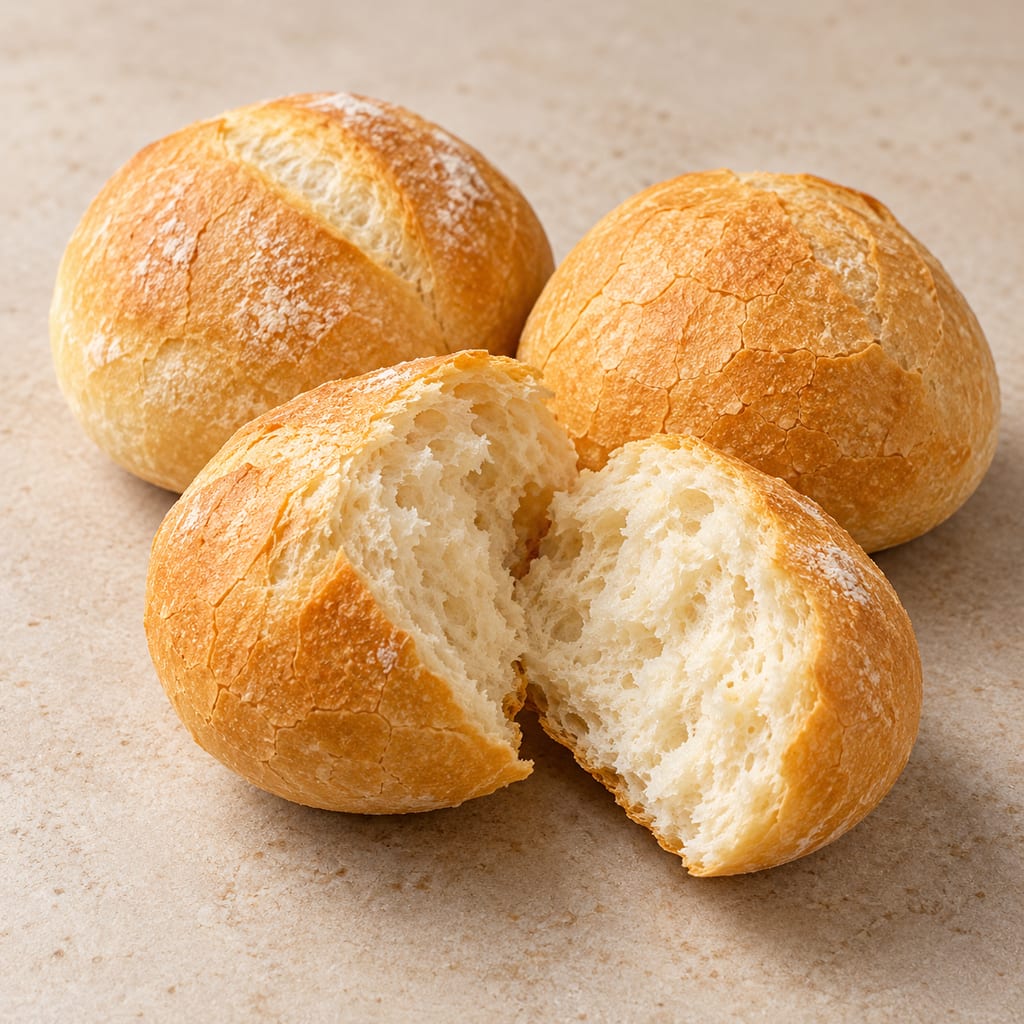
Belgian pistolet
A crisp Belgian roll made from a supplier’s Croc-flour dough, mixed by hand or machine, proofed in rounds and baked with steam.
 FermenteaWhere food goes to change
Modern method
kramiek · Belgian sweet raisin bread
A tender Belgian wheat loaf enriched with milk, butter and egg, with raisins scattered through the crumb. Cramique is sliced for breakfast or a snack, often with butter, jam or chocolate cream.
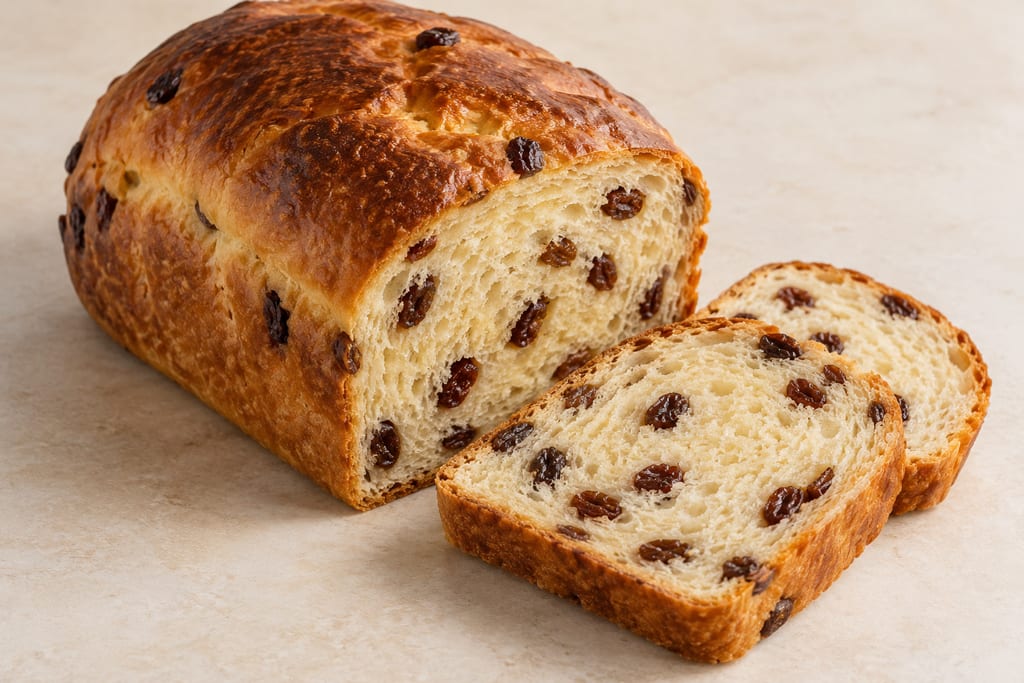
Cramique is a soft, mildly sweet wheat loaf whose defining feature is a generous scattering of dried fruit through an enriched dough. In the Belgian form described by the historical literature, white wheat flour is enriched with milk, butter and sugar and filled with raisins, then baked as a substantial loaf that is cut into slices. A good slice holds together but is tender enough to bite easily; butter is a familiar accompaniment. The 2015 European Union recipe sheet gives one domestic version with milk, egg and butter in the dough and a very high proportion of raisins. It calls the loaf a breakfast or snack bread and suggests butter, jam or chocolate cream at the table.
Descriptions such as brioche-like are useful for its tender, rich crumb, but cramique occupies its own regional place among Belgian breads. It is not simply a French brioche with fruit added, and it is not a lean loaf in which raisins are an occasional inclusion. Its identity rests on the balance of wheat dough, dairy and egg richness, modest sweetness, and fruit distributed through the loaf. The precise enrichments vary between recipes: some use egg, some lean on milk and butter, and some add coarse sugar. This page keeps the EU-at-Expo one-loaf formula intact rather than combining those recipes into a single composite.
The history of the word and the history of the present bread should not be collapsed into one origin story. Linguist Marie-Guy Boutier describes the modern Belgian sense of cramique or kramiek as a white-wheat bread enriched with milk, butter and sugar and filled with raisins. The earliest attestation she identifies for that meaning is in a Brussels collection of language errors published in 1831, where the word was treated as a nonstandard name. The term spread through French-speaking Belgian regions around and after the First World War; in some Flemish areas, kramiek in this bread sense may itself have been borrowed. This evidence dates a recorded usage, not the invention of the loaf.
Older medieval forms resembling cramiche and cremmiche appear in texts from Reims and Nivelles, but the medieval word had a different and disputed sense, and it is not established that such an item was the raisin bread known today. A tentative derivation from Middle Dutch is offered. A recognisable modern Belgian bread name is documented by the nineteenth century, while the deeper ancestry of the word remains unresolved. No origin date is assigned.
This cramique is a yeast-raised bread, not a sourdough and not a deliberately acidified ferment. Baker’s yeast uses available sugars in the moist dough and releases carbon dioxide as it metabolises them. Gas expands within the dough, while hydrated wheat proteins develop into gluten: a stretchy network that retains many of the bubbles long enough for the loaf to rise. During baking the dough structure sets, gas expands and escapes, and alcohol produced during fermentation is largely driven off. Those are general breadmaking mechanisms; the recipe sheet does not identify a yeast strain, measure gas production or report a laboratory study of cramique.
Enrichment makes the dough more tender and changes how it handles. Milk, egg and butter bring water, fat, protein and flavor alongside the flour. Sugar sweetens the loaf and can contribute fermentable food, but the recipe contains much less sugar than a cake and still depends on yeast fermentation for its lift. Salt seasons the crumb. Raisins contribute sweetness and pockets of concentrated fruit flavor, while their weight and stickiness make them easier to distribute after the dough has begun to develop. The EU directions add them after the first rise is under way; a separate professional recipe likewise waits until the dough is mixed before adding raisins and coarse sugar. These examples support late incorporation as a practical way to avoid crushing fruit during the main kneading, not as a chemical requirement unique to cramique.
The source formula uses 430 g flour, 220 g milk, 85 g butter, 55 g egg, 45 g sugar, 5 g salt and 250 g raisins. In baker’s percentages, calculated against the flour weight, that is about 51% milk, 20% butter, 13% egg, 10% sugar, 1.2% salt and 58% raisins. This is a fruit-rich loaf: the dried fruit weighs more than half as much as the flour. Those ratios help explain why gentle folding and even distribution matter. The source does not identify a flour protein level, a raisin variety, the milk’s fat level or a target dough temperature, so none is prescribed here.
Wheat flour supplies starch and gluten-forming proteins. Mixing and kneading hydrate and align those proteins so the dough can stretch around yeast gas; too little development gives a weak framework, while aggressive handling after the fruit goes in can break raisins and smear them through the dough. Milk and egg make the dough richer than a lean bread. Butter softens the eating texture and contributes dairy aroma; sugar gives mild sweetness and helps the crust brown. Salt sharpens flavor and moderates yeast activity in ordinary bread dough. Raisins are the main flavor signature rather than a garnish. If using the fresh yeast option, the sheet gives 25 g; if using bread-machine yeast it gives 9 g. These amounts are alternatives, not ingredients to combine. The source does not identify the latter as active-dry, instant or another standardized formulation, so retain its label and do not infer an interchangeable dose for other yeast products.
The EU formula begins by mixing yeast with milk, egg and sugar, while flour and salt are combined separately. The wet and dry mixtures are then brought together, rested for ten minutes and kneaded. The short rest gives the flour time to absorb liquid before sustained kneading; kneading then develops the elastic dough needed to retain fermentation gas. The recipe allows ten minutes by hand or about six minutes with a processor and dough hook. These are source-specific times, and the sheet does not define a windowpane test or dough temperature.
The first rise is specified at 31°C for thirty minutes, or until the dough is nearly doubled. The raisins are folded in near its end, after the dough has had time to develop. The dough is then flattened and folded, shaped and placed on a silicone mat or in a greased loaf tin. Shaping collects the dough into a loaf with a continuous outer surface; a tin supports a soft dough and gives a regular sliceable form. A second covered rise at 30°C lasts about 45 minutes or until the loaf is nearly doubled. The method uses both clocks and visual growth, but the visual cue is the more useful one when room conditions differ. The stated temperatures and durations are baking instructions from one sheet, not food-safety limits or guarantees that every kitchen will reach the same volume on schedule.
Before baking, the loaf is brushed with egg wash or milk. The source’s detailed method calls for a conventional oven at 190°C and about forty minutes, until dark brown and hollow-sounding when tapped; its summary elsewhere says thirty minutes. That internal inconsistency cannot be resolved from the sheet. Check the loaf’s color and structure and record what your oven actually does rather than treating either number as universal. Removing the loaf from its tin and cooling it on a rack lets steam escape instead of leaving the base trapped against a hot pan. The sheet supplies no validated internal-temperature endpoint or storage life.
The 2015 EU sheet places cramique in Flanders, Wallonia and Brussels. Boutier’s account adds a linguistic map: the modern bread sense became established in Belgian French, with Brussels central to its diffusion, while the Dutch kramiek form in some Flemish areas may have travelled across the language boundary. The archived bread atlas also places the loaf in neighboring northern France. These are distribution statements, not proof of a single birthplace or of one recipe shared identically in each place.
The most useful comparison is with craquelin. Le Soir describes the Belgian distinction as a related enriched dough in which raisins identify cramique while pearl sugar identifies craquelin. The sugar softens and partly melts during baking, giving a sweet, sticky texture rather than the fruity pockets of cramique. The two names can be blurred by bakery and recipe usage: La Grande Épicerie labels a loaf cramique while its formula includes coarse sugar alongside raisins. That formula is a documented modern variation, not a reason to silently add pearl sugar to the EU recipe. A reader following the recipe here should make the raisin loaf; adding large sugar pieces changes the finish and brings it closer to the neighboring sweetened style.
Other regional or historical versions may use currants, different proportions of dairy, different loaf shapes or alternative leavening. The sources consulted do not establish a single canonical household formula across Belgium, nor do they justify combining all of those choices into the measured EU batch. The separate RTBF and La Grande Épicerie recipes show that ingredient order, butter incorporation and proofing can differ while the bread remains recognisably cramique. They are useful comparisons, not hidden corrections to the source formula.
Cramique is built for slicing. Boutier notes the familiar Belgian practice of eating it in buttered slices, and the Expo recipe presents it for breakfast or a snack with butter, jam or chocolate cream. A plain slice shows the balance most clearly: a soft buttery crumb, mild sweetness and raisins distributed through each bite. Toasting is a practical way to warm a slice and crisp its edges, though it is a household serving choice rather than a step in the source recipe. Unlike a dessert cake, cramique is not defined by icing or a heavily sugared crust; the fruit provides much of its sweetness.
The loaf also illustrates how an enriched bread can move between bakery counter and home table. It can accompany coffee or tea, be served as a breakfast bread, or be cut for an afternoon snack. The raisin-rich interior makes each slice flavorful without a filling, while butter or jam adds moisture and sweetness according to taste. It is not necessary to add extra fruit, spices or pearl sugar to make the bread complete. Such additions may be enjoyable but would create a personal variation rather than reproduce this batch.
Commercial product advice should not be transferred uncritically. PAUL’s page describes its own packaged cramique and recommends eating that product on the day of purchase; it does not test this home formula. The EU sheet does not give a shelf life or storage conditions. This recipe therefore makes no promise about how many days a loaf remains fresh. Cool it fully before wrapping to avoid trapping heat and condensation; for longer keeping, consult reliable guidance for home-baked bread rather than applying a bakery product’s label to a different loaf.
The method’s most helpful cue is expansion: both rises are described as taking the dough close to double. A cool kitchen can slow yeast activity and a warm one can speed it, so the stated minutes should be read alongside the dough’s visible growth. A dense loaf may reflect insufficient expansion or weak gas retention; fruit tearing, uneven crumb or raisins concentrated at the bottom can follow from late or rough incorporation, poor shaping, or a dough that is too soft for its support. These are ordinary breadmaking interpretations, not problems diagnosed in a controlled study of this recipe. The source offers no single remedial schedule, so change one variable at a time and keep notes.
The sheet also leaves several practical details open: it gives no pan dimensions, loaf mass, flour grade, raisin variety, milk specification, dough temperature, oven calibration or validated scaling rule. The recorded yield is one loaf, and scaling all ingredients proportionally may be a useful home experiment, but it is not a tested extension of the published batch. The two yeast forms are alternatives with source-specific weights. Different brands and yeast types can behave differently, so do not substitute a dose from another recipe without checking that product’s directions.
Finally, the sensory and historical record has limits. Sources describe a rich, raisin-filled bread and customary serving, but they do not document one exact crumb moisture, aroma profile or keeping time for this batch. The word’s older medieval relatives remain debated, and the nineteenth-century attestation does not establish when the bread first appeared. A careful cook can still make a satisfying loaf while keeping those uncertainties visible: follow the measured formula, use its rise cues, preserve the distinction from craquelin and treat the named oven time as a starting observation rather than a validated endpoint.
The modern Belgian bread sense is attested in a Brussels language collection of 1831; the term spread in Belgian French around and after the First World War. Earlier medieval forms resembling cramiche/cremmiche had disputed meanings and do not establish the origin of the present raisin loaf.
Yield 1 loaf · Scaling: source batch only
The EU recipe sheet gives no storage advice. PAUL's same-day advice applies to its own commercial 400 g product and is not a validated storage limit for this loaf.
The source's proof and bake temperatures are recipe directions, not validated safety controls.
The EU-at-Expo sheet says cramique is found in Flanders; it does not establish an origin.
The EU-at-Expo sheet says cramique is found in Wallonia; it does not establish an origin.
The EU-at-Expo sheet includes Brussels in its distribution statement; it does not establish an origin.
A crisp Belgian roll made from a supplier’s Croc-flour dough, mixed by hand or machine, proofed in rounds and baked with steam.
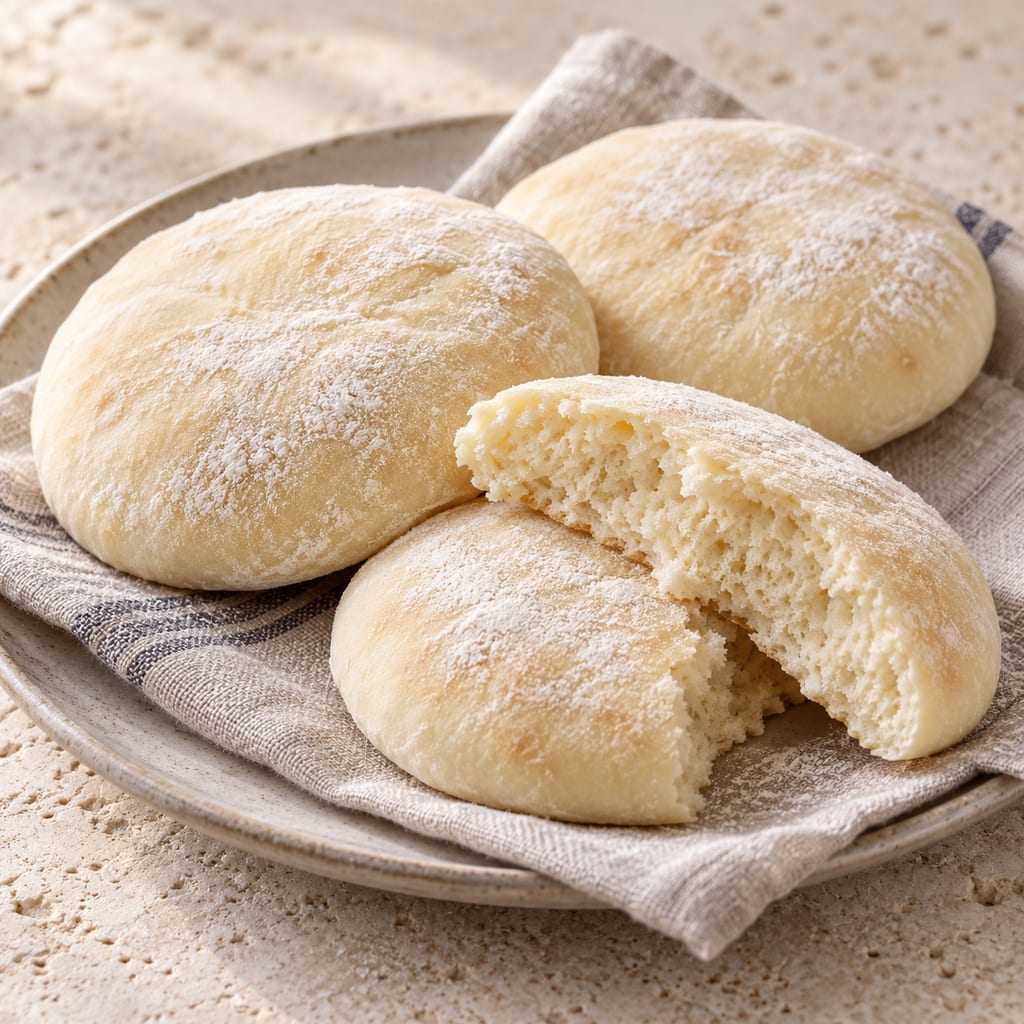
A pale, softly baked, low-profile bread associated with northern France and Tournai. This source-specific household method makes four large faluches; it differs from older accounts of leftover bread dough baked during communal bread baking.
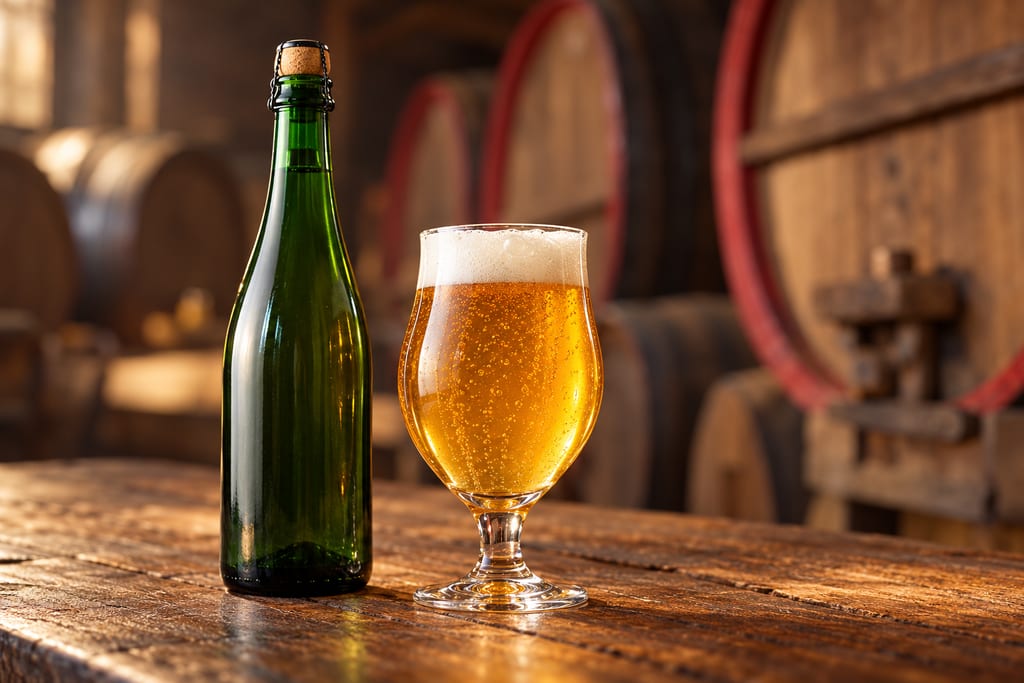
Belgian beer blended from young and mature spontaneously fermented lambics, then refermented in the bottle to natural carbonation. The recipe follows a 2,600-litre blend studied in 2024.
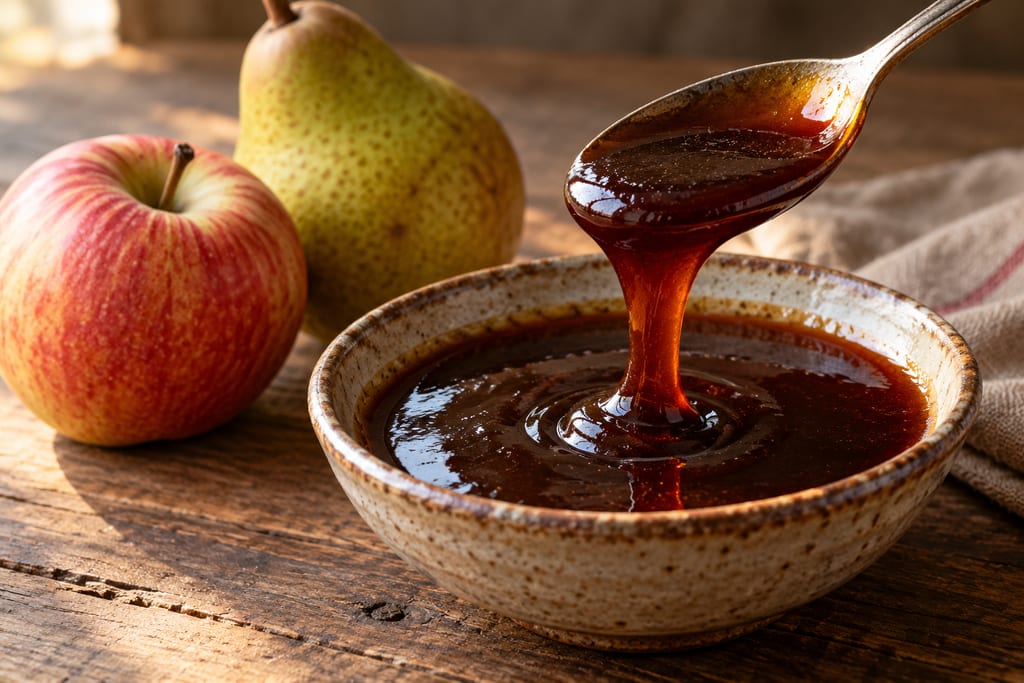
Limburgse stroop is a regional family of cooked fruit syrups from Dutch and Belgian Limburg. Producers blend apples, pears and beet differently, so no single formula exists.
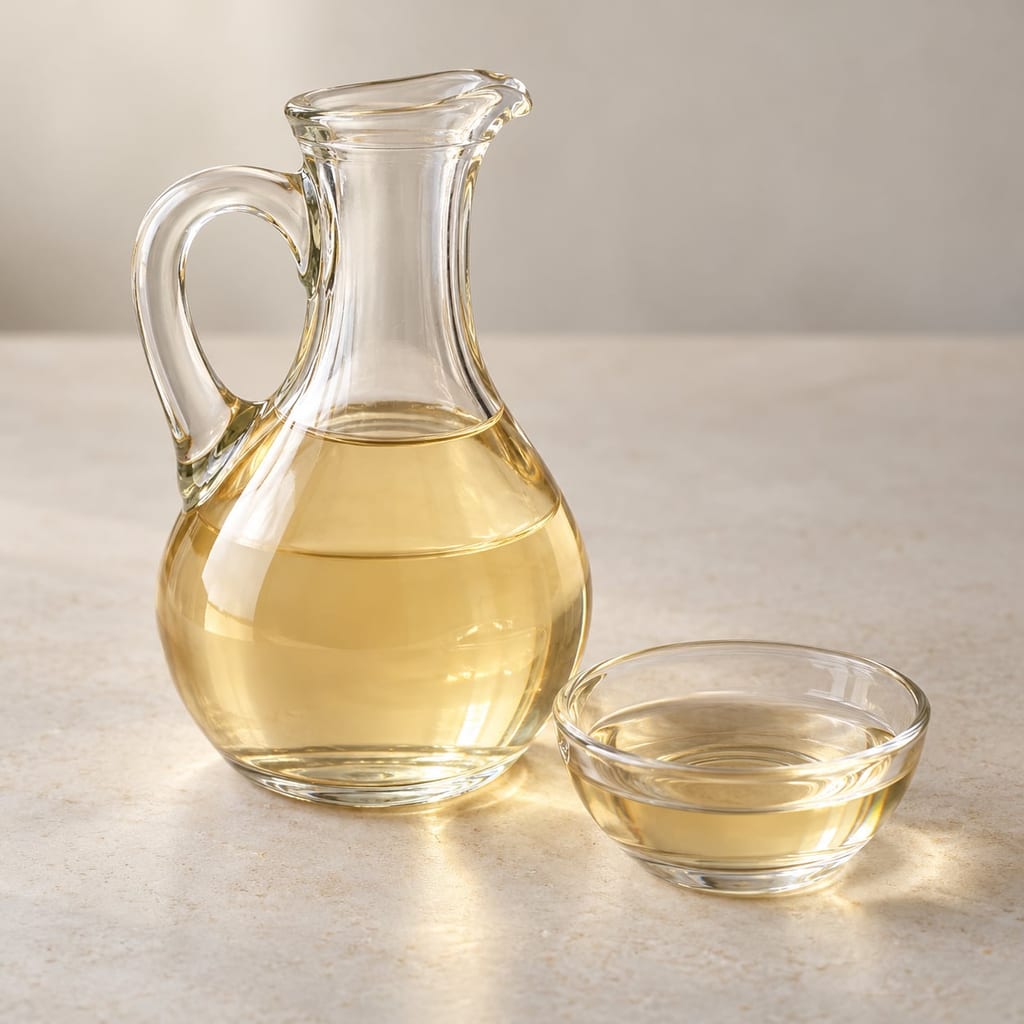
Vinegar made by fermenting the lactose of cheese whey to alcohol with a Kluyveromyces yeast and then to acetic acid; sold in Switzerland as Lactavinaigre from the 1950s.
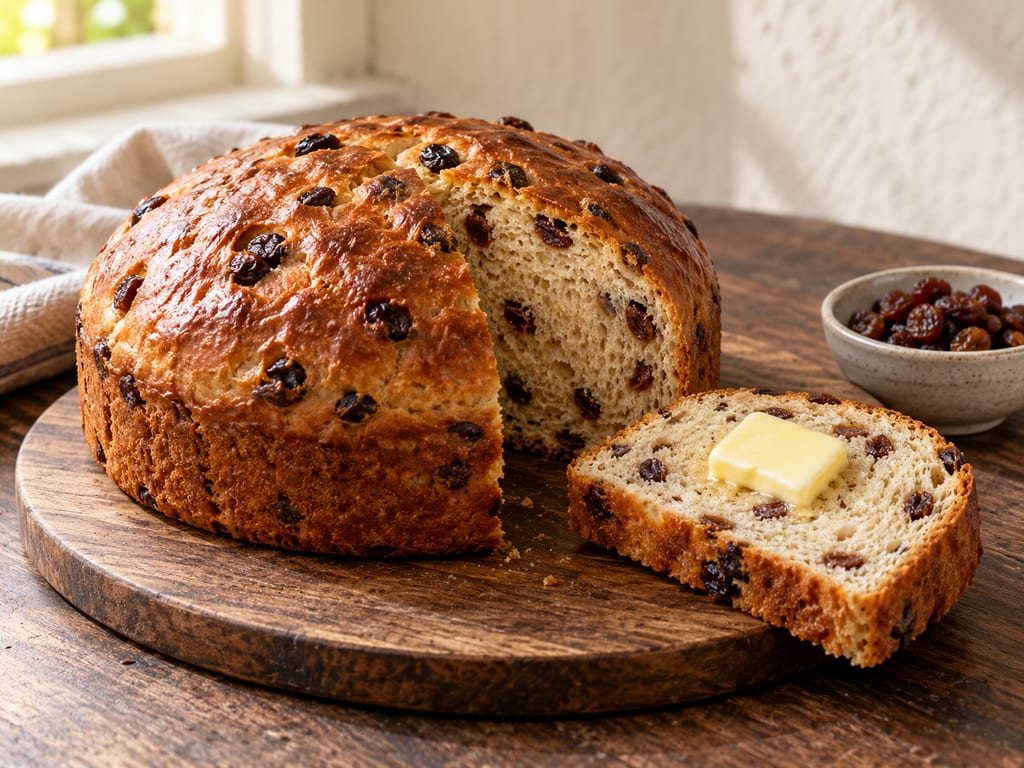
An Irish fruit-studded yeast loaf, associated in a contemporary cultural account with Halloween and often served fresh or toasted with butter.
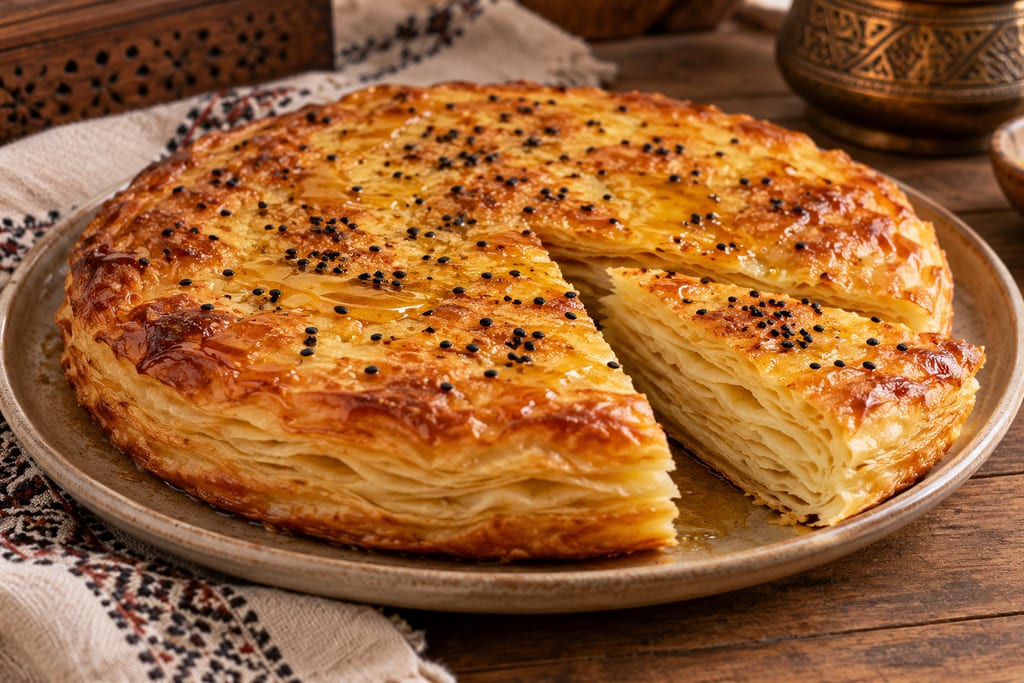
Bint al-sahn is a Yemeni celebration and home bread built from thin, egg-rich yeast dough layers brushed with ghee or butter. This source-specific version makes one round cake, baked until golden and served warm with honey.
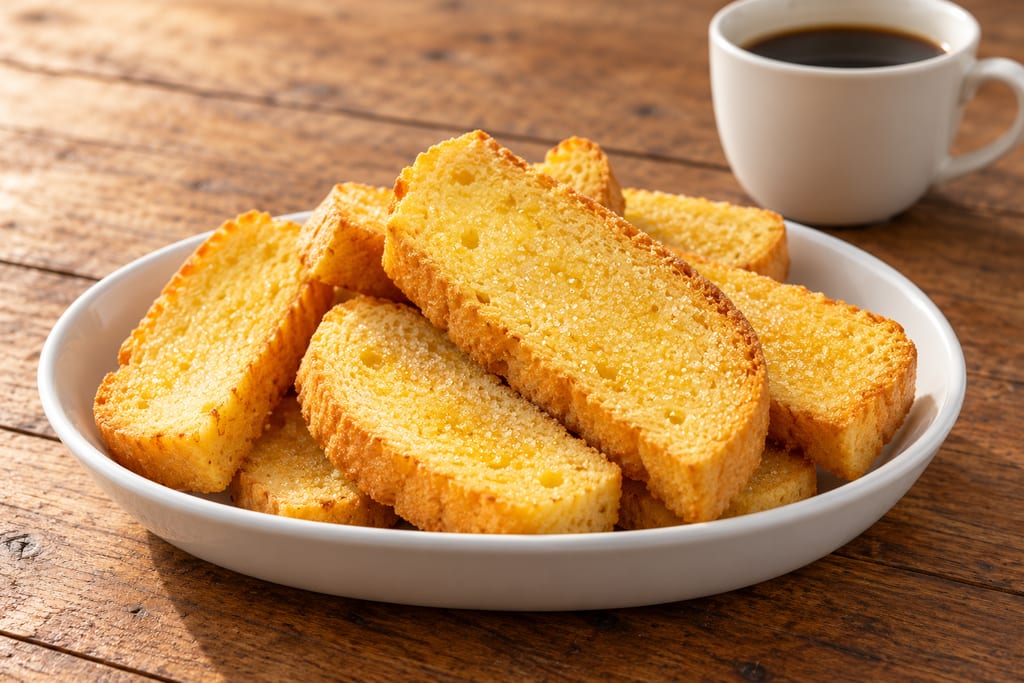
PagkainPinoy’s 24–30 piece version twice-bakes day-old soft bread with a thin butter-and-sugar coating.
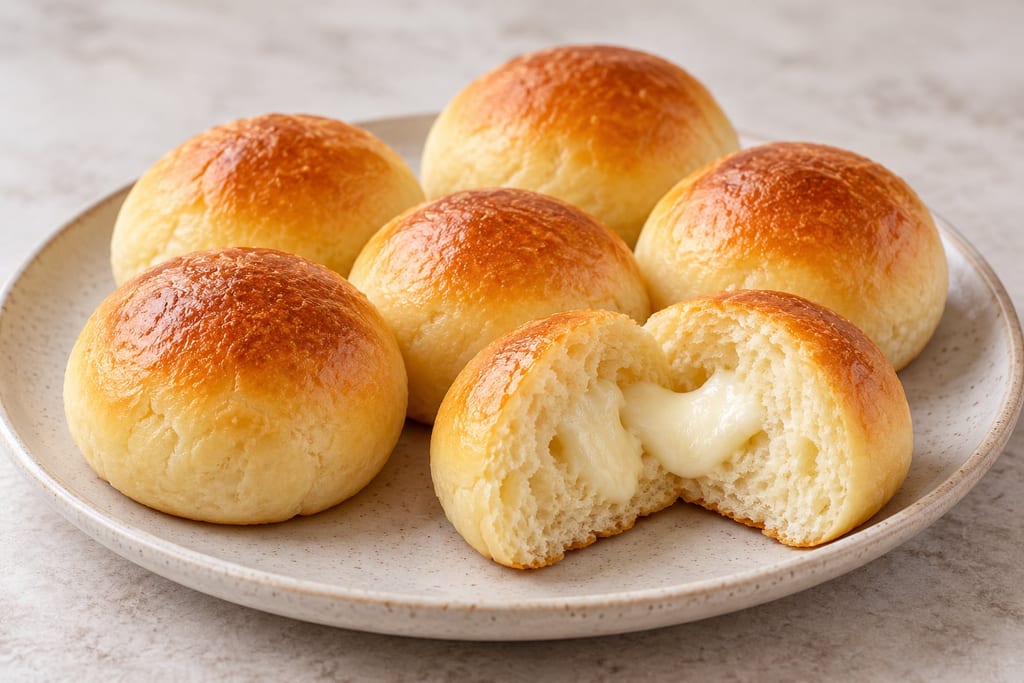
Soft Brazilian yeast rolls use cooked mashed potato in an enriched dough, with mozzarella cubes enclosed before baking.
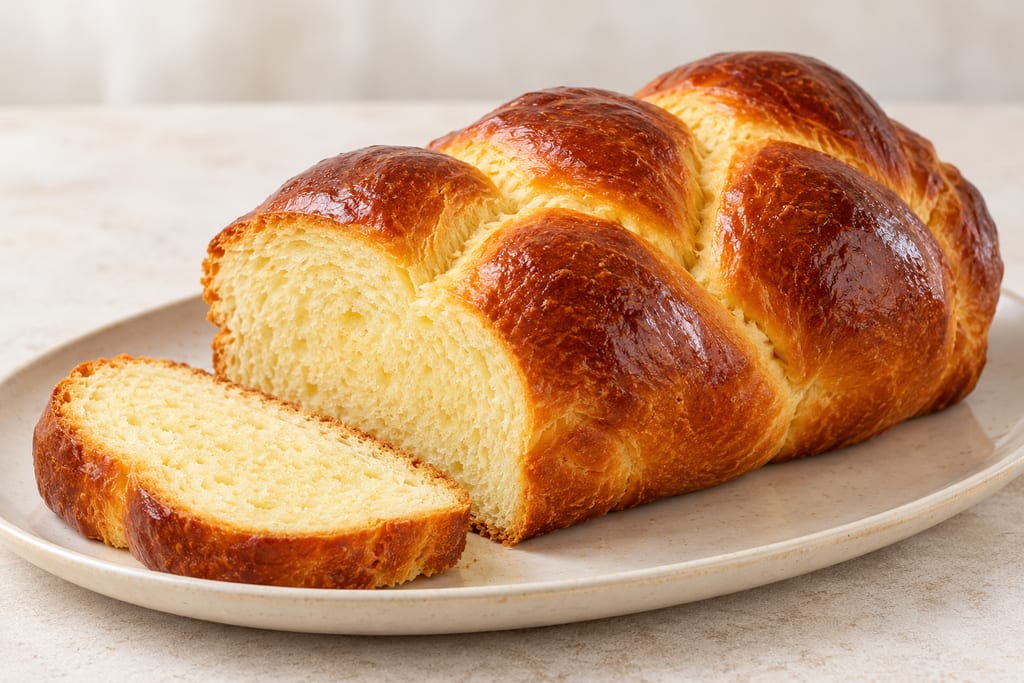
An egg-and-butter-rich yeast dough shaped as one round loaf, two loaves or twelve small brioches, with baking paths that vary by shape.
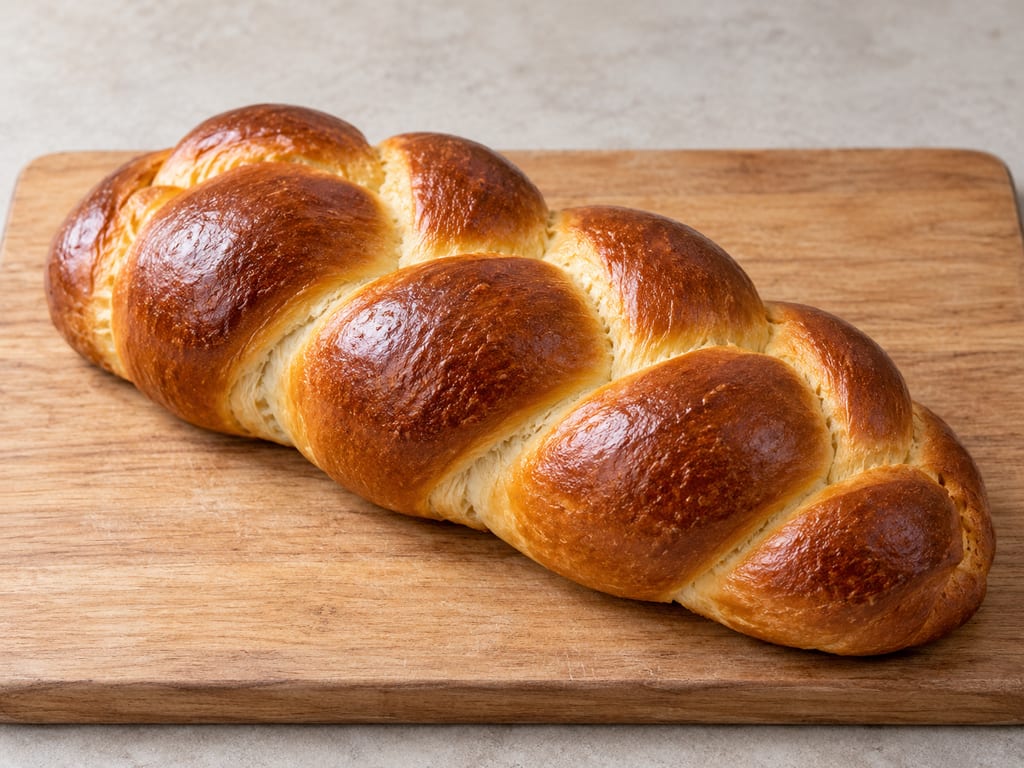
A three-strand yeast-raised challah with flour, salt, yeast, water, neutral oil, honey and egg, based on a Jewish Museum Vienna home recipe.
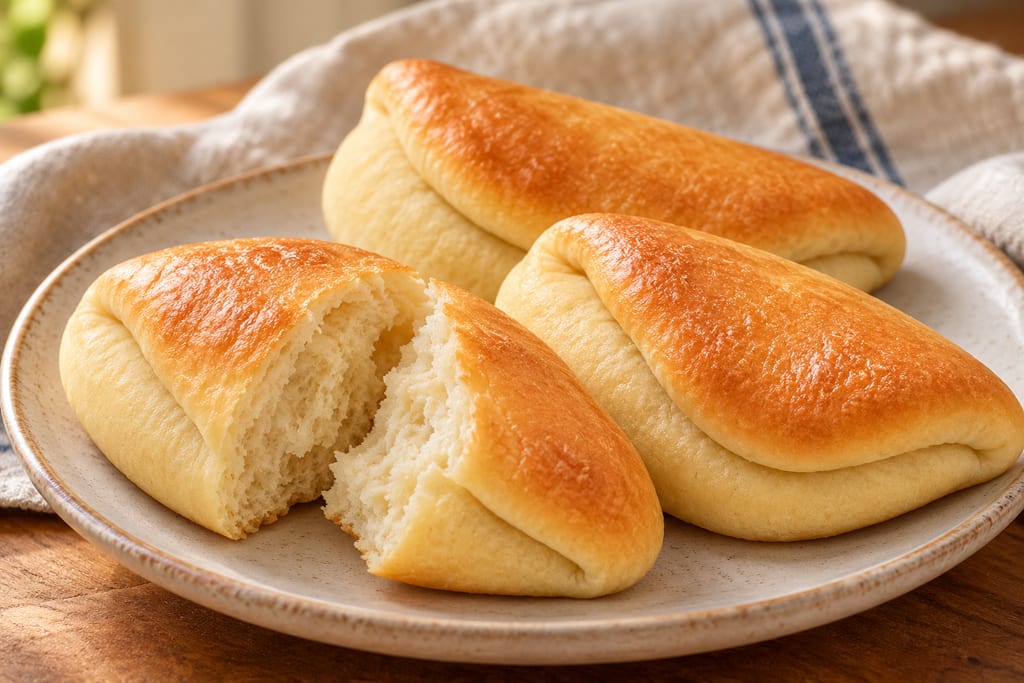
Jamaican-style folded rolls made from sweet coconut-milk yeast dough and brushed with butter.
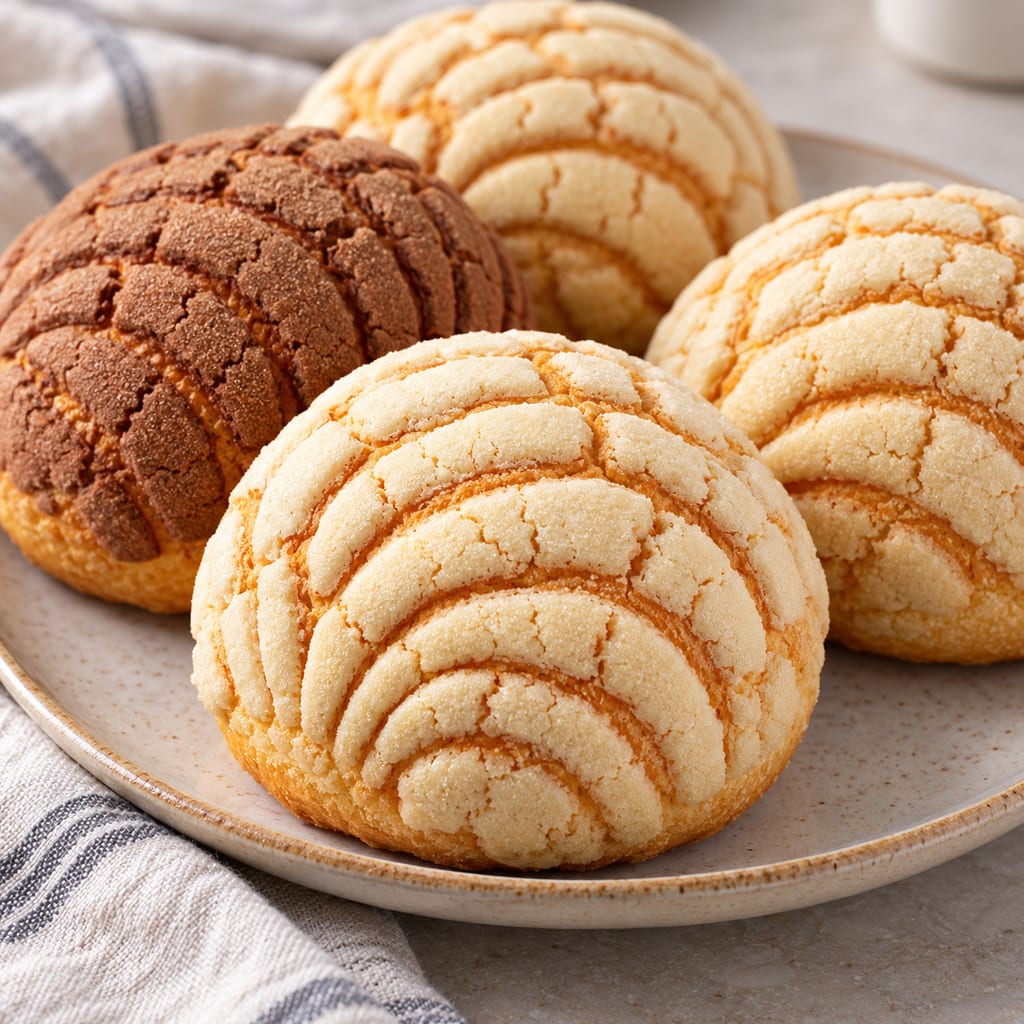
Mexican sweet rolls with a soft enriched yeast dough and a separate scored sugar-flour topping shaped like a shell. This version makes 15 rolls and uses a chilled dough rest before final proofing.

A Cap-Pelé boucanière is an Acadian herring-smoking building. The documented Willie Niles example is a one-storey wood-frame structure with a ridge smoke vent and interior bays for hanging fish-bearing cannes.

Achcharu is a family of Sri Lankan vinegar pickles made with mixed vegetables or seasonal fruit and a piquant spice dressing. This version is a quick, refrigerated, non-fermented mixed-vegetable pickle.

The acocote is a long, hollowed and dried gourd used to draw aguamiel from a mature maguey. It is a harvesting tool: the sap is transferred to a separate vessel before it ferments into pulque.

Adrak murabba preserves young ginger in sugar syrup, a sweet South Asian preparation recorded in Indian cookery and food-processing sources.

Parkia biglobosa seeds are fermented into regional West African seasonings, including nététou, iru, dawadawa and soumbala. The yellow fruit pulp is a separate food, and names and methods vary by place.

Japanese reddish-brown vinegar from sake lees matured about three years, turned to vinegar by acetic bacteria; the vinegar of Handa and Edomae sushi rice.

A refined common-wheat flour blended for a broad range of baking; its protein and behavior vary with wheat, milling and market.

The almond mushroom, Agaricus subrufescens, was cultivated in eastern North America in the 1800s, lost its market, and returned as a cultivated mushroom from Brazil, where it is grown under several names.
No community contributions have been published for this entry yet.
Sign in to contribute. Published comments and photos are free to read.
European Union, Expo Milano 2015Inspiration · Recipe · Geographic context
EU-at-EXPO-Milano-2015: Belgium Bread Recipe — Cramique/KramiekOne-loaf formula, yeast alternatives, method, stated proof and bake temperatures and times, regional distribution and serving context
Cited in: A Belgian raisin loaf; A word with two histories; How the loaf rises; What each ingredient contributes; Why the method has two rises; Regional names and neighboring breads; Serving and everyday use; Reading the dough and its limits
PAULCommercial product description · Storage advice
La cramique sucre et raisinsCommercial product uses and product-specific same-day advice; not used as a household recipe or validated storage limit
Cited in: Serving and everyday use; Reading the dough and its limits
RTBFRecipe · Method · Ingredients
La recette du cramique par CandiceBelgian recipe version uses wheat flour, yeast, milk, eggs, butter and raisins; supports the documented household formula and dough sequence.
Cited in: What each ingredient contributes; Why the method has two rises
La Grande Épicerie de ParisRecipe · Method · Variation
Cramique, pain brioché belgeA professional enriched dough incorporates cold butter after initial mixing; raisins and pearl sugar go in last; the dough rises then proofs, is egg-washed, snipped at the sides and baked at 170°C for about 30 minutes. This is a separate variant, not the EU formula.
Cited in: Regional names and neighboring breads
Le Soir / SoirmagIdentity · Use · Variation
Cramique, le copain du dimancheBelgian cramique is enriched wheat bread with egg, butter, milk, a little sugar and dried currants; craquelin uses the same type of dough with pearl sugar in place of currants; the article describes the Belgian distinction from foreign similarly named sweets.
Cited in: A Belgian raisin loaf; Regional names and neighboring breads; Serving and everyday use
New Mexico State University Cooperative Extension ServiceScience · Technique
Breadmaking, Guide E-206Yeast uses moisture, food and warmth and produces carbon dioxide and alcohol; the carbon dioxide raises dough while alcohol largely evaporates during baking; kneading hydrated wheat flour develops stretchy gluten that retains yeast gas. General bread science, not a study of cramique.
Cited in: How the loaf rises; What each ingredient contributes; Why the method has two rises; Reading the dough and its limits
Revue belge de philologie et d'histoire, 84(3), 2006, pp. 237–251History · Geography · Identity
L’étymologie de cramiqueThe paper distinguishes the modern bread sense from medieval lexical history; describes the current Belgian specialty as a white-wheat loaf enriched with milk, butter and sugar and filled with raisins, served in buttered slices; locates the earliest attestation of the modern sense in a Brussels collection of language errors published in 1831; traces the word's diffusion through Belgian Romance areas around and after the First World War and notes that kramiek in some Flemish areas appears to be borrowed.
Cited in: A Belgian raisin loaf; A word with two histories; What each ingredient contributes; Regional names and neighboring breads; Serving and everyday use