Vinagre de Montilla-Moriles
Protected Andalusian wine vinegar made by acetifying certified Montilla-Moriles wine, dry or sweetened with Pedro Ximénez or Moscatel must, and often aged in oak by solera or añada.
 FermenteaWhere food goes to change
Modern adaptation
Molkenessig · Molkenessig · Milchserumessig · Vinaigre de petit-lait · Vinaigre de lactosérum · Lactavinaigre · Lacta-Vinegar · Whey-based vinegar
Vinegar made by fermenting the lactose of cheese whey to alcohol with a Kluyveromyces yeast and then to acetic acid; sold in Switzerland as Lactavinaigre from the 1950s.
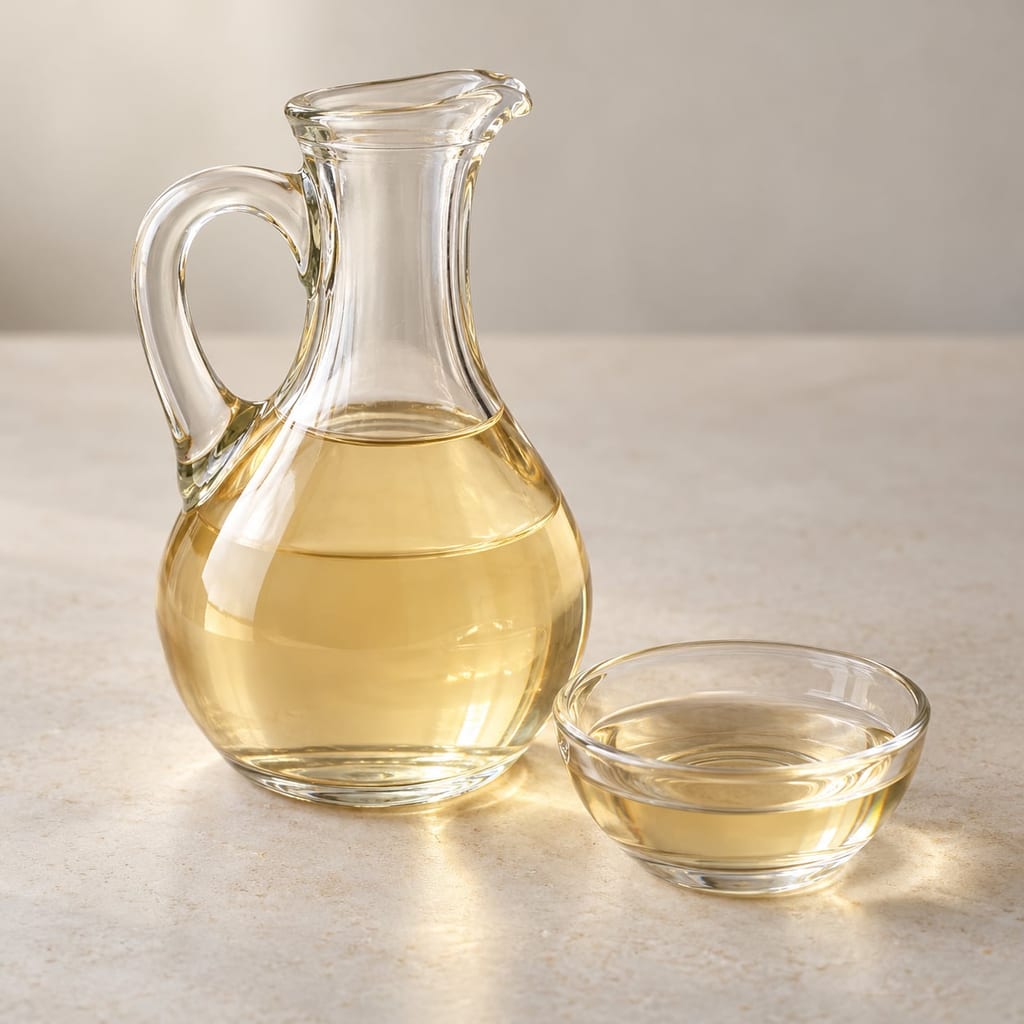
Whey vinegar is a vinegar made from the liquid left when milk is curdled for cheese. That liquid, whey, petit-lait in French and Molke in German, holds water, lactose, whey proteins, minerals and a little of the other milk constituents. A suitable whey is first fermented to alcohol, and acetic acid bacteria then oxidise that alcohol to acetic acid. It is a true fermentation vinegar and not ordinary vinegar mixed with whey.
The sugar in whey is lactose, a disaccharide of glucose and galactose. That is what separates it from apple, grape or malt vinegar. Most brewing strains of Saccharomyces cerevisiae cannot ferment lactose, so a whey vinegar needs a lactose-using microbe, a prior enzyme treatment, or a process designed for the job. Published work generally uses Kluyveromyces yeasts for the alcohol and Acetobacter for the acid.
Whey differs by cheese. Sweet whey comes mainly from rennet cheeses and starts at a higher pH. Acid whey comes from acid-curdled products such as some fresh cheeses and strained yoghurt and carries more lactic acid. Whey permeate is whey with most of the protein removed by membrane. Swiss law separates Molkenessig, from whey, from Milchserumessig, from milk serum or permeate.
Swiss shops sold such a vinegar in the 1950s under the name Lactavinaigre, made by Bourgeois Frères & Cie of Ballaigues from concentrated whey. It should not be mixed up with the later Japanese lacto-vinegar, which uses koji and Zymomonas mobilis. Flavour depends on the whey, the cultures and the method: a Japanese study described a yellow, slightly green vinegar with a faint milky smell and a mellow sourness, and a South Tyrolean producer describes a mild vinegar made by a first fermentation followed by vinegar cultures.
It stays a dairy product. Fermentation lowers lactose but does not guarantee that milk protein is gone, so whey vinegar is not vegan, not dairy-free and not automatically suitable for milk allergy. Swiss law treats it as its own vinegar type, with acetic acid present in greater quantity than lactic.
People have used whey for food, drink and feed for centuries, but eating whey is not the history of acetic whey vinegar. Older European texts sometimes call spontaneously soured whey Molkenessig even when the souring was mostly lactic. An 1860 German encyclopedia describes making a weak whey vinegar by adding vinegar mother to whey. That shows the name and the idea, not that the result met a modern definition of fermentation vinegar.
A more specific trail is Swiss. A pharmaceutical-history article of 2018 credits the first Lactavinaigre to I. Bourgeois in 1914, citing a 2003 presentation by J. F. Bourgeois, so it is a retrospective claim and the 1914 record has not been seen. The article also describes a medicinal Lactavinaigre tied to Paris laboratories and pharmaceutical advertising of the 1930s and 1940s. Its claims of benefit against digestive and metabolic illness were marketing and are not repeated as fact.
The commercial product is better documented. A 1968 Ontario industrial-waste conference report says Lacta-Vinegar had been marketed in Western Europe since 1952, citing a Bourgeois Frères & Cie brochure from Ballaigues, and that it made up about five percent of Swiss vinegar consumption. Those are secondary figures that have not been checked against the brochure.
Swiss newspapers give direct evidence from the late 1950s. An advertisement of 21 May 1958 describes a vinegar from concentrated whey through successive fermentations, names Bourgeois Frères & Cie SA of Ballaigues, and recommends it as mild for salads. One of 3 September 1959 names the same firm, describes the conversion of milk sugar by successive fermentations and gives a price of 1.70 Swiss francs per litre. The product was advertised as 4½ degrees, and what that figure measured is unclear.
Belgian archives add a case dated 1953 to 1959 about whey vinegar made by Dumont Frères & Cie at Chassart, with an official opinion of 4 February 1959 involving sulphuric acid. It shows a whey vinegar under food-regulatory scrutiny and does not show that the Belgian and Swiss products were the same.
Scientific work then built controlled processes: a Japanese study in 2000, a Spanish one in 2003, Italian laboratory and pilot work including a 2,000-litre system, a Brazilian study of whey permeate in 2021, and a Turkish study of kaşar whey in 2023. Whether the original Swiss brand is still sold is unclear, and a separately made whey vinegar is sold from South Tyrol.
Lactose is glucose joined to galactose by a beta-1,4 bond. Before its carbon can enter ordinary alcoholic fermentation the sugar has to be taken into a suitable microbe and hydrolysed, or broken down by an enzyme outside the cell. Standard winemaking and brewing strains of S. cerevisiae cannot use lactose even though they ferment glucose freely.
Kluyveromyces yeasts can. In K. lactis the LAC12 gene encodes a lactose transporter and LAC4 encodes beta-galactosidase, which splits lactose into glucose and galactose. Related lactose-using K. marxianus strains do the same overall job. The sugars become ethanol and carbon dioxide, and galactose goes through the Leloir pathway before glycolysis. Alcohol dehydrogenase regenerates the NAD+ the cell needs to keep going.
The experimental strains vary. A 2003 Spanish study fermented lactose-enriched whey with a yeast identified as Kluyveromyces fragilis and acetified it with Acetobacter pasteurianus. A 2023 Turkish study used K. marxianus CECT 1442 and Acetobacter aceti CECT 298, and Italian researchers used K. marxianus Y102 and A. aceti DSM-G3508. They are experimental strains, not proof of what commercial makers use, and K. fragilis is an older name linked to K. marxianus.
Acetic acid bacteria then oxidise ethanol to acetaldehyde with membrane-bound alcohol dehydrogenase and on to acetic acid with aldehyde dehydrogenase, passing electrons to oxygen: C2H5OH + O2 giving CH3COOH + H2O. The rate of oxygen transfer limits productivity, and rising acidity eventually checks the bacteria.
Whey can also hold lactic acid from cheesemaking or from lactic bacteria. Lactic and acetic acid are different compounds, and lactic fermentation alone does not make an acetic whey vinegar. Swiss law requires whey vinegar to contain mainly acetic and lactic acid, acetic being the larger. Proteins, peptides, minerals, residual sugar and yeast by-products shape the final composition, and studies have found ethyl acetate and higher alcohols.
Production starts with suitable whey from cheesemaking, which supplies lactose, minerals and nitrogen for the microbes. Sweet whey carries less lactic acid than acid whey. Residual fat and suspended solids complicate processing, so whey may be clarified, separated or filtered, and experimental work often heats or sterilises the medium to reduce competing organisms.
The next question is whether there is enough lactose. Fresh whey is mostly water, so its alcohol potential is small. A Swiss Agroscope presentation notes that many yeasts cannot ferment lactose and that fresh whey may not hold enough milk sugar for the required vinegar strength, and suggests adjusting with whey powder. Researchers have used concentrated whey, added lactose or lactose-enriched permeate.
A Japanese study of 2000 concentrated whey threefold and fermented it with a Kluyveromyces yeast from kefir, giving about 8 percent ethanol. It diluted this twofold for acetification with Acetobacter pasteurianus IFO 14814, adding another 4 percent ethanol after three days, and ended with 5.2 percent acetic acid. Adding ethanol directly may be incompatible with current Swiss rules for fermentation vinegar.
The 2003 Spanish study supplemented whey with lactose, used Kluyveromyces fragilis and then Acetobacter pasteurianus, and reported 5 to 6 percent acetic acid and an ethanol-to-acetic-acid efficiency of 84 percent. The Turkish experiment used 500 mL batches of kaşar cheese whey with additional treatments of 5, 10 or 15 percent added lactose by weight per volume, inoculated at 1 percent by volume with K. marxianus CECT 1442 before A. aceti CECT 298.
A Brazilian study of 2021 gives clear parameters: whey permeate with 88 g/L lactose at 29 degrees C and pH 4.5 gave 47.18 g/L ethanol after 45 hours, which was acetified with Acetobacter aceti. Of the methods compared, the Orleans surface method gave 42.30 g/L acetic acid after 21 days. These belong to that substrate and cannot be assumed for ordinary unconcentrated whey.
The South Tyrolean producer Fischerauer describes an alpine dairy in Algund with about two weeks of first fermentation, separation from the yeast, a rest and conversion by vinegar cultures. It does not publish starting lactose, inoculum, acetification time or analysis. After fermentation a whey vinegar may be clarified and bottled, with verified acidity and compliance with local rules.
There is no single historical recipe. The term has covered different products, and some older whey vinegars were probably soured whey, not vinegar made through ethanol and acetic fermentation. The nineteenth-century German reference adds vinegar mother to whey without enough detail to confirm the strength or the degree of alcoholic fermentation, so a recipe cannot be rebuilt from the name alone.
The best-documented historical product is Swiss Lactavinaigre of Bourgeois Frères & Cie in Ballaigues, Vaud. The 1958 and 1959 advertisements describe concentrated whey changed by successive fermentations into a mild condiment of 4½ degrees for salads, and a 1968 report says Swiss sales began in 1952. The business records and the full specification have not been found, so the process cannot be reconstructed from advertising.
Switzerland still recognises two legal products: Molkenessig, fermentation vinegar from whey, and Milchserumessig, from milk serum or ultrafiltration permeate. Both must meet requirements for total acidity, residual alcohol and lactose. The split follows the raw material and not the sweet and acid whey division, and Swiss law forbids adding ethanol to the raw materials for fermentation vinegar.
Japan has explored whey vinegar as a use for Hokkaido cheese whey, concentrating before alcoholic fermentation, and a separate 2021 Japanese development made lacto-vinegar using rapeseed-meal or wheat-bran koji, Zymomonas mobilis and Acetobacter pasteurianus. That is a different technology from the Kluyveromyces methods and not the Swiss Lacta trade name.
Spain developed a lactose-enriched whey process, Italy tested laboratory and pilot scale including use in dairy-cow feeding trials, Brazil studied whey permeate, and Turkey used kaşar whey from Göle in Ardahan province. These are experimental places and formulations and not household traditions. Algund in South Tyrol shows that whey vinegar is also a current product, and nothing links it in an unbroken line to the Swiss brand.
Whey vinegar is used as a sour seasoning like other culinary vinegars, perhaps milder or more dairy-toned depending on substrate and method. The best evidence of use is the Swiss advertising: the 1958 and 1959 advertisements recommend it for salads and raw vegetables, and one calls it less sharply acid than ordinary vinegar. Those are promotional claims and not measured comparisons.
The 1959 advertisement priced it at 1.70 Swiss francs per litre and claimed that a litre could season about fifty salads for two or three people. It marks a table vinegar for salad and not an industrial preserving ingredient, and gives no full vinaigrette recipe or use in cooked Swiss dishes.
Fischerauer recommends its South Tyrolean whey vinegar with grapeseed, olive or walnut oil, where the oil moderates the acid and the vinegar adds sourness and a fermentation aroma. The producer calls it mildly acidic. Food-science literature also mentions whey vinegar as a possible ingredient in salad dressings, mayonnaise and other acidified foods, which shows technical plausibility and not a regional tradition.
It should not replace a specified commercial wine or cider vinegar in shelf-stable canning. A finished product may meet the acidity rules of its market, but experimental batches vary widely in residual lactose and total acidity. For preserving, follow the whole tested recipe and its acidification requirements.
Being a dairy product it has dietary consequences that fruit and grain vinegars lack. Residual lactose may remain and measurable milk protein has been reported in experimental products, so people with cow's milk allergy should not assume it is safe because the liquid is fermented or sharp. It is not vegan, and a label should disclose milk-derived ingredients and allergens.
The first problem is too little sugar. Fresh whey holds far less than grape must or fruit juice, and its lactose is not fermented efficiently by ordinary brewing yeast. With the wrong yeast the liquid may make little ethanol while lactose remains. Agroscope guidance names the need for a lactose-fermenting yeast and notes that concentrating the whey or adding whey powder may be needed for enough strength.
Judge the alcoholic stage by residual lactose, ethanol and acidity, not by sourness. A pH fall does not show lactose became ethanol, because lactic bacteria sour whey without making alcohol. Strains differ: work comparing sweet cheddar whey, acid whey from cream cheese and yoghurt whey found large differences in ethanol between strains and substrates, so a culture that suits one whey may not suit another.
Acetification needs an established acetic culture, ethanol and oxygen, and the oxygen transfer rate matters most in submerged systems. The 2003 study's 84 percent efficiency shows conversion is incomplete, and rising acid can stop the bacteria. A sour taste or a surface film does not identify the culture, the acetic acid produced or the safety of the product.
Swiss law supplies reference points. In the provisions checked for 2026, fermentation vinegar needs total acidity of at least 45 g/L as acetic acid and residual ethanol of no more than 0.5 percent by volume, apart from the separate wine-vinegar allowance. Whey and milk-serum vinegar must contain mainly acetic and lactic acids with acetic predominant, and residual lactose must not exceed 5 g/L. These are legal requirements in that jurisdiction, not an international standard or a home safety protocol.
The 2023 kaşar-whey study shows why measurement matters. Titratable acidity across its four formulations ran from 5.92 to 14.97 percent by weight per volume. Residual lactose varied: the highest lactose supplement left 50.798 g/L, while the unsupplemented whey vinegar held 0.540 g/L, which would break the Swiss lactose limit even though it was a properly made vinegar. Acidity, residual sugar and legal identity are separate questions.
Safety begins with the whey. Whey is rich in nutrients and raw or badly stored whey supports unwanted growth. The US regulation defining whey for food use requires pasteurised-milk origin or equivalent treatment, and industrial experiments sterilise the starting medium. Fermentation may lower pH but does not remove toxin already formed, eliminate every pathogen or make unhygienic material safe.
Milk allergy is a separate matter: the Turkish study measured protein in its vinegars, so fermentation did not remove it. UK allergen guidance lists milk products, including lactose, as regulated allergens, and an exemption does not generally apply to whey vinegar. Laboratory reports of antioxidant or antibacterial activity do not show clinical benefit.
Record the whey origin, any concentration or lactose added, the starter, fermentation conditions, ethanol, titratable acidity, residual lactose and storage. A vinegar of unknown acidity should not go into shelf-stable pickling. The original Lactavinaigre is too thinly documented to copy, so a modern process should be called a reconstruction or adaptation and not the authentic Swiss recipe.
An 1860 German encyclopedia describes a weak whey vinegar made with vinegar mother. A retrospective source credits the first Lactavinaigre to I. Bourgeois in 1914, and a 1968 report says it was marketed in Western Europe since 1952. Swiss newspaper advertisements of 21 May 1958 and 3 September 1959 sell it as a mild vinegar for salads from Bourgeois Frères & Cie of Ballaigues.
A Belgian archive case of 1953 to 1959 concerns whey vinegar from Chassart. Controlled production processes were published in Japan in 2000, Spain in 2003, Brazil in 2021 and Türkiye in 2023.
Whey is nutrient rich, and raw or badly stored whey supports unwanted growth. Fermentation does not remove toxin already formed or make unhygienic material safe.
Hazard sourceThe finished vinegar still contained protein (0.308 g per 100 g in the study), so fermentation does not make it safe for people with cow's milk allergy.
Hazard sourceLactose can remain, from 0.540 g/L to 50.798 g/L in the study depending on supplementation.
Hazard sourceOrdinary yeast cannot ferment lactose, and lactic bacteria can sour whey without making ethanol, leaving too little alcohol for acetification.
Hazard sourcePoor oxygen transfer or rising acidity limits conversion, which reached 84% efficiency in a Spanish study.
Hazard sourceHome whey vinegar of unknown strength can leave pickles under-acidified.
Hazard sourceUse a verified lactose-fermenting yeast.
Control sourceInoculate the yeast at the documented proportion.
Control sourceCheck Swiss fermentation-vinegar acidity.
Control sourceCheck residual ethanol.
Control sourceCheck residual lactose.
Control sourceConfirm acetic acid predominates over lactic acid.
Control sourceUse whey from pasteurised milk and sterilise the medium before inoculation.
Control sourceUse the vinegar acidity a tested preserving recipe specifies.
Control sourceWhey vinegar contains milk protein and often residual lactose. Do not serve it to anyone with a cow's milk allergy or call it vegan or dairy-free.
A fall in pH does not mean the whey made alcohol; check lactose, ethanol and titratable acidity.
Do not use homemade whey vinegar of unknown acidity in canning or pickling; use commercial vinegar of the strength the tested recipe states.
Use whey from pasteurised milk, handled hygienically. Raw or poorly stored whey supports unwanted growth and fermentation does not undo toxin already formed.
The 2023 values (5.92% acidity, 0.540 g/L lactose) belong to one experiment; a higher lactose supplement left 50.798 g/L lactose, over the Swiss 5 g/L limit.
Home of Bourgeois Freres and Cie, maker of Lactavinaigre.
A country-level association.
An archive case about a whey vinegar maker.
A research process for cheese whey.
Source of the kaşar whey in the experiment.
A current whey vinegar from an alpine dairy.
Protected Andalusian wine vinegar made by acetifying certified Montilla-Moriles wine, dry or sweetened with Pedro Ximénez or Moscatel must, and often aged in oak by solera or añada.
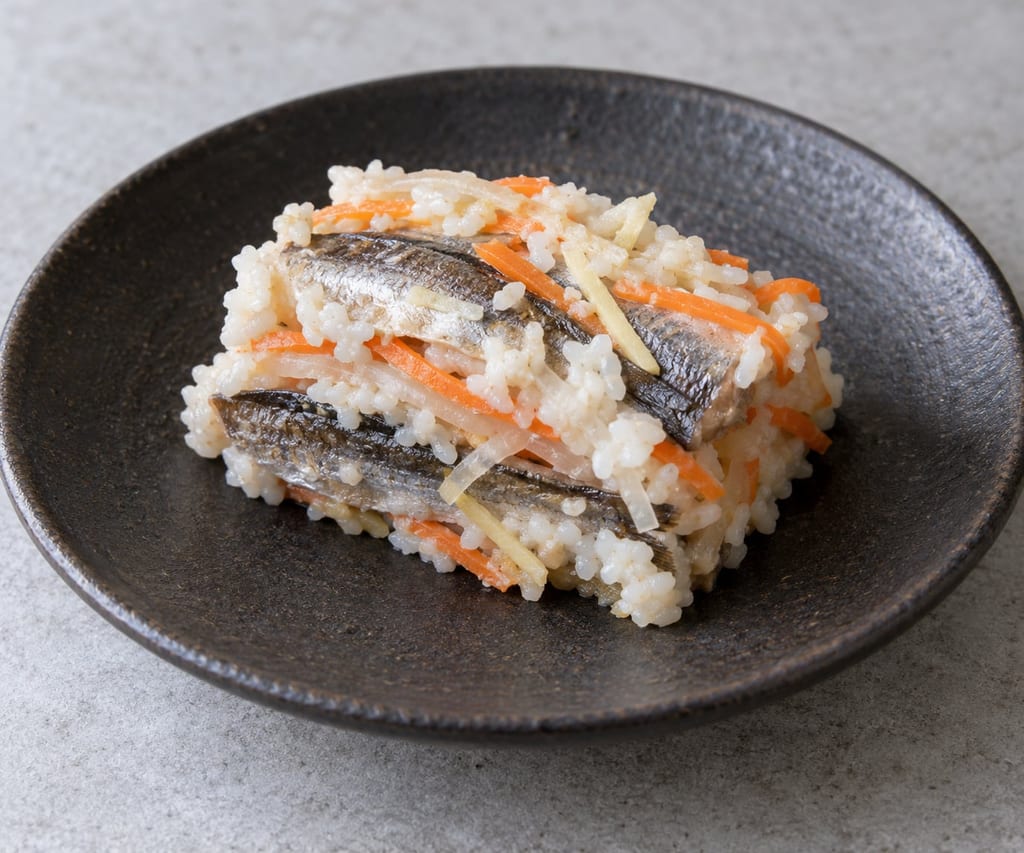
Hokkaido izushi layers fish, vegetables, rice and kōji for cold-season lactic fermentation. This MAFF recipe uses small hatahata with a vinegar pretreatment; it is one regional household formula, not a universal izushi method.

Traditional Japanese sake yeast starters made from steamed rice, rice koji and water, acidified by naturally growing lactic acid bacteria. Kimoto grinds the rice mash with paddles; yamahai omits that step.
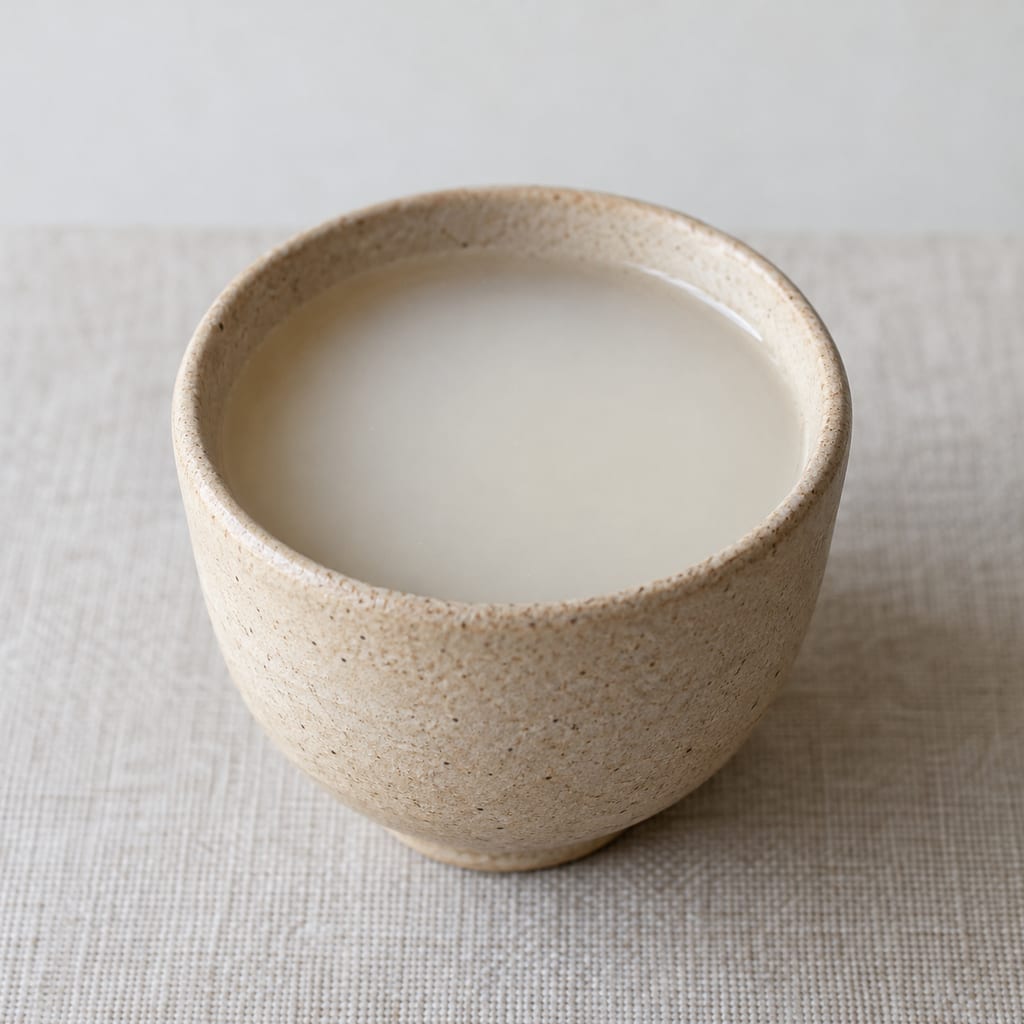
Tonoto is an Ainu ceremonial grain drink. This Saru River version ferments equal amounts of rice and egg millet with malted rice for about two to three days in summer or a week in winter.
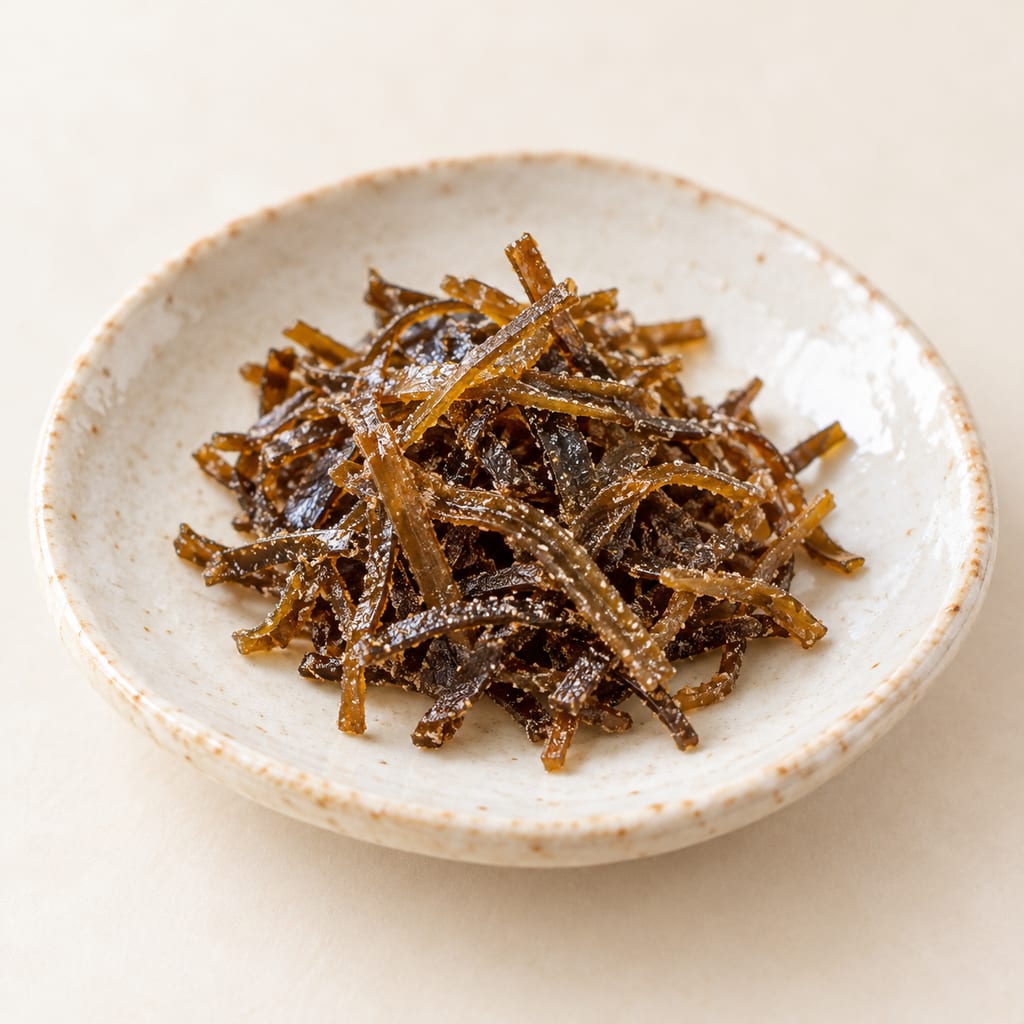
Japanese kelp simmered in soy sauce and seasonings, sometimes dried and salted, eaten with rice or used as an umami seasoning.
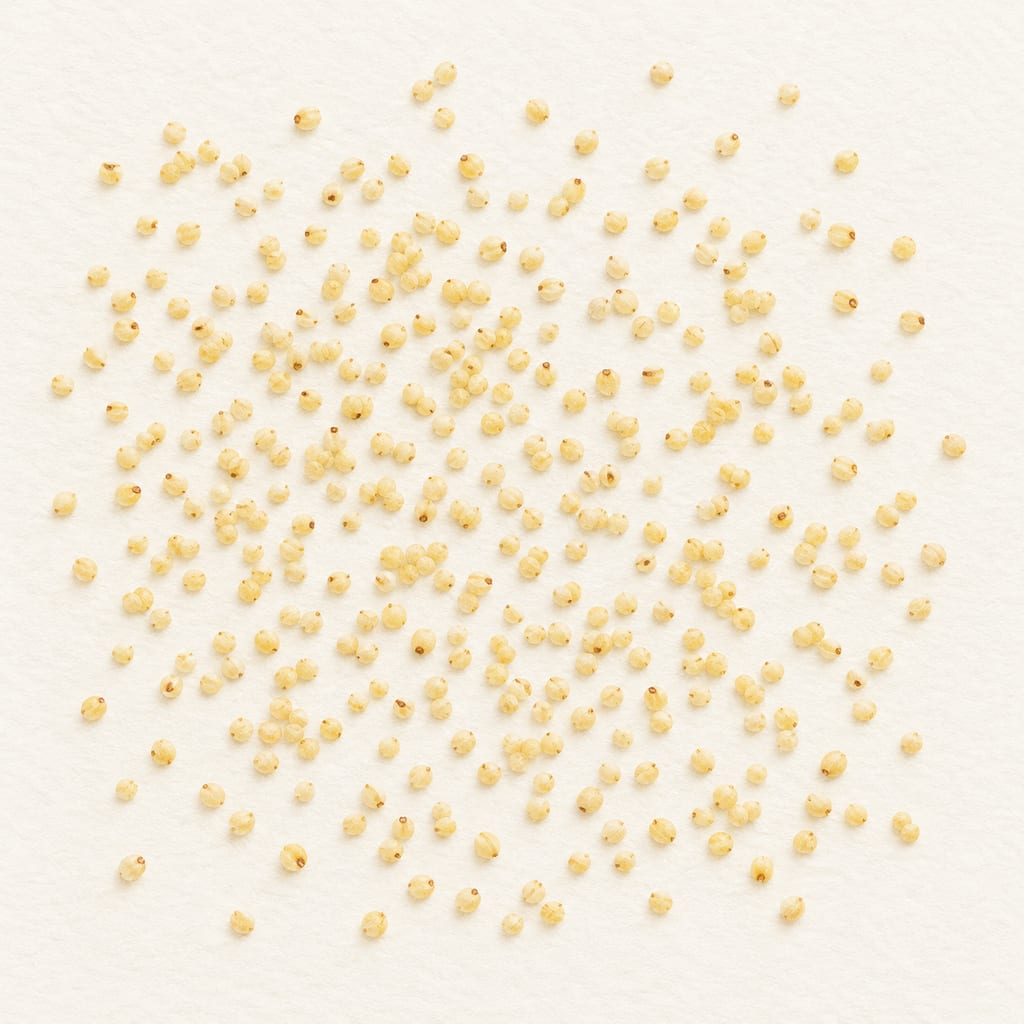
Tonoto from Shizunai in Hidaka is made of barnyard millet alone: a firm porridge kneaded with an equal amount of malted grain in a sake vessel, warmed by two embers, and left a week to ten days.
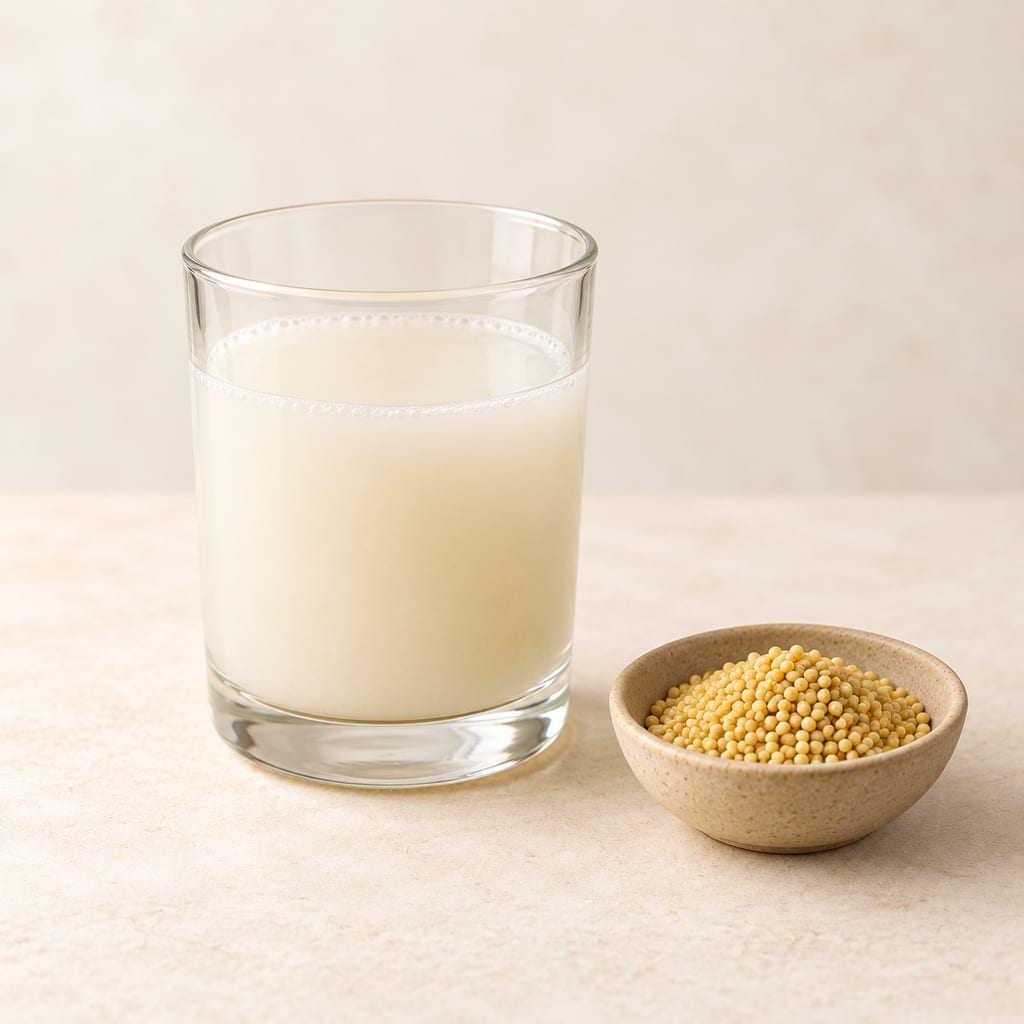
An Ainu grain drink for festivals and housewarmings, made by cooling cooked grain gruel, adding millet malt and holding it in a sake-making vessel.
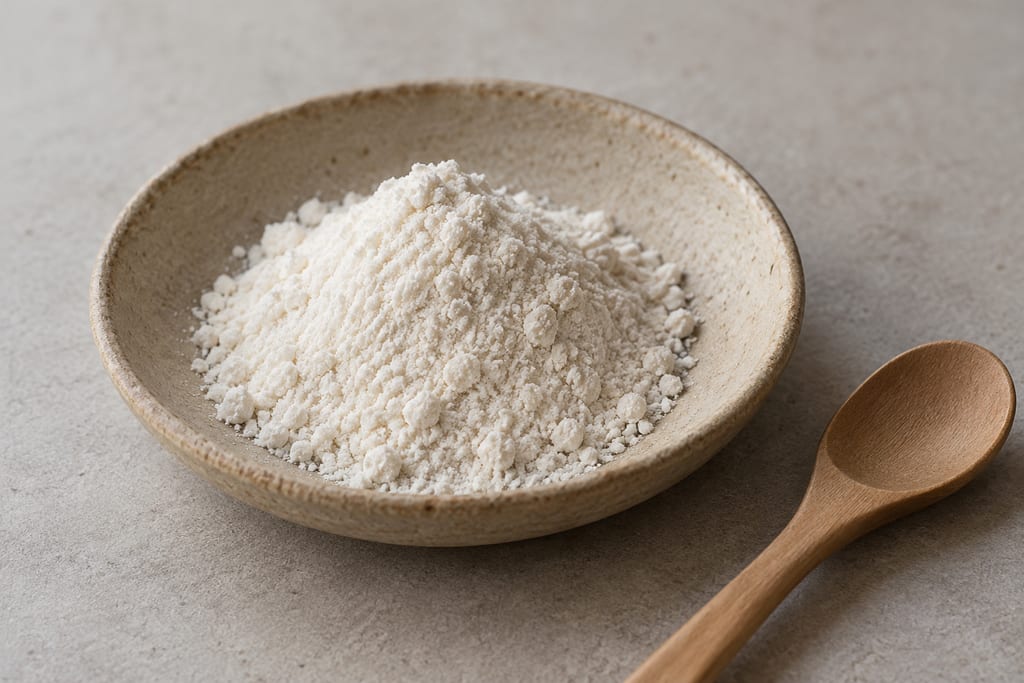
Starch released from giant woodland lily bulbs by pounding, washed out in water, settled and dried: the refined fraction of an Ainu process that also yields fermented cakes from the residue.

Protected Italian vinegar made only from cooked grape must, fermented and aged in a battery of wooden barrels for at least 12 years: sweet, sharp and syrupy.

A Dominican table and seasoning condiment of sour orange juice, mixed with lime and salt and bottled raw; garlic, oregano or a hot pepper may be added for meat or a spicier bottle.

Japanese reddish-brown vinegar from sake lees matured about three years, turned to vinegar by acetic bacteria; the vinegar of Handa and Edomae sushi rice.

A Swedish-style spirit vinegar made by fermenting neutral alcohol with live vinegar bacteria, with a separate guide to commercial ättika strengths.
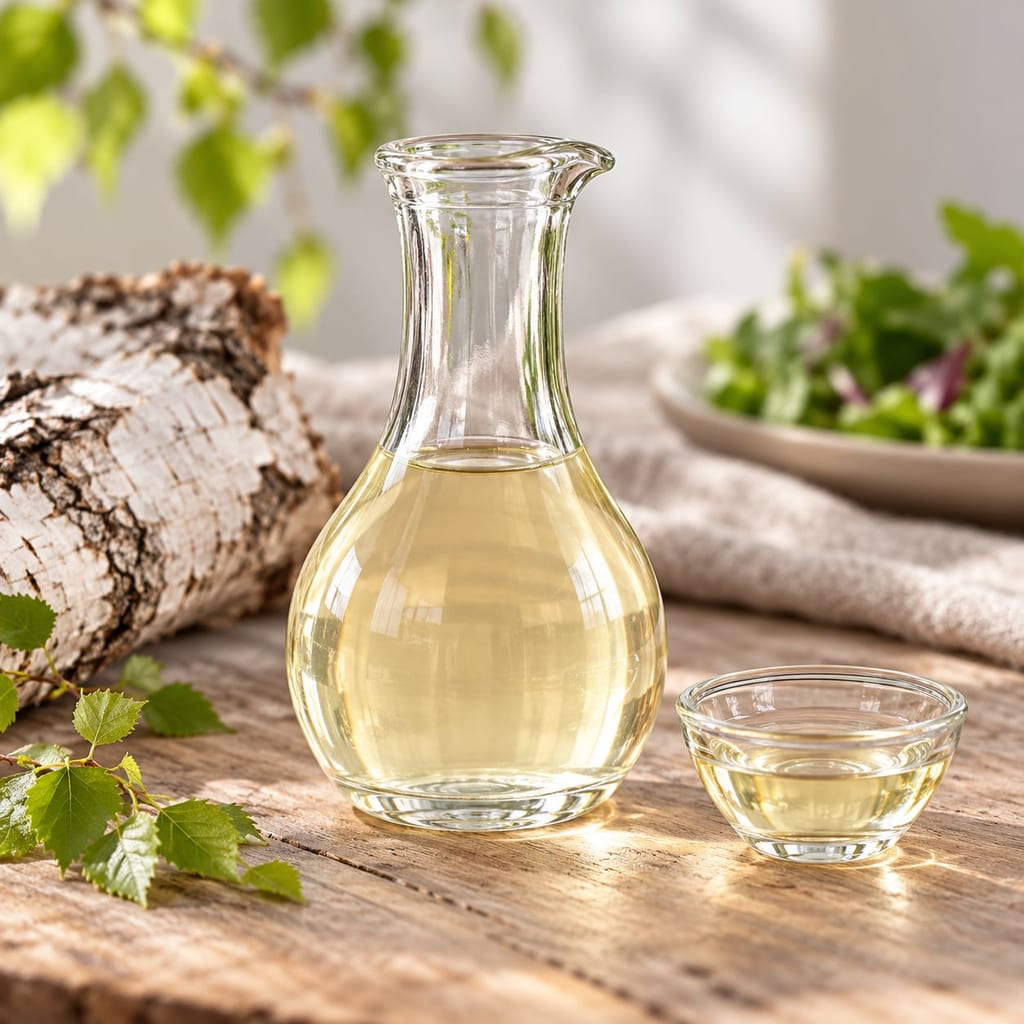
Vinegar from spring birch sap fermented to alcohol and then acetic acid, usually with added sugar or honey because the sap is so dilute; made in Sweden and described in older eastern European accounts.
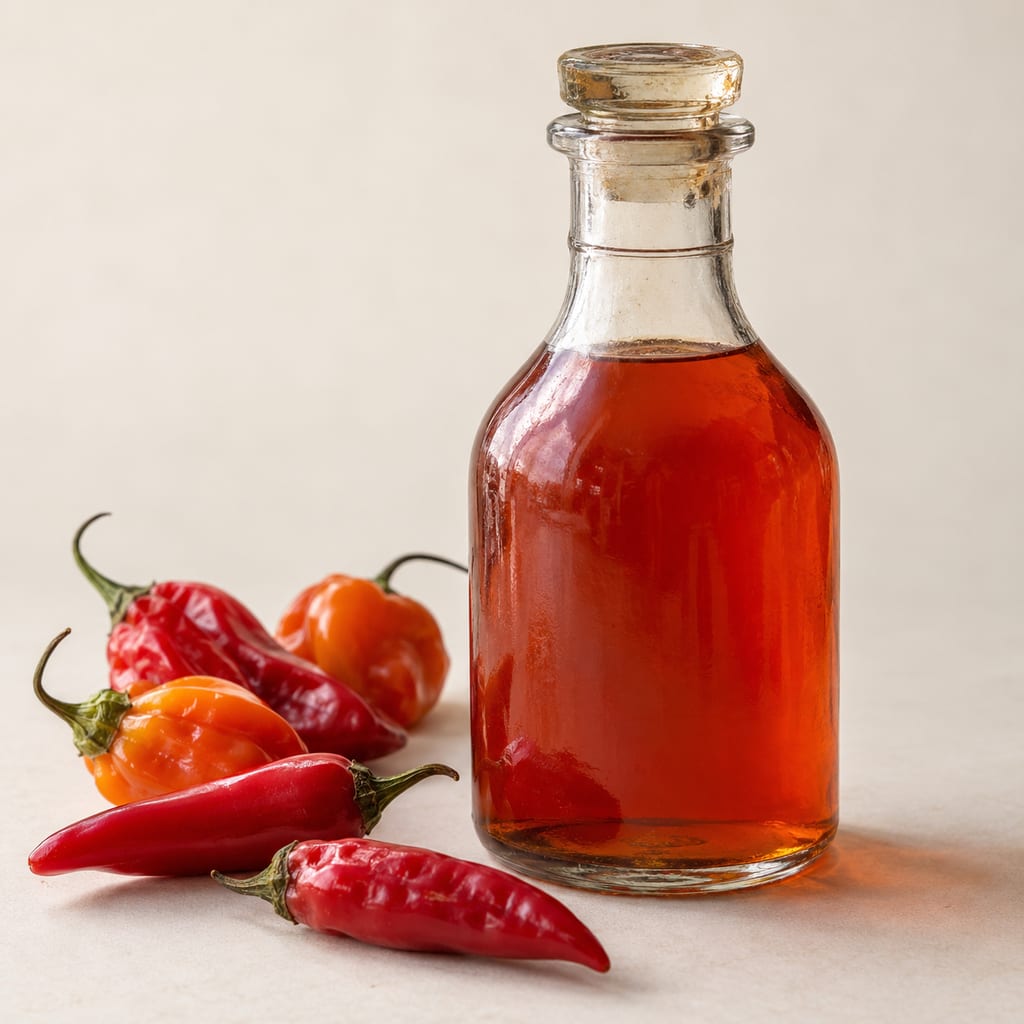
Mary Randolph's pepper vinegar: ripe pepper pods simmered in vinegar until the liquid is reduced to one quart, then strained for use in gravies and catsups. From The Virginia Housewife.
A Japanese mixed seasoning of vinegar, sugar and salt for sushi rice. Ratios vary with the rice batch and style; this version follows Marukan Vinegar's formula for two go of rice.
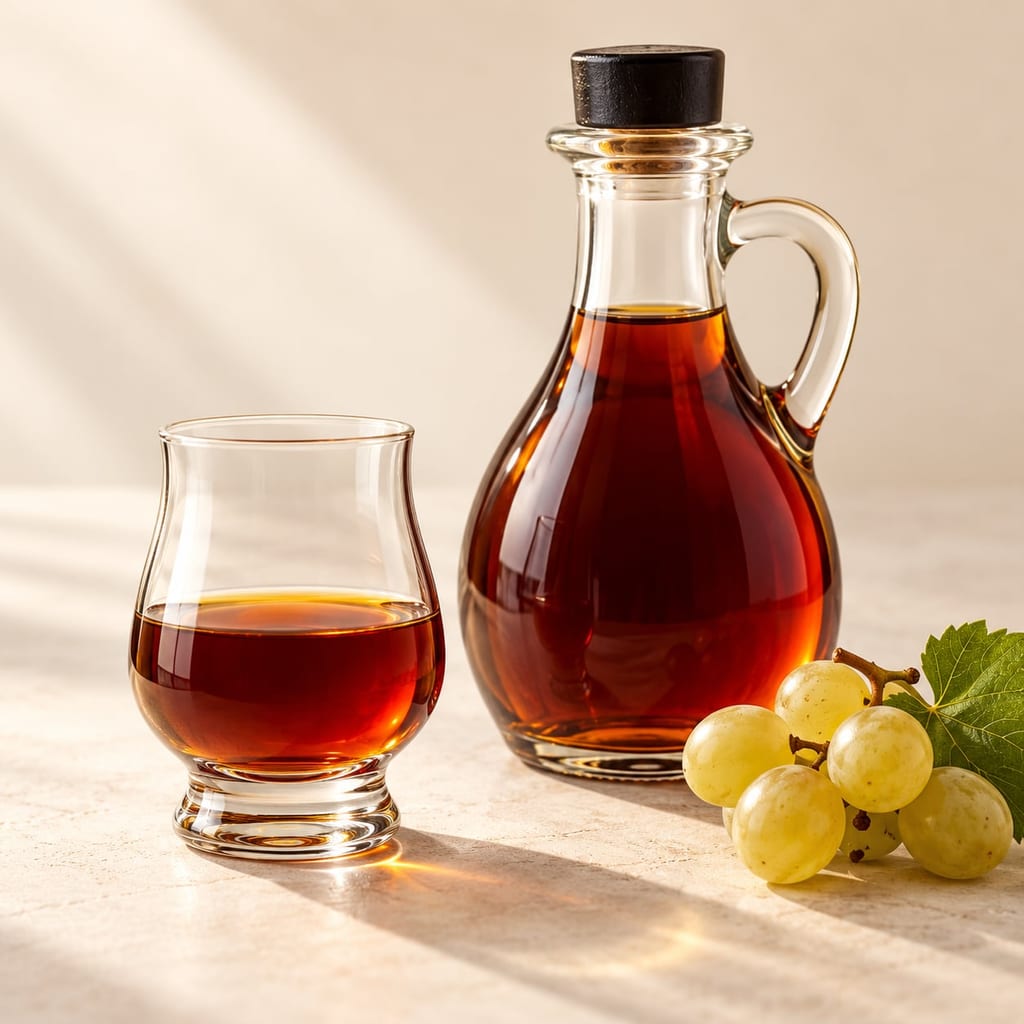
Vinagre de Jerez is made by acetifying eligible Jerez wines and ageing the vinegar in wood. Its protected name belongs to a defined Andalusian zone and a cellar tradition joining wine, oxygen, acetic bacteria and long ageing.

A Cap-Pelé boucanière is an Acadian herring-smoking building. The documented Willie Niles example is a one-storey wood-frame structure with a ridge smoke vent and interior bays for hanging fish-bearing cannes.

Achcharu is a family of Sri Lankan vinegar pickles made with mixed vegetables or seasonal fruit and a piquant spice dressing. This version is a quick, refrigerated, non-fermented mixed-vegetable pickle.

The acocote is a long, hollowed and dried gourd used to draw aguamiel from a mature maguey. It is a harvesting tool: the sap is transferred to a separate vessel before it ferments into pulque.

Adrak murabba preserves young ginger in sugar syrup, a sweet South Asian preparation recorded in Indian cookery and food-processing sources.

Parkia biglobosa seeds are fermented into regional West African seasonings, including nététou, iru, dawadawa and soumbala. The yellow fruit pulp is a separate food, and names and methods vary by place.

A refined common-wheat flour blended for a broad range of baking; its protein and behavior vary with wheat, milling and market.

The almond mushroom, Agaricus subrufescens, was cultivated in eastern North America in the 1800s, lost its market, and returned as a cultivated mushroom from Brazil, where it is grown under several names.
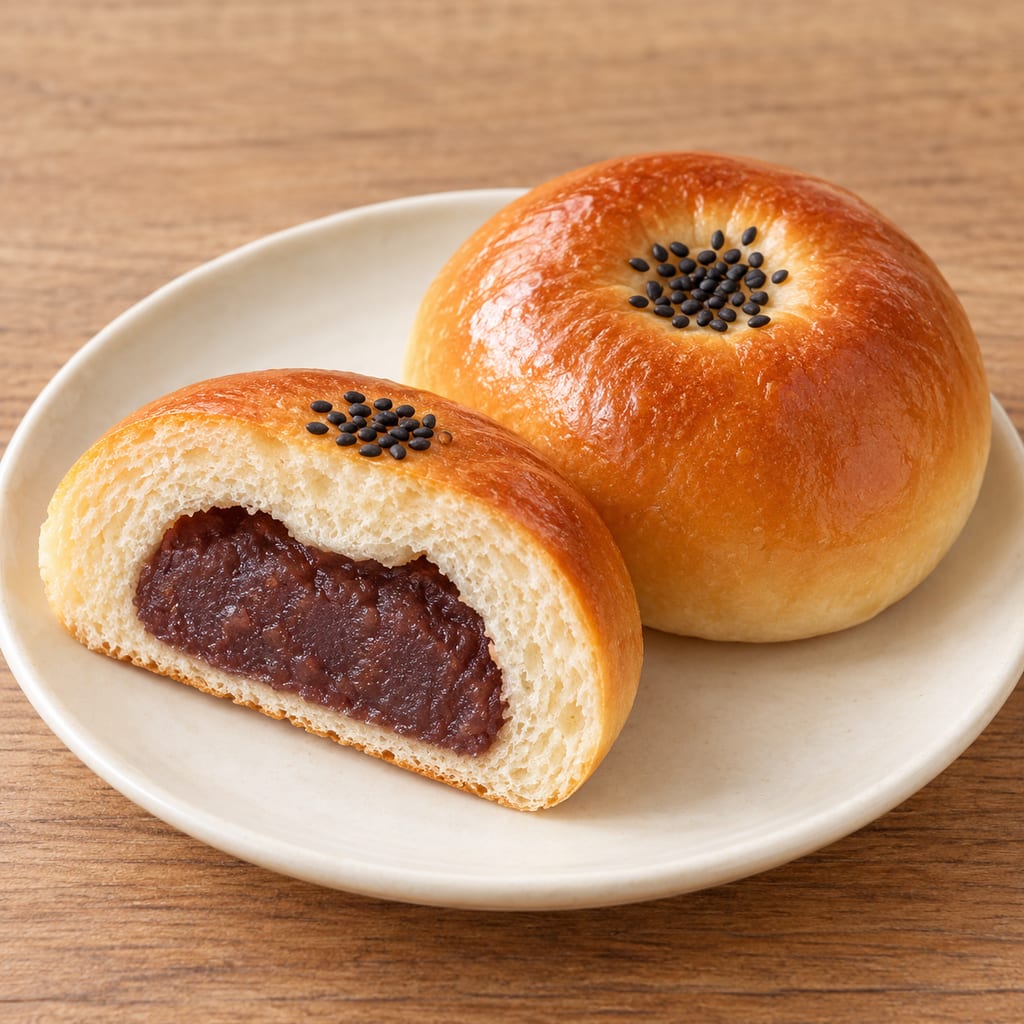
Anpan is a soft wheat bun filled with sweet red-bean paste and finished with egg wash and black sesame. This dough rises with commercial instant yeast.
No community contributions have been published for this entry yet.
Sign in to contribute. Published comments and photos are free to read.
Food Bioscience, 2023Method · Chemistry
Production of vinegar from kashar cheese whey and volatile component profile, antibacterial effect, and antioxidant potential of whey vinegar500 mL batches, 1 percent K. marxianus CECT 1442, A. aceti CECT 298
Acidity, lactose and protein results
Cited in: What it is; History; How it works: yeast, bacteria and lactose; How it is made, and why each step matters; How it is eaten and used; Reading results and problems
Research, Society and Development, 2021Method
Cheese whey permeate valorization using sequential fermentations: case study performed in the Western Region of Parana88 g/L lactose, 29 C, pH 4.5, 47.18 g/L ethanol; Orleans 42.30 g/L acetic acid
Cited in: History; How it is made, and why each step matters; Regional and historical variations; Reading results and problems
Journal of the Institute of Brewing, 2003Method · Microbiology
A note: production of vinegar from wheyK. fragilis and Acetobacter pasteurianus; 5 to 6 percent acetic acid; 84 percent efficiency
Cited in: History; How it works: yeast, bacteria and lactose; How it is made, and why each step matters; Reading results and problems
Springer, Vinegars of the World, 2009Method
Whey vinegarOverview of whey vinegar production
Cited in: How it works: yeast, bacteria and lactose
Milk Science, Japanese Dairy Science Association, 2000Method · History
Manufacture of the vinegar from cheese wheyThreefold concentration, about 8 percent ethanol, 5.2 percent acetic acid
Cited in: What it is; History; How it works: yeast, bacteria and lactose; How it is made, and why each step matters; Regional and historical variations
University of CamerinoHistory · Method
Cheese whey recycling in dairy food chain: effects of vinegar from whey in dairy cow nutritionItalian laboratory and pilot work, K. marxianus Y102 and A. aceti DSM-G3508
Cited in: History; How it works: yeast, bacteria and lactose; Regional and historical variations
Journal of Food Processing and Preservation, 2021Variation
Development of the original whey-based vinegar using rapeseed meal or wheat bran as a raw material for kojiJapanese lacto-vinegar with koji and Zymomonas mobilis
Cited in: Regional and historical variations
Swiss federal food legislationSafety · Identity
Article 104: Gaerungsessig / vinaigre de fermentationVinegar categories in Swiss law
Cited in: What it is; Regional and historical variations; Reading results and problems
Swiss federal food legislationSafety · Identity
Article 105: Anforderungen an Gaerungsessig45 g/L acidity, 0.5 percent ethanol, 5 g/L lactose, acetic over lactic
Cited in: What it is; How it works: yeast, bacteria and lactose; How it is made, and why each step matters; Regional and historical variations; How it is eaten and used; Reading results and problems
US Food and Drug Administration via Cornell Law SchoolSafety
21 CFR 184.1979: WheyWhey for food use from pasteurised milk
Cited in: Reading results and problems
UK Food Standards AgencyAllergen
Allergen guidance for food businessesMilk and lactose as regulated allergens
Cited in: How it is eaten and used; Reading results and problems
National Center for Home Food Preservation, University of GeorgiaSafety
General Information on PicklingVinegar of unknown acidity in preserving
Cited in: How it is eaten and used; Reading results and problems
Fischerauer Feinstes GmbHMethod · Use
Whey Vinegar 0.5 LAlgund whey vinegar, two-week first fermentation, oil pairings
Cited in: What it is; History; How it is made, and why each step matters; Regional and historical variations; How it is eaten and used
RERO DOC, Swiss historical newspaper archiveHistory
Swiss newspaper advertisement for Lactavinaigre, 21 May 1958Concentrated whey vinegar from Bourgeois Freres and Cie, Ballaigues
Cited in: What it is; History; Regional and historical variations; How it is eaten and used
RERO DOC, Swiss historical newspaper archiveHistory
Swiss newspaper advertisement for Lactavinaigre, 3 September 19591.70 francs per litre; 4.5 degrees
Cited in: History; Regional and historical variations; How it is eaten and used
Archives de l'Etat en BelgiqueHistory
Belgian state archives inventory: whey vinegar case 1953 to 1959Dumont Freres and Cie, Chassart, opinion of 4 February 1959
Cited in: History
Deutsches Woerterbuch der Enzyklopaedie, Saechsische Akademie der Wissenschaften zu LeipzigHistory
Essig1860 description of Molkenessig with vinegar mother
Cited in: History; Regional and historical variations