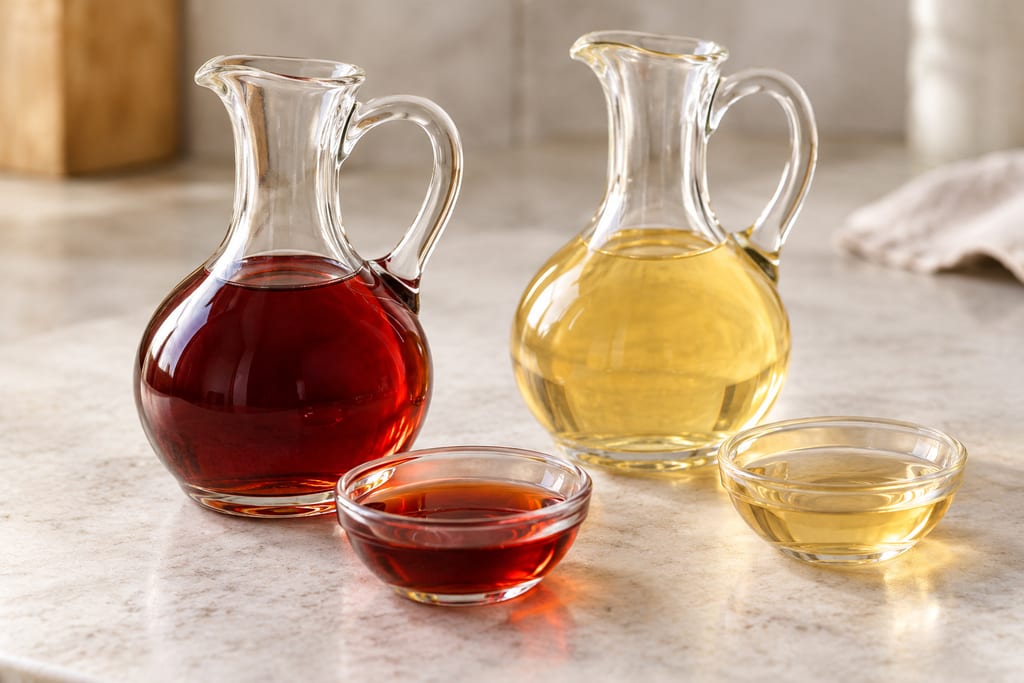
Wine Vinegar
Wine vinegar is made by the aerobic oxidation of wine's alcohol into acetic acid by bacteria, producing a sour, wine-derived condiment used in dressings, sauces, marinades and preserved foods.
 FermenteaWhere food goes to change
Traditional method
Vinagre de Montilla-Moriles DOP · Montilla-Moriles Vinegar · Montilla-Moriles Wine Vinegar · Vinagre de Montilla-Moriles al Pedro Ximénez · Vinagre de Montilla-Moriles al Moscatel
Protected Andalusian wine vinegar made by acetifying certified Montilla-Moriles wine, dry or sweetened with Pedro Ximénez or Moscatel must, and often aged in oak by solera or añada.
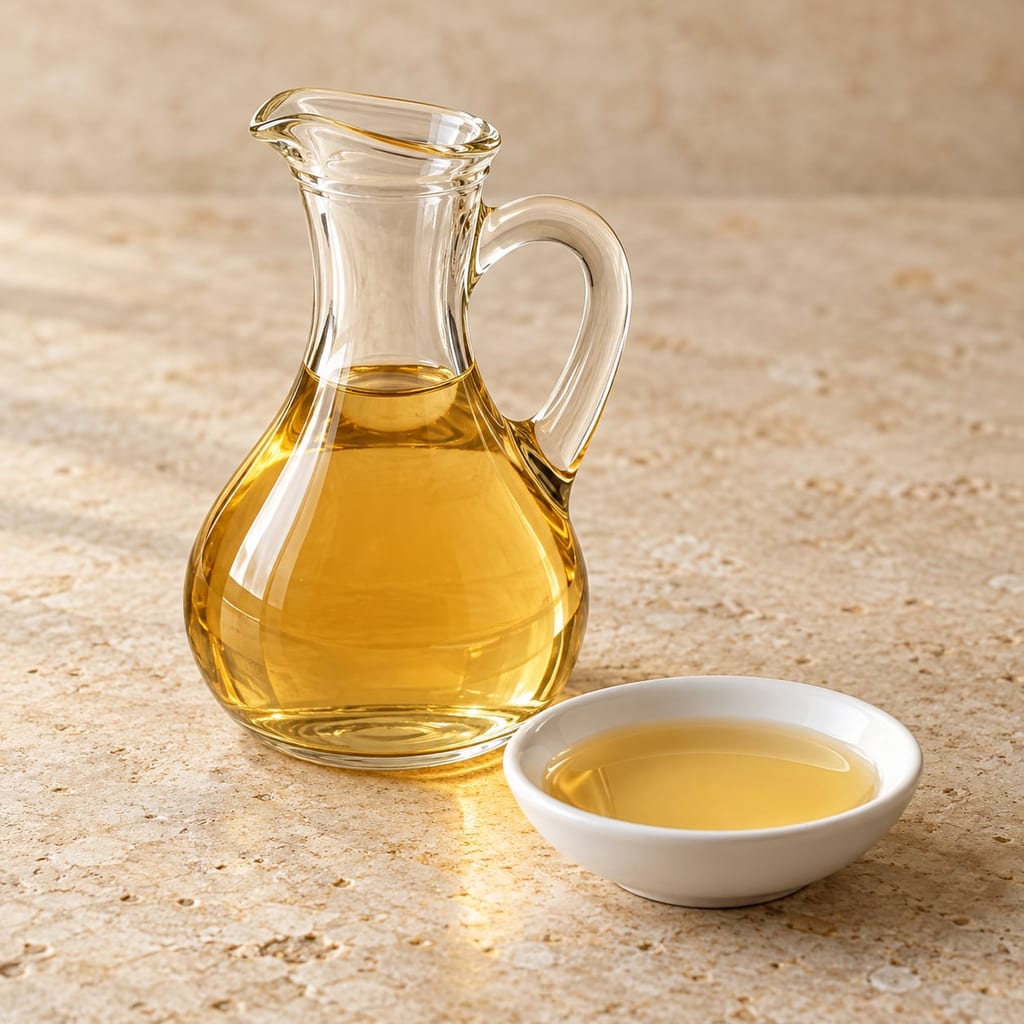
Vinagre de Montilla-Moriles is a Spanish wine vinegar made from wine certified under the Montilla-Moriles denomination, in the wine country of southern Córdoba province in Andalusia. It has its own Protected Designation of Origin (DOP), separate from the denomination for the wines. The colour runs from gold to deep mahogany depending on the base wine, any grape must added, and time in oak.
The protected name covers three styles. Dry Vinagre de Montilla-Moriles has no sweet must added. The Pedro Ximénez version includes permitted products made from Pedro Ximénez grapes, and the Moscatel version includes permitted products from Moscatel. Either sweet style must still reach the same acidity as the dry one; the sugar is on top of the acid and does not replace it.
The base is wine, not grape must, which is the main difference from the balsamic vinegars of Modena and Reggio Emilia. The rules also allow certified wine, fresh must, must from sun-dried grapes, must whose fermentation was stopped with alcohol, and heat-reduced versions of these, with the must coming from Pedro Ximénez or Moscatel. Rectified concentrated must is forbidden.
The region makes fino, amontillado, oloroso and other wines, and these shape the vinegar. Fino ages under a surface film of flor yeast, oloroso without it, and amontillado with both. A vinegar made from such a wine keeps some of the aldehydes, higher alcohols and esters it already had.
By the current specification a finished vinegar has total acidity of at least 60 grams per litre, expressed as acetic acid, which is 6 grams per 100 millilitres, together with limits on residual alcohol, dry extract and acetoin. The sweet versions must hold at least 60 grams per litre of reducing sugars. A vinegar that has been aged may be sold as Crianza, Reserva or Gran Reserva, and Añada names a style of static ageing.
Vinegar has been made in the Montilla district for a long time, but the protected product is recent. The best early evidence is in the notarial archive of Montilla, where inventories list vinegar among a household's goods. That matters, because it shows vinegar as property that people owned, stored and priced, and does not rest on the assumption that vinegar must have existed wherever there was wine.
The earliest dated mention cited in the specification is an inventory of 8 April 1651 belonging to Juana Enríquez de Ribera y Cortés, Marchioness of Priego and Duchess of Feria. It lists fourteen large earthenware jars, three of them holding vinagrón, a word for strong or coarse vinegar. The historian Enrique Garramiola reported it and the specification took it up. It says that vinegar was kept, and nothing about its microbes, acidity or maturation.
Two later inventories are more exact. On 14 July 1677 the goods of María de San Juan Ramírez, widow of M. Góngora, included an arroba of vinegar valued at two reales (Montilla notarial archive, bundle 460, folio 429 verso). On 7 May 1701 the chaplain Francisco Ramírez Muñoz owned a container of thirty-five arrobas that held fifteen arrobas of vinegar (bundle 122, folio 209). Early twentieth-century winery sales catalogues then show vinegar as a product offered for sale.
The wine denomination has its own timeline, which should not be mistaken for the vinegar's. The name Montilla became established as a geographical wine name during the nineteenth century, and Montilla-Moriles was used together in international discussions from 1891. Moriles took its present municipal name in 1912, replacing Zapateros. The 1932 Spanish wine statute protected the names and the regulatory council became effective in December 1944, with rules approved in October 1945.
For the vinegar, an application for protection was published in 2008, Spanish transitional protection followed in 2009, and a specification was approved in 2011. The European Commission registered the name as a DOP by Regulation (EU) 2015/48 of 14 January 2015. A substantial amendment approved in March 2023 widened the permitted raw materials, allowed unaged vinegar and changed some analytical limits. It reached the EU Official Journal on 30 January 2024, so earlier texts do not describe the current rules.
Everything starts with certified Montilla-Moriles wine. The wine supplies the ethanol the bacteria will oxidise and carries the flavour compounds made during grape fermentation and any ageing. Dry fino is one documented base, but any qualifying wine from the region may be used. A producer has to be able to show where the wine came from and that it is certified before acetification starts.
The DOP allows two ways of acetifying. In the traditional surface method, which includes the Orleans method, acetic acid bacteria grow where the wine meets the air. They need oxygen, so they work at the surface, and the process is slow and depends on the state of the culture, the air supply and the wine. In the submerged method, selected bacteria are spread through the wine in an aerated tank, where mixing and air bring oxygen, ethanol and cells together and the oxidation is quicker and easier to control. The specification gives no universal time, dose or working temperature for either.
University of Córdoba researchers have studied submerged acetification with Montilla-Moriles fino wine, adjusted to about 10 percent alcohol by volume. That figure comes from an experiment and not from the specification, and producers should not treat it as a rule.
After acetification a vinegar may be clarified, filtered and stabilised to remove suspended matter and give a steady product. The current rules also let it be sold without any wood ageing. If a producer does age it, the vinegar goes into oak casks, the botas, and American oak is especially associated with the region. The wood and the small amount of air that reaches the vinegar change colour, aroma and composition.
There are two ageing systems. In añada ageing a lot stays in wooden vessels without being blended with other vintages. In the dynamic criaderas y solera system the oldest tier, the solera, has a part drawn off, the saca. The solera is topped up from a younger tier, the criadera, by an operation called rocío, and that tier is topped up from the next, with new vinegar entering at the youngest. Repeated over the years, the result is a continuing blend of several periods. The specification fixes no number of tiers or withdrawal fraction.
For the sweet vinegars, permitted Pedro Ximénez or Moscatel grape material is added during production. It brings residual sugar and grape flavour, with dark-fruit and raisin notes from Pedro Ximénez and a more aromatic grape character from Moscatel. The finished product still has to satisfy every acidity and analytical requirement.
Where age is stated, Crianza needs at least six months in wood, Reserva at least two years and Gran Reserva at least ten. The Consejo Regulador describes Añada as at least three years of static ageing. Registered operators keep records tying the source wine and any additions to each lot. The sources give no universal wine volume, acetification time or yield, so none are given here.
Two biological changes happen in sequence, normally separated by winemaking. Yeasts first ferment the sugars of grape must into ethanol. Acetic acid bacteria then oxidise that ethanol into acetic acid, and this second change is what turns wine into vinegar.
In the wine step, Saccharomyces cerevisiae takes glucose and fructose through glycolysis, pyruvate decarboxylase and alcohol dehydrogenase to ethanol and carbon dioxide. Research on Montilla-Moriles musts has found S. cerevisiae and Torulaspora delbrueckii among the yeasts present, but the vinegar specification names neither species nor a strain.
Some of the region's wines are aged under flor, a film of specialised yeast, mainly adapted strains of S. cerevisiae, that grows on the surface and uses oxygen to consume ethanol and other compounds, leaving aldehydes and aroma compounds. A 2017 study of 2,000 yeast isolates from five Montilla-Moriles wineries found five flor strains, one of which made up 76 percent of the isolates. Flor belongs to the history of a source wine and is separate from the bacterial step that follows.
Acetification is an aerobic oxidation. Membrane-bound alcohol dehydrogenase turns ethanol into acetaldehyde and aldehyde dehydrogenase turns that into acetic acid, with electrons passed along the bacterial respiratory chain and oxygen as the final acceptor, in outline C2H5OH + O2 giving CH3COOH + H2O. Without oxygen the bacteria stall.
A 2022 study used fino wine supplied by Bodegas Alvear and an inoculum from an industrial vinegar maker in Córdoba province. DNA analysis found Komagataeibacter as the dominant genus, with Acetobacter at lower abundance, and culturing with MALDI-TOF mass spectrometry identified Komagataeibacter intermedius. This describes one experimental and industrial system, and not the bacteria in every traditional surface vinegar of the region.
The chemistry reaches well beyond acetic acid. Flor-aged wines carry acetaldehyde, acetoin, higher alcohols and esters into the vinegar. Acetoin, or 3-hydroxybutan-2-one, is regulated: the specification asks for at least 80 milligrams per litre. Ethyl acetate, the ester of ethanol and acetic acid, adds volatile aroma. Oak ageing shifts the balance through extraction, oxidation, evaporation and further ester formation. A 2019 comparison found acetoin, diacetyl and several other volatiles to be useful markers that tell Montilla-Moriles vinegar from other Spanish DOP wine vinegars.
The DOP area is a defined wine country in southern Córdoba province. It takes in the municipalities of Montilla, Moriles, Doña Mencía, Montalbán, Monturque, Puente Genil and Nueva Carteya in full, and parts of ten others. Warm, dry summers and chalky albariza soils shape the grapes for the wines that become vinegar. Vinegars differ by the style of base wine, the method of acetification and whether they see oak.
The main division is between dry vinegar and the two sweet styles. The dry vinegar is wine vinegar without sweet must: its character is acidity and wine-derived aroma, sometimes with oak. The Pedro Ximénez type is darker, sweeter and usually more concentrated. The Moscatel type draws on the aromatic Moscatel family. They are separate protected categories, and not interchangeable labels.
The base wine matters too. Fino has been aged under flor and gives a profile rich in aldehydes. Oloroso has aged oxidatively, and amontillado first under flor and then oxidatively. Producers make vinegars from several of these, but a vinegar's official type is set by the vinegar specification, not by the wine named on a label.
Ageing method is another axis. Criaderas y solera produces a standing house style by blending young and old. Añada keeps a single lot's character. Crianza, Reserva and Gran Reserva, when claimed, need at least six months, two years and ten years.
The rules have changed. The 2009 and 2011 texts described a narrower range of permitted grape additions and treated ageing as part of the product. The 2023 amendment allows unaged vinegar, widens eligible grape products and revises the classification. It lowers the minimum acetoin from 100 to 80 milligrams per litre and the minimum reducing sugar of the sweet versions from 70 to 60 grams per litre. Any older description of limits should be labelled as historical.
Andalusia has other protected wine vinegars, Vinagre de Jerez and Vinagre del Condado de Huelva. They share wine acetification and wood maturation, but their zones, wines and chemical profiles differ, and comparative analysis can tell the three apart. Montilla-Moriles vinegar is not Jerez vinegar made elsewhere.
It is a seasoning, a dressing ingredient and a cooking vinegar. Dry types suit dishes that need a clear sour note, and the Pedro Ximénez and Moscatel types add grape sweetness to the acid. Producers suggest salads, vegetables, meat and fish dishes and sauces. There is no traditional measure; the amount depends on the acidity of the bottle and the sweetness of the dish.
Aged dry vinegar is linked to Andalusian cooking such as gazpacho and salmorejo. The Doña Mencía producer UniCo recommends its Oloroso Gran Reserva for salads, gazpacho and salmorejo, where the vinegar supplies acid next to vegetables and olive oil. In a vinaigrette the wine aromas stay recognisable against oil.
The Pedro Ximénez type fits food that wants both sour and sweet. Pérez Barquero recommends its ten-year Gran Reserva for warm salads, pickles, roast vegetables and complex seasonings, describing a mahogany vinegar with notes of dried grape, honey and oak. Its data sheet for that one product records more than 70 grams per litre of reducing sugars and an acetic acidity of 7, and those figures belong to that product and not to the whole category.
UniCo's Pedro Ximénez Gran Reserva uses concentrated must from sun-dried Pedro Ximénez grapes and is recommended with delicate meat, fish, strawberries and ice cream. A sweet vinegar like this can be used straight as a finishing condiment and needs no reducing to a glaze.
Moscatel vinegar offers a more aromatic fruit character in dressings and sauces. The vinegars also appear in escabeche-style dishes and marinades. That does not make them a safe base for shelf-stable preserving. A marinade, a refrigerated pickle and a tested canning recipe are different things, and home canning depends on the vinegar strength and other conditions of a validated recipe. A sweet vinegar also contributes sugar, which changes the balance of a dish without changing the measured acidity.
The vinegar is judged by analysis as well as by eye, nose and mouth. The specification asks for total acidity of at least 60 grams per litre as acetic acid. Residual alcohol may not exceed 3 percent by volume in dry vinegar or 4 percent in the Pedro Ximénez and Moscatel types. Acetoin must be at least 80 milligrams per litre, soluble dry extract at least 1.30 grams per litre per degree of acetic acidity, and the sweet types need at least 60 grams per litre of reducing sugars.
These numbers measure different things. Titratable acidity counts the acid neutralised in a laboratory titration, while pH describes hydrogen-ion activity, so one cannot be read from the other. A sweet vinegar can meet the same acid minimum as a dry one and taste less sharp. Colour and viscosity are poor substitutes for testing, because sweet must and oak both affect them.
A University of Córdoba study analysed 70 samples of dry Montilla-Moriles vinegar from twelve wineries, 24 made by the Orleans method and 46 by submerged culture, to see whether near-infrared spectroscopy could predict acidity, pH, dry extract, acetoin and colour. Values varied a lot. They are research data, not legal limits, and a sample in the study was not necessarily compliant.
Acetification fails when there is not enough oxygen. In a surface culture, movement or damage to the bacterial layer changes the conditions at the interface. In a tank, aeration and mixing must suit the culture. Strong acidity eventually slows the bacteria too, and in submerged work with this wine the community has been seen to shift towards acid-tolerant Komagataeibacter as the run proceeds.
The base wine matters. Wine aged under flor has a different nitrogen and amino-acid profile from young wine because the flor consumes nutrients, and research has asked whether enough nitrogen is left for the bacteria. Different wines may need different handling, so no universal inoculum, time or dilution ratio can be stated for the range of wines the DOP allows.
In the cellar, the specification describes traditional ageing rooms kept below 20 degrees C at 60 to 80 percent relative humidity. Those figures describe maturation and are not a temperature for active acetification. Poorly kept barrels can dry out, leak or build up sediment.
For a bottle on the shelf, check the protected name, the producer and the stated type, and that Crianza, Reserva, Gran Reserva or Añada matches the right ageing. A sour smell or a surface film does not show that a home batch reached the right acidity, and a homemade vinegar of unknown acidity should never replace the specified vinegar in a canning or pickling recipe.
Montilla notarial inventories record vinegar: three jars of vinagrón among fourteen earthenware vessels in 1651, an arroba valued at two reales in 1677, and fifteen arrobas in a container of thirty-five in 1701. Early twentieth-century winery catalogues sell it.
The wine denomination took shape in the nineteenth century and gained a regulatory council in 1944. For the vinegar, protection was applied for in 2008, Spain approved a specification in 2011, the EU registered the name in 2015, and an amended specification took effect in 2023.
A sour smell or taste does not show the final acetic acid level. Incomplete acetification leaves ethanol and a vinegar below the DOP minimum.
Hazard sourceAcetic acid bacteria need oxygen to oxidise ethanol; poor transfer in a vessel or tank restricts the process.
Hazard sourceWine merely exposed to air does not guarantee a healthy acetic acid bacteria population, and uncontrolled fermentation can bring unwanted organisms.
Hazard sourceAcid vinegar can corrode some metals and contaminate the product, so fermentation and storage need suitable food-contact materials.
Hazard sourcePoor humidity control dries staves and causes leaks, and deposits and old wood can spoil quality.
Hazard sourceHomemade vinegar varies in acidity. Using vinegar of unknown strength in a canning recipe can leave the food under-acidified.
Hazard sourceUse only certified Montilla-Moriles wine and keep lot traceability.
Control sourceMeasure total acidity of the finished vinegar, as acetic acid.
Control sourceMeasure residual alcohol of dry vinegar.
Control sourceMeasure residual alcohol of Pedro Ximénez or Moscatel vinegar.
Control sourceMeasure acetoin.
Control sourceMeasure soluble dry extract against degree of acetic acidity.
Control sourceMeasure reducing sugars in the Pedro Ximénez and Moscatel types.
Control sourceKeep oxygen available during acetification with the chosen surface or submerged system.
Control sourceKeep maturation cellars within the regional description and inspect casks.
Control sourceUse non-reactive food-grade materials for fermentation, storage and handling.
Control sourceFor canning or pickling follow a tested recipe with commercial vinegar of the stated acidity.
Control sourceA sour smell, a surface film or elapsed time does not show enough acid. Measure total acidity: the DOP minimum is 60 g/L as acetic acid.
Titratable acidity and pH are different measurements; the acidity limit gives no pH threshold.
Do not use homemade vinegar of unknown acidity in canning or pickling recipes; use commercial vinegar of the acidity the tested recipe specifies.
Rectified concentrated grape must is prohibited in the sweet types; only the listed Pedro Ximénez or Moscatel products are permitted.
Use the 2023 limits and not the superseded ones: acetoin once stood at 100 mg/L and sweet-type reducing sugars at 70 g/L.
A delimited zone, not a single birthplace.
Notarial inventories show vinegar owned and stored, not the modern method.
A named centre within the zone.
Wine vinegar is made by the aerobic oxidation of wine's alcohol into acetic acid by bacteria, producing a sour, wine-derived condiment used in dressings, sauces, marinades and preserved foods.
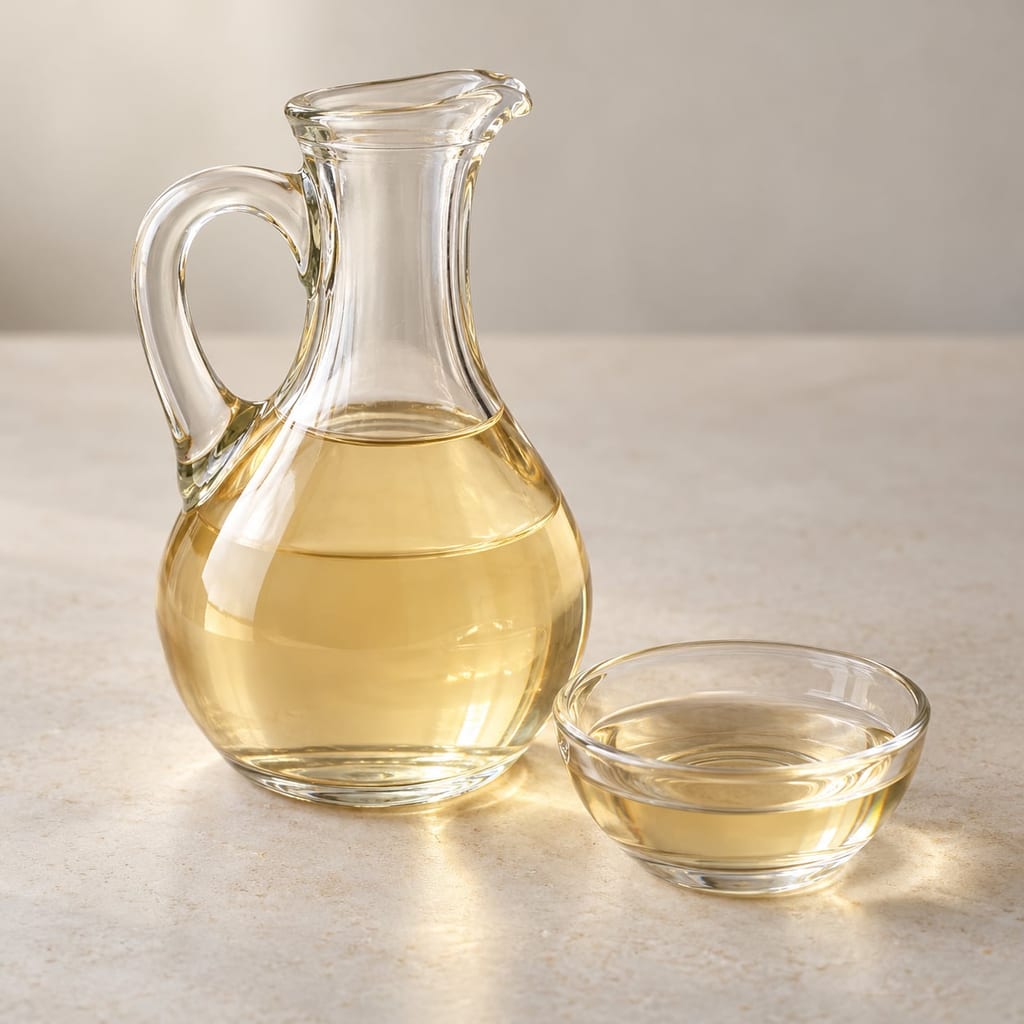
Vinegar made by fermenting the lactose of cheese whey to alcohol with a Kluyveromyces yeast and then to acetic acid; sold in Switzerland as Lactavinaigre from the 1950s.
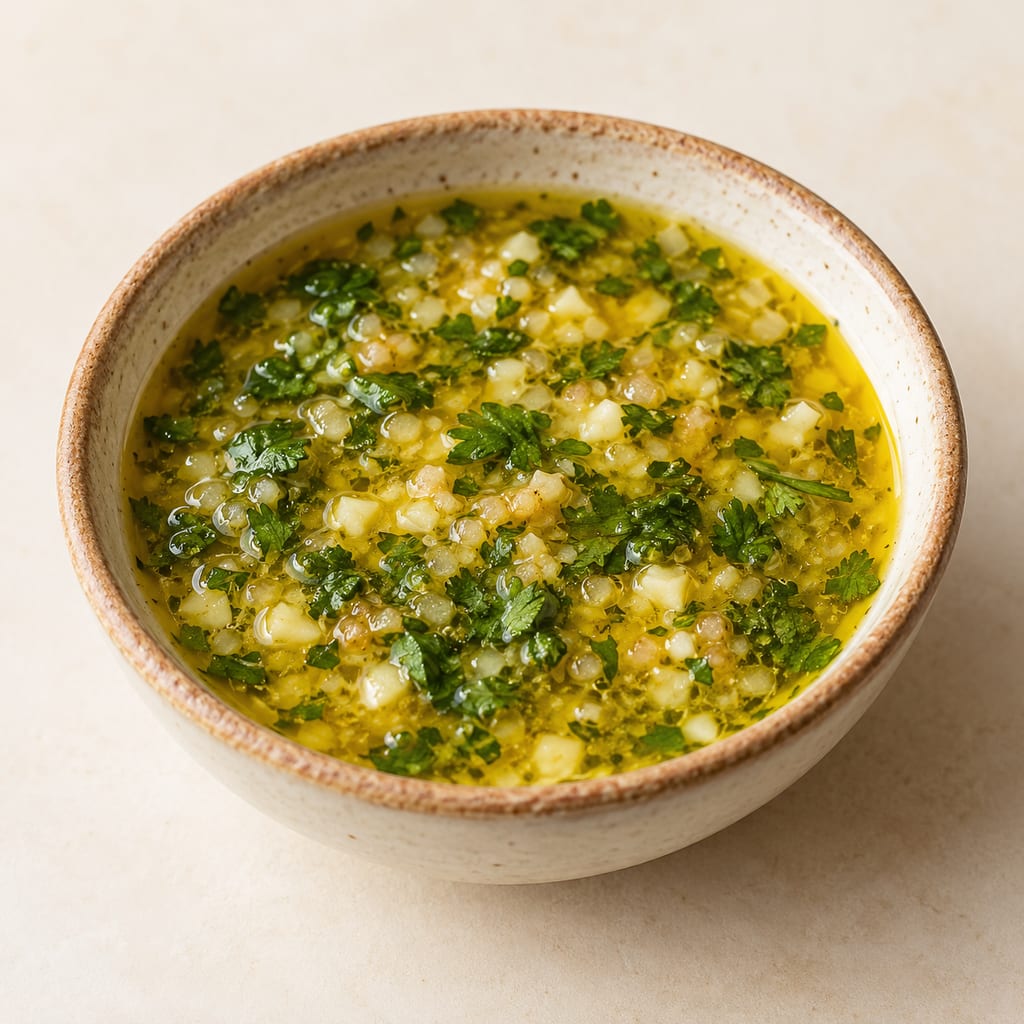
Mojo criollo is a Cuban sauce of garlic and sour orange juice with oil and herbs, used to marinate roast pork and as a dip.
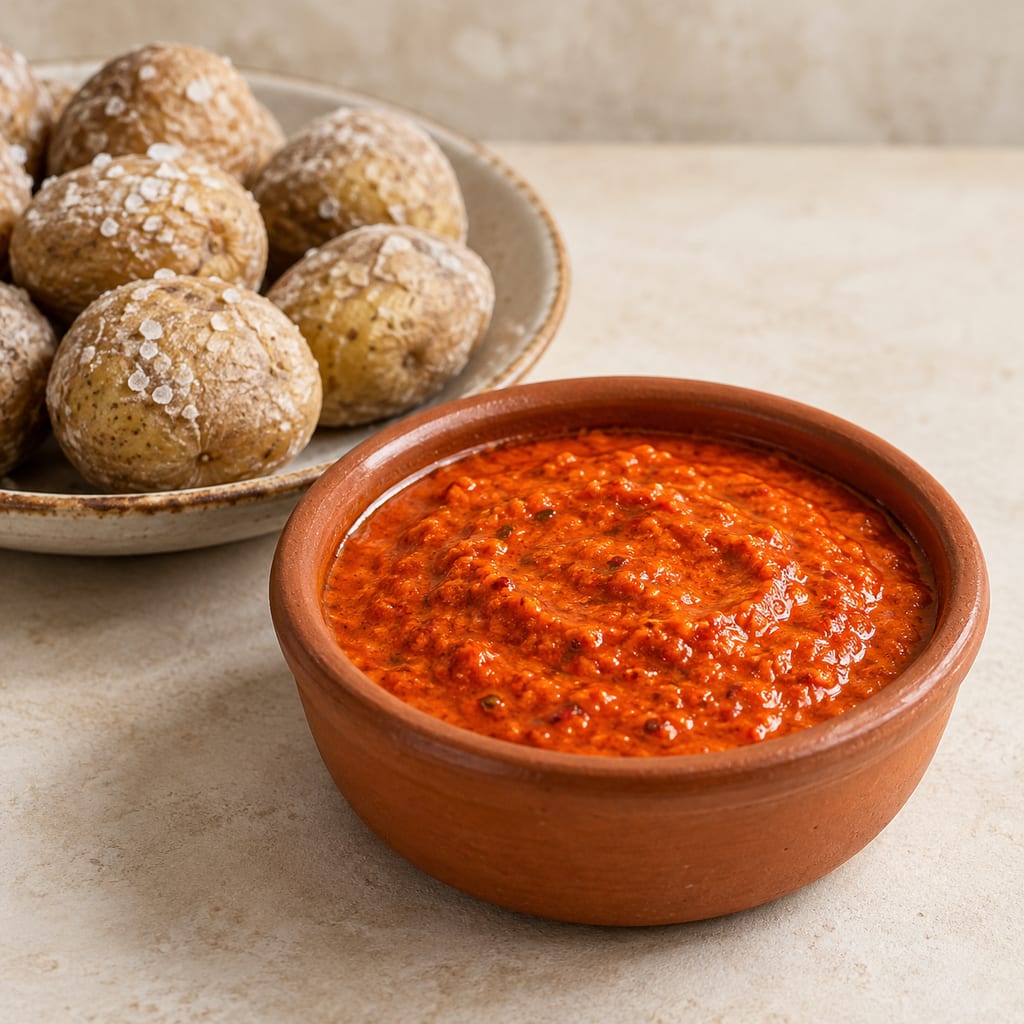
A red sauce of garlic, dried or fresh red pepper, paprika and cumin in olive oil and vinegar, served with salt-cooked potatoes across the Canary Islands.
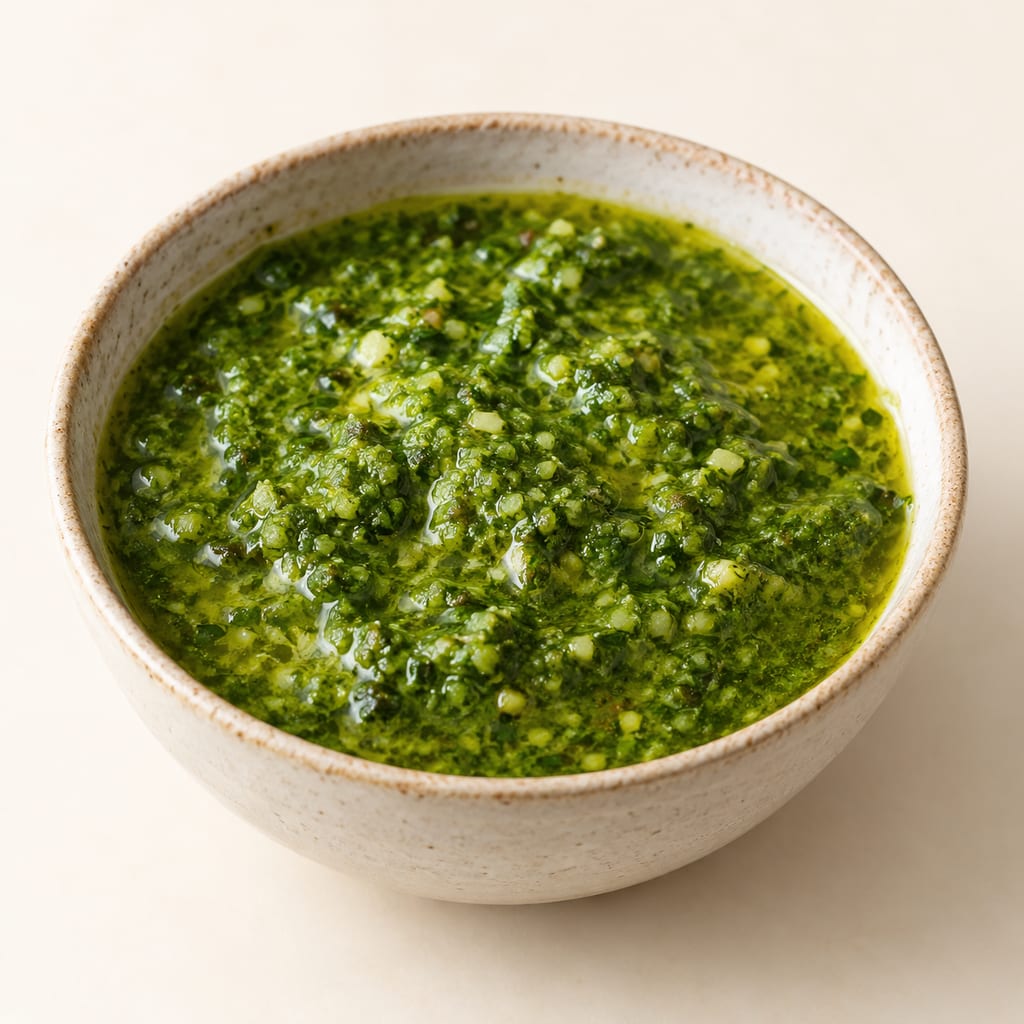
A green sauce of garlic, cumin, green chilli and fresh coriander or parsley in olive oil and vinegar, traditionally served with fish in the Canary Islands.
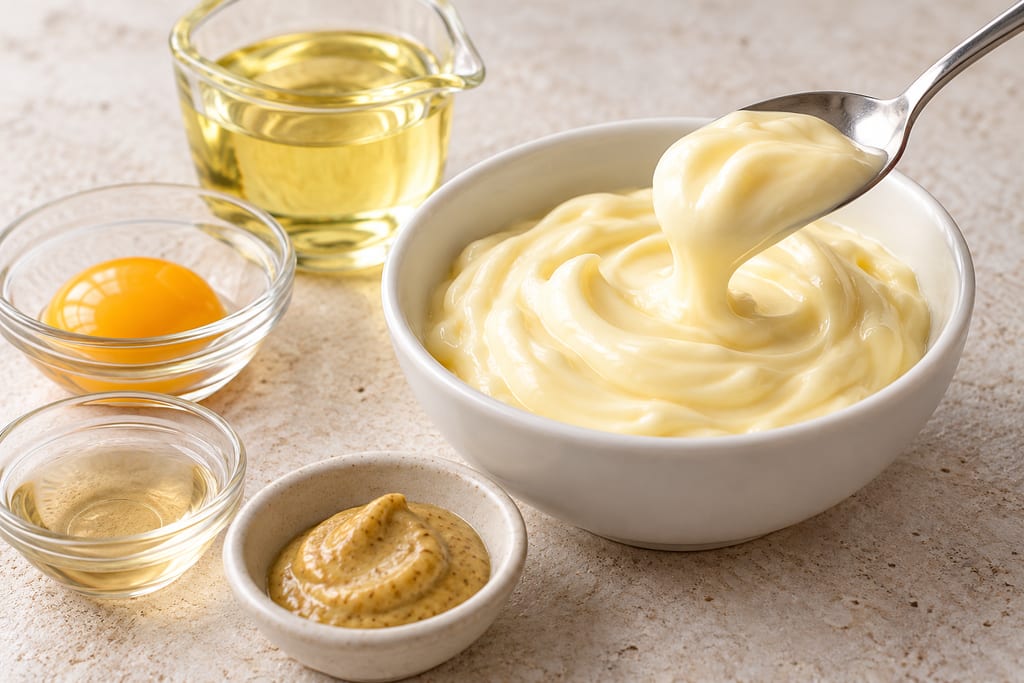
A plain mayonnaise of 200 g refined neutral oil emulsified into pasteurised yolk, vinegar, water and a little Dijon mustard: a clean base for tasting, comparing and flavouring.
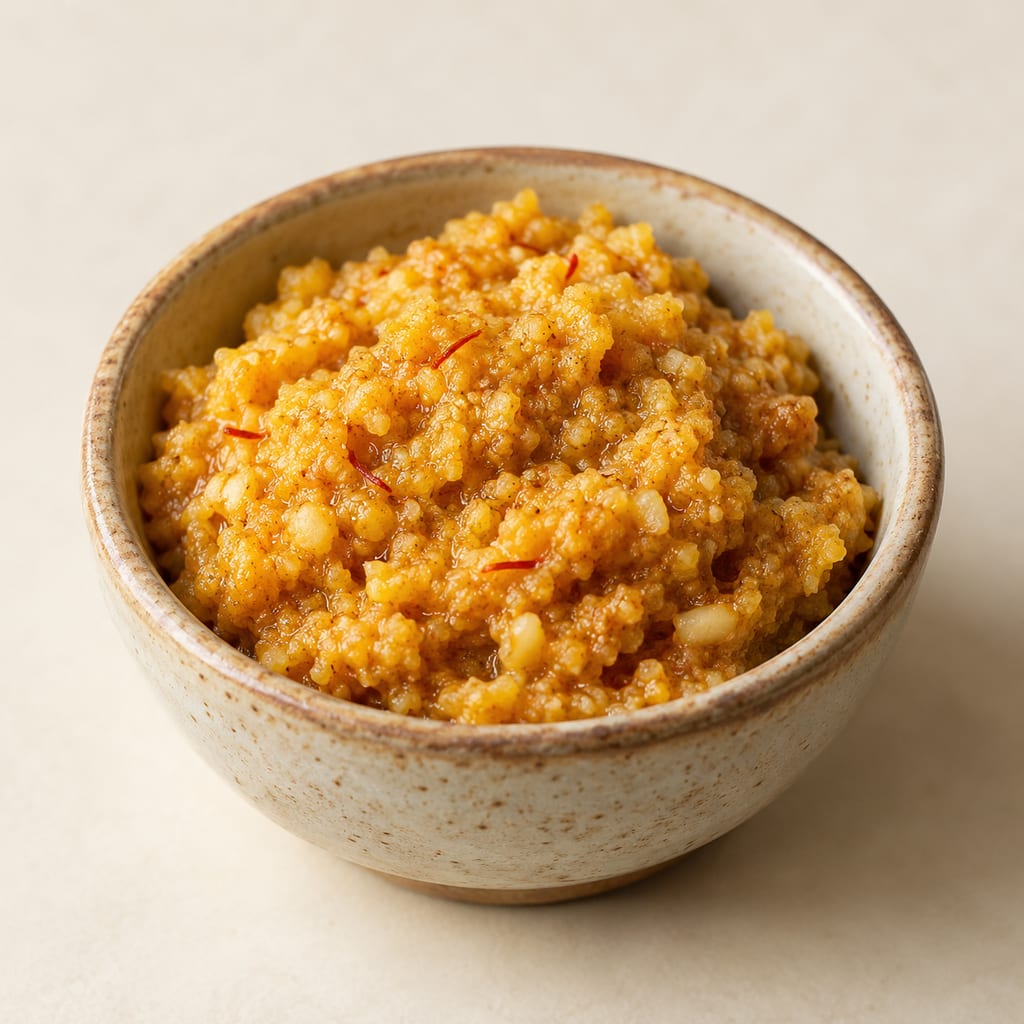
Picada is a Catalan pounded paste of toasted almonds, dry bread, garlic and saffron, stirred into a dish near the end of cooking to thicken and flavour it.
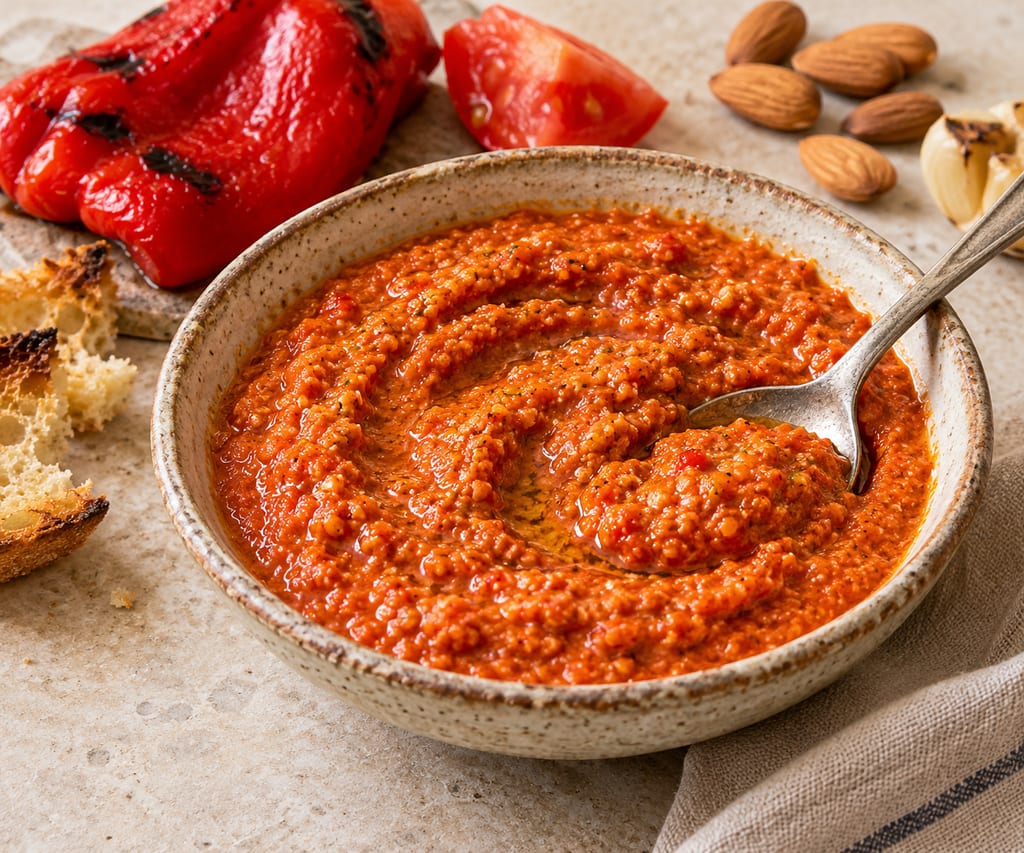
A coarse Catalan-inspired sauce of roasted tomato and red pepper, almonds, bread, garlic, olive oil and sherry vinegar. This modern pepper version is distinct from ñora-based romesco formulations and is not a preserve.
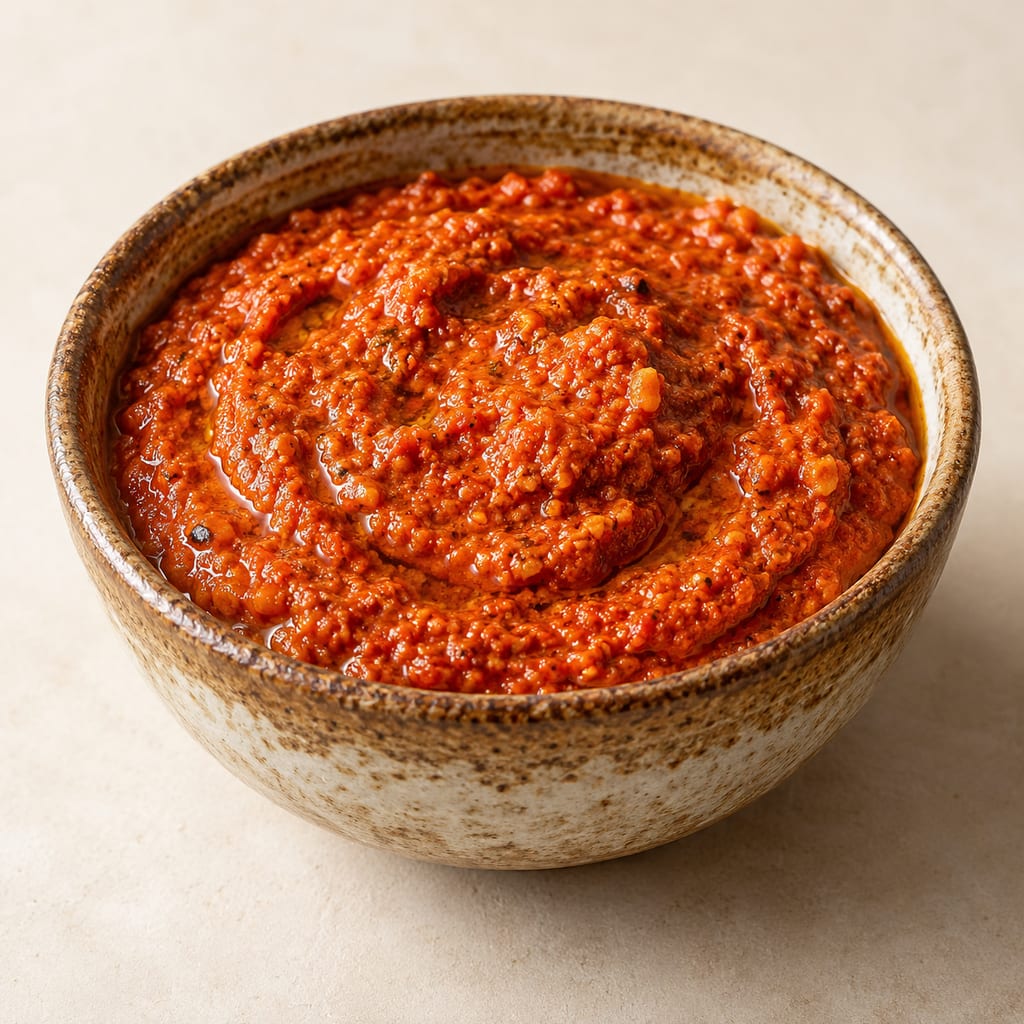
Romesco is a Catalan sauce of roasted tomatoes and garlic, toasted nuts, dried nyora peppers, bread and oil, traditionally served with seafood, grilled meat and calcots.
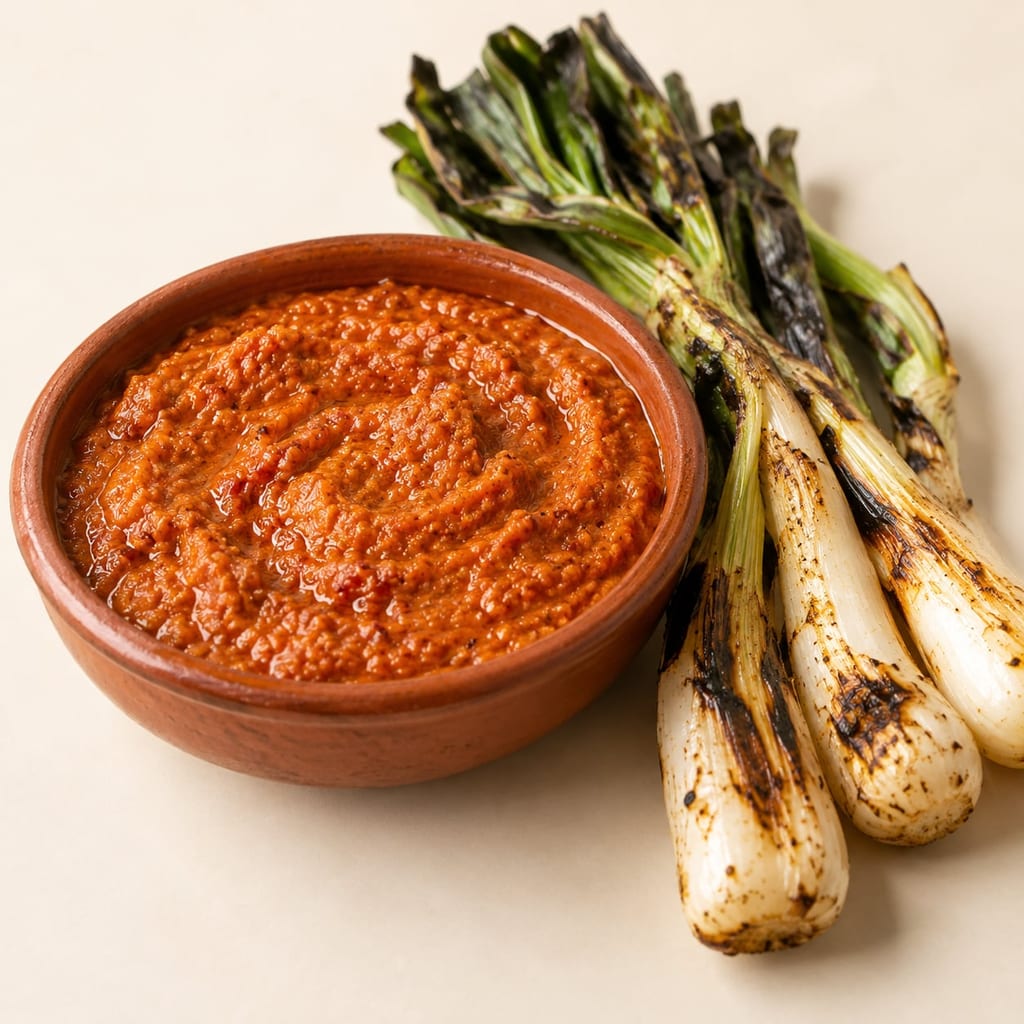
Salvitxada is a Catalan sauce from Valls, thickened with toast rubbed with garlic, served almost only with calcots at the calcotada barbecue.

Protected Italian vinegar made only from cooked grape must, fermented and aged in a battery of wooden barrels for at least 12 years: sweet, sharp and syrupy.

A Dominican table and seasoning condiment of sour orange juice, mixed with lime and salt and bottled raw; garlic, oregano or a hot pepper may be added for meat or a spicier bottle.

Japanese reddish-brown vinegar from sake lees matured about three years, turned to vinegar by acetic bacteria; the vinegar of Handa and Edomae sushi rice.

A Swedish-style spirit vinegar made by fermenting neutral alcohol with live vinegar bacteria, with a separate guide to commercial ättika strengths.
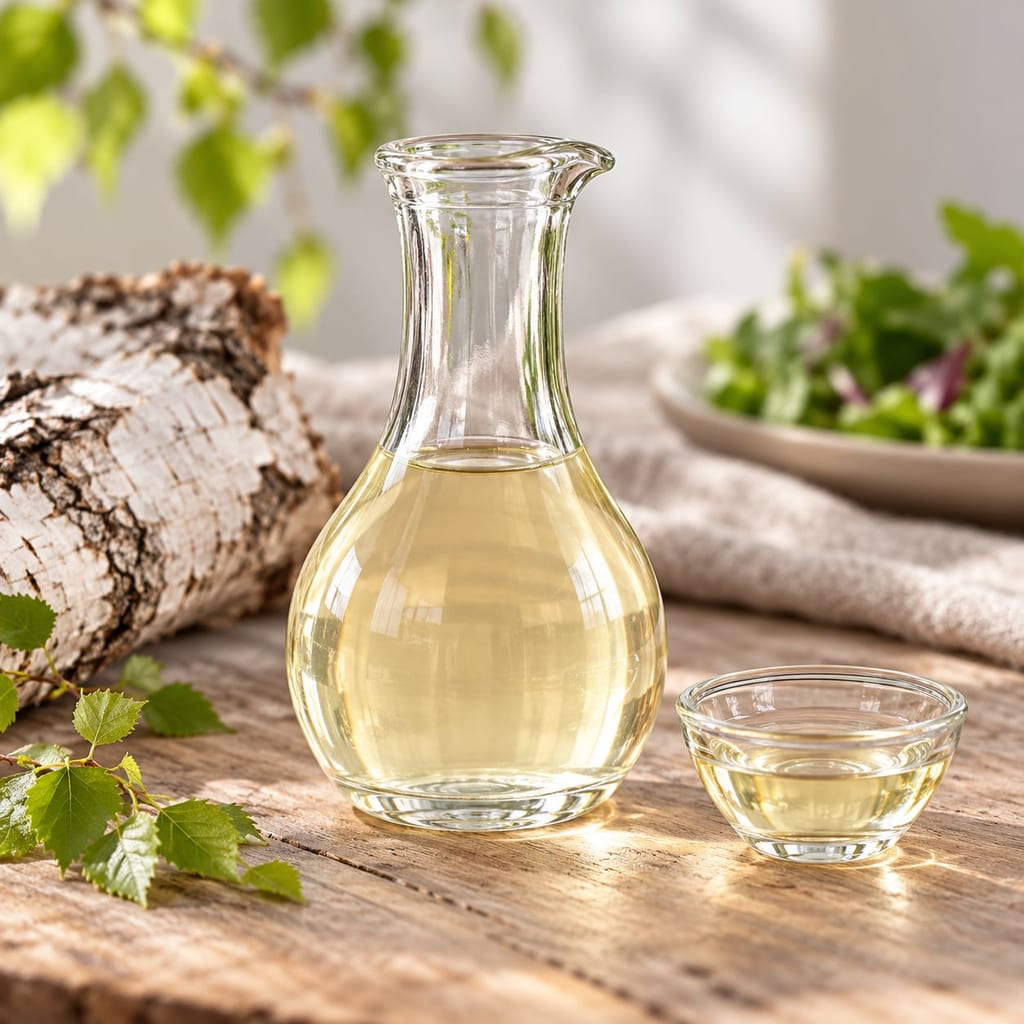
Vinegar from spring birch sap fermented to alcohol and then acetic acid, usually with added sugar or honey because the sap is so dilute; made in Sweden and described in older eastern European accounts.
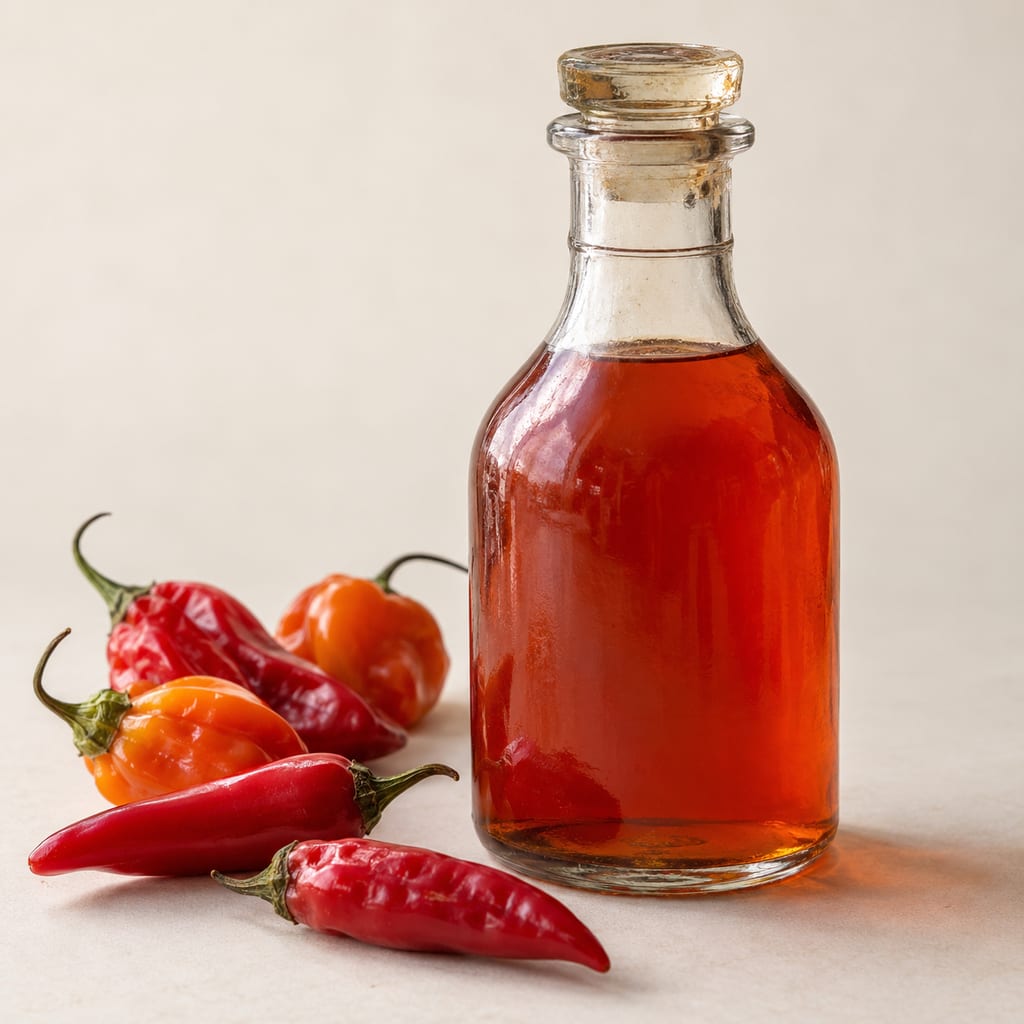
Mary Randolph's pepper vinegar: ripe pepper pods simmered in vinegar until the liquid is reduced to one quart, then strained for use in gravies and catsups. From The Virginia Housewife.
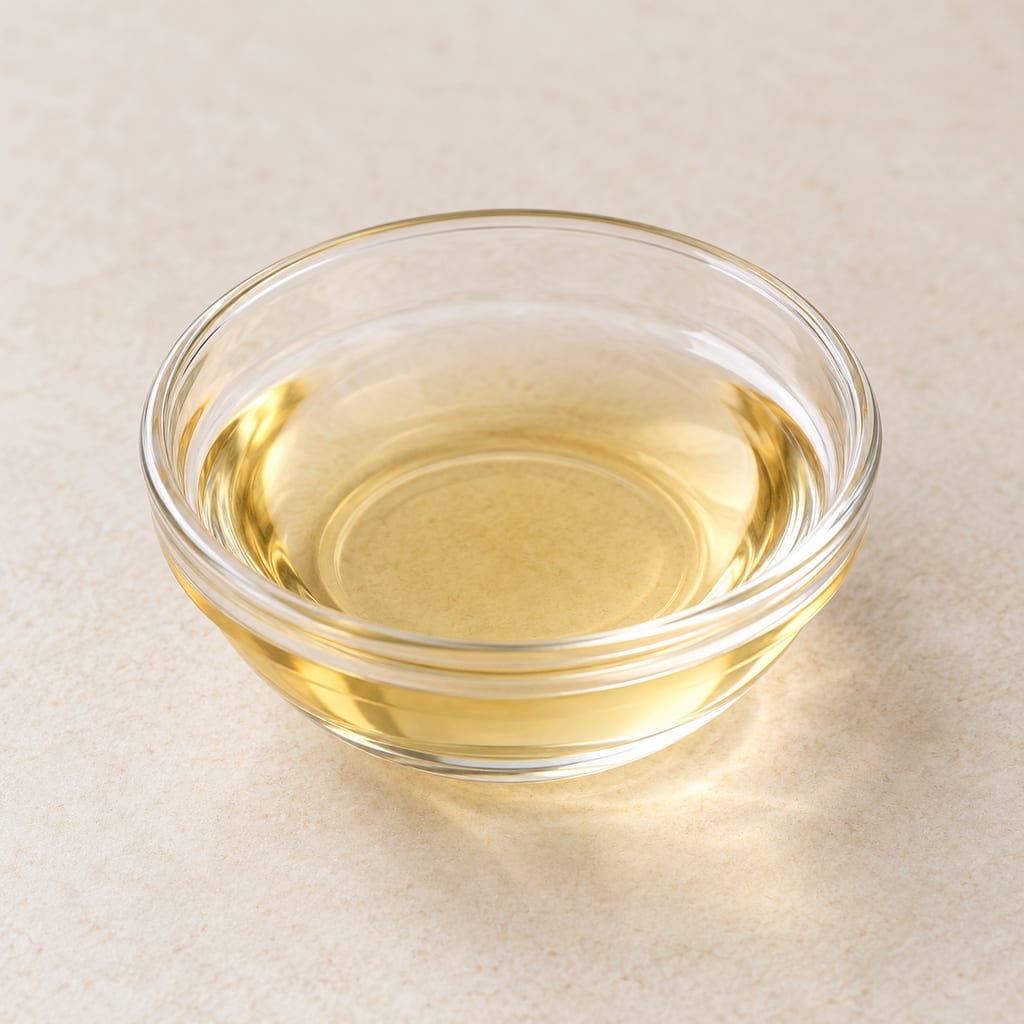
A Japanese mixed seasoning of vinegar, sugar and salt for sushi rice. Ratios vary with the rice batch and style; this version follows Marukan Vinegar's formula for two go of rice.
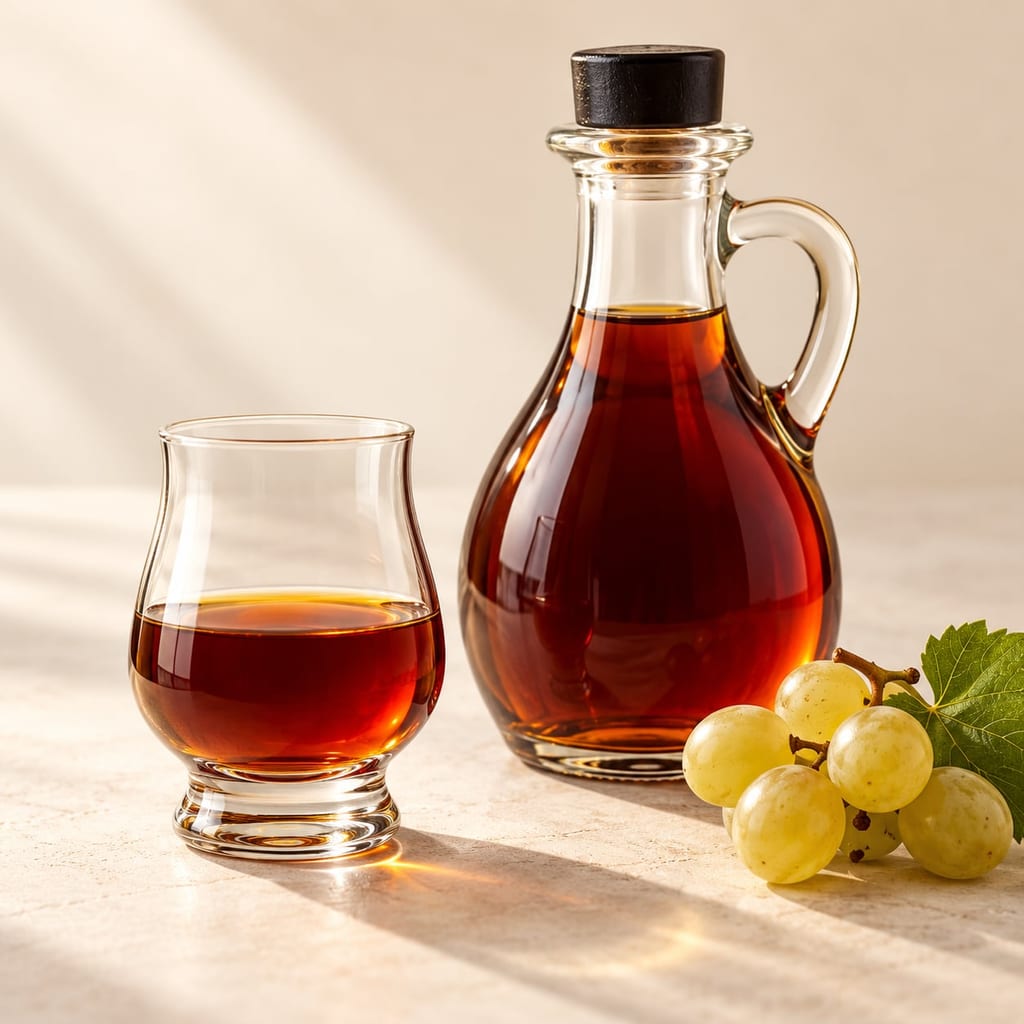
Vinagre de Jerez is made by acetifying eligible Jerez wines and ageing the vinegar in wood. Its protected name belongs to a defined Andalusian zone and a cellar tradition joining wine, oxygen, acetic bacteria and long ageing.

A gelling polysaccharide extracted from red seaweeds, sold as kanten strips or powder; it sets firm at a low concentration and stays solid until about 85 °C.

Cicerbita alpina is an alpine perennial whose tender shoots and leaves have been eaten raw or cooked. Sámi milk preparations and modern Carnian dishes are distinct uses, with serious identification and preservation limits.

Japanese skipjack tuna cooked, then repeatedly smoked and dried over a wood fire by the hand-fired tebiyama method into a hard block for shaving into dashi: the first stage of katsuobushi.

A yeast-raised wheat ring shaped from a firm dough, briefly boiled and baked. This source-batch formula gives a gently malted crust and a chewy crumb.

A warm dip of garlic, anchovy and olive oil, often enriched with butter, that Piedmont serves over a flame with raw and cooked vegetables and bread.

Bechamel is a white sauce of milk thickened with a butter and flour roux, one of the French mother sauces, and the base from which Mornay and other cheese and cream sauces are made.
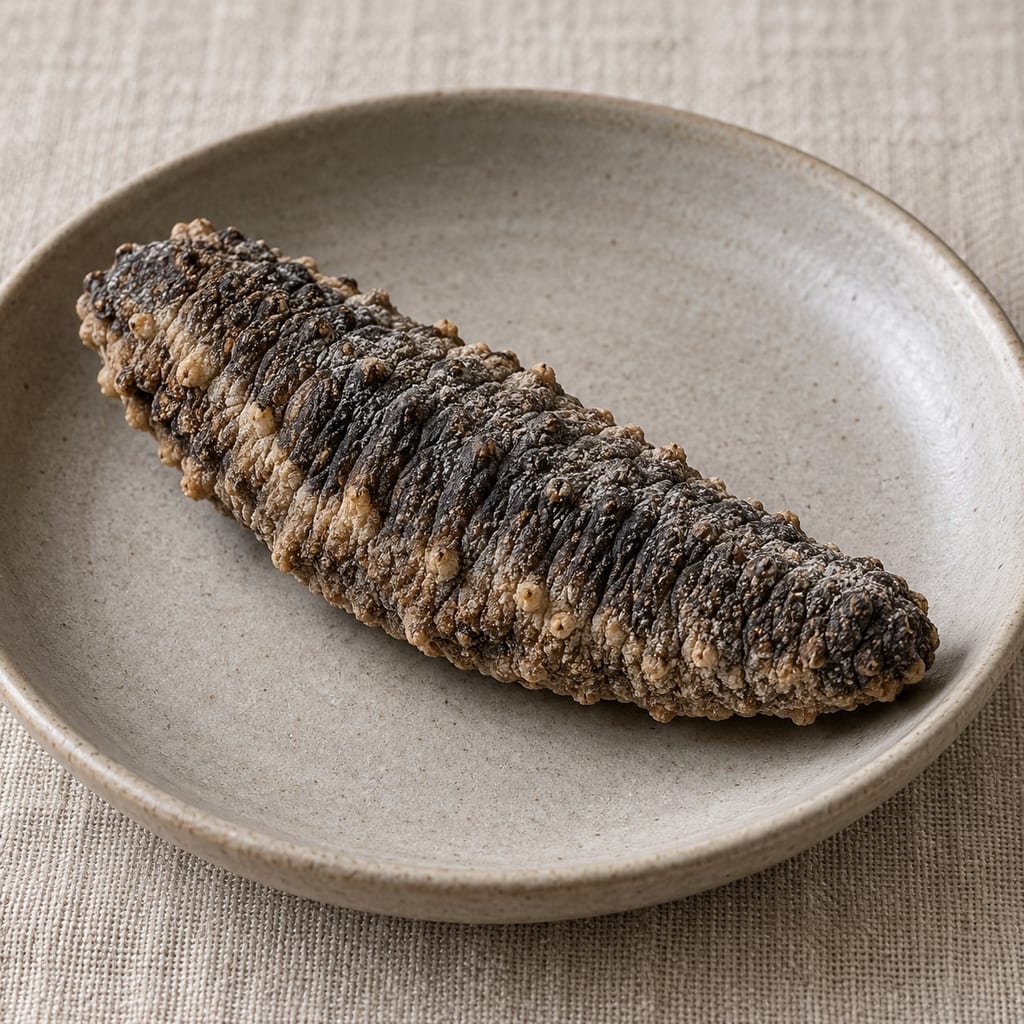
Sea cucumber cleaned, boiled and dried, sometimes with smoke, into a long-keeping trade product; Makassan processing in Arnhem Land is documented from at least the eighteenth century.
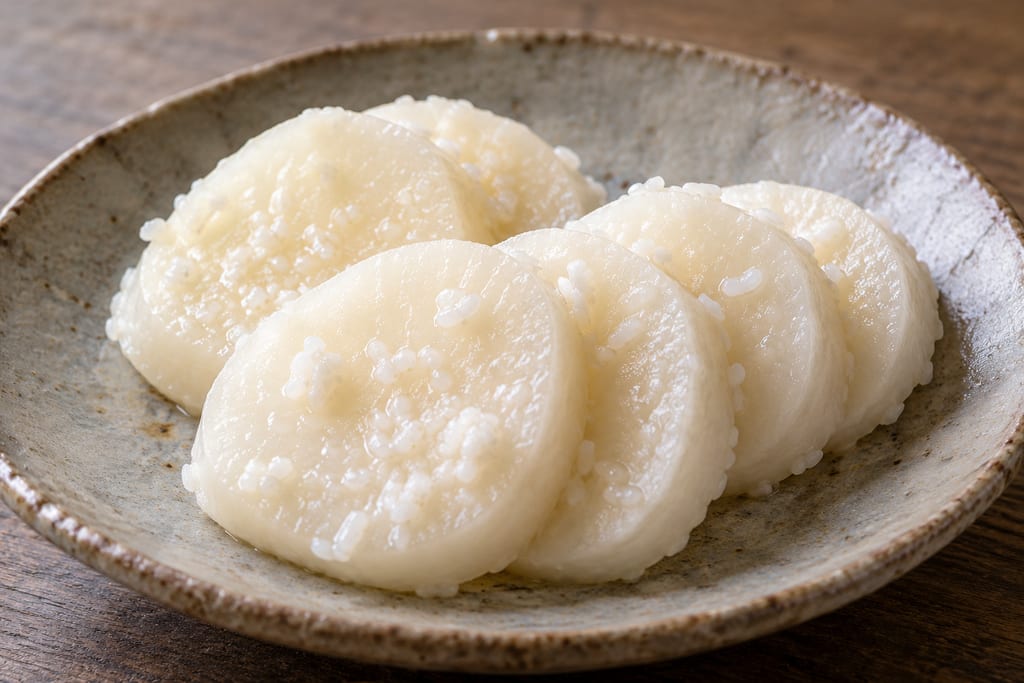
A sweet, crisp Japanese daikon pickle from Tokyo's Nihonbashi district, made by salting fresh radish and dressing it in rice koji, sugar or koji amazake without the heavy drying used for takuan.
No community contributions have been published for this entry yet.
Sign in to contribute. Published comments and photos are free to read.
Junta de AndalucíaMethod · History · Safety
Pliego de Condiciones de la DOP Vinagre de Montilla-Moriles (modified, April 2023)Raw materials and permitted grape additions
Surface and submerged acetification and ageing systems
Analytical limits
1651, 1677 and 1701 inventories
Cited in: What it is; History; How it is made, and why each step matters; How it works: yeasts, bacteria and chemistry; Regional and historical variations; How it is eaten and used; Reading results and problems
Ministerio de Agricultura, Pesca y AlimentaciónMethod · Safety
Pliego de Condiciones de la DOP Vinagre de Montilla-Moriles, consolidated 2023Consolidated analytical requirements and controls
Official Journal of the European UnionMethod · History
Publication of an approved standard amendment to the product specification of Vinagre de Montilla-Moriles2023 amendment published 30 January 2024
Cited in: What it is; History; How it is made, and why each step matters; Regional and historical variations; Reading results and problems
Consejo Regulador, Montilla-MorilesMethod · Use
VinegarsThree styles of protected vinegar
Añada minimum of three years
Culinary uses
Cited in: What it is; How it is made, and why each step matters; Regional and historical variations; How it is eaten and used; Reading results and problems
Consejo Regulador, Montilla-MorilesMethod
WinesFino, amontillado, oloroso and the wine denomination
Cited in: What it is; Regional and historical variations
Consejo Regulador, Montilla-MorilesMethod
Territory: ageingAgeing cellars below 20 C and 60 to 80 percent humidity
Cited in: What it is; How it is made, and why each step matters; How it works: yeasts, bacteria and chemistry
Consejo Regulador, Montilla-MorilesHistory
HistoriaWine denomination timeline from 1891 to 1945
Cited in: History
Boletín Oficial de la Junta de AndalucíaHistory
Orden de 30 de noviembre de 2011: Reglamento y Pliegos de Condiciones de Montilla-Moriles y Vinagre de Montilla-Moriles2011 specification
Cited in: History
Boletín Oficial de la Junta de AndalucíaHistory
Orden de 19 de septiembre de 2008: solicitud de inscripción de Vinagre de Montilla-Moriles2008 application for protection
Cited in: History
Frontiers in MicrobiologyMicrobiology
Combining omics tools for the characterization of the microbiota of diverse vinegars obtained by submerged cultureKomagataeibacter and Acetobacter in submerged fino vinegar
Cited in: How it works: yeasts, bacteria and chemistry; Reading results and problems
Frontiers in MicrobiologyMicrobiology · Safety
Unraveling the role of acetic acid bacteria comparing two acetification profiles from natural raw materialsRaw material and acetification conditions
Microorganisms, MDPIMicrobiology
Correlating microbial dynamics with key metabolomic profiles in three submerged culture-produced vinegarsMicrobial shift to acid-tolerant Komagataeibacter
Cited in: How it is made, and why each step matters; How it works: yeasts, bacteria and chemistry; Reading results and problems
Sensors, MDPIAnalysis
Characterizing and authenticating Montilla-Moriles PDO vinegars using near infrared reflectance spectroscopy70 samples from twelve wineries
Cited in: Reading results and problems
Food Research InternationalChemistry
A comparative study of the volatile profile of wine vinegars with protected designation of origin by headspace stir bar sorptive extractionVolatile markers separating Spanish DOP vinegars
Cited in: How it works: yeasts, bacteria and chemistry; Regional and historical variations
PubMedMicrobiology
Flor yeast strains of Montilla-Moriles wineries2,000 isolates from five wineries and five flor strains
Cited in: How it works: yeasts, bacteria and chemistry
Bodegas Perez BarqueroUse
Vinagre al Pedro Ximenez Gran Reserva, 10 yearsProducer data sheet and uses
Cited in: How it is eaten and used
UniCo Vinagres y SalsasUse
Vinagre de Montilla-Moriles de vino oloroso, Gran Reserva 50 SacristiaSalads, gazpacho and salmorejo
Cited in: How it is eaten and used
UniCo Vinagres y SalsasUse
Vinagre de Montilla-Moriles al Pedro Ximenez, Gran Reserva 50 SacristiaConcentrated sun-dried Pedro Ximenez must and uses
Cited in: How it is eaten and used
Penn State ExtensionSafety
Let's Preserve: Ingredients Used in Home Food PreservationCommercial vinegar of stated acidity for tested recipes
Cited in: How it is eaten and used; Reading results and problems
National Center for Home Food Preservation, University of GeorgiaSafety
General Information on PicklingUnknown acidity vinegar risk