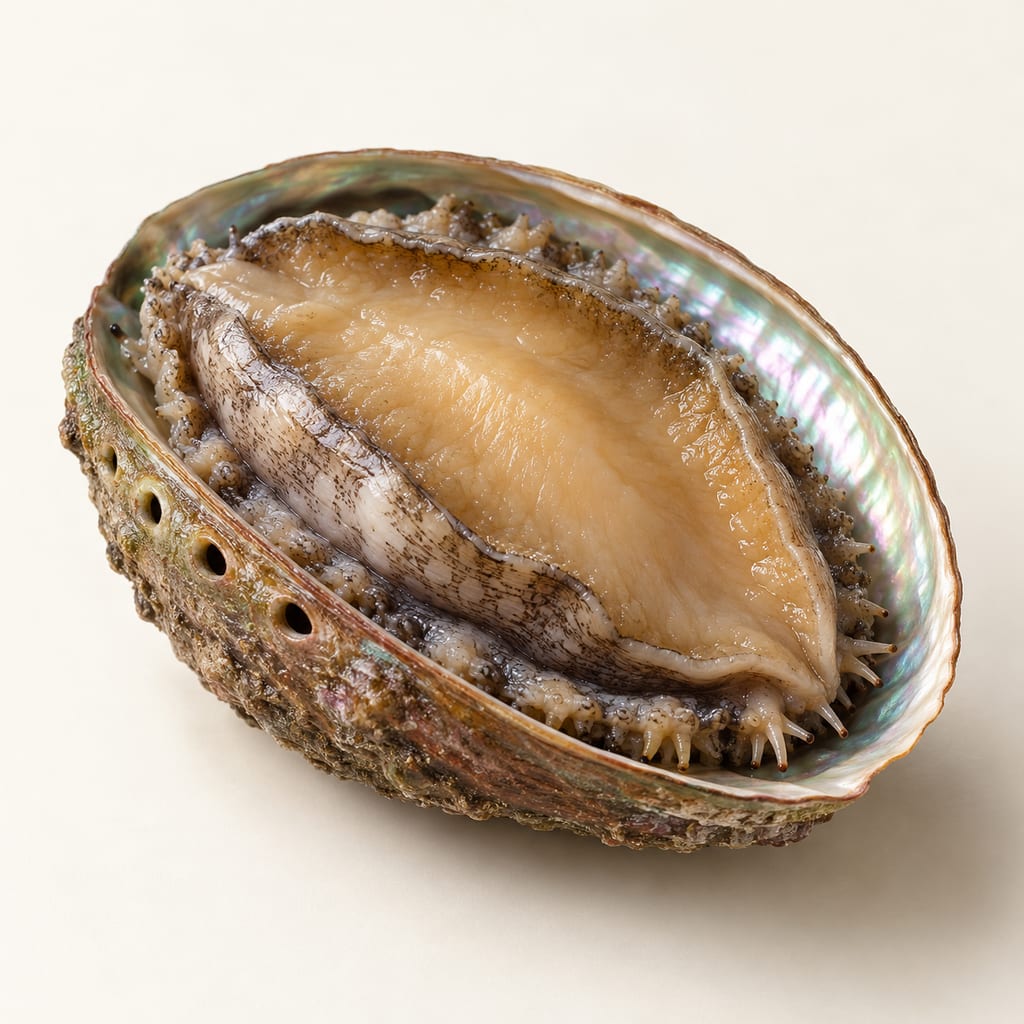
Abalone
Abalone are marine snails valued for their broad muscular foot and distinctive shell. They are eaten fresh or dried and appear in documented Korean dishes and preserved seafood traditions.
 FermenteaWhere food goes to change
Cultures
Vinegar mother is the acetic-acid-bacteria culture, often seen as a gelatinous film, that turns alcohol to vinegar; it is carried over from one batch of vinegar to the next.
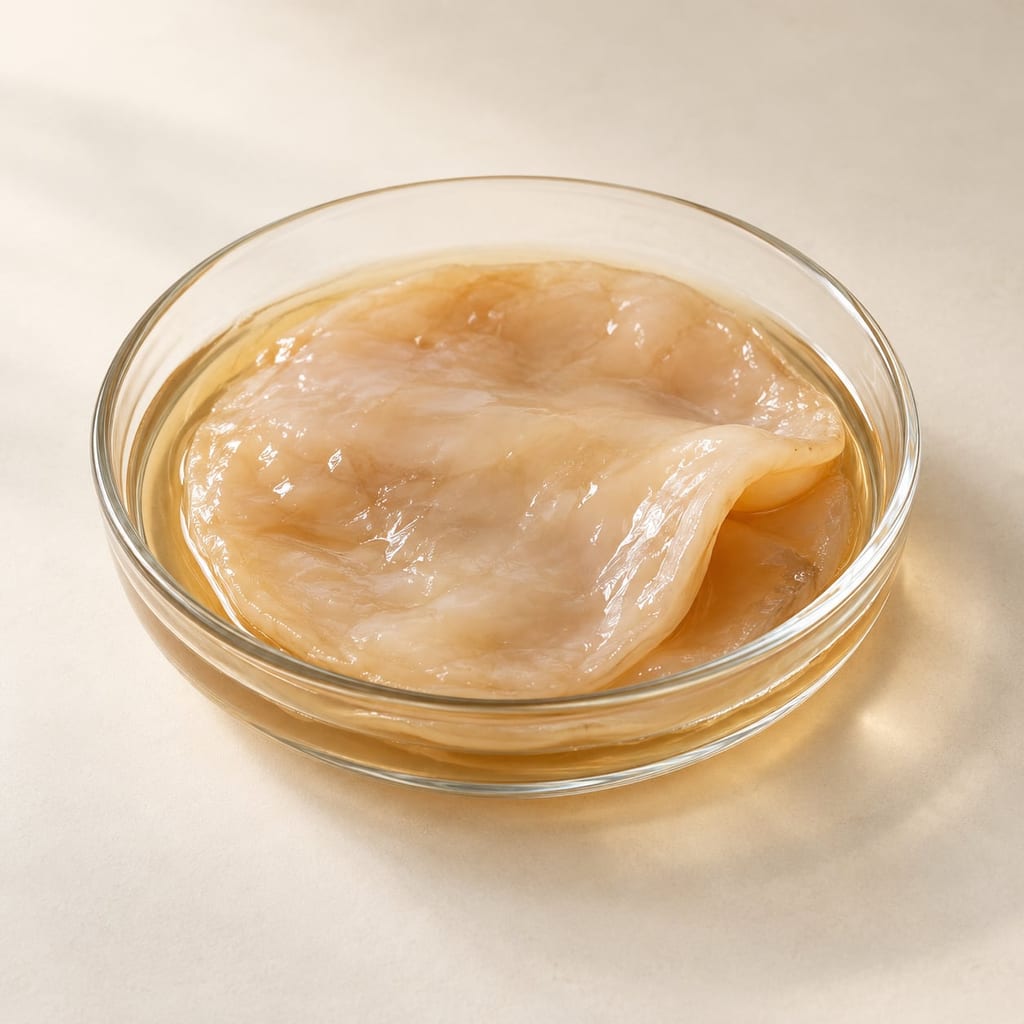
Vinegar mother is the living culture of acetic-acid bacteria that makes vinegar from an alcoholic liquid, and it is the part of a batch that cooks keep and pass on. It is often seen as a gelatinous film on the liquid. The Canadian Food Inspection Agency describes the visible material that sometimes forms in bottled vinegar as a bacterial biofilm. A pellicle may accompany the living liquid, but the film's look does not identify its strain or its full community, and it should not be confused with the surrounding liquid, the alcoholic substrate or the finished vinegar.
The name covers cultures used on wine, cider, fruit, malt, palm and rice-derived alcoholic liquids. Because the substrate and the process differ, the sources do not support treating one mother as interchangeable with another.
Acetic-acid bacteria oxidise ethanol to acetic acid, and they need oxygen to do it. In surface systems they grow at the boundary between liquid and air, which is where a film forms. Industrial submerged processes supply the oxygen with aeration equipment instead. Sugar alone does not give them ethanol to work on, so sweet liquid is not the same as the alcoholic substrate that acetification needs; for cereals such as rice, a saccharification stage and an alcoholic fermentation come first.
Acetobacter pasteurianus is a documented candidate starter. The catalogue notes for this culture say to feed an appropriate alcoholic substrate and allow oxygen access, to use an active, unpasteurised starter, and to keep the culture separately if the finished vinegar will be pasteurised. They are care notes, not a tested protocol.
Penn State and Ohio State Extension describe a household cider-vinegar process in two stages, a yeast stage and an acetic-acid stage. The page warns that homemade vinegar varies in acidity and should not be used in foods that will be canned or stored at room temperature. That guidance concerns cider and does not give interchangeable care for wine, malt, palm or rice vinegar cultures.
A study of three sampled Korean rice vinegars isolated bacteria from their surface films, and a Korean study selected two Acetobacter pasteurianus strains from traditional-vinegar samples as candidate starters. Both concern defined samples and laboratory work, so they do not identify every household mother or a universal culture.
Recipes on this site that start from a vinegar culture list it as a line: for example, wine vinegar and white-wine vinegar, Montilla-Moriles vinegar, Zhenjiang black vinegar, birch sap vinegar and akazu. Each links to this page for the culture, and each has its own substrate and process.
The reviewed sources do not give an origin or season for the term vinegar mother, storage limits for a retained culture across substrates, or a general acidity endpoint for home vinegar. A visible film, smell, taste or a single pH reading does not settle these. Each substrate and process needs its own evidence before a method or a preserving use can be described.
Studies of surface films in sampled Korean rice vinegars and of acetic acid bacteria from traditional Korean vinegars. They describe defined samples, not the distribution of vinegar mother.
Abalone are marine snails valued for their broad muscular foot and distinctive shell. They are eaten fresh or dried and appear in documented Korean dishes and preserved seafood traditions.

Pleurotus cystidiosus is the abalone mushroom, a cultivated oyster-type fungus with dark brown caps that grows more slowly and is more demanding than other Pleurotus species.
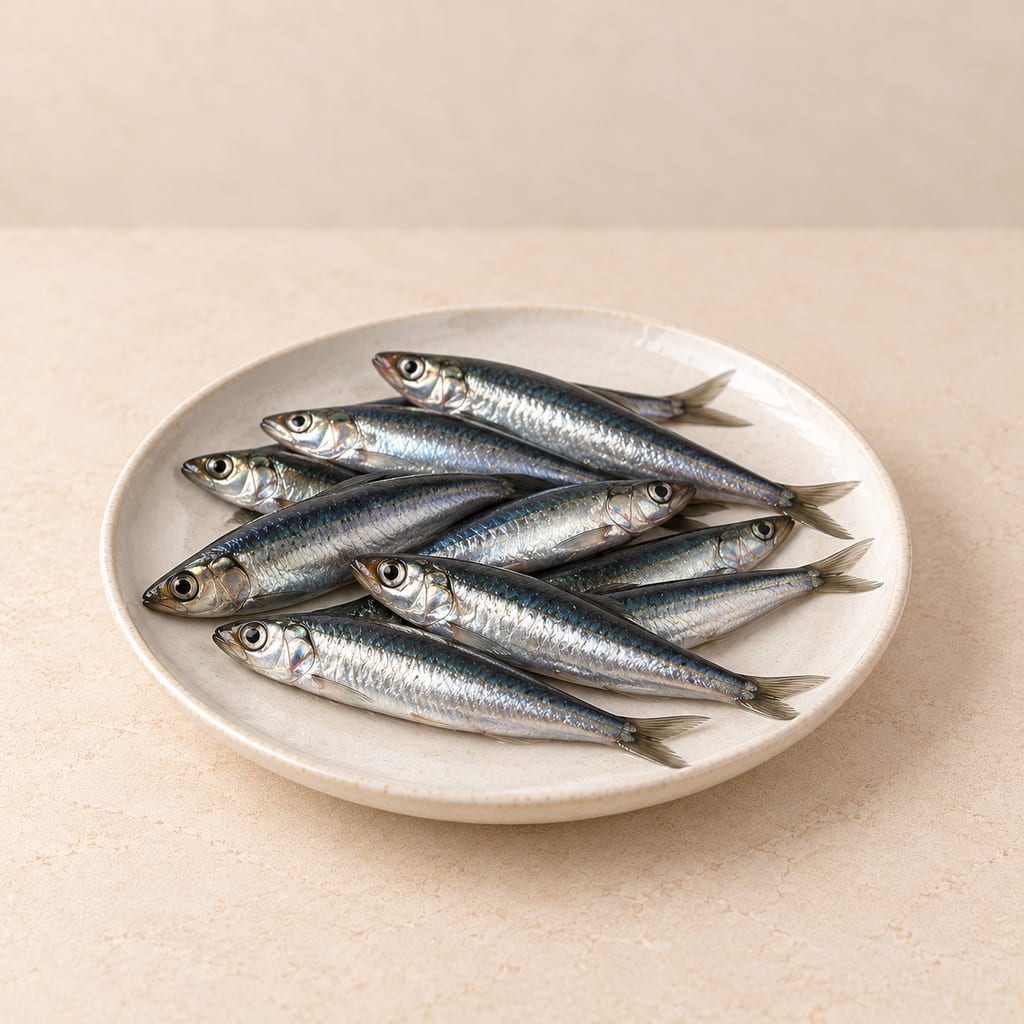
Anchovies are small schooling sea fish of the family Engraulidae, eaten fresh or dried and above all salted: as fillets in oil, whole salted fish or fish sauce.
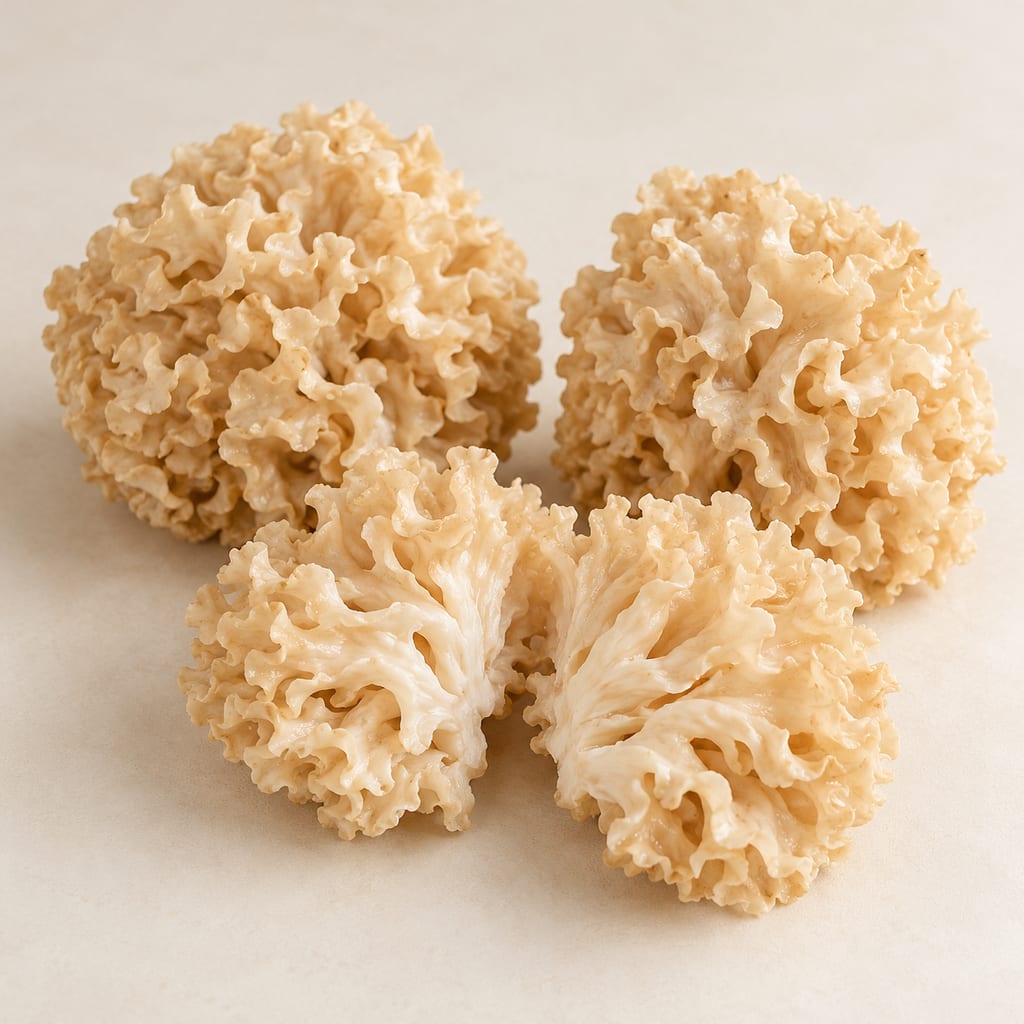
The Asian cauliflower mushroom, Sparassis latifolia, is a cultivated fungus with a frilled, fronded form that is eaten in China, Japan and Korea. Many Asian records under the name Sparassis crispa refer to this species.
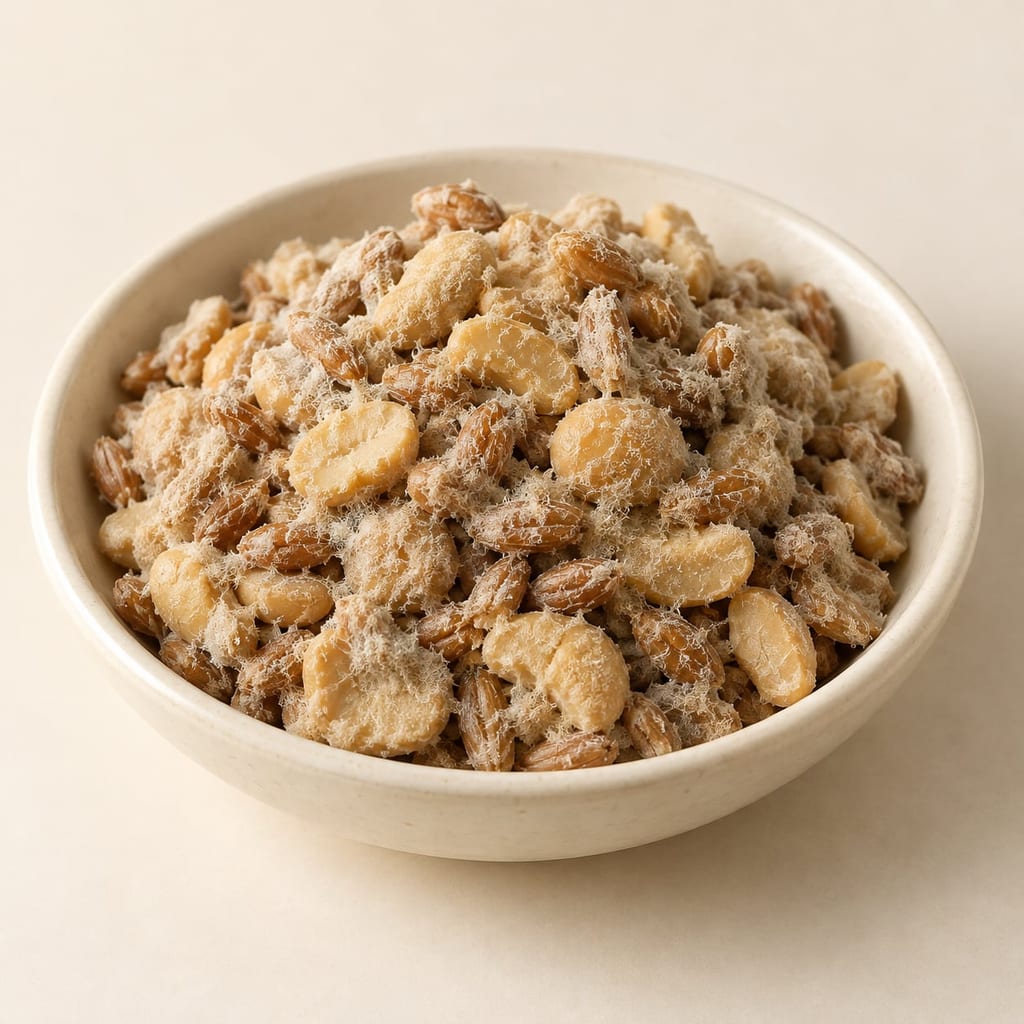
Aspergillus sojae is a koji mould of the Aspergillus flavus group, closely related to A. oryzae, used as a starter in soybean fermentations such as Korean meju, doenjang and ganjang.
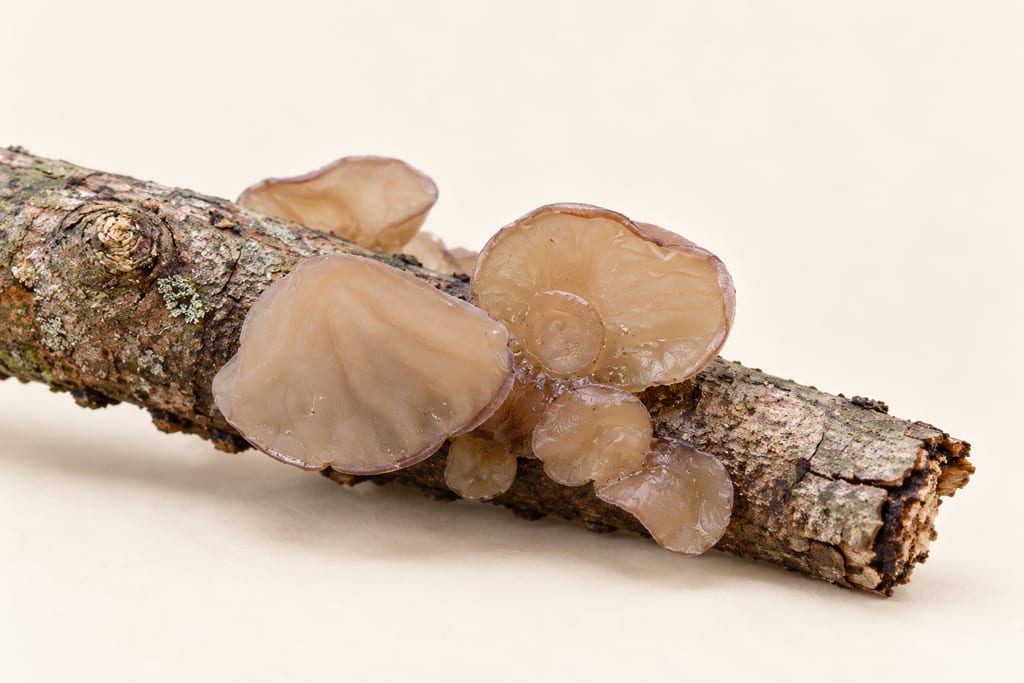
A small wood-decaying jelly fungus recognized as a distinct East Asian species. A Chinese edible-fungi catalogue lists it as edible, but species-specific preparation and safety evidence remain limited.
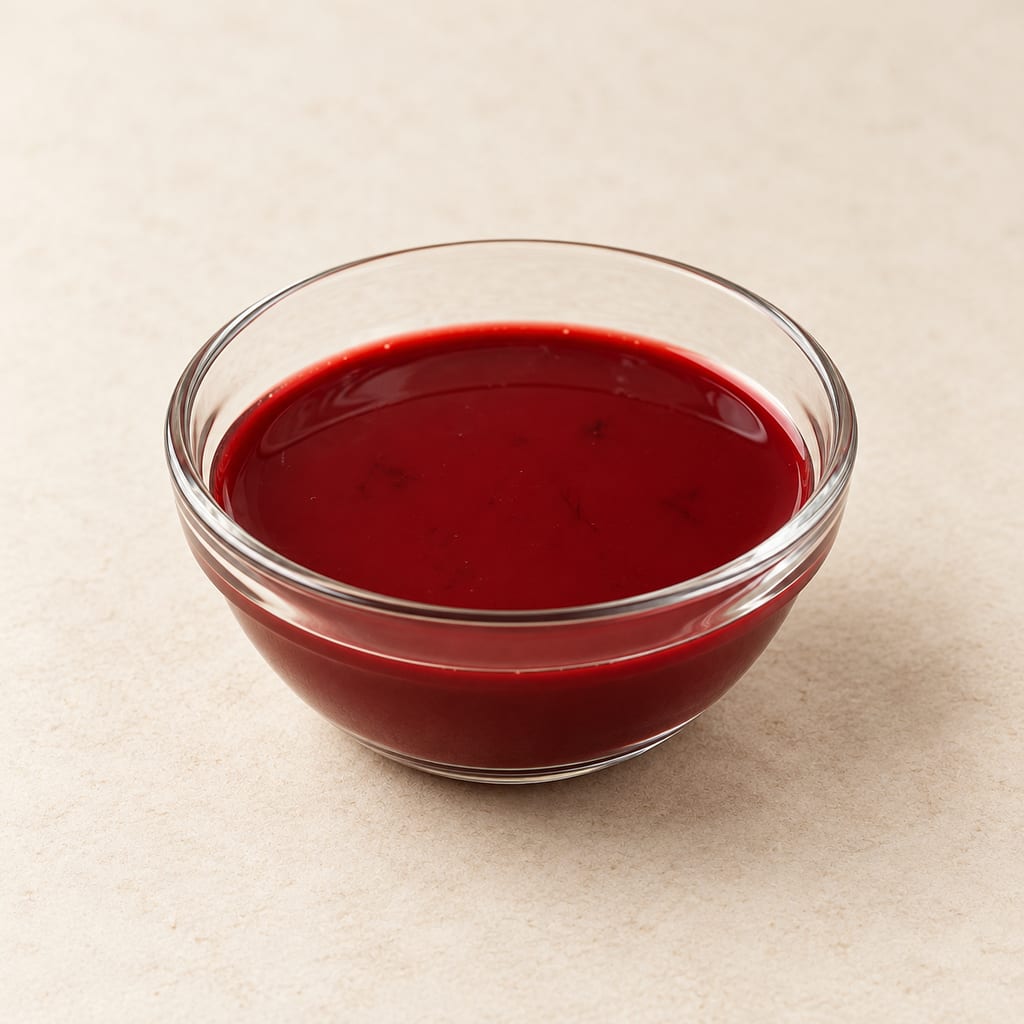
Animal blood is a perishable food material used fresh, coagulated, cooked, dried or processed into ingredients. Its uses range from grain-filled puddings to functional protein ingredients, each with distinct history and handling needs.
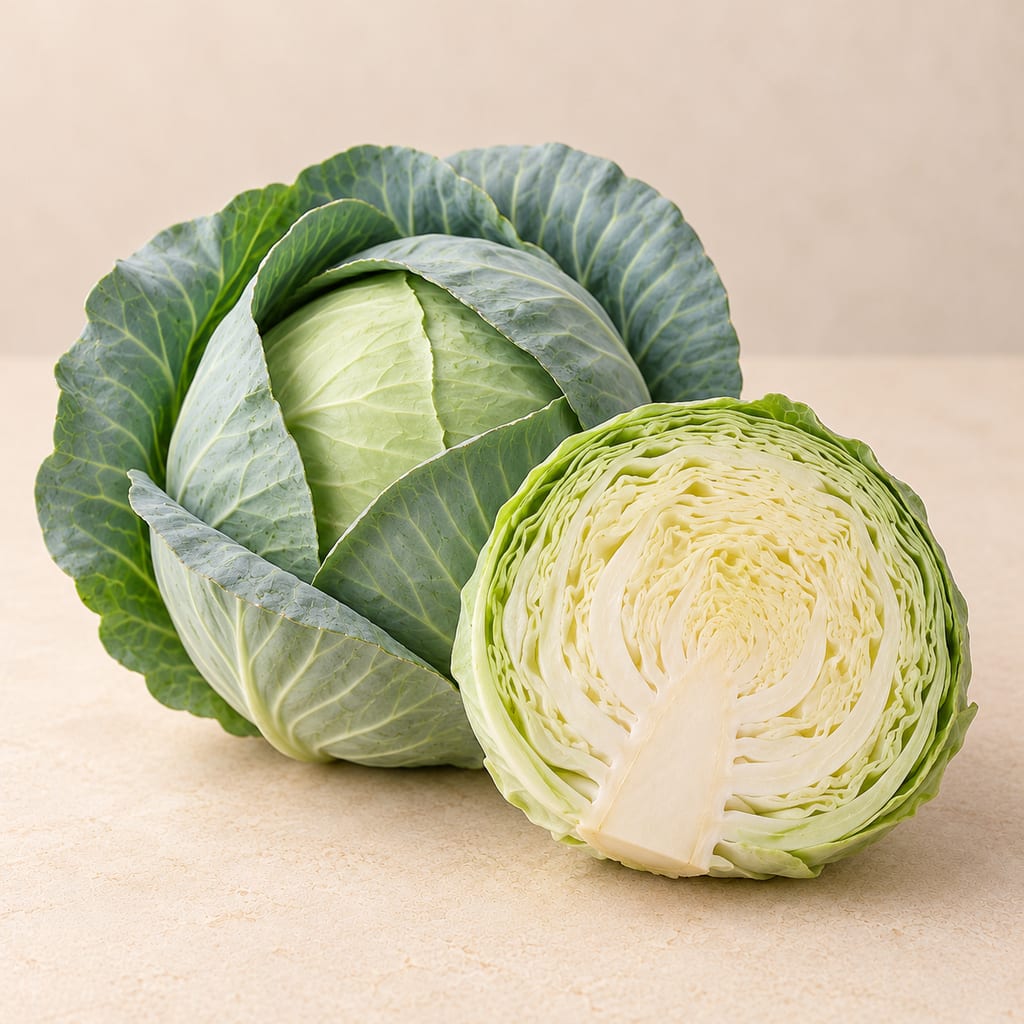
Cabbage is the dense leafy head of Brassica oleracea, a European vegetable that keeps for months and is the classic raw material for sauerkraut, with napa cabbage the base of kimchi.
No community contributions have been published for this entry yet.
Sign in to contribute. Published comments and photos are free to read.
Canadian Food Inspection AgencyIdentity · Safety
Mother of vinegarThe visible material in bottled vinegar described as a bacterial biofilm.
Cited in: A culture, often seen as a film; Where vinegar mother is used; What is not established
Penn State ExtensionIdentity · Terminology
Advice about VinegarVinegar terminology and the mother as a film associated with vinegar fermentation.
Cited in: A culture, often seen as a film
The Scientific World JournalMicrobiology · Production
Acetic Acid Bacteria and the Production and Quality of Wine VinegarAcetic acid bacteria oxidise ethanol to acetic acid in the presence of oxygen; surface and submerged production systems.
Cited in: What it does: alcohol and oxygen to acetic acid
MycobiologyMicrobiology · Production
Surface Film Formation in Static-Fermented Rice Vinegar: A Case StudyBacteria isolated from surface films of three sampled Korean rice vinegars; rice vinegar preceded by saccharification and alcoholic fermentation stages.
Cited in: What it does: alcohol and oxygen to acetic acid; What studies of particular vinegars show
Ohio State University Extension; hosted by Penn State ExtensionProduction · Safety
Making Cider Vinegar at HomeHousehold cider vinegar in separate yeast and acetic-acid stages; acidity of homemade vinegar varies; not for foods canned or stored at room temperature.
Cited in: What studies of particular vinegars show; What is not established
Food Science and Preservation; Korean Society of Food PreservationMicrobiology
Selection and characterization of acetic acid bacteria from traditional Korean vinegars for starter culture developmentTwo Acetobacter pasteurianus strains selected from traditional-vinegar samples as candidate starters (journal record and English abstract).
Cited in: What it does: alcohol and oxygen to acetic acid; What studies of particular vinegars show