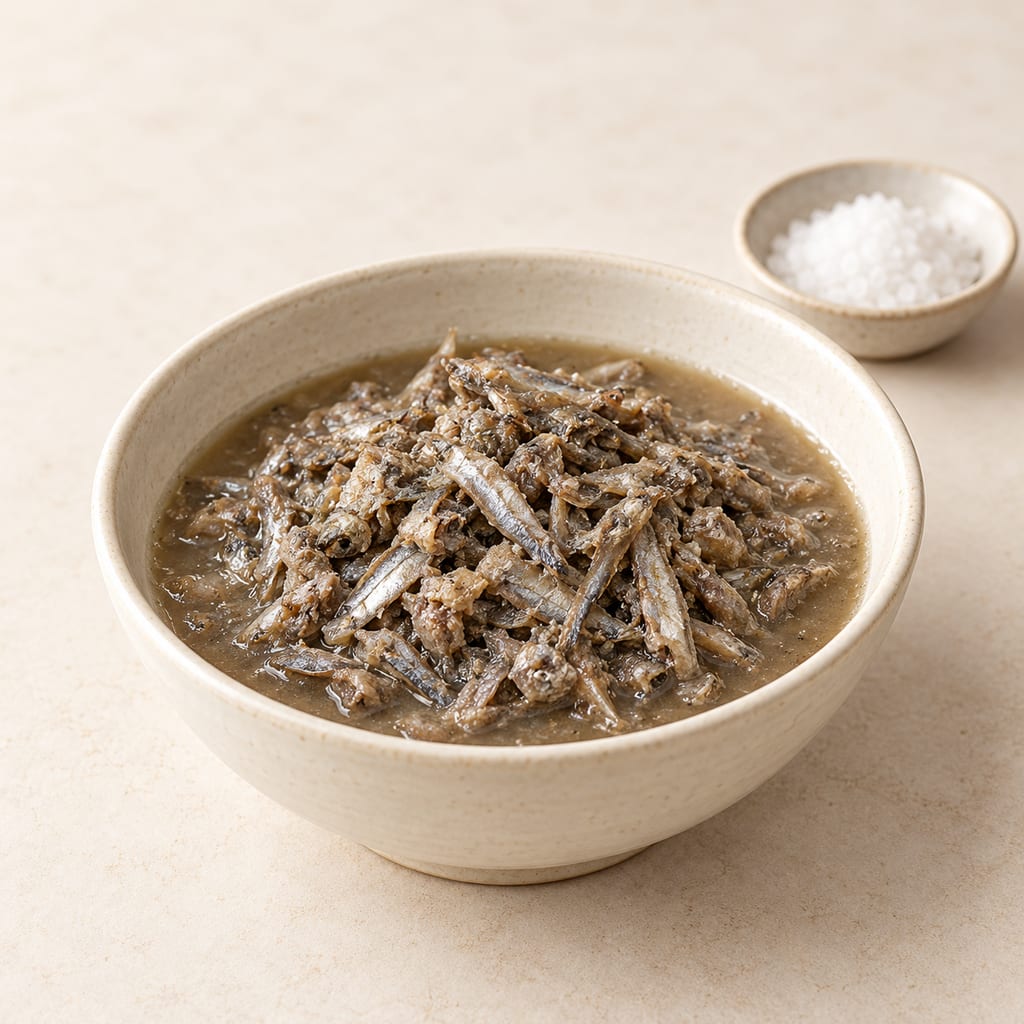
Myeolchi jeot
Salted anchovies mature in a covered jar with brine. The fish can be seasoned for a meal, while the expressed liquid seasons kimchi and other dishes.
 FermenteaWhere food goes to change
Substrates
Anchovies are small schooling sea fish of the family Engraulidae, eaten fresh or dried and above all salted: as fillets in oil, whole salted fish or fish sauce.
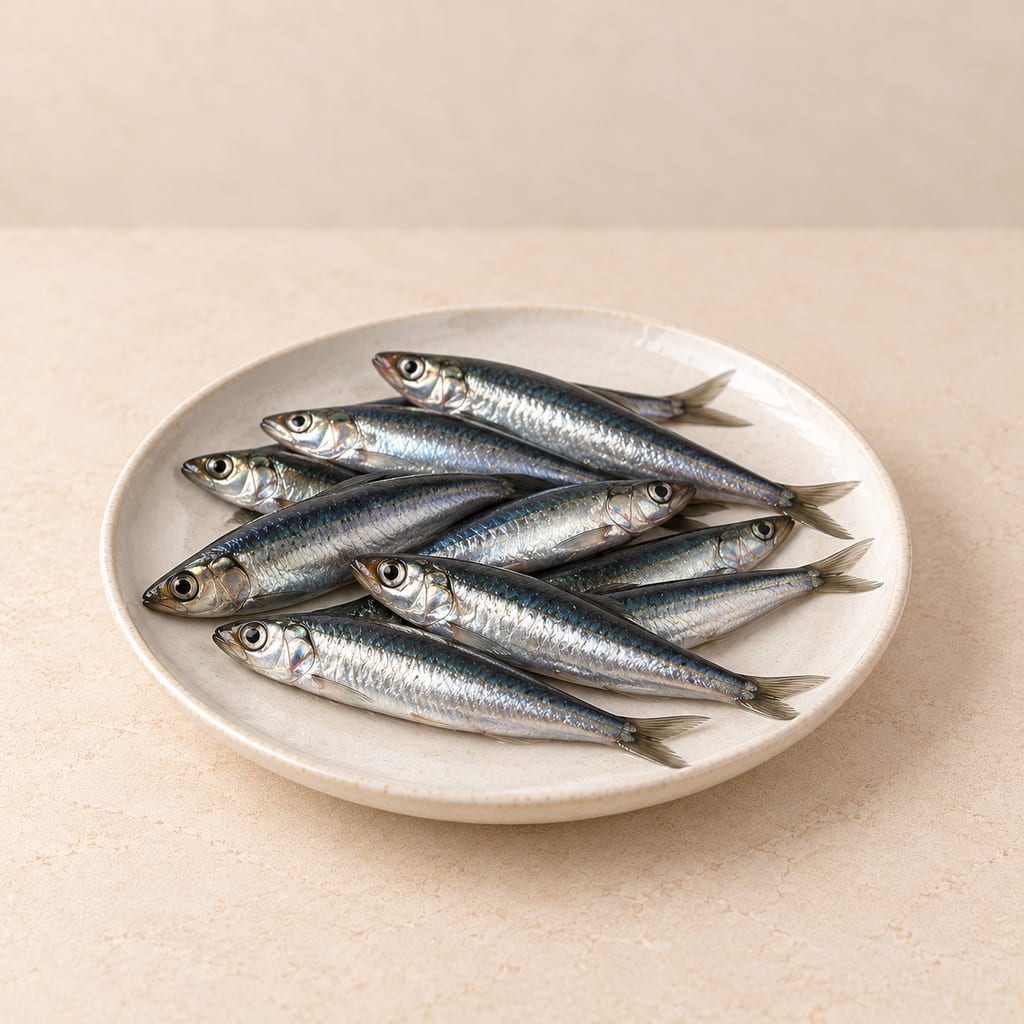
Anchovies are the fish of the family Engraulidae, small schooling fish that feed on plankton and are fished from coasts on every continent with a warm or temperate sea. The family is recognised by its head: the snout projects past a lower jaw that sits underneath it, and the mouth gapes back towards the eye. The scales are smooth and drop off easily when the fish is netted, which leaves a bare, silvery skin. Nearly all species live in the sea, though a few tolerate brackish water and some live in fresh water.
The European anchovy, Engraulis encrasicolus, is the one most cooks mean. Most fish are 7 to 15 cm long and the largest reach 20 cm. They live in coastal schools, enter estuaries and lagoons, tolerate salinities from 5 to 41 parts per thousand, and move down to between 100 and 180 m in the Mediterranean in winter. They eat copepods and other small crustaceans and the larvae of molluscs, spawn in summer and early autumn, and are mature at about one year old. That short life and heavy reproduction is why the fishery can be large and why catches rise and fall with the sea.
Fresh anchovy is a lean, oily, delicately flavoured fish that spoils quickly. Almost everything people have made of it since is a response to that: the fish is salted, dried, pressed into sauce, marinated or sealed in oil so that a catch which arrives in a few weeks of the year can be eaten across the whole of it.
Three species account for most of what the word means in recipes. The European anchovy, Engraulis encrasicolus, is called boquerón in Spanish and anchois commun in French, and is fished in the Mediterranean, the Black Sea and off the Cantabrian coast. It supplies the Cantabrian fillets of northern Spain and the Italian anchovy sauce of the Amalfi coast. In Korea the fish is myeolchi (멸치), the Japanese anchovy, Engraulis japonicus, whose range runs through the western Pacific along Korean, Japanese and Chinese coasts. In Peru and Chile the fish is the anchoveta, Engraulis ringens, which lives along the Pacific coast between the two countries.
The three are close relatives that look alike on a slab, but they are not the same animal and they sit in different fisheries and food cultures. A Korean recipe that says myeolchi may mean a fish of 3 cm or one of 7 cm, fresh or dried; in Italy alici are the fresh fish and colatura di alici is the sauce drawn from them; in Spain the fresh fish are boquerones. When a recipe simply says anchovies, the form is what matters most: fresh whole fish, dried whole fish, salt-matured fillets in oil, a sauce, or a salted jar of whole fish all start from the same animal but are different ingredients.
People were turning small fish into salted seasonings long before anyone wrote down a recipe for anchovy fillets. The earliest recorded fish sauce was made by Greeks on the Black Sea coast, where small fish fermented in salt produced a liquid called gaaros. The Carthaginians made it around the Lake of Tunis, and a Punic shipwreck of the fifth century BCE off Ibiza may have carried it in amphorae from Gades (Cádiz) and Tingi.
Rome industrialised the product. Fish blood, guts and heads were mixed with large quantities of sea salt and left to ferment for varying times. Garum was the best-known name; liquamen was a cheaper sauce made mainly from sardines, herring, shad and eel. The factories lay in Spain, Portugal, southern France and North Africa. The largest known one in the western Mediterranean, at Lixus in modern Morocco, had ten factories with room to salt more than a million litres. By the age of Augustus the sauce called garum sociorum, from Cartagena and Cádiz, was the most prized and cost 1,000 sesterces for twelve pints, the price of about 2,000 loaves of bread. The trade ran far: garum reached Roman Britain from the Iberian Peninsula, and the tenth-century writer Liutprand of Cremona mentioned it on sale in Constantinople.
Which fish went into any given amphora is rarely recorded, and anchovy is not named as the standard fish of ancient sauces. What they establish is the technique: salt, small fish and time. Chemical analysis in 2010 of garum residue in containers from Pompeii found a taste profile close to that of modern Southeast Asian fish sauces. The same technique, applied to anchovies, survives in the Italian colatura of Cetara and the Korean myeolchi-aekjeot described below.
The scholar Jeong Yak-jeon wrote Jasan Eobo, a book on the sea life of the coast around the island of Heuksando, in 1814, drawing largely on the account of a local fisherman. Its entry for myeolchi is short and exact about timing: the fish appears along the coast early in the sixth lunar month and withdraws when the frost comes. The note is a fisher's observation about when the catch is available, and it shows how closely the fish was tied to a season.
That seasonality still shapes how the fish is used. The smallest anchovies, caught in late summer, are stir-fried or mixed into rice. Fish of 3 to 4 cm caught in early autumn are braised with peppers, perilla leaves and radish. Those caught in late autumn and early winter are usually eaten as a snack with beer, soju or other drinks, and the largest, around 7 cm, caught as winter ends, are reserved for stock. Dried anchovies are light and keep well, which made them a pantry staple, and the broth built on them is the base for noodle dishes such as janchi-guksu.
Salted anchovies, myeolchi-jeot, are the other great use. In a Gyeonggi-do method the fish are rinsed in salty water, drained and packed in a jar with coarse salt, then covered with a separately prepared brine. After months in a covered earthenware jar the fish soften and release a dark liquid. The liquid, filtered, becomes the extract that seasons kimchi, stews and soups; the fish themselves are cut up and seasoned to eat with rice. On Jeju Island the matured anchovy is the dipping sauce for grilled pork.
The anchovy fillet in oil that many people think of as the ingredient is a manufactured product with its own industry, and in Europe its centre is the northern Spanish coast of Cantabria, around Santoña. An Italian merchant who was looking for a new source of anchovies found the fish off Santoña better than those of his own coast and opened a filleting and canning business there. The fillets were first covered in butter; Spain's olive oil soon replaced it. Today the ports of Santoña, Laredo, Castro Urdiales and Santander land the catch, mostly from purse seines, and fresh fishing peaks from March to July.
The work begins the moment the fish are landed. The anchovies are headed and gutted, washed in brine and layered with coarse salt in barrels. The salt draws water out of the flesh, seasons it and gives the fish its colour and its flavour. The fish stay in salt for at least nine months and, for the longest-aged grades, up to three years. They are then taken out, rinsed in cold water to wash off the excess salt, spun dry in cloth, brushed free of skin and scales, and trimmed of belly and tail. The two fillets are lifted off the backbone by hand, laid in jars or tins and covered with olive or sunflower oil, and the container is sealed.
Salt maturation and oil packing are separate stages: the salt preserves and seasons the fish over months, and the oil, olive or sunflower, is what the finished fillets are sealed in to keep and flavour them. Producers sell a range from plump, long-matured fish that are meant to be eaten on their own, with bread and olives, to cheaper, saltier fish sold as an everyday cooking ingredient for pasta sauces, stews and sandwiches.
On the Amalfi coast of Campania, in the village of Cetara, the old technique of fish and salt survives as a protected product. Colatura di alici di Cetara became a European protected designation of origin in 2020. It is made from European anchovies of 9 to 12 cm caught by the lampara method off Amalfi and Positano. The rules require that no more than 12 hours pass between the catch and the arrival at the plant, because freshness is the first control on a product that must not form histamine.
At the plant the fish are headed by hand, gutted, and laid in alternating layers with sea salt in oak containers called terzigni, each a third of a barrel. A wooden disc called a tompagno is set on the top and weighted, traditionally with sea stones, so the fish stay pressed under their own liquid. The containers rest in a cool room at controlled temperature and humidity while the fish season, about nine months in the usual process. The liquid that drains from them is the colatura, a fish sauce with a sharp taste that is traditionally used to dress pasta, vegetables and fish dishes.
Sauce, fillet and whole salted jar differ in what is left of the fish. In the fillet the flesh stays intact and edible. In colatura the flesh is spent and the liquid is the product. In the Korean jar, both stay.
A salted anchovy is not pickled and not simply preserved: it is ripened. At about 25 per cent salt, the concentration used in traditional Korean anchovy sauce, most spoilage organisms cannot grow, yet the fish keeps changing for months because its own enzymes and a small community of salt-loving microorganisms keep working. Proteases from the fish and from the halophilic bacteria cut the long protein chains into peptides and free amino acids. Amino acids were the main compounds that built up in anchovy sauce held for 473 days, and several of them, including glutamic acid and aspartate, kept rising to the end. Those two are the main contributors to the savoury taste of fish sauce.
Smell develops by another route. Marine fish carry trimethylamine oxide. During ripening it falls as trimethylamine and dimethylamine appear, and these two methylamines cause the distinctive odours of fermented fish sauces. Fats are broken down as well: the enzymes of the fish and of the microbes act on lipids as well as on protein.
The microbial side follows a pattern. Early in the ripening the dominant bacteria come from the fish and the solar salt: Photobacterium and Mycoplasma, genera that can include pathogenic strains. A salt-tolerant genus, Chromohalobacter, then takes over, and later the halophilic lactic acid bacterium Tetragenococcus and the genera Lentibacillus and Alkalibacillus come up. Warmth speeds all of it. Held at 15, 20, 25 and 30 °C, the early genera were gone within 30 days at 25 and 30 °C but were still detected at the end at 15 and 20 °C, and amino acid concentrations were somewhat higher in the warmer jars. No starter culture is used in the traditional sauce, so each batch starts with different flora, which is one reason traditional sauces vary from jar to jar.
Fresh anchovies should have clear, shiny eyes, red gills, firm flesh and a mild smell that is not sour or ammoniacal. Chill them straight after buying, on ice or in a refrigerator at 40 °F (4 °C) or below, and use them within two days; otherwise freeze them wrapped tightly. Raw fish is kept apart from ready-to-eat food, and the boards and knives that touched it are washed before anything else is cut on them.
The reason for the haste is histamine. Anchovies are among the fish whose flesh holds a lot of the amino acid histidine, and bacteria on fish left too long above chilling temperature turn it into histamine, fastest between 20 and 30 °C. Histamine is not destroyed by cooking, freezing, canning, salting, pickling or smoking, so a fish that went wrong before processing stays wrong afterwards. The illness, scombroid poisoning, usually begins 10 to 60 minutes after eating. European rules cap histamine at 400 mg/kg in fish sauce, and set tighter sampling criteria of 200 mg/kg for fish with a high histidine content such as anchovies; the 12-hour rule for Cetara colatura is a direct answer to this.
Preserved anchovies are kept as the label says: producers print the lot number, expiry date and storage instructions on every jar and tin. Fresh and salt-matured anchovies are not interchangeable in a recipe, because the matured fish carries the salt of its months in the barrel, and a fish sauce carries the liquid and none of the flesh.
Anchovies are used in two quite different ways. As a seasoning, the everyday grades go into pasta sauces, stews and sandwiches, and colatura is used to dress pasta, vegetables and fish. As food in its own right, a long-matured fillet is eaten on its own, as a snack with olives, or with good bread.
In Korea, dried myeolchi simmered with kelp is the usual base for soup and noodle broth, the salted jar supplies the seasoning liquid for kimchi, and small fresh fish are fried or braised. Fresh and frozen European anchovies are sold whole in markets around the Mediterranean, alongside salted, salted-dried, smoked, marinated and canned forms, and the catch is also used as bait, as fishmeal and, in Black Sea countries, as silage.
Anchovy is fish, and fish is one of the nine major food allergens in the United States. In US labelling the species of fish must be declared, so the label of a sauce or paste that contains anchovy has to say so. A seasoning that spreads anchovy through a dish leaves no visible piece of fish, so it matters for anyone with a fish allergy even when the dish does not look like fish.
fish
Myeolchi (Engraulis japonicus) is caught on Korean coasts and salted or dried; the 1814 Jasan Eobo records its season. This is not a claim that Korea is where anchovy salting began.
Salt-matured anchovy fillets in oil are made at Santoña, Laredo and nearby ports; not the origin of the fish.
Colatura di alici di Cetara, the anchovy sauce with a protected designation of origin; anchovies are caught off Amalfi and Positano.
Engraulis ringens, the anchoveta, ranges from Peru to Chile; a species range, not an origin of any preserved product.
Small-fish salting is attested around these seas; anchovy is not named as the fish of ancient sauces.
Salted anchovies mature in a covered jar with brine. The fish can be seasoned for a meal, while the expressed liquid seasons kimchi and other dishes.
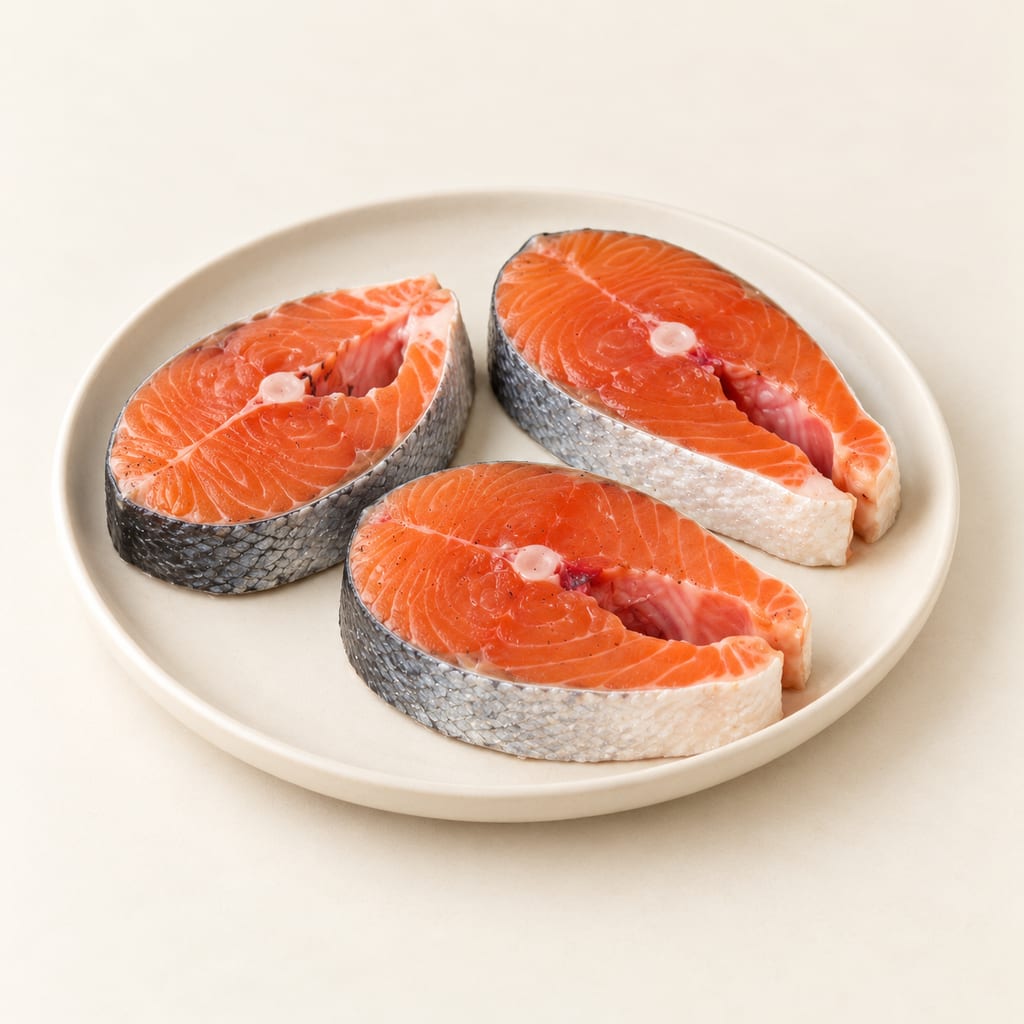
Fish is a broad raw ingredient whose species, cut and condition shape its texture, fat content and use. It can become a meal’s main portion or the raw material for distinct salted, dried and fermented preparations.
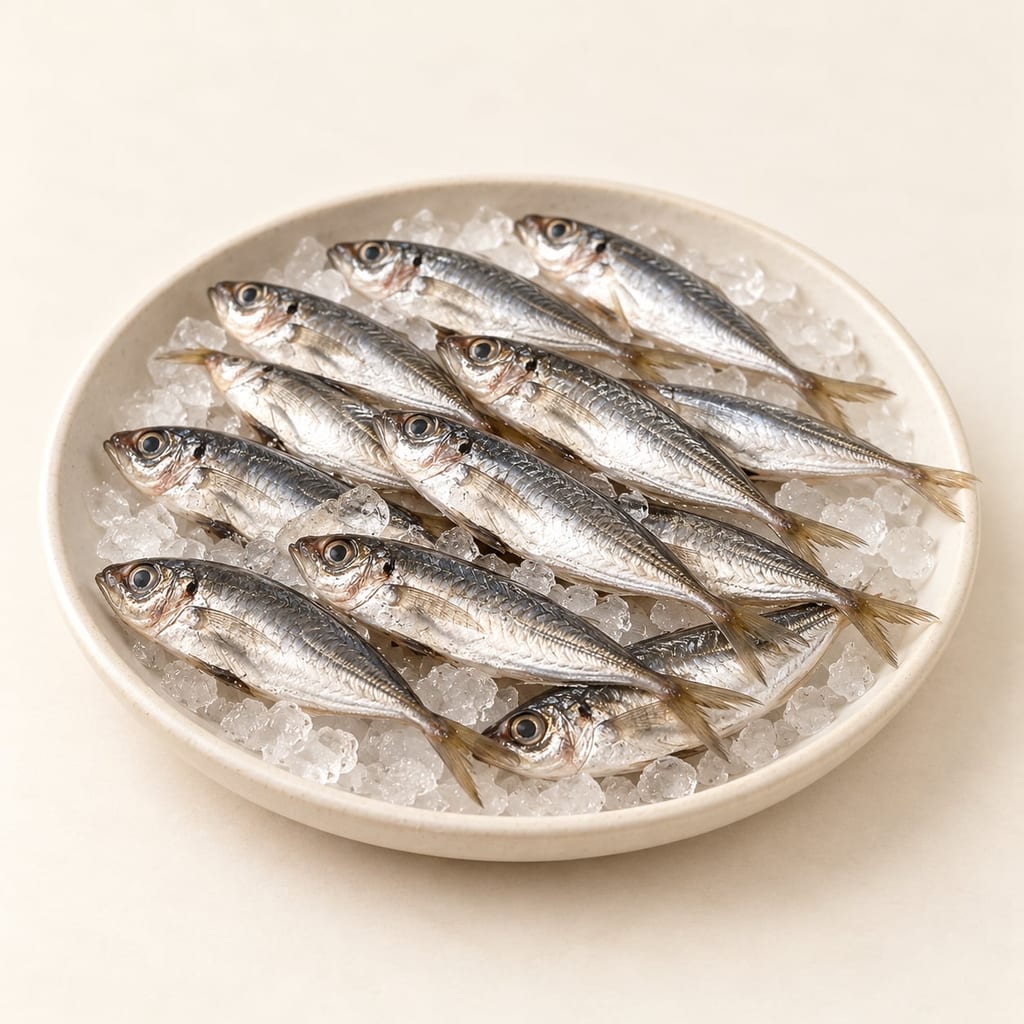
Anchovies, scad, and small cyprinids appear in documented regional fish sauces. Species selection and handling matter because fish hazards vary by species and process.
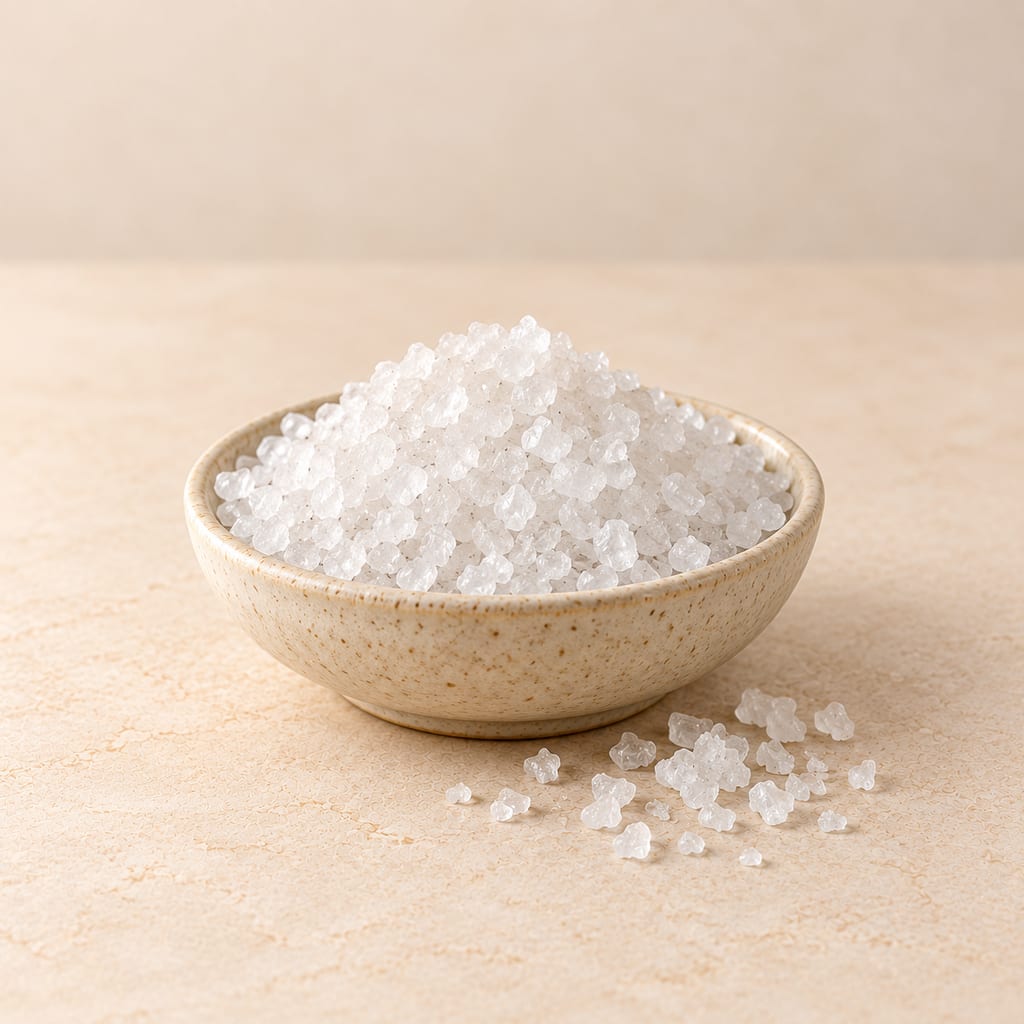
Coarse salt is food-grade salt in large grains, from sea, rock deposits or brine, used for curing, brining, pickling and packing fish.
Water buffalo milk comes from Bubalus bubalis and appears in regional dairy traditions across Asia and beyond. Its richer average fat and casein profile affects processing, while composition and raw-milk risk depend on the actual supply.
No community contributions have been published for this entry yet.
Sign in to contribute. Published comments and photos are free to read.
Korean Traditional Knowledge PortalMethod · Use
Myeolchi Jeot (Salted/Fermented anchovies)Gyeonggi-do whole-anchovy jar: fish rinsed in salty water, drained, packed with coarse salt and covered with separately prepared brine; the juice seasons food or kimchi and the cut fish is seasoned to eat.
Cited in: A fishing calendar in Korea
Food and Agriculture Organization of the United NationsIdentity
Bony Fishes, Engraulidae, AnchoviesFamily identity: projecting snout, lower jaw beneath it, smooth scales that shed easily, schooling plankton feeders, a few brackish and freshwater members.
Cited in: A small silver fish with a big reach
Food and Agriculture Organization of the United NationsIdentity · Use
Engraulis encrasicolus (Linnaeus, 1758)European anchovy: boquerón and anchois commun; coastal schools; 7 to 15 cm common, 20 cm maximum; feeds on copepods and other small crustaceans; spawns in summer and early autumn; salinity range 5 to 41 per mille; fished with seines, trawls, lamparo nets and traps; sold fresh, frozen, salted, salted-dried, smoked, marinated and canned, and also used as bait, fishmeal and silage.
Cited in: A small silver fish with a big reach; Species and the names they carry; In the kitchen
National Institute of Fisheries Science, Republic of KoreaIdentity · Geography
Engraulis japonicus (멸치)Korean name myeolchi for Engraulis japonicus; western Pacific distribution.
Cited in: Species and the names they carry
Instituto del Mar del Perú (IMARPE)Identity · Geography
Ficha de Especie: Engraulis ringensEngraulis ringens, anchoveta, family Engraulidae, ranging from Peru to Chile.
Cited in: Species and the names they carry
PLOS ONE (via PubMed Central)Science
Effects of Temperature on Bacterial Communities and Metabolites during Fermentation of Myeolchi-Aekjeot, a Traditional Korean Fermented Anchovy SauceTraditional Korean anchovy sauce is made from about 25 per cent salted anchovies, fermented outdoors for more than six months.
In 473-day trials at 15, 20, 25 and 30 C and about 24.7 per cent salt, pH started near 6.0; amino acids were the main metabolites, including glutamic acid and aspartate; trimethylamine oxide fell as trimethylamine and dimethylamine rose; the bacterial community moved from Photobacterium and Mycoplasma to Chromohalobacter, then to halophilic lactic acid bacteria (Tetragenococcus) and Lentibacillus or Alkalibacillus.
Fish and bacterial proteases both contribute; starting flora differ between batches, which makes quality inconsistent.
Cited in: What salt and time do to an anchovy
National Institute of Korean History, Our History NetHistory
Uhae Ieobo and Jasan Eobo excerpts (우리역사넷)Jasan Eobo, written by Jeong Yak-jeon in 1814, records, by the lunar calendar, that myeolchi appears along the coast early in the sixth month and withdraws when frost falls. Uhae Ieobo (Kim Ryeo, 1803) does not list it on that page.
Cited in: A fishing calendar in Korea
Great British ChefsHistory · Method · Use
Ingredient focus: Cantabrian anchovySantoña industry begun by an Italian merchant seeking a new source; fillets first covered in butter, later olive oil; fishing peaks March to July; fish salted at once, headed, washed and cured in barrels for at least nine months, up to three years; de-salted, cleaned, boned by hand, dried and packed in oil; eaten alone as a snack with olives, or used in stews, pasta sauces and sandwiches.
Cited in: The Cantabrian fillet; In the kitchen
Conservas La Rosita S.L.Method
ProductionPurse-seine catch landed in Cantabrian ports; heads and entrails removed; gutted fish layered with coarse salt in barrels, which dehydrates and seasons the flesh; fish then rinsed in cold water, centrifuged, brushed free of skin and scales, bellies and tails cut off; fillets packed in olive or sunflower oil in sealed jars or cans.
Cited in: The Cantabrian fillet
Italian Journal of Food SafetyMethod · Safety · History
Assessment of environmental chemical contamination and histamine levels in the production of Colatura di Alici di CetaraColatura di Alici di Cetara: protected designation of origin in 2020; Engraulis encrasicolus of 9 to 12 cm caught off Amalfi and Positano; hand-headed, gutted, layered with salt in oak terzigni under a weighted wooden disc; seasoned for months; no more than 12 hours from catch to plant; histamine limit in fish sauce 400 mg/kg; halophilic microorganisms and enzymes break down proteins and fats.
Cited in: Colatura di alici: the Roman sauce that survived; What salt and time do to an anchovy; Choosing, keeping and handling; In the kitchen
World History EncyclopediaHistory
Fish Sauce in the Ancient WorldGreek gaaros on the Black Sea; Punic production around Lake Tunis; Roman garum and liquamen from small fish and trimmings with salt; factories in Spain, Portugal, southern France and North Africa; garum sociorum priced at 1,000 sesterces for 12 pints; Pompeii garum analysed in 2010 close in taste profile to modern Southeast Asian fish sauce.
Cited in: Fish sauce and salted fish in the old Mediterranean
KOREA magazine, Korean Culture and Information ServiceUse
Anchovies in Korean cookingSmall fish for stir-fries and rice, 3 to 4 cm fish for braises, the largest (about 7 cm) fish at winter end kept for stock; janchi-guksu broth; myeolchi-jeot stored in earthenware for up to six months; filtered extract as base for kimchi, stews and soups; Jeju dipping sauce.
Cited in: A fishing calendar in Korea; In the kitchen
U.S. Centers for Disease Control and PreventionSafety
Food Poisoning from Marine Toxins (CDC Yellow Book)Anchovies are among fish associated with scombroid poisoning; bacteria convert histidine to histamine, fastest at 20 to 30 C; histamine survives canning, cooking, freezing, pickling, salting and smoking; symptoms usually begin 10 to 60 minutes after eating.
Cited in: Choosing, keeping and handling
U.S. Food and Drug AdministrationStorage
Selecting and Serving Fresh and Frozen Seafood SafelyUse fresh fish within 2 days at 40 F or below, otherwise freeze; clear shiny eyes, mild smell, firm flesh and red gills; keep raw and ready-to-eat seafood apart.
Cited in: Choosing, keeping and handling
U.S. Food and Drug AdministrationAllergen
Food AllergiesFish is one of the nine major U.S. food allergens; the species of fish must be declared on the label.
Cited in: Fish allergy