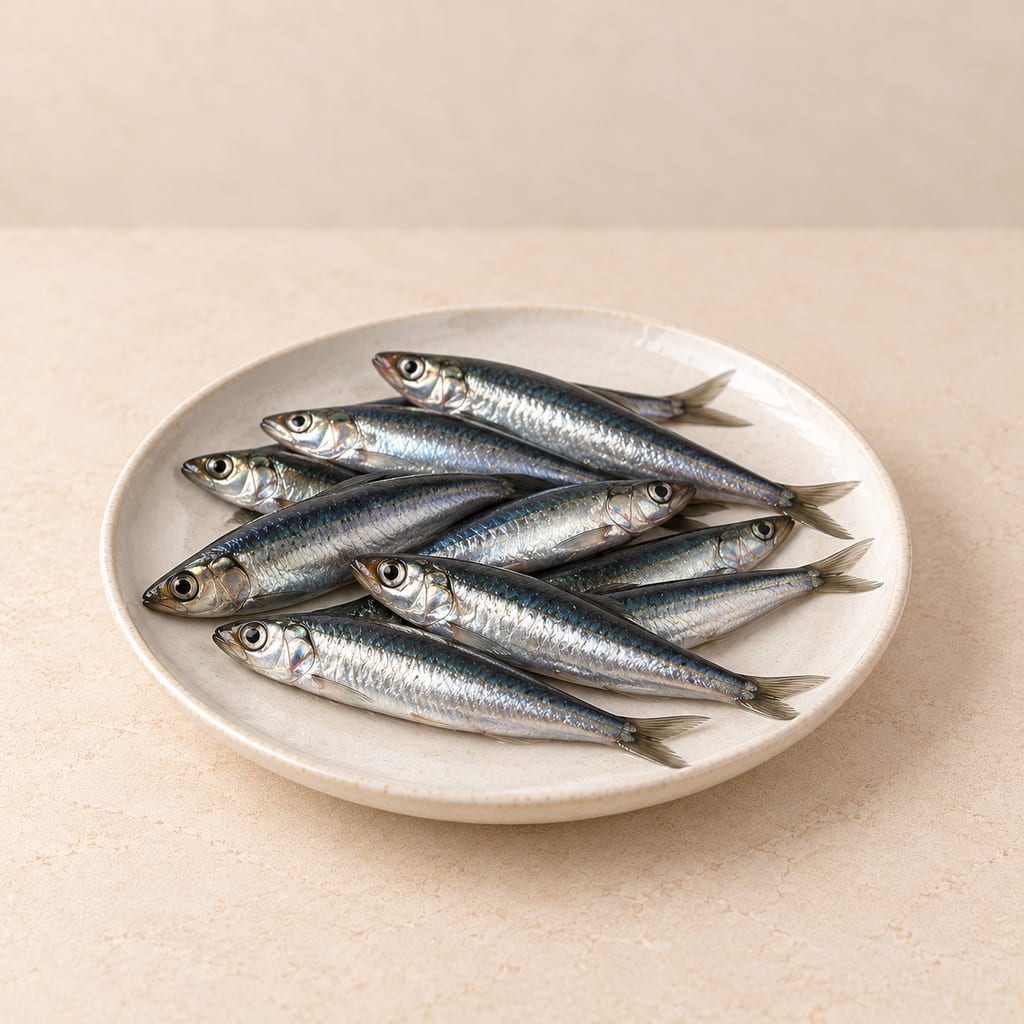
Anchovies
Anchovies are small schooling sea fish of the family Engraulidae, eaten fresh or dried and above all salted: as fillets in oil, whole salted fish or fish sauce.
 FermenteaWhere food goes to change
Substrates
Anchovies, scad, and small cyprinids appear in documented regional fish sauces. Species selection and handling matter because fish hazards vary by species and process.
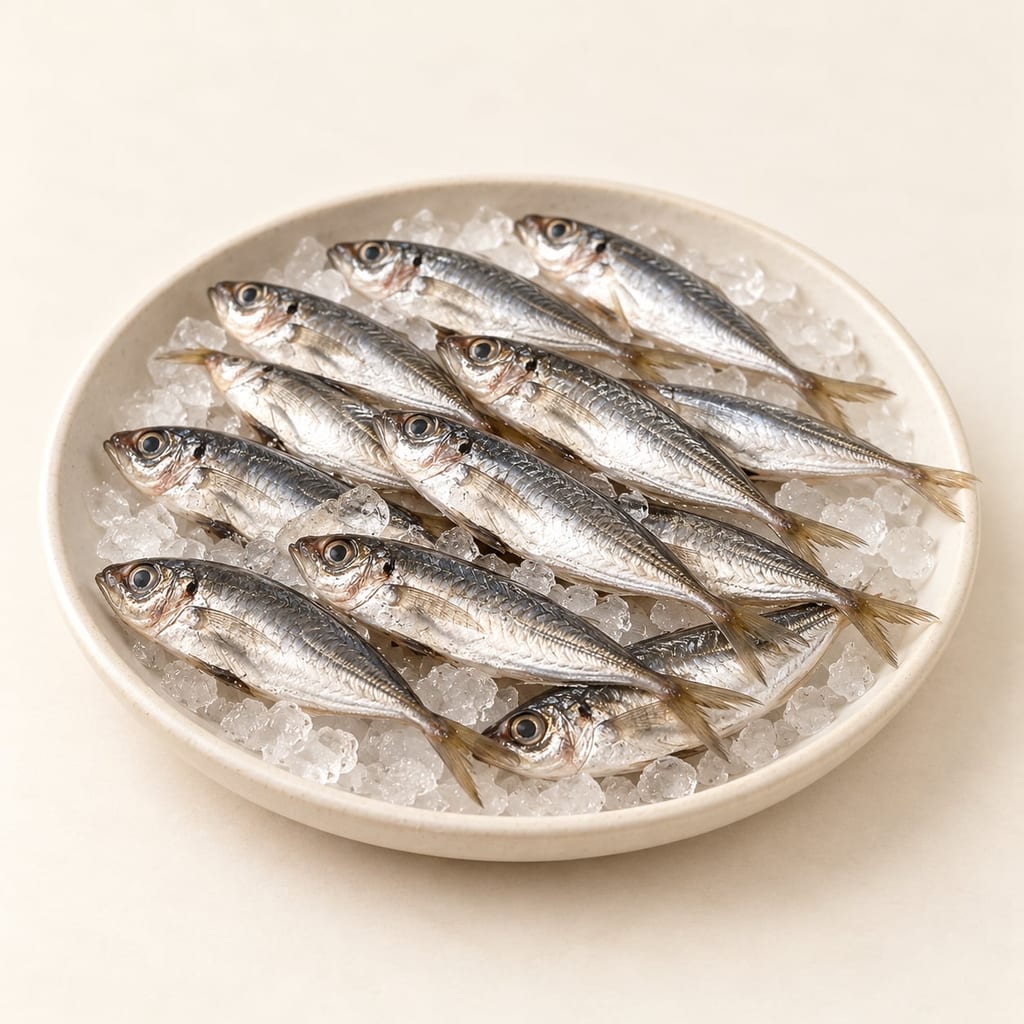
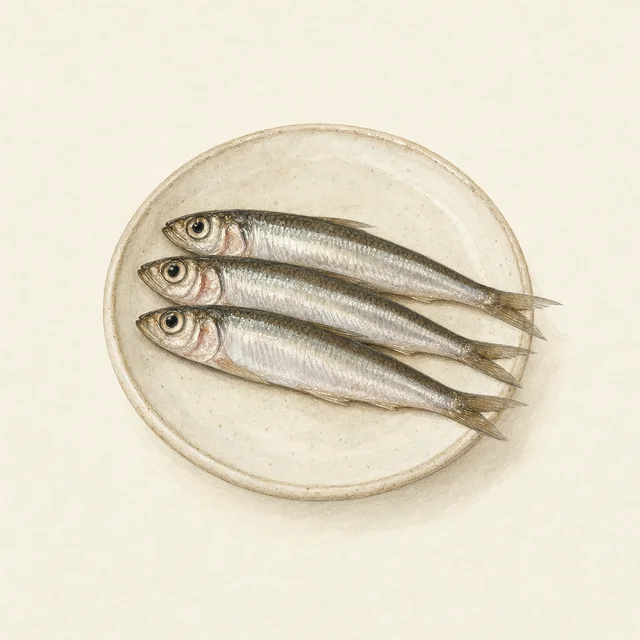
The Korean Traditional Knowledge Portal documents myeolchi jeot with anchovies. The Vietnamese nước mắm account distinguishes amberstripe scad and cyprinid fish and gives different fish-to-salt ratios. These are separate historical and culinary records, not generic instructions for substituting any small fish.
Fish sauce processing may involve enzymatic autolysis, microbial activity, or a mixture of mechanisms; a liquid seasoning’s name alone does not identify the process. The source record should state species and method when known.
FDA fish guidance identifies scombrotoxin (histamine), pathogens, and Clostridium botulinum among fishery-product hazards and organizes controls by product and process. Its guidance is primarily for processors and does not validate a traditional household recipe.
A source ratio or long maturation period is not itself proof of safety. Do not use smell, taste, sun exposure, or liquefaction as evidence that a fish sauce is safe.
fish
Named regional process records; no single origin is claimed.
Anchovies are small schooling sea fish of the family Engraulidae, eaten fresh or dried and above all salted: as fillets in oil, whole salted fish or fish sauce.
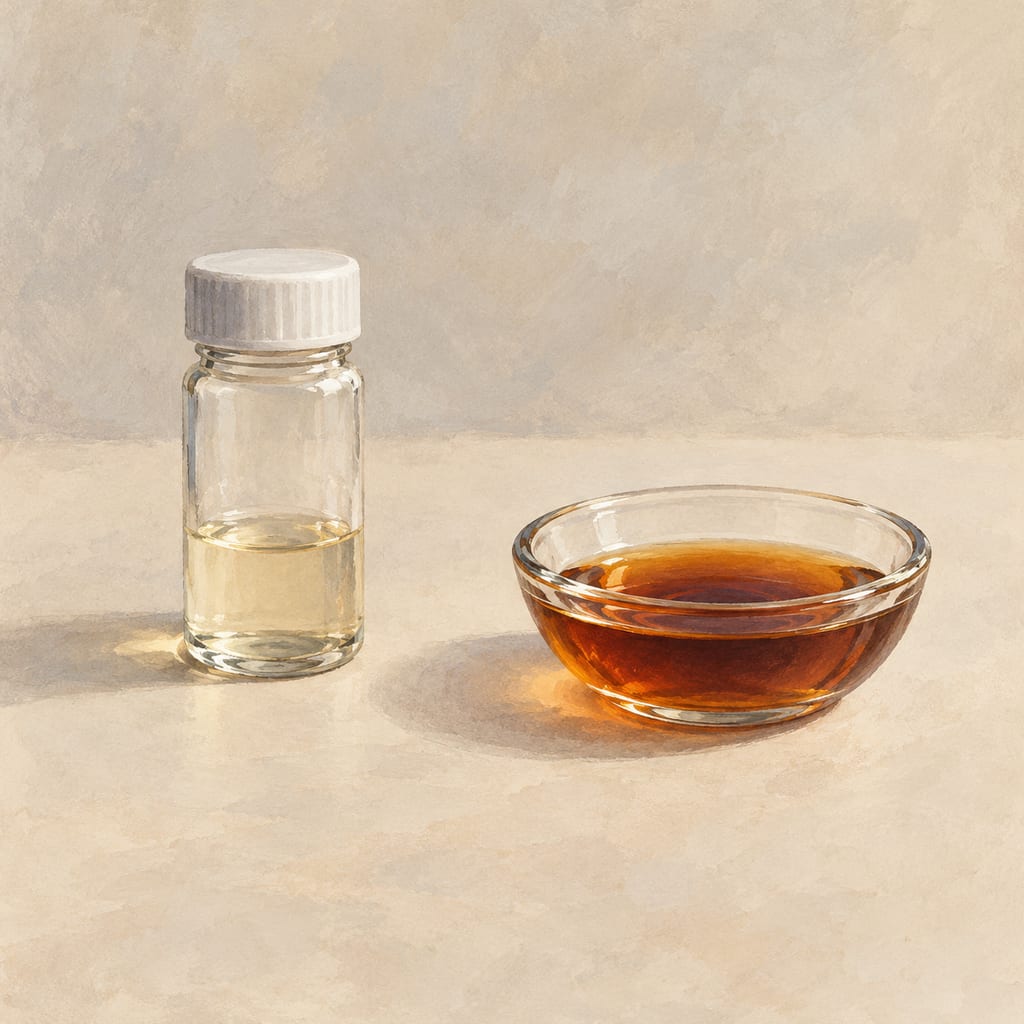
Fish-sauce starters are salt-tolerant bacteria, chiefly Tetragenococcus halophilus strains, tested for flavour and for holding down histamine in fish-sauce mash. Results differ strain by strain.
No community contributions have been published for this entry yet.
Sign in to contribute. Published comments and photos are free to read.
Korean Traditional Knowledge Portal; Rural Development AdministrationIngredient context · Process
Myeolchi jeot recipe recordAnchovy substrate and source-specific salted fish preparation.
ICH Courier / UNESCO-ICHCAPIngredient context · Process
Nước mắm, Vietnamese fish sauceScad and cyprinid fish named in distinct regional sauce processes.
U.S. Food and Drug AdministrationSafety
Fish and Fishery Products Hazards and ControlsSpecies- and process-related seafood hazards, including histamine and botulism.