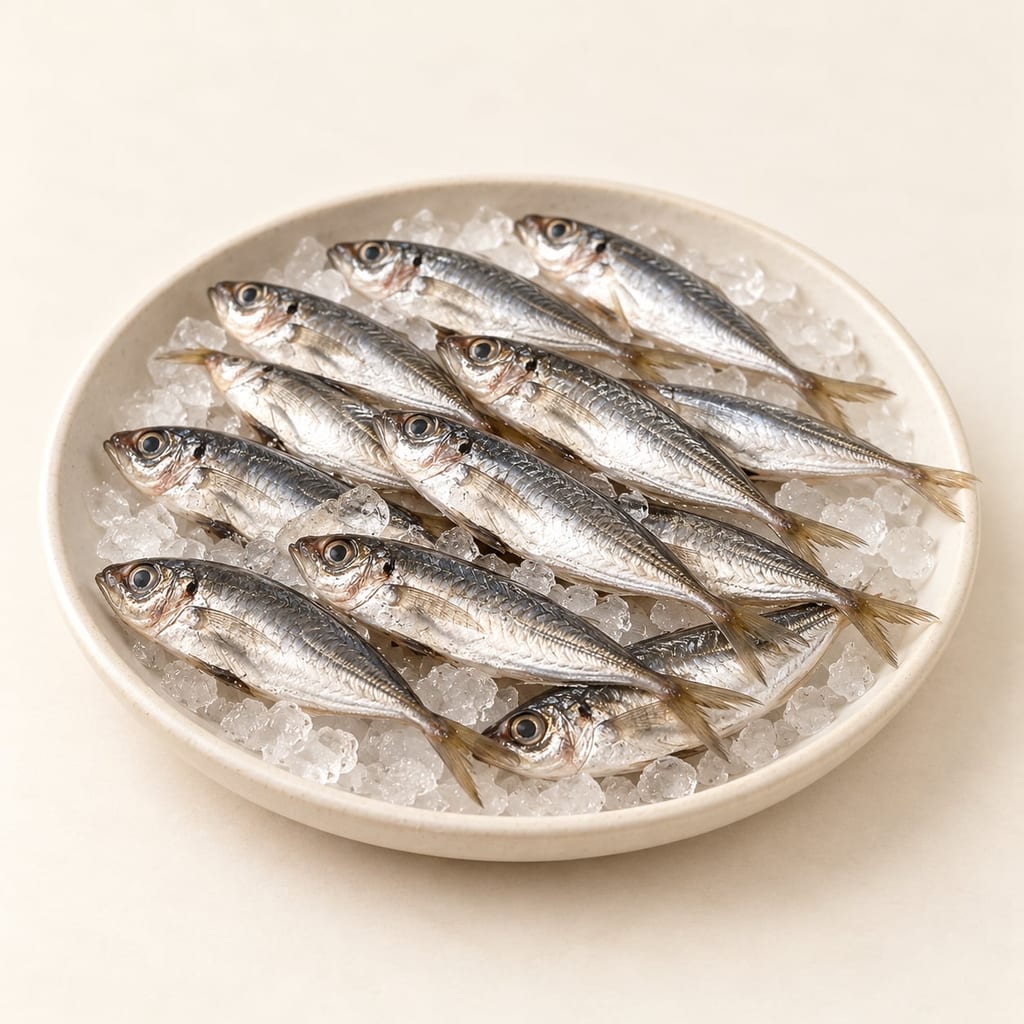
Small fish used in fish sauces
Anchovies, scad, and small cyprinids appear in documented regional fish sauces. Species selection and handling matter because fish hazards vary by species and process.
 FermenteaWhere food goes to change
Cultures
Fish-sauce starters are salt-tolerant bacteria, chiefly Tetragenococcus halophilus strains, tested for flavour and for holding down histamine in fish-sauce mash. Results differ strain by strain.

Traditional fish sauce ferments without any added culture. Fish-sauce starters are strains that researchers have tested as additions to the salted fish mash, mainly salt-tolerant lactic acid bacteria, above all Tetragenococcus halophilus. The aims studied are better flavour and lower accumulation of biogenic amines such as histamine.
No standard commercial product is documented in the sources reviewed, and the practice is research-led. The sauces themselves, such as Vietnamese nuoc mam, Thai nam-plaa and Japanese shottsuru and ishiru, have their own names, uses and production contexts, and nothing shows that one starter serves all of them.
A 2011 study tested four T. halophilus strains isolated from fish-sauce mash as starter cultures for flavour improvement and found different outcomes among them. A Japanese study identified histamine-producing T. halophilus strains in fish-sauce mash and tested a different strain, from soy-sauce mash, as a lactic acid bacterium starter that suppressed histamine accumulation. A 2021 study of a spontaneous fish sauce from Shandong, China, followed a changing microbial community and reported strain-specific biogenic-amine findings while screening candidate starters.
The species name alone therefore does not predict amine behaviour: one strain of T. halophilus can produce histamine and another can help restrain it. These results belong to the strains and experimental systems tested. The 2021 study was seen through indexed text only, so its detail needs fuller review before it informs any process.
No complete, validated household method is established for using or keeping a fish-sauce starter. FDA seafood guidance covers processor hazard-control planning and does not validate a household fish-sauce fermentation. Regional historical and seasonal evidence is not established.
A spontaneous fish sauce from Shandong was studied and candidate starters screened; this does not make Shandong the origin of any starter.
A Japanese study tested a lactic acid bacterium starter against histamine in fish-sauce mash; country-level only.
Anchovies, scad, and small cyprinids appear in documented regional fish sauces. Species selection and handling matter because fish hazards vary by species and process.
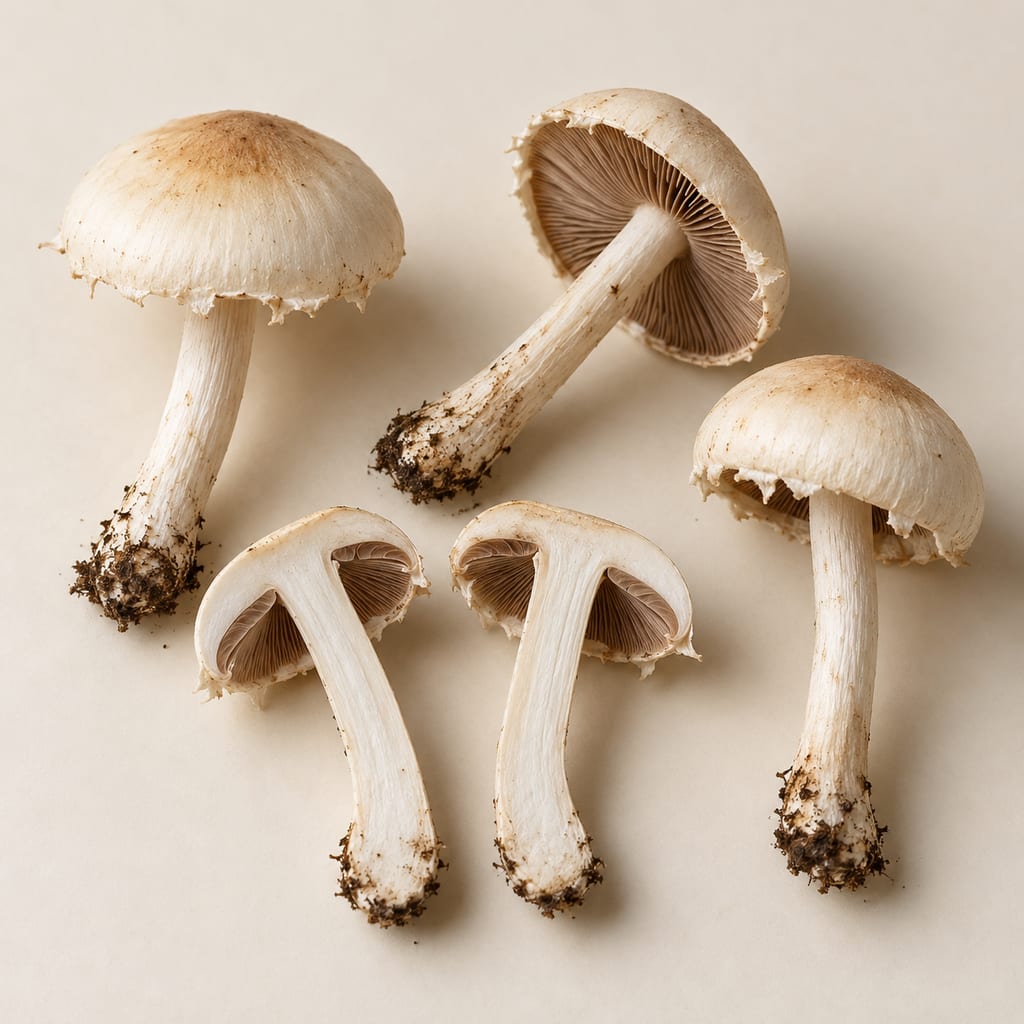
A grassland agaric listed as edible in historical and scientific catalogues for Hong Kong and China. Taxonomic concepts and practical food value vary; the listings do not establish safe identification or culinary practice.

Akahatsu, Lactarius akahatsu, is a wild milkcap of East Asian pine and mixed forests that is sold in Yunnan markets, with its edibility and identity still needing species-level review.
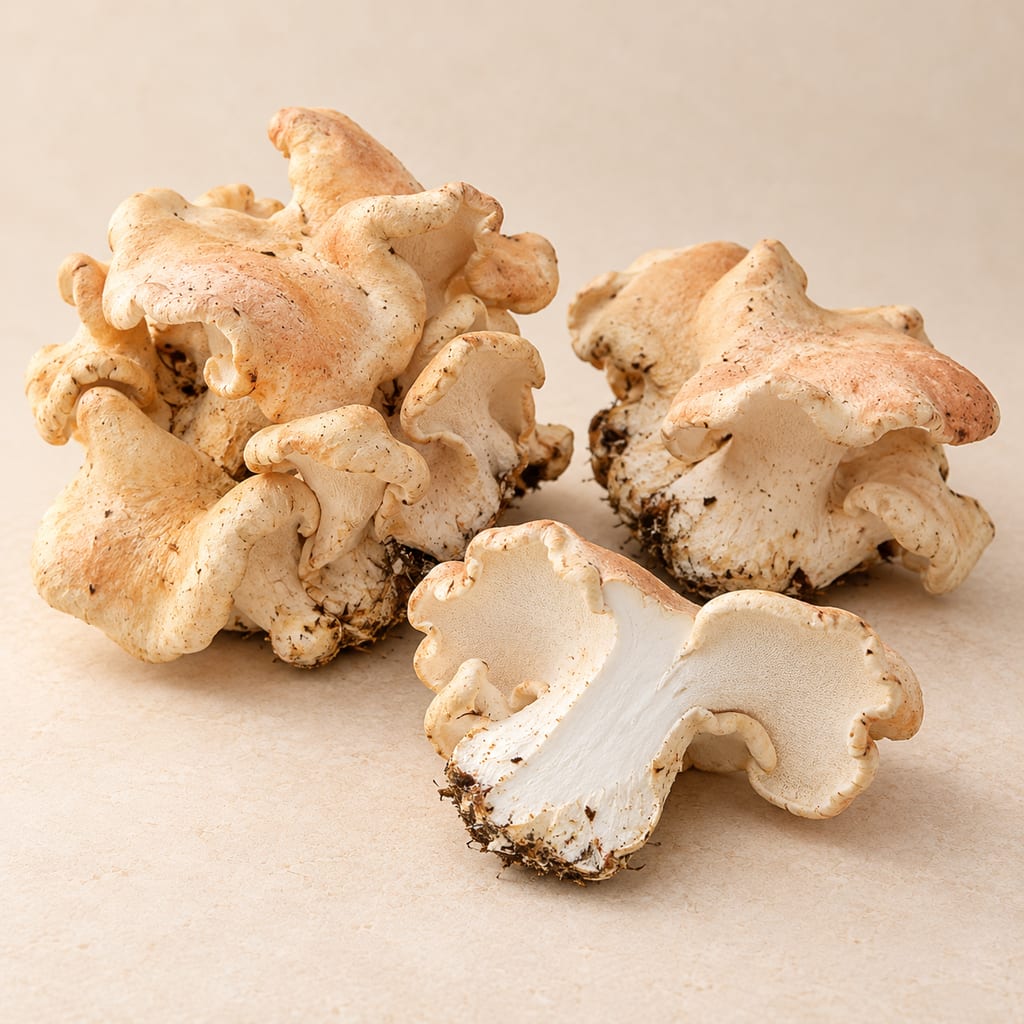
Albatrellus confluens is a ground-growing polypore with fused buff-orange caps. Sources document Chinese market use and regional edibility, but others reject it as too bitter; taxonomy also varies between Albatrellus and Albatrellopsis.
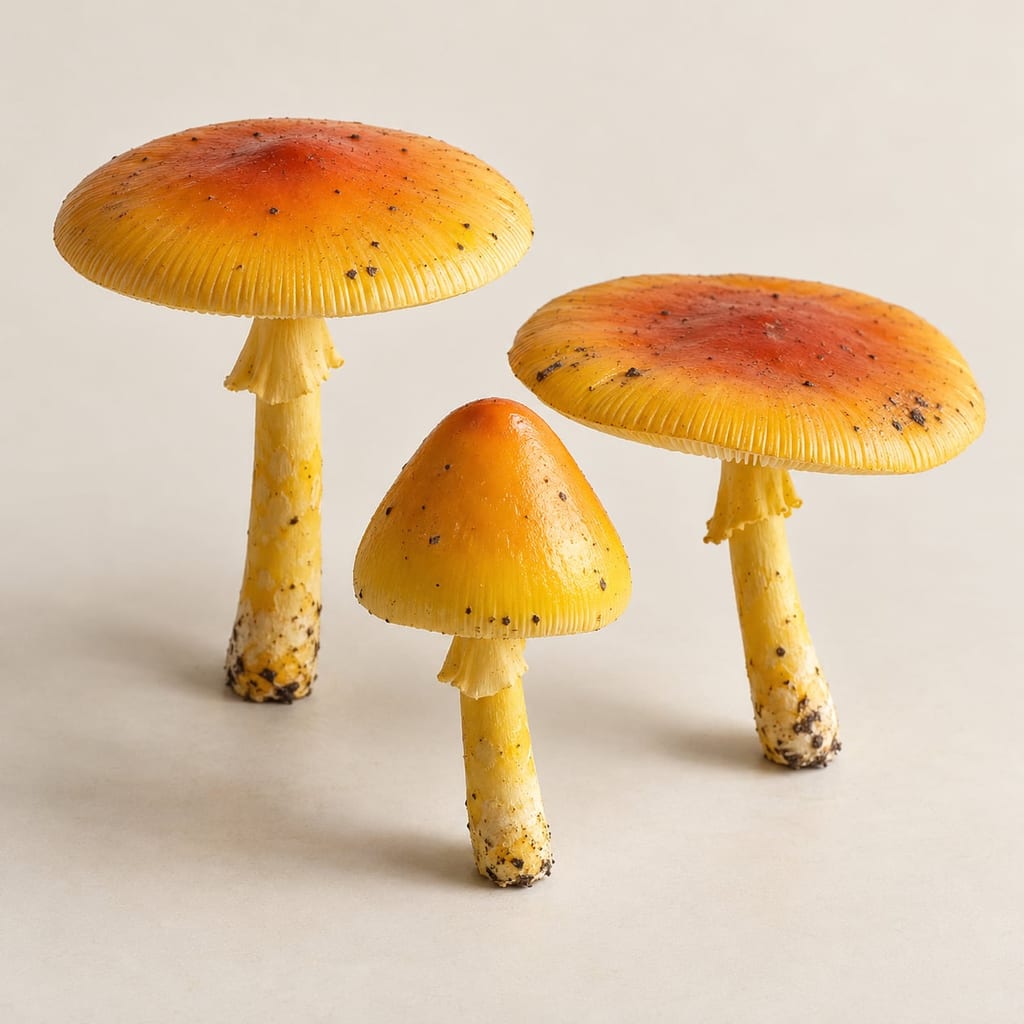
A wild Amanita recorded from China in a 2026 checklist of edible and medicinal fungi. The genus holds deadly species, so this page gives no identification or edibility verdict.
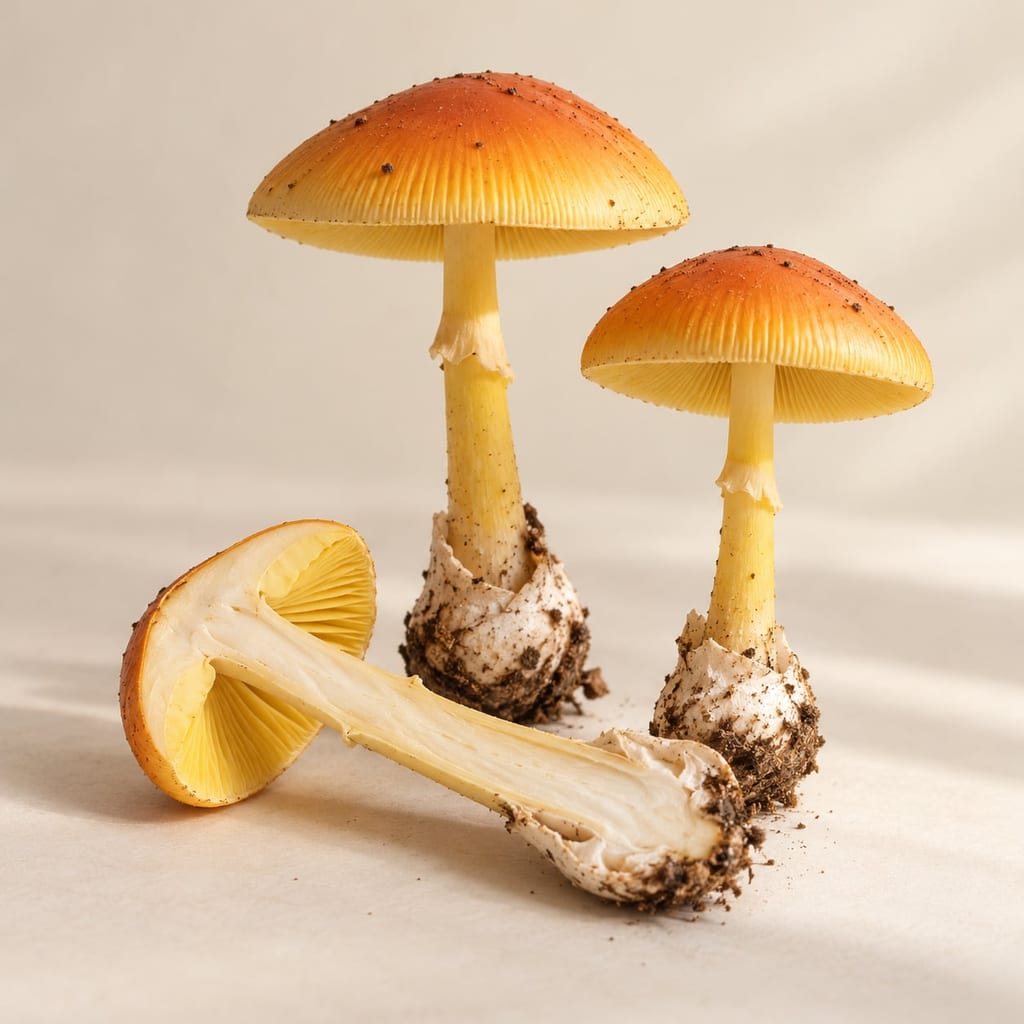
A wild Amanita of China, first reported there and listed as edible in a Yunnan ethnomycology study. The genus contains deadly species, so this page does not support identifying or eating it.
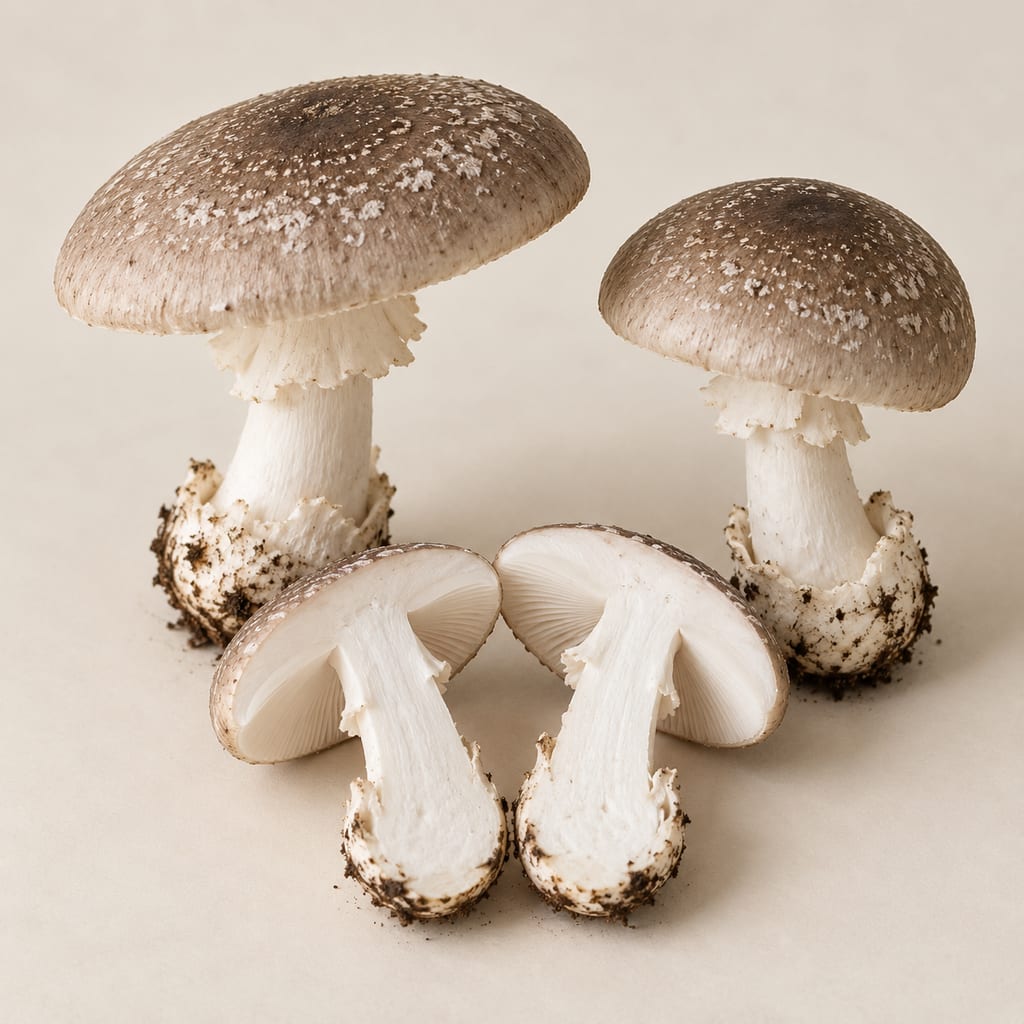
Amanita yuaniana is a Chinese Amanita that a 2023 Yanshan survey and a Yunnan ethnomycology survey list among edible species. No source tests it for safety, and the genus holds the most lethal mushrooms.
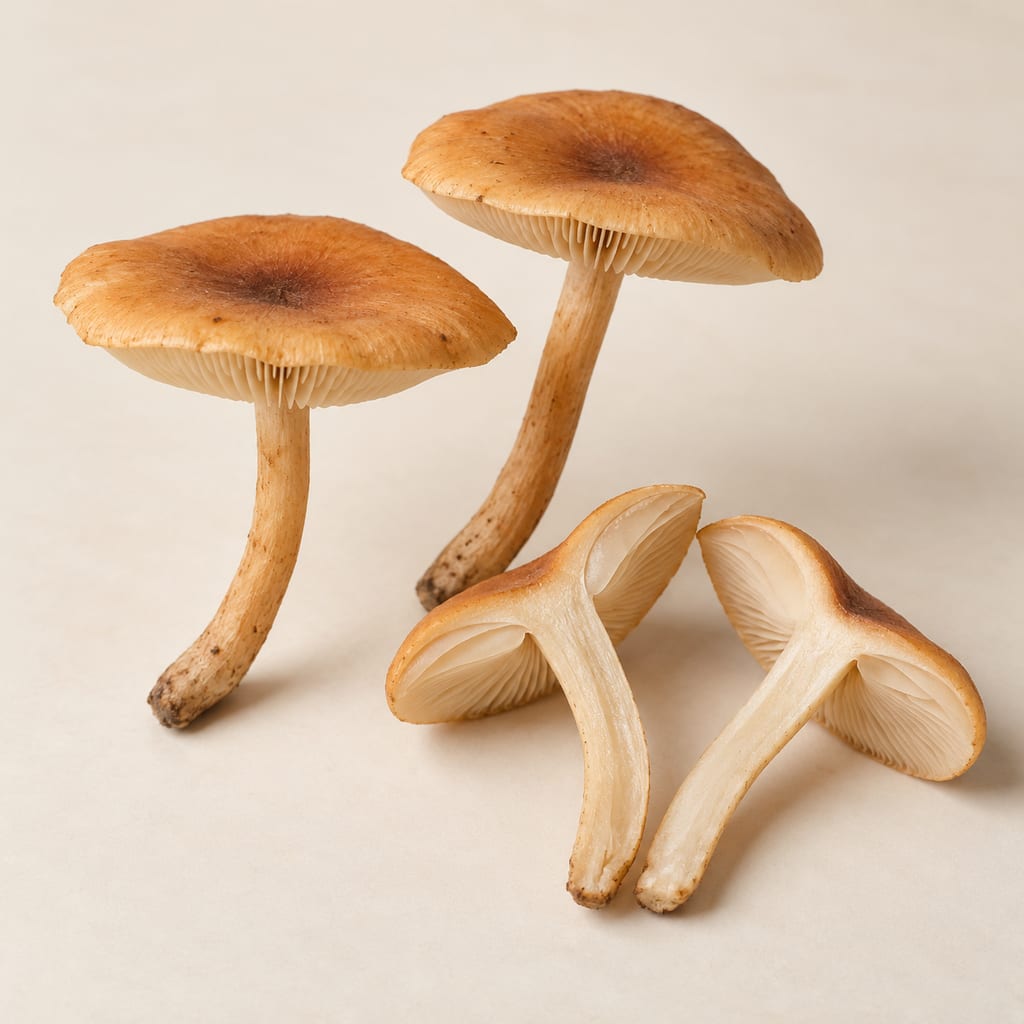
A wood-associated Armillaria recorded in Yunnan and Sichuan, China, and listed as edible in a 2026 Chinese catalogue.
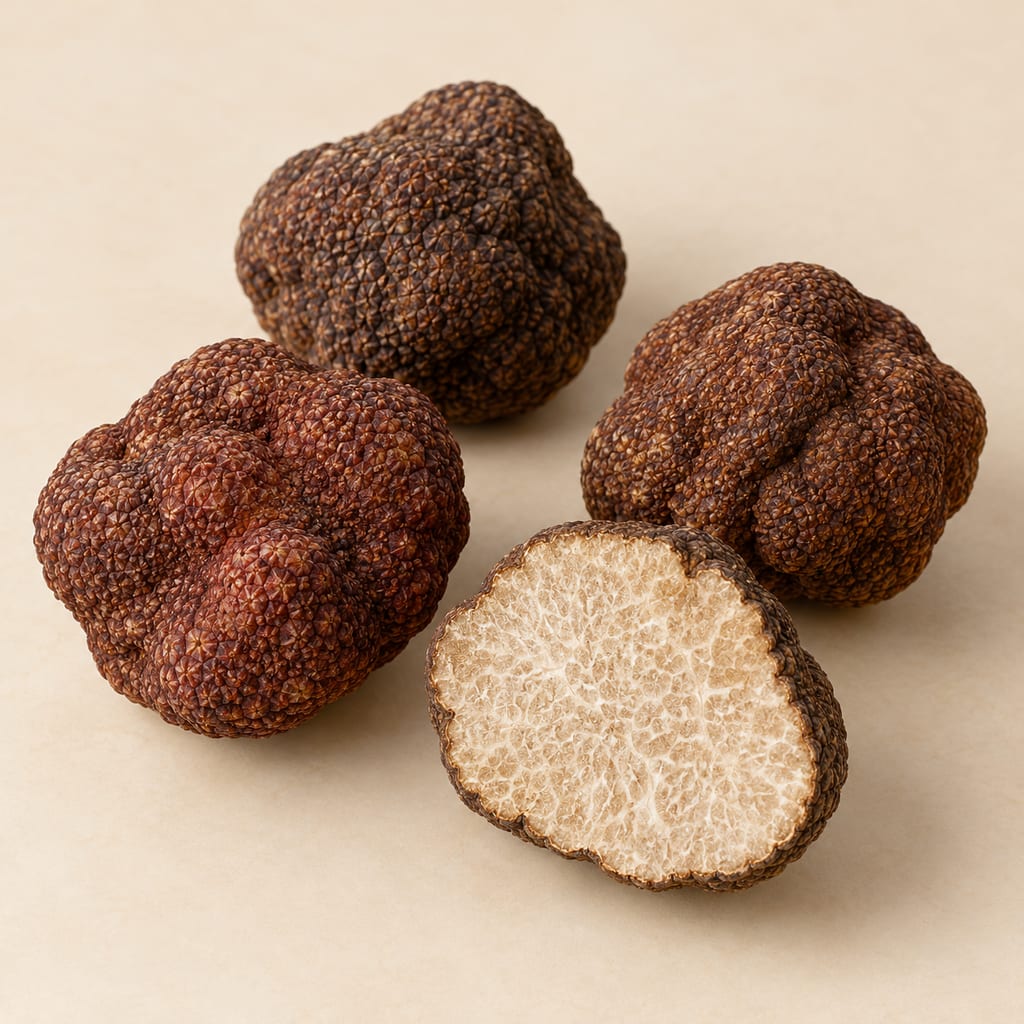
Tuber pseudohimalayense is a wild black truffle from Yunnan, China, listed as edible in a Chinese species catalogue. No independent assessment of its culinary use or safety is available.
No community contributions have been published for this entry yet.
Sign in to contribute. Published comments and photos are free to read.
Journal of Agricultural and Food Chemistry / PubMedMicrobiology · Function
Use of Tetragenococcus halophilus as a starter culture for flavor improvement in fish sauce fermentationFour T. halophilus strains from fish-sauce mash were tested as starters for flavour and gave differing outcomes.
Cited in: What they are; The result depends on the strain; Limits and safety
Nippon Suisan Gakkaishi / J-STAGEMicrobiology · Safety
Isolation and identification of the causative bacterium of histamine accumulation during fish sauce fermentation and the suppression effect of inoculation with starter culture of lactic acid bacterium on the histamine accumulation in fish sauce processingHistamine-producing T. halophilus strains in fish-sauce mash; a different strain from soy-sauce mash tested as a suppressive starter.
Cited in: The result depends on the strain
Foods / MDPIMicrobiology · Geography
Contribution of Microorganisms to Biogenic Amine Accumulation during Fish Sauce Fermentation and Screening of Novel StartersSpontaneous Shandong fish sauce; changing microbial community; strain-specific biogenic-amine findings; reviewed through indexed passages.
Cited in: The result depends on the strain
ICH Courier / ICHCAPContext
Nước Mắm (Nuoc Mam): A Savory Depth of Flavor in Vietnamese Culinary LifeVietnamese nuoc mam has its own name, uses and production context.
Cited in: What they are
Japan International Research Center for Agricultural SciencesContext
Nam-plaaThai nam-plaa as a distinct documented fish sauce.
Cited in: What they are
Ministry of Agriculture, Forestry and Fisheries, JapanContext
Fishery fermented foodJapanese shottsuru and ishiru as regional comparisons.
Cited in: What they are
U.S. Food and Drug AdministrationSafety
Fish and Fishery Products Hazards and ControlsSeafood guidance addresses processor hazard-control planning, not a household fish-sauce fermentation.
Cited in: Limits and safety