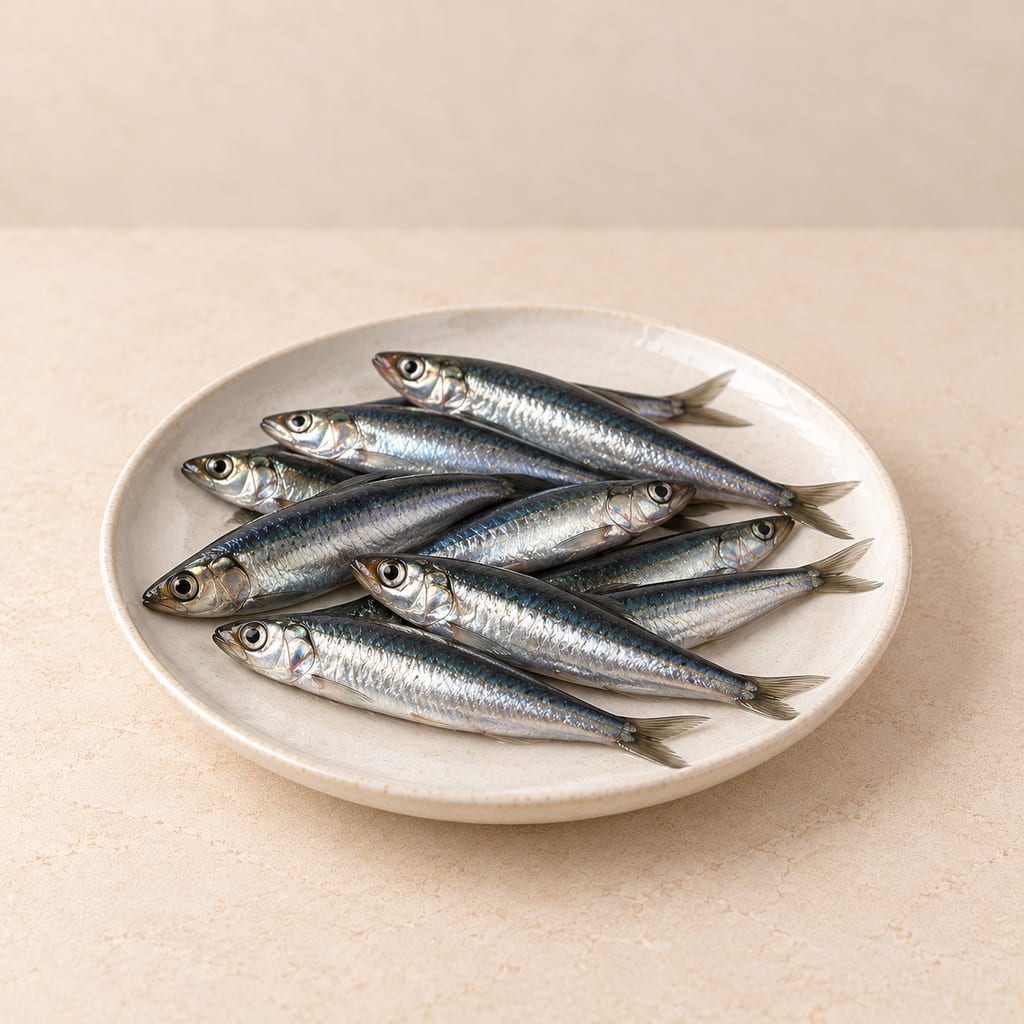
Anchovies
Anchovies are small schooling sea fish of the family Engraulidae, eaten fresh or dried and above all salted: as fillets in oil, whole salted fish or fish sauce.
 FermenteaWhere food goes to change
Traditional method
멸치젓 (myeolchi-jeot) · 멸치젓갈 · myeolchi-jeotgal · Salted fermented anchovies
Salted anchovies mature in a covered jar with brine. The fish can be seasoned for a meal, while the expressed liquid seasons kimchi and other dishes.
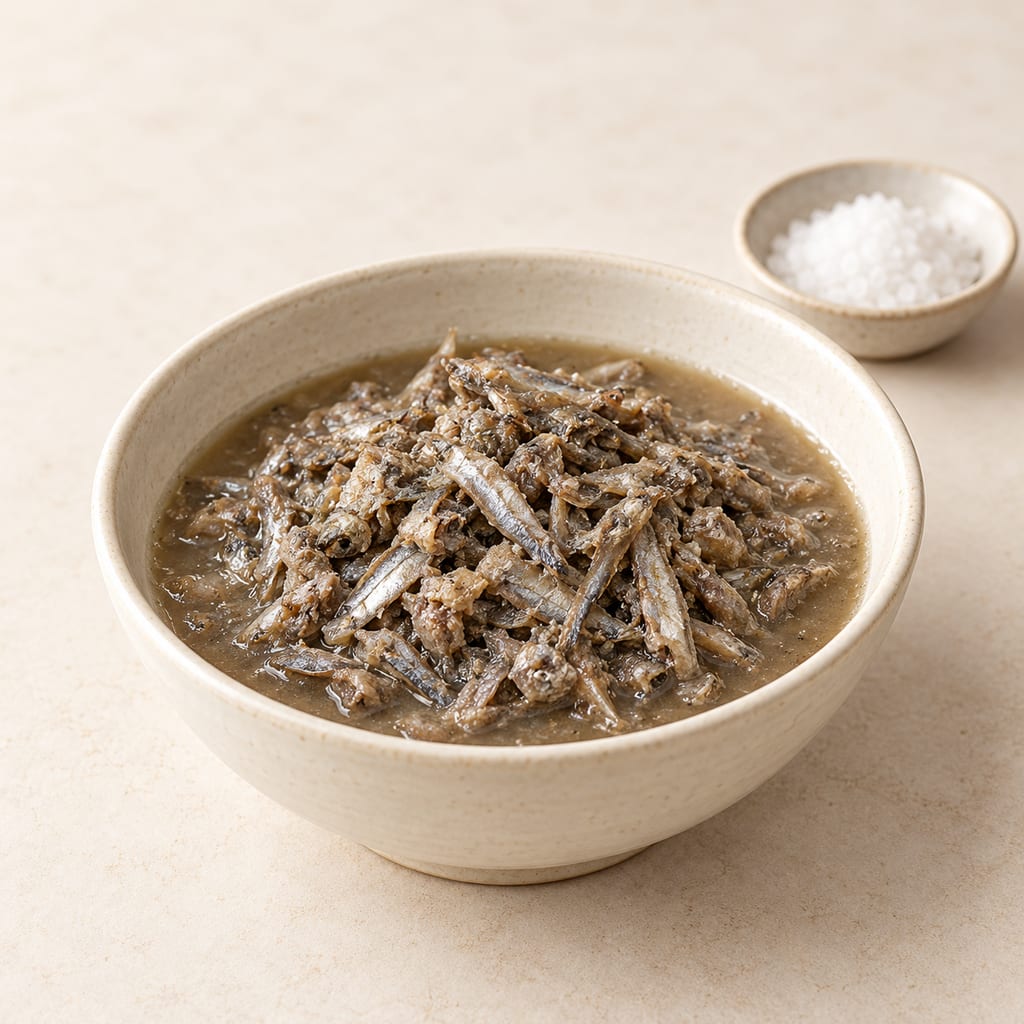
Myeolchi jeot begins as anchovies packed with salt, but its value is divided between the fish and the liquid that gathers around them. The matured fish can be finely cut and seasoned for a meal. The liquid can season another food, carrying fish flavour and salt into kimchi. A jar therefore holds both a preserved ingredient to eat and a seasoning to use. Calling the whole preparation anchovy sauce misses the fish that remains part of the meal.
The Korean name 멸치젓, myeolchi-jeot, belongs within jeotgal, the wider family of salted seafood preparations. The related name myeolchi-aekjeot refers to extracted anchovy liquid. Chopping softened fish and measuring liquid into cabbage are different operations: one keeps the fish as food, while the other spreads its seasoning through another preparation.
The food’s character comes through in those uses. It is a salty, fish-based seasoning, rather than a neutral preserved protein. Its liquid distributes flavour through other ingredients; its solids keep a more direct connection with the anchovy. Both forms belong to the matured preparation.
A Korean local-food account associates this jar preparation with Gyeonggi-do. Its instructions include a familiar set of household objects: an earthenware jar, loosely arranged bamboo, a plastic covering and a stone. The jar is sealed and placed on the jar stand. These details locate the method in a household practice of storing and using a seasoning over time, rather than in a modern factory line with pumps and filtered bottles.
The Gyeonggi-do method is one regional expression of a wider Korean ingredient. Myeolchi-jeot also has a prominent place in contemporary Southern Jeolla kimchi cooking. A region’s recorded method and another region’s use of the ingredient need not compete for a single origin story. The jar, liquid and seasoned fish can have related roles across kitchens.
The principal ingredient is anchovy. In this account the fish are rinsed in salty water, drained, mixed with coarse salt and packed into a jar over a salt layer. Salt is then placed over the fish, and a separately prepared brine is added. The preparation thus combines dry salting with a liquid phase from the outset; it is not simply a jar of fish left to release all of its own liquid.
Salt changes the conditions in which the fish matures. It affects the water surrounding the tissues and helps select which organisms can remain active. High salinity does not mean that every organism or enzyme stops working. Fish tissues contain enzymes capable of breaking down their own proteins, and salt-tolerant microorganisms can participate in the changing mixture. A mature fish seasoning can therefore develop while remaining strongly salty.
Coarse salt is the specified form for packing the anchovies, while a separate measured salt addition makes the brine. These two applications belong to the same preparation but perform different immediate jobs: one is distributed over and among the fish; the other is dissolved in water before it enters the jar. Keeping both visible helps explain the sequence.
Protein breakdown is central to understanding anchovy sauce. Proteases are enzymes that cut proteins into smaller pieces, including peptides and free amino acids. Some originate in the fish itself; others can be associated with microorganisms. This is one reason the liquid becomes more than salty water. Material originally held in the fish's tissues becomes part of the dissolved mixture that can be used to season other foods.
The technical word proteolysis describes that cutting of proteins. It does not describe every change in the jar. Liquid collection, packing, covering and chopping are physical operations. Microbial growth and metabolism are biological activity. Changes in proteins can be enzymatic even when no starter culture has been added. Keeping those processes separate makes the method easier to understand: a cloth or strainer can remove particles, but it does not reverse the chemical changes that have already occurred in the liquid.
As free amino acids accumulate, the liquid acquires material that was previously bound within larger proteins. The process alters both the fish and the liquid around it. A seasoning spooned from the jar can therefore carry compounds released during maturation rather than merely the flavour of fresh fish soaked in salt water.
The liquid is a useful place to observe maturation because it contains dissolved products of several processes. Researchers can measure total nitrogen, amino-acid nitrogen, organic acids and individual amino acids rather than treating every change as one undifferentiated sign of fermentation. These measurements follow different aspects of the material that has moved from fish into seasoning.
Total nitrogen is a broad chemical measurement; it does not mean that all of the nitrogen remains in intact protein. Amino-acid-related measurements follow a narrower part of protein breakdown. Organic-acid measurements address other products of the changing mixture. A sauce can therefore change in several analytical ways at once, even when a glance at the jar reveals little.
This also explains why a liquid extract and a piece of matured fish tell different stories. The extract gathers soluble material. The remaining fish includes structures and particles that have not simply disappeared into solution. Studying one phase is useful, but eating the preparation involves both its chemical development and the physical form a cook chooses to use.
The freshness experiment compared anchovies processed promptly with fish deliberately held before the same later sauce treatment. It was designed to separate the raw material’s condition from the formula used after that point. The resulting differences show why salting cannot be understood as a reset button that gives every starting fish an identical future.
The study followed organic acids as well as biogenic amines. These compounds connect microbial activity with the conditions of the liquid: what organisms produce can change the environment in which further reactions take place. Fish condition and later maturation are therefore linked stages, rather than independent choices made at separate ends of a recipe.
The experiment found higher levels of acetic, succinic and lactic acids in sauces from promptly processed fish and the shorter-held group than in the more extensively held fish groups. Those compounds increased during the observed fermentation. The different starting materials did not simply converge on one chemical profile after salt was added. Organic-acid production is therefore another part of maturation to distinguish from protein cutting: one follows compounds formed in the mixture, while the other follows the release of peptides and amino acids. Their relationship helps explain why raw-material condition can affect several properties of the sauce together.
For a cook, the practical meaning is to pay attention to the fish before the jar is packed, not only to the calendar after it is sealed. The culinary transformation that makes a seasoning desirable begins with raw material whose handling already matters. A long maturation does not erase that beginning.
Experiments with the related liquid preparation, myeolchi-aekjeot, have followed both bacterial communities and the compounds dissolved in the sauce. They show a succession: some groups prominent near the beginning decline, and others become more abundant later. The community is not one fixed population simply growing larger throughout maturation.
Tetragenococcus, a genus including salt-tolerant lactic acid bacteria, became prominent in several temperature treatments. Other groups appeared earlier or later. At cooler experimental temperatures, some early groups persisted for longer; warmer treatments changed more quickly. The finding helps explain why time in a jar cannot be understood without the conditions in which that time passes.
Temperature affects enzyme reactions, microbial growth and metabolite accumulation together. Different amino-acid patterns emerged between the temperature treatments. Faster production of one group of taste-related compounds is therefore one part of a changing system, rather than a complete description of the food. The experiment concerns its own aekjeot batches; the Gyeonggi-do method remains a distinct whole-fish preparation.
The first stages distribute fish and salt before the long wait begins. Rinsing and draining are followed by a salt layer on the jar bottom, mixing the anchovies with coarse salt, and packing them into the vessel. The upper salt layer and added brine belong to the same sequence. Boiling and cooling the brine happen before it reaches the fish.
Bamboo is laid loosely above the contents. A plastic covering is cut to fit the jar’s diameter, and a disinfected stone is placed on top before the jar is sealed. These are parts of a fitted household arrangement: the covering follows the actual vessel rather than a fixed universal circle. The method retains the jar as a container for the fish throughout maturation.
The sealed jar is placed on the jar stand and left undisturbed for at least three months. Waiting is an active part of the preparation even though the maker is not repeatedly stirring it. Protein breakdown and changes in the liquid continue over that interval, while the vessel keeps the stored food together until it is used.
The liquid has two paths into cooking: it may be used directly, or it may be simmered and cooled before being mixed into kimchi. The fish has its own path: finely cut, seasoned and eaten as a rice accompaniment. A single matured preparation can therefore supply a cooking ingredient and a side dish.
These uses explain why the food crosses categories. A seasoning becomes an ingredient in a larger fermented vegetable preparation; the fish remains something to eat with rice. Kimchi distributes the anchovy seasoning through vegetables and other ingredients. Cutting the fish instead preserves its physical presence in the meal, even after maturation has softened it.
A bottled aekjeot and a whole-fish jeot can consequently be related without being interchangeable in every instruction. One offers a liquid ready to distribute; the other includes solids that may need cutting or handling. Regional usage, extraction and the form of the product all affect what a cook is actually adding. The distinction preserves the range of the food instead of reducing every anchovy preparation to a bottle of sauce.
Protein breakdown and histamine formation are different processes. Proteases release smaller peptides and amino acids from proteins. Certain bacteria can then convert the amino acid histidine to histamine. Releasing flavour-related amino acids does not automatically produce histamine, but the same protein-rich setting can support both desirable transformations and an unwanted compound.
Raw-fish condition matters before salting. In an anchovy-sauce experiment, batches made with fish handled at different freshness levels developed different biogenic-amine profiles despite later being salted under the same experimental formula. The history of the raw material remained important after maturation began.
Histamine already formed is not removed by heating or freezing. Simmering the liquid for kimchi is consequently a culinary operation, not a way to repair histamine-contaminated food. Appearance, smell, taste and bubbles cannot establish safety. Covered seafood also needs appropriate controls against pathogen growth and toxin formation.
The regional method gives no numerical maturation temperature, jar capacity, stone-disinfection procedure, measured yield, final storage conditions or validated completion endpoint. Its fish species and first historical attestation are not established here. The scientific comparisons concern separately formulated aekjeot experiments and do not supply a replacement schedule or safety plan for this jar.
Myeolchi jeot is a Korean salted anchovy preparation used both as fish and as seasoning. A Gyeonggi-do account preserves the whole fish in a brined jar, then uses the liquid for kimchi or seasons the cut fish to accompany a meal.
The salted fish and its liquid are related forms, but this preparation is broader than a filtered anchovy sauce. In Southern Jeolla cooking, fermented salted anchovies also supply seasoning for kimchi.
Scaling: source batch only
Anchovies can develop histamine during handling; salt-tolerant bacteria may continue to contribute during salted processing.
Hazard sourceCovered fish products require controls against toxin formation. No salt-in-water, temperature or time control plan is given for this jar.
Hazard sourceChill raw anchovies promptly and maintain temperature control before processing.
Control sourceKeep raw anchovies chilled before preparation. Salting alone does not establish histamine control; boiling the juice cannot remove histamine already formed.
No humidity limit is supplied by source.
RDA portal gives regional association, not birthplace.
Anchovies are small schooling sea fish of the family Engraulidae, eaten fresh or dried and above all salted: as fillets in oil, whole salted fish or fish sauce.
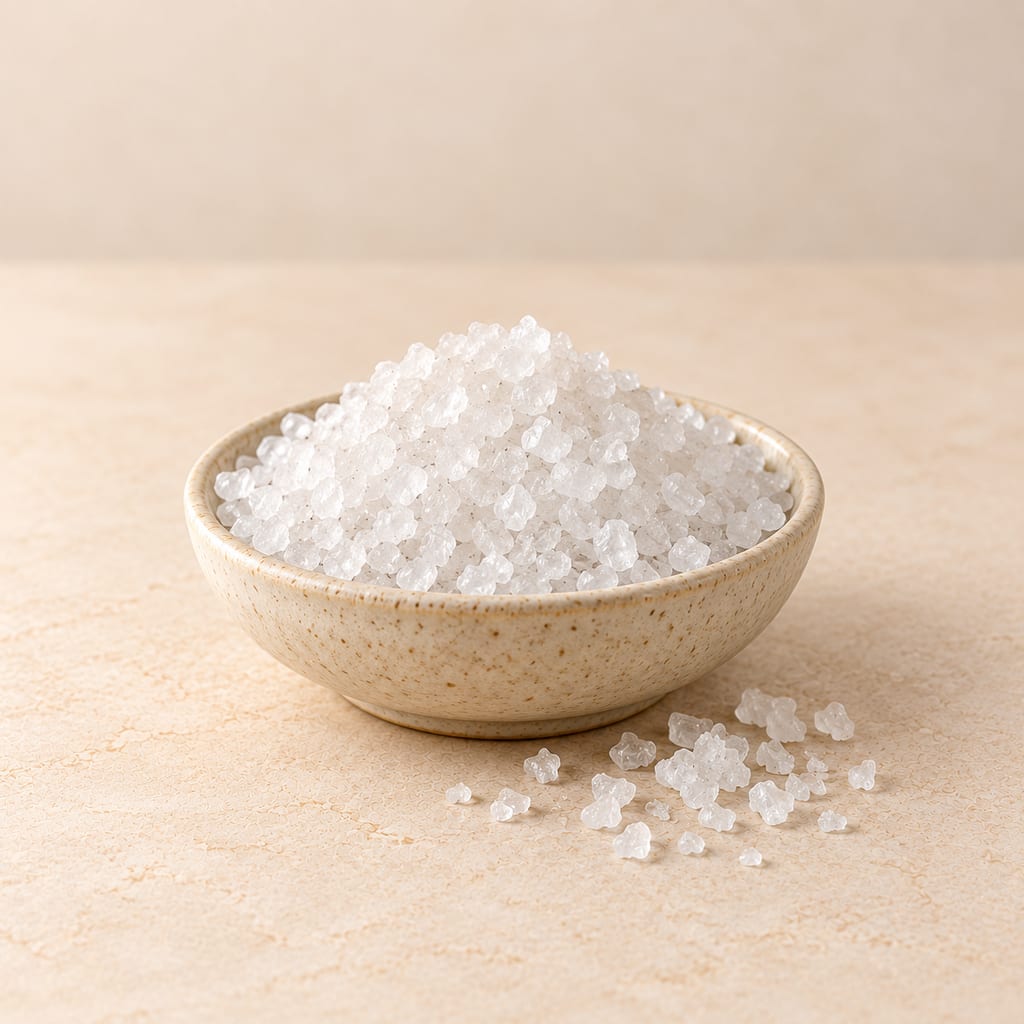
Coarse salt is food-grade salt in large grains, from sea, rock deposits or brine, used for curing, brining, pickling and packing fish.
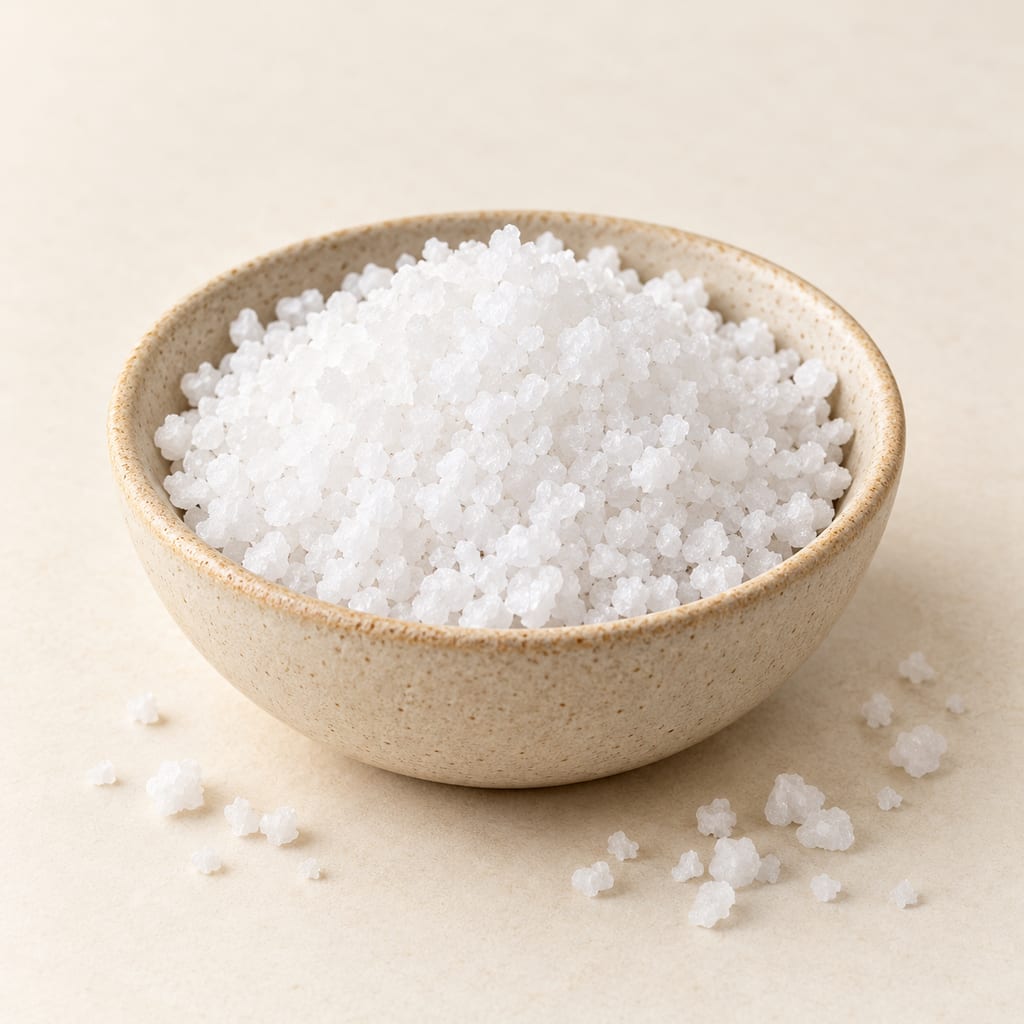
Food-grade sodium chloride seasons food and changes water movement in brines and cures; crystal size and the recipe's measurement method matter.
Water carries dissolved ingredients, transfers heat and forms the liquid environment of many ferments; its minerals and treatment influence how it behaves.
Dry salami, sour pork with rice, matured sheep and aged blubber follow different paths from animal to food. Their stories connect microbes with climate, slaughter, migration and the meals people share.
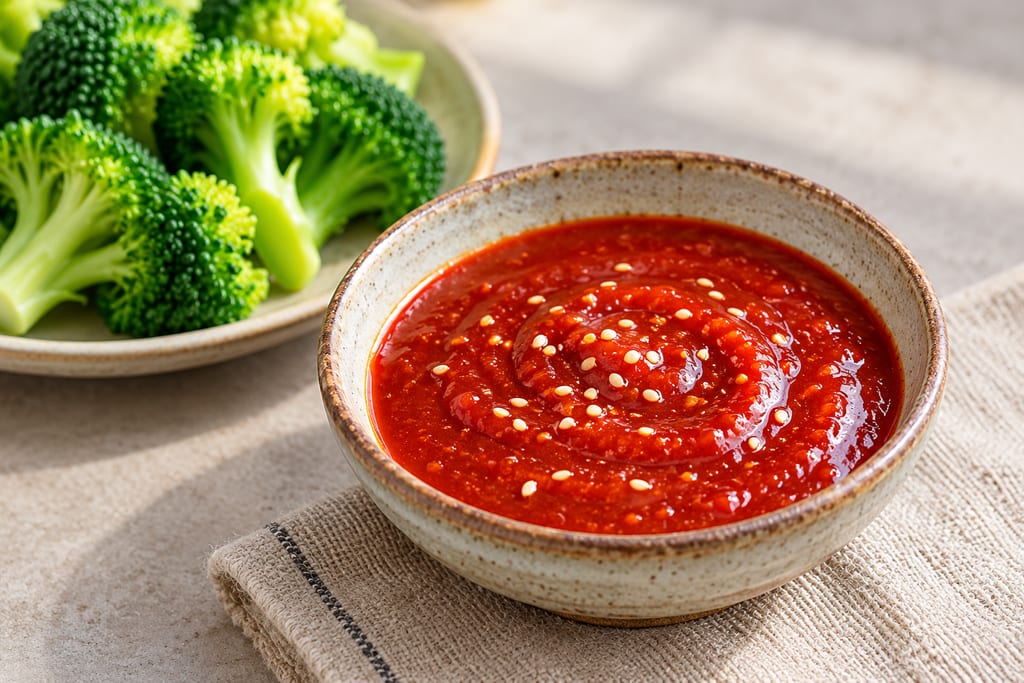
Chogochujang is a Korean sweet-sour sauce made by seasoning gochujang with vinegar and sugar. This development batch adds water and toasted sesame seeds, with optional garlic for the portion being served.
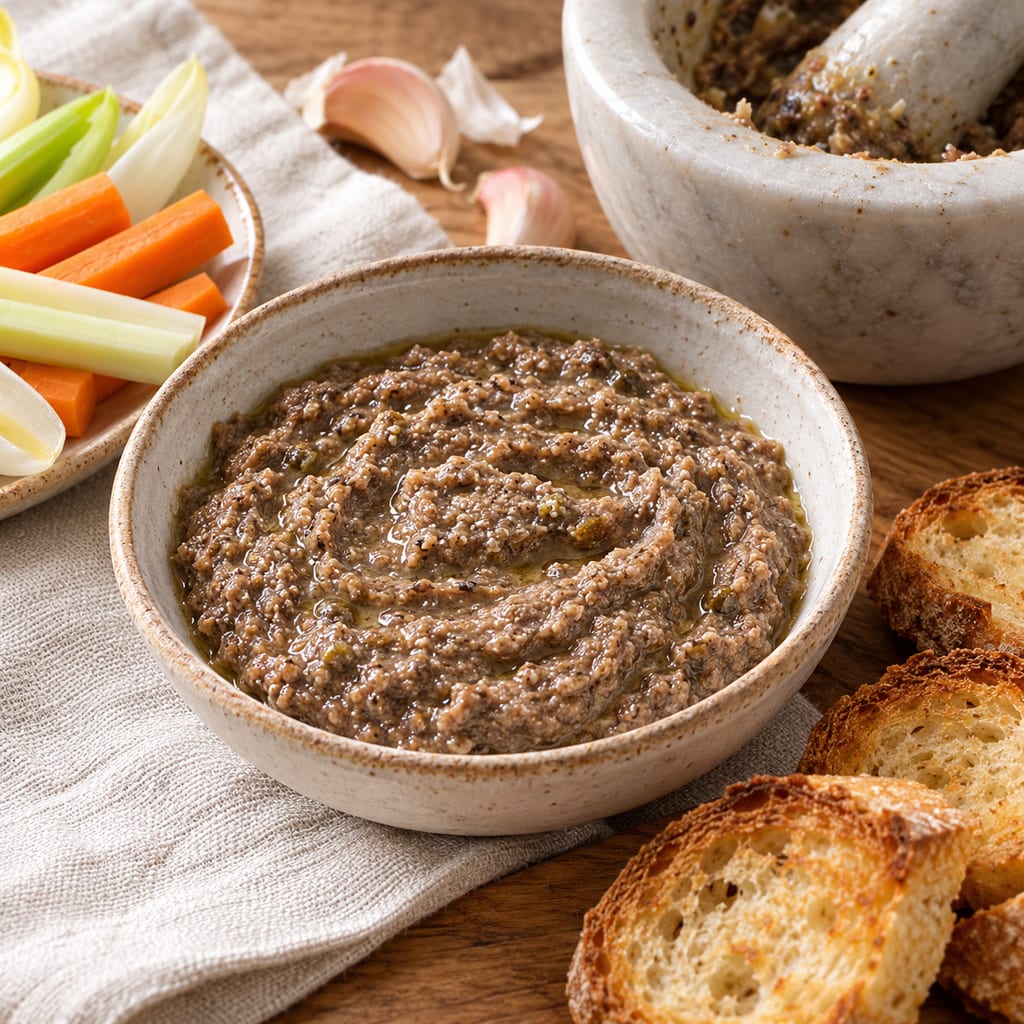
A Provencal dip of anchovies, garlic, capers and olive oil, pounded or blended to a creamy paste and served with raw vegetables, bread and eggs.
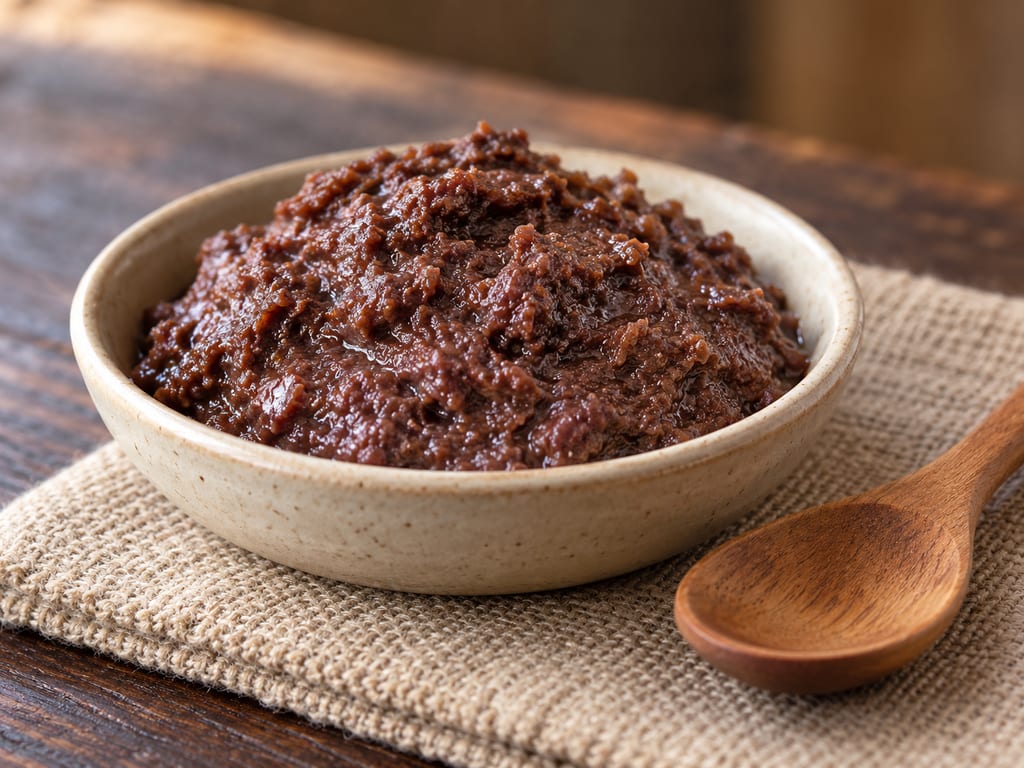
Bagoong isda is a Philippine fish paste: whole small fish salted and left to ferment for a month or more in earthen jars. It is the fish counterpart of bagoong alamang.
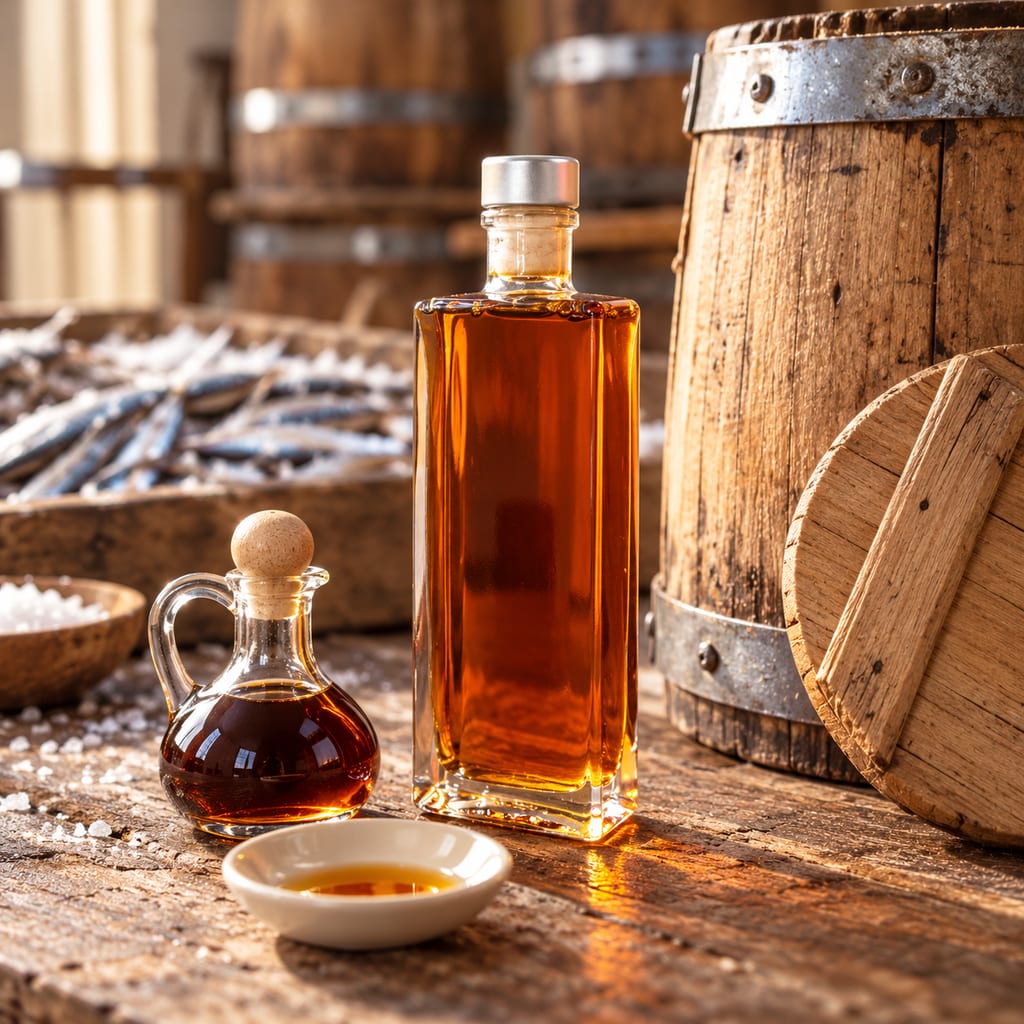
Colatura di alici is the amber liquid drained from salted anchovies matured in wooden containers in Cetara, on the Amalfi coast of Campania, and sold under a protected designation of origin.
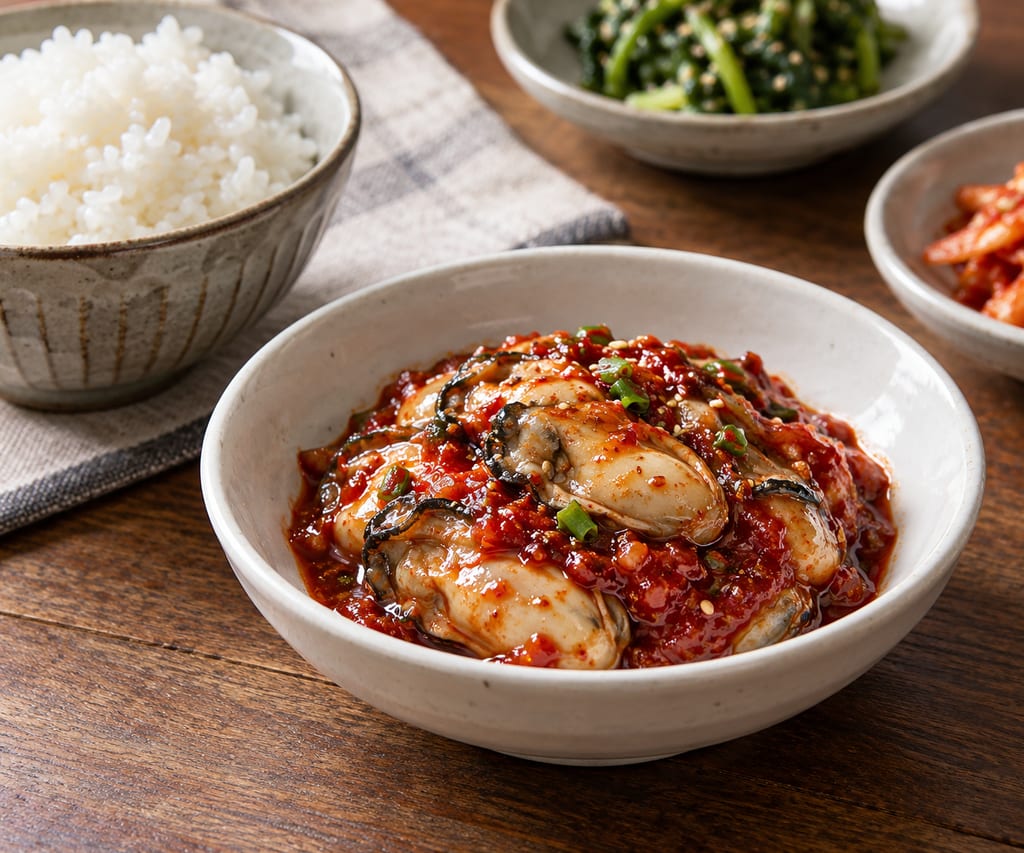
A Korean salted-oyster jeotgal seasoned with chili, associated especially with Seosan and Ganwoldo. This page records its food culture, not a household preparation method.
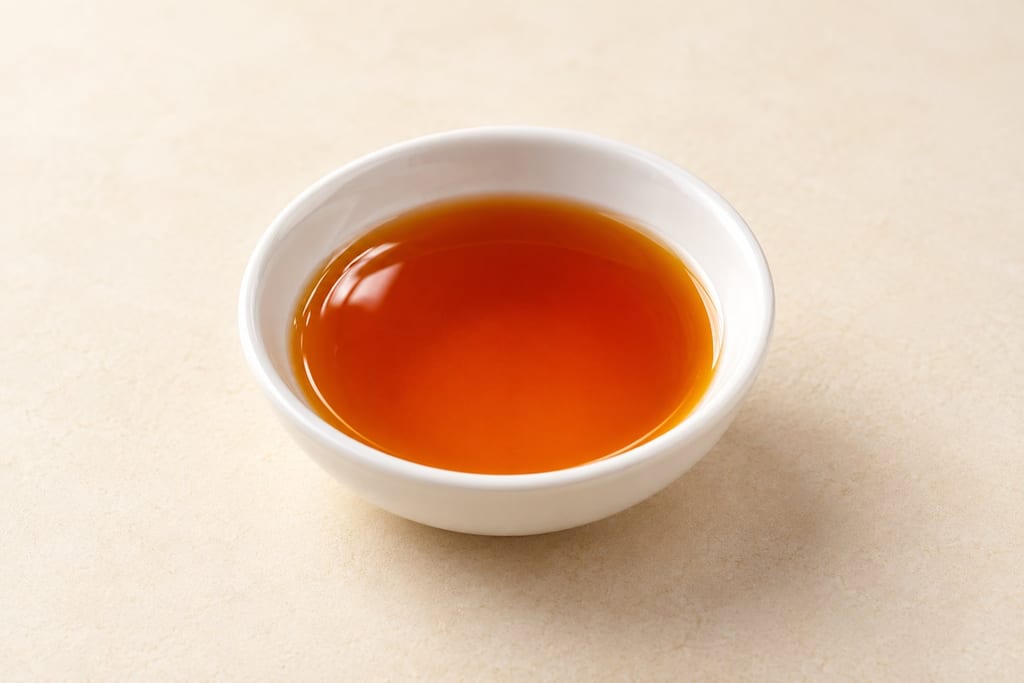
Fish sauce is a clear, salty seasoning made by maturing fish with salt and drawing off the liquid. The broad family includes distinct regional sauces rather than one interchangeable method.
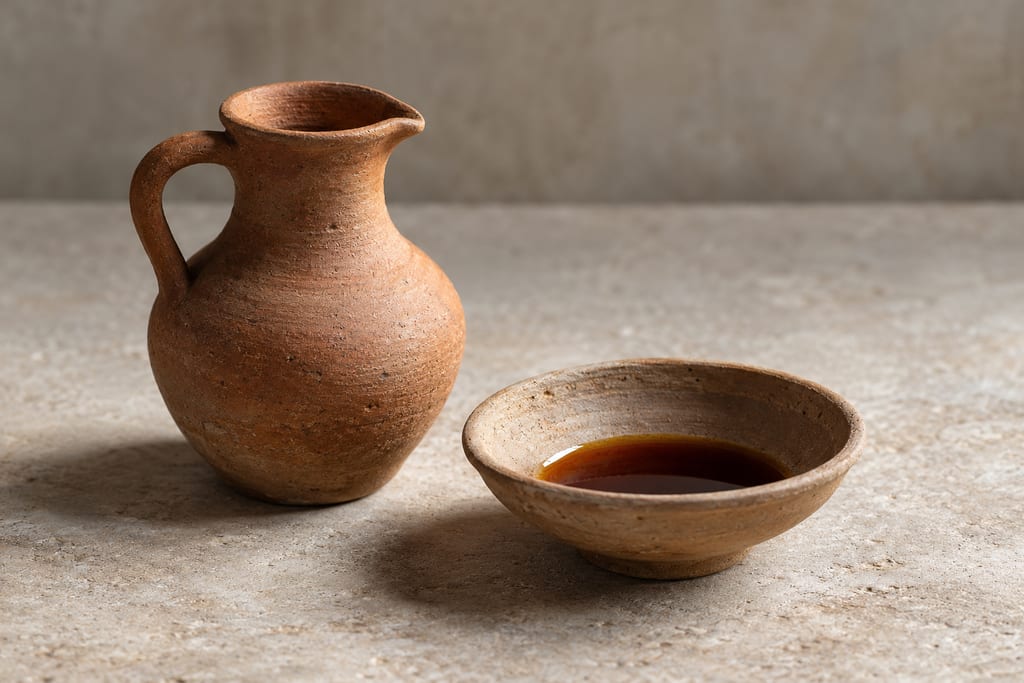
Garum, Greek garos and Latin liquamen, was the fish sauce of the ancient Mediterranean: fish and viscera salted and left in the sun, then drained off as a savoury liquid.
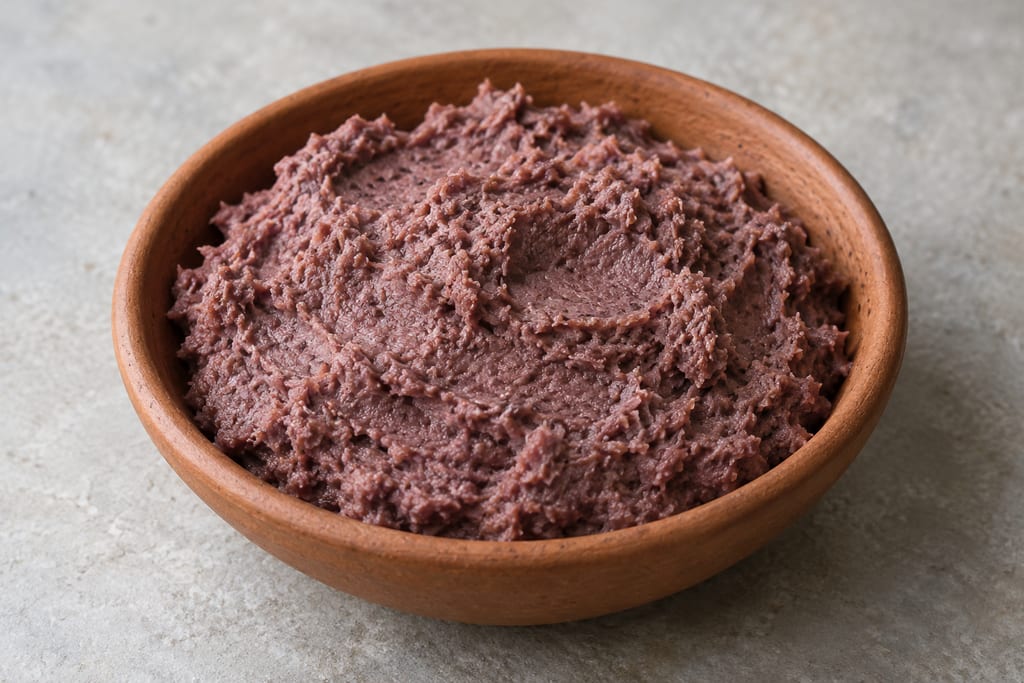
Guinamos is a shrimp paste made on Guimaras in the Philippines: small shrimp salted by hand, sun-dried and trodden by foot until it turns smooth.
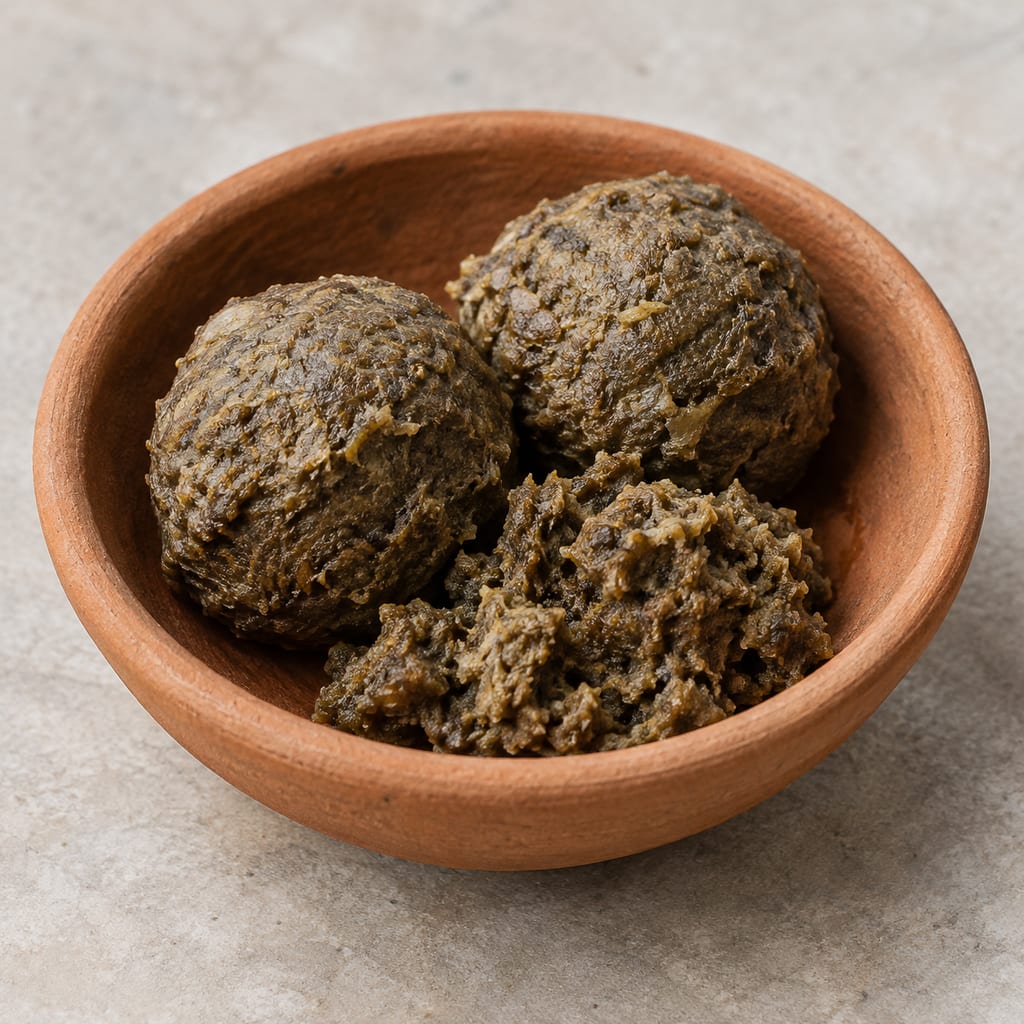
Manipuri fermented fish-and-aroid paste, formed into balls or kept in an earthen pot, used to season Manipuri dishes. Its method is documented in outline only.
No community contributions have been published for this entry yet.
Sign in to contribute. Published comments and photos are free to read.
Korea Traditional Knowledge Portal; Rural Development AdministrationInspiration · Process
Myeolchi jeot15 kg anchovies, 2 kg salt; brine of 260 g salt and 4 L water. Salt layers, boiled/cooled brine, bamboo, plastic cover and stone; at least three months. Fish and juice uses; Gyeonggi-do association.
The English plastic covering instruction gives an unclear 8 cm dimension. Historical books are listed without their passages.
U.S. FDASafety
Fish and Fishery Products Hazards and ControlsHistamine, pathogen and botulism hazards require process-specific controls.
BC Centre for Disease ControlSafety
Safety of Fermented Foods: Section 3.5 FesikhBotulism outbreaks with uneviscerated fermented salted fish; biogenic amine issues.
MaangchiNames · Use
Fermented salted anchovies (Myeolchi-jeot)Korean name 멸치젓; alternate 멸치젓갈 / myeolchi-jeotgal; use for kimchi in Southern Jeolla.
Cited in: One jar, two foods; A jar on the stand, a seasoning in the kitchen; At the cabbage bowl and the rice table
U.S. Food and Drug AdministrationSafety
Fish and Fishery Products Hazards and Controls Guidance, Chapter 7: Scombrotoxin (Histamine) FormationPages 113–115: histamine formation, salt-tolerant organisms, rapid chilling and inability of heat/freezing to remove preformed histamine.
Cited in: Quality changes and safety are different questions
U.S. Food and Drug AdministrationSafety
Fish and Fishery Products Hazards and Controls Guidance, Chapter 13: Clostridium botulinum Toxin FormationPages 245–247: toxin formation in reduced-oxygen seafood and product-specific control strategies; no validation of this jar method.
Cited in: Quality changes and safety are different questions; Notes on this preparation
Korea Traditional Knowledge Portal / Rural Development AdministrationMethod · Ingredients · Names · Geography
멸치젓Korean method: coarse salt (굵은 소금); mix anchovies with coarse salt, loosely lay bamboo, cut plastic to the jar diameter (항아리 지름 크기), disinfected stone, seal and place on outdoor jar stand. No 8 cm dimension appears.
15 kg anchovies, 2 kg salt; brine 260 g salt and 4 L water. Mature at least three months; expressed juice directly or simmer and cool for kimchi; fish finely cut and seasoned for meals.
The method supplies no numerical maturation temperature, stone disinfection protocol or validated control plan.
Korean step4 석 달 이상 gives an inclusive lower bound: three months or more / at least three months, not strictly more than three months.
Cited in: One jar, two foods; A jar on the stand, a seasoning in the kitchen; What the salt and the fish each contribute; Why the jar is assembled in stages; At the cabbage bowl and the rice table; Notes on this preparation
Journal of Food Science and Technology
Effect of organic acids on the formation of biogenic amines in fermented anchovy sauce comprising raw anchovy materials with different levels of freshnessProtein degradation, anchovy sauce identity, raw-material freshness experiment; not this jar validation.
Cited in: What the salt and the fish each contribute; How a fish becomes a seasoning; What the liquid reveals about the fish; Why freshness remains visible after salting; Maturation is a changing community; Quality changes and safety are different questions; Notes on this preparation
PLOS ONE
Effects of Temperature on Bacterial Communities and Metabolites during Fermentation of Myeolchi-Aekjeot, a Traditional Korean Fermented Anchovy SauceControlled aekjeot experiment, succession, temperature differences, Tetragenococcus; not organisms in regional jar.
Cited in: What the salt and the fish each contribute; How a fish becomes a seasoning; What the liquid reveals about the fish; Maturation is a changing community; Notes on this preparation