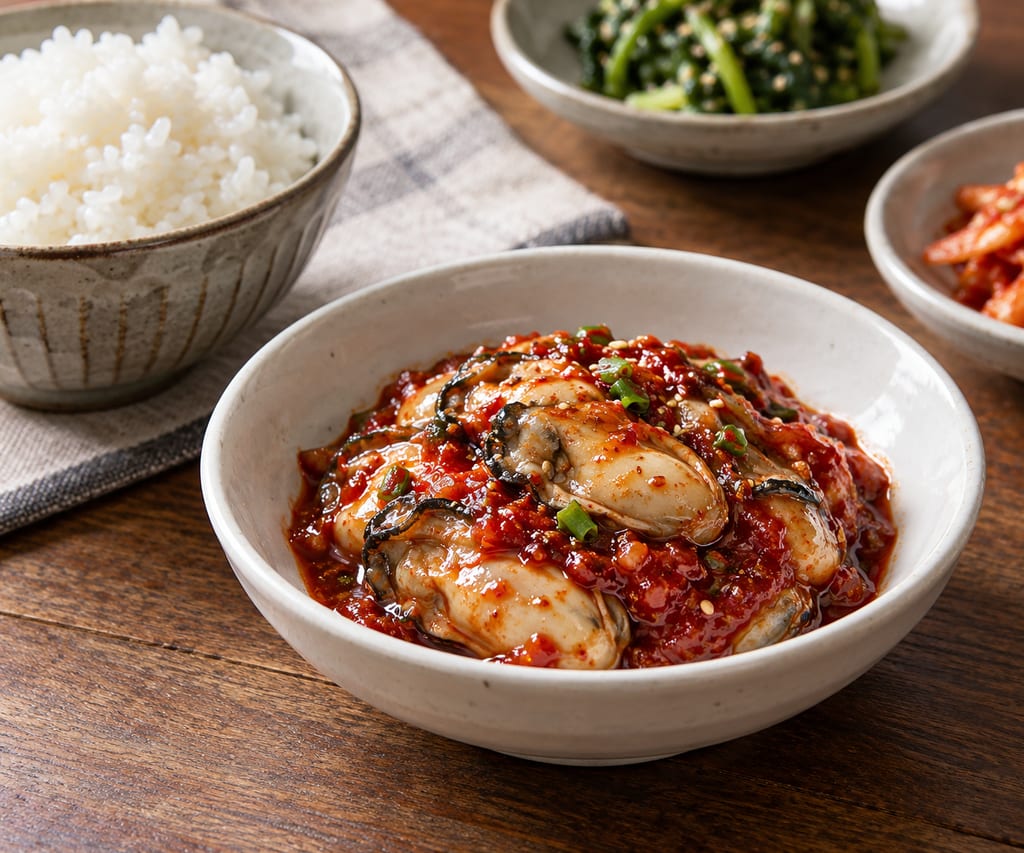
Eoriguljeot (Eorigul-jeot)
A Korean salted-oyster jeotgal seasoned with chili, associated especially with Seosan and Ganwoldo. This page records its food culture, not a household preparation method.
 FermenteaWhere food goes to change
멸치액젖
Myeolchi-aekjeot is Korean anchovy sauce: whole anchovies salted to about 25 percent brine, fermented for months to years and filtered; its main use is as a kimchi seasoning.
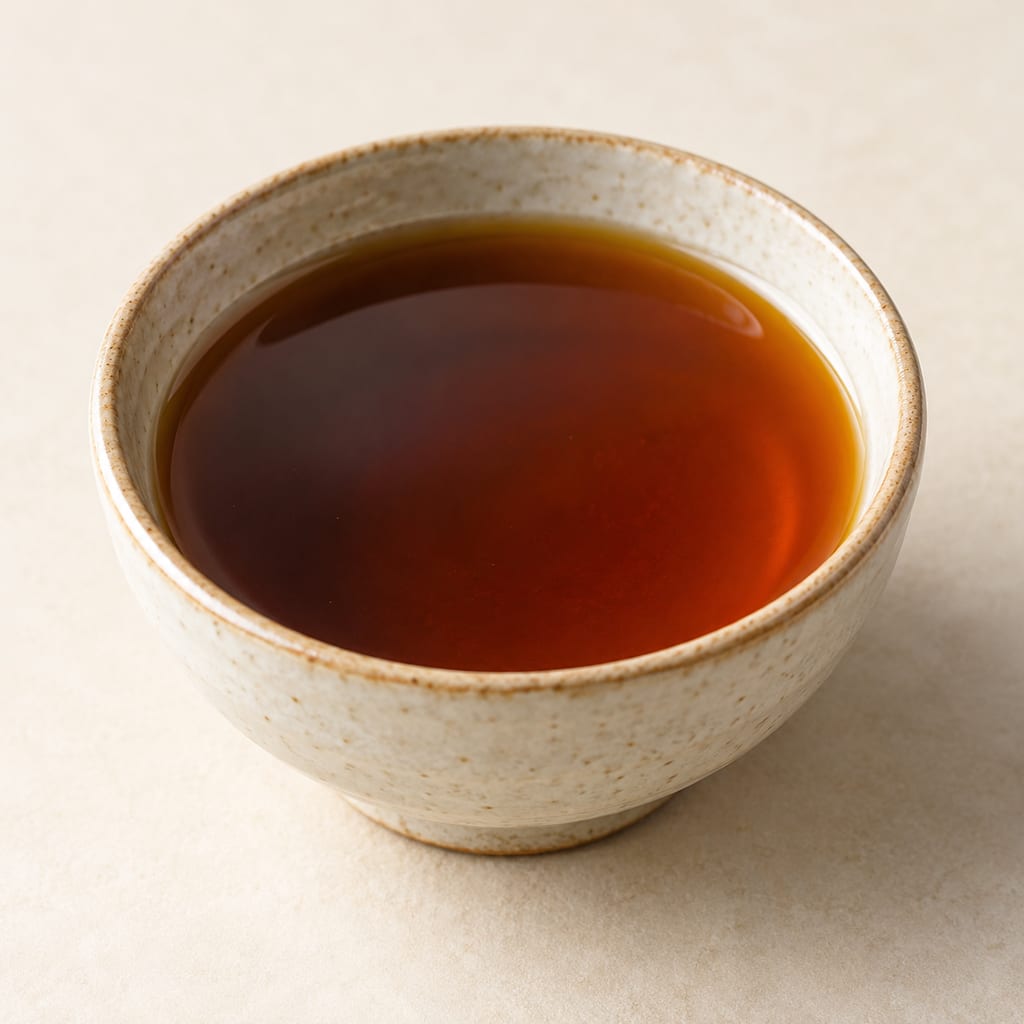
Myeolchi-aekjeot is the liquid that comes from salting whole anchovies (myeolchi, Engraulis japonicus) and leaving them to ferment for a long time before the solids are filtered out. It is one of the two aekjeot, the fish sauces of Korea; the other is the sand-lance sauce kkanari-aekjeot. A Korean food review lists both beside red pepper powder, garlic, ginger, radish and glutinous rice paste among the seasonings of kimchi.
The Korean word aekjeot (액젖) marks the liquid branch of a wider family of salted seafood, jeotgal. A jeotgal keeps recognisable fish, shrimp, roe or viscera and is often eaten in small portions as a side dish or used to season other foods. An aekjeot is the filtered liquid and is used only as a seasoning.
The review gives different curing conditions for the two. Jeotgal is brined at about 20% salinity for 2 to 3 months at room temperature and ends up resembling the seafood it began as. Aekjeot is submerged in brine of 20 to 30% for 1 to 2 years, after which particles are filtered off, so the seafood is no longer served as seafood.
The documented laboratory batch sits at the top of that range: about 25% sodium chloride. The traditional description in the same research is a highly salted anchovy ferment of more than six months, left outdoors without temperature control.
In the PLOS ONE experiment, twelve containers each held 1.0 kg of anchovies, 270 g of solar salt and 400 ml of 25% salt solution. Three containers were held at each of 15, 20, 25 and 30 degrees C. Salinity stayed nearly constant at about 24.7% (w/v) throughout. The pH began near 6.0, began to rise after about 42 days and, at 15 degrees C, fell again to below 5.8 after about 200 days.
Free amino acids rose rapidly in every container early on, and their totals were a little higher at higher temperatures. Trimethylamine and dimethylamine increased as trimethylamine oxide fell; the authors link these methylamines to the characteristic odour of fermented fish sauces.
The bacterial community depended on temperature. Tetragenococcus, a salt-tolerant genus, was the major genus at 20, 25 and 30 degrees C and was most abundant at 30 degrees C. It was not detected at 15 degrees C. The communities and metabolites developed differently at the four temperatures, so a cooler or warmer place gives a different ferment even with the same fish and salt.
The review states that jeotgal and aekjeot contain flavour compounds that contribute greatly to ripening during kimchi fermentation. Myeolchi-aekjeot is widely used in kimchi seasoning. The same review traces part of kimchi's biogenic-amine load to fish sauces of this kind, which is the reason it treats them together.
Kkanari-aekjeot is made from sand lance instead of anchovy, and the two sauces are not one fish or one formula. A supplied Korean atlas notes western and northern associations for the sand-lance sauce. The review reports histamine in commercial kkanari-aekjeot from 183.4 to 1839.68 mg/kg and tyramine from 112.3 to 583.0 mg/kg across the surveys it compiles, in the same range as the anchovy sauce. The temperature experiment covered anchovy only and says nothing about sand-lance products.
The review compiles six surveys of commercial myeolchi-aekjeot. Every product exceeded 100 mg/kg histamine; reported histamine ranged from 150 to 2070.58 mg/kg and tyramine from 77.5 to 611.3 mg/kg where it was measured. The review suggests the long fermentation as a possible cause.
In the laboratory batch, putrescine, histamine, tyramine and cadaverine were not detected in any container. That is one controlled experiment under its own preparation and sampling, and it neither represents the market products nor approves a household process. Household salt basis, pH, temperature, time, amine controls and storage are not validated by any source read here, and no universal birthplace, season or market-wide microbial profile is established. Smell and taste do not establish safety.
Described as a representative traditional Korean fermented fish sauce made from highly salted anchovies; no source read dates its beginnings.
Scaling: the documented batch is a laboratory scale of 1.0 kg fish per container; no scaling rule is given.
Commercial myeolchi-aekjeot in six Korean surveys compiled in a review all exceeded 100 mg/kg histamine, with reported ranges from 150 to 2070.58 mg/kg; tyramine reached 611.3 mg/kg.
Hazard sourceSalt level held at about 25% (w/v) sodium chloride throughout the documented laboratory batch (measured 24.7 plus or minus 0.5%)
Control sourceThe documented batch is a laboratory experiment under its own conditions, not a validated household process.
A familiar name or a long maturation does not guarantee a low biogenic-amine level; smell and taste do not establish safety.
Described as a traditional Korean sauce; the sources assign no village or province. The anchovies of the documented batch came from the South Sea near Wando.
A Korean salted-oyster jeotgal seasoned with chili, associated especially with Seosan and Ganwoldo. This page records its food culture, not a household preparation method.
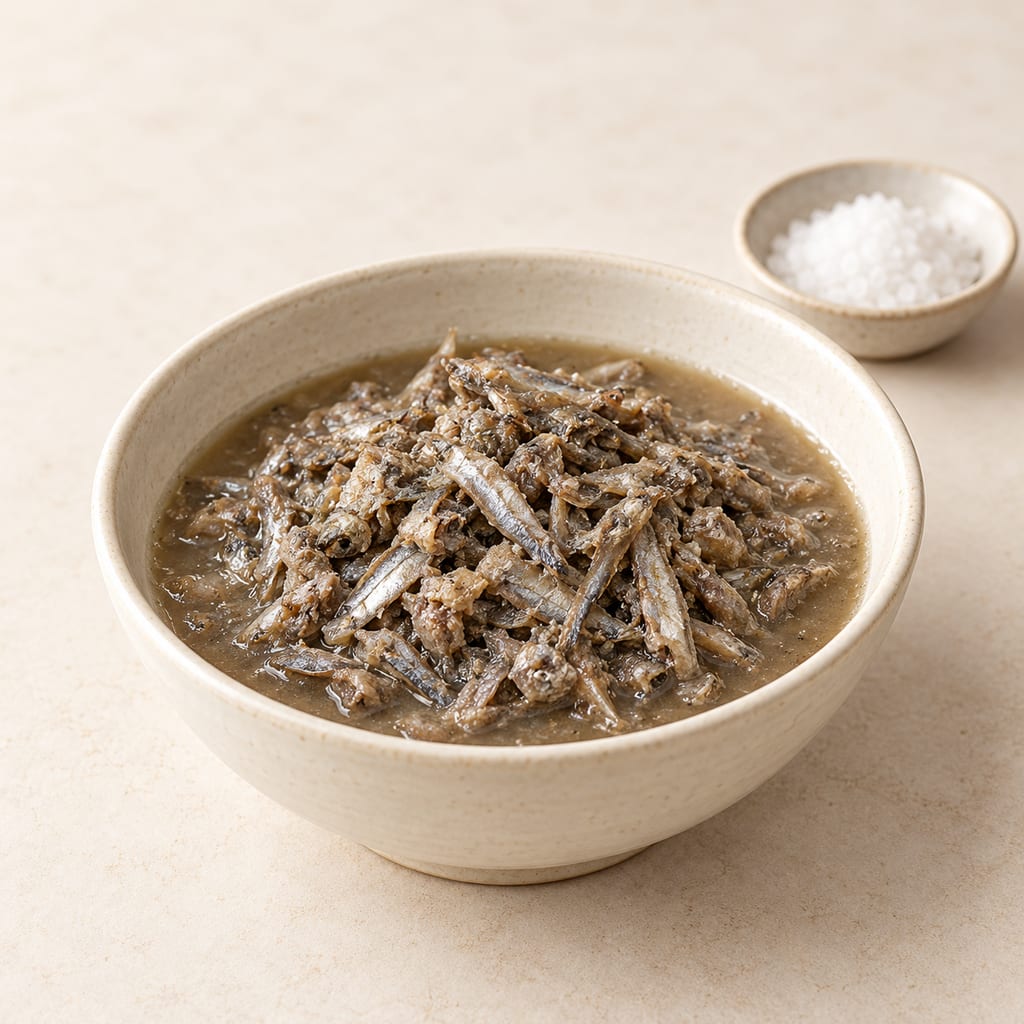
Salted anchovies mature in a covered jar with brine. The fish can be seasoned for a meal, while the expressed liquid seasons kimchi and other dishes.
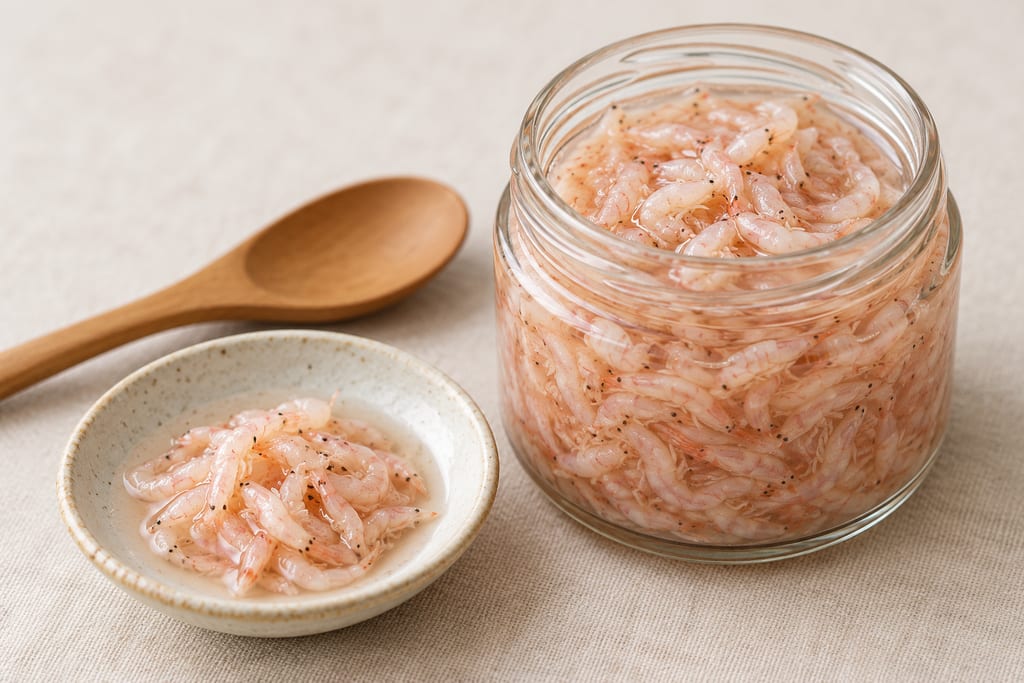
Korean fermented seafood made by salting whole small shrimp and maturing them in their own brine, used as a seasoning, in kimchi and with pork.
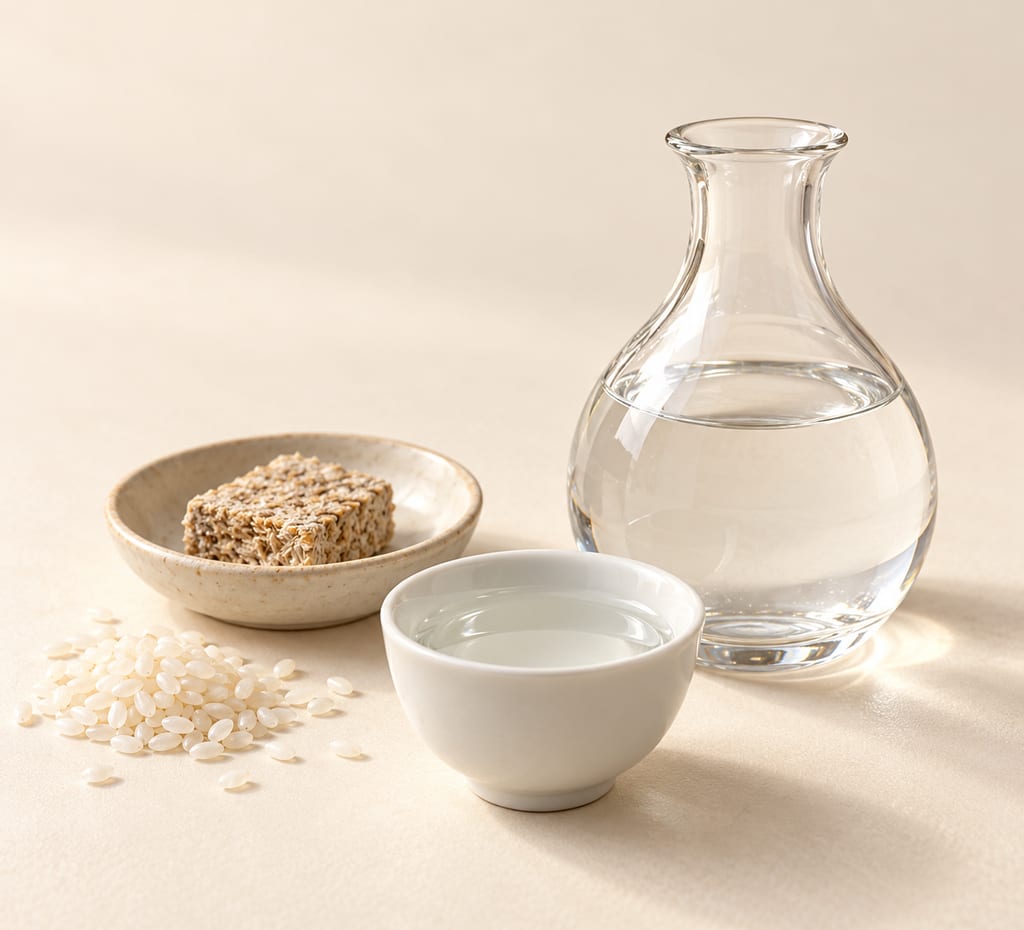
Andong soju is a rice spirit from North Gyeongsang, distilled from steamed rice and wheat nuruk. This method makes the starter before fermenting the rice mash in a jar.
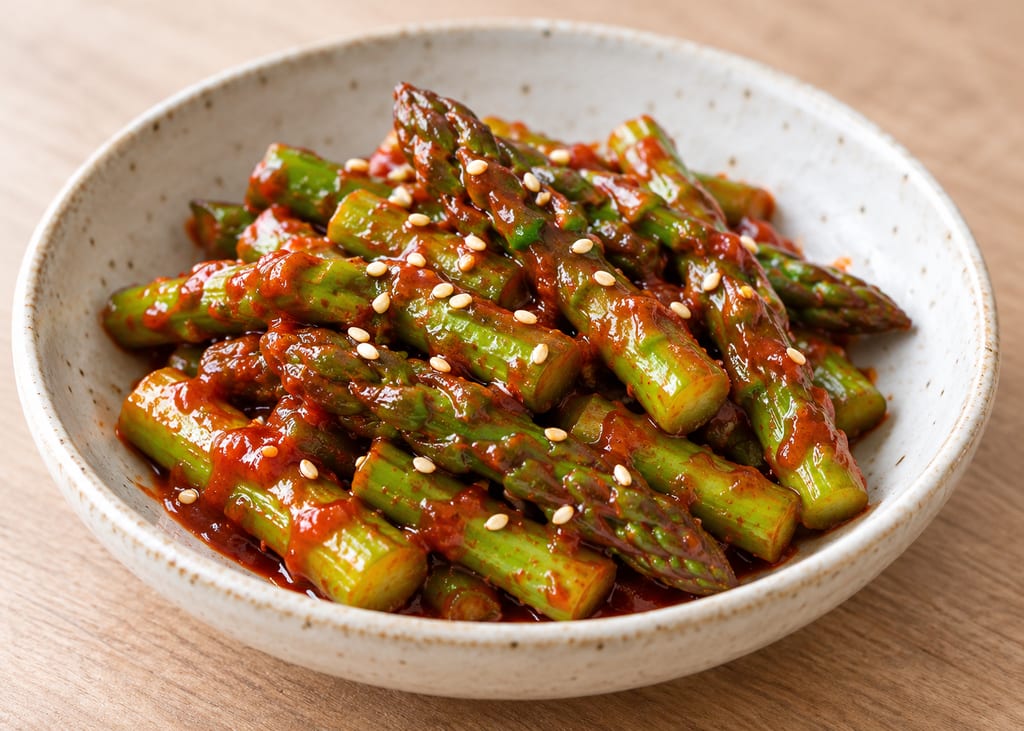
A Korean banchan of blanched asparagus dressed with a sweet-sour cho-gochujang sauce; Hyosun's version cools the spears in ice water before tossing.
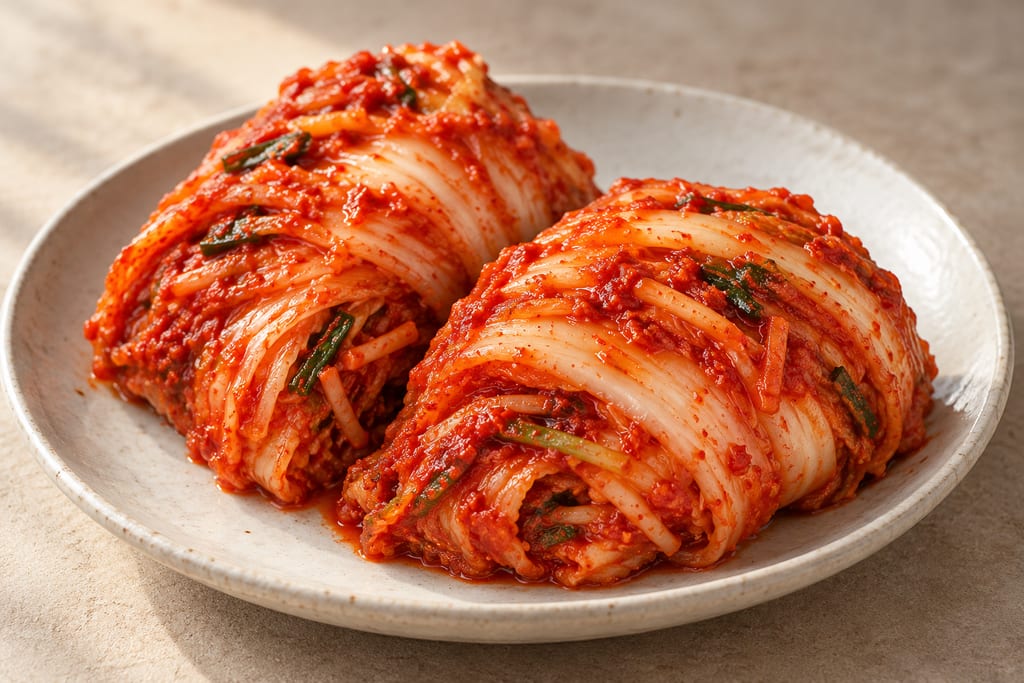
Napa cabbage salted, seasoned with a paste of gochugaru, garlic, ginger and salted seafood, and left to sour through lactic fermentation; Korea's everyday winter preserve.
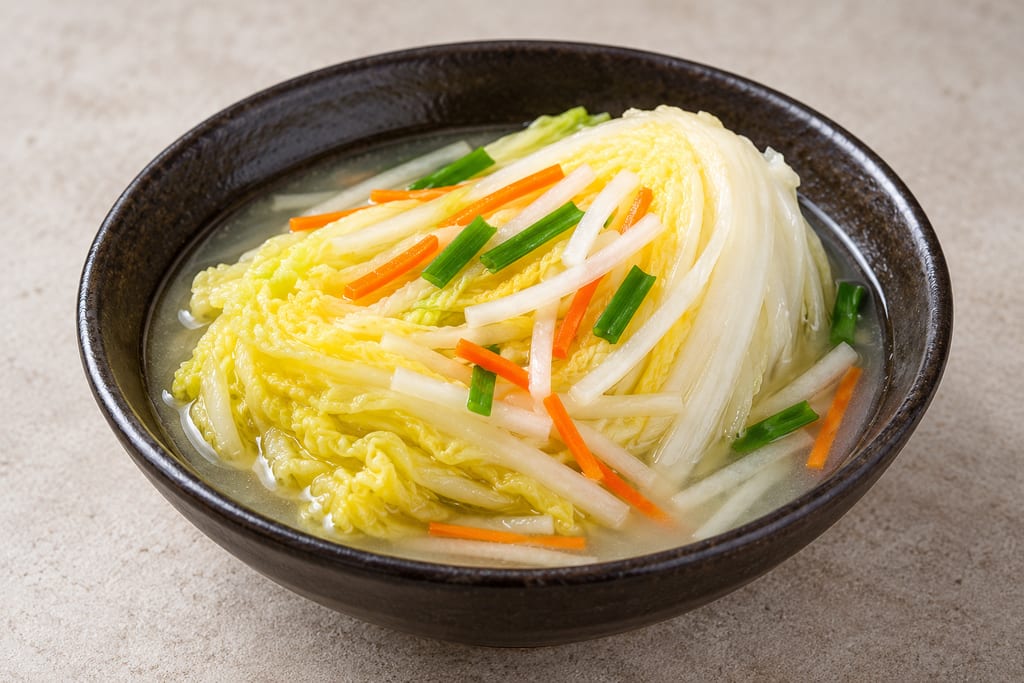
Napa cabbage is brined and filled with pear, radish, alliums, chives and fruit; this Korean kimchi omits red pepper flakes.
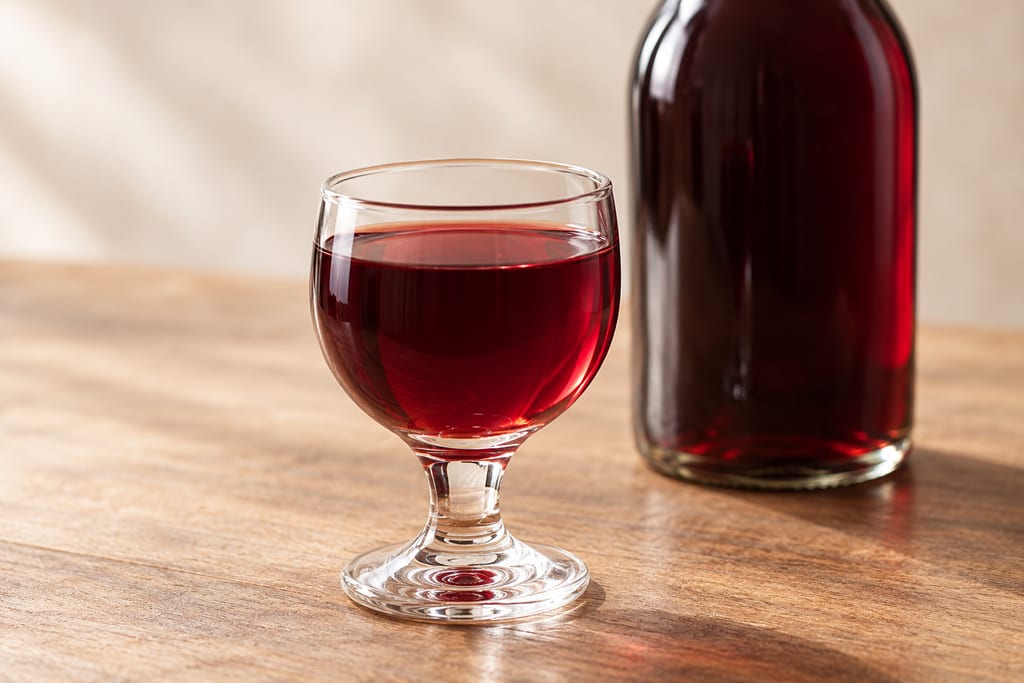
Korean black raspberry wine: crushed bokbunja berries with their seeds, sweetened to 20 °Brix, fermented 15 days at 25 °C with wine yeast, filtered and matured three months.
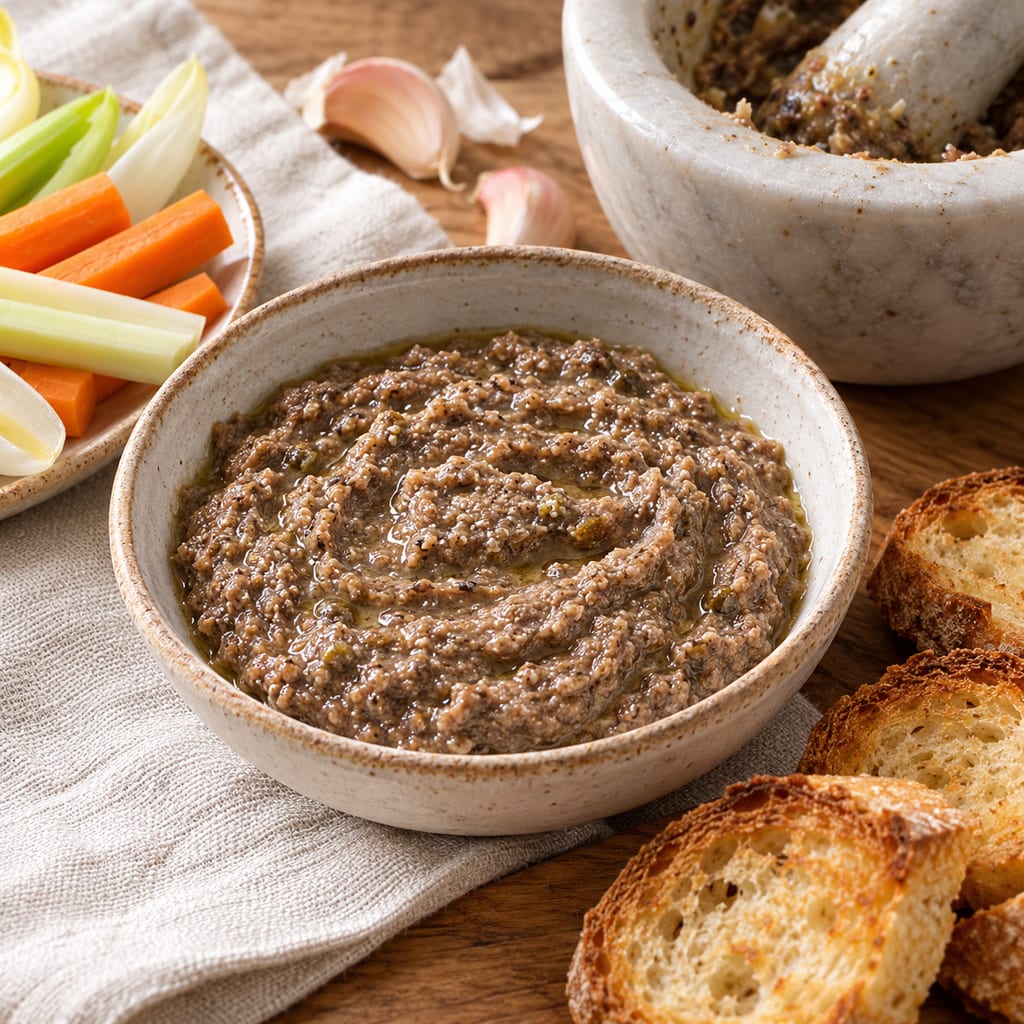
A Provencal dip of anchovies, garlic, capers and olive oil, pounded or blended to a creamy paste and served with raw vegetables, bread and eggs.
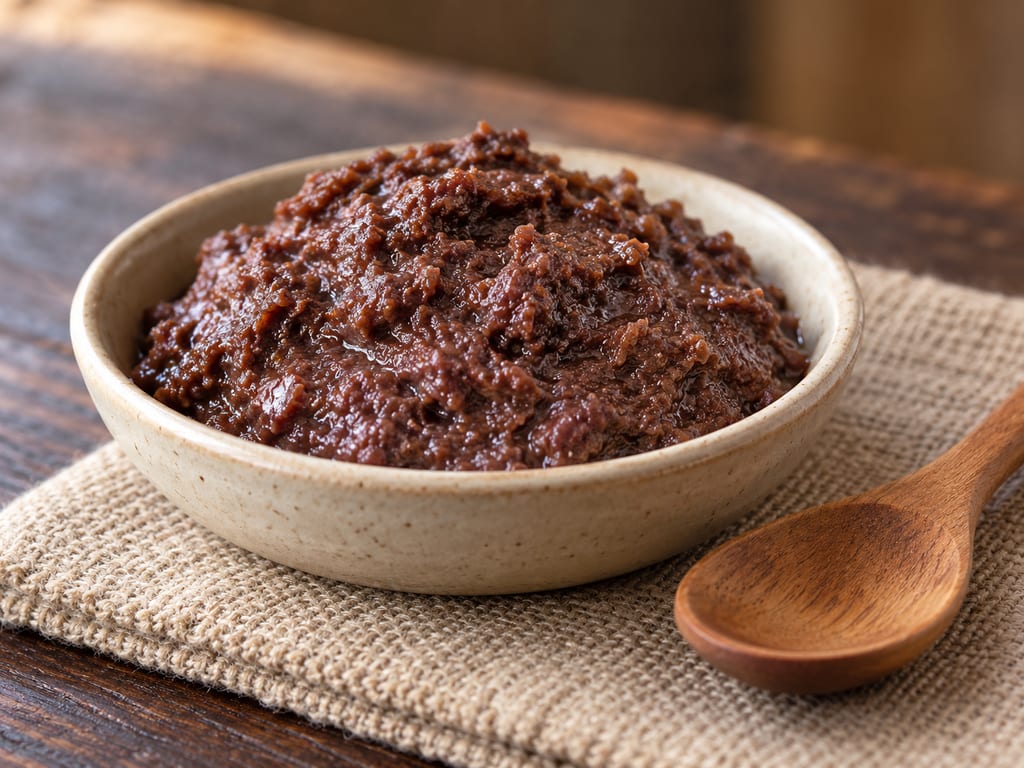
Bagoong isda is a Philippine fish paste: whole small fish salted and left to ferment for a month or more in earthen jars. It is the fish counterpart of bagoong alamang.
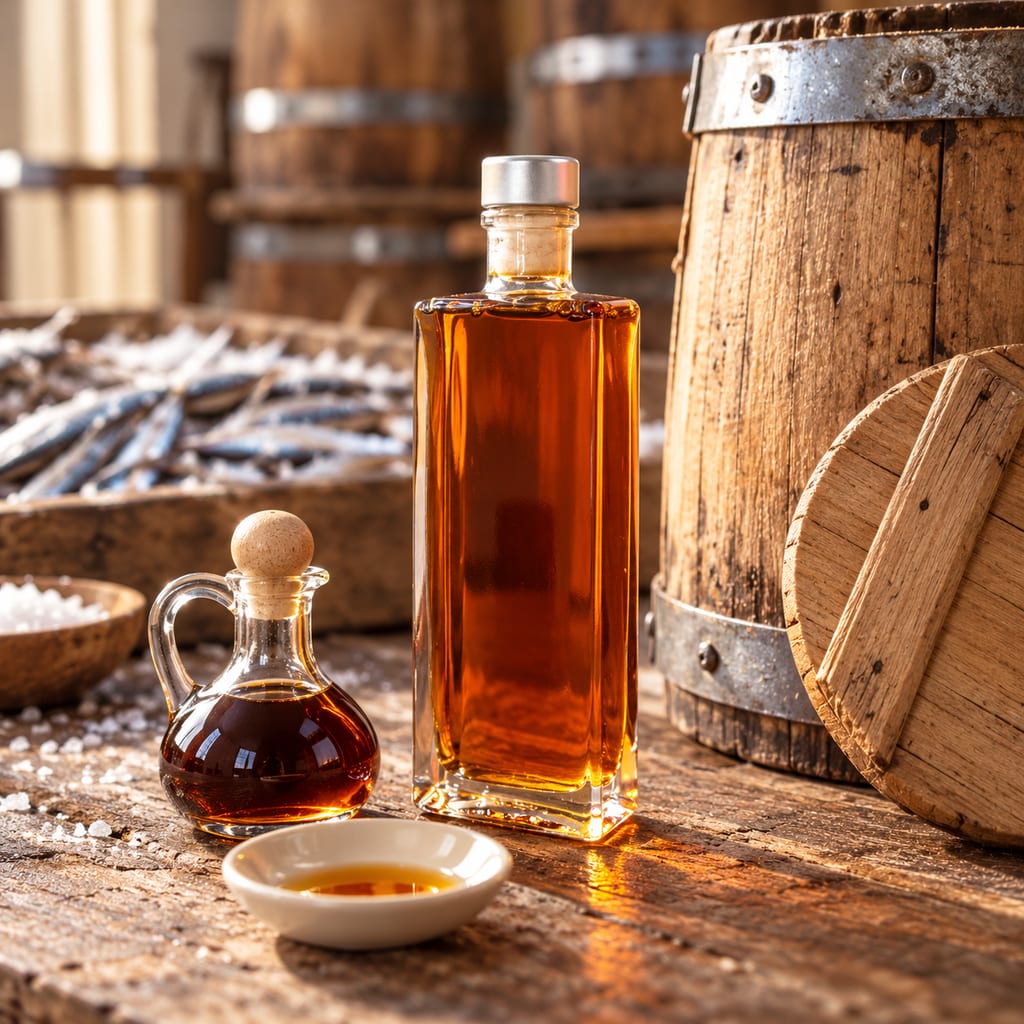
Colatura di alici is the amber liquid drained from salted anchovies matured in wooden containers in Cetara, on the Amalfi coast of Campania, and sold under a protected designation of origin.
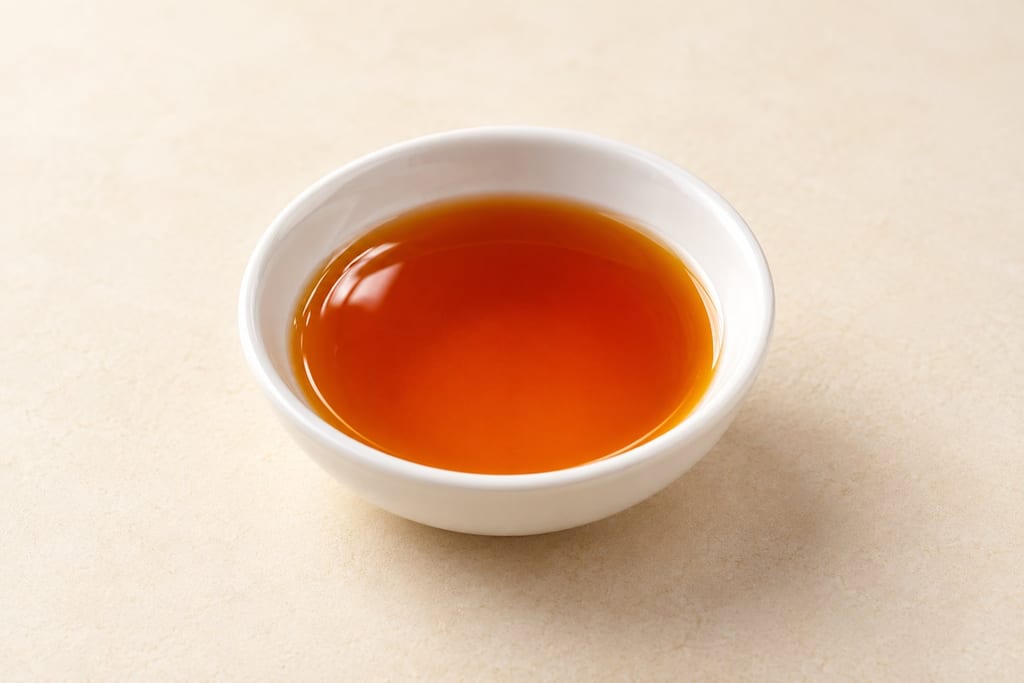
Fish sauce is a clear, salty seasoning made by maturing fish with salt and drawing off the liquid. The broad family includes distinct regional sauces rather than one interchangeable method.
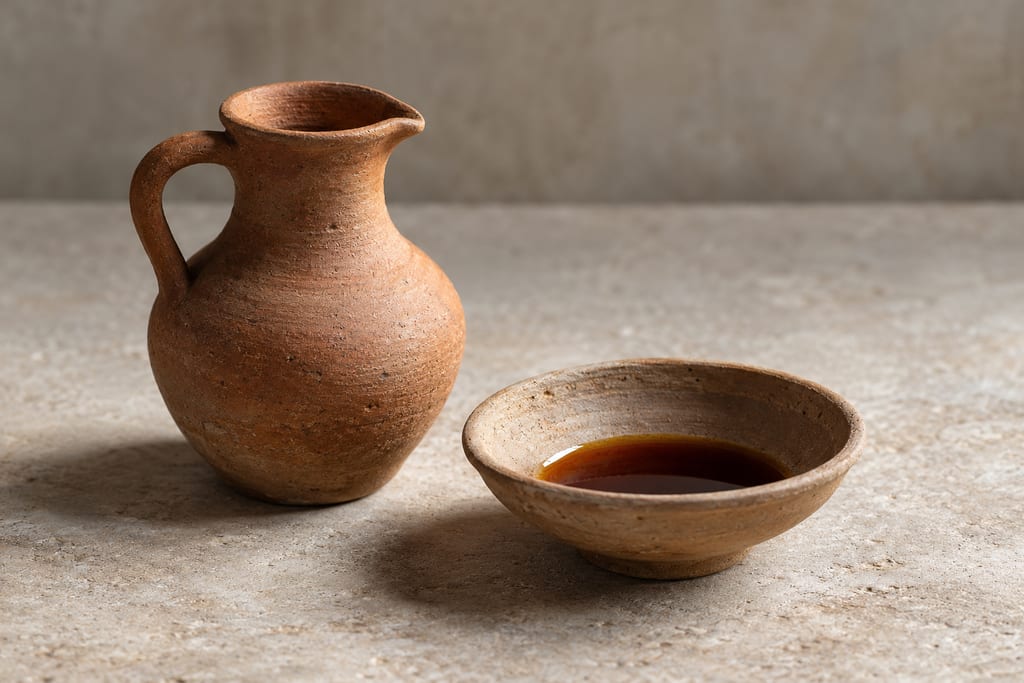
Garum, Greek garos and Latin liquamen, was the fish sauce of the ancient Mediterranean: fish and viscera salted and left in the sun, then drained off as a savoury liquid.
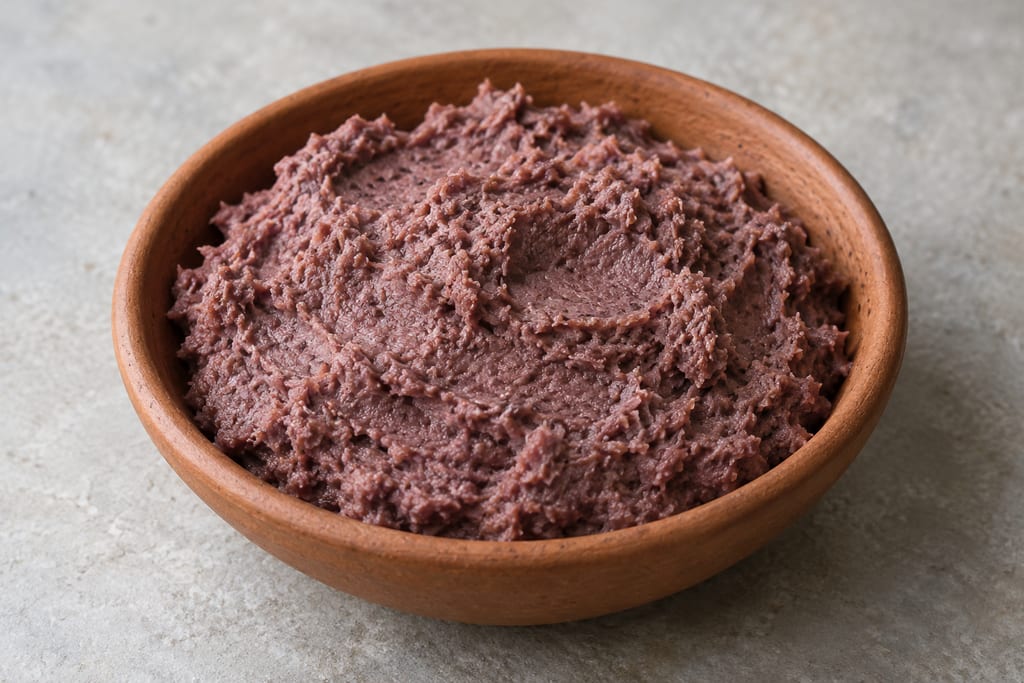
Guinamos is a shrimp paste made on Guimaras in the Philippines: small shrimp salted by hand, sun-dried and trodden by foot until it turns smooth.
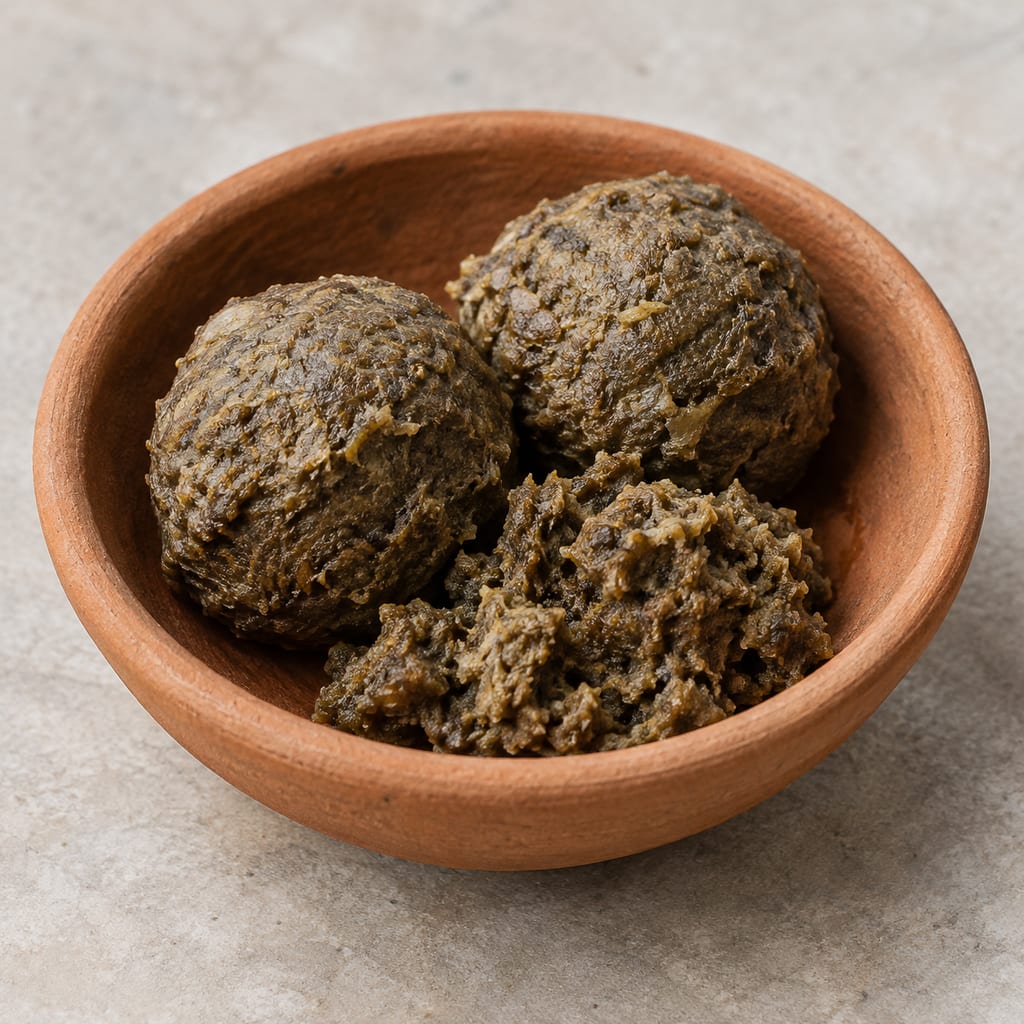
Manipuri fermented fish-and-aroid paste, formed into balls or kept in an earthen pot, used to season Manipuri dishes. Its method is documented in outline only.
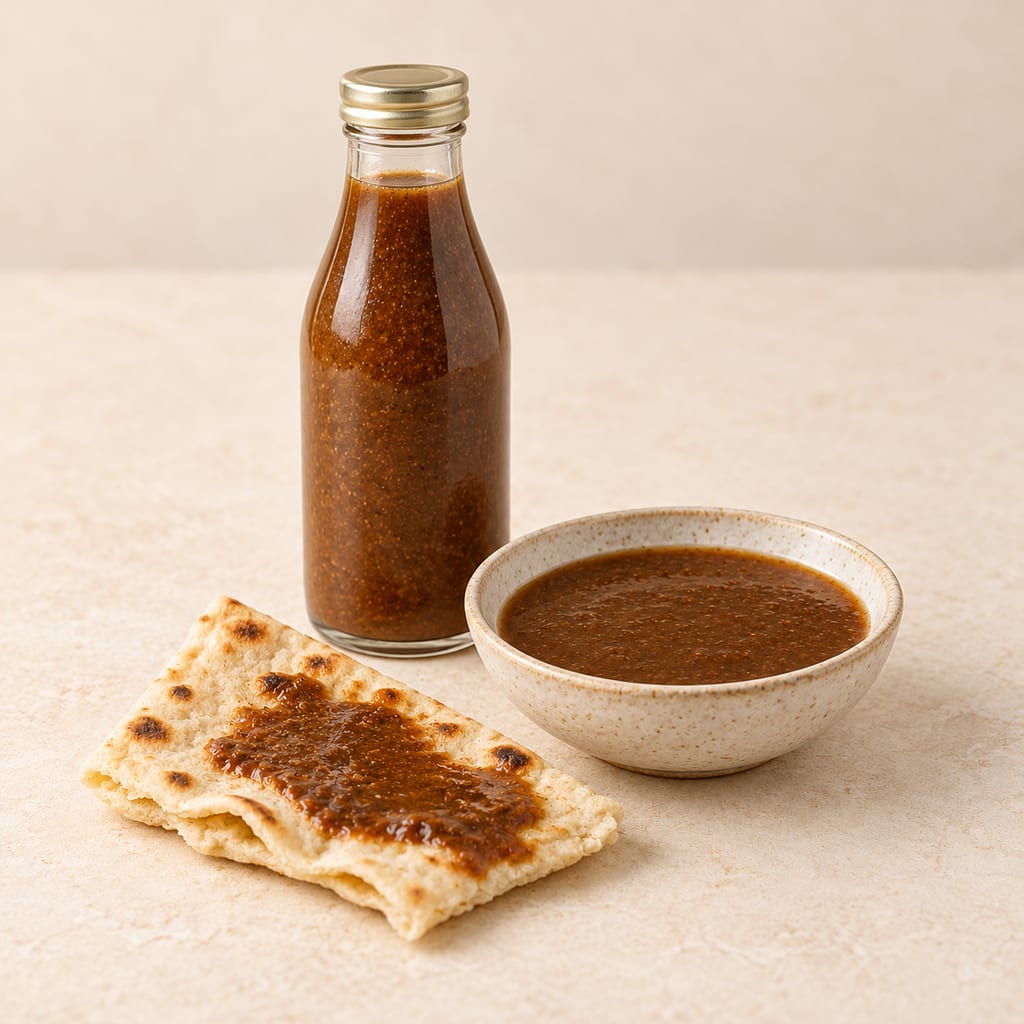
Mahyawa, also written mahyaveh, is a traditional fish sauce from southern Iran, made by salting small sardines or anchovies in water, maturing them in jars and seasoning the filtered liquid with mustard and spices.
No community contributions have been published for this entry yet.
Sign in to contribute. Published comments and photos are free to read.
PLOS ONEMethod · Science · Safety
Effects of Temperature on Bacterial Communities and Metabolites during Fermentation of Myeolchi-Aekjeot, a Traditional Korean Fermented Anchovy Sauce1.0 kg anchovies and 270 g solar salt plus 400 ml of 25% (w/v) salt solution per container
Four incubation temperatures from 15 to 30 degrees C, followed for 473 days
Salinity about 24.7% w/v; pH about 6.0 at the start
Tetragenococcus the major genus at 20, 25 and 30 degrees C, not detected at 15 degrees C
Amino acids rose rapidly; trimethylamine and dimethylamine rose as TMAO fell
Putrescine, histamine, tyramine and cadaverine not detected in any sample
Traditional production described as more than 6 months, outdoors, highly salted
Cited in: How it differs from jeotgal; What happens in the container; Sand-lance sauce, a different base; Biogenic amines and what is not known
FoodsHistory · Use · Safety
Occurrence and Reduction of Biogenic Amines in Kimchi and Korean Fermented Seafood ProductsMyeolchi-aekjeot and kkanari-aekjeot are the two commonly used aekjeot
Aekjeot: seafood in 20 to 30% brine for 1 to 2 years, then filtered; jeotgal: 20% brine for 2 to 3 months, product resembling the seafood
Use as a kimchi seasoning and contribution to ripening
Histamine and tyramine ranges in commercial myeolchi-aekjeot and kkanari-aekjeot from several surveys
Cited in: A sauce of salted anchovies; How it differs from jeotgal; Use in kimchi; Sand-lance sauce, a different base; Biogenic amines and what is not known