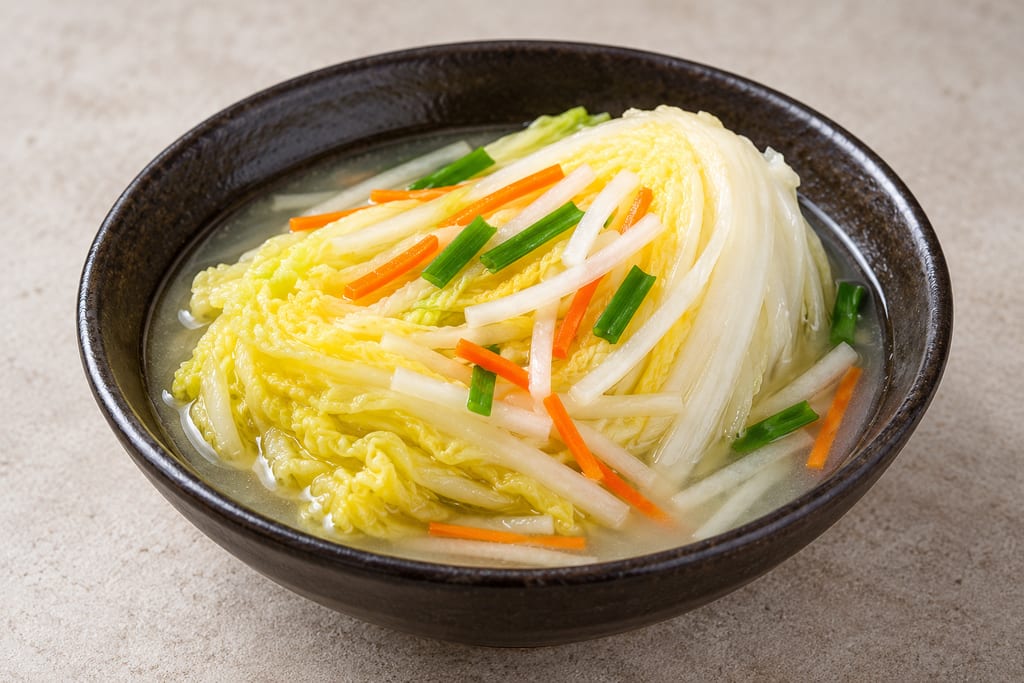
Baek-kimchi (white napa-cabbage kimchi)
Napa cabbage is brined and filled with pear, radish, alliums, chives and fruit; this Korean kimchi omits red pepper flakes.
 FermenteaWhere food goes to change
Substrates
Cabbage is the dense leafy head of Brassica oleracea, a European vegetable that keeps for months and is the classic raw material for sauerkraut, with napa cabbage the base of kimchi.
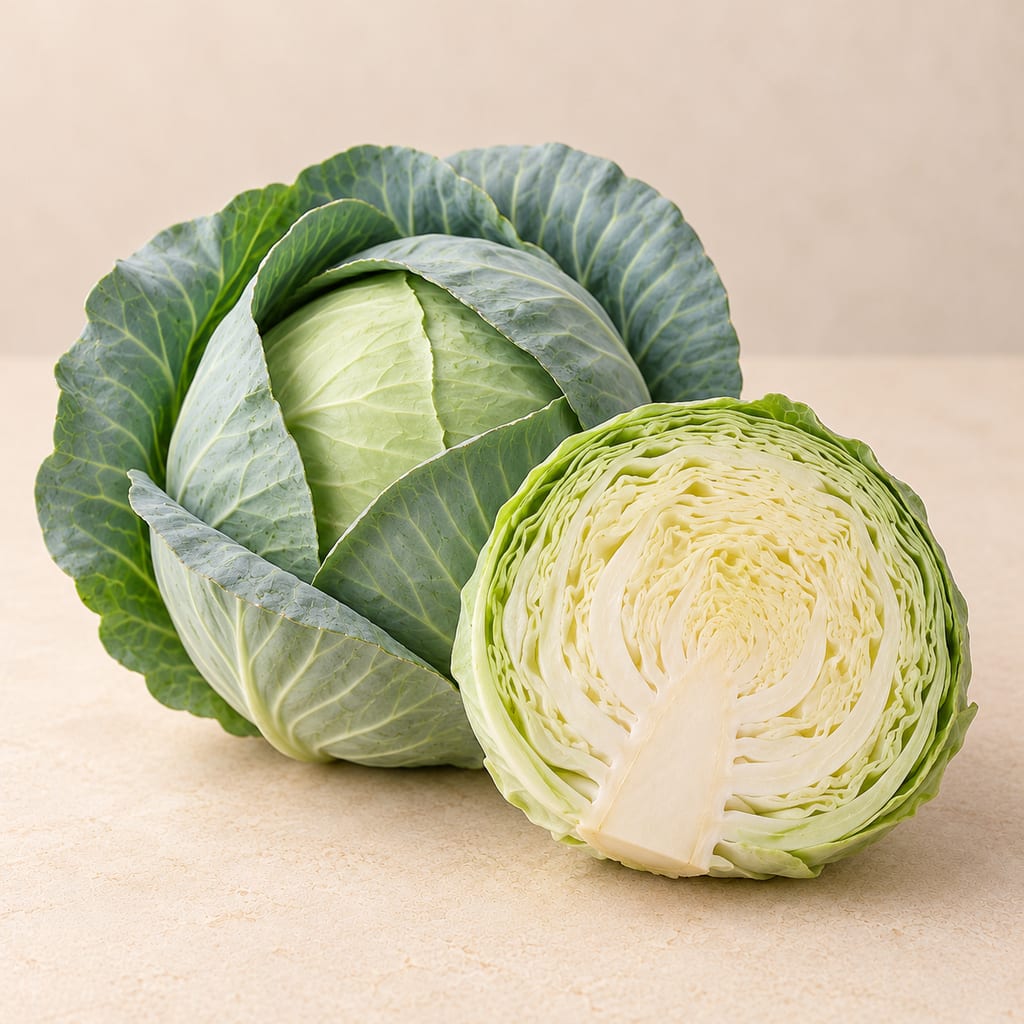
Cabbage is a cultivar group of Brassica oleracea, the species that also includes broccoli, cauliflower, Brussels sprouts and kale. It is a biennial grown as an annual for its dense head. In its first year the plant forms a rosette of 7 to 15 leaves, and then the leaves cup inward and wrap into the head that is harvested. Heads typically weigh 500 to 1,000 grams, although the heaviest recorded weighed 62.71 kilograms in 2012. Early varieties mature in about 70 days and late ones in about 120. Seed crops must be isolated from other Brassica oleracea plants by roughly 0.8 to 1.6 kilometres.
The family name Cruciferae came from the four-petalled flower, which medieval Europeans thought resembled a crucifix. The kinds on sale divide by leaf and colour: Savoy cabbage has crinkled leaves and a mild flavour; spring greens are loose heads, often sliced and steamed; green cabbage is light to dark green with slightly pointed heads; red cabbage has smooth purple-red leaves and is often pickled or stewed; and white or Dutch cabbage has smooth, pale green leaves and is the usual choice for sauerkraut. Napa or Chinese cabbage, the base of most kimchi, is not Brassica oleracea at all. It belongs to Brassica rapa, the species of turnip, and is a separate crop with its own history.
The wild ancestor of cabbage is Brassica oleracea var. oleracea, wild cabbage or colewort, which grows on coastal cliffs in Britain and continental Europe; some genetic analysis suggests that those populations may be feral, descended from escaped cultivated plants. Non-heading cabbages and kale were in cultivation before 1000 BC, possibly among the Celts, and heading cabbage came later; recent linguistic and genetic evidence points to a Mediterranean origin. Ancient Egyptians likely did not grow it. The Greeks knew several varieties, mentioned by Theophrastus, and the Romans treated cabbage as a table luxury: Cato the Elder ate it raw or cooked with vinegar, and Pliny the Elder listed seven kinds.
In the Middle Ages cabbage was prominent in European cooking and a staple of the poor. The Savoy cabbage was developed by German gardeners in the sixteenth century. In the seventeenth and eighteenth centuries it was a staple in Germany, England, Ireland and Russia, and sailors carried it, often as sauerkraut, to prevent scurvy. Jacques Cartier brought it to the Americas in 1541 and 1542, and the First Fleet took it to Australia in 1788.
The world produced about 74 million tonnes of cabbage in 2023, and China grew roughly 48 percent of it, about 35.5 million tonnes, with India, Russia, South Korea and Ukraine among the other leading producers. Cabbage is hardy and stores well. At minus 1 to 2 degrees Celsius and 90 to 100 percent humidity a head can keep for up to about six months, a long storage life that suits a vegetable used through the winter.
Cabbage suffers from nutrient deficiencies, fungal and bacterial diseases such as black rot, clubroot and downy mildew, and pests such as cabbage loopers, diamondback moths and the imported cabbage worm. It has also been linked to outbreaks of Listeria, Clostridium botulinum and E. coli, so it needs the same washing and handling as any raw vegetable.
Raw cabbage is mostly water, about 92 to 93 percent, with around 25 kilocalories per 100 grams, 5.8 grams of carbohydrate including 2.5 grams of fibre, 1.28 grams of protein and 0.1 gram of fat. A serving supplies about 41 percent of the daily value of vitamin C, 63 percent of vitamin K and 11 percent of folate. The sugars that the leaf holds are the fuel for fermentation, and its water is what salt draws out to make the brine.
The leaf also holds glucosinolates, sulphur-containing compounds that give cabbage its characteristic flavour. Overcooking releases hydrogen sulphide, which causes the unpleasant smell of boiled cabbage. Cabbage contains small amounts of thiocyanate, which can contribute to goitre when iodine intake is low, and raffinose, a sugar that causes bloating and gas in some eaters. As of 2024, the evidence was insufficient to show that eating cabbage reduces cancer risk.
Sauerkraut is finely cut cabbage fermented by lactic acid bacteria that arrive naturally on the leaves; the name is German for sour cabbage. It starts with firm heads of fresh, mature cabbage, preferably from mid- and late-season crops, shredded and started within 24 to 48 hours of harvest. Varieties recommended for kraut include Bravo, Danish Ballhead, Excalibur, Murdoc, Premium Late Dutch, Late Flat Head and Krautman. The outer leaves go, the heads are rinsed, quartered and cored, and the cabbage is cut thin. The tested proportion is 25 pounds of cabbage to three-quarters of a cup of canning or pickling salt, which yields about nine quarts, or three tablespoons of salt to every five pounds, packed firmly until the salt draws out the juice. That ratio matters: changing it can make the product unsafe. If the juice does not cover the cabbage, a brine of one and a half tablespoons of salt per quart of water, boiled and cooled, tops it up.
Temperature sets the pace. At 70 to 75 degrees Fahrenheit (21 to 24 degrees Celsius) sauerkraut is fully fermented in about three to four weeks; at 60 to 65 degrees (15 to 18 degrees Celsius) it takes about five to six weeks; below 60 degrees it may not ferment at all; and in warmer weather it turns soft, at above 75 to 80 degrees. The vessel's rim should stand at least four to five inches above the cabbage, with a plate and weights and a clean towel over the top. A brine-filled bag used as the weight lets the crock be left alone until bubbling ceases; with jars as weights the kraut is checked two to three times a week and any scum removed. Finished sauerkraut should have a firm texture and a clear brine with no mould or yeast, and it keeps tightly covered in the refrigerator for several months or can be canned.
The microbiology moves in stages. Salt draws the juice out of the cabbage to form a brine. In the first stage anaerobic bacteria such as Klebsiella and Enterobacter lead and begin acidifying the mixture, and a 2004 genomic study found Weissella a major organism in the early days, up to day 7. Leuconostoc mesenteroides and other Leuconostoc species dominate once acid levels rise, and Lactobacillus species such as L. brevis and L. plantarum ferment the remaining sugars and lower the pH further. Properly cured sauerkraut is acidic enough to inhibit the growth of Clostridium botulinum. Yeasts can produce soft, poorly flavoured kraut if the fermentation runs too warm, and Dutch producers found that adding an old batch to a new one, backslopping, yields a very sour product by skipping the early stages, largely through the activity of L. plantarum.
Kimchi uses a different plant. Napa cabbage, baechu, and Korean radish are the most common kimchi vegetables, and napa reached Korea only at the end of the nineteenth century, yet baechu kimchi accounted for more than 70 percent of marketed kimchi by 2004. Fermented vegetables are much older in Korea: the Samguk Sagi mentions pickle jars, a poem by Yi Gyubo in the thirteenth century shows that radish kimchi was common, and early kimchi had no chilli or garlic. Chillies reached Korea in the early seventeenth century, and the first mention is in the 1614 encyclopaedia Jibong yuseol, but their use did not spread widely until the nineteenth century. South Korea's gimjang, the making and sharing of kimchi in late autumn, was inscribed by UNESCO in 2013.
The vegetables are salted first to draw out water and inhibit harmful microbes: 5 to 7 percent salt for about 12 hours, or 15 percent for 3 to 7 hours, with an ideal concentration of about 3 percent during fermentation. A measured kimchi of about two pounds of napa cabbage is salted with a tablespoon of salt for one to two hours, combined with garlic, ginger, fish sauce, soy sauce and half a cup of Korean chilli flakes, and fermented at 20 to 22 degrees Celsius for 24 to 36 hours and then for a week. The final salt concentration should be 2 to 5 percent and the optimum pH is 4.2. Leuconostoc dominates early because it tolerates low salt and acidity; Lactobacillus and Weissella take over as acidity rises, and yeasts present can cause white colonies and off-flavours. Vitamin C is not stable in the jar: one study found it fell from about 28.9 milligrams to about 16.7 after four weeks.
Fermented cabbage has many local forms. Eastern European sauerkraut is often made with carrots and eaten cold as a salad, and in Russia is sometimes fermented twice. German and Austrian versions are cooked with juniper or caraway and served with pork and sausages; South Tyrol's uses juniper, olive oil and smoked pancetta; the Balkan countries ferment whole heads; and a very mild version is refrigerated for only three to seven days. In Alsace sauerkraut becomes choucroute garnie, in Chile chucrut goes on sandwiches, and in Romania whole leaves wrap sarmale. Pennsylvania Dutch households eat it with pork on New Year's Day for luck. The Roman writers Cato and Columella described preserving cabbages and turnips with salt, and Pliny the Elder is reputed to be the first to have described making sauerkraut, in the first century; folklore linking sauerkraut to Golden Horde trade routes finds no evidence, and although a Chinese origin is claimed for suan cai, the Romans are the more likely source of European sauerkraut. Achar, curtido, encurtido, kimchi, suan cai and tsukemono are related fermented vegetable preserves.
Sauerkraut has about 19 kilocalories per 100 grams, 15 milligrams of vitamin C and 661 milligrams of sodium, which is 29 percent of the daily value, so its salt content is high; raw cabbage supplies about 41 percent of the daily value of vitamin C, so some is lost in the process. Before refrigeration and cheap transport sauerkraut supplied vitamin C through the winter, and Captain James Cook took it on his voyages to prevent scurvy. Unpasteurised sauerkraut contains live lactobacilli, and a 2002 study reported that isothiocyanates formed during fermentation, from the glucosinolates of the cabbage, inhibited cancer cells in test-tube and animal studies.
For fermenting, choose mature heads from mid- and late-season crops that are firm and fresh, and shred them within a day or two of harvest. Whatever the cabbage, the safety rules stay the same: wash hands and produce, clean surfaces and utensils, avoid copper, iron, galvanised metal or lead-glazed containers, keep the vegetable submerged to prevent surface mould and remove scum promptly. Sauerkraut that feels slimy, smells bad or shows mould is discarded. Raw cabbage has been linked to outbreaks of Listeria, Clostridium botulinum and E. coli, so it is washed like any raw vegetable. Eaten in large amounts it can cause bloating and gas because of its raffinose, and a small amount of thiocyanate in the leaf can contribute to goitre when iodine intake is low.
Wild cabbage grows on European coastal cliffs; whether domestication was northern European or Mediterranean is unresolved.
Sauerkraut is a staple of German and Austrian cooking, though the dish did not originate there.
Napa cabbage is a different species, Brassica rapa; the row concerns the kimchi tradition, not Brassica oleracea.
Napa cabbage is brined and filled with pear, radish, alliums, chives and fruit; this Korean kimchi omits red pepper flakes.
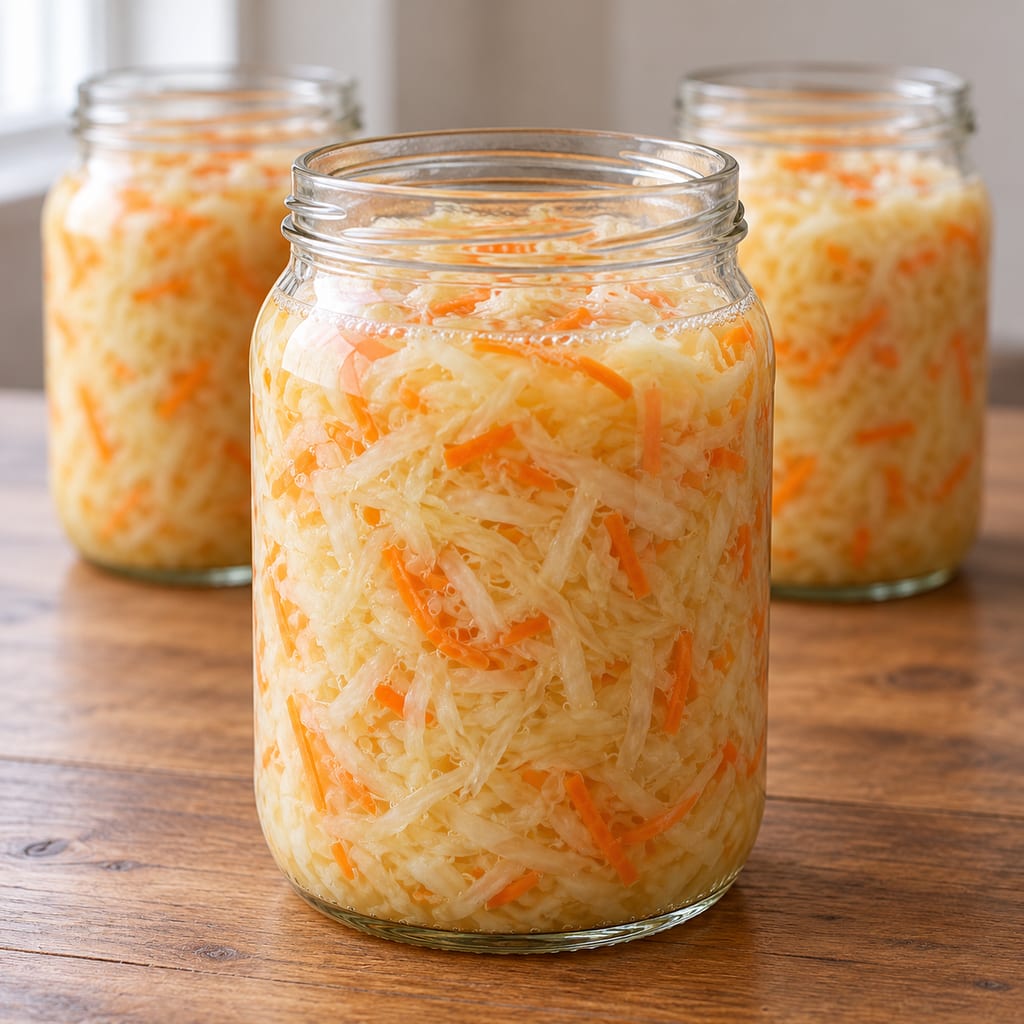
Shredded cabbage and grated carrot are salted to 20 g/kg, rested, packed into three jars and monitored during a creator-reported eight-day fermentation; measured temperature is not given.
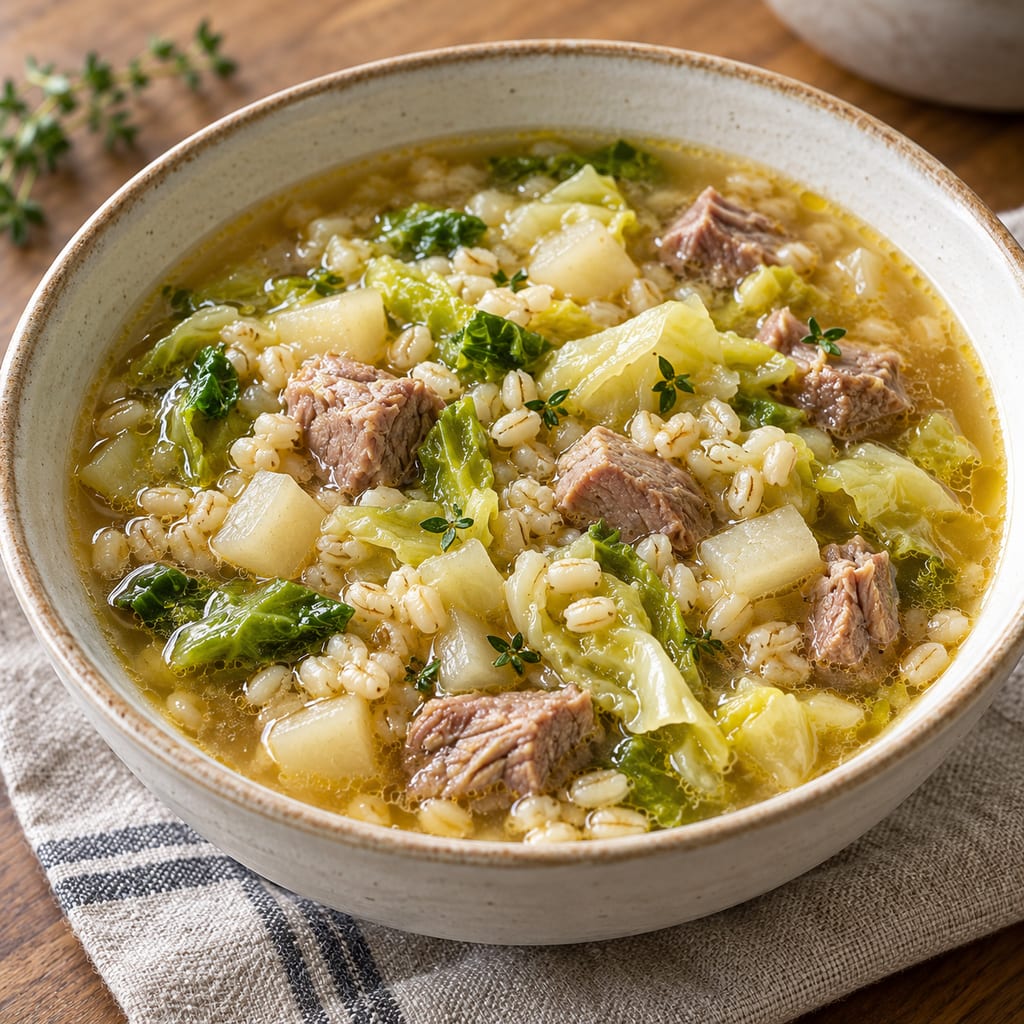
Lamb shoulder simmered with pearl barley, turnip and leafy cabbage in one pot, a present-day reconstruction built from the animals, grains and vegetables of northern European farming.
Kimchi of salted napa cabbage and daikon with garlic, green onion and red pepper, kept at room temperature one to four days, then refrigerated.
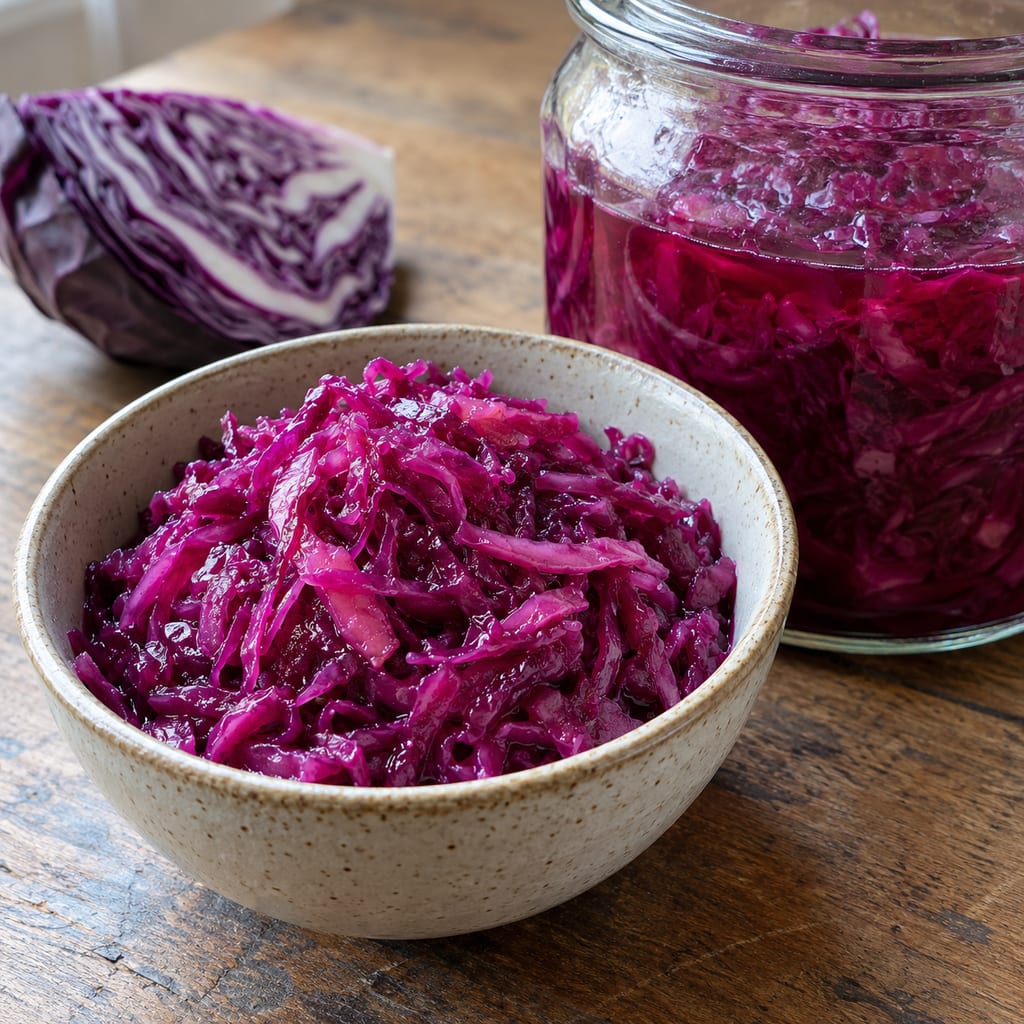
Red cabbage shredded, salted and fermented in its own brine; the pigment gives a deep violet kraut with a sharper flavour than the white-cabbage form.
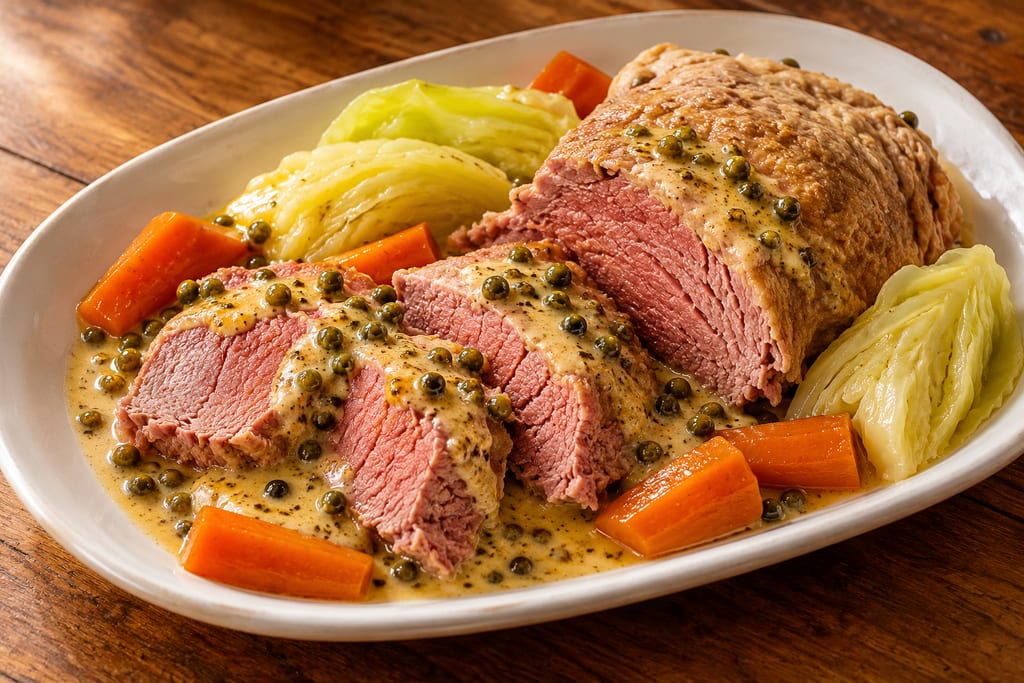
A Karoo-style festive dish of already cured salt beef simmered with vegetables and aromatics, served with a cream sauce of brined green peppercorns and wholegrain mustard.
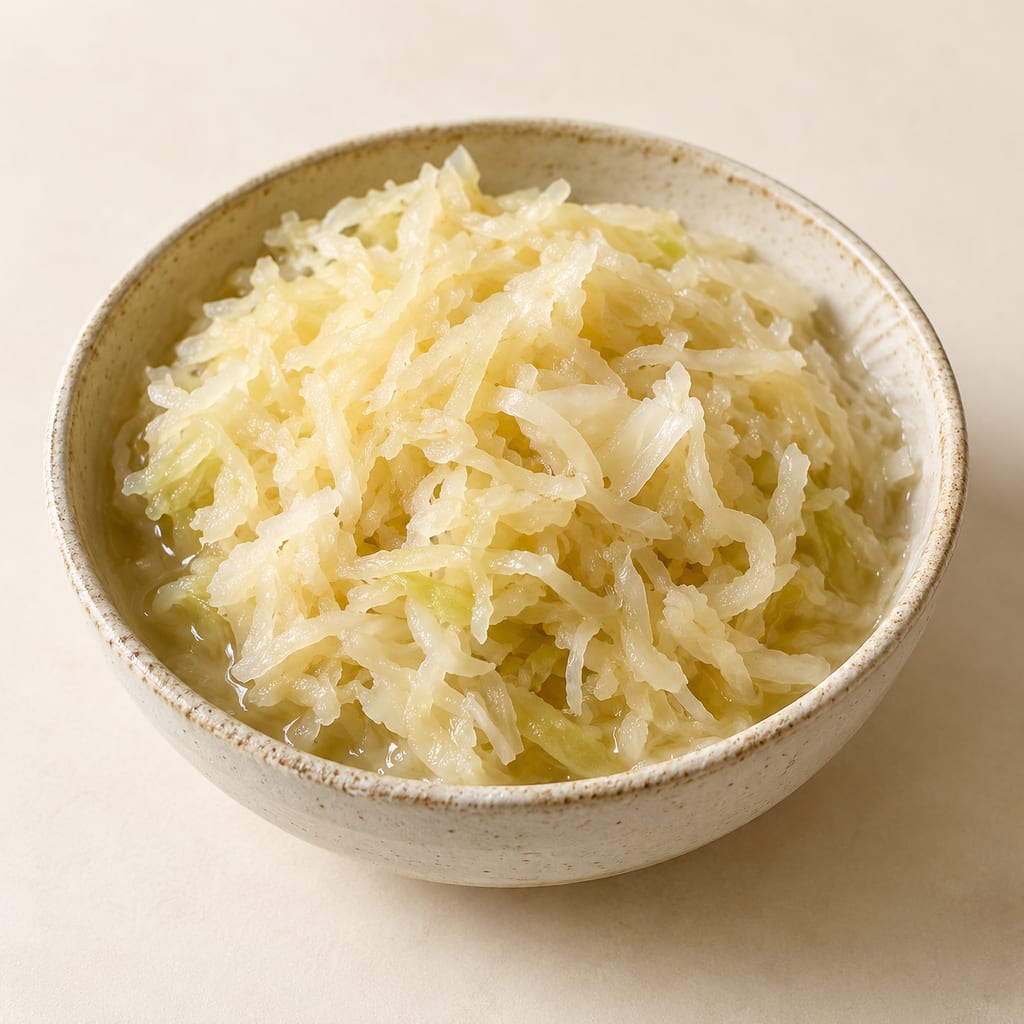
A Penn State Extension crock method mixes 5 lb of shredded cabbage with 3 tablespoons of canning or pickling salt, packs it under its own brine and ferments it in a covered container.
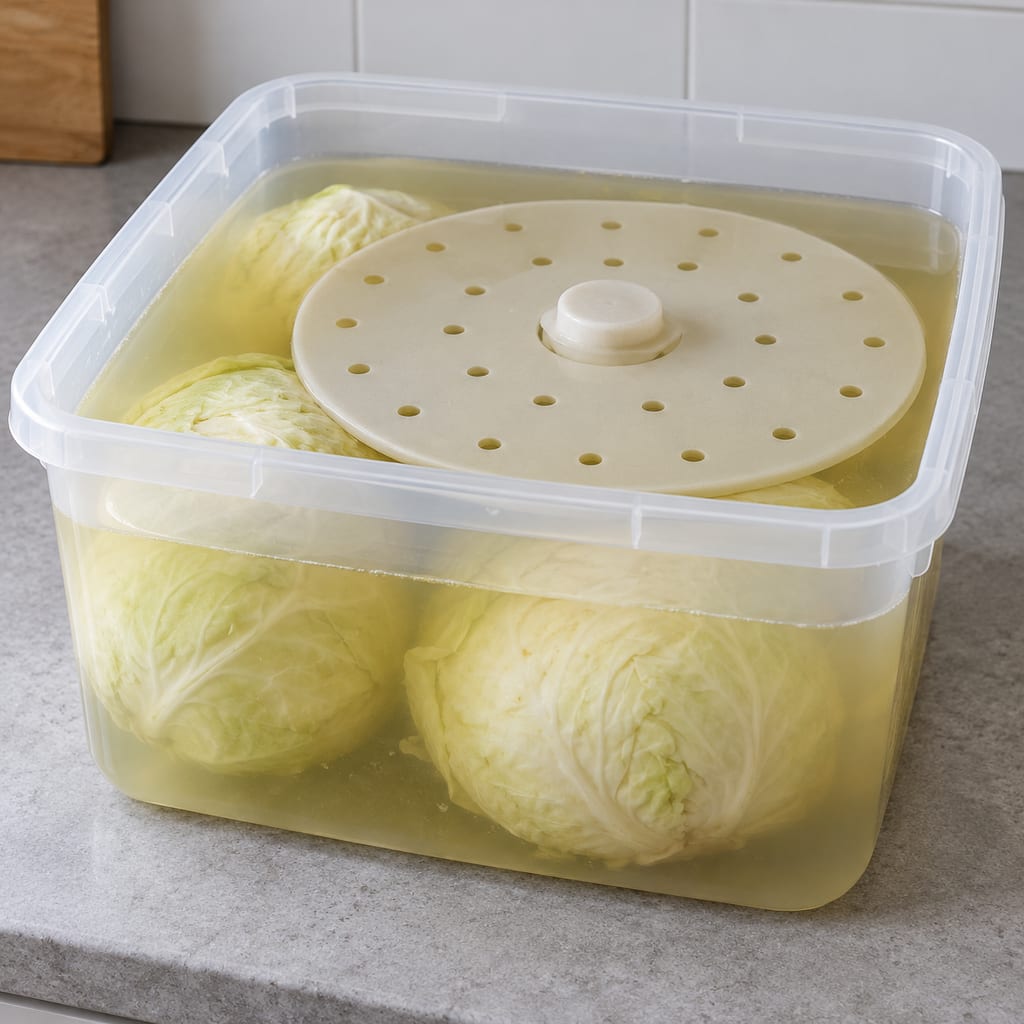
Cored cabbage heads ferment intact or halved under measured brine, with repeated surface checks over six weeks.
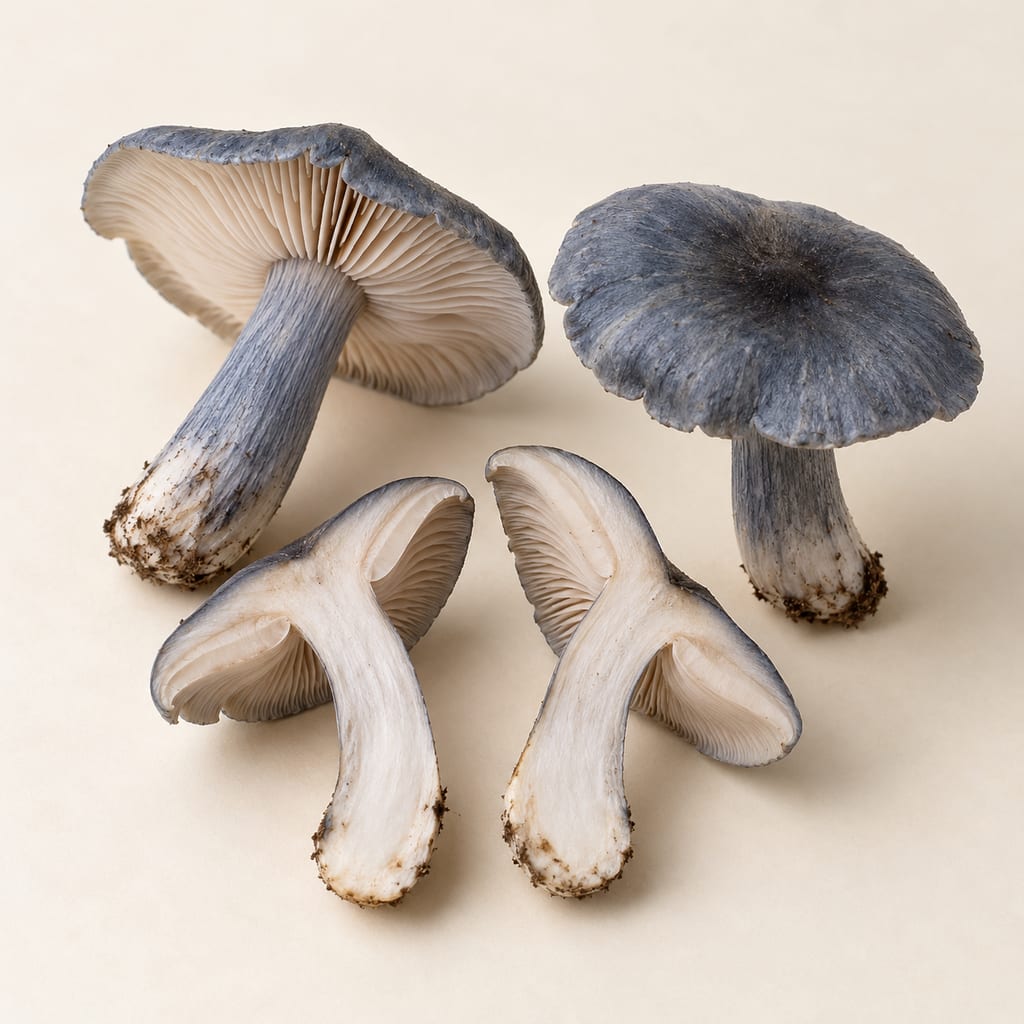
Bloxam's entoloma is a rare pink-gilled mushroom of old grasslands. Historical sources call it edible, but food-use evidence and older identifications remain uncertain; this does not recommend gathering or eating it.
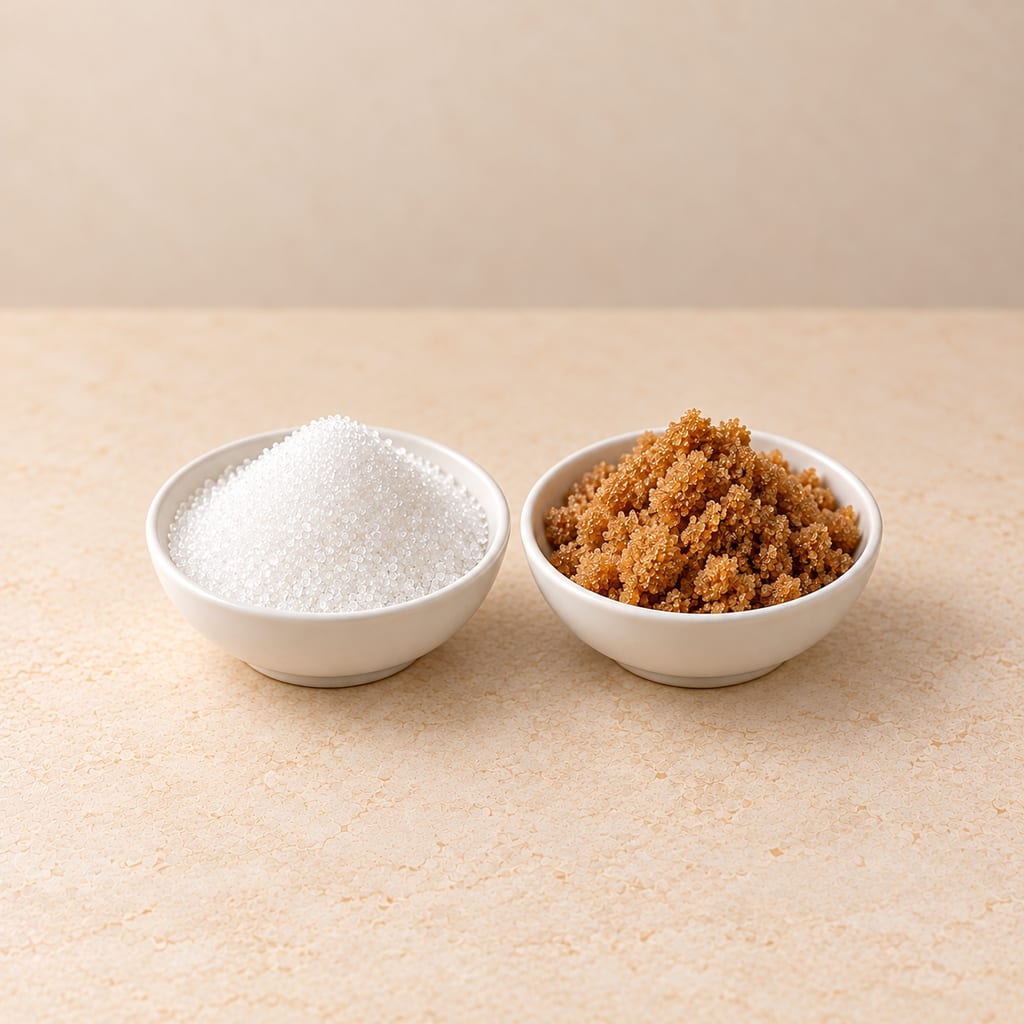
White sugar is refined sucrose, almost pure; brown sugar is sucrose with molasses, left in or added back. Molasses makes brown sugar moister, darker and more strongly flavoured.
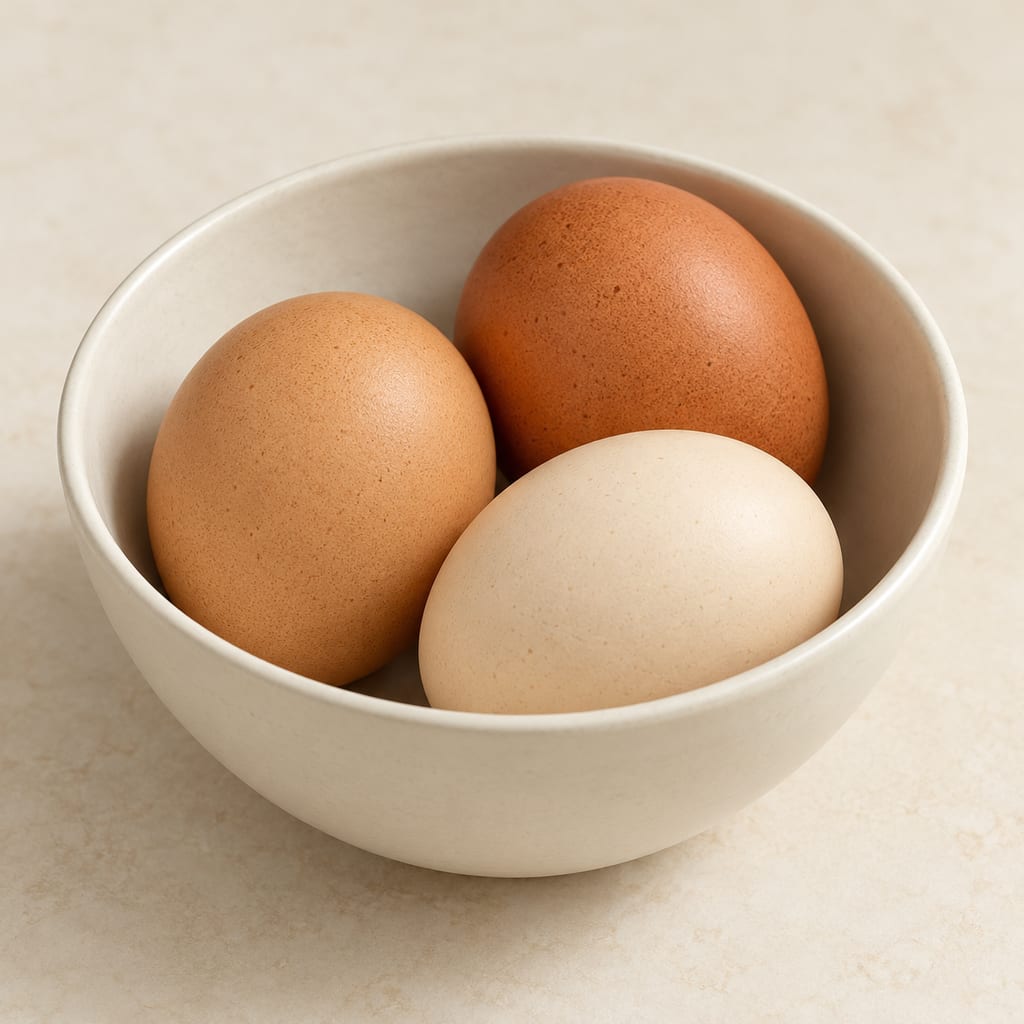
Chicken eggs supply proteins and yolk fats that set and emulsify. Atlas breads use them in enriched doughs, surface washes and a sourdough pancake batter mixed after fermentation.
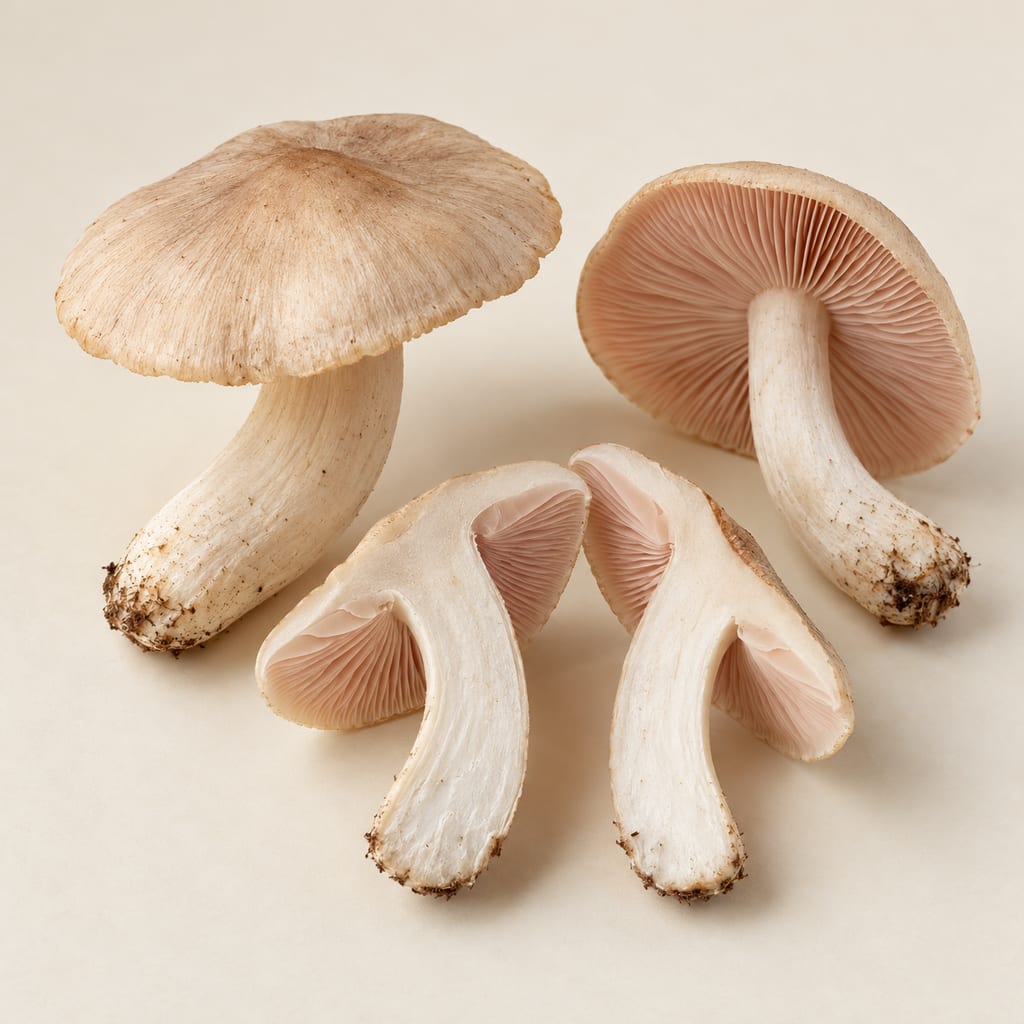
Entoloma sepium is a spring pinkgill associated with Rosaceae. Chinese and European sources list it as edible or conditionally edible, while taxonomic uncertainty and a poisonous lookalike warrant caution.
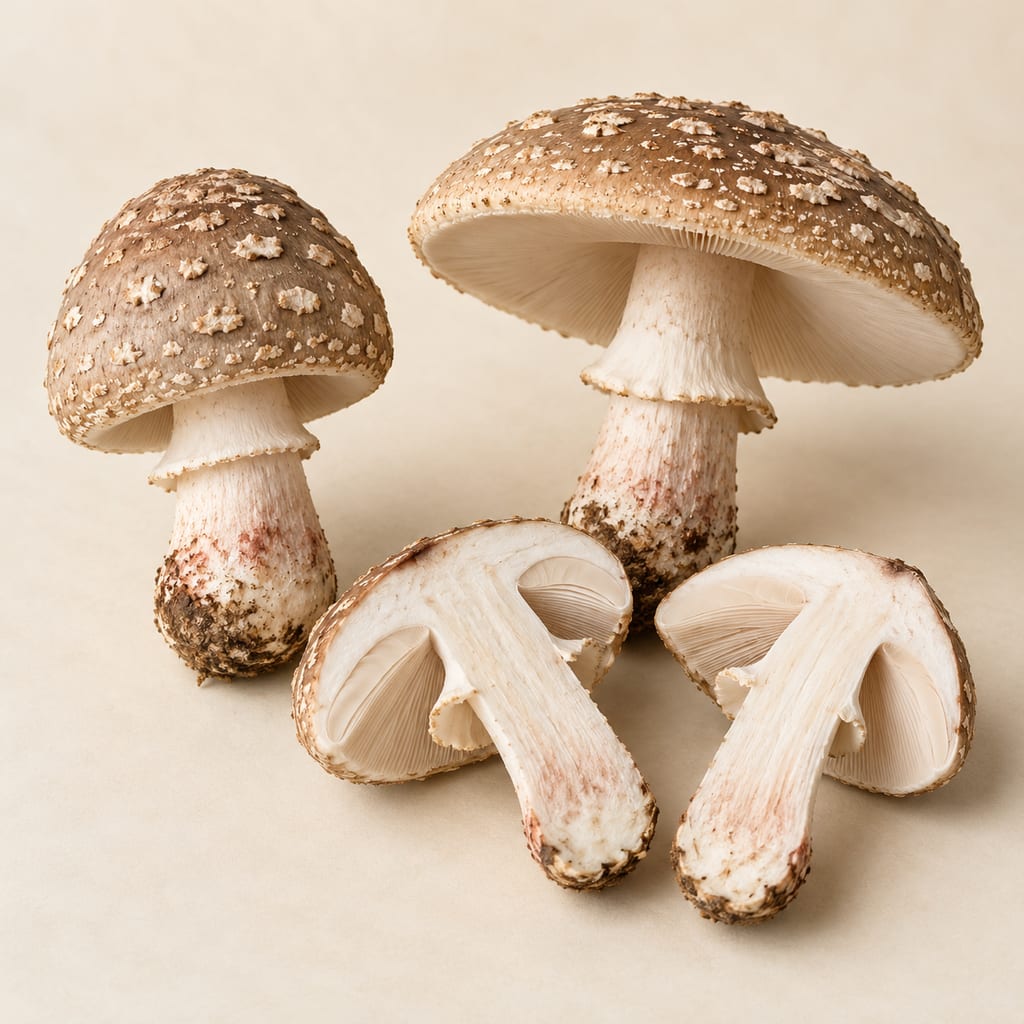
The European blusher, Amanita rubescens, is a woodland amanita whose flesh turns pink when cut. It is eaten only well cooked and is easily confused with the poisonous panthercap.
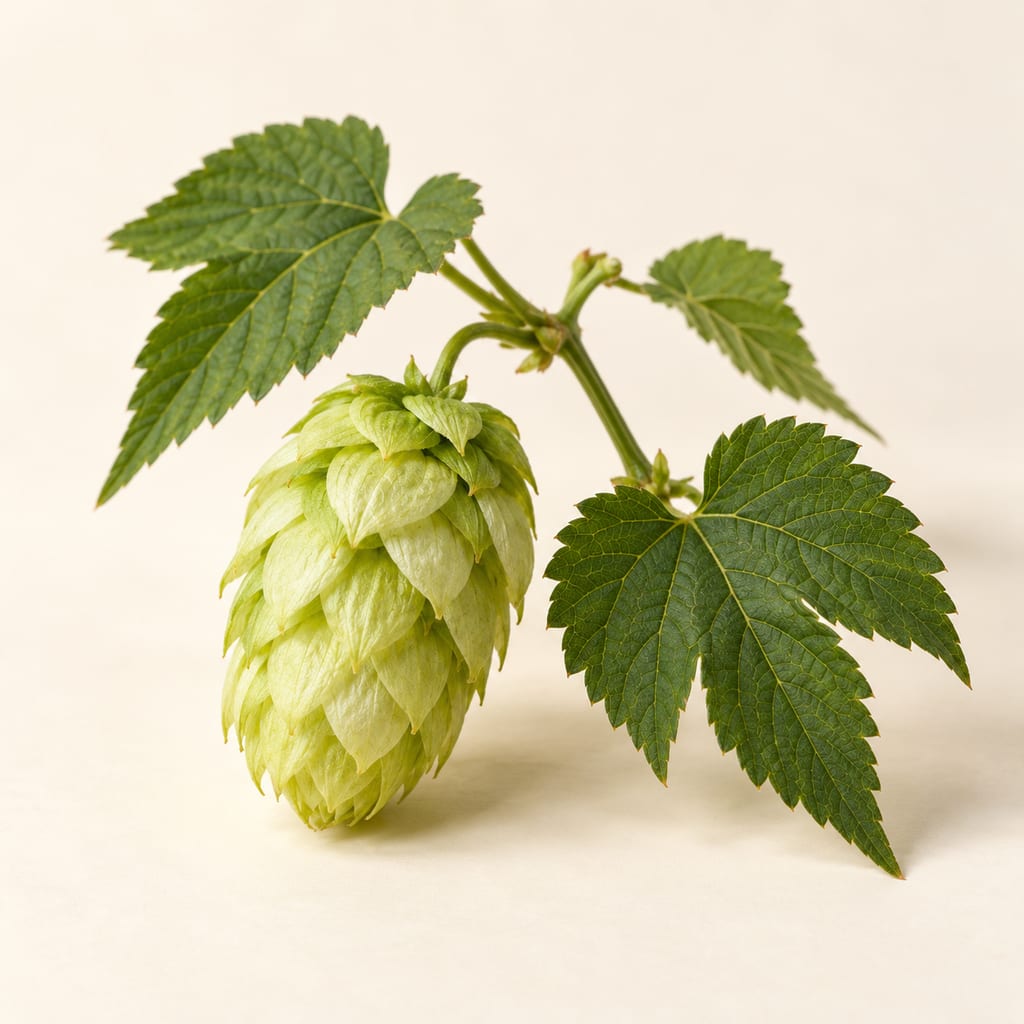
A traditional German aroma-hop land variety, associated with the Hallertau and described with herbal, spicy and floral notes. Cultivar identity, crop analysis and the growing place of a particular lot remain separate facts.
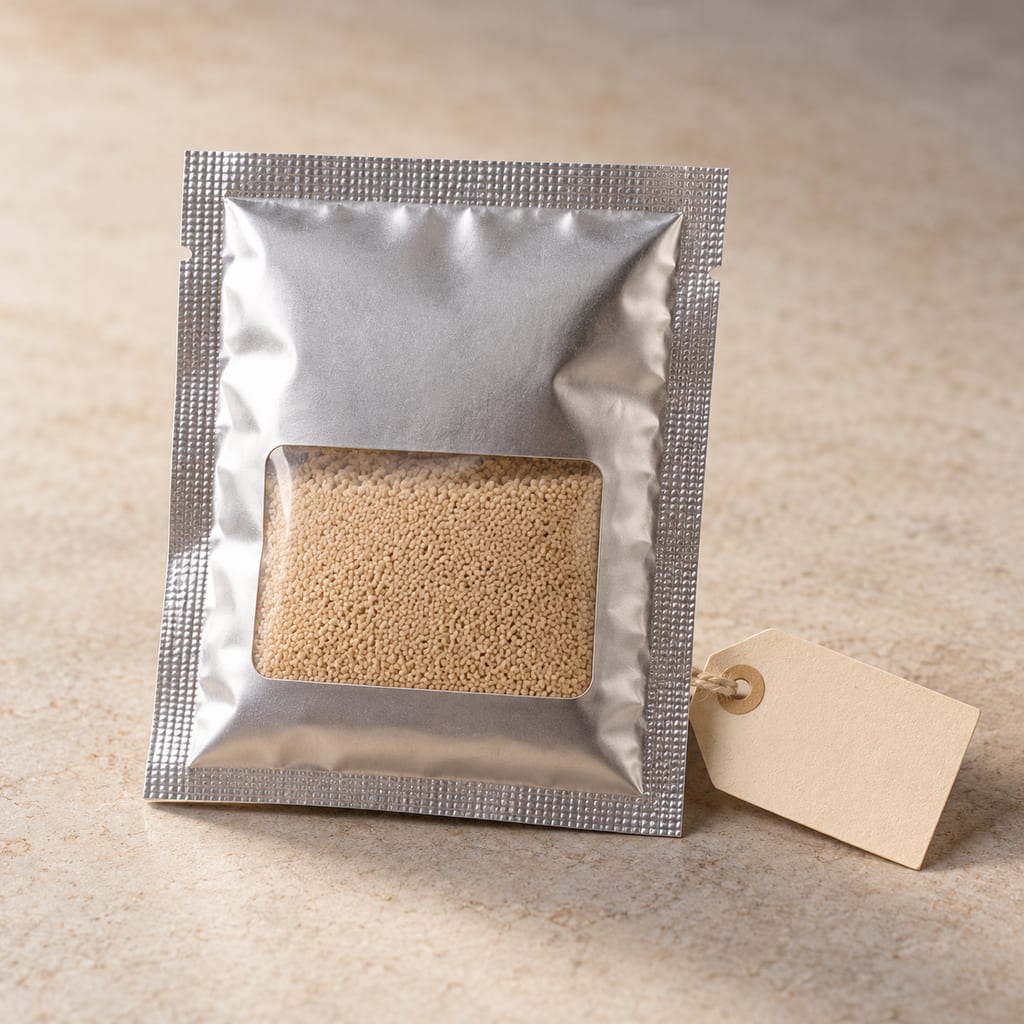
Lager yeast is the bottom-fermenting brewing yeast Saccharomyces pastorianus, a hybrid of S. cerevisiae and S. eubayanus, sold and kept as named strains that are not interchangeable.
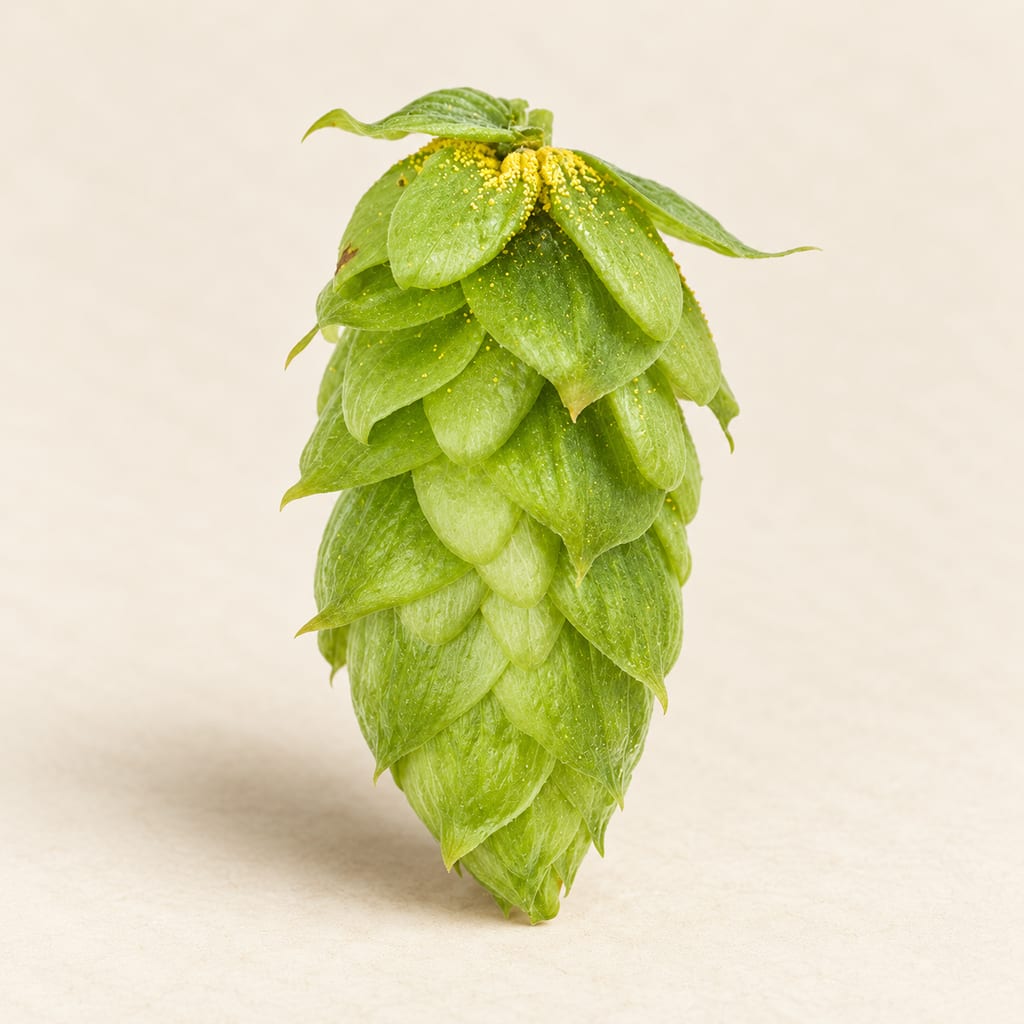
Hallertauer Magnum is a high-alpha hop cultivar used chiefly for bitterness in beer. Its crop form and lot analysis matter more than a variety name alone.

At North Abydos in Egypt, a fixed early Dynastic brewery comprised parallel semi-subterranean installations with rows of ceramic mash vats; excavation reports revise their number, scale and estimated batch capacity.

Ají amarillo is the orange-yellow Peruvian chilli cultivar group of Capsicum baccatum, used to colour and season huancaína sauce and ají de gallina. Published heat estimates do not establish one range for the named cultivar.

Toasted almonds are whole sweet almond kernels dry-roasted until golden to brown. Heat replaces their marzipan note with a roasted, nutty one; they thicken and flavour romesco.

Kodiak salmon, halibut and cod cut as seg'aq and hung on an initaq rack to become tamuuq, with kac'amaasaq and kupcuunaq named as different results.

Aniseed is the dried ripe fruit of Pimpinella anisum, an aromatic Apiaceae spice commonly called a seed. It adds a sweet, warm aroma to breads such as Moroccan krachel and South African mosbolletjies, and is distinct from star anise.

A fixed Late Chalcolithic installation in Areni-1 cave combined a shallow clay pressing basin with a large jar set into the cave floor and storage vessels nearby.

Ripe avocado flesh is the soft, buttery, fat-rich pulp of Persea americana, eaten raw. It is low in acid, so it is a fresh ingredient that needs care in chilled dishes.

A portable dome and pan used over a hearth, with embers on the lid and heat from below. Regional peka and saç forms share this principle while differing in materials, pan shape and how the food is cooked.
No community contributions have been published for this entry yet.
Sign in to contribute. Published comments and photos are free to read.
WikipediaIdentity · History · Production · Nutrition
CabbageSpecies, growth, cultivars and napa as Brassica rapa
Wild ancestor, domestication and history
Production in 2023, storage, nutrition and compounds, health notes
Cited in: A head of tightly packed leaves; From coastal cliffs to the Roman table; The world crop and how it keeps; What is inside the leaf; Napa cabbage and kimchi; Choosing and handling cabbage for fermenting
WikipediaFermentation · History · Use
SauerkrautStages of fermentation and organisms; cured kraut acidic enough to inhibit Clostridium botulinum
History from Cato, Columella and Pliny
Regional varieties and nutrition
Cited in: Sauerkraut: salt, cabbage and time; Regional ways with fermented cabbage
National Center for Home Food PreservationMethod · Safety
SauerkrautFirm fresh cabbage started within 24 to 48 hours of harvest
25 lb cabbage to 3/4 cup salt, brine, container, temperatures and times, storage
Cited in: Sauerkraut: salt, cabbage and time; Choosing and handling cabbage for fermenting
Penn State ExtensionMethod · Safety
Let's Preserve: Sauerkraut and PicklesVarieties suited to sauerkraut, salt ratio of 3 tablespoons per 5 pounds, temperature and time
Safety and storage guidance
Cited in: Sauerkraut: salt, cabbage and time; Choosing and handling cabbage for fermenting
WikipediaFermentation · History
KimchiNapa cabbage in kimchi, history and chilli introduction
Salting, ideal salt of about 3 percent and microbial succession
UNESCO gimjang 2013
Cited in: Napa cabbage and kimchi
Oregon State University ExtensionMethod
Kimchi basicsMeasured kimchi: salting, chilli flakes, fermentation temperature and time, pH 4.2, salt 2 to 5 percent
Cited in: Napa cabbage and kimchi