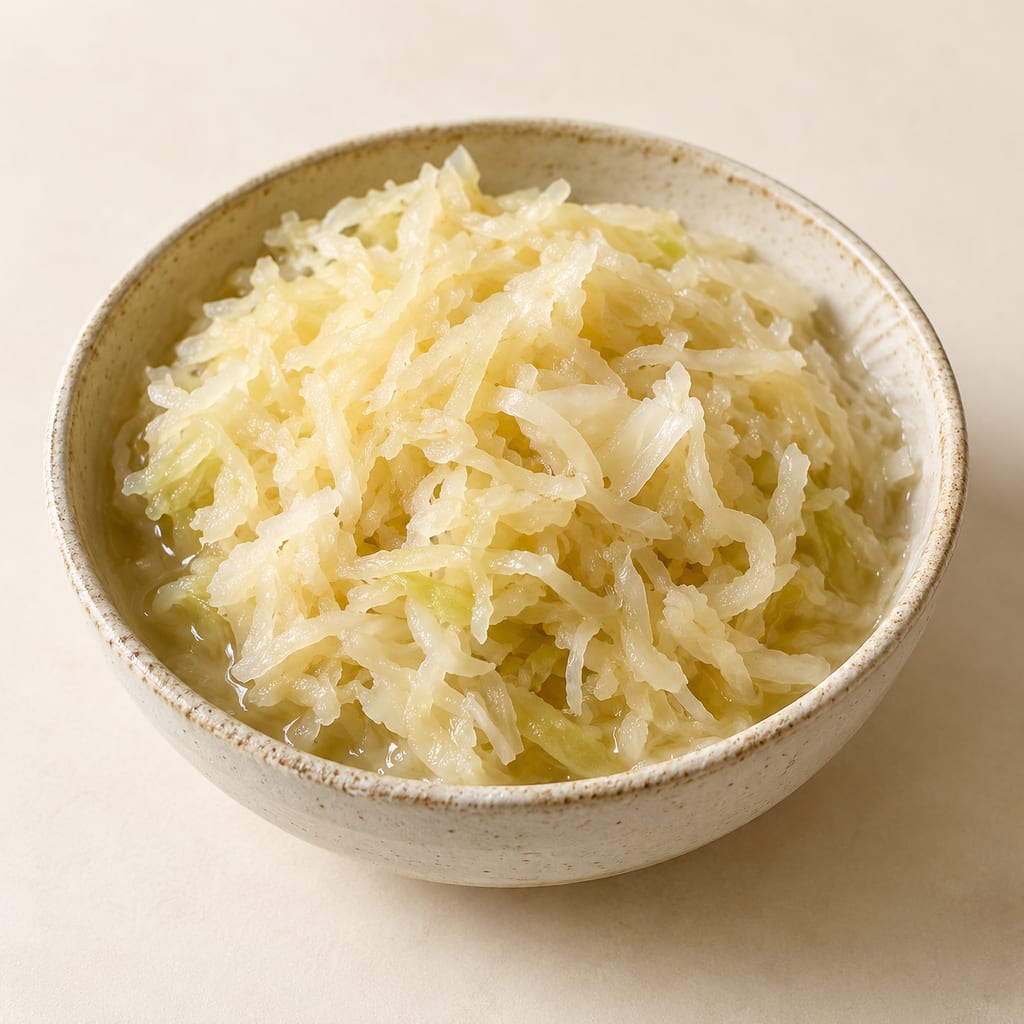
White cabbage sauerkraut
A Penn State Extension crock method mixes 5 lb of shredded cabbage with 3 tablespoons of canning or pickling salt, packs it under its own brine and ferments it in a covered container.
 FermenteaWhere food goes to change
Alsatian sauerkraut · Sürkrüt
Finely cut cabbage fermented with salt in vats by natural lactic fermentation, a protected Alsatian product sold raw or cooked after fermentation.
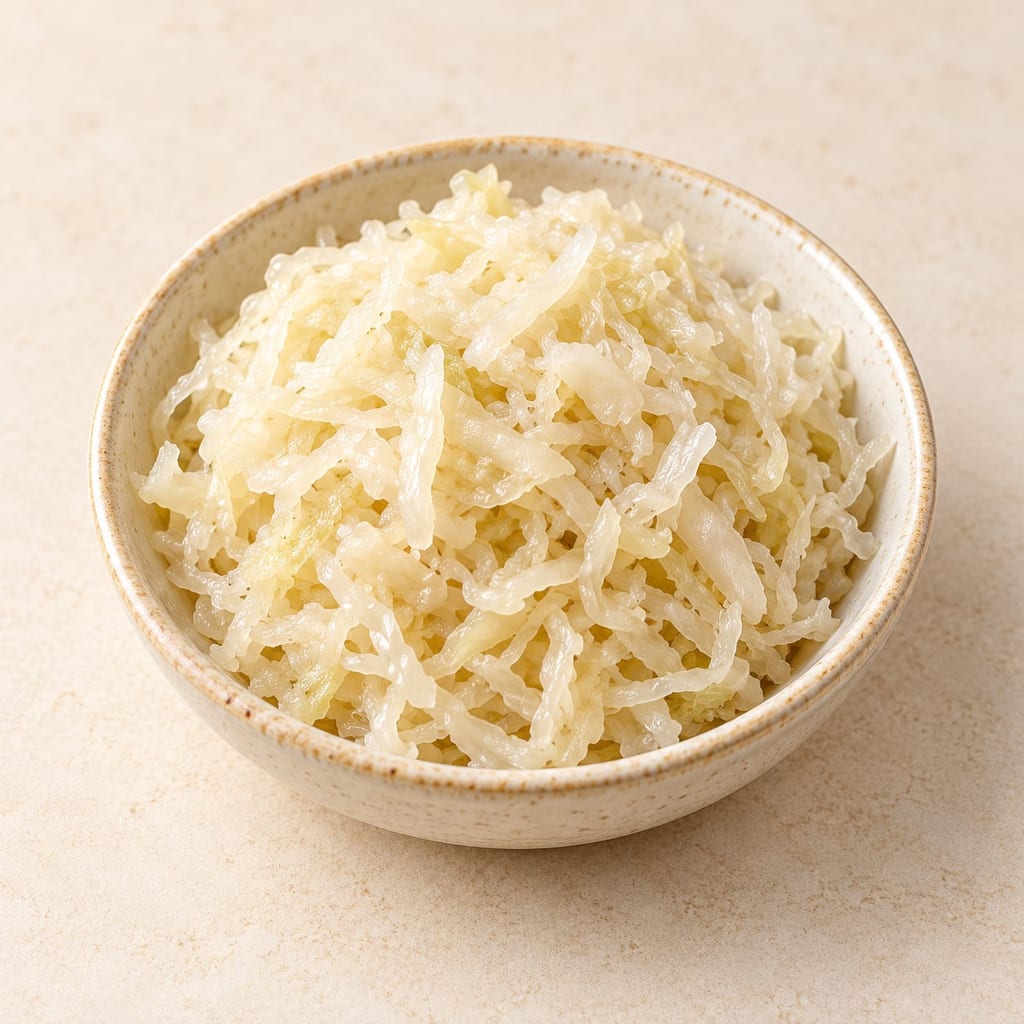
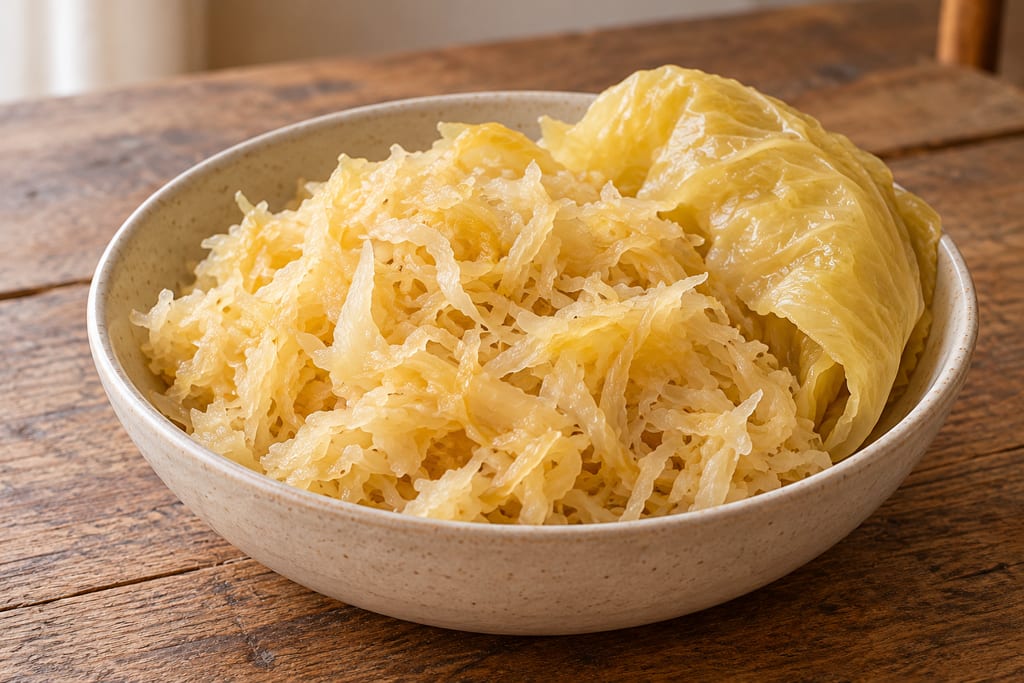
Choucroute d’Alsace is cabbage cut into long, fine strips and fermented with salt. The strips are white to light yellow, slightly crunchy when the product is eaten raw and firm when it has been cooked, with a mildly tangy taste. The name comes from the Alsatian Sürkrüt, sour cabbage.
The protected name covers the vegetable, not the plate. The specification recognises choucroute crue, served raw after fermentation, and choucroute cuite, cooked after fermentation. Choucroute garnie is a separate thing: the dish of choucroute served with meat and charcuterie. Cooking changes the presentation of the cabbage; it does not make a different ferment.
INAO places the product in the practice of keeping cabbage through Alsace's hard winters, when fermenting it in quantity was a way to preserve it. A 2018 published application for the protected indication cites Jérôme Bock's 1539 herb book as an early written reference to salted cabbage under the name Sauerkappes. That is an attestation, not a date of invention and not proof of an unbroken practice.
The legal steps are separate. France homologated the national specification by decree on 8 October 2012, and the version of the document consulted is dated 18 April 2013. The European Union registered Choucroute d’Alsace as a protected geographical indication in 2018.
Salt draws liquid out of the cut cabbage. The lactic-acid bacteria already present on the cabbage use its sugars and produce lactic acid, which sours the cabbage and helps keep it. The specification describes salted, cut cabbage placed in fermentation vats and says no starter culture is added to begin the fermentation.
The specification sets product requirements, not a household formula. The sources reviewed give no salting rate, duration, temperature or endpoint, so none is stated here.
The fermented cabbage is eaten raw or cooked, and choucroute garnie is the best-known cooked serving, with meat and charcuterie. The specification also permits other cooked presentations.
These definitions describe the protected Alsatian product. They should not be applied automatically to every unprotected regional use of the word choucroute. The 1539 reference is known only through the published application; the book itself was not examined.
INAO ties the product to preserving cabbage through Alsace's hard winters; a 2018 application cites a 1539 reference to salted cabbage.
Scaling: source batch only
The sources describe the protected product's specification, not a household process with a salting rate, endpoint or storage limits.
Hazard sourceUse a separately validated cabbage-fermentation method for quantities, salt rate and storage; appearance, smell and bubbling do not establish safety.
Control sourceThe sources reviewed give no household quantities, salt rate, endpoint or storage guidance.
The protected geographical indication is tied to Alsace; the sources give no single town or date of origin.
A Penn State Extension crock method mixes 5 lb of shredded cabbage with 3 tablespoons of canning or pickling salt, packs it under its own brine and ferments it in a covered container.
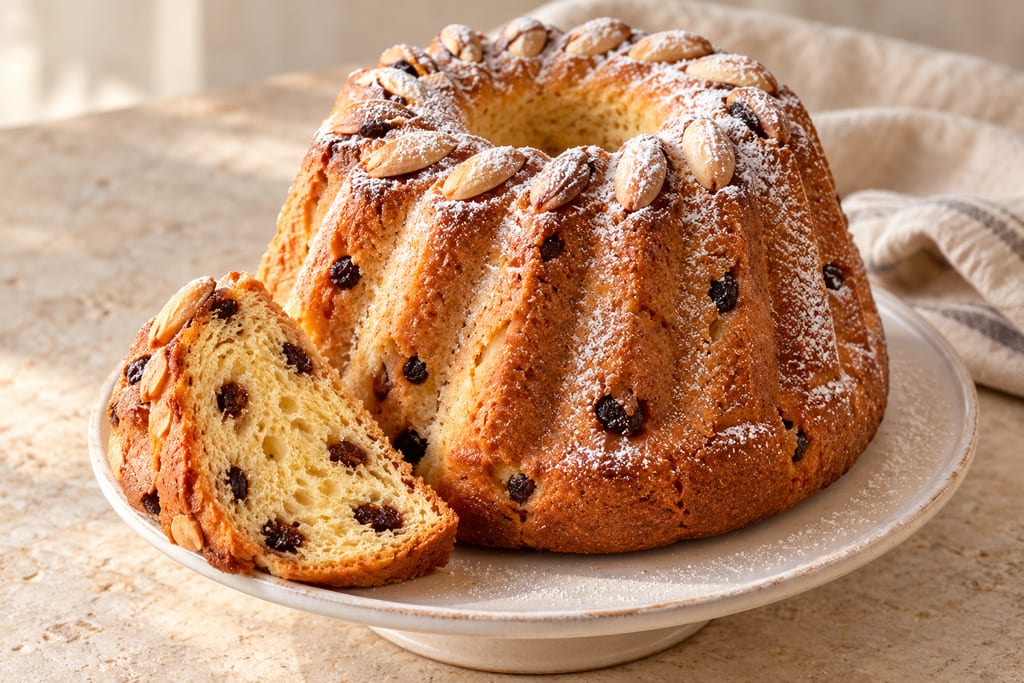
An enriched Alsatian yeast ring with raisins and almonds, kneaded with butter, proofed in a fluted mould and baked until browned.
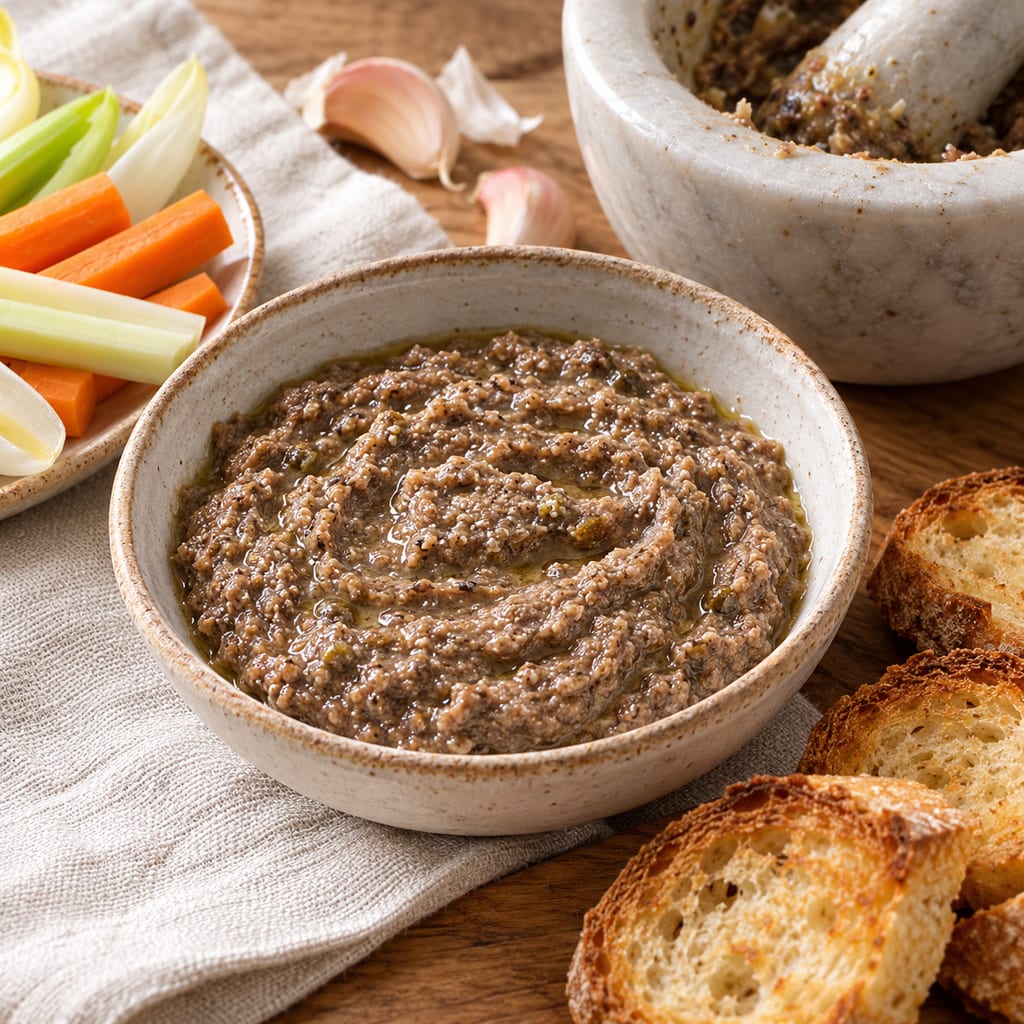
A Provencal dip of anchovies, garlic, capers and olive oil, pounded or blended to a creamy paste and served with raw vegetables, bread and eggs.

A warm dip of garlic, anchovy and olive oil, often enriched with butter, that Piedmont serves over a flame with raw and cooked vegetables and bread.
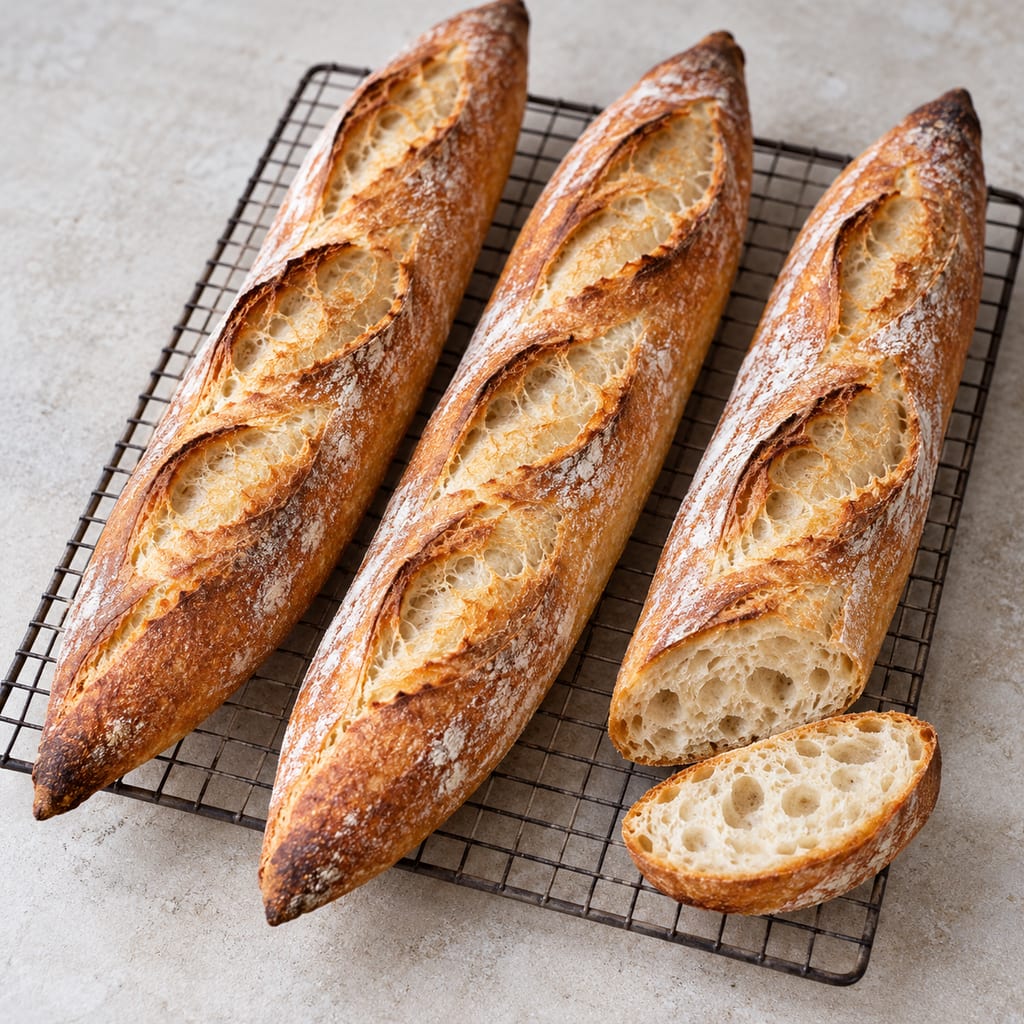
Three long, crusty wheat loaves made with an overnight yeast poolish, shaped by hand and baked with steam for a crisp crust.

Bechamel is a white sauce of milk thickened with a butter and flour roux, one of the French mother sauces, and the base from which Mornay and other cheese and cream sauces are made.
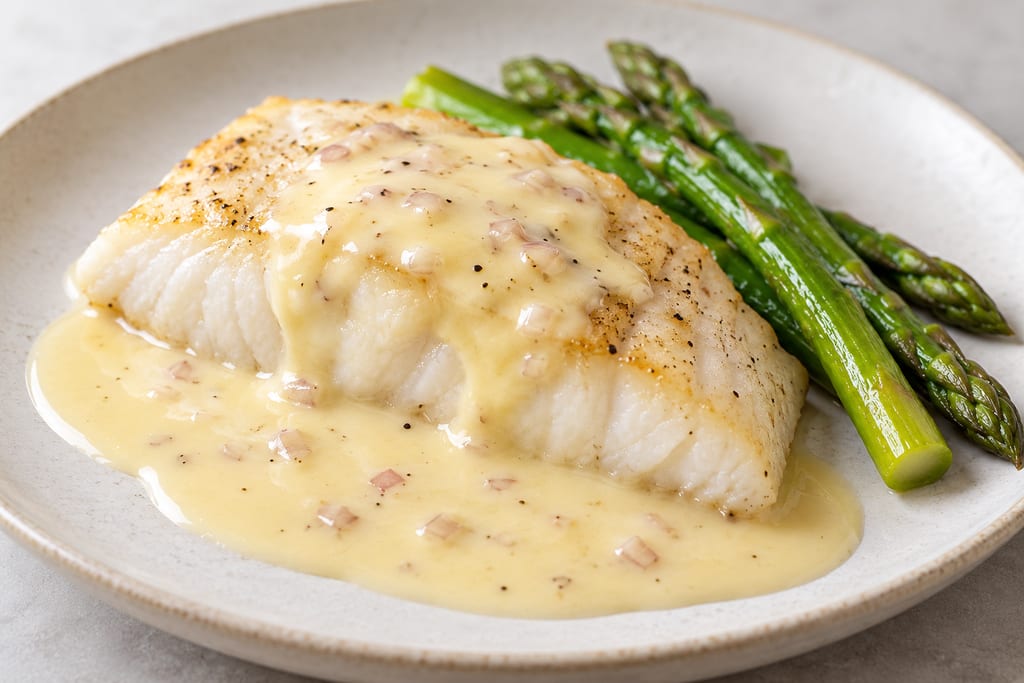
Beurre blanc is a warm emulsion of cold butter whisked into a reduction of white wine, vinegar or lemon juice and shallot, a sauce from the Loire Valley and its red-wine version, beurre rouge.
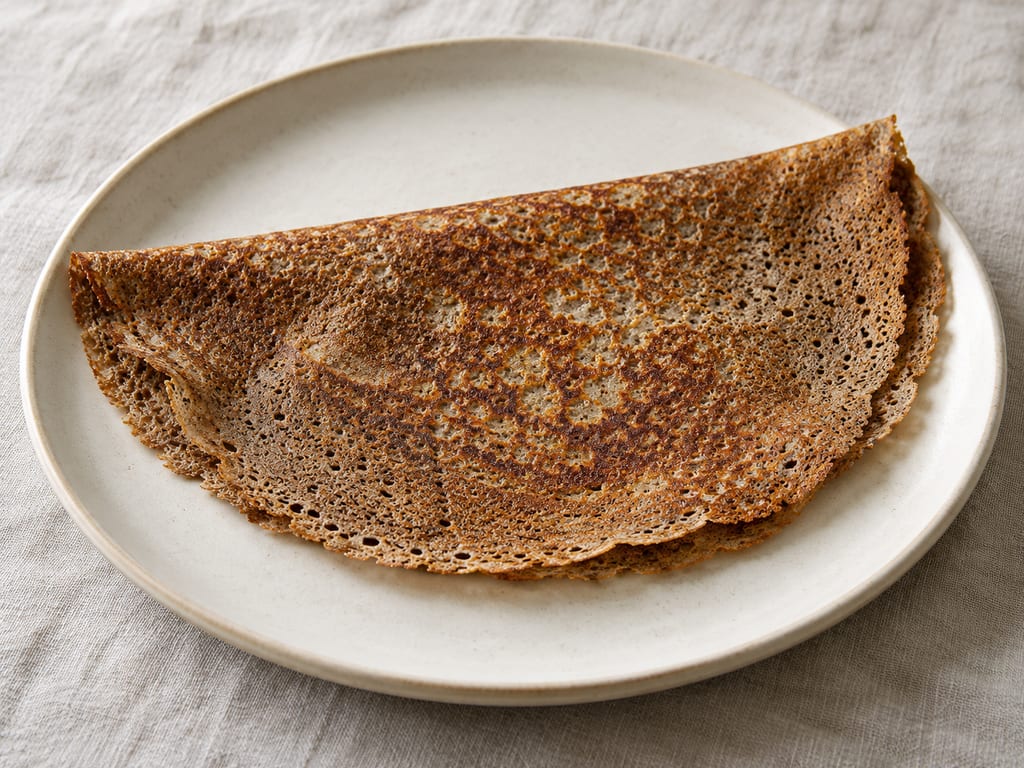
A thin Brittany galette made from buckwheat flour, water and Guérande salt. This Atelier de la Crêpe method rests the batter in a refrigerator before cooking it on a hot crêpière.
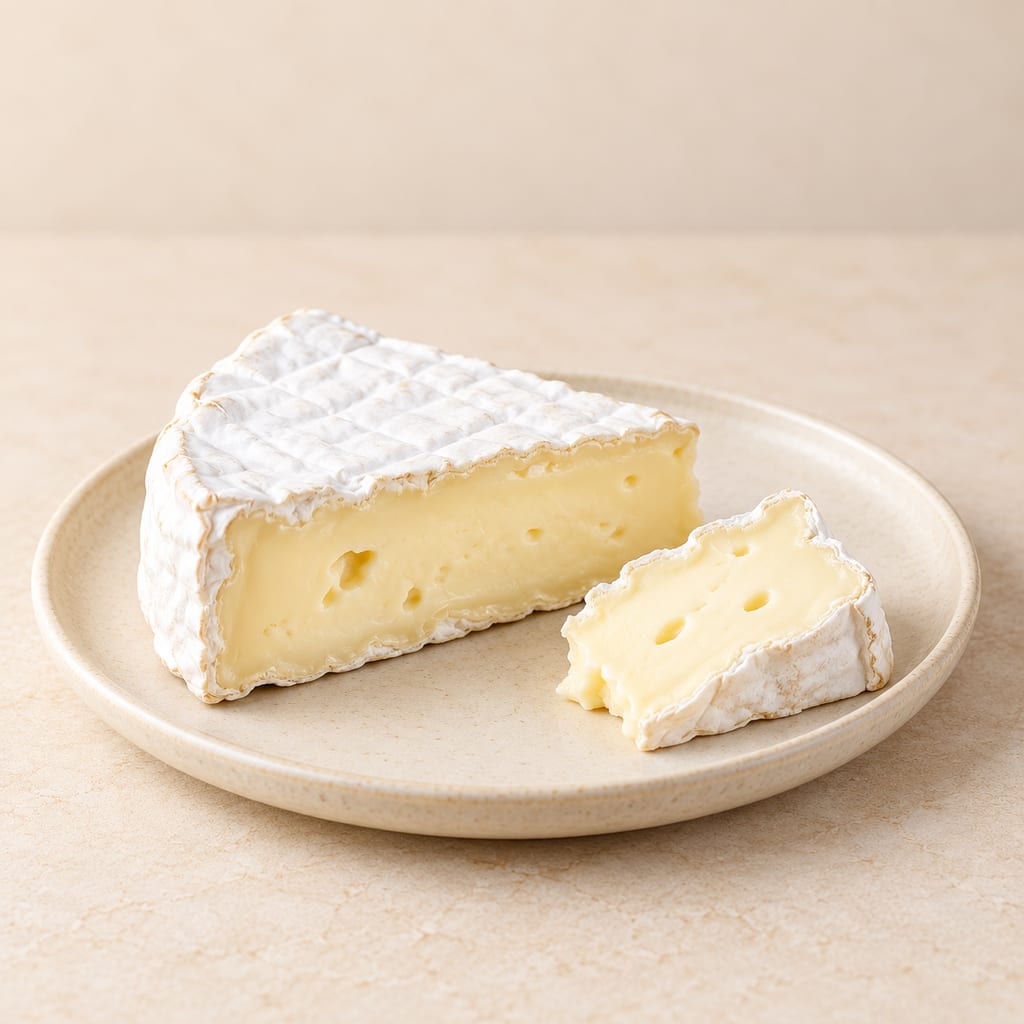
A cream-enriched Brie with a white bloomy rind and a softening center, made from pasteurized milk with lactic and surface cultures.
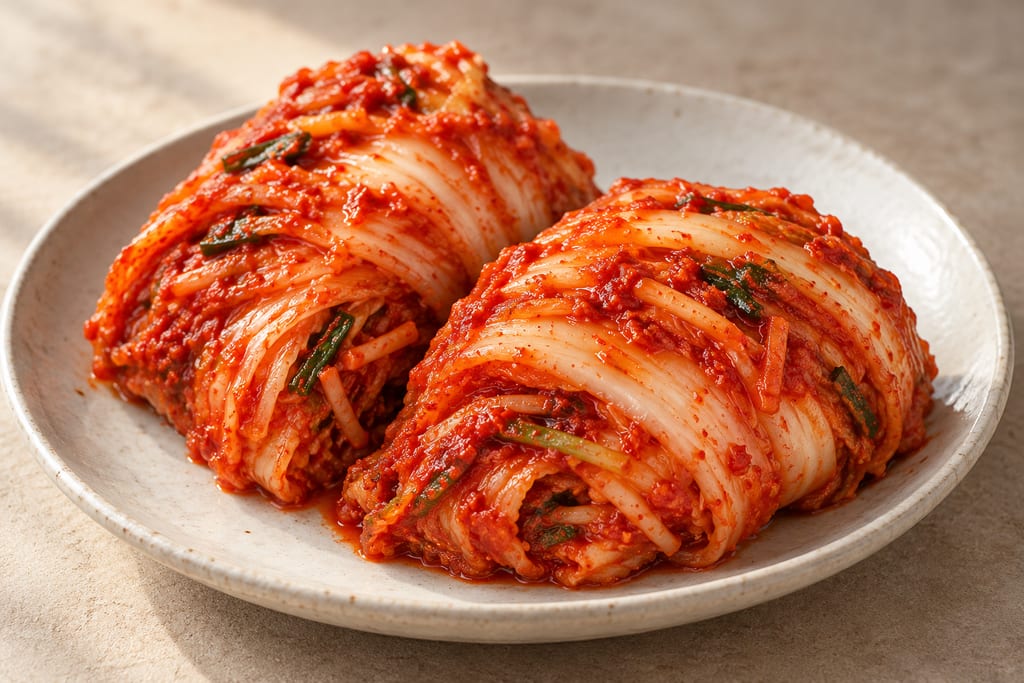
Napa cabbage salted, seasoned with a paste of gochugaru, garlic, ginger and salted seafood, and left to sour through lactic fermentation; Korea's everyday winter preserve.
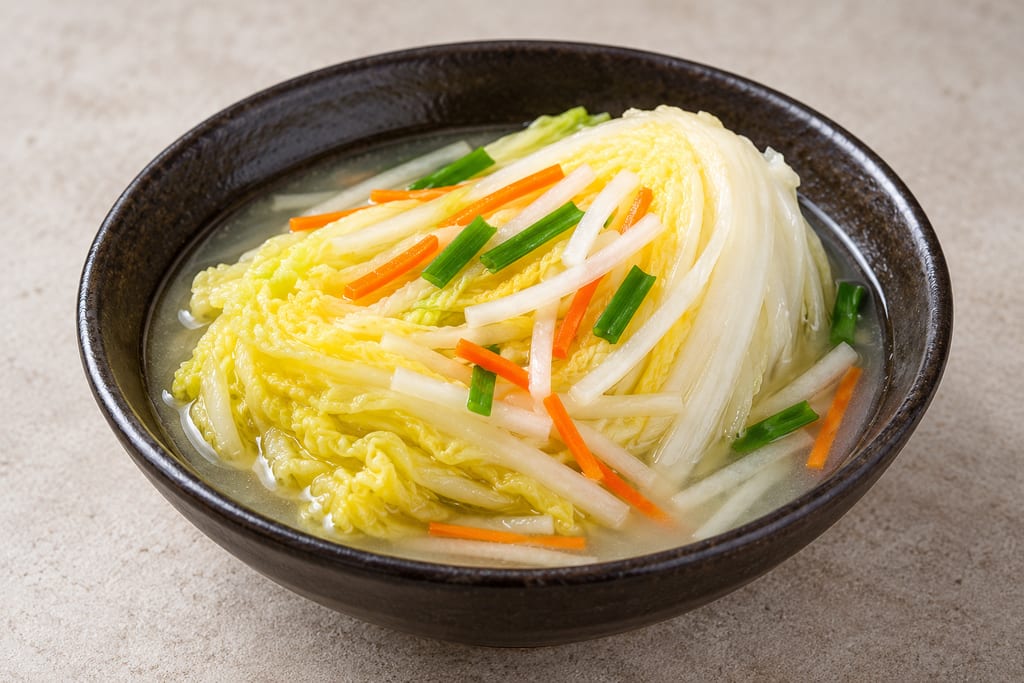
Napa cabbage is brined and filled with pear, radish, alliums, chives and fruit; this Korean kimchi omits red pepper flakes.
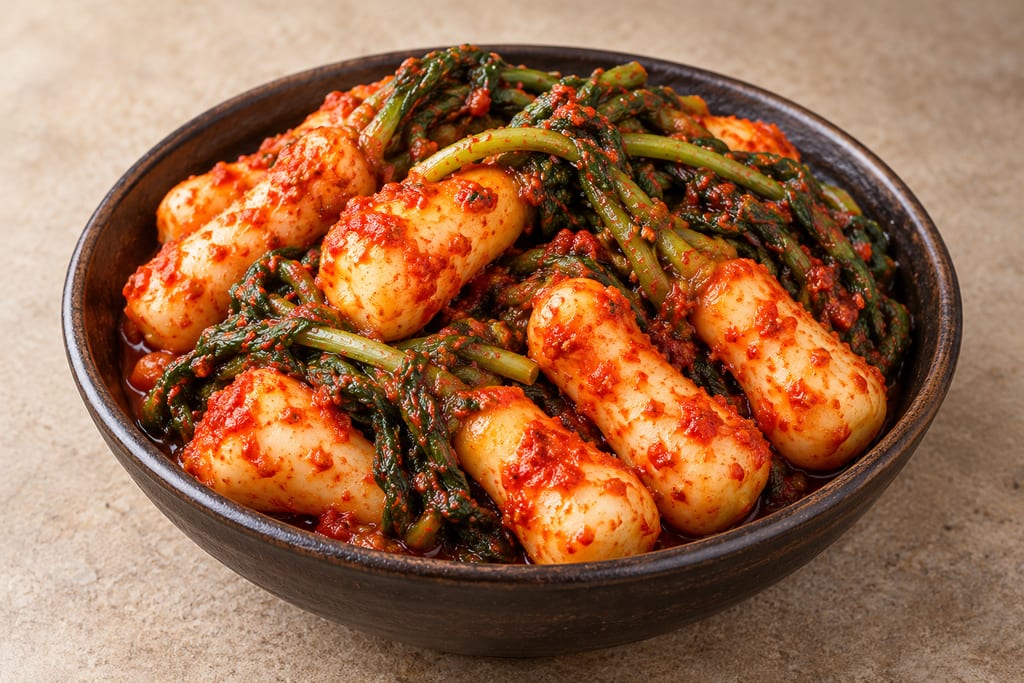
Small ponytail radishes keep their greens attached and ferment in a flour-and-chile seasoning paste.
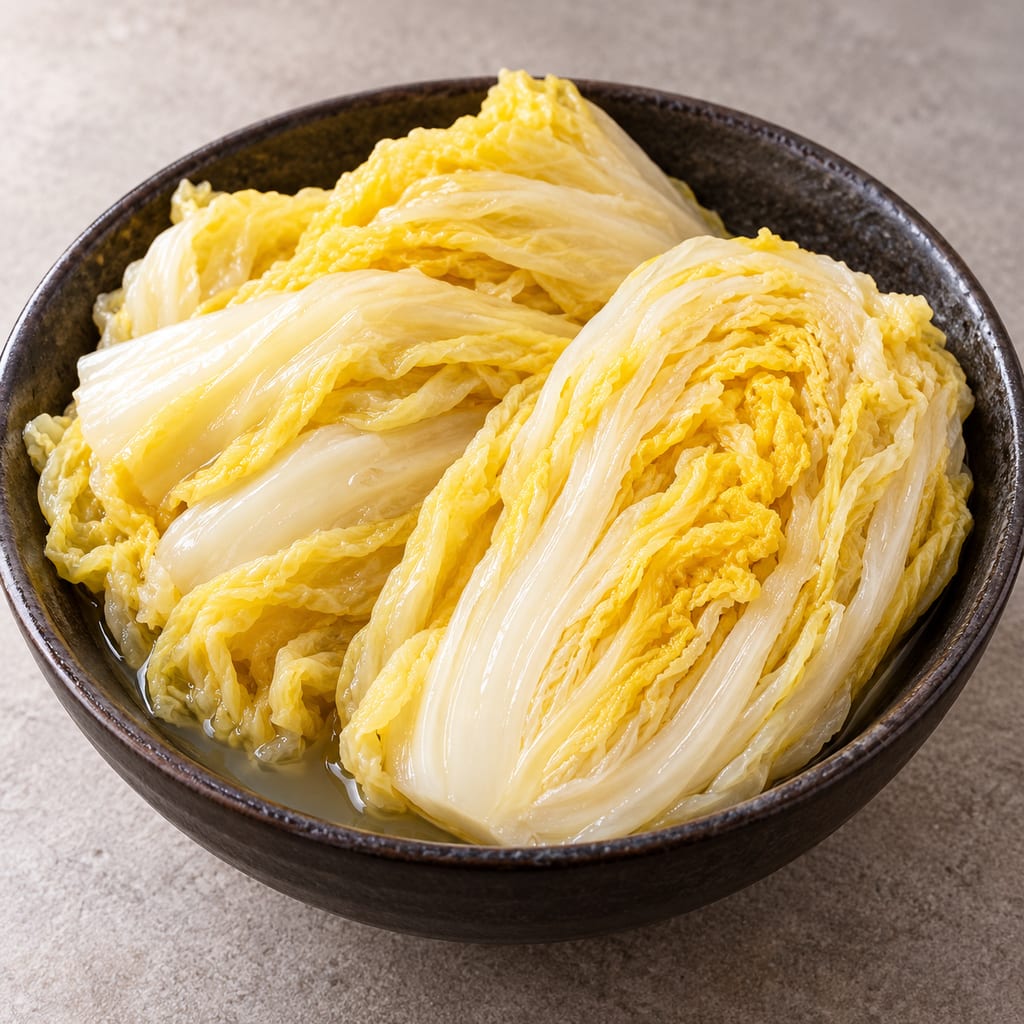
Napa cabbage fermented in a salt brine in Northeast China, traditionally in large ceramic or glass jars, until it turns sour.
Serbian sour cabbage from the Futog area, made from the autochthonous Futoški cabbage population and registered as a protected product in 2008. It is a subset of general Serbian kiseli kupus.
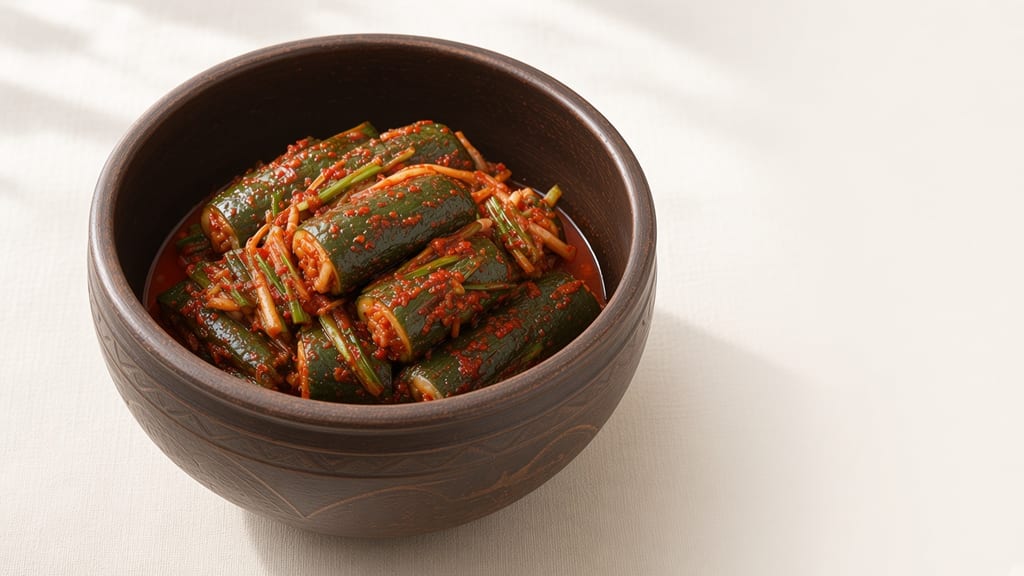
Hwanggwa damjeo is a cucumber kimchi from Yu Jung-rim's Jeungbo sallim gyeongje of 1766. Slit cucumbers are packed with chilli powder and garlic, scalded with hot salted water and sealed overnight.
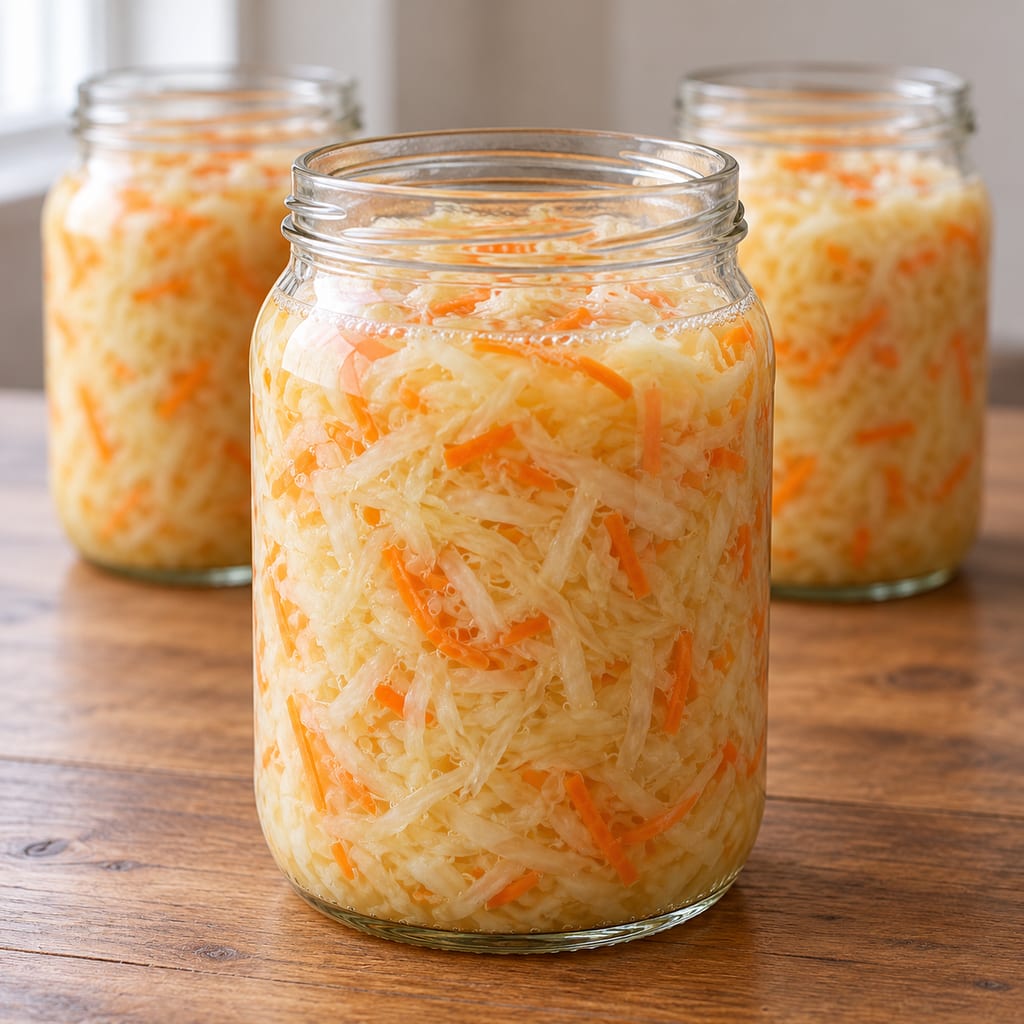
Shredded cabbage and grated carrot are salted to 20 g/kg, rested, packed into three jars and monitored during a creator-reported eight-day fermentation; measured temperature is not given.
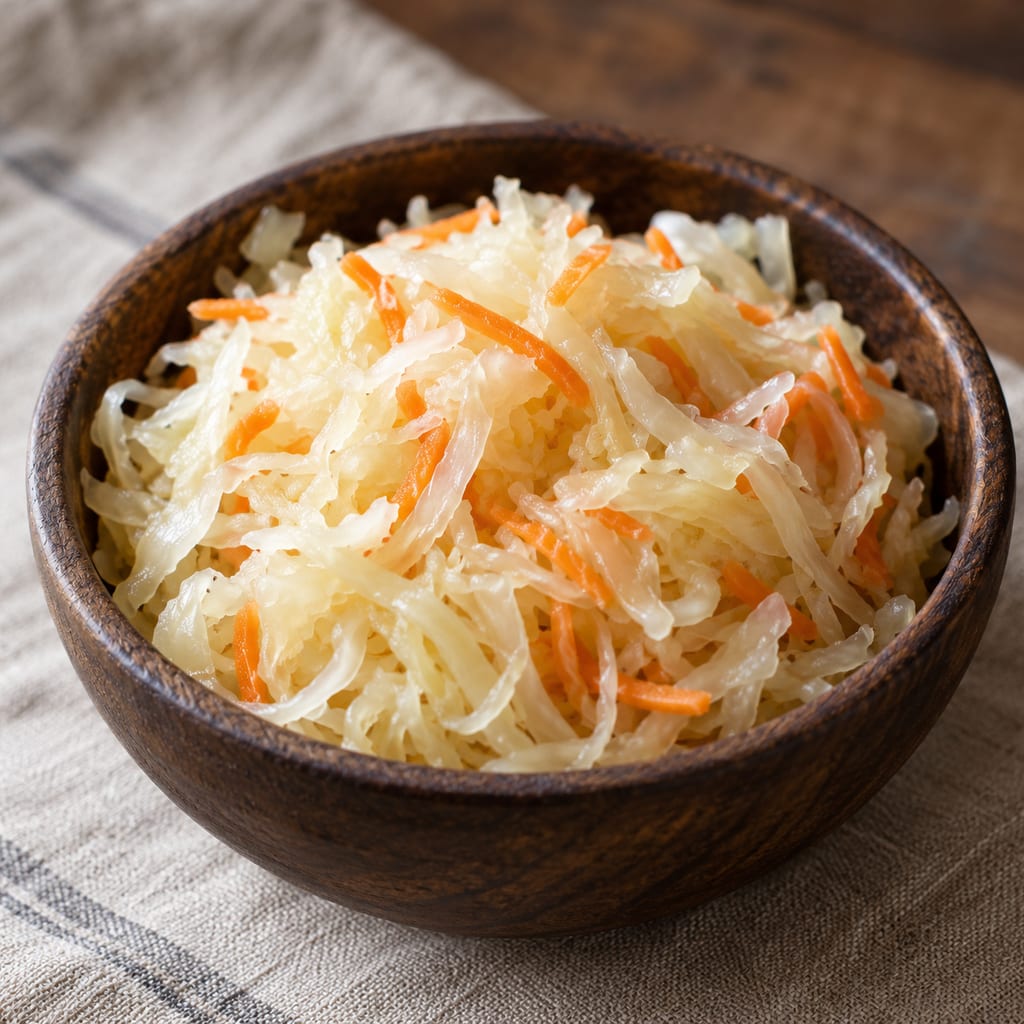
Kapusta kiszona z beczki is barrel-fermented cabbage from the Kołobrzeg area, entered on Poland’s List of Traditional Products in 2008. It is salted and fermented, with raw grated carrot added after souring.

A gelling polysaccharide extracted from red seaweeds, sold as kanten strips or powder; it sets firm at a low concentration and stays solid until about 85 °C.

A Dominican table and seasoning condiment of sour orange juice, mixed with lime and salt and bottled raw; garlic, oregano or a hot pepper may be added for meat or a spicier bottle.

Cicerbita alpina is an alpine perennial whose tender shoots and leaves have been eaten raw or cooked. Sámi milk preparations and modern Carnian dishes are distinct uses, with serious identification and preservation limits.

Japanese skipjack tuna cooked, then repeatedly smoked and dried over a wood fire by the hand-fired tebiyama method into a hard block for shaving into dashi: the first stage of katsuobushi.

A Swedish-style spirit vinegar made by fermenting neutral alcohol with live vinegar bacteria, with a separate guide to commercial ättika strengths.

A yeast-raised wheat ring shaped from a firm dough, briefly boiled and baked. This source-batch formula gives a gently malted crust and a chewy crumb.
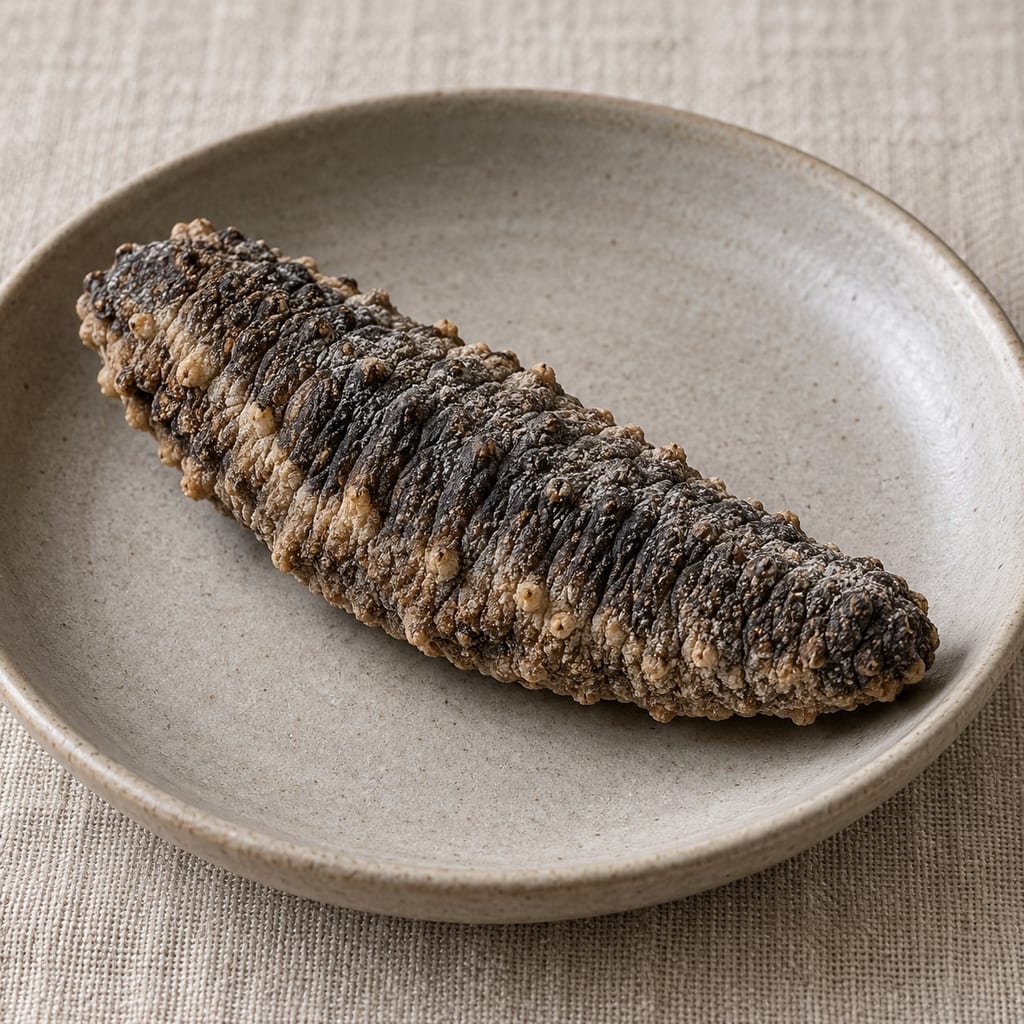
Sea cucumber cleaned, boiled and dried, sometimes with smoke, into a long-keeping trade product; Makassan processing in Arnhem Land is documented from at least the eighteenth century.
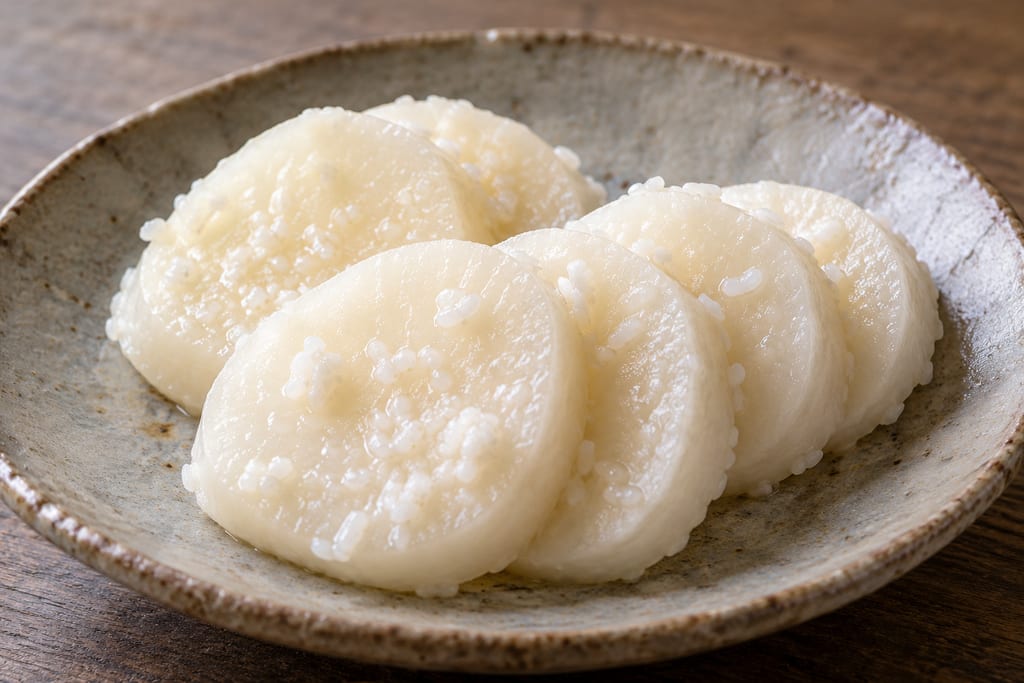
A sweet, crisp Japanese daikon pickle from Tokyo's Nihonbashi district, made by salting fresh radish and dressing it in rice koji, sugar or koji amazake without the heavy drying used for takuan.
No community contributions have been published for this entry yet.
Sign in to contribute. Published comments and photos are free to read.
Institut national de l’origine et de la qualité (INAO), FranceDescription · History
Choucroute d’AlsaceLong, fine strips, white to light yellow; slightly crunchy raw, firm cooked; mildly tangy
Natural fermentation of cabbage; sold raw or cooked after fermentation
Name from Alsatian Sürkrüt, sour cabbage
Fermentation used to preserve cabbage in quantity through harsh winters
IGP recognition in 2018
Cited in: What it is; History and protection; How the fermentation works
INAO-hosted specification; AVCA applicantMethod
Cahier des charges de l’IGP Choucroute d’Alsace, version 1Finely cut cabbage fermented with salt by natural lactic fermentation in vats, no starter added
Choucroute crue and choucroute cuite; choucroute garnie is the dish with meat and charcuterie
National homologation by decree on 8 October 2012; document version dated 18 April 2013
Cited in: What it is; History and protection; How the fermentation works; Uses and limits of the evidence
Official Journal of the European Union, C 51, 10 February 2018History
Publication d’une demande en application de l’article 50… IGP Choucroute d’AlsaceCites Jérôme Bock's 1539 herb book for salted cabbage called Sauerkappes
Cited in: History and protection; Uses and limits of the evidence
European Commission, Official Journal of the European Union L 166, 3 July 2018History
Commission Implementing Regulation (EU) 2018/938Registration of Choucroute d’Alsace as a protected geographical indication in 2018
Cited in: History and protection