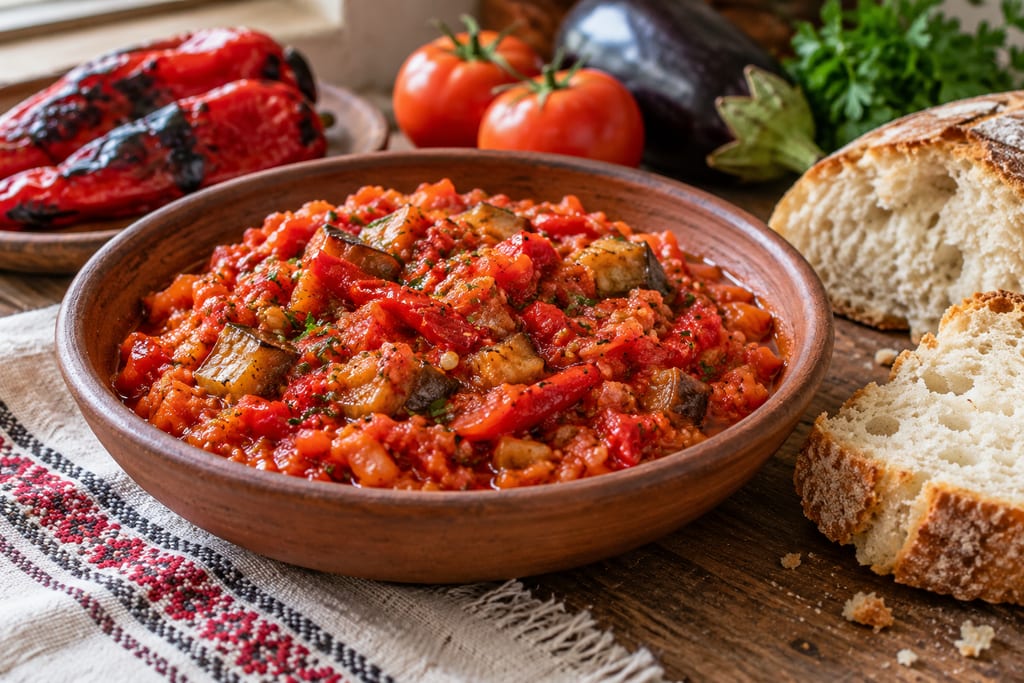
Pinđur (pindjur)
A Balkan relish of roasted red peppers and tomatoes, often with aubergine and garlic, cooked down into a spread for the winter store.
 FermenteaWhere food goes to change
Vinaigre de vin blanc (French) · White wine vinegar · Vinaigre de vin blanc · Weißweinessig · Vinagre de vino blanco · Aceto di vino bianco
White-wine vinegar is made when acetic acid bacteria oxidise the alcohol in finished white grape wine, yielding a pale, wine-derived souring condiment for dressings, sauces and cooking.
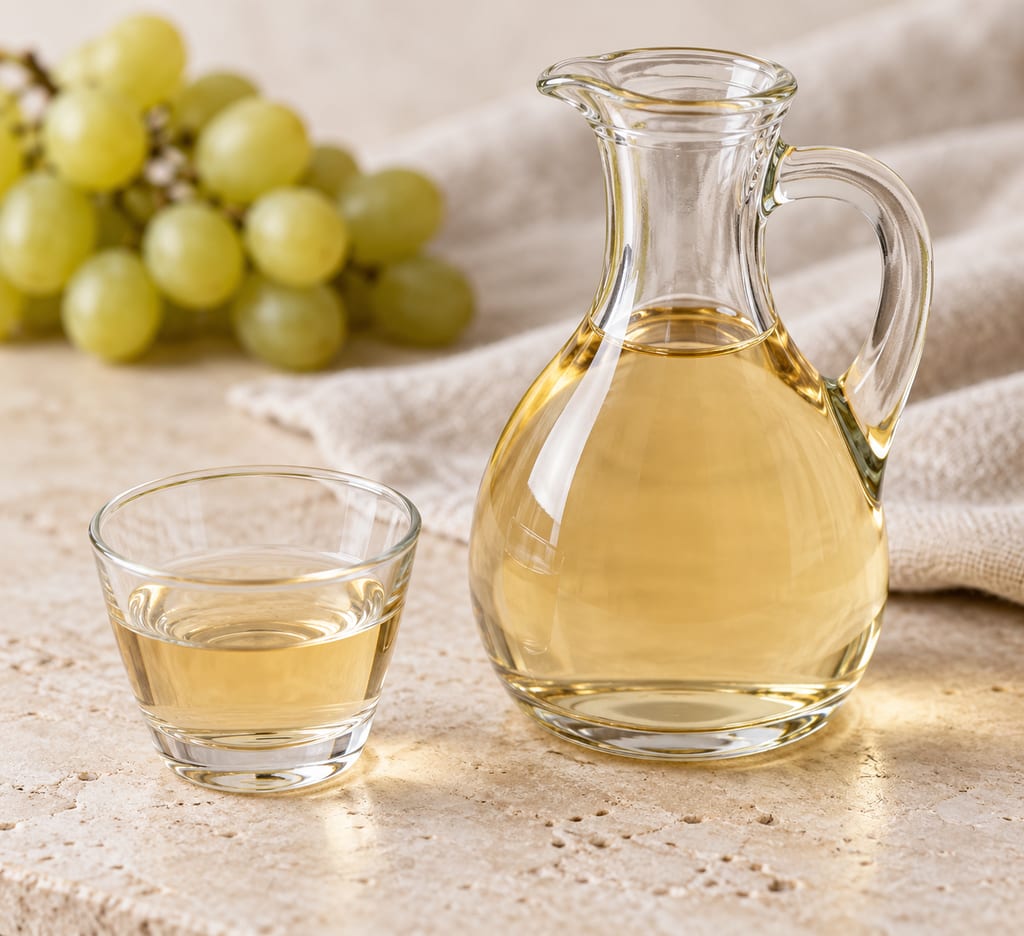
White-wine vinegar is made by turning the ethanol in finished white grape wine into acetic acid. The starting wine has already undergone alcoholic fermentation; this page concerns the later aerobic stage that makes vinegar. Wine vinegar is therefore distinct from spirit vinegar made from neutral alcohol and from grape vinegar made directly from juice that first has to become wine. White wine describes the substrate and the typically pale appearance; it does not define a single universal taste or production method.
The International Organisation of Vine and Wine defines wine vinegar as a product suitable for consumption made exclusively by acetic fermentation of wine, with at least 60 grams per litre of total acidity expressed as acetic acid and at most 4% alcohol by volume. Those are compositional criteria for the defined product. The North Carolina State University home procedure does not guarantee either figure, so a household batch should not be described as meeting that definition without analysis.
Commercial white-wine vinegars range from clear and light to gently straw-coloured. The wine, culture, oxygen supply, vessel, clarification and time all affect the result. A producer may retain some aroma from its source wine or develop further notes during barrel maturation, but no single aroma profile is inherent to every bottle. 'White wine vinegar' also should not be confused with white distilled vinegar, whose alcoholic starting material is not wine.
Vinegar making became a specialist trade in places where wine moved through markets and waterways. The City of Orléans describes vinegar production there as linked to the Loire wine trade: wine that had turned sour during transport could be worked into vinegar by local makers. Its history dates production and sale in Orléans to the fourteenth century and says the industry reached a high point in the eighteenth century. This is useful evidence for the broader history of wine vinegar, but it does not date white-wine vinegar specifically.
The old Orléans explanation—wine and vinegar together in barrels, with bacteria acting where the mixture met air—captures two enduring process needs: a source of ethanol and access to oxygen. It also shows how a food once associated with spoilage became a deliberately managed product. The scientific explanation came later; the trade and craft already depended on recognizing and controlling the transformation.
Today’s Loire producers show how many outcomes can sit under the white-wine vinegar name. Vinaigrerie de l’Anjou says it selects wines including Chenin blanc, Chardonnay, Gamay and Cabernet, and makes red, white, dry-white and sweet-white vinegars. The source documents one producer’s choices, not a regional rule that every bottle must follow.
Acetic acid bacteria carry out the defining conversion. In a simplified sequence, they oxidise ethanol first to acetaldehyde and then to acetic acid, using oxygen in their metabolism. This is called oxidative fermentation. Unlike the preceding alcoholic fermentation, which yeasts can perform in low-oxygen conditions, vinegar acetification depends on oxygen reaching the bacteria and liquid interface. A sealed, airless vessel would frustrate the process.
The bacterial group includes several genera and species, and the exact community varies with the culture and conditions. It is safer to describe the function than to guess a species from a film or a product name: the reviewed food-science paper describes acetic acid bacteria as a group that oxidises ethanol and other substrates into organic acids and related metabolites. Increasing acidity also changes which organisms can persist, so the culture’s activity and the liquid’s composition evolve together.
The surface mother is a visible film that may form during some methods; it can include bacterial cells and cellulose. It is a process by-product, not a measuring instrument. Its presence cannot show how much ethanol remains, whether the acidity meets a commercial definition, or whether an exposed batch stayed free from unwanted contamination. Conversely, its absence alone does not prove that acetification failed.
The practical sequence here follows North Carolina State University Extension’s household wine-vinegar guidance. It begins with finished wine, dilution to a measured alcohol range, a suitable active culture and a breathable cover. It is not the same method as the large oak barrels used by a Loire vinegar maker, and the source gives no fixed volume or universal starter dose.
The starting alcohol matters because the bacteria must oxidise ethanol, but the extension’s target is a process recommendation, not a guarantee of the finished acidity. Diluting a typical 11–12% wine to 5.5–7% alcohol by volume moderates the substrate for this small-batch method. Because actual wine strength differs, there is no honest fixed amount of water that applies to every bottle. The vessel is filled about two-thirds full so there is headspace and the opening can be covered without sealing off air.
The active culture is introduced deliberately instead of trusting unknown organisms to arrive from the room. During acetification the cloth cover allows air exchange while keeping out insects and dust. The extension's preferred temperature, 80–85°F (about 27–29°C), helps the process proceed; it is not a sterilizing or safety temperature. The source’s three-to-four-week estimate is likewise an expected duration, not a completion test.
If a clearer vinegar is wanted, the extension describes straining or filtering after the process. Pasteurisation and ageing are optional operations and should be treated separately from acetification. Filtering removes particles, heating changes microbial activity, and ageing allows time for settling and sensory change; none can repair a batch with unknown acidity or establish that it is safe for canning. Use validated measurements and a process appropriate to the intended product.
The vessel and opening therefore matter to the working culture, while contact with oxygen must be balanced with cleanliness. The extension's vessel examples emphasize materials that stand up to acid, and its breathable cover addresses the tension between air and insect exclusion. A sealed bottle is appropriate for keeping finished vinegar clean; the active ferment is a different stage and cannot be treated as if it were already packaged. Likewise, a film that is disturbed or a vessel that cools does not tell the maker how much acid has formed. Those are process observations, while analytical total acidity is the measurement needed to support a numerical strength claim. The method deliberately leaves wine volume, dilution water and starter dose tied to measurement and supplier instructions instead of pretending one quantity fits every starting wine.
Vinaigrerie de l’Anjou documents a much larger surface method in 220-litre oak wine barrels filled roughly halfway. Leaving headspace increases the surface area where wine and oxygen meet. The producer says it works around 30°C and needs five to eight months to acidify the wine; its product page describes white-wine vinegars prepared and matured in oak for six to eight months. These are producer-reported conditions and durations, not universal home-fermentation specifications.
This comparison explains why a barrel-made vinegar can differ from a fast, highly aerated industrial product. In the surface method, oxygen transfer occurs at the liquid surface and the process takes months. In rapid-generator and submerged systems, air is moved through or into the liquid, increasing contact between oxygen, bacteria and substrate. The broad chemistry is related, but the equipment, rate and sensory outcome should not be collapsed into one imagined recipe.
The producer also emphasizes wine selection and oak maturation. Those choices can bring source-wine identity and vessel contact into the finished vinegar, while the extension's household method is designed around a simpler aerated container. The available producer account does not disclose every operational variable, so it should not be expanded into undocumented barrel-management steps.
White-wine vinegar’s light colour is useful when a cook wants acidity without visibly tinting a pale sauce or salad. A vinaigrette is one familiar use: Nebraska Extension gives a general French-style starting balance of three to four parts oil to one part acid, with vinegar among the possible acids. The oil and water-based vinegar do not form a permanently stable mixture; whisking or shaking disperses small droplets for serving, while mustard can help give a more cohesive dressing.
In cooked sauces, vinegar can sharpen a reduction and balance richer ingredients. White-wine vinegar appears in beurre blanc formulas alongside dry white wine and shallots; here its acidity contributes to the concentrated liquid before butter is whisked in. The sauce recipe, not the vinegar-making process, determines those quantities. A pale vinegar can also season vegetables, fish, marinades and pan sauces, but its strength and flavour vary, so cooks adjust to the particular bottle.
Vinegar is also used in pickling, but that culinary use has a stricter safety boundary. For shelf-stable preservation, follow a tested recipe exactly and use commercially prepared vinegar at the acidity it specifies. A homemade batch of unknown total acidity is not a substitute, even if it tastes sharply sour. The acid proportion is part of the preservation process, not a free flavour adjustment.
A successful-looking surface, clear liquid or strong sourness cannot measure total acid. pH describes the activity of hydrogen ions, whereas vinegar standards express total acidity as grams of acetic acid per litre; they are related measurements, not interchangeable ones. The extension's household method provides no universal yield, residual-alcohol figure or acidity result. If those values matter, use appropriate analytical testing rather than estimating from taste or elapsed time.
A mother may thicken, become patchy or sink, and the liquid may retain sediment. These observations describe appearance, not a numerical endpoint. If an unexpected colour, fuzzy growth or other sign of contamination appears, the source method does not provide a validated rescue procedure; do not taste-test an uncertain batch. Keep sanitizer and cleaning chemicals separate from vinegar, especially chlorine products, and use only food-contact vessels compatible with acidic liquids.
Storage guidance depends on the verified finished product, packaging and handling. The cited household source does not establish a universal shelf life for every home batch, so none is supplied here. Commercially labelled vinegar offers a measured, predictable acidity for uses that depend on it. For table seasoning, use a clean closed bottle; for preservation, stay with the tested recipe and its stated vinegar.
The colour and character of a wine vinegar start with its wine, but names alone do not promise a particular maturation or acidity. The Anjou producer lists dry and sweet white-wine examples as well as red wine vinegar; the source makes clear that each starts from a selected wine and is prepared in oak. Other commercial producers may use different wines, cultures, equipment and clarification practices.
Protected regional products form another category. The OIV definition covers wine vinegar generally, while a geographical designation may add rules on origin, production or ageing. A regional name such as Vinagre de Jerez or Vinagre de Montilla-Moriles should not be applied to this generic white-wine preparation without the relevant specification. Likewise, Orléans history explains an important vinegar-making centre, not a protected designation for every vinegar made in France.
The safest way to compare bottles is to read the ingredient and acidity information, then taste a small amount in the dish where it will be used. Wine source and oak maturation may distinguish one producer’s vinegar from another, but the label and cited production record—not a broad assumption about 'white wine vinegar'—tell the reader what is actually documented.
The sources reviewed here document vinegar manufacture and sale in Orléans by the fourteenth century, alongside the Loire wine trade, and its later importance in the eighteenth century. This evidence concerns Orléans vinegar generally; it does not establish the first date of white-wine vinegar as a distinct type. A contemporary Anjou producer documents white-wine vinegar made by surface acetification in oak barrels. The origin and earliest attestation of white-wine vinegar specifically remain undated in the available evidence.
The extension's method does not guarantee a particular total acidity. A sour taste, mother film or pH alone does not establish a vinegar's acetic-acid concentration.
Hazard sourceVinegar of unknown acidity can undermine a tested preservation formula. Use commercially prepared vinegar labelled at the concentration specified by that recipe; do not substitute this home batch.
Hazard sourceThe extension warns that relying on open exposure to start vinegar can permit other organisms to grow; use an appropriate food-grade culture and sanitary equipment.
Hazard sourceThe vessel needs air but an uncovered opening can admit insects and debris; use a secured breathable cloth.
Hazard sourceAcid can react with iron and aluminium; use the source's suggested compatible vessel materials.
Hazard sourceChlorine bleach must never contact vinegar or another acid; follow sanitizer product instructions and keep chemicals out of food.
Hazard sourceAdjust measured starting wine to the source's stated alcohol range before acetification.
Control sourceProvide oxygen while protecting the culture from insects.
Control sourceUse clean, sanitized, acid-compatible equipment.
Control sourceDo not use vinegar of unknown acidity in shelf-stable pickling.
Control sourceThis preparation begins with finished white grape wine; making the wine is a separate process.
The extension specifies no universal wine, water or starter amounts, so this recipe does not supply invented volumes.
Three to four weeks is an estimate, not an endpoint. Do not infer completion from a film, smell, taste or pH.
This home process does not establish OIV conformity, a particular acidity, residual alcohol, shelf life or preservation suitability.
The surface-barrel method used by one Anjou producer is a distinct large-scale practice and is not interchangeable with the extension's home method.
A producer in Anjou documents its own white-wine-vinegar surface method; this does not claim all white-wine vinegar originates there.
The municipal account documents the broader vinegar trade, not white-wine vinegar specifically.
A Balkan relish of roasted red peppers and tomatoes, often with aubergine and garlic, cooked down into a spread for the winter store.
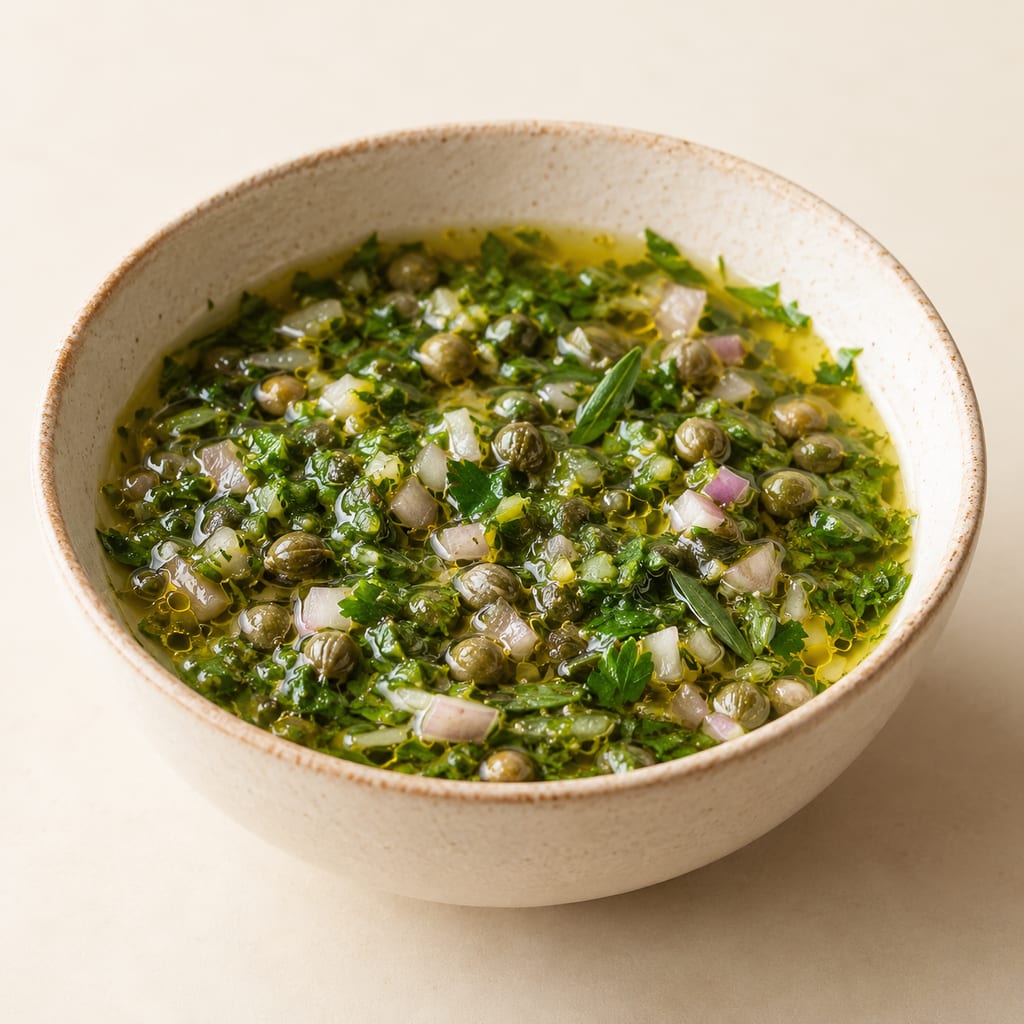
A French cold sauce, in its modern sense a vinaigrette with capers, parsley, chervil, tarragon and shallot or onion, served with fish, shellfish, meat and celeriac.
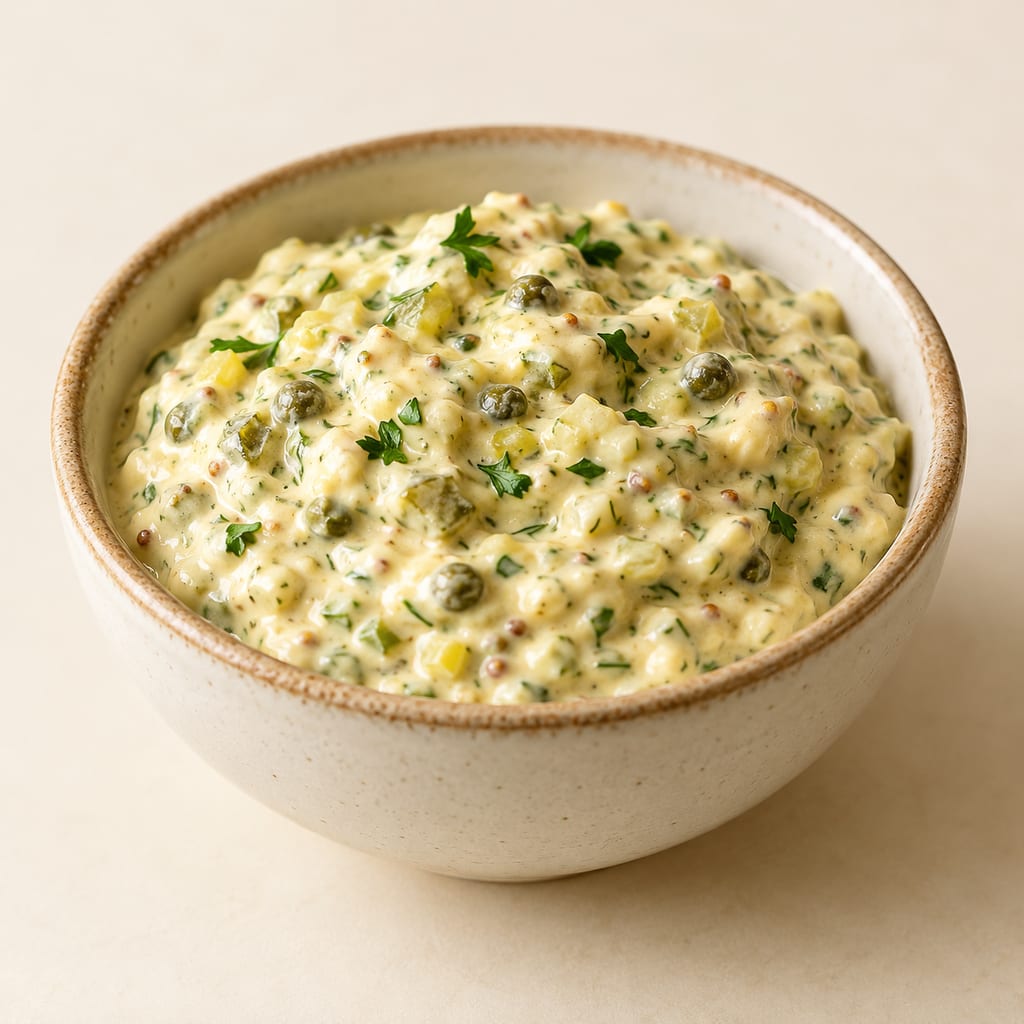
A French cold sauce made from mayonnaise with mustard, capers, cornichons and fresh herbs, served with fish, shellfish and red meats.
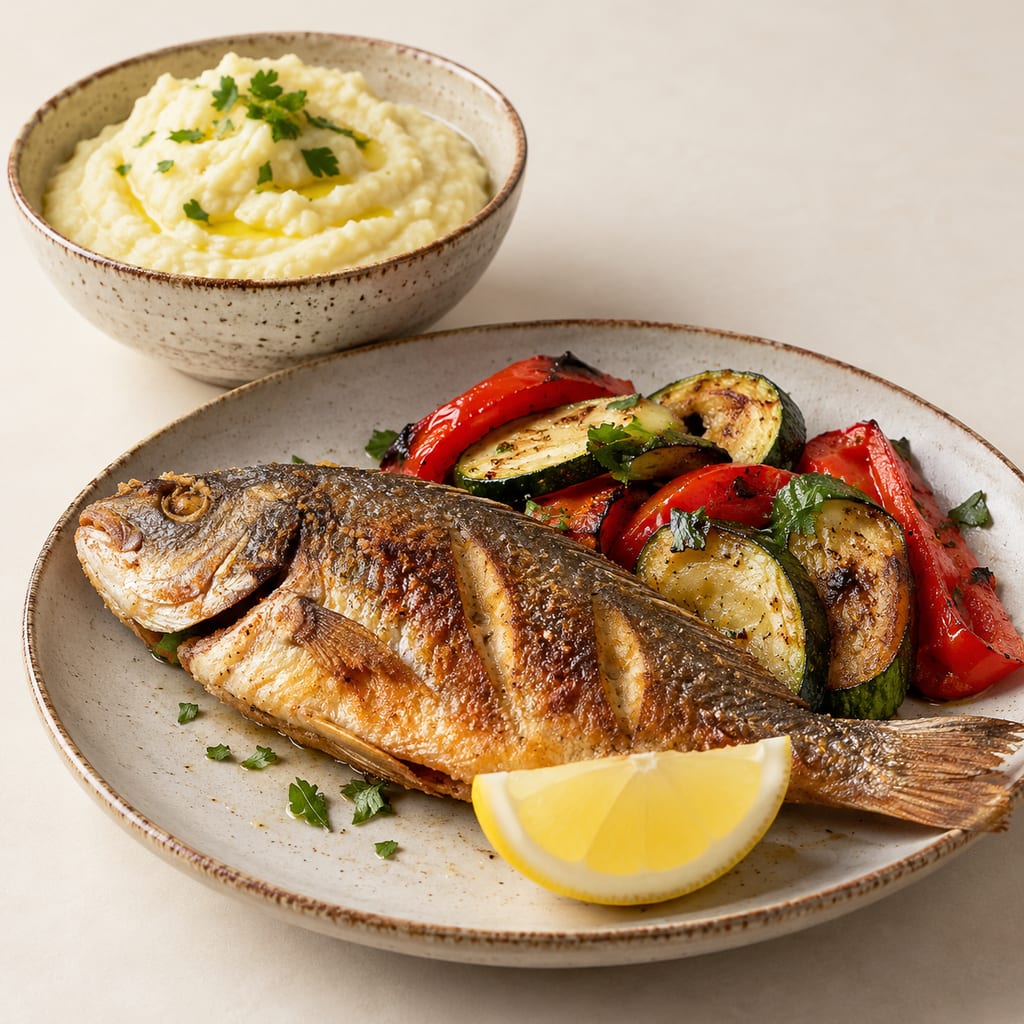
A thick Greek garlic purée bound with olive oil and a starch of potato, walnut, almond or soaked bread, served with fried fish and vegetables.
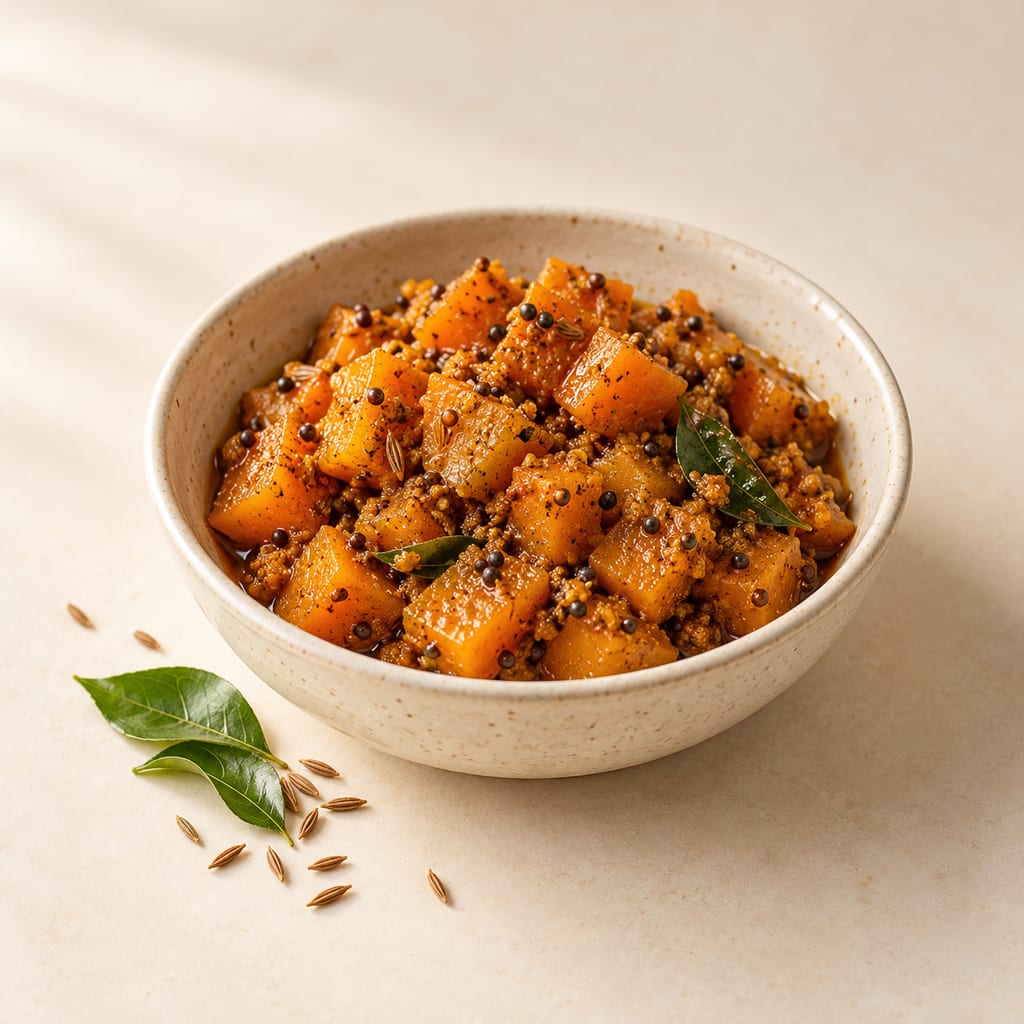
South African pumpkin atchar: Freeze for winter; refrigerated 48-hour limit includes overnight marination.
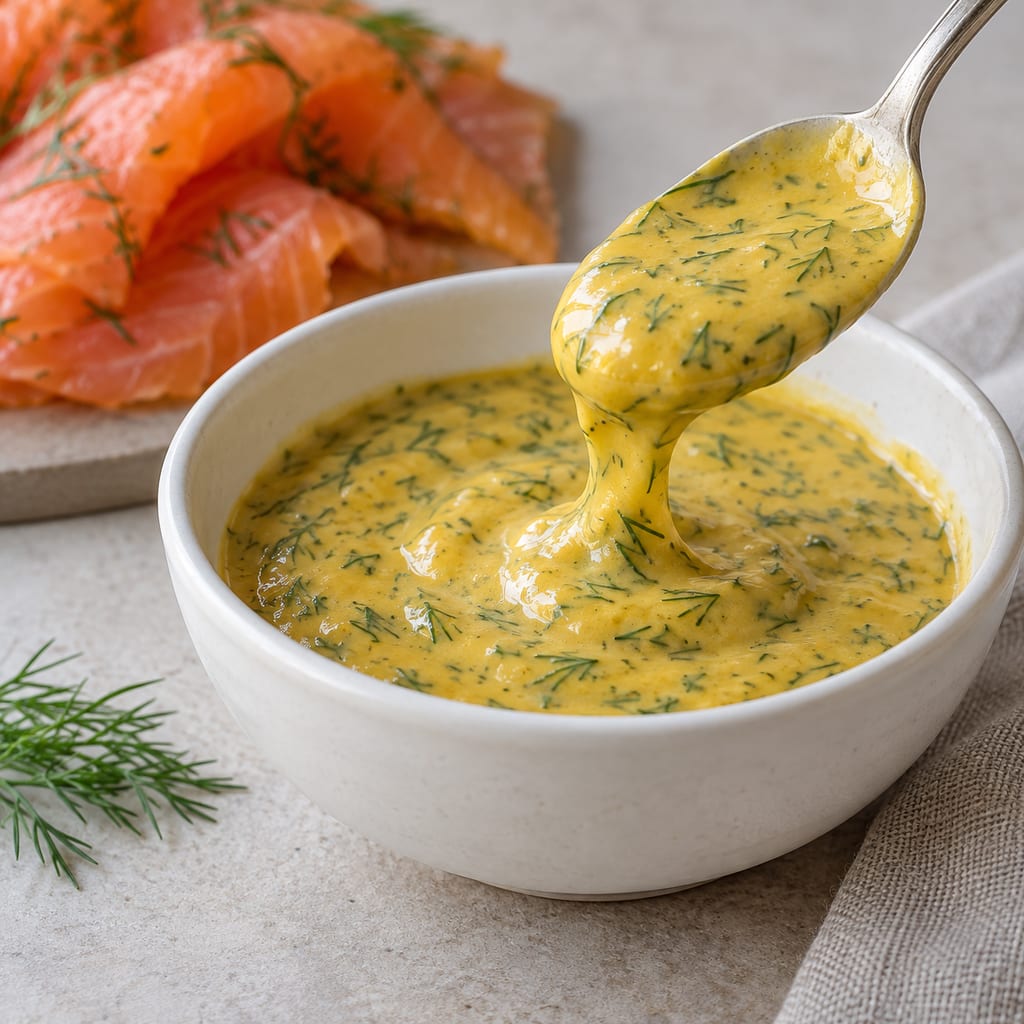
Sweet mustard and Dijon whisked with sugar and white-wine vinegar, thickened with oil added slowly and finished with fresh dill: a hovmästarsås-style sauce for salmon.
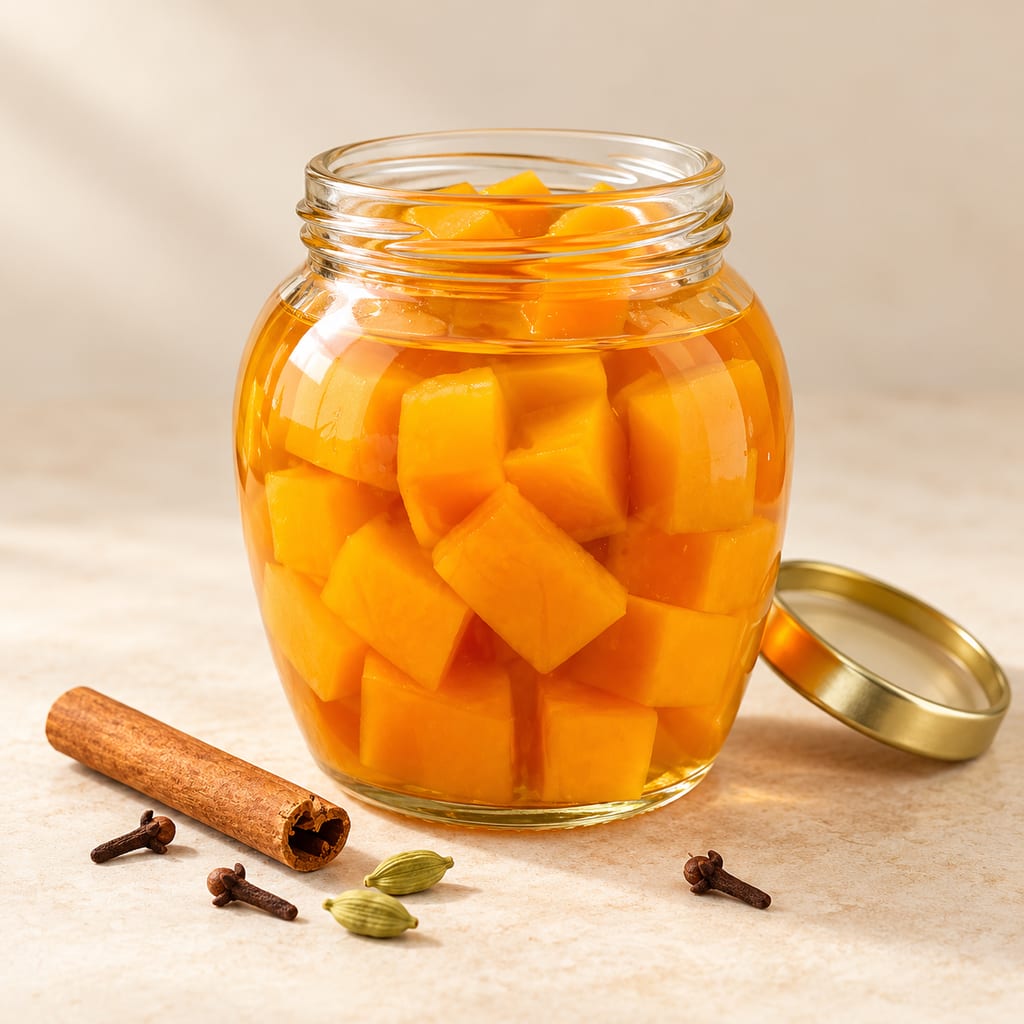
Pumpkin simmered with 5% vinegar, sugar, cinnamon, cardamom and cloves, then chilled. A sweet-sour pickle for the refrigerator.
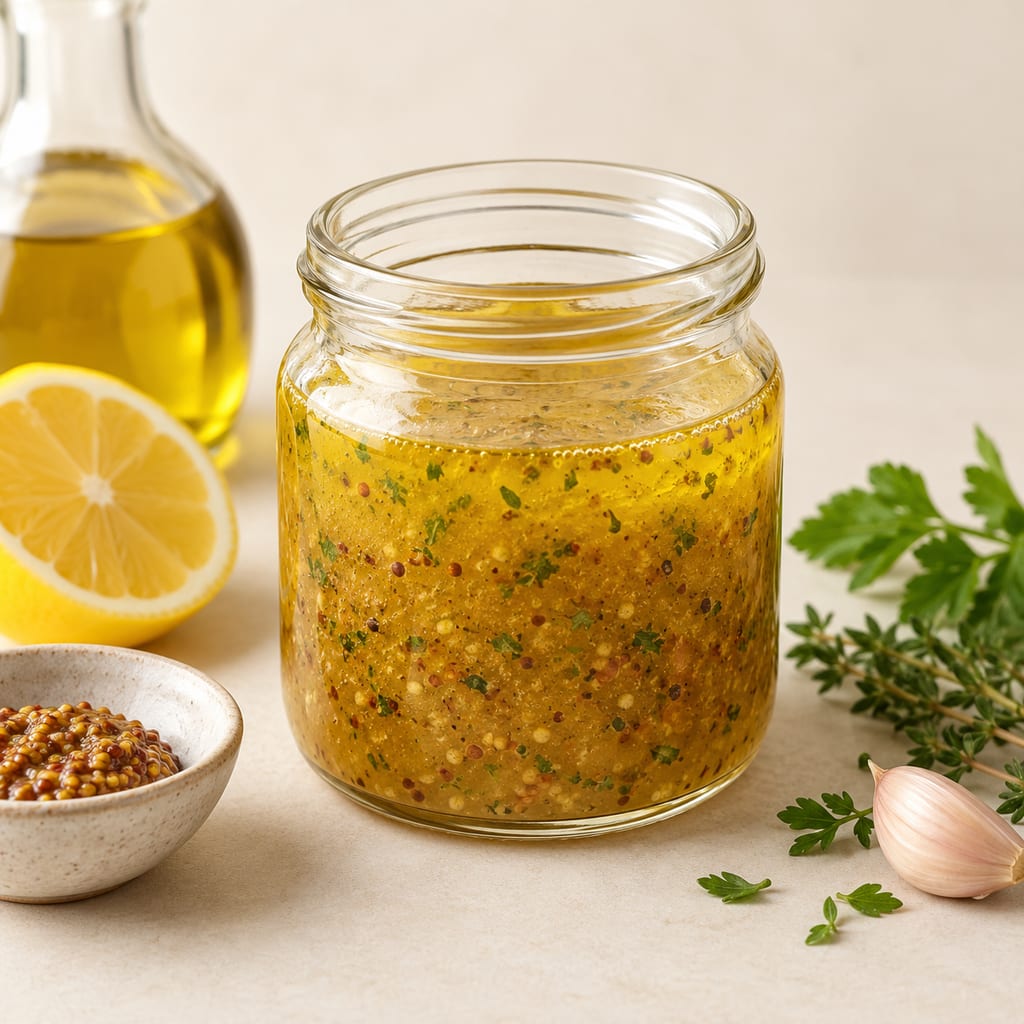
A dressing of edible oil whisked with a mild acid, usually vinegar or lemon juice, seasoned with salt, herbs and mustard, used on salads and as a marinade.
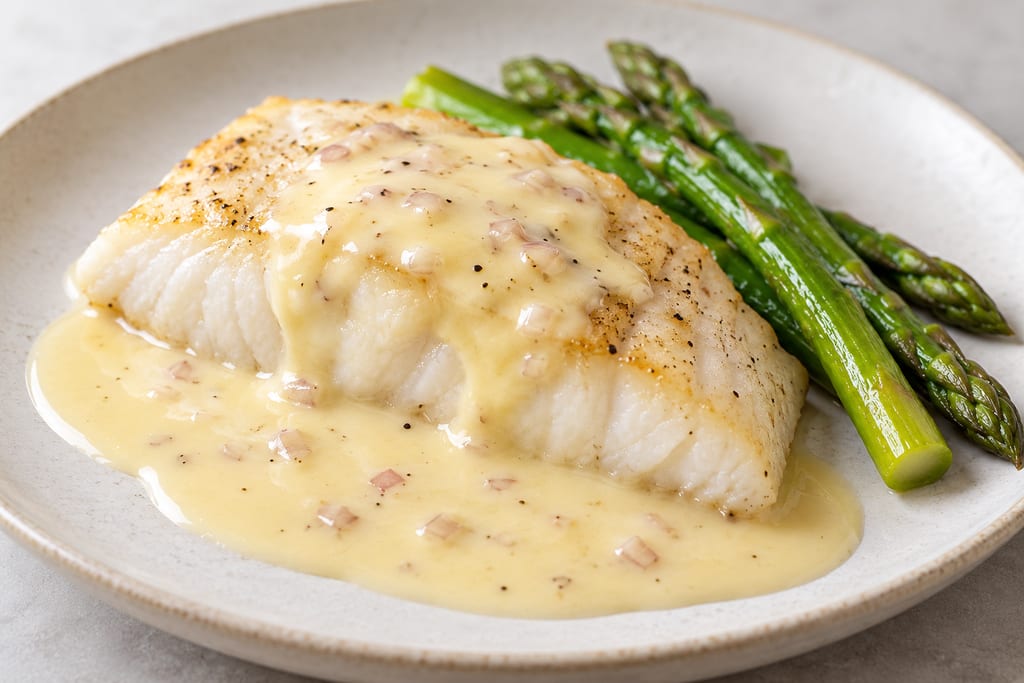
Beurre blanc is a warm emulsion of cold butter whisked into a reduction of white wine, vinegar or lemon juice and shallot, a sauce from the Loire Valley and its red-wine version, beurre rouge.

Protected Italian vinegar made only from cooked grape must, fermented and aged in a battery of wooden barrels for at least 12 years: sweet, sharp and syrupy.

A Dominican table and seasoning condiment of sour orange juice, mixed with lime and salt and bottled raw; garlic, oregano or a hot pepper may be added for meat or a spicier bottle.

Japanese reddish-brown vinegar from sake lees matured about three years, turned to vinegar by acetic bacteria; the vinegar of Handa and Edomae sushi rice.

A Swedish-style spirit vinegar made by fermenting neutral alcohol with live vinegar bacteria, with a separate guide to commercial ättika strengths.
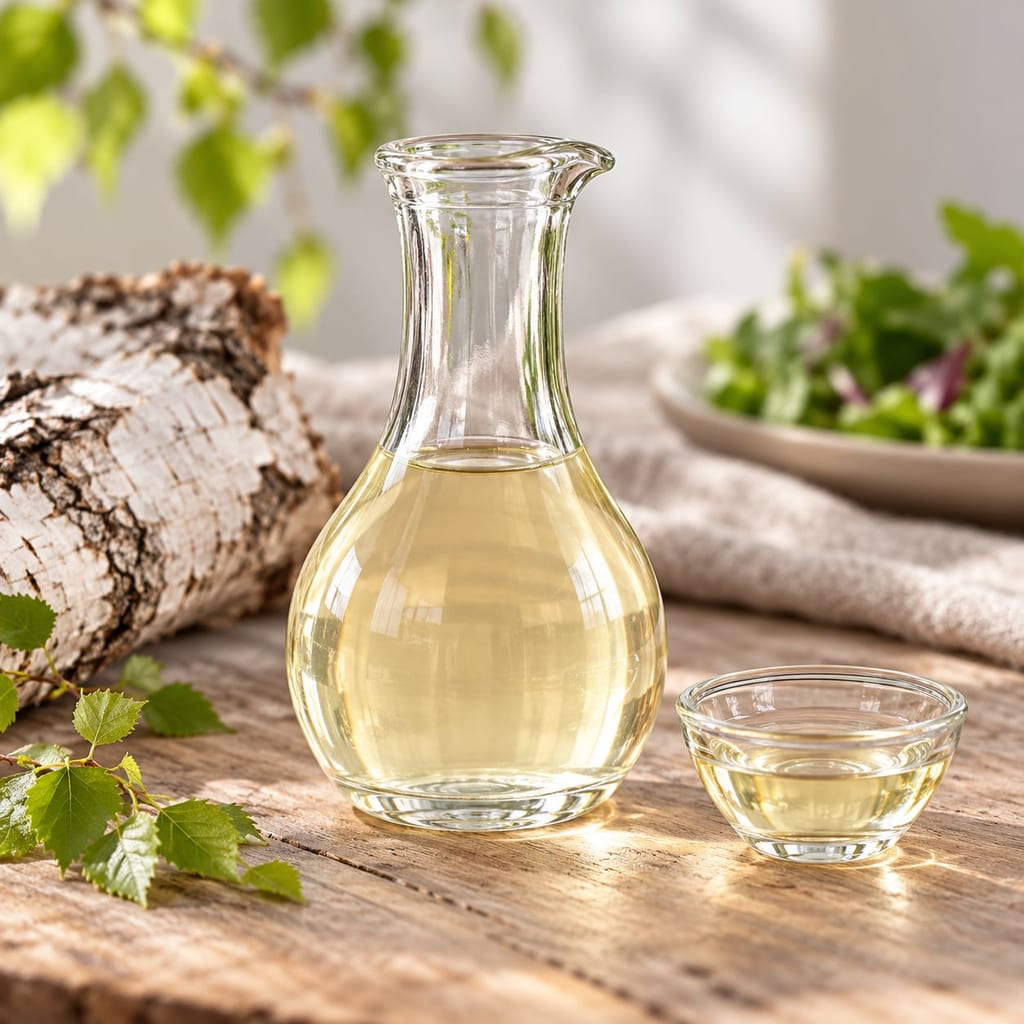
Vinegar from spring birch sap fermented to alcohol and then acetic acid, usually with added sugar or honey because the sap is so dilute; made in Sweden and described in older eastern European accounts.
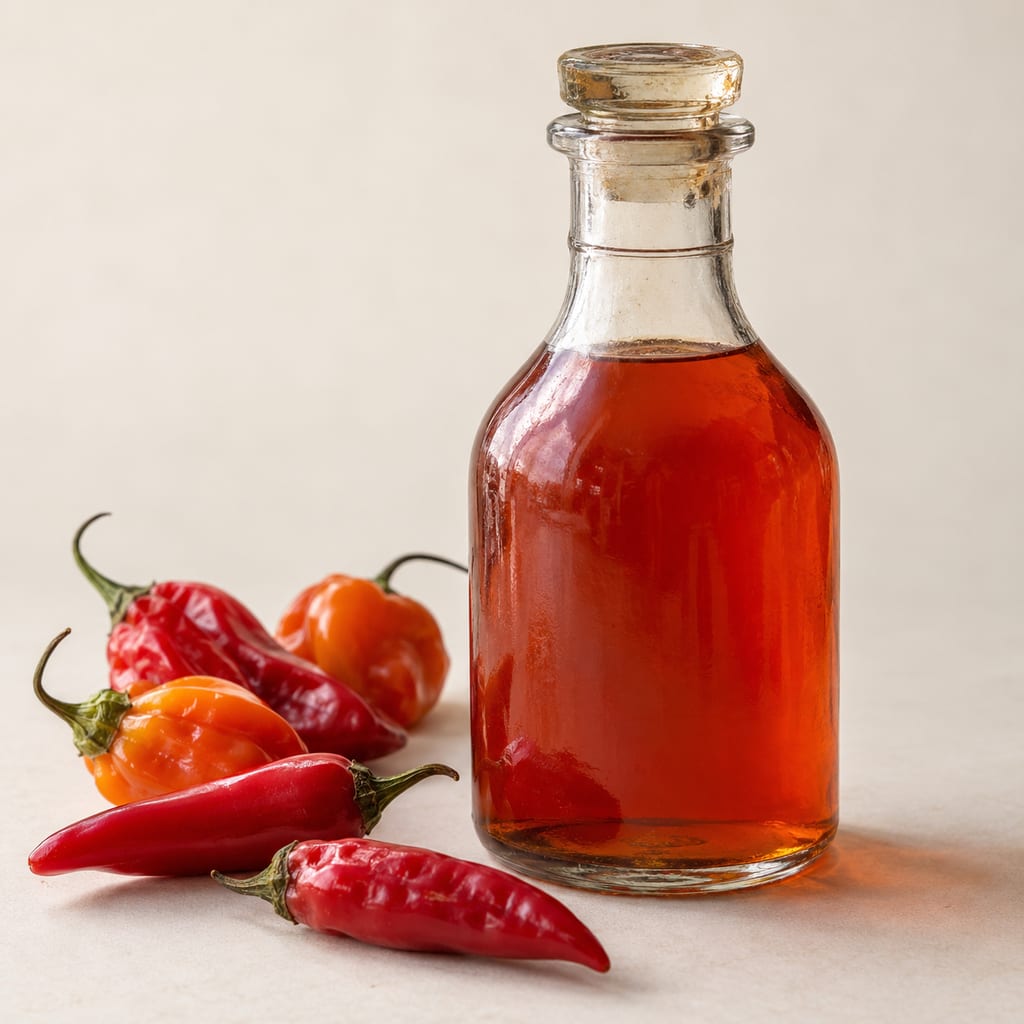
Mary Randolph's pepper vinegar: ripe pepper pods simmered in vinegar until the liquid is reduced to one quart, then strained for use in gravies and catsups. From The Virginia Housewife.
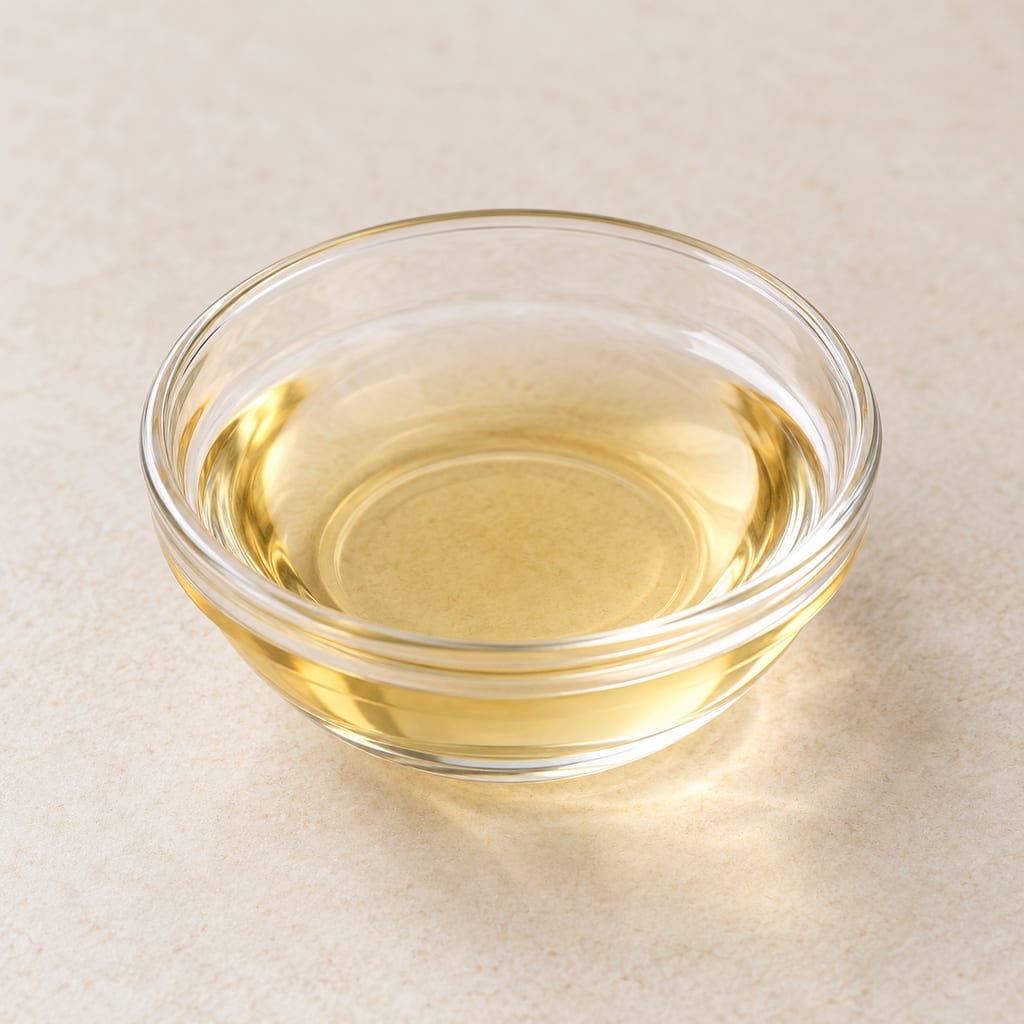
A Japanese mixed seasoning of vinegar, sugar and salt for sushi rice. Ratios vary with the rice batch and style; this version follows Marukan Vinegar's formula for two go of rice.
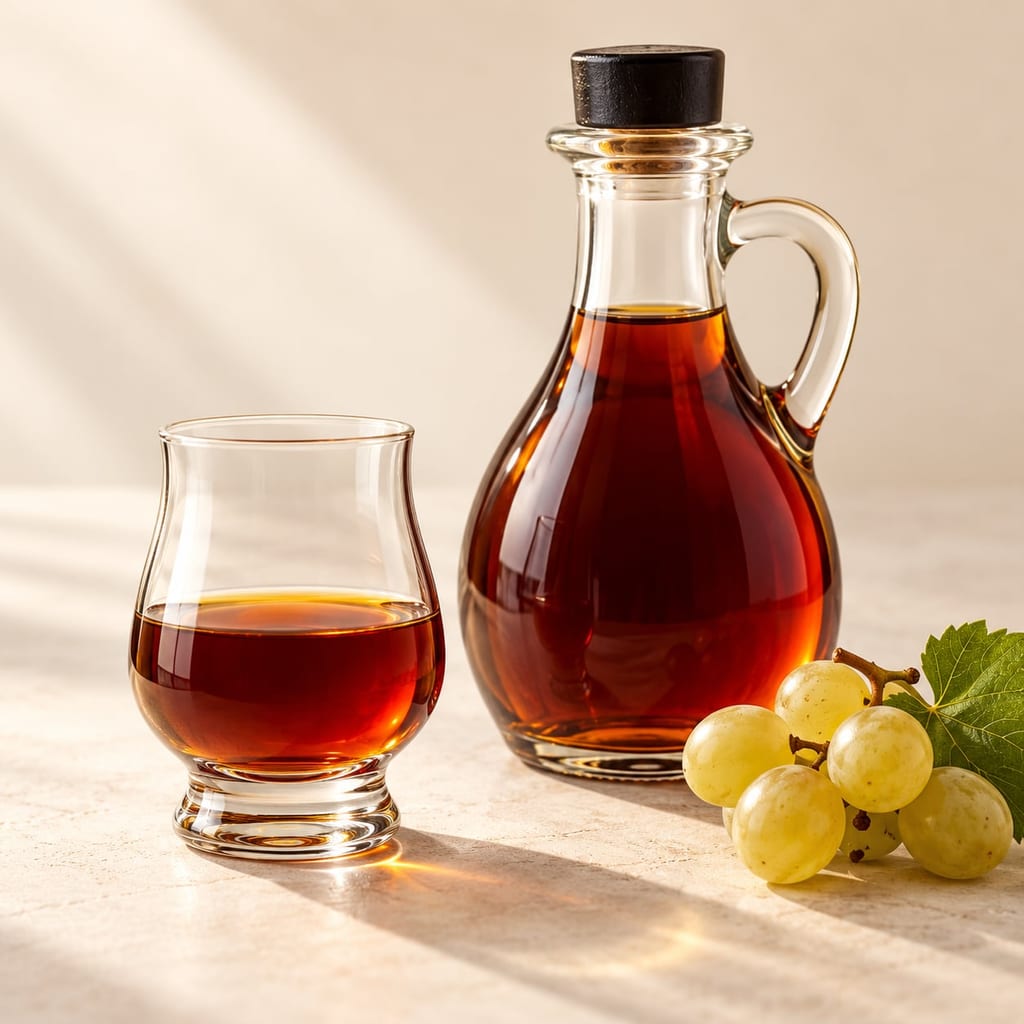
Vinagre de Jerez is made by acetifying eligible Jerez wines and ageing the vinegar in wood. Its protected name belongs to a defined Andalusian zone and a cellar tradition joining wine, oxygen, acetic bacteria and long ageing.
No community contributions have been published for this entry yet.
Sign in to contribute. Published comments and photos are free to read.
North Carolina State University ExtensionMethod · Process · Safety
Vinegar MakingWine vinegar is produced by acetification of wine; alcohol concentration is adjusted to 5.5–7% ABV in the extension's home method.
The extension recommends a purchased bacterial culture, an aerated cloth-covered vessel, 80–85°F and an estimated 3–4 weeks.
It identifies material compatibility, sanitation, filtration, optional pasteurisation and ageing considerations; it does not specify a universal batch size or inoculum amount.
Cited in: The biological change; The extension's small-batch method; How it is used; Reading the result and its limits
Vinaigrerie de l’AnjouMethod · Regional variation
A bit of history: the surface methodThe producer describes a surface method in 220-litre oak barrels, filled about halfway to maximize wine-air contact.
The producer reports a 30°C process temperature and a 5–8 month period for complete acidification.
The account attributes the surface veil to bacteria and describes racking and bottling after analysis.
Cited in: A trade built around wine; A different Loire barrel practice
Vinaigrerie de l’AnjouRegional variation · Method
Hand-produced vinegars from the Loire ValleyThe producer makes red, white, dry white and sweet white vinegars from selected wines, including named grape varieties.
Its white-wine vinegars are prepared and matured in oak barrels for six to eight months.
The source is a producer's account of its practice, not a universal specification for white-wine vinegar.
Cited in: What white-wine vinegar is; A different Loire barrel practice; White wine, red wine and protected regional styles
City of OrléansHistory · Geography
Orléans Through the Centuries: Vinegar and MustardOrléans vinegar manufacture grew alongside the wine trade.
The city describes wine mixed with vinegar in barrels, with bacteria acting in contact with air.
It dates production and sale of vinegar in Orléans to the fourteenth century and says the trade peaked in the eighteenth century.
Cited in: A trade built around wine; White wine, red wine and protected regional styles
Food Technology and BiotechnologyMicrobiology
Role of Acetic Acid Bacteria in Food and BeveragesAcetic acid bacteria convert ethanol, sugars and polyols into organic acids and other metabolites by oxidative fermentation.
The organisms are relevant to vinegar and need oxygen for the characteristic ethanol oxidation process.
Cited in: What white-wine vinegar is; The biological change
International Organisation of Vine and WineDefinition · Composition
Wine vinegarOIV defines wine vinegar as a product suitable for consumption produced exclusively by acetic fermentation of wine.
Its definition sets a minimum total acidity of 60 g/L expressed as acetic acid and a maximum residual ethanol content of 4% by volume.
Cited in: What white-wine vinegar is; The biological change; The extension's small-batch method; Reading the result and its limits; White wine, red wine and protected regional styles
University of Nebraska–Lincoln ExtensionCulinary use
Making an Olive Oil Salad DressingA common French vinaigrette guideline uses three to four parts oil to one part acid, including white-wine vinegar.
Mustard, salt and pepper may season the mixture; thorough mixing improves its immediate distribution.
Cited in: How it is used
National Center for Home Food Preservation, University of GeorgiaSafety · Culinary use
General Information on PicklingUse research-tested pickling recipes and do not alter their vinegar, water and food proportions.
Commercial vinegar labelled at 5% acidity is recommended where a tested preservation recipe specifies it; homemade vinegar of unknown acidity is unsuitable.
Cited in: The extension's small-batch method; Reading the result and its limits