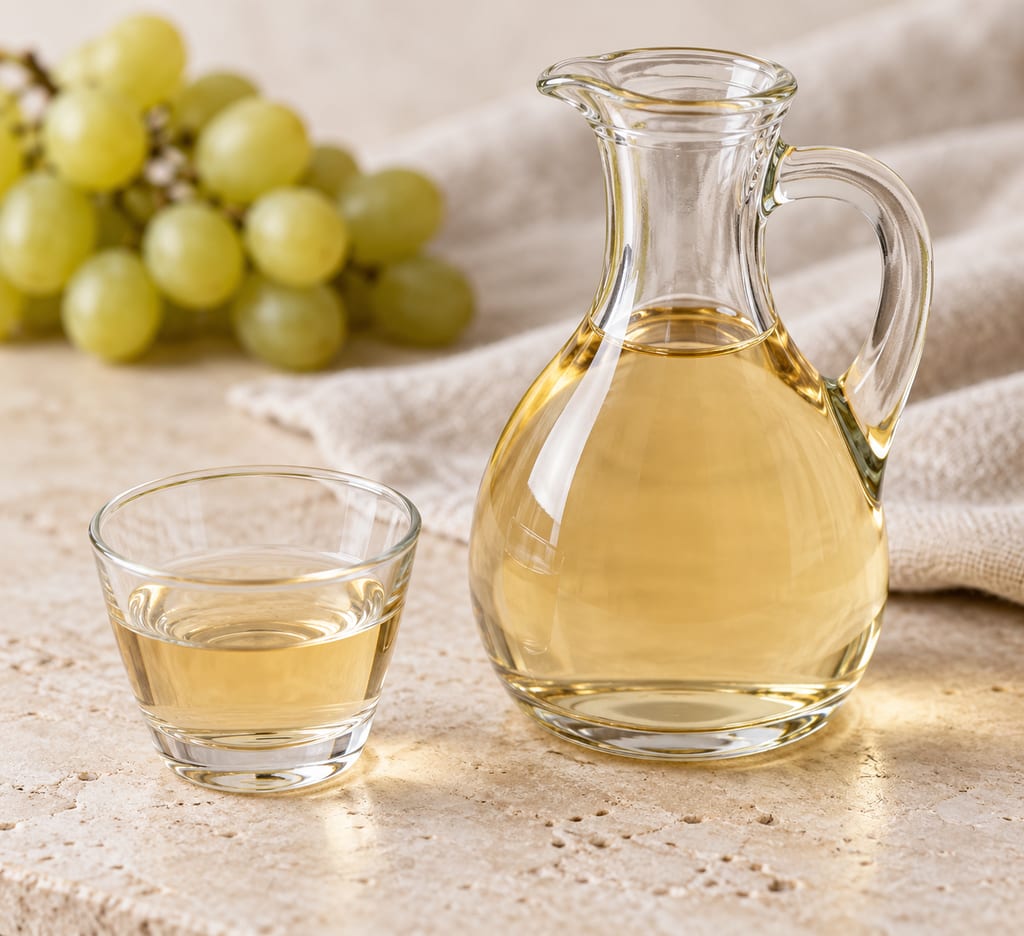
White-wine vinegar
White-wine vinegar is made when acetic acid bacteria oxidise the alcohol in finished white grape wine, yielding a pale, wine-derived souring condiment for dressings, sauces and cooking.
 FermenteaWhere food goes to change
French dressing · Vinaigrettes
A dressing of edible oil whisked with a mild acid, usually vinegar or lemon juice, seasoned with salt, herbs and mustard, used on salads and as a marinade.
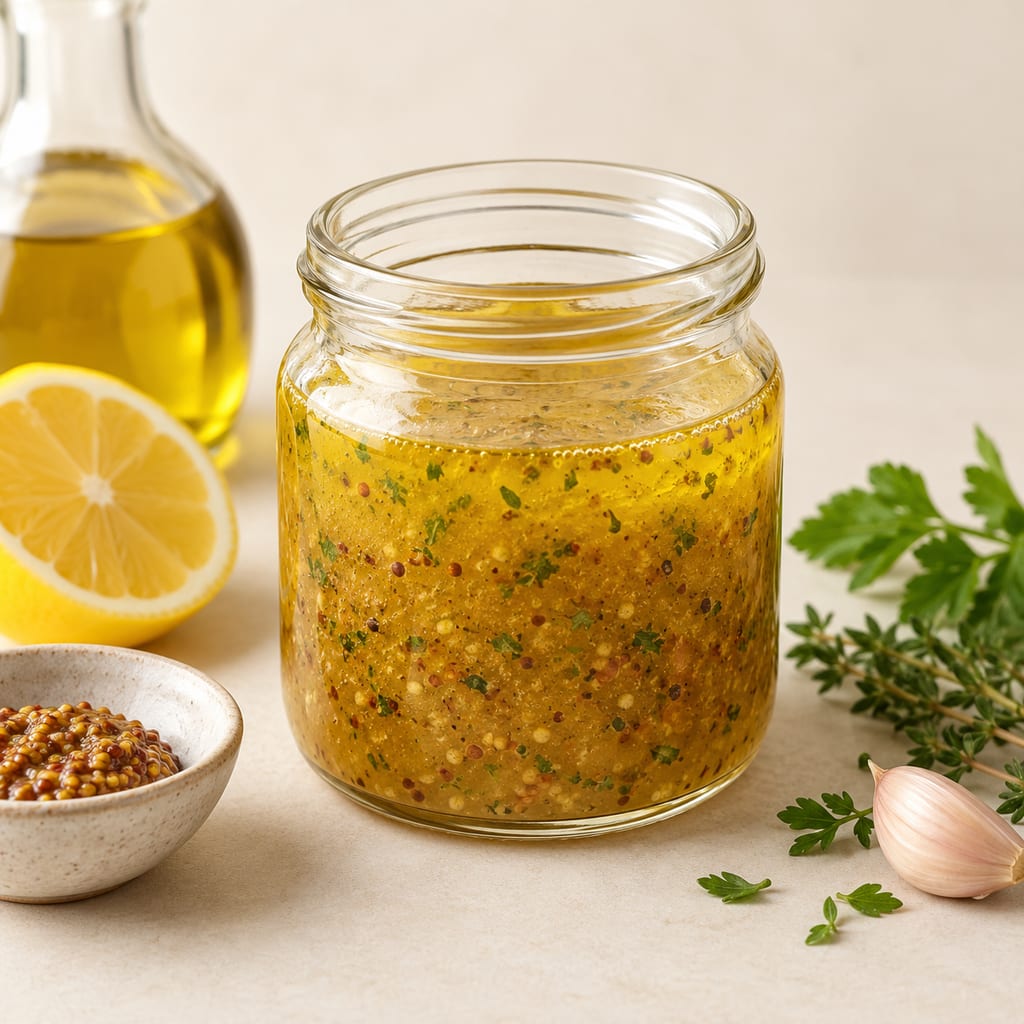
A vinaigrette is a dressing made by mixing an edible oil with a mild acid, usually vinegar or lemon juice. Salt, herbs and spices can be added, and it is used most often on salad, though it also serves as a marinade. The name is the diminutive of the French word for vinegar, and the American nineteenth-century term for the same thing was French dressing.
The traditional proportion is three parts oil to one part vinegar. Whisked together, the two form an emulsion, but not a stable one: many vinaigrettes separate into layers of oil and acid within a short time. Mustard is the usual emulsifier, and it also adds flavour.
Olive oil and neutral oils such as soybean, canola, corn, sunflower, safflower, peanut or grapeseed oil are all common bases. The acid can be a plain wine or cider vinegar, a fruit vinegar such as raspberry, sherry, or lemon juice. Balsamic vinaigrette is made by adding a small amount of balsamic vinegar to an olive oil and wine vinegar base.
Other regions change the base. Northern France uses walnut oil and cider vinegar for endive salad; China and Japan use sesame oil or sesame paste with rice vinegar, and in north China mustard is added. In Brazil, vinagrete is an oil and vinegar sauce with tomatoes and onions, served with churrasco.
Shallots and herbs are often added, especially when the vinaigrette dresses cooked vegetables or grains. Mustard is used both as an emulsifier and for flavour.
The sources read give no shelf life, no storage temperature and no safe holding time for a vinaigrette that contains fresh shallot or fresh herbs. Fresh additions change the storage question, and a cook should check food-safety guidance before keeping such a dressing.
Vinaigrette is named for vinaigre, vinegar, and is the French dressing of the nineteenth-century United States. Its first dated record is not established by the sources read.
Place of origin given as France; the source gives no locality.
Vinagrete, a sauce of oil, vinegar, tomato and onion served with churrasco.
White-wine vinegar is made when acetic acid bacteria oxidise the alcohol in finished white grape wine, yielding a pale, wine-derived souring condiment for dressings, sauces and cooking.

A warm dip of garlic, anchovy and olive oil, often enriched with butter, that Piedmont serves over a flame with raw and cooked vegetables and bread.

Bechamel is a white sauce of milk thickened with a butter and flour roux, one of the French mother sauces, and the base from which Mornay and other cheese and cream sauces are made.
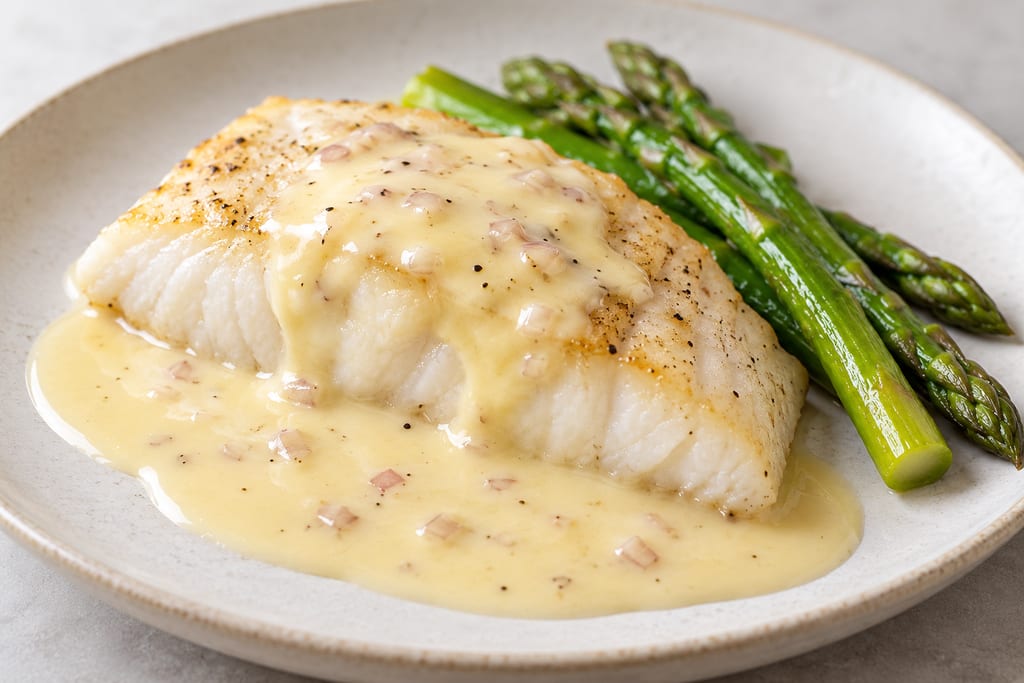
Beurre blanc is a warm emulsion of cold butter whisked into a reduction of white wine, vinegar or lemon juice and shallot, a sauce from the Loire Valley and its red-wine version, beurre rouge.

A thin, pourable custard sauce of egg yolks, sugar and hot milk or cream, cooked gently until it coats a spoon and no further.
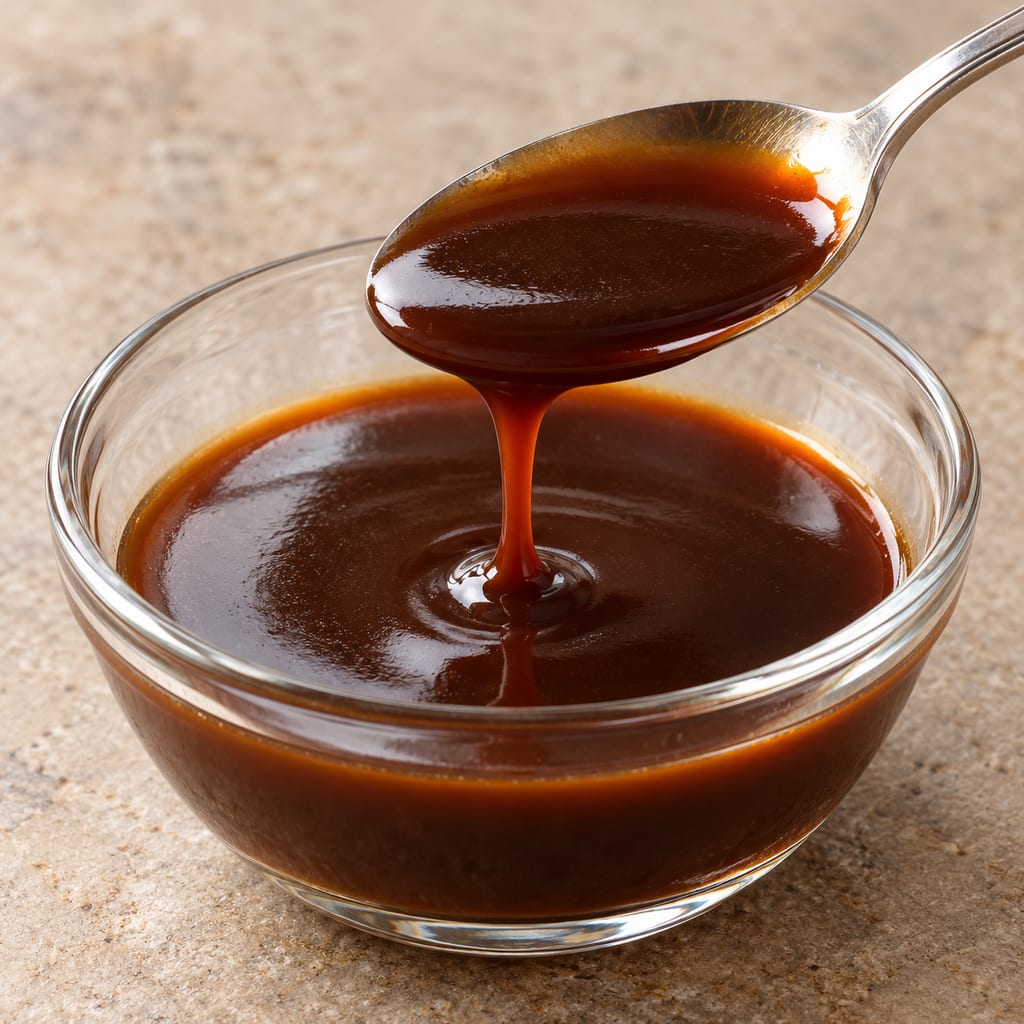
Demi-glace is a rich brown sauce of French cookery, classically made by reducing equal parts espagnole sauce and brown stock by half. It is used on its own or as a base for other sauces.
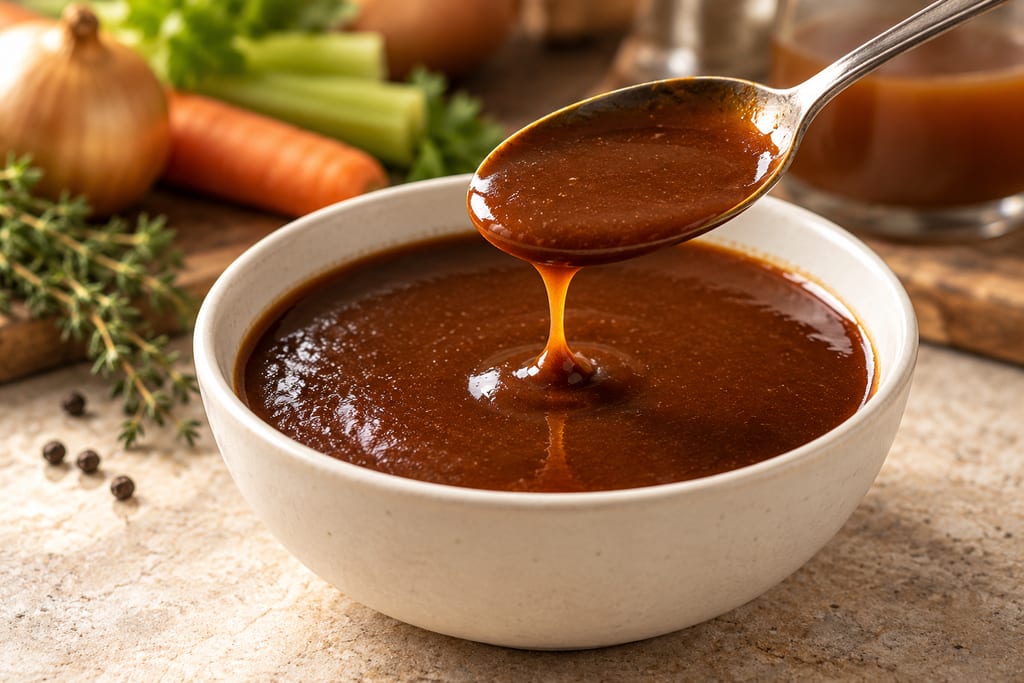
Espagnole is a brown mother sauce built on a dark roux, brown veal or beef stock and tomato, the base from which demi-glace and many brown sauces are made.
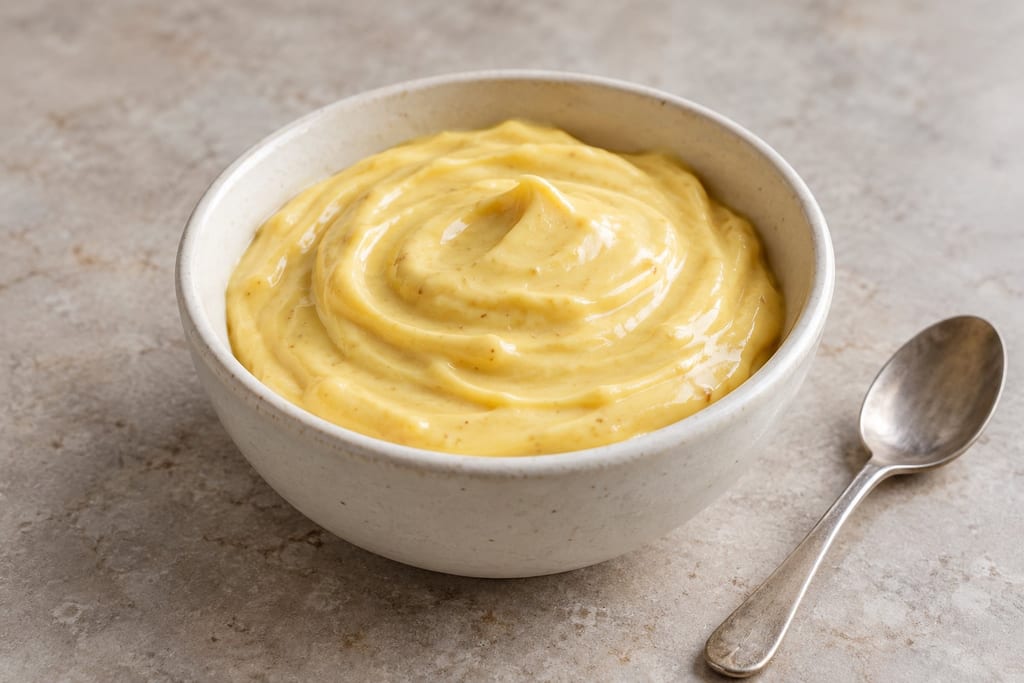
An untested home mayonnaise development formula with more Dijon mustard and no added sugar. A current French-market Dijon mayonnaise informs its flavor direction; this is not that product’s formula.
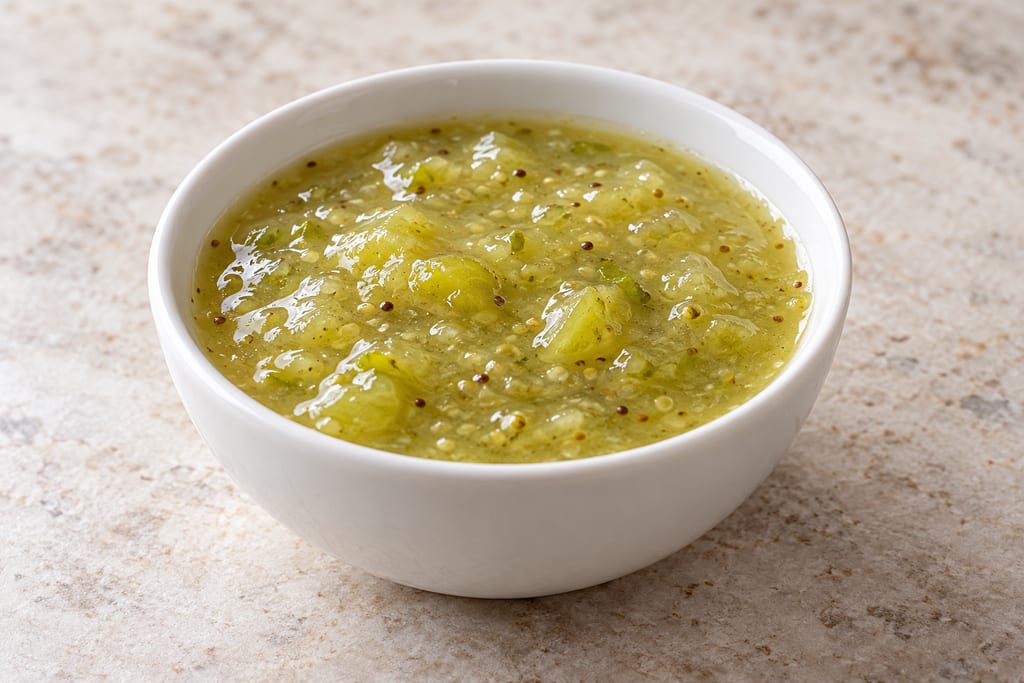
Gooseberry sauce is a soft, tart sauce of cooked green gooseberries, sharpened with wine or vinegar and lightly sweetened, traditionally served with mackerel.
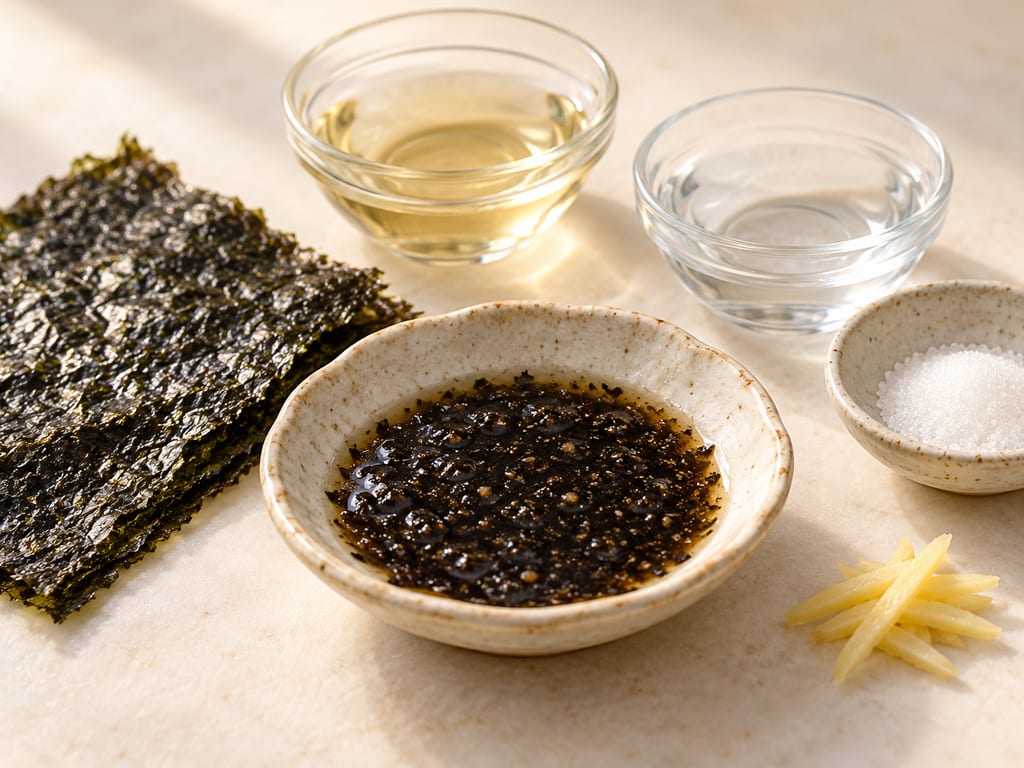
A fresh condiment in which crumbled nori softens in lightly sweetened vinegar and water. It is not vinegar fermented from seaweed.
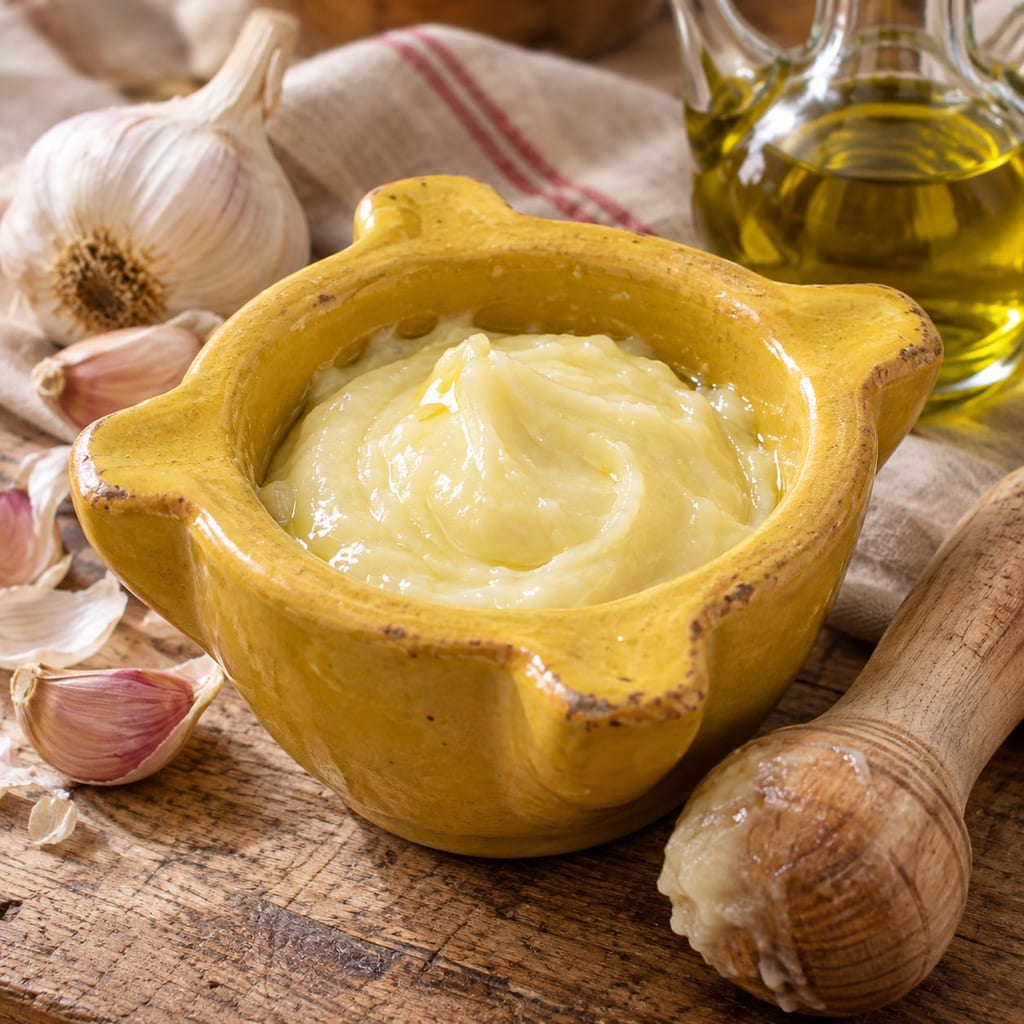
Traditional Catalan allioli is a dense emulsion of garlic, olive oil and salt made slowly in a mortar. This measured Barcelona-style version keeps egg-based garlic mayonnaise distinct.
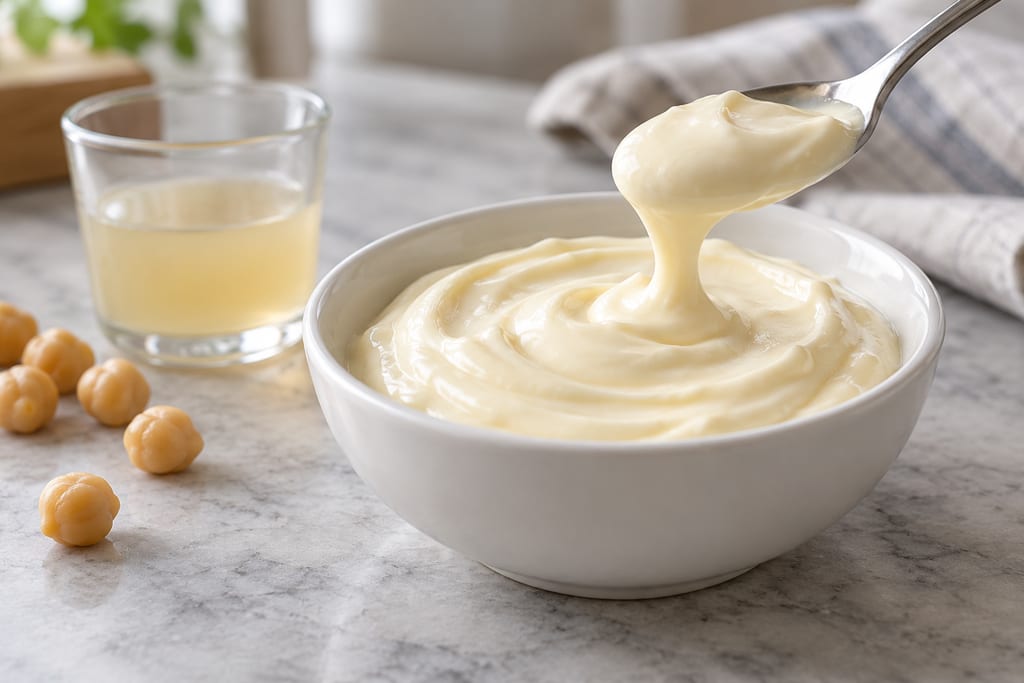
An eggless, untested emulsion made with canned chickpea liquid. Nominal yield 255 g.
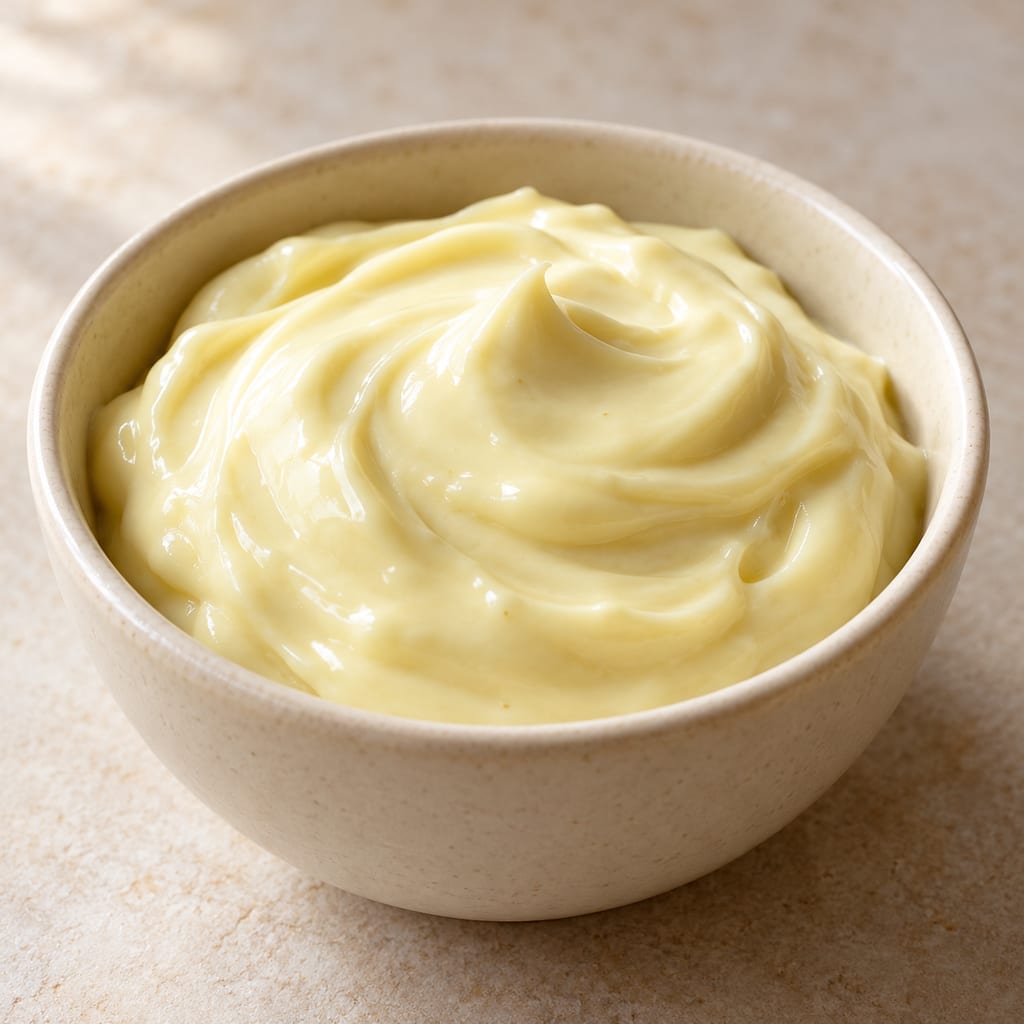
Avocado-oil mayonnaise is an ordinary egg-and-oil emulsion in which avocado oil supplies the oil phase. The oil changes flavour and colour, and it does not preserve the sauce.
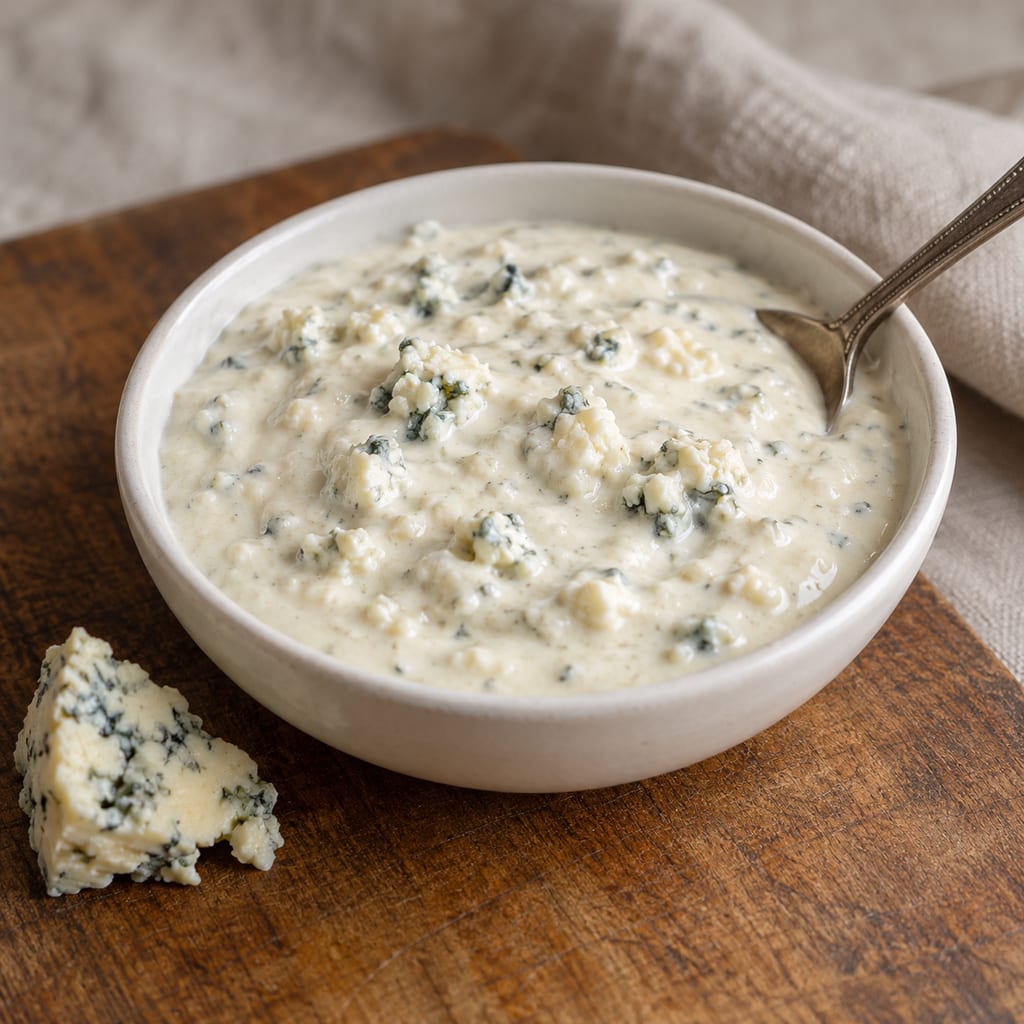
Blue cheese dressing is a creamy dressing built on crumbled blue cheese mashed into buttermilk, with sour cream, mayonnaise, vinegar and seasoning, and kept cold for up to two weeks.
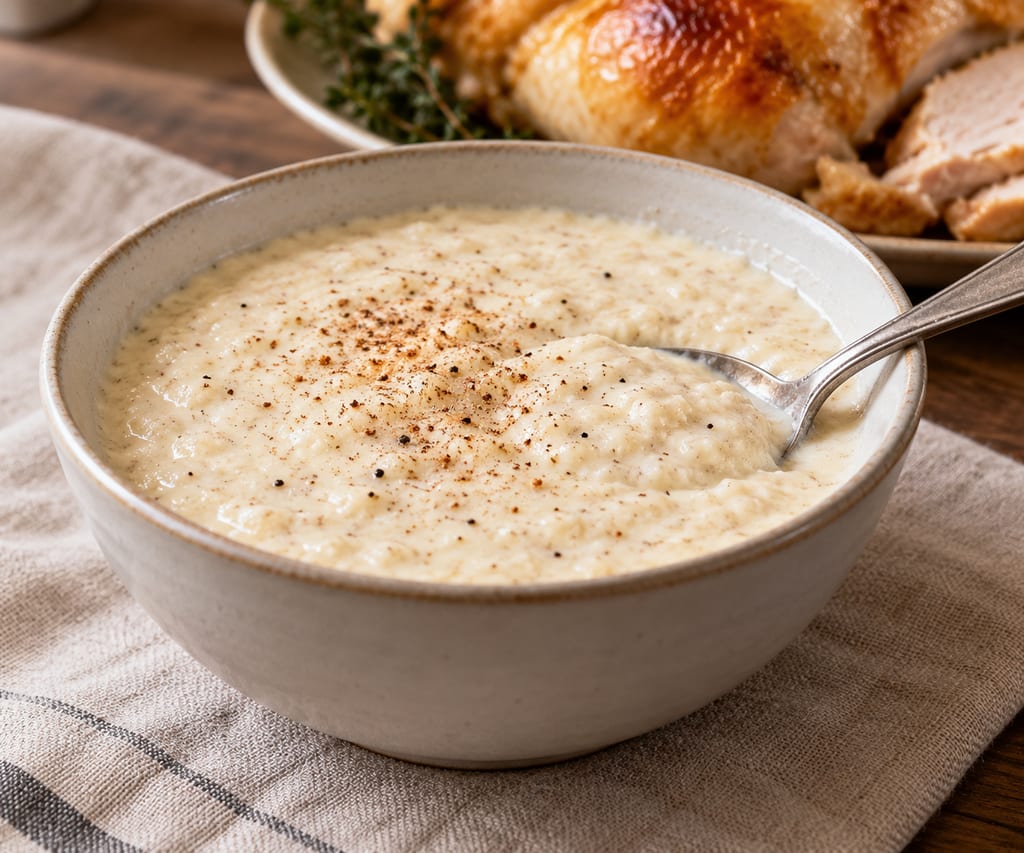
Bread sauce is a British sauce of milk infused with onion, clove and bay, thickened with stale breadcrumbs and finished with butter, served with roast chicken or turkey.
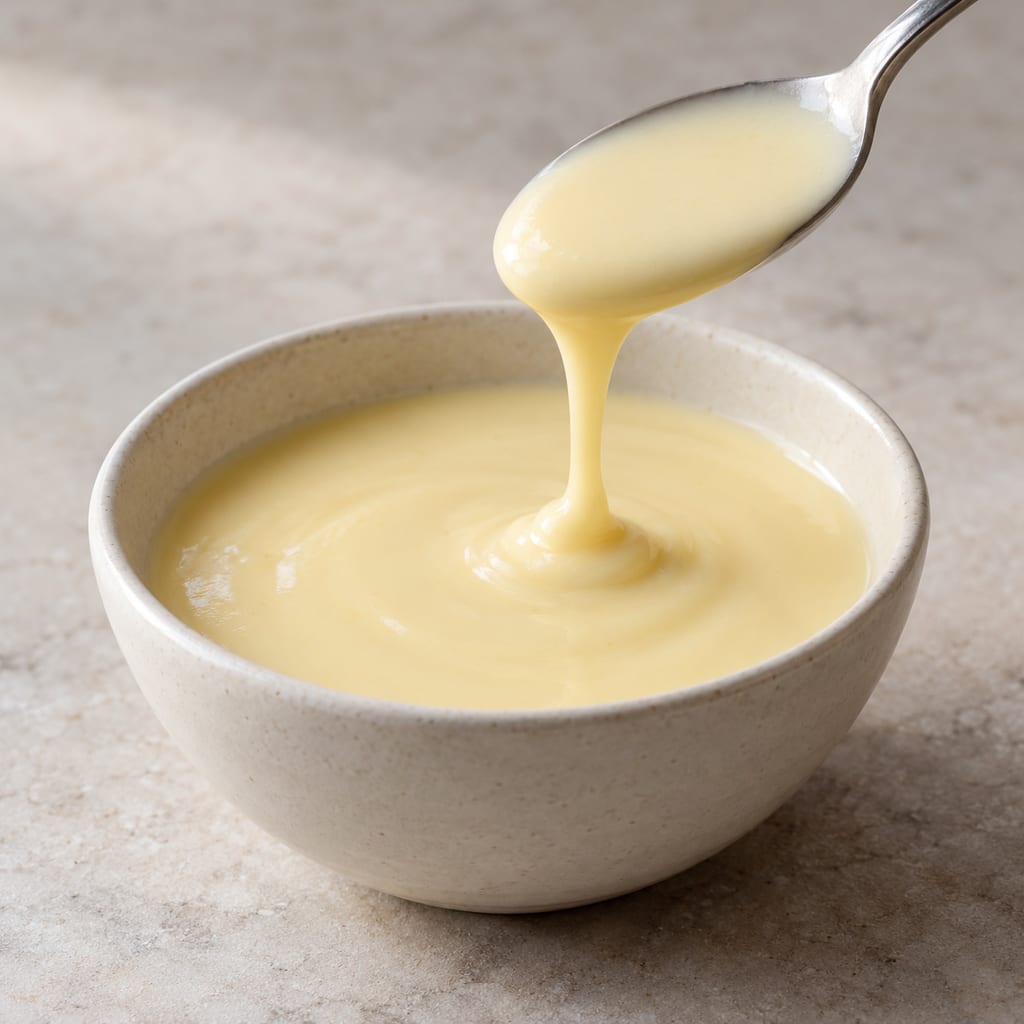
Starch-thickened salad-cream prototype with pasteurised yolk added after cooling; not a Heinz copy. Approximate yield 300 g.
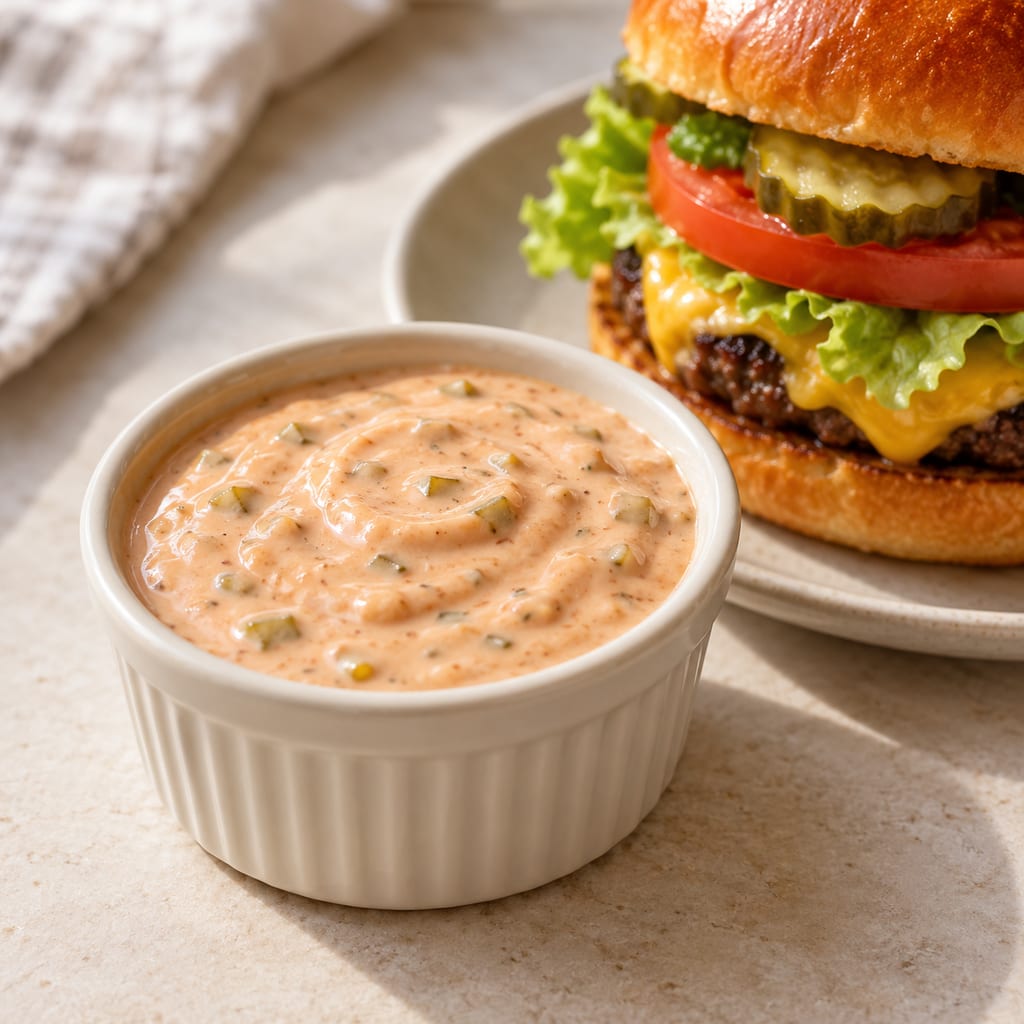
Mayonnaise mixed with ketchup, drained pickle relish and yellow mustard makes a tangy, pickle-flecked sauce for burgers; these proportions are an untested starting point.
No community contributions have been published for this entry yet.
Sign in to contribute. Published comments and photos are free to read.
WikipediaIdentity · Method · Variations · History
VinaigretteDressing of edible oil mixed with a mild acid, vinegar or lemon juice, with salt, herbs and spices; used as salad dressing and marinade; traditionally 3 parts oil to 1 part vinegar as a stable emulsion, with unstable forms that separate; name a diminutive of vinaigre; French dressing in 19th-century US; mustard as emulsifier; shallots and herbs for cooked vegetables or grains; olive and neutral oils; raspberry, balsamic and sherry variants; Brazilian vinagrete with tomato and onion served with churrasco; sesame and rice vinegar dressings in China and Japan; walnut oil and cider vinegar in northern France
Cited in: An emulsion that wants to separate; Choosing the oil and the acid; Shallot, herbs and mustard