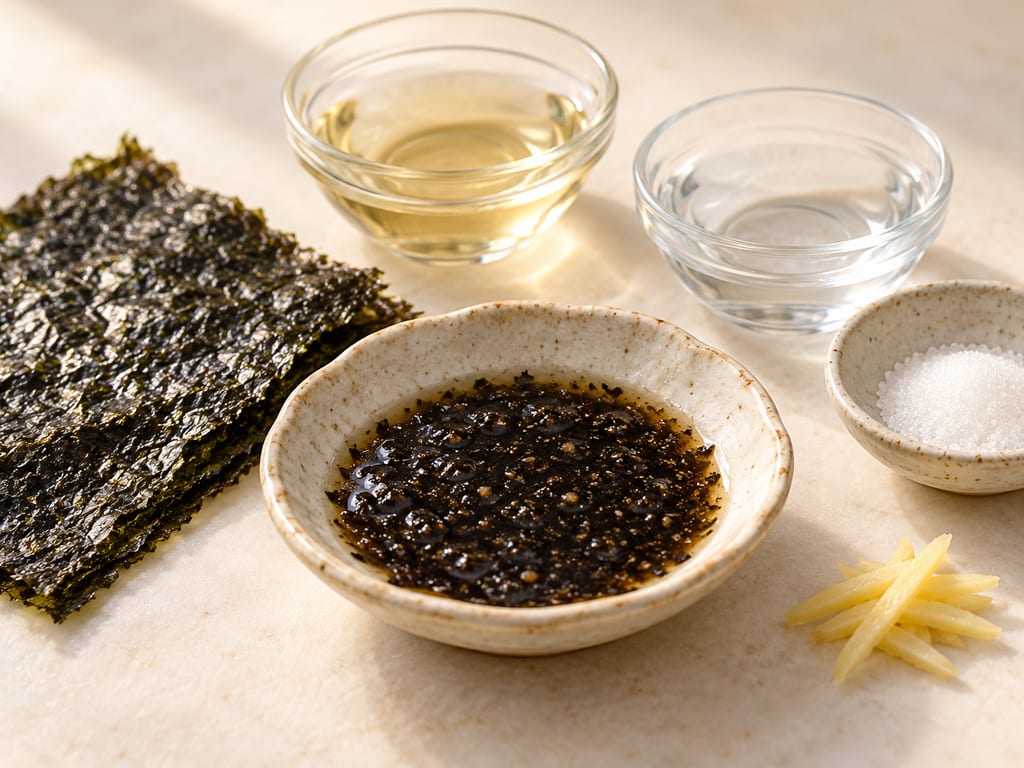
A non-fermented seaweed-and-vinegar dressing
A fresh condiment in which crumbled nori softens in lightly sweetened vinegar and water. It is not vinegar fermented from seaweed.
 FermenteaWhere food goes to change
Avocado-oil mayonnaise is an ordinary egg-and-oil emulsion in which avocado oil supplies the oil phase. The oil changes flavour and colour, and it does not preserve the sauce.
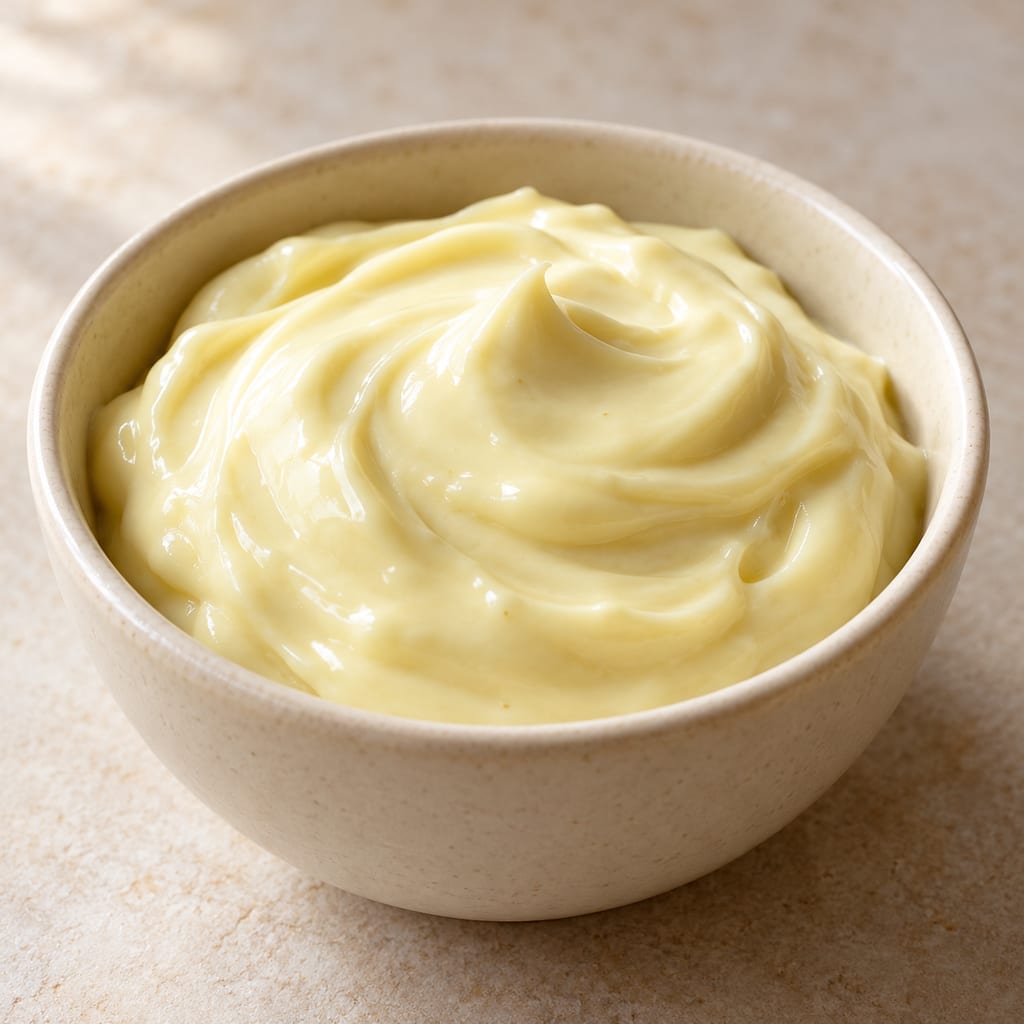
Avocado-oil mayonnaise is a mayonnaise in which the oil phase is avocado oil. The name describes one ingredient, not a new emulsion. Egg yolk, acid, salt and mustard do the same jobs they do in any mayonnaise: the yolk holds oil and water together, the acid sharpens the sauce, and the mustard stabilises the emulsion while adding a sharp note.
The name is easy to misread. An avocado-oil mayonnaise need not contain avocado flesh, and it does not taste like guacamole. The sauce can be pale or faintly green-tinged, depending on the oil. A commercial jar labelled with avocado oil describes what the oil is, not the rest of the formula.
In a mayonnaise the oil makes up most of the mass, so the aroma and colour of the oil are noticeable. A refined avocado oil is the sensible first choice for a neutral sauce. A virgin or unrefined oil keeps more of the fruit character and can change the colour, which is why the formula suggests a small test before a whole batch.
The oil is a recipe variable, not a preservative. Its character changes how the sauce tastes and feels, but the oil does not stop microbes in the egg and water phase. A sauce made with avocado oil still needs the same cold handling as any mayonnaise made with fresh egg.
The method is the gradual emulsification used for a standard mayonnaise. The yolk, mustard, salt and part of the acid are whisked first. Oil then goes in drop by drop until the mixture thickens; once it has taken up a little oil, the rest can run in a thin, steady stream. Adding oil too fast is the usual reason a mayonnaise breaks.
A broken emulsion can often be rescued by whisking a fresh yolk and slowly adding the broken sauce to it. Adding more acid or chilli does not repair a split sauce, and neither does freezing it, because freezing damages the emulsion.
The formula suggests a controlled comparison: make the same mayonnaise once with refined avocado oil and once with ordinary refined rapeseed oil, changing nothing else. The contrast shows what the avocado oil contributes. A subtle virgin-avocado flavour can be tried by using 160 g refined and 40 g virgin avocado oil. If the oil tastes stale, the advice is to change the oil rather than hide it with acid or chilli.
The brand, batch and opening date of the oil should be recorded, because oil quality varies and changes with age and light.
Use commercially pasteurised egg yolk and clean equipment, and keep the sauce cold. The report applies a conservative 24-hour working policy to fresh sauces. That is a house rule for an untested prototype. It is not a claim that every mayonnaise has a 24-hour maximum life, and it is not a measured shelf life.
Mayonnaise made this way is not a canning or room-temperature preparation. Nothing in this formula establishes that it is safe to keep without refrigeration. Appearance, smell and taste do not establish safety.
Freezing is the most common way a home cook tries to keep a sauce. It does not work for mayonnaise. The NCHFP advice listed in the sources reports that mayonnaise separates when frozen, and the emulsion does not come back on thawing. A frozen avocado-oil mayonnaise therefore becomes a split sauce, not a stored one.
The safer habit is to make small batches and keep them cold. The sauce keeps best as a fresh preparation, and its cold storage needs to be planned around how quickly it will be used.
Commercial avocado-oil mayonnaises list avocado oil, eggs or yolks, vinegar, salt and a mustard extract on their labels. The Primal Kitchen product in the sources lists these ingredients, and the Chosen Foods listing supplies a second example. The two examples are different products and do not define one standard formula.
The commercial products are made under controlled conditions and sold with their own shelf life. A home mayonnaise has no such validation, so the home formula cannot borrow the shelf life printed on a jar.
Use fresh, clean equipment and commercially pasteurised yolk, as the formula specifies. Warm the bowl and the ingredients to room temperature before whisking, because a cold yolk takes up oil more slowly. Do not add the oil all at once. A small amount of water or lemon at the end adjusts the consistency, but it does not change the cold handling required.
Mayonnaise is an emulsion of oil, egg yolk and acid. Avocado oil is a modern oil choice; the sources reviewed here describe commercial avocado-oil mayonnaise products, not an older culinary tradition.
Yield 263 g · Scaling: source batch only
Egg yolk is an allergen; pasteurised yolk is specified in the formula.
Hazard sourceDijon mustard is an allergen.
Hazard sourceOriginal untested development formulation. Not a validated canning or room-temperature recipe. Keep chilled and use the conservative 24-hour working policy the report applies to fresh sauces, which is a house rule and not a measured shelf life.
No source in this record establishes a place.
A fresh condiment in which crumbled nori softens in lightly sweetened vinegar and water. It is not vinegar fermented from seaweed.
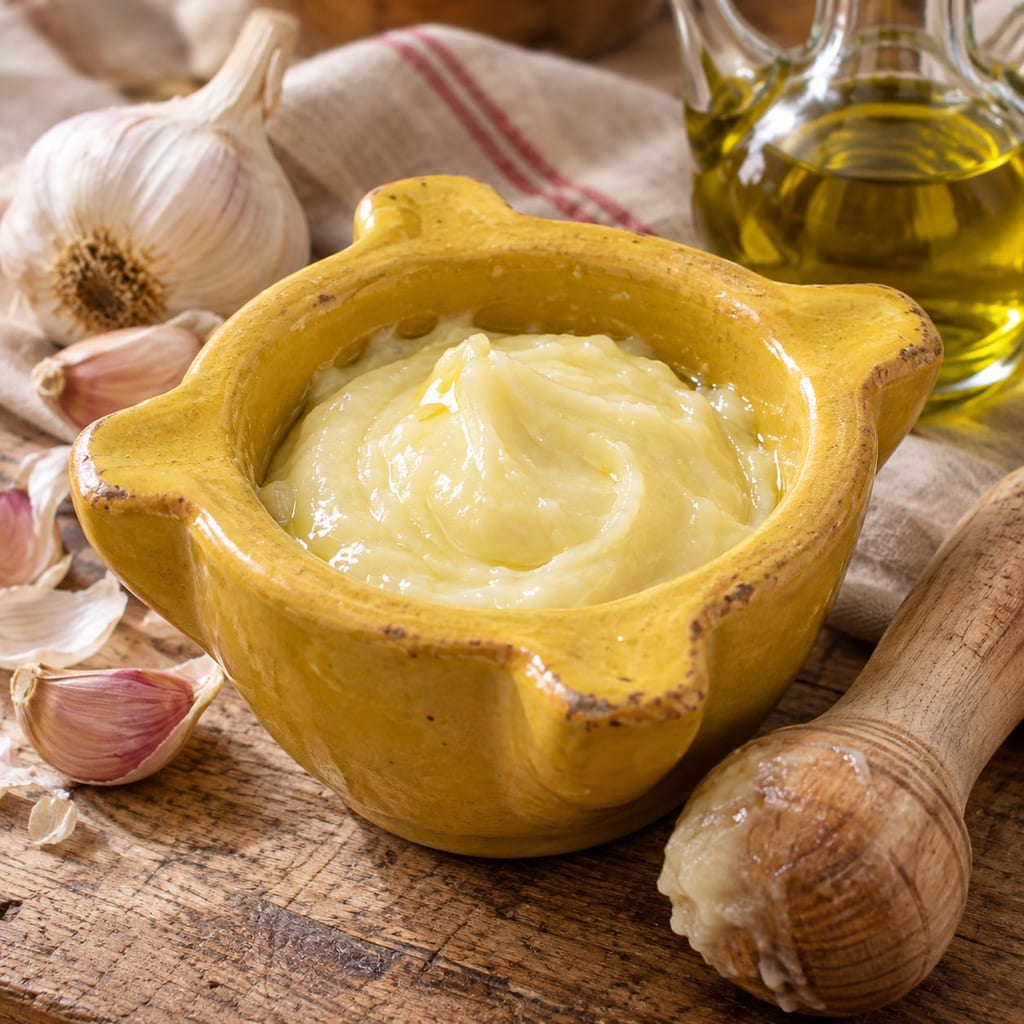
Traditional Catalan allioli is a dense emulsion of garlic, olive oil and salt made slowly in a mortar. This measured Barcelona-style version keeps egg-based garlic mayonnaise distinct.
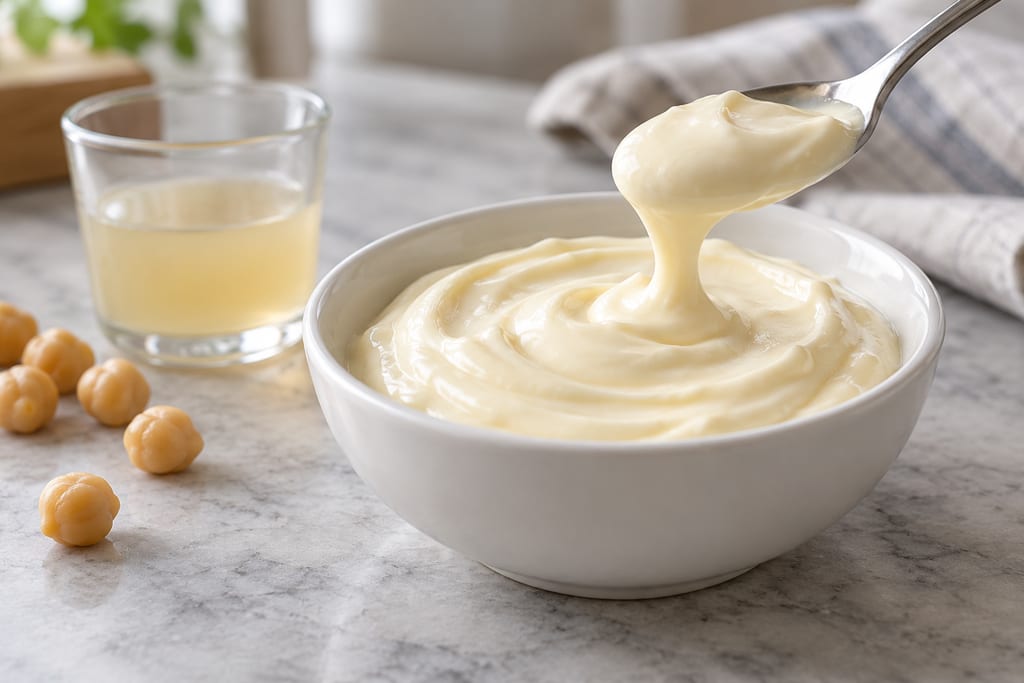
An eggless, untested emulsion made with canned chickpea liquid. Nominal yield 255 g.

Bechamel is a white sauce of milk thickened with a butter and flour roux, one of the French mother sauces, and the base from which Mornay and other cheese and cream sauces are made.
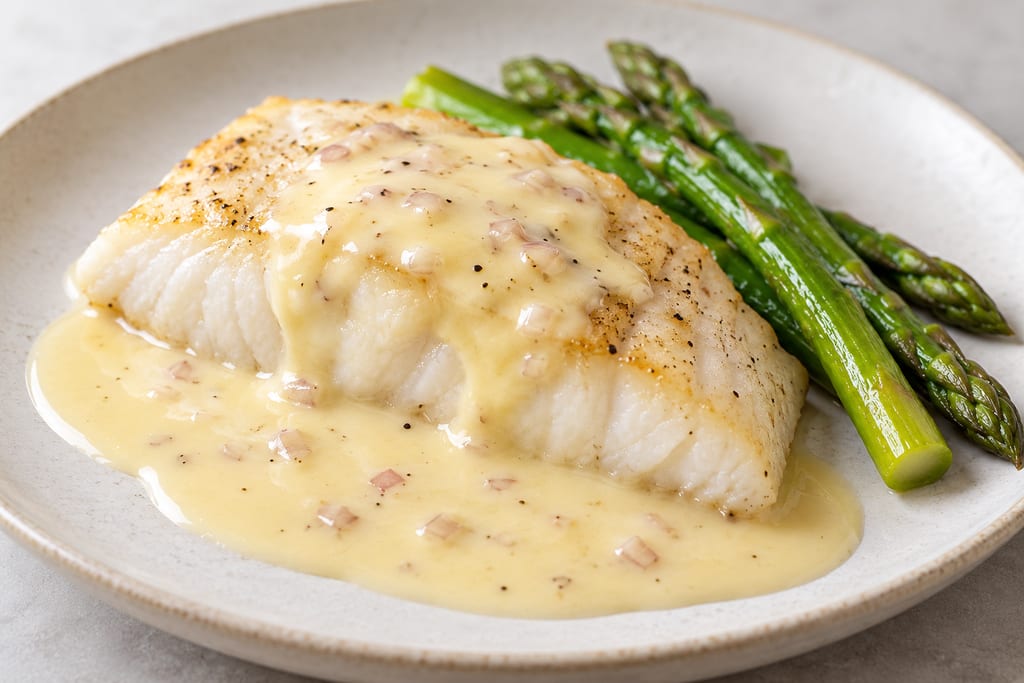
Beurre blanc is a warm emulsion of cold butter whisked into a reduction of white wine, vinegar or lemon juice and shallot, a sauce from the Loire Valley and its red-wine version, beurre rouge.
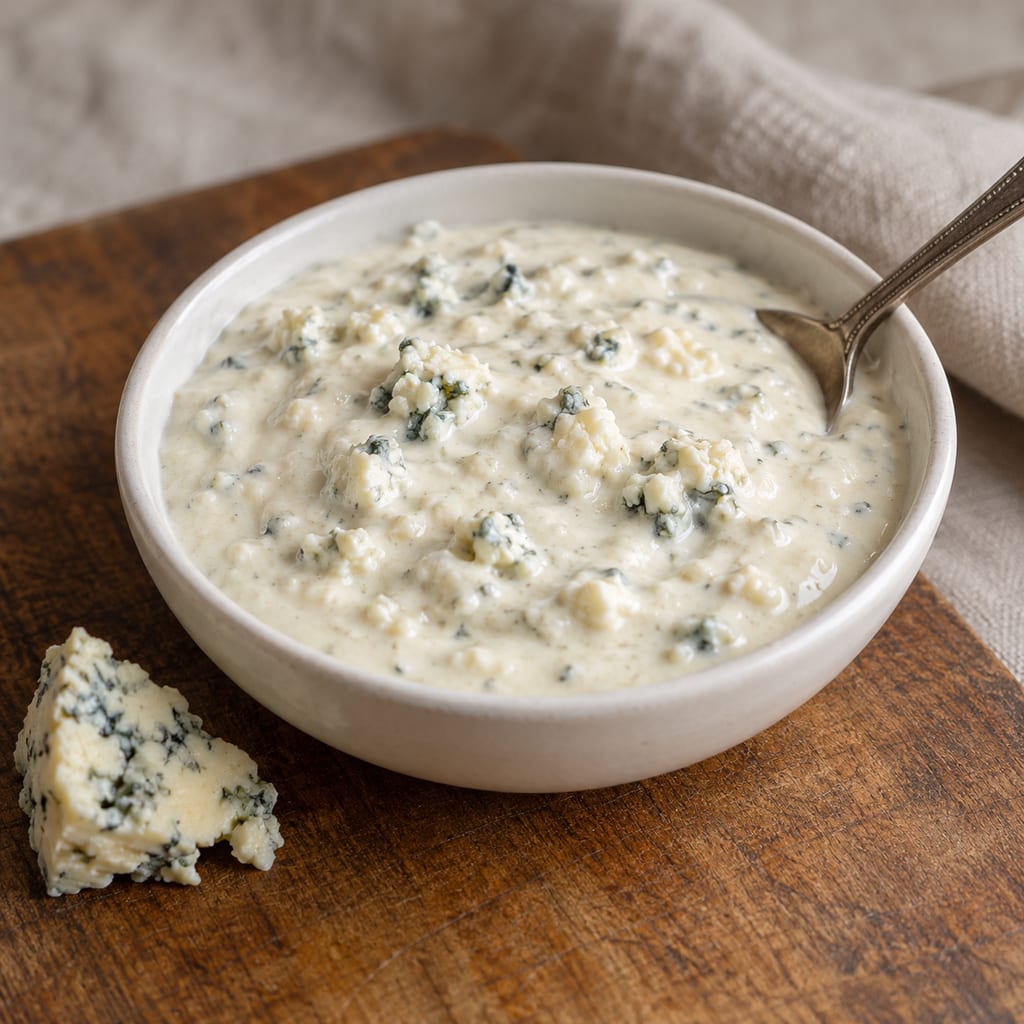
Blue cheese dressing is a creamy dressing built on crumbled blue cheese mashed into buttermilk, with sour cream, mayonnaise, vinegar and seasoning, and kept cold for up to two weeks.
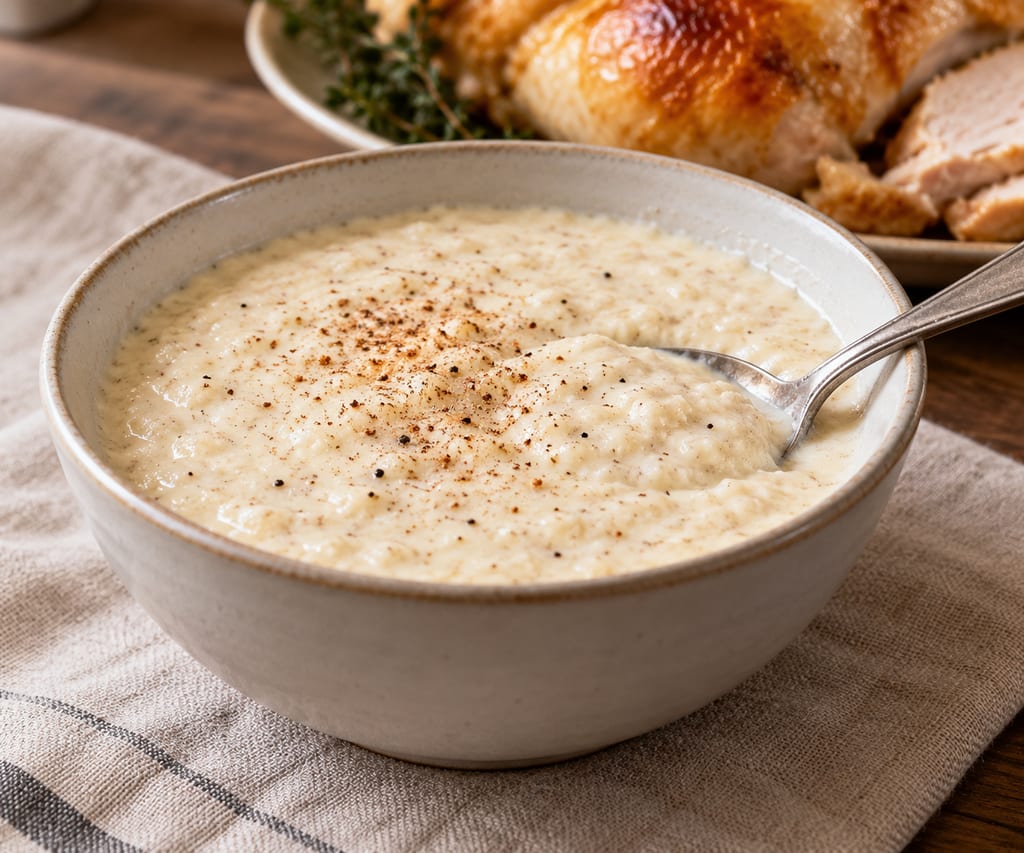
Bread sauce is a British sauce of milk infused with onion, clove and bay, thickened with stale breadcrumbs and finished with butter, served with roast chicken or turkey.
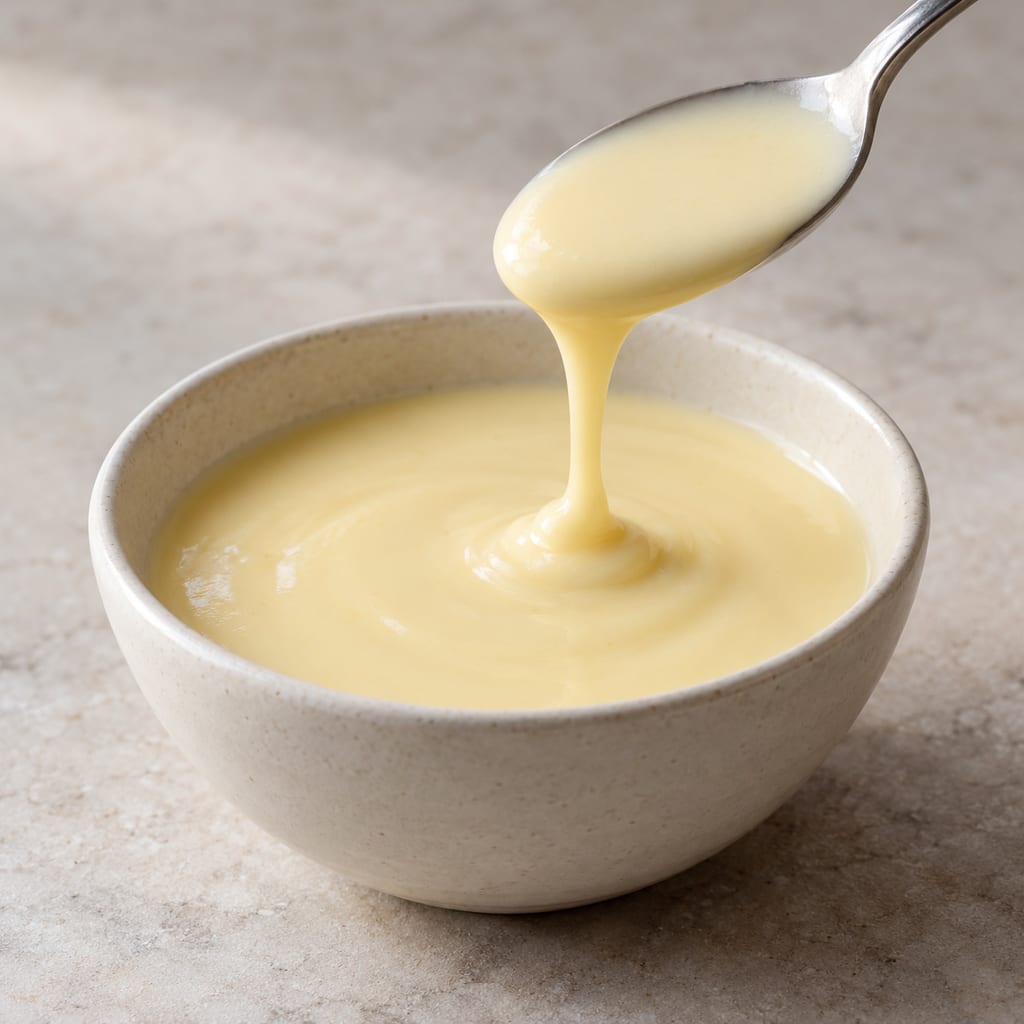
Starch-thickened salad-cream prototype with pasteurised yolk added after cooling; not a Heinz copy. Approximate yield 300 g.

Soft, spreadable Calabrian pork sausage made with a great deal of red chilli and fatty pork, stuffed into natural casings, sometimes smoked and matured while staying soft.

A way to add independent temperature logging to an existing food dehydrator without changing its built-in controls or protections. It is a monitoring method, not a rewiring plan.

Pleurotus cystidiosus is the abalone mushroom, a cultivated oyster-type fungus with dark brown caps that grows more slowly and is more demanding than other Pleurotus species.

A dark, balanced vinegar from Emilia-Romagna made by combining cooked or concentrated grape must with wine vinegar, then acetifying and refining it in wood under a protected specification.

A living dairy inoculum that starts controlled cream fermentation, developing acidity and aroma before sour cream or cultured butter is finished.

A small electric incubator holds jars at a selected temperature for yogurt and other documented warm food preparations. Controls, capacity and vessel arrangement vary by model.

Adygean salt is a seasoned table salt associated with Adygea and the wider North Caucasian culinary tradition. Salt is blended with garlic and a variable selection of herbs and spices; the exact mix depends on the named style and maker.

The African Caesar-group mushroom, Amanita masasiensis, is a wild ectomycorrhizal species of central and southern African woodlands, eaten locally. The genus contains deadly poisonous species, so identification needs care.
No community contributions have been published for this entry yet.
Sign in to contribute. Published comments and photos are free to read.
Whole Foods MarketMethod · Context
Primal Kitchen Mayo Made with Avocado OilCommercial avocado-oil mayonnaise lists avocado oil, eggs or yolks, organic vinegar, salt and mustard seed extract as ingredients.
National Center for Home Food Preservation, University of GeorgiaSafety · Storage
Lots of Leftovers?Mayonnaise separates when frozen.
Food LionContext
Chosen Foods Classic Mayo Made with Avocado OilA retailer listing for a second commercial avocado-oil mayonnaise.