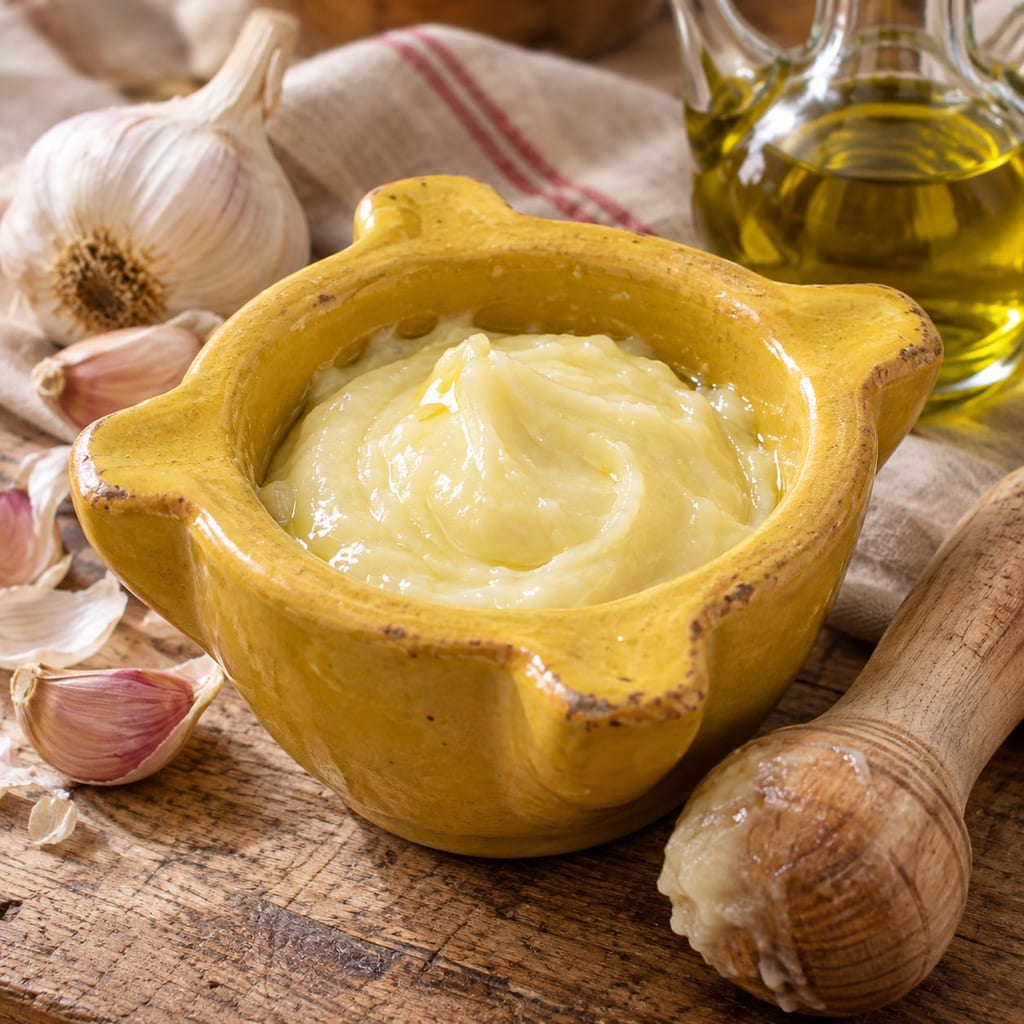
Allioli (Catalan garlic emulsion)
Traditional Catalan allioli is a dense emulsion of garlic, olive oil and salt made slowly in a mortar. This measured Barcelona-style version keeps egg-based garlic mayonnaise distinct.
 FermenteaWhere food goes to change
A fresh condiment in which crumbled nori softens in lightly sweetened vinegar and water. It is not vinegar fermented from seaweed.
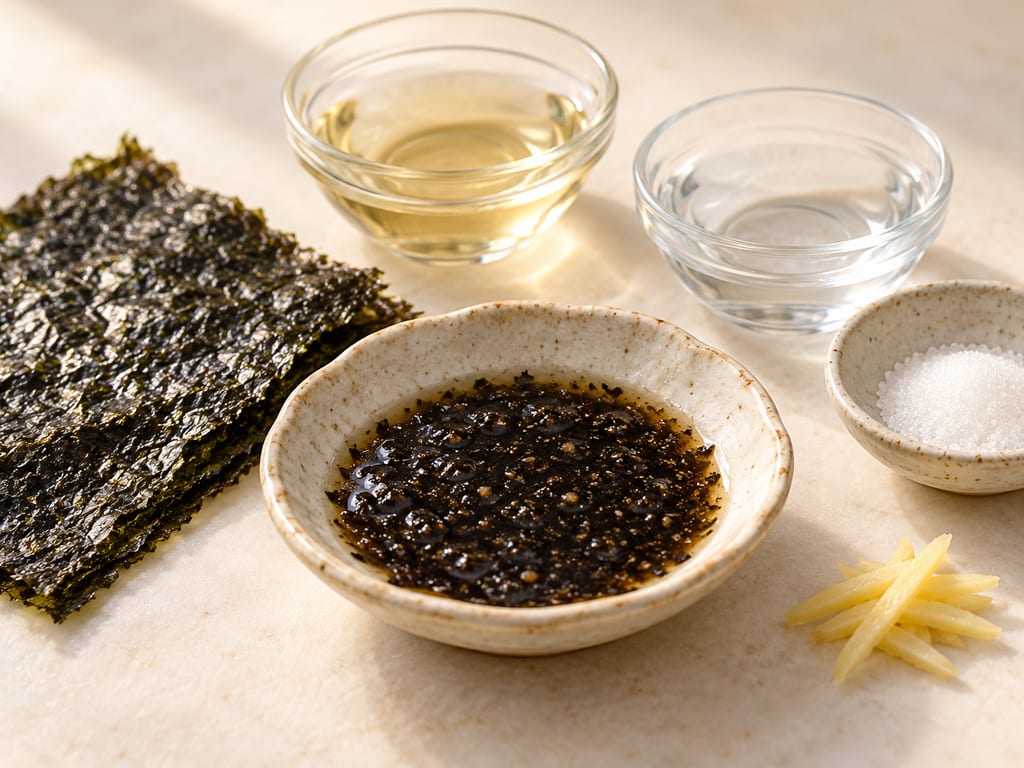
This is a quickly mixed seaweed condiment: one crumbled plain nori sheet, two tablespoons each of commercial rice or cider vinegar and water, and one teaspoon of sugar, with ginger if wanted. The nori hydrates and softens in the liquid. There is no inoculation, fermentation, or aging stage. The acidity comes from the purchased vinegar, so the dish is not seaweed vinegar and does not establish a preservation process.
The source formulation serves four small portions and suggests cooked vegetables or rice. It is best understood as a finishing dressing, used promptly. Straining is optional and changes texture rather than flavor development: leave the softened flakes in for a visibly seaweed-rich sauce or remove them for a smoother one.
Nori is a broad food name, not a precise species identification. Japanese laver products are made from edible red algae, and the product's species and processing depend on place and trade. The Japanese Ministry of Agriculture places seaweed among longstanding foods alongside rice and seafood. Its account traces laver's reputation to the Suiko period in the seventh century; it says the word nori became widespread in the early Edo period and that cultivation began in the Edo era.
Sheet-making adapted papermaking techniques: wet seaweed was spread into thin sheets and dried into a portable, storable product. Japanese makers also used several other preservation and processing forms, including sun-drying, ash-drying, cooking before drying, and salting. This recipe uses the sheet as a convenient seasoning, not as a representation of every laver tradition.
Crumbling the nori exposes more surface to the liquid and helps it soften. Plain, unseasoned sheets make the quantities easier to interpret; roasted snack sheets may already contain oil, salt or flavorings. Nori contributes its characteristic marine savor and color, while vinegar provides sharpness. Water dilutes that sharpness into a spoonable dressing, and a little sugar rounds the taste. Ginger adds a separate aromatic note and is optional.
Rice vinegar and cider vinegar are alternatives, not interchangeable in aroma. Rice vinegar usually keeps the dressing closer to a mild grain-acid note; cider vinegar contributes fruit character. The formulation sets no target acidity, salt level, or storage life, so none should be inferred from these proportions.
Warm the water only enough to dissolve the sugar. Boiling is unnecessary. Add that sweetened water to crumbled nori with the vinegar and optional ginger, stir, and allow the sheet to hydrate. The supplied recipe describes warming water, not cooking the seaweed. Serve once the flakes have softened; strain only if a smooth sauce is preferred.
Spoon it over cooked vegetables or rice. Taste a small amount with the food before dressing the whole dish, since nori products vary in saltiness and intensity. Use promptly and refrigerate any leftovers. The source supplies no tested storage duration, so this is not a make-ahead preserve.
Use food-grade plain nori and follow its package directions. Do not substitute an unidentified seaweed or a product sold as sea moss by weight: that common name covers different algae and does not guarantee similar texture or composition. The German Federal Institute for Risk Assessment notes that iodine levels differ by seaweed group and that red algae such as nori generally contain less iodine than brown algae such as kombu. This condiment is food, not a standardized iodine source; anyone managing iodine intake should consult product-specific information.
Softened flakes in a sharp, lightly sweet dressing are the expected result. Give crisp fragments more time to hydrate. Straining can remove remaining pieces. These are texture observations only; smell, taste and appearance do not establish safety.
Nori belongs to a wider East Asian laver tradition, but the names and cultivars are not a single uniform ingredient. FAO describes Porphyra cultivation in Japan, Korea and China and notes that food material commonly called nori or laver is the leafy thallus stage of the alga. It describes southern Chinese Porphyra haitanensis and northern Porphyra yezoensis, illustrating that the everyday food category covers different organisms and regions. That variation is one reason this dressing specifies a plain nori sheet without claiming a precise species.
FAO dates the cultivation history across these countries to the seventeenth century. For generations, growers relied on natural seed because the algae's life cycle was poorly understood. The recognition that a filamentous stage associated with shells belonged to the same alga helped make artificial seed production possible during the twentieth century. These developments explain how sheet nori became a dependable traded ingredient; they do not establish that this particular vinegar dressing is an old regional dish.
Dried sheet products travel well, and cooks use them whole as wraps or crumble them into rice, soups and seasonings. This dressing takes that last, seasoning-like role and mixes it with vinegar at the table. The historical record of laver cultivation and sheet processing supplies context for the ingredient, while the submitted formulation itself remains a modern culinary suggestion with no claimed place of origin.
The supplied report presents this as a culinary formulation without an origin claim.
Traditional Catalan allioli is a dense emulsion of garlic, olive oil and salt made slowly in a mortar. This measured Barcelona-style version keeps egg-based garlic mayonnaise distinct.
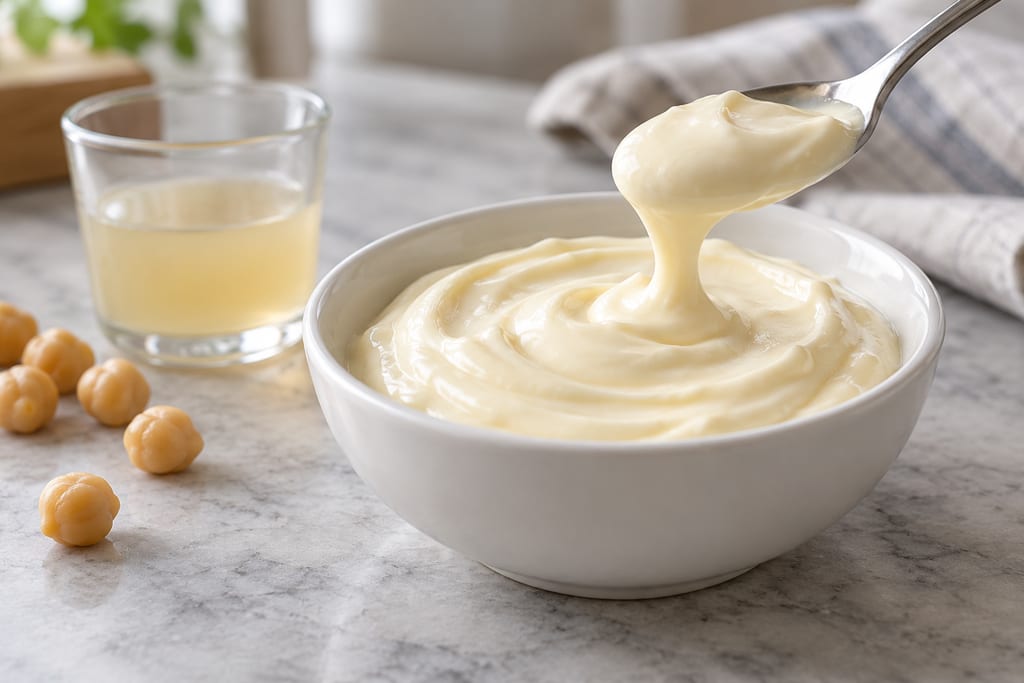
An eggless, untested emulsion made with canned chickpea liquid. Nominal yield 255 g.
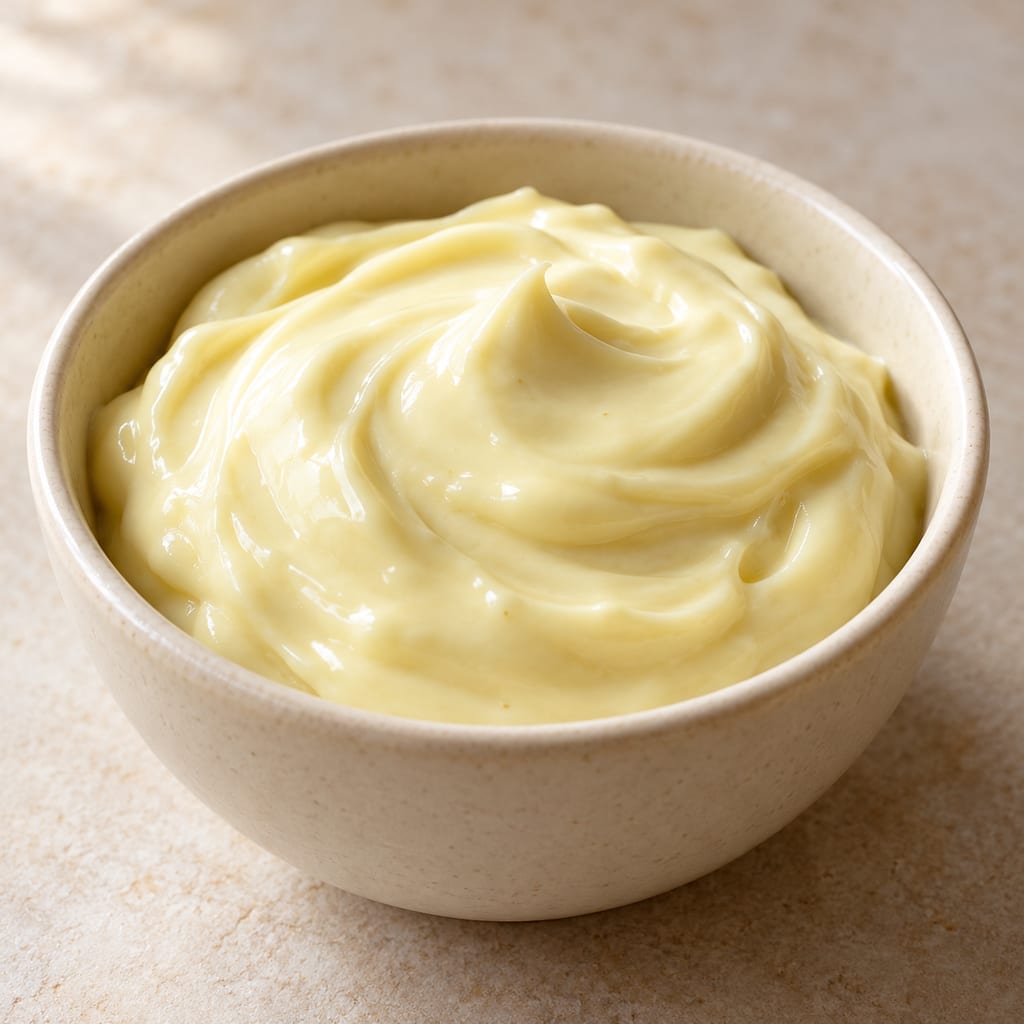
Avocado-oil mayonnaise is an ordinary egg-and-oil emulsion in which avocado oil supplies the oil phase. The oil changes flavour and colour, and it does not preserve the sauce.

Bechamel is a white sauce of milk thickened with a butter and flour roux, one of the French mother sauces, and the base from which Mornay and other cheese and cream sauces are made.
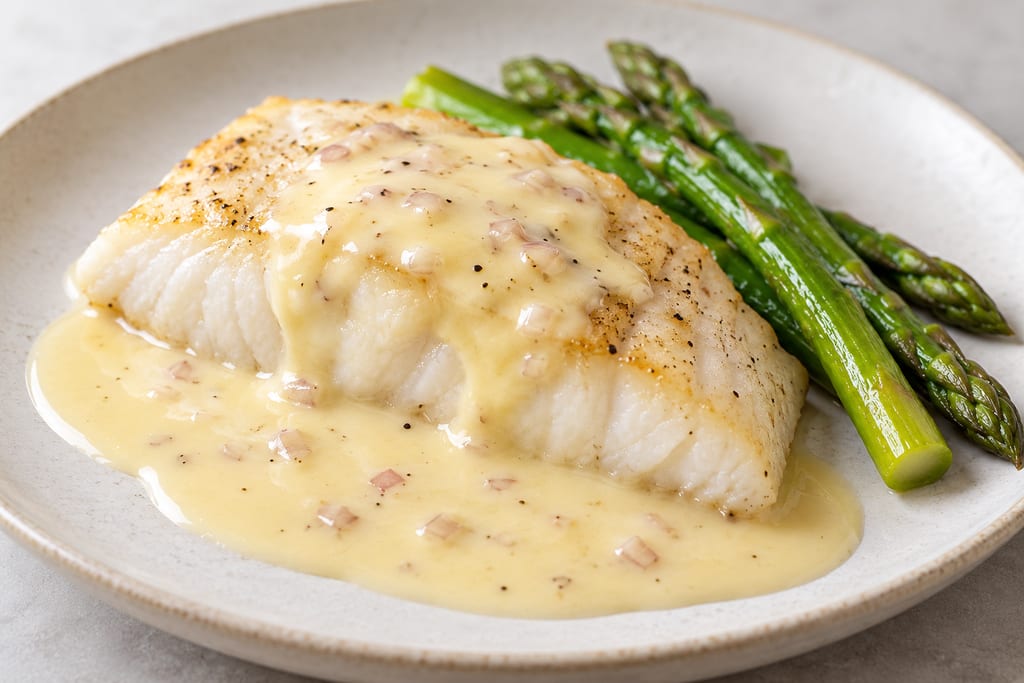
Beurre blanc is a warm emulsion of cold butter whisked into a reduction of white wine, vinegar or lemon juice and shallot, a sauce from the Loire Valley and its red-wine version, beurre rouge.
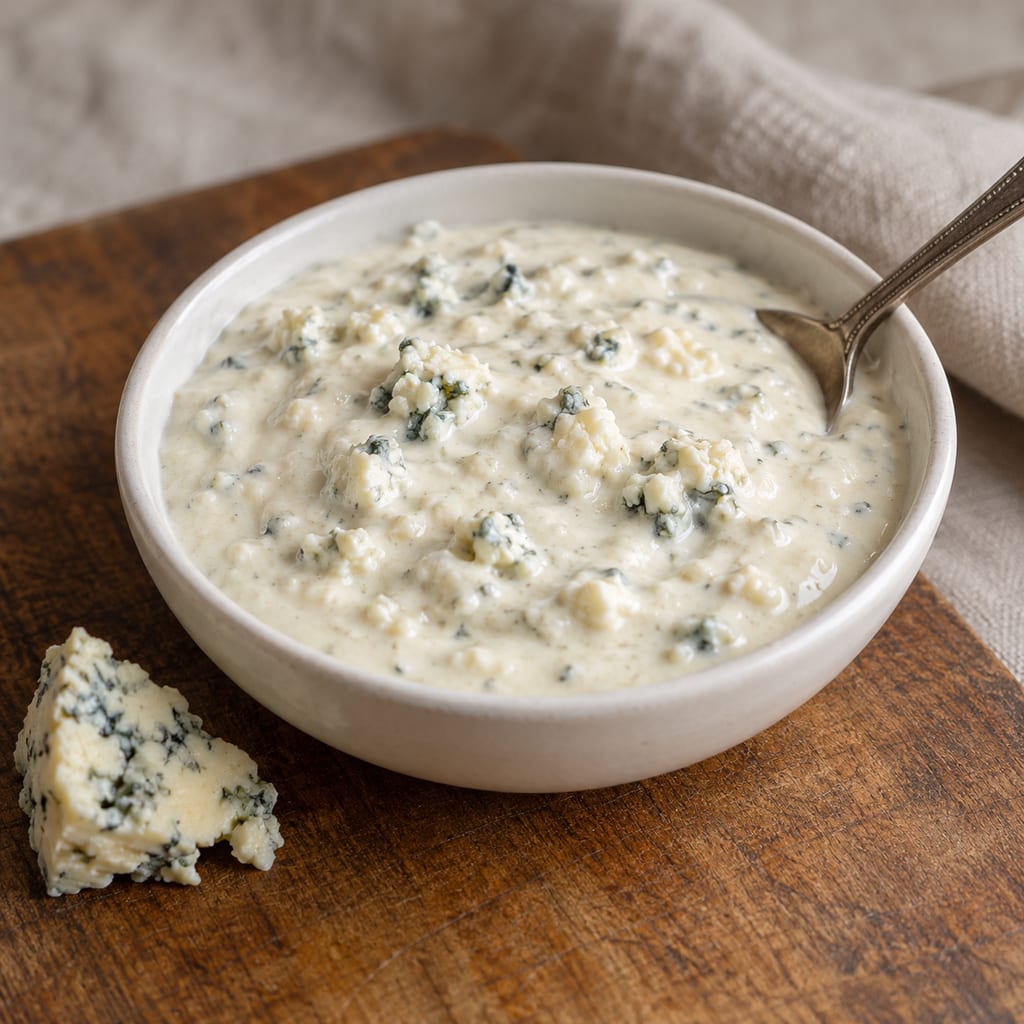
Blue cheese dressing is a creamy dressing built on crumbled blue cheese mashed into buttermilk, with sour cream, mayonnaise, vinegar and seasoning, and kept cold for up to two weeks.
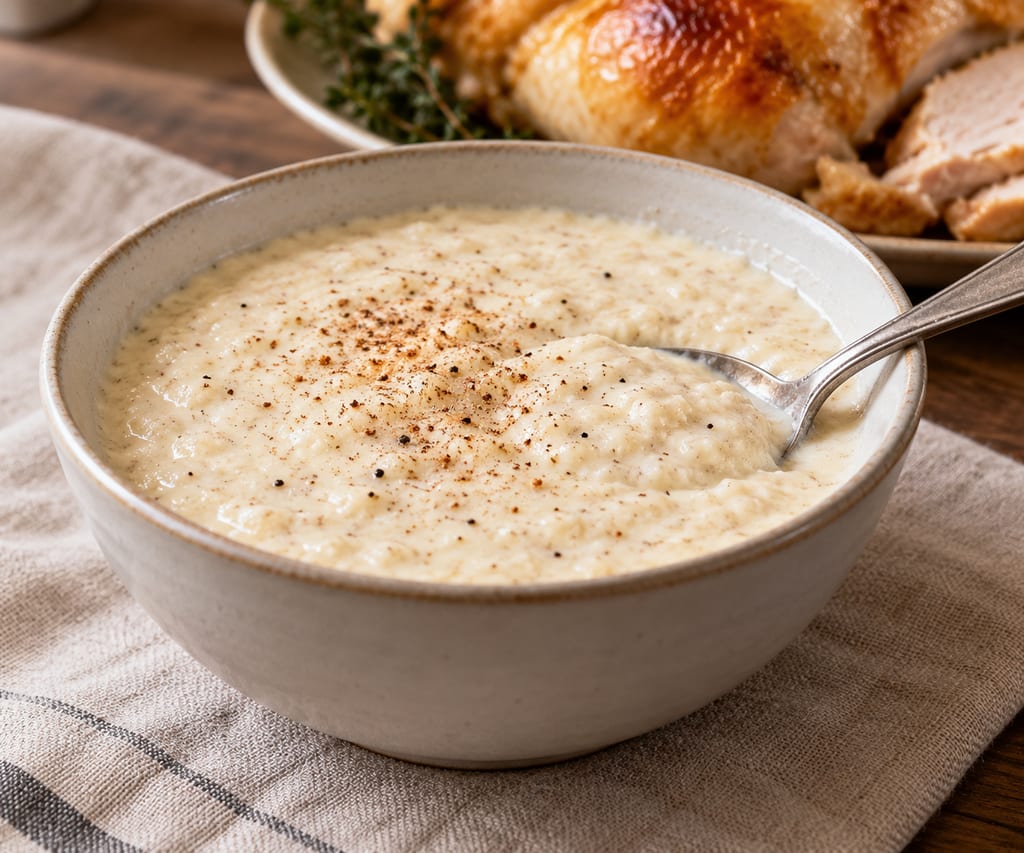
Bread sauce is a British sauce of milk infused with onion, clove and bay, thickened with stale breadcrumbs and finished with butter, served with roast chicken or turkey.
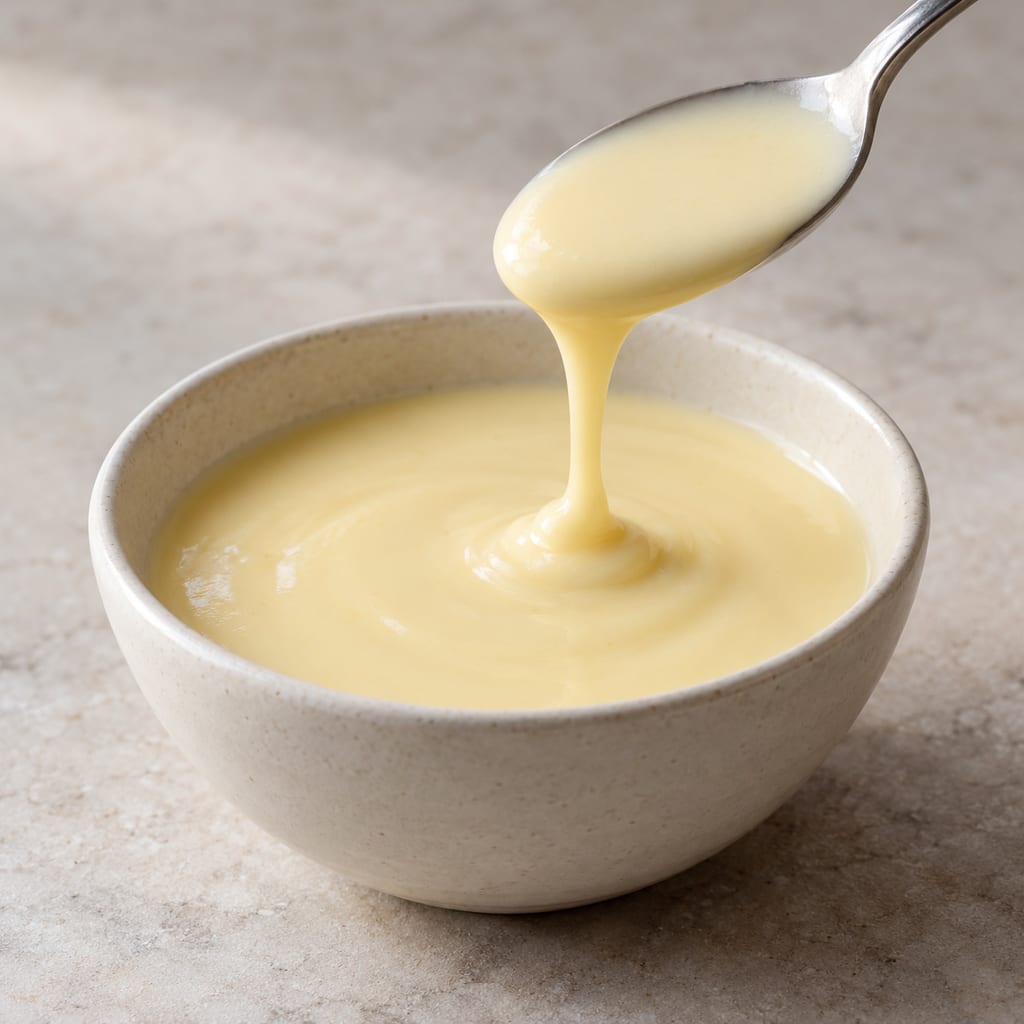
Starch-thickened salad-cream prototype with pasteurised yolk added after cooling; not a Heinz copy. Approximate yield 300 g.
No community contributions have been published for this entry yet.
Sign in to contribute. Published comments and photos are free to read.
Japan Ministry of Agriculture, Forestry and FisheriesHistory
Seaweed productsTraditional role and history of laver/nori in Japan; Edo-period cultivation and sheet-making.
Cited in: What this dressing is; Nori and its history; Why the ingredients work together; Method and serving; Choosing the seaweed
German Federal Institute for Risk AssessmentSafety
Iodine intake in Germany is not optimal – tips for ensuring an adequate iodine intakeSeaweed iodine content varies; red algae such as nori generally have lower levels than brown algae such as kombu.
Cited in: Choosing the seaweed
Food and Agriculture Organization of the United NationsHistory · Geography · Biology
Porphyra spp. (nori)FAO documents nori/laver cultivation in Japan, Korea and China, its complex life cycle, and the later development of artificial seeding.
Cited in: A wider East Asian food context
Food and Agriculture Organization of the United NationsHistory · Geography · Culinary use
Introduction to commercial seaweedsFAO describes Porphyra as a major red seaweed food, dried into thin dark sheets and used in Japanese dishes.
Cited in: A wider East Asian food context