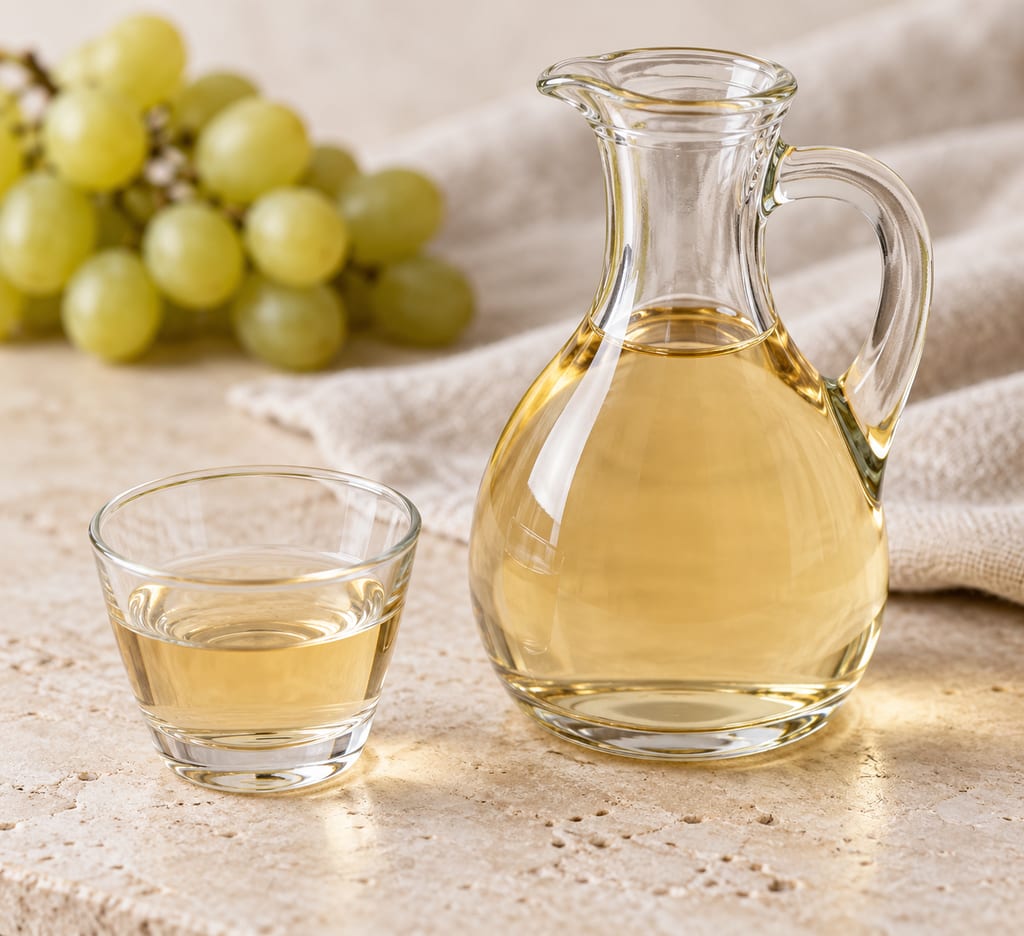
White-wine vinegar
White-wine vinegar is made when acetic acid bacteria oxidise the alcohol in finished white grape wine, yielding a pale, wine-derived souring condiment for dressings, sauces and cooking.
 FermenteaWhere food goes to change
Modern method
South African pumpkin atchar: Freeze for winter; refrigerated 48-hour limit includes overnight marination.
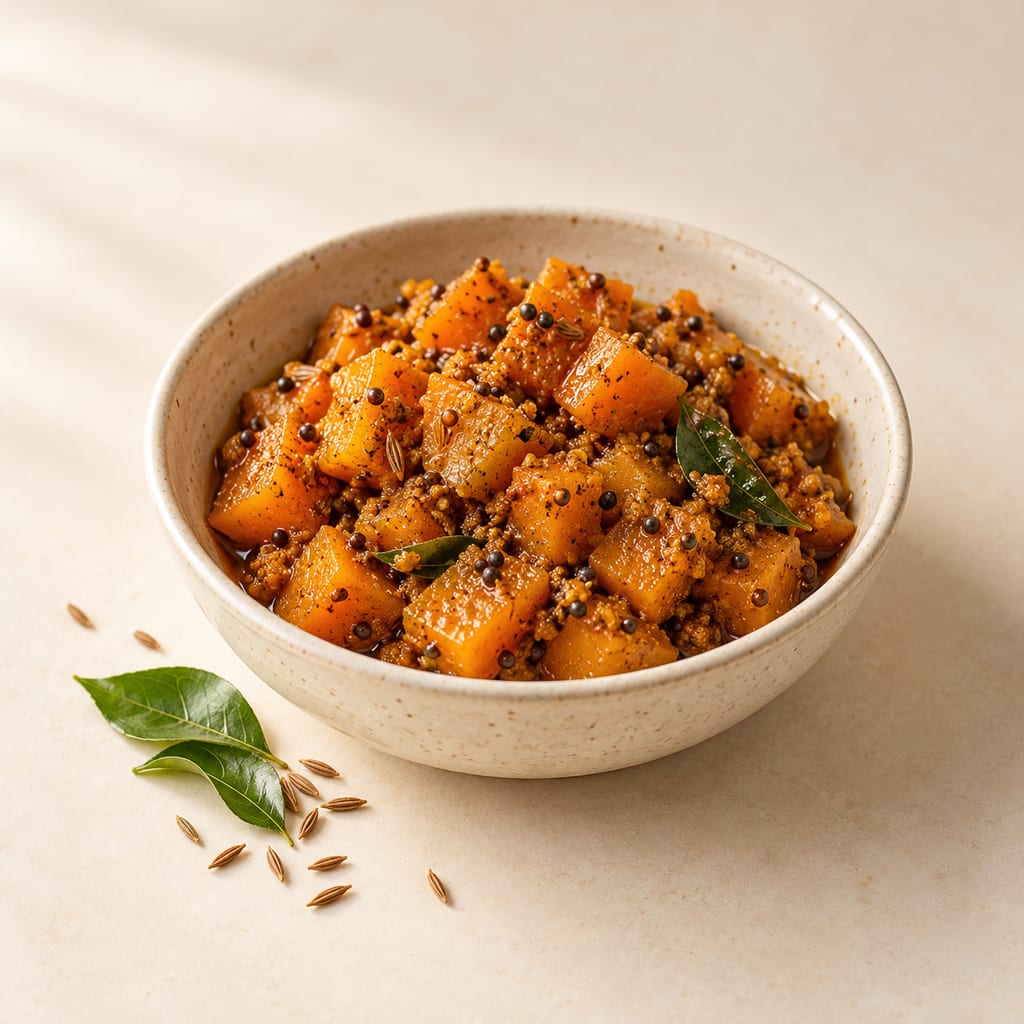
Chef Mariana Esterhuizen of Stanford published this pumpkin atchar in Woolworths TASTE in June 2009. It combines cooked pumpkin, several aromatic seeds, sweetened vinegar and a hot mustard-and-curry-leaf oil. This is a specifically attributable South African version; the source does not justify calling the formula an ancient Cape recipe.
Batch: about two 500 ml containers plus a little extra, as estimated by the author. Work: approximately one hour plus a refrigerated overnight marination. Preservation route here: make, chill and freeze in small portions. It is not a jar to leave under oil in the pantry.
The original finishes with an oil cap and offers an optional thickening agent. Both are omitted here. Its overnight marination is explicitly refrigerated in this adaptation, and optional Thai lime leaves are omitted for a shorter ingredient list. These are declared editorial choices; they should not be mistaken for a newly validated commercial formulation.
The source also has a minor ingredient/method mismatch over additional ground cumin. This version uses only the measured tablespoon of crushed cumin already listed, rather than inventing a second unmeasured quantity. Measure the brown sugar by volume if reproducing this batch: a volume of packed brown sugar is not the same numeric amount in grams.
This preparation combines vinegar, sugar, salt and oil, but the researched recipe does not supply a tested ambient-storage process or a measured final acidity. Oil is not a sterilising treatment. NCHFP specifically warns that home-prepared garlic in oil can support botulism at room temperature; its advice for that product is short refrigeration or freezing. This does not prove that every acidified atchar is hazardous, but it prevents treating an oil layer as sufficient protection.
For this adapted atchar, cool promptly after the final mixing and refrigerate at 0–5°C within one to two hours. Use the refrigerated portion within 48 hours of the initial pumpkin cooking, including the overnight marination; adding vinegar does not restart that conservative clock. Freeze the winter portions promptly after finishing and cooling the batch. Use small containers so the complete batch need not be thawed repeatedly. Defrost in the refrigerator and use within 24 hours of complete defrosting. If the oil separates, mix the thawed condiment before using. Expect softer pumpkin after freezing.
The oven step here prepares an ingredient for preservation. This record does not turn the atchar into a finished meal or add serving recipes.
Chef Mariana Esterhuizen of Stanford published this pumpkin atchar in Woolworths TASTE in June 2009. It combines cooked pumpkin, several aromatic seeds, sweetened vinegar and a hot mustard-and-curry-leaf oil. This is a specifically attributable South African version; the source does not justify calling the formula an ancient Cape recipe.
Scaling: source batch only
Freeze for winter; refrigerated 48-hour limit includes overnight marination
Hazard sourceFreeze for winter; refrigerated 48-hour limit includes overnight marination
Control sourceFreeze for winter; refrigerated 48-hour limit includes overnight marination
Do not transfer a canning schedule from a different pumpkin preparation.
Geographical association of this documented version, not an asserted origin.
White-wine vinegar is made when acetic acid bacteria oxidise the alcohol in finished white grape wine, yielding a pale, wine-derived souring condiment for dressings, sauces and cooking.
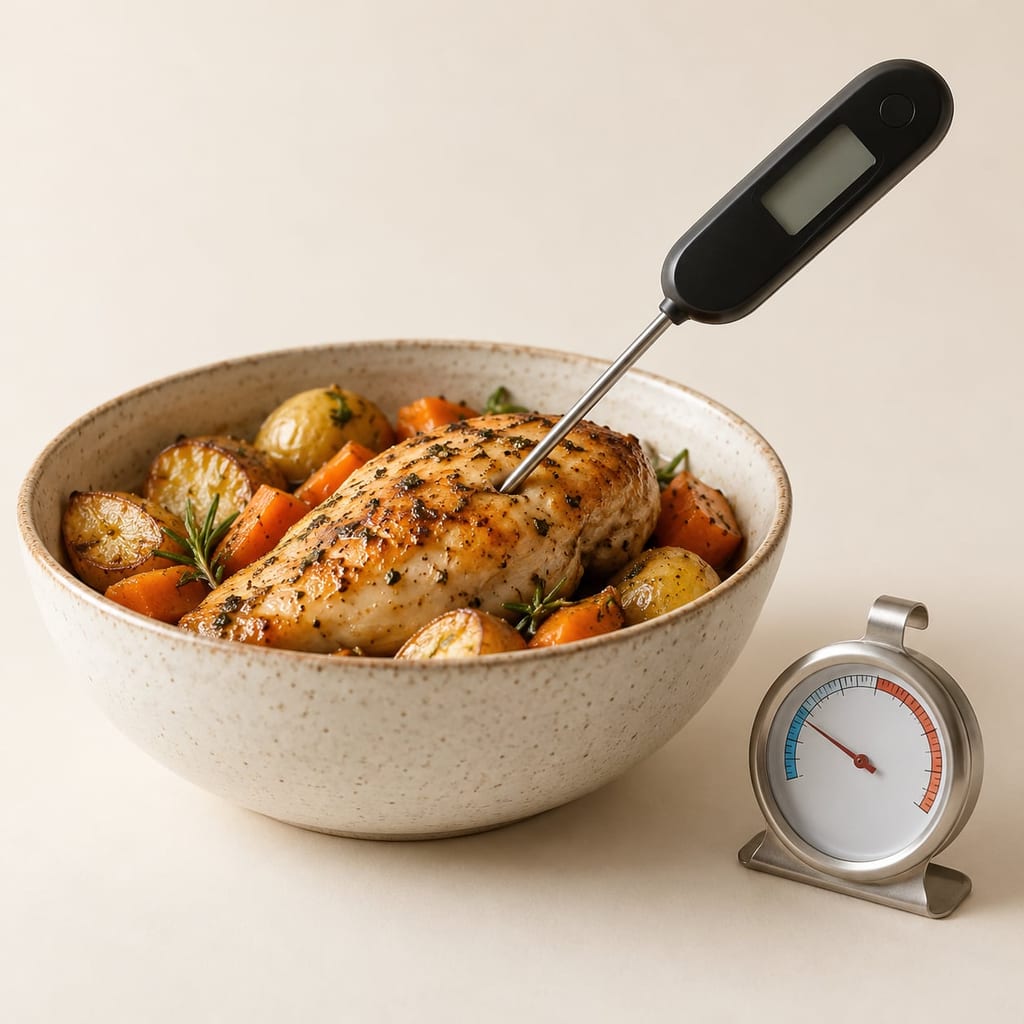
A food probe measures the temperature inside food at the probe tip; a refrigerator thermometer measures the cold storage environment. They answer different questions and cannot establish acidity or validate a preservation process.
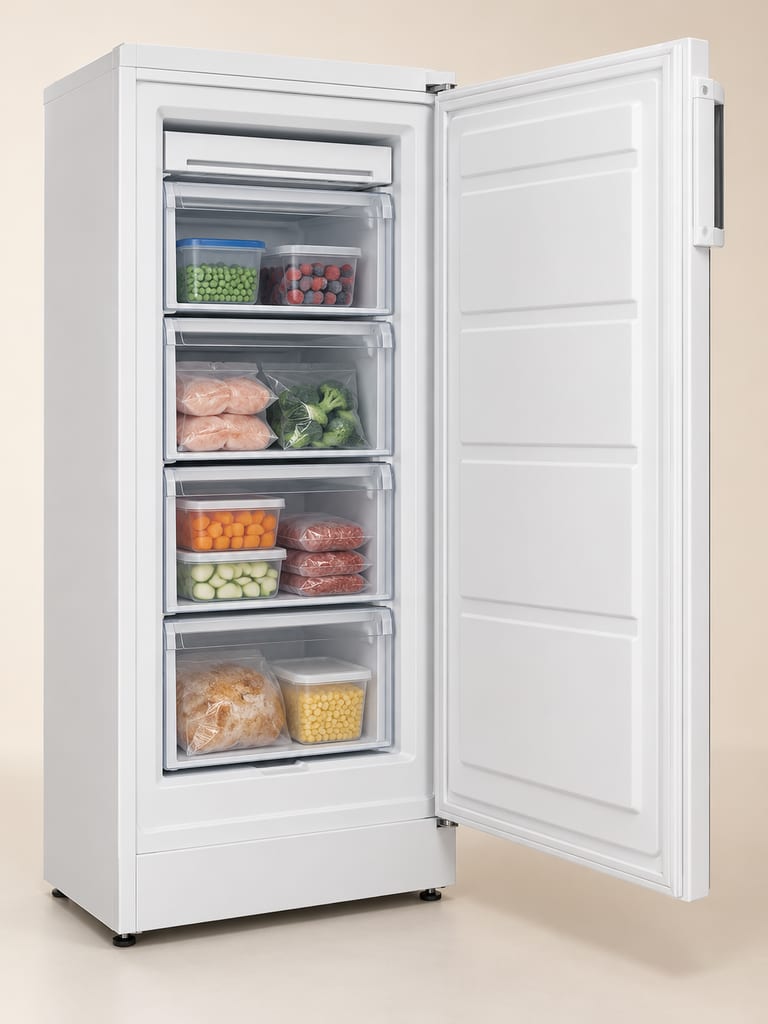
A household freezer holds food in a frozen state for storage and selected texture or separation work; its batch-storage role differs from industrial equipment that freezes individual pieces separately.
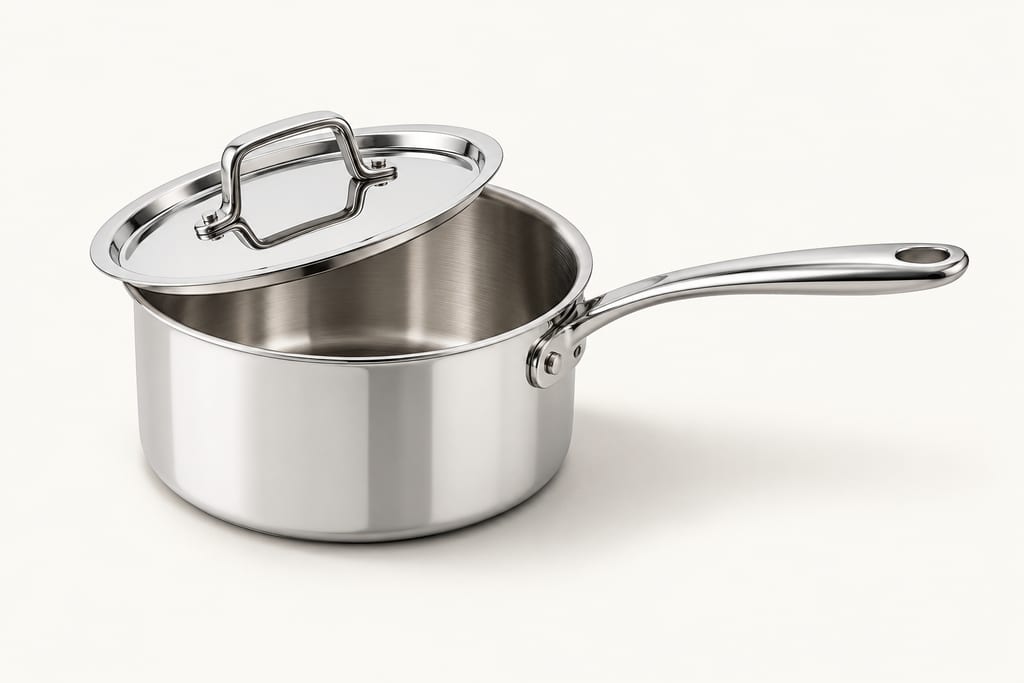
A modern, portable stovetop pan with a stainless-steel cooking surface for sauces and other small simmering jobs. Size, cladding, lid, compatibility and care vary by model.
An ordinary household refrigerator used to store selected fresh produce in vented crates or drawers, at low temperature and at a humidity chosen by the drawer. Not every crop benefits from cold.
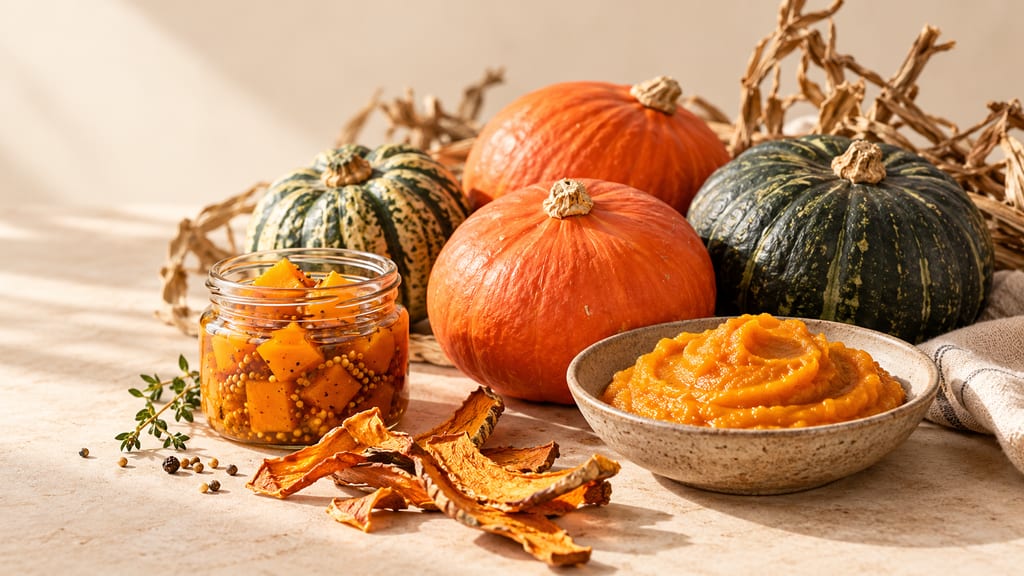
A full harvest-to-pantry guide to keeping pumpkins whole, drying and freezing them, and making pickles and sweet preserves around the world—with the exact distinction between tested canning and cold storage.
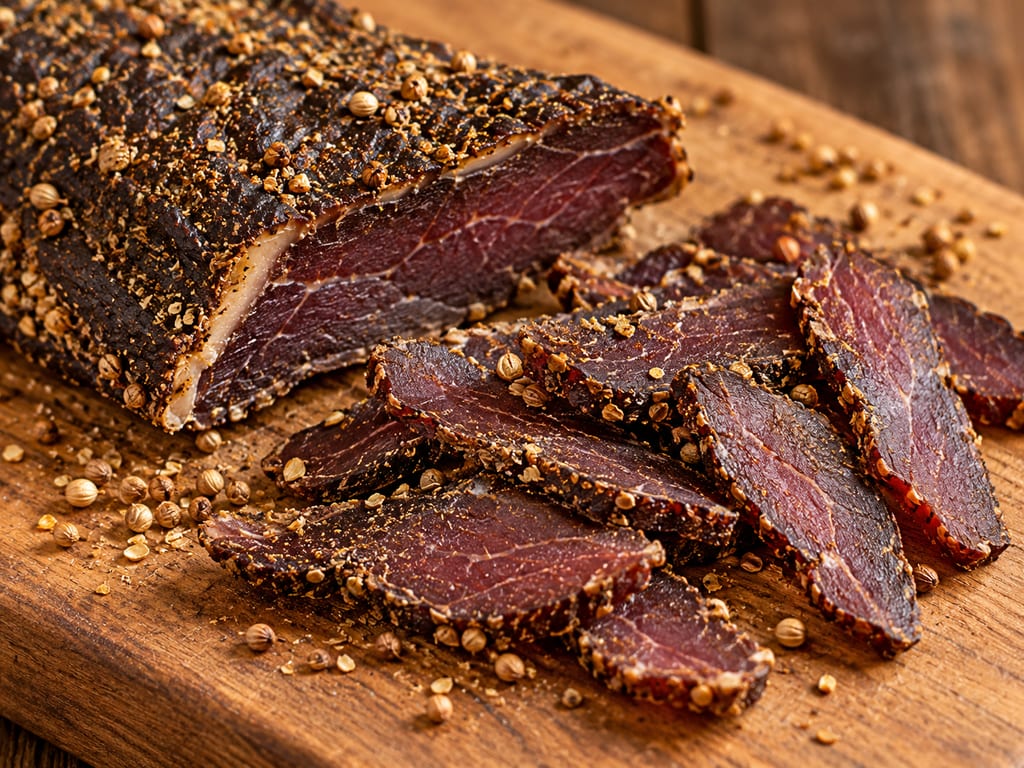
Strips of whole-muscle beef or game seasoned with salt, vinegar, roasted coriander and pepper and air-dried without cooking, sold anywhere from soft and moist to hard and very salty.
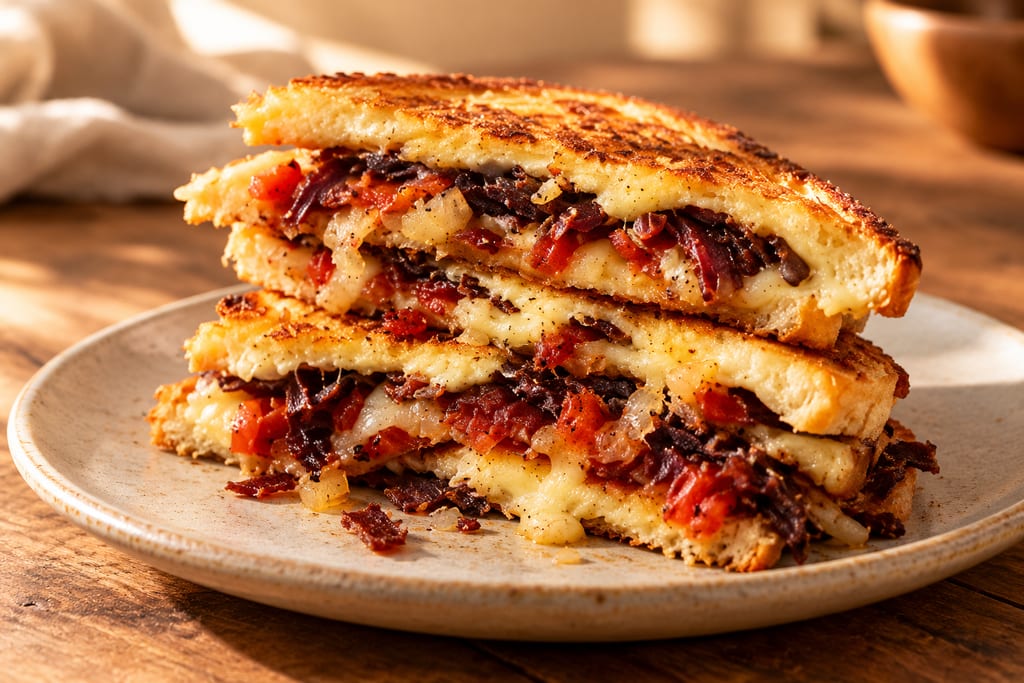
Chopped biltong, sweet onion, cream cheese and Cheddar fill bread toasted in a hinged grid over gentle coals, then finished with biltong dust.
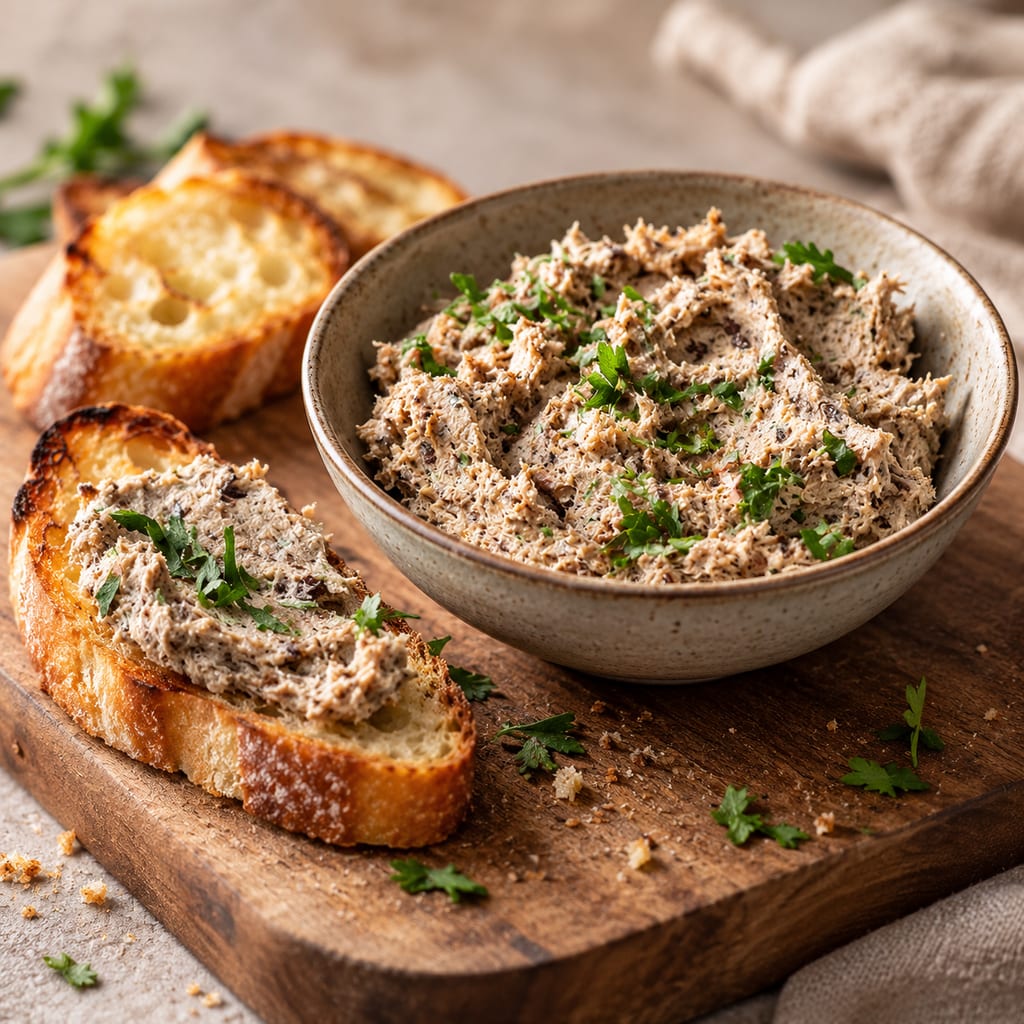
A cold biltong spread with sour cream, mayonnaise, mustard, lemon and herbs; serve it with crackers, crostini or bread.
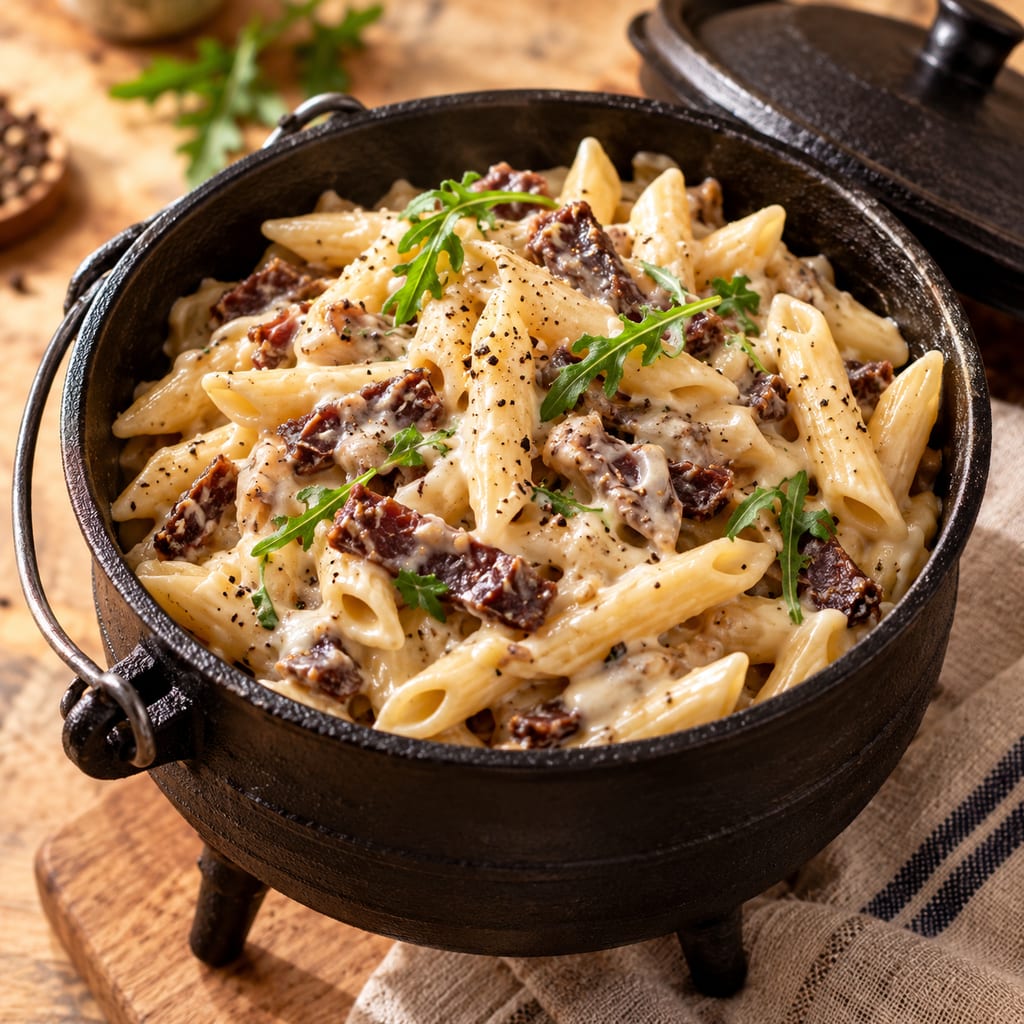
Biltong, bacon and vegetables simmer in tomato-herb stock, then join cooked pasta, milk, cream and Cheddar in this outdoor potjie.
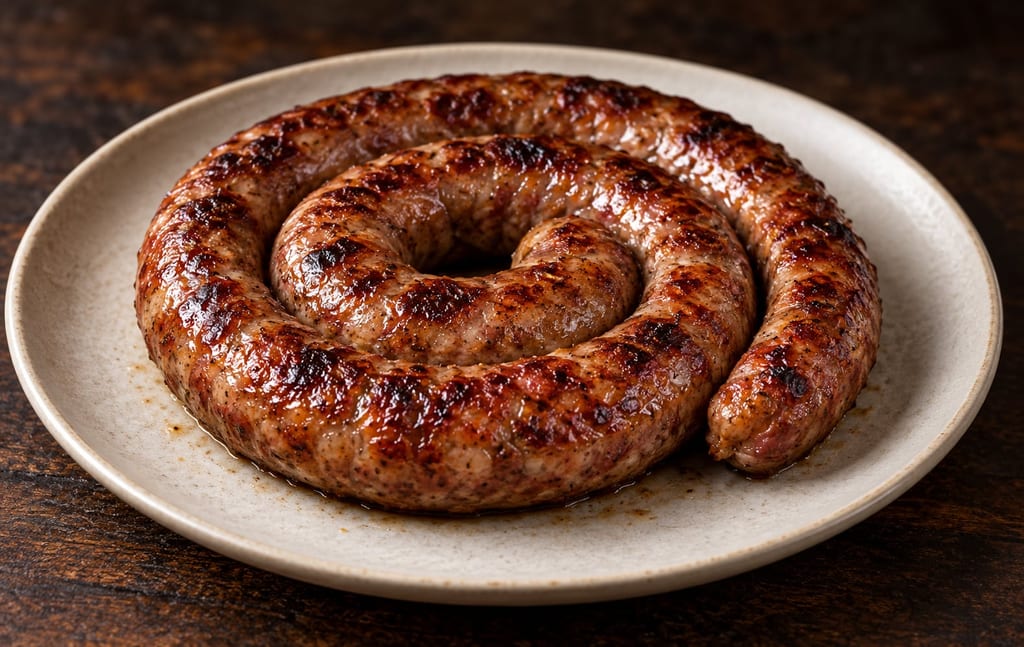
A coarse South African farmhouse sausage of beef with pork or mutton fat, defined by its coriander seasoning and cooked fresh over coals rather than preserved.
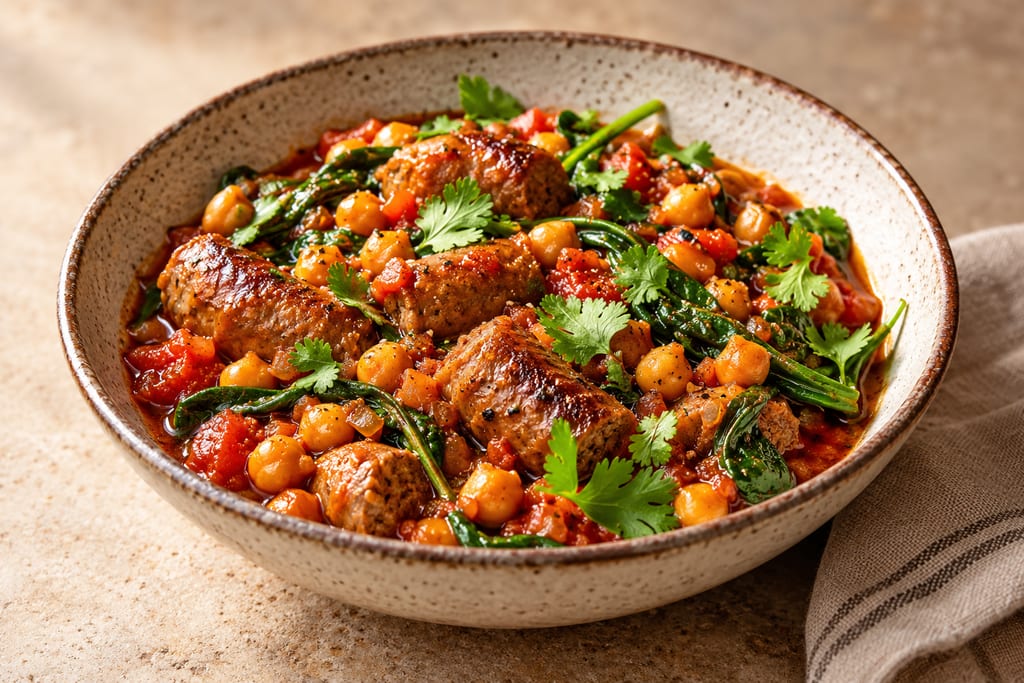
Lesego Semenya’s contemporary South African stew combines browned boerewors, chickpeas, tomato, spinach and warm spices.
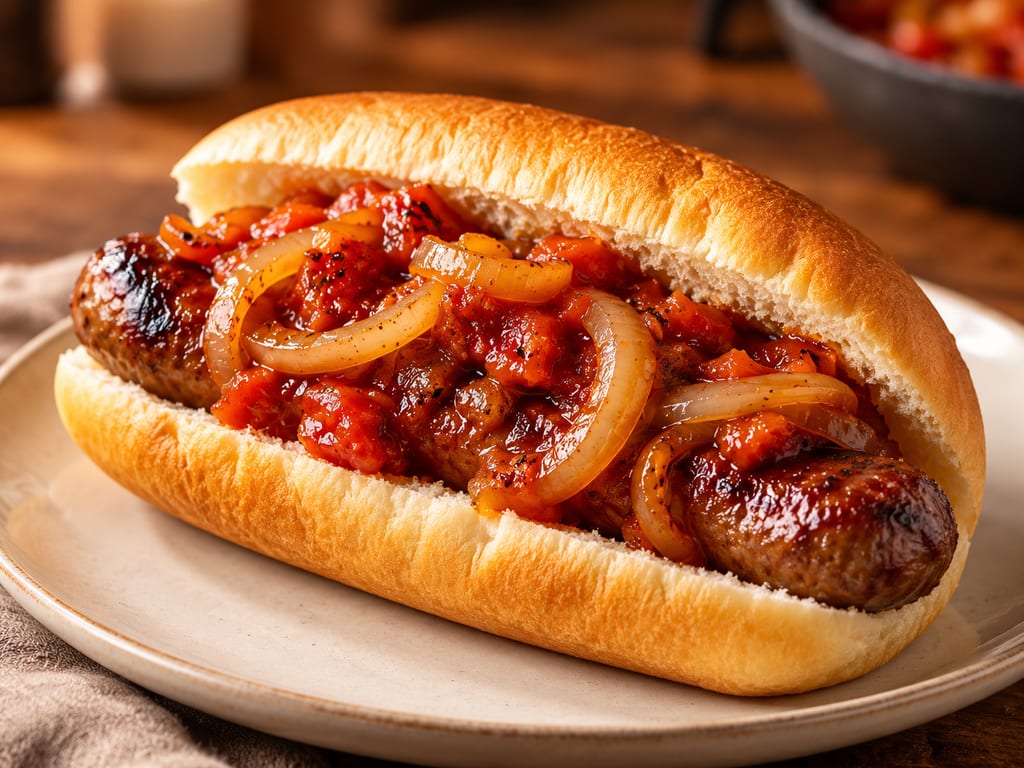
A South African boerie roll puts fully cooked boerewors in a soft bread roll and tops it with warm tomato-and-onion smoor.
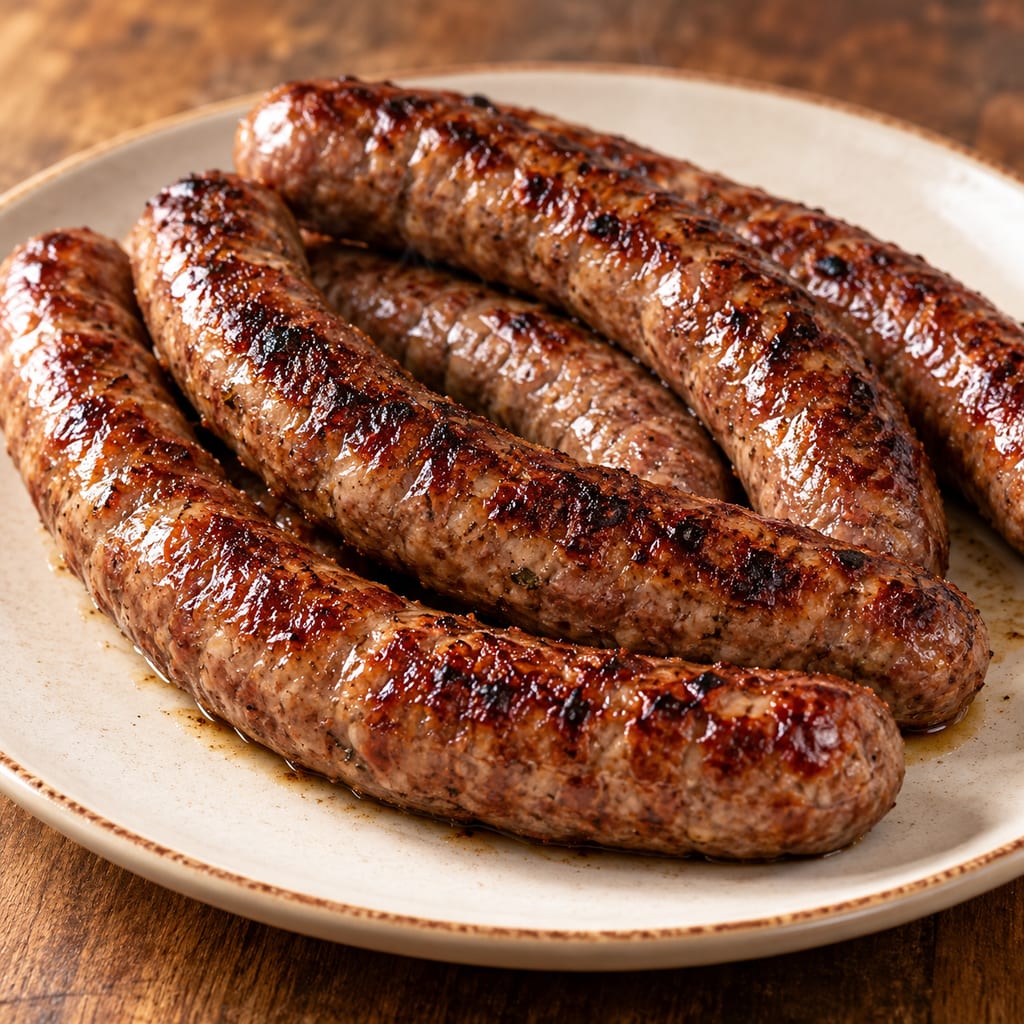
South Africa's regulated grilling-sausage class, looser than boerewors: a minimum of 40% meat, vegetable protein and mechanically recovered meat allowed, and sold raw.
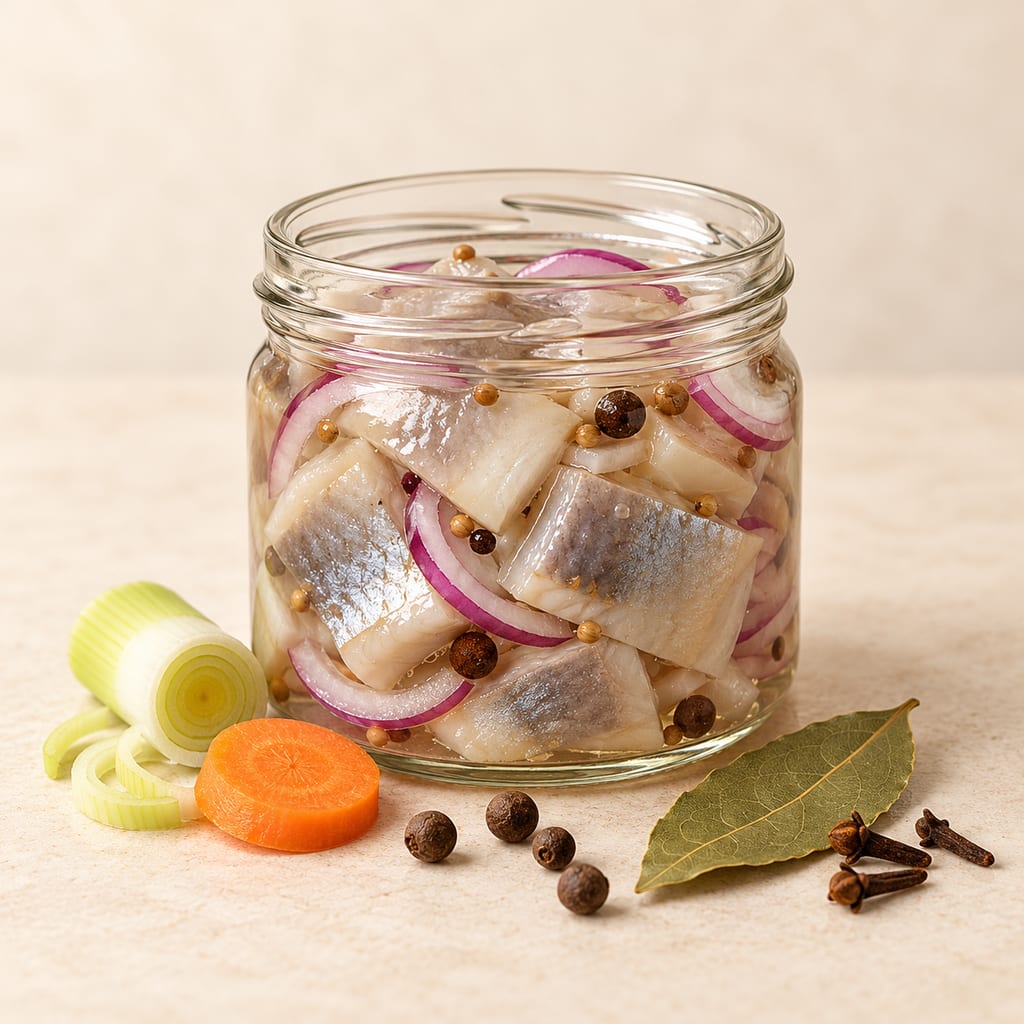
A Swedish ready-to-dress herring preparation: add the classic sliced aromatics and spices to already prepared herring, then serve or chill for fuller flavour.

Achcharu is a family of Sri Lankan vinegar pickles made with mixed vegetables or seasonal fruit and a piquant spice dressing. This version is a quick, refrigerated, non-fermented mixed-vegetable pickle.
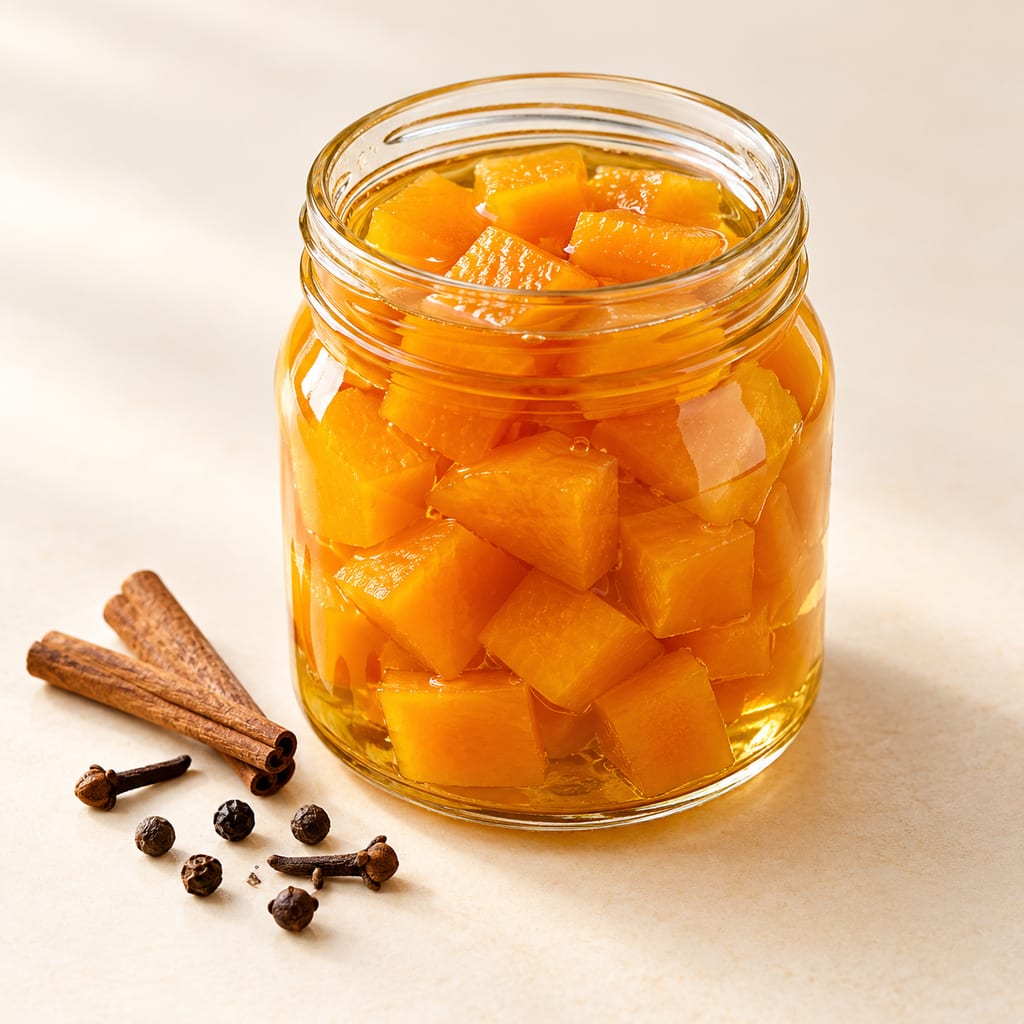
Ball sweet pumpkin pickles: Cupboard: exact published Ball formulation and water-bath process.
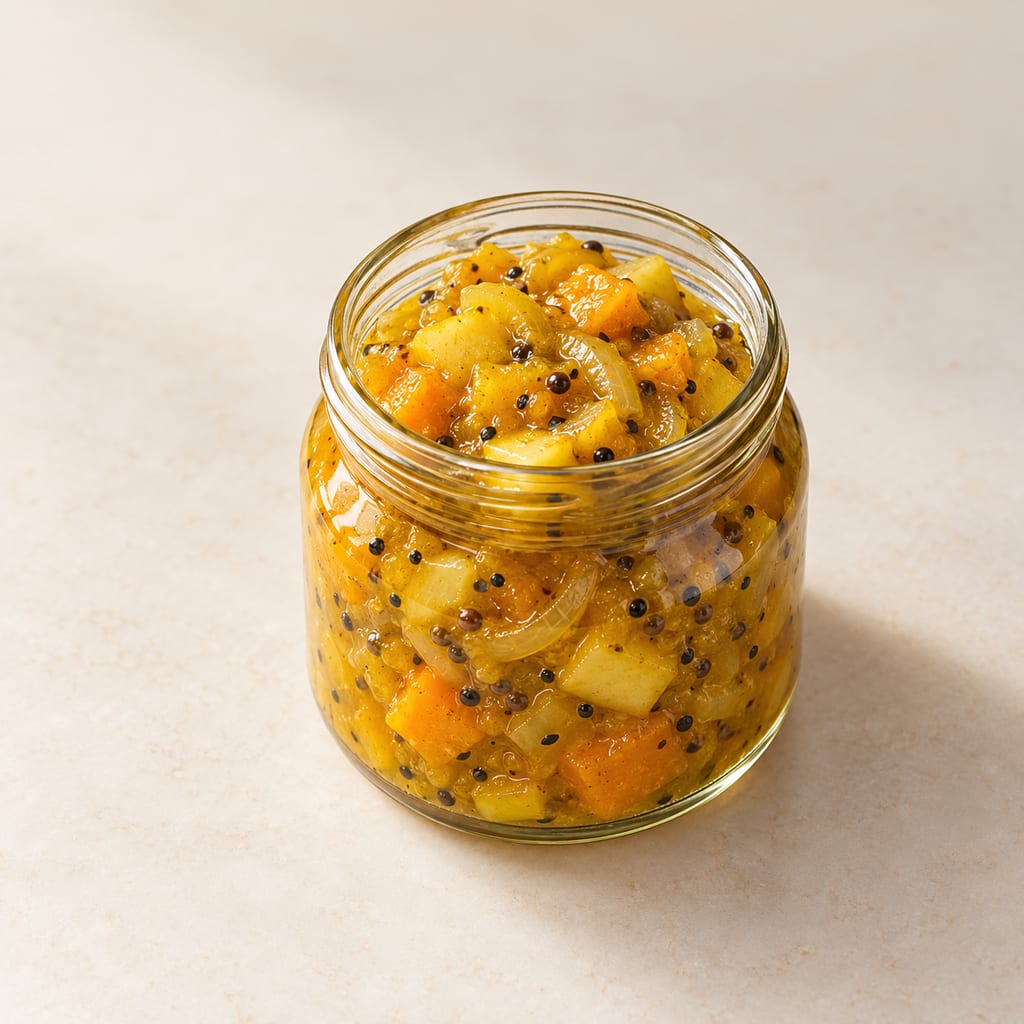
British pumpkin, apple and mustard pickle: Freeze for winter; small fresh portion refrigerated up to 48 hours.
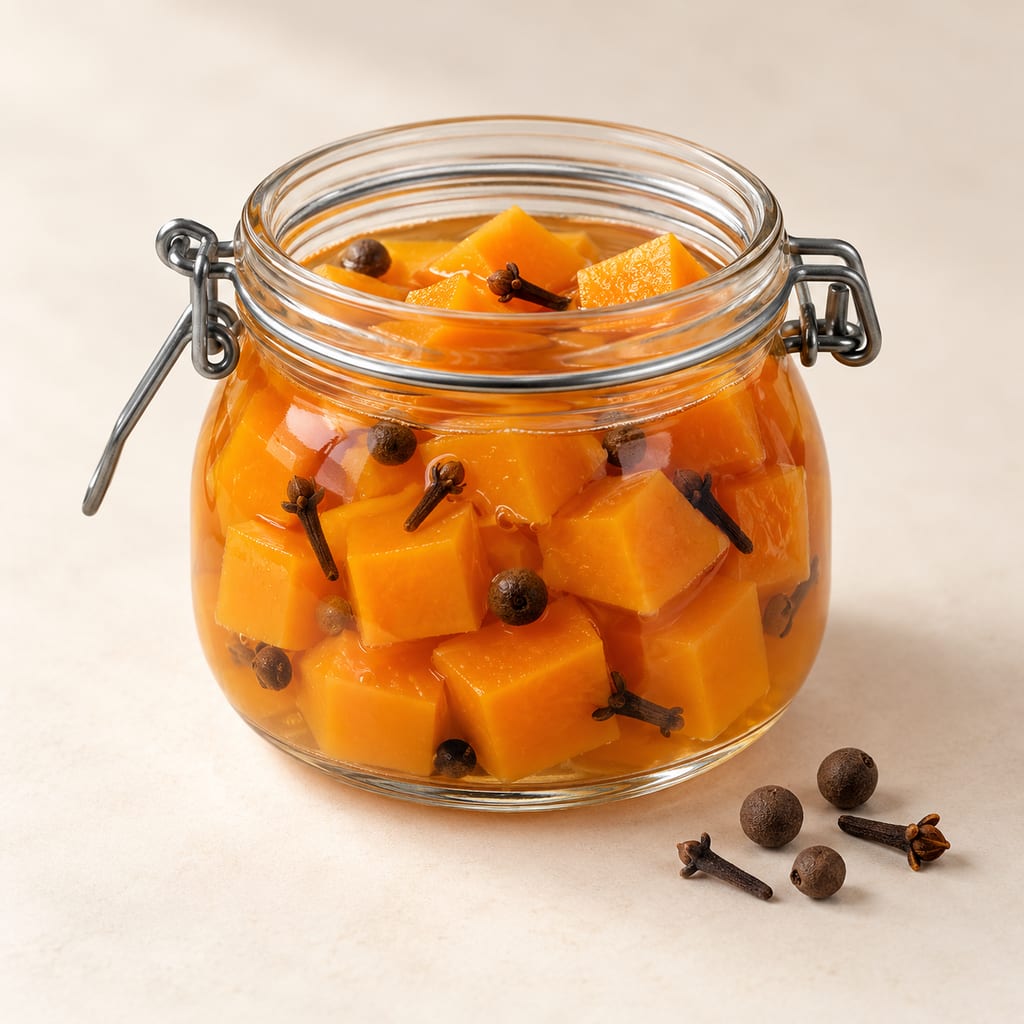
Dynia marynowana: Freeze for winter; small fresh portion refrigerated up to 48 hours.
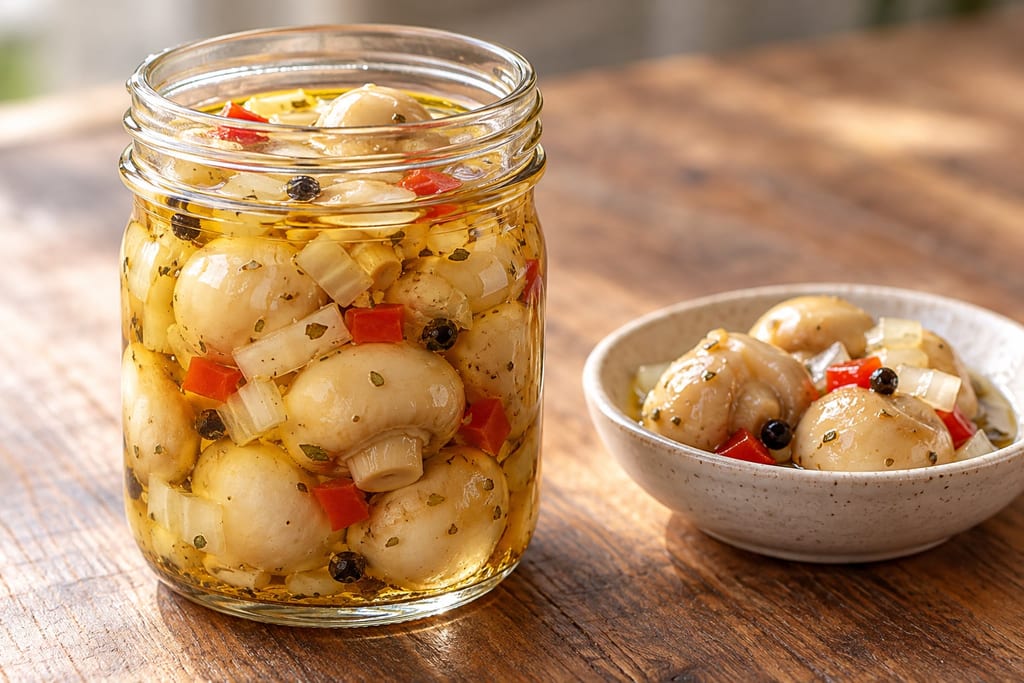
Small edible mushrooms are briefly cooked and packed in a seasoned vinegar marinade, a sweet-sour preserve served cold in Poland and neighbouring cuisines.

Fried or cooked food covered in a vinegar-based preparation, the heat and the externally supplied acid working together; a family of methods whose early form is a Roman instruction for treating fried fish with hot vinegar.
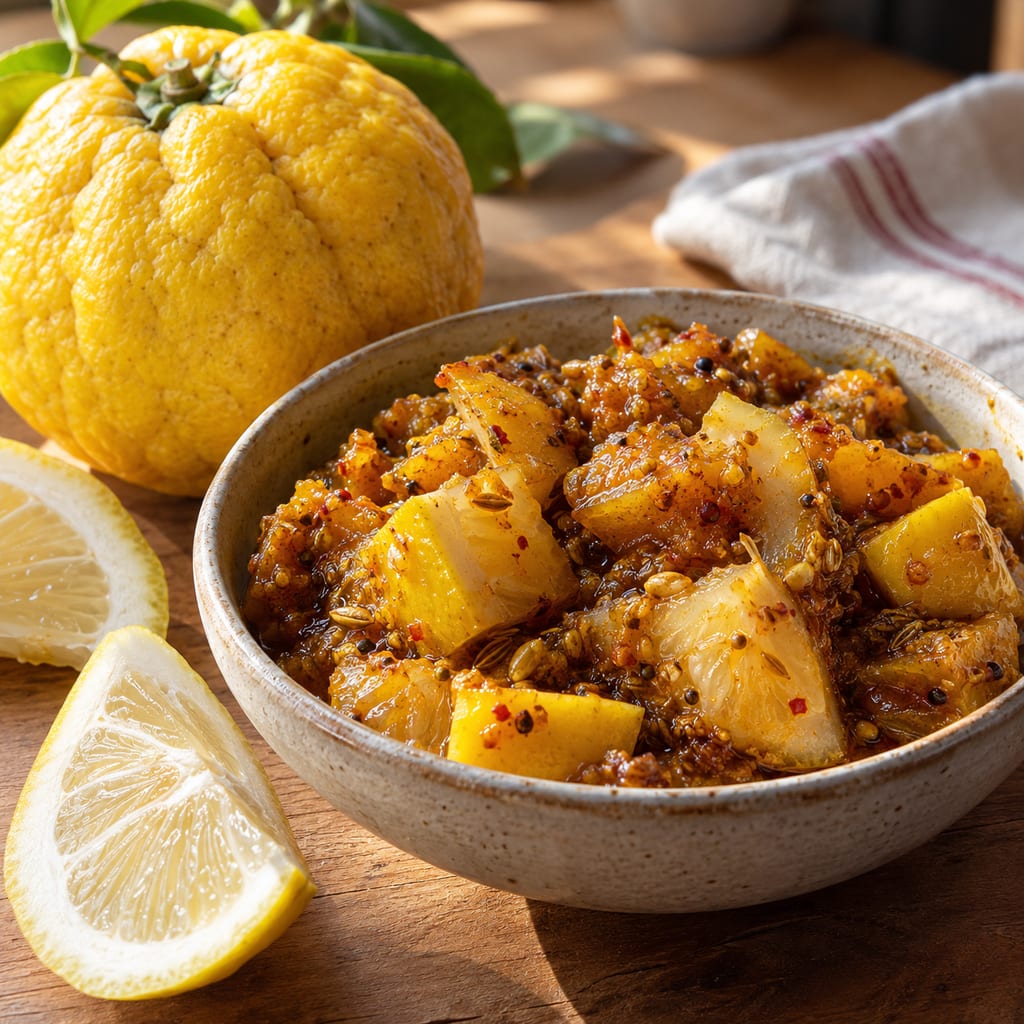
Ripe Himalayan galgal is boiled, sun-dried and cooked with mustard oil, spices and jaggery before a further rest in a ceramic jar.
No community contributions have been published for this entry yet.
Sign in to contribute. Published comments and photos are free to read.
taste.co.zaMethod · Context · Handling
Mariana Esterhuizen, 2009, Woolworths Taste: Pumpkin atcharDocumented preparation, regional context or preservation handling, with the limits stated in the text.
Cited in: The preserve; Changes from the source; Storage and preservation mechanism
nchfp.uga.eduMethod · Context · Handling
NCHFP, Freezing Garlic-In-OilDocumented preparation, regional context or preservation handling, with the limits stated in the text.
Cited in: The preserve; Changes from the source; Storage and preservation mechanism
www.food.gov.ukMethod · Context · Handling
Food Standards Agency: Cooking your food, leftoversDocumented preparation, regional context or preservation handling, with the limits stated in the text.
Cited in: The preserve; Changes from the source; Storage and preservation mechanism
www.food.gov.ukMethod · Context · Handling
Food Standards Agency: Chilling, freezing and defrostingDocumented preparation, regional context or preservation handling, with the limits stated in the text.
Cited in: The preserve; Changes from the source; Storage and preservation mechanism