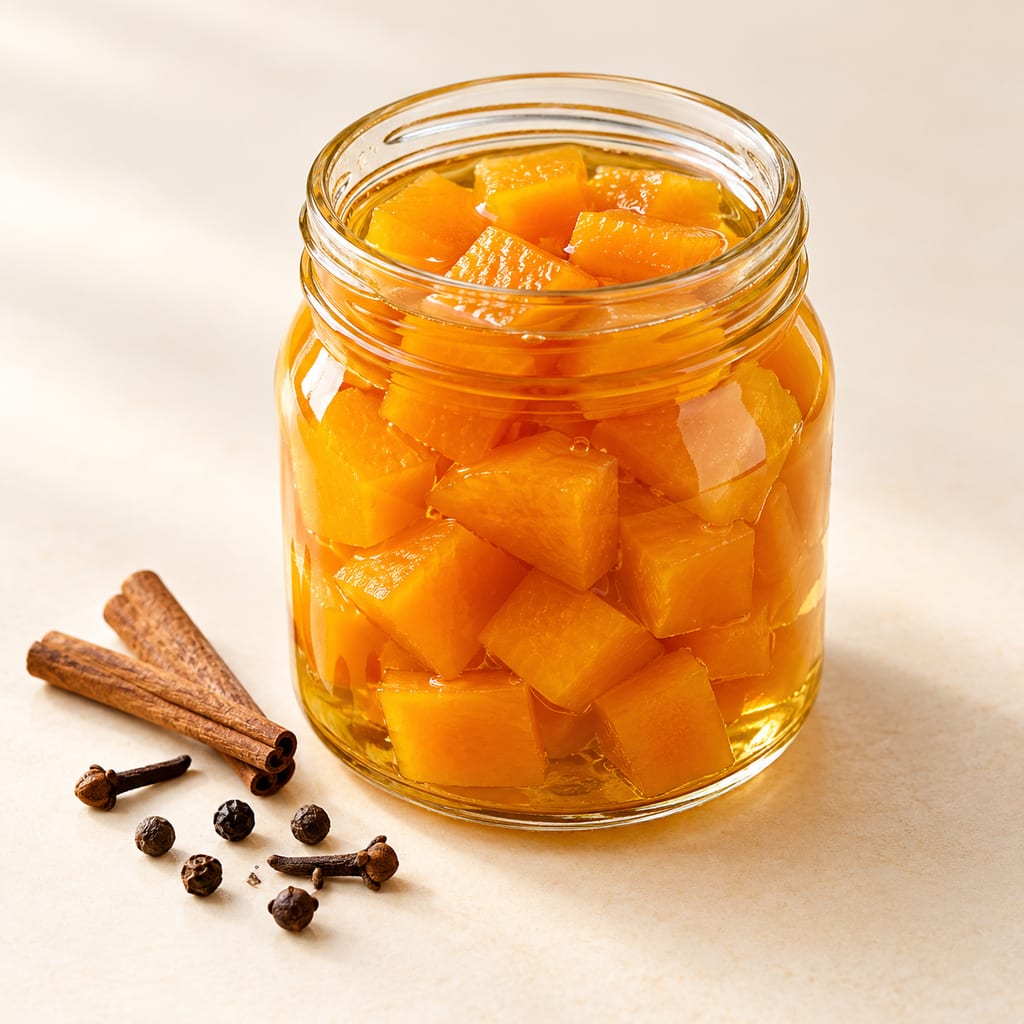
Ball sweet pumpkin pickles
Ball sweet pumpkin pickles: Cupboard: exact published Ball formulation and water-bath process.
 FermenteaWhere food goes to change
Equipment · Cold stores and coolers
A household freezer holds food in a frozen state for storage and selected texture or separation work; its batch-storage role differs from industrial equipment that freezes individual pieces separately.
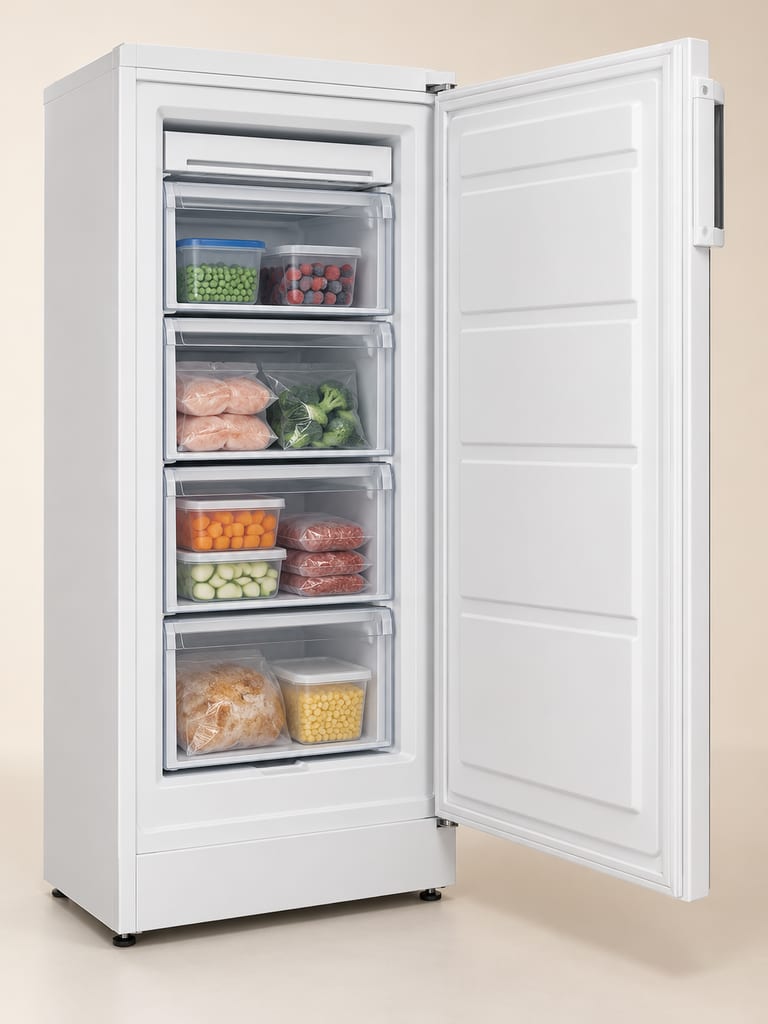
A domestic freezer is a manufactured electric appliance that keeps food frozen for storage. The International Energy Agency tracks freezer ownership and penetration in a household-appliance database covering more than 100 countries, although the available country data are uneven. This supports a contemporary, international scope, not a single point of origin; the first household freezer's date is left unknown.
An upright freezer, such as the photographed example, arranges food in drawers or shelves behind a door. Other models differ in layout and capacity, so dimensions, storage volume, temperature controls and electrical requirements should be checked for the particular appliance rather than inferred from the category.
The freezer's everyday role is to hold food in a frozen state. FDA guidance recommends 0°F (-18°C): properly handled food remains safe at that temperature, but freezing stops most bacterial growth rather than killing most bacteria, and quality can decline with long storage. Cold storage is not a substitute for safe preparation, thawing or cooking.
Freezing also changes the structure of water-rich foods. House Foods describes freezing, thawing and squeezing tofu to produce a chewier texture. A separate culinary method freezes gelatin-containing stock or juice and collects the liquid as the gel thaws; this can clarify a liquid while removing much of its gelatin, changing body as well as appearance. Such uses depend on the food and recipe, not a universal freezer program.
Japanese kōri-dōfu is not simply a wet block of tofu put into a home freezer. The Ministry of Agriculture, Forestry and Fisheries describes regional methods that use severe winter conditions and additional maturation, thawing, washing, refreezing and drying steps. Iwadeyama frozen tofu is specifically associated with Iwadeyama in Osaki City, Miyagi Prefecture; this is a regional food history, not evidence that a domestic freezer is traditional equipment there.
Andean chuño likewise depends on a sequence of natural freezing and thawing, pressing or treading, and drying; some forms also require extended water washing. A household freezer can illustrate or support a controlled freeze-thaw comparison, but freezing alone neither makes chuño nor removes bitter potato compounds. These processes are distinct from industrial IQF equipment, whose airflow system is designed to freeze small pieces separately.
Treat this page as a guide to a household freezer, not a model specification. No general capacity or dimensions are asserted. Choose a manufactured unit whose documented volume and operating requirements match the space and the foods to be stored. Keep an appliance thermometer where its reading can be checked, avoid blocking cold-air circulation, and follow the maker's care and defrosting instructions.
The International Energy Agency's household-appliance database tracks freezer stocks, diffusion and penetration across more than 100 countries, while noting that national coverage is uneven. No single place of origin or first-use date is claimed here.
Freezing at 0°F (-18°C) stops most bacterial growth but does not kill most bacteria; it is not a substitute for safe handling, thawing or cooking.
Source →A freezer alone does not make a food shelf-stable or reproduce traditional drying processes such as kōri-dōfu or chuño/tunta.
Source →The IEA database tracks household-freezer ownership across more than 100 countries but does not identify the appliance's place of origin; this entry makes no origin claim.
Ball sweet pumpkin pickles: Cupboard: exact published Ball formulation and water-bath process.
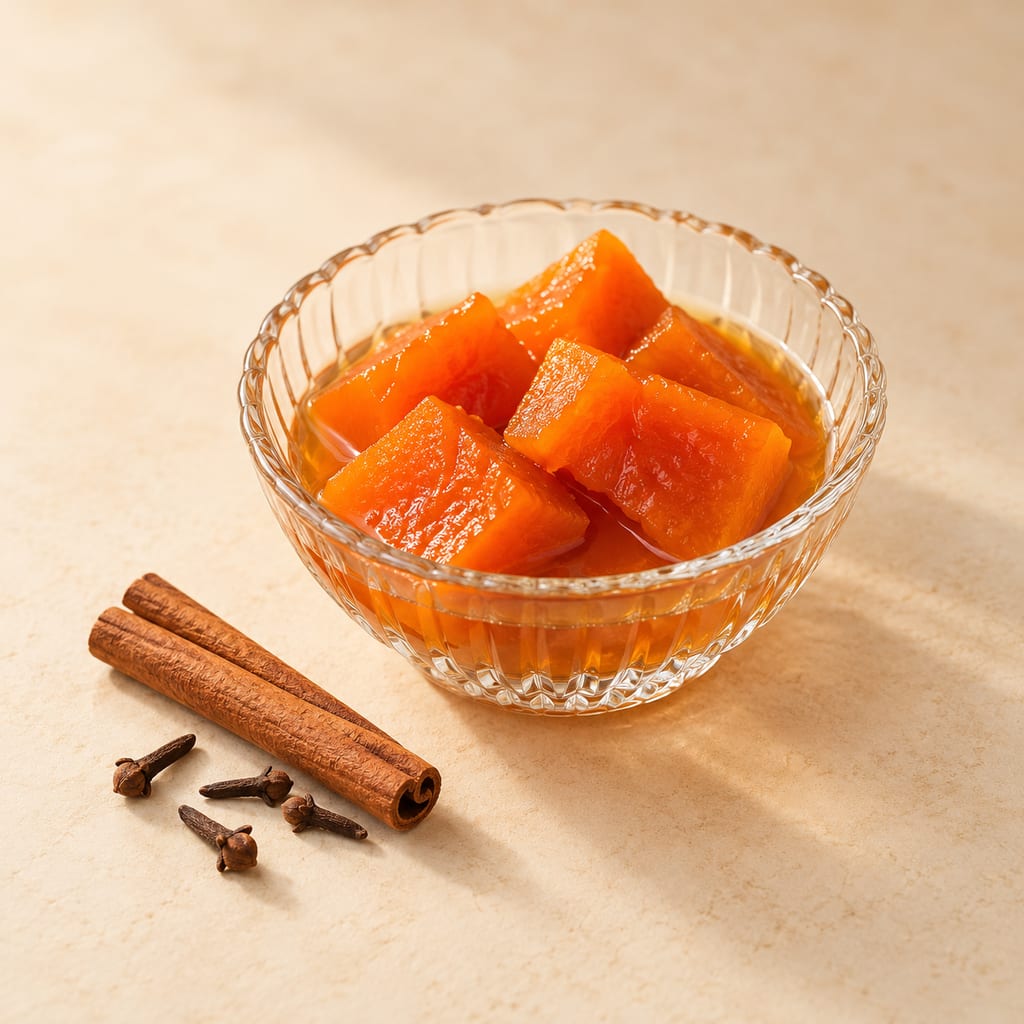
Brazilian doce de abóbora: Freeze for winter; small fresh portion refrigerated up to 48 hours.
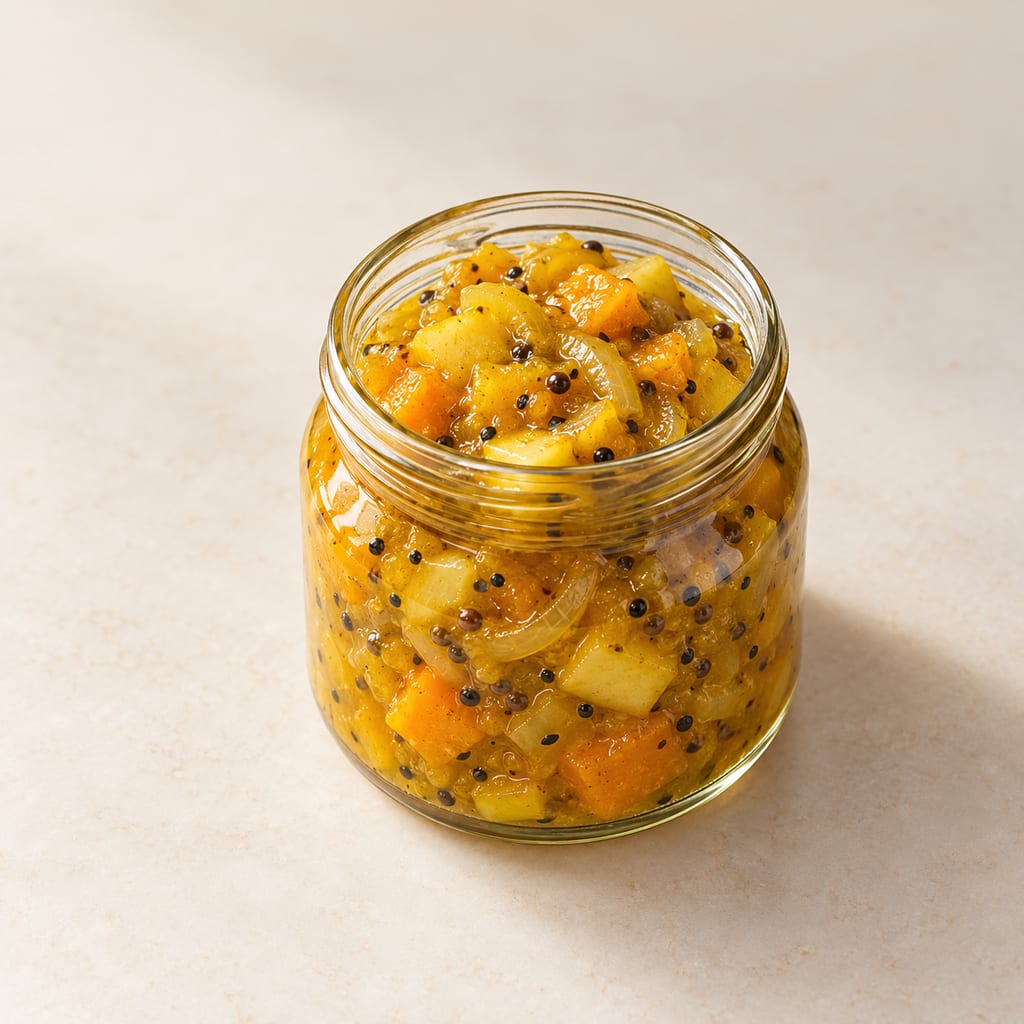
British pumpkin, apple and mustard pickle: Freeze for winter; small fresh portion refrigerated up to 48 hours.
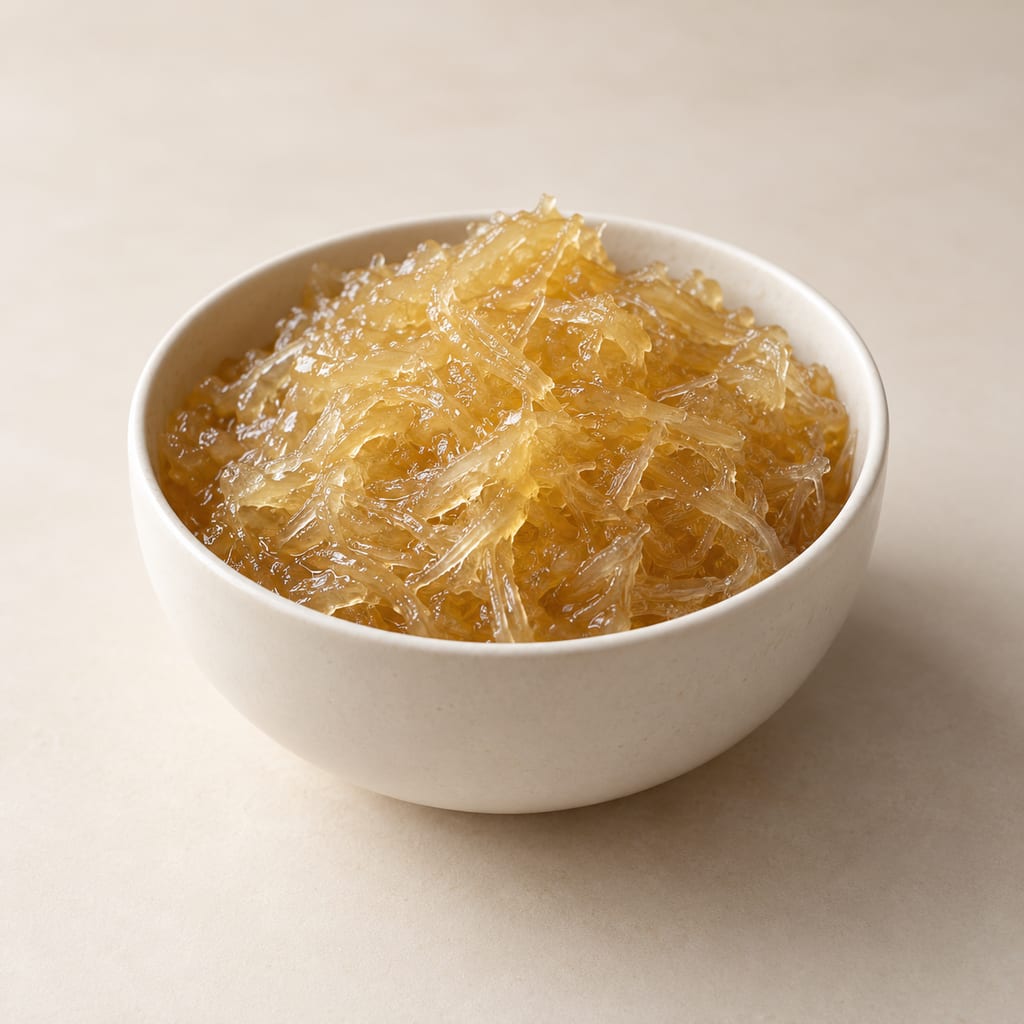
Fine strands of Cucurbita ficifolia cooked in an equal weight of sugar, then portioned for refrigerator or freezer storage. Ordinary orange pumpkin does not give the same fibres.
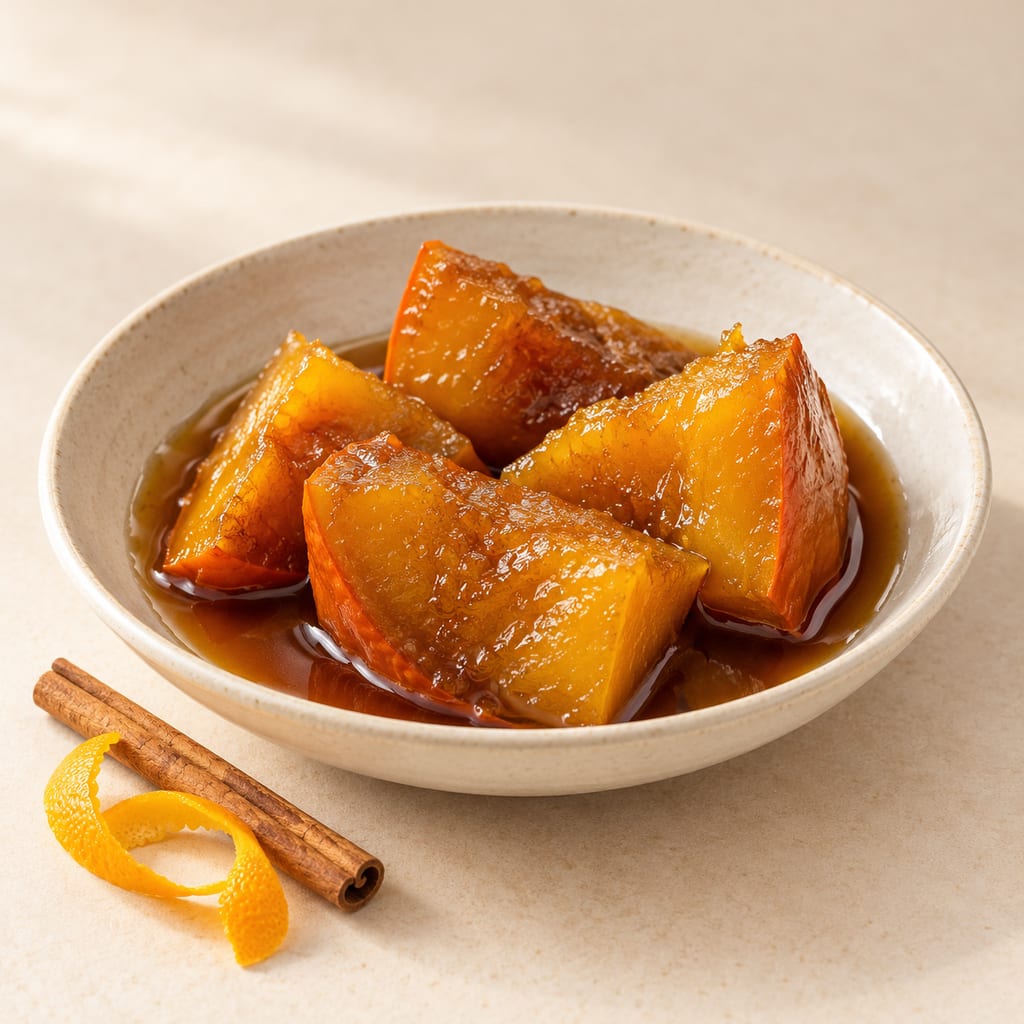
Rind-on pumpkin simmered with piloncillo, orange and cinnamon until glazed. This Mexican sweet keeps refrigerated for up to one week.
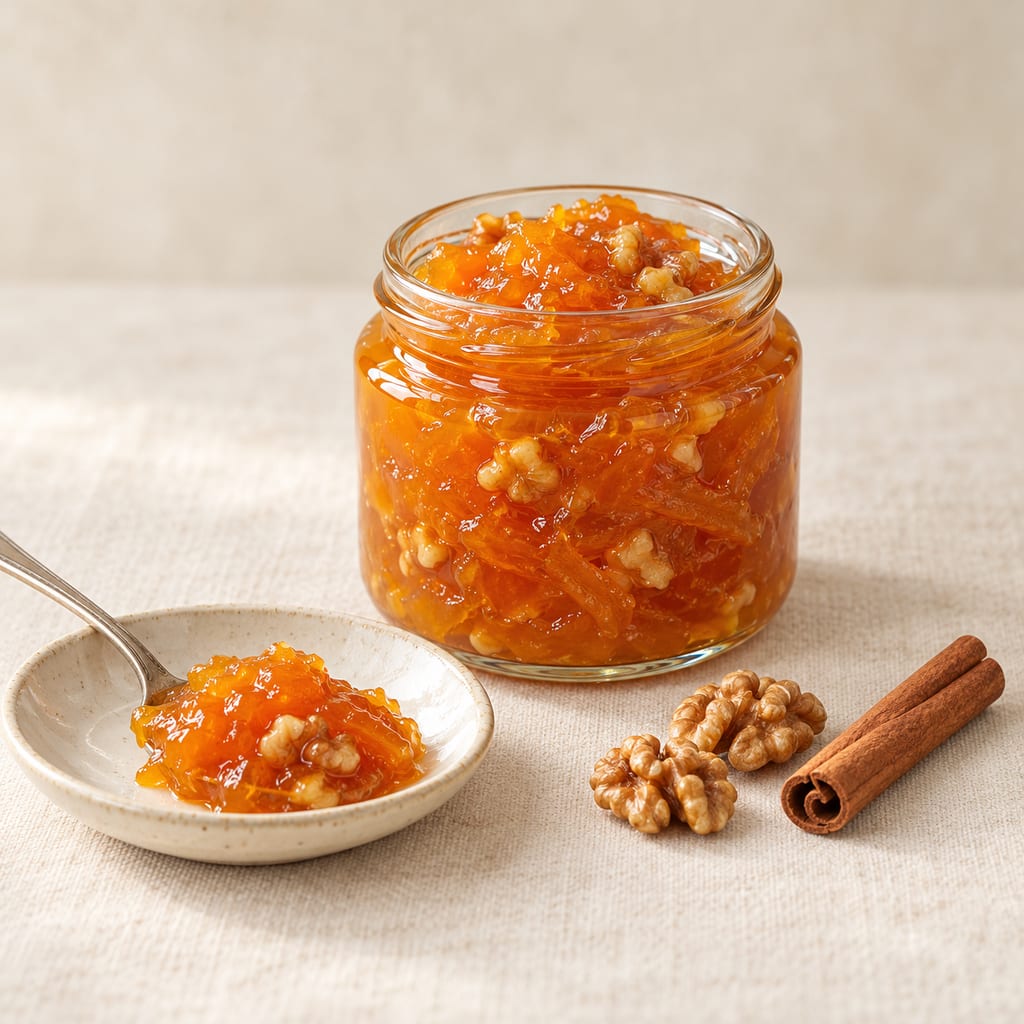
Portuguese pumpkin jam cooked with cinnamon and optional walnuts. A sweet spread to refrigerate or freeze, rather than a home-canned preserve.
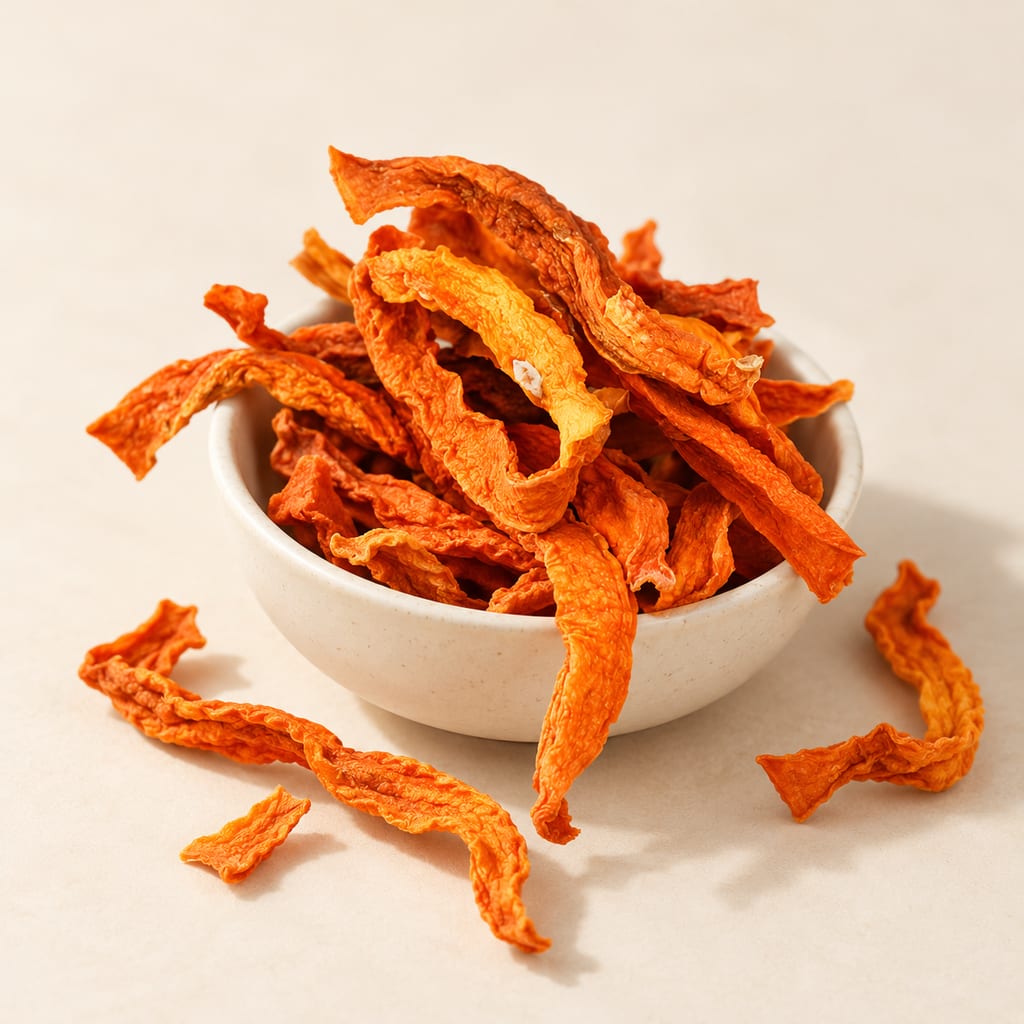
Steam-blanched pumpkin dried until brittle, kept as pieces or ground into powder, with pumpkin-specific packaging and quality guidance.
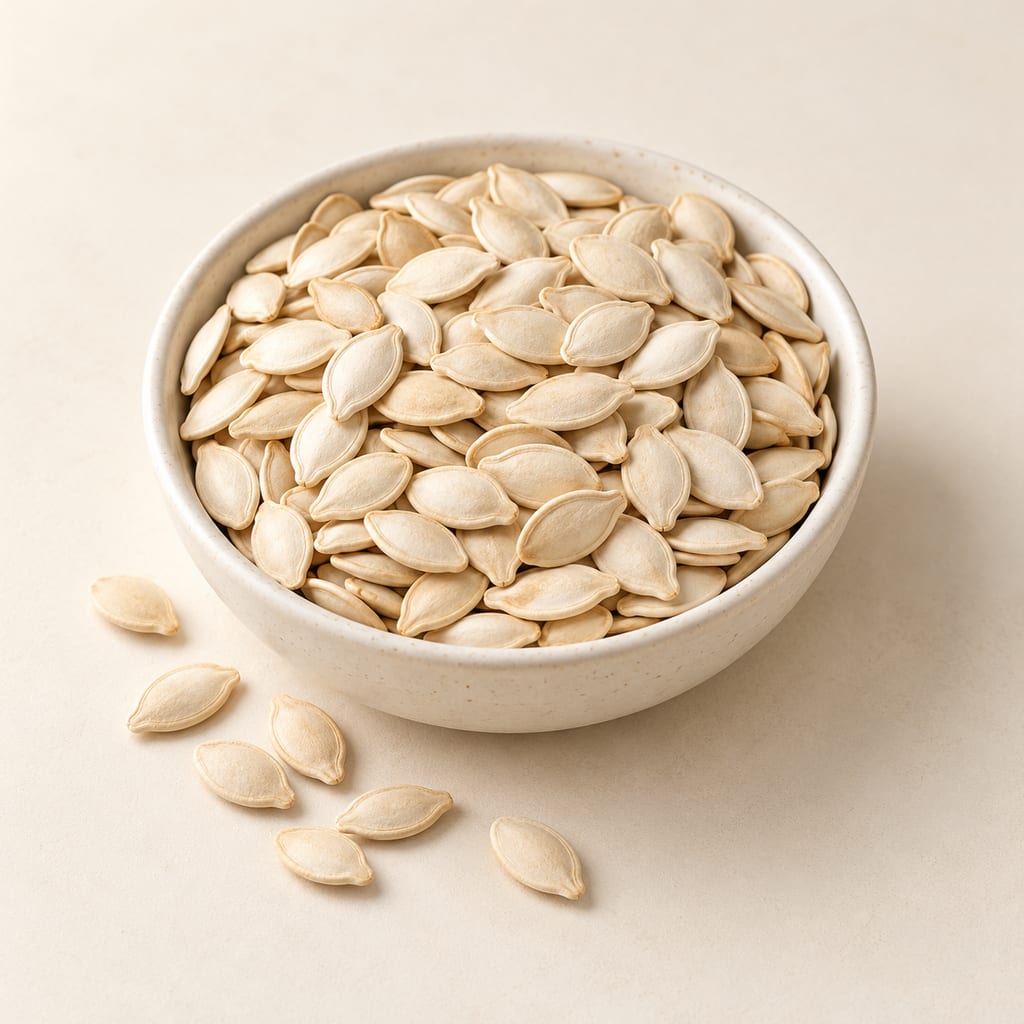
Washed pumpkin seeds dried gently for storage, with an optional roasting step before eating. Refrigerate or freeze the cooled seeds.
No community contributions have been published for this entry yet.
Sign in to contribute. Published comments and photos are free to read.
U.S. Food and Drug AdministrationFood safety · Care
Are You Storing Food Safely?The recommended freezer temperature is 0°F (-18°C).
Food kept frozen at this temperature remains safe, but freezing stops rather than kills most bacteria; quality can decline over time.
Cited in: Storage, texture and separation; Choosing and maintaining one
International Energy AgencyReach · Modern use
Household Appliances DatabaseThe database tracks household freezer stock, diffusion and penetration across more than 100 countries; country data are uneven.
Cited in: A household cold store; Choosing and maintaining one
House FoodsDocumented use
Premium TofuHouse Foods describes freezing, thawing and squeezing tofu as a way to produce a chewier texture.
Cited in: Storage, texture and separation
Japan Ministry of Agriculture, Forestry and FisheriesTraditional use · Geography
Product Summary (Registration No. 65): Iwadeyama KoridofuIwadeyama Koridofu is associated with Iwadeyama, Osaki City, Miyagi Prefecture, and a cold, dry regional climate; its production was recorded in the Meiji period.
Cited in: Keep traditional cold-weather foods distinct
Japan Ministry of Agriculture, Forestry and FisheriesTraditional preparation · Geography
Kōri-dōfu (Japanese Traditional Foods Encyclopedia)The Miyagi method uses winter freezing and maturation, followed by thawing, washing, refreezing and outdoor drying; regional kōri-dōfu methods differ.
Cited in: Keep traditional cold-weather foods distinct
Cooking Issues / Dave ArnoldDocumented use
Hydrocolloids PrimerA gelatin-containing liquid can be frozen and thawed to separate clarified liquid; the technique changes the gelatin content and texture.
Cited in: Storage, texture and separation
Journal of Food Science EducationProcess · Documented use
Gelatin-Filtered Consommé: A Practical Demonstration of the Freezing and Thawing ProcessesA laboratory teaching article explains gelatin filtration during thawing as a modern clarification technique for stocks and other liquids.
Cited in: Storage, texture and separation
Food and Agriculture Organization of the United NationsTraditional preparation · Limits
Potato: Post-harvest Operations — ChuñoChuño production includes natural freeze-thaw, soaking, pressing, repeated freezing and drying; the freezer alone does not reproduce the complete process.
Cited in: Keep traditional cold-weather foods distinct
JBT MarelComparison
Frigoscandia FLoFREEZE IQF FreezerThe cited industrial model uses a fluidized-bed airflow system to separate and freeze individual food pieces, unlike household batch storage.
Cited in: Keep traditional cold-weather foods distinct
Wikimedia CommonsImage reference
File:Openfreezer.jpgYvwv's photograph shows a domestic upright freezer open, with drawers and door shelves; file page lists CC BY-SA 3.0 and other offered licenses.
Cited in: A household cold store