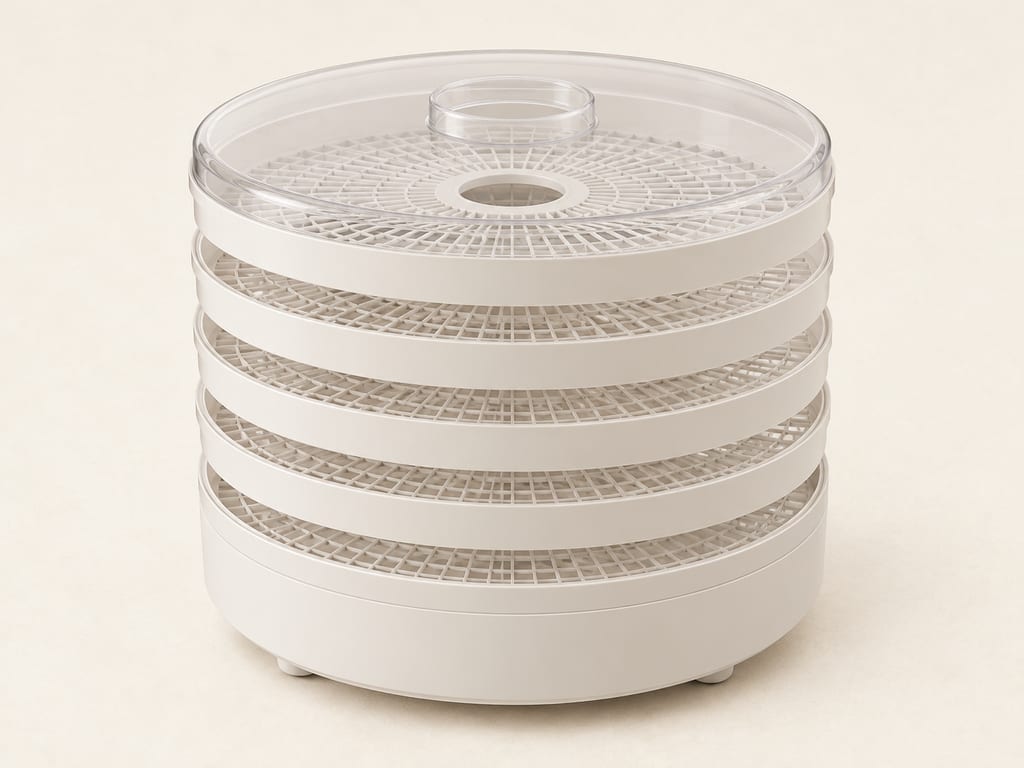
Food dehydrator
A countertop electric appliance circulates warmed air across food on open trays to remove moisture. Round stackable and rectangular cabinet designs use different airflow paths; materials, capacity and controls vary by model.
 FermenteaWhere food goes to change
Modern method
Washed pumpkin seeds dried gently for storage, with an optional roasting step before eating. Refrigerate or freeze the cooled seeds.
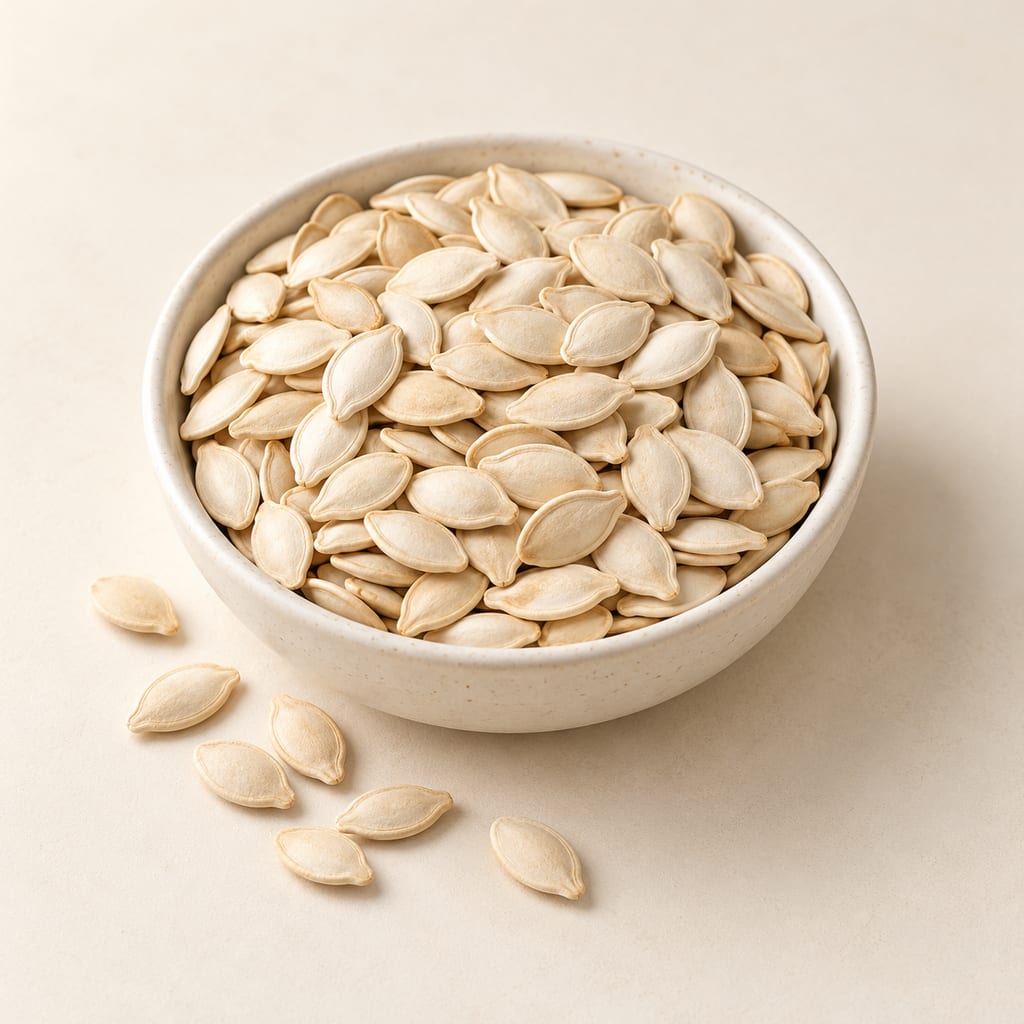
Saving the seeds is a separate preservation task from using the flesh. For the purposes of a produce-preservation website, the useful endpoint is a batch of clean, thoroughly dried seeds that can be stored, with roasting treated as an optional later step. Drying and roasting are not interchangeable: a lightly browned seed is not proof that moisture has been removed evenly from the whole batch.
For basic storage, no oil, sugar, salt or spice is required. Keeping the batch plain preserves the greatest flexibility.
NCHFP describes tossing already dried seeds with a little oil and/or salt and roasting at approximately 121°C (250°F) for 10–15 minutes. Cool before repacking. This is a flavour and texture step, not a replacement for the initial drying method.
A sensible surplus workflow is to dry each day's seeds while the flesh is being frozen or pickled, and combine only fully cooled, dry lots for storage. Keeping a small jar for immediate use and the remainder in the freezer avoids exposing the entire batch every time a handful is needed. This is an organisation suggestion, not a validated commercial shelf-life claim.
The guidance above is a domestic food-storage procedure. It does not establish a validated pathogen-reduction process for a commercial ready-to-eat seed product, and the low dehydrator setting should not be described as sterilisation. Use sound starting material and clean handling. Seeds showing mould, dampness or an unpleasant rancid smell should not be kept as food.
A contemporary household preparation; no single inventor or birthplace is claimed.
Scaling: source batch only
Refrigerate dried or roasted seeds airtight for no more than 10–14 days; freeze for longer keeping.
Hazard sourceRefrigerate dried or roasted seeds airtight for no more than 10–14 days; freeze for longer keeping.
Control sourceRefrigerate dried or roasted seeds airtight for no more than 10–14 days; freeze for longer keeping.
The selected method does not establish its geographical origin.
A countertop electric appliance circulates warmed air across food on open trays to remove moisture. Round stackable and rectangular cabinet designs use different airflow paths; materials, capacity and controls vary by model.
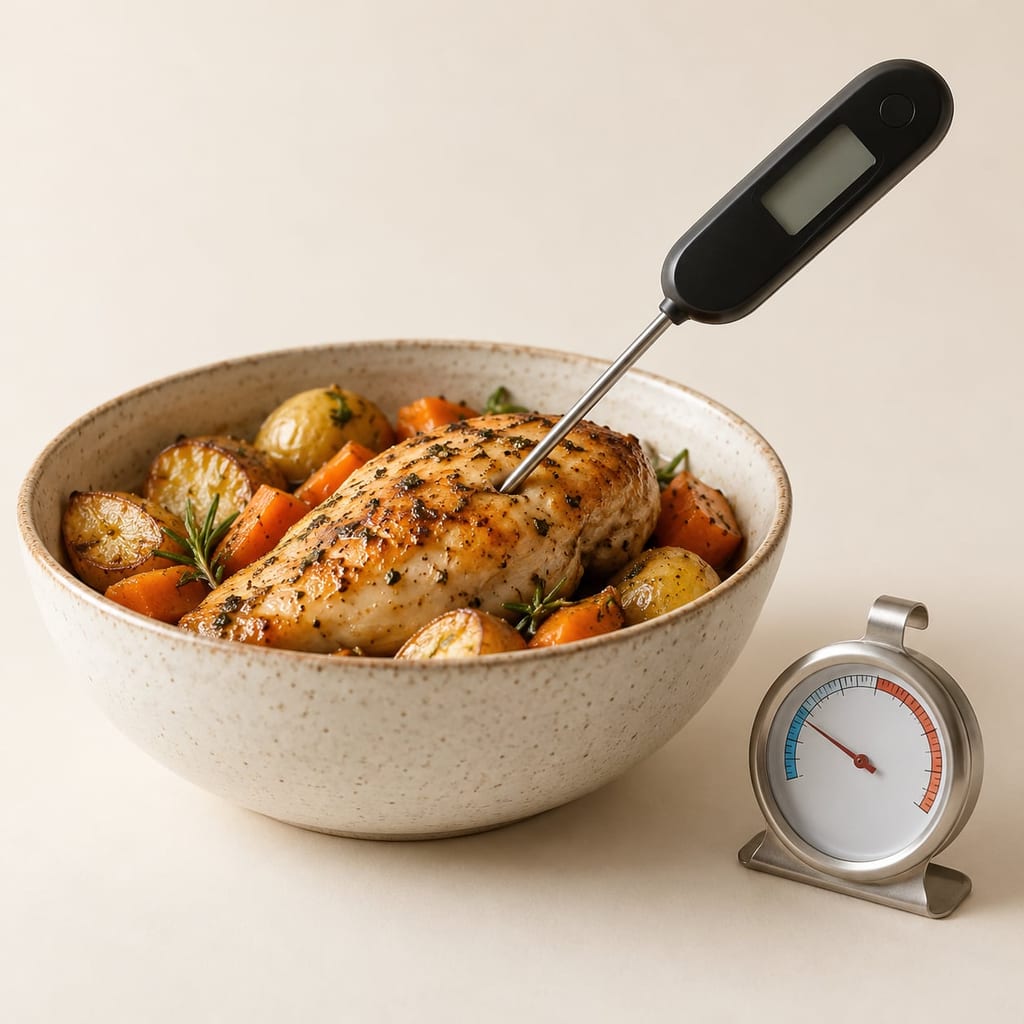
A food probe measures the temperature inside food at the probe tip; a refrigerator thermometer measures the cold storage environment. They answer different questions and cannot establish acidity or validate a preservation process.
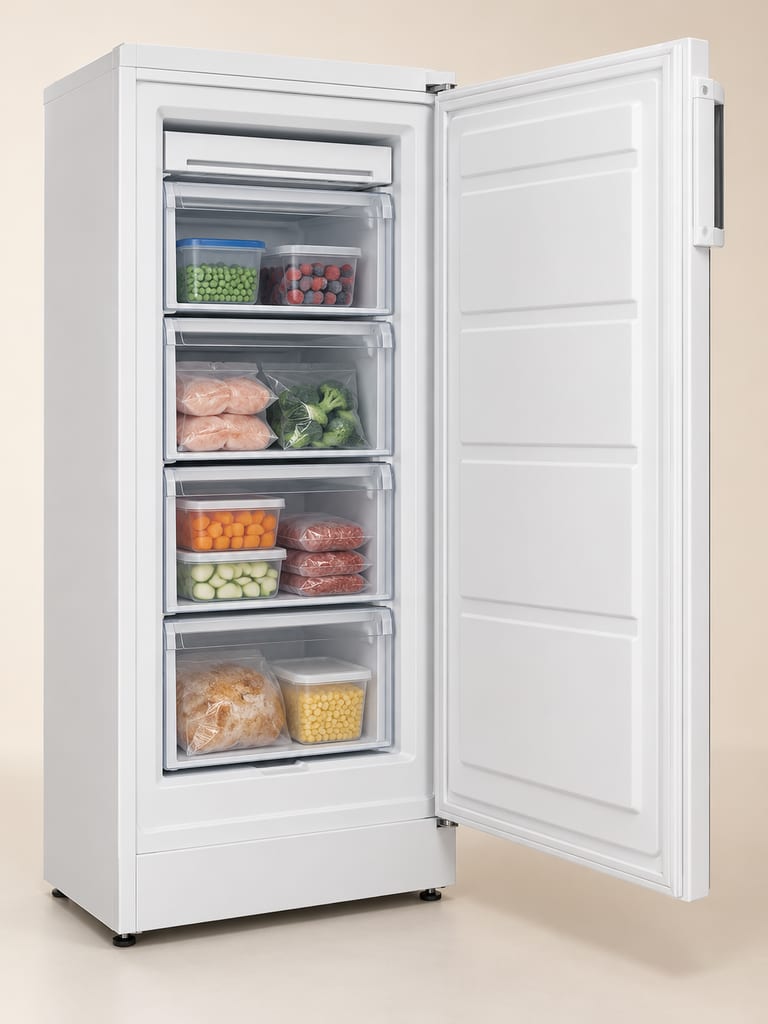
A household freezer holds food in a frozen state for storage and selected texture or separation work; its batch-storage role differs from industrial equipment that freezes individual pieces separately.
An ordinary household refrigerator used to store selected fresh produce in vented crates or drawers, at low temperature and at a humidity chosen by the drawer. Not every crop benefits from cold.
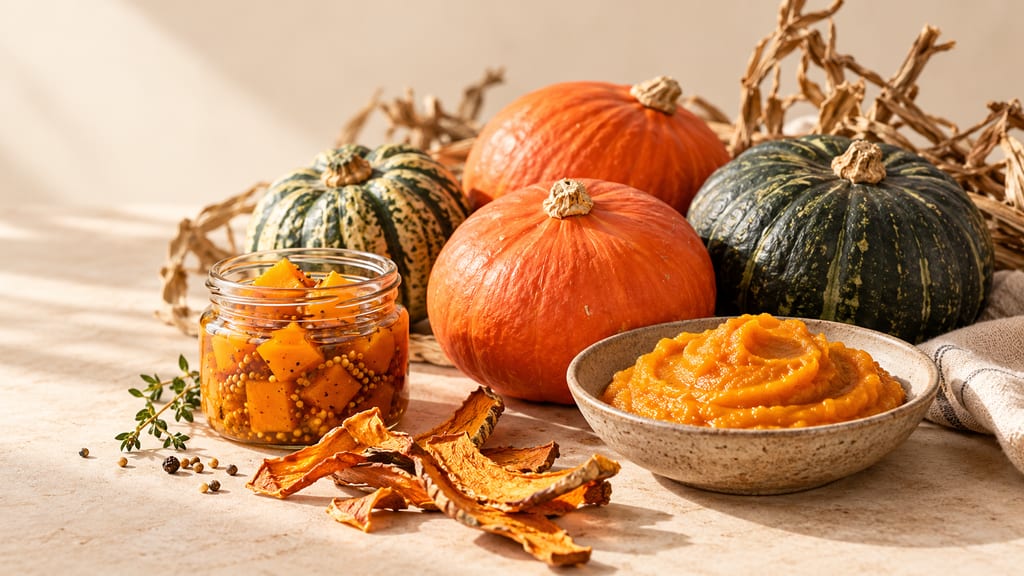
A full harvest-to-pantry guide to keeping pumpkins whole, drying and freezing them, and making pickles and sweet preserves around the world—with the exact distinction between tested canning and cold storage.
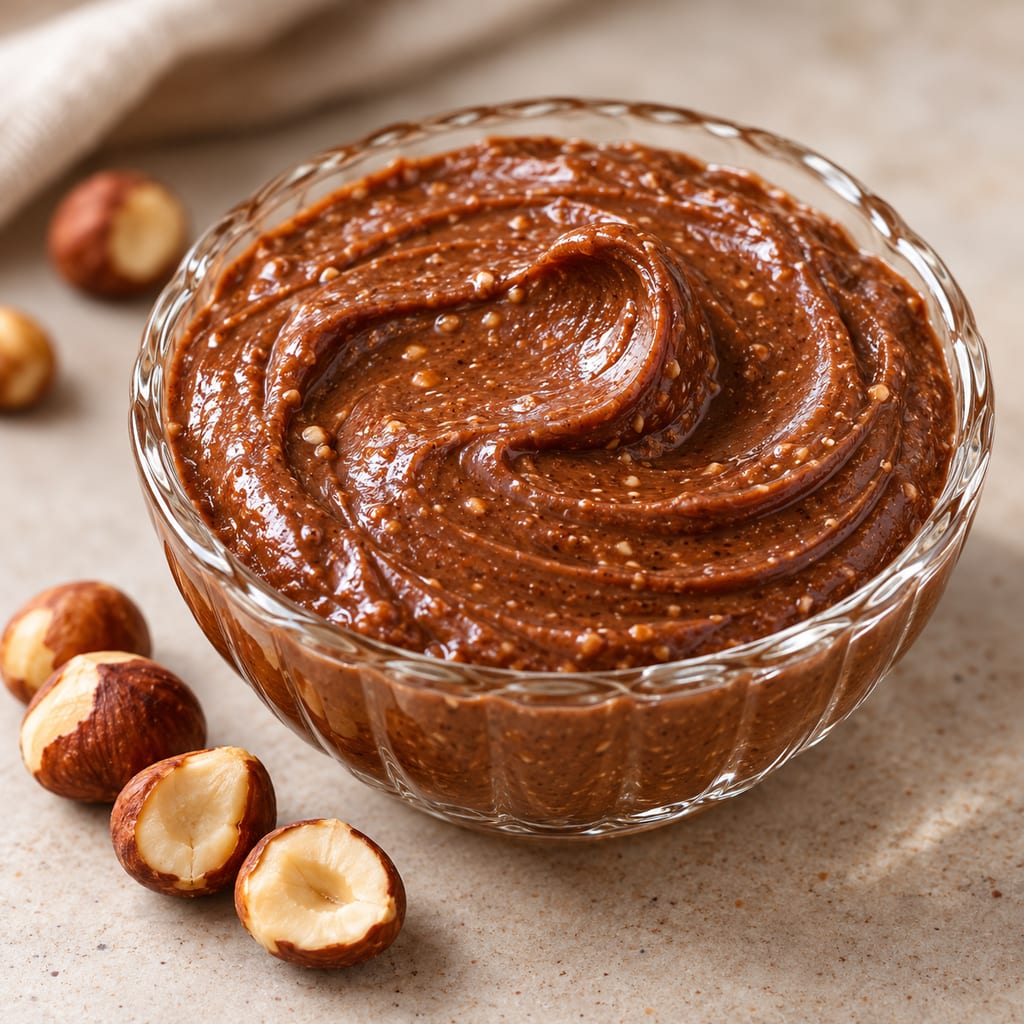
Roasted, skinned hazelnuts refined in a stone melanger into a fluid paste, then sweetened and finished with cocoa as a gianduja-style spread.

Peanut butter is a paste of ground roasted peanuts, usually with salt. Smooth and granular versions come from the same method, differing in how finely the nuts are ground.
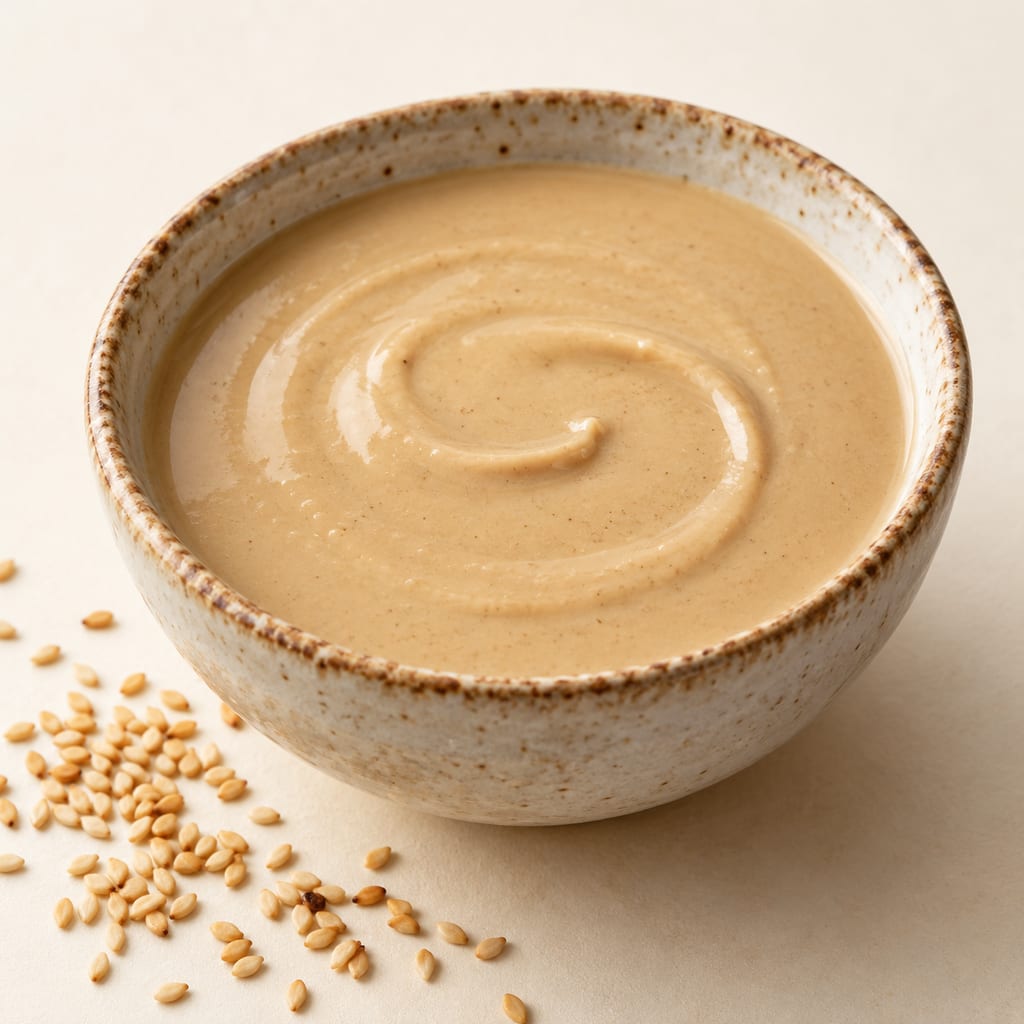
Toasted sesame seeds ground to a pourable paste, made by two manufacturer routes: a high-speed blender in minutes, or a stone chocolate refiner over three hours.
No community contributions have been published for this entry yet.
Sign in to contribute. Published comments and photos are free to read.
www.uaf.eduMethod · Context · Handling
www.uaf.eduDocumented preparation, regional context or preservation handling, with the limits stated in the text.
nchfp.uga.eduMethod · Context · Handling
NCHFP: Pumpkin seedsDocumented preparation, regional context or preservation handling, with the limits stated in the text.
Cited in: The preserve; Ingredients and equipment; Optional roasting after drying; Limits
extension.oregonstate.eduMethod · Context · Handling
Oregon State University Extension. Drying and roasting seeds, SP 50-534. Revised March 2013; reviewed 2026.Documented preparation, regional context or preservation handling, with the limits stated in the text.
Cited in: The preserve; Ingredients and equipment; Optional roasting after drying; Limits
nchfp.uga.eduMethod · Context · Handling
National Center for Home Food Preservation. Packaging and storing dried foods.Documented preparation, regional context or preservation handling, with the limits stated in the text.
Cited in: The preserve; Ingredients and equipment; Optional roasting after drying; Limits