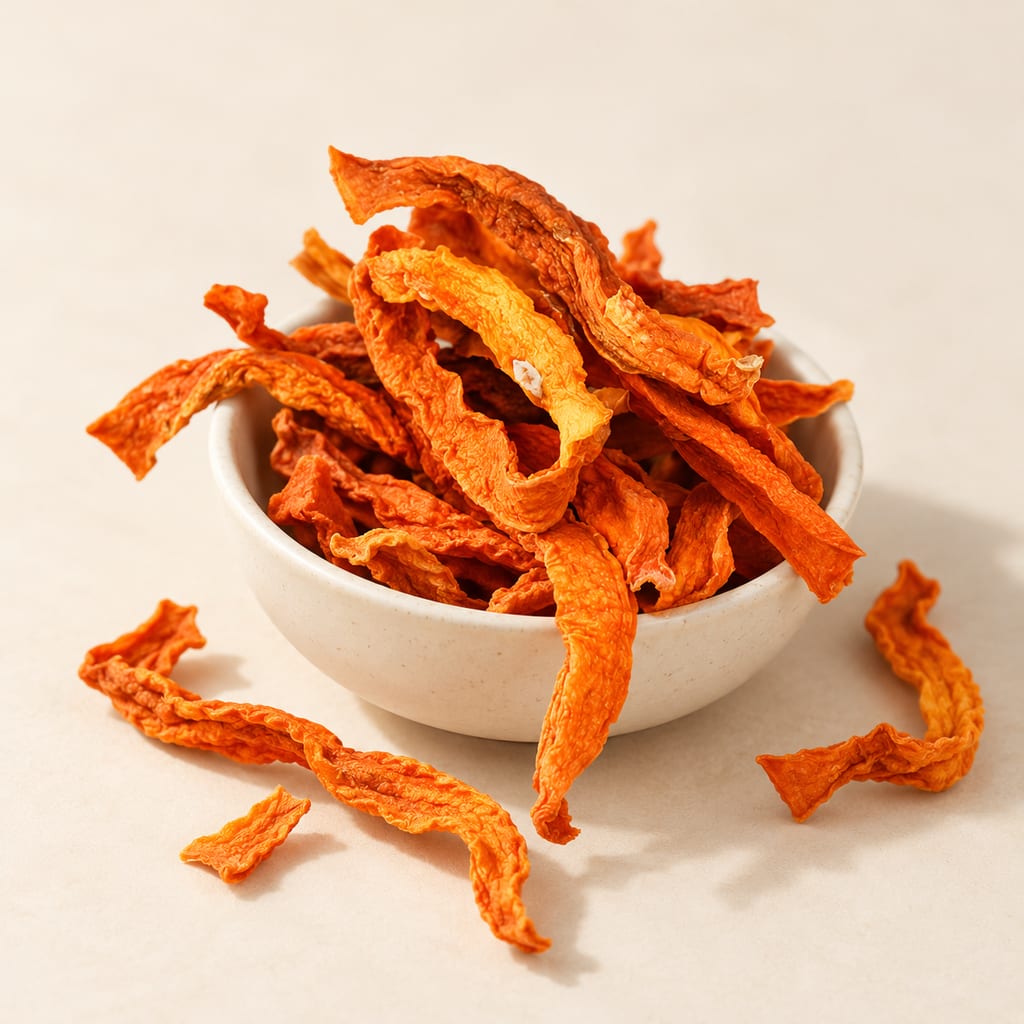
Dried pumpkin pieces and powder
Steam-blanched pumpkin dried until brittle, kept as pieces or ground into powder, with pumpkin-specific packaging and quality guidance.
 FermenteaWhere food goes to change
Equipment · All-in-one appliances
A countertop electric appliance circulates warmed air across food on open trays to remove moisture. Round stackable and rectangular cabinet designs use different airflow paths; materials, capacity and controls vary by model.
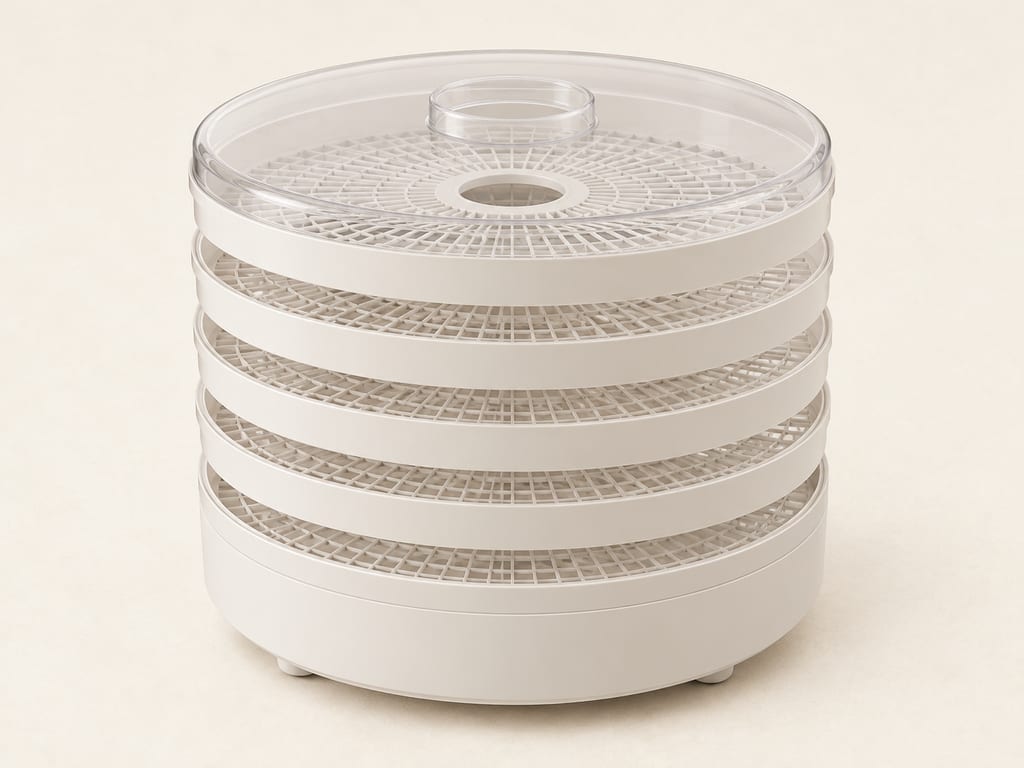
A food dehydrator is a small electric appliance for drying food indoors. The familiar parts are a heat source, a fan, vents for intake and exhaust, and a set of open trays. Some units use a rectangular cabinet with sliding shelves; others stack round trays above a base or around a central opening. NCHFP calls out an enclosed heating element, thermostat, fan or blower and open-mesh trays as features to look for, while the materials and controls vary from one model to another.
Warm moving air passes across exposed food, taking water vapour away as moisture evaporates from the surface. Vents matter because the air must leave after it has picked up moisture and be replaced by incoming air. The trays hold pieces in a single layer and keep space for air movement above and below. Crowding or blocking the tray openings changes the path that the machine is designed to provide.
In a horizontal-flow design, the heater and fan sit at the side of the unit and push air across the trays. NCHFP notes that this arrangement can reduce flavor mixing between foods, distribute heat more evenly across shelves, and keep drips away from the heating element. In a vertical-flow design, the fan and heater sit at the base and air rises through the stack. With different foods in one load, flavours may mix; liquids can also drip toward the heating element. These are design tendencies in the guidance, not guarantees about every appliance.
Round and rectangular shapes do not mean one fixed construction. Consumer NZ describes round units as usually stackable, while rectangular dehydrators often have pull-out trays; some rectangular units also stack. Fan position, tray geometry and capacity are decisions made by each manufacturer. This general equipment page describes the family of appliances, not the specifications of a particular Excalibur, Sahara or other named product.
Heat alone does not determine how quickly food dries. The food's moisture and thickness, the room's humidity, the movement of air and the machine's temperature all affect the process. Consumer NZ notes that drying evenly may take several hours and that food type and moisture matter. Uniform slices expose a more comparable amount of surface; very high heat can dry the outside into a leathery layer while the centre still contains water, a problem known as case hardening.
Controls differ too. NCHFP's 2014 guidance lists a thermostat as a feature, not a fixed range that applies to every dehydrator. A dial reading and airflow pattern belong to the model's own instructions. A number recorded for one named product should not be copied as a universal setting for fruit, herbs, vegetables or meat.
The equipment documented here is a modern household appliance. NCHFP's account is drawn from its 2014 edition of So Easy to Preserve; Consumer NZ's July 2024 guide compares multiple designs in a New Zealand consumer context. Utah State Extension describes the underlying arrangement as an enclosed cabinet with controlled heat, forced airflow, and intake and exhaust vents. These sources document current use and design variation in the United States and New Zealand, but do not identify an inventor or a place of origin.
The site has separate pages for named dehydrator products. Those records hold model-specific materials, controls, shelf arrangements and maker claims. This page stays at the level shared across the type: an electric dryer that exposes food to controlled warm airflow on trays. No single capacity, shape or temperature setting represents every food dehydrator.
National Center for Home Food Preservation, Food Dehydrators, extracted from the 2014 sixth edition of So Easy to Preserve.
A dehydrator's tray count, temperature controls and airflow geometry vary by model; do not treat one unit's settings or capacity as a standard specification for the whole equipment type.
Source →NCHFP warns against wood construction because it presents a fire hazard and is difficult to clean; its listed features are selection guidance, not a universal model specification.
Source →Country-level record for U.S. extension guidance on household dehydrators, not a claim of exclusive origin or use.
Country-level record for a New Zealand consumer guide comparing multiple food-dehydrator designs, not a claim of invention.
Steam-blanched pumpkin dried until brittle, kept as pieces or ground into powder, with pumpkin-specific packaging and quality guidance.
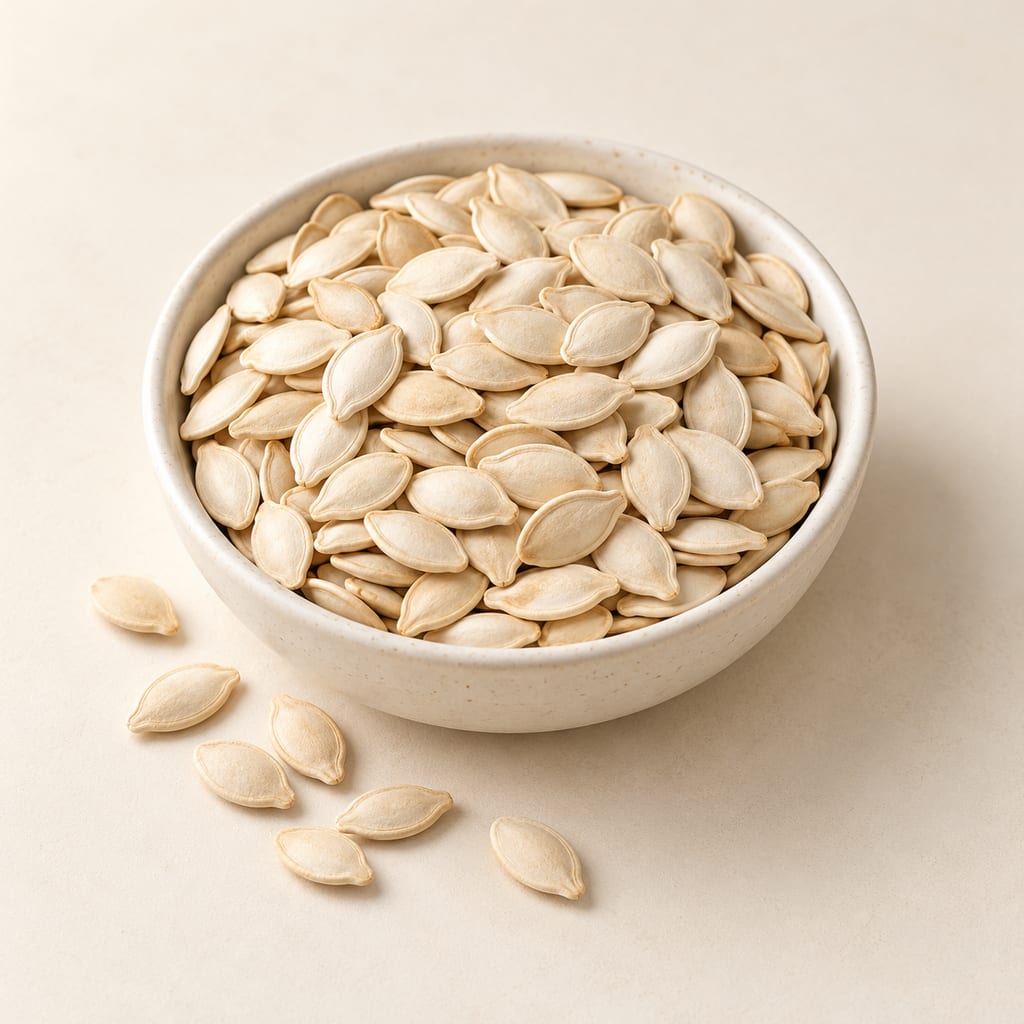
Washed pumpkin seeds dried gently for storage, with an optional roasting step before eating. Refrigerate or freeze the cooled seeds.
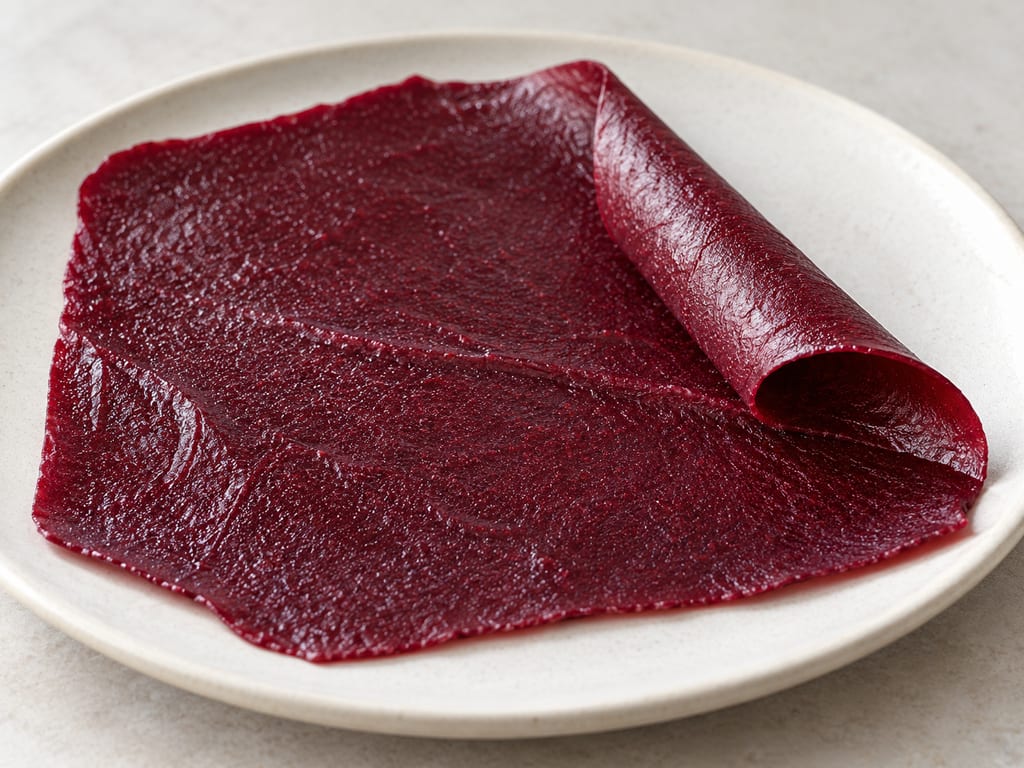
Fruit pulp spread into thin sheets or shaped into cakes and dried, a compact, portable way of keeping fruit in western and central Asia and among Indigenous North Americans.
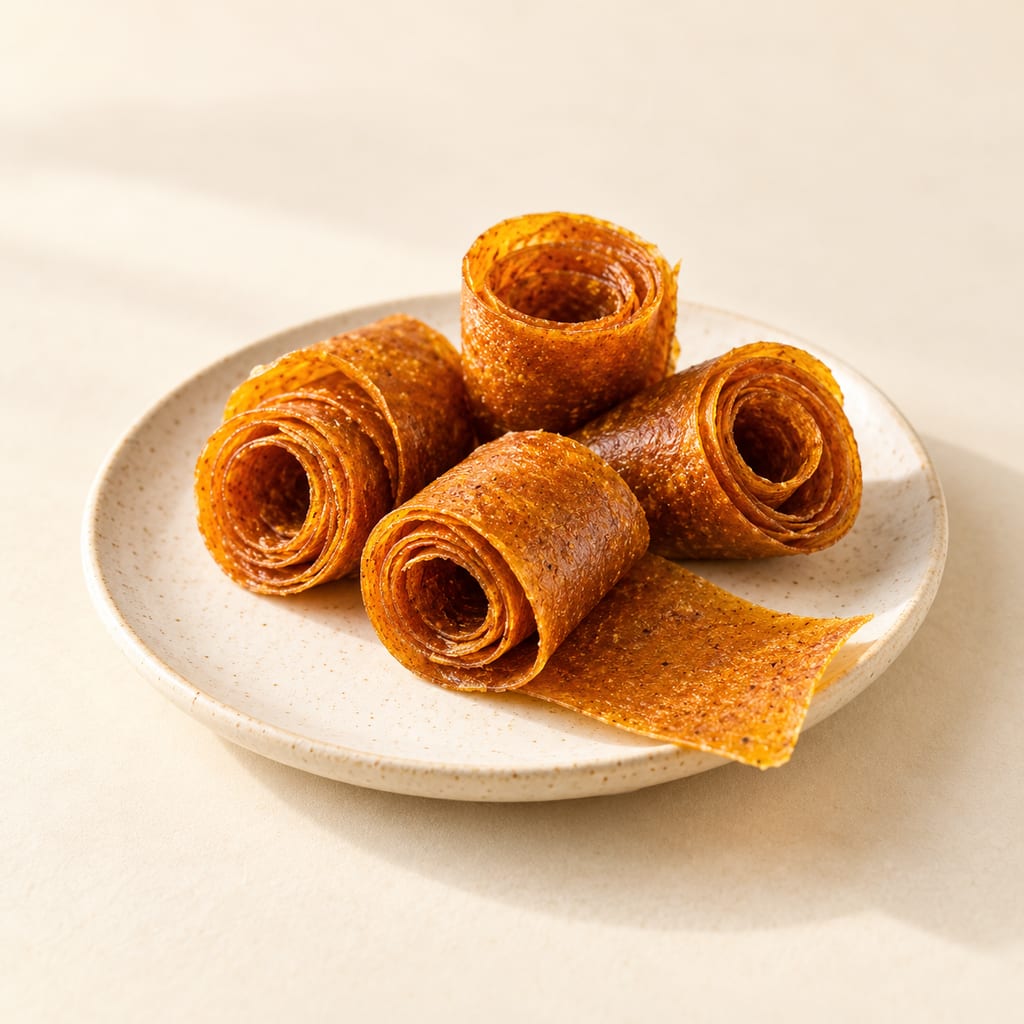
Cooked pumpkin blended with honey, cinnamon, nutmeg and cloves, spread thinly and dried into a rollable sheet.
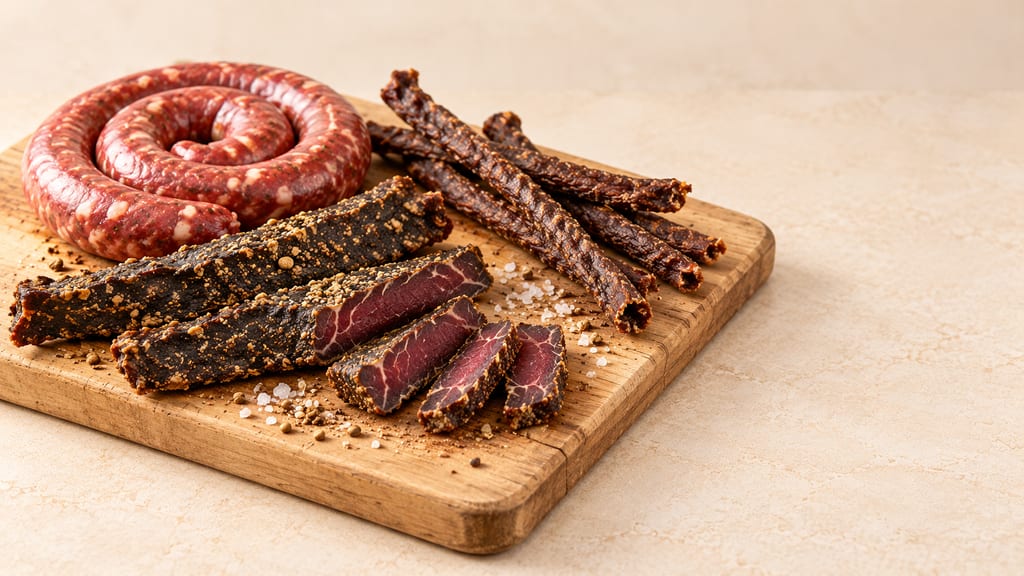
Boerewors, biltong and droëwors share a table but follow different paths from meat to meal. Their histories lead from the braai and butcher's counter to drying lines, household pots and the science of keeping food.
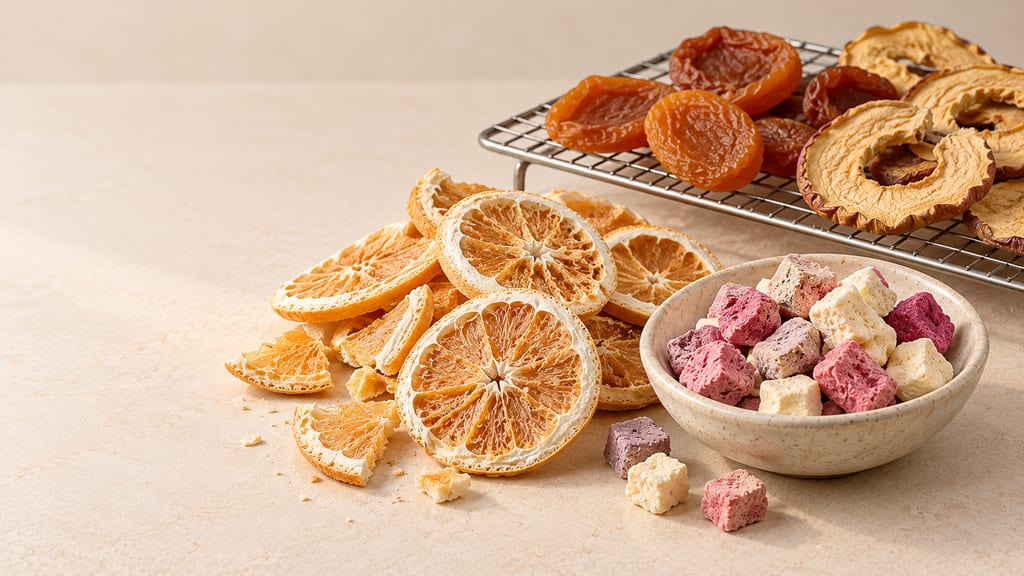
A dehydrator turns fruit purée into leather and steamed sweet potato into hoshiimo without sun or wind; a freeze dryer works differently. Both stop microbes growing by removing water, and neither replaces a step that kills them.
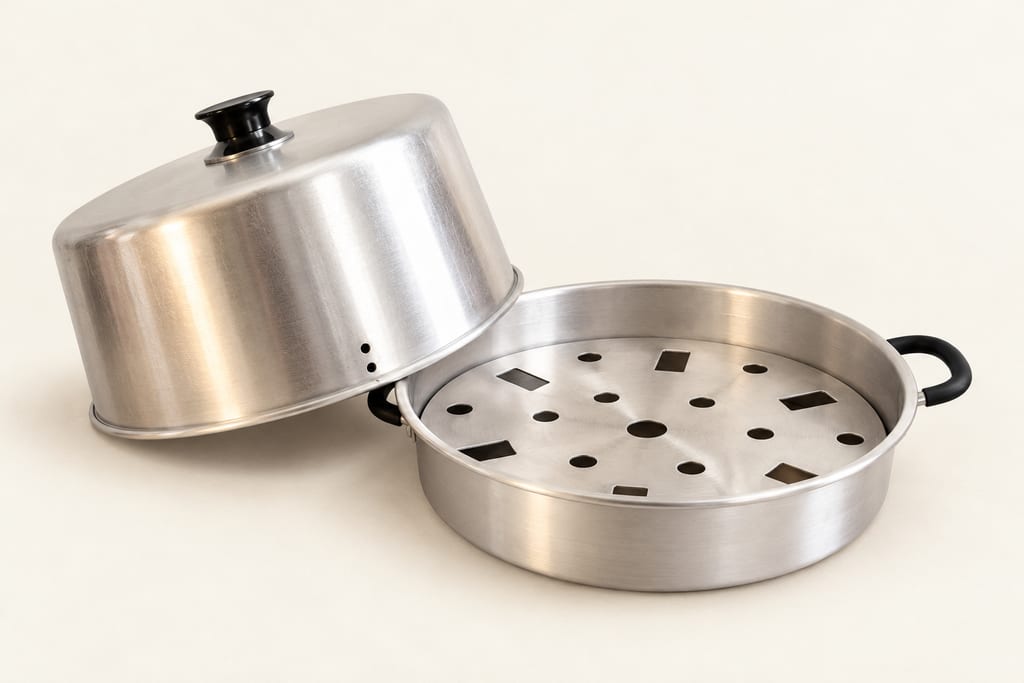
A shallow rack base and tall vented cover process jars in atmospheric steam. NCHFP limits the method to tested high-acid or acidified recipes requiring no more than 45 minutes, including altitude adjustment; this is not pressure canning.
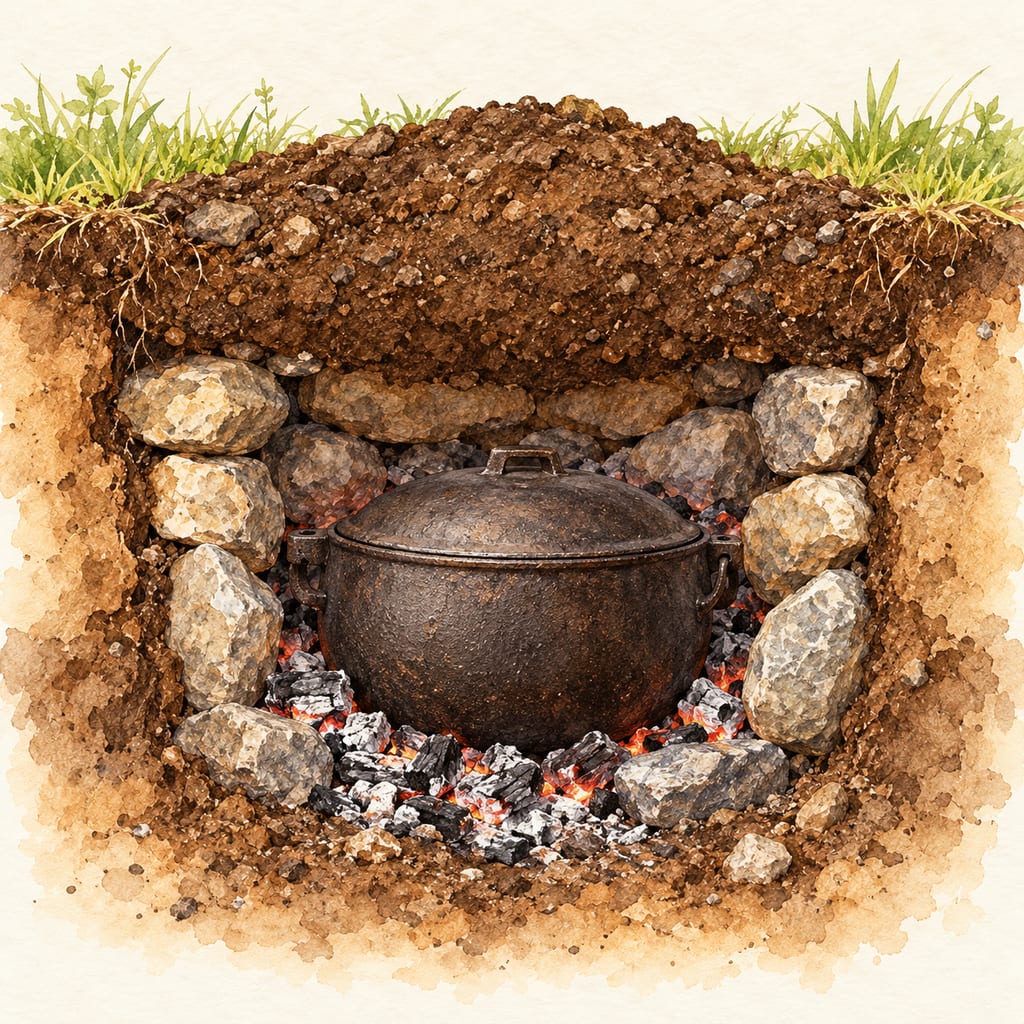
A covered iron vessel used in Maine bean-hole cooking, set into a preheated stone-lined pit and buried for a slow cook.
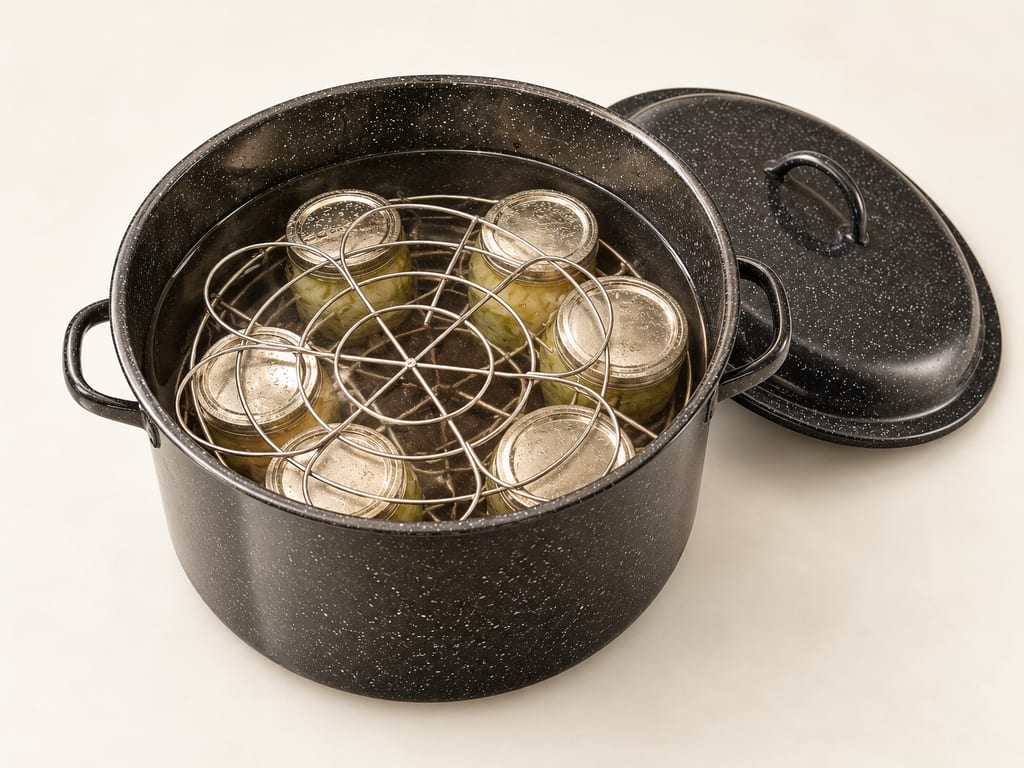
A deep, lidded pot with a removable rack processes jars beneath boiling water. It is intended for foods with tested boiling-water processes; low-acid foods require pressure canning.
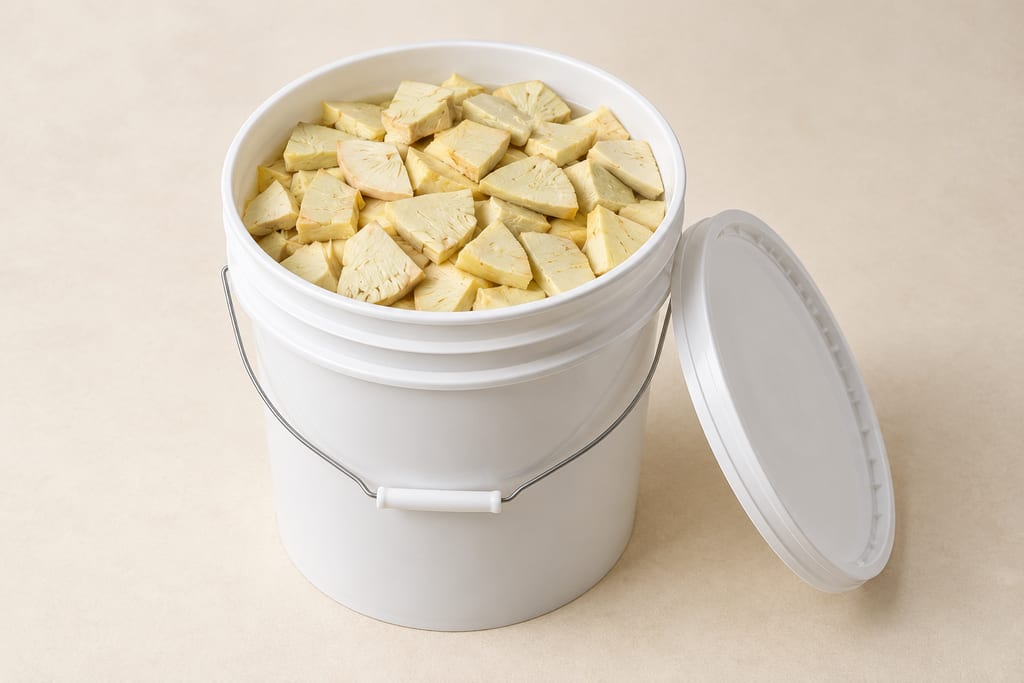
A contemporary household enclosure for preparing mā, fermented breadfruit, documented in Hawai‘i using food-safe buckets, coolers or large sealable bags in place of a pit.
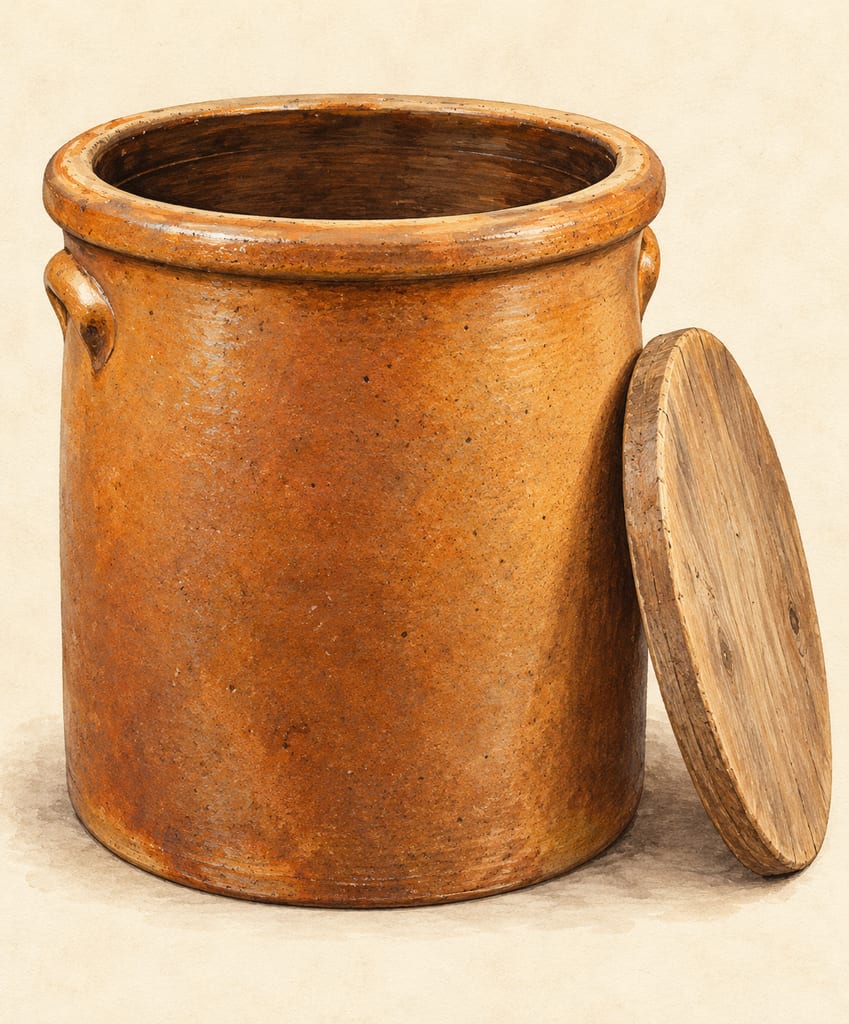
Containers for salt-curing fish and meat range from broad-mouthed stoneware crocks to tubs, cut-down barrels and chests. Their material, depth, cover and ability to retain or drain liquid shape how the food sits in salt or brine.
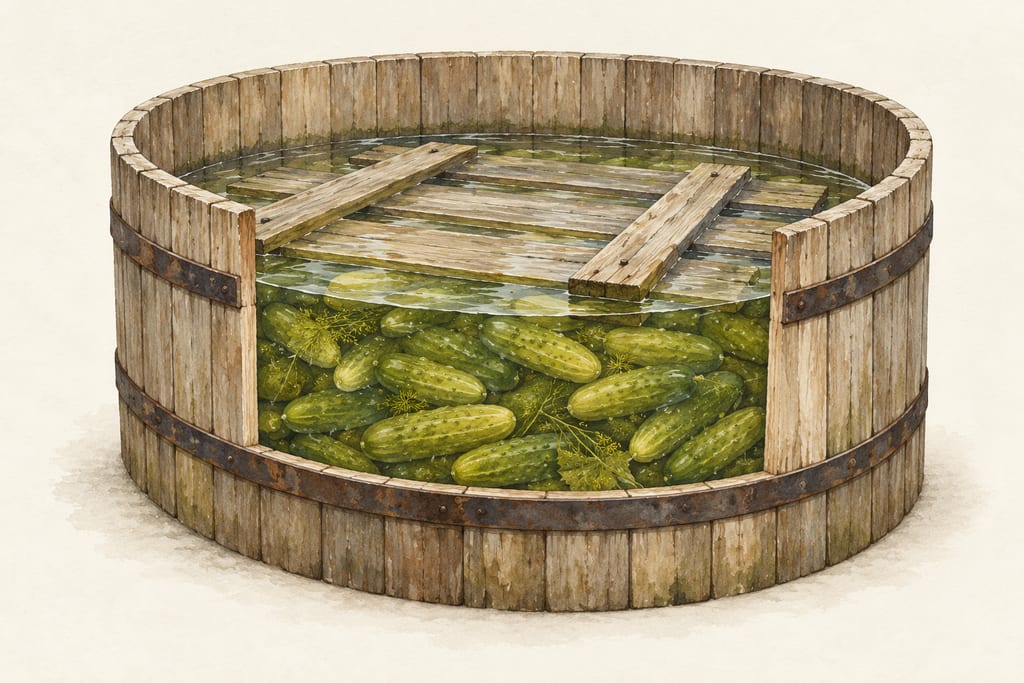
A bulk brining vat holds cucumbers and other vegetables under cover brine for fermentation and storage. North Carolina sources document a mid-century wooden tank yard and later outdoor fiberglass systems.
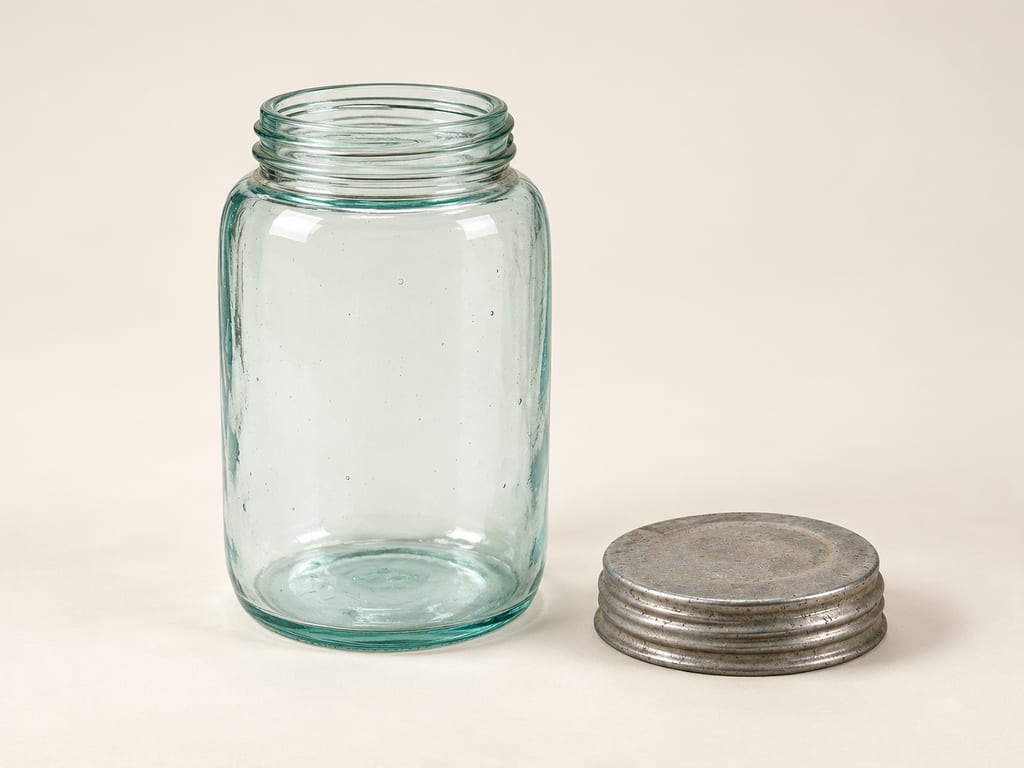
Threaded, heat-processing jars hold food and a fitted lid during a tested canning process; jar size and process belong to the specific recipe.
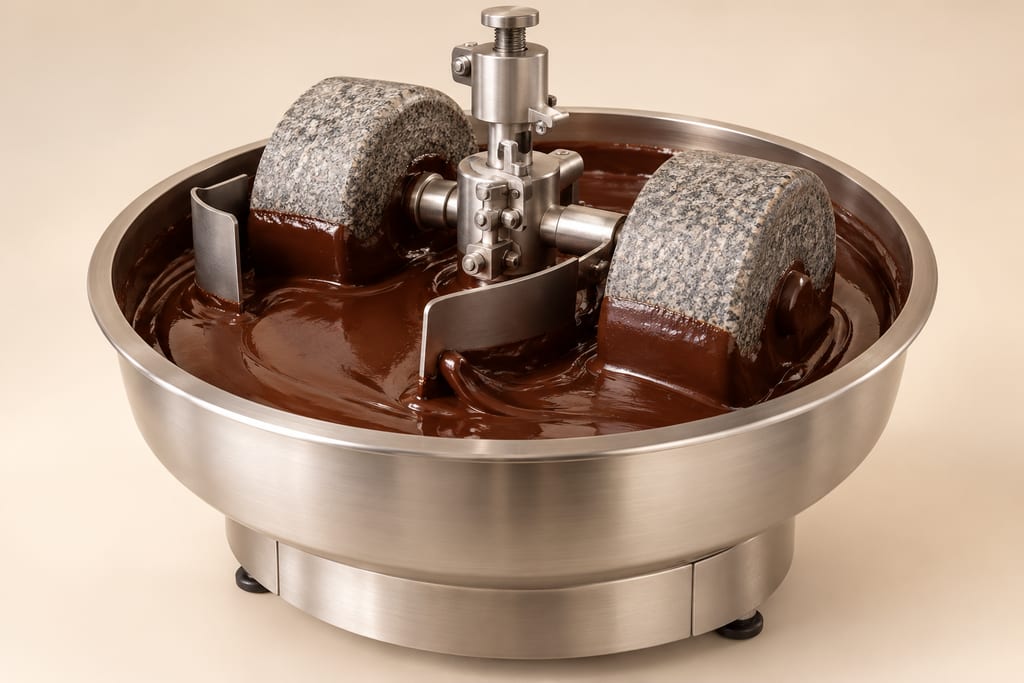
A chocolate refiner or melanger uses powered rotation and stone rollers to refine cocoa mass. Some models also process nut and seed pastes; design, material and operating limits vary.

Soft, spreadable Calabrian pork sausage made with a great deal of red chilli and fatty pork, stuffed into natural casings, sometimes smoked and matured while staying soft.

A way to add independent temperature logging to an existing food dehydrator without changing its built-in controls or protections. It is a monitoring method, not a rewiring plan.

Pleurotus cystidiosus is the abalone mushroom, a cultivated oyster-type fungus with dark brown caps that grows more slowly and is more demanding than other Pleurotus species.

A dark, balanced vinegar from Emilia-Romagna made by combining cooked or concentrated grape must with wine vinegar, then acetifying and refining it in wood under a protected specification.

A living dairy inoculum that starts controlled cream fermentation, developing acidity and aroma before sour cream or cultured butter is finished.

A small electric incubator holds jars at a selected temperature for yogurt and other documented warm food preparations. Controls, capacity and vessel arrangement vary by model.

Adygean salt is a seasoned table salt associated with Adygea and the wider North Caucasian culinary tradition. Salt is blended with garlic and a variable selection of herbs and spices; the exact mix depends on the named style and maker.

The African Caesar-group mushroom, Amanita masasiensis, is a wild ectomycorrhizal species of central and southern African woodlands, eaten locally. The genus contains deadly poisonous species, so identification needs care.
No community contributions have been published for this entry yet.
Sign in to contribute. Published comments and photos are free to read.
National Center for Home Food Preservation, University of GeorgiaEquipment · Form · Airflow
Food DehydratorsNCHFP describes a food dehydrator as a small electric appliance with an electric heating element, fan and vents.
The 2014-revised source distinguishes horizontal airflow, with heater and fan at the side, from vertical airflow, with heater and fan at the base.
It lists metal or high-grade-plastic enclosure, enclosed heating elements, thermostatic control and open mesh trays as features to consider; exact features vary by model.
Cited in: A heated cabinet for moving air; Two airflow arrangements; Temperature, preparation and drying rate; A modern household type, not one product
Utah State University ExtensionEquipment · Operation
Home Drying FoodsUSU describes dehydrators as enclosed cabinets with controlled heat and forced air to carry moisture away.
Venting must allow air intake and exhaust; prepared food needs space around it for circulation.
Cited in: A heated cabinet for moving air; A modern household type, not one product
Consumer NZEquipment · Design variation · Geography
Food dehydrator buying guideThe guide, updated July 2024, describes round dehydrators with stackable trays and rectangular designs that often use pull-out trays; some rectangular models are stackable.
The guide distinguishes typical fan placements and notes that tray height, design and feature set differ among models.
Consumer NZ documents contemporary consumer use in New Zealand; it does not establish the equipment's place of invention.
Cited in: Two airflow arrangements; Temperature, preparation and drying rate; A modern household type, not one product