Built structures
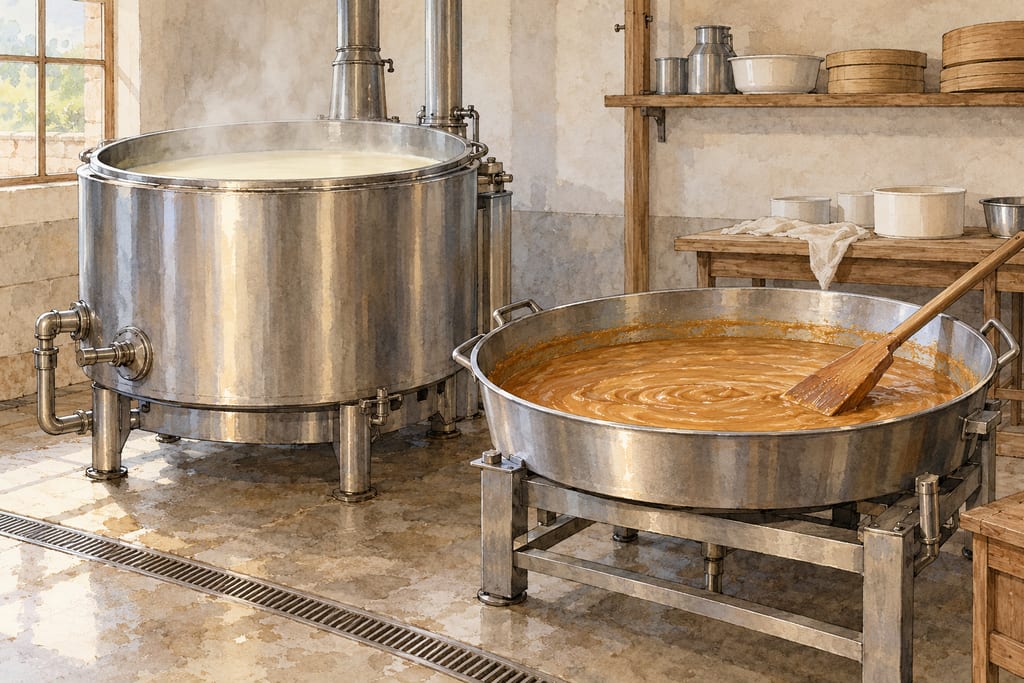
Brewer for bulk work and a finishing pan
The kettle heats and reduces a large volume of thin liquid such as whey; before it nears the brewer's minimum fill the batch moves to a wide pan for the thick, stirred finish.
 FermenteaWhere food goes to change
626 sourced equipment pages: vessels, tools, appliances and built structures.
The kettle heats and reduces a large volume of thin liquid such as whey; before it nears the brewer's minimum fill the batch moves to a wide pan for the thick, stirred finish.
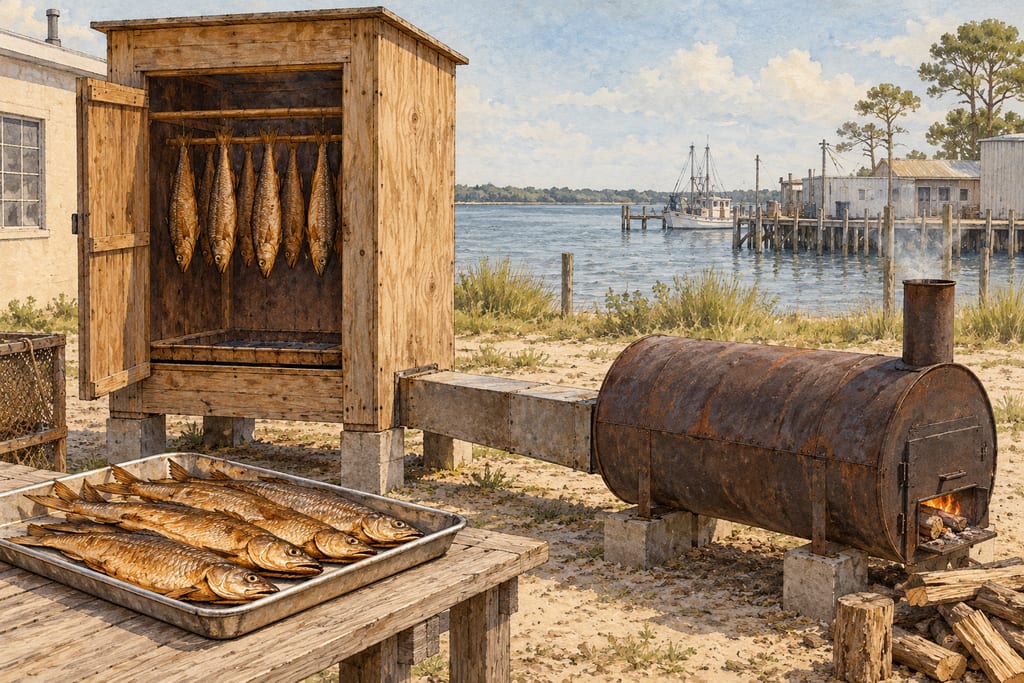
A plywood smoking chamber fed from a separate firebox made of a 55-gallon drum, designed in 1960 at a Pascagoula, Mississippi, fisheries laboratory for smoking mullet.
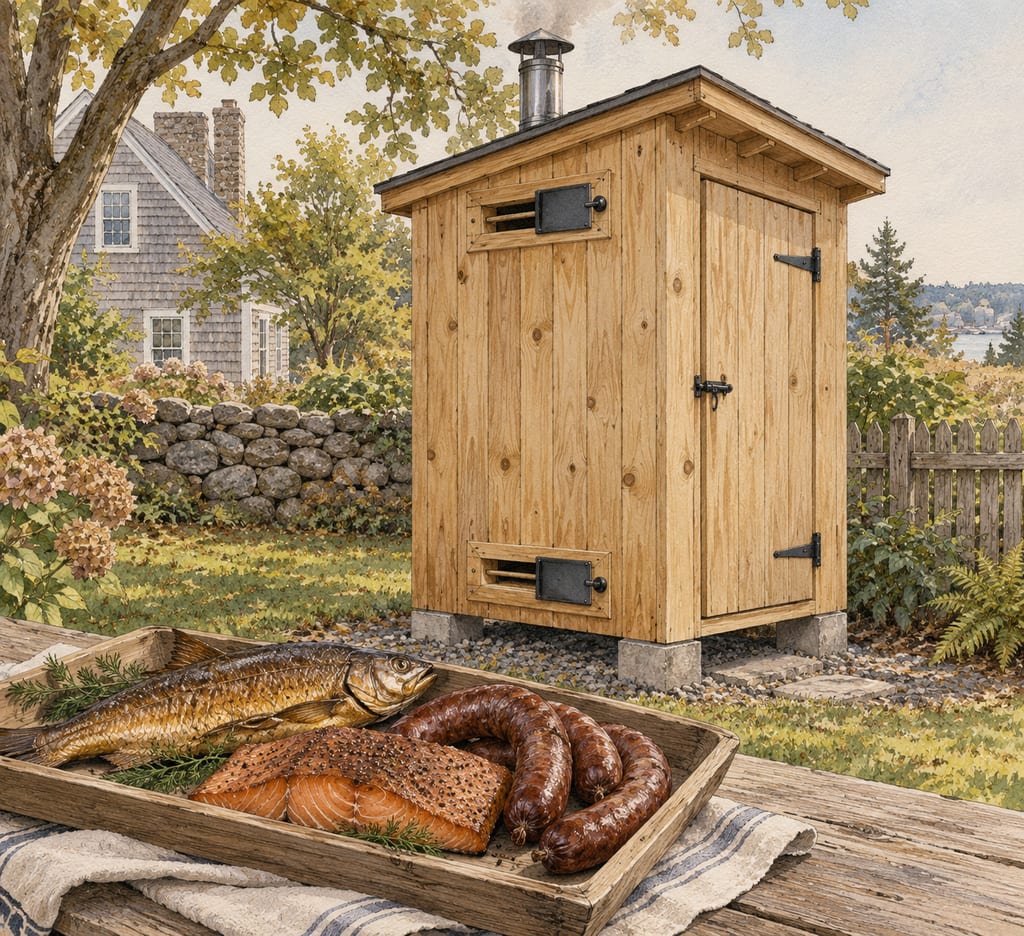
A wood-framed backyard smokehouse built from pine tongue-and-groove boards, with a sloped roof, vent dampers and a door, set out in a Connecticut Extension guide for smoking fish, pork, turkey, jerky and sausage.
George Washington’s Mount Vernon ice house stored winter-cut Potomac ice in a hillside dry well for use in warmer months. The official description and 1798 estate inventory give distinct details of its form.
Show on map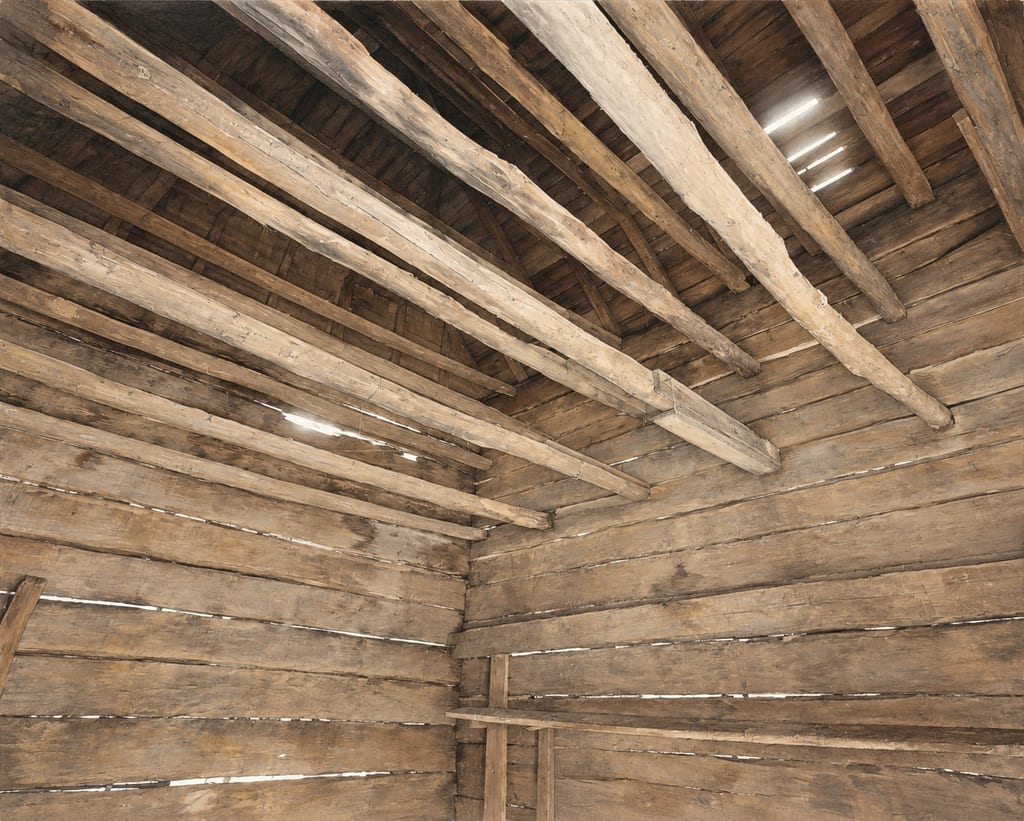
Tidewater Virginia smokehouses were separate buildings for curing and storing meat. Documentary references attest to purpose-built examples by the early eighteenth century; a HABS photograph records one interior at Sherwood Forest.
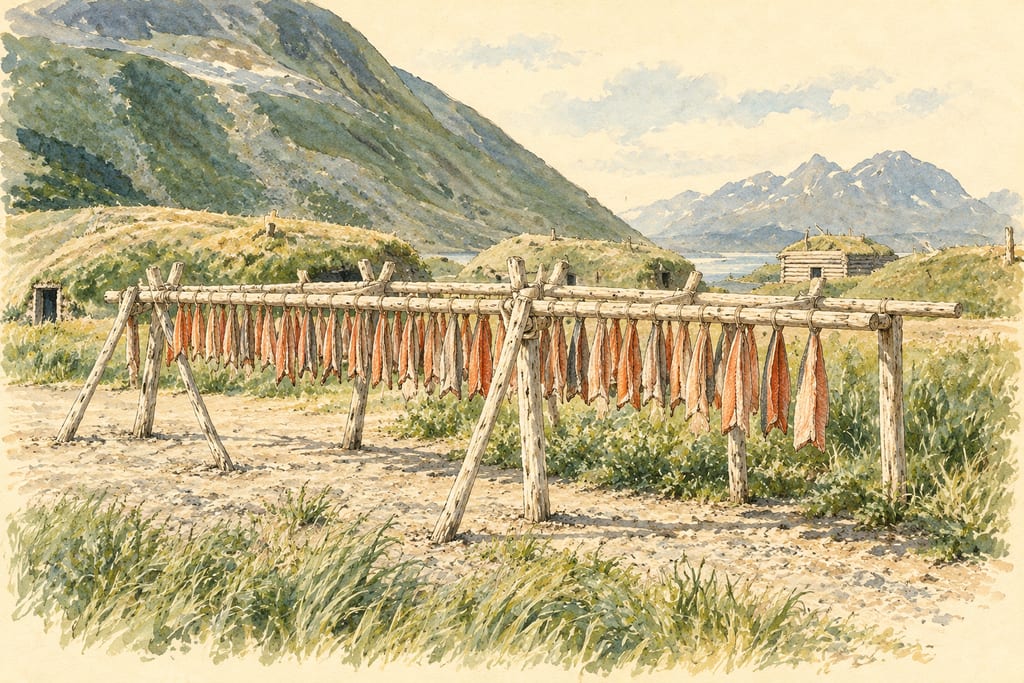
An Alutiiq initaq is a wooden hanging rack for air-drying fish around Kodiak. An 1889 Old Harbor photograph shows an open rail structure; the Alutiiq Museum documents contemporary spruce-pole or lumber racks and airflow-preserving covers.
CDC guidance depicts fish heads in a grass-lined hole in the ground and describes it as a traditional Alaska Native food-preparation method; it names no specific Nation or community.
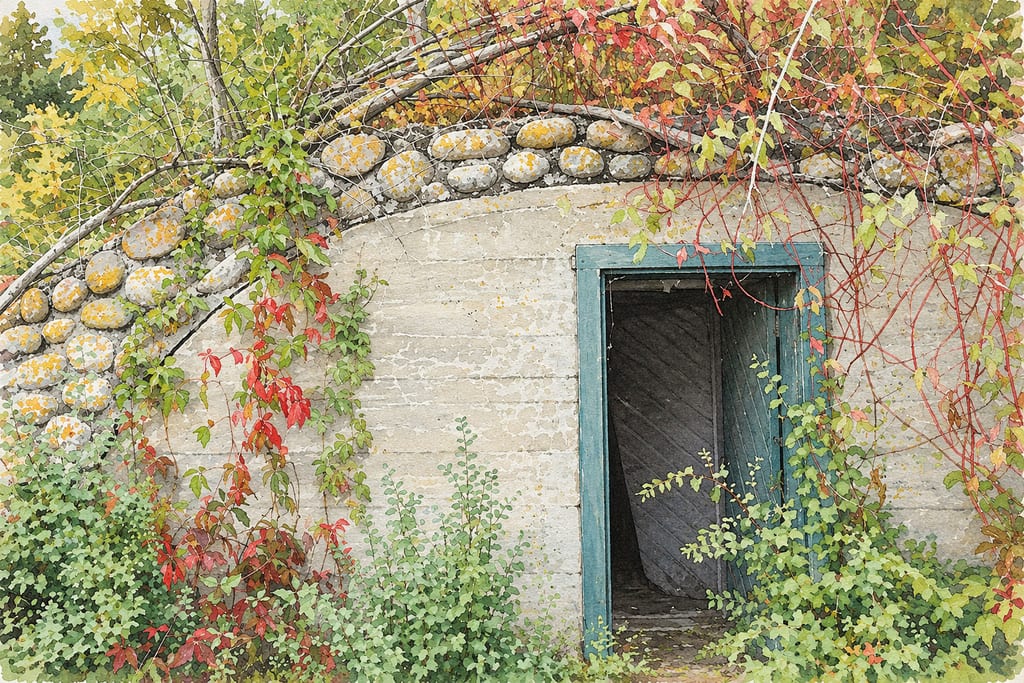
A documented root cellar at Minnesota’s Joyce Estate was built into a hillside near the kitchen to store garden produce. Its exposed east wall is concrete trimmed with fieldstone.
Show on map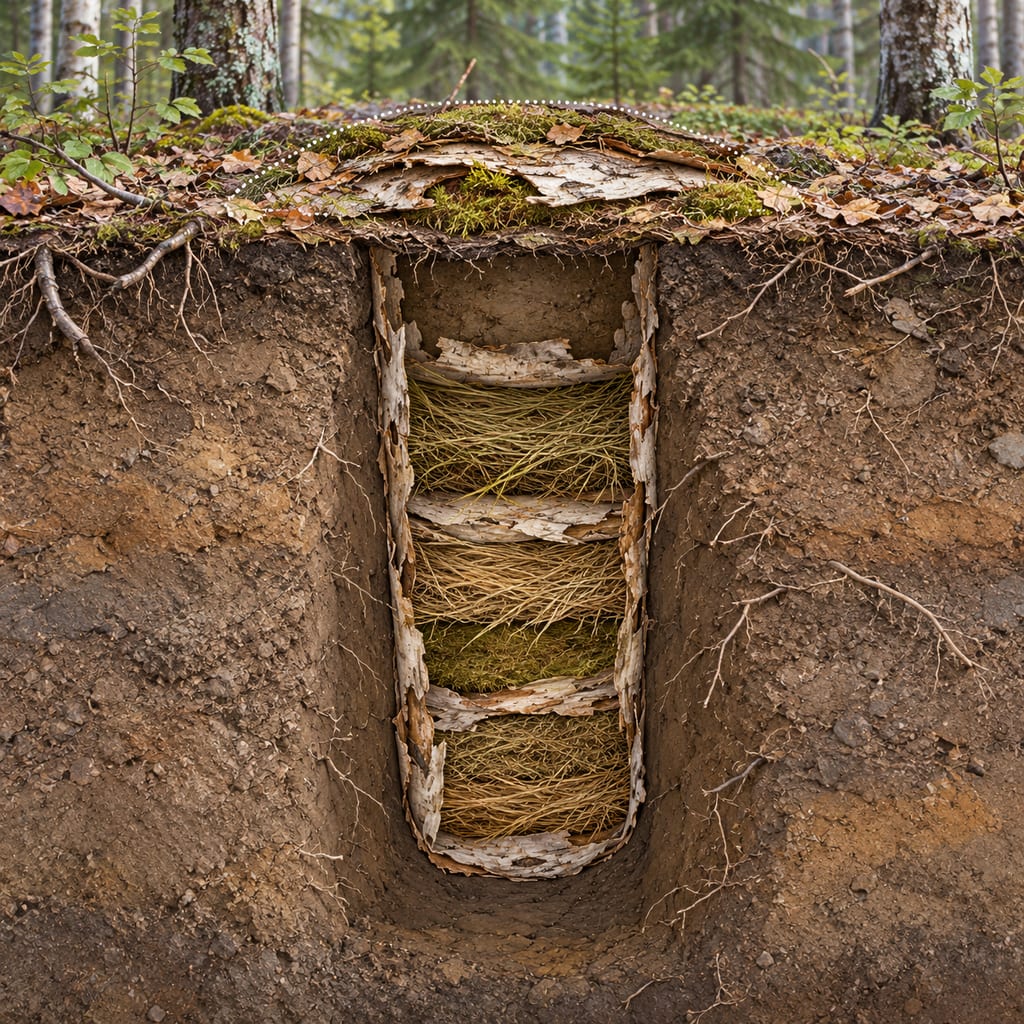
A Dene cache pit at Upper Cook Inlet, Alaska, initially dated to around 1,000 years ago. JBER documents a below-ground feature lined with birch bark and grasses; exact contents and construction details remain under study.
Show on map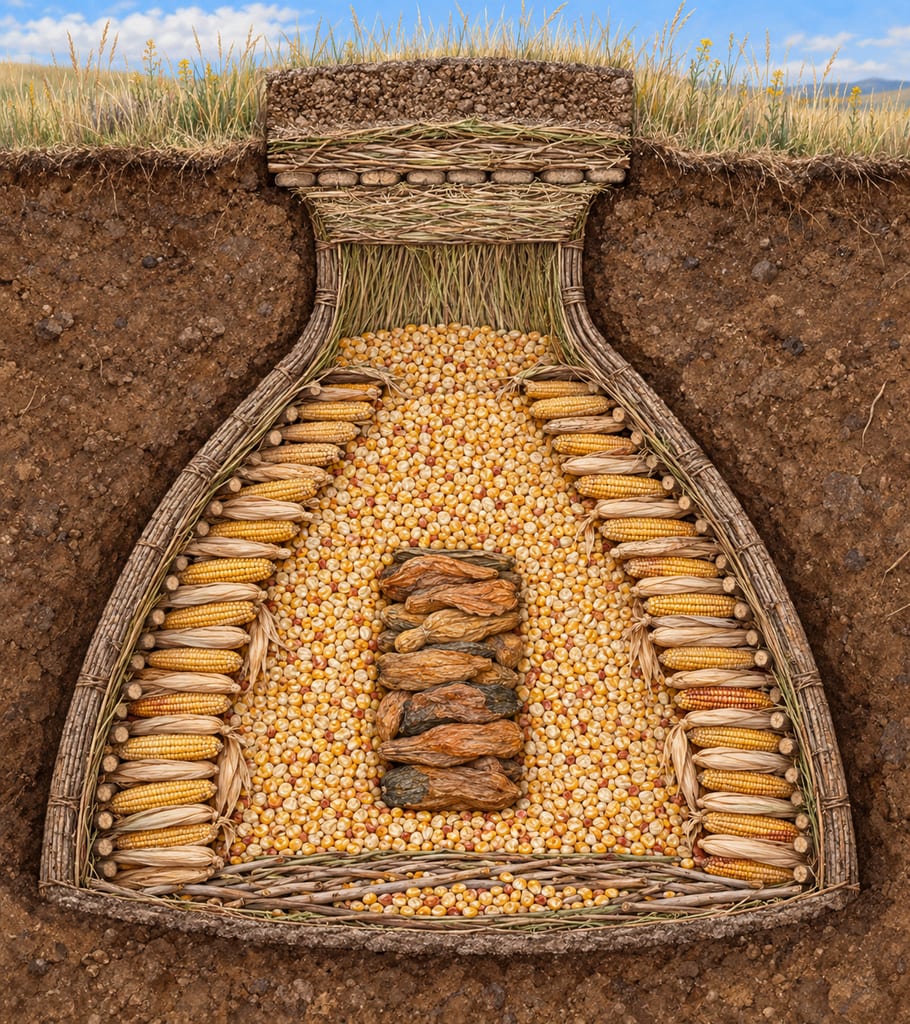
A Hidatsa underground storage chamber described by Buffalo Bird Woman in a first-person account published in 1917: a narrow-necked, jug-shaped pit lined with dry willow and grass, used to protect stored crops and other provisions.
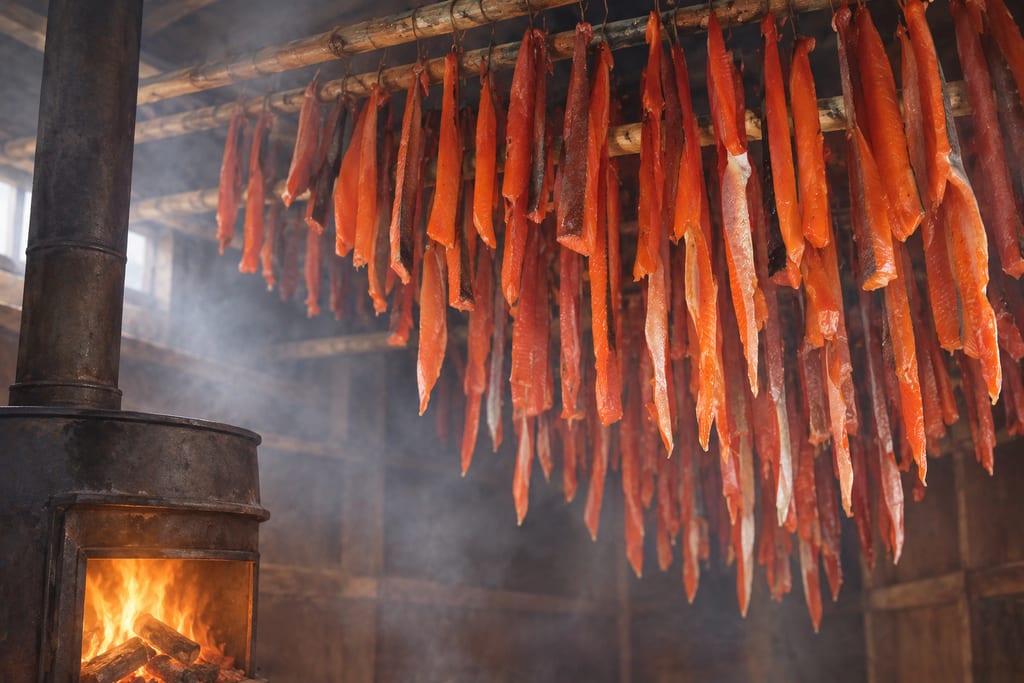
A 2015 report documented a Yup’ik family smokehouse in Bethel, Alaska, where silver salmon strips hung from racks and cottonwood fed a wood stove. It is one household example, not a standard design.

A limestone smokehouse on the Sauer–Beckmann farm near Stonewall, Texas, with a lower smoking room and an upper storage level. Built before 1900, it remains part of a living-history farm.
Show on map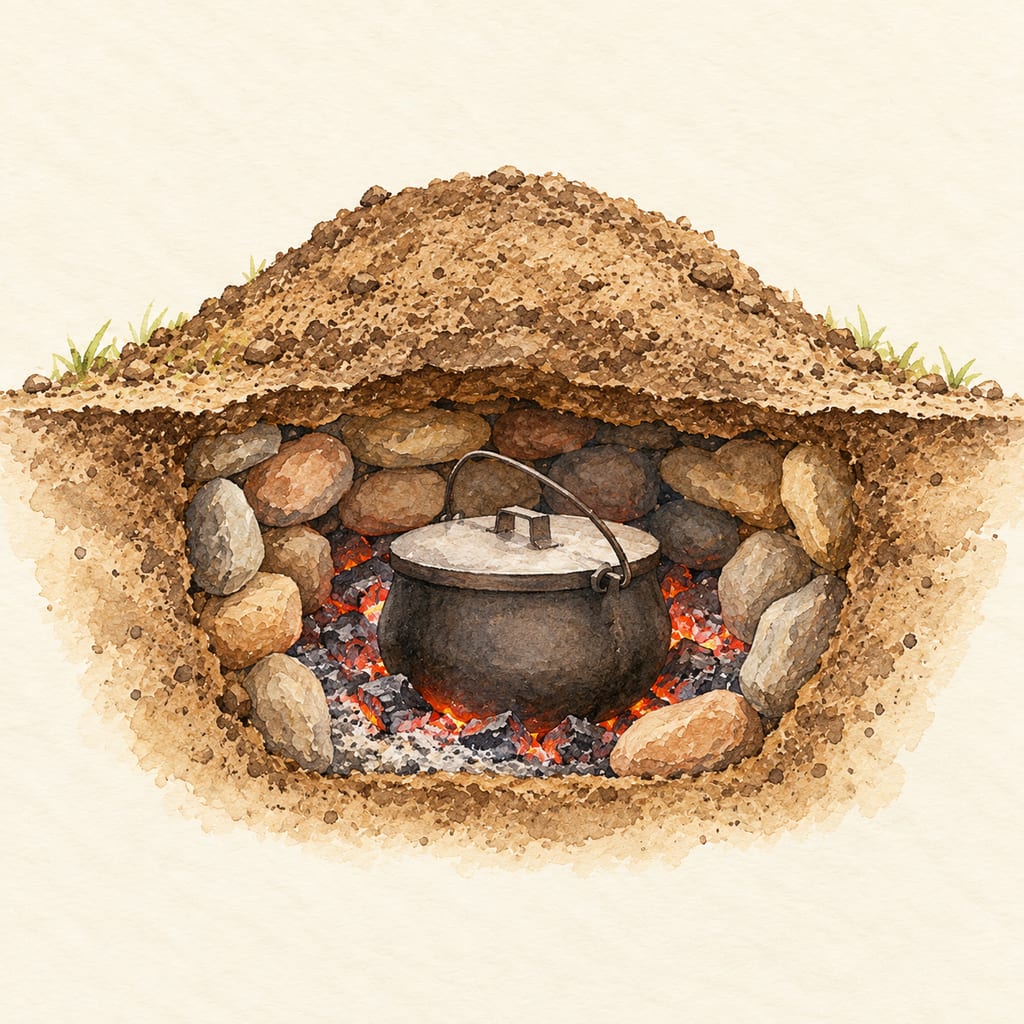
A Maine bean hole is a fixed, stone-lined pit that holds a covered iron pot among coals beneath earth. Logging-camp testimony and present-day demonstrations document related local practices.
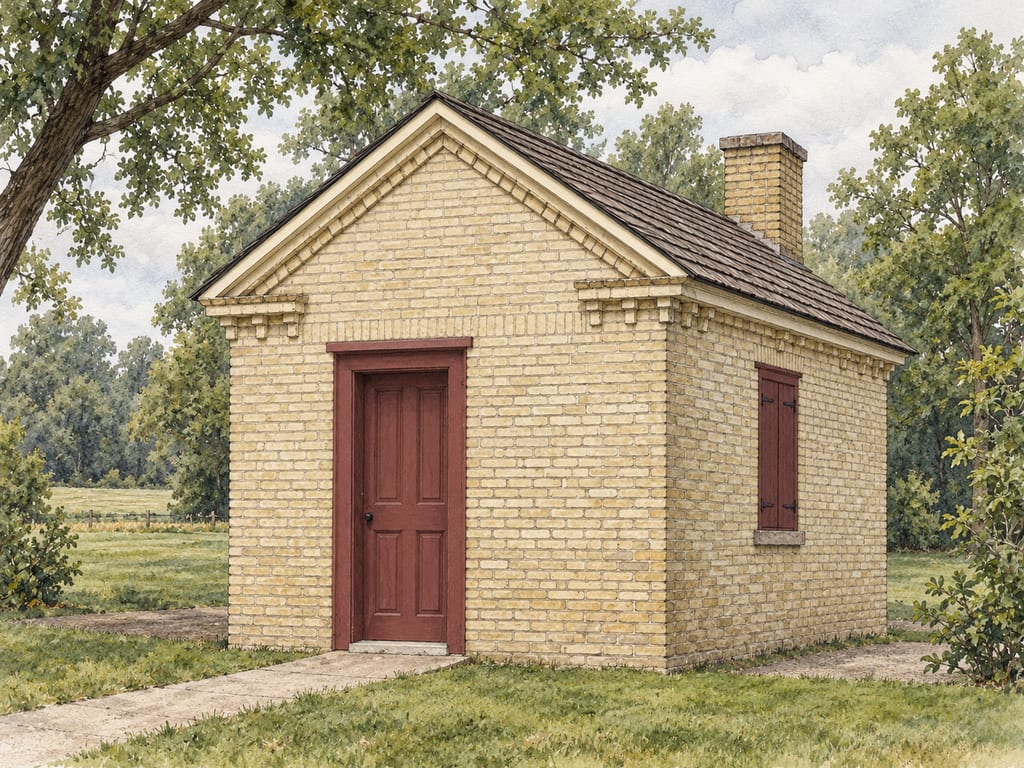
A mid-nineteenth-century brick smokehouse and summer-kitchen building on the former Sunderlage farmstead in Hoffman Estates, Illinois.
Show on map
A source-based account of Appalachian meat-curing outbuildings, centered on the Henry Whitehead Place smokehouse at Cades Cove, Tennessee. Regional practice and this one building are kept distinct.
A large clay-lined depression built beneath some Alutiiq house floors in the Kodiak region, documented in Koniag contexts for food storage and possibly fermentation.
A temporary, in-place earthen oven used to cook camas with heat retained by fire-heated stones. The dimensions described here belong to one Kalispel-supervised reconstruction, not a universal form.
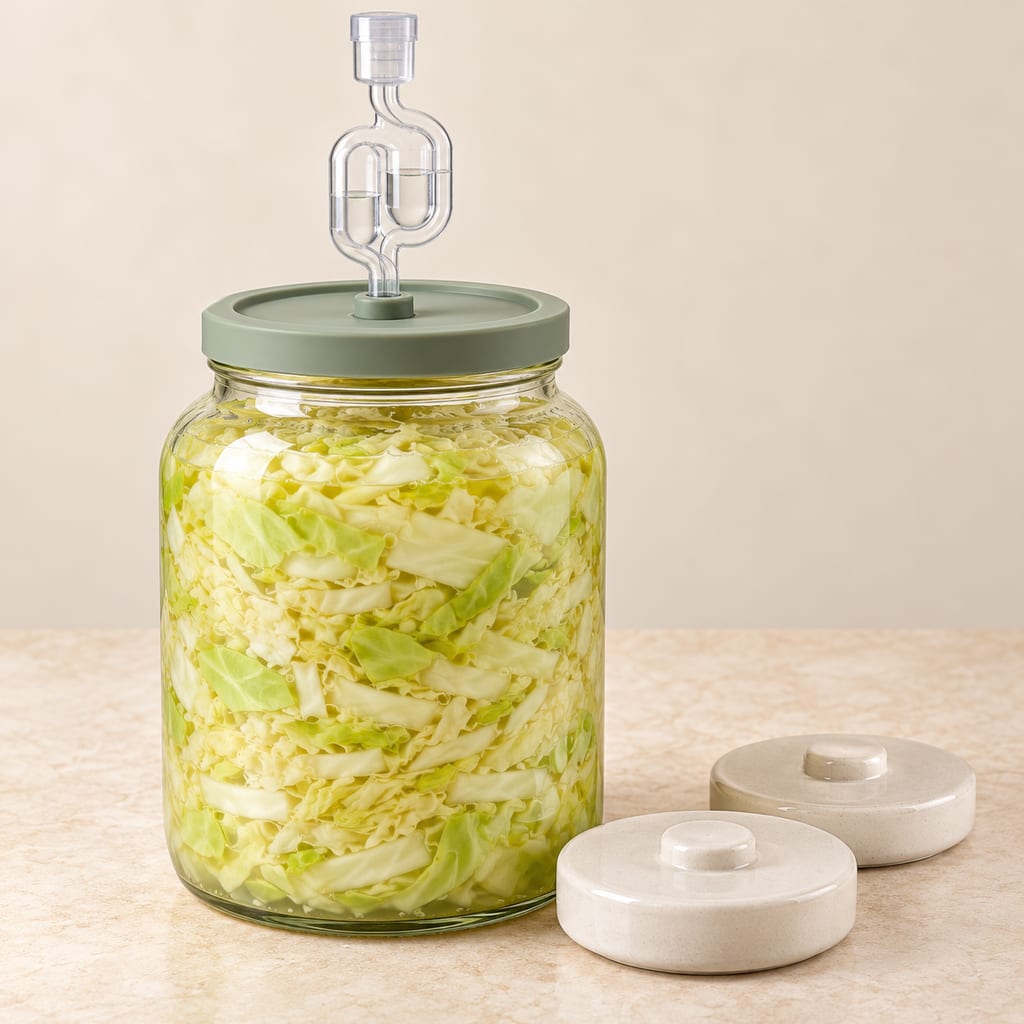
A modern wide-mouth glass jar for vegetable fermentation, often paired with a gas-release lid or airlock and follower weights. This accessory arrangement distinguishes it from general preserving jars and stoneware crocks.
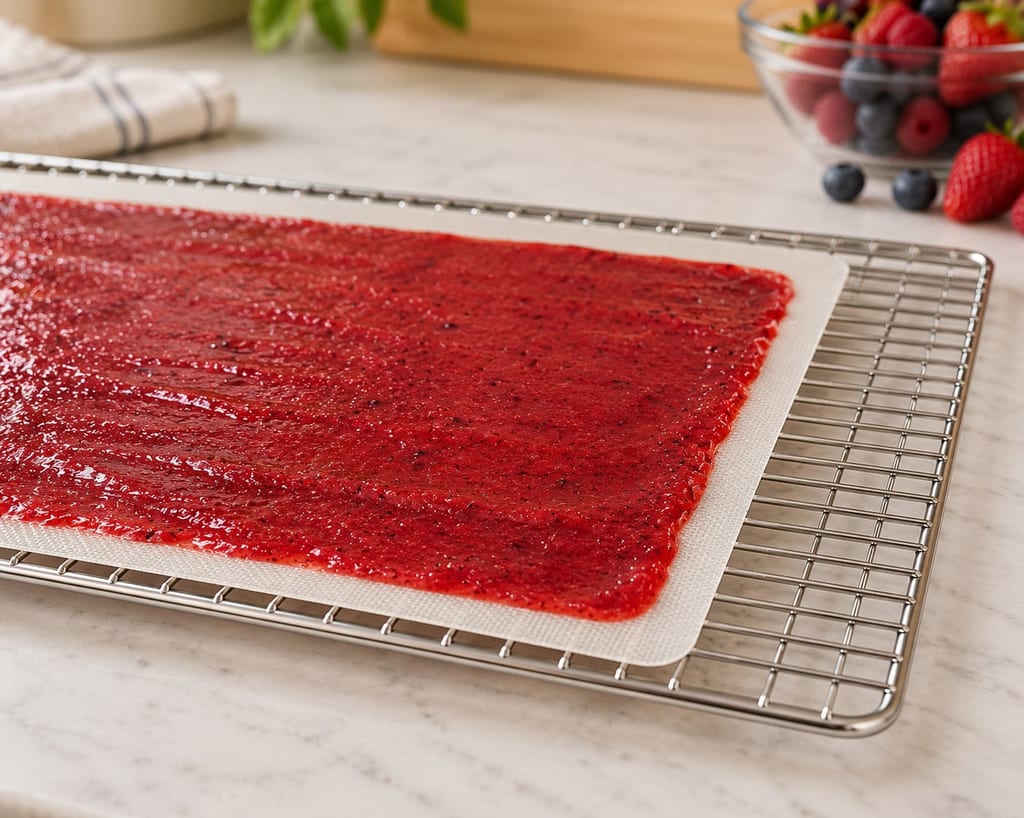
A removable food-contact sheet fitted to a dehydrator shelf holds purée and small sticky foods that would otherwise pass through an open tray. Materials and fit vary; a solid liner changes airflow at the covered surface.
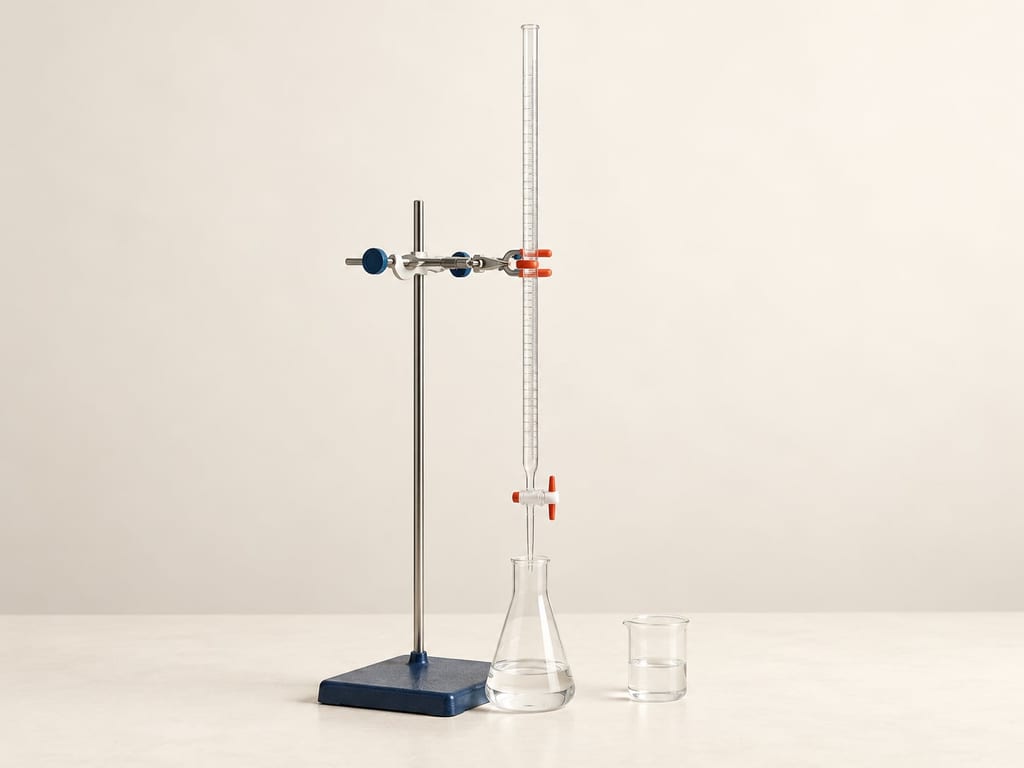
Titration equipment measures how much reagent reacts with a sample to reach a defined endpoint. Glassware, indicators and electronic endpoint detection vary; titratable acidity and pH are related but distinct measurements.
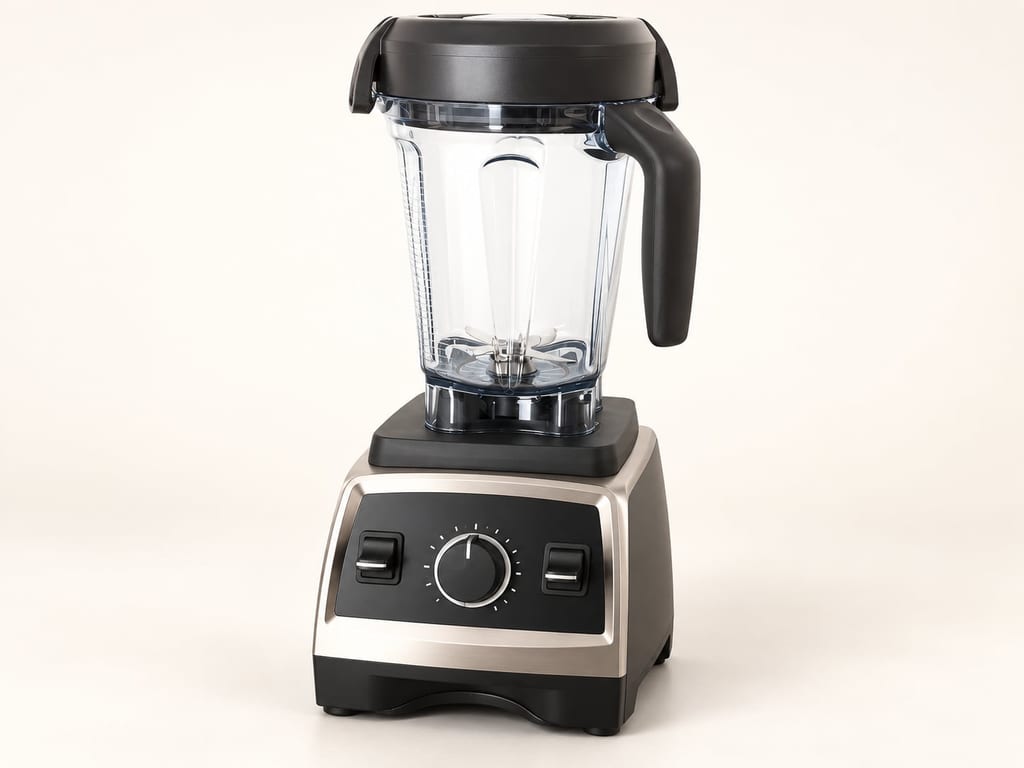
A model-specific countertop blender with a 2 L low-profile Classic container, ten manual speeds and five presets. “Pro 750” is the European short name for Professional Series 750; electrical ratings differ by region.
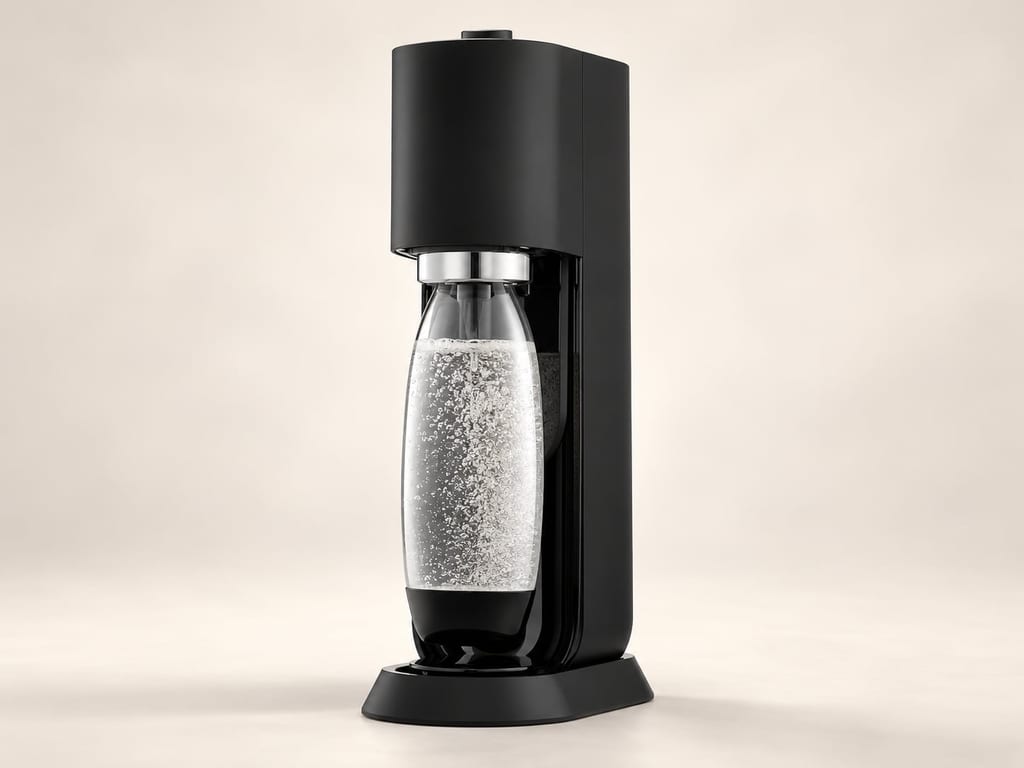
The SodaStream MIX is a CO₂-powered bottle carbonator designed for drinks beyond water, with a locking release dial and overflow collection. This page covers the MIX model, not the broader water-focused SodaStream range.
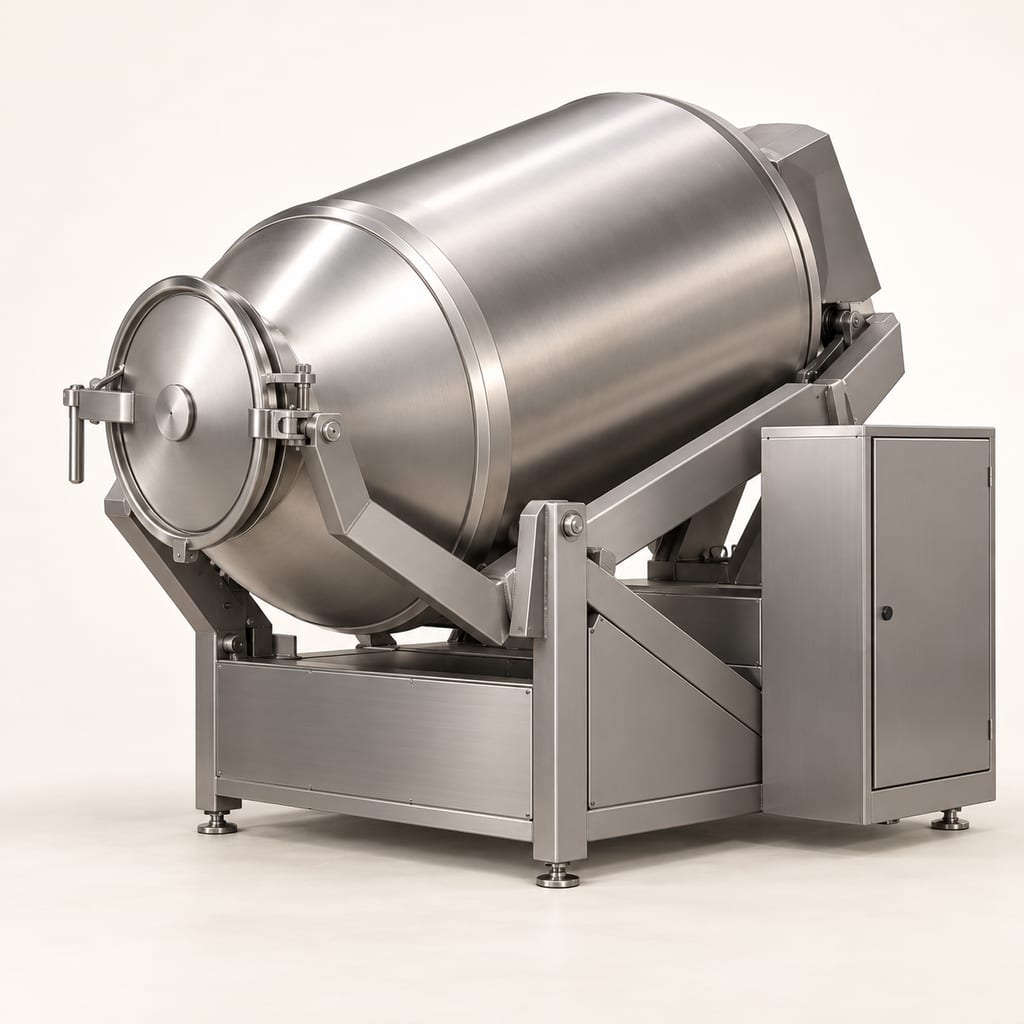
A vacuum tumbler is a powered rotating drum that massages meat under reduced pressure, distributing marinade or brine before later processing.
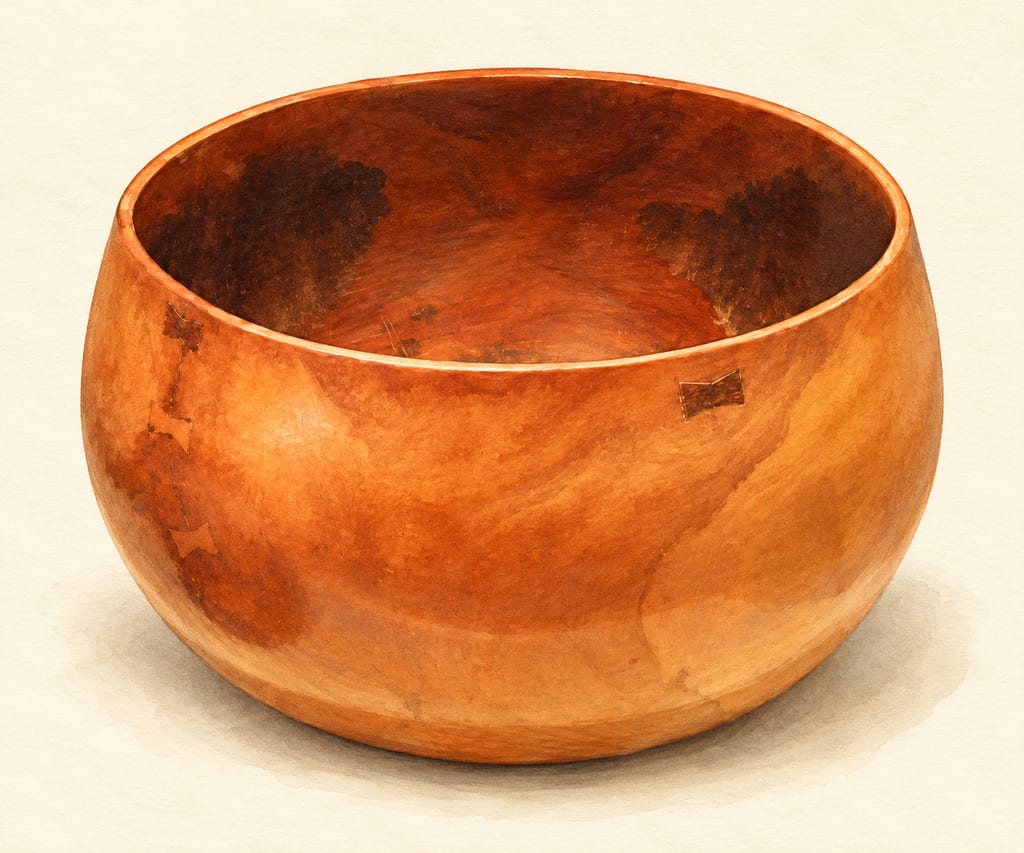
A Hawaiian bowl for holding, storing, and serving poi. ʻUmeke poi include carved wooden and gourd forms; their shape, material, and role vary by object and bowl type.
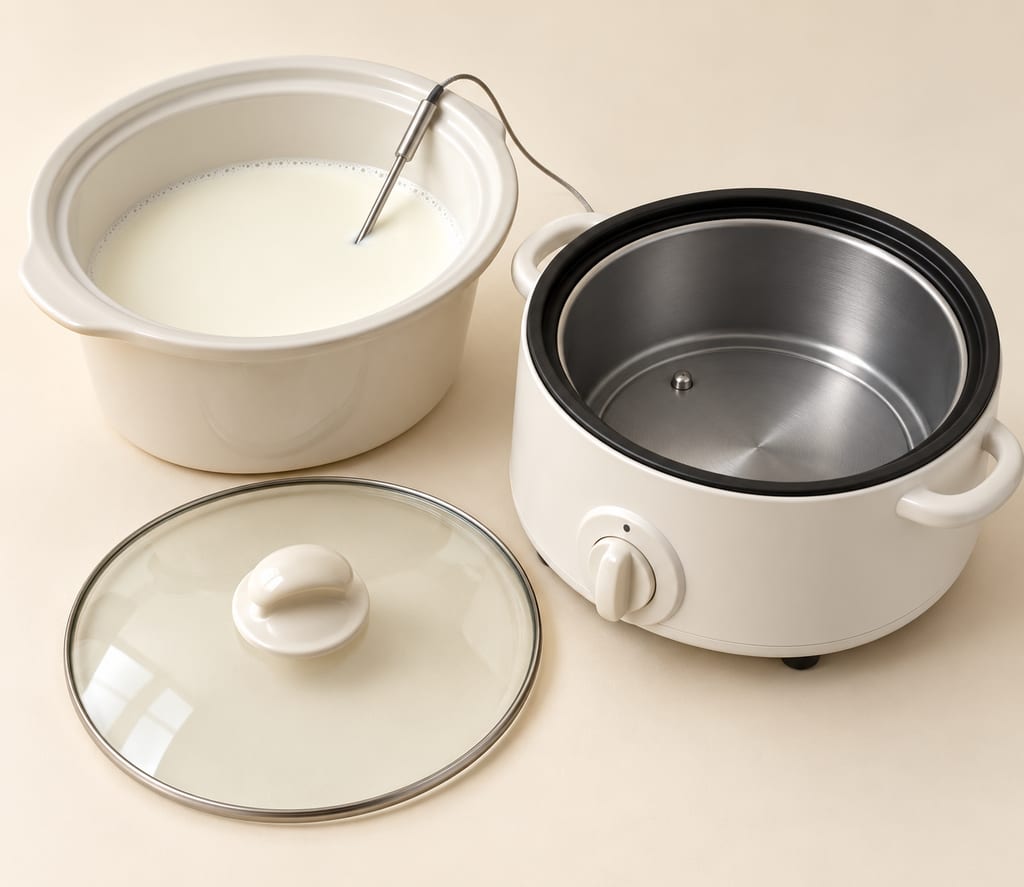
An electric slow cooker warms a removable heavy crock under a lid. Stored heat aids gradual cooking, but its settings are not a universal fermentation thermostat.
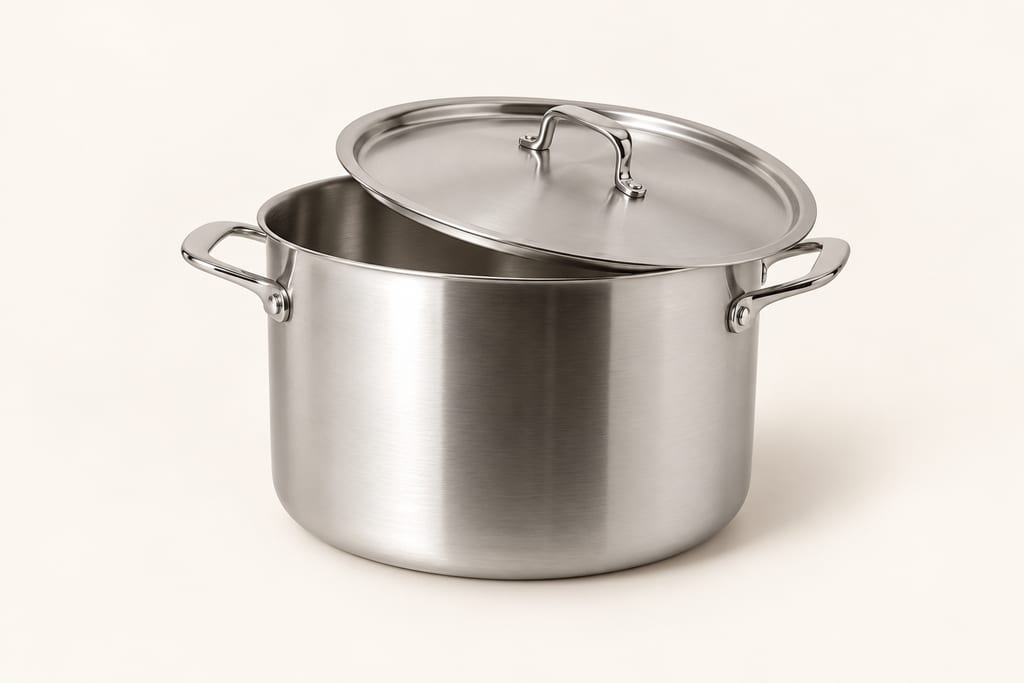
A deep, flat-bottomed household pot gives jam and jelly more room to foam than a shallow preserving pan; capacity, material and heat response vary by model.
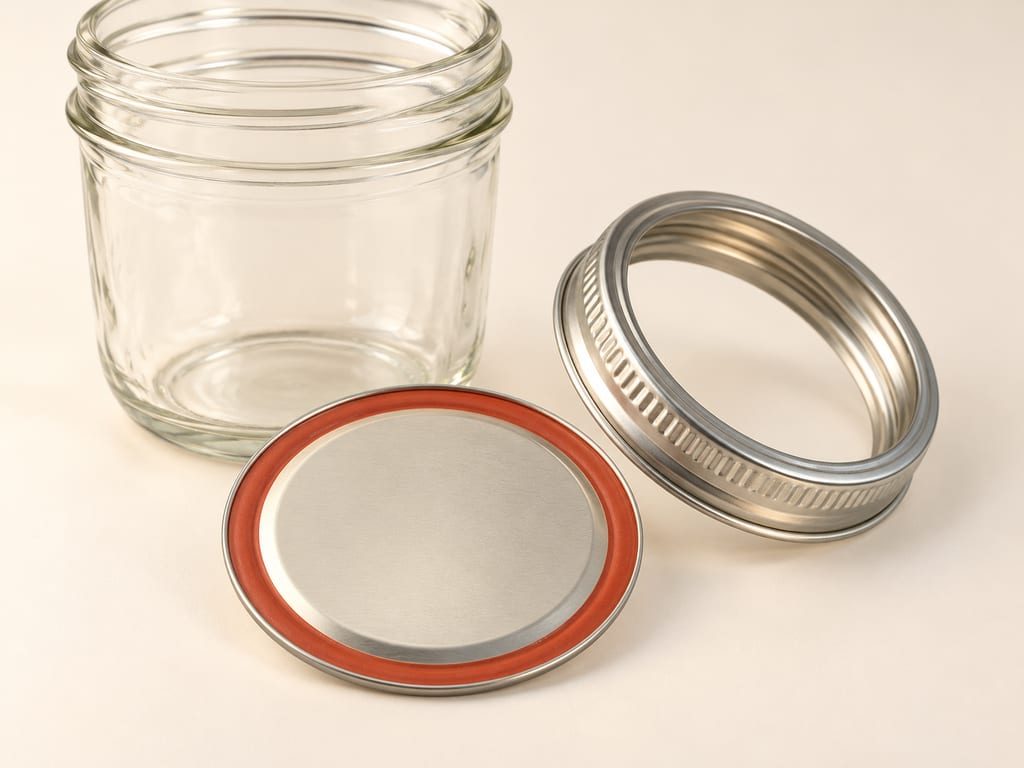
A two-piece canning lid pairs a flat metal disk, whose edge carries sealing compound, with a separate threaded screw band. The band holds the disk during processing; the disk seals against a compatible jar as it cools.
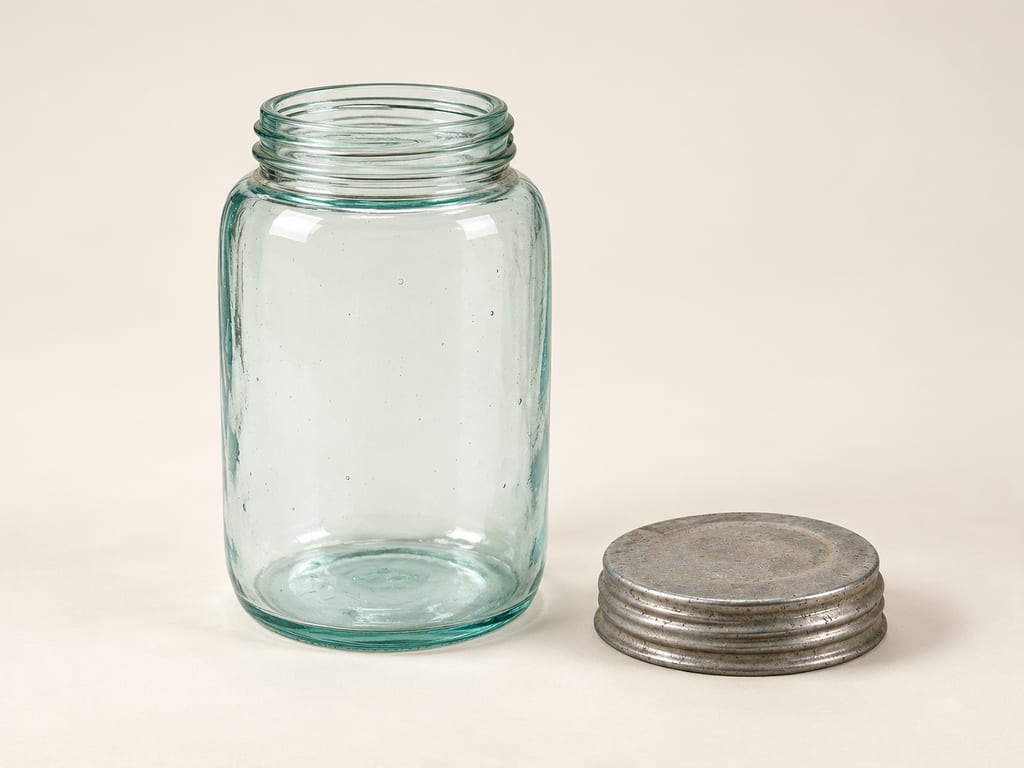
Threaded, heat-processing jars hold food and a fitted lid during a tested canning process; jar size and process belong to the specific recipe.
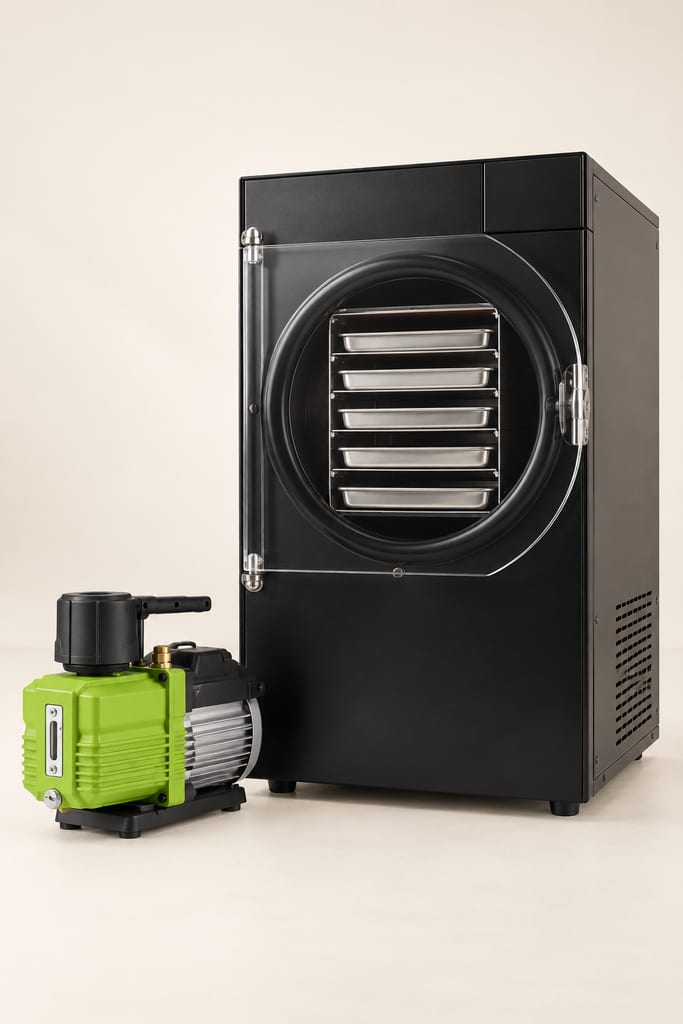
A home freeze dryer freezes food and then removes ice under vacuum by sublimation, followed by drying to reduce residual moisture. It is a contemporary electric preservation appliance, not a freezer alone or a microbial kill step.
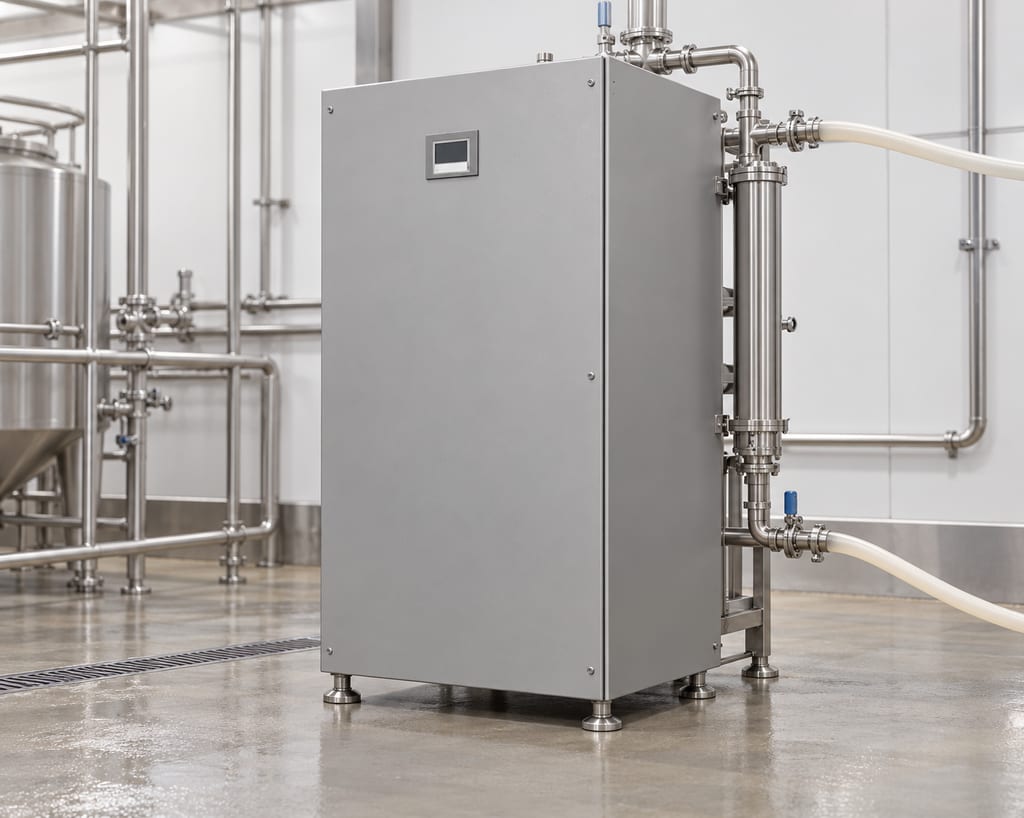
UV-C food-treatment equipment uses germicidal ultraviolet light; the documented CiderSure example processes apple juice as a flowing thin film.
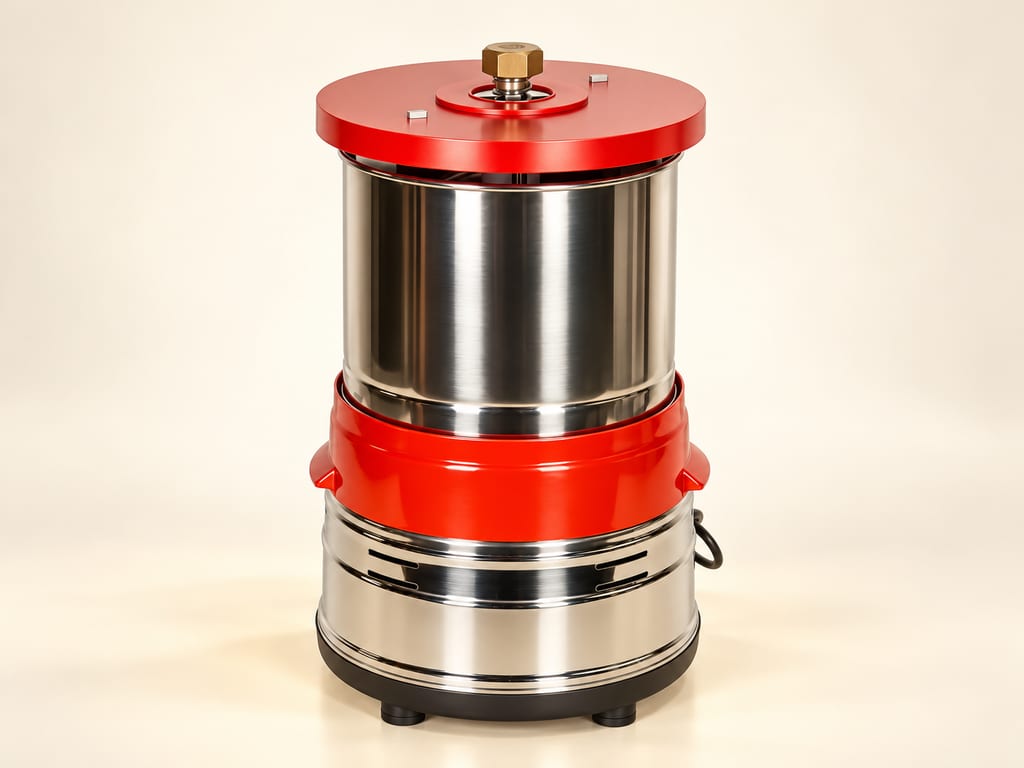
The current standard 8 lb Premier is a named DCM countertop refiner, distinct from the generic melanger class and the separate tilting model. Historical manual and FAQ figures differ; verify capacity and duration against the exact unit.
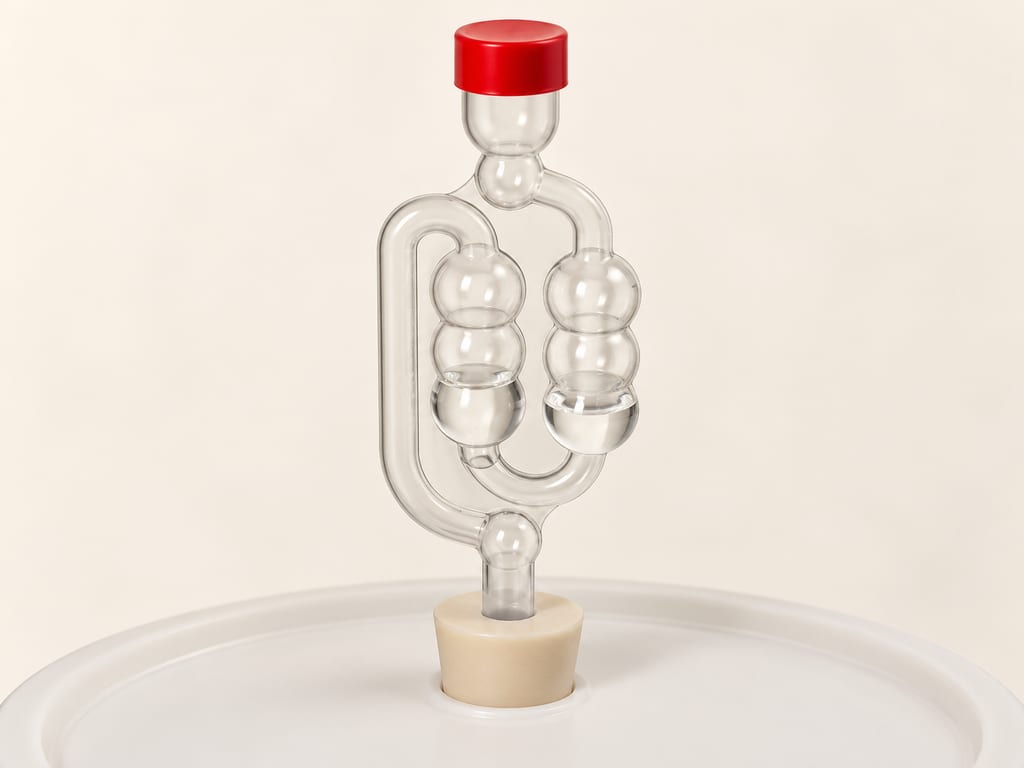
A fermentation airlock lets gas escape from a closed fermenter while its liquid seal limits air entering. It suits oxygen-limited stages, not the oxygen-dependent stage that turns alcohol into vinegar.
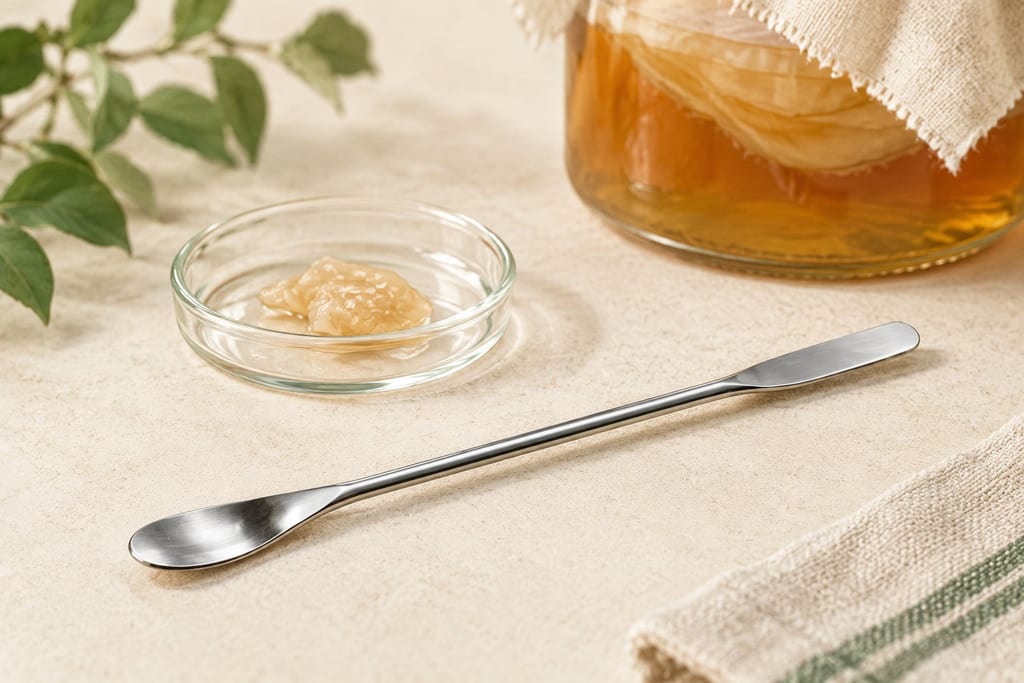
Sampling utensils remove a small portion of a ferment for checking or analysis. Their form depends on the sample and purpose; a household pH check and laboratory microbiology sample do not require the same handling.
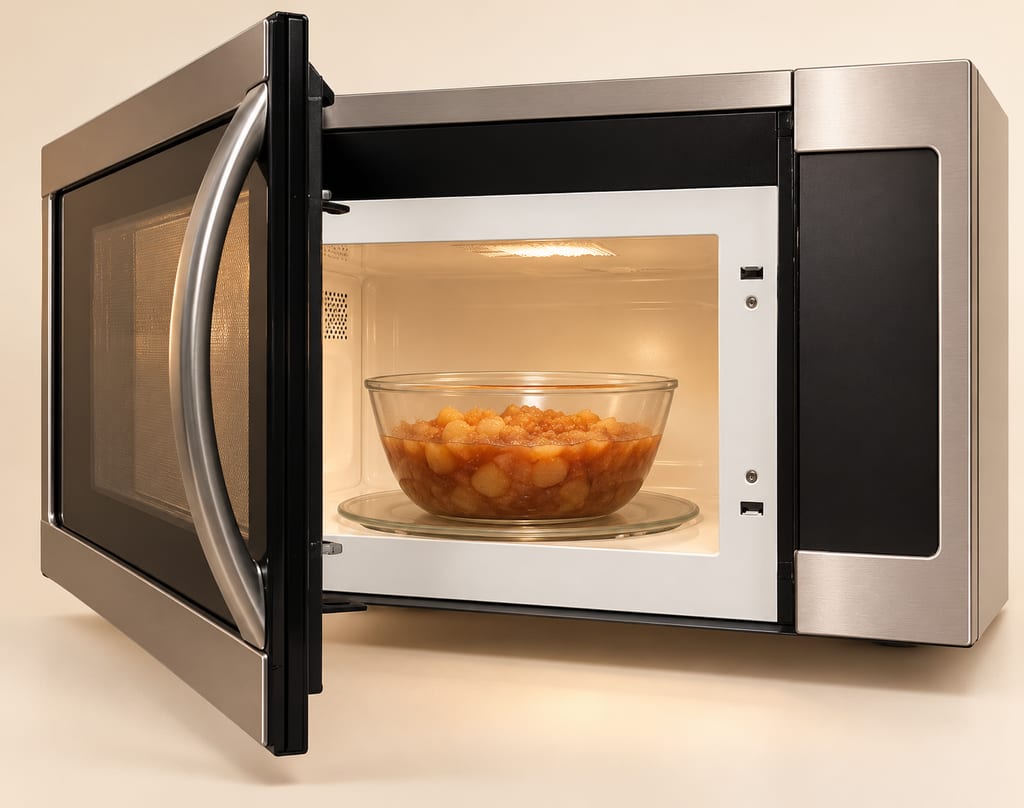
A domestic electric oven uses a magnetron to generate microwaves that heat food in the cavity. Oregon State documents it for small-batch fruit butter; it is not a home canning processor.
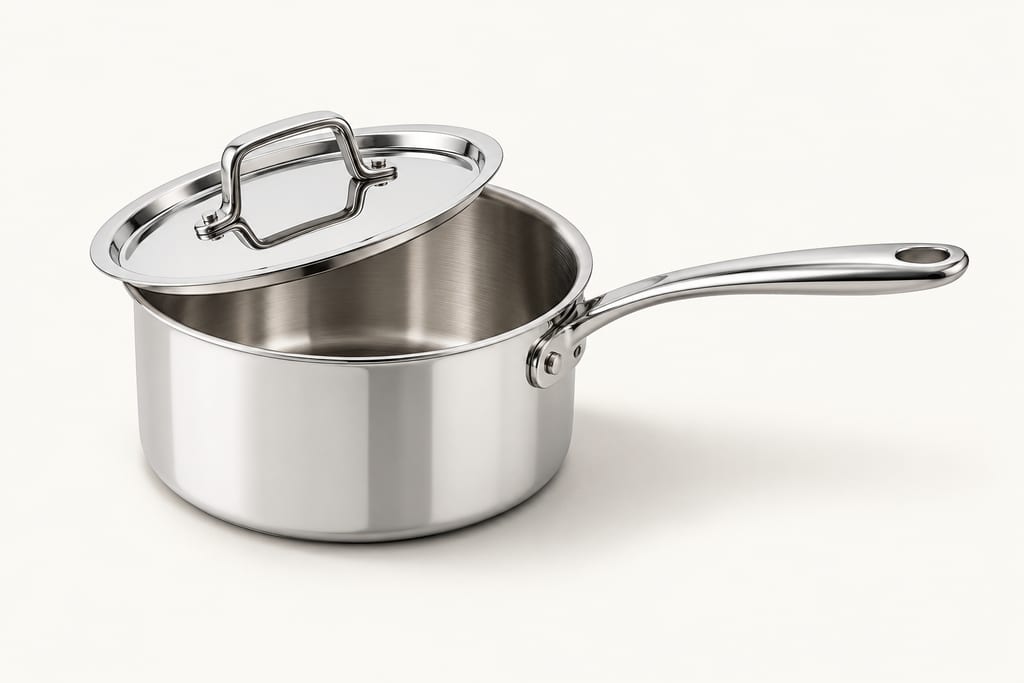
A modern, portable stovetop pan with a stainless-steel cooking surface for sauces and other small simmering jobs. Size, cladding, lid, compatibility and care vary by model.
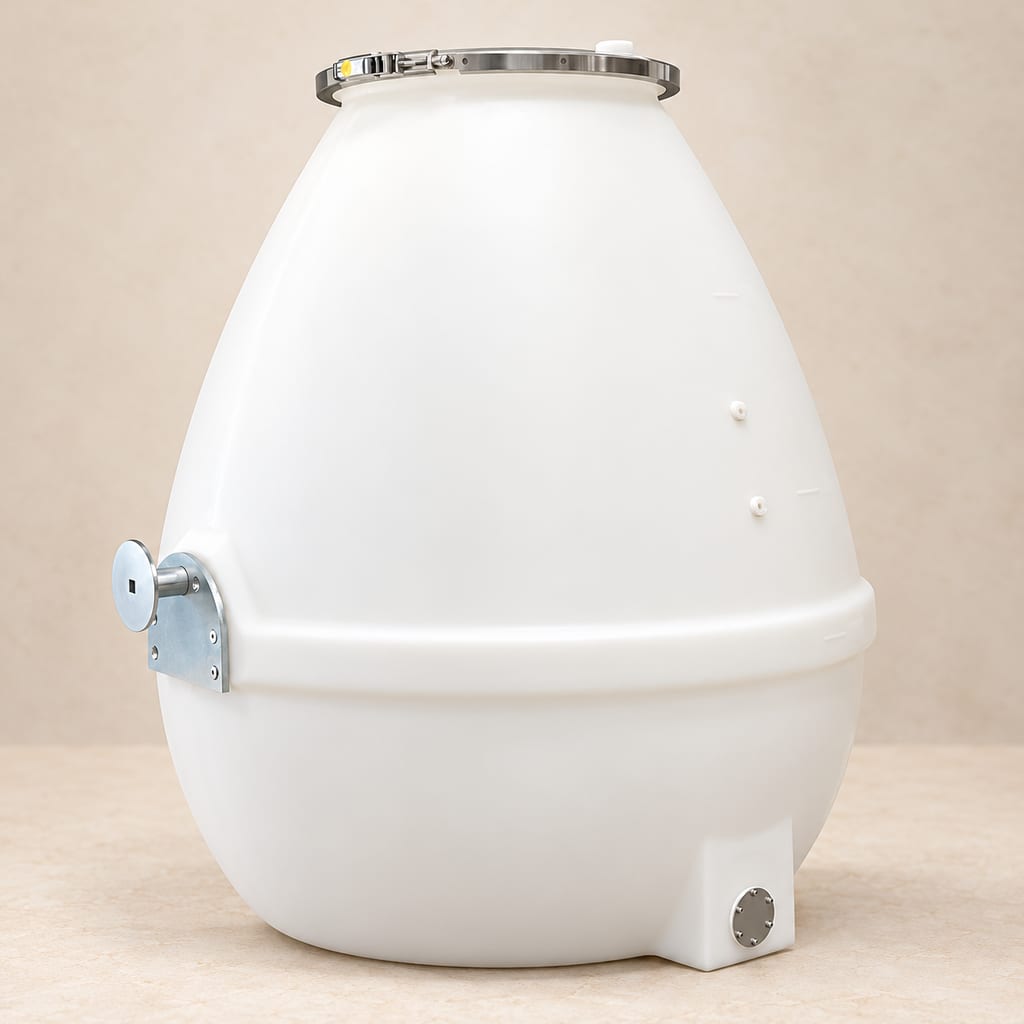
Flextank Apollo and Orion are PE vessels for beverage fermentation and maturation, engineered for stated oxygen transmission. Their material, scale and use differ from generic tanks, pressure-rated PET fermenters and coopered barrels.
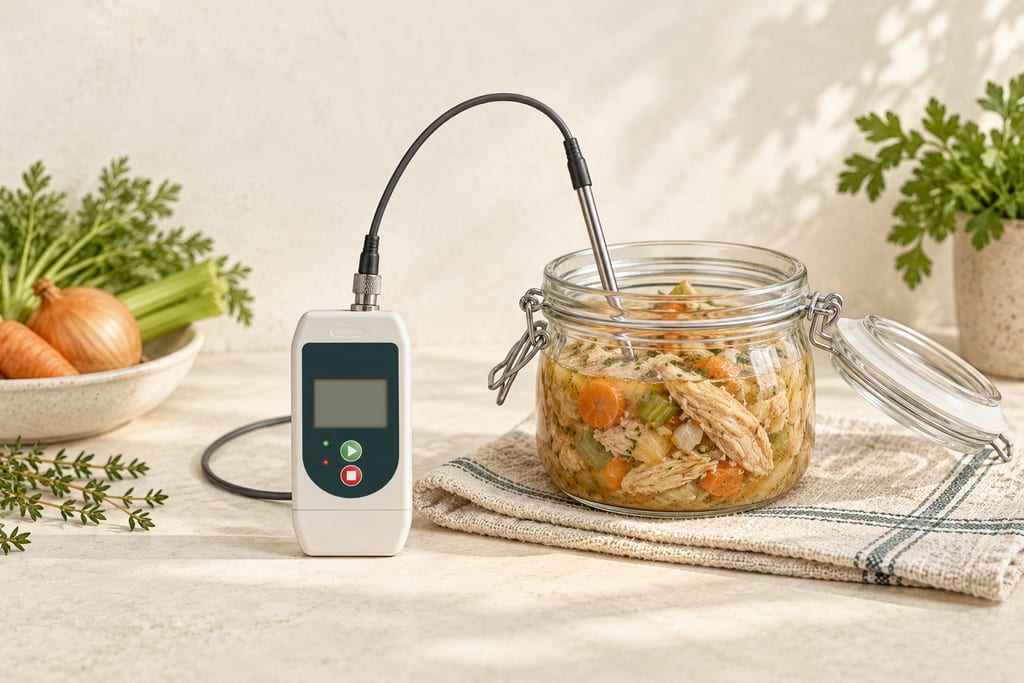
A thermometer gives a reading at its sensor; a temperature logger records readings over time. Sensor placement and context determine what that record can tell you.
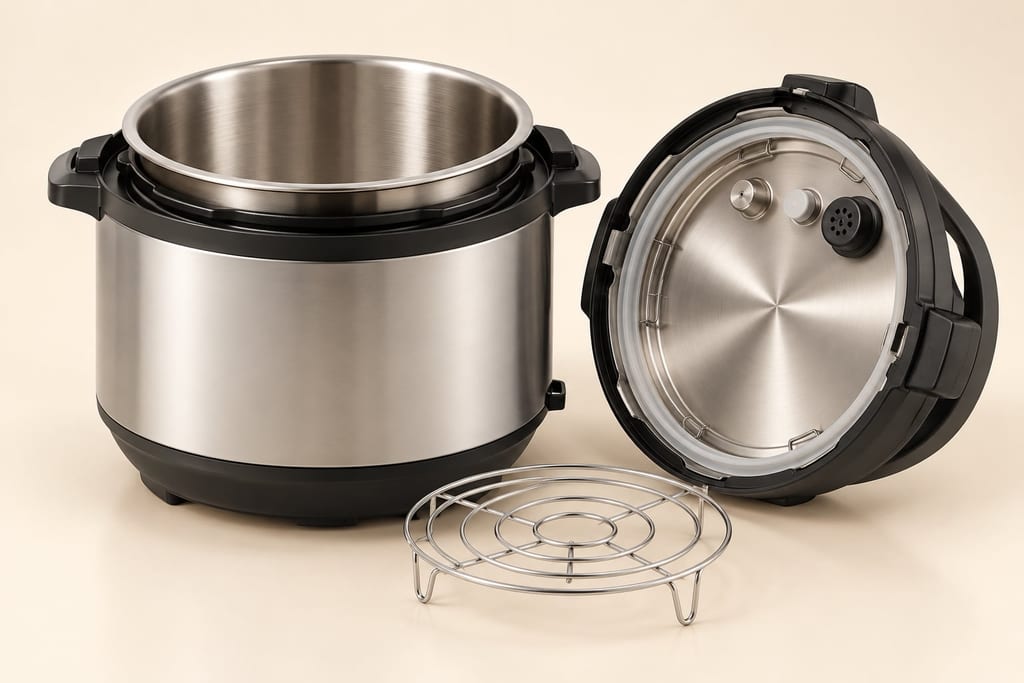
A countertop electric cooker combines pressure cooking with model-specific functions such as sautéing, slow cooking, rice cooking and low-temperature programs. Settings do not transfer to pressure canning.
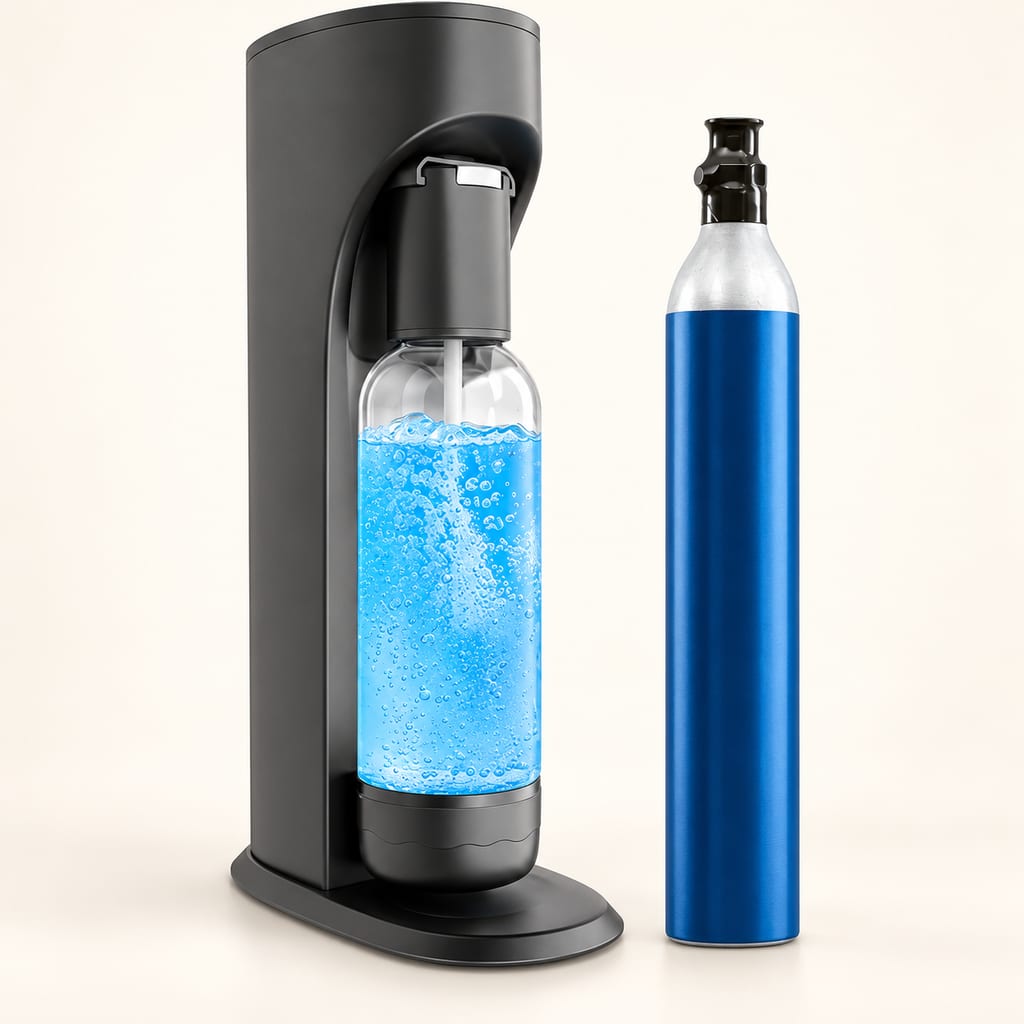
Drinkmate’s Fizz Infuser lets its countertop carbonators add carbon dioxide to cold drinks directly, with a controlled release valve for foamy liquids. Models and bottle systems vary; a 2025 recall applies to specific one-litre bottles.

A cloth bag that strains cooked fruit pulp by gravity; jelly-making guidance says not to press it when clear juice is wanted. The sources do not define a standard bag material or size.
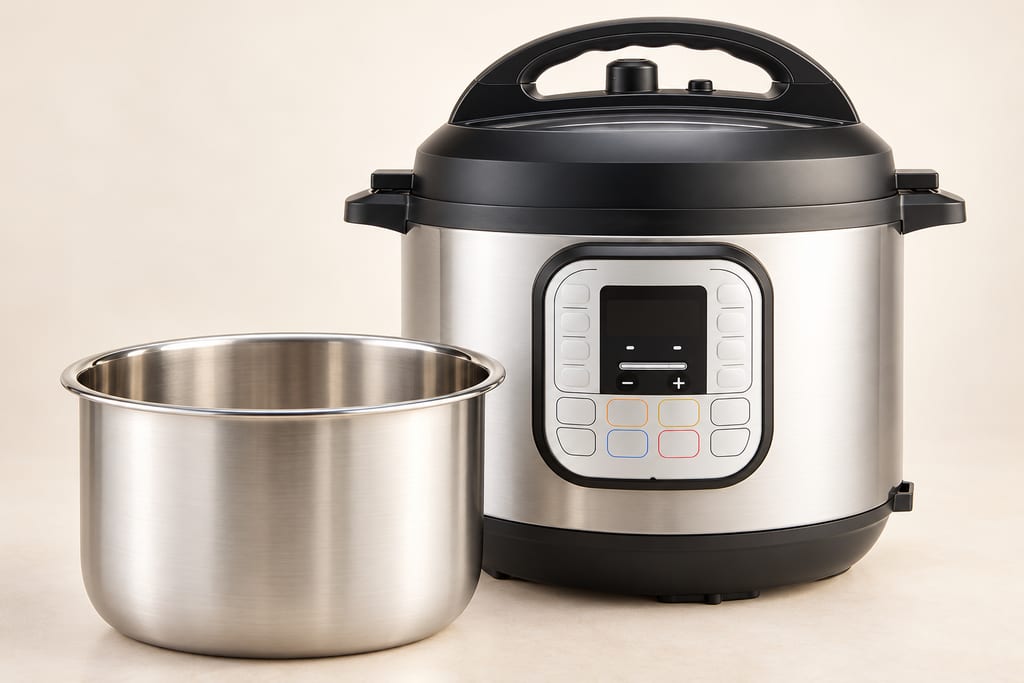
The Instant Pot Duo is a manufactured electric multicooker with a removable inner pot, locking lid and electronic programs. A 2016 IP-DUO60/80 manual documents yogurt and jiu niang settings; later revisions may differ.
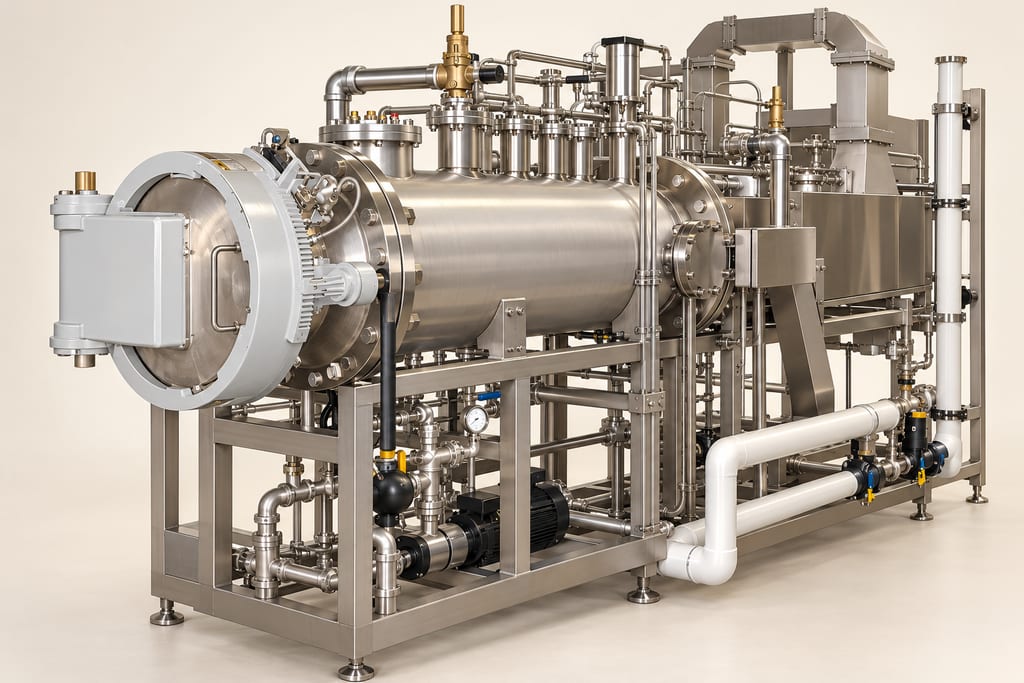
MATS uses microwave energy and pressurised hot water to heat sealed food packages in an industrial process. Product and package geometry affect heating; it is not a domestic microwave canner.
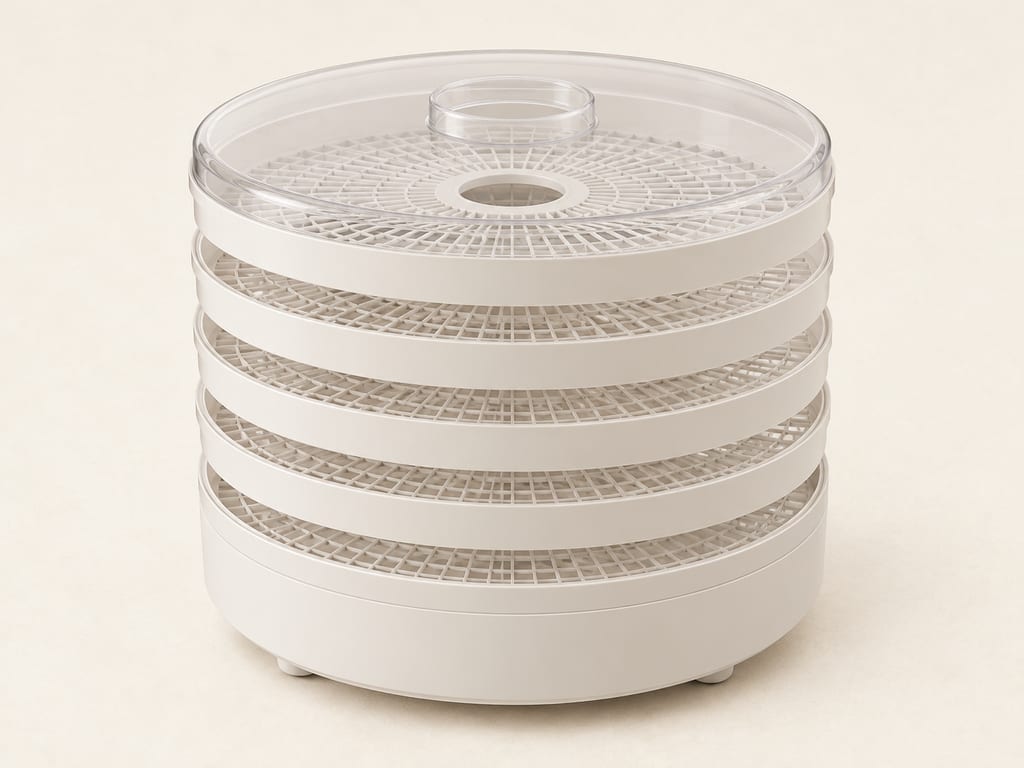
A countertop electric appliance circulates warmed air across food on open trays to remove moisture. Round stackable and rectangular cabinet designs use different airflow paths; materials, capacity and controls vary by model.
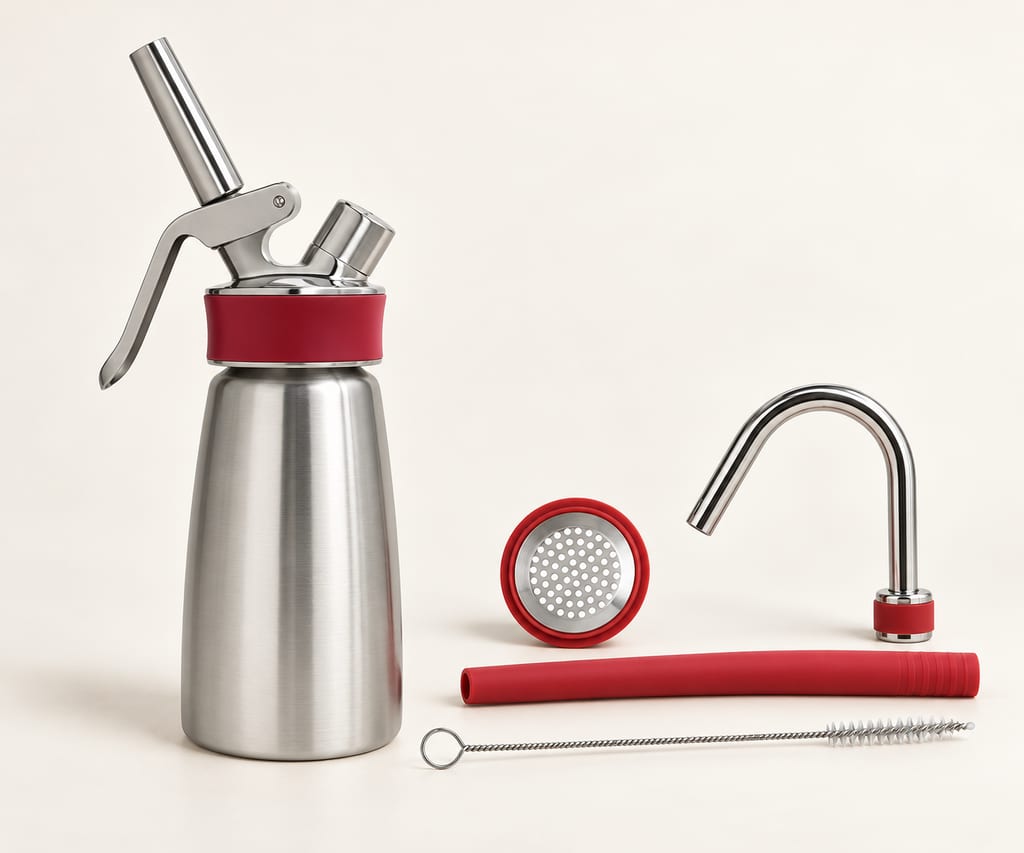
The iSi Gourmet Whip fitted for Rapid Infusion uses a stainless-steel canister and a separate tool kit to extract botanical flavours into liquids under pressure.
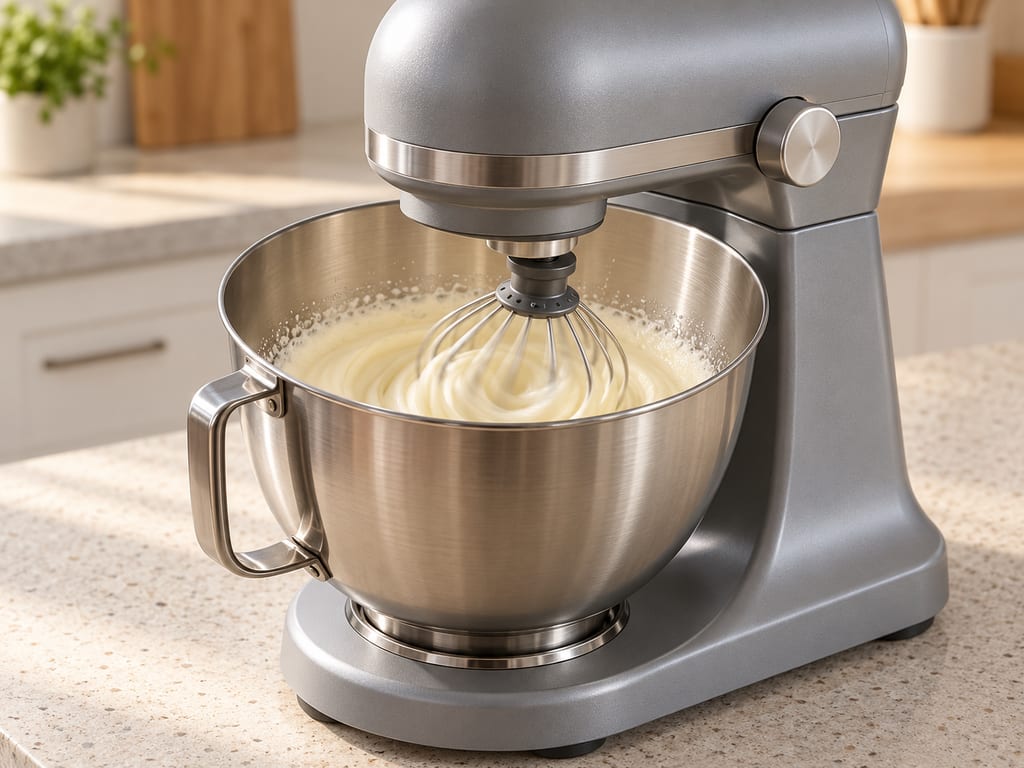
A stand mixer is a powered mixing machine built around a stationary base, a supported bowl and a driven beater or other tool. It can stir, beat, whip and knead; particular models may also accept separate accessories for other jobs.
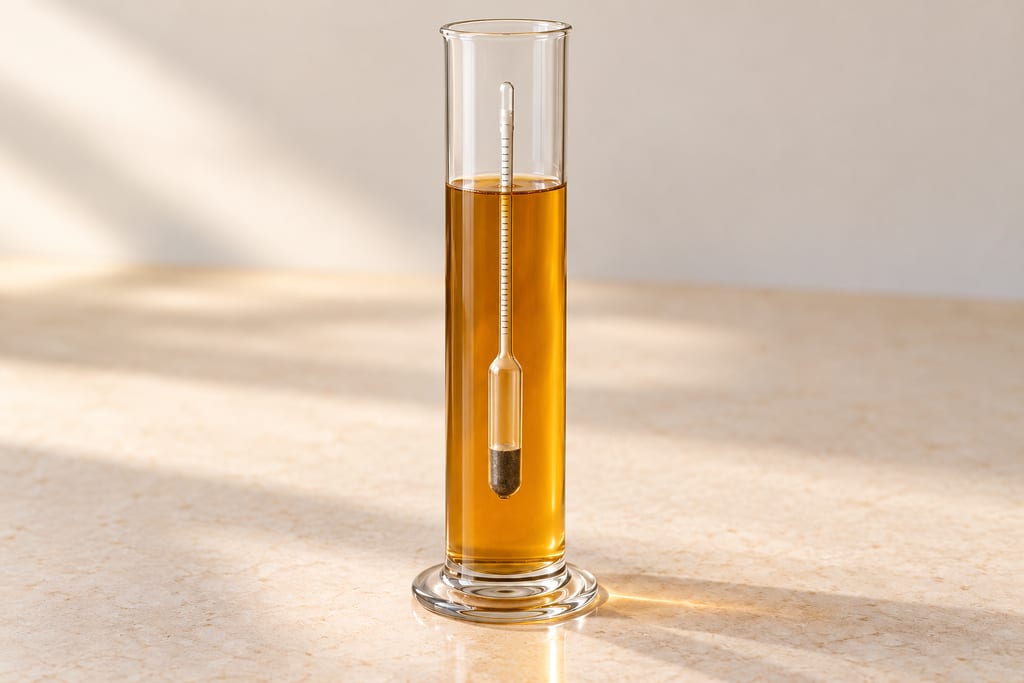
A hydrometer floats in liquid and uses its weighted body's depth to indicate density. In brewing, readings track changing gravity, not every dissolved substance or kombucha alcohol.
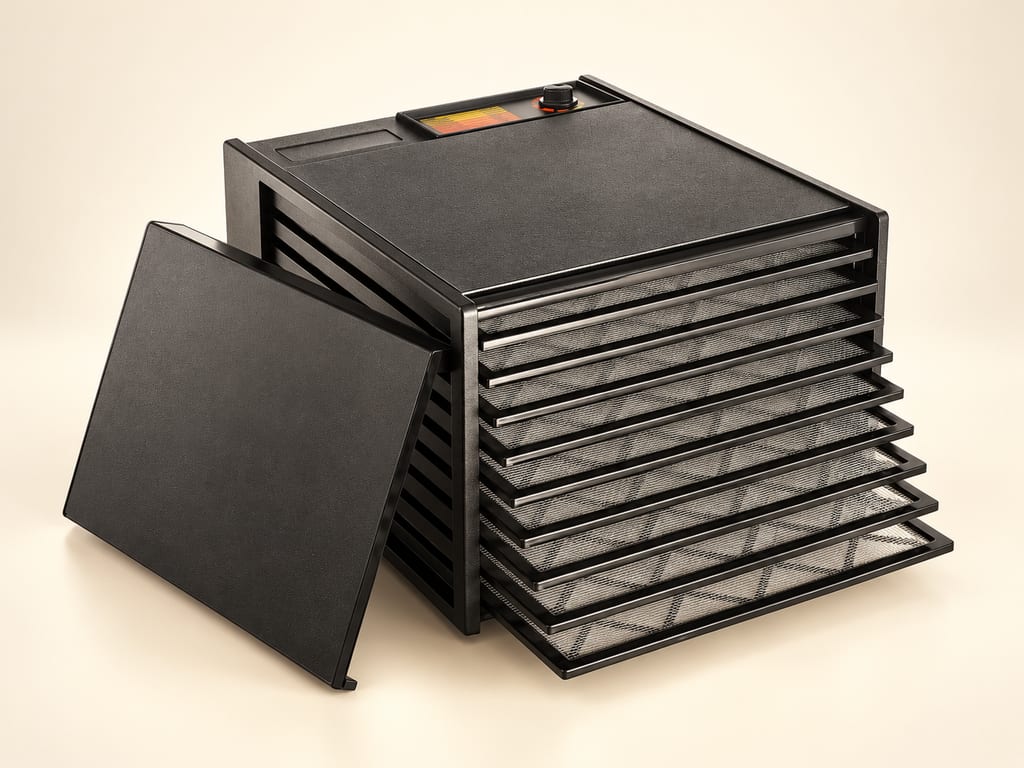
A maker-branded range of electric food dehydrators using forced horizontal airflow. Tray counts, controls and dimensions vary by model; the 3900B is one documented nine-tray example.
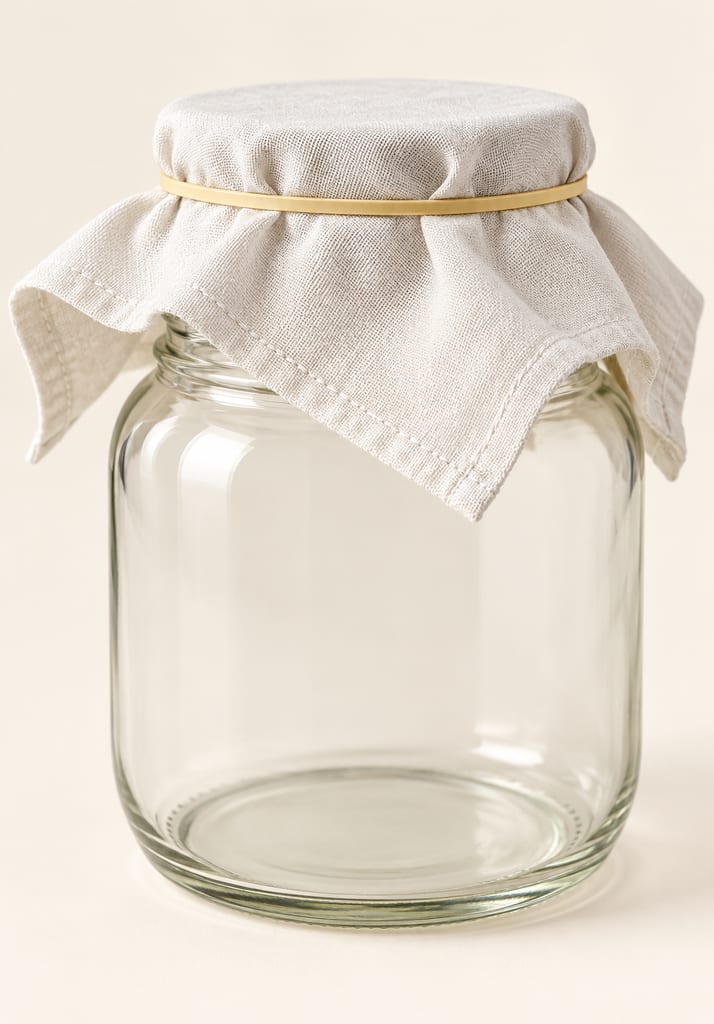
A clean, fine-weave cloth or towel covers an open ferment while allowing air exchange; a band or cord holds it over the vessel mouth.
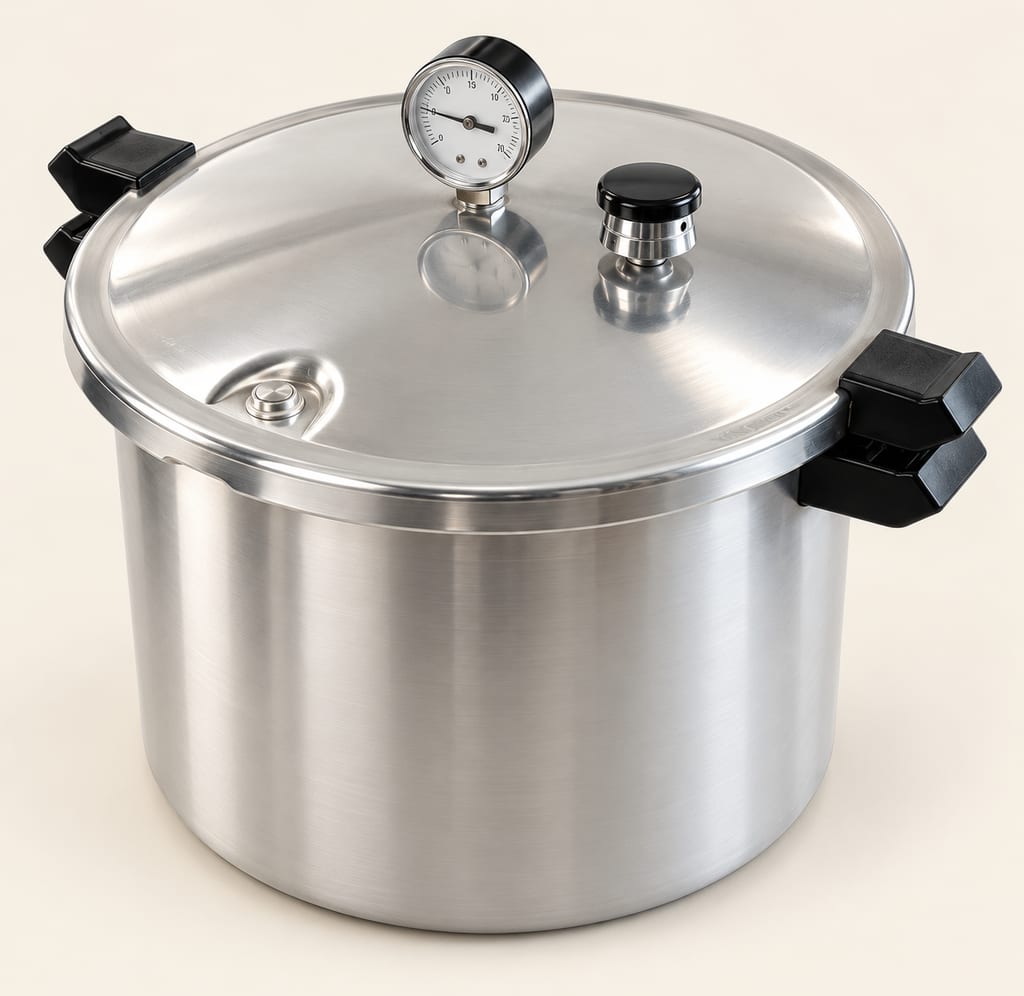
A lidded, vented pressure vessel processes jars at temperatures above the boiling point. For low-acid foods, use the equipment with a tested product-specific process; an ordinary pressure cooker is not a substitute.
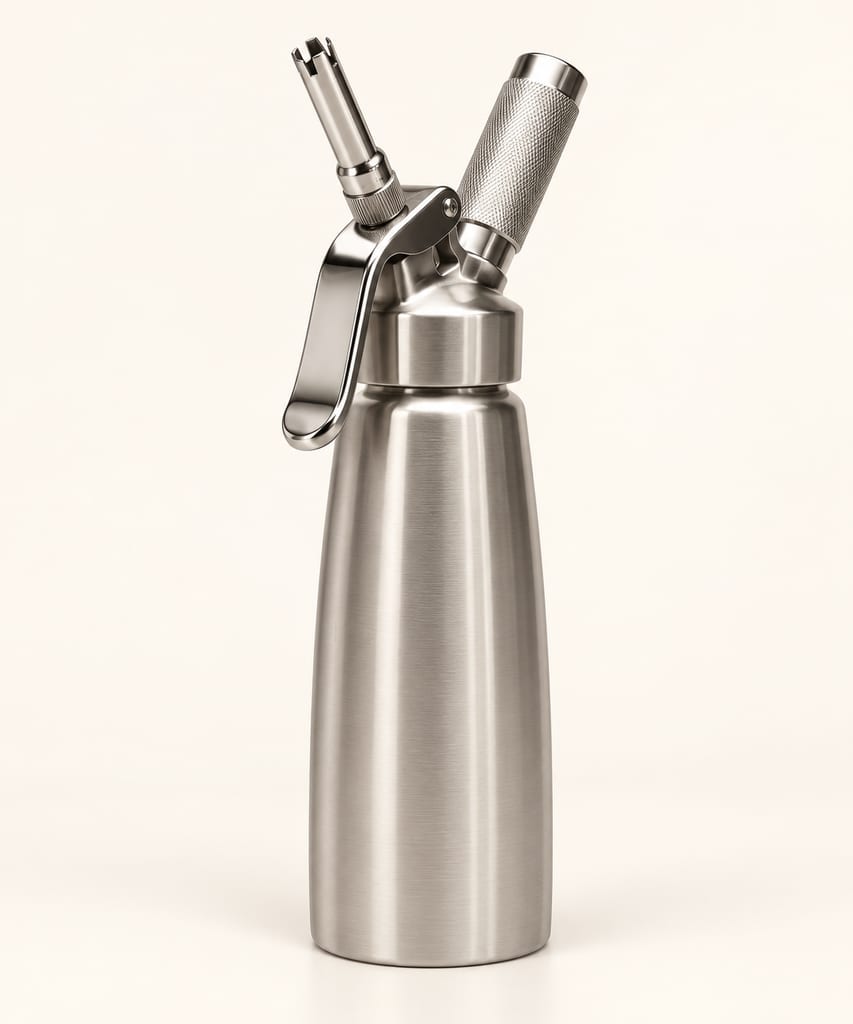
A food-rated pressure canister with a dispensing head and gas-cartridge holder. Cream whippers aerate or dispense foods and, with a compatible rapid-infusion attachment, can speed botanical flavour extraction into liquid.