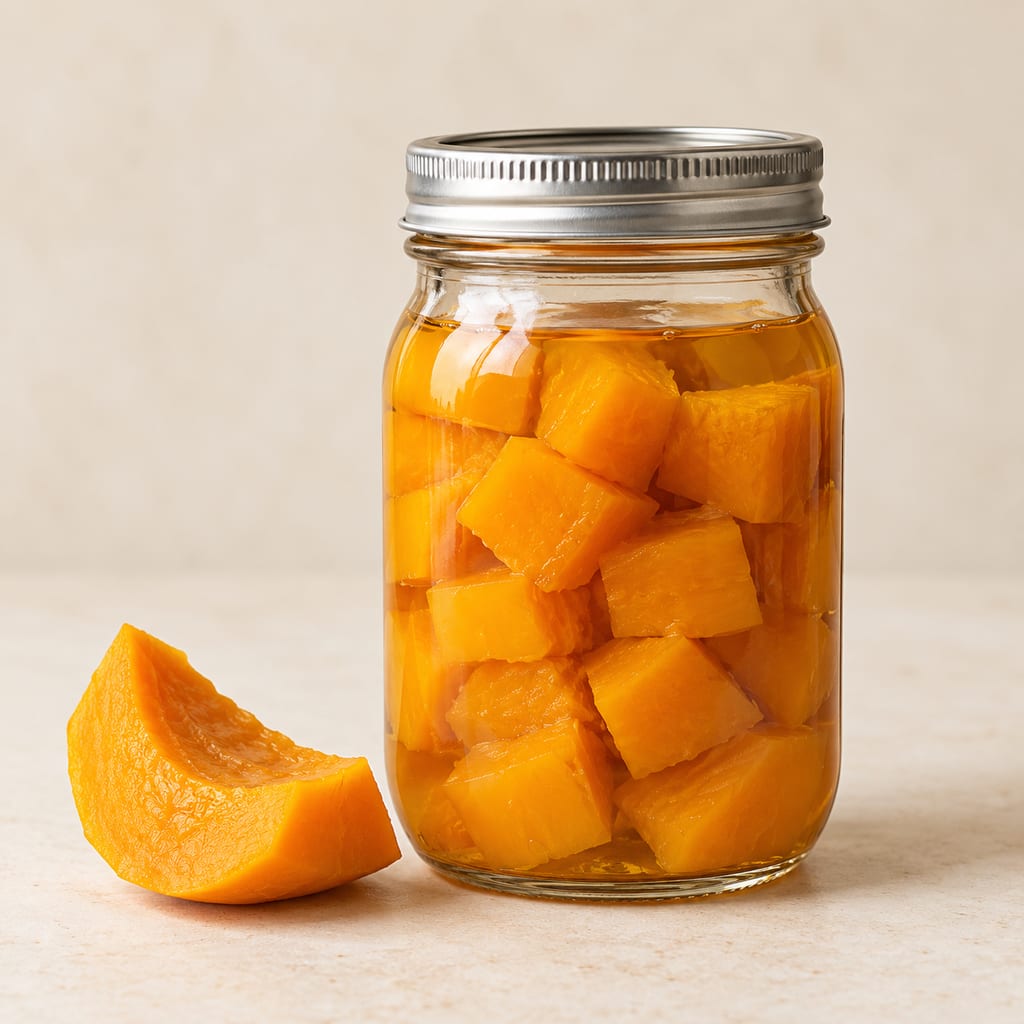
Pressure-canned pumpkin cubes
Plain pumpkin cubes hot-packed in water and pressure-canned for later cooking. The pieces stay intact during canning; mash them only after opening.
 FermenteaWhere food goes to change
Equipment · Kettles, coppers and boilers
home pressure canner · stovetop pressure canner
A lidded, vented pressure vessel processes jars at temperatures above the boiling point. For low-acid foods, use the equipment with a tested product-specific process; an ordinary pressure cooker is not a substitute.
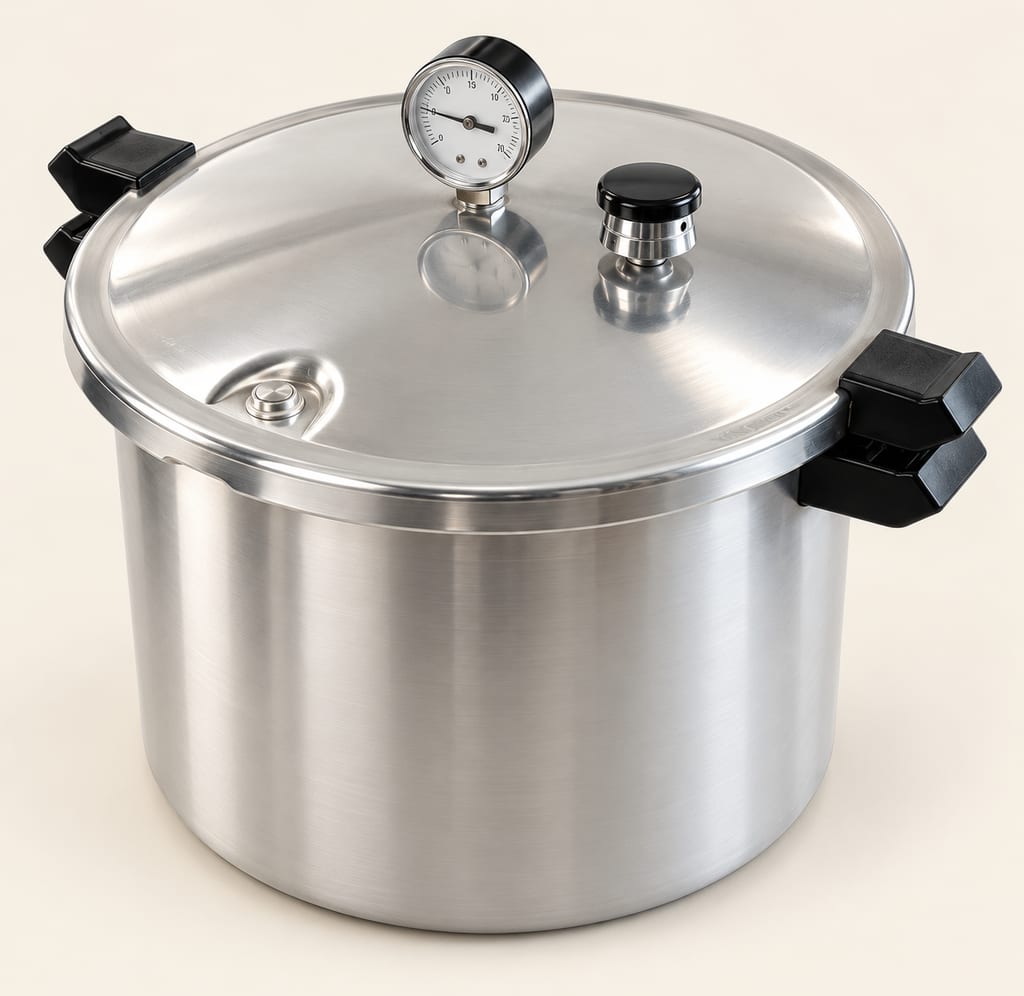
A home pressure canner is a lidded metal vessel with a rack, a gasketed closure, a steam vent, a pressure regulator or weight, and a gauge or weighted indicator. It holds jars upright while water inside the canner boils and produces steam. Closing the vent after the prescribed venting period allows pressure to rise; because the vessel is sealed, the water and steam can reach temperatures above the boiling point of water at ordinary atmospheric pressure.
This object is easy to confuse with a pressure cooker. Their visible forms may overlap, but a pressure canner is specified by its capacity, venting and cooling behaviour and by research-tested food processes. A domestic multi-cooker or small pressure cooker does not become a tested canner merely because it displays pressure or reaches a similar pressure reading.
The National Center for Home Food Preservation describes domestic canners made before the 1970s as heavy-walled kettles with clamp-on or turn-on lids, dial gauges, vent ports and safety fuses. It contrasts those with later lightweight, thin-walled kettles, most with turn-on lids and an automatic vent or cover lock. These details describe broad design changes in the U.S. guidance, not a single inventor, country of invention, or uninterrupted global history; the sources consulted here do not establish those claims.
The inspected Colorado State University Extension photograph shows a real stovetop model with a dial gauge and weighted vent regulator. It is one documented example, not a universal specification. Models differ, so the owner's manual governs the appliance's operation and parts.
The principal home-preservation use is processing tested low-acid foods, including many vegetables, meats, poultry, fish, beans and some soups. Low-acid foods are above pH 4.6; in moist, low-oxygen sealed jars they can present a botulism hazard if the process is inadequate. Higher processing temperatures make the required destruction of microorganisms possible in a practical interval, but pressure itself is not what kills them. The heat delivered to the food for the validated time is what matters.
The process therefore belongs to a specific product and preparation, not simply to the canner. Food density, pack style and jar size change how heat reaches the coldest part of a jar. The current NCHFP guidance warns that pressure canning a food without its tested process, or transferring a schedule to a different appliance, cannot be assumed safe.
The NCHFP's general directions call for checking that the canner is in working order, the vent is clear, the gasket is sound and the rack and prescribed water are in place. Jars sit upright on the rack. With the lid fastened and the vent open, escaping steam is allowed to drive air from the canner before the regulator is set. Air trapped in a canner can lower the temperature achieved at a given pressure, so this venting step is part of the process rather than an optional warm-up.
Timing starts only when the process's required pressure is reached or the weighted gauge signals it as the manufacturer specifies. Altitude affects the relationship between boiling temperature and pressure, so the schedule must be adjusted exactly as the tested directions instruct. Dial gauges need an accuracy check before each canning season; a gauge that reads too high can lead to under-processing.
After the timed process, the canner must depressurize without forced cooling. Opening the vent early or cooling with water can draw liquid from jars, cause seal failures and change the process. Once the lock has released and the manual's opening directions are followed, jars are lifted out and allowed to cool undisturbed. The jar's later seal does not independently show that a safe process occurred.
A pressure canner is useful only when its design and the recipe's validated process match. The NCHFP says its low-acid processes were developed for stovetop canners that hold at least four quart-size jars upright on a rack. It does not recommend transferring those directions to electric multi-cookers: temperature distribution inside jars, their arrangement, air removal and cooling all matter, not just the appliance's pressure display.
A boiling-water canner is a different tool for acid foods; it does not reach the higher temperatures needed for low-acid canned foods. A pressure canner may also be used for some acid-food schedules, but current NCHFP guidance recommends boiling-water canning for those foods because it is faster. The correct choice comes from a current tested recipe and the canner's instructions. The sources here document U.S. home-canning guidance and do not establish a single place of invention or a worldwide history for the equipment.
National Center for Home Food Preservation, How to Use Boiling Water and Pressure Canners.
Use a tested, product-specific process for the food, preparation, jar size and elevation. Low-acid foods require pressure canning in the cited home-preservation guidance; the device itself does not validate a recipe.
Source →The process relies on adequate heat delivered inside the jars. Air must be vented; gauge or regulator operation and elevation adjustments affect the process.
Source →Do not transfer stovetop pressure-canner schedules to an ordinary pressure cooker or electric multi-cooker without an independently validated process; NCHFP does not recommend its canning processes for electric multi-cookers.
Source →This records U.S. home-preservation guidance and use, not an exclusive origin or global distribution claim.
Plain pumpkin cubes hot-packed in water and pressure-canned for later cooking. The pieces stay intact during canning; mash them only after opening.
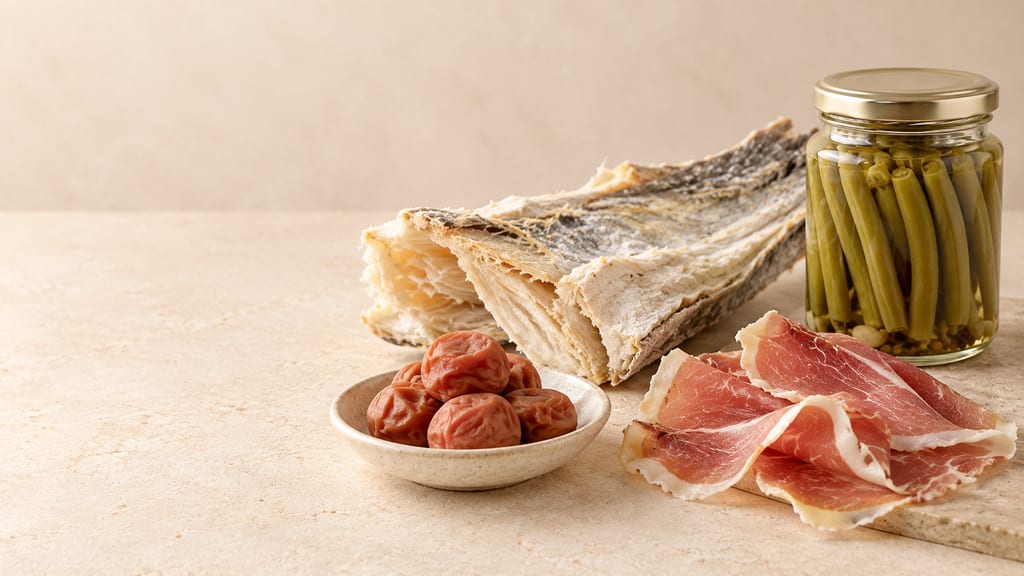
Every preserved food is a stack of barriers against microbes, enzymes, air and time. This is how they work, what a recipe's numbers measure, and how cooks worldwide build them.
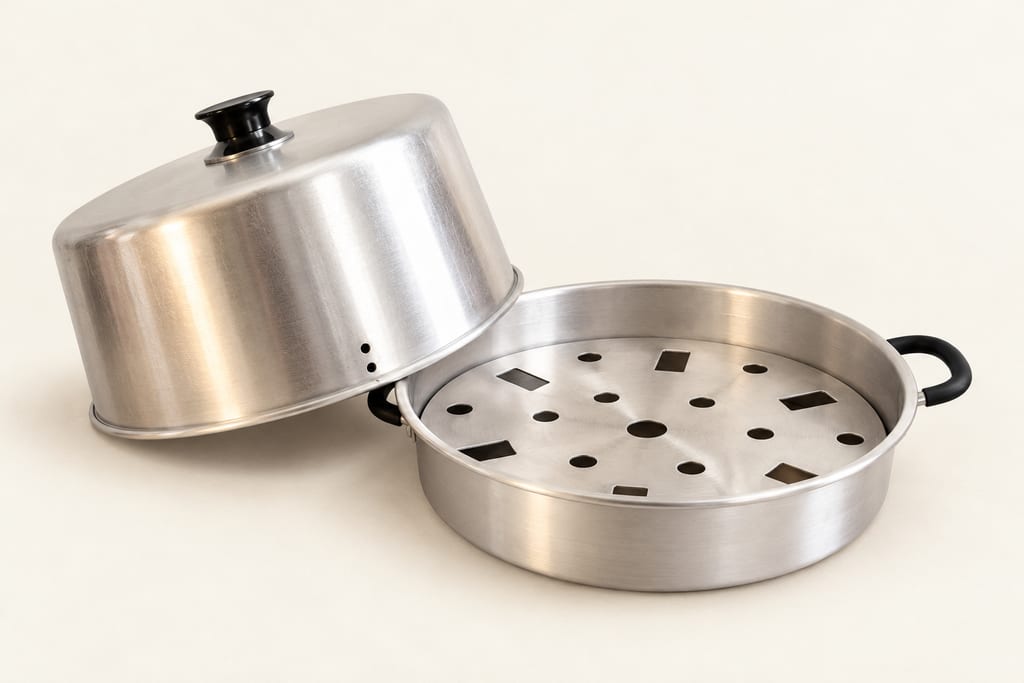
A shallow rack base and tall vented cover process jars in atmospheric steam. NCHFP limits the method to tested high-acid or acidified recipes requiring no more than 45 minutes, including altitude adjustment; this is not pressure canning.
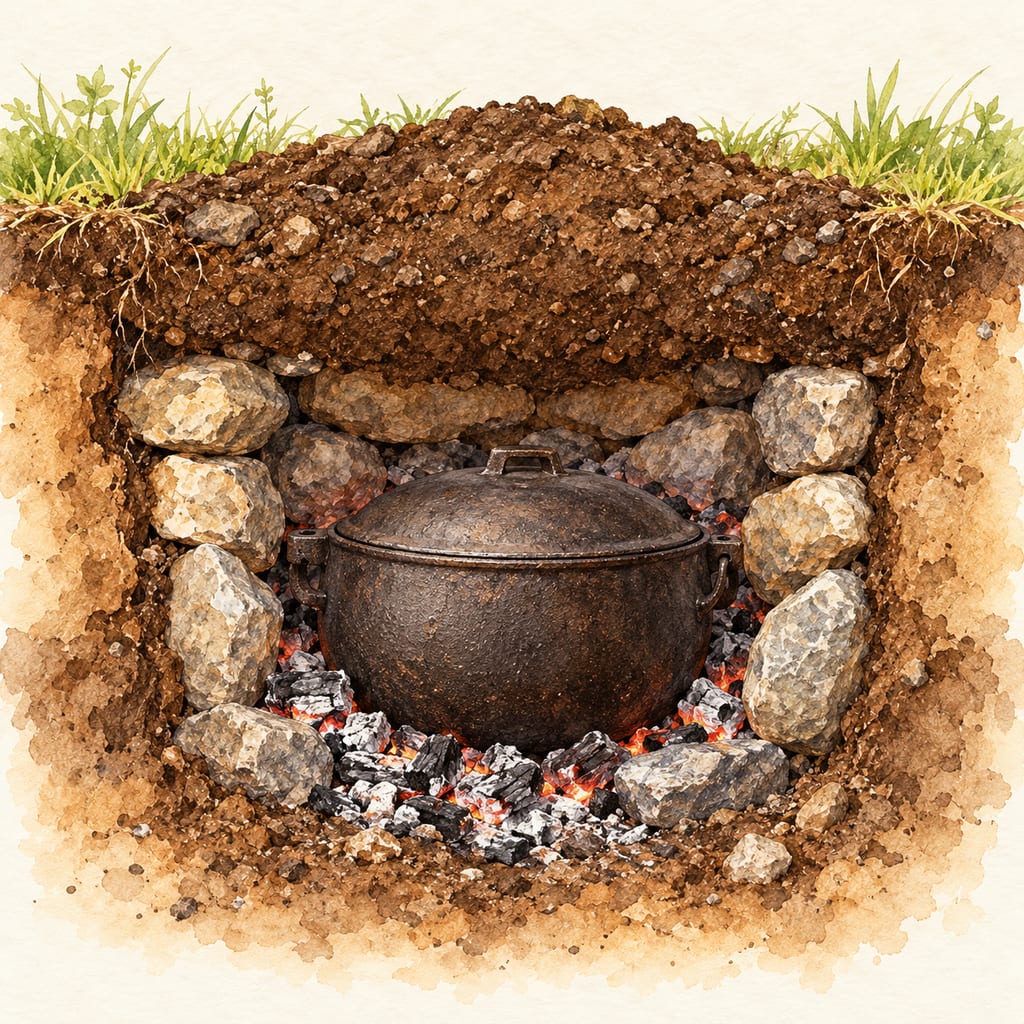
A covered iron vessel used in Maine bean-hole cooking, set into a preheated stone-lined pit and buried for a slow cook.
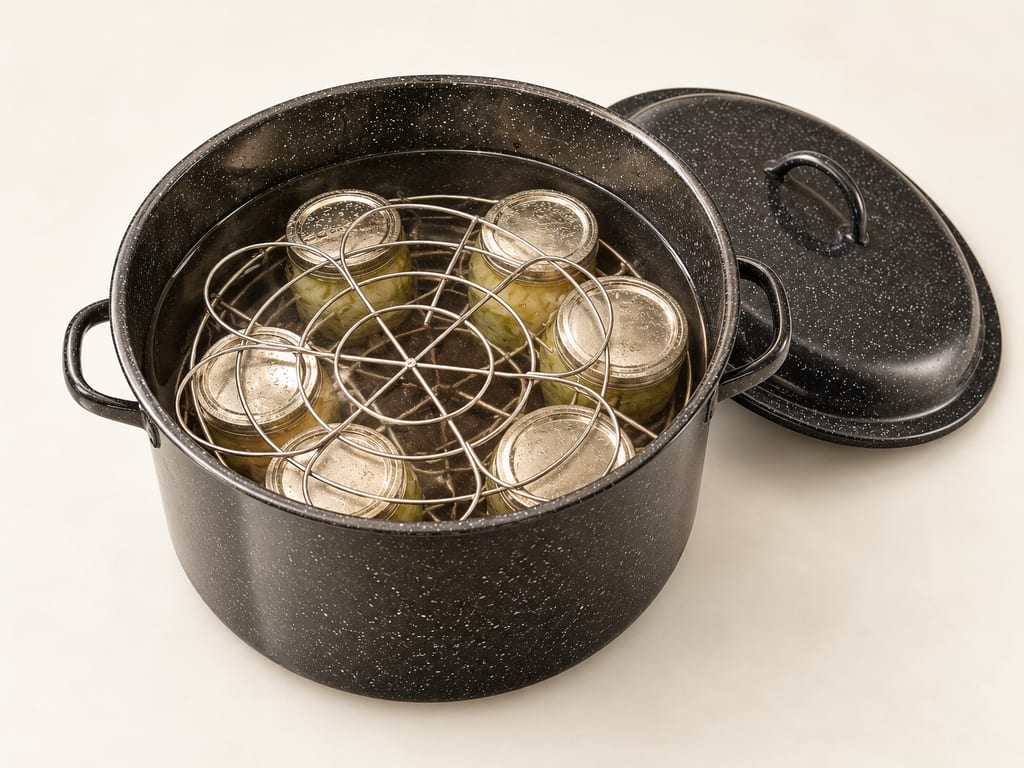
A deep, lidded pot with a removable rack processes jars beneath boiling water. It is intended for foods with tested boiling-water processes; low-acid foods require pressure canning.
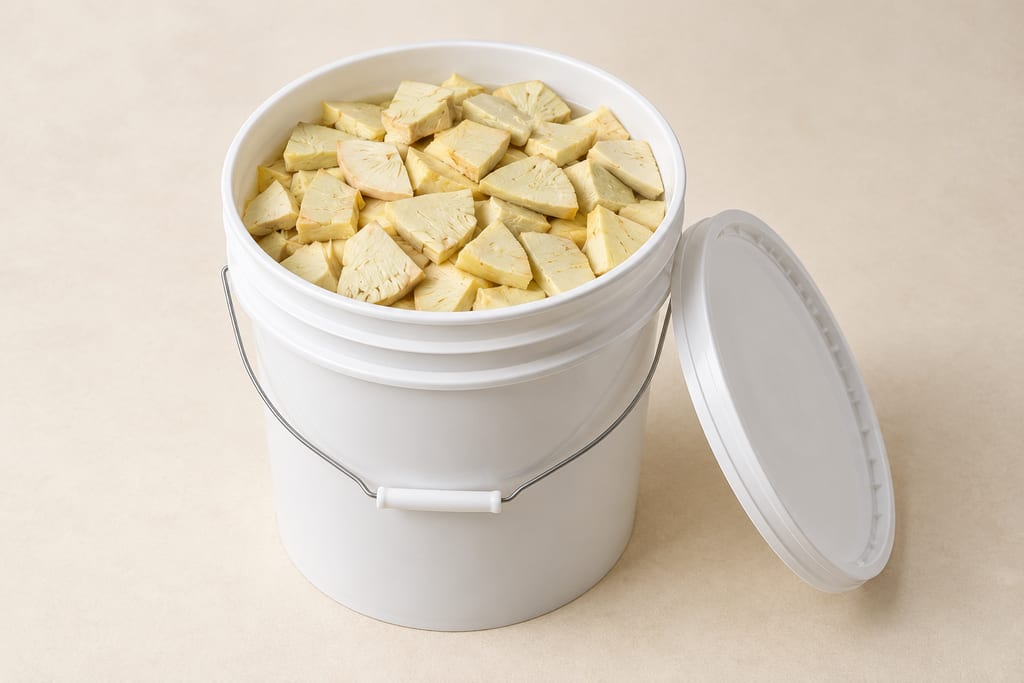
A contemporary household enclosure for preparing mā, fermented breadfruit, documented in Hawai‘i using food-safe buckets, coolers or large sealable bags in place of a pit.
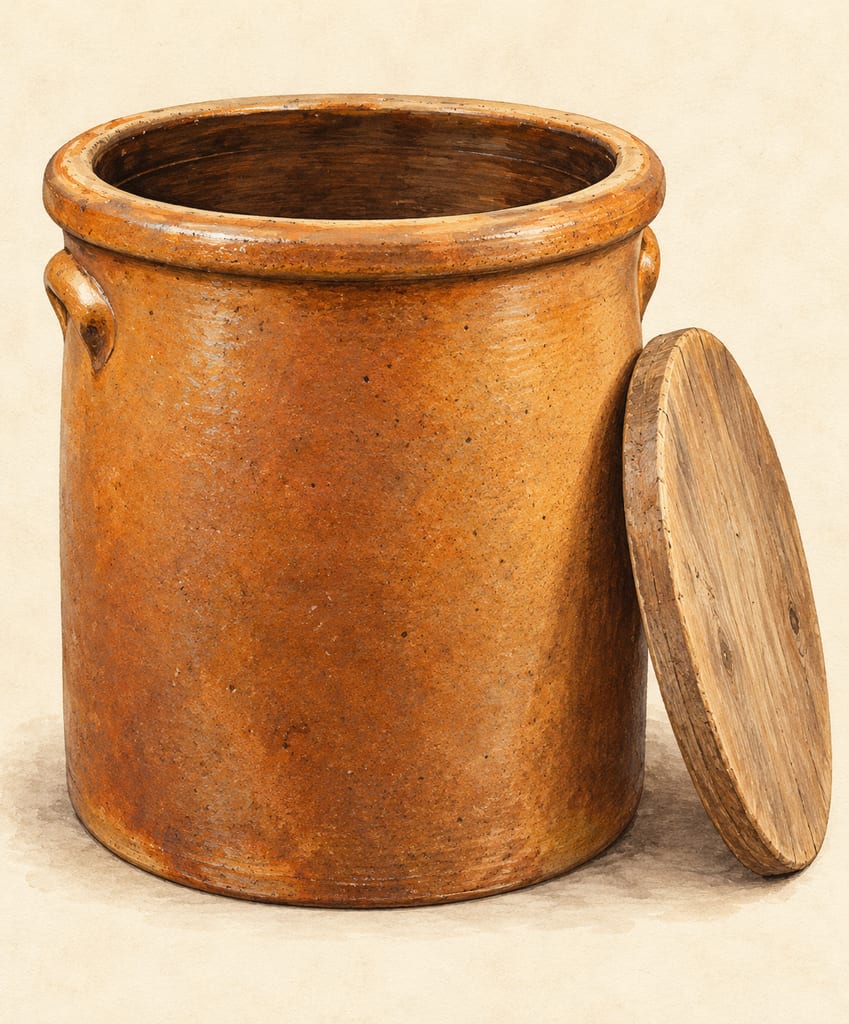
Containers for salt-curing fish and meat range from broad-mouthed stoneware crocks to tubs, cut-down barrels and chests. Their material, depth, cover and ability to retain or drain liquid shape how the food sits in salt or brine.
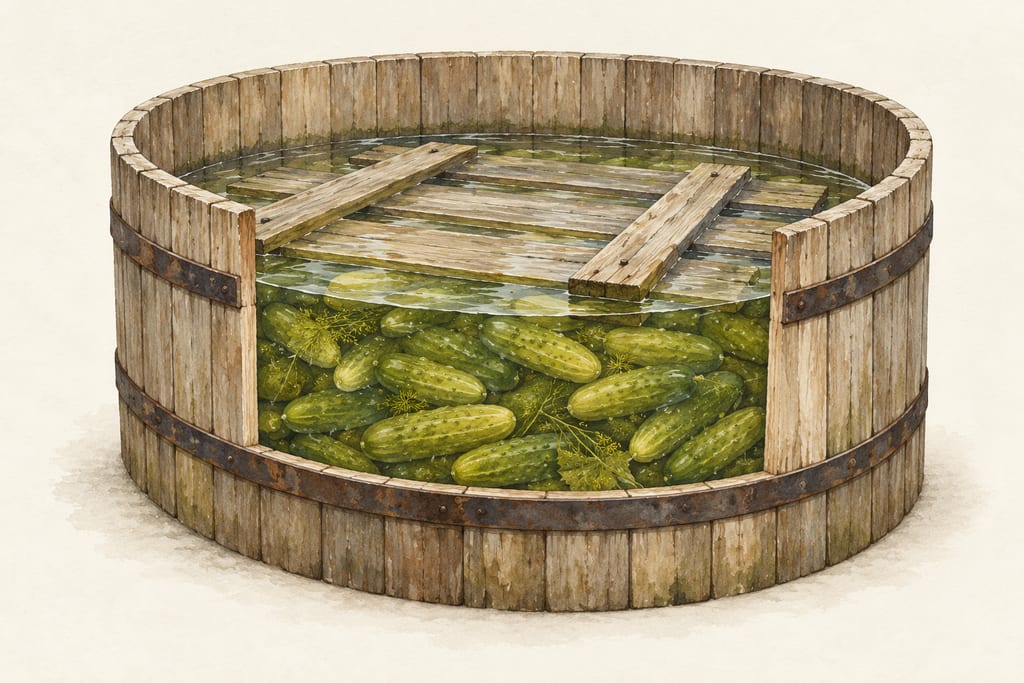
A bulk brining vat holds cucumbers and other vegetables under cover brine for fermentation and storage. North Carolina sources document a mid-century wooden tank yard and later outdoor fiberglass systems.
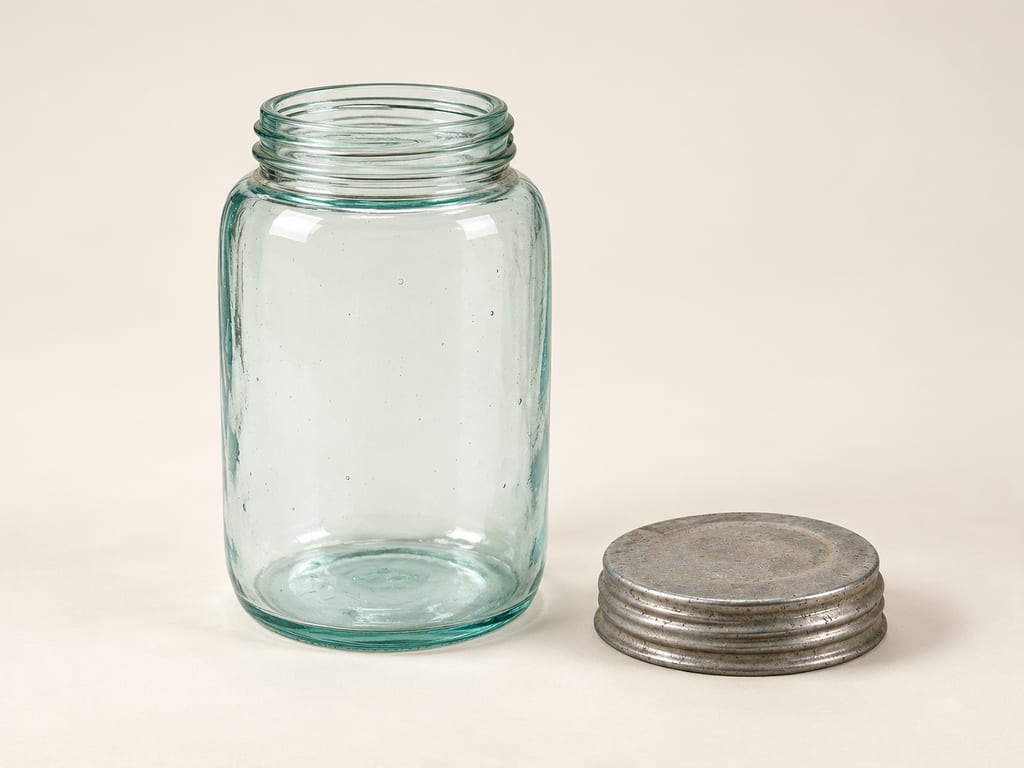
Threaded, heat-processing jars hold food and a fitted lid during a tested canning process; jar size and process belong to the specific recipe.
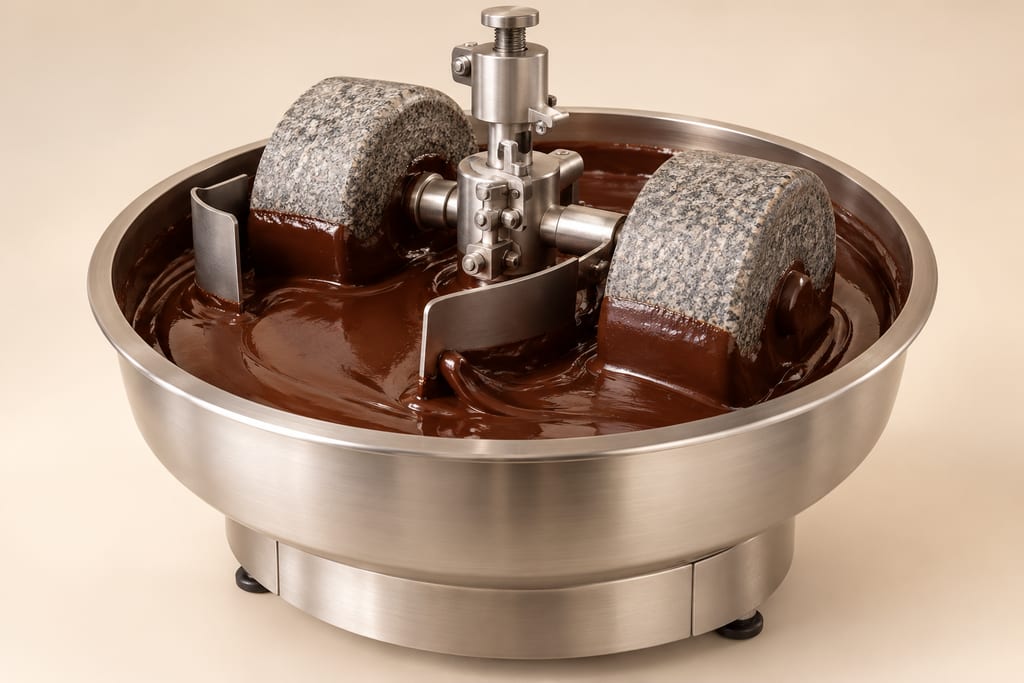
A chocolate refiner or melanger uses powered rotation and stone rollers to refine cocoa mass. Some models also process nut and seed pastes; design, material and operating limits vary.
No community contributions have been published for this entry yet.
Sign in to contribute. Published comments and photos are free to read.
National Center for Home Food Preservation, University of GeorgiaEquipment · History · Safety
How to Use Boiling Water and Pressure CannersLow-acid foods require pressure canning in the cited home-preservation guidance; boiling-water canning is recommended for acid foods.
Domestic pressure canners were heavy-walled kettles before the 1970s; modern forms are described as lightweight, thin-walled kettles, often with turn-on lids.
The described components include rack, gasket, dial or weighted gauge, vent port, automatic vent/cover lock on modern models and safety fuse.
All pressure canners must be vented before pressurization; dial gauges need annual accuracy checks; elevation adjustments, controlled depressurization and manufacturer care instructions matter.
Cited in: A sealed vessel built for processing jars; From heavy kettles to lighter modern models; A controlled cycle from venting to cooling; Choosing the right equipment and process
National Center for Home Food Preservation, University of GeorgiaSafety · Method
Ensuring Safe Canned FoodsLow-acid foods are above pH 4.6; pressure canners can attain the 240–250°F range used for processing them, while required times depend on food, packing method and jar size.
Altitude changes water boiling temperature, and the tested pressure or time adjustment specified for the place must be followed.
Cited in: Why pressure and venting matter; Choosing the right equipment and process
National Center for Home Food Preservation, University of GeorgiaSafety · Method
Can I Can in a Multi-Cooker?The NCHFP says its low-acid processes were developed for stovetop pressure canners holding four or more upright quart jars and does not support transferring those processes to electric multi-cookers.
Pressure in an appliance alone does not establish that the food inside jars receives the validated heat treatment.
Cited in: A sealed vessel built for processing jars; Why pressure and venting matter; Choosing the right equipment and process
Wikimedia Commons; photograph by Colorado State University ExtensionImage reference
File:Pressure canner.jpgThe inspected photograph shows a stovetop pressure canner with a dial gauge and weighted vent regulator.
The Wikimedia Commons file page states CC0 1.0 and records Colorado State University Extension as the author.
Cited in: From heavy kettles to lighter modern models