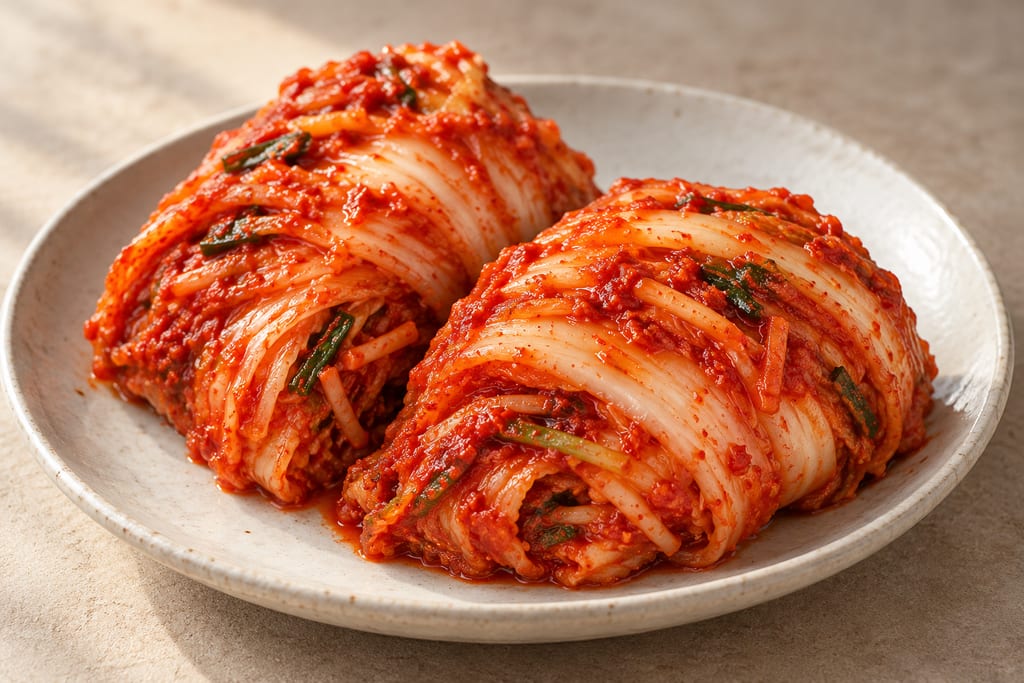
Baechu kimchi
Napa cabbage salted, seasoned with a paste of gochugaru, garlic, ginger and salted seafood, and left to sour through lactic fermentation; Korea's everyday winter preserve.
 FermenteaWhere food goes to change
Equipment · glass-vegetable-fermentation-jars
glass vegetable fermenting jar · wide-mouth fermentation jar
A modern wide-mouth glass jar for vegetable fermentation, often paired with a gas-release lid or airlock and follower weights. This accessory arrangement distinguishes it from general preserving jars and stoneware crocks.
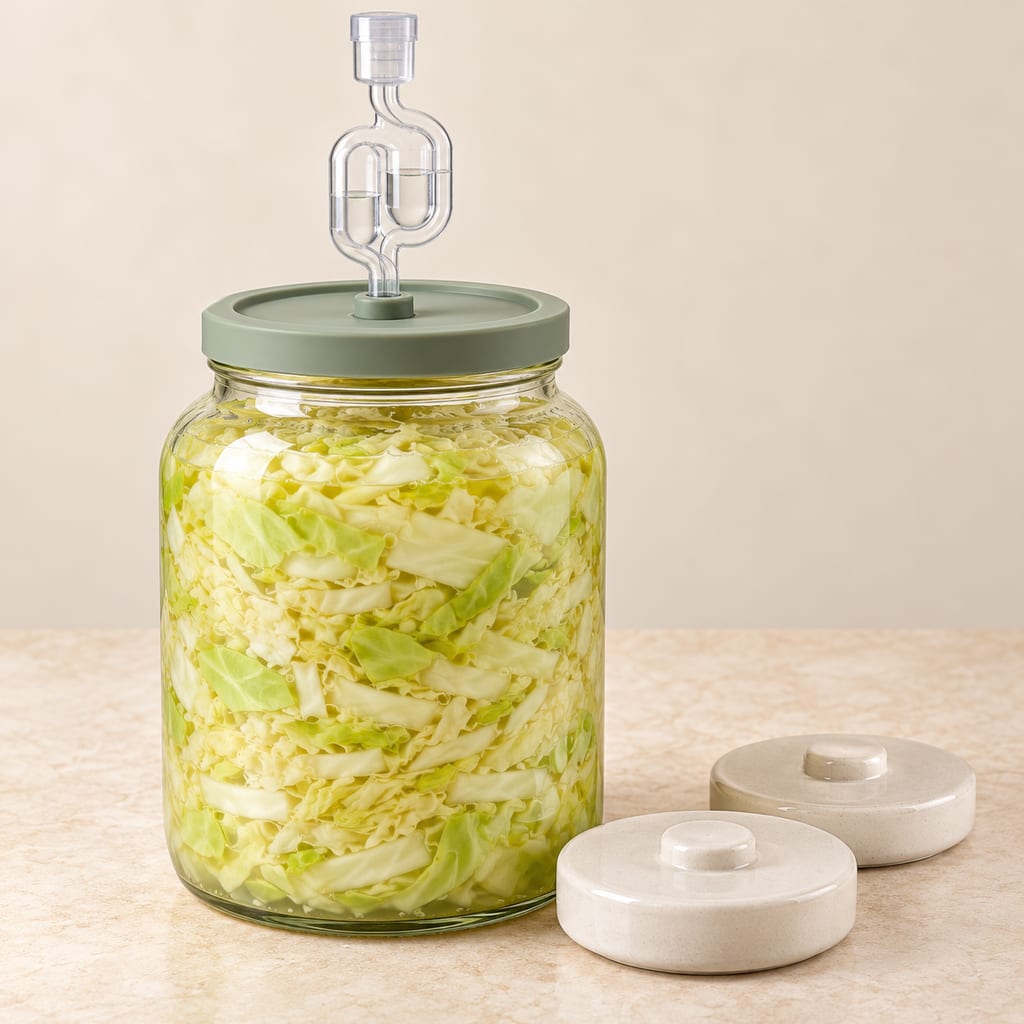
The defining form is a clear glass jar with a wide opening, sold or assembled for vegetable fermentation. The broad mouth gives direct access for packing vegetables, fitting an internal weight and removing the contents. A current Kilner 3 L set illustrates one specific configuration: the manufacturer's listing describes a glass jar, silicone lid, airlock and two ceramic weights. Its stated dimensions are 17 by 17 by 32 cm. Those details belong to that model, not every glass fermenting jar.
In a typical set, the weight presses buoyant pieces below the liquid while the closure accommodates gas from fermentation. The Kilner page says its lid and airlock release gases and its ceramic weights submerge the food. Airlock shapes, lid materials, jar shoulders and weight designs vary. Some jars are used with a vented cap or a loose cover instead; those arrangements should not be collapsed into one invented universal design.
This is not simply another name for a canning or preserving jar. Their glass bodies can overlap, and ordinary Mason jars can also be used for some vegetable ferments. The National Center for Home Food Preservation notes both that food-grade glass can substitute for a stone crock and that sauerkraut may be fermented in quart or half-gallon Mason jars. Here the distinction is the jar's intended fermentation arrangement—especially its internal follower weight and gas-managing closure—not glass as a material or an absolute ban on other jars.
The related stoneware crock is a different vessel class: it is a heavier fired-clay pot and may use a fitted lid, ceramic weights or a water-filled rim channel. Those features are not implied by a glass jar. Nor does a fermenting lid turn this jar into a heat-processing closure: Kilner lists its lid and airlock as fermentation-set components, while the archive's preserving-jar subject concerns sealed-container heat preservation. A glass fermenter can hold a batch during active fermentation; smaller storage jars can be used later, as the Kilner listing itself describes.
Vegetables and brine occupy the jar; a follower weight helps restrain floating pieces below the liquid; the lid and its gas-release fitting manage the mouth during active fermentation. These are separate functions. NCHFP guidance describes keeping cabbage and cucumbers under brine and using a plate with weights in a larger vessel. In the purpose-built Kilner set, two ceramic weights replace that improvised plate-and-weight arrangement at small-jar scale. The jar itself does not determine salt concentration, temperature, acidity or completion. Use an appropriate tested method for the food rather than treating the equipment as process control.
The Kilner product page advises washing the set before use, avoiding direct boiling-water contact with its jar and handwashing the airlock. These are model-specific care instructions. Other brands and lids can differ, so follow the instructions for the particular jar and closure.
The type is contemporary household equipment, not a claim about a historical regional vessel tradition. Kilner's current UK product catalogue lists the 3 L fermentation set and gives the company's Liverpool address. That establishes a named current commercial example and UK-market documentation; it does not establish that this set is manufactured in Liverpool, or that wide-mouth glass fermenters originated in England. NCHFP's U.S. guidance provides a separate practical reference for glass containers and weighted vegetables, not a point of origin.
An outside photograph by Bdubay shows cabbage fermenting in a large clear glass jar with a metal twist cap. It is a useful visual record of cabbage inside a glass vessel, but it does not depict the Kilner airlock-and-weight set; its CC BY-SA 3.0 terms and attribution are recorded with the image.
The cited sources document current glass fermentation jars and a current Kilner 3 L accessory set, but do not establish when the equipment class began.
Kilner's UK product catalogue lists a current 3 L glass vegetable-fermentation set and gives a Liverpool business address. This records current UK commercial documentation, not where the jar is manufactured or where the type originated.
The National Center for Home Food Preservation accepts glass containers for vegetable fermentation and describes Mason-jar kraut; this is U.S. guidance, not evidence of a U.S. origin.
Napa cabbage salted, seasoned with a paste of gochugaru, garlic, ginger and salted seafood, and left to sour through lactic fermentation; Korea's everyday winter preserve.
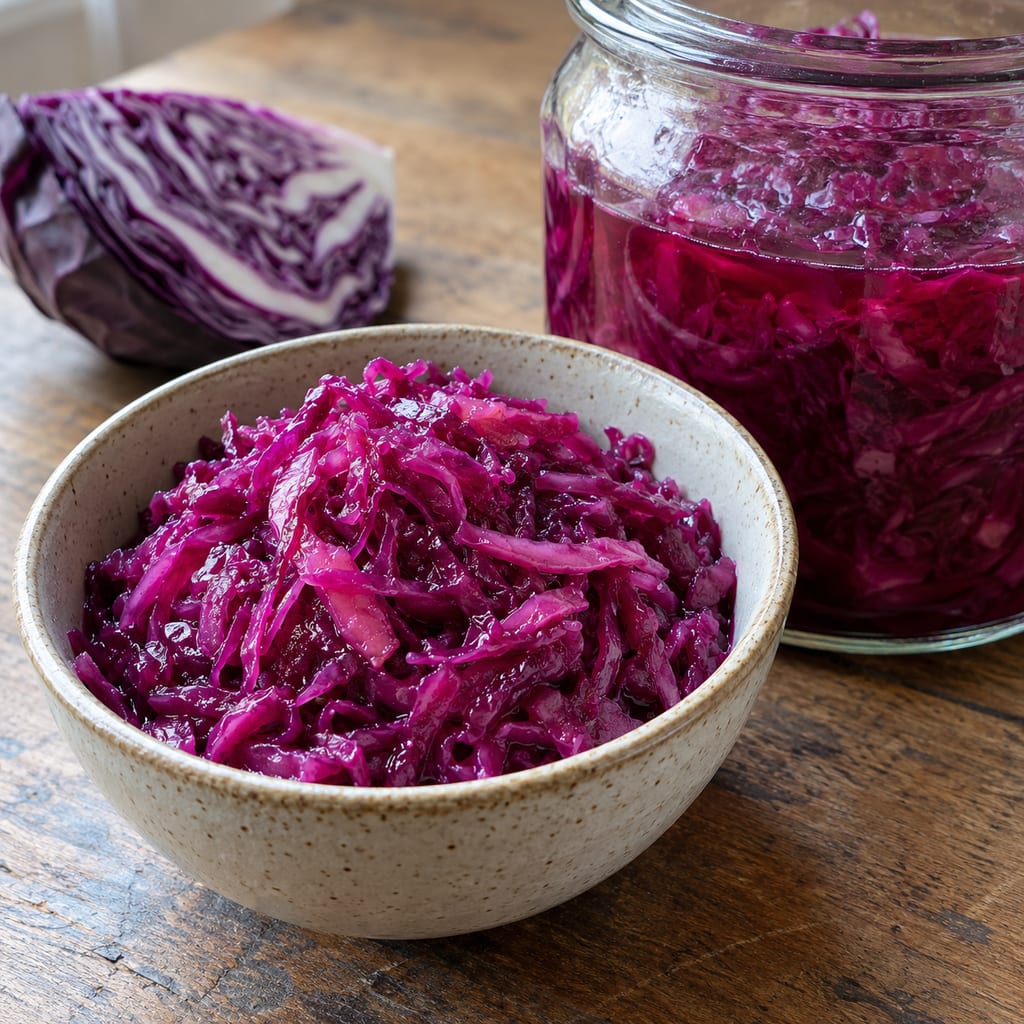
Red cabbage shredded, salted and fermented in its own brine; the pigment gives a deep violet kraut with a sharper flavour than the white-cabbage form.
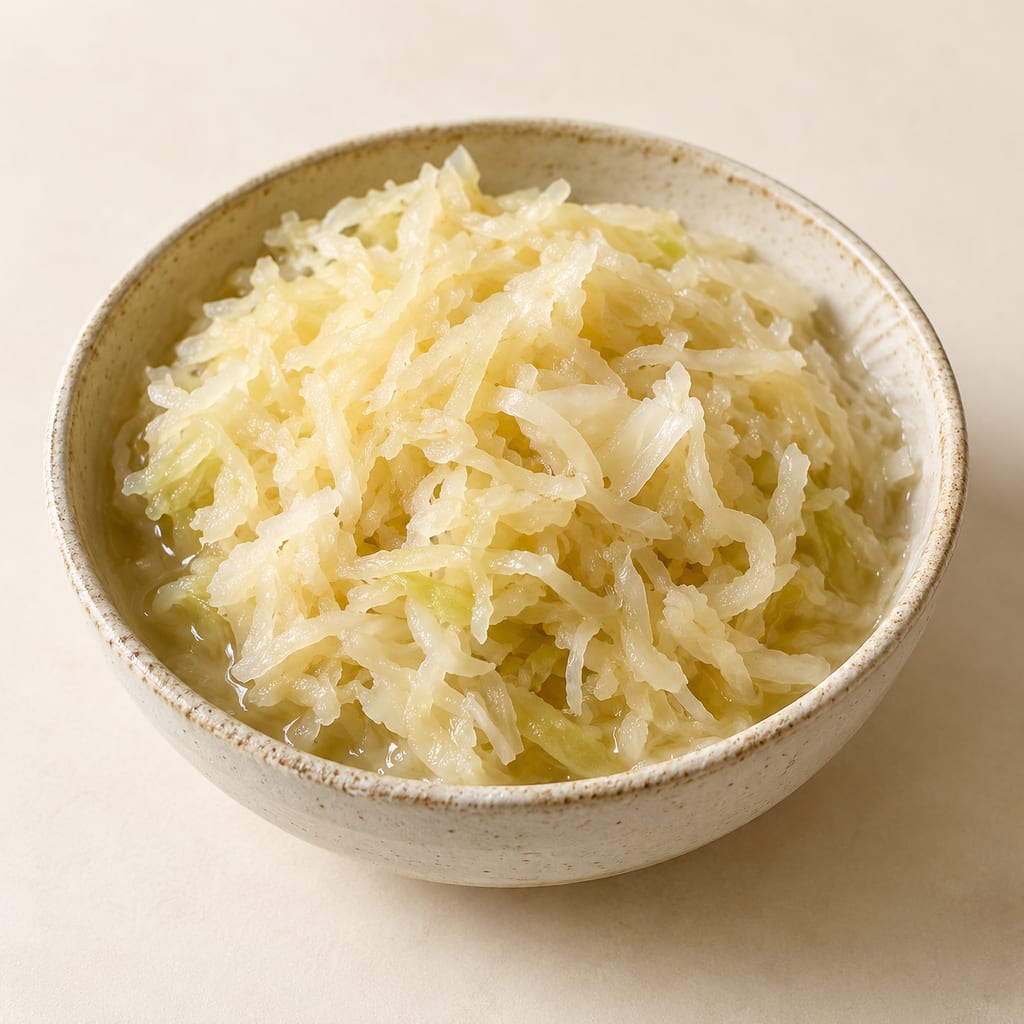
A Penn State Extension crock method mixes 5 lb of shredded cabbage with 3 tablespoons of canning or pickling salt, packs it under its own brine and ferments it in a covered container.
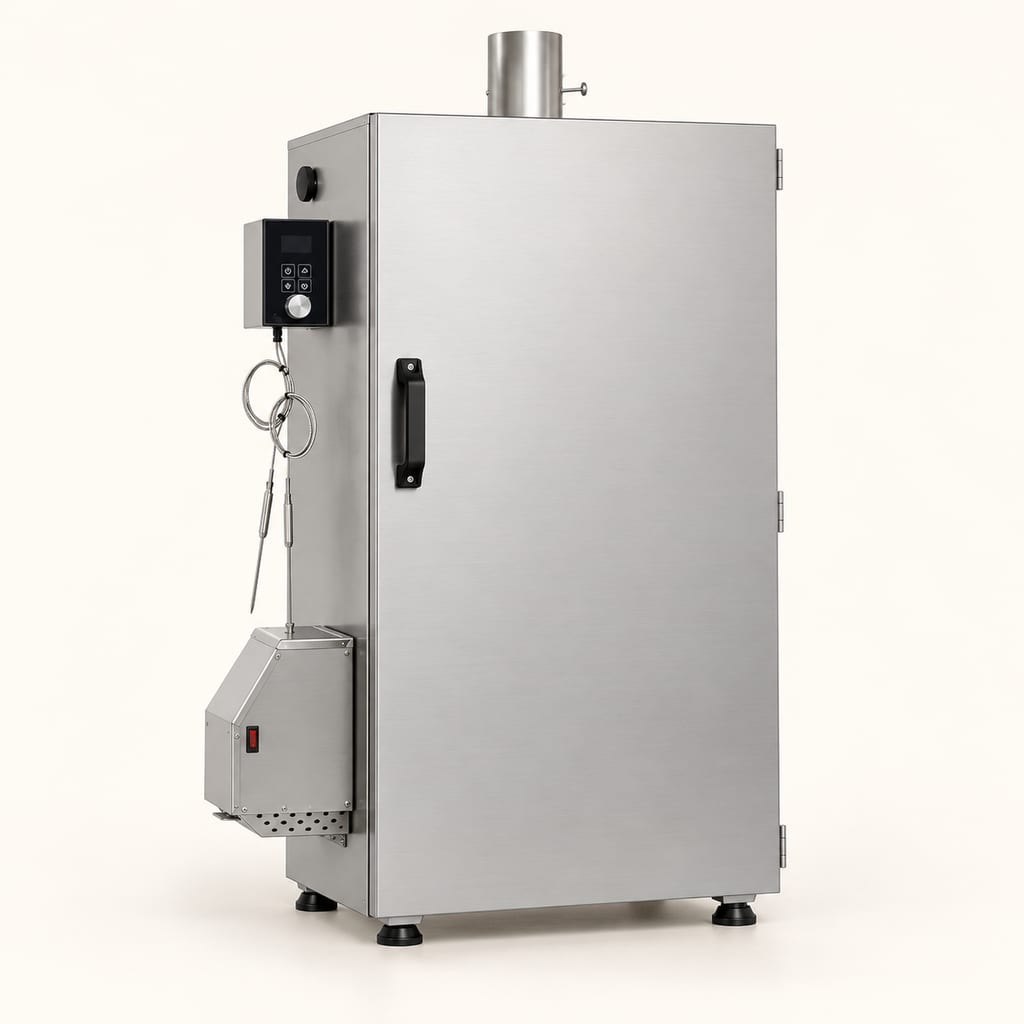
A 150-litre Wi-Fi electric smoking cabinet with a brushed stainless-steel exterior, automatic wood-chip smoke generator and 150°C maximum. Exact model BS150IWUK.
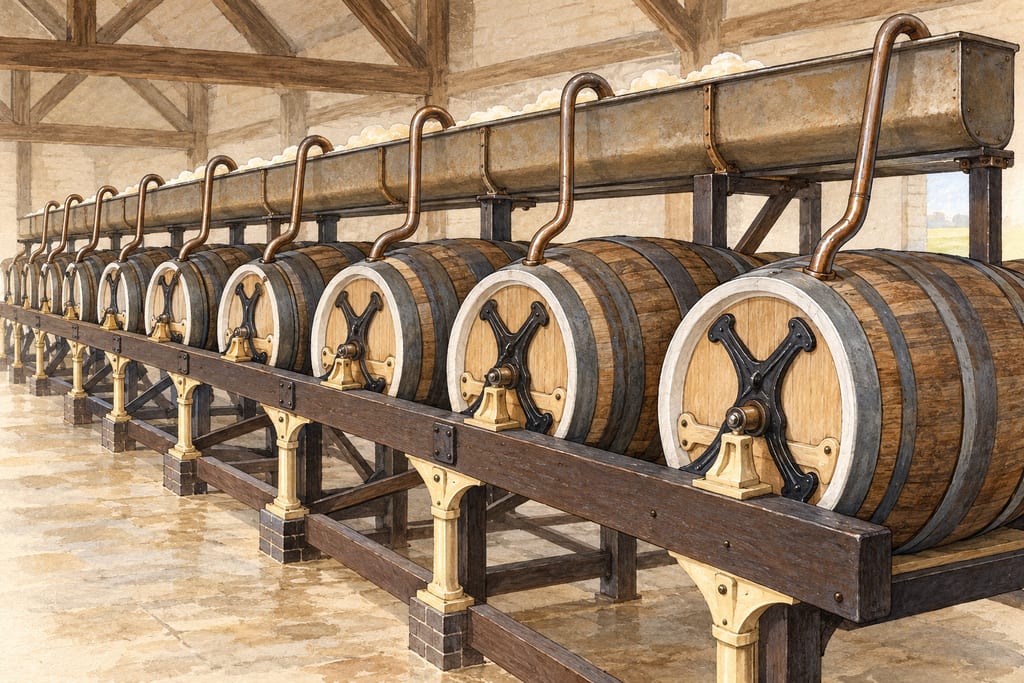
A Burton Union is a connected set of horizontal wooden beer casks, swan-neck pipes and shared troughs. Fermentation lifts yeast-rich foam into the trough; beer drains back to the casks, leaving yeast behind.
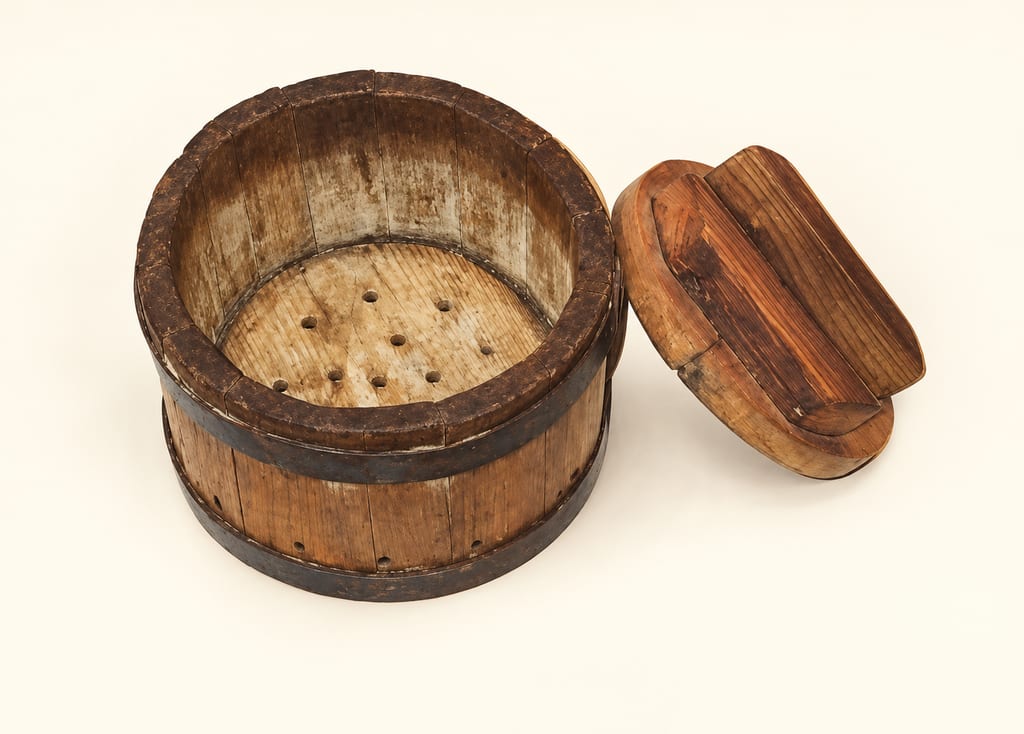
A cheese press applies weight or mechanical force to curds in a draining vat or mould. Tiree’s wooden fiodhan, stone weights, screw presses and a documented New Zealand lever press show distinct forms, not one standard design.
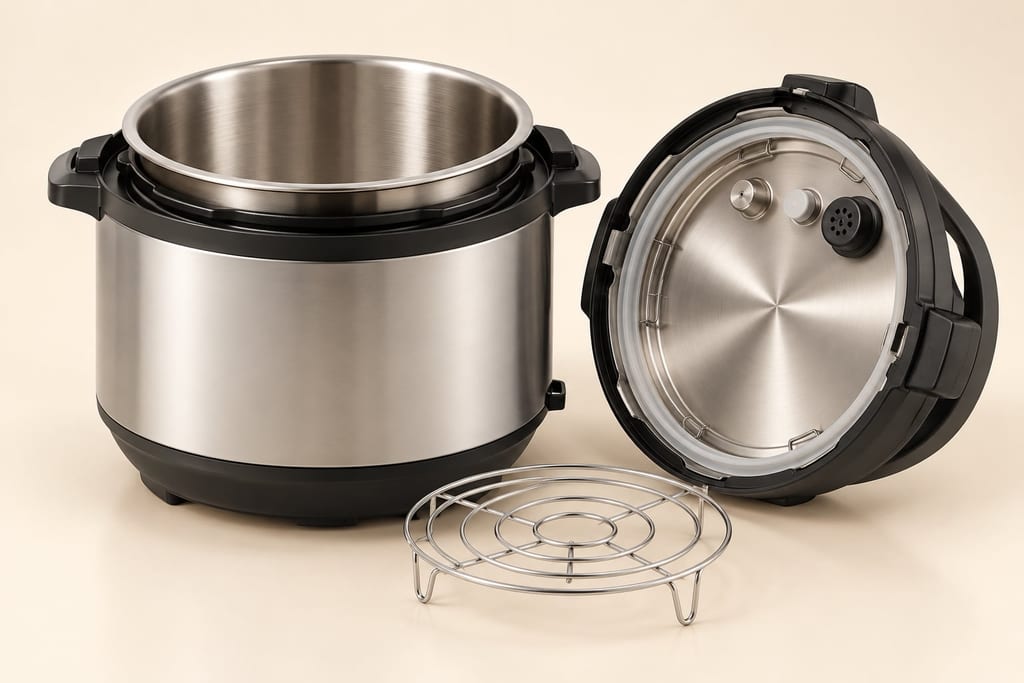
A countertop electric cooker combines pressure cooking with model-specific functions such as sautéing, slow cooking, rice cooking and low-temperature programs. Settings do not transfer to pressure canning.
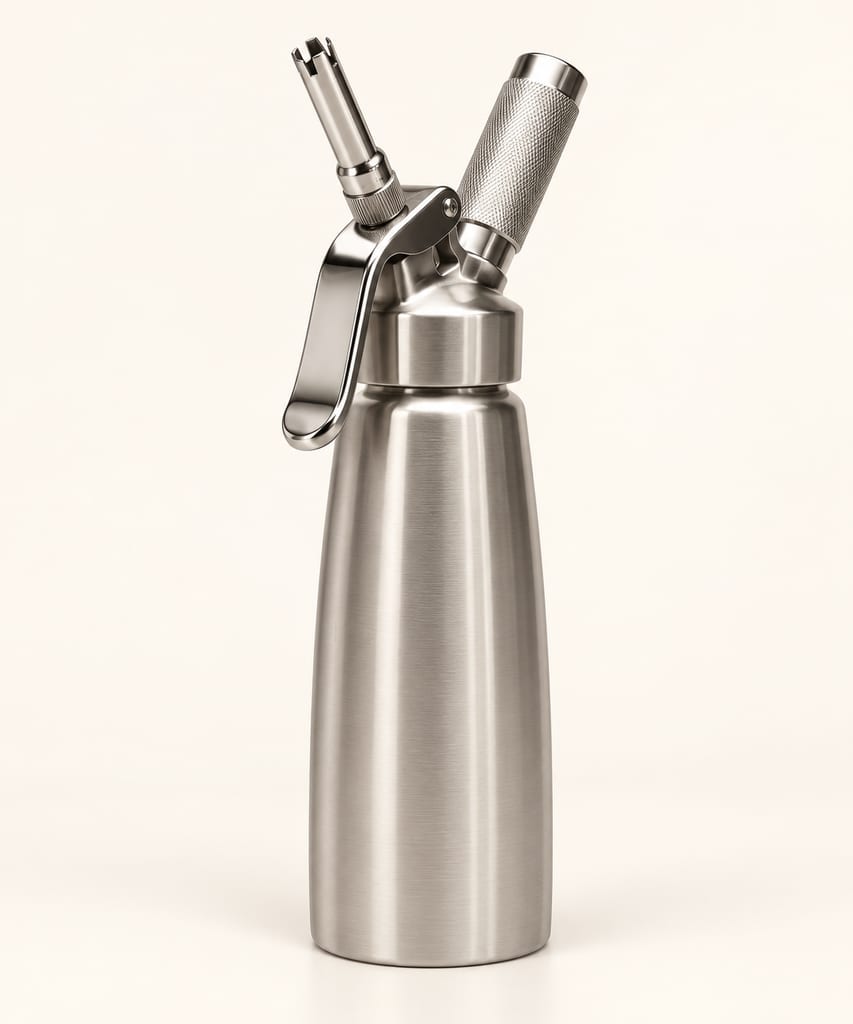
A food-rated pressure canister with a dispensing head and gas-cartridge holder. Cream whippers aerate or dispense foods and, with a compatible rapid-infusion attachment, can speed botanical flavour extraction into liquid.
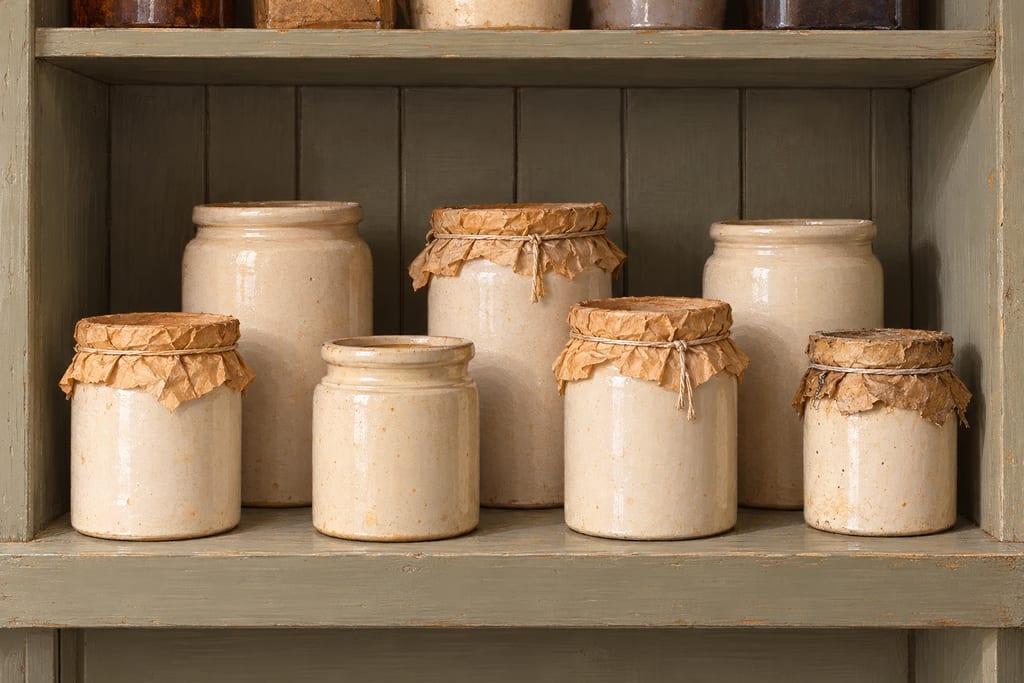
Three dated jam labels at Glasgow’s Tenement House record household preserves: Victoria plum (1947), strawberry (1961), and rhubarb and ginger (1963). They document storage and domestic history, not a recoverable recipe.
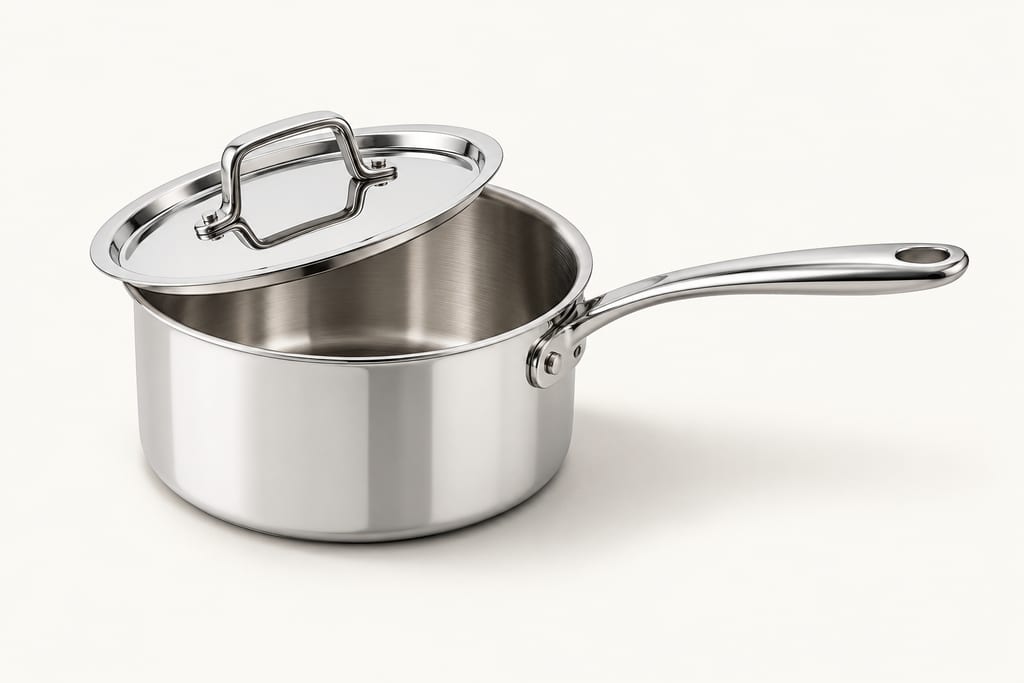
A modern, portable stovetop pan with a stainless-steel cooking surface for sauces and other small simmering jobs. Size, cladding, lid, compatibility and care vary by model.
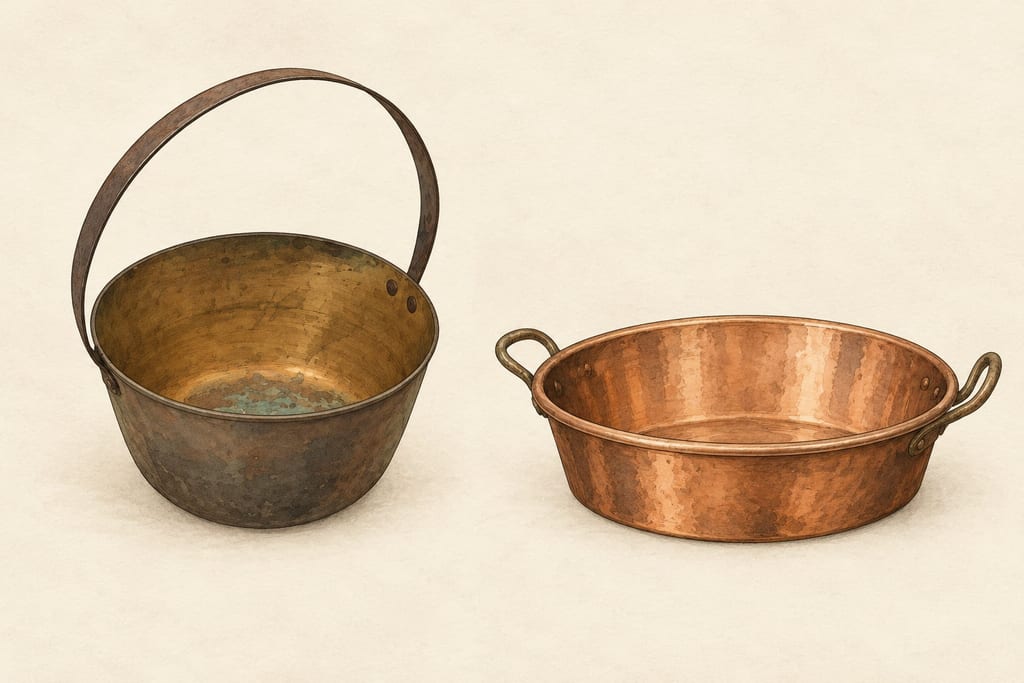
Open, heated pans cooked fruit into preserves before transfer to jars. Historical records document copper and enamelled cast-iron forms, while museum objects show variation in material and shape.

Soft, spreadable Calabrian pork sausage made with a great deal of red chilli and fatty pork, stuffed into natural casings, sometimes smoked and matured while staying soft.

A way to add independent temperature logging to an existing food dehydrator without changing its built-in controls or protections. It is a monitoring method, not a rewiring plan.

Pleurotus cystidiosus is the abalone mushroom, a cultivated oyster-type fungus with dark brown caps that grows more slowly and is more demanding than other Pleurotus species.

A dark, balanced vinegar from Emilia-Romagna made by combining cooked or concentrated grape must with wine vinegar, then acetifying and refining it in wood under a protected specification.

A living dairy inoculum that starts controlled cream fermentation, developing acidity and aroma before sour cream or cultured butter is finished.

A small electric incubator holds jars at a selected temperature for yogurt and other documented warm food preparations. Controls, capacity and vessel arrangement vary by model.

Adygean salt is a seasoned table salt associated with Adygea and the wider North Caucasian culinary tradition. Salt is blended with garlic and a variable selection of herbs and spices; the exact mix depends on the named style and maker.

The African Caesar-group mushroom, Amanita masasiensis, is a wild ectomycorrhizal species of central and southern African woodlands, eaten locally. The genus contains deadly poisonous species, so identification needs care.
No community contributions have been published for this entry yet.
Sign in to contribute. Published comments and photos are free to read.
Kilner / Rayware LimitedForm · Materials · Capacity · Function · Care · Geography · Use
Fermentation Set 3 LitreThe current catalogue describes one 3 L glass jar with a silicone lid, airlock and two ceramic weights; it states dimensions of 170 × 170 × 320 mm and gives model-specific care instructions. The page lists vegetable-fermentation uses including sauerkraut and kimchi, and gives a Liverpool business address. It does not establish this set's manufacturing location or the class's origin.
Cited in: A jar designed around vegetable fermentation; Fermenting jar, preserving jar and stoneware crock; How the components work together; Current examples and geographic limits
National Center for Home Food Preservation, University of GeorgiaFunction · Comparison · Use
Suitable Containers, Covers, and Weights for Fermenting FoodThe guidance identifies food-grade glass as a substitute for stone crocks, says sauerkraut may be fermented in quart or half-gallon Mason jars, and describes keeping vegetables under brine with a plate and weights. It also notes that small Mason-jar fermentation may have more spoilage losses.
Cited in: Fermenting jar, preserving jar and stoneware crock; How the components work together; Current examples and geographic limits
Wikimedia CommonsVisual reference · Form · Rights
Sauerkraut Jar.jpgThe photograph shows cabbage and onions fermenting in a clear glass jar with a metal twist cap; it does not show the specified Kilner lid, airlock or follower weights. The file page records CC BY-SA 3.0 licensing and attribution to Bdubay.
Cited in: Current examples and geographic limits