Built structures
Arbroath smoking barrel
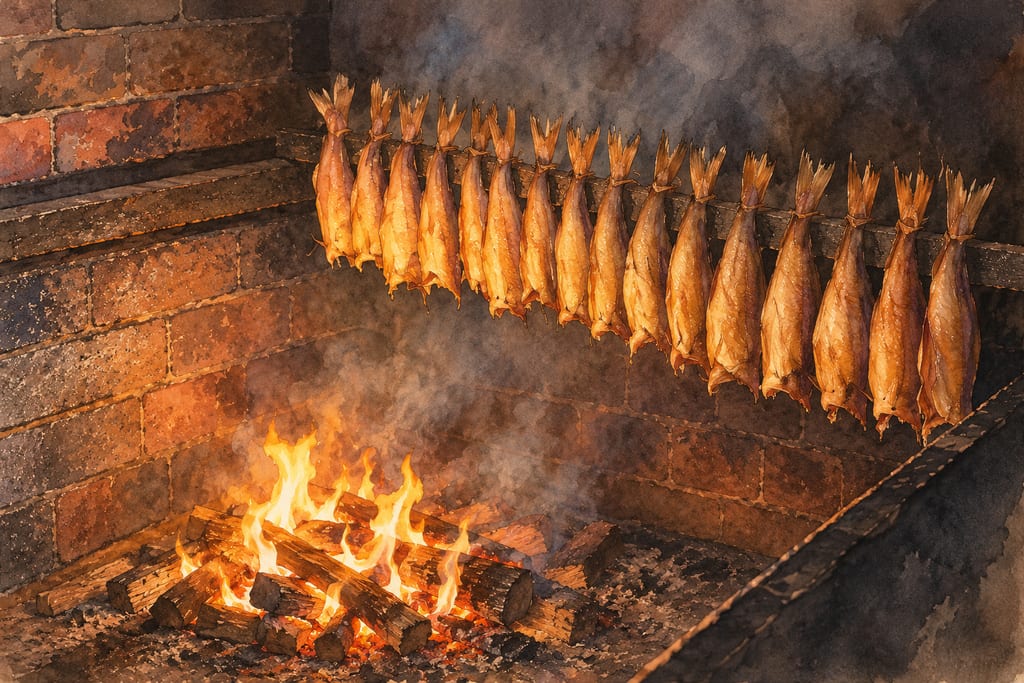
The Arbroath “barrel” is a hardwood-fired smoking pit with triangular rails and a cover. Its documented form belongs to the traditional hot-smoking of haddock around Arbroath and Auchmithie, Scotland.
 FermenteaWhere food goes to change
626 sourced equipment pages: vessels, tools, appliances and built structures.
The Arbroath “barrel” is a hardwood-fired smoking pit with triangular rails and a cover. Its documented form belongs to the traditional hot-smoking of haddock around Arbroath and Auchmithie, Scotland.
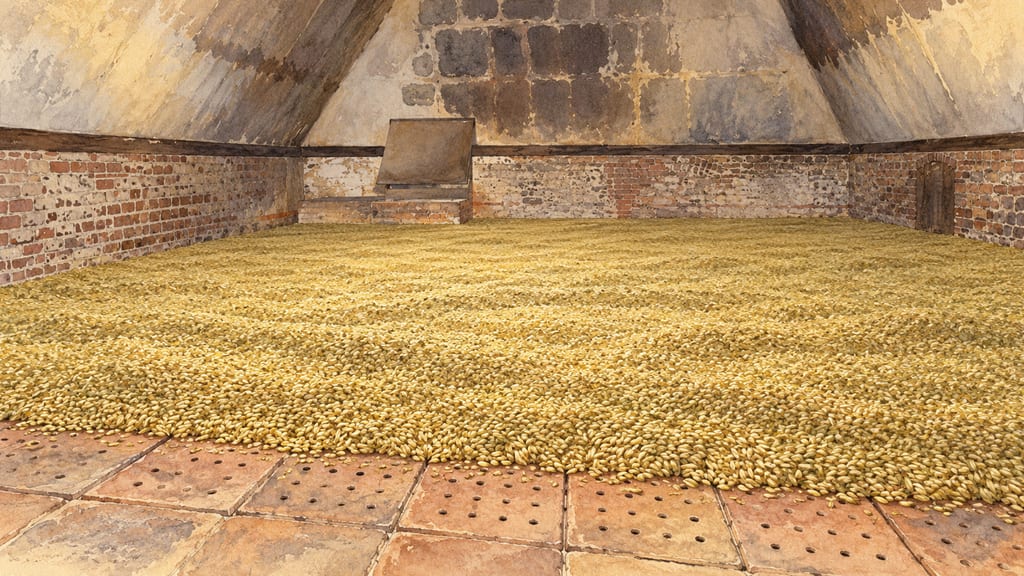
A Tuckers Maltings kiln floor in Newton Abbot: the 1900 complex grew from two kilns to four. A 2010 photo shows wire mesh; the original floor used perforated ceramic blocks.
Show on map
An excavated Scottish grain-drying kiln at Lockerbie Academy, with a deep stone-lined bowl connected by a flue to a separate firepit.
Show on map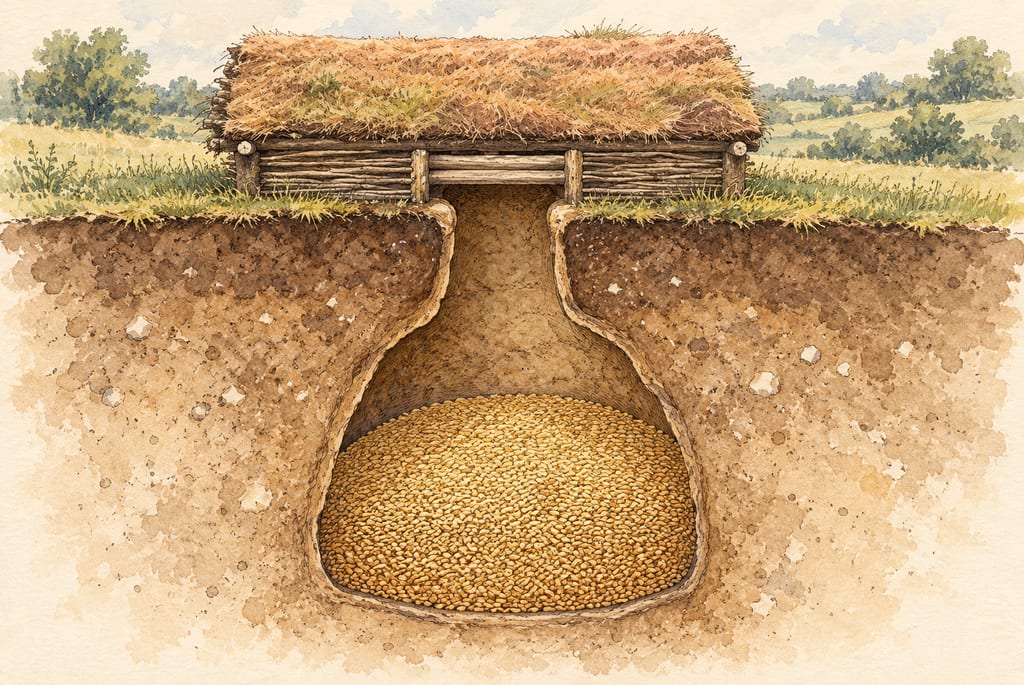
An underground grain-storage pit is a dug cavity for keeping dry grain, distinct from raised granaries and portable silos. Iron Age British examples are archaeological interpretations; experimental forms and results varied.
A surviving nineteenth-century stone smokehouse at Craster, Northumberland. Its tall, narrow rooms, hanging racks and roof vents belong to a commercial herring-curing works; the evidence describes this listed building, not a universal smoke
Show on map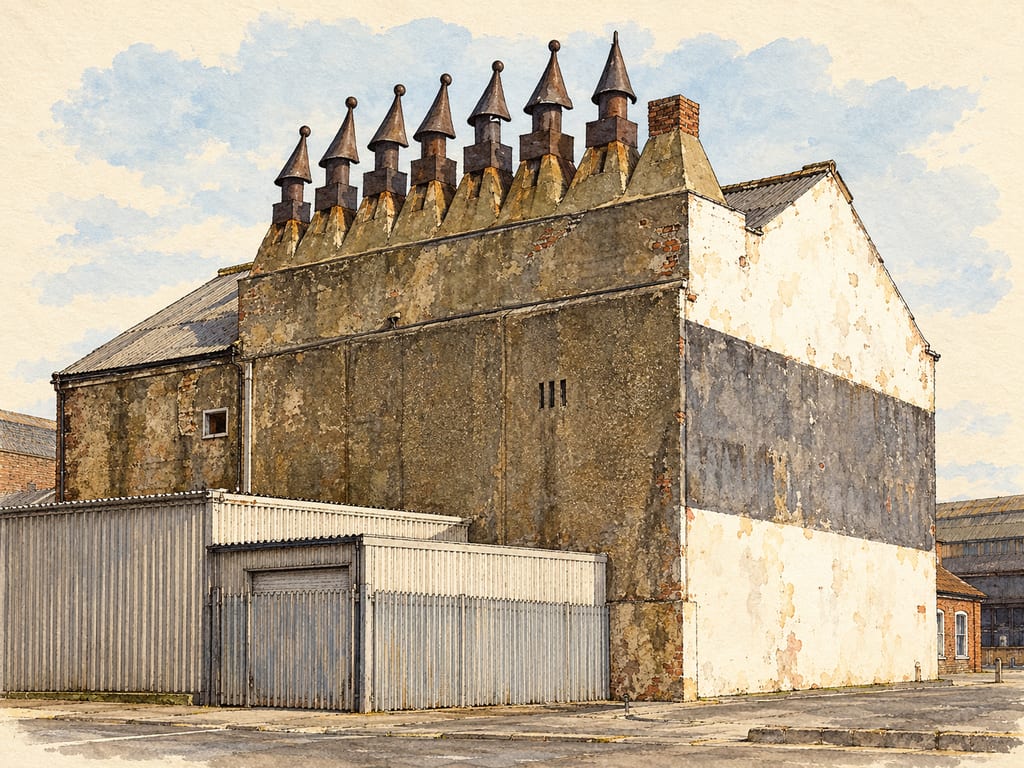
A brick chimney smokehouse associated with Grimsby's traditional fish-curing trade. Individual buildings varied; one working Alfred Enderby example documents tall chimney bays with smoke pits and speats for hanging fish.
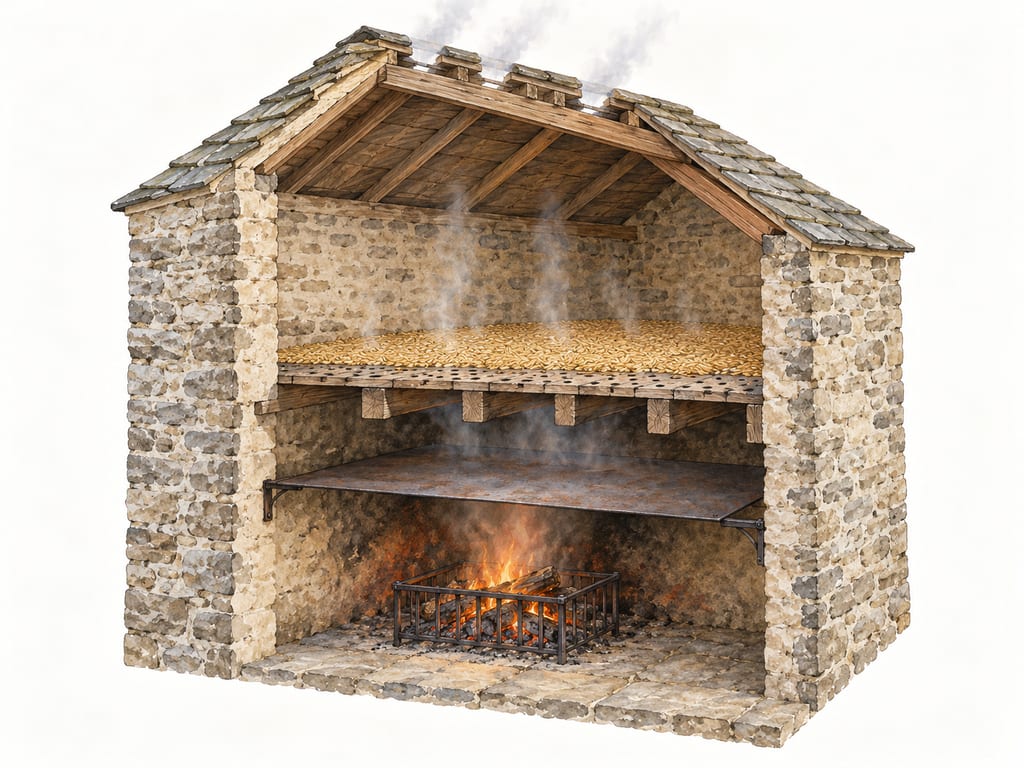
A reconstructed two-level grain-drying kiln at Acorn Bank Watermill in Temple Sowerby, Cumbria. A lower fire grate warms oats on a raised perforated floor; a baffle spreads heat, while smoke historically escaped through the roof ridge.
Show on map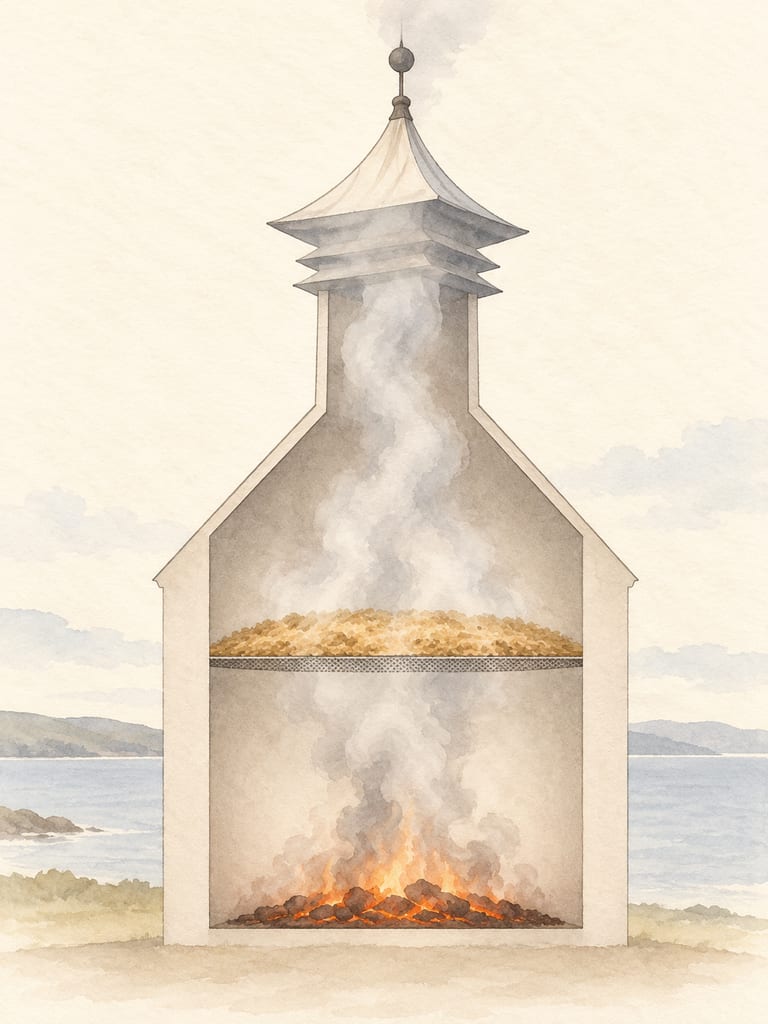
A fixed malt-drying kiln at Laphroaig on Islay, where peat smoke passes through damp malt before it is fully dried.
Show on map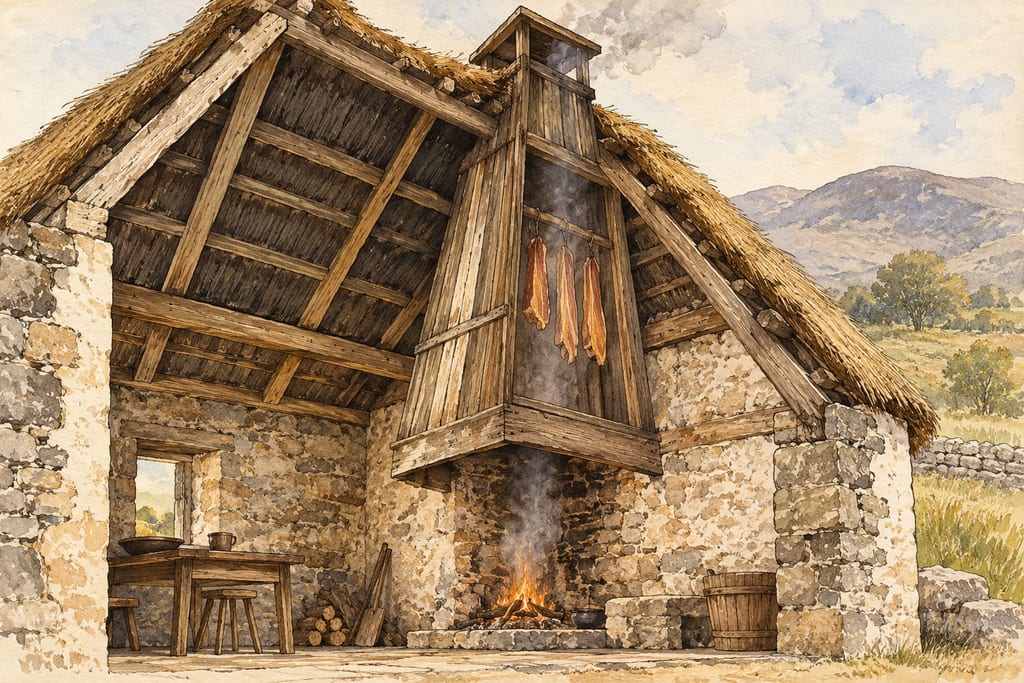
A domestic hearth chimney used to smoke cured meat in historical Scottish practice. It was part of the house, not a freestanding smokehouse, and the surviving chimney forms were varied.
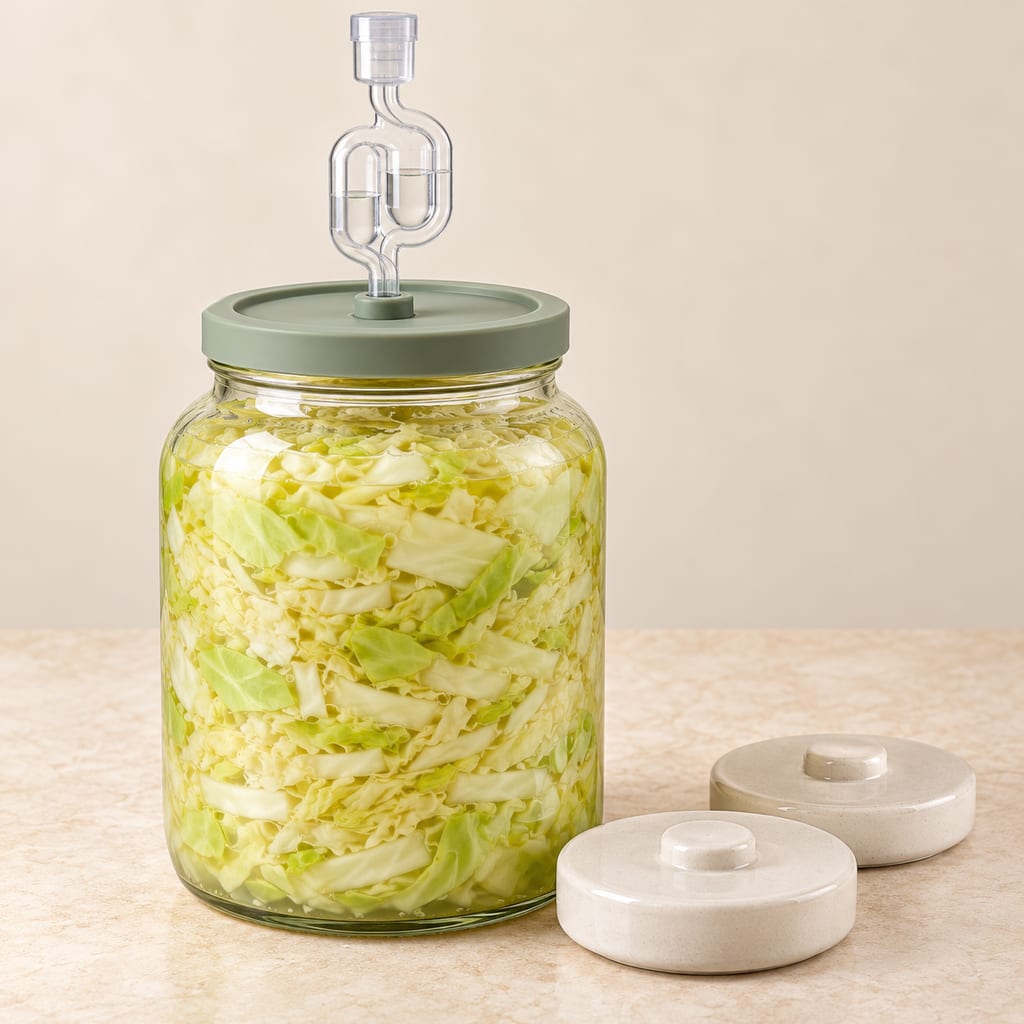
A modern wide-mouth glass jar for vegetable fermentation, often paired with a gas-release lid or airlock and follower weights. This accessory arrangement distinguishes it from general preserving jars and stoneware crocks.
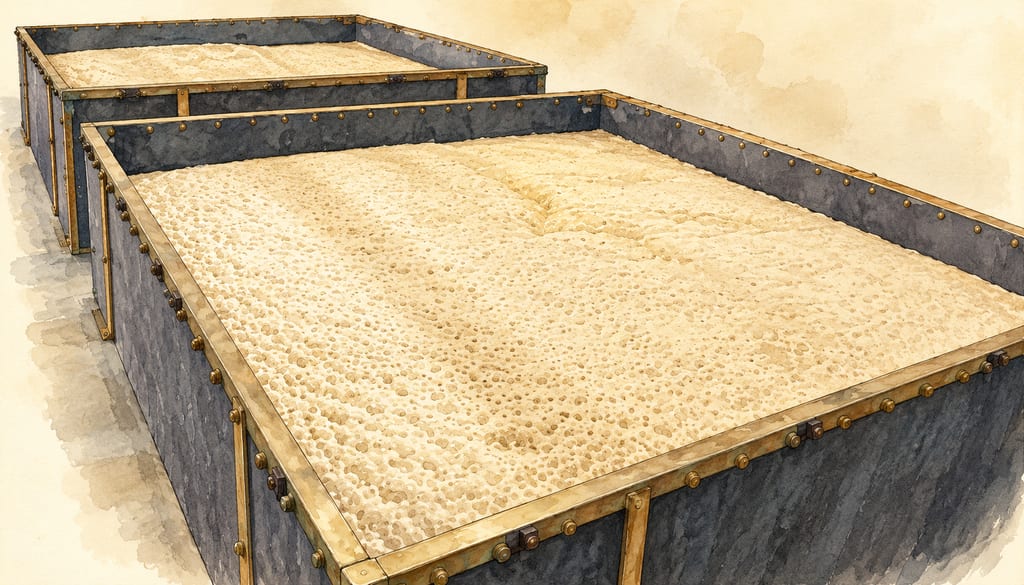
The Yorkshire square is a slate fermentation vessel and linked process system, documented in continued use at Samuel Smith’s Old Brewery in Tadcaster. Its form and operation vary by brewery.
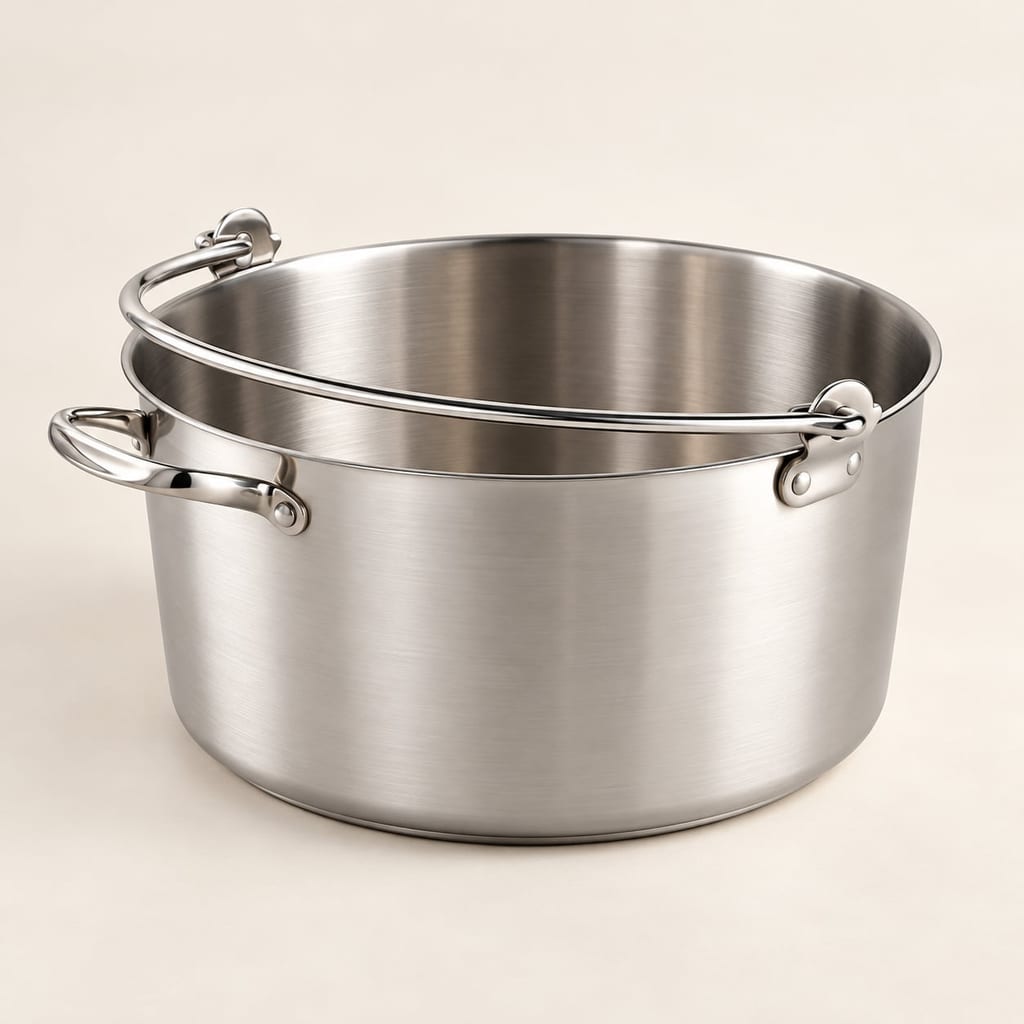
A contemporary, wide-mouthed stainless-steel pan for heating fruit mixtures into jams, marmalades, chutneys and other preserves. Its open surface supports evaporation, while base thickness, capacity and handles vary by model.
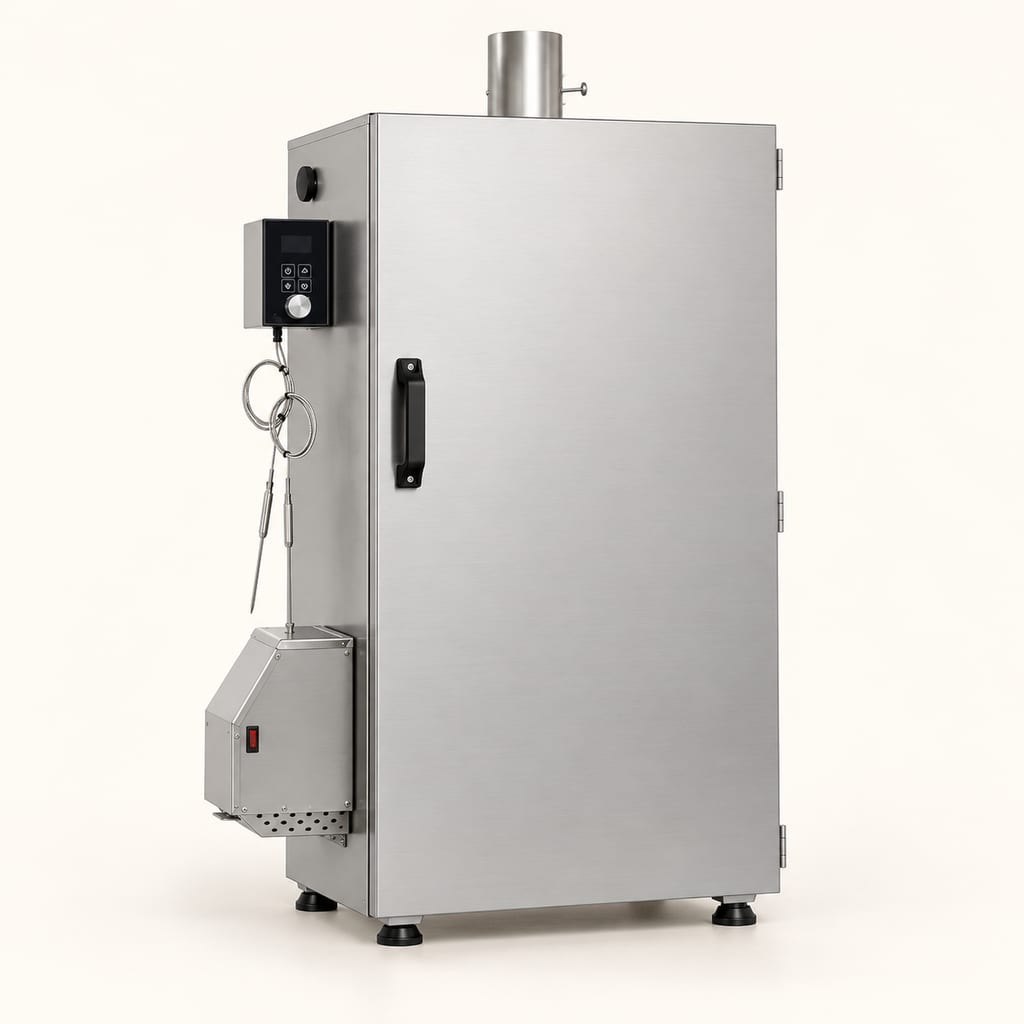
A 150-litre Wi-Fi electric smoking cabinet with a brushed stainless-steel exterior, automatic wood-chip smoke generator and 150°C maximum. Exact model BS150IWUK.
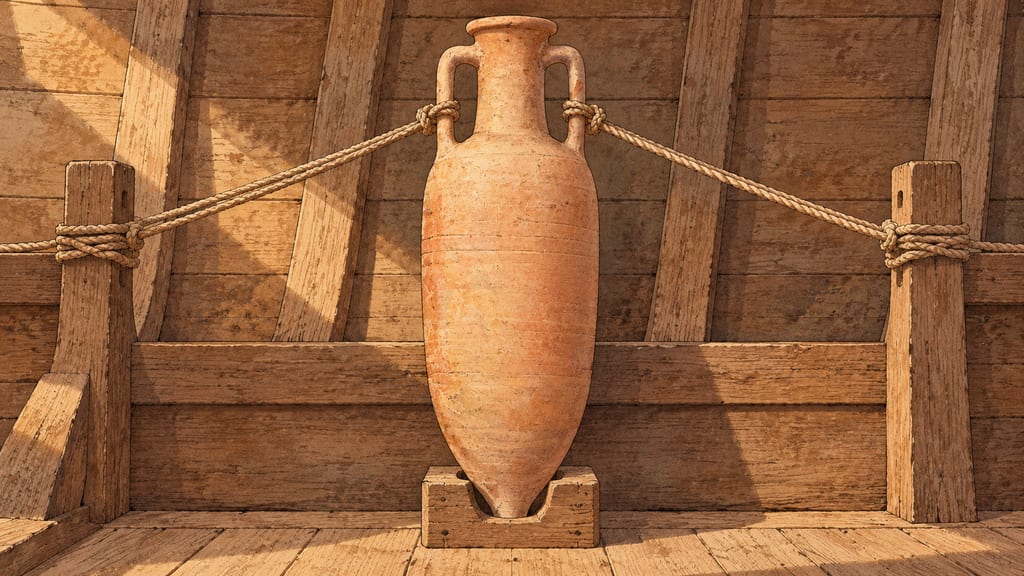
An ancient Mediterranean ceramic shipping container for wine, oil, fish products and other goods. Its handles, restricted mouth and varied bases suited closure, lifting and cargo stowage; it should not be assumed to have been a fermenter.
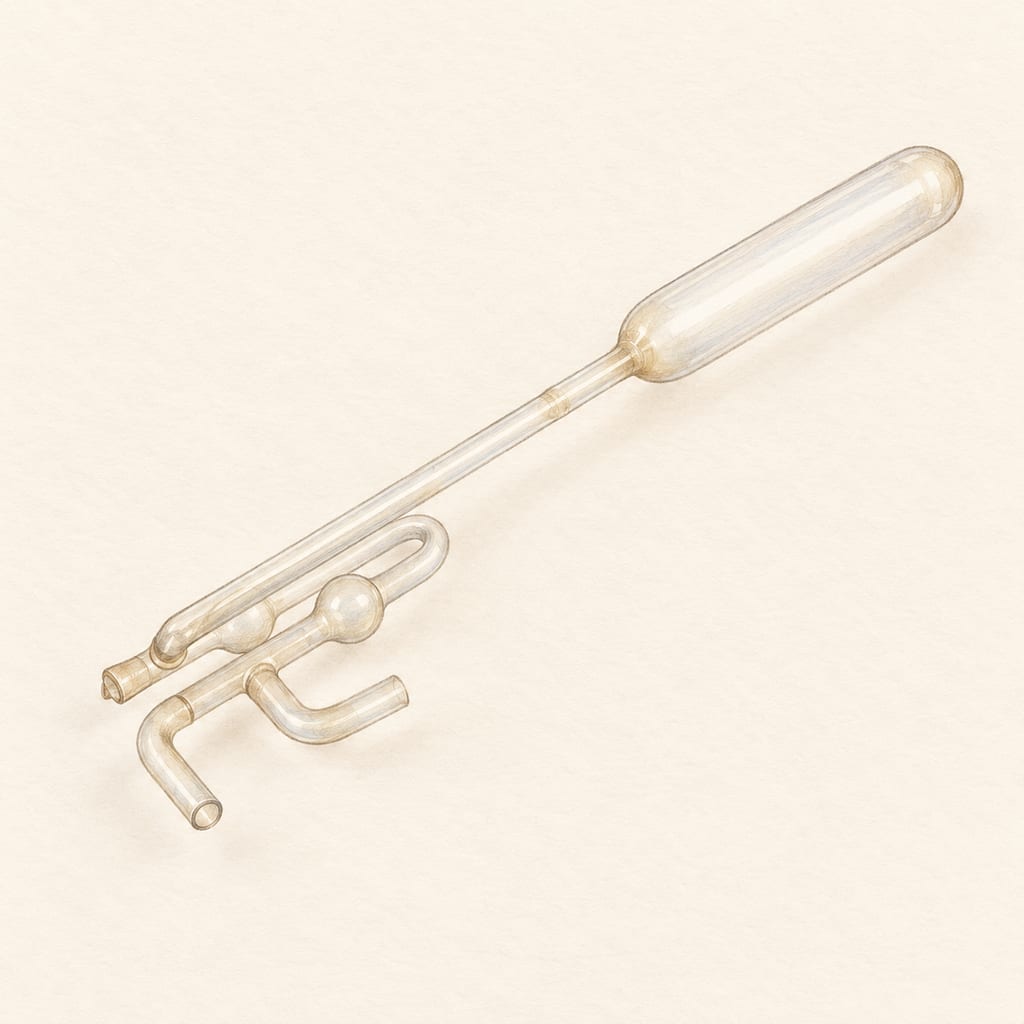
A thermostat senses temperature and regulates heating or cooling to a chosen condition. It may be built into an appliance or supplied as a separate controller; a sensor reading describes its measured point, not every part of a batch.
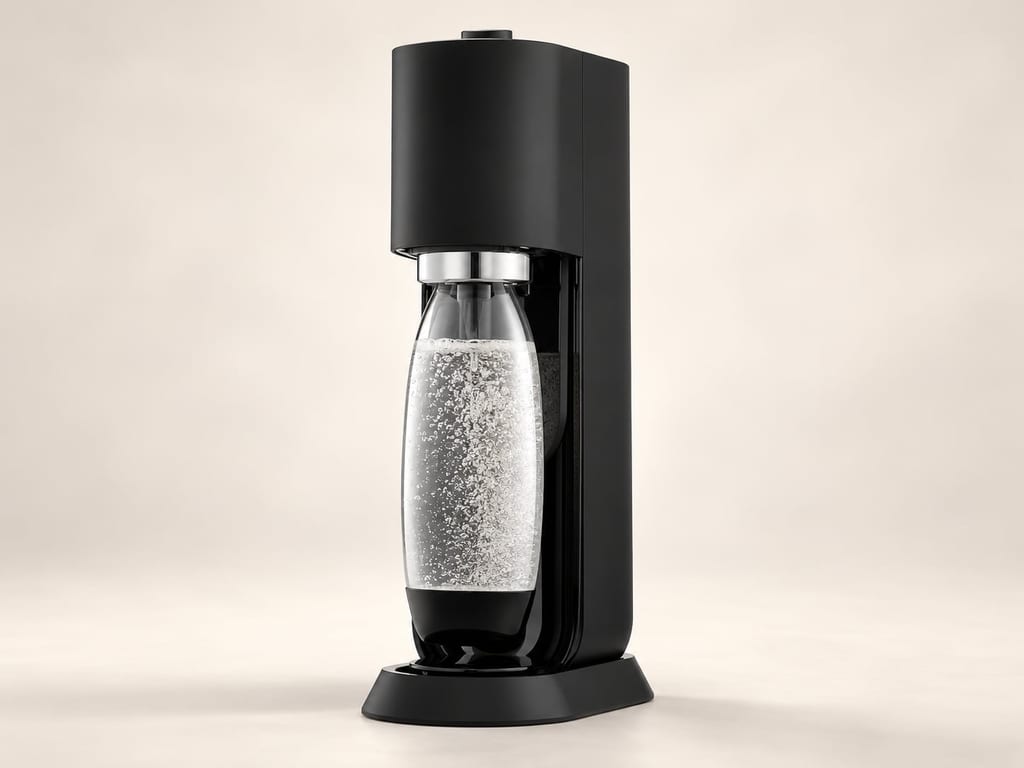
The SodaStream MIX is a CO₂-powered bottle carbonator designed for drinks beyond water, with a locking release dial and overflow collection. This page covers the MIX model, not the broader water-focused SodaStream range.
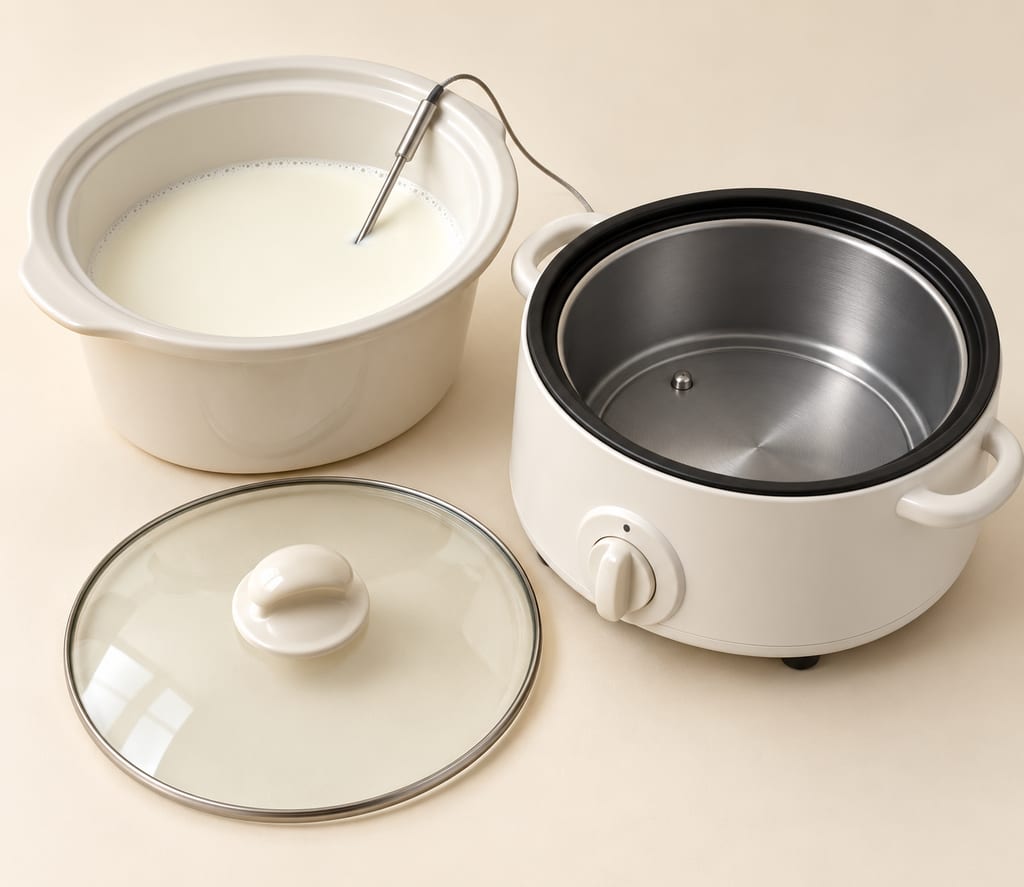
An electric slow cooker warms a removable heavy crock under a lid. Stored heat aids gradual cooking, but its settings are not a universal fermentation thermostat.
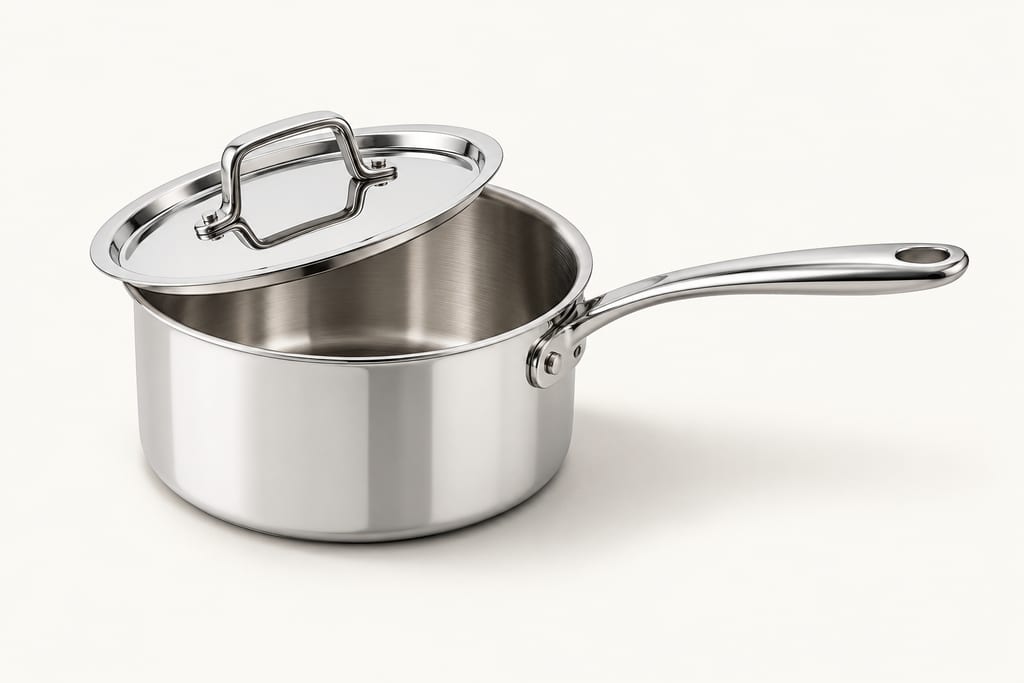
A modern, portable stovetop pan with a stainless-steel cooking surface for sauces and other small simmering jobs. Size, cladding, lid, compatibility and care vary by model.
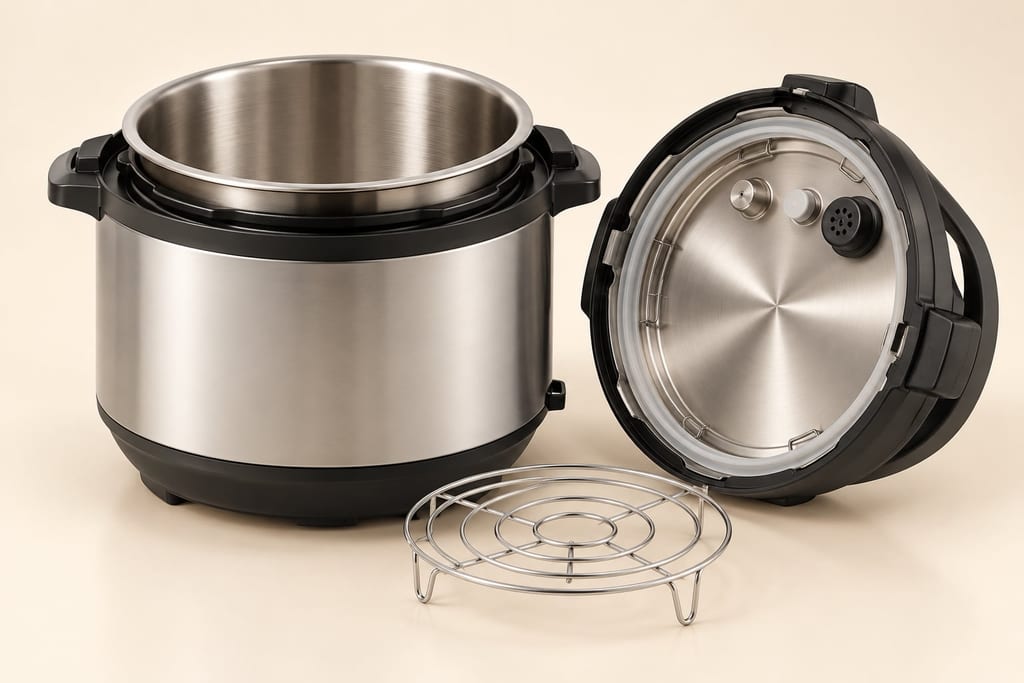
A countertop electric cooker combines pressure cooking with model-specific functions such as sautéing, slow cooking, rice cooking and low-temperature programs. Settings do not transfer to pressure canning.
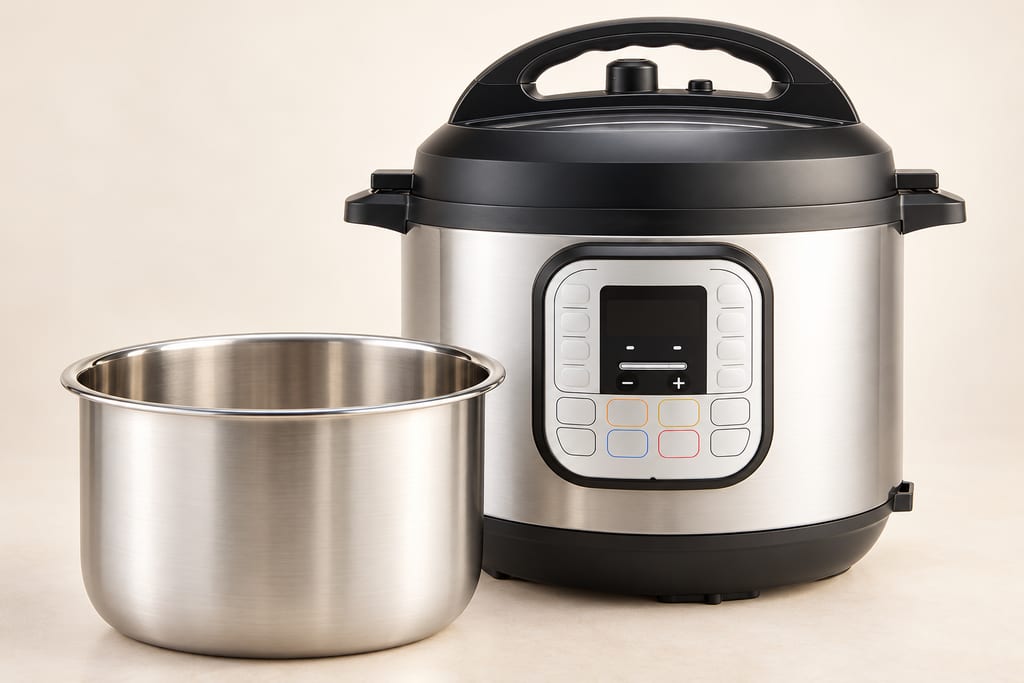
The Instant Pot Duo is a manufactured electric multicooker with a removable inner pot, locking lid and electronic programs. A 2016 IP-DUO60/80 manual documents yogurt and jiu niang settings; later revisions may differ.
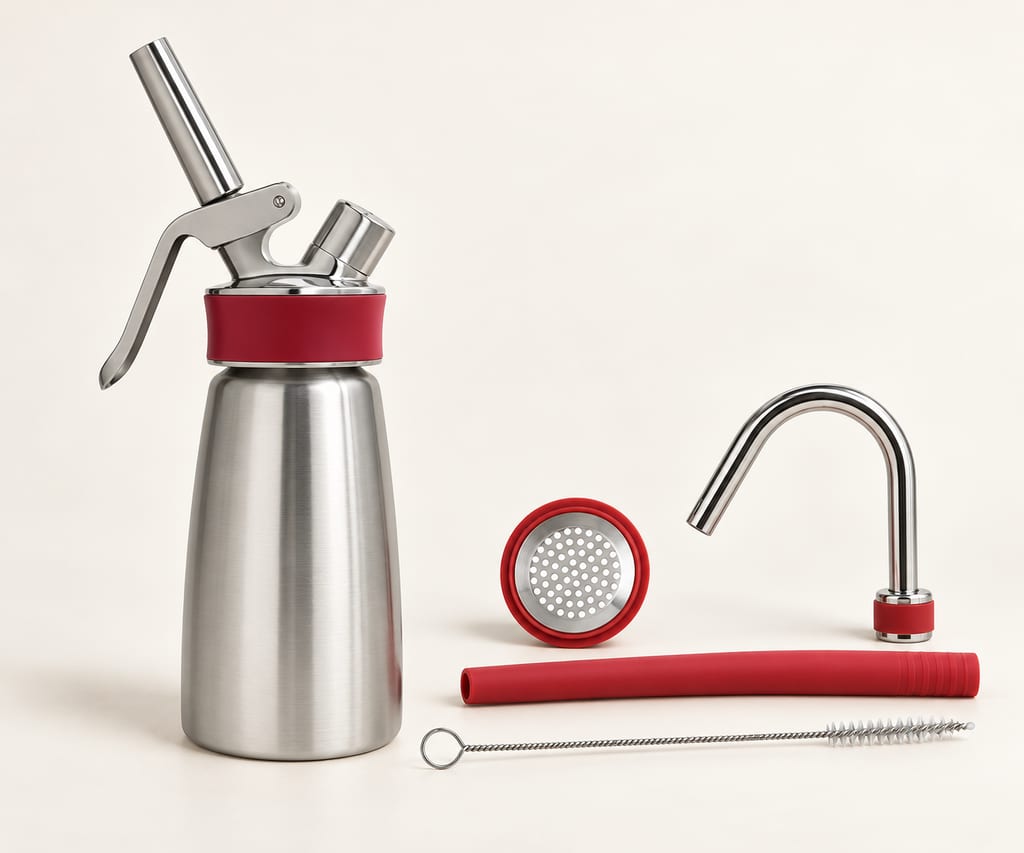
The iSi Gourmet Whip fitted for Rapid Infusion uses a stainless-steel canister and a separate tool kit to extract botanical flavours into liquids under pressure.
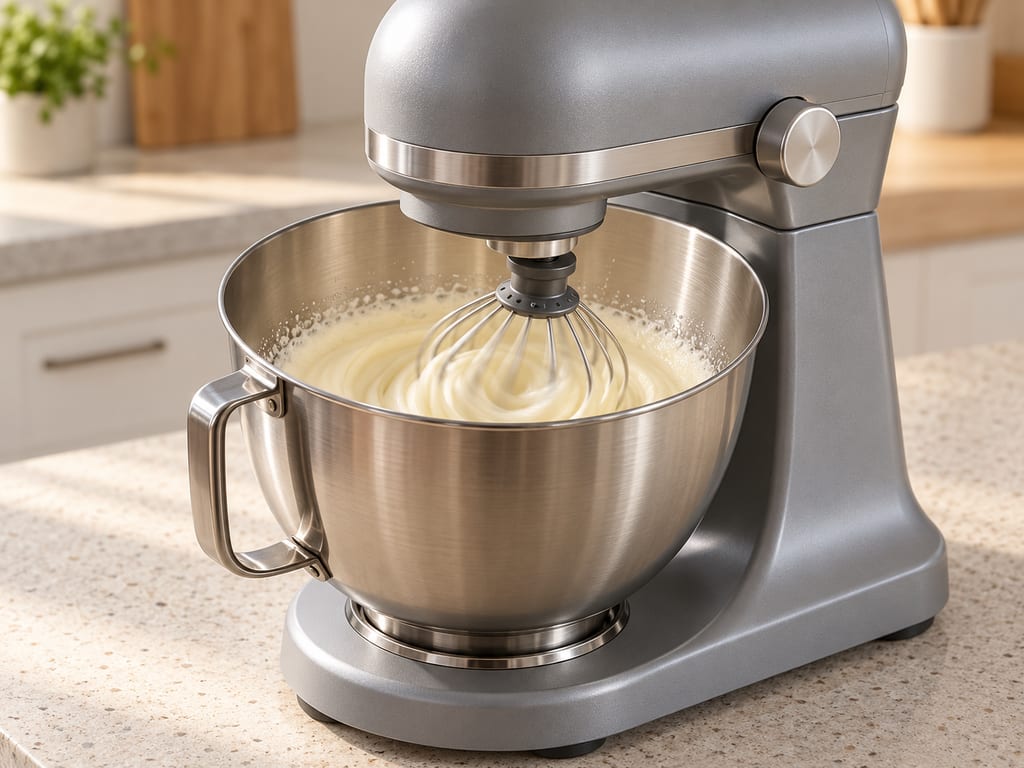
A stand mixer is a powered mixing machine built around a stationary base, a supported bowl and a driven beater or other tool. It can stir, beat, whip and knead; particular models may also accept separate accessories for other jobs.
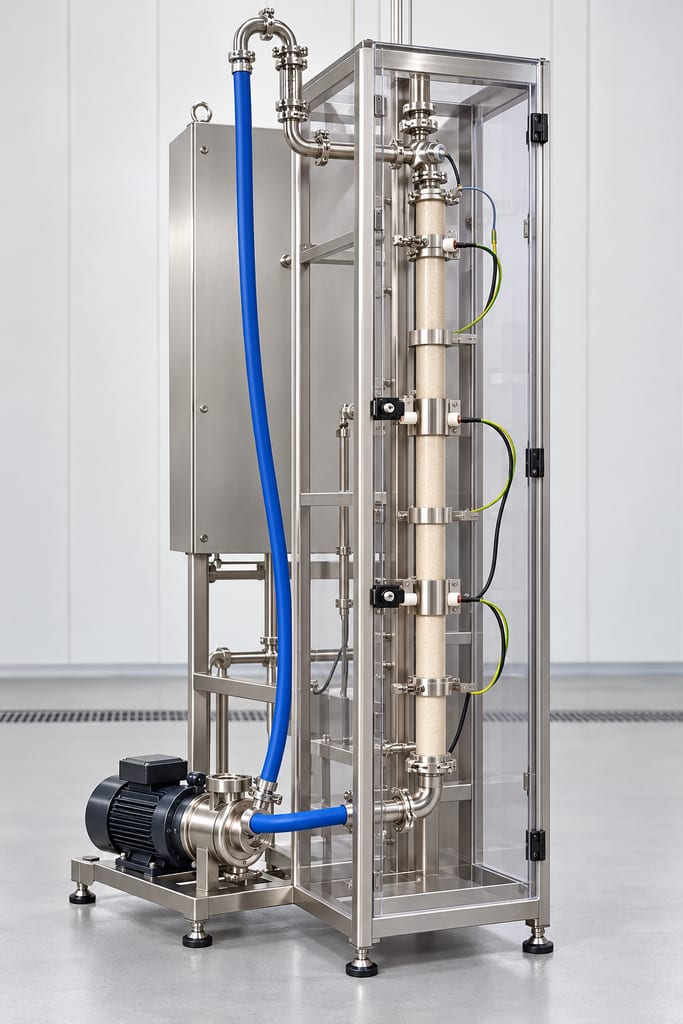
An ohmic heater passes electric current through conductive food so electrical resistance generates heat inside the product.
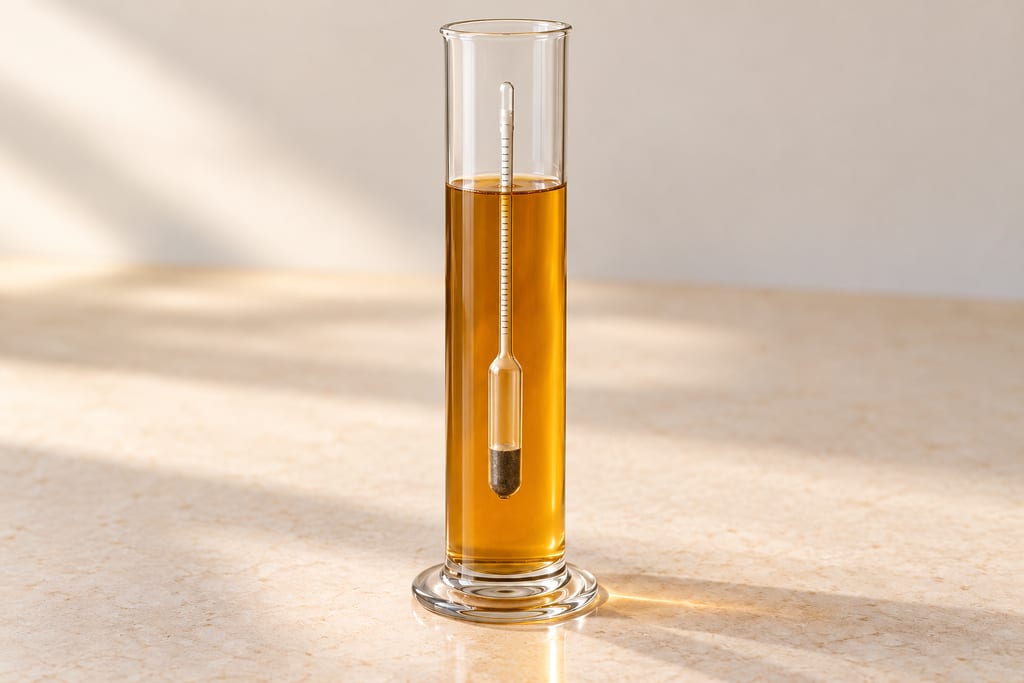
A hydrometer floats in liquid and uses its weighted body's depth to indicate density. In brewing, readings track changing gravity, not every dissolved substance or kombucha alcohol.
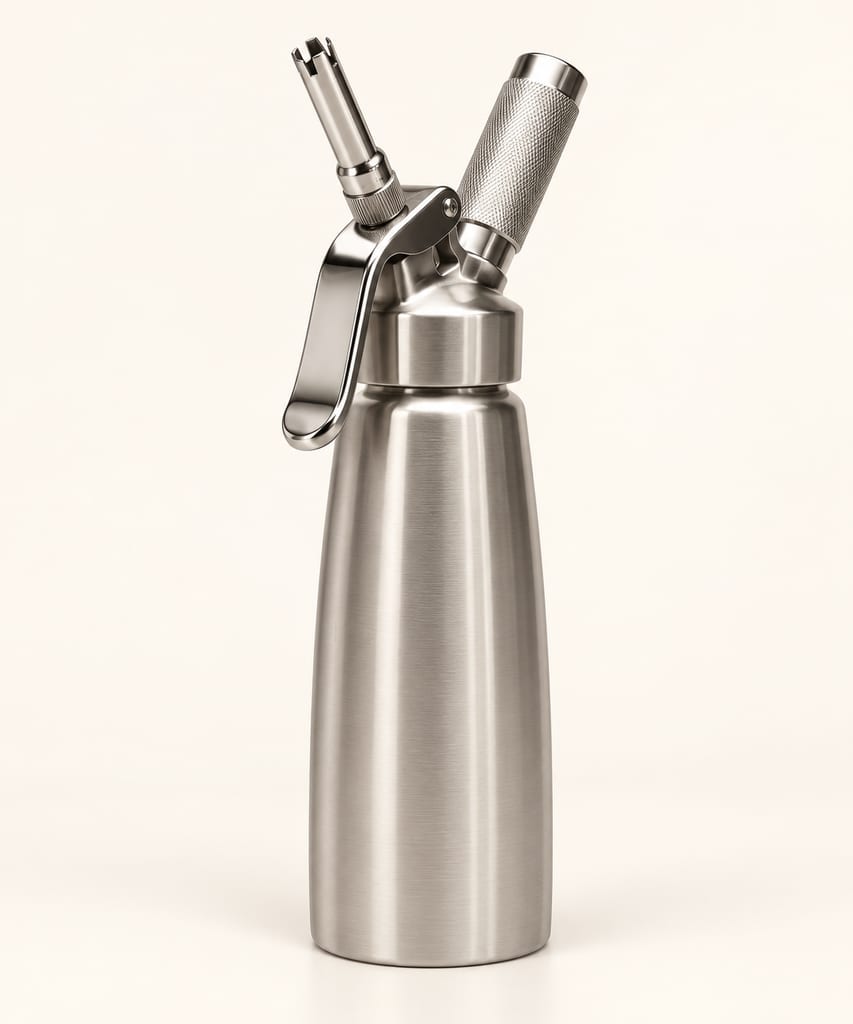
A food-rated pressure canister with a dispensing head and gas-cartridge holder. Cream whippers aerate or dispense foods and, with a compatible rapid-infusion attachment, can speed botanical flavour extraction into liquid.
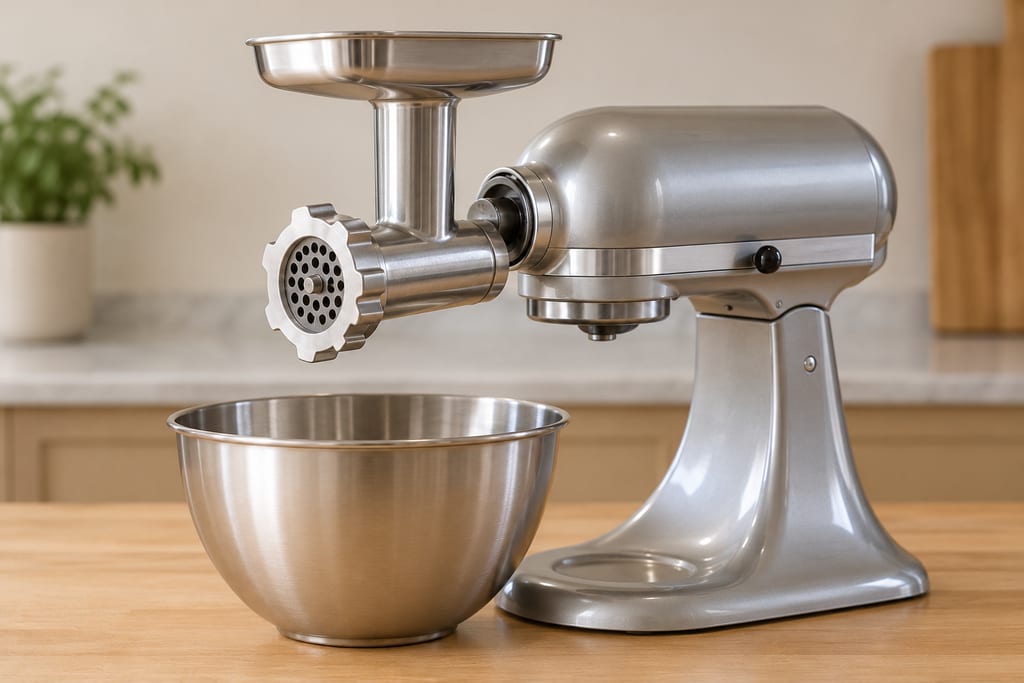
A KitchenAid stand mixer can work as a shared powered base for ordinary mixing and a separately fitted food grinder. The hub-driven grinder is a removable attachment, not a grinder built into the mixer.
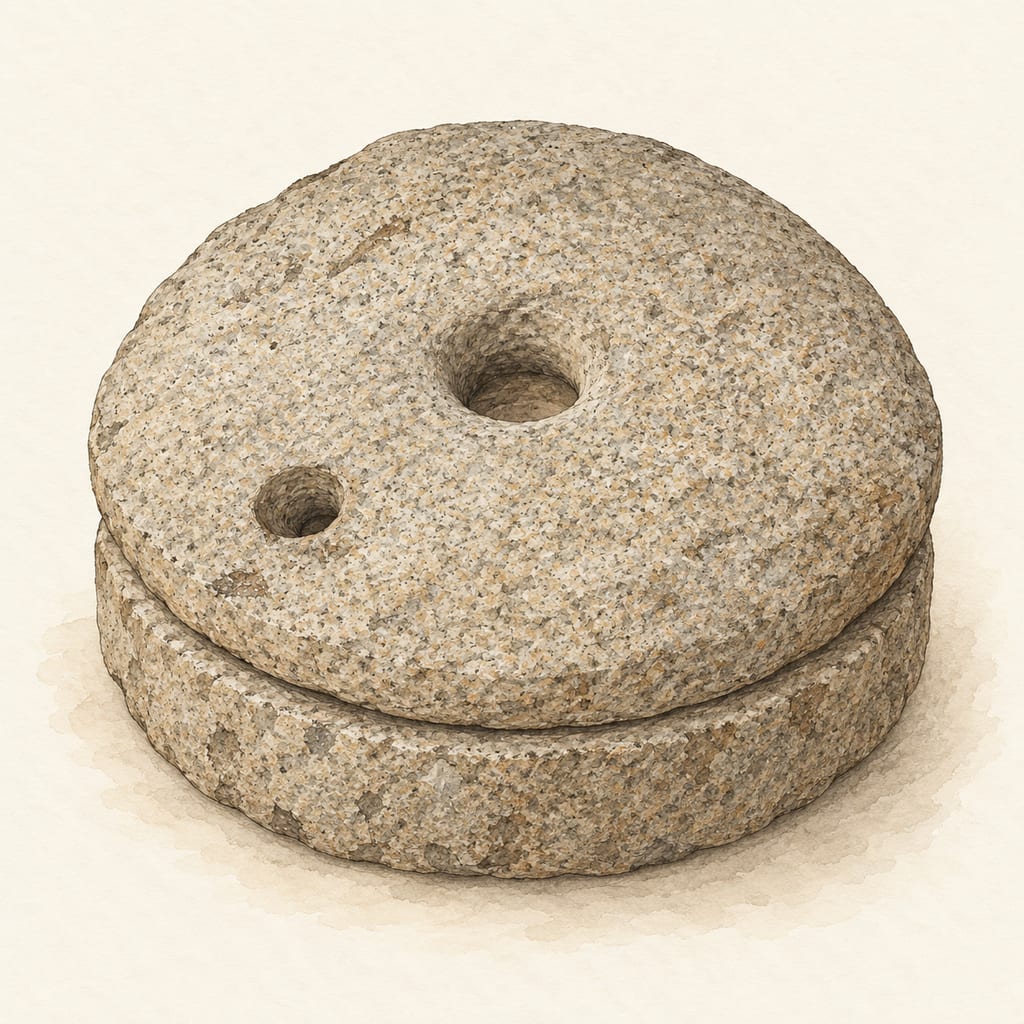
A rotary quern is a hand-operated mill with a runner turning over a fixed bedstone to grind grain. Scandinavian household use of rotary querns increased around the beginning of the Viking Age.
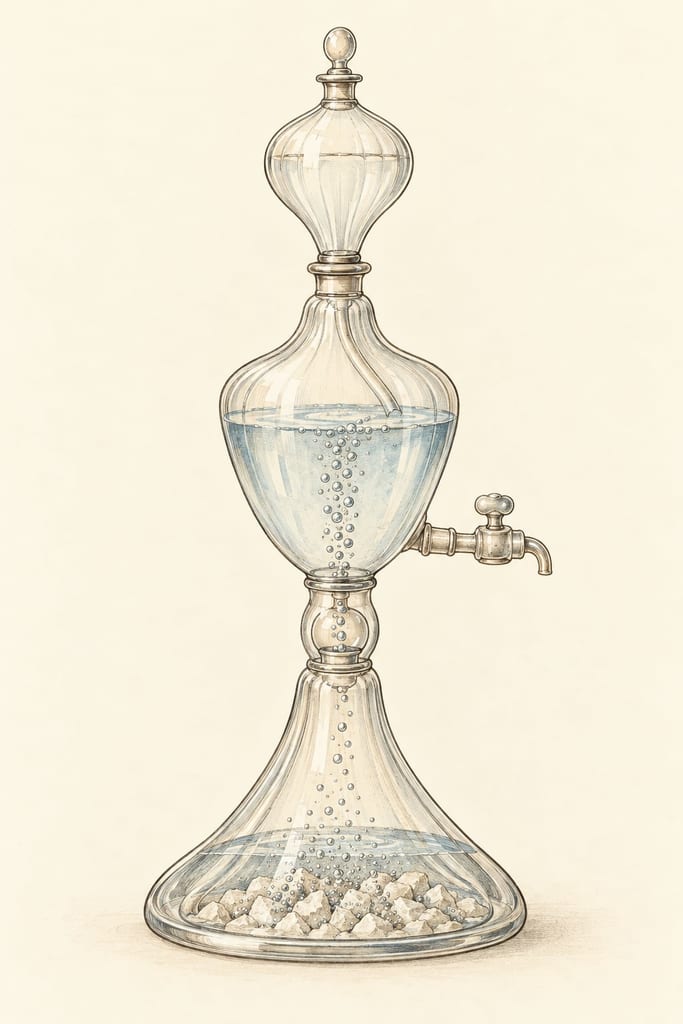
Nooth’s apparatus was a three-vessel glass device for impregnating water with carbon dioxide. Its surviving late-eighteenth-century form documents an early route from laboratory gas experiments to manufactured aerated water.
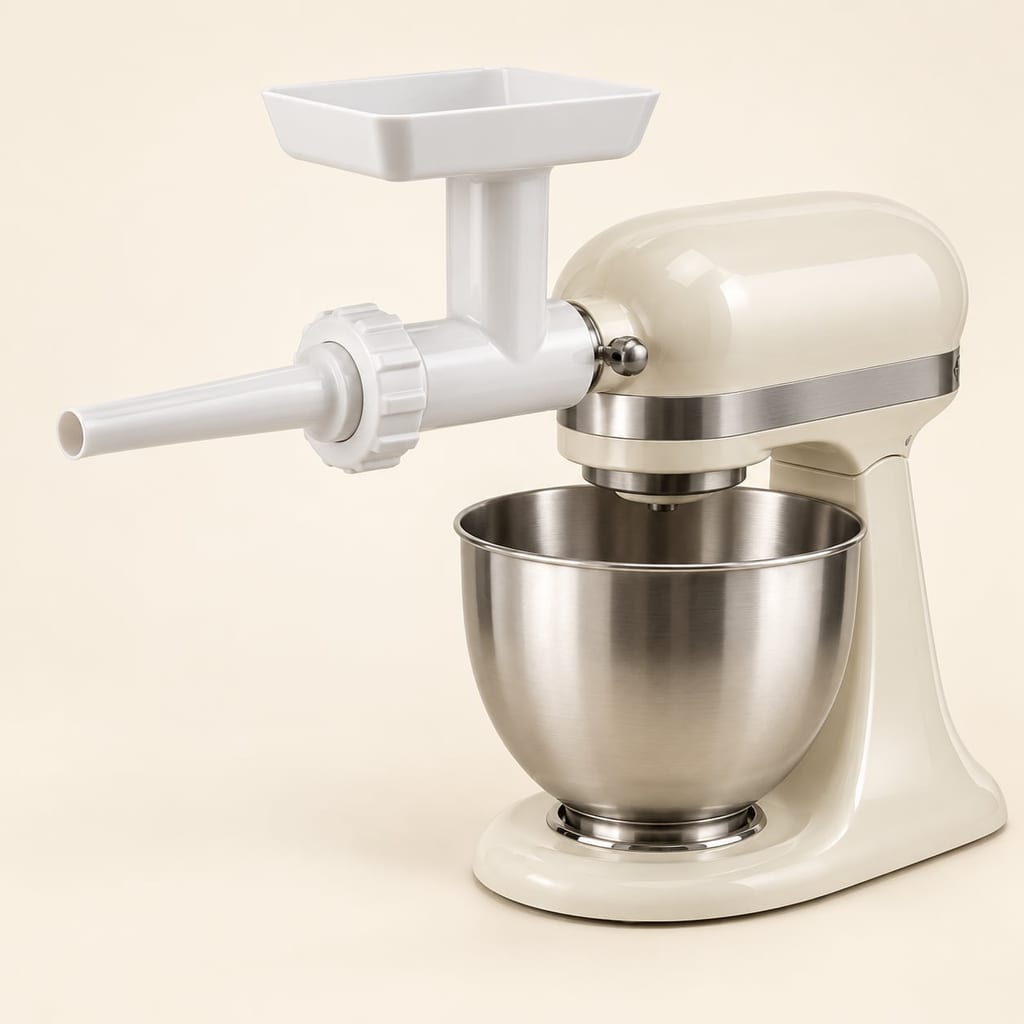
A stand-mixer attachment that grinds meat through a plate and can be reconfigured with a separate stuffer plate and tube to fill sausage casing.
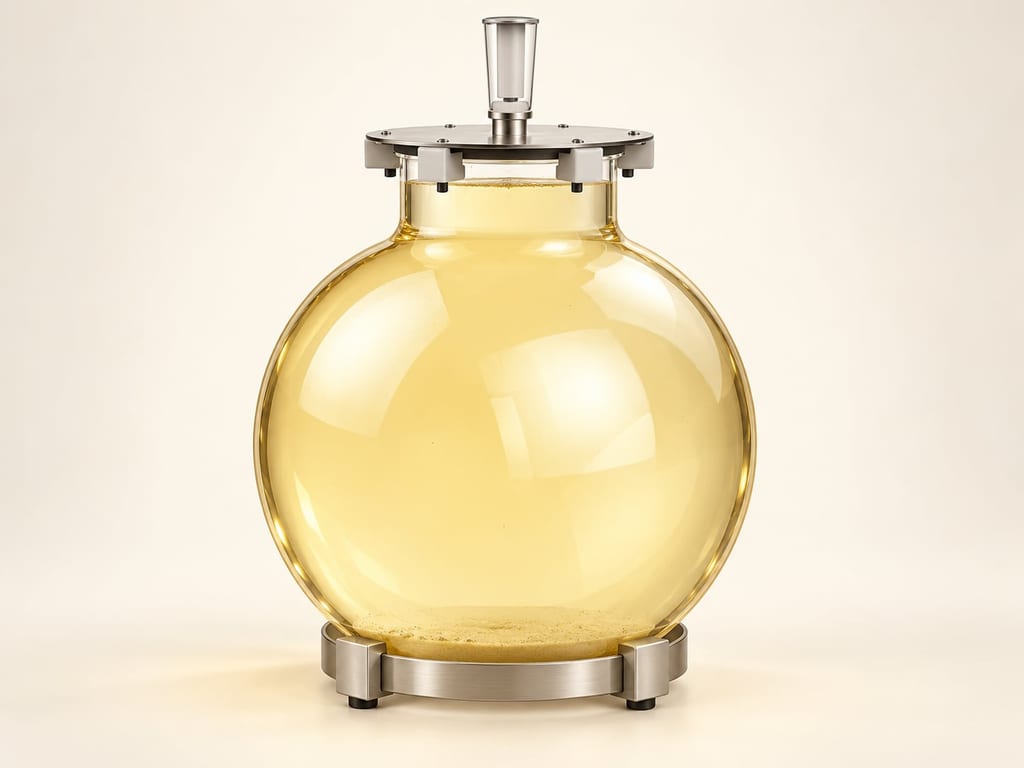
A large, transparent, spherical borosilicate-glass vat designed for modern wine fermentation and maturation. The 220-litre Wineglobe model has a wide neck, fitted lid and support; its use and fittings vary by model.
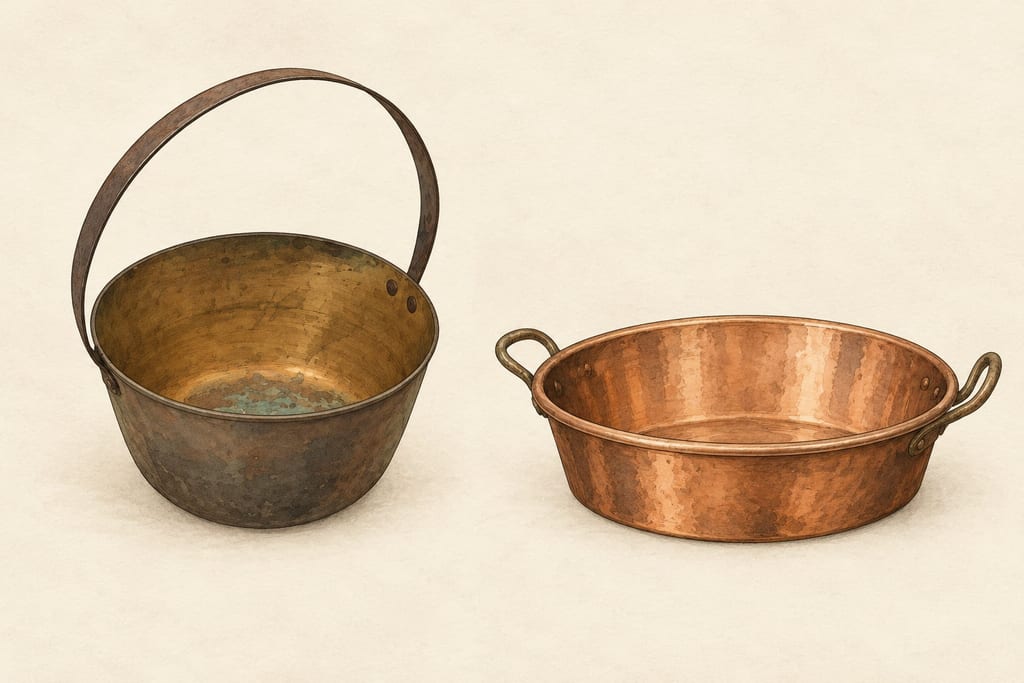
Open, heated pans cooked fruit into preserves before transfer to jars. Historical records document copper and enamelled cast-iron forms, while museum objects show variation in material and shape.
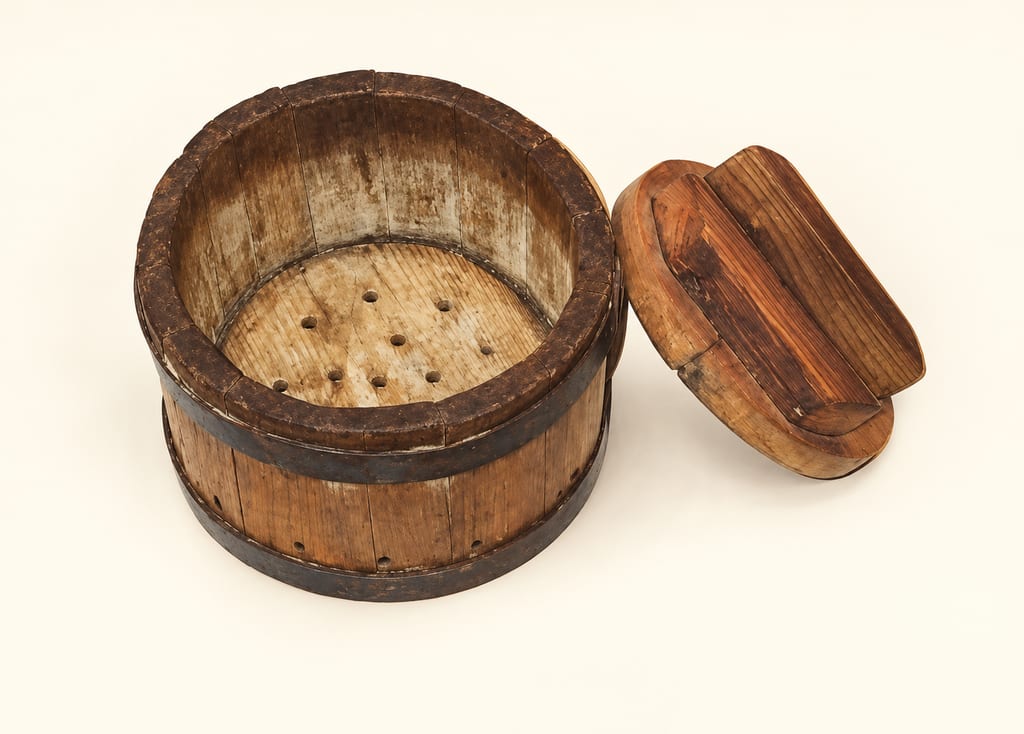
A cheese press applies weight or mechanical force to curds in a draining vat or mould. Tiree’s wooden fiodhan, stone weights, screw presses and a documented New Zealand lever press show distinct forms, not one standard design.
An open sycamore trough bound with iron hoops, recorded in use for salting pork at Penally, Wales, between 1850 and 1900.
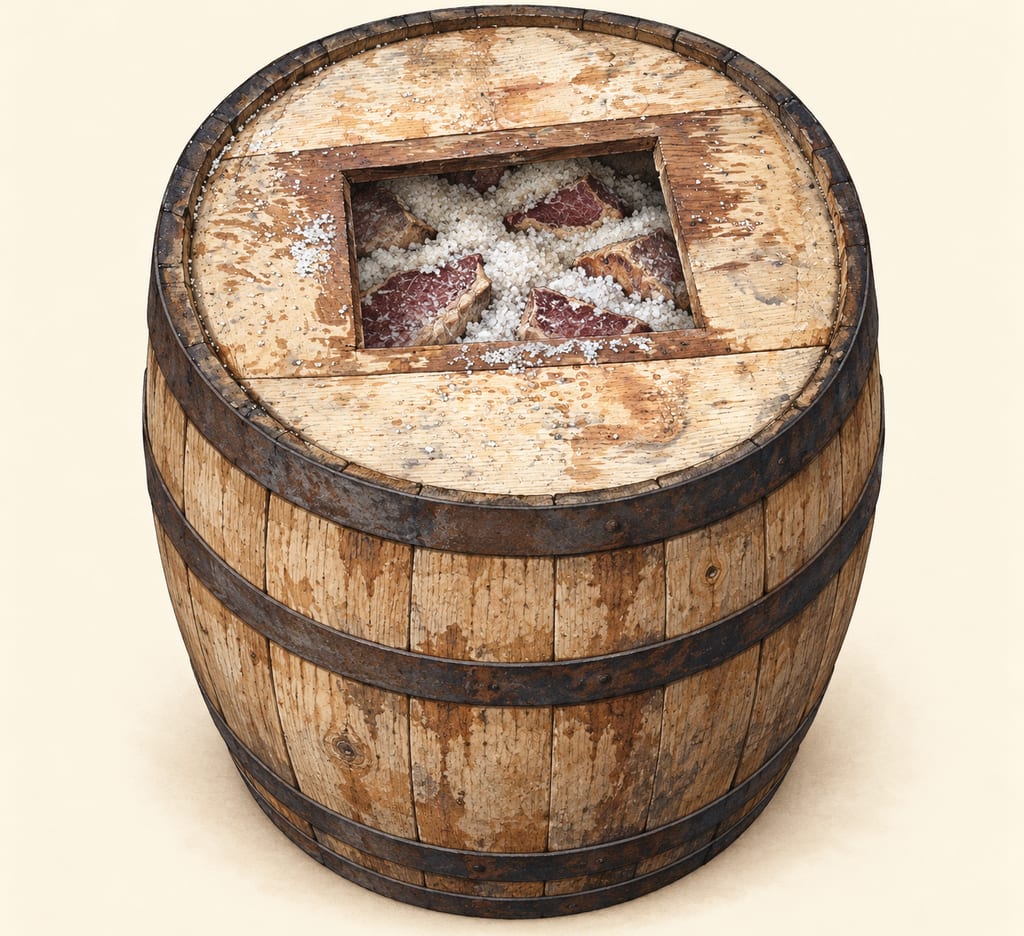
A coopered cask for curing and carrying salted meat, documented in seventeenth-century English shipboard writing. A modern reconstruction illustrates its use, not a surviving period artifact.
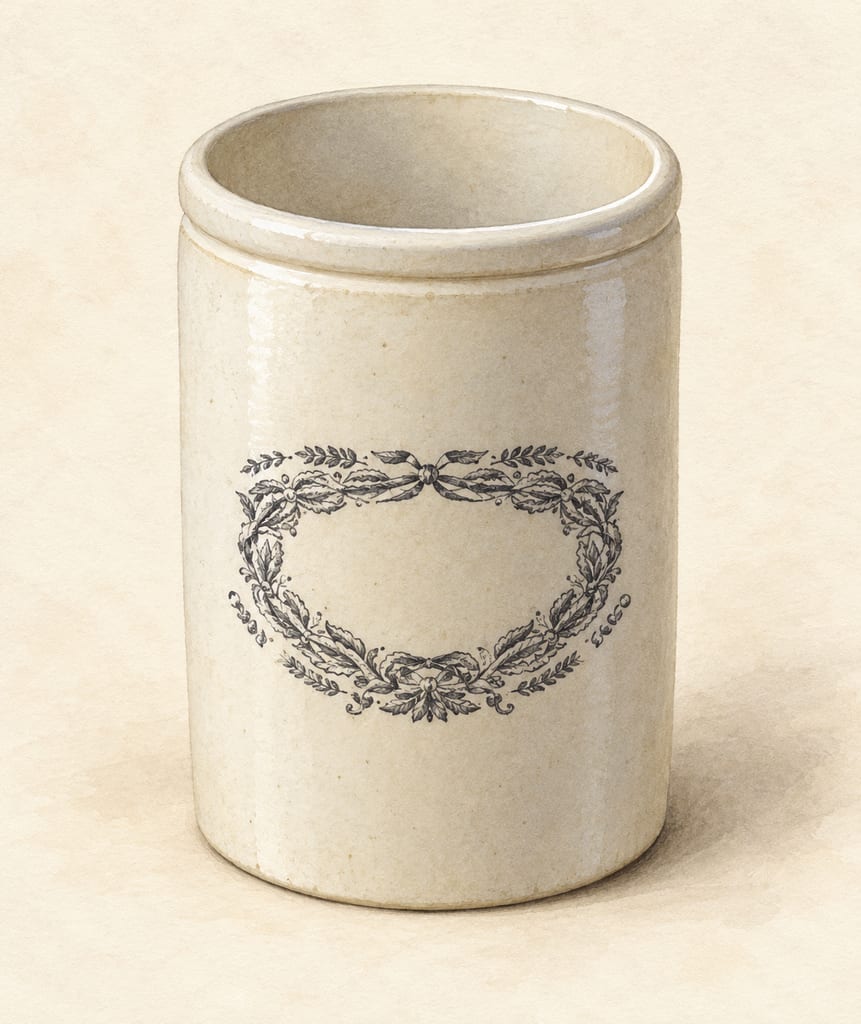
Keiller-branded stoneware jars were commercial packages for Dundee marmalade. Collections show cylindrical forms with printed marks; sources distinguish the Dundee brand from documented Maling manufacture in Newcastle.
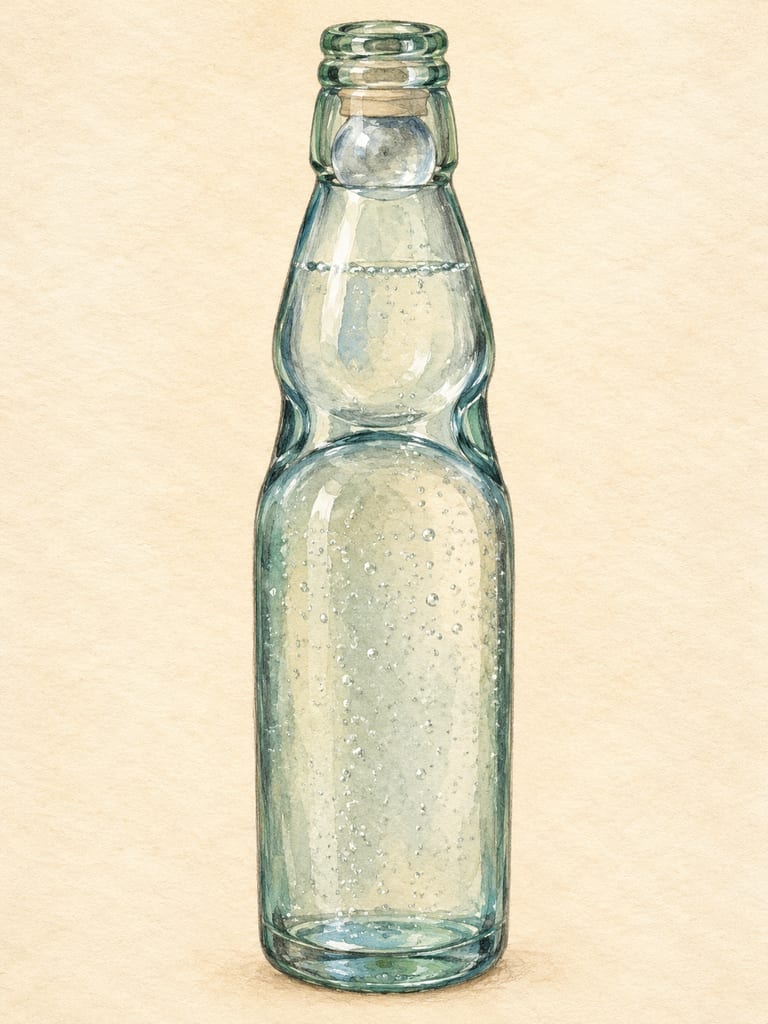
A marble-stoppered bottle is a glass carbonated-drink bottle sealed by a glass marble pressed against a rubber washer. Its Codd neck holds the marble at the mouth when sealed and gives it a side pinch after opening.
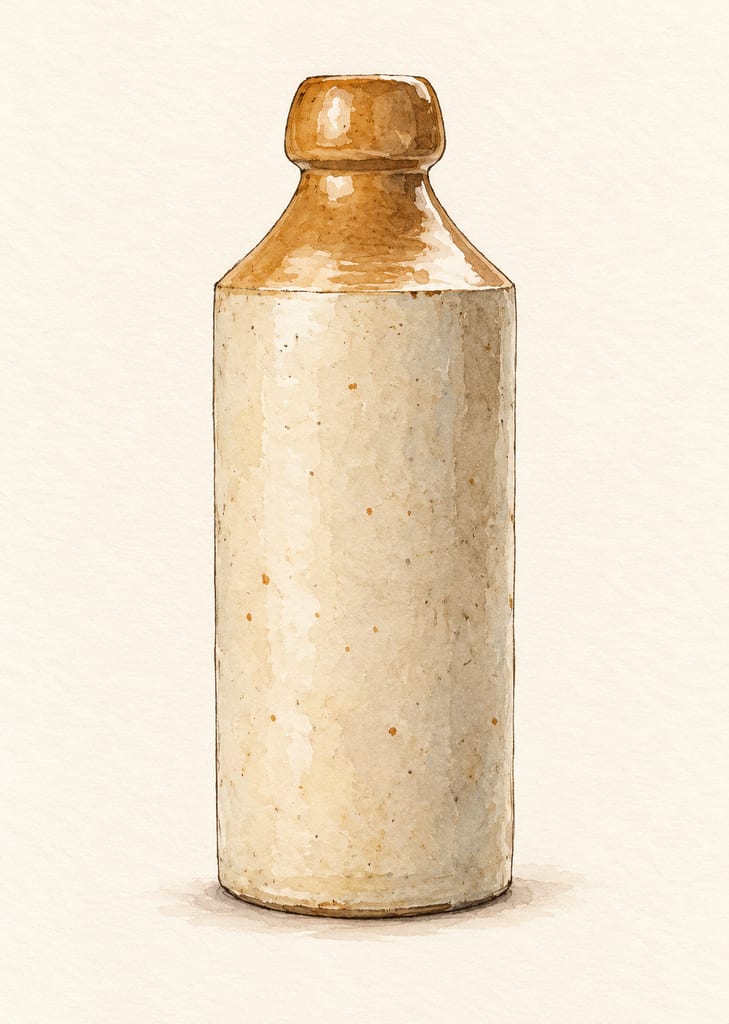
A late nineteenth-century stoneware bottle for ginger beer, represented by an Aberdeen museum object dated 1850–1899. It documents beverage packaging, not a fermentation vessel or a universal bottle design.
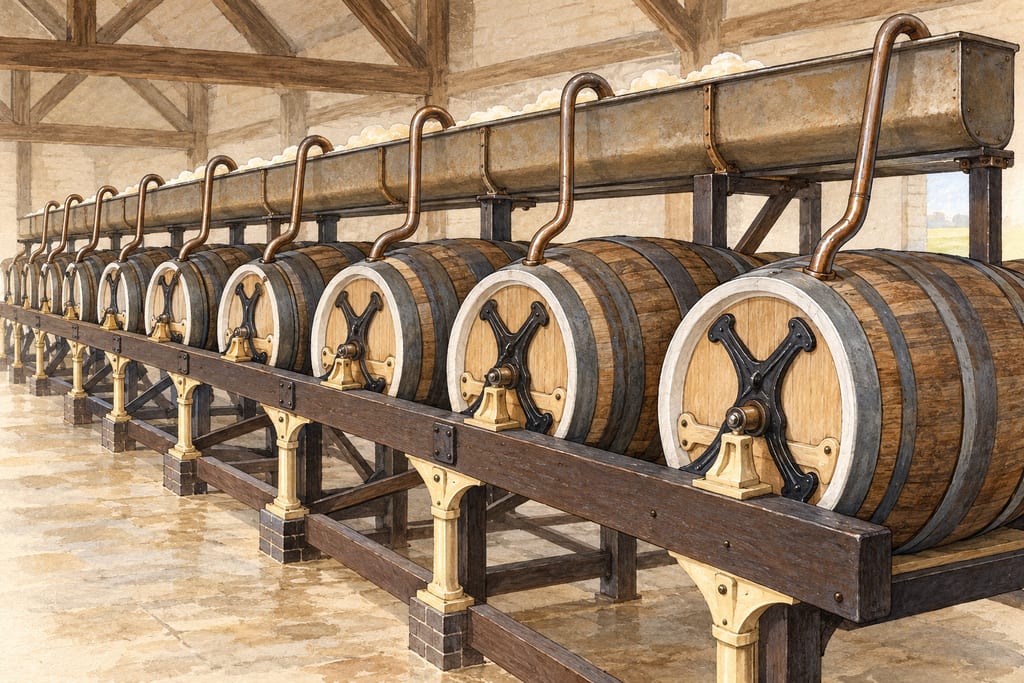
A Burton Union is a connected set of horizontal wooden beer casks, swan-neck pipes and shared troughs. Fermentation lifts yeast-rich foam into the trough; beer drains back to the casks, leaving yeast behind.