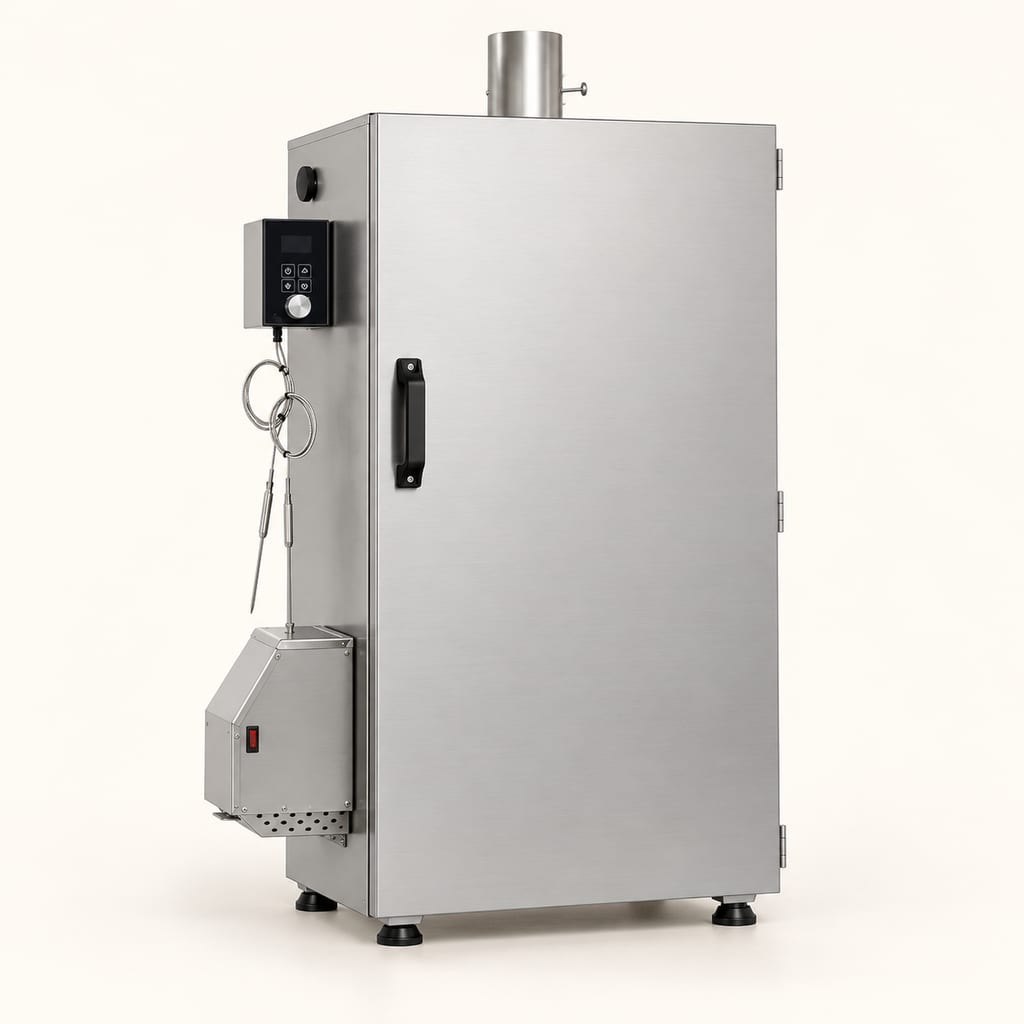
Borniak Smoker 150 BBQ INOX Wi-Fi
A 150-litre Wi-Fi electric smoking cabinet with a brushed stainless-steel exterior, automatic wood-chip smoke generator and 150°C maximum. Exact model BS150IWUK.
 FermenteaWhere food goes to change
Equipment · Industrial and laboratory plant
Nooth’s apparatus was a three-vessel glass device for impregnating water with carbon dioxide. Its surviving late-eighteenth-century form documents an early route from laboratory gas experiments to manufactured aerated water.
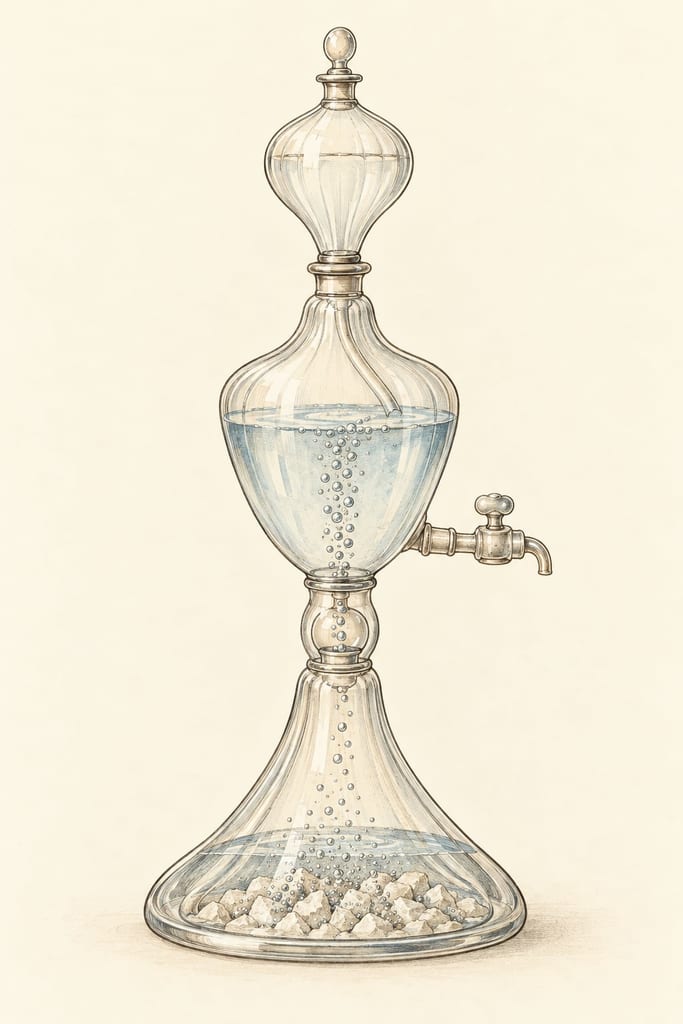
John Mervin Nooth's apparatus belongs to the late-eighteenth-century effort to make water hold what was then called “fixed air,” now known as carbon dioxide. The Royal Society records Nooth's manuscript as read on 15 December 1774; the account appeared in print the following year. A surviving apparatus in the Science Museum Group is dated to about 1775, within a made range of 1772–1780. The museum describes its purpose as preparing medicinal waters. That describes the period's intended use, not evidence that the water treated illness.
The apparatus was a portable object assembled from glass vessels, not a fermenter and not a modern pressurised cylinder. Its historical importance lies in making carbonation through a controlled chemical gas source and a water vessel that could be drawn from by a tap. The museum's specimen measures 66 cm high and 27 cm across, with a recorded mass of 5.59 kg; those figures belong to that surviving object rather than to every Nooth apparatus.
The recorded arrangement stacks three vessels. In the lower chamber, chips of marble reacted with dilute sulphuric acid and released carbon dioxide. The gas travelled upward through a one-way valve into the middle vessel, where water absorbed some of it. The valve was arranged to admit gas while stopping water from running back down into the reaction chamber. A tap in the middle vessel let the prepared water be drawn off. The upper vessel completed the apparatus's gas and water path; its precise function is shown in the period illustration and described in the historical account.
This was manufactured carbonation, not fermentation-derived fizz. Nooth's apparatus made its carbon dioxide in a chemical reaction and transferred it into water; it did not depend on yeast or a fermenting beverage. The distinction matters because bubbles alone do not identify how a drink was carbonated. The device is presented here as a historical instrument, not as a set of instructions for reproducing an eighteenth-century acid reaction.
The apparatus was designed in the context of medicinal-water experiments. Historical evidence shows it remained in use for decades; a biographical account says thousands were exported from Britain, but does not identify where they went. Nooth's design later gave way to another process associated with Schweppe. A 2021 study says Nooth apparatus was already long out of manufacture by 1913, so the evidence supports a historical date range rather than a present-day purchase route.
The Science Museum Group's surviving example is recorded as glass and unidentified material. No inspected source establishes a general capacity, a standard set of dimensions, a modern care routine or the place where this specimen was made. An 1824 engraving in the Science History Institute collection provides another record of the apparatus's form; its figure 8 is a diagram within a larger plate, not a photograph of the museum specimen. Nooth's apparatus is the device; carbonated water is the prepared drink, with its own history and methods.
John Mervin Nooth's paper on impregnating water with fixed air was read to the Royal Society on 15 December 1774 and published in 1775. A surviving example is dated c. 1775. A later historical study reports that the apparatus was long out of manufacture by 1913; that is not a date for the last use of surviving examples.
The Royal Society manuscript was read in London in 1774 and the design was published in 1775; this attests the record in Britain, not the apparatus's place of manufacture or exclusive use.
A 150-litre Wi-Fi electric smoking cabinet with a brushed stainless-steel exterior, automatic wood-chip smoke generator and 150°C maximum. Exact model BS150IWUK.
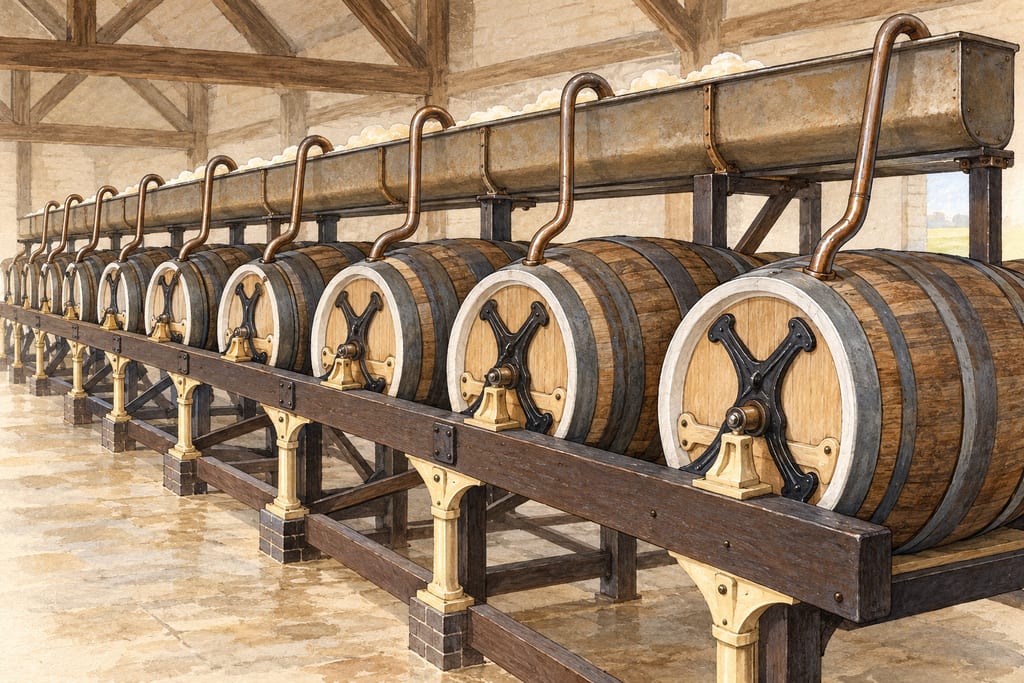
A Burton Union is a connected set of horizontal wooden beer casks, swan-neck pipes and shared troughs. Fermentation lifts yeast-rich foam into the trough; beer drains back to the casks, leaving yeast behind.
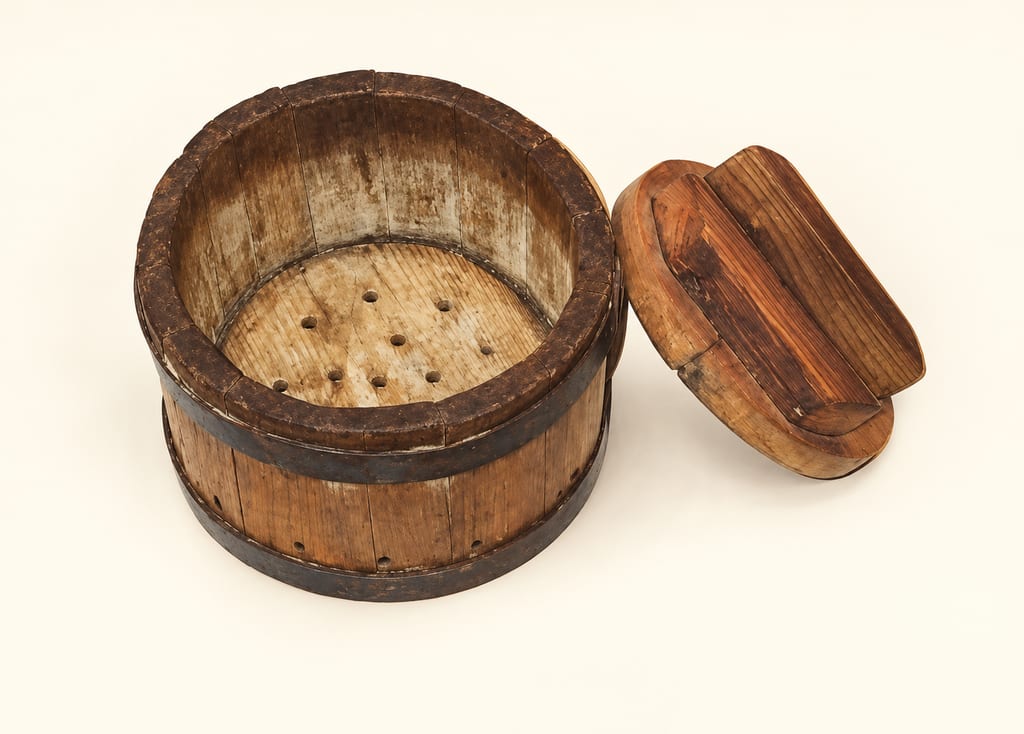
A cheese press applies weight or mechanical force to curds in a draining vat or mould. Tiree’s wooden fiodhan, stone weights, screw presses and a documented New Zealand lever press show distinct forms, not one standard design.
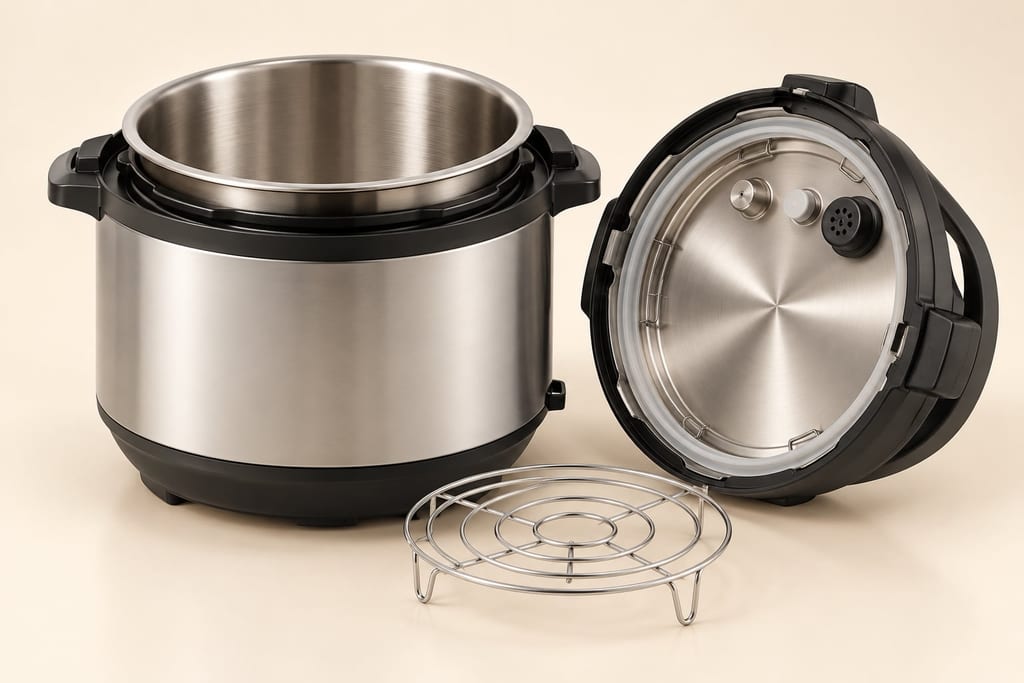
A countertop electric cooker combines pressure cooking with model-specific functions such as sautéing, slow cooking, rice cooking and low-temperature programs. Settings do not transfer to pressure canning.
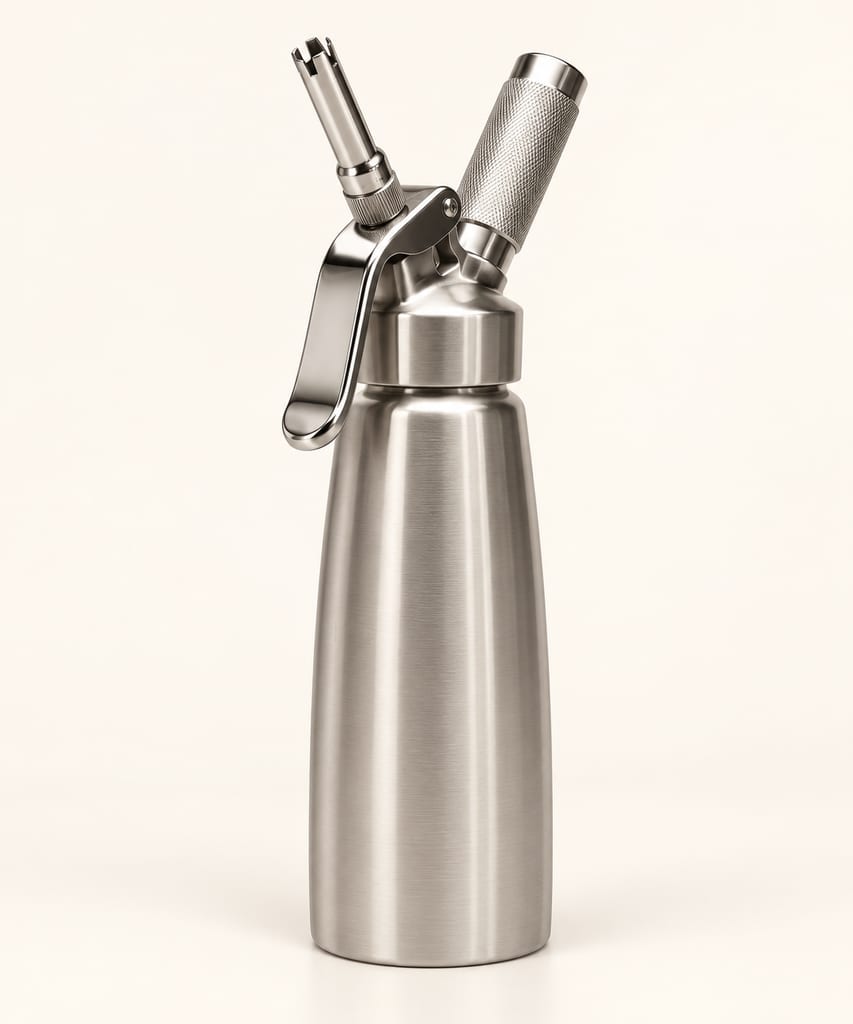
A food-rated pressure canister with a dispensing head and gas-cartridge holder. Cream whippers aerate or dispense foods and, with a compatible rapid-infusion attachment, can speed botanical flavour extraction into liquid.
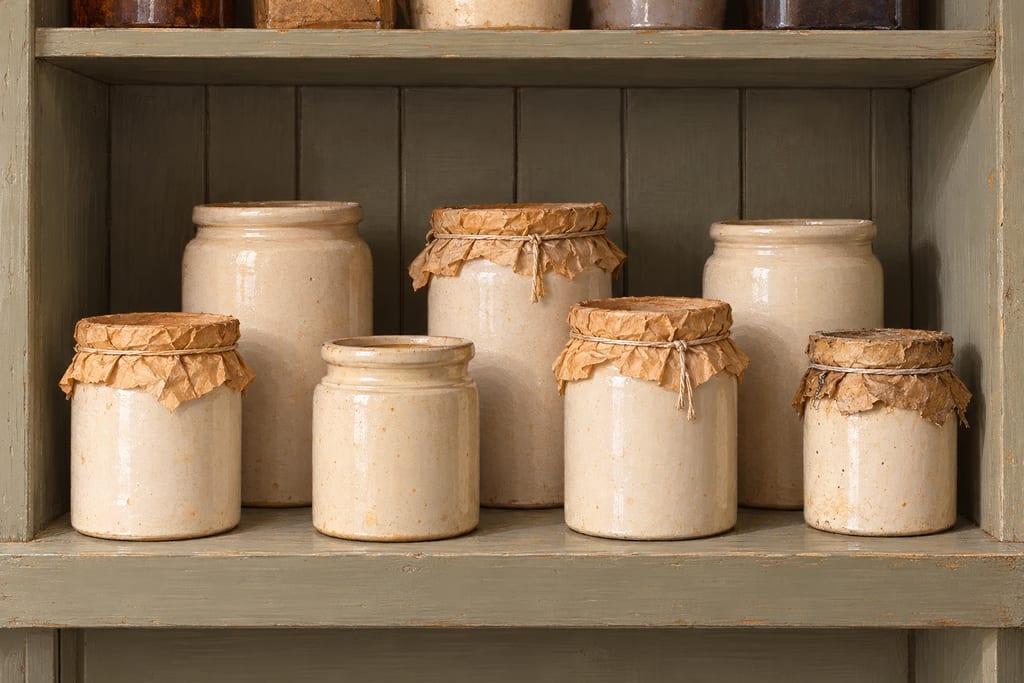
Three dated jam labels at Glasgow’s Tenement House record household preserves: Victoria plum (1947), strawberry (1961), and rhubarb and ginger (1963). They document storage and domestic history, not a recoverable recipe.
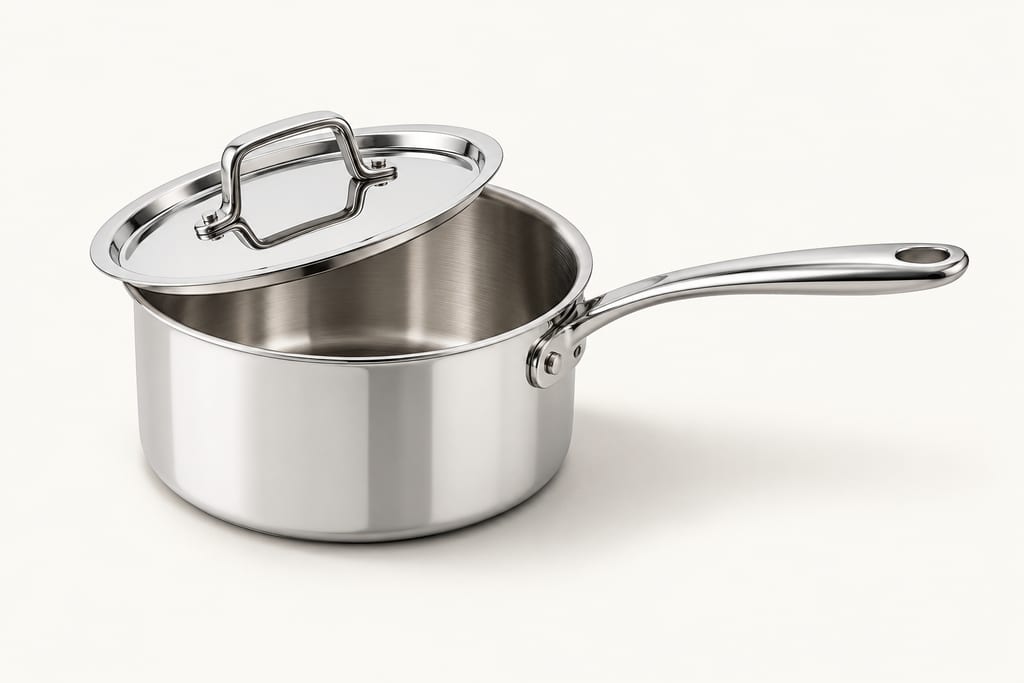
A modern, portable stovetop pan with a stainless-steel cooking surface for sauces and other small simmering jobs. Size, cladding, lid, compatibility and care vary by model.
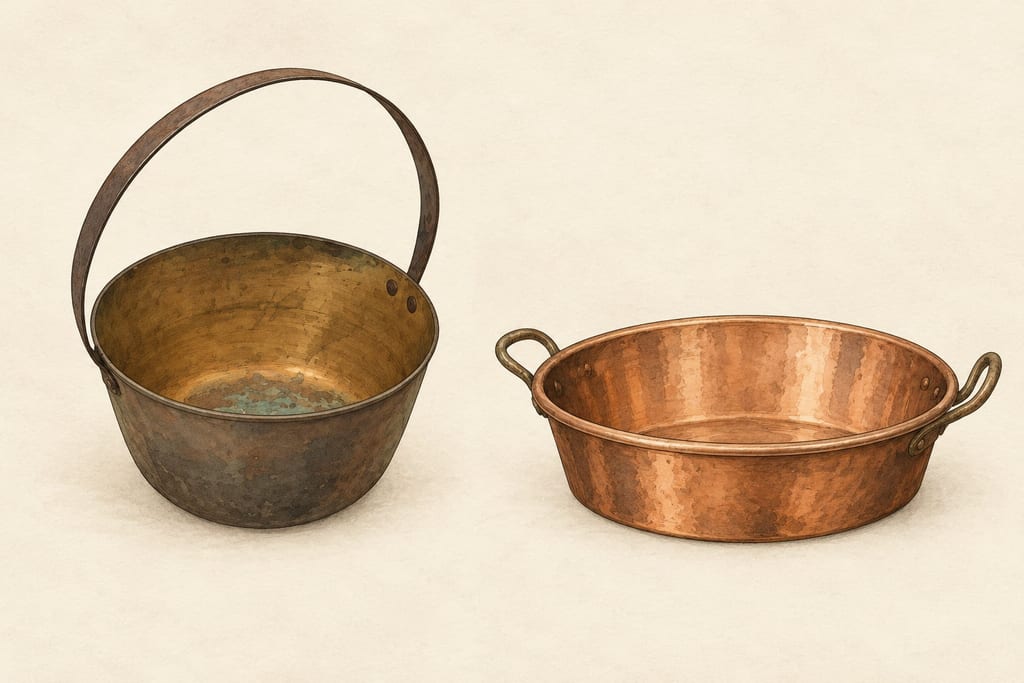
Open, heated pans cooked fruit into preserves before transfer to jars. Historical records document copper and enamelled cast-iron forms, while museum objects show variation in material and shape.

A gelling polysaccharide extracted from red seaweeds, sold as kanten strips or powder; it sets firm at a low concentration and stays solid until about 85 °C.

A Dominican table and seasoning condiment of sour orange juice, mixed with lime and salt and bottled raw; garlic, oregano or a hot pepper may be added for meat or a spicier bottle.

Cicerbita alpina is an alpine perennial whose tender shoots and leaves have been eaten raw or cooked. Sámi milk preparations and modern Carnian dishes are distinct uses, with serious identification and preservation limits.

Japanese skipjack tuna cooked, then repeatedly smoked and dried over a wood fire by the hand-fired tebiyama method into a hard block for shaving into dashi: the first stage of katsuobushi.

A Swedish-style spirit vinegar made by fermenting neutral alcohol with live vinegar bacteria, with a separate guide to commercial ättika strengths.

A yeast-raised wheat ring shaped from a firm dough, briefly boiled and baked. This source-batch formula gives a gently malted crust and a chewy crumb.

A warm dip of garlic, anchovy and olive oil, often enriched with butter, that Piedmont serves over a flame with raw and cooked vegetables and bread.

Bechamel is a white sauce of milk thickened with a butter and flour roux, one of the French mother sauces, and the base from which Mornay and other cheese and cream sauces are made.
No community contributions have been published for this entry yet.
Sign in to contribute. Published comments and photos are free to read.
Science Museum Group CollectionObject description · Materials · Dimensions · Operation
Nooth's apparatus, c. 1775A surviving apparatus is dated c. 1775, with a made range of 1772–1780 and designer Dr John Mervyn Nooth.
The object is glass and unidentified material; the recorded specimen measures 660 mm by 270 mm diameter and weighs 5.59 kg.
Marble chips and dilute sulphuric acid generated carbon dioxide in the bottom vessel; gas passed into water in the middle vessel, with a valve preventing water moving downwards; a tap dispensed the water.
The museum says the apparatus was superseded by a process invented by Schweppe.
Cited in: A glass instrument for medicinal water; How the apparatus aerated water; Use, circulation and the surviving record
The Royal Society: Science in the MakingHistorical attestation
Paper, 'How to impregnate water with fixed air' by John Mervin NoothNooth's manuscript is dated 1774 and was read to the Royal Society on 15 December 1774.
The archival record points to the published article of 31 December 1775.
Cited in: A glass instrument for medicinal water
Philosophical Transactions of the Royal Society of LondonHistorical attestation · Apparatus description
The description of an apparatus for impregnating water with fixed air; and of the manner of conducting that processNooth published his description and operating account in 1775, volume 65, pages 59–66.
Cited in: A glass instrument for medicinal water; How the apparatus aerated water
EndeavourHistory · Form · Material culture
Lost and found: The Nooth apparatusA historical study reproduces Nooth's three-vessel arrangement and discusses surviving apparatus.
The study reports the apparatus was long out of manufacture by 1913.
Cited in: How the apparatus aerated water; Use, circulation and the surviving record
Dictionary of Canadian BiographyHistory · Circulation
Nooth, John MervinNooth's apparatus remained in common use for some decades, and the source reports thousands exported from Britain; it does not give destination countries.
Cited in: Use, circulation and the surviving record
Science History Institute Digital CollectionsImage reference · Form
Plate 6: Distillatory apparatus; gravimeters; Nooth's apparatusAn 1824 engraving by Henry Adlard includes Nooth's apparatus as figure 8 and is marked Public Domain Mark 1.0.
Cited in: Use, circulation and the surviving record